• Skip to primary navigation
  • Skip to main content
  • Skip to primary sidebar

everywomanover29 blog

Food, Mood and Women's Health – Be your healthiest, look and feel great!

  • Blog
  • About
  • Services
  • Store
  • Resources
  • Testimonials
  • The Book
  • Contact
  • Search this site

fear

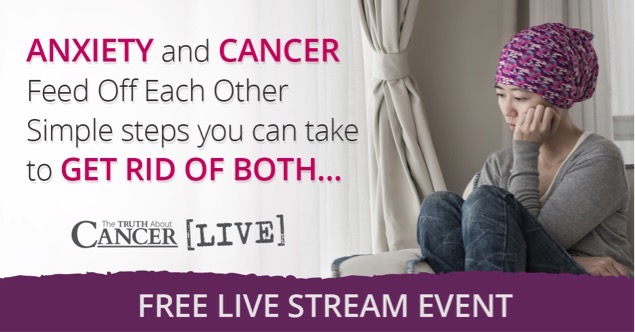
Never Fear a Cancer Diagnosis – Livestream of The Truth About Cancer event

September 26, 2017 By Trudy Scott 1 Comment

Hearing the words “you’ve got cancer” is not something anyone wants to hear but statistically, one in two people WILL hear these words.

That’s right. The odds are 50/50 that it could be you or someone you love.

Anxiety and cancer feed off each other

  • you’re anxious and fearful about your cancer diagnosis (or the diagnosis of a loved one) and
  • the cancer itself can make you anxious and depressed because of the inflammation, the effects on the immune system and the cancer treatments themselves

But just like there is hope and solutions for anxiety, there is HOPE … and healing … and survival for cancer too.

There’s a growing body of evidence and data from a group of forward-thinking scientists and researchers around the world suggesting there are real solutions out there to prevent, treat, and beat cancer naturally.

Ty and Charlene Bollinger and their wonderful team at The Truth About Cancer are working hard to bring you the latest in natural cancer prevention, new therapies, cancer diets, toxins to avoid and much much more. It is being shared live on stage at their upcoming event (and you can watch it all via livestreaming from your home)

Dr. Joseph Mercola is speaking on the Ketogenic Diet and Cancer. He shares:

many cancer patients have reportedly overcome cancer by adopting a ketogenic diet, which calls for eliminating carbohydrates, replacing them with healthy fats and protein”

Dr. Veronique Desaulniers addresses Breast Cancer and Early Warning Signs. She faced the diagnosis of breast cancer and shares this about her journey

I came to appreciate that cancer was a message of love – that my body was trying to communicate with me and get my attention. If you keep doing things you have always done, you are going to get the same results. So for me, it was time to change emotional patterns, manage my stress, set boundaries and learn to love myself with all my perfect imperfections.

One of my favorite essential oil experts is Dr. Eric Zielinski and he covers Essential Oils, Aromatherapy, and Cancer. Dr. Z shares this about essential oils and cancer:

First – the research suggests that oils can help prevent and treat cancer at the cellular level. Additionally, and oftentimes overlooked, essential oils have been shown to be exceptionally effective at managing the side effects related to cancer itself and the side effects people suffer at the hands of medical interventions.

Second – it is critical to recognize that this is not an all-or-nothing approach. Just because you’re taking chemo doesn’t mean that you can’t use oils. The same is true on the flip side of that coin. Far too many patients and healthcare practitioners dichotomize natural from allopathic therapies, and do not give enough emphasis on the practicality of using both together.

The list of speakers is truly a Who’s Who of natural cancer therapies … and includes superstars like:

  • Patrick Quillin – Beating Cancer with Nutrition
  • Robert Scott Bell – Gut Health, the Microbiome, and Cancer
  • Rashid Buttar -The Cancer Conflict: Resolving the 5th Toxicity
  • Tony Jimenez – Treating Cancer with Sound and Light
  • Mike Adams – The importance of “ORGANIC”
  • Del Bigtree – Freedom of Choice in Medicine
  • Chris Wark – How “Chris Beat Cancer”
  • Sayer Ji – Epigenetics and Cancer
  • Dr. Darrell Wolfe – DETOX and the Lymphatic system
  • Dr. Toni Bark – Ketogenic Diet and disease reversal and prevention
  • Jeffrey Smith – How GMOs have been linked to cancer
  • Doug Kaufman – The Fungal Link to Cancer
  • Pharmacist Ben Fuchs – Skin Health & Skin Cancer
  • Barbara Loe Fisher – Freedom of Choice in Medical Interventions
  • Dr. Stuart Nunnally – Biological Dentistry and Cancer Prevention
  • Cherie Calbom – Juice, Juice, and More Juice to Treat & Prevent Cancer: How Vegetable Juicing Complements a Ketogenic Diet
  • Dr. Ben Johnson – Stem Cells, Lasers, and Novel Approaches for Cancer
  • Dr. Marlene Siegel – Preventing and Treating Cancer in Pets
  • Dr. David Jockers – The Sugar-Cancer Connection

And many more!

It’s 3 days that could very well save your life or the life of someone you love

You’re invited to watch it LIVE at no cost from the comfort of your own home.

Take a minute to get all the details right here. The broadcast starts Thursday, October 5th at 9am Eastern.

I don’t often share resources about cancer but I feel this is such an amazing opportunity to learn and feel empowered so you don’t have to feel anxious about cancer. These experts may just have the healing answers you’ve been looking for! Please share with your friends, family and anyone else you think could use this information!

To your health! See you on the livestream!
Filed Under: Cancer Tagged With: anxiety, cancer, Dr. Eric Zielinski, Dr. Mercola, essential oils, fear, The Truth About Cancer, Ty Bolinger

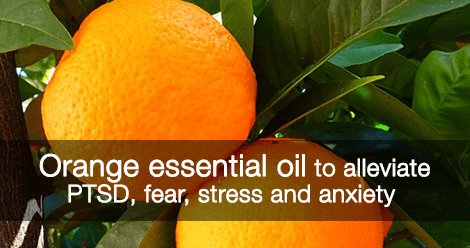
Orange essential oil to alleviate PTSD, fear, stress and anxiety

April 28, 2017 By Trudy Scott 7 Comments

Recent research finds evidence that orange essential oil reduces fear and anxiety, diminishes immune system markers of stress in mice and may help alleviate PTSD, offering a nonpharmaceutical option.

Essential oils are aromatic compounds produced naturally by plants. Orange essential oil is typically extracted from the peel of the orange fruit. People use essential oils for therapeutic purposes by diffusing them into the air, applying them to the skin or ingesting them in foods or beverages.

About 8 percent of people will develop post-traumatic stress disorder at some point in their lives, according to the U.S. Department of Veterans Affairs, yet treatments for this debilitating condition remain limited. Cassandra Moshfegh is research assistant in Paul Marvar’s laboratory at the George Washington University and she presented this research at the American Physiological Society’s annual meeting during the Experimental Biology 2017 meeting held April 22-26 in Chicago.

Relative to pharmaceuticals, essential oils are much more economical and do not have adverse side effects. The orange essential plant oil showed a significant effect on the behavioral response in our study mice. This is promising, because it shows that passively inhaling this essential oil could potentially assuage PTSD symptoms in humans.

The researchers tested the effects of passive inhalation of orange essential oil using Pavlovian Fear conditioning, a behavioral mouse model used to study the formation, storage and expression of fear memories as a model for PTSD.

Mice exposed to orange essential oil showed a significant reduction in freezing/fear behavior. They also showed significant differences in the types of immune cells present after fear conditioning. The immune system contributes to the inflammation associated with chronic stress and fear, so immune cells are a marker of the biochemical pathways involved in PTSD.

Preliminary results point to differences in the gene expression in the brain between the mice that were exposed to essential oil and those that were not, hinting at a potential mechanism to explain the behavioral results.

Moshfegh said further studies would be needed to understand the specific effects of orange essential oil in the brain and nervous system and shed light on how these effects might help to reduce fear, anxiety and stress in people with PTSD.

Experimental Biology is an annual meeting comprised of more than 14,000 scientists and exhibitors from six host societies and multiple guest societies. With a mission to share the newest scientific concepts and research findings shaping clinical advances, the meeting offers an unparalleled opportunity for exchange among scientists from across the U.S. and the world who represent dozens of scientific areas, from laboratory to translational to clinical research.

The American Physiological Society (APS) is a nonprofit organization devoted to fostering education, scientific research and dissemination of information in the physiological sciences. The Society was founded in 1887 and today represents more than 11,000 members and publishes 14 peer-reviewed journals.

Here is a link to the press release issued by Experimental Biology

Here is a link to the actual session abstract – Effects of Essential Oil on Fear Memory and the Immune Response: A Potential Alternative Therapy for Post Traumatic Stress Disorder (PSTD)

The application of orange essential oil has other supporting evidence for anxiety:

The effect of aromatherapy by essential oil of orange on anxiety during labor: A randomized clinical trial.

Aromatherapy is a noninvasive and effective method to help women overcome their anxiety during labor. Orange scent can be useful in childbirth units to help women who are experiencing stress in labor.

Effect of aromatherapy with orange essential oil on salivary cortisol and pulse rate in children during dental treatment: A randomized controlled clinical trial

It seems that the use of aromatherapy with natural essential oil of orange could reduce salivary cortisol and pulse rate due to child anxiety state.

Effect of sweet orange aroma on experimental anxiety in humans

Although more studies are needed to find out the clinical relevance of aromatherapy for anxiety disorders, the present results indicate an acute anxiolytic [anxiety-reducing] activity of sweet orange aroma, giving some scientific support to its use as a tranquilizer by aromatherapists.

Based on this we can see that essential oils have a valuable place when it comes to anxiety and stress relief and even PTSD. I do consider aromatherapy to be one of many tools of a comprehensive approach that includes dietary changes (like no gluten, no sugar, no caffeine, eating for blood sugar balance etc.) and addressing biochemical and nutritional imbalances (like low zinc, low omega-3s, alterations in cortisol and the hypothalamic-pituitary-adrenal (HPA) axis, low GABA and/or low serotonin with targeted individual amino acids, low vitamin D, dysbiosis and the microbiome etc.). Research is now showing that many of these factors may play a role in PTSD (making you more susceptible and also enhancing healing) as well as anxiety.

Have you used orange essential oil to help with your anxiety, fears or even PTSD? What is your favorite way to use it?

If you’re a practitioner do you used this essential oil with clients or patients?

Filed Under: Essential oils Tagged With: anxiety, aromatherapy, Cassandra Moshfegh, cortisol, fear, Orange essential oil, PTSD, stress

Interview: Heal Your Pain Now + the fear-pain connection

February 14, 2017 By Trudy Scott 5 Comments

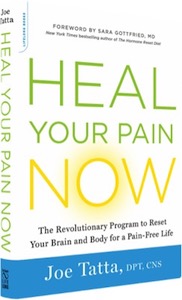
If you struggle with chronic pain from an injury, autoimmune disease, fibromyalgia, joint pain, arthritis, anxiety, depression or have tried everything without success, Heal Your Pain Now provides natural solutions to eliminate pain and return you to a life worth living.

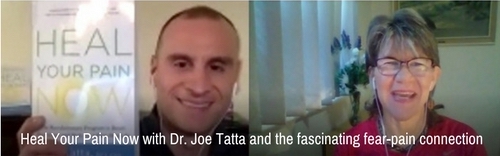
I recently had the pleasure of interviewing Dr. Joe Tatta, physical therapist and nutritionist, author of this wonderful new book and a dear friend!

You can watch the interview here:


And here is a summary from our great interview:

What is chronic pain – it’s about protection. Acute pain like an ankle sprain tells you to rest and heal; chronic pain – persists beyond 3 months and is less about protection and more about the brain being in a hyper-sensitive state.

The human body has innate ability to heal i.e. the body has a natural anti-inflammatory process and tissue will heal in 3 months. After those 3 months it becomes less about the actual tissue and more about what is going on centrally in the brain and nervous system.

Central sensitization or the hyper-sensitive brain: we have a neural signature specific to you and your pain experience.

It’s based on what you believe about pain, are told about pain, your memories, your emotions, input from body (such as tightness), your thoughts, touch and sound.

With central sensitization pathways light up in the brain causing pain and in some instances those pathways never quiet down. The more we can be educated about pain the faster we can release this central sensitization and the pain.

An example: You and I had backpain – my life: mom is a nurse, my backpain comes and goes, I can move a little, I go to work, do some chores and basic exercise; in your life your grandmother had really bad back pain, was in a wheelchair and said back pain is the worst pain you could ever have. This may make your pain persist. Fear causes pain to persist over a long period of time.

Fear and pain: it can be actual fear or perceived; fight or flight – muscles tense around the spinal column; blood is shunted away from the spinal muscles because you’re getting ready to run or fight; when it’s persistent there is no blood flow and no healthy nutrients going to the spinal muscles; cortisol levels become elevated – they are inflammatory and very powerful at laying down memory patterns (which can make pain persist).

When you lessen fear you promote relaxation and in general pain disappears very fast.

When you hear all this the brain repatterns – you’re doing a mini cognitive behavior session just listening to and watching the video of us interacting! (I love this!)

Myth: chronic pain has to be chronic – no! Replace the word chronic with persistent because language is really important for creating these pain memories.

Myth: imaging studies like xrays and MRIs are correlated with pain. Often we see intense pain with normal xrays, sometimes no pain with awful rays.

There is also the emotional aspect – when someone in a white coat holds up that xray and says you have this issue it can start that fear response and the pain can be worse.

This fear pain connection is fascinating and I asked if it common knowledge

  • The average physician only receives 4 hours of pain science education in 12 -16 years of education – most of what they learn focused on medications, injections and surgery. We currently have a biomedical model (xray and injection or surgery, injections or medications) but we are moving to a biopsychosocial model (movement, nutrition, mindset, the brain)
  • The book has 40 pages of evidence based research (if you’re a practitioner and would like access to the papers let me know in the comments and Dr. Joe can get them to you)
  • I suggest using the book to educate yourself and your doctor

Medications prescribed for pain: Opioids (oxycontin, codeine, morphine) #1 drug prescribed for pain. CDC and NIH: You should not prescribe opioids as first line of treatment for chronic pain. They are highly addictive – 3 million addicted to them; 2 million die each year; opioid-induced hyperalgesia – the more you take the more pain sensitivity you have and the more medication is needed.

Side effects: constipation caused by opioids and you’re prescribed medications for the constipation; called OIC (opioid induced constipation) – changes the microbiome, fecal matter is bound up, you get leaky gut, inflammation starts in gut and there are impacts on neurotransmitter production like GABA and serotonin (and then increased anxiety and depression).

Other medications used are SSRIs – depression looks very similar to pain in the brain – when you heal the gut you can balance serotonin

Gabapentin and NSAIDs and benzodiazepines are also prescribed.

The book covers ALL pain – any chronic (or persistent) pain that has been around for 3 months or longer

Nutrition: diet is the #1 way to reduce inflammation – food is medicine approach; 100% whole food (if it comes in a box or a can or is made by man it has no place in your diet especially if you have chronic pain); farm-raised beef, wild fish, fruit and vegetables, healthy fats i.e. a modified Mediterranean diet.

Then use a gut-healing protocol for removing inflammation and addressing autoimmunity – remove gluten, dairy and sugar. In 3-7 days people see their pain decrease from 8/10 to 2/10.

“I don’t think I have arthritis and I don’t think I need this Aleve – I think it was the gluten I was eating”

If you slip a little and have some gluten then you realize you can’t even have any and you’re educating yourself that food is medicine. It’s very powerful

With gut healing, if you have autoimmunity take out eggs and GMOs (soy and corn) too; there is more clinical evidence around nightshades – if you can heal the gut you can often tolerate small amounts.

The ketogenic diet is last phase: 65% – 75% fat, 5% carbs (from fibrous vegetables) and the rest is protein. It’s awesome to regulate blood sugar, helps central sensitization (we know because those with seizures do really well on a ketogenic diet). With seizures glutamate is high and GABA low and the ketogenic diet helps balance out these in your brain and calms the nervous system and decreases pain; upregulates ATP (energy molecule) which helps with pain. Brain fogs goes away.

The ketogenic diet is not for someone with type 1 diabetes, who is pregnant or in acute adrenal fatigue

Do a trial of 3-4 weeks and cycle into ketosis every 4-6 months.

Intermittent fasting tricks body into thinking body is starving.

A big plane flies over at the 41 minute mark! Enjoy the laugh with us!

With intermittent fasting do a 14-16 hour fast overnight, say 6pm to 9am the next day

Mini-fasts: protein shake in the morning or evening – the meal is smaller; or use bone broth – healing for gut and collagen for your joints!

Supplements: omega-3s (2000 to 4000mg); curcumin (in oil – really important to help absorption); vitamin D 5000-10,000 IU; some kind of proteolytic enzymes; GABA for pain and anxiety and central sensitization.

If this feels overwhelming and you feel you need more support (in addition to reading the book) Dr. Joe does have a group program

It’s called Heal your Pain Heal your Life  – 6 week process, a Facebook group group, Q and A calls, and social support (which is huge if you have pain and can’t get out of house, or if others can’t relate to your pain, plus for the community support)

Movement, sedentary syndrome, sit rise test: movement is medicine and has to be in your life in some form. Even 5 minutes twice a day can help. It sends signal to your brain “I can move a bit and I’m safe”, you build confidence and fear decreases, releases endorphins, quiets down the nervous system

Sit rise test – cross your legs and lower yourself down to the floor without your hands and then stand back up. It indicates a long life-expectancy; they are not sure why – cardio effects? Balance? It tests strength and vitality; if you can’t do it – practice each day. Third world cultures sit on the floor to communicate – when you move joints in full range it lubricates them.

I’m a climber, skier, mountain biker, windsurfer and have had many injuries and worked with wonderful physical therapist and yet I have learned so much from Dr. Joe and this book! I will use it for prevention of injuries and pain and for the next time I am injured and in pain.

Dr. Joe ended by saying

Keep moving forward, we’re going to change the pain paradigm and give people their lives back!

This is the book summary:

In Heal Your Pain Now, Dr. Joe Tatta teaches you how to regain control of your life by breaking the cycle of persistent pain. Following Dr. Tatta’s program, you learn the role of the brain in pain–and how to use your brain to STOP your pain; how nutrition can eliminate the inflammation in your body, which is exacerbating your pain; and how to overcome Sedentary Syndrome and choose the best movement strategy. Dr. Tatta provides quizzes, self-assessments, meal plans, shopping lists, recipes, and exercises to support you throughout the program.

As I mentioned in the interview I really appreciate the very unique perspective Dr. Joe brings to healing from pain. His expertise from the physical therapy and movement world is so beautifully meshed with the power of nutrition! He covers the foundational information for eating an anti-inflammatory diet, an excellent gut healing protocol, healing supplements and with much fascinating reading on intermittent fasting and the ketogenic diet.

Dr. Joe explains these concepts brilliantly: the brain in pain, central sensitization, myths around pain and the biospychosocial model of pain. With the work that I do with anxious women like you (and men too), the pain connection to fear is very relevant; and the fact that stress, anxiety, post-traumatic stress disorder (PTSD), or depression are danger signals that can actually make the pain worse depending on how “sensitive” your nervous system has become.

Also, since many of the same pain medications are also often prescribed for anxiety, this book is a wonderful resource for someone with both pain and anxiety. But best of all, this book offers real solutions for everyone suffering from any kind of pain, and a solid understanding of the mechanisms.

I’m sure you’d like access to what we talked about during the interview:

  • Joe’s Pain Quiz
  • His 6 week group program Heal your Pain heal your Life
  • You can order the book Heal Your Pain Now from Amazon and get access to some bonus gifts here
  • I forgot to mention that Dr. Joe has live Q and A webinar coming up on February 22, 2017 at 7pm EST and you can register for that here so that you know exactly how to heal without medication, injections or surgery. There is new science to end – or dramatically reduce your pain.


Please let us know which parts of this really resonated with you and what you’re looking forward to implementing for your pain.


Filed Under: Books, Pain Tagged With: anxiety, Anxiety and Depression association, book, depression, fear, heal your pain now, Joe Tatta

Anxiety and the adrenals: low zinc and high copper

October 31, 2016 By Trudy Scott 23 Comments

two-girls

Anxiety, feelings of constant overwhelm and fatigue, plus insomnia, sugar cravings, the inability to control blood sugar, lack of mental clarity… these symptoms can be due to adrenal issues and this condition is brutally disruptive. And yes, you can suffer from all of the above at once!

In just a few weeks, from November 7-12, my colleague and good friend, NY Times bestselling author Dr. Alan Christianson will be hosting The Adrenal Reset Summit. It’s co-hosted by nutritionist Evan Brand.

I cover the Adrenals and Anxiety in my interview with Dr. Christianson and a few of the aspects we cover are low zinc and high copper.  

Here is a snippet from me about zinc:

zinc is very underrated as being a nutrient that is commonly deficient and certainly when it comes to anxiety, it’s a huge factor. We have the zinc-copper imbalance and when we’ve got very high copper levels and low zinc levels, we may feel more anxious. But zinc is really, really important for so many things. I just mentioned serotonin, it’s really important as a cofactor for making serotonin and the other neurotransmitters like GABA which is a calming neurotransmitter.

It’s really, really important for adrenal function as well. There was actually a really nice paper that was published in December 2015 [Effects of Physical Activity on Trace Elements and Depression Related Biomarkers in Children and Adolescents], looking at children and adolescents and found that children and adolescents with lower levels of zinc also had low serotonin, they had high copper levels, and they also had lower cortisol levels, and sometimes, they had high cortisol levels. So, it varies but they definitely have issues with their cortisol levels and that’s obviously going to be a big factor when it comes to how they’re able to handle stress, what their mood levels are going to be like, what their cognitive function is going to be like, and everything else. So, zinc is a really important thing. It’s not talked about a lot and it’s something that is definitely a big factor.

I didn’t share this specific information during the interview but here are some of the results from the above study:

Older children, especially girls, had higher levels of depression. Participants with moderate and severe depression had significantly lower physical activity, serotonin, and zinc levels, zinc/copper ratios, and significantly higher copper and cortisol levels.

Physically active boys showed significantly lower depressive scores and improvement in cortisol, serotonin, copper, and zinc concentrations compared to girls of sedentary life style.

A little later in the interview Dr. Christianson shares what happened to him when he was inadvertently exposed to high levels of copper:

This is a brief insight I won’t go too far into but there was a period of time I was studying with a Vedic practitioner and there were these various rituals that I had to do. One of them was involving putting liquids in these containers and drinking and doing [some of these] meditations. The historical vessels [that] were used were copper-based and I got pretty toxic at one point. I had these horrible leg cramps. I really lost my capacity for exercise. It was very dramatic. I had a hard time climbing stairs and odd mood changes and odd twitches and what not. I finally realized that was the culprit and yeah, I did mega doses of zinc which I normally would not have tolerated well but I did fine with during that time and recovered from that. So, those are a real thing! (laughs)

adrenal-reset-summit

I hope you can join us for the summit! The line-up is excellent. Here are a few of the many excellent speakers and their topics:

  • Chris Kresser, M.S., L.Ac – Is Adrenal Fatigue Real?
  • Steph Gadreau, CHNP – Perfectionism and Adrenals
  • Aviva Romm, MD – Adrenal Adaptogens
  • Ben Lynch, ND – Adrenals and Methylation
  • Wendy Myers, FDN, CHHC – Heavy Metal Toxicity
  • Dan Kalish, DC – Adrenal Neurotransmitter Connection
  • JJ Virgin, CNS, CHFS – Preventing Adrenal Burnout
  • Julia Ross, MA – Neurotransmitters and the Food Mood Connection

You can register here https://uo178.isrefer.com/go/arsScott/trudyscottcn/

Filed Under: Adrenals, Events Tagged With: anxiety, breast cancer, DCIS, detoxification, endocrine disruptors, estrogen dominance, fear, GABA, glutathione, liver support, Prevention, Thermography, toxins, tryptophan

Breast cancer: DCIS, thermography, estrogen, toxins, glutathione and anxiety

October 28, 2016 By Trudy Scott 5 Comments

breast-exam

October is Breast Cancer Awareness month so I’ve gathered some wonderful information and resources for you about DCIS, thermography, prevention by addressing estrogen dominance, avoiding endocrine disruptors and environmental pollutants and finally how to boost glutathione for detoxification support.  

Ductal carcinoma in situ/DCIS: many don’t even consider this cancer

My good friend and fellow nutritionist Robin Nielsen recently posted about this on Facebook and because it was so beautifully said, I asked if I could share it:    

A neighbor just told me this morning that she had a double mastectomy in early August due to cancer, stage 0. And then she told me it was “Ductal carcinoma in situ”. I know many women who have reversed this by changing their diet and lifestyle. This is a touchy subject for many, but it breaks my heart to see women removing their breasts when there’s a chance they don’t have to.

If you are in the thick of this right now, trying to decide what to do, do your research. Get lots of opinions from integrative practitioners. Many don’t even consider this cancer.

And if you’ve had this done yourself, you made the right choice. Because whatever we decide for ourselves is right. Sending love out to all women who have had to make this decision.

I asked Robin to share one of her articles and here it is: What You Need to Know About Your Beautiful Breasts and Breast Cancer. These factors have a big impact on our beautiful breasts:

  • The food you eat: inflammatory vs. anti-inflammatory
  • The quality and quantity of sleep
  • The toxins you’re exposed to: environmental, body care and household products, poor quality foods, toxic people, toxic habits and more
  • Your perception of stress and our ability to manage the stress in our lives
  • Your thoughts
  • And other lifestyle factors like exercise, relationships, your sense of community, etc.
  • How you deal with your emotions – your ability to express yourself
  • Your body’s nutrient status – especially Vitamin D3
  • Your ability to restore, nourish and love yourself, i.e. learning how to receive
  • The bras you wear – studies have shown that wearing a bra that’s too tight can restrict vital blood flow and can contribute to toxin build-up in your lymphatic system

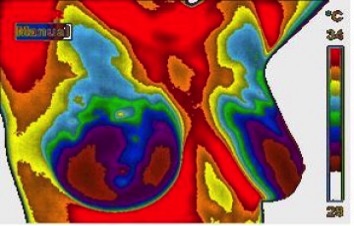
Thermography for early detection and accurate test results

A thermogram image (from http://earlybreastscreen.com/)

Here are The Best Breast Cancer Screening Tests – 6 Reasons Why I Recommend Thermography from Dr. Christiane Northrup, M.D.’s blog:

  1. Good for young, dense breasts and implants. Younger breasts tend to be denser. Thermography doesn’t identify fibrocystic tissue, breast implants, or scars as needing further investigation.
  2.  Detect cell changes in arm pit area. The arm pit area is an area that mammography isn’t always good at screening.
  3.  Great additional test. Thermography can be used as an additional test to help women and their care teams make more informed treatment decisions.
  4.  It Doesn’t Hurt. The pressure of a mammogram machine is equivalent to putting a 50-pound weight on your breast, which can be quite painful for most women.
  5.  No radiation. Another reason the United States Preventative Services Task Force reversed its aggressive mammogram guidelines was because of the exposure to radiation. It’s well known that excessive doses of radiation can increase your risk of cancer. It’s ironic that the test women are using for prevention may be causing the very problem they’re trying to avoid in the first place! And this doesn’t even touch on the harm done to the body from unnecessary biopsies, lumpectomies, mastectomies, chemotherapy, radiation treatment, and so forth.
  6. Thermography is very safe. Thermography is even safe for pregnant and nursing women! It’s merely an image of the heat of your body.

Estrogen dominance as a cause of breast cancer and how to prevent it by eating for hormonal balance

breast-cancer-prevention

Magdalena Wszelaki, founder of Hormones Balance, shares some signs of estrogen dominance as the leading cause of breast cancer: Breast Lumps? Thyroid Nodules? Horrendous PMS? Endometriosis? In her wonderful article: The Breast Cancer and Estrogen Link | 15 Ways to Prevent and Manage Breast Cancer Naturally, she covers how to move from fear to empowerment and prevention by eating for hormonal balance. The article covers estrogen dominance in detail addressing:

  • Most Breast Cancers are not Genetic
  • How Breast Cancer Forms and Multiplies
  • How Estrogen Feeds Cancer
  • Signs of Estrogen Dominance (ED)
  • Not All Estrogens Are Bad

But the big takeaway is that as Magdalena says:

You have more power over your risk of breast cancer than you think. There are many steps you can take to protect yourself. Each one of them has other positive domino effects for your hormonal balance and overall health.

She shares how to rotate seeds into your diet to balance hormone levels, how to increase cruciferous vegetables like kale, broccoli, cauliflower and cabbage and how to love your liver. Here are some of Magdalena’s tips for supporting your liver which she calls the “Estrogen Detox Ally”:

A sluggish liver does not carry out its important job of filtering toxins, chemical byproducts and hormonal metabolites from your body. This can leave you with high circulating levels of the dangerous estrogen metabolites. For Breast Protection:

  • Add bitters in the form of dandelion leaves and root, burdock, chicory root, parsley, radicchio or bitters in tincture form. They stimulate bile production which then helps “flush out” estrogen and other steroid hormones.
  • Add fiber, my favorite being 2 tablespoons of freshly ground golden flax seed. Fiber promotes good bowel movement which is essential in carrying out the toxic estrogens. Chronic constipation can contribute to the re-absorption of antagonistic estrogens back to the blood stream.
  • Add one tablespoon of apple cider vinegar or half a lemon to a glass of warm water and drink it before breakfast in the morning. This helps stimulate the gallbladder to release the bile which is instrumental in “flushing out” estrogen.

Be sure to read the entire article here to read more about gut health, red meat, wine, toxins, inflammation, exercise, smoking, the birth control pill (I also covered this and FAM in a recent blog on the connection to subsequent SSRI use), sleep and finally stress and cuddling!

If you want to learn more I encourage you to check out Magdalena’s no-cost “How to Use Food To Rebalance Your Hormones” Online Workshop.

cooking-for-balance

Avoiding endocrine disruptors and environmental pollutants

My friend and colleague Dr. Heather Paulson is the author of the soon to be released Textbook of Naturopathic Oncology. She is board certified in naturopathic oncology providing expert cancer care while creating a plan that restores health. She integrates her specialization in cancer and her love of nutrition, herbs, homeopathy, counseling, traditional healing, and current research to support you during your cancer journey and for cancer prevention. Dr. Paulson shares this about avoiding endocrine disruptors and environmental pollutants:

Endocrine disruptors are things in our environment that influence our hormonal system. You have probably heard about how plastics have been causing young boys to have feminine breasts. This plastic phenomenon is due to plastic disrupting the endocrine (or hormonal) system in boys. But the endocrine effects of environmental pollutants impacts both men and women. Some of the most common endocrine disruptors you are coming on contact with include plastic, pesticides, fragrances, beauty products, and cleaning products. Eliminating these from your personal environment is a critical piece of cancer prevention that is often missed.

She created this quiz How Toxic Is Your Home to help you see how well you are doing with endocrine disruptors. You can also find several checklists on her website to help you eliminate the necessary chemicals from your kitchen, yard, bedroom, and bathroom.

Boost glutathione levels to support the body’s detoxification channels

green-asparagus


And finally, my friend and colleague (and fellow South African) Kirsten Nussgruber shares the importance of reducing the toxic burden. When faced with the biggest challenge of her life – being diagnosed with aggressive breast cancer twice within a short three year period – Kirsten was forced to completely reevaluate what she believed was already a healthy lifestyle and now advocate for:

  • Eating clean and real food
  • Applying clean cosmetics and skin care products
  • And supporting the body’s detoxification channels

Kirsten shares the role of glutathione and ways to support body’s detoxification channels by boosting glutathione levels, often called your master detoxifier.

In its role as detoxifier it plays a crucial role in helping the body bind and get rid of many environmental toxins such as herbicides, pesticides, fungicides, insecticides, solvents, dyes, plastics, detergents and nitrosamines often found in processed foods.

Glutathione is also known to be cancer-preventing and has been found deficient in cancer patients. It can strengthen natural killer cells, a part of your immune system you want to have ready for action at all times!

In her blog post, she covers glutathione supplementation and shares a list of whole foods that boost glutathione production:
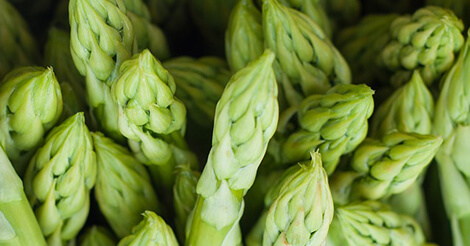
asparagus, acornsquash, avocados, broccoli, cabbage, cantaloupe, garlic, grapefruit, leeks, okra, onions, oranges, peaches, potatoes, spinach, strawberries, tomatoes, walnuts, watermelon, and zucchini.

Don’t be driven by fear and anxiety

As I said in my 2013 Breast Cancer Awareness blog: don’t be driven by fear and anxiety, instead use these wonderful resources as tools so you can be proactive and prevent breast cancer.

If you do get to a place where the anxiety and fear becomes overwhelming, don’t forget about the targeted individual amino acids like GABA and tryptophan for eliminating the anxiety and worry, obsessive thinking, negative self-talk, insomnia and overwhelm.

Here’s to beautiful healthy breasts for you and every woman!

Filed Under: Women's health Tagged With: anxiety, breast cancer, DCIS, detoxification, endocrine disruptors, estrogen dominance, fear, GABA, glutathione, liver support, Prevention, Thermography, toxins, tryptophan

JJ Virgin inspires on The Unleash Your Greatness Summit

November 10, 2015 By Trudy Scott Leave a Comment

unleash-your-greatness-jj-virgin

JJ Virgin, author of The Virgin Diet, The Sugar Impact Diet and the forthcoming book The Miracle Mindset inspires and motivates and changes lives. She is one incredibly gutsy woman, a true leader in the nutrition world and her interview on the upcoming Unleash your Greatness Summit being hosted by Lewis Howes, is not to be missed!

Here are some snippets from her inspiring and heart-warming interview where she talks about her son’s awful hit and run accident, his brain and heart surgery, coma and long recovery – and how she was able to finish and launch her book in the midst of all this!

She shares so much wisdom during this interview. The first one is asking for help:

one of the important lessons that I learned early on…I have always disliked asking for help. And I don’t think I am alone. I think most of us don’t like to ask for help, right. But the morning of the accident, standing in the ICU, I realized that most of my friends in the world are doctors, and not just any doctors, the biggest, best doctors around. And if they weren’t my direct friend, then they were friends with the ones. So I was like first off, if I don’t know them directly, I know their closest friends who do. So I’m going to work my network big time. I go, but I need help. There’s no way I can do this one on my own, especially with this book launch

Another one is pulling from everything that you have learned:

I think too much we play it safe. And then when something like this happens, you have no clue how to handle it. I looked at this whole thing, and I was like all right. I’m going to pull in from all of my lessons learned. And I’m going to go for it and do it. And I think it’s one thing if you lose your job, but when it’s your kid? It’s your kid. You’re going to do it. You’re going to do whatever it takes to save your child.

And this one – celebrating every small win:

I would look for any small win I could celebrate. His eyelash fluttered, or his pinkie. The first day in the hospital when they told me, “Oh, he’s in a deep coma. And we don’t know if he’ll ever come out,” I was holding his hand. And I said something about his girlfriend loving him. And he grabbed my fingers, squeezed them, lifted my hand up. And I’m like he’s in there. He’s so in there. So you find those things. There is a gift in every single thing that happens out there. It all depends on how you look at something, right. It’s all perspective. I think we’re never better than when we’re challenged.

She also shares many of the practical aspects of how she helped her son Grant recover from this traumatic brain injury (with the help and advice of trusted friends and colleagues) :

  • very high doses of fish oil (10g and then 20g/day)
  • no Ensure but salmon and kale instead
  • progesterone cream (for reducing inflammation and healing the brain)
  • essential oils and acupressure
  • probiotics and probiotic yogurt
  • amino acid therapy to help with muscle loss
  • vitamin D and much more

He is now doing incredibly well considering what he went through!

JJ also shared how she got her sleep, ate well and continued to exercise so she could be the best she could be. This is such an important point for care-givers!

Catch this and other inspiring interviews on The Unleash Your Greatness Summit! which runs from November 16-23, 2015

unleash-your-greatness

Discover the 8 secret principles of greatness to transform your life! The 28 expert speakers will reveal how to overcome adversity, find success and chart a new life path!

Each day will focus on one of the eight following principles of greatness:

  • Create a Vision
  • Turn Adversity Into Advantage
  • Cultivate a Champion’s Mindset
  • Develop Hustle, Master Your Body
  • Practice Positive Habits
  • Build a Winning Team
  • Be of Service to Others           

The Unleash Your Greatness Summit was created to bring to life the eight principles of greatness that Lewis Howes reveals in his book, The School of Greatness: A Real-World Guide to Living Bigger, Loving Deeper, and Leaving a Legacy.

Anyone who is looking to change their life for the better will benefit from this summit, as the principles apply across all facets of life – from career to family to health and beyond – and we all have the capacity within us to be great.

Although this summit is a little different from some of the other summit’s I share, many of topics intrigue me so I figure they’ll intrigue you too!

I’m really looking to some of the interviews on how to turn adversity into advantage (JJ Virgin’s story is such an inspiring one and I can’t wait for her new book) and the principle of being of service to others.

Registration details here https://xh265.isrefer.com/go/summitreg/tlsug/


Filed Under: Events Tagged With: adversity, fear, JJ Virgin, Unleash Your Greatness Summit

  • « Go to Previous Page
  • Page 1
  • Page 2
  • Page 3
  • Page 4
  • Page 5
  • Go to Next Page »

Primary Sidebar

NEW! GABA QuickStart Homestudy (with special intro pricing)

gaba quickstart homestudy

Free Report

9 Great Questions Women Ask about Food, Mood and their Health

You'll also receive a complimentary subscription to my ezine "Food, Mood and Gal Stuff"


Connect with me

Popular Posts

  • Amino Acids Mood Questionnaire from The Antianxiety Food Solution
  • The Antianxiety Food Solution Amino Acid and Pyroluria Supplements
  • Pyroluria Questionnaire from The Antianxiety Food Solution
  • Collagen and gelatin lower serotonin: does this increase your anxiety and depression?
  • Tryptophan for the worry-in-your-head and ruminating type of anxiety
  • GABA for the physical-tension and stiff-and-tense-muscles type of anxiety
  • The Antianxiety Food Solution by Trudy Scott
  • Seriphos Original Formula is back: the best product for anxiety and insomnia caused by high cortisol
  • Am I an anxious introvert because of low zinc and vitamin B6? My response to Huffington Post blog
  • Vagus nerve rehab with GABA, breathing, humming, gargling and key nutrients

Recent Posts

  • What do I use instead of Seriphos to help lower high cortisol that is affecting my sleep and making me anxious at night?
  • BeSerene™ GABA/theanine cream eases severe muscle tension in her neck/shoulders, prevents her bad headaches and quells her anxiety
  • How the correct approach, dose and sublingual use of GABA can be calming and not cause a flushed and itchy face and neck
  • The amino acid glutamine improves low mood by addressing gut health, and it has calming effects too
  • Flight anxiety with heightened breath, physical tension and also fearing the worst (the role of low GABA and low serotonin)

Categories

  • 5-HTP
  • AB575
  • Addiction
  • ADHD
  • Adrenals
  • Alcohol
  • Allergies
  • Alzheimer's disease
  • Amino Acids
  • Anger
  • Antianxiety
  • Antianxiety Food Solution
  • Antidepressants
  • Anxiety
  • Anxiety and panic
  • Autism
  • Autoimmunity
  • benzodiazapines
  • Bipolar disorder
  • Books
  • Caffeine
  • Cancer
  • Candida
  • Children/Teens
  • Collagen
  • Cooking equipment
  • Coronavirus/COVID-19
  • Cravings
  • Depression
  • Detoxification
  • Diabetes
  • Diet
  • DPA/DLPA
  • Drugs
  • EFT/Tapping
  • EMF
  • EMFs
  • Emotional Eating
  • Endorphins
  • Environment
  • Essential oils
  • Events
  • Exercise
  • Fear
  • Fear of public speaking
  • Fertility and Pregnancy
  • Fish
  • Food
  • Food and mood
  • Functional neurology
  • GABA
  • Gene polymorphisms
  • General Health
  • Giving
  • Giving back
  • Glutamine
  • Gluten
  • GMOs
  • Gratitude
  • Gut health
  • Heart health/hypertension
  • Histamine
  • Hormone
  • Hyperparathyroidism
  • Hypoglycemia
  • Immune system
  • Inflammation
  • Insomnia
  • Inspiration
  • Introversion
  • Joy and happiness
  • Ketogenic diet
  • Lithium orotate
  • Looking awesome
  • Lyme disease and co-infections
  • MCAS/histamine
  • Medication
  • Men's health
  • Mental health
  • Mercury
  • Migraine
  • Mold
  • Movie
  • MTHFR
  • Multiple sclerosis
  • Music
  • NANP
  • Nature
  • Nutritional Psychiatry
  • OCD
  • Osteoporosis
  • Oxalates
  • Oxytocin
  • Pain
  • Paleo
  • Parasites
  • Parkinson’s disease
  • PCOS
  • People
  • PMS
  • Postpartum
  • PTSD/Trauma
  • Pyroluria
  • Questionnaires
  • Real whole food
  • Recipes
  • Research
  • Schizophrenia
  • serotonin
  • SIBO
  • Sleep
  • Special diets
  • Sports nutrition
  • Stress
  • Sugar addiction
  • Sugar and mood
  • Supplements
  • Teens
  • Testimonials
  • Testing
  • The Anxiety Summit
  • The Anxiety Summit 2
  • The Anxiety Summit 3
  • The Anxiety Summit 4
  • The Anxiety Summit 5
  • The Anxiety Summit 6
  • Thyroid
  • Thyroid health
  • Toxins
  • Tryptophan
  • Tyrosine
  • Uncategorized
  • Vegan/vegetarian
  • Women's health
  • Yoga

Archives

  • October 2025
  • September 2025
  • August 2025
  • July 2025
  • June 2025
  • May 2025
  • April 2025
  • March 2025
  • February 2025
  • January 2025
  • November 2024
  • October 2024
  • September 2024
  • August 2024
  • July 2024
  • June 2024
  • May 2024
  • April 2024
  • March 2024
  • February 2024
  • January 2024
  • December 2023
  • November 2023
  • October 2023
  • September 2023
  • August 2023
  • July 2023
  • June 2023
  • May 2023
  • April 2023
  • March 2023
  • February 2023
  • January 2023
  • December 2022
  • November 2022
  • October 2022
  • September 2022
  • August 2022
  • July 2022
  • June 2022
  • May 2022
  • April 2022
  • March 2022
  • February 2022
  • January 2022
  • December 2021
  • November 2021
  • October 2021
  • September 2021
  • August 2021
  • July 2021
  • June 2021
  • May 2021
  • April 2021
  • March 2021
  • February 2021
  • January 2021
  • December 2020
  • November 2020
  • October 2020
  • September 2020
  • August 2020
  • July 2020
  • June 2020
  • May 2020
  • April 2020
  • March 2020
  • February 2020
  • January 2020
  • December 2019
  • November 2019
  • October 2019
  • September 2019
  • August 2019
  • July 2019
  • June 2019
  • May 2019
  • April 2019
  • March 2019
  • February 2019
  • January 2019
  • December 2018
  • November 2018
  • October 2018
  • September 2018
  • August 2018
  • July 2018
  • June 2018
  • May 2018
  • April 2018
  • March 2018
  • February 2018
  • January 2018
  • December 2017
  • November 2017
  • October 2017
  • September 2017
  • August 2017
  • July 2017
  • June 2017
  • May 2017
  • April 2017
  • March 2017
  • February 2017
  • January 2017
  • December 2016
  • November 2016
  • October 2016
  • September 2016
  • August 2016
  • July 2016
  • June 2016
  • May 2016
  • April 2016
  • March 2016
  • February 2016
  • January 2016
  • December 2015
  • November 2015
  • October 2015
  • September 2015
  • August 2015
  • July 2015
  • June 2015
  • May 2015
  • April 2015
  • March 2015
  • February 2015
  • January 2015
  • December 2014
  • November 2014
  • October 2014
  • September 2014
  • August 2014
  • July 2014
  • June 2014
  • May 2014
  • April 2014
  • March 2014
  • February 2014
  • January 2014
  • December 2013
  • November 2013
  • October 2013
  • September 2013
  • August 2013
  • July 2013
  • June 2013
  • May 2013
  • April 2013
  • March 2013
  • February 2013
  • January 2013
  • December 2012
  • November 2012
  • October 2012
  • August 2012
  • July 2012
  • June 2012
  • May 2012
  • April 2012
  • March 2012
  • February 2012
  • January 2012
  • December 2011
  • November 2011
  • October 2011
  • September 2011
  • August 2011
  • July 2011
  • June 2011
  • May 2011
  • April 2011
  • March 2011
  • February 2011
  • January 2011
  • December 2010
  • October 2010
  • September 2010
  • July 2010
  • May 2010
  • April 2010
  • March 2010
  • February 2010
  • January 2010
  • November 2009

Share the knowledge!

The above statements have not been evaluated by the Food and Drug Administration. Products listed in this website are not intended to diagnose, treat, cure or prevent any disease.

The information provided on this site is for informational and educational purposes only and is not intended as a substitute for advice from your physician or other health care professional. You should consult with a healthcare professional before starting or modifying any diet, exercise, or supplementation program, before taking or stopping any medication, or if you have or suspect you may have a health problem.


Copyright © 2026 Trudy Scott. All Rights Reserved. | Privacy | Terms and Conditions | Refund Policy | Medical Disclaimer

Free Report

9 Great Questions Women Ask about Food, Mood and their Health

You’ll also receive a complimentary subscription to my ezine “Food, Mood and Gal Stuff”