• Skip to primary navigation
  • Skip to main content
  • Skip to primary sidebar

everywomanover29 blog

Food, Mood and Women's Health – Be your healthiest, look and feel great!

  • Blog
  • About
  • Services
  • Store
  • Resources
  • Testimonials
  • The Book
  • Contact
  • Search this site

fear

Flight anxiety with heightened breath, physical tension and also fearing the worst (the role of low GABA and low serotonin)

September 19, 2025 By Trudy Scott Leave a Comment

flight anxiety

Do you have suggestions for supplements for flight anxiety, something to make flying bearable without heightened breath, etc, or is that out of the supplement realm?

I also have physical tension and fear the worst. Any kind of turbulence or warnings of turbulence makes me extremely nervous.

K asked this question on one of my blogs and I responded that this is very much in the supplement realm! And what we use depends on the type of anxiety someone is experiencing.

I would first consider serotonin support before and during flying – tryptophan or 5-HTP – because she fears the worst and feels extremely nervous. With low serotonin there may also be  worry and fear leading up to the trip, as well as feelings of panic and imagining the worst during the flight.

GABA support – using the amino acid GABA or theanine – should also be considered for the more physical symptoms of heightened breath and physical tension. With low GABA there can be other physical symptoms such as excessive sweating (like the palms), a racing or pounding heart and a dry mouth. These amino acids could also be used leading up to the flight and during the trip if needed.

Read on for more on my insights on using these amino acids in a situation like this, additional information about fear of flying and a success story with GABA.

Serotonin and/or GABA support for fear of flying

In an ideal situation I would want to address both low serotonin and low GABA before flying and have her use extra during the flight, as needed. It’s very likely that many of the low serotonin and low GABA symptoms are present in some way in her day to day life too.

This means she can be methodical about doing a trial of the respective amino acids and figure out the optimal dose of each in familiar surroundings – using powder, capsule opened, sublingual, chewable or liposomal.

As always we trial one at a time so we know which one is working best. Keep in mind some folks do better with tryptophan and some do better with 5-HTP so both may need to be trialed. The same can be said for GABA and theanine.

Once the product and dose of each has been figured out, she’ll need to find a suitable option for use while traveling i.e. a sublingual or chewable tablet

It’s always a comprehensive approach

It’s a comprehensive approach – amino acids AND diet so I recommend eating real whole food, quality animal protein, eating for blood sugar stability, going gluten-free, sugar-free and caffeine-free, eating healthy fats, organic vegetables and fruit and fermented foods. My book “The Antianxiety Food Solution”  is a great place to start when you are new to the amino acids and other anxiety nutrition solutions like gluten/sugar/caffeine removal, blood sugar control, gut health, pyroluria etc.

During travel it’s important to be prepared with healthy travel foods and drinks. I share some ideas here.

The definition of a specific phobia such as the fear of flying

The fear of flying is called aviophobia and it’s one of many common phobias about something specific. According to this ebook

Specific phobia is an anxiety disorder characterized by excessive and irrational fear of a particular object, situation, or activity. The anxiety response goes beyond normal apprehension and leads to avoidance behavior. The intensity of the fear is often disproportionate to the actual danger posed by the phobic stimulus.

Common examples of specific phobias include fear of heights (acrophobia), fear of spiders (arachnophobia), fear of flying (aviophobia), and fear of needles (trypanophobia). People with specific phobias may experience intense anxiety or panic attacks when exposed to the feared object or situation.

This Australian article reports that “One in six people have a significant fear that prevents them from flying, and about one in five regular flyers use alcohol or prescription drugs to “help” them through a flight, according to Victoria’s Department of Health.”

Using the amino acids to address low serotonin and/or low GABA addresses the root cause and does away with the need for alcohol and antianxiety meds (and the associated side-effects).

Cognitive behavior therapy (CBT) and exposure therapy is often recommended for aviophobia but doesn’t always help, and doesn’t address the biochemical imbalances.

A success story with GABA before and during a flight – cool as a cucumber

Melissa started using Source Naturals GABA Calm in anticipation of holiday travel and holiday gatherings and shared this:

I’m glad I saw the post about GABA on your FB page a couple weeks ago. I bought Source Naturals GABA Calm and have been taking 1-3 per day for two weeks.

I’m glad I bought it before travelling home for Christmas – I was cool as a cucumber at the airport and was much calmer when visiting family and friends compared to last year! The true test of its efficacy will be in two weeks when the semester starts. For now, I notice a general calmness and am sleeping well.

Notice that she started using it in the 2 weeks leading up to her trip and not on the flight itself.

Additional resources when you are new to using tryptophan or GABA and other amino acids as supplements

We use the symptoms questionnaire to figure out if low serotonin or low GABA or other neurotransmitter imbalances may be an issue for you.

If you suspect low levels of any of the neurotransmitters and do not yet have my book, The Antianxiety Food Solution – How the Foods You Eat Can Help You Calm Your Anxious Mind, Improve Your Mood, and End Cravings. I highly recommend getting it and reading it before jumping in and using amino acids on your own so you are knowledgeable. And be sure to share it with the practitioner/health team you or your loved one is working with.

There is an entire chapter on the amino acids and they are discussed throughout the book in the sections on gut health, gluten, blood sugar control (this is covered in an entire chapter too), sugar cravings, anxiety and mood issues. The importance of quality animal protein and healthy fats is also covered.

The book doesn’t include product names (per the publisher’s request) so this blog, The Antianxiety Food Solution Amino Acid and Pyroluria Supplements, lists the amino acids that I use with my individual clients and those in my group programs.

If, after reading this blog and my book, you don’t feel comfortable figuring things out on your own (i.e. doing the symptoms questionnaire and respective amino acids trials), a good place to get help is the GABA QuickStart Program (if you have low GABA symptoms too). This is a paid online/virtual group program where you get my guidance and community support.

If you need serotonin support, the Serotonin QuickStart Program is a good place to get help. This is also a paid online/virtual group program where you get my guidance on using tryptophan and 5-HTP safely, and community support during 5 LIVE Q&A calls. You can sign up to be notified when the next live launch of this program is happening.

If you are a practitioner, join us in The Balancing Neurotransmitters: the Fundamentals program. This is also a paid online/virtual program with an opportunity to interact with me and other practitioners who are also using the amino acids.

Have you had success using serotonin and/or GABA support for your fear of flying (or other phobia/s)? If yes, which amino acids have helped you?

Did you have any success with CBT or exposure therapy or other approaches?

Feel free to share and ask your questions below.

Filed Under: Amino Acids, Anxiety, GABA, serotonin Tagged With: 5-HTP, amino acids, anxiety, aviophobia, dry mouth, fear, fear the worst, fearing the worst, flight anxiety, flying, GABA, heightened breath, low GABA, low serotonin, nervous, panic, physical-tension, racing heart, supplement, sweating, theanine, tryptophan, turbulence, worry

Mouth-taping for improved sleep, the image of vertical taping that changed my mind and GABA and serotonin support if you still feel anxious

March 28, 2025 By Trudy Scott 19 Comments

mouth taping

I had been exploring mouth-breathing and using mouth-taping for my own personal use when I came across this paper, The Impact of Mouth-Taping in Mouth-Breathers with Mild Obstructive Sleep Apnea.  I had tried mouth-taping a few times but it felt uncomfortable to completely seal my mouth with the large piece of tape I was seeing various health practitioners recommend. And to be honest, it also felt a little scary too, even though I already use tryptophan and GABA for sleep and anxiety.

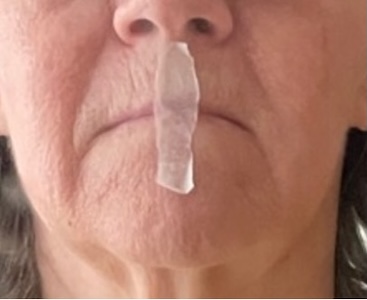
As soon as I saw the image of the man with a narrow strip of mouth-tape it gave me confidence to start mouth-taping again and I haven’t looked back! I don’t have mild obstructive sleep apnea and don’t snore but I was aware I was starting to mouth-breathe and sleep with a slightly open mouth because of waking with an incredibly dry mouth.

I do not go a single night without it and love the benefits of improved sleep and more energy the next day, and no more dry mouth during the night. I know it’s reducing future tooth decay too.

I share more about the paper, where I first learned about mouth-taping (and an image of sealing the mouth completely) and how GABA and tryptophan may help alleviate any fear and anxiety you may still have about taping your mouth closed at night.

The image that changed my mind and excerpts from the mouth-taping paper

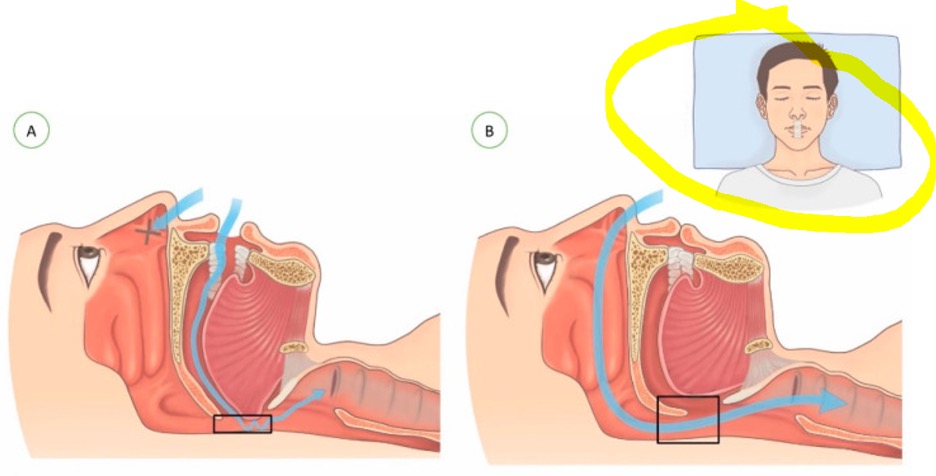
This is the image I’m referring to: the man on the top right with his mouth taped (as circled in yellow). You can see he has a narrow piece of tape, used vertically, instead of a wide piece of tape placed horizontally across his entire mouth/lips (I share an example of the latter below).

mouth taping
Figures demonstrating the breathing routes of (A) mouth-breathing and (B) nasal-breathing after mouth-taping. (from – The Impact of Mouth-Taping in Mouth-Breathers with Mild Obstructive Sleep Apnea: A Preliminary Study)

As you can see in the image above, there is a difference in “airflow during mouth-breathing vs. nasal-breathing” as indicated by the blue arrows.

Here is the study objective:

Many patients with obstructive sleep apnea (OSA) are mouth-breathers. Mouth-breathing not only narrows the upper airway, consequently worsening the severity of obstructive sleep apnea, but also it affects compliance with nasal continuous positive airway pressure (CPAP) treatment. This study aimed to investigate changes in obstructive sleep apnea by the use of mouth tape in mouth-breathers with mild obstructive sleep apnea.

And the conclusion:

Mouth-taping during sleep improved snoring and the severity of sleep apnea in mouth-breathers with mild obstructive sleep apnea, with AHI (apnea/hypopnea index)  and SI (snoring index) being reduced by about half. The higher the level of baseline AHI and SI, the greater the improvement was shown after mouth-taping.

Mouth-taping could be an alternative treatment in patients with mild obstructive sleep apnea before turning to CPAP therapy or surgical intervention.

The snoring index is the number of snoring events per hour. And according to the Cleveland Clinic, the AHI /apnea/hypopnea index “identifies how many times your breathing slows or stops during an hour of sleep. You might see an AHI after a sleep study or on a CPAP machine.

The apnea-hypopnea index (AHI) is the average number of times you stop breathing (apneas) and have shallow breathing events (hypopneas) per hour of sleep.

The American Academy of Sleep Medicine uses a range to categorize the severity of apnea and hypopnea events in adults:

  • Mild: Five to fewer than 15 events per hour
  • Moderate: 15 to fewer than 30 events per hour
  • Severe: 30 or more events per hour”

In the above mouth-taping study, both the apnea-hypopnea index (AHI) and snoring index were reduced by about half, which I find impressive.

They used 3M tape that was “easy to adhere, easy to remove, and non-allergenic.”

My first introduction to mouth-taping and an example of taping your entire mouth with horizontal tape

This interview and taping demo with Mike Mutzel and Mark Burhenne was my first introduction to mouth-taping. It’s a fascinating interview and the benefits are numerous – do read the highlights and watch the interview.

As you can see, Dr. Mark Burhenne tapes his entire mouth with horizontal tape. This approach did not work for me and I gave up after a few tries.

mouth taping

If you have considered taping in the past and were put off or afraid because of this approach of taping the entire mouth, I’m hoping my insights below about taping vertically and the above study will get you trying it again.

How I tape my mouth and what I use

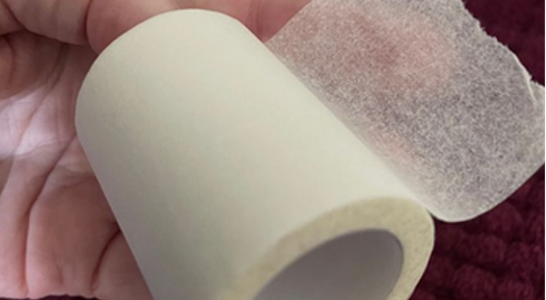
As mentioned above, I use a narrow strip of hypoallergenic paper tape that I simply tear off the roll each night. I sometimes use the same piece for a second night. I use lip ice/lip balm before taping as that prevents the tape from actually sticking to my lips. It feels more comfortable this way and still keeps my mouth closed. And it also allows me to cough and sneeze without feeling like I’ll lose skin on my lips. I can also sort of talk, although not very clearly, and it makes it easy to remove.

I do not go to bed without taping and it has added another element to improving my sleep. I do this together with the amino acids GABA, theanine and tryptophan, magnesium, Seriphos for high cortisol (when it’s high), eating low oxalates and calcium to counter the effects of oxalates, and avoiding EMFs).

If needed, I can slide a GABA Calm into my mouth without removing the tape. I will do this if I happen to need it due to waking in the middle of the night and not being able to get back to sleep.

If you are still fearful and anxious about trying this: serotonin and GABA support

If you are still fearful about taping your mouth closed at night, know you’re not alone! It felt a bit scary to me when I first started taping and I even yanked it off a few times during the night.

Trying it out in the daytime first definitely helps to get used to it. And it’s ok to test-drive taping for a few hours at night initially, and pulling it off later in the night.

Also, be sure to address low serotonin if you have low serotonin type of worry, ruminating, negative self-talk type of anxiety. With this type of anxiety, fears and phobias, and feelings of panic can be heightened. Personally, I use tryptophan and theanine for my low serotonin and also recommend this for clients and those in my group online programs. Keep in mind that some individuals do better with 5-HTP than tryptophan.

When you feel anxious, it’s common to have low GABA type of physical tension and anxiety. This may also make mouth-taping feel too overwhelming and give you feelings of panic. I’m a GABA girl myself and use GABA every night. I’m also getting some GABA support from the theanine I use. I know both are firm favorites with clients and group program members.

And, of course, an added bonus is that by addressing low serotonin and low GABA, we also address sleep issues which is a common sign of low levels of both these neurotransmitters.

Additional resources when you are new to using tryptophan, 5-HTP, GABA and other amino acids as supplements

As always, I use the symptoms questionnaire to figure out if low serotonin or low GABA or other neurotransmitter imbalances may be an issue.

If you suspect low levels of any of the neurotransmitters and do not yet have my book, The Antianxiety Food Solution – How the Foods You Eat Can Help You Calm Your Anxious Mind, Improve Your Mood, and End Cravings, I highly recommend getting it and reading it before jumping in and using amino acids on your own so you are knowledgeable. And be sure to share it with the practitioner/health team you or your loved one is working with.

There is an entire chapter on the amino acids and they are discussed throughout the book in the sections on gut health, gluten, blood sugar control (this is covered in an entire chapter too), sugar cravings, anxiety and mood issues.

The book doesn’t include product names (per the publisher’s request) so this blog, The Antianxiety Food Solution Amino Acid and Pyroluria Supplements, lists the amino acids that I use with my individual clients and those in my group programs.

If, after reading this blog and my book, you don’t feel comfortable figuring things out on your own (i.e. doing the symptoms questionnaire and respective amino acids trials), a good place to get help is the GABA QuickStart Program (if you have low GABA symptoms). This is a paid online/virtual group program where you get my guidance and community support, and is where this question was asked of me during one of the live Q&A calls.

If you are a practitioner, join us in The Balancing Neurotransmitters: the Fundamentals program. This is also a paid online/virtual program with an opportunity to interact with me and other practitioners who are also using the amino acids.

Wrapping up and your feedback

Have you used vertical mouth-taping and if yes how has it helped you? Or are you fine with horizontal taping and covering your entire mouth? I’d love to hear how you tape, what tape you use and if you also use lip balm/lip ice before taping.

And if you have words of wisdom for newbies who may need some encouragement feel free to share this too!

I am curious if you have also used GABA, theanine, tryptophan or 5-HTP for overcoming the fear of mouth-taping and continue to use one or more of these amino acids for sleep support too?

Feel free to share your feedback and ask your questions below in the comments section.

Filed Under: Anxiety, GABA, serotonin, Sleep Tagged With: 5-HTP, amino acid, anxiety, anxious, dry mouth, fear, fears, GABA, GABA Quickstart, Mild Obstructive Sleep Apnea, mouth-breathing, mouth-taping, neurotransmitter, overwhelm, physical-tension, scary, serotonin, sleep, Sleep apnea, snore, tape, taping, theanine, tryptophan, vertical

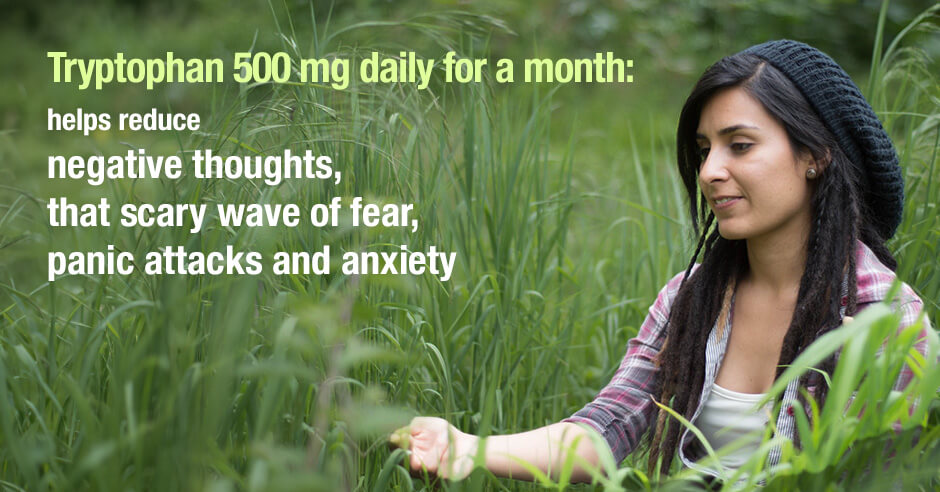
Tryptophan 500 mg daily for a month: helps reduce negative thoughts, that scary wave of fear, panic attacks and anxiety

December 22, 2023 By Trudy Scott 32 Comments

tryptophan 500mg

Sylvie learned about my work after hearing me speak about nutritional solutions for anxiety on a summit. I discussed the use of tryptophan for low serotonin type of anxiety and panic attacks. She shared how much just 500 mg of tryptophan helps her and asks about using pharmaGABA too. In this blog I share my insights on next steps for someone in her shoes: using more tryptophan and/or more GABA and/or another GABA product. I also suggest that she reconsiders her vegetarian diet which can definitely play a role in low serotonin and some of the other neurotransmitters. Here is her wonderful feedback about tryptophan and her question in her own words:

I’ve been dealing with anxiety and panic attacks for a while. I am a vegetarian and really have no apparent reason why to have these two ghosts (anxiety and panic attacks) stealing the show in my present life. I don’t have anything causing intense stress or trauma and I take good care of myself. I went to see a Ph.D. in Psychotherapy and she couldn’t help me much, then I heard you talking about Tryptophan.

I got it the next day and I have been taking 1 x 500 mg at night daily, for about a month now. I have had almost no negative thoughts and that scary wave of fear in my body. Ok, maybe a couple of times, but really, very minimum. I was having a panic attack about once a week, ever since I took Lidtke Tryptophan so far I think I wanted to have a couple of them in the whole month, but they came very mildly and they disappeared.

May I take advantage and ask a question? When I felt I was going to have a panic attack I tried a 100mg of Pharmagaba that I found at Whole Foods, but I don’t think it did much for me. I know you recommend the GABA Calm, but I’ve suffered from migraines in the past, and I am afraid that the tyrosine will trigger one (one of my triggers for panic/anxiety are migraines), so what other brand/amount could I take that does not have tyrosine?

I don’t take any medications and am very healthy (had a yearly check up with complete lab work done in January), so the minimum dose of Tryptophan seems to be working well for me. THANK YOU SO MUCH for sharing this information. I now understand the power of nutrition in our brain’s health, thanks to your book, etc…

Use what is already working and increase to find the ideal dose

It’s wonderful to hear how just 500 mg tryptophan once a day had such an impact on her and I appreciate her for sharing this on the blog so I can share here.

When I’m working with a client we always use what is already working well – in this case it’s tryptophan – and increase it to see if we can find the ideal dose and alleviate all the low serotonin symptoms.

Her negative thoughts and the scary wave of fear have been dramatically reduced but do happen from time to time. By increasing tryptophan she may well be able to completely eliminate them.

Panic attacks are a classic sign of low serotonin and with this amount of tryptophan they have decreased from once a week to a mild version once a month. This is another clue that tryptophan is helping and that it’s worth considering an increase. I would start with this before adding in pharmaGABA or another GABA product (but more on that below).

I would also review the list of low serotonin symptoms (you can find these here) and rate what else may still be causing any issues – like insomnia, PMS, anger, afternoon sugar cravings etc.

As far as increasing tryptophan a few options could be considered:

  • 500 mg tryptophan mid-afternoon and 500 mg tryptophan at night OR
  • 2 x 500 mg tryptophan at night (this would be a good option if sleep is still not ideal)

Precaution about serotonin syndrome with tryptophan/5-HTP

There are precautions when using certain amino acids and I always review them with all my clients. If they have been prescribed an SSRI I have them discuss the use of tryptophan/5-HTP with their prescribing doctor so they can be monitored for serotonin syndrome. With careful monitoring and doctor approval I feel comfortable having my clients use tryptophan/5-HTP 6 hours away from their one and only SSRI.

If they are using more than one SSRI and/or a combination of psychiatric medications, the use of tryptophan/5-HTP is not advised.

None of the above applied in this situation but it’s important to be aware of.

When to consider GABA and some products to trial

Low GABA can also be a factor when it comes to anxiety and panic attacks. But it’s best to get a good baseline of serotonin support before adding a new amino acid like GABA.

I would also review the list of low GABA symptoms (you can find these here) and rate which ones may still be causing issues – like how severe her physical anxiety/tension is when she has a panic attack, if she eats more sugar/drinks more alcohol when stressed and has low GABA tension-type of insomnia.

Tyrosine is a precaution with migraines so it was wise not to use GABA Calm but the pharmaGABA dose she used may not have been high enough. It’s worth increasing the dose to see if that helps before adding a different GABA product. A GABA only product like NOW GABA powder or a liposomal GABA/theanine product would be something to consider if the pharmaGABA doesn’t help. I shared a link to many of the GABA products that I use and recommend

The role of a vegetarian diet in low serotonin

I also suggest that Sylvie reconsiders her vegetarian diet which can definitely play a role in low serotonin and some of the other neurotransmitters.

She does share that she is surprised about the anxiety and panic attacks but it’s not really surprising to me because it’s a fact that you can become nutrient depleted on a vegetarian diet: low iron, low vitamin B12, low omega-3s and low vitamin D, as well as low intake of amino acids are common. All of the above are needed to make serotonin and other neurotransmitters.

She says “I now understand the power of nutrition in our brain’s health, thanks to your book.” I do address the issue with vegetarianism in my book so hopefully she is open to considering some changes.

Here are a few blog posts to illustrate the power of eating real whole food that does include quality animal protein:

  • Paleo and grain free diets: anxiety and depression success stories
  • A lifetime of horrible and bizarre intrusive thoughts eliminated by a low carb/high fat diet (not as strict as keto) – a case study and research

If she doesn’t make changes to her diet it’s possible she may need to use tryptophan and/or GABA long term.

Tryptophan and 5-HTP product options

Sylvie happens to respond well to tryptophan and yet some folks do better with 5-HTP so it’s a matter of doing a trial of each.

lydke l-tryptophan
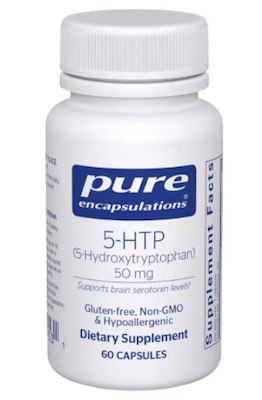
pure 5htp

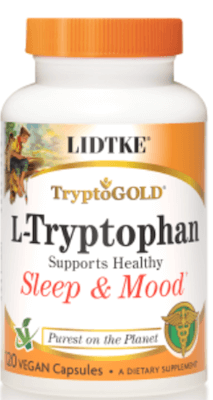
Products I recommend include Lidtke 500 mg Tryptophan, and Pure Encapsulations 50 mg 5-HTP.  You can purchase these from my online store (Fullscript – only available to US customers – use this link to set up an account).

nature's best l-tryptophan
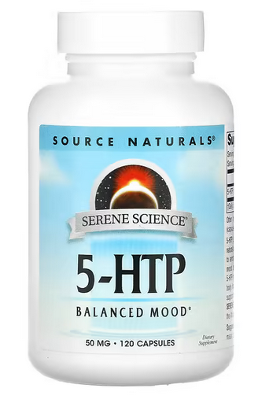
source natural 5-htp

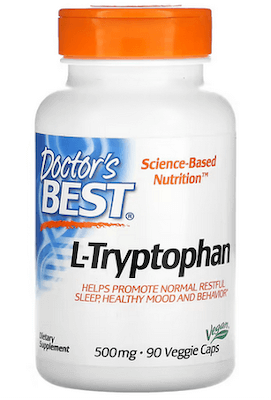
If you’re not in the US, Doctor’s Best L-Tryptophan 500mg and Source Naturals 50 mg 5-HTP  are products I recommend on iherb (use this link to save 5%).

Additional resources when you are new to using tryptophan, GABA and the other amino acids as supplements

We use the symptoms questionnaire to figure out if low serotonin or low GABA may be an issue for you.

If you suspect low levels of any of the neurotransmitters and do not yet have my book, The Antianxiety Food Solution – How the Foods You Eat Can Help You Calm Your Anxious Mind, Improve Your Mood, and End Cravings, I highly recommend getting it and reading it before jumping in and using amino acids on your own so you are knowledgeable. And be sure to share it with the practitioner/health team you or your loved one is working with.

There is an entire chapter on the amino acids and they are discussed throughout the book in the sections on gut health, gluten, blood sugar control, sugar cravings, anxiety and mood issues.

The book doesn’t include product names (per the publisher’s request) so this blog, The Antianxiety Food Solution Amino Acid and Pyroluria Supplements, lists the amino acids that I use with my individual clients and those in my group programs. You can find them all – including the Lidtke Tryptophan 500 mg and some of the GABA products mentioned above – in my online store.

If, after reading this blog and my book, you don’t feel comfortable figuring things out on your own (i.e. doing the symptoms questionnaire and respective amino acids trials), a good place to get help is the GABA QuickStart Program (if you have low GABA symptoms too). This is a paid online/virtual group program where you get my guidance and community support.

If you are a practitioner, join us in The Balancing Neurotransmitters: the Fundamentals program. This is also a paid online/virtual program with an opportunity to interact with me and other practitioners who are also using the amino acids.

Have you had success using tryptophan and/or GABA for your anxiety, panic attacks, negative thoughts and scary waves of fear?  If yes, how much helps? Did you start low and then increase?

If you’re a practitioner do you have success using tryptophan and GABA this way with your clients/patients?

Feel free to share and ask your questions below.
Filed Under: Anxiety, Fear, GABA, Tryptophan, Women's health Tagged With: anxiety, fear, GABA, migraine; GABA Quickstart; Balancing Neurotransmitters: the Fundamentals program for practitioners, negative thoughts, neurotransmitters, panic attacks, pharmaGABA, serotonin, tryptophan, tyrosine, vegetarian diet, wave of fear

GABA and taurine reduce high blood pressure: the anxiety connection and what do when on blood pressure medication or if blood pressure is already low

September 1, 2023 By Trudy Scott 18 Comments

gaba and taurine

Gamma-amino butyric acid (GABA) is an amino acid that used as a supplement to help ease physical anxiety and help with insomnia, and a host of other symptoms ranging from pain to throat spasms (you can see the most recent list of symptoms here)

Research shows that GABA lowers blood pressure too. This has implications if you have high blood pressure/hypertension and are currently taking blood pressure medication or if you happen to have low blood pressure. The latter is already a precaution I review with my clients i.e. to watch the use of GABA when blood pressure is low. But we do need to add another precaution to cover folks already on blood pressure medications. Read on to learn about these precautions and what they may mean for you, and to read about the GABA (and taurine) hypertension research. And the fact that anxiety is common when you have high blood pressure and can actually be a driving factor.

This paper, United States Pharmacopeia (USP) Safety Review of Gamma-Aminobutyric Acid (GABA), published in 2021, reports the results of a 4-week study that investigated the tolerability of GABA supplementation in mildly hypertensive but otherwise healthy adults:

The authors first established an optimum dose in mildly hypertensive subjects (SBP/systolic blood pressure between 130 and 180 mm Hg) who were randomized to receive oral doses of GABA at 0 (placebo), 20, 40, or 80 mg/day for 4 weeks.

An intake of 80 mg/day of GABA was associated with a significant reduction of the BP in adults with mild hypertension, and no adverse effects were reported.

A subsequent study evaluated long-term effects of GABA at 80 mg daily versus placebo in mildly hypertensive subjects for 8 weeks:

At the end of the 8-week study, SBP [systolic blood pressure i.e. the top number] and DBP [diastolic blood pressure i.e. the bottom number] were on average 5% lower in all the subjects who received 80 mg/day of GABA compared to participants in the placebo group whose blood pressure levels remained above normal.

This is a substantial reduction when 80 mg of GABA a day is considered a very low dose. I typically have my anxious clients start with 125mg GABA and increase from there. They may end up using 125 mg GABA 3 or 4 times a day and sometimes 250 mg a few times a day.

I’m not suggesting using only GABA or taurine (more on this below) when blood pressure is high as there can be many variables and root causes. I would, however, like to see GABA be given more consideration, especially when anxiety is a symptom too.

The existing GABA precautions: a new one if you are taking medication for high blood pressure

If you are currently taking blood pressure medication for high blood pressure and plan to do a trial of GABA, it’s worth monitoring your blood pressure and discussing with your prescribing doctor. GABA may lower your blood pressure enough that your medication can be reduced or possibly stopped.  The above paper states this:

Because some studies showed that GABA was associated with decreases in blood pressure, it is conceivable that concurrent use of GABA with anti-hypertensive medications could increase risk of hypotension [low blood pressure].

I have now added this as a new precaution – High blood pressure and on blood pressure medications: GABA, taurine. You can see it on the Amino Acid Precautions blog.

The existing GABA precautions: watch when you have low blood pressure and don’t use when pregnant or nursing

As you can read in the amino acids chapter of my book and on the above precautions blog, there is already a precaution stating to watch the use of GABA when you have low blood pressure. It’s worth being aware of but is not something I’ve actually seen to be an issue. Occasionally folks reduce their GABA dose because they feel light-headed.

This precaution is already addressed – not to use GABA when pregnant or nursing – but it’s worth repeating here as it’s a frequent question I am asked . The above paper states:

Caution is advised for pregnant and lactating women since GABA can affect neurotransmitters and the endocrine system, i.e., increases in growth hormone and prolactin levels.

Taurine: hypertension, stroke and heart disease

You’ll notice taurine grouped with GABA on the list of precautions. Based on the research, this amino acid also helps reduce blood pressure and is cardio-protective: “Advances in extensive studies on experimental models indicate that taurine is preventive against hypertension, stroke and atherosclerotic arterial diseases.”

This is one of the proposed mechanisms of taurine for lowering blood pressure : “The preventive mechanisms of taurine were ascribed to sympathetic modulation for reducing blood pressure (BP) and anti-inflammatory action.” GABA works in a similar way.

The same precautions would apply: low blood pressure and high blood pressure with blood pressure medication.

As I mentioned above, there is more to hypertension than adding only taurine or GABA. This book by Dr. Mark Houston MD, is an excellent resource – What Your Doctor May Not Tell You About(TM): Hypertension: The Revolutionary Nutrition and Lifestyle Program to Help Fight High Blood Pressure (my Amazon link).

He does mention taurine and recommends 1 to 1.5 g of taurine twice a day for high blood pressure. He does not mention GABA supplementation but does mention how vitamin B6 is important for GABA and serotonin production and improving sympathetic function.

Stress, anxiety and fear affect blood pressure and GABA helps

Dr. Houston shares that “numerous studies have linked stress, anxiety, fear and other negative emotions to an elevation in blood pressure. Conversely, as stress decreases, so does blood pressure. ”

This supports my comments above about giving GABA more consideration when it comes to high blood pressure, especially when anxiety is a symptom too. Here are some cases studies:

  • GABA for the physical-tension and stiff-and-tense-muscles type of anxiety
  • PCOS (polycystic ovarian syndrome): GABA helped ease lifelong anxiety, wean off anxiety medication, ovulate each month and stop PCOS meds
  • Multiple sclerosis: low GABA research and the amino acid GABA for anxiety, muscle stiffness, swallowing/voice issues and pain
  • GABA lessens anxiety, agitation and defiance in 98 year old mother who has been “sundowning” for a couple of years

When GABA is not available taurine is a viable option for anxiety and hypertension.

Resources if you are new to using amino acids as supplements

If you suspect low levels of any of the neurotransmitters and do not yet have my book, The Antianxiety Food Solution – How the Foods You Eat Can Help You Calm Your Anxious Mind, Improve Your Mood, and End Cravings, I highly recommend getting it and reading it before jumping in and using amino acids on your own so you are knowledgeable. And be sure to share it with the practitioner/health team you or your loved one is working with.

There is an entire chapter on the amino acids and they are discussed throughout the book in the sections on gut health, gluten, blood sugar control, sugar cravings, anxiety and mood issues.

The book doesn’t include product names (per the publisher’s request) so this blog, The Antianxiety Food Solution Amino Acid and Pyroluria Supplements, lists the amino acids that I use with my individual clients and those in my group programs. You can find them all in my online store.

If, after reading this blog and my book, you don’t feel comfortable figuring things out on your own (i.e. doing the symptoms questionnaire and respective amino acids trials), a good place to get help is the GABA QuickStart Program (if you have low GABA symptoms too). This is a paid online/virtual group program where you get my guidance and community support.

If you are a practitioner, join us in The Balancing Neurotransmitters: the Fundamentals program. This is also a paid online/virtual program with an opportunity to interact with me and other practitioners who are also using the amino acids.

If you have low blood pressure, has GABA (or taurine) been an issue for you?

Do you have high blood pressure and has GABA (or taurine) lowered it? If yes, how much did you use and how much did your blood pressure improve? And did you have to adjust your blood pressure medication (and which one)?

Has GABA (or taurine) helped ease your physical anxiety and other low GABA symptoms?

If you have questions and other feedback please share in the comments too.

Filed Under: Anxiety, GABA Tagged With: amino acids, anxiety, Balancing Neurotransmitters: the Fundamentals program for practitioners, blood pressure medication, fear, GABA, GABA Quickstart, heart disease, high blood pressure, hypertension, hypertensive, insomnia, low blood pressure, nursing, pain, precaution, pregnant, stress, stroke, systolic blood pressure, taurine, throat spasms

GABA lessens anxiety, agitation and defiance in 98 year old mother who has been “sundowning” for a couple of years

March 17, 2023 By Trudy Scott 11 Comments

gaba and sundowning

Marsha shared this feedback on one of the blogs, saying that GABA lessens anxiety in her 98 year old mother:

My mother is 98 and has been “sundowning” for a couple of years. It starts around 3pm, sometimes earlier. Some days it’s no big deal. It is on those other days when she starts and then it goes to anxiety, agitation, then she can get sort of defiant which is so not her. She is a gentle soul, friendly, and kind so this is difficult on her as well as our family.

I just started to use my pestle and mortar to crush up a 125 mg GABA CALM supplement (Source Naturals) and I mix a little into her flavored yogurt when I start to see her having difficulty. I give it to her throughout the day. She only gets the 125 mg amount so I feel safe with that.

I believe that I do notice it lessens her anxiety. I pray that this will be helpful for her because that anxiety can be really draining for her. I will keep you posted. I have not noticed any adverse reactions. Thank you Trudy for all your info.

Anxiety, fear and agitation in sundowning syndrome: circadian dysfunction and low GABA

I responded, saying how wonderful to hear that she is noticing supplemental GABA lessens her mother’s anxiety (and presumably her agitation and defiance too). And I shared that GABA may be involved in sundowning syndrome.

This paper describes “sundowning syndrome,” as “a poorly understood (and even controversial) clinical phenomenon in Alzheimer’s and dementia patients that is characterized by agitation, aggression, and delirium during the late afternoon and early evening hours.”

The authors are focusing on potential pathways for circadian rhythm – physical, mental, and behavioral changes that follow a 24-hour cycle – dysfunction in sundowning. They also mention the presence of fear and anxiety and the fact that there is a circadian aspect of these emotional processes.

What is interesting is that the “master circadian pacemaker” i.e. “the suprachiasmatic nucleus of the hypothalamus” has impacts on both GABA and serotonin, and also dopamine and orexin (involved in sleep-wake processes).

Given the circadian aspect addressed in the above paper, “properly timed light exposure” i.e. early morning sunlight, is also worth exploring.

This paper, Implications of GABAergic Neurotransmission in Alzheimer’s Disease, focuses onGABA and shares that “of the two major types of synapses in the central nervous system (CNS): glutamatergic and GABAergic, which provide excitatory and inhibitory outputs respectively, abundant data implicate an impaired glutamatergic system during disease progression.” 

The amino acid GABA helps to ease anxiety symptoms and agitation and restlessness, also helping with disturbed sleep.

GABA Calm dosing in the elderly with sundowning syndrome: my observations

I also expressed how this is a smart way to use the GABA Calm. I’m going to make some assumptions and share my observations:

  • Marsha uses GABA Calm herself and has a good level of comfort based on personal results. She knows how she feels after using it and is observing her mother’s symptoms. I have guided many family members in doing the same type of thing – mom’s working to help a child and a granddaughter helping a grandparent – and it works well.
  • Marsha has also started with a low dose of 125 mg. This is a typical starting dose and is a reasonable dose that may suffice for the entire day for someone this age. She may also need more and increasing the dose and observing is the way to go when someone can’t articulate how the amino acid is helping them. For some folks, 125mg may be too much – making them too sleepy or even more agitated/anxious – the dose can be reduced in this case (after using vitamin C as an antidote).
  • Marsha crushes the GABA Calm chewable/sublingual and mixes it into her mother’s flavored yogurt, since having her suck on the chewable is not an option. This is a great plan but as she continues to help her, she may see better results using a non-protein source to mix it in – like apple sauce or mashed banana.
  • Finally, she gives it to her mother when she starts to see her having difficulty. Again, it’s wonderful she is observing and helping her at the moment, but this could be a clue that she needs more GABA to provide even better results. We also don’t want to wait for the anxiety and then address it. Instead, we want to get GABA levels up and prevent it.

You can read more about Source Naturals GABA Calm product and why I use it with clients here.

Low serotonin, tryptophan and melatonin in sundowning syndrome

I also told Marsha that when I hear symptoms like agitation and defiance, especially with the 3pm start, I also would also consider low serotonin since it starts to decline afternoon into evening.

Her mother’s anxiety may be a mix of low GABA physical-type anxiety and low serotonin worry-type anxiety. She’ll only really know once she trials the respective amino acids.

I’ve seen low serotonin worry-type anxiety, agitation and defiance symptoms improve with tryptophan and/or melatonin and share more about this in this blog post – Sundowning in Alzheimer’s and dementia: melatonin/tryptophan for the agitation, restlessness, anxiety, disturbed sleep and aggression

Dietary factors and low dose lithium

Marsha says some days it’s no big deal. I would recommend keeping a food-mood log and make sure it’s not something in her diet that may be a trigger: hidden gluten, dietary oxalates or even blood sugar swings.

These are mentioned in the above blog, together with low dose lithium orotate which can help keep moods more even.

Microdose lithium is also capable of halting signs of advanced Alzheimer’s and improving cognition. More on that here.

It’s with much appreciation that Marsha shared this feedback. I’m thrilled for her and her mother. Hopefully, my feedback on this blog means she’ll be able to fine-tune things. And you get to learn and benefit from this feedback too – for your loved one.

A few GABA product options  – a sublingual, a powder and a cream

A product I use and recommend is Source Naturals GABA Calm lozenges. This is one Marsha uses for herself and is using with her mother.  It’s a good low dose of 125 mg and is convenient and effective because it’s a sublingual lozenge.

Now GABA Powder is another product I use and recommend. It does need to be measured out to provide a 125 mg typical starting dose or less (as needed), and could be mixed in water in a situation like this. I have clients use a handy mini measuring spoon like this one (my Amazon link) and share more about how to measure out GABA powder on this blog).

For Source Naturals GABA Calm lozenges and Now GABA Powder:

  • You can purchase these from my online store (Fullscript – only available to US customers – use this link to set up an account).
  • If you’re not in the US, you can purchase these at iherb (use this link to save 5%).

Somnium GABA Cream is another option that could be considered especially for those with Alzheimer’s or dementia who may struggle with using a supplement. It is available in the US and elsewhere with international shipping. Read more about the product and who else may benefit from using a cream, and grab my coupon code to save 15%.

Resources if you are new to using tryptophan or GABA as supplements

If you are new to using tryptophan or GABA as supplements, here is the Amino Acids Mood Questionnaire from The Antianxiety Food Solution (you can see all the symptoms of neurotransmitter imbalances, including low GABA and low serotonin).

If you suspect low levels of any of the neurotransmitters and do not yet have my book, The Antianxiety Food Solution – How the Foods You Eat Can Help You Calm Your Anxious Mind, Improve Your Mood, and End Cravings, I highly recommend getting it and reading it before jumping in and using amino acids on your own so you are knowledgeable. And be sure to share it with the practitioner/health team you or your loved one is working with.

There is an entire chapter on the amino acids and they are discussed throughout the book in the sections on gut health, gluten, blood sugar control, sugar cravings, anxiety and mood issues (which include rage/anger/irritability/self-harm).

The book doesn’t include product names (per the publisher’s request) so this blog, The Antianxiety Food Solution Amino Acid and Pyroluria Supplements, lists the amino acids that I use with my individual clients and those in my group programs. You can find them all in my online store. The above oral lavender products are available in my online store too.

If, after reading this blog and my book, you don’t feel comfortable figuring things out on your own (i.e. doing the symptoms questionnaire and respective amino acids trials), a good place to get help is the GABA QuickStart Program (if you have low GABA symptoms). This is a paid online/virtual group program where you get my guidance and community support.

If you are a practitioner, join us in The Balancing Neurotransmitters: the Fundamentals program. This is also a paid online/virtual program with an opportunity to interact with me and other practitioners who are also using the amino acids.

Have you found GABA to help in a situation like this?

If yes, which symptoms have resolved and how much GABA/which product are you using/did you use?

What time did the symptoms start to ramp up?

And has serotonin support with tryptophan and/or melatonin also helped?

If you have questions and other feedback please share it here too.

Filed Under: GABA, Lithium orotate, serotonin, Tryptophan Tagged With: agitation, alzheimer's, amino acids, anxiety, anxious; GABA Quickstart online program; Balancing Neurotransmitters: the Fundamentals program for practitioners, circadian dysfunction, defiance, dementia, dietary factors, elderly, fear, GABA, GABA Calm, lithium, melatonin, serotonin, Sundowning, tryptophan

“I’m In An Abusive Relationship That I Will Never Walk Away From”: tryptophan, a gluten-free diet, lithium and other nutritional solutions

March 10, 2023 By Trudy Scott 16 Comments

abusive relationship - nutrition solutions

This mom’s story really struck a nerve for me… “I’m in an abusive relationship that I will never walk away from.” She shares this …

I can’t exactly pinpoint when I first felt the shift between our dynamic. One minute, things were as they always were. Before I could blink, though, I found myself engrossed in an alternate reality that resembled less and less of life as I knew it with each passing week. Trickles of rage and anger bubbled to the surface, threatening to break through until they could no longer be harnessed. I’ve been riding the waves ever since.

I currently exist in a heightened state of fear and anxiety, unsure of what each day will bring. When I wake each morning, I silently hope that today will be a “good” day; that he won’t be angry. That he won’t hurt me. Sometimes I’m lucky, and I get my person back. Other times, it feels like I’m living in a battle ground.

Her story really struck a nerve for me because of what she is going through but also because NO solutions are provided for her son. Stories like this help create awareness, make you feel less alone, create empathy and better understanding – which is important – but we want to offer nutritional solutions to families who are dealing with this.

(You can read her entire story on the ScaryMommy blog.)

Functional medicine and nutritional psychiatry as a solution

My heart goes out to this mom, this young man and the rest of the family. My hope is that this mom and all mom’s in similar situations are open to functional medicine, nutritional psychiatry and the power of food and nutrients to dramatically reduce and in many cases reverse behavioral issues like this in the child.

Sugar, caffeine and junk food must go and a gluten-free diet will very possibly make a difference. Having her son eat for blood sugar control is key too. It may also mean switching to a low-salicylate and/or, low-oxalate and low histamine diet. And addressing low lithium, low zinc, low vitamin D, low vitamin B12, high copper, low magnesium and/or low vitamin B6. Low serotonin and low GABA are common and this is where I would start with this young man (more on this below). They may also need to address his gut health/parasites, infections (like Lyme), PANS/PANDAS, mold toxicity, metals and environmental toxins etc.

I’ll highlight many of these in this blog and share links for further reading, plus the approaches I may consider. The important thing to recognize is that there is not one-size-fits-all.

Address low serotonin and low GABA

For a mom in the midst of all this, it can seem overwhelming and very daunting but when you start by addressing low serotonin and low GABA it becomes so much easier. Her son gets some relief very quickly and all the root causes can be figured out and addressed one by one. It also gives mom and the family a much-needed glimmer of hope. As I mentioned above, this is where I would start.

These are clues from her story as to why we’d want to look into and address low serotonin: her son’s explosive anger and rage, the physical and mental abuse, threats to hurt himself (self-harm) and his mother and siblings, and being argumentative.

You can see how the above fits into the list of low serotonin symptoms here. The amino acid that addresses low serotonin is tryptophan or 5-HTP and you can expect to see results in a few days.

I worked with an 11 year old girl with explosive rage issues (and anxiety, cravings & insomnia)  and chewable tryptophan started to turn things around very quickly. You can read more about this here.

If he has low GABA symptoms of physical tension and anxiety, we’d do a trial of GABA next.

A gluten-free diet and eating for blood sugar control

The next change I’d make is to have him start to make dietary changes, starting to switch to gluten-free eating and real whole food. As you can see from the above blog, a gluten-free diet and getting the 11 year old off the sugar made a big difference too. Tryptophan helped with this process, making it easy to break the addiction and not feel deprived.

Gluten issues (celiac disease and gluten sensitivity) are typically associated with gut issues but the psychiatric symptoms are less recognized. This 2023 paper, Psychiatric and Neurological Manifestations of Celiac Disease in Adults states that “Celiac disease is associated with mood disorders, such as manic-depressive disease, schizophrenia, and bipolar disorder, as well as other disorders such as depression and anxiety.”

In this blog I share how gluten was found to be the cause of a childhood case of obsessive-compulsive disorder. Symptoms resolved on a gluten-free diet.

Having him starting to eat for blood sugar stability may help with the irritability and mood swings, and may also help with his rageful outbursts.

Low dose lithium orotate for the rollercoaster of emotions

Next I’d likely explore the possibility of low dose lithium orotate as something that may help this young man too. The hallmark of low lithium is a rollercoaster of emotions and this mom shares how there are really good times amongst the really tough times.  I use this lithium questionnaire with clients. In addition to the ups and downs, these are clues that he may benefit: he’s rebellious, exhibits disruptive behavior and aggressiveness, is irritable, restless and engages in risky behavior.

Next steps: explore all the possible root causes and do nutritional testing

We’d want to explore all possible root causes and next steps would be decided based on his specific situation. Here is a list of 60+ root causes that I work through and the nutritional/functional testing that I do with my clients. You can replace anxiety with anger/rage in the blogs – for some people their symptoms show up as rage and for others it’s anxiety.

And here are some links for further reading:

  • Bartonella infection in mom and both sons: anxiety, panic attacks, insomnia, inconsolable crying, irritability, ADHD, rage and pain
  • Christmas tree phenols as a trigger for anger, meltdowns, anxiety, hyperactivity, insomnia, aggression, self-injury and autistic symptoms? (dietary salicylates – a type of phenol – can cause similar issues)
  • Sex and Aggression Characteristics in a Cohort of Patients with Pediatric Acute-Onset Neuropsychiatric Syndrome “Among patients with PANS, males exhibit more aggressive behavior when compared with females” (typically the clue it may be PANDAS/PANS is sudden onset of symptoms, although it’s not the case in all instances)
  • Neuropsychiatric Lyme Disease by Dr. Suruchi Chandra Lyme disease “can remain dormant for years and then later mimic a number of psychiatric illnesses, including anxiety disorders, mood disturbances, psychosis, and autism-like behaviors.”

This is not a conclusive list but a good start for seeing what the possibilities may be. Feel free to search the blog for more on some of the above and some of the other factors mentioned above and in the 60+ root causes blog.

As you can see above, we start with the simple changes – amino acids and a few simple dietary changes (all covered in my book) and lithium orotate – and then continue to dig deeper.

Mom and the other children need nutritional/trauma support too

This mom and the other children need support too – from family and community, from a therapist who specializes in trauma – and with GABA/tryptophan, adrenal support and B vitamins. You can read more about nutritional solutions for psychological stress here.

Resources if you are new to using tryptophan or GABA as supplements

If you are new to using tryptophan or GABA as supplements, here is the Amino Acids Mood Questionnaire from The Antianxiety Food Solution (you can see all the symptoms of neurotransmitter imbalances, including low GABA and low serotonin).

If you suspect low levels of any of the neurotransmitters and do not yet have my book, The Antianxiety Food Solution – How the Foods You Eat Can Help You Calm Your Anxious Mind, Improve Your Mood, and End Cravings, I highly recommend getting it and reading it before jumping in and using amino acids on your own so you are knowledgeable. And be sure to share it with the practitioner/health team you or your loved one is working with.

There is an entire chapter on the amino acids and they are discussed throughout the book in the sections on gut health, gluten, blood sugar control, sugar cravings, anxiety and mood issues (which include rage/anger/irritability/self-harm).

The book doesn’t include product names (per the publisher’s request) so this blog, The Antianxiety Food Solution Amino Acid and Pyroluria Supplements, lists the amino acids that I use with my individual clients and those in my group programs. You can find them all in my online store. The above oral lavender products are available in my online store too.

If, after reading this blog and my book, you don’t feel comfortable figuring things out on your own (i.e. doing the symptoms questionnaire and respective amino acids trials), a good place to get help is the GABA QuickStart Program (if you have low GABA symptoms). This is a paid online/virtual group program where you get my guidance and community support.

If you are a practitioner, join us in The Balancing Neurotransmitters: the Fundamentals program. This is also a paid online/virtual program with an opportunity to interact with me and other practitioners who are also using the amino acids.

Have you found tryptophan, GABA and/or lithium orotate to help in a situation like this?

What about a gluten-free diet and eating for blood sugar control?

What bigger root causes were found to be contributing factors too?

If you have questions and other feedback please share it here too.

Filed Under: Gluten, Lithium orotate, Nutritional Psychiatry, serotonin, Teens, Tryptophan Tagged With: abuse, abusive relationship, amino acids, anger, angry, anxiety, bartonella, blood sugar, emotions, fear, functional medicine, GABA Quickstart online program; and Balancing Neurotransmitters: the Fundamentals program for practitioners, gluten-free, irritability, lithium orotate, low GABA, low serotonin, Lyme Disease, nutritional psychiatry, nutritional solutions, PANS, Phenols, rage, rollercoaster, self-harm, Solutions, tryptophan

  • Page 1
  • Page 2
  • Page 3
  • Interim pages omitted …
  • Page 5
  • Go to Next Page »

Primary Sidebar

NEW! GABA QuickStart Homestudy (with special intro pricing)

gaba quickstart homestudy

Free Report

9 Great Questions Women Ask about Food, Mood and their Health

You'll also receive a complimentary subscription to my ezine "Food, Mood and Gal Stuff"


Connect with me

Popular Posts

  • Amino Acids Mood Questionnaire from The Antianxiety Food Solution
  • The Antianxiety Food Solution Amino Acid and Pyroluria Supplements
  • Pyroluria Questionnaire from The Antianxiety Food Solution
  • Collagen and gelatin lower serotonin: does this increase your anxiety and depression?
  • Tryptophan for the worry-in-your-head and ruminating type of anxiety
  • GABA for the physical-tension and stiff-and-tense-muscles type of anxiety
  • The Antianxiety Food Solution by Trudy Scott
  • Seriphos Original Formula is back: the best product for anxiety and insomnia caused by high cortisol
  • Am I an anxious introvert because of low zinc and vitamin B6? My response to Huffington Post blog
  • Vagus nerve rehab with GABA, breathing, humming, gargling and key nutrients

Recent Posts

  • What do I use instead of Seriphos to help lower high cortisol that is affecting my sleep and making me anxious at night?
  • BeSerene™ GABA/theanine cream eases severe muscle tension in her neck/shoulders, prevents her bad headaches and quells her anxiety
  • How the correct approach, dose and sublingual use of GABA can be calming and not cause a flushed and itchy face and neck
  • The amino acid glutamine improves low mood by addressing gut health, and it has calming effects too
  • Flight anxiety with heightened breath, physical tension and also fearing the worst (the role of low GABA and low serotonin)

Categories

  • 5-HTP
  • AB575
  • Addiction
  • ADHD
  • Adrenals
  • Alcohol
  • Allergies
  • Alzheimer's disease
  • Amino Acids
  • Anger
  • Antianxiety
  • Antianxiety Food Solution
  • Antidepressants
  • Anxiety
  • Anxiety and panic
  • Autism
  • Autoimmunity
  • benzodiazapines
  • Bipolar disorder
  • Books
  • Caffeine
  • Cancer
  • Candida
  • Children/Teens
  • Collagen
  • Cooking equipment
  • Coronavirus/COVID-19
  • Cravings
  • Depression
  • Detoxification
  • Diabetes
  • Diet
  • DPA/DLPA
  • Drugs
  • EFT/Tapping
  • EMF
  • EMFs
  • Emotional Eating
  • Endorphins
  • Environment
  • Essential oils
  • Events
  • Exercise
  • Fear
  • Fear of public speaking
  • Fertility and Pregnancy
  • Fish
  • Food
  • Food and mood
  • Functional neurology
  • GABA
  • Gene polymorphisms
  • General Health
  • Giving
  • Giving back
  • Glutamine
  • Gluten
  • GMOs
  • Gratitude
  • Gut health
  • Heart health/hypertension
  • Histamine
  • Hormone
  • Hyperparathyroidism
  • Hypoglycemia
  • Immune system
  • Inflammation
  • Insomnia
  • Inspiration
  • Introversion
  • Joy and happiness
  • Ketogenic diet
  • Lithium orotate
  • Looking awesome
  • Lyme disease and co-infections
  • MCAS/histamine
  • Medication
  • Men's health
  • Mental health
  • Mercury
  • Migraine
  • Mold
  • Movie
  • MTHFR
  • Multiple sclerosis
  • Music
  • NANP
  • Nature
  • Nutritional Psychiatry
  • OCD
  • Osteoporosis
  • Oxalates
  • Oxytocin
  • Pain
  • Paleo
  • Parasites
  • Parkinson’s disease
  • PCOS
  • People
  • PMS
  • Postpartum
  • PTSD/Trauma
  • Pyroluria
  • Questionnaires
  • Real whole food
  • Recipes
  • Research
  • Schizophrenia
  • serotonin
  • SIBO
  • Sleep
  • Special diets
  • Sports nutrition
  • Stress
  • Sugar addiction
  • Sugar and mood
  • Supplements
  • Teens
  • Testimonials
  • Testing
  • The Anxiety Summit
  • The Anxiety Summit 2
  • The Anxiety Summit 3
  • The Anxiety Summit 4
  • The Anxiety Summit 5
  • The Anxiety Summit 6
  • Thyroid
  • Thyroid health
  • Toxins
  • Tryptophan
  • Tyrosine
  • Uncategorized
  • Vegan/vegetarian
  • Women's health
  • Yoga

Archives

  • October 2025
  • September 2025
  • August 2025
  • July 2025
  • June 2025
  • May 2025
  • April 2025
  • March 2025
  • February 2025
  • January 2025
  • November 2024
  • October 2024
  • September 2024
  • August 2024
  • July 2024
  • June 2024
  • May 2024
  • April 2024
  • March 2024
  • February 2024
  • January 2024
  • December 2023
  • November 2023
  • October 2023
  • September 2023
  • August 2023
  • July 2023
  • June 2023
  • May 2023
  • April 2023
  • March 2023
  • February 2023
  • January 2023
  • December 2022
  • November 2022
  • October 2022
  • September 2022
  • August 2022
  • July 2022
  • June 2022
  • May 2022
  • April 2022
  • March 2022
  • February 2022
  • January 2022
  • December 2021
  • November 2021
  • October 2021
  • September 2021
  • August 2021
  • July 2021
  • June 2021
  • May 2021
  • April 2021
  • March 2021
  • February 2021
  • January 2021
  • December 2020
  • November 2020
  • October 2020
  • September 2020
  • August 2020
  • July 2020
  • June 2020
  • May 2020
  • April 2020
  • March 2020
  • February 2020
  • January 2020
  • December 2019
  • November 2019
  • October 2019
  • September 2019
  • August 2019
  • July 2019
  • June 2019
  • May 2019
  • April 2019
  • March 2019
  • February 2019
  • January 2019
  • December 2018
  • November 2018
  • October 2018
  • September 2018
  • August 2018
  • July 2018
  • June 2018
  • May 2018
  • April 2018
  • March 2018
  • February 2018
  • January 2018
  • December 2017
  • November 2017
  • October 2017
  • September 2017
  • August 2017
  • July 2017
  • June 2017
  • May 2017
  • April 2017
  • March 2017
  • February 2017
  • January 2017
  • December 2016
  • November 2016
  • October 2016
  • September 2016
  • August 2016
  • July 2016
  • June 2016
  • May 2016
  • April 2016
  • March 2016
  • February 2016
  • January 2016
  • December 2015
  • November 2015
  • October 2015
  • September 2015
  • August 2015
  • July 2015
  • June 2015
  • May 2015
  • April 2015
  • March 2015
  • February 2015
  • January 2015
  • December 2014
  • November 2014
  • October 2014
  • September 2014
  • August 2014
  • July 2014
  • June 2014
  • May 2014
  • April 2014
  • March 2014
  • February 2014
  • January 2014
  • December 2013
  • November 2013
  • October 2013
  • September 2013
  • August 2013
  • July 2013
  • June 2013
  • May 2013
  • April 2013
  • March 2013
  • February 2013
  • January 2013
  • December 2012
  • November 2012
  • October 2012
  • August 2012
  • July 2012
  • June 2012
  • May 2012
  • April 2012
  • March 2012
  • February 2012
  • January 2012
  • December 2011
  • November 2011
  • October 2011
  • September 2011
  • August 2011
  • July 2011
  • June 2011
  • May 2011
  • April 2011
  • March 2011
  • February 2011
  • January 2011
  • December 2010
  • October 2010
  • September 2010
  • July 2010
  • May 2010
  • April 2010
  • March 2010
  • February 2010
  • January 2010
  • November 2009

Share the knowledge!

The above statements have not been evaluated by the Food and Drug Administration. Products listed in this website are not intended to diagnose, treat, cure or prevent any disease.

The information provided on this site is for informational and educational purposes only and is not intended as a substitute for advice from your physician or other health care professional. You should consult with a healthcare professional before starting or modifying any diet, exercise, or supplementation program, before taking or stopping any medication, or if you have or suspect you may have a health problem.


Copyright © 2026 Trudy Scott. All Rights Reserved. | Privacy | Terms and Conditions | Refund Policy | Medical Disclaimer

Free Report

9 Great Questions Women Ask about Food, Mood and their Health

You’ll also receive a complimentary subscription to my ezine “Food, Mood and Gal Stuff”