• Skip to primary navigation
  • Skip to main content
  • Skip to primary sidebar

everywomanover29 blog

Food, Mood and Women's Health – Be your healthiest, look and feel great!

  • Blog
  • About
  • Services
  • Store
  • Resources
  • Testimonials
  • The Book
  • Contact
  • Search this site

depression

The surprisingly dramatic role of nutrition in mental health: Julia Rucklidge at TEDx

November 16, 2014 By Trudy Scott 29 Comments

Julia Rucklidge

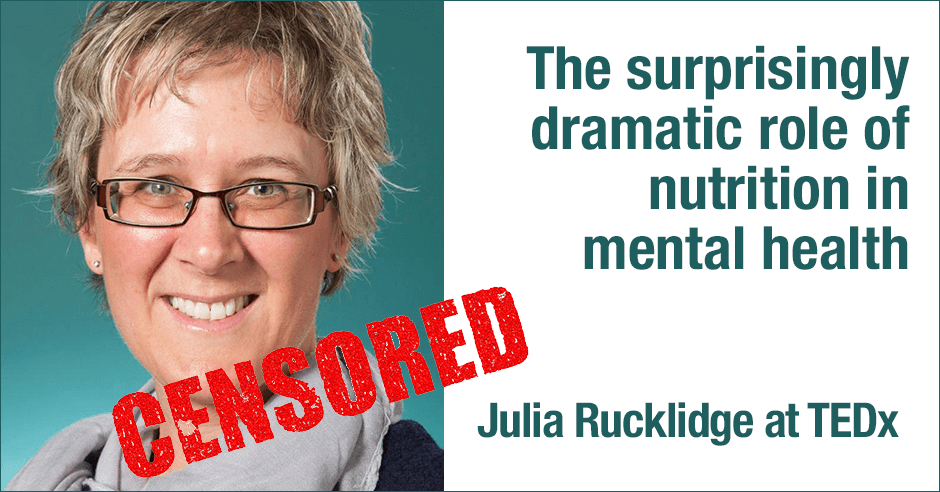
Julia Rucklidge, PhD, researcher from New Zealand, recently did this amazing TEDx talk called: The surprisingly dramatic role of nutrition in mental health

I love how she opens with:

what I’m going to share today may sound as radical as hand-washing sounded to a mid-19th century doctor and yet it is equally scientific. It is the simple idea that optimizing nutrition is a safe and viable way to avoid, treat or lessen mental illness. Nutrition matters. Poor nutrition is a significant and modifiable risk factor for the development of mental illness

Here are some real gems from her talk:

A well-nourished body and brain is better able to withstand ongoing stress

When people get well they get well in all areas: improved sleep, mood stabilization, reduction in anxiety and less need for cigarettes/cannabis/alcohol.


My research and other research from around the world show 60-70% of people respond to micronutrients – this shows just how powerful this intervention is


We should focus on food and lifestyle changes and exercise first, then therapy and save medications for when these approaches don’t work

I’d like to share the ending of Julia Rucklidge’s talk. She shares the story of how limes on ships in the 1600s eliminated deaths from scurvy but that it took 264 years for the British government to mandate the use of citrus on ships. She closes with this profound question and challenge:

How long will it take us to recognize that that sub-optimal nutrition is contributing to the epidemic of mental illness? Nutrition matters!

Bravo Julia! And thank you for all the great research you’re doing! We appreciate you!

UPDATE: June 8, 2018

I have decided to update the blog and share it again because Professor Rucklidge is sharing powerful research-based evidence about food-as-medicine for mental health and her talk is being flagged/censored by TEDx and this is not acceptable!

Professor Bonnie J. Kaplan, PhD, from the University of Calgary shared this information with me via an email:

There have been almost 900,000 views of Julia Rucklidge’s TEDx talk on nutrition and mental health, with many complimentary comments. Last week, however, the TED organization inexplicably “flagged” the video with the following comment:

“NOTE FROM TED: We’ve flagged this talk, which was filmed at a TEDx event, because it appears to fall outside TEDx’s curatorial guidelines. There is limited evidence to support the claims made by this speaker.”

Julia has attempted to educate the TED people regarding the fact that over 35 peer-reviewed publications could hardly be described as “limited evidence,” and that her interpretations do not go beyond the data. But they are not interested in her evidence.

The whole thing seems so strange: isn’t TED supposed to be all about innovation? But clearly, some lobbyist has convinced them that a non-pharmaceutical treatment should not be respected.

I’m sharing it again and updating the blog so you can watch it again or watch it for the first time and be inspired and have hope!

We’d like to ask for your help in please sharing too. Let us support her work and all the nutritional psychiatry researchers at ISNPR and around the world!

  • Even if you have already watched it, please click on it again and watch again (click on the video link above or use this link)
  • Share the youtube video and/or this blog with others, through Facebook or email or twitter or word of mouth (or all of the above)
  • Comment below the youtube video and/or comment on this blog of mine
  • Ask your friends, family and colleagues to do the same

More about Professor Rucklidge’s research interests

Professor Rucklidge’s research interests are centered on the role of nutrition in the expression and treatment of mental illness, from ADHD to depression to stress following natural disasters. Research methodologies include single case research designs, open label trials and randomized controlled trials.

  • ADHD
  • Child and adolescent clinical psychology
  • Clinical psychology
  • Learning disabilities
  • Young Offending
  • Earthquake research
  • Nutritional interventions
  • Mood Disorders

Some of her publications on micronutrients

  • Database Analysis of Depression and Anxiety in a Community Sample-Response to Micronutrient Intervention

Overall, people from the general population who suffer from mood and anxiety problems may benefit from improved nutritional status achieved with nutritional supplements.

  • Vitamin-mineral treatment improves aggression and emotional regulation in children with ADHD: a fully blinded, randomized, placebo-controlled trial

Micronutrients improved overall function, reduced impairment and improved inattention, emotional regulation and aggression, but not hyperactive/impulsive symptoms, in this sample of children with ADHD. Although direct benefit for core ADHD symptoms was modest, with mixed findings across raters, the low rate of adverse effects and the benefits reported across multiple areas of functioning indicate micronutrients may be a favourable option for some children, particularly those with both ADHD and emotional dysregulation.

  • A randomised trial of nutrient supplements to minimise psychological stress after a natural disaster. This study was co-authored with Professor Kaplan, and adds to the body of evidence showing that nutrient formulas with multiple minerals and/or vitamins (such as a B-complex) minimise/minimize stress associated with natural disasters such as earthquakes, fires and floods. I blogged about this after Hurricane Harvey in Houston.


  • Could yeast infections impair recovery from mental illness? A case study using micronutrients and olive leaf extract for the treatment of ADHD and depression. This case study reports that infections like candida can contribute to poor gut health and inflammation, leading to nutrient absorption issues and deterioration in psychiatric symptoms. The yeast overgrowth has to be addressed in order for the micronutrients to be effective. I blog about this here also sharing the candida-serotonin connection.

 Nutritional medicine as mainstream in psychiatry

Professor Rucklidge is also a contributing author to Nutritional medicine as mainstream in psychiatry which I blog about here

Psychiatry is at an important juncture, with the current pharmacologically focused model having achieved modest benefits in addressing the burden of poor mental health worldwide. Although the determinants of mental health are complex, the emerging and compelling evidence for nutrition as a crucial factor in the high prevalence and incidence of mental disorders suggests that diet is as important to psychiatry as it is to cardiology, endocrinology, and gastroenterology. Evidence is steadily growing for the relation between dietary quality (and potential nutritional deficiencies) and mental health, and for the select use of nutrient-based supplements to address deficiencies, or as monotherapies or augmentation therapies.

As you can tell I’m a big fan of her research work and what an honor it was for me to interview her on one of the Anxiety Summits: What if… Nutrition could Treat Anxiety and Depression? She shared wise words then than seem very relevant to this censorship of her TEDx talk:

How long is it going to take our society to pay attention to the research that shows that suboptimal nutrition is contributing to the epidemic of mental illness? Are we just going to sit around and ignore this evidence to our peril? Or are we going to start paying attention and start to invest in the really important research that needs to happen?

It was a thrill to then finally meet her in person last year at the ISNPR conference.
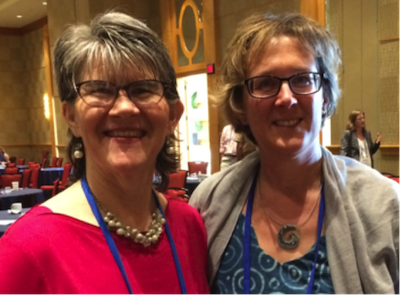
Julia Rucklidge and Trudy Scott
Meeting Julia Rucklidge at the ISNPR conference

This nutritional psychiatry work is widely supported by many practitioners

This nutritional psychiatry work is widely supported by many practitioners. Last year I interviewed Dr. Mark Hyman MD, creator of the Broken Brain series and author of What the Heck Should I Eat? In our interview he talks about somatopsychic medicine i.e. mental health symptoms caused by bodily illness and shares this about when he started to make this connection years ago:

I was just treating people’s physical systems, fixing their gut, helping their immune system, cleaning up their diet, optimizing their nutritional status, balancing their hormones, and all their mental problems would get better.

Their anxiety would get better, their depression would get better, and I wasn’t actually treating the depression or anxiety. Autism, ADD, memory issues, dementia, all these things would start to get better

And I began to realize that the body was driving a lot of this brain dysfunction, and that if you fix the body, a lot of the brain disorders would get better, that it wasn’t a primarily a mental problem, but it was a physical problem.

Dr. Nicole Beurkens, clinical psychologist and board-certified nutrition specialist, shares this about the talk:

This is an extremely important evidence-based talk on a topic that is moving the field of mental health forward. As a clinical psychologist and board-certified nutrition specialist, I see daily the positive impact that nutrition can have on mental health for children and adults. More than medication and talk therapy is needed to reduce symptoms for many people with these challenges, and nutrition is an accessible research-based option. I often recommend this video to patients and their families.

Dr. Beurkens is also speaker on a prior Anxiety Summit. It’s now in it’s fourth season and I’ve the wonderful opportunity to interview and share the nutritional psychiatry wisdom from over 70 practitioners, researchers, mental advocates and clients.

So much wonderful feedback from study participants

There is so much wonderful feedback in the comments below the youtube video. I love this comment from a study participant from New Zealand, Deidre Fraser:

I’m a pretty ordinary Kiwi, not particularly alternative. I don’t have a big appetite for risk. But I have participated in one of Julia Rucklidge’s studies and my family has benefited hugely from the introduction to, and continued use of micronutrients. Could we have achieved the same result using a pharmaceutical medicine? Some behaviours would have likely been addressed, but and it is a big BUT, one of the side effects (unexpected) would NOT have been improved happiness and self-worth, which resulted in better friendships – pretty basic things we all want from life!

We also got increased focus and the noticeably different academic performance that we thought we wanted (We just hadn’t realised that should be the secondary objective).

I don’t really understand the science behind it all, but the empirical research and published journals are there to support micronutrients as a valid option with verifiable research outcomes.

And SP Hancock shares these compelling results:

I’m so grateful for this presentation. It compelled me to find a medical doctor who looks at symptoms of mental illness from a perspective other than traditional psychiatry. He helped me heal my gut so that I can get the micronutrients I need from my food choices. 2 years ago I was using the micronutrient supplement Dr. Rucklidge had diligently researched for more than a decade. Today, I no longer need supplementation because my gut can absorb micronutrients from my food. I have been off medications for three years now–completely stable using only food after having lived for nearly two decades with acute symptoms of refractory schizoaffective disorder bipolar type with catatonia. Thank you Dr. Rucklidge for your structured, independently funded studies. Your hard work and sound research methodology gave me the courage to find a doctor willing to look at my symptoms from a fresh perspective. Keep up the exceptional work!

I hope this has inspired you to keep seeking a solution if you are still on your healing journey or and even if you have found your solution. Either way we’d love your help in getting this message out to more people so please share share and share!

Professor Bonnie Kaplan says: “Let’s see if we can quadruple the views to 5 million or so.” I’m sure we can! Thank you!
Filed Under: Food and mood Tagged With: ADHD, anxiety, depression, Julia Rucklidge, mental health, mental illness, micronutrients, natural disaster, nutrition, nutritional psychiatry, stress, TEDx

The Anxiety Summit – How thyroid imbalance can cause anxiety and depression

November 8, 2014 By Trudy Scott 6 Comments

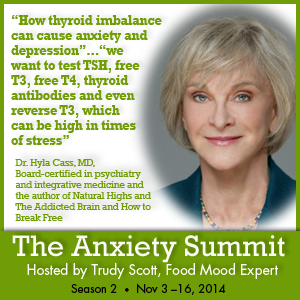
Dr. Hyla CassQuote_Anxiety2

Dr Hyla Cass, MD, author of Eight Weeks to Vibrant Health was interviewed by host of the Anxiety Summit, Trudy Scott, Food Mood Expert and Nutritionist, author of The Antianxiety Food Solution.

How thyroid imbalance can cause anxiety and depression

  • An aside on Abram Hoffer and orthomolecular medicine
  • Thyroid disorders: frequency, causes, symptoms and the mood/anxiety connection
  • Hashimotos thyroiditis and anxiety
  • Hyperthyroidism and anxiety
  • Testing: basal temperature and blood tests
  • Conventional medical treatment
  • Natural thyroid hormones and dietary factors
  • Shoulder stands, rebounding and exercise for stress and anxiety

Hyla and I recently both presented at the Integrative Medicine for Mental Health conference.  While we were these I asked her to do a quick video.  Here it is…

Here is Hyla’s answer to: “What are some of the other factors that can cause us to have a low thyroid function?”

Well, if you’re not converting T4 to T3, you want to go another step deeper, and that is why aren’t you converting T4 to T3? Because that is the active form. So it could be that you’re converting it to inactive form, which is reverse T3. That’s what you do in times of stress. It could be that you’re deficient in certain minerals that are required to convert the T4 to T3. Those are selenium, for example, zinc, magnesium.

We need to have a lot of chemicals in our body, a lot of good chemicals, good vitamins, good minerals for all the chemistry to work properly. So rather than simply replacing thyroid hormones, which is a good idea and it works, but also to find out what’s going on to make your body produce the T3 instead of giving it exogenously, giving external T3. But let’s encourage the body first to make it.

Or your adrenals can be wiped out. You get really stressed and your adrenals are working too hard, and they kind of go on strike. What happens when your adrenals are really exhausted is they’re releasing cortisol. You actually suppress your thyroid, your production of thyroid. You could actually have a low TSH and a low T4 and a low T3. It has to do with your adrenal glands being really tired. What you look for is reverse T3. That’s a good clue that your adrenals are not functioning on all cylinders.

Here is the paper: The prevalence of depression and anxiety disorders in patients with euthyroid Hashimoto’s thyroiditis: a comparative study, discussing the connection between thyroid disorders and anxiety and depression (and treatment resistant depression)

Euthyroid Hashimotos thyroiditis and euthyroid goiter increase predisposition to major depression and anxiety disorders, and thyroid autoimmunity and other thyroid pathologies should be investigated in euthyroid patients with chronic and treatment-resistant complaints.

We discussed hyperthyroidism and psychiatric diagnoses. Here is the paper in the European Journal of Endinocrinology: Hyperthyroidism and psychiatric morbidity: evidence from a Danish nationwide register study:

Hyperthyroid individuals have an increased risk of being hospitalized with psychiatric diagnoses and being treated with antipsychotics, antidepressants, and anxiolytics, both before and after the diagnosis of hyperthyroidism.

Here is the 2014 paper I mentioned – Paradigm shifts in thyroid hormone replacement therapies for hypothyroidism.

Impaired psychological well-being, depression or anxiety are observed in 5-10% of hypothyroid patients receiving levothyroxine, despite normal TSH levels

Here is a link to my interview with Dr. Prousky – Tapering off psychiatric drugs so they don’t ruin your life. It has information about the Canadian Society for Orthomolecular Medicine

Here are two of Hyla’s great books:

Natural Highs: Supplements, Nutrition, and Mind-Body Techniques to Help You Feel Good All the Time

Eight Weeks to Vibrant Health: A Take Charge Plan for Women to Correct Imbalances, Reclaim Energy and Restore Well-Being

Get your free gifts from Dr. Hyla Cass: “Outsmart Your Addiction Quiz” and “Reclaim Your Brain” e-report

If you are not already registered for the Anxiety Summit you can get live access to the speakers of the day here www.theAnxietySummit.com

Filed Under: Antianxiety, Anxiety and panic, Depression, The Anxiety Summit 2, Thyroid health Tagged With: anxiety, depression, hashimoto's thyroiditis, Hyla Cass, hyperthyroidism, the anxiety summit, thyroid, Trudy Scott

The Anxiety Summit – Psychoneuroimmunology, the new psychiatry

November 5, 2014 By Trudy Scott 9 Comments

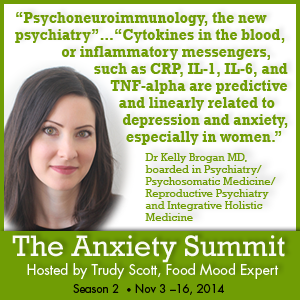
Kelly Brogan

Dr. Kelly Brogan, MD. Holistic women’s health psychiatry was interviewed by host of the Anxiety Summit, Trudy Scott, Food Mood Expert and Nutritionist, author of The Antianxiety Food Solution.

Psychoneuroimmunology, the new psychiatry

  • The role of inflammation in anxiety and depression
  • Hormones and where the endocrine system fits in
  • Where inflammation comes from
  • What a healthy microbiome looks like
  • Natural lifestyle interventions to reverse symptoms and favorite nutraceuticals
  • Why psychiatrists don’t know about this

Here are some snippets from our interview:

What psychoneuroimmunology refers to is essentially the inherent inter-connectedness between multiple systems. So, it’s about no longer looking at psychiatry as a head up phenomenon, which at best can result in limited outcomes and at worst, can be quite dangerous. And what psychoneuroimmunology implies is that there is a relationship between neurology – so, between brain science – and the immune system. It is sometimes called psychoneuroendocrinology – it also sort of ropes in the gut and the endocrine system with the implication being that you cannot treat one without knowledge about the others. So, I think it’s very exciting and really is a term that embodies functional medicine, or naturopathy at its best.

What many are speaking about is something called the cytokine model, which has been around since 1991, the first paper hypothesizing about this model. So, it’s been a growing literature for some time. And what it refers to is essentially it looks at depression or anxiety, for example, as this non-specific sort of fever that tells us actually very little about what’s causing the body to react, but tells us that there’s is an expression of imbalance and that the body is working to recalibrate. So, there’s some sort of stressor or triggers or assault and the compensatory response on the part of the body is what we are seeing as these psychiatric symptoms.

Cytokines in the blood, or inflammatory messengers, such as CRP, IL-1, IL-6, and TNF-alpha are predictive and linearly related to depression and anxiety, especially in women.

Here is Dr. Brogan’s wonderful blog post on the topic of Psychoneuroimmunology, the new Psychiatry

What is driving this inflammation? How does it get kicked off? And how does it induce depression? With the limited clinical applications and revelations that came with the completion of the Human Genome Project in 2002, we have begun to focus on where we have outsourced our physiologic functions.

The microbiome has become an important consideration, and particularly, the gut, which houses at least 10 times as many human cells as there are in our bodies, and 150 times as many genes as are in our genome. These microbes control many vital operations and are responsible for synthesis of neuroactive and nutritional compounds, for immune modulation, and for inflammatory signaling.

Here is one of the studies on how traditional diets can impact the microbiome: Intestinal microbiota, probiotics and mental health: from Metchnikoff to modern advances: Part II – contemporary contextual research

researchers reported less potentially pathogenic bacteria, yet a far greater degree of biodiversity and microbial richness in rural Africans living a traditional lifestyle and consuming traditional high fiber foods

If you are not already registered for the Anxiety Summit you can get live access to the speakers of the day here www.theAnxietySummit.com

Filed Under: Anxiety and panic, Depression, Food and mood, Inflammation, The Anxiety Summit 2 Tagged With: anxiety, cytokines, depression, Inflammation, Kelly Brogan, Psychoneuroimmunology, the anxiety summit, Trudy Scott

The Anxiety Summit – Microbes in the gut and psychobiotics as a potential treatment for anxiety and depression

November 5, 2014 By Trudy Scott 20 Comments

Dr_Ted_Dinan_Anxiety2

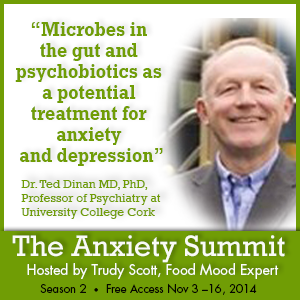
Dr. Ted Dinan, MD, PhD. Professor of Psychiatry at University College Cork was interviewed  by host of the Anxiety Summit, Trudy Scott, Food Mood Expert and Nutritionist, author of The Antianxiety Food Solution.

Microbes in the gut and psychobiotics as a potential treatment for anxiety and depression

  • Varied ways in which anxiety presents
  • Anxiety as a co-morbid condition e.g. irritable bowel syndrome
  • Microbes in the gut and the influence on emotional activity
  • Non-pharmacological approaches to treating anxiety
  • Psychobiotics as a potential treatment and the newest research in this area

Here are some snippets from our interview

Now the brain-gut axis is an axis that we learned more about over the decade or 2, how does the brain communicate with the gut, how does the gut communicate with the brain, and the view of irritable bowel syndrome is that it is as I say a brain axis disorder, an exceedingly common disorder, up to at least 50 percent and some studies suggest much higher rates in terms of the presence of psychiatric symptoms in patients with irritable bowel syndrome. The general view is that at least 50 percent of patients with irritable bowel syndrome have a coexistent or comorbid depression or anxiety.

We’re gradually I think learning more about the pathology underlying irritable bowel syndrome and we and others have published a number of studies show that for instance patients with irritable bowel syndrome have high levels of cytokines. Now cytokines are chemicals that are produced by the immune system and there are certain cytokines that are caused pro-inflammatory. They give rise to inflammation or are the product of inflammation. And certainly there is now good evidence that many patients with irritable bowel syndrome do have very high levels of these pro-inflammatory molecules in their blood stream. The molecules would be molecules like interleukin 6 and CNF-alpha.

Here is the quote from Dr. Dinan’s article that was co-written with Dr. John Cryan and called Psychobiotics: How Gut Bacteria Mess with Your Mind

In the 20th century the major focus of microbiological research was on finding ways to kill microbes by antibiotics. This century the focus has changed somewhat with the recognition of the health benefits of bacteria, not just from an immunity perspective but from a mental health one.

Here is some of Dr. Dinan’s research:

Do interactions between stress and immune responses lead to symptom exacerbations in irritable bowel syndrome?

co-morbidity with mood disorders such as depression and anxiety is common in IBS

Psychobiotics: a novel class of psychotropic.

Here, we define a psychobiotic as a live organism that, when ingested in adequate amounts, produces a health benefit in patients suffering from psychiatric illness. As a class of probiotic, these bacteria are capable of producing and delivering neuroactive substances such as gamma-aminobutyric acid and serotonin, which act on the brain-gut axis. Preclinical evaluation in rodents suggests that certain psychobiotics possess antidepressant or anxiolytic activity. Effects may be mediated via the vagus nerve, spinal cord, or neuroendocrine systems. So far, psychobiotics have been most extensively studied in a liaison psychiatric setting in patients with irritable bowel syndrome, where positive benefits have been reported for a number of organisms including Bifidobacterium infantis. Evidence is emerging of benefits in alleviating symptoms of depression and in chronic fatigue syndrome. Such benefits may be related to the anti-inflammatory actions of certain psychobiotics and a capacity to reduce hypothalamic-pituitary-adrenal axis activity. Results from large scale placebo-controlled studies are awaited.

This is the recent resistance training anxiety study I mentioned: The anxiolytic effects of resistance exercise

This research has shown that resistance training at a low-to-moderate intensity (<70% 1 repetition maximum) produces the most reliable and robust decreases in anxiety.

If you are not already registered for the Anxiety Summit you can get live access to the speakers of the day here www.theAnxietySummit.com

Filed Under: Anxiety and panic, The Anxiety Summit 2 Tagged With: anxiety, depression, IBS, Inflammation, microbes, psychobiotics, the anxiety summit, Trudy Scott

The Anxiety Summit – Gluten’s impact on the inflamed brain: reducing anxiety and depression

November 4, 2014 By Trudy Scott 32 Comments

Tom

Dr. Tom O’Bryan, DC host of ‘The Gluten Summit – A Grain of Truth’ is interviewed  by host of the Anxiety Summit, Trudy Scott, Food Mood Expert and Nutritionist, author of The Antianxiety Food Solution.

Gluten’s impact on the inflamed brain: reducing anxiety and depression

  • Terminology and why it’s not called gluten intolerance but sensitivity
  • Is gluten sensitivity just a fad and the recent FODMAPs research
  • The multitude of diseases and symptoms caused by gluten sensitivity
  • Gluten sensitivity as a contributing factor to psychiatric manifestations/anxiety/depression and new 2014 research from Italy
  • Suicide rates in kids with celiac disease (even when they quit gluten), and kids celiac camps
  • The conundrum with testing
  • Doing an elimination and then challenge?
  • Can anyone eat wheat or should we all be gluten-free

One of my favorite quotes in my anxiety food talks is this one from a 2012 paper by Jackson and Fasano called Neurologic and psychiatric manifestations of celiac disease and gluten sensitivity

gluten sensitivity remains undertreated and underrecognized as a contributing factor to psychiatric and neurologic manifestations.

Here are some snippets from our interview:

73% of kids with celiac disease have social phobia, 63% still have social phobia on a gluten-free diet. You have to also heal the gut and address nutritional deficiencies

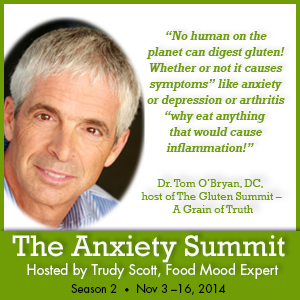
No human on the planet can digest gluten! Whether or not it causes symptoms like anxiety or depression or arthritis why eat anything that would cause inflammation!

He shares recent research published in BMC Medicine. The study looking at Italians with non-celiac gluten sensitivity, found that 68% of participants felt “a lack of well-being” and 39% experienced anxiety. In the large majority of patients, the time lapse between gluten ingestion and the appearance of symptoms varied from a few hours to 1 day.

No human on the planet can digest gluten! Whether or not it causes symptoms” like anxiety or depression or arthritis “why eat anything that would cause inflammation”

The gluten-FODMAPs discussion and non-celiac gluten sensitivity is a fad:

  • No effects of gluten in patients with self-reported non-celiac gluten sensitivity after dietary reduction of fermentable, poorly absorbed, short-chain carbohydrates.
  • The article in Forbes : Gluten Intolerance May Not Exist
  • Randomised clinical trial: gluten may cause depression in subjects with non-coeliac gluten sensitivity – an exploratory clinical study.

Dr. O’Bryan summed it up like this:

it took two studies to do this but it appears to be the FODMAPs in the wheat that cause the GI complaints (the bloating, the gas, the abdominal pain) but it’s the proteins that cause symptoms in the brain and other parts of the body

I write about gluten often. Here are some additional links for you:

  • I was interviewed on Gaiam TV and discussed the gluten-mood connection
  • I presented a poster called Gluten and the serious effects on mental health at the 2013 annual conference of the Anxiety and Depression Association of America/ADAA
  • and here part 1 of a 2 part blog on gluten and mood

Last year Dr. O’Bryan hosted the fantastic Gluten Summit and you can grab a copy of one of the interviews here: Dr. Marsh’s Gluten Summit interview: Why the Early Stages of Celiac Disease Must be Taken Seriously

If you are not already registered for the Anxiety Summit you can get live access to the speakers of the day here www.theAnxietySummit.com

Filed Under: Antianxiety, Gluten, The Anxiety Summit 2 Tagged With: anxiety, celiac, depression, gluten, Inflammation, suicide, the anxiety summit, tom o’bryan, Trudy Scott

Eggs are ok, even the yolk!

October 17, 2014 By Trudy Scott 12 Comments

eggs and spinach

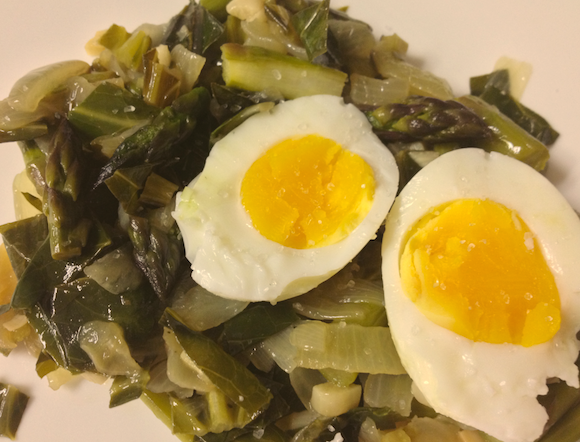
We’re seeing more and more research showing that eggs are ok and can be part of a healthy diet. It’s about time! Myself and my fellow nutritionists/integrative doctors have been saying this for years. I even say “yes, you can eat the yolk” on the back of my business card.

Here is some of the recent research:

An article on Webmd, Egg-Rich Diet Not Harmful in Type 2 Diabetes discusses the results of a new study to be published later this month. The findings were presented at the European Association for the Study of Diabetes 2014 Meeting last month by Nicholas Fuller, PhD, from the Boden Institute Clinical Trials Unit, University of Sydney, Australia

The findings suggest that eating two eggs per day, 6 days a week can be a safe part of a healthy diet for people with type 2 (that’s 12 eggs a week – yeah!)

Eggs don’t have a bad effect on cholesterol levels in people with type 2 diabetes.

…those in the high-egg group showed a trend toward HDL improvement

Researchers also found that eating an egg-rich diet for 3 months was linked to better appetite control, and may also provide a greater sense of feeling full.

The high-egg group also reported more enjoyment of foods, less boredom, and more satisfaction with the diet (I really like this finding!)

A paper published last month in the British Journal of Nutrition : “Cholesterol and egg intakes and the risk of type 2 diabetes: The Japan Public Health Center-based Prospective Study“  found that:

higher intake of cholesterol or eggs may not be associated with an increased risk of type 2 diabetes in Japanese populations

This interesting animal study “Orally administered whole egg demonstrates antidepressant-like effects in the forced swimming test on rats” published in August:

demonstrated that whole-egg treatment exerts an antidepressant-like effect

It is suggested that whole egg may be an excellent food for preventing and alleviating the conditions of major depression

Skipping breakfast can increase depression, anxiety and stress levels and eggs can be part of a healthy breakfast. This May 2014 paper “A cross-sectional investigation of depressive, anxiety, and stress symptoms and health-behavior participation in Australian university students” found that:

For males, depressive symptoms were associated with skipping breakfast and poor sleep quality.

For females, depressive symptoms were associated with skipping breakfast, inadequate vigorous physical activity, and short or long sleep hours.

You don’t want to skip breakfast – ever! Low blood sugar can result in anxiety, mood swings, irritability and feeling easily overwhelmed, so it’s really important to get a good start to the day with good quality protein like eggs. Here is a simply yet delicious Egg Muffin recipe from Make It Paleo: Over 200 Grain-Free Recipes for Any Occasion.

We’re going to be talking more about the health and mood benefits of eggs (and animal protein) during season 2 of The Anxiety Summit. It runs from Nov 3-16 and you’ll learn about this and many other nutritional and natural solutions for anxiety, panic attacks, OCD and social anxiety. We’ll cover the research and practical solutions too.


Filed Under: Anxiety and panic, Depression, Food and mood, Real whole food, The Anxiety Summit 2 Tagged With: anxiety, breakfast, depression, diabetes, eggs, stress, the anxiety summit

  • « Go to Previous Page
  • Page 1
  • Interim pages omitted …
  • Page 21
  • Page 22
  • Page 23
  • Page 24
  • Page 25
  • Interim pages omitted …
  • Page 27
  • Go to Next Page »

Primary Sidebar

NEW! GABA QuickStart Homestudy (with special intro pricing)

gaba quickstart homestudy

Free Report

9 Great Questions Women Ask about Food, Mood and their Health

You'll also receive a complimentary subscription to my ezine "Food, Mood and Gal Stuff"


Connect with me

Popular Posts

  • Amino Acids Mood Questionnaire from The Antianxiety Food Solution
  • The Antianxiety Food Solution Amino Acid and Pyroluria Supplements
  • Pyroluria Questionnaire from The Antianxiety Food Solution
  • Collagen and gelatin lower serotonin: does this increase your anxiety and depression?
  • Tryptophan for the worry-in-your-head and ruminating type of anxiety
  • GABA for the physical-tension and stiff-and-tense-muscles type of anxiety
  • The Antianxiety Food Solution by Trudy Scott
  • Seriphos Original Formula is back: the best product for anxiety and insomnia caused by high cortisol
  • Am I an anxious introvert because of low zinc and vitamin B6? My response to Huffington Post blog
  • Vagus nerve rehab with GABA, breathing, humming, gargling and key nutrients

Recent Posts

  • What do I use instead of Seriphos to help lower high cortisol that is affecting my sleep and making me anxious at night?
  • BeSerene™ GABA/theanine cream eases severe muscle tension in her neck/shoulders, prevents her bad headaches and quells her anxiety
  • How the correct approach, dose and sublingual use of GABA can be calming and not cause a flushed and itchy face and neck
  • The amino acid glutamine improves low mood by addressing gut health, and it has calming effects too
  • Flight anxiety with heightened breath, physical tension and also fearing the worst (the role of low GABA and low serotonin)

Categories

  • 5-HTP
  • AB575
  • Addiction
  • ADHD
  • Adrenals
  • Alcohol
  • Allergies
  • Alzheimer's disease
  • Amino Acids
  • Anger
  • Antianxiety
  • Antianxiety Food Solution
  • Antidepressants
  • Anxiety
  • Anxiety and panic
  • Autism
  • Autoimmunity
  • benzodiazapines
  • Bipolar disorder
  • Books
  • Caffeine
  • Cancer
  • Candida
  • Children/Teens
  • Collagen
  • Cooking equipment
  • Coronavirus/COVID-19
  • Cravings
  • Depression
  • Detoxification
  • Diabetes
  • Diet
  • DPA/DLPA
  • Drugs
  • EFT/Tapping
  • EMF
  • EMFs
  • Emotional Eating
  • Endorphins
  • Environment
  • Essential oils
  • Events
  • Exercise
  • Fear
  • Fear of public speaking
  • Fertility and Pregnancy
  • Fish
  • Food
  • Food and mood
  • Functional neurology
  • GABA
  • Gene polymorphisms
  • General Health
  • Giving
  • Giving back
  • Glutamine
  • Gluten
  • GMOs
  • Gratitude
  • Gut health
  • Heart health/hypertension
  • Histamine
  • Hormone
  • Hyperparathyroidism
  • Hypoglycemia
  • Immune system
  • Inflammation
  • Insomnia
  • Inspiration
  • Introversion
  • Joy and happiness
  • Ketogenic diet
  • Lithium orotate
  • Looking awesome
  • Lyme disease and co-infections
  • MCAS/histamine
  • Medication
  • Men's health
  • Mental health
  • Mercury
  • Migraine
  • Mold
  • Movie
  • MTHFR
  • Multiple sclerosis
  • Music
  • NANP
  • Nature
  • Nutritional Psychiatry
  • OCD
  • Osteoporosis
  • Oxalates
  • Oxytocin
  • Pain
  • Paleo
  • Parasites
  • Parkinson’s disease
  • PCOS
  • People
  • PMS
  • Postpartum
  • PTSD/Trauma
  • Pyroluria
  • Questionnaires
  • Real whole food
  • Recipes
  • Research
  • Schizophrenia
  • serotonin
  • SIBO
  • Sleep
  • Special diets
  • Sports nutrition
  • Stress
  • Sugar addiction
  • Sugar and mood
  • Supplements
  • Teens
  • Testimonials
  • Testing
  • The Anxiety Summit
  • The Anxiety Summit 2
  • The Anxiety Summit 3
  • The Anxiety Summit 4
  • The Anxiety Summit 5
  • The Anxiety Summit 6
  • Thyroid
  • Thyroid health
  • Toxins
  • Tryptophan
  • Tyrosine
  • Uncategorized
  • Vegan/vegetarian
  • Women's health
  • Yoga

Archives

  • October 2025
  • September 2025
  • August 2025
  • July 2025
  • June 2025
  • May 2025
  • April 2025
  • March 2025
  • February 2025
  • January 2025
  • November 2024
  • October 2024
  • September 2024
  • August 2024
  • July 2024
  • June 2024
  • May 2024
  • April 2024
  • March 2024
  • February 2024
  • January 2024
  • December 2023
  • November 2023
  • October 2023
  • September 2023
  • August 2023
  • July 2023
  • June 2023
  • May 2023
  • April 2023
  • March 2023
  • February 2023
  • January 2023
  • December 2022
  • November 2022
  • October 2022
  • September 2022
  • August 2022
  • July 2022
  • June 2022
  • May 2022
  • April 2022
  • March 2022
  • February 2022
  • January 2022
  • December 2021
  • November 2021
  • October 2021
  • September 2021
  • August 2021
  • July 2021
  • June 2021
  • May 2021
  • April 2021
  • March 2021
  • February 2021
  • January 2021
  • December 2020
  • November 2020
  • October 2020
  • September 2020
  • August 2020
  • July 2020
  • June 2020
  • May 2020
  • April 2020
  • March 2020
  • February 2020
  • January 2020
  • December 2019
  • November 2019
  • October 2019
  • September 2019
  • August 2019
  • July 2019
  • June 2019
  • May 2019
  • April 2019
  • March 2019
  • February 2019
  • January 2019
  • December 2018
  • November 2018
  • October 2018
  • September 2018
  • August 2018
  • July 2018
  • June 2018
  • May 2018
  • April 2018
  • March 2018
  • February 2018
  • January 2018
  • December 2017
  • November 2017
  • October 2017
  • September 2017
  • August 2017
  • July 2017
  • June 2017
  • May 2017
  • April 2017
  • March 2017
  • February 2017
  • January 2017
  • December 2016
  • November 2016
  • October 2016
  • September 2016
  • August 2016
  • July 2016
  • June 2016
  • May 2016
  • April 2016
  • March 2016
  • February 2016
  • January 2016
  • December 2015
  • November 2015
  • October 2015
  • September 2015
  • August 2015
  • July 2015
  • June 2015
  • May 2015
  • April 2015
  • March 2015
  • February 2015
  • January 2015
  • December 2014
  • November 2014
  • October 2014
  • September 2014
  • August 2014
  • July 2014
  • June 2014
  • May 2014
  • April 2014
  • March 2014
  • February 2014
  • January 2014
  • December 2013
  • November 2013
  • October 2013
  • September 2013
  • August 2013
  • July 2013
  • June 2013
  • May 2013
  • April 2013
  • March 2013
  • February 2013
  • January 2013
  • December 2012
  • November 2012
  • October 2012
  • August 2012
  • July 2012
  • June 2012
  • May 2012
  • April 2012
  • March 2012
  • February 2012
  • January 2012
  • December 2011
  • November 2011
  • October 2011
  • September 2011
  • August 2011
  • July 2011
  • June 2011
  • May 2011
  • April 2011
  • March 2011
  • February 2011
  • January 2011
  • December 2010
  • October 2010
  • September 2010
  • July 2010
  • May 2010
  • April 2010
  • March 2010
  • February 2010
  • January 2010
  • November 2009

Share the knowledge!

The above statements have not been evaluated by the Food and Drug Administration. Products listed in this website are not intended to diagnose, treat, cure or prevent any disease.

The information provided on this site is for informational and educational purposes only and is not intended as a substitute for advice from your physician or other health care professional. You should consult with a healthcare professional before starting or modifying any diet, exercise, or supplementation program, before taking or stopping any medication, or if you have or suspect you may have a health problem.


Copyright © 2026 Trudy Scott. All Rights Reserved. | Privacy | Terms and Conditions | Refund Policy | Medical Disclaimer

Free Report

9 Great Questions Women Ask about Food, Mood and their Health

You’ll also receive a complimentary subscription to my ezine “Food, Mood and Gal Stuff”