• Skip to primary navigation
  • Skip to main content
  • Skip to primary sidebar

everywomanover29 blog

Food, Mood and Women's Health – Be your healthiest, look and feel great!

  • Blog
  • About
  • Services
  • Store
  • Resources
  • Testimonials
  • The Book
  • Contact
  • Search this site

cortisol

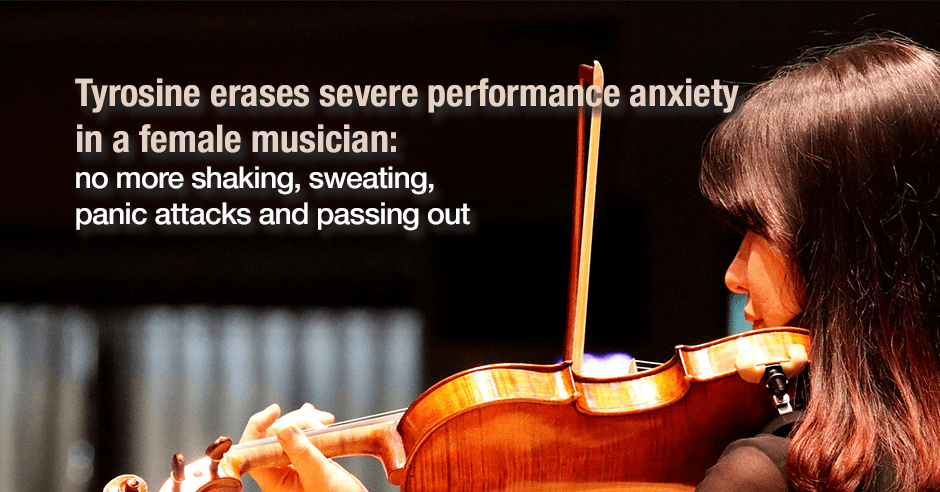
Tyrosine erases severe performance anxiety in a female musician: no more shaking, sweating, panic attacks and passing out

June 4, 2021 By Trudy Scott 42 Comments

tyrosine and musician anxiety

Today I’m sharing the case of a female musician with severe performance anxiety. It was so severe that she would shake, sweat and actually pass out. She also had problems breathing which happens when you’re having a panic attack. Surprisingly, the amino acid supplement tyrosine eliminates – or as she says, erases – all these anxiety symptoms very quickly. It’s surprising because tyrosine is typically not used for easing anxiety symptoms and is instead used to support the low catecholamine symptoms: low motivation, low energy, poor focus, feeling flat and depressed (the curl-up-in-bed kind), cravings for sugary foods for better energy and the need for caffeine.

I share her story in her own words and explore some possible mechanisms around serotonin, cortisol, dopamine and GABA.

Pam initially shared on a Facebook thread how tyrosine erased her extreme performance anxiety and we dug deeper. This is the start of the conversation:

I’ve been performing (music) ever since I was seven, but I always hated it. For extreme performance anxiety, I found, way too late, that 1,500mg of l-tyrosine simply erased the shaking and fainting, and I was “just nervous like everybody else.”

I responded saying what a great result this was and shared that I found it so interesting that tyrosine erased the shaking and fainting that she experienced with her performance anxiety.

As I mentioned above, tyrosine is typically not used for anxiety. Instead, it’s used to improve the low catecholamine symptoms of poor focus, low energy and low motivation. (More on this here)

I also always want to understand the mechanism as to why an amino acid helps ease anxiety symptoms – or in this case erased them. I share more on that below.

When I asked what she meant by “just nervous like everybody else“, this was her response:

It means pretty much everyone gets performance nerves, but not to the point of fainting on stage. Knowing intellectually that that was ridiculous did not make any difference in the fact that it occurred.

I don’t even remember why I tried tyrosine, but I do remember the first time I took it 40 minutes before a performance. I waltzed out on stage ahead of time and sat in my chair warming up, showing off even, to a hall that was filling with people.

That was and is inconceivable without the tyrosine support, which I have to assume is putting my dopamine at a normal level. Yes, I get a little wired, which can be a good thing, but passing out, having my intestines demand to be emptied, not being able to breathe [is this a panic attack?], shaking, sweating….it fixes all of that.

It’s wonderful to hear such powerful results from 1,500mg tyrosine and how quickly it works.  The latter is not surprising as this is typical with all the amino acids. They work quickly if it’s what you need and you have the ideal dose for your needs.

What is surprising is that tyrosine erased her severe performance anxiety symptoms. I immediately started trying to understand possible mechanisms.

What is the mechanism – a serotonin boost to improve confidence?

When I read “I waltzed out on stage ahead of time and sat in my chair warming up, showing off even, to a hall that was filling with people” I immediately thought of how tryptophan or 5-HTP works to give you a serotonin boost that improves your confidence.

However, Pam doesn’t feel the mechanism is related to low serotonin:

You would think, if it were serotonin, that SSRIs would be effective. They are not and cause me to have terror attacks.

She also shared that she recently gave 5-HTP a trial and it did nothing so that further supports her theory/gut feeling that her extreme performance anxiety is not related to low serotonin:

I think there is a belief system associated with serotonin that is not cognizant of the fact that the other neurotransmitters can be the culprits. I read someone’s web site sometime not that long ago, that detailed how to test all the major neurotransmitters, find out which ones were to low OR too high, and what amino acids to take to fix the imbalances. To me, this is a more comprehensive view than being stuck on serotonin.

Anxiety is not always caused by low serotonin or low GABA (although these causes are very common). I’m with Pam on finding which neurotransmitter imbalance you have. There is no one-size fits all and results can happen without us fully understanding why. It does sound like this is very much dopamine related for her but I wanted to understand how it was helping her.

What is the mechanism – lowering cortisol under extremely stressful situations?

I started looking into the research and found that one possible mechanism could be that tyrosine lowers the high cortisol that occurs after an extremely stressful situation – like going on stage to perform – and eases anxiety this way.

An animal study supports this theory: Dietary tyrosine suppresses the rise in plasma corticosterone following acute stress in rats:

Acute, uncontrollable stress increases norepinephrine (NE) turnover in the rat’s brain (depleting NE) and diminishes the animal’s subsequent tendency to explore a novel environment. Pre-treatment with tyrosine can reverse these adverse effects of stress, presumably by preventing the depletion of NE in the hypothalamus.

In the present study, we found that pre-treatment with supplemental tyrosine not only prevented the behavioral depression and hypothalamic NE depletion observed after an acute stress, but also suppressed the rise in plasma corticosterone. These results support a role for brain NE in stress-induced corticosterone secretion and demonstrate that supplemental tyrosine can protect against several adverse consequences of such stress.

Keep in mind that cortisol is the primary endogenous adrenal steroid in humans, whereas corticosterone is the primary adrenal corticosteroid in laboratory rats.

What is the mechanism – dopaminergic system influence on anxiety-like behavior?

I dug deeper into the research and found that there is evidence that dopamine plays an important role in anxiety modulation in different parts of the brain and that both dopamine D1 and D2 receptor mechanisms are important in mediating anxiety.

This paper, The Modulatory Role of Dopamine in Anxiety-like Behavior describes some of this, together with the role of GABA and glutamate:

The activity of dopaminergic system is modulated by several neurotransmitters, including glutamatergic neurons from the medial prefrontal cortex (mPFC), GABAergic fibers from the nucleus accumbens (NAc) as well as the ventral pallidum and cholinergic fibers from the pedunculopontine nucleus and the laterodorsal tegmental nucleus. Thus, changes in the glutamatergic, and GABAergic, as well as mediated transmission in the mesolimbic, mesocortical and nigrostriatal dopaminergic system may influence anxiety-like behavior.

In the past I’ve blogged about tyrosine for alleviating anxiety and panic attacks and creating a feeling of calm focus so this is not an isolated case but it is pretty unusual. As I share in the above blog, a man and a woman saw dramatic reductions in their anxiety when using tyrosine. GABA and tryptophan had not helped and both individuals were also under extreme stress. It was work stress in their cases and both of them felt that their ability to now focus in business situations eased their severe anxiety.

Regardless of the mechanism, Pam saw profound results and that is all that really matters.

My additional feedback on dosing and timing

Here is some additional feedback from me on dosing and timing. On one hand I recommend caution based on my experience with the amino acids. And on the other hand, what she did worked so I’m torn about her approach but am going to say it anyway:

  • A typical starting dose is 500mg tyrosine and I would never have anyone start with 1,500mg (even though it was the sweet spot for Pam). However, if she hadn’t used that dose, she would not have had the same results. I’m waiting to hear back if she started with 1,500mg tyrosine or worked up to this. (Pam also told a friend of hers about her results and the outcome was very different for her friend:“She tried 100mg of tyrosine and it caused her extreme nervousness, the opposite of me. I have to assume that 100mg put her at too *much* dopamine, and her genetic profile was significantly different from mine.” We are all unique and there is no one-size-fits-all.)
  • I would also be cautious about trying a new amino acid for the first time right before a major event like a musical performance. I have clients trial the amino acids at home before heading out. However, if she had done that she would likely have not experienced the desired results.

I feel it would be helpful to know if she had done a trial of GABA or tryptophan before using tyrosine but it seems she doesn’t recall this or why she decided to use 1,500mg tyrosine. If she hasn’t done I trial with both GABA and tryptophan, I would love her to consider this now in order to potentially take things up a notch further and ease her feelings of just being “nervous like everybody else”.

I appreciate Pam sharing her amazing results with tyrosine and I’m really happy for her! I’m waiting to hear back with details of what kind of musical performances she does. I’ll share this and the other information once I hear back.

I say it often and I’ll say it again – there is not a one-size-fits-all. This case illustrates this very well. Sometimes it’s methodical trial and error (my preference) and other times it’s hit and miss when nothing else seems to be helping.

Resources if you are new to using tyrosine as a supplement

If you are new to using the amino acid tyrosine as a supplement, here is the Amino Acids Mood Questionnaire from The Antianxiety Food Solution and a brief overview here, Anxiety and targeted individual amino acid supplements: a summary.

If you suspect low levels of any of the neurotransmitters and do not yet have my book, The Antianxiety Food Solution – How the Foods You Eat Can Help You Calm Your Anxious Mind, Improve Your Mood, and End Cravings, I highly recommend getting it and reading it before jumping in and using amino acids so you are knowledgeable.

The book doesn’t include product names (per the publisher’s request) so this blog, The Antianxiety Food Solution Amino Acid and Pyroluria Supplements, lists tyrosine and other products that I use with my individual clients and those in my group programs.

As with all individual amino acids we use tyrosine for quick relief of symptoms, like Pam did. And we must also always focus on the foundations like diet, the gut, adrenals and stress levels.

Do you use or have you used tyrosine to help with performance anxiety – personally or with a patient/client?

And were you/are you surprised that this worked so well when tryptophan or 5-HTP or GABA had not worked as expected?

What other symptoms did/does the tyrosine help improve: focus, motivation, drive, low energy, low mood? And did/does it help reduce sugar cravings and the need for caffeine?

Feel free to post your questions here too.
Filed Under: Anxiety, Fear of public speaking, Music, Tyrosine Tagged With: anxiety, calm focus, catecholamine, cortisol, dopamine, fainting, GABA, musician, nervous, panic attacks, passing out, performance anxiety, serotonin, shaking, sweating, tyrosine

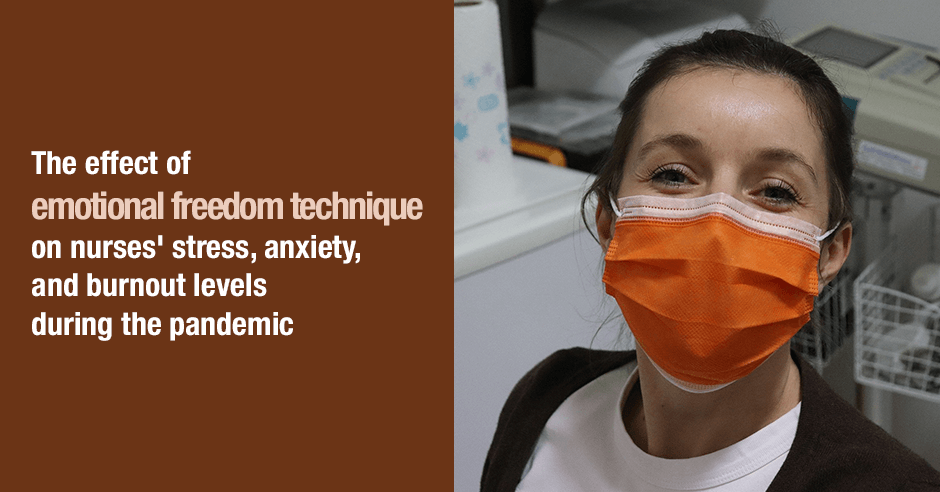
The effect of emotional freedom technique on nurses’ stress, anxiety, and burnout levels during the pandemic

February 12, 2021 By Trudy Scott 4 Comments

emotional freedom technique and nurses

Nurses who are working with patients during this pandemic “are particularly vulnerable to emotions such as fear and anxiety, due to fatigue, discomfort, and helplessness related to their high intensity work.” A new paper published Dec 2020, The effect of Emotional Freedom Techniques on nurses’ stress, anxiety, and burnout levels during the COVID-19 pandemic: A randomized controlled trial reports the benefits of just one online session of EFT (emotional freedom technique) or tapping.

As this paper mentions, “The basic principle of EFT is to send activating and deactivating signals to the brain by stimulating points on the skin that have distinctive electrical properties, usually by tapping on them.”

The study participants were shown a picture of the acupressure points and shown how to “gently tap on them using their index and middle fingers. After this demonstration, the participants followed the basic steps of an EFT session, following the researcher’s example:

  1. Identify an anxiety-evoking issue and determine the SUD level [the SUD is a subjective unit of distress ranging from 0 to 10 with 10 being most severe]
  2. Creating a personal acceptance and reminder statement in the general form of “I accept myself despite this ……….”
  3. Tapping seven times on each acupressure point
  4. After tapping these points, the affirmation/reminder statement is repeated.
  5. A sequence of physical movements and vocalizations called “The Nine Gamut Procedure” is carried out.
  6. Steps 3 and 4 are repeated.
  7. Another SUD rating is given [in other words how they felt afterwards on a scale of 0 to 10]

The study conclusion is as follows: “A single online group EFT session reduced stress, anxiety, and burnout levels in nurses treating COVID-19.” You can read the full study here and see the picture of the acupressure points.

This is a powerful intervention for nurses, other healthcare and frontline workers – and anyone dealing with anxiety, stress and burnout!

Tapping leads to psychological and physiological improvements

As well as psychological improvements, tapping also leads to physiological improvements. In a 2019 study, “after a 4-day training workshop on tapping, the researchers reported that happiness increased by 31% and the following declines in psychological symptoms in 203 participants were reported:

  • anxiety (-40%)
  • depression (-35%)
  • posttraumatic stress disorder (-32%)
  • pain (-57%) and
  • cravings (-74%)

I find it fascinating that EFT/tapping leads to physiological improvements too. In this same 2019 study these changes were reported:

  • resting heart rate (-8%)
  • salivary cortisol (-37%)
  • systolic blood pressure (-6%) and diastolic blood pressure (-8%)
  • heart rate variability and heart coherence
  • salivary immunoglobulin A (SigA) (+113%)

You can read more about this study here: Tapping (or EFT) for reducing anxiety, depression, pain and cravings, plus physiological changes in cortisol, heart rate, blood pressure and SigA

Combining tapping with nutritional approaches for easing anxiety

As I mention in the above blog, I have great success with amino acids like GABA, tryptophan and glutamine to provide quick anxiety-relief, end the overwhelm and stop the carb cravings for my clients. So until recently, I hadn’t really felt the need to look into tapping.

However, I believe we need to use everything at our disposal. We also respond differently to different approaches and what may work for one person may not work as well for someone else.

I love that EFT/emotional freedom technique/tapping compliments the dietary/nutritional/biochemical approach I use with my clients for helping to ease anxiety, overwhelm and stress.

Ideally these nurses (and you and anyone who is stressed or anxious) could could use tapping/EFT and combine it with nutritional support for possibly even more benefits:

  • Use targeted amino acids such as tryptophan or 5-HTP for the low serotonin worry-in-your-head anxiety where folks may also experience fears, panic attacks, ruminations, phobias, insomnia, PMS, anger, irritability and cravings; and GABA for the low GABA physical-anxiety that also includes muscle tension, overwhelm, insomnia and the need to self-medicate with alcohol to calm down
  • DPA (d-phenylalanine), also an amino acid, boosts endorphins (in a similar way to acupuncture) and helps my clients who are experiencing weepiness, pain and are big comfort/reward eaters. I blog about this here: DPA for weepiness, pain and comfort and reward eating)

In April last year I blogged about nutritional and lifestyle approaches after reading a very somber and eye-opening article in the New York Times titled: The Psychological Trauma That Awaits Our Doctors and Nurses. You can read about B vitamins, melatonin, nature and more on this blog here.

EFT/tapping resources

If you’re new to EFT/tapping and would like to learn more, the 13th Annual Tapping World Summit airs online starting Feb 22, 2021:

  • This is a great introductory video from summit host Nick Ortner (register to watch it and get access to the summit)
  • Here is the main summit registration page

Nick has also written a best-selling book “The Tapping Solution: A Revolutionary System for Stress-Free Living” (my Amazon link)

Are you a nurse or other frontline worker who has used EFT with success?

Do you use both with success: EFT and the amino acids like GABA, tryptophan, 5-HTP, theanine or glutamine? What about EFT and dietary changes like no gluten, no sugar and no caffeine?

I also want to give a shoutout to all the nurses and other frontline workers who are doing so much during this pandemic. We appreciate you!

Filed Under: Anxiety Tagged With: anxiety, burnout, cortisol, DPA, eft, endorphins, GABA, Nick Ortner, nurses, nutritional, pandemic, physiological, psychological, serotonin, stress, tapping, Tapping Summit, trauma, tryptophan

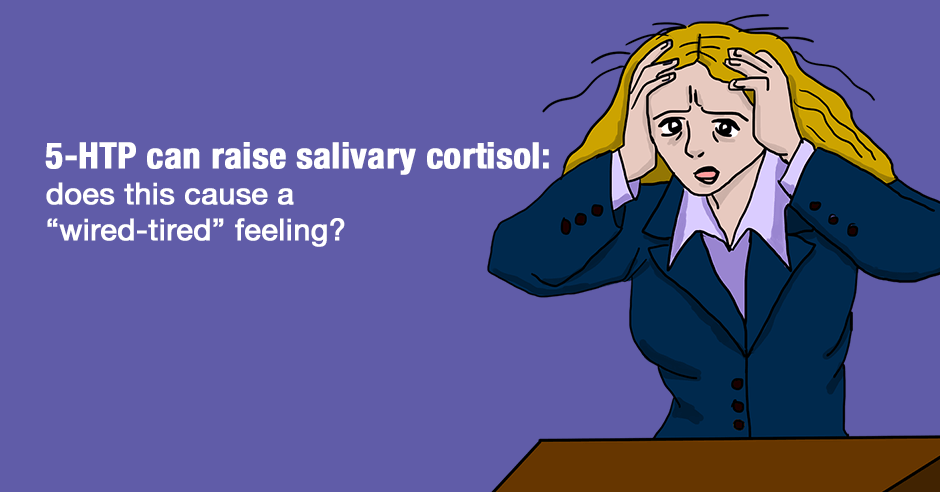
5-HTP can raise salivary cortisol: does this cause a “wired-tired” feeling?

August 14, 2020 By Trudy Scott 48 Comments

5-htp salivary

Are you aware that 5-HTP – an amino acid supplement that supports serotonin levels – can raise cortisol levels and leave you feeling “wired-tired”? You may be able to relate to this if you’ve ever used 5-HTP to help with anxiety and insomnia and ended up feeling more anxious and more wide-awake despite your exhaustion and need for sleep. You feel “wired-tired” and it’s not pleasant at all.

Both 5-HTP and tryptophan, used as supplements, help to boost serotonin levels so you can feel happy, calm, sleep well and not crave carbs in the afternoon/evening. They also help with panic attacks and phobias, lack of confidence, depression, negativity, imposter syndrome, PMS, irritability, anger issues, pain/fibromyalgia, TMJ and anger. I typically have my clients with low serotonin symptoms start with a trial of tryptophan because I see such excellent results with this amino acid. That being said, some people simply do better on one versus the other and you may do better with 5-HTP.

However there is one big caveat with 5-HTP. I don’t recommend 5-HTP when a client has elevated cortisol levels because we know that it can raise cortisol levels in certain individuals. This can leave you feeling agitated, cranky, as well as wired and yet tired at the same time.

In this 2002 study, L-5-hydroxytryptophan induced increase in salivary cortisol in panic disorder patients and healthy volunteers

Salivary cortisol levels were measured in 24 panic disorder patients and 24 healthy volunteers, following ingestion of 200 mg L-5-hydroxytryptophan or placebo.

The experiment was carried out in the afternoon, “when basal cortisol secretion is more stable.” The first saliva sample was obtained at 1pm and the subjects ingested the 200mg 5-HTP at 2pm. Additional saliva samples were obtained at 2:30pm, 3:00pm and 3:30pm.

They report the following:

A significant rise in cortisol was observed in both patients and controls following ingestion of L-5-hydroxytryptophan. No such effects were seen in the placebo condition.

Here are a few additional comments and my thoughts:

  • This study was done to find evidence for “serotonin receptor hypersensitivity in panic disorder” and not specifically to test for the effects of 5-HTP on cortisol levels but it serves this purpose rather nicely (and it’s one of many similar studies, some of which measure plasma cortisol levels)
  • Keep in mind 200mg of 5-HTP is a large starting dose. It’s typical to start with 50mg so may be a factor to consider
  • In this study they did not assess cortisol levels beyond the 1.5 hours from ingestion of the 5-HTP. It would have been useful to see when levels started to go down
  • We would want to consider the ramifications of using 5-HTP for weeks (whether it’s 50 or 200mg). What impact would that have on cortisol and the adrenals? (I am not aware of a study like this having been done)
  • I’m also not aware of a study being done with 50mg but if you feel worse and feel “wired-tired” with 5-HTP and switch to tryptophan (the equivalent starting dose is 500mg) and your anxiety and other low serotonin symptoms resolve then you have found your solution
  • You may be wondering: “could I use 5-HTP to raise my low cortisol levels”? Theoretically yes and possibly very short-term. But I would question the timing since 5-HTP and tryptophan are best dosed mid-afternoon and later. This is when we would expect our cortisol levels to be on the downward slope as we end our day. I’d also want to nourish the adrenals with B vitamins and herbal adaptogen and remove the trigger/s that are leading to low cortisol.

If you suspect low serotonin symptoms and are new to using the amino acids and do not have my book I highly recommend getting it and reading it before jumping in to taking supplements: The Antianxiety Food Solution – How the Foods You Eat Can Help You Calm Your Anxious Mind, Improve Your Mood, and End Cravings.

There is a complete chapter on the amino acids and one for pyroluria, plus information on real whole food, sugar and blood sugar, gluten, digestion and much more.  If you’re not a reader there is now also an audible version.

Here is the Amino Acids Mood Questionnaire from The Antianxiety Food Solution and additional information on Anxiety and targeted individual amino acid supplements: a summary

Please also read and follow these Amino Acid Precautions.

This lists The Antianxiety Food Solution Amino Acid and Pyroluria Supplements that I use with my individual clients and those in my group programs.

Have you used 5-HTP with success? Or have you used it and felt “wired-tired”? Have you correlated the success or failure of your 5-HTP use with your salivary cortisol levels?

If you switched from 5-HTP to tryptophan did you have success with that?

If you’re a practitioner is this something you see with your clients/patients and take into consideration?

Feel free to post your questions here too.
Filed Under: Antianxiety Tagged With: 5-HTP, adrenals, amino acid, anger, anger issues, calm, cortisol, depression, Fibromyalgia, happy, Imposter syndrome, irritability, L-5-hydroxytryptophan, negativity, pain, panic attacks, Panic disorder, phobias, PMS, serotonin, sleep, TMJ, tryptophan, wired-tired

The psychological trauma of coronavirus – nutritional support for doctors, nurses and their loved ones

April 3, 2020 By Trudy Scott 13 Comments

psychological trauma coronavirus

If you are a nurse or doctor or providing support in any capacity in hospitals and other essential services during this coronavirus pandemic you need nutritional support.  You may be feeling on edge and anxious, worried about the future, concerned and angry about the lack of personal protective equipment (PPE), fearful for your safety and terrified about bringing the virus back to your family, exhausted and yet not able to sleep, feeling overly emotional and weepy about your patients (and decisions you are making or you anticipate having to make), and starting to have nightmares.

I’m not downplaying the enormity of the stress and trauma you are already facing and will continue to face, but we must not forget that nutrients (and nature and exercise) have a role to play in PTSD and trauma. They help to make you more resilient and mitigate some of the effects of trauma, and they also support healing and recovery.

When you feel calmer and you sleep better, you indirectly support your immune function too. There is also research that directly supports the role that GABA plays in improving immune function (more on this below).

B-complex and a multi-vitamin for everyone

If this is all that can be managed, a B-complex and a good multi-vitamin would be my first choice for everyone. I wrote this blog during Hurricane Harvey: Nutrition solutions for psychological stress after a natural disaster. It’s equally applicable now. Simply replace “after a natural disaster” with “during the coronavirus pandemic.”

My colleagues Bonnie Kaplin and Julia Rucklidge published this paper in 2015: A randomised trial of nutrient supplements to minimise psychological stress after a natural disaster. They found that folks traumatised after New Zealand earthquakes and floods in southern Alberta, Canada, showed significantly greater improvement in stress and anxiety when consuming a B-Complex and/or broad-spectrum mineral/vitamin formula.

In a newly published article in the Calgary Herald, Dr. Kaplan explains how these nutrients act as co-factors for making serotonin, GABA and dopamine and that “we should all consider a B-complex and/or a broad-spectrum nutrient formula on a daily basis to strengthen our mental resilience.”

My second recommendation is GABA and/or theanine

Supporting low levels of GABA, the calming neurotransmitter, eases your anxiety, improves your sleep and supports your immunity. When you feel calmer and you sleep better, you indirectly support your immune function too:

the physiological response to psychological stressors can dramatically impact the functioning of the immune system (from this paper)

We also have research that directly supports the role that GABA plays when it comes to improving immune function.

We want you to stay emotionally and physically strong and so does your family!

I write more about this here: GABA and theanine for easing anxiety, improving sleep and supporting immunity.  I share advice if you’re currently using GABA/theanine or have used it in the past, and a summary if you’re new to low GABA anxiety symptoms and using GABA/theanine.

Melatonin and serotonin support

I have my clients use a sublingual melatonin for going to sleep and a timed-release melatonin for staying asleep, and it’s another recommendation I’m making.

Melatonin improves sleep, helps ease anxiety and fear and may help with PTSD:

  • A double-blind, placebo-controlled crossover trial concludes that “melatonin may be an effective treatment for shift work nurses with difficulty falling asleep.”
  • Low levels of melatonin are common in military-related PTSD.
  • Melatonin modulates fear and “may serve as an agent for the treatment of PTSD”.

This in press and pre-proof paper reports on melatonin: COVID-19: Melatonin as a potential adjuvant treatment:

Melatonin, a well-known anti-inflammatory and anti-oxidative molecule, is protective against ALI/ARDS [acute lung injury/acute respiratory distress syndrome] caused by viral and other pathogens. Melatonin is effective in critical care patients by reducing vessel permeability, anxiety, sedation use, and improving sleeping quality, which might also be beneficial for better clinical outcomes for COVID-19 patients. Notably, melatonin has a high safety profile.

This is very promising for offering added protection if you are working on the front-line and for  your patients too.

Serotonin is the precursor to melatonin and the amino acid tryptophan is one of the raw materials for making serotonin. I would also include tryptophan or 5-HTP for supporting serotonin levels to help with the worry and anxiety in the head, lying awake ruminating, feelings of fear, anger, depression, worry and negative thinking.

Try to get into nature for the pure joy of it and to lower your cortisol

Do your absolute best to try and get some nature. I share some simple options in this blog:

  • Get out into nature at least one day a week i.e. do some “forest bathing”
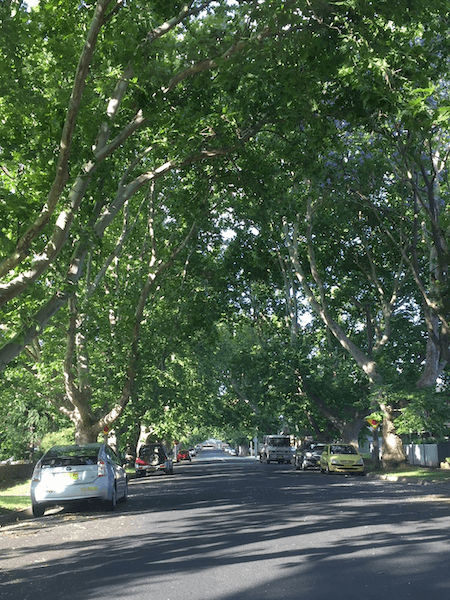
  • Take a short detour and drive to work via a tree-lined street
  • Look at some images of nature: sit and stare at a giant poster or even watch a show on National Geographic

Beyond the pure joy of spending time in nature, there is research supporting all of the above in playing a role in reducing anxiety, feeling more positive and calm, reducing cortisol levels and helping with recovery from stressful situations.

tree-lined street

Do this workout a few times a week for mood support

Here is a great workout from Dr. Zach Bush, MD. He recommends doing it 3 x day and starting with 10 reps of each of the 4 exercises and building up to 20 reps of each one:

The Four Minute Workout is a new concept of exercise that revolves around the body’s ability to use Nitric Oxide for muscle growth. This is an efficient anaerobic workout that can be done multiple times per day. The more frequently you do it, the better your results.

In this blog, I write how signals from our large leg muscles alter our brain and nervous system and improve mood.

If it’s your loved-one on the front-lines be sure to take care of yourself too

All of this nutritional support is also important if you are the mother or husband or wife or sister or brother etc. who is anxious and worrying about your loved one. You need to be strong for them so be sure to take care of you too.

Even if you are not working on the front-line or don’t know anyone doing so, if you are experiencing any of the above emotions, you need nutritional support too.

The New York Times article

It was reading this very somber and eye-opening article in the New York Times that promoted me to write this blog: The Psychological Trauma That Awaits Our Doctors and Nurses

The angst that clinicians may experience when asked to withdraw ventilators for reasons not related to the welfare of their patients should not be underestimated,” warn the authors of the article in The New England Journal of Medicine.“It may lead to debilitating and disabling distress.

We look at veterans and thank them for their service, never being able to fully comprehend what they’ve been through. The same may soon be true of some of our health care professionals. We may think we know. But we don’t.

No-one should have to make these choices and our hearts break for you and the families who are being impacted.

Louisiana article conveys the gravity of the situation like no other

Unfortunately it is happening already. This article conveys the gravity of the situation like no other and I’ve been pouring through everything – an account from a respiratory therapist in a Louisiana hospital (published two weeks ago.) We have been hearing similar stories from Italy for over a month now. Be warned – it’s horrifying!

It does include this statement… “The medical details in this story were vetted by an infectious disease doctor, a cardiologist and an internist at three different hospitals. All of the information about ARDS, the condition that the respiratory therapist describes, was fact-checked against peer-reviewed articles and UpToDate, a resource for physicians to check current standards in care, clinical features, and expected complications and outcomes.”

Because but I’m not familiar with this publication, I also checked with colleagues who are doctors and this is medically accurate.

While we don’t want to create panic I want to understand what doctors and nurses are facing so I can help. I do also believe we all deserve to know the facts, so we can truly support our doctors and nurses, and so we take this very seriously and stay home!

My biggest wish

It is my biggest wish that we can prevent much of this heart-ache and trauma going forwards, by preventing the spread of this virus and preventing the need for ventilators by helping sick individuals recover more quickly or prevent folks getting sick in the first place.

I do know of many incredible functional medicine practitioners who are creating task forces and working behind the scenes putting together proposals to present to governors, governments and mainstream medicine.

The products I mention and eating real whole food

The products I recommend to my clients are Designs for Health B Supreme and Designs for Health Twice Daily Multi.

You can find the GABA, theanine, tryptophan and 5-HTP on the supplements blog here.

If you are working in a hospital or medical setting or essential services

  • Please reach out if you need help with any of this – how to implement these recommendation or where to get the products
  • If you’re already doing this please share so we can encourage others to support themselves

And if your loved ones or friends in healthcare need support

  • Please share this blog with them and help them get access to these nutrients
  • I also encourage you to read my book – The Antianxiety Food Solution – How the Foods You Eat Can Help You Calm Your Anxious Mind, Improve Your Mood, and End Cravings – and give them the highlights about eating real whole food, quality animal protein, organic veggies and fruits, fermented foods, healthy fats, avoiding caffeine and sugar, eating for blood sugar control etc.
  • Please share if you know ways we can get this information (and nutrients) into the hands of more of our front-line workers
  • My focus is nutrition and nutrients but they also need someone to talk to so give them a call and be a listening ear. Also, help them find an online therapy service if they feel they need it. It’s encouraging to see more and more of this being made available.

One final comment – these are the bare essentials. In an ideal world, with more time, it would be best to work with a functional medicine practitioner and nutritionist and figure out your exact nutritional needs.

Filed Under: Anxiety Tagged With: B-complex, cortisol, doctors, exercise, GABA, hope, hospital, melatonin, multi-vitamin, nature, nurses, psychological trauma, PTSD, serotonin, tryptophan

Tapping (or EFT) for reducing anxiety, depression, pain and cravings, plus physiological changes in cortisol, heart rate, blood pressure and SigA

February 21, 2020 By Trudy Scott 16 Comments

tapping and anxiety

Awareness about tapping or EFT (emotional freedom technique) is growing and so is the research. I’ve been intrigued by tapping for some time and I’m impressed by some of the very positive feedback I’ve heard about how it reduces anxiety, depression, pain and cravings. I’m now more intrigued after reading a 2019 paper that describes some of the physiological changes (i.e. changes in the body) that improve after tapping.

This paper, Clinical EFT (Emotional Freedom Techniques) Improves Multiple Physiological Markers of Health, describes EFT as “an evidence-based self-help therapeutic method”, reporting that “over 100 studies demonstrate its efficacy.”

It’s further described as “a brief intervention combining elements of exposure, cognitive therapy, and somatic [or physical] stimulation of acupressure points on the face and body.” The full paper here goes into great detail if you’d like to read more.

The objectives of this study were to measure and describe some of the physiological changes that occur after tapping, in order to understand some of the mechanisms. Up until now “information about the physiological effects of EFT is limited.”

As far as physiological changes, these included: heart rate variability and heart coherence, resting heart rate and blood pressure, salivary cortisol (to show changes in the endocrine system), and salivary immunoglobulin A (SigA) (to show impacts on the immune system).

They also measured these psychological symptoms: anxiety, depression, posttraumatic stress disorder, pain, and cravings. After a 4-day training workshop on tapping, the researchers reported that happiness increased by 31% and the following declines in psychological symptoms in 203 participants were reported:

  • anxiety (-40%)
  • depression (-35%)
  • posttraumatic stress disorder (-32%)
  • pain (-57%) and
  • cravings (-74%)

These physiological improvements were found in the subset of 31 participants that were tested:

  • resting heart rate (-8%)
  • salivary cortisol (-37%)
  • systolic blood pressure (-6%) and diastolic blood pressure (-8%)
  • heart rate variability and heart coherence
  • salivary immunoglobulin A (SigA) (+113%)

The authors conclude that

gains were maintained on follow-up, indicating EFT results in positive health effects as well as increased mental well-being.

If you’ve been following me for awhile you know I like to look into the research so I’m excited by this study and look forward to further research and gaining a better understanding of this tool.

I also look forward to learning how lasting these psychological and physiological changes are and if you need to keep tapping in order to sustain the changes.

Possible impacts on boosting neurotransmitter levels

Because of the psychological benefits I was also curious about the possible impacts of tapping on boosting neurotransmitter levels such as GABA and serotonin. I found this research on acupuncture which we may be able to partially extrapolate from since EFT does have the acupressure aspect: Effect of Acupuncture on Neurotransmitters/Modulators

In general, acupuncture enhances the activity of the endogenous opioid peptides, serotonin, dopamine, ACh [actelyl-choline], and inhibitory amino acids such as γ-aminobutyric acid (GABA), glycine, taurine, and lactamine, while it attenuates the activity of noradrenalin and excitatory amino acids including glutamate and aspartic acid.

Compliments the dietary/nutritional/biochemical approach

Based on what I’ve been recently learned, tapping compliments the dietary/nutritional/biochemical approach I use my clients for helping to ease anxiety, overwhelm and stress.

I reached out on Facebook and here is some of the feedback I received:

  • Maria shares how she uses both EFT and tryptophan: I started using EFT and it has helped – wasn’t expecting it to, but it really does work. However, having had a particular problem for many years, I realize that it’s going to take time to really be at the level I want to be. I also got a teenager to try it, and to their amazement, it did settle their anxiousness – from what they initially said was a 10 -11 – down to 7 in just a few minutes. Last night, I tried the Lidtke Tryptophan and couldn’t believe how deeply and undisturbed I slept – thank you Trudy – I learnt about that product from you during the anxiety summit. By the way, I will be joining the Tapping Summit – can’t wait for that one!
  • Terri Hirning is a practitioner and shares that her and her biz partner bring it to their clients in conjunction with lifestyle changes for maximum effect. She shares: I find that anxiety is a big issue for my clients. So while they are implementing dietary or supplement changes, tapping can help reduce those emotions while their biochemistry comes into alignment.

She also says: I taught it to my children and they have The Tapping Solution app and will proactively use it when they need to shift things. I am so thankful for this work.

  • Meeta Darji is a health coach and says this: YES! EFT is profound in helping with anxiety and stress. I have been doing it for the last two years and use it on my kids too. I’m training at the moment and learning how it can help with cravings and addictions. Absolutely incredible and I can’t wait to add it to my health coaching practice.

She does use amino acids like GABA, tryptophan, DPA, glutamine for anxiety and cravings/addictions and agrees that EFT is definitely a good compliment. EFT is great for using with limiting beliefs, traumas, addictions, fears and so much more, so together with amino acids, it’s very powerful.

  • Benita Scott shares this: EFT is so great! I use it as part of my professional practice as a psychologist and in conjunction with Nutritional therapies it’s a game changer for so many vulnerable clients. It’s been shown to increase GABA levels, decrease cortisol and alter brain cells in relation to food cravings too. There has been a paradigm shift in psychology recently and I think EFT, Matrix and nutritional supplements are changing how we work and heal.
  • Dede shares how EFT changed her life: I was on permanent disability for 20 years due to panic attacks. EFT changed all that so I became a practitioner. This was 11 years ago.

She shares how she went through “the literal hell of getting off psych meds. I wouldn’t have survived without EFT and food changes.”

It does seem to be very individualized and works very well for some folks and not very well or not at all for others:

  • One person said EFT is soothing in the moment but she didn’t find any significant or lasting benefits.
  • Someone else shared: I have tried it, my daughter and her son went to a practitioner, and it did nothing for me or them. I have studied how to do it on-line from well known sites, and still nothing. I’m wondering if a lot of healings are the placebo effect.
  • It doesn’t seem to work for me either (more on that below)

My tapping experience is very limited

I will admit that, at this point, my tapping experience is very limited.  I have such great success with amino acids like GABA, tryptophan and glutamine to provide quick anxiety-relief, end the overwhelm and stop the carb cravings for my clients, I haven’t felt the need to look into tapping.

In case you’re new to me and my work, here is a sampling of a few tools I use with my anxious clients:

  • My main approach is using targeted amino acids such as tryptophan or 5-HTP for the low serotonin worry-in-your-head anxiety where folks may also experience fears, panic attacks, ruminations, phobias, insomnia, PMS, anger, irritability and cravings; and GABA for the low GABA physical-anxiety that also includes muscle tension, overwhelm, insomnia and the need to self-medicate with alcohol to calm down
  • Another amino acid is DPA (d-phenylalanine) and I’m mentioning this one because it boosts endorphins (in a similar way to acupuncture) and helps my clients who are experiencing weepiness, pain and are big comfort/reward eaters. I blog about this here: DPA for weepiness, pain and comfort and reward eating)
  • Since the EFT study mentions cortisol, I’ll share one of my key nutrients for lowering cortisol – Seriphos (I blog about this here: Seriphos Original Formula is back: the best product for anxiety and insomnia caused by high cortisol)
  • And of course everything else: diet, no sugar, no caffeine, gut health, improving sleep, toxin removal and addressing all nutritional deficiencies etc (covered in great detail in my book “The Antianxiety Food Solution” and elsewhere on this blog.)

I’m getting newly acquainted with EFT

I have been hearing about tapping/EFT for years – first from Dr. Mercola and then had a group session at a conference with Brad Yates and didn’t notice any benefits. I’ve tried it again a few times and have yet to experience any profound benefits. I’d expect to be a good candidate given my history with anxiety/insomnia.

I really do like to be able to share resources and products I have experienced personally but in this instance I’m still a newbie.

As of now I don’t know why tapping/EFT doesn’t help me and some other folks. Perhaps there is a bioindividual aspect? Just like some folks do well with herbs and some with vitamins/amino acids; some folks thrive on spinach and some have oxalate issues; some folks do well with  meditation and others struggle with it; some find nature to be an elixir and others find dancing to be their magic?

However, based on what I’ve recently learned about the physiological changes and the feedback I’ve heard, I’m getting newly acquainted with EFT and it’s an additional resource I want to offer you – my community of anxious women.

Right now I’m seeing it as another tool in the toolbox (for some folks), together with dietary changes, addressing biochemical imbalances, gut health, getting out in nature etc.

Resources for additional learning

If you’re new to tapping and would like to learn more, the 13th Annual Tapping World Summit airs online Feb 24 – March 7. Here is the main summit registration page.

This is a great introductory video from summit host Nick Ortner (register to watch it and get access to the summit)

I’d love to hear back from you in the comments below

  • Do you use tapping/EFT in conjunction with dietary/nutritional/biochemical changes to help ease your anxiety, stress, overwhelm? (if you’re a practitioner, do you use both with clients/patients?)
  • Do you find one approach to be better than the other?
  • Have you tried tapping without success?
  • If you’re new to tapping/EFT are you interested in learning how to incorporate it into your life?

Please share so I can learn from you and we can all learn from each other (and thanks to everyone who has contributed to the discussion already).

Filed Under: Anxiety, EFT/Tapping Tagged With: anxiety, blood pressure, cortisol, cravings, dawson church, depression, eft, emotional freedom technique, GABA, happiness, heart rate, Nick Ortner, pain, physiological, psychological, seriphos, serotonin, sIgA, tapping, tapping solution

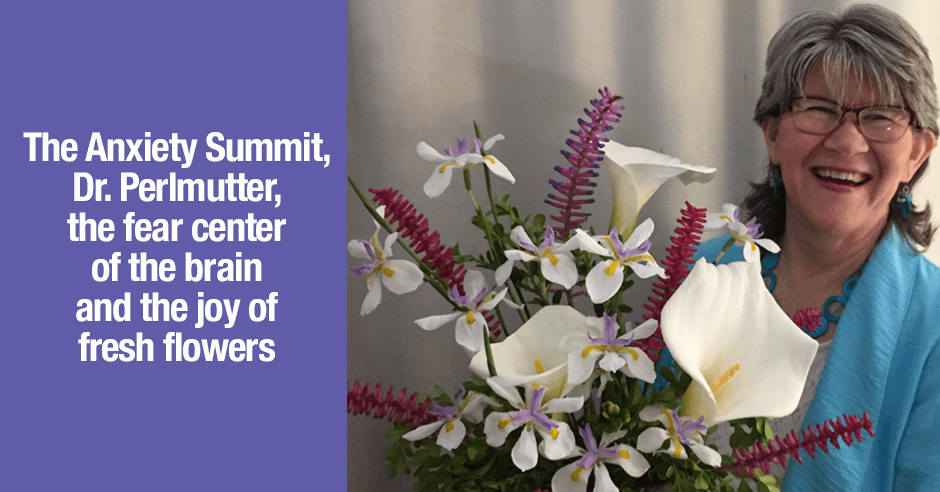
The Anxiety Summit, Dr. Perlmutter, the fear center of the brain and the joy of fresh flowers

September 27, 2019 By Trudy Scott 4 Comments

trudy and flowers

These lovely flowers are all from our garden and I have my wonderful mom-in-law to thank for this arrangement which I used for a very special interview this week with Dr. David Perlmutter (more on this below) for season 5 of The Anxiety Summit. I have my mom-in-law, Althea, to thank for all the flowers in all the interviews.

As you know, I love nature and flowers and because of this it feels really special to be able to say that The Anxiety Summit has been dubbed “a bouquet of hope.” Someone in one of the past seasons shared this anonymously and then sent me a lovely letter afterwards saying it was her.

Unfortunately, we were in the middle of packing to move and her letter was misplaced so I still don’t have a name and person to thank. If you’re reading this now, please please let me know it was you so I can thank you.

I’m sure you don’t need a study to convince you why you enjoy flowers so much but here goes anyway because – you know me – I love to geek out on the research.

In a study, Effect of olfactory stimulation by fresh rose flowers on autonomic nervous activity, 19 female university and graduate students (21 to 26 years old) reported an increase in physiological and psychological relaxation when smelling fresh roses. The study reported that the aroma of the fresh flowers led to

  • a significant increase in parasympathetic nervous activities
  • an increase in “comfortable” and “natural” feelings.

I’m not one bit surprised at these results! Are you? I would expect there to be an effect on our endorphins too because we feel so wonderful when we get a bunch of flowers from our loved one!

Dr. Perlmutter – Anxiety: Gut-Brain Communication & Diet

As I said above, I had the distinct pleasure of interviewing Dr. David Perlmutter for The Anxiety Summit this week (notice the flower arrangement in the background).

dr. perlmutter interview

You likely know Dr. Perlmutter as the author of Grain Brain, The Surprising Truth About Wheat, Carbs and Sugar, with over 1 million copies in print. What a wonderful interview we had. He’s smart, articulate, funny, geeky and practical at the same time, and an all around lovely person. I can’t wait to share this and all the incredible interviews I have done for The Anxiety Summit 5: Gut-Brain Axis.

In my interview with Dr David Brady on this summit he mentions how Dr. Perlmutter has championed the whole gut-brain connection. We all appreciate him for this work and with him being a trailblazer and leader in this, having him as a speaker on this summit could not have been more perfect. This is our topic and the talking points we cover

Anxiety: Gut-Brain Communication & Diet

  • Fermented foods, prebiotics, gut integrity and anxiety
  • SCFAs/short chain fatty acids, HDACs and serotonin production
  • Inflammation/cortisol and the amygdala/prefrontal cortex connection

Here is a snippet from our interview which went deep into the research, the mechanisms and biochemistry, and then brought it all back to practical interventions :

Both inflammation and stress can enhance anxiety. Well, what is anxiety? Anxiety is a physiological reaction to real of more commonly a perceived stress – in other words, a threat. There is no real threat there but the body perceives a situation that is not necessarily threatening as being threatening. So the body goes into this anxiety response for no good reason….

What we understand is that inflammation and cortisol actually tend to reduce the availability or the functionality of a connection between two parts of the brain. One of them, called the amygdala, is the fear center, and the other is the prefrontal cortex which is an area of the brain that tends to calm things down. It says to the amygdala: “Hey, cool, we’re glad you’re around but this isn’t one of those times you need to get excited.” It’s the adult in the room, if you will.

Inflammation and cortisol/stress breaks this key connection between the amygdala and the prefrontal cortex and these are one possible mechanism that leads to anxiety. We go on to discuss solutions such as diet, nature, and sleep.

I could have brought up flowers and talked more about nature at this point but we still had so much to cover.

Earlier in the interview went in depth into dietary aspects like delicious fermented foods and prebiotics such as garlic, onions, leeks and cauliflower. Prebiotics are fuel for short-chain fatty acids like butyrate, acetate and propionate, which are involved in the integrity of the gut lining, protect from intestinal inflammation. They are also involved in the manufacture of calming neurotransmitters, so here we have some of the stress/cortisol aspect covered.

Please join us and listen to the entire interview on The Anxiety Summit 5: Gut-Brain Axis.

Resources from Dr. Perlmutter

Now I get to share some of his wonderful work. You can find him online at DrPerlmutter.com and he has these new releases coming up:

  • He is the editor of the upcoming collection The Microbiome and the Brain that will be authored by top experts in the field and will be published in 2019 by CRC Press – written for both practitioners and researchers. This is so exciting and perfectly supports what we cover in this summit.
  • He shares a few gems from his book Brain Wash, which is proudly co-written with his son Austin Perlmutter, MD, in our interview.

Are you excited to hear my interview with Dr. Perlmutter? Which areas are of most interest to you?

And do you love flowers as much as I do? What are you favorites and how do you enjoy them?

If you have found any of the Anxiety Summits to be “a bouquet of hope” in your healing journey please tell us why and how you’re doing now.

If you’d like to give feedback or ask a question, please post in the comments below.


Filed Under: The Anxiety Summit, The Anxiety Summit 5 Tagged With: amygdala, anxiety, anxiety summit, bouquet of hope, Butyrate, cortisol, Dr. Perlmutter, fear, fear center, fresh flowers, gut integrity, Inflammation, prefrontal cortex, short chain fatty acids, stress

  • « Go to Previous Page
  • Page 1
  • Page 2
  • Page 3
  • Page 4
  • Page 5
  • Interim pages omitted …
  • Page 7
  • Go to Next Page »

Primary Sidebar

NEW! GABA QuickStart Homestudy (with special intro pricing)

gaba quickstart homestudy

Free Report

9 Great Questions Women Ask about Food, Mood and their Health

You'll also receive a complimentary subscription to my ezine "Food, Mood and Gal Stuff"


Connect with me

Popular Posts

  • Amino Acids Mood Questionnaire from The Antianxiety Food Solution
  • The Antianxiety Food Solution Amino Acid and Pyroluria Supplements
  • Pyroluria Questionnaire from The Antianxiety Food Solution
  • Collagen and gelatin lower serotonin: does this increase your anxiety and depression?
  • Tryptophan for the worry-in-your-head and ruminating type of anxiety
  • GABA for the physical-tension and stiff-and-tense-muscles type of anxiety
  • The Antianxiety Food Solution by Trudy Scott
  • Seriphos Original Formula is back: the best product for anxiety and insomnia caused by high cortisol
  • Am I an anxious introvert because of low zinc and vitamin B6? My response to Huffington Post blog
  • Vagus nerve rehab with GABA, breathing, humming, gargling and key nutrients

Recent Posts

  • What do I use instead of Seriphos to help lower high cortisol that is affecting my sleep and making me anxious at night?
  • BeSerene™ GABA/theanine cream eases severe muscle tension in her neck/shoulders, prevents her bad headaches and quells her anxiety
  • How the correct approach, dose and sublingual use of GABA can be calming and not cause a flushed and itchy face and neck
  • The amino acid glutamine improves low mood by addressing gut health, and it has calming effects too
  • Flight anxiety with heightened breath, physical tension and also fearing the worst (the role of low GABA and low serotonin)

Categories

  • 5-HTP
  • AB575
  • Addiction
  • ADHD
  • Adrenals
  • Alcohol
  • Allergies
  • Alzheimer's disease
  • Amino Acids
  • Anger
  • Antianxiety
  • Antianxiety Food Solution
  • Antidepressants
  • Anxiety
  • Anxiety and panic
  • Autism
  • Autoimmunity
  • benzodiazapines
  • Bipolar disorder
  • Books
  • Caffeine
  • Cancer
  • Candida
  • Children/Teens
  • Collagen
  • Cooking equipment
  • Coronavirus/COVID-19
  • Cravings
  • Depression
  • Detoxification
  • Diabetes
  • Diet
  • DPA/DLPA
  • Drugs
  • EFT/Tapping
  • EMF
  • EMFs
  • Emotional Eating
  • Endorphins
  • Environment
  • Essential oils
  • Events
  • Exercise
  • Fear
  • Fear of public speaking
  • Fertility and Pregnancy
  • Fish
  • Food
  • Food and mood
  • Functional neurology
  • GABA
  • Gene polymorphisms
  • General Health
  • Giving
  • Giving back
  • Glutamine
  • Gluten
  • GMOs
  • Gratitude
  • Gut health
  • Heart health/hypertension
  • Histamine
  • Hormone
  • Hyperparathyroidism
  • Hypoglycemia
  • Immune system
  • Inflammation
  • Insomnia
  • Inspiration
  • Introversion
  • Joy and happiness
  • Ketogenic diet
  • Lithium orotate
  • Looking awesome
  • Lyme disease and co-infections
  • MCAS/histamine
  • Medication
  • Men's health
  • Mental health
  • Mercury
  • Migraine
  • Mold
  • Movie
  • MTHFR
  • Multiple sclerosis
  • Music
  • NANP
  • Nature
  • Nutritional Psychiatry
  • OCD
  • Osteoporosis
  • Oxalates
  • Oxytocin
  • Pain
  • Paleo
  • Parasites
  • Parkinson’s disease
  • PCOS
  • People
  • PMS
  • Postpartum
  • PTSD/Trauma
  • Pyroluria
  • Questionnaires
  • Real whole food
  • Recipes
  • Research
  • Schizophrenia
  • serotonin
  • SIBO
  • Sleep
  • Special diets
  • Sports nutrition
  • Stress
  • Sugar addiction
  • Sugar and mood
  • Supplements
  • Teens
  • Testimonials
  • Testing
  • The Anxiety Summit
  • The Anxiety Summit 2
  • The Anxiety Summit 3
  • The Anxiety Summit 4
  • The Anxiety Summit 5
  • The Anxiety Summit 6
  • Thyroid
  • Thyroid health
  • Toxins
  • Tryptophan
  • Tyrosine
  • Uncategorized
  • Vegan/vegetarian
  • Women's health
  • Yoga

Archives

  • October 2025
  • September 2025
  • August 2025
  • July 2025
  • June 2025
  • May 2025
  • April 2025
  • March 2025
  • February 2025
  • January 2025
  • November 2024
  • October 2024
  • September 2024
  • August 2024
  • July 2024
  • June 2024
  • May 2024
  • April 2024
  • March 2024
  • February 2024
  • January 2024
  • December 2023
  • November 2023
  • October 2023
  • September 2023
  • August 2023
  • July 2023
  • June 2023
  • May 2023
  • April 2023
  • March 2023
  • February 2023
  • January 2023
  • December 2022
  • November 2022
  • October 2022
  • September 2022
  • August 2022
  • July 2022
  • June 2022
  • May 2022
  • April 2022
  • March 2022
  • February 2022
  • January 2022
  • December 2021
  • November 2021
  • October 2021
  • September 2021
  • August 2021
  • July 2021
  • June 2021
  • May 2021
  • April 2021
  • March 2021
  • February 2021
  • January 2021
  • December 2020
  • November 2020
  • October 2020
  • September 2020
  • August 2020
  • July 2020
  • June 2020
  • May 2020
  • April 2020
  • March 2020
  • February 2020
  • January 2020
  • December 2019
  • November 2019
  • October 2019
  • September 2019
  • August 2019
  • July 2019
  • June 2019
  • May 2019
  • April 2019
  • March 2019
  • February 2019
  • January 2019
  • December 2018
  • November 2018
  • October 2018
  • September 2018
  • August 2018
  • July 2018
  • June 2018
  • May 2018
  • April 2018
  • March 2018
  • February 2018
  • January 2018
  • December 2017
  • November 2017
  • October 2017
  • September 2017
  • August 2017
  • July 2017
  • June 2017
  • May 2017
  • April 2017
  • March 2017
  • February 2017
  • January 2017
  • December 2016
  • November 2016
  • October 2016
  • September 2016
  • August 2016
  • July 2016
  • June 2016
  • May 2016
  • April 2016
  • March 2016
  • February 2016
  • January 2016
  • December 2015
  • November 2015
  • October 2015
  • September 2015
  • August 2015
  • July 2015
  • June 2015
  • May 2015
  • April 2015
  • March 2015
  • February 2015
  • January 2015
  • December 2014
  • November 2014
  • October 2014
  • September 2014
  • August 2014
  • July 2014
  • June 2014
  • May 2014
  • April 2014
  • March 2014
  • February 2014
  • January 2014
  • December 2013
  • November 2013
  • October 2013
  • September 2013
  • August 2013
  • July 2013
  • June 2013
  • May 2013
  • April 2013
  • March 2013
  • February 2013
  • January 2013
  • December 2012
  • November 2012
  • October 2012
  • August 2012
  • July 2012
  • June 2012
  • May 2012
  • April 2012
  • March 2012
  • February 2012
  • January 2012
  • December 2011
  • November 2011
  • October 2011
  • September 2011
  • August 2011
  • July 2011
  • June 2011
  • May 2011
  • April 2011
  • March 2011
  • February 2011
  • January 2011
  • December 2010
  • October 2010
  • September 2010
  • July 2010
  • May 2010
  • April 2010
  • March 2010
  • February 2010
  • January 2010
  • November 2009

Share the knowledge!

The above statements have not been evaluated by the Food and Drug Administration. Products listed in this website are not intended to diagnose, treat, cure or prevent any disease.

The information provided on this site is for informational and educational purposes only and is not intended as a substitute for advice from your physician or other health care professional. You should consult with a healthcare professional before starting or modifying any diet, exercise, or supplementation program, before taking or stopping any medication, or if you have or suspect you may have a health problem.


Copyright © 2026 Trudy Scott. All Rights Reserved. | Privacy | Terms and Conditions | Refund Policy | Medical Disclaimer

Free Report

9 Great Questions Women Ask about Food, Mood and their Health

You’ll also receive a complimentary subscription to my ezine “Food, Mood and Gal Stuff”