• Skip to primary navigation
  • Skip to main content
  • Skip to primary sidebar

everywomanover29 blog

Food, Mood and Women's Health – Be your healthiest, look and feel great!

  • Blog
  • About
  • Services
  • Store
  • Resources
  • Testimonials
  • The Book
  • Contact
  • Search this site

blood sugar

The amino acid glutamine improves low mood by addressing gut health, and it has calming effects too

October 3, 2025 By Trudy Scott 2 Comments

glutamine and low mood

Recent research has shown that the amino acid glutamine can positively affect gut health by supporting the gut microbiome, gut mucosal wall integrity, and by modulating inflammatory responses.

As modulated by the vagus nerve, via the enteric nervous system, the gut-brain connection can impact the brain’s neurochemical environment. Poor gut health can disrupt the balance of neurotransmitters, which can result in neuropsychiatric based conditions such as depression.

Glutamine supplementation may provide significant adjunctive nutritional support in cases of depression by promoting proper gut health and function.

The above is an excerpt from the paper, The role of glutamine in supporting gut health and neuropsychiatric factors, published in 2021.

The authors do note the fact that glutamine is a “fundamental precursor to the most prevalent neurotransmitters, GABA and glutamate.” This is why glutamine supplementation can be calming for many individuals and may sometimes be too stimulating for some folks. It also highlights the importance of biochemical individuality and why it’s important to find your ideal dose (more on that below).

I appreciate their call for more research on glutamine, “as well as studies which could explore using glutamine in concert with other supportive amino acids, such as GABA and tyrosine, in an effort to restore neurotransmitter equilibrium” (more on that below too).

Read on below to learn more about how glutamine directly supports gut health and what harms the gut; how to know if glutamine will be calming or too stimulating, and how much to use; and other clues that you may benefit from glutamine; and additional resources when are new to amino acids such as glutamine, GABA and others.

How glutamine directly supports gut health and what harms the gut

From the above paper, glutamine:

1) has a positive impact on sustaining the balance of the gut microbiome
2) increases the expression of tight junction proteins and the integrity of the intestinal lining (i.e. it heals leaky gut)
3) helps to minimize the inflammatory response in situations of gut mucosal irritation (i.e the inner most lining of the digestive tract).

The authors also discuss all of the many factors that are harmful for the gut: highly processed foods, refined sugars, saturated fat, and minimal healthy fatty acids and antioxidants; lack of probiotics and prebiotics; blood sugar swings; stress and high cortisol; medications and alcohol consumption. Much of this is addressed in my book “The Antianxiety Food Solution”

It’s well-worth reading the entire paper for a full understanding of the two-way gut-brain connection via the vagus nerve and the role of the microbiome when it comes to neurotransmitter production and much more.

How to know if glutamine will be calming or too stimulating, and how much to use

As mentioned above, the authors share that glutamine is a precursor to GABA, a calming neurotransmitter i.e. it is often calming.

Glutamine is also a precursor to glutamate and can be too stimulating for some, typically when very high doses are used.

The paper mentions studies that “observed the effects of glutamine supplementation used at doses of between 15 g and 30 g,” however my recommendation is to start low and slowly increase based on your unique need. I have clients and those in my programs start with 500 mg once a day and increase to 1-3 x 500 mg, up to 3 or 4 times a day.

The only way to know if it will be calming or stimulating is to do a trial alone i.e. with no other new supplements, and carefully track the effects.

I also find using glutamine powder and holding it for 1-2 minutes on the tongue is more effective and less is often needed. This has additional benefits of stopping intense sugar cravings in their tracks (more on this below).

Other clues that you may benefit from glutamine: symptoms of low blood sugar

As mentioned above, glutamine helps reduce intense sugar cravings, and prevents low blood sugar (which can actually cause anxiety and panic attacks). This aspect is not mentioned in the paper but addressing low blood sugar is yet another application of glutamine when it comes to anxiety and low mood.

Here are all the symptoms we see with low blood sugar:

  • Crave sugar, starch or alcohol any time during the day
  • Irritable, shaky, headachey – especially if going too long between meals
  • Intense cravings for sweets
  • Lightheaded if meals are missed
  • Eating relieves fatigue
  • Agitated, easily upset
  • Nervous, anxious, panic attacks

And here are some other blog posts that illustrate some of the above:

  • Reactive hypoglycemia in binge eating disorder, food addiction and intense sugar cravings, and how glutamine stops the cravings
  • Waking with a jolt, feeling shaky and anxious: low blood sugar/hypoglycemia, glutamine and eating for blood sugar stability
  • Glutamine for hypoglycemia/low blood sugar: “500mg mixed in water works in 15 minutes and keeps me going for 2 – 3 hours”
  • “A demonic urge to eat sugar and all things sweet”: glutamine opened onto the tongue stops the urge every time!

Together with low serotonin and low GABA, addressing low blood sugar is one of the most effective approaches I use with clients to help ease anxiety.  We achieve this with the use of glutamine and by controlling blood sugar by starting the day with a breakfast that includes quality animal protein.

We may also use tyrosine if there are low dopamine symptoms and d-phenylalanine if there are low endorphin symptoms, in an “effort to restore neurotransmitter equilibrium.”

Additional resources when you are new to using glutamine, GABA or tyrosine, or other amino acids as supplements

We use the symptoms questionnaire to figure out if low blood sugar (indicating a possible need for glutamine) or low GABA (indicating a possible need for GABA or theanine) or low dopamine (indicating a possible need for tyrosine) or other neurotransmitter imbalances may be an issue for you.

If you suspect low levels of any of the neurotransmitters and do not yet have my book, The Antianxiety Food Solution – How the Foods You Eat Can Help You Calm Your Anxious Mind, Improve Your Mood, and End Cravings. I highly recommend getting it and reading it before jumping in and using amino acids on your own so you are knowledgeable. And be sure to share it with the practitioner/health team you or your loved one is working with.

There is an entire chapter on the amino acids and they are discussed throughout the book in the sections on gut health, gluten, blood sugar control (this and glutamine is covered in an entire chapter too), sugar cravings, anxiety and mood issues. The importance of quality animal protein and healthy fats is also covered.

The book doesn’t include product names (per the publisher’s request) so this blog, The Antianxiety Food Solution Amino Acid and Pyroluria Supplements, lists the amino acids that I use with my individual clients and those in my group programs.

If, after reading this blog and my book, you don’t feel comfortable figuring things out on your own (i.e. doing the symptoms questionnaire and respective amino acids trials), a good place to get help is the GABA QuickStart Program (if you have low GABA symptoms too). This is a paid online/virtual group program where you get my guidance and community support.

If you need serotonin support, the Serotonin QuickStart Program is a good place to get help. This is also a paid online/virtual group program where you get my guidance on using tryptophan and 5-HTP safely, and community support during 5 LIVE Q&A calls. You can sign up to be notified when the next live launch of this program is happening.

If you are a practitioner, join us in The Balancing Neurotransmitters: the Fundamentals program. This is also a paid online/virtual program with an opportunity to interact with me and other practitioners who are also using the amino acids.

Now I’d love to hear from you…

Has glutamine helped you with your leaky gut, low mood and/or offered calming effects?

What about intense cravings for something sweet or irritability and poor focus? And other low blood sugar symptoms?

How much do you find helps? And do you use powder or capsules?

Are you interested in a program to learn more about the safe and effective use of glutamine and/or tyrosine?

Feel free to share and ask your questions below.

Filed Under: Amino Acids, Anxiety, Depression, GABA, Glutamine, Gut health Tagged With: amino acid, blood sugar, calming, cravings, depression, GABA, glutamate, glutamine, gut, gut health, gut-brain connection, Inflammation, low mood, microbiome, mood, neuropsychiatric, neurotransmitters, serotonin, stimulating, tyrosine, vagus nerve

Berberine in perimenopause and menopause: improving mood, calming the anxious mind, and improving heart health, blood sugar and bone health

May 10, 2024 By Trudy Scott 15 Comments

berberine and menopause

… Berberine, an isoquinoline alkaloid derived from plants of the generis Berberis, has been recognized as being capable of decreasing oxidative stress, LDL, triglycerides, and insulin resistance and of improving the mood. This review describes the cellular and clinical effects associated with the use of berberine, which suggest that this molecule could be an effective natural supplement to ensure a smooth peri- and postmenopausal transition.

The above is from a paper published in 2015, Potential benefits of berberine in the management of perimenopausal syndrome.

These are just a few of the many benefits of berberine. Other research reports impacts on the microbiome, benefits for bone density and kidney health – all very relevant in perimenopause and menopause.

I feel that berberine may be a nutrient to consider, in addition to dietary changes, stress reduction and lifestyle changes, and targeted individual amino acids. Read on to discover some of the mechanisms and the benefits of using a comprehensive approach, and feedback from folks in the community who are using berberine with success.

Impacts on oxidative stress, blood sugar/insulin resistance, lipids and heart health, and mood

I encourage you to read the full paper in order to get an overview of the impacts on oxidative stress, blood sugar/insulin resistance, lipids and heart health, and mood. Here is a very high level summary:

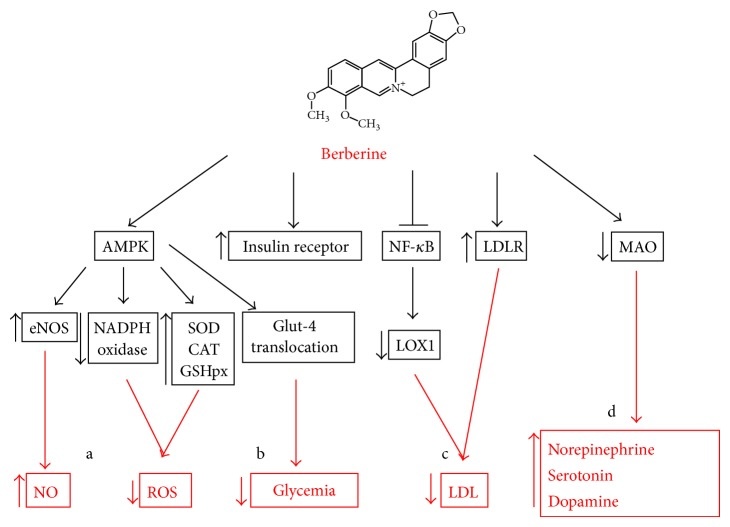
  • Estrogen deficiency, increased cardiovascular risk, an “overproduction of reactive oxygen species (ROS)” and reduced nitric oxide (NO) which are important contributing factors when it comes to “menopause-related endothelial dysfunction, atherosclerosis, hypertension, cardiovascular, and renal diseases.” Berberine counters this via various mechanisms.
  • Type 2 diabetes is higher amongst menopausal women, causing high blood sugar and insulin resistance. This paper shares a study that found berberine “significantly lowered fasting blood glucose (FBG), hemoglobin A1c, triglycerides, and insulin levels in patients with Type 2 diabetes as well as metformin and rosiglitazone.” One way berberine does this is via “increased insulin receptor (InsR) messenger RNA and protein expression.”
  • “inactivity of LDL receptor (LDLR)” in liver cells leads to higher levels of oxidized LDL, a risk factor for “endothelial dysfunction and atherosclerosis.” One mechanism is that berberine improves LDLR expression and has lipid-lowering activity.
  • When it comes to mood issues, the increased oxidative stress, immune dysfunction and inflammation play a role because of “interactions between neurotransmitters, neuropeptides, oxidative and nitrosative stress, and cytokines.” Higher levels of inflammatory markers such as interleukin-6 (IL-6), C-reactive protein, interleukin-1-beta (IL-1β), and TNFα “can enter the brain and may cause alterations of the metabolism of serotonin and dopamine.” Berberine helps to counter this inflammatory cascade and “inhibits the expression of MAO” , increasing norepinephrine, serotonin, and dopamine – and improving mood and presumably reducing anxiety too.
Berberine benefits menopause
From: Potential benefits of berberine in the management of perimenopausal syndrome

Feedback from folks in the community

When I shared this research on Facebook I received much in the way of positive results.

Susan shared this: “A functional medicine doctor suggested I take it with every meal. My A1C was not bad, (5.3) but my last level was 4.8. This was over the course of about 1 year.”

Becky shared this: “I used it for about 6 months along with diet changes to drop my A1C. Have been holding steady since with dietary measures alone. I didn’t realize berberine also helped lower LDL. Mine is slightly elevated. Not enough that my traditional MD has called me on it, but I’ve adjusted my diet again and hearing this about berberine I think I’ll try going back on it.”

Liz shared this: “I had gained some caregiver weight so started on berberine twice a day and it was helpful. However my Doc quickly had me switch over to [a combination product with berberine, chromium and alpha lipoic acid] and it’s fabulous! Twice a day and I feel great, my carb cravings are at bay and my bloodwork and overall health has vastly improved in just a few months.”

Marcy shared this: “Yes!! My son had been steadily gaining weight from binge eating and medications. In October 2022 his triglycerides were through the roof and I was so worried about his health. I put him on 500 mg of Berberine twice a day. Fast forward to today, he has lost approximately 50 pounds and his triglycerides are normal. There were other factors that may have contributed to the weight loss such as therapy and more structured eating times, but I absolutely believe the Berberine supported all this!” (this was also a combination product with berberine and a small amount of alpha lipoic acid and grape seed extract)

Marcia shared this: “I’ve used Berberine for appetite suppression, which it seems to help with, though not enough for me to lose any weight. But it did also actually lift my mood, which I was not expecting.”

Berberine: the microbiota, the gut-brain connection and anxiety

The number of studies on berberine is impressive and growing by the day. It’s not discussed in the above paper, but this paper, Effects of Berberine on the Gastrointestinal Microbiota states this: “The mechanism underlying the role of berberine in lipid‐lowering and insulin resistance is incompletely understood, but one of the possible mechanisms is related to its effect on the gastrointestinal microbiota.” Given what we know about the gut-brain connection, this is another likely mechanism for mood and anxiety benefits.

In another paper, Berberine ameliorates ovariectomy-induced anxiety-like behaviors by enrichment in equol generating gut microbiota, the authors propose that the use of berberine “modulates the gut microbiota, stimulates equol production, and improves anxiety-like symptoms” … “suggesting a direct link between gut microbiota modulation and estrogen deficiency-induced anxiety.”

Berberine: osteoporosis and the kidneys

An osteoporosis study shows that berberine regulates “the estrogen and thyroid hormone signaling pathways to treat osteoporosis in a multi-target, multi-pathway, and multi-system manner.”

And berberine used in conjunction with calcium carbonate and vitamin D, helps to prevent drug-induced bone loss too: “berberine inhibits bone resorption and improves bone formation to prevent glucocorticoid-induced osteoporosis.” I’d be considering vitamin K and other approaches like working towards optimal homocysteine, addressing food sensitivities, addressing possible oxalate and gallbladder issues too. The latter are more common during and after perimenopause.

Interestingly berberine also improves kidney health. One study reports that berberine “significantly ameliorated chronic kidney disease by altering the composition of the gut microbiota and inhibiting the production of gut-derived uremic toxins.”

A comprehensive approach that includes amino acids

As I mentioned above, I feel that berberine may be a nutrient to consider, in addition to dietary changes, stress reduction and lifestyle changes, and targeted individual amino acids. Berberine is relatively new to me and not covered in my book “The Antianxiety Food Solution” but it’s a great resource for the rest.

Here are are few blog posts specific to amino acids in perimenopause and menopause:

  • Tryptophan had the added benefit of turning me completely off alcohol when I took it to improve mood and sleep during perimenopause
  • “Potion” of tyrosine, Endorphigen, GABA and tryptophan has been nothing less than a miracle for my depression and anxiety – how long can I remain on these?
  • I have issues with perimenopausal anxiety a couple of weeks per month and don’t want to turn to SSRIs
  • The individual amino acids glutamine, GABA, tryptophan (or 5-HTP), DPA and tyrosine are powerful for eliminating sugar cravings, often within 5 minutes

The good news is that the amino acids provide immediate relief while the berberine is slower-acting and starting to have an impact.

Product recommendation: Thorne Berberine

There are many good berberine products available. I did some reading and research and landed on Thorne Berberine.

thorne berberine

It is available from my online store (Fullscript – only available to US customers – use this link to set up an account) and it’s available via iherb (use this link to save 5%).

If you’re new to berberine, be sure to discuss the research and if it may be something to consider with your practitioner.

Additional resources when you are new to using amino acids as supplements

As always, I use the symptoms questionnaire to figure out if low GABA or other neurotransmitter imbalances may be an issue.

If you suspect low levels of any of the neurotransmitters and do not yet have my book, The Antianxiety Food Solution – How the Foods You Eat Can Help You Calm Your Anxious Mind, Improve Your Mood, and End Cravings, I highly recommend getting it and reading it before jumping in and using amino acids on your own so you are knowledgeable. And be sure to share it with the practitioner/health team you or your loved one is working with.

There is an entire chapter on the amino acids and they are discussed throughout the book in the sections on gut health, gluten, blood sugar control (this is covered in an entire chapter too), sugar cravings, anxiety and mood issues.

The book doesn’t include product names (per the publisher’s request) so this blog, The Antianxiety Food Solution Amino Acid and Pyroluria Supplements, lists the amino acids that I use with my individual clients and those in my group programs.

If, after reading this blog and my book, you don’t feel comfortable figuring things out on your own (i.e. doing the symptoms questionnaire and respective amino acids trials), a good place to get help is the GABA QuickStart Program (if you have low GABA symptoms too). This is a paid online/virtual group program where you get my guidance and community support.

If you are a practitioner, join us in The Balancing Neurotransmitters: the Fundamentals program. This is also a paid online/virtual program with an opportunity to interact with me and other practitioners who are also using the amino acids.

Wrapping up and your feedback

I do always appreciate feedback from the community and being able to share it on the blog.

Now I’d love to hear from you – have you used berberine with success? How much have you used, which product and how has it helped?

Were you aware of all these benefits?

Have you also used amino acids and dietary approaches as you start to see hormonal shifts?

If you’re a practitioner do you berberine with your clients/patients?

And please let me know if it’s helpful that I’m now including product recommendations and where to get them.

Feel free to share and ask your questions below.
Filed Under: Anxiety, Depression, Women's health Tagged With: amino acids, anxious, anxious mind, berberine, blood sugar, bone density, bone health, calming, GABA, GABA Quickstart; Balancing Neurotransmitters: the Fundamentals program for practitioners, gut-brain, heart health, insulin resistance, kidney, LDL, menopause, microbiome, mood, osteoporosis, oxalates, oxidative stress, perimenopause, triglycerides, tryptophan

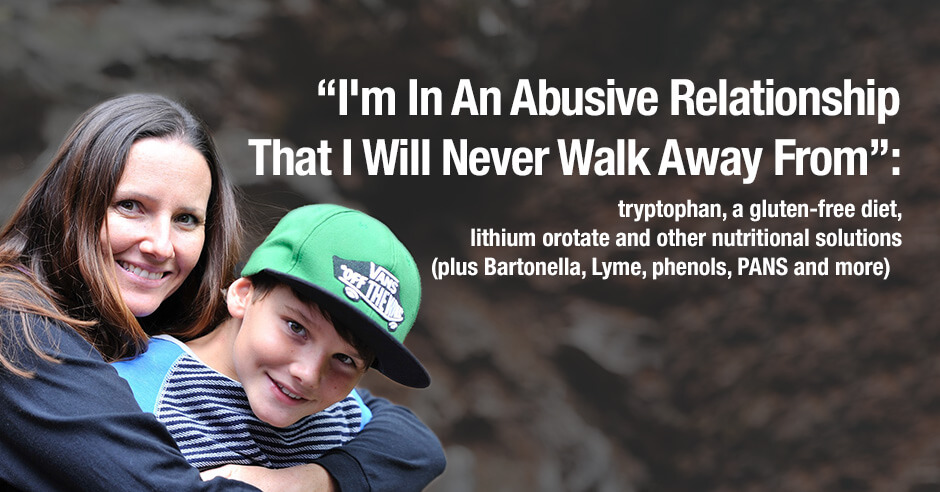
“I’m In An Abusive Relationship That I Will Never Walk Away From”: tryptophan, a gluten-free diet, lithium and other nutritional solutions

March 10, 2023 By Trudy Scott 16 Comments

abusive relationship - nutrition solutions

This mom’s story really struck a nerve for me… “I’m in an abusive relationship that I will never walk away from.” She shares this …

I can’t exactly pinpoint when I first felt the shift between our dynamic. One minute, things were as they always were. Before I could blink, though, I found myself engrossed in an alternate reality that resembled less and less of life as I knew it with each passing week. Trickles of rage and anger bubbled to the surface, threatening to break through until they could no longer be harnessed. I’ve been riding the waves ever since.

I currently exist in a heightened state of fear and anxiety, unsure of what each day will bring. When I wake each morning, I silently hope that today will be a “good” day; that he won’t be angry. That he won’t hurt me. Sometimes I’m lucky, and I get my person back. Other times, it feels like I’m living in a battle ground.

Her story really struck a nerve for me because of what she is going through but also because NO solutions are provided for her son. Stories like this help create awareness, make you feel less alone, create empathy and better understanding – which is important – but we want to offer nutritional solutions to families who are dealing with this.

(You can read her entire story on the ScaryMommy blog.)

Functional medicine and nutritional psychiatry as a solution

My heart goes out to this mom, this young man and the rest of the family. My hope is that this mom and all mom’s in similar situations are open to functional medicine, nutritional psychiatry and the power of food and nutrients to dramatically reduce and in many cases reverse behavioral issues like this in the child.

Sugar, caffeine and junk food must go and a gluten-free diet will very possibly make a difference. Having her son eat for blood sugar control is key too. It may also mean switching to a low-salicylate and/or, low-oxalate and low histamine diet. And addressing low lithium, low zinc, low vitamin D, low vitamin B12, high copper, low magnesium and/or low vitamin B6. Low serotonin and low GABA are common and this is where I would start with this young man (more on this below). They may also need to address his gut health/parasites, infections (like Lyme), PANS/PANDAS, mold toxicity, metals and environmental toxins etc.

I’ll highlight many of these in this blog and share links for further reading, plus the approaches I may consider. The important thing to recognize is that there is not one-size-fits-all.

Address low serotonin and low GABA

For a mom in the midst of all this, it can seem overwhelming and very daunting but when you start by addressing low serotonin and low GABA it becomes so much easier. Her son gets some relief very quickly and all the root causes can be figured out and addressed one by one. It also gives mom and the family a much-needed glimmer of hope. As I mentioned above, this is where I would start.

These are clues from her story as to why we’d want to look into and address low serotonin: her son’s explosive anger and rage, the physical and mental abuse, threats to hurt himself (self-harm) and his mother and siblings, and being argumentative.

You can see how the above fits into the list of low serotonin symptoms here. The amino acid that addresses low serotonin is tryptophan or 5-HTP and you can expect to see results in a few days.

I worked with an 11 year old girl with explosive rage issues (and anxiety, cravings & insomnia)  and chewable tryptophan started to turn things around very quickly. You can read more about this here.

If he has low GABA symptoms of physical tension and anxiety, we’d do a trial of GABA next.

A gluten-free diet and eating for blood sugar control

The next change I’d make is to have him start to make dietary changes, starting to switch to gluten-free eating and real whole food. As you can see from the above blog, a gluten-free diet and getting the 11 year old off the sugar made a big difference too. Tryptophan helped with this process, making it easy to break the addiction and not feel deprived.

Gluten issues (celiac disease and gluten sensitivity) are typically associated with gut issues but the psychiatric symptoms are less recognized. This 2023 paper, Psychiatric and Neurological Manifestations of Celiac Disease in Adults states that “Celiac disease is associated with mood disorders, such as manic-depressive disease, schizophrenia, and bipolar disorder, as well as other disorders such as depression and anxiety.”

In this blog I share how gluten was found to be the cause of a childhood case of obsessive-compulsive disorder. Symptoms resolved on a gluten-free diet.

Having him starting to eat for blood sugar stability may help with the irritability and mood swings, and may also help with his rageful outbursts.

Low dose lithium orotate for the rollercoaster of emotions

Next I’d likely explore the possibility of low dose lithium orotate as something that may help this young man too. The hallmark of low lithium is a rollercoaster of emotions and this mom shares how there are really good times amongst the really tough times.  I use this lithium questionnaire with clients. In addition to the ups and downs, these are clues that he may benefit: he’s rebellious, exhibits disruptive behavior and aggressiveness, is irritable, restless and engages in risky behavior.

Next steps: explore all the possible root causes and do nutritional testing

We’d want to explore all possible root causes and next steps would be decided based on his specific situation. Here is a list of 60+ root causes that I work through and the nutritional/functional testing that I do with my clients. You can replace anxiety with anger/rage in the blogs – for some people their symptoms show up as rage and for others it’s anxiety.

And here are some links for further reading:

  • Bartonella infection in mom and both sons: anxiety, panic attacks, insomnia, inconsolable crying, irritability, ADHD, rage and pain
  • Christmas tree phenols as a trigger for anger, meltdowns, anxiety, hyperactivity, insomnia, aggression, self-injury and autistic symptoms? (dietary salicylates – a type of phenol – can cause similar issues)
  • Sex and Aggression Characteristics in a Cohort of Patients with Pediatric Acute-Onset Neuropsychiatric Syndrome “Among patients with PANS, males exhibit more aggressive behavior when compared with females” (typically the clue it may be PANDAS/PANS is sudden onset of symptoms, although it’s not the case in all instances)
  • Neuropsychiatric Lyme Disease by Dr. Suruchi Chandra Lyme disease “can remain dormant for years and then later mimic a number of psychiatric illnesses, including anxiety disorders, mood disturbances, psychosis, and autism-like behaviors.”

This is not a conclusive list but a good start for seeing what the possibilities may be. Feel free to search the blog for more on some of the above and some of the other factors mentioned above and in the 60+ root causes blog.

As you can see above, we start with the simple changes – amino acids and a few simple dietary changes (all covered in my book) and lithium orotate – and then continue to dig deeper.

Mom and the other children need nutritional/trauma support too

This mom and the other children need support too – from family and community, from a therapist who specializes in trauma – and with GABA/tryptophan, adrenal support and B vitamins. You can read more about nutritional solutions for psychological stress here.

Resources if you are new to using tryptophan or GABA as supplements

If you are new to using tryptophan or GABA as supplements, here is the Amino Acids Mood Questionnaire from The Antianxiety Food Solution (you can see all the symptoms of neurotransmitter imbalances, including low GABA and low serotonin).

If you suspect low levels of any of the neurotransmitters and do not yet have my book, The Antianxiety Food Solution – How the Foods You Eat Can Help You Calm Your Anxious Mind, Improve Your Mood, and End Cravings, I highly recommend getting it and reading it before jumping in and using amino acids on your own so you are knowledgeable. And be sure to share it with the practitioner/health team you or your loved one is working with.

There is an entire chapter on the amino acids and they are discussed throughout the book in the sections on gut health, gluten, blood sugar control, sugar cravings, anxiety and mood issues (which include rage/anger/irritability/self-harm).

The book doesn’t include product names (per the publisher’s request) so this blog, The Antianxiety Food Solution Amino Acid and Pyroluria Supplements, lists the amino acids that I use with my individual clients and those in my group programs. You can find them all in my online store. The above oral lavender products are available in my online store too.

If, after reading this blog and my book, you don’t feel comfortable figuring things out on your own (i.e. doing the symptoms questionnaire and respective amino acids trials), a good place to get help is the GABA QuickStart Program (if you have low GABA symptoms). This is a paid online/virtual group program where you get my guidance and community support.

If you are a practitioner, join us in The Balancing Neurotransmitters: the Fundamentals program. This is also a paid online/virtual program with an opportunity to interact with me and other practitioners who are also using the amino acids.

Have you found tryptophan, GABA and/or lithium orotate to help in a situation like this?

What about a gluten-free diet and eating for blood sugar control?

What bigger root causes were found to be contributing factors too?

If you have questions and other feedback please share it here too.

Filed Under: Gluten, Lithium orotate, Nutritional Psychiatry, serotonin, Teens, Tryptophan Tagged With: abuse, abusive relationship, amino acids, anger, angry, anxiety, bartonella, blood sugar, emotions, fear, functional medicine, GABA Quickstart online program; and Balancing Neurotransmitters: the Fundamentals program for practitioners, gluten-free, irritability, lithium orotate, low GABA, low serotonin, Lyme Disease, nutritional psychiatry, nutritional solutions, PANS, Phenols, rage, rollercoaster, self-harm, Solutions, tryptophan

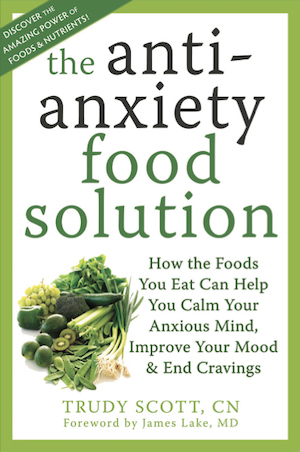
The Antianxiety Food Solution by Trudy Scott

April 26, 2021 By Trudy Scott 54 Comments

antianxiety food solution

The Antianxiety Food Solution

– How the Foods You Eat Can Help You Calm Your Anxious Mind, Improve Your Mood and End Cravings
by Trudy Scott, CN (published by New Harbinger, 2011)

It’s remarkable how much the foods we eat can impact our brain chemistry and emotions. What and when we eat can make the difference between feeling anxious and staying calm and in control. But most of us don’t realize how much our diets influence our moods, thoughts, and feelings until we make a change. In this book, you’ll find four unique antianxiety diets designed to help you address nutritional deficiencies that may be at the root of your anxiety and enjoy the many foods that foster increased emotional balance.

This easy-to-use guide helps you choose the best plan for you and incorporates effective anxiety-busting foods and nutrients. You’ll soon be on the path to freeing yourself from anxiety—and enjoying an improved overall mood, better sleep, fewer cravings, and optimal health—the natural way!

In The Antianxiety Food Solution, you’ll discover:

  • How to assess your diet for anxiety-causing and anxiety-calming foods and nutrients
  • Foods and nutrients that balance your brain chemistry
  • Which anxiety-triggering foods and drinks you may need to avoid
  • Easy lifestyle changes that reduce anxiety and increase happiness

Buy your copy


Buy the book from Amazon
Buy the book from New Harbinger
Buy the Kindle from Amazon
Buy the book in German


Endorsements

This book “fills an important gap in the popular literature on anxiety. It provides clear, helpful guidelines for utilizing nutrition to overcome anxiety.Edmund Bourne, PhD, author of The Anxiety and Phobia Workbook
A great book with plenty of practical advice backed by science.Daniel G. Amen, MD, author of Change Your Brain, Change Your Life
Every one of the millions now suffering from anxiety has a new friend in Trudy Scott, whose book offers them a nutritional lifeline.  Replete with specific and practical suggestions, this book is backed up by research and clinical expertise.Julia Ross, MA, MFT, author of The Mood Cure and The Diet Cure
This book is a must-read if you have anxiety and want to treat the underlying causes and heal, rather than having to rely on medications. Adjust your brain chemistry with the right nutrients and you can reclaim your brain and your life!Hyla Cass, MD, author of 8 Weeks to Vibrant Health
This book is a real tour-de-force in complementary mental health literature and should be on the shelves of every anxiety sufferer. It’s a user-friendly and balanced book about foods and nutrients that can reduce anxiety, and it is also refreshingly original.Jonathan Prousky, MSc, ND, professor of clinical nutrition at the Canadian College of Naturopathic Medicine and author of Anxiety: Orthomolecular Diagnosis and Treatment
As a nutrition and fitness expert and the mother of a child with an emotional disorder, I find this book invaluable. It is one I will use myself and recommend to both clients and colleagues.JJ Virgin, CNS, CHFS, nutrition and fitness expert, author of Six Weeks to Sleeveless and Sexy, and cohost of TLC’s Freaky Eaters
A leader in the field of food and mental health, Trudy Scott supplements the core themes of food and gut health with chapters on amino acids, pyroluria, and lifestyle changes. Trudy aptly emphasizes that readers should try to find the root cause of their health problems.Lawrence E. Cormier, MD, holistic psychiatrist in Denver, CO
This book may be the key you’ve been looking for. It does an excellent job of explaining the science behind anxiety and then bringing it to a practical level, providing a nutritional and integrative approach to anxiety.Elizabeth Lipski, PhD, CCN, director of doctoral studies at Hawthorn University in Whitethorn, CA, and author of Digestive Wellness
Trudy Scott’s work communicates something I tell my patients every day: there is a powerful connection between what we eat and how we feel.Mike Dow, PsyD, cohost of TLC’s Freaky Eaters
I recommend this book not only to those who suffer from anxiety, but to their health care providers as well.Karla Maree, certified nutrition consultant, neuronutrient therapist, and director of nutritional therapy at Recovery Systems Clinic
A comprehensive book providing the nation with much-needed formulas for overcoming anxiety and restoring stable emotions!Joan Mathews-Larson, PhD, LADC, founder of the Health Recovery Center in Minneapolis, MN, and author of Depression-Free, Naturally
This book offers a wealth of useful information for those who would like to try dietary and other lifestyle changes in order to improve their mental health. It is also a valuable resource for clinicians interested in broadening their approach to the treatment of anxiety.Felice N. Jacka, PhD, research fellow at the University of Melbourne in Australia
Full of practical tips for restoring balance to your body and mind. I highly recommend it.Mark Atkinson, MD, author of The Mind-Body Bible
The Antianxiety Food Solution is one of the most comprehensive guides to nutritional healing for anxiety.Elizabeth Large, ND
Trudy Scott is an expert on the relationship between food and mood, an often neglected area. This book provides clearly presented practical information, which I believe to be important adjunctive help in the treatment of anxiety, depression, and serious mental illness.Katherine Falk, MD, psychiatrist in New York, NY
An easy-to-read book that should help many people with anxiety.Michael B. Schachter, MD, CNS, board-certified psychiatrist
Buy the book from Amazon
Buy the book from New Harbinger
Buy the Kindle from Amazon
Buy the book in German


Reviews from readers

I can “recommend it for practitioners who have patients/clients who want to improve their affect, increase energy levels (who doesn’t!), suffer from anxiety, poor memory or sleep issues. Pass on this book to them and ask them to read it through cover to cover. It’s got a wealth of tips and resources linking behaviour with nutrition, and does it gracefully and with much self-insight.

I’ve read many books on the subject of psychology and biochemical links, and this is definitely one of the best written. It’s aimed at the intelligent reader who may have a little knowledge of nutrition, as well as practitioners and those who use patient centred approaches within their practice.

Donald Scott, Osteopath & Naturopath, Natural Therapy Centre, Kilmacolm, Inverclyde, United Kingdom

I cried my way thru this book ~ out of JOY~ for finally finding a very helpful book! I have been on a journey for 10 years trying to navigate issues with depression, stress, anxiety, insomnia and other fun things. I’ve been to doctors, psychologists, psychiatrists and counselors. I’ve been put on medication which after many years of that left me suicidal, overweight, depressed and very angry. It is VERY frustrating trying to navigate doctors, testing and information out there that could help you. This summer I read several books that addressed depression from a dietary and nutrition standpoint. This one was the best in my opinion. It’s not too long, easy to read and understand, and well organized. And it agreed with several things I had read in other books ~ such as the use of amino acids, vitamins and issues with gluten and sugar to address depression, etc. There’s many good ‘life stories’ in it too which help you relate. Thanks Trudy Scott!

Kathy Masterson, Amazon review

Book reviews

  • by Mira Dessy, Certified Nutrition Educator and holistic health columnist and featured in Nourishing Bytes, the ezine produced by the National Association of Nutrition Professionals, June 2011.
  • by Dr Winston Chung, MD and Child Psychiatrist, and featured the SFGate blog City Brights.

Table of contents

Introduction

My Story
Anxiety Statistics and Facts
Causes of Anxiety
What Is a Natural Approach and Why Use It?
Overview of the Book

Chapter 1: Figure Out Your Optimum Antianxiety Diet

The Antianxiety Food Solution Diets

Antianxiety Food Solution Diet 1: Gluten Free
Antianxiety Food Solution Diet 2: Gluten Free and Dairy Free
Antianxiety Food Solution Diet 3: Grain Free and Dairy Free
Antianxiety Food Solution Diet 4: Traditional Foods

Foods to Include

Eat Real, Whole, Good-Quality Foods
Eat Frequently Enough
Eat Quality Animal Protein

Red Meat
Poultry and Eggs
Fish and Other Seafood

Eat Nonstarchy Fresh Vegetables
Eat Fresh Fruit
Eat Good Fats
Keep Hydrated
Eat Legumes
Eat Starchy Fresh Vegetables
Eat Gluten-Free Whole Grains
Consume Dairy
Eat Whole Grains That Contain Gluten

Foods to Avoid

Avoid Empty Foods
Other Foods You May Need to Avoid

Eat Bonus Foods
Recipe and Food Resources
Wrapping Up

Chapter 2: Avoid Sugar and Control Blood Sugar Swings

The Harmful Effects of Sugar and Sweeteners
Sugars and Sweeteners Defined
Where Sugar Is Found
Artificial Sweeteners
What to Use Instead of Unhealthy Sugars and Artificial Sweeteners
Control Blood Sugar Swings

Benefits of Controlling Blood Sugar Swings
Simple Dietary Changes to Help Control Blood Sugar Swings
Supplements

How Quickly You Can Expect Improvements
If You Have a Sugar or Carb Addiction and Can’t Quit

Chapter 3. Avoid Caffeine, Alcohol, and Nicotine

Coffee and Caffeine

Caffeine and Anxiety
Other Reasons to Consider Giving Up Caffeine
How to Quit Caffeine and What to Drink Instead
If You Do Want to Drink Coffee

Alcohol

Nutritional Deficiencies Due to Alcohol Consumption
Alcohol and Low Blood Sugar
Alcohol Sensitivity
How to Quit Alcohol

Nicotine

Nicotine and Anxiety
How to Quit Smoking

How Quickly You Can Expect Improvements

Chapter 4. Address Problems with Gluten and Other Foods

Why Food May Be Affecting Your Mood
True Food Allergies
Food Sensitivities or Delayed Food Reactions
Problems with Gluten

Gluten, Anxiety, and Other Mood Problems
Gluten and the Digestive System

Testing for Gluten Sensitivities

Two-Week Gluten Elimination-Challenge Trial
Lab Tests for Gluten Sensitivity

Salivary Antigliadin Antibodies
IgG Antibodies for Gluten-Containing Grains
Elevated Thyroid Antibodies

Testing for Celiac Disease

Alternatives to Grains That Contain Gluten
If Gluten Isn’t a Problem
Problems with Dairy Consumption
Problems with Other Foods
Problems with All Grains and Starchy Vegetables
Using Amino Acids to Reduce Cravings
Allergies and Anxiety Due to Low Blood Histamine
How Quickly You Can Expect Improvements

Chapter 5. Improve Your Digestion

The Digestive Process

Why Good Digestion and Absorption Are Important
Using Your Stool as a Clue to Your Digestive Function

Eating Guidelines for Good Digestion

Eat Foods That Promote Good Digestion and Skip Poor-Quality Food
Change Your Eating Habits

Causes of Poor Digestion and How to Improve Your Digestion

Low Levels of Stomach Acid or Pancreatic Enzymes

Testing for Low Stomach Acid and Pancreatic Enzymes
How to Correct Low Stomach Acid or Low Pancreatic Enzymes

Large Intestine Issues
Bacterial Imbalance or Parasites
Candida Overgrowth

Testing for Bacterial Imbalance, Parasites, and Candida
Controlling Candida and Increasing Beneficial Bacteria

Foods and Nutrients for Healing a Damaged Digestive System
Liver or Gallbladder Problems
How Quickly You Can Expect Improvements

Chapter 6. Balance Brain Chemistry with Amino Acids

GABA

Steps to Raise GABA Levels

Serotonin

Steps to Raise Serotonin Levels

Catecholamines

Steps to Raise Catecholamine Levels

Endorphins

Steps to Raise Endorphin Levels

Testing for Levels of Amino Acids
Drug of Choice
Guidelines for Supplementing with Amino Acids
Amino Acid Precautions
How Quickly You Can Expect Improvements

Chapter 7. Address Pyroluria or Low Levels of Zinc and Vitamin B6

Prevalence of Pyroluria and Co-occurring Disorders
Testing for Pyroluria

Pyroluria Urine Test
Zinc Taste Test
Vitamin B6 Testing
Fatty Acid Testing
Comprehensive Metabolic Profile

Zinc, Vitamin B6, and Fatty Acids for Pyroluria

Zinc Supplementation
Food Sources of Zinc
Vitamin B6 Supplementation
Food Sources of Vitamin B6
Fatty Acids for Pyroluria
Other Nutrients for Pyroluria

How Quickly You Can Expect Improvements

Chapter 8. Other Nutrients, Hormone Imbalances, Toxins, Medications, and Lifestyle Changes

Basic Supplements

Multivitamin and Multimineral with B Vitamins
Iron
Vitamin C

Individual Nutrients for Anxiety

Extra B Vitamins
Magnesium and Calcium
Vitamin D
Omega-3s and Omega-6s
Theanine and Lactium

Hormone Imbalances

Adrenal Dysfunction
Thyroid Dysfunction
Sex Hormone Imbalances in Women

Reduce Your Exposure to Toxins

Toxins in the Home
Heavy Metals

Understand the Effects of Medications

Make Important Lifestyle Changes

Do Some Exercise, Preferably Outdoors
Get Enough Sleep
Consider Therapy and Support Groups
Set Aside Time for Relaxation

Take Up Yoga, Tai Chi, Qigong, or Meditation
Take a Real Vacation Every Year
Try Guided Imagery
Other Techniques That May Help

Parting Words

Appendices

  1. Sue’s Story
  2. Food, Mood, Energy, Cravings, and Sleep Log

Resources

Internet Resources for Healthy Eating and Living
Lab Tests
Recommended Reading

Nutritional Healing
Food, Cooking, and Cookbooks

References

A selection of quotes and facts from each chapter

Here are a selection of quotes and facts from each chapter of the book:

Introduction

“There’s a reason why I’m so passionate about working with people with anxiety and why I’m writing this book. I’ve had my own personal journey with anxiety…”

Chapter 1: Figure Out Your Optimum Antianxiety Diet

There are 4 antianxiety diets but “Eating real, whole, good-quality food is the foundation of this book and any program to prevent and alleviate mental health issues such as anxiety….”

Chapter 2: Avoid Sugar and Control Blood Sugar Swings

“Sugar and alcohol may contribute to elevated levels of lactate in the blood, which can cause anxiety and panic attacks”

Chapter 3: Avoid Caffeine, Alcohol, and Nicotine

In a study, “…those with panic disorders experienced increases in symptoms such as nervousness, fear, nausea, heart palpitations, and tremors after consuming caffeine and said the effects were similar to how they felt during a panic attack…”

Chapter 4: Address Problems with Gluten and Other Foods

“Clinical experience and specific studies support the connection between gluten and anxiety, social phobia, depression, and even schizophrenia”

Chapter 5: Improve Your Digestion

“…people with digestive complaints such IBS, food allergies and sensitivities, small intestinal bacterial overgrowth and ulcerative colitis frequently suffer from anxiety and…depression.”

Chapter 6: Balance Brain Chemistry with Amino Acids

“GABA plays a major role in anxiety, and serotonin plays a role in at least some types of anxiety…. The great thing about supplementing with amino acids is that you’ll get immediate feedback: positive effects, adverse effects, or no changes at all.”

Chapter 7: Address Pyroluria or Low Levels of Zinc and Vitamin B6

“Low levels of zinc and vitamin B6 are frequently associated with a type of anxiety characterized by social anxiety, avoidance of crowds, a feeling of inner tension, and bouts of depression”

Chapter 8: Other Nutrients, Hormone Imbalances, Toxins, Medications, & Lifestyle Changes

“Mild to moderate deficiency of vitamin C may be associated with increased nervousness and anxiety… Supplemental magnesium together with vitamin B6 was shown to alleviate anxiety-related premenstrual symptoms, as well as breast tenderness and menstrual weight gain…”

As you can see, there are many factors that can affect how anxious you feel and since we are all biochemically unique it’s important to figure out and address what may be triggering your anxiety, mood issues and associated cravings.

Buy the book from Amazon
Buy the book from New Harbinger
Buy the Kindle from Amazon
Buy the book in German


Once you’ve read your copy (or listened to the audio version) I would love to hear back from you on how my book has helped you and/or family members – either here in the comments below or via an Amazon review or a review on another platform.

Feel free to post your questions too.

Filed Under: Antianxiety Food Solution, Anxiety, Books Tagged With: 5-HTP, anxiety, anxious, blood sugar, caffeine, diet, digestive, GABA, gluten, IBS, panic, premenstrual, pyroluria, real whole food, serotonin, sugar, the antianxiety food solution, Trudy Scott, tryptophan

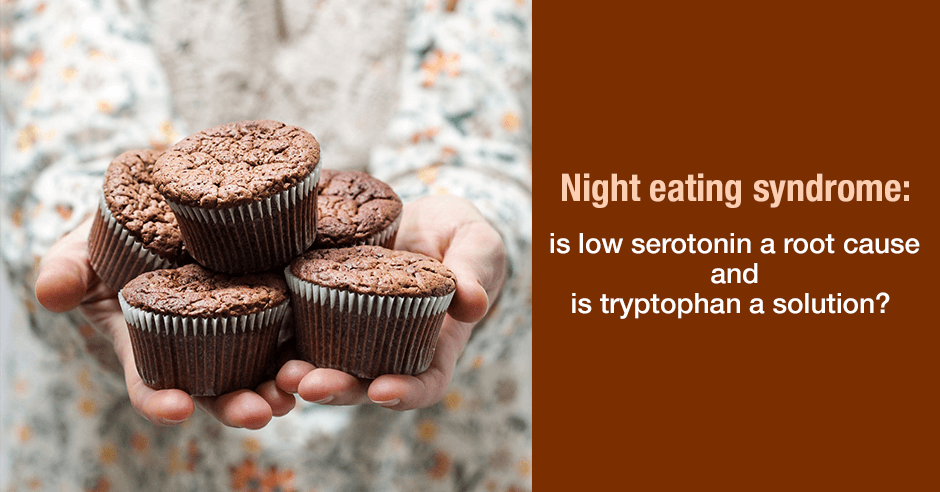
Night eating syndrome: is low serotonin a root cause and is tryptophan a solution?

April 9, 2021 By Trudy Scott 28 Comments

night eating syndrome

According to this paper, Circadian Rhythm Profiles in Women with Night Eating Syndrome, “Patients with night eating syndrome (NES) – first described in 1955 – demonstrate a phase delay in the circadian pattern of food intake, manifested by evening hyperphagia, nocturnal awakenings with food intake, and morning anorexia.”

I would start by asking this question: is low serotonin a root cause and is tryptophan a possible solution? I’ll share why below and where to start in order to find a solution.

Before I do that let me explain the terminology used in the above quote: Circadian means it happens every 24 hours, hyperphagia is obsessive food-seeking behavior, nocturnal awakenings are waking in the night and anorexia refers to restricted eating in the morning.

There is no research supporting the use of serotonin support with either tryptophan or 5-HTP for night eating syndrome but I would still start here for the following reasons:

  • this behavior happens in the evening and at night and it’s well recognized that serotonin levels are lower later in the day and at night
  • carbohydrate cravings and addictions occur with low serotonin and cravings are most intense later in the day (typically afternoon and evening)
  • obsessive behaviors are common with low serotonin
  • insomnia or night-time waking is a common symptom with low serotonin
  • doing a trial with either of these amino acids will very quickly confirm if low serotonin is a contributing factor or will rule it out

I would also have my client look at other low serotonin symptoms which would help confirm that low serotonin may be a factor for them: worry-type of anxiety, ruminations, PMS, irritability, rage or anger, TMJ, panic attacks, perfectionism, depression, low self-esteem and so on. You can see all the low serotonin symptoms here.

We typically start with a trial of tryptophan simply because so many of my clients do so well with it. The other reason is that 5-HTP can raise cortisol and cause a wired-tired feeling. That being said, some folks do better on one vs the other so if tryptophan doesn’t help then we trial 5-HTP.  You can see the products I use with my clients here on the supplements blog.

I would love to see tryptophan or 5-HTP being more extensively – because it works so effectively and quickly, and is addressing the root cause – but also because there is research that does support the serotonin connection to night eating syndrome:

  • Night eating syndome has been associated with “depression, emotional eating, sleep problems, and food addiction as well as with being overweight or with having obesity (especially as people age)” – all low serotonin symptoms.
  • Night eating patients are “responsive to selective serotonin reuptake inhibitor treatment” (antidepressant/SSRI treatment)
  • Bright light therapy may help with night eating because of it’s “serotonergic antidepressant mechanisms of action.” Night eating syndrome also shares features with seasonal affective disorder (SAD) and it’s not uncommon to experience both. The winter blues or SAD is common with low serotonin. I write more about SAD and bright light here.

I’d also consider low blood sugar as a contributing factor. We would need to rule out the use of the sleep medication Ambien/Zolpidem which has been shown to cause amnesia and sleep related eating disorders which resolves when the medication is stopped.

As always, it’s not only the low serotonin we need to address. Tryptophan or 5-HTP offer quick relief but we must always do a full functional workup looking at diet, nutritional deficiencies, digestion, all hormones, toxins and infections (and so on) so we can address all possible root causes – and why serotonin is low in the first place.

I share some possible reasons for low serotonin on this blog on imposter syndrome. Imposter syndrome is another common sign of low serotonin.

Have you been diagnosed with night eating syndrome or do you feel you possibly fit the profile? Does it happen every night and what foods are you drawn to? Which low serotonin symptoms can you relate to and has tryptophan or 5-HTP helped? What about light therapy? And was an  antidepressant prescribed?

Feel free to post your questions and feedback in the comments below.

Filed Under: 5-HTP, Anxiety, Insomnia, Tryptophan Tagged With: 5-HTP, Ambien, anxiety, blood sugar, circadian, food intake, hyperphagia, insomnia, morning anorexia, NES, night eating, Night eating syndrome, nocturnal awakenings, obsessive, panic, SAD, serotonin, SSRI, tryptophan, waking, worry

Glutamine supplementation: cancer concerns and benefits

February 26, 2016 By Trudy Scott 128 Comments

russell-blaylock

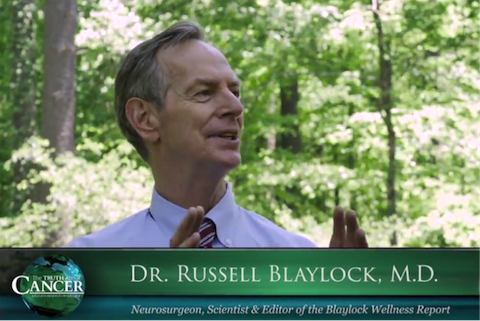
In the recent Truth About Cancer docu-series hosted by Ty Bollinger, founder of Cancer Truth, interviewed Dr. Russell Blaylock, M.D. and Dr. Blaylock said no to glutamine supplementation because it feeds cancer like sugar.

Here is what Dr. Russell Blaylock said during Episode 4 – Excitotoxins that Fuel Cancer:

Cancer cells use two major fuels, they use glucose and they use glutamine. Of the two, glutamine is the more powerful stimulant for cancer cell growth.

The Warburg effect is the fact that normal cells use both anaerobic and aerobic system, the Krebs cycle. The cancer cells only use the anaerobic system, it was thought. Glutamine can work the aerobic system and product a lot more energy. So if you’re eating a lot of sugar and you’re eating a lot of glutamine, you’re really stimulating your cancer powerfully. So the idea is you want to cut down your glutamine intake. A lot of people are promoting glutamine as a way to heal the gut—the leaky gut syndrome. So, they’re saying, take five, six, ten grams of glutamine. That is a powerful stimulant for degenerative brain disorders, a powerful stimulant for cancer growth. You don’t want to do that. There’s a lot better ways to repair the GI tract—they work better and safer and actually inhibit cancer.

Dr. Blaylock, author of Excitotoxins: The Taste That Kills, has been saying this for years. His coverage of MSG and how harmful it is, is very powerful groud-breaking work but many practitioners disagree with his glutamine-feeding-cancer comments.

As a result of this recent interview I’ve been getting a lot of questions about glutamine because it’s something I use with most of my clients for blood sugar control, carbohydrate/sugar cravings and gut healing.

In order to reassure folks I started looking at the current research and getting feedback from trusted colleagues.

I have now gathered 20+ studies showing glutamine to be beneficial in cancer: it heals the gut, helps boost glutathione, helps with muscle wasting, helps when someone is going through chemotherapy and radiation, and is useful for bone marrow transplants. Studies as far back as 1990 state it has benefits and doesn’t promote tumor growth, with 5 of them published this year.

This 2010 paper Glutamine as indispensable nutrient in oncology: experimental and clinical evidence summarizes many of the benefits:

Within the last two decades, 36 (24 oral/enteral, 12 parenteral) clinical studies evaluating the tolerance, safety and effects of glutamine in various patient groups have been published. In the great majority of these clinical studies, glutamine supplementation in cancer patients improves host metabolism and clinical situation without increasing tumor growth. Potential mechanisms of glutamine effects include maintenance of mucosal integrity, improved immune competence, inhibition of cell proliferation, increased apoptosis rate, increased synthesis of glutathione, induction of heat shock protein synthesis, and increased synthesis of glucagons-like peptides.

In various clinical situations, appropriate exogenous glutamine supply is safe and can beneficially contribute to diminish risks of high-dose chemotherapy and radiation. In addition, there is some evidence that adequate glutamine availability can beneficially affect outcome, especially in patients undergoing bone marrow transplantation.

With new research coming out all the time, a paper published in 2010 may seem very old and yet there are some more recent papers stating similar benefits, many of which were published this year and in 2014.   Here are a few excerpts from some of these papers:

  • Oral administration of [glutamine] plus [elemental diet] may prevent chemotherapy-induced oral mucositis in esophageal cancer patients. Link to paper
  • This study suggests a beneficial role of oral [glutamine] use in prevention and/or delay of radiation-induced esophagitis, in terms of esophageal transit time and serum immunological parameters, as well as weight loss. Link to paper
  • It also appears that glutamine may significantly reduce the duration and severity of objective oral mucositis during radiotherapy. Link to paper
  • These results suggest that [glutamine] is an effective way to reduce radiation morbidity to breast cancer and is associated with the increased expression of a novel serum protein biomarker. Link to paper
  • A promising supplemental therapy agent in the field is glutamine. Glutamine (Gln) is an amino acid that is produced in physiological conditions in human cells. However, in pathological states, glutamine production is often insufficient. In the clinical setting, glutamine has been shown to decrease metabolic side effects resulting from cancer treatment and to improve patient outcome. Link to paper
  • Prophylactic oral glutamine could ameliorate the neoadjuvant chemotherapy-induced increase in intestinal permeability, but had no significant positive clinical effect on stomatitis and diarrhea and did not interfere with the antitumor effect of chemotherapy. Link to paper
  • Oral [glutamine] increased [glutathione] levels and lowered IGF-I and TGF-beta 1 in a range that is considered clinically significant. However, the effect of [glutamine] in maintaining normal gut [glutathione] production in the presence of DMBA was much more significant. Link to paper

I’ve also posted the glutamine-cancer question in a number of online practitioner groups I belong to and have received this feedback:

  • Some practitioners still feel glutamine supplementation is very safe to use up to 10-30g a day for a month and then titrated down to a maintenance dose
  • An integrative cancer doctor says she is more cautious and would not recommend greater than 5g per day if someone has active cancer
  • One practitioner shared that long term studies haven’t shown changes in mortality due to glutamine supplementation in cancer settings but glutamine may be used for fuel by cancer cells
  • Glutamine is not neurotoxic as has been suggested in the book Excitotoxins:The Taste That Kills according to Dr. David Brady and other researchers
  • Many consider bone broth to be safe, some feel bone broth should be avoided during cancer treatments

It’s clearly a controversial topic with very divided opinions and it seems the jury is still out. We are also very individual beings with unique biochemistry so there is never a once size fits all approach and it’s very likely that some won’t benefit from glutamine and some may have adverse effects.

I do list cancer as a possible issue under the glutamine precautions and recommend that you check with your oncologist if you are currently undergoing treatment.

I do want to share safe and valuable information with my clients and with you (my community) and am not afraid to back down and say I was wrong. BUT right now I don’t believe we have enough information to say NO-ONE should be using glutamine as a supplement.   I’m gathering information and feedback, am learning a great deal and will be sharing more in future blogs on this topic. And I hope to get some feedback from Dr. Blaylock himself!

I hope this helps with questions you’ve been having or may have in the near future.

In the meantime I’d love your feedback…

  • If you’re a practitioner I’d love to hear your thoughts and approach, what cautions you offer and do you recommended a safe upper limit?
  • If you’re someone who uses glutamine or has used glutamine what does your practitioner say about it? Have they cautioned you about glutamine? Have they recommended a safe upper limit? What benefits have you seen when using it?
  • If you’ve been treated for cancer, has your cancer team recommended glutamine? And did it help?

UPDATE: Feb 26, 2016 (The post above was originally published on October 30, 2015)

I promised to come back and share additional information from someone working in the area of cancer and so here we are – an update on the glutamine cancer concern:

Paul Anderson ND shared a literature review and practice implications in an called “Glutamine and Cancer: What do we know?” (Update Sept 2021: it was published on Emerson Ecologics but the link is no longer active)

When I read this reassuring literature – based on the 2015 paper, Key Roles of Glutamine Pathways in Reprogramming the Cancer Metabolism. Oxidative Medicine and Cellular Longevity  – I reached out to Dr. Anderson and was given permission to share the link and excerpts from the article:

L-Glutamine the amino acid is one of the most widely used therapeutic substances in natural and integrative clinics as well as some allopathic practices. It has benefit in gastrointestinal illnesses and repair, post-surgical care, renal support, muscle mass maintenance, cachexia and a number of other conditions. Given its wide use in the integrative medical community the concern regarding potential for any adverse or untoward event associated with its use is significant. The primary potential issue is the “feeding” of cancer cells and another related issue is increasing glutathione stores and thereby inactivating standard therapies.

He shares some of the same potential benefits of glutamine that I mentioned above:

  • Post-surgical healing
  • GI repair and maintenance
  • Immune system recovery and maintenance
  • Muscle cell maintenance and recovery
  • Glutathione pool restoration

Dr. Anderson shares that:

the availability of glutamine even in a supplemented person is often too low to do much more than feed the deficient GI cells, so peripheral use is limited with oral doses.

The one common exception is glioblastoma multiforme (GM). In the case of GM, it is theoretically possible that amounts of glutamine that were able to cross the GI barrier could be metabolized in a manner promoting of GM energy and health. In the case of GM the authors point out that restricting carbohydrates would likely make the glutamine effective in an anti-GM biology.

And he shares a number of take home points for clinical practice: oral glutamine supplementation is likely safe across most tumor types in patients with cancer, it’s indicated for GI damage, the timing and doses, and how he uses carbohydrate restriction for certain cancers (when also using glutamine).

Based on his clinical experience Dr. Anderson states that:

Glutamine used appropriately is an excellent adjunctive therapy in the oncology setting.

Dr. Paul S. Anderson is medical director of Anderson Medical Specialty Associates, a clinic focusing on the care of patients with cancer and chronic diseases. Former positions include professor of Pharmacology and Clinical Medicine at Bastyr University and Chief of IV Services for Bastyr Oncology Research Center. He is a graduate of National College of Natural Medicine and began instructing classes at naturopathic medical schools in the early 1990’s. He continues to hold board review classes and CME courses for most of the US and Canadian ND programs. He also is a founding board member of the Academy of Parenteral Therapies specialty group and an instructor and author for the International IV Nutritional Therapy training group.

His book, Outside the Box Cancer Therapies: Alternative Therapies That Treat and Prevent Cancer (here is my Amazon link) discusses glutamine and some of the research and benefits when used with cancer patients, and also recommends consulting with your physician.

Did your oncology medical team recommend use of glutamine while you were in cancer treatment and did it help?

Or did they say no to supplemental glutamine and share why?

Feel free to post additional glutamine questions too.

Filed Under: Amino Acids, Cancer Tagged With: anxiety, blood sugar, cancer, cravings, glutamine, russell blaylock

  • Page 1
  • Page 2
  • Go to Next Page »

Primary Sidebar

NEW! GABA QuickStart Homestudy (with special intro pricing)

gaba quickstart homestudy

Free Report

9 Great Questions Women Ask about Food, Mood and their Health

You'll also receive a complimentary subscription to my ezine "Food, Mood and Gal Stuff"


Connect with me

Popular Posts

  • Amino Acids Mood Questionnaire from The Antianxiety Food Solution
  • The Antianxiety Food Solution Amino Acid and Pyroluria Supplements
  • Pyroluria Questionnaire from The Antianxiety Food Solution
  • Collagen and gelatin lower serotonin: does this increase your anxiety and depression?
  • Tryptophan for the worry-in-your-head and ruminating type of anxiety
  • GABA for the physical-tension and stiff-and-tense-muscles type of anxiety
  • The Antianxiety Food Solution by Trudy Scott
  • Seriphos Original Formula is back: the best product for anxiety and insomnia caused by high cortisol
  • Am I an anxious introvert because of low zinc and vitamin B6? My response to Huffington Post blog
  • Vagus nerve rehab with GABA, breathing, humming, gargling and key nutrients

Recent Posts

  • What do I use instead of Seriphos to help lower high cortisol that is affecting my sleep and making me anxious at night?
  • BeSerene™ GABA/theanine cream eases severe muscle tension in her neck/shoulders, prevents her bad headaches and quells her anxiety
  • How the correct approach, dose and sublingual use of GABA can be calming and not cause a flushed and itchy face and neck
  • The amino acid glutamine improves low mood by addressing gut health, and it has calming effects too
  • Flight anxiety with heightened breath, physical tension and also fearing the worst (the role of low GABA and low serotonin)

Categories

  • 5-HTP
  • AB575
  • Addiction
  • ADHD
  • Adrenals
  • Alcohol
  • Allergies
  • Alzheimer's disease
  • Amino Acids
  • Anger
  • Antianxiety
  • Antianxiety Food Solution
  • Antidepressants
  • Anxiety
  • Anxiety and panic
  • Autism
  • Autoimmunity
  • benzodiazapines
  • Bipolar disorder
  • Books
  • Caffeine
  • Cancer
  • Candida
  • Children/Teens
  • Collagen
  • Cooking equipment
  • Coronavirus/COVID-19
  • Cravings
  • Depression
  • Detoxification
  • Diabetes
  • Diet
  • DPA/DLPA
  • Drugs
  • EFT/Tapping
  • EMF
  • EMFs
  • Emotional Eating
  • Endorphins
  • Environment
  • Essential oils
  • Events
  • Exercise
  • Fear
  • Fear of public speaking
  • Fertility and Pregnancy
  • Fish
  • Food
  • Food and mood
  • Functional neurology
  • GABA
  • Gene polymorphisms
  • General Health
  • Giving
  • Giving back
  • Glutamine
  • Gluten
  • GMOs
  • Gratitude
  • Gut health
  • Heart health/hypertension
  • Histamine
  • Hormone
  • Hyperparathyroidism
  • Hypoglycemia
  • Immune system
  • Inflammation
  • Insomnia
  • Inspiration
  • Introversion
  • Joy and happiness
  • Ketogenic diet
  • Lithium orotate
  • Looking awesome
  • Lyme disease and co-infections
  • MCAS/histamine
  • Medication
  • Men's health
  • Mental health
  • Mercury
  • Migraine
  • Mold
  • Movie
  • MTHFR
  • Multiple sclerosis
  • Music
  • NANP
  • Nature
  • Nutritional Psychiatry
  • OCD
  • Osteoporosis
  • Oxalates
  • Oxytocin
  • Pain
  • Paleo
  • Parasites
  • Parkinson’s disease
  • PCOS
  • People
  • PMS
  • Postpartum
  • PTSD/Trauma
  • Pyroluria
  • Questionnaires
  • Real whole food
  • Recipes
  • Research
  • Schizophrenia
  • serotonin
  • SIBO
  • Sleep
  • Special diets
  • Sports nutrition
  • Stress
  • Sugar addiction
  • Sugar and mood
  • Supplements
  • Teens
  • Testimonials
  • Testing
  • The Anxiety Summit
  • The Anxiety Summit 2
  • The Anxiety Summit 3
  • The Anxiety Summit 4
  • The Anxiety Summit 5
  • The Anxiety Summit 6
  • Thyroid
  • Thyroid health
  • Toxins
  • Tryptophan
  • Tyrosine
  • Uncategorized
  • Vegan/vegetarian
  • Women's health
  • Yoga

Archives

  • October 2025
  • September 2025
  • August 2025
  • July 2025
  • June 2025
  • May 2025
  • April 2025
  • March 2025
  • February 2025
  • January 2025
  • November 2024
  • October 2024
  • September 2024
  • August 2024
  • July 2024
  • June 2024
  • May 2024
  • April 2024
  • March 2024
  • February 2024
  • January 2024
  • December 2023
  • November 2023
  • October 2023
  • September 2023
  • August 2023
  • July 2023
  • June 2023
  • May 2023
  • April 2023
  • March 2023
  • February 2023
  • January 2023
  • December 2022
  • November 2022
  • October 2022
  • September 2022
  • August 2022
  • July 2022
  • June 2022
  • May 2022
  • April 2022
  • March 2022
  • February 2022
  • January 2022
  • December 2021
  • November 2021
  • October 2021
  • September 2021
  • August 2021
  • July 2021
  • June 2021
  • May 2021
  • April 2021
  • March 2021
  • February 2021
  • January 2021
  • December 2020
  • November 2020
  • October 2020
  • September 2020
  • August 2020
  • July 2020
  • June 2020
  • May 2020
  • April 2020
  • March 2020
  • February 2020
  • January 2020
  • December 2019
  • November 2019
  • October 2019
  • September 2019
  • August 2019
  • July 2019
  • June 2019
  • May 2019
  • April 2019
  • March 2019
  • February 2019
  • January 2019
  • December 2018
  • November 2018
  • October 2018
  • September 2018
  • August 2018
  • July 2018
  • June 2018
  • May 2018
  • April 2018
  • March 2018
  • February 2018
  • January 2018
  • December 2017
  • November 2017
  • October 2017
  • September 2017
  • August 2017
  • July 2017
  • June 2017
  • May 2017
  • April 2017
  • March 2017
  • February 2017
  • January 2017
  • December 2016
  • November 2016
  • October 2016
  • September 2016
  • August 2016
  • July 2016
  • June 2016
  • May 2016
  • April 2016
  • March 2016
  • February 2016
  • January 2016
  • December 2015
  • November 2015
  • October 2015
  • September 2015
  • August 2015
  • July 2015
  • June 2015
  • May 2015
  • April 2015
  • March 2015
  • February 2015
  • January 2015
  • December 2014
  • November 2014
  • October 2014
  • September 2014
  • August 2014
  • July 2014
  • June 2014
  • May 2014
  • April 2014
  • March 2014
  • February 2014
  • January 2014
  • December 2013
  • November 2013
  • October 2013
  • September 2013
  • August 2013
  • July 2013
  • June 2013
  • May 2013
  • April 2013
  • March 2013
  • February 2013
  • January 2013
  • December 2012
  • November 2012
  • October 2012
  • August 2012
  • July 2012
  • June 2012
  • May 2012
  • April 2012
  • March 2012
  • February 2012
  • January 2012
  • December 2011
  • November 2011
  • October 2011
  • September 2011
  • August 2011
  • July 2011
  • June 2011
  • May 2011
  • April 2011
  • March 2011
  • February 2011
  • January 2011
  • December 2010
  • October 2010
  • September 2010
  • July 2010
  • May 2010
  • April 2010
  • March 2010
  • February 2010
  • January 2010
  • November 2009

Share the knowledge!

The above statements have not been evaluated by the Food and Drug Administration. Products listed in this website are not intended to diagnose, treat, cure or prevent any disease.

The information provided on this site is for informational and educational purposes only and is not intended as a substitute for advice from your physician or other health care professional. You should consult with a healthcare professional before starting or modifying any diet, exercise, or supplementation program, before taking or stopping any medication, or if you have or suspect you may have a health problem.


Copyright © 2026 Trudy Scott. All Rights Reserved. | Privacy | Terms and Conditions | Refund Policy | Medical Disclaimer

Free Report

9 Great Questions Women Ask about Food, Mood and their Health

You’ll also receive a complimentary subscription to my ezine “Food, Mood and Gal Stuff”