• Skip to primary navigation
  • Skip to main content
  • Skip to primary sidebar

everywomanover29 blog

Food, Mood and Women's Health – Be your healthiest, look and feel great!

  • Blog
  • About
  • Services
  • Store
  • Resources
  • Testimonials
  • The Book
  • Contact
  • Search this site

autism

Anxiety & the Gut-Brain Axis in Autism with Julie Matthews: The Anxiety Summit 5

October 21, 2019 By Trudy Scott 8 Comments

Julie Matthews, CNC, is one my guest experts on The Anxiety Summit 5: Gut-Brain Axis and our topic is: Anxiety & the Gut-Brain Axis in Autism. In this interview you’ll learn:

  • Nutritional and dietary intervention in autism (and the new study Julie contributed to)
  • Gut-immune-brain axis, mTOR and amino acids (we talk about tryptophan at length)
  • Significance of fecal microbiota transplants (and significance and future of this approach)
julie matthews

We start with a discussion about how common anxiety disorders are in autism, and how psychiatric medications are frequently prescribed.

This is why I’m so thrilled about the study Julie was part of: Comprehensive Nutritional and Dietary Intervention for Autism Spectrum Disorder-A Randomized, Controlled 12-Month Trial.

  • study participants had a significant improvement in anxiety from a special diet and various nutritional supplements
  • study participants saw improved communication skills as well as improved daily living skills and social skills – all of which can lead to reduced anxiety and social anxiety, and improved overall happiness
  • there were also improvements in happiness, focus, IQ and language, as well as symptoms of autism

We talk about some of this in the in-person interview we did recently in San Diego.

(Note: The dates for the 2021 Anxiety Summit 5 is November 8-14, 2021)

(I also blogged about this study last year, shortly after the paper was published. You can read about it here so you’re familiar with all the details when you listen to our summit interview.)

Julie and I are both research geeks and in our full interview on the summit we get geeky and talk about new research on:

  • The Gut-Immune-Brain Axis in Autism Spectrum Disorders A Focus on Amino Acids (we discuss mTOR and have a good discussion on the use of tryptophan vs 5-HTP)
  • Fecal transplants in autism (the outcomes are incredibly promising! I’ve since heard that another bigger study is being planned by the same researchers)
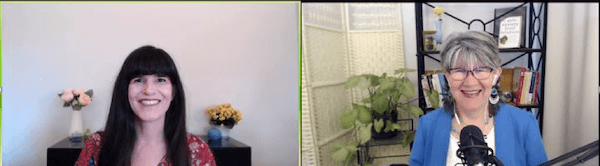
julie matthews and trudy scott

You’re likely familiar with Julie’s autism nutrition work and practitioner training on special diets which I wholeheartedly endorse. In case you’re new to her work, Julie is a Certified Nutrition Consultant and published researcher specializing in complex neurological, digestive, and immune conditions, most notably autism. She is the author of the award-winning book, Nourishing Hope for Autism, and co-author of a study proving the efficacy of nutrition and dietary intervention for autism published in the peer-reviewed journal, Nutrients (the study I mention above).

If you’re looking for autism/anxiety and autism/gut solutions you won’t want to miss this interview.

If you are looking for anxiety nutritional and gut solutions but don’t have an autism spectrum disorder/ASD or family member with ASD I encourage you to listen in anyway.  Julie’s approach is based on the BioIndividual Nutrition® needs of each person and stems from her 18 years of work with autism. Using autism as a model for complex chronic disease, her approach and methodology helps practitioners specializing in varied disorders improve the health and healing of their clients through her BioIndividual Nutrition Training for practitioners.

The above statement – using autism as a model for complex chronic disease – is an important one. In the short video clip above I mention how those with ASD are like the canaries in the coal mine. And we talk about many of the overlapping root causes we see in both anxiety disorders and ASD – such as methylation, nutritional deficiencies, gut issues and food sensitivities, heavy metals and so much more.  Julie and I have been highlighting these overlaps for years. Much of what we cover in the interview has wide-reaching implications for anxiety and other chronic health conditions.

I am so appreciative to Julie for helping me figure out my own dietary oxalate issues which were causing excruciating hot-coals/shards-of-glass type foot pain. I’ve learned so much from Julie on this topic and you’ll hear me bring up oxalates in a number of interviews.
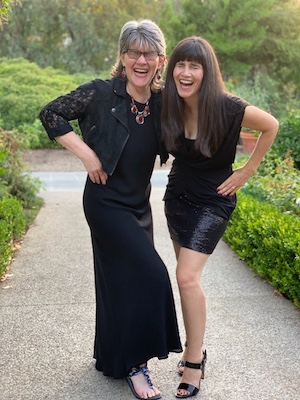
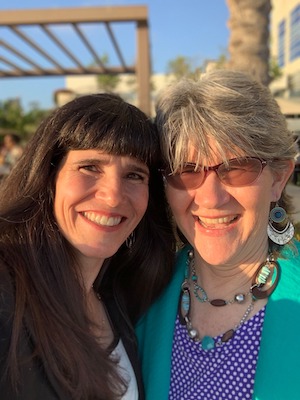
julie and trudy 

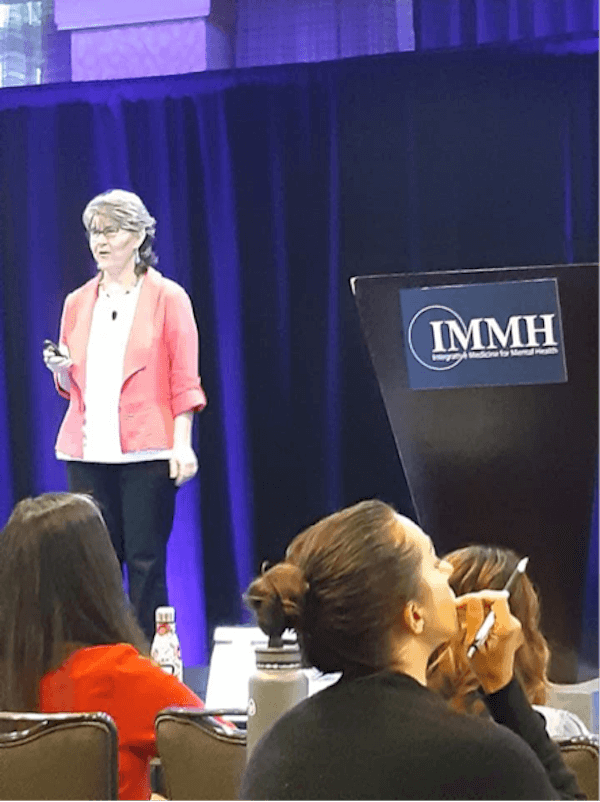
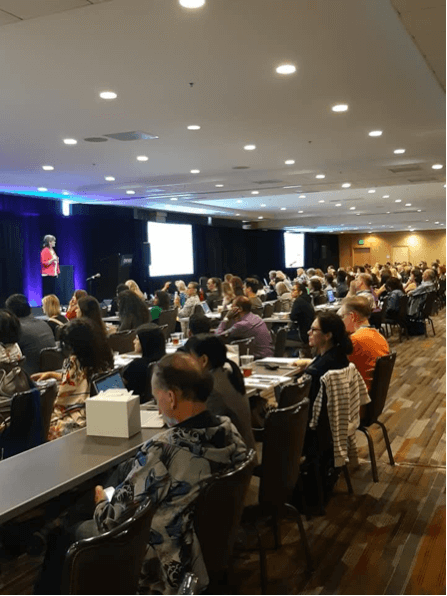
We also happen to be really good friends and love to laugh together (as you can tell!). These two pictures were taken in San Diego at the Mindshare conference (left) and Integrative Medicine for Mental Health conference (right), where we both presented.

You can listen to each of the interviews (and get transcripts) by purchasing The Anxiety Summit 5: Gut-Brain Axis.

If you’d like to give feedback or ask a question, please post in the comments section. I’d love to hear from you once you’ve listened in.

If you’d like to give feedback or ask a question, please post in the comments section at the bottom.

I’d love to hear from you once you’ve listened in to this interview and the others.
Filed Under: The Anxiety Summit 5 Tagged With: anxiety, Anxiety & the Gut-Brain Axis in Autism, anxiety summit, autism, diet, fecal transplant, gut-brain, Julie Matthews, microbiome, mTOR, nutrition, serotonin, tryptophan

IMMH highlights: mold, oxalates, anxiety, panic attacks and depersonalization

August 30, 2019 By Trudy Scott 3 Comments

IMMH highlights

Today I’m sharing some highlights from three different presentations at the recent IMMH/Integrative Medicine for Mental Health Conference – on mold and the connection to oxalate issues, as well as a major trigger of anxiety, panic attacks, depression and depersonalization.

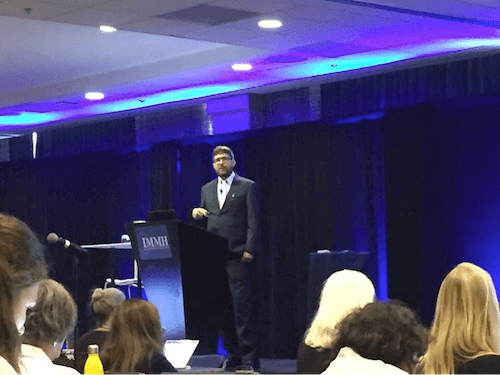
Matthew Pratt-Hyatt, PhD: “The Hidden Threats of Mycotoxins.”

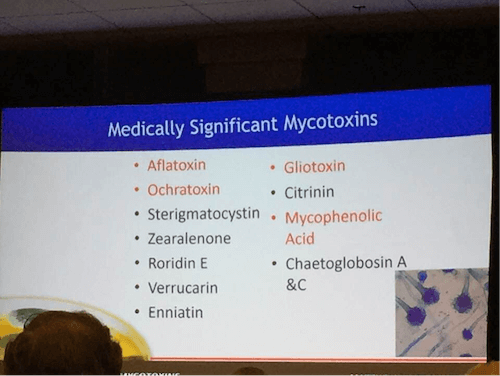
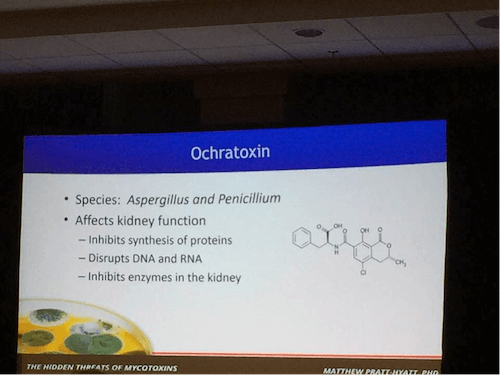
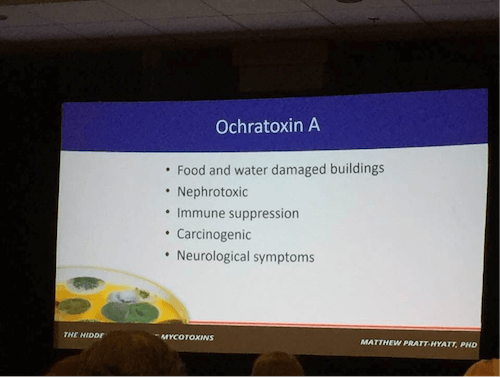
Matthew Pratt-Hyatt, PhD presented on “The Hidden Threats of Mycotoxins.” He shared medically significant mycotoxins and that ochratoxin affects the kidneys and my first thought was: “I wonder if this plays a role in oxalate issues?”

I asked Dr. Pratt-Hyatt after his presentation and he said yes, the mycotoxins produce oxalates and then dietary oxalates can be the tipping point. He wasn’t aware of any research on the mycotoxin-oxalate connection but sees the connection on the Great Plains MycoTOX lab test and Organic Acids test

Matthew Pratt-Hyatt

Matthew Pratt-Hyatt

Matthew Pratt-Hyatt

Matthew Pratt-Hyatt

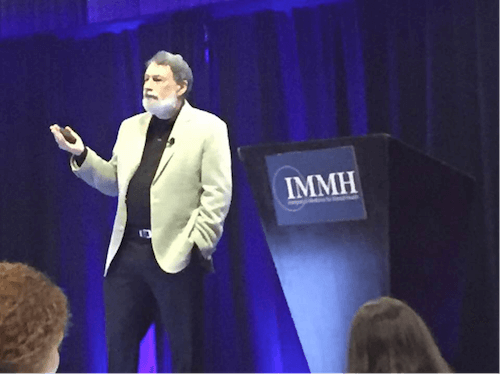
Dr. Neil Nathan: “Mold Toxicity as an Unrecognized Cause of Mental Health issues.”

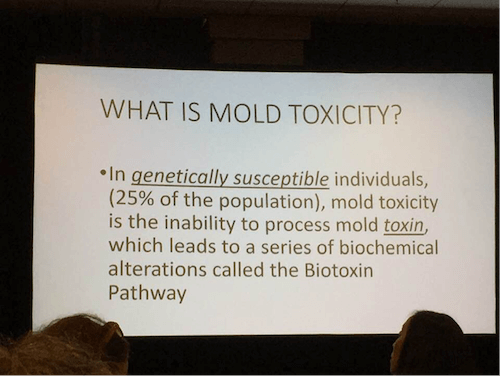
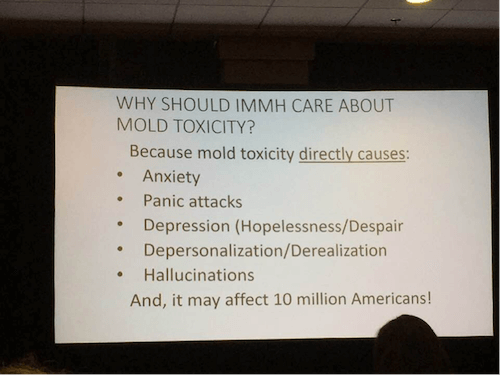
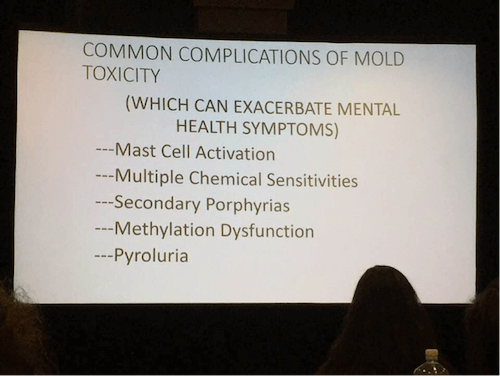
One of my favorite presentations was the one delivered by Dr. Neil Nathan on “Mold Toxicity.” He defines mold toxicity and how it can directly trigger anxiety, panic attacks, depression, depersonalization and hallucinations, as well as some of the common complications which can exacerbate mental health symptoms. These include mast cell activation, multiple chemical sensitivities, secondary porphyrias, methylation dysfunction and pyroluria.

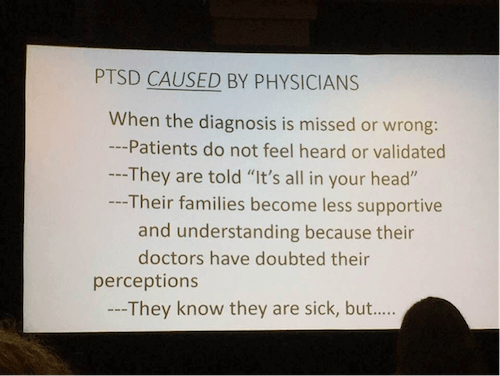
I do appreciate the fact that he addressed that there can be PTSD caused by physicians when someone knows they are sick – especially with mold toxicity – and yet they do not feel heard or validated. This can even lead to their families being less supportive.

Dr. Nathan is a brilliant and compassionate practitioner, and the author of the excellent book – Toxic: Heal Your Body from Mold Toxicity, Lyme Disease, Multiple Chemical Sensitivities, and Chronic Environmental Illness (my Amazon link)

Neil Nathan

Neil Nathan

Neil Nathan

Neil Nathan

Neil Nathan

Dr. Kurt Woeller: “Metabolic Products in Mental Health – How Fungal, Bacterial, Mitochondrial and Other Compounds Influence the Brain.”

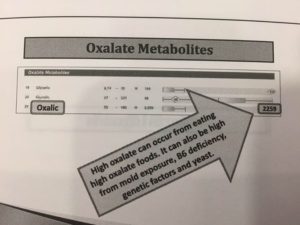
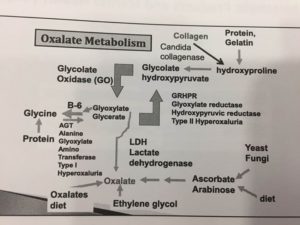
Dr. Kurt Woeller shared more about oxalates and mold in his presentation: “Metabolic Products in Mental Health.” I really like the Oxalate Metabolism diagram that shows the role of low vitamin B6, dietary oxalates including ascorbic acid, collagen and gelatin, mold, yeast and genetics in someone with high oxalates.

On a side note, low serotonin is often a factor with collagen and gelatin but it can be a source of oxalates.

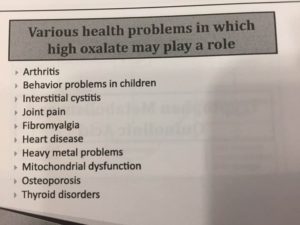
He mentions various health problems associated with high oxalates – pain issues are common and so is fatigue and behavioral issues. Dr. Woeller works primarily with children but I have seen anxiety and depression in adults with oxalate issues too.   If mold is one of the triggers then the mental health issues can be further impacted.


In case you missed the previous two IMMH blogs:

  • Last week I shared a few highlights from my IMMH presentation: “GABA for Anxiety, Insomnia, ADHD, Autism and Addictions: Research and Practical Applications” – benzodiazepines are not the solution, some new 2019 research on the far-reaching benefits of GABA, and the role of GABA in ADHD.
  • The previous week I wrote this blog post on one of the new studies in my presentation: how a combination of GABA and theanine improves sleep and reduces anxiety.

What wasn’t discussed were some of the other mechanisms that may be causing the increased anxiety – such as the impacts of toxic mold on neurotransmitters and low levels of zinc.

Have you been exposed to toxic mold and was this a trigger for your anxiety, panic attacks and other mood issues?

Did GABA, tryptophan and zinc (and other nutritional support approaches) help ease some of the anxiety symptoms while you were remediating your home and detoxing from the mold toxicity?

Do you have oxalate issues and have you ruled out the fact that toxic mold may be a trigger? I personally have oxalate issues (I share more about this here) and plan to do the MycoTOX test to learn more. I’ll keep you posted on what I find.

As a practitioner, do you want to learn more about how to incorporate GABA and the other targeted individual amino acids, tryptophan/5-HTP, DPA, glutamine and tyrosine, into your work to help your clients/patients with anxiety triggered by toxic mold? I invite you to check out my new online practitioner training here: Balancing Neurotransmitters – The Fundamentals. I’m extending the $100 discount offered at IMMH for a few weeks (use coupon code immh2019).

Filed Under: Anxiety, Depression, Environment, Events, GABA, Mold Tagged With: ADHD and addictions, anxiety, autism, benzodiazepines, depersonalization, depression, GABA, IMMH, insomnia, Integrative Medicine for Mental Health conference, mold, oxalates, panic attacks

IMMH highlights: GABA for anxiety, insomnia, ADHD, autism and addictions

August 23, 2019 By Trudy Scott 6 Comments

immh highlights

I’m back from 2 weeks in the USA, first attending the Mindshare Summit (a collaborative community of like-minded practitioners) and then speaking at the IMMH/Integrative Medicine for Mental Health Conference – my favorite mental health conference – on “GABA for Anxiety, Insomnia, ADHD, Autism and Addictions: Research and Practical Applications.”

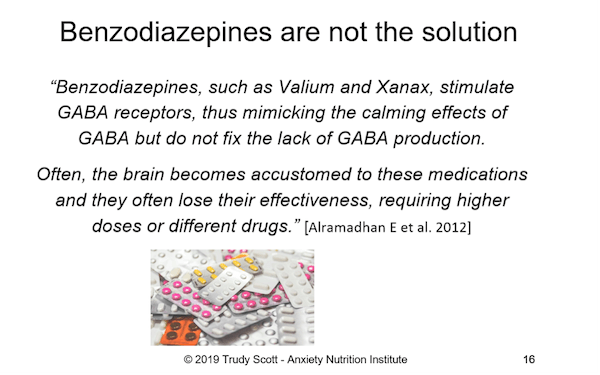
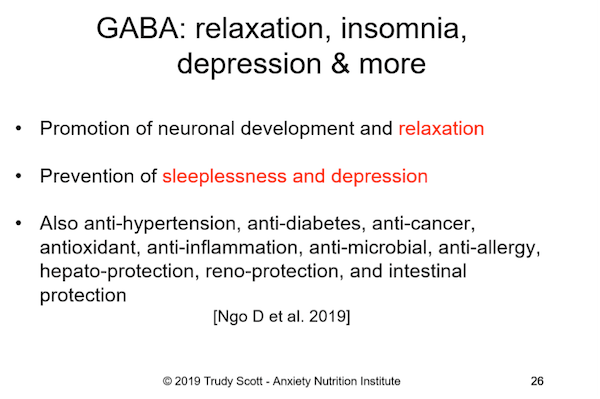
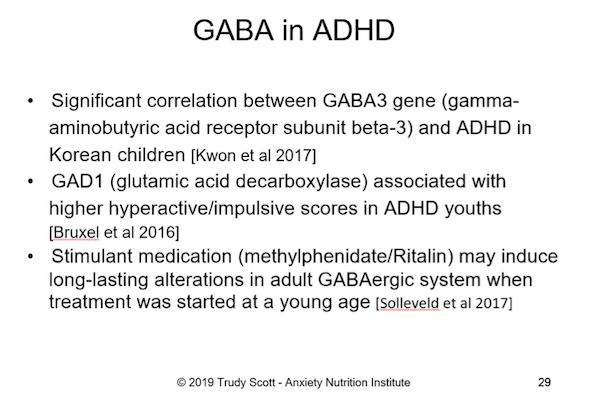
Last week I shared a blog on one of the new studies in my presentation: how a combination of GABA and theanine improves sleep and reduces anxiety. Today I’m sharing some other highlights from my presentation: benzodiazepines are not the solution, some new 2019 research on the far-reaching benefits of GABA, and the role of GABA in ADHD.

immh slide

immh slide

immh slide

It was great to meet so many of you from my community and to make new connections! I’m thrilled there is so much interest in using the individual amino acids for anxiety and insomnia, and for those with ADHD, autism and addictions.

trudy at immh
trudy at immh

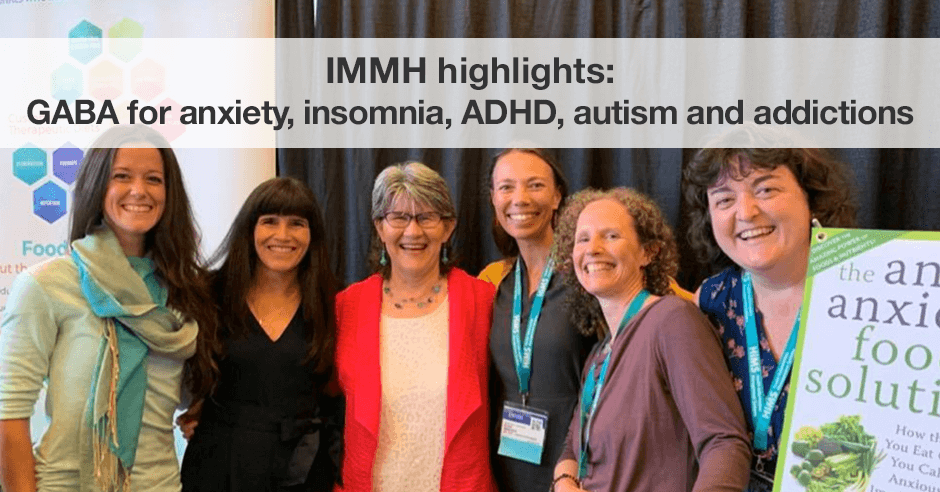
It was also wonderful to get the support of my colleagues at my booth, for my talk, and to hang out with them, laugh and eat good food. There was plenty of sardines, sauerkraut and grass-fed beef in the place we all shared!

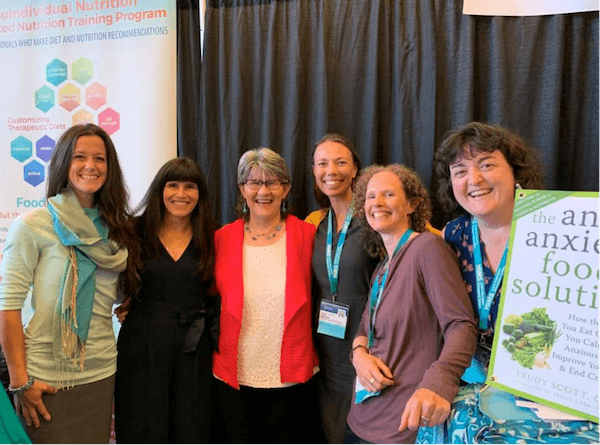
immh booth

Pictured here, on the left is is Annie and Julie; on the right is Elissa, Jessica and Dr. Zendi

Let me share a little about these wonderful practitioners who are doing life-changing work:

  • Julie Matthews, is the author of Nourishing Hope for Autism (my Amazon link), co-author of a new study, Nutritional and Dietary Intervention for Autism Spectrum Disorder and creator/founder of the Bioindividual Nutrition Institute, offering practitioner training on special diets and bioindividual nutrition. Julie also presented at IMMH this year: “Effective Nutrition and Diet Intervention for Autism Spectrum Disorder: Newly Published Research.”
  • Elissa Arnheim is a health coach and a certified fermentationist. She is the creator of “Healthy Gut Happy Child”, “8 Days to Freedom from Picky Eating!” and the “Gut Health Mamas” group coaching programs.
  • Jessica Sherman’s work is all about raising resilient healthy kids and she teaches about nutrition for the brain, mood, behavior and better overall health. She is the author of Raising Resilience: Take the Stress out of Feeding Your Family and Love Your Life.
  • Zendi Molderhauer, works with children, adolescents and young adults, integrating her conventional medical background in pediatrics and psychiatry with more natural, holistic, and functional healing modalities.

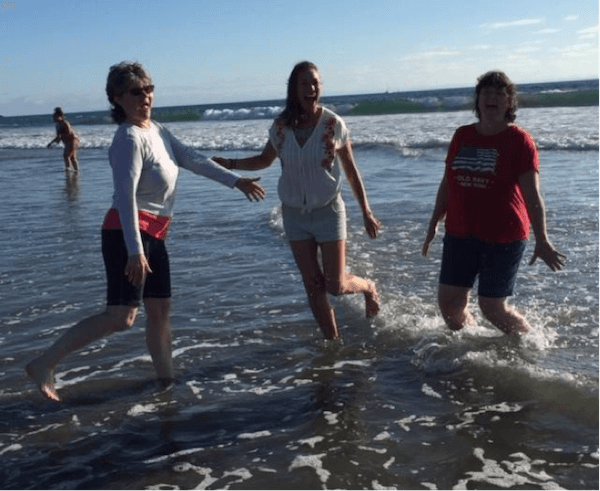
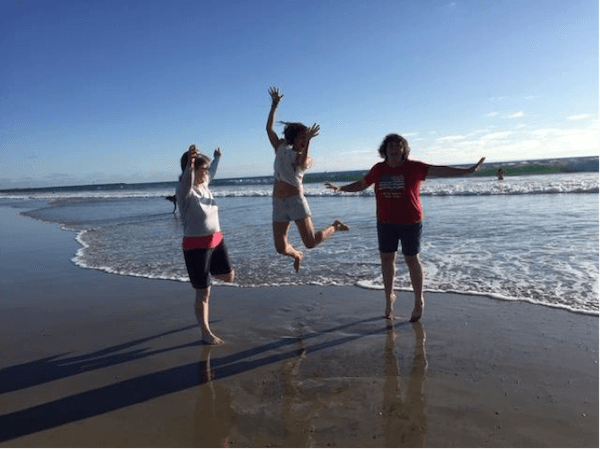
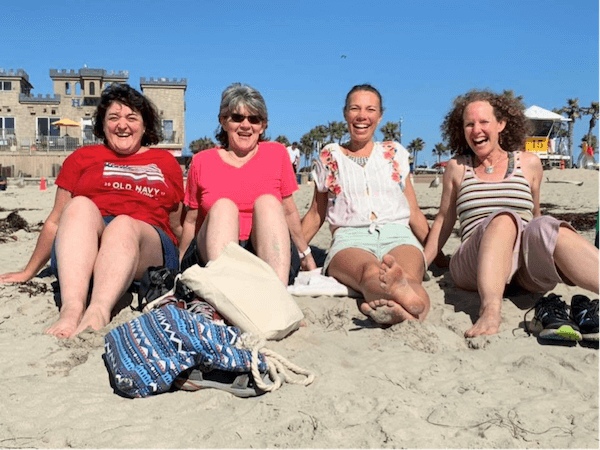
Once the conference was over, we also got to lie on the warm sand chatting about what we had just learned, walk along the beach, jump for joy and play, and even have a quick swim in the ocean (it was chilly but invigorating).

san diego beach

san diego beach

san diego beach

san diego beach

Has GABA helped you with your anxiety, insomnia or addictions (carbs or alcohol or even drugs)? Do you have a child with autism or ADHD and have they benefited from GABA?

Do you have questions about using GABA for anxiety, insomnia, autism, ADHD and addictions?

If you’re a practitioner and want to learn more about how to incorporate GABA and the other targeted individual amino acids (tryptophan/5-HTP, DPA, glutamine and tyrosine) into your work to help your clients/patients with anxiety/insomnia/addictions/ADHD/autism, I invite you to check out my online practitioner training here: Balancing Neurotransmitters – The Fundamentals.

And be sure to save the date for IMMH 2020:  August 20-23 in Chicago!

Filed Under: Events Tagged With: ADHD and addictions, anxiety, autism, benzodiazepines, GABA, IMMH, insomnia, Integrative Medicine for Mental Health conference

Women, alcohol and mental health; autism and propionic acid; toxic farmed salmon

July 19, 2019 By Trudy Scott Leave a Comment

women alcohol mental health

Today I’m sharing some interesting and popular Facebook posts for you to either just read the article or come and join the Facebook discussion:

#1 Women who stop drinking alcohol improve mental health, study finds

Glad to see this research! I see way too much social drinking to de-stress, even by women who lead otherwise healthy lives

“Many women drink alcohol to relax, feel good and take the edge off life, but new evidence suggests skipping that daily glass of wine is a better way to boost their mental health.

Women who quit alcohol improved their mental well-being, researchers reported this week in CMAJ (Canadian Medical Association Journal). The study comes as many Americans are trying out an alcohol-free life as part of the “sober-curious” movement.”

Where are you with this? Do you “self-medicate” with alcohol in order to get through your week?

And there is no judging here…just educating and creating awareness.

Here is the Facebook discussion

bread

#2 Spike In Autism May Be Linked To Preservative In Processed Foods, Study Suggests

Very interesting connection – if it’s a possible factor in autism then it’s very likely a possible factor in anxiety, depression and other mood and neurological disorders too. You can read more about propionic acid here and how it’s found in most baked goods! Here is the Facebook discussion

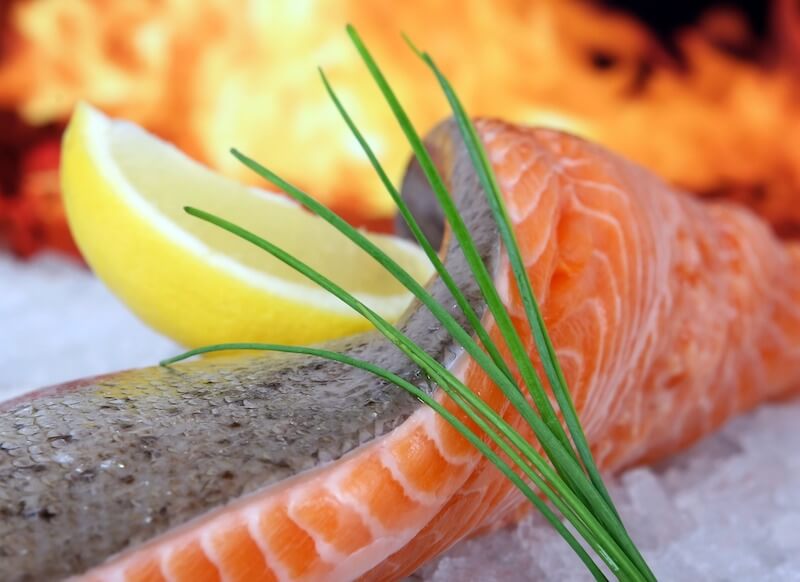
wild salmon


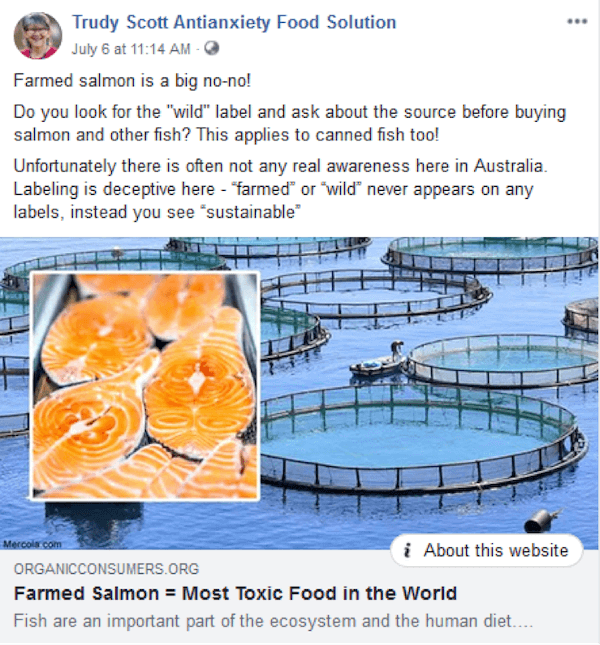
#3 Farmed Salmon = Most Toxic Food in the World

Farmed salmon is a big no-no!

Do you look for the “wild” label and ask about the source before buying salmon and other fish? This applies to canned fish too!

Unfortunately, there is often not any real awareness here in Australia. Labeling is deceptive here – “farmed” or “wild” never appears on any labels, instead you see “sustainable”

And you can’t tell if it’s farmed by just looking at it!

Here is the Facebook discussion

facebook post farmed salmon

Feel free to comment and/or post questions directly on any of the above Facebook discussions or here on the blog.

Filed Under: Women's health Tagged With: alcohol, autism, mental health, propionic acid, toxic farmed salmon, women

GABA for Anxiety, ADHD, Autism, Insomnia, and Addictions at IMMH 2019 conference

June 26, 2019 By Trudy Scott Leave a Comment

immh trudy scott

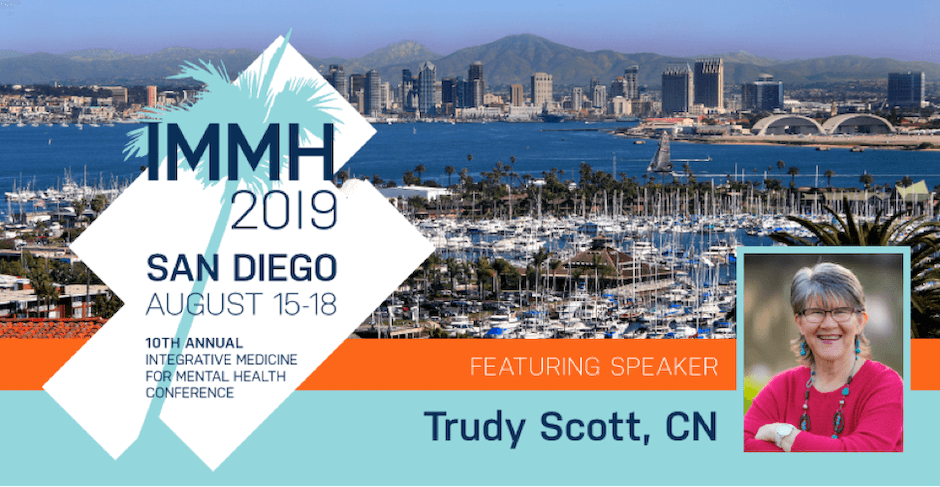
I’m proud to be presenting on “GABA for Anxiety, ADHD, Autism, Insomnia, and Addictions: Research and Practical Applications” at this year’s Integrative Medicine for Mental Health (IMMH) conference (a practitioner-only event)

I’ll be sharing the newest research on GABA and practical ways to use GABA with your clients/patients, as well as how to trouble-shoot when you’re not getting expected results.

Here is one of the many new studies I’ll be discussing (plus how to translate the animal study dosages for a human population): GABA and l-theanine mixture decreases sleep latency and improves NREM sleep

The use of GABA/l-theanine mixture rather than GABA or l-theanine alone restored to normal levels sleep time and quality in the arousal animal model.

The 10th Annual IMMH Conference will be held in San Diego, at the beautiful Hilton San Diego Bayfront! This four-day international conference gives practitioners a holistic approach to successfully diagnose and treat underlying issues contributing to the manifestations of neurological, behavioral, and psychiatric disorders.

Research has revealed that many disorders such as depression, bipolar disorder, anxiety, OCD, eating disorders, and autism spectrum disorders often have biomedical causes that contribute to symptoms, from nutritional deficiencies to chronic infections. Patients have better outcomes when these causes are addressed and treated through a combination of specialized testing and nutritional therapies, even in combination with traditional approaches.

CME, CE, and CEU credits available!

It’s my favorite integrative mental health conference and this year the speaker line-up and topics being addressed are excellent!


2019 CONFERENCE SPEAKERS

  • BRIDGET BRIGGS, MD
  • SURUCHI CHANDRA, MD
  • KABRAN CHAPEK, ND
  • BILL CODE, MD
  • MARK FILIDEI, DO
  • FELICE GERSH, MD
  • JAMES GREENBLATT, MD
  • ANN HATHAWAY, MD
  • GRACE JACKSON, MD
  • HEATHER KING, PhD
  • LESLIE KORN, PhD
  • JULIE MATTHEWS, CNC
  • NEIL NATHAN, MD
  • JAMES NEUENSCHWANDER, MD
  • SANFORD NEWMARK, MD
  • JOSEPH PIZZORNO, ND
  • MATTHEW PRATT-HYATT, PhD
  • SCOTT SHANNON, MD
  • KENNETH SHARLIN, MD
  • WILLIAM SHAW, PhD
  • RICK SPONAUGLE, MD
  • ELISA SONG, MD
  • KURT WOELLER, DO

A few of the conference topics include:

  • Solving the Brain Puzzle: Recovery Potential for Neurodegenerative Disorders
  • It’s Not All in Their Heads: Treating the Gut-Brain-Immune Triad
  • Brains on Fire: An Integrative Approach to Healing Childhood PANS/PANDAS
  • Integrative Therapies for Suicide Prevention
  • Reversal of Cognitive Decline: The Science, The Tools, and the Transformation
  • Concussion Rescue: A Comprehensive Approach to Traumatic Brain Injury
  • Neuropsychiatric Aspects of Lyme Disease and Associated Co-Infections
  • Non-Pharmacological Treatments for Chronic Pain
  • The Integrative Treatment of ADHD
  • Bioidentical Hormone Replacement for Mood and Cognition
  • New Frontiers in Mental Health: CBD and Beyond

IMMH CLINICIAN REGISTRY

Attendance at this conference qualifies you to join the Integrative Medicine for Mental Health (IMMH) Clinician Registry, making you accessible to potential patients. Each entry searchable by zip code in the U.S. and provides the medical professional’s specialty and contact information. In keeping with the integrative approach, the registry includes all professionals who have attended an IMMH conference and completed the IMMH registry application.

Details and registration here (Use promo code TRUDY50 to save an additional $50 on your registration). Early bird rates expire after June 30th.

If you are coming, please comment below and let me know! And be sure to come and say hi after my presentation and at my booth! If there is enough interest, I’ll be arranging a gathering/dinner one evening so let me know.

This is a practitioner-only event so if this doesn’t apply to you please consider sharing it with your practitioner. I’ll also be bringing back information to share with you via blog posts after the event so stay tuned. In the meanwhile, feel free to post questions in the comments below.

Filed Under: Events Tagged With: addictions, ADHD, anxiety, autism, GABA, IMMH, insomnia, Integrative Medicine for Mental Health, theanine, Trudy Scott

The healing properties of camel’s milk for autism (and anxiety)

July 16, 2018 By Trudy Scott 8 Comments

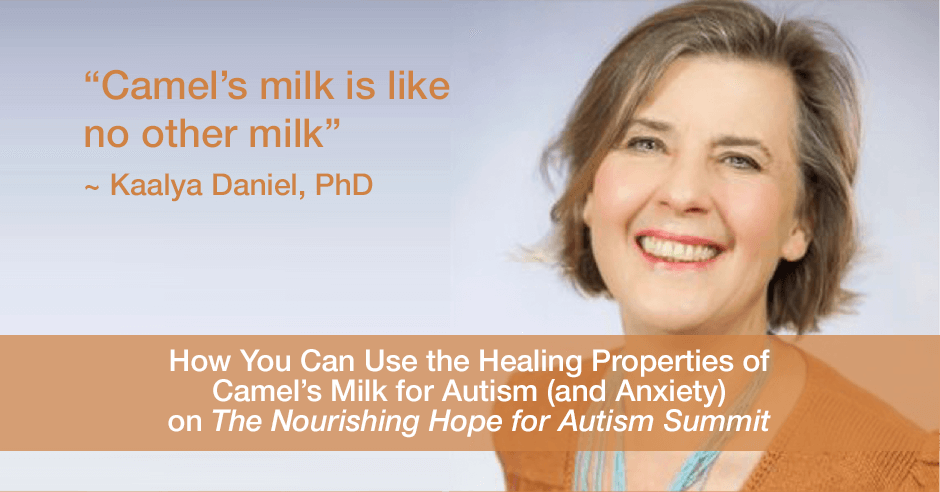
Kaalya Daniel, PhD covers the very interesting topic of camel milk in her interview on The Nourishing Hope for Autism Summit

How You Can Use the Healing Properties of Camel’s Milk for Autism

Camel’s milk is like no other milk. You’ll learn the unique and powerful immune system properties and nutrient benefits of this milk, from an animal known to endure extreme conditions. And how it helps with autism, even when you can’t tolerate other milk.

I don’t have access to the interview transcript yet but since this is a new topic I haven’t yet blogged about I’ve decided to highlight this interview as one I’m really interested in exploring for mom’s in my community with children on the spectrum, with ADHD or other developmental disorders.

In case you’re new to camel’s milk, a paper published in 2015 – Nutritional and Therapeutic Characteristics of Camel Milk in Children: A Systematic Review, shares the following:

Camel milk is the closest to a human mother’s milk. Camel milk is different from other milks, however, having low sugar and cholesterol, high minerals (sodium, potassium, iron, copper, zinc and magnesium, and vitamin C). The milk is considered have medicinal characteristics as well.

The study concludes that there is evidence denoting the importance, usability and benefits of camel’s milk:

Camel milk as a supplemental treatment seems less invasive and costly than specialist care, medications, alternative treatments, and behavioral interventions. Based on our findings, camel milk is safer for children, effective in the treatment of autism, improves general well-being, promotes body natural defenses, is a good nutritional source, and can helps the daily nutritional needs of humans.

Given the many overlaps we see with autism/ASD and anxiety/depression, it’s clear that camel milk has wide applications given the benefits we see has for immunity, the gut and inflammation, as well as providing nourishment when dairy cannot be tolerated. As you can see in the above study below camel milk consumption has been shown to improve general well-being.

I’m not sure if anxiety and GABA is covered in the interview but I did find some interesting research reporting that both camel and goat milk have significantly more bioavailable GABA than cow and human milk – which may be another beneficial mechanism.

Here are just a few of the other speakers and topics I’m really looking forward to hearing:

  • James Adams, PhD: The Scientific Evidence Linking Nutrition and Autism Improvement
  • Dietrich Klinghardt: Understanding Lyme, Infections, Mold, and Heavy Metals and the Effects on Autism
  • Chef Pete Evans: Food is Medicine, Inspiration from a chef
  • Dominic D’Agostino, PhD: Is the Ketogenic Diet Right for an Autistic Child?
  • Susan Owens, MS: The Inflammasome, Oxalates, Autoimmunity and Autism
  • And of course, Julie Matthews, CNC: When GFCF Diets Don’t Work – BioIndividual Nutrition for Autism (I’m actually going to interview Julie on this topic)

In my interview we go into anxiety, OCD and aggression in great detail, discussing the amino acids GABA and tryptophan, plus gluten issues and when and how to use inositol.

This summit provides you with information and tools that address the root causes of autism, ADHD and many other conditions including anxiety.

The Summit runs July 30 to August 3 and is hosted by my dear friend and colleague Julie Matthews, whose work you’re probably very familiar with. In case Julie’s work is new to you, in my eyes, she is THE autism nutrition expert. I’ve had the pleasure of interviewing her a number of times on the Anxiety Summit, I endorse her Bioindividual Nutrition training (special diets) for practitioners, I highly respect the work she does and I adore her!

Register here for The Nourishing Hope for Autism Summit to learn more! It airs online from July 30 to August 3, 2018. Hope to see you online!

I’d love to hear your camel’s milk experiences. If you have questions please post them in the comments below.

Filed Under: Anxiety, Autism, Events Tagged With: anxiety, ASD, autism, Camel milk, GABA, Julie Matthews, Kaayla Daniel, Nourishing Hope for Autism Summit, OCD

  • « Go to Previous Page
  • Page 1
  • Page 2
  • Page 3
  • Page 4
  • Page 5
  • Page 6
  • Go to Next Page »

Primary Sidebar

NEW! GABA QuickStart Homestudy (with special intro pricing)

gaba quickstart homestudy

Free Report

9 Great Questions Women Ask about Food, Mood and their Health

You'll also receive a complimentary subscription to my ezine "Food, Mood and Gal Stuff"


Connect with me

Popular Posts

  • Amino Acids Mood Questionnaire from The Antianxiety Food Solution
  • The Antianxiety Food Solution Amino Acid and Pyroluria Supplements
  • Pyroluria Questionnaire from The Antianxiety Food Solution
  • Collagen and gelatin lower serotonin: does this increase your anxiety and depression?
  • Tryptophan for the worry-in-your-head and ruminating type of anxiety
  • GABA for the physical-tension and stiff-and-tense-muscles type of anxiety
  • The Antianxiety Food Solution by Trudy Scott
  • Seriphos Original Formula is back: the best product for anxiety and insomnia caused by high cortisol
  • Am I an anxious introvert because of low zinc and vitamin B6? My response to Huffington Post blog
  • Vagus nerve rehab with GABA, breathing, humming, gargling and key nutrients

Recent Posts

  • What do I use instead of Seriphos to help lower high cortisol that is affecting my sleep and making me anxious at night?
  • BeSerene™ GABA/theanine cream eases severe muscle tension in her neck/shoulders, prevents her bad headaches and quells her anxiety
  • How the correct approach, dose and sublingual use of GABA can be calming and not cause a flushed and itchy face and neck
  • The amino acid glutamine improves low mood by addressing gut health, and it has calming effects too
  • Flight anxiety with heightened breath, physical tension and also fearing the worst (the role of low GABA and low serotonin)

Categories

  • 5-HTP
  • AB575
  • Addiction
  • ADHD
  • Adrenals
  • Alcohol
  • Allergies
  • Alzheimer's disease
  • Amino Acids
  • Anger
  • Antianxiety
  • Antianxiety Food Solution
  • Antidepressants
  • Anxiety
  • Anxiety and panic
  • Autism
  • Autoimmunity
  • benzodiazapines
  • Bipolar disorder
  • Books
  • Caffeine
  • Cancer
  • Candida
  • Children/Teens
  • Collagen
  • Cooking equipment
  • Coronavirus/COVID-19
  • Cravings
  • Depression
  • Detoxification
  • Diabetes
  • Diet
  • DPA/DLPA
  • Drugs
  • EFT/Tapping
  • EMF
  • EMFs
  • Emotional Eating
  • Endorphins
  • Environment
  • Essential oils
  • Events
  • Exercise
  • Fear
  • Fear of public speaking
  • Fertility and Pregnancy
  • Fish
  • Food
  • Food and mood
  • Functional neurology
  • GABA
  • Gene polymorphisms
  • General Health
  • Giving
  • Giving back
  • Glutamine
  • Gluten
  • GMOs
  • Gratitude
  • Gut health
  • Heart health/hypertension
  • Histamine
  • Hormone
  • Hyperparathyroidism
  • Hypoglycemia
  • Immune system
  • Inflammation
  • Insomnia
  • Inspiration
  • Introversion
  • Joy and happiness
  • Ketogenic diet
  • Lithium orotate
  • Looking awesome
  • Lyme disease and co-infections
  • MCAS/histamine
  • Medication
  • Men's health
  • Mental health
  • Mercury
  • Migraine
  • Mold
  • Movie
  • MTHFR
  • Multiple sclerosis
  • Music
  • NANP
  • Nature
  • Nutritional Psychiatry
  • OCD
  • Osteoporosis
  • Oxalates
  • Oxytocin
  • Pain
  • Paleo
  • Parasites
  • Parkinson’s disease
  • PCOS
  • People
  • PMS
  • Postpartum
  • PTSD/Trauma
  • Pyroluria
  • Questionnaires
  • Real whole food
  • Recipes
  • Research
  • Schizophrenia
  • serotonin
  • SIBO
  • Sleep
  • Special diets
  • Sports nutrition
  • Stress
  • Sugar addiction
  • Sugar and mood
  • Supplements
  • Teens
  • Testimonials
  • Testing
  • The Anxiety Summit
  • The Anxiety Summit 2
  • The Anxiety Summit 3
  • The Anxiety Summit 4
  • The Anxiety Summit 5
  • The Anxiety Summit 6
  • Thyroid
  • Thyroid health
  • Toxins
  • Tryptophan
  • Tyrosine
  • Uncategorized
  • Vegan/vegetarian
  • Women's health
  • Yoga

Archives

  • October 2025
  • September 2025
  • August 2025
  • July 2025
  • June 2025
  • May 2025
  • April 2025
  • March 2025
  • February 2025
  • January 2025
  • November 2024
  • October 2024
  • September 2024
  • August 2024
  • July 2024
  • June 2024
  • May 2024
  • April 2024
  • March 2024
  • February 2024
  • January 2024
  • December 2023
  • November 2023
  • October 2023
  • September 2023
  • August 2023
  • July 2023
  • June 2023
  • May 2023
  • April 2023
  • March 2023
  • February 2023
  • January 2023
  • December 2022
  • November 2022
  • October 2022
  • September 2022
  • August 2022
  • July 2022
  • June 2022
  • May 2022
  • April 2022
  • March 2022
  • February 2022
  • January 2022
  • December 2021
  • November 2021
  • October 2021
  • September 2021
  • August 2021
  • July 2021
  • June 2021
  • May 2021
  • April 2021
  • March 2021
  • February 2021
  • January 2021
  • December 2020
  • November 2020
  • October 2020
  • September 2020
  • August 2020
  • July 2020
  • June 2020
  • May 2020
  • April 2020
  • March 2020
  • February 2020
  • January 2020
  • December 2019
  • November 2019
  • October 2019
  • September 2019
  • August 2019
  • July 2019
  • June 2019
  • May 2019
  • April 2019
  • March 2019
  • February 2019
  • January 2019
  • December 2018
  • November 2018
  • October 2018
  • September 2018
  • August 2018
  • July 2018
  • June 2018
  • May 2018
  • April 2018
  • March 2018
  • February 2018
  • January 2018
  • December 2017
  • November 2017
  • October 2017
  • September 2017
  • August 2017
  • July 2017
  • June 2017
  • May 2017
  • April 2017
  • March 2017
  • February 2017
  • January 2017
  • December 2016
  • November 2016
  • October 2016
  • September 2016
  • August 2016
  • July 2016
  • June 2016
  • May 2016
  • April 2016
  • March 2016
  • February 2016
  • January 2016
  • December 2015
  • November 2015
  • October 2015
  • September 2015
  • August 2015
  • July 2015
  • June 2015
  • May 2015
  • April 2015
  • March 2015
  • February 2015
  • January 2015
  • December 2014
  • November 2014
  • October 2014
  • September 2014
  • August 2014
  • July 2014
  • June 2014
  • May 2014
  • April 2014
  • March 2014
  • February 2014
  • January 2014
  • December 2013
  • November 2013
  • October 2013
  • September 2013
  • August 2013
  • July 2013
  • June 2013
  • May 2013
  • April 2013
  • March 2013
  • February 2013
  • January 2013
  • December 2012
  • November 2012
  • October 2012
  • August 2012
  • July 2012
  • June 2012
  • May 2012
  • April 2012
  • March 2012
  • February 2012
  • January 2012
  • December 2011
  • November 2011
  • October 2011
  • September 2011
  • August 2011
  • July 2011
  • June 2011
  • May 2011
  • April 2011
  • March 2011
  • February 2011
  • January 2011
  • December 2010
  • October 2010
  • September 2010
  • July 2010
  • May 2010
  • April 2010
  • March 2010
  • February 2010
  • January 2010
  • November 2009

Share the knowledge!

The above statements have not been evaluated by the Food and Drug Administration. Products listed in this website are not intended to diagnose, treat, cure or prevent any disease.

The information provided on this site is for informational and educational purposes only and is not intended as a substitute for advice from your physician or other health care professional. You should consult with a healthcare professional before starting or modifying any diet, exercise, or supplementation program, before taking or stopping any medication, or if you have or suspect you may have a health problem.


Copyright © 2026 Trudy Scott. All Rights Reserved. | Privacy | Terms and Conditions | Refund Policy | Medical Disclaimer

Free Report

9 Great Questions Women Ask about Food, Mood and their Health

You’ll also receive a complimentary subscription to my ezine “Food, Mood and Gal Stuff”