• Skip to primary navigation
  • Skip to main content
  • Skip to primary sidebar

everywomanover29 blog

Food, Mood and Women's Health – Be your healthiest, look and feel great!

  • Blog
  • About
  • Services
  • Store
  • Resources
  • Testimonials
  • The Book
  • Contact
  • Search this site

anxious

Collagen Can Cause Anxiety and Insomnia with Trudy Scott: The Anxiety Summit 5

October 25, 2019 By Trudy Scott 107 Comments

collagen anxiety

One of my three interviews on The Anxiety Summit 5: Gut-Brain Axis is: Collagen Can Cause Anxiety and Insomnia. In this interview, I’m interviewed by my colleague and friend Dr. Nicole Beurkens, PhD,  and you’ll learn:

  • How acute tryptophan depletion lowers serotonin
  • How to figure out if you may be susceptible to serotonin-lowering effects of collagen or gelatin
  • About other factors to consider: Oxalates, glutamates, arginine, glyphosate and histamine
trudy scott as5

Collagen and gelatin are an excellent source of these amino acids: proline, glycine, glutamine and arginine BUT they do not contain the amino acid tryptophan. This can cause increased anxiety, worsening insomnia and even a low mood in individuals who are susceptible to the fact that both collagen and gelatin can lower serotonin levels.

We talk about some of this in a short in-person interview I recently did in San Diego, with my friend and colleague Tara Hunkin (who also happens to be speaking on the summit – on the topic of mitochondrial dysfunction and anxiety).

(Note: The dates for the 2021 Anxiety Summit 5 is November 8-14, 2021)

I actually blogged about this topic in Sept 2017 and updated the blog with a number of studies in Dec 2017. You can read about this and all the feedback from folks who have observed similar issues when consuming collagen and/or gelatin – Collagen and gelatin lower serotonin: does this increase your anxiety and depression? (there are also quite a few naysayers)

This will get you up to speed for the summit interview if you’re hearing this for the first time or if you read this back in 2017.

In the summit interview (Dr. Nicole Beurkens is my interviewer for this one) I review the theory and serotonin-depleting mechanisms, the 3 different effects folks are noticing and share some feedback from real people, as well as my story and what I experienced.

I also discuss a new paper that further supports this very probable connection: Use of tryptophan fortified hydrolyzed collagen for nutritional support. I share this about the study: “they were using hydrolyzed collagen – because the collagen is very well digested,- for people that were very severely nutritionally depleted. But they added in tryptophan to make it more of a complete protein” and presumably also prevent these mood and sleep issues.

The authors share this about hydrolyzed collagen and the addition of tryptophan for this population:

Standard hydrolyzed collagen is not a perfect amino acid according to the established standards because it does not contain the amino acid tryptophan. A tryptophan-fortified liquid hydrolyzed collagen supplement is, in fact, considered a complete protein. Forms of hydrolyzed collagen have been utilized for several decades as a dietary supplement. Collagen hydrolysate has been of interest as a potential therapeutic agent in the treatment of osteoarthritis and osteoporosis

Closer investigation of this product will reveal that it may indeed meet the protein requirements of a malnourished individual, containing an optimal amino acid composition, high bioavailability, and high digestibility.

trudy scott as5

In the summit interview we also talk about bone broths and a step-by-step approach to figure out if your issue with collagen is one of the following and what to do about it:

  • low serotonin
  • oxalates
  • a histamine reaction
  • a reaction to glutamates or glycine
  • arginine

This is one of 4 interviews I do on the summit. My other 3 interviews are:

  • GABA & Tryptophan: The Gut-Anxiety Connections (here is the blog for this one)
  • Simple Solutions for Anxiety and Gut Health (I’ll share highlights from this ones in another email/blog)
  • Glutamine, DPA and Tyrosine for Anxiety and Sugar Cravings

Please join us and listen to this interview and all the others on The Anxiety Summit 5: Gut-Brain Axis.

If you’d like to give feedback or ask a question, please post in the comments below.

I’d love to hear from you once you’ve listened in to my interview.

Until then let us know how you do use collagen or gelatin and if you’ve noticed any mood issues, increased anxiety or insomnia? And if it was due to low serotonin or something else?
Filed Under: The Anxiety Summit 5 Tagged With: anxiety, anxiety summit, anxious, collagen, Collagen Can Cause Anxiety and Insomnia, gut-brain, insomnia, serotonin, Trudy Scott, tryptophan

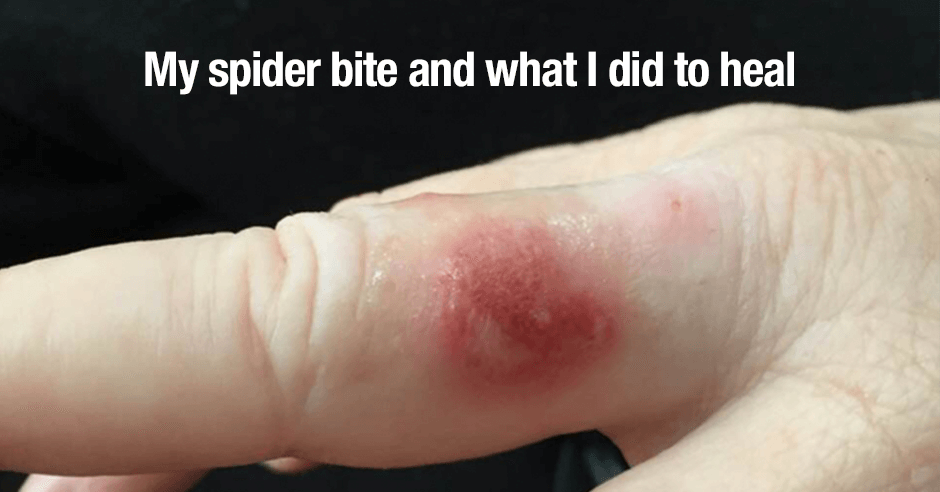
My spider bite and what I did to heal

August 2, 2019 By Trudy Scott 24 Comments

spider bite

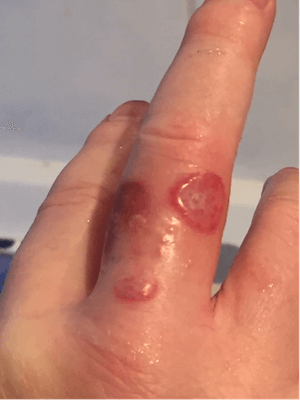
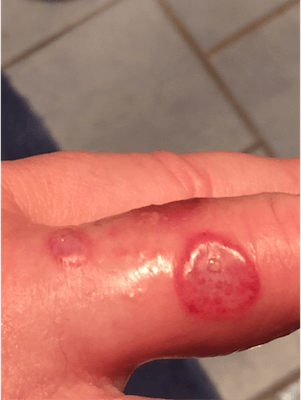
I’m writing this blog to share pictures of the spider bite on the middle finger of my right hand and what I did to heal. I am the first to admit that I am no expert in this area and I am simply sharing my personal story and what I decided was best for me and my body.

I did see a doctor and he said he suspected it was a bite from a white-tailed spider.  A local naturopath and a pharmacist also said it looked like a bite from a white-tailed spider (independently of each other).

It got infected and then “grew” into two large new infections, possibly multiple spider bites? I don’t recall being bitten but did have a bad day where it felt like I had been “gluten-ed” – aching all over, stiff neck, wiped out and bad night’s sleep. Maybe it was the result of the bite?

There is also the possibility swimming and snorkeling on the Great Barrier Reef contributed to the infection. It was covered but water may have gotten inside the dressing. I was also away from home for a week and living in an environment with a fair bit of second-hand smoke and that may have lowered my immunity too.

I did end up having a tetanus shot per the doctor’s recommendation. I had to make a quick decision because the next day I was heading to a farm for 3 days. Upon reflection I doubt it would have made any difference. I hadn’t had a tetanus shot for over 30 years so now I am all set for the next 30 years.

I opted for no antibiotics but did have a prescription in case they grew bigger. I decided to use what I’ve used for boils in the past – cleaning them with tea-tree oil and lavender essential oil and using castor oil and manuka honey topically, together with tons of immune-boosting and natural anti-bacterial products.  These included: oregano oil, garlic and colloidal silver as natural antibiotics; and all this for immune boosting: extra zinc, extra vitamin C, extra vitamin D, and Echinacea.

spider bites

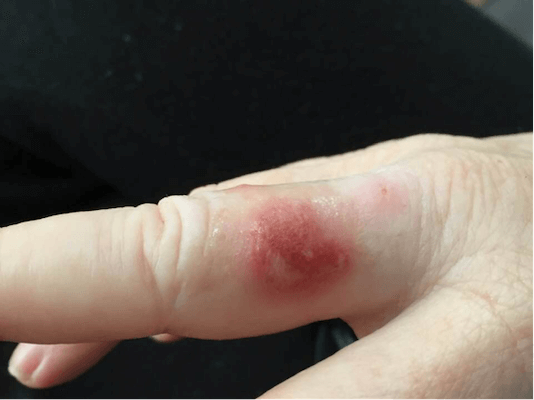
This picture (above) was taken July 6 and was the first picture I took because before then it looked like a slightly infected scratch. I started to clean it daily with lavender and tea tree essential oil and kept it covered with a nice big smear of raw Manuka honey and castor oil (castor oil on the gauze first with honey on top of it).


spider bites spider bites

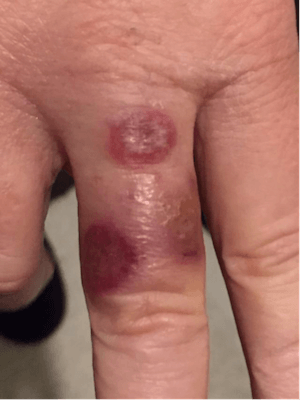
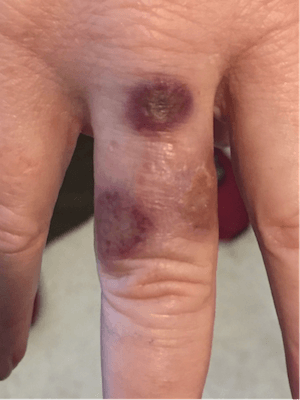
By July 9 the one bite had “morphed” into three and they were looking pretty nasty (as you can see in the above 2 pictures). I wouldn’t say I was overly anxious, but I did have a few moments of worry about whether what I was doing was going to be enough.  I was watching and hoping it wasn’t going to spread beyond my finger.


spider bites spider bites

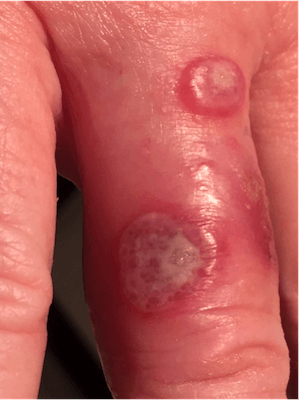
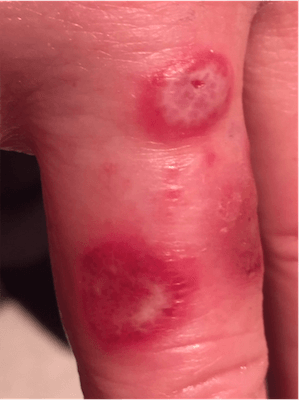
By July 10 and 11 (these 2 pictures above) they were looking very red and I could tell I was really fighting an infection. I continued to watch carefully to make sure it stayed local.


spider bites

And then a day later, July 12, the 3 bites were looking less inflamed and I could tell they were starting to heal nicely. I continued to clean them as above and use Manuka honey/castor oil daily, plus all the nutrients.

spider bites

This is what they looked like by July 16 – the initial bite has healed, and the 2nd and 3rd bites are starting to heal.

Around July 19 I did feet out of sorts for a good week. I had no pain but my finger was still swollen and I had low energy and a foggy brain.


quin's healing ointment

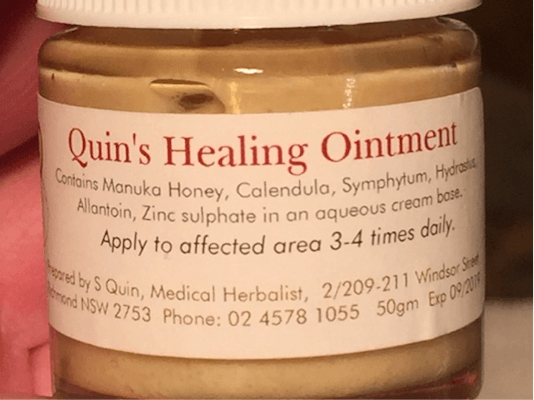
I started to use this – Quin’s Healing Ointment – topically during this last week, always keeping the bites covered. It’s a formulation from a local herbalist Sue Quin and I like that it has manuka honey and calendula, together with zinc. Symphytum/comfrey also helps with wound healing.

spider bites

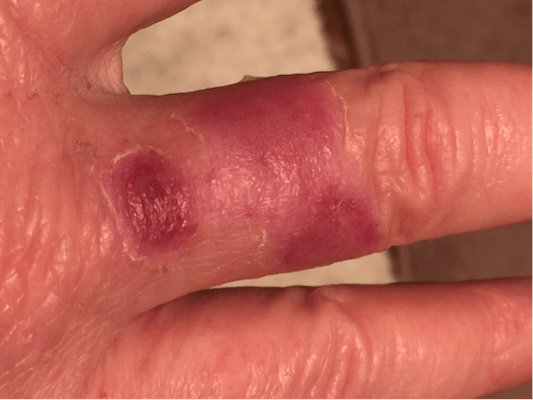
Here you can see all 3 bites nicely healed with new pink skin underneath. This picture was taken yesterday. I’ll start using Helichrysum essential oil (for additional skin healing) together with lavender essential oil in a carrier like coconut oil. I’m going to use lavender because I’m not fond of the Helichrysum aroma and because lavender is healing too (and my favorite essential oil!).

As I mentioned, this is not my area of expertise, but I’ve had enough interest and many requests to share. Documenting it all also helps me if I ever have to go through something like this again – because I’ll hopefully know what to expect.

When I first shared about my spider bite in my newsletter, I was very touched by all the wonderful caring emails – thank you so much for your kind thoughts and tips for me.  You are just wonderful!

If you did email me with your healing tips (I read all the emails) please feel free to post them here in the comments.

And even if you didn’t email me but have your own healing tips about what has worked for you do post them too.   We can all learn from each other.

Filed Under: Inflammation Tagged With: anxious, calendula, essential oils, immune boosting nutrients, lavender, manuka honey, spider bite, tea tree, worried, worry

Buddy Bench for introverted adults with social anxiety, shyness and feelings of overwhelm?

July 26, 2019 By Trudy Scott 6 Comments

buddy-bench

Buddy Benches or Friendship Benches are being used in many countries around the world in schools to help children who feel lonely or are shy or anxious. I propose we do something similar for introverted adults with social anxiety, shyness and feelings of overwhelm or intimidation when they attend conferences.

This BBC article, How ‘Buddy Benches’ are making playtime less lonely shares this about how they are helping children fit in more:

The school playground can be a lonely place for a child if they haven’t got anyone to play with. But a special type of bench is helping pupils make friends.

The idea is simple – if a child feels lonely, they can go to the bench as a signal that they need someone to play with. Another child will see them, go and talk to them and include them in their games.

Also from the BBC article, we learn that Buddy Bench Ireland is taking it a step further and trying to do something different with them, using the bench to engender empathy and as

a reminder for children of things like communication, mutual support and opening up about feelings

Other objectives of these Buddy Benches in schools is:

  • reducing social isolation
  • improving mental wellbeing
  • end bullying

I propose we take these Buddy Benches – that work so well with children – to another level and set them up at conferences for adults too. I believe they could work very well for introverts (who make up around 50% of the population) with social anxiety and/or anyone feeling overwhelmed and/or intimidated and/or shy.

I get kickback when I talk about introverts feeling socially anxious but it’s common as you can see by these comments from introverted individuals

  • It isn’t always a comfortable place to be when I must be in a crowd.
  • The hardest aspect of living life as in introvert is we all live in an extroverted world. School pushes kids to do group projects, that are just awkward and when you don’t do well in it you’re doing something wrong or something is wrong with you. The moment I step out of the door I am no longer me, I am a character that has to put on a show in order to succeed in the work place.
  • Sometimes I can communicate with friends well and sometimes I fake it really badly. I always wonder if people can see past my half smile and fake laugh. It’s painful to be honest. But there are times when I don’t mind so much.

One big question is this: would adults use one or would they feel more self-conscious than children? Would they worry more about what others will think if they sit down at an empty bench waiting for someone to join them, essentially saying “I’m shy” or “I’m anxious” or “I’m an introvert” or “I feel intimidated”?

In the BBC article they address this stigma and worry aspect:

But do children actually use the bench? And are they worried about how it makes them look?

“They don’t see it as stigmatised,” says Sinead McGilloway, director of the Centre for Mental Health and Community Research at Maynooth University, who led a study of 117 pupils at three schools which have benches.

Forty per cent of the children she questioned said they had used the bench, and 90% said if they saw someone else sitting on it they would talk to them.

I have these questions for you about using a Buddy Bench at a business or health conference:

1) How likely are you to use a Buddy Bench as an adult diagnosed with social anxiety and/or know you have the social anxiety condition called pyroluria and you’re working to address your symptoms with nutrients but are not quite there yet.

2) How likely are you to use a Buddy Bench as an adult who identifies with being an introvert and are easily overwhelmed at the networking and mingling aspects that comes when you attend a conference?

3) How likely are you to use a Buddy Bench as an adult who feels shy and/or easily overwhelmed and/or intimidated in new settings with large groups of people you don’t know?

4) How likely are you to be the “Big Buddy” (I just made this term up because it makes me think of Big Brother or Big Sister) and go up to someone sitting on a designated Buddy Bench in order to offer moral support, conversation, connection, encouragement and kindness?

Of course, I love the idea of these Buddy Benches and would have used one for support and connection in the past. I have pyroluria and used to have dreadful social anxiety (and considered myself an introvert). But now that I’m on the pyroluria protocol I feel like a social butterfly and I am very relaxed at big group events. I would definitely go and buddy-up with someone looking for support.

And let’s not forget that Buddy Benches are just one part of the solution – for both children and adults – and we don’t want to forget food, nutrients and functional medicine:

  • While you’re figuring out the role of diet, gut health, adrenal/thyroid health, toxin exposure etc, a good place to start is to assess for and address low GABA and low serotonin with the amino acids GABA and tryptophan. This  provides quick nutritional support for worry, fear, anxiety, tension, overwhelm, lack of confidence and feelings of intimidation.
  • My next step would be to assess for and address pyroluria with zinc and B6 (and other key nutrients) to help ease and often eliminate the social anxiety completely.  Believe it or not, there is a strong connection between pyroluria and introversion and many of my clients and folks in my community no longer feel introverted when they address their pyroluria. I write about this in another blog: Am I an anxious introvert because of low zinc and vitamin B6? 

Feel free to comment and let us know what you think about Buddy Benches for adults. Do you have other ideas as to where these adult Buddy Benches could be used?

Let us know if you’ve seen these Buddy Benches work successfully with children and what ideas we could take away to get similar results for adults using them.

And do share if a nutritional approach or if addressing pyroluria has eased your social anxiety, and maybe got you wondering if you are an introvert after all.

Feel free to post your questions too.


Filed Under: Mental health Tagged With: adults, anxious, Buddy Benches, children, intimidated, introverts, lonely, mental health, overwhelmed, pyroluria, shy, social anxiety

Metal-on-metal hip replacement and cobalt toxicity: anxious, tearful, lowered self-esteem, social withdrawal and poor sleep

October 26, 2018 By Trudy Scott 8 Comments

I’m always on the look-out for out-of-the-box root causes for anxiety, insomnia and low mood and the role of targeted amino acids like GABA, tryptophan and tyrosine in easing symptoms clients and boy was I surprised to learn about the connection between metal-on-metal hip replacements and mental health symptoms.

I first learned about this in the new Netflix documentary called The Bleeding Edge which is an “eye-opening look at the fast-growing medical device industry” and “reveals how the rush to innovate can lead to devastating consequences for patients.”

With metal-on-metal hip replacements it’s the cobalt and chromium in the metal-on-metal hip replacements that are causing toxicity in many individuals. In the Guardian article The Bleeding Edge: behind the terrifying new Netflix documentary we hear about Stephen Tower, an orthopedic doctor who shared his story in the documentary:

He had developed a tremor and was having a hard time thinking when he decided to scrawl all over the walls and ceiling of a hotel room during a medical conference, eventually using soap as ink.

Tower, his friends and family knew he was in the throes of mental health crisis, but no one was sure why. So, Tower studied himself until he found the answer in a blood and urine sample: his levels of cobalt, a metal used in rechargeable batteries, were more than a hundred times higher than normal.

Tower thought it might be related to his metal-on-metal hip replacement and had it redone. On the operating table, his surgeon found metal sludge seeping from the device before it was removed.

Dr. Tower shares that within a month of having his hip replacement redone his recovery was remarkable – he could think again, and his psychiatric symptoms resolved.

The sad thing is that he actually admits that he would never have believed this could be possible without having had experienced it himself. We see this all too often in the medical profession.

But he is now enlightened and of course he’s passionate about sharing what he experienced and has started documenting similar adverse experiences in his patients. He says the EPA and FDA should be studying this and reporting it and so they should be.

I was curious to find out how serious an issue this was and how long it’s been an issue because surely we’d be hearing more about it.

A paper published in 2017: Neuropsychiatric symptoms following metal-on-metal implant failure with cobalt and chromium toxicity reports depression and short term memory problems, as well as “disorientation in place, problems with tests of concentration and word finding difficulties.”

The paper includes feedback from some of the study participants. This is what two of them shared about their mood, sleep and anxiety post-hip replacement:

Ms. X … persistent anxieties about the need for future surgery and a feeling she must always be cautious about protecting her hip, tearfulness, lability of mood, lowered self-esteem – “I used to be very active and now I feel a mess”, guilt about being a burden on her husband, a fear about the effects of ions on her body and poor concentration.

Mrs. Z … complained of poor sleep with early morning wakening, low mood and emotional lability, social withdrawal, poor appetite, forgetfulness and a tendency to repeat herself reported by relatives, her frustration at being unable to do day to day activities such as cleaning, she felt she was a burden to relatives, and complained of anhedonia [or an inability to feel pleasure in normally pleasurable activities]. She was disorientated in person, was unable to perform serial sevens and was able to register, but not able to retain any elements of a new name and address on cognitive testing.

The study authors state that “in order preserve neurocognitive function implant removal conceivably should be as soon as possible after toxicity is detected.”

They admit it’s a small sample and that some of the depression and anxiety may be typical after a surgery HOWEVER once I looked at how long metal-on-metal cobalt toxicity has been an issue I feel we really need to take this very very seriously. Here are just a few of the studies from 2017 going back to 2011:

  • Are the cobalt hip prosthesis dangerous? (published 2017)

Cobalt can be responsible for local toxicity (including metallosis, hypersensitivity reaction, and benign tumor) or systemic toxicity (including cardiomyopathy, polycythemia, hypothyroidism, and neurological disorders).

  • Systemic cobalt toxicity from total hip arthroplasties: review of a rare condition Part 1 – history, mechanism, measurements, and pathophysiology (published 2016).
  • Systemic toxicity related to metal hip prostheses (published 2014) This systematic review states toxicity is rare but reported cases of cardiotoxicity, thyroid toxicity, peripheral neuropathy, hearing loss, cognitive decline and visual impairment.
  • Prosthetic hip-associated cobalt toxicity (published 2013)

Prosthetic hip-associated cobalt toxicity (PHACT) is gaining recognition due to the use of metal-on-metal total hip replacements

  • Cobalt toxicity–an emerging clinical problem in patients with metal-on-metal hip prostheses (published 2011)

And then we have this study reporting toxicity issues as far back as 1999:

  • Increased blood cobalt and chromium after total hip replacement

Our findings suggest that in total hip replacements using metal-metal pairings, metal ions of the alloys are released. This release may lead to significantly elevated metal concentrations in biological fluids. Long-term studies are needed to determine the risk of metal-metal implants as a potential cause of cobalt and chromium toxicity.

You may wonder how this toxicity problem has been ignored and swept under the rug for so long. If you watch the documentary, you’ll soon see that the medical devices industry is far more powerful than the pharmaceutical industry and has its own set of rules for medical device approval. It’s basically the wild west and the FDA is doing nothing about it (even though it is acknowledged to be a problem)!

I’m not suggesting we shouldn’t be doing hip replacements – they are amazing surgical innovations that give many people their mobility and lives back – but instead I suggest we consider the following:

  • Know what you’re getting into before you embark on a major medical procedure
  • Understand that the testing for medical devices is very inadequate
  • Ask questions and get detailed information about the medical device: what materials are being used, how long it’s been around, any known adverse effects etc.
  • Search for information using terms like “horror stories metal-on metal hip replacement” and “law suits metal-on metal replacement”
  • Have a plan in place should you start to notice adverse symptoms after a hip replacement (or other major procedure). You may even want a medical directive in case you become cognitively incapacitated

I have no expertise on what the safest type of hip replacement is and will find an expert for a part 2 of the blog. If you know of someone please do share in the comments.

How do we address the cobalt and chromium toxicity?

  • Tower, the orthopedic doctor in The Bleeding Edge documentary found his symptoms resolved once the metal-on-metal hip replacement was removed. The research seems to support this approach too
  • A 2-person case study supports the use of N-acetyl-cysteine (NAC) for reducing blood levels
  • An in vivo (test tube) study found astaxanthin “mitigated cobalt cytotoxicity … by modulating oxidative stress”

How do we address the anxiety, insomnia and associated mood issues?

  • I recommend using the calming amino acid GABA to help with the physical anxiety symptoms, sleep issues and social isolation. There is no research supporting this but we can extrapolate given that cobalt is toxic to the thyroid and the fact that animal studies show that GABA protects against hypothyroidism caused by fluoride and reduces anxiety
  • I recommend using the amino acid tryptophan for the mental anxiety, tearfulness, low mood, lowered self-esteem
  • I recommend using the amino acid DPA for endorphin boosting to address the inability to feel pleasure and tearfulness
  • I recommend using the amino acid tyrosine to help with poor cognitive function and forgetfulness

I recommend using the above amino acids short-term to ease symptoms before the hip revision surgery is done and for as long afterwards as they are needed. And, as always, base the use of the amino acids on trials per the amino acid questionnaire.

Also, work with a thyroid expert for thyroid support which will also help the mood and cognitive issues. And work with a heart specialist to rule out any damage to the heart.

If you’ve had a metal-on-metal hip replacement in the past and have chronic anxiety or cognitive issues (that started or got worse after the surgery), then I encourage you to look into cobalt toxicity as a possible root cause or contributory root cause.

Please feel free to share your experiences with this surgery – both good and bad – so we can all learn. And if the amino acids have helped ease anxiety and mood symptoms and helped you sleep while going through this.

And do let us know what you think about the Netflix documentary The Bleeding Edge.

Filed Under: Toxins Tagged With: amino acids, anxious, Bleeding Edge, chromium, cobalt toxicity, DPA, GABA, lowered self-esteem, Metal-on-metal hip replacement, poor sleep, social withdrawal, tearful, tryptophan, tyrosine

Fipronil insecticide: GABA/glutamate and anxiety, aggressive behavior, memory and Alzheimer’s disease in humans?

October 5, 2018 By Trudy Scott 15 Comments

The insecticide called fipronil has me concerned because there is increasing evidence that it can be toxic to humans and, much to my surprise, I’ve just discovered that the main mechanism of action is by targeting the gamma-aminobutyric acid (GABA) receptor and recent research points to increased anxiety, aggressive behavior, memory problems and even Alzheimer’s disease in animal studies.

Based on a rather surprising conversation I had with someone a few weeks ago (let’s call her Sue), I felt compelled to get more information on fipronil. Before that I was not aware about the specific effects I mention above.

We were in Sue’s front yard and the dog kept sniffing these small white plastic squares in the flower beds. Sue kept pulling the dog away and I asked “why? what are those?” It turns out they were ant-bait devices. Yes, I’m this clueless simply because I’ve never purchased anything like this. I expressed my concerns about toxicity and possible endocrine/hormone effects but didn’t have enough concrete facts, so I went digging through the research. Needless to say I am very concerned with what I found.

What was equally concerning is that Sue had not even considered that it could be harmful. Looking into possible harms was not even on her radar. When pressed, Sue said “it’s only a small amount in each container so I’m sure it’ll be fine” and “the poison is inside the container so none of it will come out – so it’ll be fine.”

This is what went through my mind (which is pretty typical for me – I’m always in questioning mode): What is it and how toxic is it? Does it have impacts on humans and by what mechanism? Could it cause anxiety or increase existing anxiety symptoms? Are there additional concerns about it being in a flower-bed near the front door where you could possibly walk some into the house or breathe it in as you come and go?

Organophosphates and psychological effects

Organophosphates are a commonly used pesticide used on fruits and vegetables and research going as far back as 1994 reports that acute exposure can cause psychological effects because they

act directly on the nervous system by inhibiting the neurotransmitter acetylcholine … [contributing to] … acute psychological and behavioral effects, such as anxiety, depression, and cognitive impairments.

The researchers also suggest that long-term psychological effects of low-level exposure have not been determined satisfactorily.

We hear less about insecticides such as fipronil

We hear less about insecticides such as fipronil and how they work.

According to the National Pesticide Information Center Fipronil is a broad use insecticide that

belongs to the phenylpyrazole chemical family. Fipronil is used to control ants, beetles, cockroaches, fleas, ticks, termites, mole crickets, thrips, rootworms, weevils, and other insects.

Fipronil is used in a wide variety of pesticide products, including granular products for grass, gel baits, spot-on pet care products, liquid termite control products, and products for agriculture.

It can be found in ant-bait and anti-cockroach products as well as Frontline Plus (tick and flea protection) for cats and dogs. You can find a partial list of products here and a fact sheet here.

GABA & glutamate: anxiety, aggressive behavior and neurotoxic effects

Fipronil works to kill insects via the inhibition of glutamate- and GABA-activated chloride channels resulting in uncontrolled neural excitation. It also blocks GABAA receptor function and is typically considered toxic to insects but not humans.

As soon as I read the GABA-glutamate mechanism I started searching for anxiety and neurotoxic connections.

There are no human studies on increased anxiety due to fipronil exposure but research on zebrafish larvae exposed to fipronil at typical environmental levels, finds anxiety-like behavior.   In the paper, A metabolomic study of fipronil for the anxiety-like behavior in zebrafish larvae at environmentally relevant levels, the authors report decreased levels of glycine and serine with higher levels of glutamate saying fipronil may be a potential neurotransmitter disruptor. Here are some of the possible mechanisms they discuss related to this:

  • The decreased metabolite glycine caused by fipronil may contribute to the excitatory swimming performance. Whether the glycinergic reciprocal receptor (GlyR)…inhibitory mechanism is also involved in low level of fipronil [exposure] requires further investigation.
  • Additionally, as one of the most abundant amino acids in microenvironment stress, proline is biosynthetically derived from the amino acid L-glutamine. Low levels of L-proline detected in fipronil-treated group may indicate the accumulation of glutamine. As an excitatory neurotransmitter, high level of glutamine would associate with the excitatory behavior of the fish.

In another study, Prenatal exposure to fipronil disturbs maternal aggressive behavior in rats, the authors suggest fipronil impacts the central nervous system areas that control aggression and increases in maternal aggressive behavior are via impacts on GABA(A) receptors.

This 2016 paper lists a variety of toxic effects to both animals and humans: Fipronil insecticide toxicology: oxidative stress and metabolism:

because of accidental exposure, incorrect use of fipronil or widespread fipronil use leading to the contamination of water and soil, there is increasing evidence that fipronil could cause a variety of toxic effects on animals and humans, such as neurotoxic, hepatotoxic, nephrotoxic, reproductive, and cytotoxic effects

They explore oxidative stress as a possible mechanism as to how fipronil causes these toxic effects.

Does concrete make fipronil more toxic?

One of the questions I asked myself was this: Are there additional concerns about it being in a flower-bed near the front door where you could possibly walk some into the house?

It turns out that this may be a valid concern. In this 2016 paper, Conversion of pesticides to biologically active products on urban hard surfaces, the researchers report that urban landscapes that include concrete can actually convert pesticides to other biologically active and more toxic intermediates, likely caused by the alkalinity and metal oxides in concrete. They report that fipronil:

was quickly transformed to desulfinyl and sulfone derivatives, with the desulfinyl level exceeding that of parent in the runoff water only 1week after treatment. Fipronil derivatives have aquatic toxicity similar or even greater than the parent fipronil.

Impacts on memory and a possible factor in Alzheimer’s disease

This 2016 animal study, Memory impairment due to fipronil pesticide exposure occurs at the GABAA receptor level, in rats concludes that fipronil can

have toxic interactions with the CNS [central nervous system] of mammals and lead to memory impairment by modulating the GABAergic system.

We also have to ask how big a role this insecticide could be playing in Alzheimer’s disease? In a paper published earlier in 2018, Induction of Amyloid-β42 Production by Fipronil and Other Pyrazole Insecticides, they use the term “Alzheimerogens” when writing about insecticides such as fipronil and the metabolite fipronil sulfone:

Focusing on fipronil, we showed that some of its metabolites, in particular the persistent fipronil sulfone, also favor the production of Aβ42/Aβ43 in both cell-based and cell-free systems.

Fipronil administered orally to mice and rats is known to be metabolized rapidly, mostly to fipronil sulfone, which stably accumulates in adipose tissue and brain.

In conclusion several widely used pyrazole insecticides [such as fipronil] enhance the production of toxic, aggregation prone Aβ42/Aβ43 peptides, suggesting the possible existence of environmental “Alzheimerogens” which may contribute to the initiation and propagation of the amyloidogenic process in sporadic AD.

The paper shares that amyloid-β peptides (Aβs), especially increased production of Aβ42/Aβ43 over Aβ40, represent a characteristic feature of Alzheimer’s disease.

Why wait for long-term human studies?

Hopefully you’re like me and don’t buy ant-bait or roach-bait products.

My bigger concern is the wide-spread use of spot-on pet-care products which contain fipronil, exposing our beloved pets to this toxin and all the humans they come into contact with. Pet-groomers are especially cautioned. And I’d also add a caution for children playing with pets where these flea and tick products are used since “the developing brain is particularly vulnerable to the action of insecticides.”

We don’t know for sure how harmful this insecticide is for humans and it’s not clear what the mechanisms are – GABA-glutamate and/or glycine and/or oxidative stress – but why wait for long-term human studies, especially given that chronic and long-term effects are difficult to investigate and based on what we already know about their effects on Parkinson’s disease, amyotrophic lateral sclerosis, and depression.

I have found enough information to be very concerned and to feel justified in continuing to avoid fipronil. I encourage you to avoid fipronil as well.

This is especially the case if you already suffer from long-term anxiety, insomnia or another chronic health condition as it may be one more possible contributory factor.

Given that fipronil blocks GABAA receptor function, I have to wonder if chronic long-term exposure could play a role in difficulties with benzodiazepine tapering.

If this is old news to you feel free to share with family and friends who may not be as informed as you.

If this is news to you, I hoping this gets you thinking and questioning. I’d love to hear your thoughts, concerns and questions.

Filed Under: GABA Tagged With: aggressive behavior, Alzheimer’s disease, anxiety, anxious, benzodiazepine, fipronil, GABA, insecticide, memory, pets

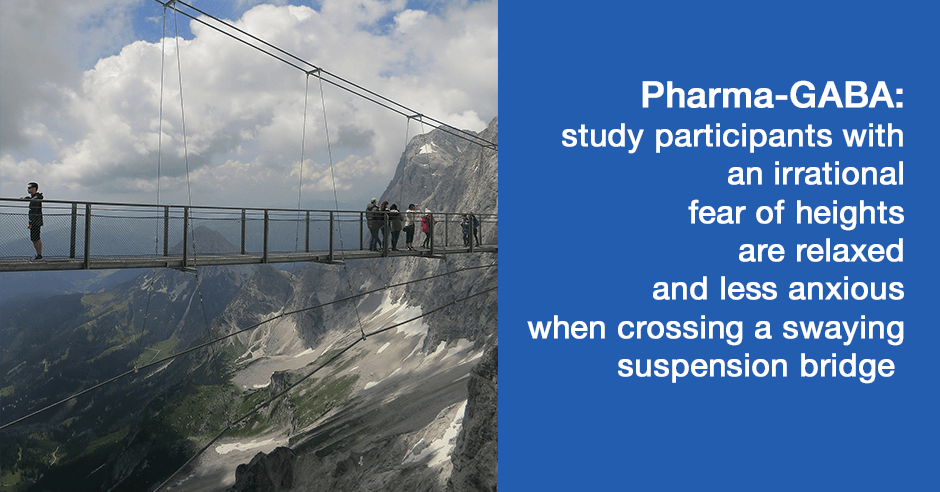
Pharma-GABA: study participants with an irrational fear of heights are relaxed and less anxious when crossing a swaying suspension bridge

September 28, 2018 By Trudy Scott 7 Comments

Based on clinical evidence, we know that gamma-aminobutyric acid (GABA), a calming amino supplement, reduces anxiety. There isn’t as much research on GABA or Pharma-GABA as we’d like to see, so we’ll take small studies that are done on humans.

In a 2006 study, Relaxation and immunity enhancement effects of gamma-aminobutyric acid (GABA) administration in humans, Pharma-GABA was used to determine if it would increase relaxation and reduce anxiety during the stressful event of crossing a suspension bridge:

Eight healthy volunteers, with no clinical evidence of any illness, (5 males and 3 females) aged 25 to 30 years who had a history of acrophobia [extreme or irrational fear of heights], were recruited.

Subjects crossed … a pedestrian suspended bridge at Nara Prefecture, Japan (Totsu River Bridge) with 54 m height, 300 m length, and 2 m width.

I believe it’s also called the Tanize Suspension bridge and is one of the longest suspension bridges in Japan. You can see pictures of the bridge here and here. They say this: “though quite safe, the swaying motion can be disconcerting, or fun, depending on your perspective.”

If we convert that to feet, it’s 177 feet high, almost 1000 feet long (about 3 times the length of a football field) and 6 feet wide.

There were 2 groups: placebo and Pharma-GABA. Salivary immunoglobulin A (IgA) levels (also known as secretary IgA or sIgA) was measured in both groups and used as a marker of relaxation and stress, as well as immunity. Saliva was collected before crossing the bridge, half way across and at the end. The study found that the

placebo group showed marked decrease of their IgA levels, while GABA group showed significantly higher levels.

And concludes as follows:

GABA could work effectively as a natural relaxant and its effects could be seen within 1 hour of its administration to induce relaxation and diminish anxiety. Moreover, GABA administration could enhance immunity under stress conditions.

The paper is reporting about 2 studies and it’s not clear how much Pharma-GABA was used in this bridge study – it was either 100mg or 200mg. Results were observed within 60-90 minutes. Also, this study was conducted by the company who makes the Pharma-GABA product, and they do say that this bridge study includes unpublished data.  Notice that they use the term GABA in the paper – I prefer to differentiate since Pharma-GABA and GABA are actually different.

Other than this and the very small number of participants, I’m always encouraged by any research we have. Clinically, we see very similar results with GABA or Pharma-GABA when someone has a fear of something – heights, flying, spiders etc. – and it typically addresses the physical fear and anxiety symptoms.

Here are some of my thoughts as to why results were only observed after 60 minutes:

  • Pharma-GABA was used in the study and for some folks this is not as effective as using GABA. I typically start my clients on GABA.
  • Using GABA sublingually often has calming results in under 10 minutes, so a chewable Pharma-GABA may have been a better option and would be something I’d recommend
  • Low serotonin is commonly a factor with fears and phobias and I’d recommend a trial of tryptophan

The resources in this blog and my other articles are intended to be used in conjunction with my book: The Antianxiety Food Solution – How the Foods You Eat Can Help You Calm Your Anxious Mind, Improve Your Mood, and End Cravings (Amazon link). If you do not have my book I highly recommend getting it and reading it before jumping in and trialing/taking amino acid supplements: There is a complete chapter on the amino acids and one for pyroluria, plus information on real whole food, sugar and blood sugar, gluten, digestion and much more.

You can find the GABA and tryptophan products I recommend on this blog: The Antianxiety Food Solution Amino Acid and Pyroluria Supplements

How would you feel walking across a swaying suspension bridge like this?

Have you used Pharma-GABA, GABA and/or tryptophan to help you with the stress and anxiety caused by a phobia like this or another phobia?

Filed Under: GABA Tagged With: acrophobia, anxiety, anxious, bridge, fear of heights, GABA, immunity, Pharma-GABA, relaxation, relaxed, sIgA, swaying suspension bridge

  • « Go to Previous Page
  • Page 1
  • Interim pages omitted …
  • Page 4
  • Page 5
  • Page 6
  • Page 7
  • Page 8
  • Go to Next Page »

Primary Sidebar

NEW! GABA QuickStart Homestudy (with special intro pricing)

gaba quickstart homestudy

Free Report

9 Great Questions Women Ask about Food, Mood and their Health

You'll also receive a complimentary subscription to my ezine "Food, Mood and Gal Stuff"


Connect with me

Popular Posts

  • Amino Acids Mood Questionnaire from The Antianxiety Food Solution
  • The Antianxiety Food Solution Amino Acid and Pyroluria Supplements
  • Pyroluria Questionnaire from The Antianxiety Food Solution
  • Collagen and gelatin lower serotonin: does this increase your anxiety and depression?
  • Tryptophan for the worry-in-your-head and ruminating type of anxiety
  • GABA for the physical-tension and stiff-and-tense-muscles type of anxiety
  • The Antianxiety Food Solution by Trudy Scott
  • Seriphos Original Formula is back: the best product for anxiety and insomnia caused by high cortisol
  • Am I an anxious introvert because of low zinc and vitamin B6? My response to Huffington Post blog
  • Vagus nerve rehab with GABA, breathing, humming, gargling and key nutrients

Recent Posts

  • What do I use instead of Seriphos to help lower high cortisol that is affecting my sleep and making me anxious at night?
  • BeSerene™ GABA/theanine cream eases severe muscle tension in her neck/shoulders, prevents her bad headaches and quells her anxiety
  • How the correct approach, dose and sublingual use of GABA can be calming and not cause a flushed and itchy face and neck
  • The amino acid glutamine improves low mood by addressing gut health, and it has calming effects too
  • Flight anxiety with heightened breath, physical tension and also fearing the worst (the role of low GABA and low serotonin)

Categories

  • 5-HTP
  • AB575
  • Addiction
  • ADHD
  • Adrenals
  • Alcohol
  • Allergies
  • Alzheimer's disease
  • Amino Acids
  • Anger
  • Antianxiety
  • Antianxiety Food Solution
  • Antidepressants
  • Anxiety
  • Anxiety and panic
  • Autism
  • Autoimmunity
  • benzodiazapines
  • Bipolar disorder
  • Books
  • Caffeine
  • Cancer
  • Candida
  • Children/Teens
  • Collagen
  • Cooking equipment
  • Coronavirus/COVID-19
  • Cravings
  • Depression
  • Detoxification
  • Diabetes
  • Diet
  • DPA/DLPA
  • Drugs
  • EFT/Tapping
  • EMF
  • EMFs
  • Emotional Eating
  • Endorphins
  • Environment
  • Essential oils
  • Events
  • Exercise
  • Fear
  • Fear of public speaking
  • Fertility and Pregnancy
  • Fish
  • Food
  • Food and mood
  • Functional neurology
  • GABA
  • Gene polymorphisms
  • General Health
  • Giving
  • Giving back
  • Glutamine
  • Gluten
  • GMOs
  • Gratitude
  • Gut health
  • Heart health/hypertension
  • Histamine
  • Hormone
  • Hyperparathyroidism
  • Hypoglycemia
  • Immune system
  • Inflammation
  • Insomnia
  • Inspiration
  • Introversion
  • Joy and happiness
  • Ketogenic diet
  • Lithium orotate
  • Looking awesome
  • Lyme disease and co-infections
  • MCAS/histamine
  • Medication
  • Men's health
  • Mental health
  • Mercury
  • Migraine
  • Mold
  • Movie
  • MTHFR
  • Multiple sclerosis
  • Music
  • NANP
  • Nature
  • Nutritional Psychiatry
  • OCD
  • Osteoporosis
  • Oxalates
  • Oxytocin
  • Pain
  • Paleo
  • Parasites
  • Parkinson’s disease
  • PCOS
  • People
  • PMS
  • Postpartum
  • PTSD/Trauma
  • Pyroluria
  • Questionnaires
  • Real whole food
  • Recipes
  • Research
  • Schizophrenia
  • serotonin
  • SIBO
  • Sleep
  • Special diets
  • Sports nutrition
  • Stress
  • Sugar addiction
  • Sugar and mood
  • Supplements
  • Teens
  • Testimonials
  • Testing
  • The Anxiety Summit
  • The Anxiety Summit 2
  • The Anxiety Summit 3
  • The Anxiety Summit 4
  • The Anxiety Summit 5
  • The Anxiety Summit 6
  • Thyroid
  • Thyroid health
  • Toxins
  • Tryptophan
  • Tyrosine
  • Uncategorized
  • Vegan/vegetarian
  • Women's health
  • Yoga

Archives

  • October 2025
  • September 2025
  • August 2025
  • July 2025
  • June 2025
  • May 2025
  • April 2025
  • March 2025
  • February 2025
  • January 2025
  • November 2024
  • October 2024
  • September 2024
  • August 2024
  • July 2024
  • June 2024
  • May 2024
  • April 2024
  • March 2024
  • February 2024
  • January 2024
  • December 2023
  • November 2023
  • October 2023
  • September 2023
  • August 2023
  • July 2023
  • June 2023
  • May 2023
  • April 2023
  • March 2023
  • February 2023
  • January 2023
  • December 2022
  • November 2022
  • October 2022
  • September 2022
  • August 2022
  • July 2022
  • June 2022
  • May 2022
  • April 2022
  • March 2022
  • February 2022
  • January 2022
  • December 2021
  • November 2021
  • October 2021
  • September 2021
  • August 2021
  • July 2021
  • June 2021
  • May 2021
  • April 2021
  • March 2021
  • February 2021
  • January 2021
  • December 2020
  • November 2020
  • October 2020
  • September 2020
  • August 2020
  • July 2020
  • June 2020
  • May 2020
  • April 2020
  • March 2020
  • February 2020
  • January 2020
  • December 2019
  • November 2019
  • October 2019
  • September 2019
  • August 2019
  • July 2019
  • June 2019
  • May 2019
  • April 2019
  • March 2019
  • February 2019
  • January 2019
  • December 2018
  • November 2018
  • October 2018
  • September 2018
  • August 2018
  • July 2018
  • June 2018
  • May 2018
  • April 2018
  • March 2018
  • February 2018
  • January 2018
  • December 2017
  • November 2017
  • October 2017
  • September 2017
  • August 2017
  • July 2017
  • June 2017
  • May 2017
  • April 2017
  • March 2017
  • February 2017
  • January 2017
  • December 2016
  • November 2016
  • October 2016
  • September 2016
  • August 2016
  • July 2016
  • June 2016
  • May 2016
  • April 2016
  • March 2016
  • February 2016
  • January 2016
  • December 2015
  • November 2015
  • October 2015
  • September 2015
  • August 2015
  • July 2015
  • June 2015
  • May 2015
  • April 2015
  • March 2015
  • February 2015
  • January 2015
  • December 2014
  • November 2014
  • October 2014
  • September 2014
  • August 2014
  • July 2014
  • June 2014
  • May 2014
  • April 2014
  • March 2014
  • February 2014
  • January 2014
  • December 2013
  • November 2013
  • October 2013
  • September 2013
  • August 2013
  • July 2013
  • June 2013
  • May 2013
  • April 2013
  • March 2013
  • February 2013
  • January 2013
  • December 2012
  • November 2012
  • October 2012
  • August 2012
  • July 2012
  • June 2012
  • May 2012
  • April 2012
  • March 2012
  • February 2012
  • January 2012
  • December 2011
  • November 2011
  • October 2011
  • September 2011
  • August 2011
  • July 2011
  • June 2011
  • May 2011
  • April 2011
  • March 2011
  • February 2011
  • January 2011
  • December 2010
  • October 2010
  • September 2010
  • July 2010
  • May 2010
  • April 2010
  • March 2010
  • February 2010
  • January 2010
  • November 2009

Share the knowledge!

The above statements have not been evaluated by the Food and Drug Administration. Products listed in this website are not intended to diagnose, treat, cure or prevent any disease.

The information provided on this site is for informational and educational purposes only and is not intended as a substitute for advice from your physician or other health care professional. You should consult with a healthcare professional before starting or modifying any diet, exercise, or supplementation program, before taking or stopping any medication, or if you have or suspect you may have a health problem.


Copyright © 2026 Trudy Scott. All Rights Reserved. | Privacy | Terms and Conditions | Refund Policy | Medical Disclaimer

Free Report

9 Great Questions Women Ask about Food, Mood and their Health

You’ll also receive a complimentary subscription to my ezine “Food, Mood and Gal Stuff”