• Skip to primary navigation
  • Skip to main content
  • Skip to primary sidebar

everywomanover29 blog

Food, Mood and Women's Health – Be your healthiest, look and feel great!

  • Blog
  • About
  • Services
  • Store
  • Resources
  • Testimonials
  • The Book
  • Newsletter
  • Contact
  • Search this site

anxiety

Nutritional medicine as mainstream in psychiatry

January 30, 2015 By Trudy Scott 31 Comments

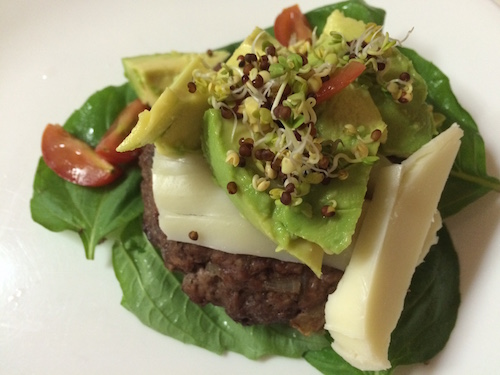
Home-made grass-fed burger, greens/basil, avocado, sprouts and cheese

Psychiatry is at an important juncture, with the current pharmacologically focused model having achieved modest benefits in addressing the burden of poor mental health worldwide. Although the determinants of mental health are complex, the emerging and compelling evidence for nutrition as a crucial factor in the high prevalence and incidence of mental disorders suggests that diet is as important to psychiatry as it is to cardiology, endocrinology, and gastroenterology. Evidence is steadily growing for the relation between dietary quality (and potential nutritional deficiencies) and mental health, and for the select use of nutrient-based supplements to address deficiencies, or as monotherapies or augmentation therapies.

I’m excited to share this groundbreaking publication, “Nutritional medicine as mainstream in psychiatry” which was published just last week in the mainstream journal Lancet. We have members of The International Society for Nutritional Psychiatry Research, also known as ISNPR to thank: Jerome Sarris, PhD, Alan C Logan, BA, Tasnime N Akbaraly, PhD, G Paul Amminger, MD, Vicent Balanzá-Martínez, MD, Marlene P Freeman, MD, Joseph Hibbeln, MD, Yutaka Matsuoka, MD, David Mischoulon, MD, Tetsuya Mizoue, MD, Akiko Nanri, MD, Daisuke Nishi, MD, Drew Ramsey, MD, Julia J Rucklidge, PhD, Almudena Sanchez-Villegas, PhD, Andrew Scholey, PhD, Kuan-Pin Su, MD, Felice N Jacka, PhD.

The abstract concludes as follows:

We present a viewpoint from an international collaboration of academics (members of the International Society for Nutritional Psychiatry Research), in which we provide a context and overview of the current evidence in this emerging field of research, and discuss the future direction. We advocate recognition of diet and nutrition as central determinants of both physical and mental health.

You may recognize some of these people from my prior writings and interviews.

  • Felice Jacka was interviewed in season 1 of the Anxiety Summit. Our topic was The Research: Food to prevent and treat anxiety and depression? She has been and still is very active in the nutrition/mental health/anxiety/depression research community
  • Julia Rucklidge recently did a fabulous TEDx talk called The surprisingly dramatic role of nutrition in mental health. She is also a very prolific researcher.

Dr. Marlene Freeman is also the author of an editorial, Nutrition and Psychiatry, published in the American Journal of Psychiatry in 2010.

It is both compelling and daunting to consider that dietary intervention at an individual or population level could reduce rates of psychiatric disorders. There are exciting implications for clinical care, public health, and research.

This is one of my favorite quotes! If you’ve ever heard me present I’m sure you’ll recognize it! This was in 2010 so we are making progress with getting nutrition recognized in the mainstream mental health world and I couldn’t be happier.

Here are a few select quotes from the new paper (which will shortly be released as an open-source document).

Mental disorders in general, and major depression and anxiety disorders in particular, account for a large burden of disability worldwide. Rapid urbanisation, and an overall transition from traditional lifestyles (concerning diet, physical activity, and social structures), which are some of the most pressing global and environmental issues of our time, have both been linked to increases in depression and other mental disorders

The mechanisms by which nutrition might affect mental health are, at least superficially, quite obvious: the human brain operates at a very high metabolic rate, and uses a substantial proportion of total energy and nutrient intake; in both structure and function (including intracellular and intercellular communication), it is reliant on amino acids, fats, vitamins, and minerals or trace elements.

The purpose of this Personal View is to provide a platform for robust debate in the specialty, particularly regarding the need to move towards a new integrated framework in psychiatry, whereby consideration of nutritional factors should be standard practice.

Diet and nutrition offer key modifiable targets for the prevention of mental disorders, having a fundamental role in the promotion of mental health. Now is time for the recognition of the importance of nutrition and nutrient supplementation in psychiatry. Nutritional medicine should now be considered as a mainstream element of psychiatric practice, with research, education, policy, and health promotion supporting this new framework.

This is so powerful! I commend the efforts of these authors and thank the researchers for all the groundwork which has led to where were are today…recognizing the very powerful connection between what we eat and how we feel. It’s exciting to be part of this movement!
 

Filed Under: Mental health Tagged With: anxiety, depression, diet, Jacka, Lancet, nutrition, nutritional, psychiatry

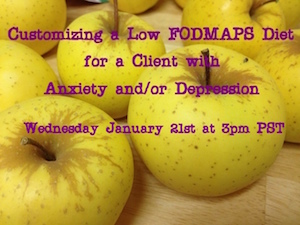
Customizing a Low FODMAPS Diet for a Client with Anxiety and/or Depression

January 19, 2015 By Trudy Scott 10 Comments

fodmaps-image

Here is an excerpt from a Dec 2014 paper called Review article: the aetiology, diagnosis, mechanisms and clinical evidence for food intolerance:

There have been significant advances in understanding the scientific basis of gastrointestinal food intolerance due to short-chain fermentable carbohydrates (FODMAPs). The most helpful diagnostic test for food intolerance is food exclusion to achieve symptom improvement followed by gradual food reintroduction. A low FODMAP diet is effective, however, it affects the gastrointestinal microbiota and FODMAP reintroduction to tolerance is part of the management strategy.

We’re seeing plenty of people with digestive issues like IBS (Irritable Bowel Syndrome) and SIBO (Small Intestinal Bacterial Overgrowth),  often with accompanying anxiety and depression, and a low FODMAPS diet may need to be considered. How do we know if we should consider it and how do we help out clients make this change?

This webinar is a way for you to learn more about FODMAPS for your clients and it’s a way for me to showcase the valuable work my friend Julie Matthews is doing in her BioIndividual Nutrition™ program. And for us to share the very cool new Victus software. I’ve actually signed up for the next training and I’m just super-excited to get the word out…which is another reason for the webinar! When I learn, I like to share what I learn!

Customizing a Low FODMAPS Diet for a Client with Anxiety and/or Depression

A webinar for health practitioners 
Food Mood Expert Trudy Scott interviews Julie Matthews, co-founder of BioIndividual Nutrition Institute

In this webinar, aimed at health practitioners, we will discuss:

  • The scientific rationale for recommending a Low FODMAPS (an acronym, deriving from “Fermentable, Oligo-, Di-, Mono-saccharides And Polyols) Diet for someone with anxiety/depression
  • Defining oligosaccharides (fructans and galacto-oligosaccharides); disaccharides (lactose); monosaccharides (fructose) and polyols (sugar alcohols and more)
  • What are high free fructose foods and the fructose malabsorption/anxiety and depression connection
  • How to do a low FODMAPs diet elimination/provocation
  • Why would you combine Low FODMAPS and SCD (Specific Carbohydrate Diet) for SIBO (Small Intestinal Bacterial Overgrowth)
  • How the Victus software helps you create a diet/recipes for the Low FODMAPs Diet
  • How to learn more about Julie Matthews’ Bioindividual Nutrition program (for practitioners), other special diets and the upcoming study group

Julie Matthews is a Certified Nutrition Consultant specializing in autism spectrum disorders, ADHD, and nutrition for pregnancy.  Her approached is based on the BioIndividual Nutrition™ needs of each person. She provides dietary guidance backed by scientific research and applied clinical experience. Her award winning book, Nourishing Hope for Autism, has helped people around the world to make food and nutrition choices that aid the health, learning, and behavior of those with autism, ADHD, and other developmental delays. She presents at leading autism conferences in the US and abroad, and is the Nutrition Editor of the Autism File magazine. She is on the scientific advisory board for USAAA (U.S. Autism & Asperger Association) and the Autism Nutrition Research Center. She is the co-founder of Nourishing Hope and BioIndividual Nutrition Institute. Julie has a private nutrition practice in San Francisco, California, and supports families and clinicians from around the world with her nutrition learning tools and professional training courses.

Here is the link to register for the webinar. If you can’t make it at this time, register anyway to get a copy of the notes and audio:

Update: this event is over (it was done Wednesday January 21st, 2015.)  Sorry you missed it!


Filed Under: Antianxiety, Anxiety and panic, Events Tagged With: anxiety, BioIndividual Nutrition Institute, depression, fodmaps, IBS, Julie Matthews, SIBO, Trudy Scott

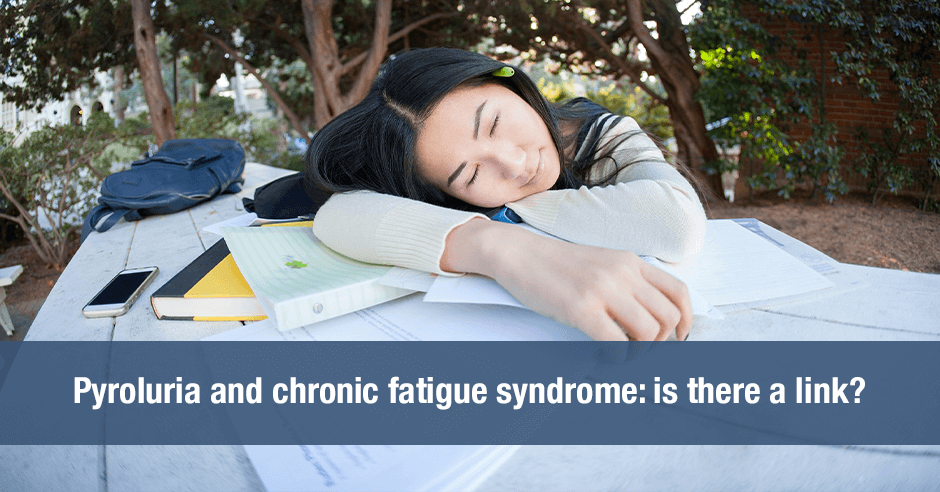
Pyroluria and chronic fatigue syndrome: is there a link?

January 16, 2015 By Trudy Scott 21 Comments

pyroluria and chronic fatigue

Last week I blogged about the social anxiety condition called pyroluria (Pyroluria, high mauve, pyrrole disorder, malvaria, elevated kryptopyrroles and social anxiety) and received some great comments on this and the other pyroluria blogs.

One question on this blog: The Anxiety Summit: How zinc and vitamin B6 prevent pyroluria and social anxiety was related to Chronic Fatigue Syndrome/CFS so I’ve decided to share this and some additional information I was able to find.

Hi Trudy, I’m calling from Melbourne Australia, I was wondering if you have had any of your clients present with Chronic Fatigue Syndrome as well as pyroluria. I have just recently been diagnosed with CFS, I also have ADHD. Someone on a CFS forum that I belong to told me about pyroluria and said it is common in ADHD and CFS sufferers. While the link between ADHD and pyroluria is well documented, I haven’t been able to find any information regarding a connection between Chronic Fatigue Syndrome and pyroluria. I notice that there is an overlap of symptoms in the two conditions. I have all of the symptoms of CFS and many of the symptoms of pyroluria. I’m very interested in hearing your views about CFS and how it relates to pyroluria if at all. — Tom

I was not aware of a CFS/pyroluria connection until now but see there is some research showing how CFS and mood disorders/anxiety can have related causes and one of them is inflammation:

An intriguing and hitherto unexplained co-occurrence: Depression and chronic fatigue syndrome are manifestations of shared inflammatory, oxidative and nitrosative (IO&NS) pathways

Low zinc is a factor in pyroluria and depression and of course we may also see low zinc in CFS:

Lower serum zinc in Chronic Fatigue Syndrome (CFS): relationships to immune dysfunctions and relevance for the oxidative stress status in CFS

I find this paper very interesting since many of these same nutrients are commonly low in folks with anxiety and depression: Nutritional strategies for treating chronic fatigue syndrome

A detailed review of the literature suggests a number of marginal nutritional deficiencies may have etiologic relevance. These include deficiencies of various B vitamins, vitamin C, magnesium, sodium, zinc, L-tryptophan, L-carnitine, coenzyme Q10, and essential fatty acids.

I’m surprised the above paper didn’t mention iron anemia.  This is very common with pyroluria.  This paper: Iron insufficiency and hypovitaminosis D in adolescents with chronic fatigue and orthostatic intolerance found this

In patients presenting with chronic fatigue and/or orthostatic intolerance, low ferritin levels and hypovitaminosis D are common

These are just a few of the links I found by doing a very quick pubmed search. There are likely many more.

Everything is so connected and inter-related! And it’s interesting how certain deficiencies can manifest in certain ways – one person may find themselves with a CFS diagnosis, someone else with arthritis and yet someone else with heart disease. I think we need to be thinking about addressing nutrient deficiencies, balancing biochemistry and getting healthy, perhaps more just than addressing a diagnosis.

If you score high on the Pyroluria Questionnaire I would suggest simply addressing the pyroluria which may have some ripple down effects and actually improve the symptoms of CFS.

Now the next post will have to dig into the link between ADHD and pyroluria. Stay tuned.

In the meantime, I’d love to see your comments/questions if you can relate to any of this. Also, please do share in the comments if you know you have pyroluria and find the nutrients have eliminated your social anxiety and inner tension symptoms, and have also helped your CFS.


Filed Under: Depression, Pyroluria, Stress Tagged With: ADHD, anxiety, fatigue, Inflammation, iron, pyroluria, zinc

Rooibos tea with a chocolate twist

January 2, 2015 By Trudy Scott 23 Comments

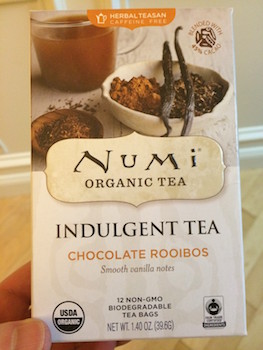
chocolate-rooibos

I’ve discovered a new rooibos tea and love it and want to share it with you! It’s rooibos tea with a chocolate twist: Numi Organic Tea – Chocolate Rooibos with smooth vanilla notes.

When I shared this image on facebook here are two comments I got:

  • I drink Numi’s Rooibos everyday, but I didn’t know they made CHOCOLATE!
  • CHOCOLATE…I’ll have to find that one!

Notice that both people wrote CHOCOLATE in upper case! I have no doubt that the word “chocolate” will get many more people trying this healthy herbal tea. But I must give you an advance warning – the chocolate taste is very subtle. And if you’re sensitive to the caffeine in chocolate like I am you may find you can tolerate this – I certainly can.

You may recall my interview with rooibos researcher, Dr. Amanda Swart, in season 1 of the Anxiety Summit: A Functional Food in the Management of Stress. We discussed the role rooibos plays in the maintenance of normal cortisol levels, the influence of rooibos on cytochrome P450 enzymes, and the amazing array of polyphenols and flavonoids found in rooibos. Wow, a simple beverage that can help reduce stress and anxiety! And so much more!

Here is some new rooibos research:

  • For diabetes: Antidiabetic effect of green rooibos (Aspalathus linearis) extract in cultured cells and type 2 diabetic model KK-Ay mice.
  • For bone growth: Rooibos flavonoids, orientin and luteolin, stimulate mineralization in human osteoblasts through the Wnt pathway.
  • For inflammation: Aspalathin and Nothofagin from Rooibos (Aspalathus linearis) Inhibits High Glucose-Induced Inflammation In Vitro and In Vivo.

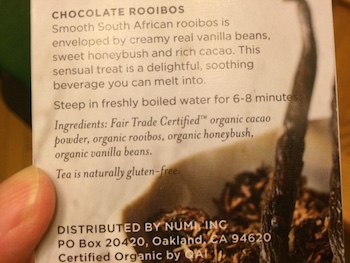
chocolate-rooibos-description

Just read the description on the back of the box and see if you can resist it:

Smooth South African rooibos is enveloped by creamy vanilla beans, sweet honeybush and rich cacao. This sensual treat is a delightful, soothing beverage you can melt into.

The vanilla gives it a naturally sweet taste which you may need if you don’t enjoy straight rooibos (an acquired taste for some)

Let me give you a few more reasons why I recommend this product – other than the delicious taste and wonderful health benefits:

  • It’s organic
  • It uses fair trade ingredients
  • It uses non-GMO biodegradable tea bags
  • It’s a herbal tea so is caffeine-free
  • It doesn’t have any artificial or even natural flavors

I’m a skier and Brad snowboards and I like to be prepared with “padkos” (South African for food-for-the-road) and one nice treat is hot herbal tea for the drive up and for the drive home. For the trip up to the ski resort, I make it in a large stainless steel mug with lid and we sip it as we drive. I take an extra teabag and a thermos flask of boiling water and make a new batch to sip on the trip home. It’s so yummy and so warming, plus it keeps us well-hydrated which is important with all that exercise. 

Check out the Numi site. I love this company and their vision: “Numi inspires well-being of mind, body and spirit through the simple art of tea. Our company is rooted in the principle of creating a healthful product that nurtures people and honors the planet. In all of our company initiatives, we strive to foster a healthy, thriving global community while bringing you the purest, best-tasting organic tea.”


Filed Under: Antianxiety, Caffeine, Food and mood, Real whole food, Stress Tagged With: anxiety, diabetes, NUMI, rooibos, stress

Organic Acids Testing by Great Plains Lab

December 15, 2014 By Trudy Scott Leave a Comment

greatplainslabThis is a 1-day professional training being held in Berkeley, CA on January 24, 2015: An Overview of Organic Acids Testing and Why it is so Important

Hundreds of organic acid metabolites are found in the urine of all mammals including humans. These metabolites can be used for both diagnostic and therapeutic measurements for: detecting abnormal gastrointestinal overgrowth or dysbiosis, assessing mitochondrial energy production, detecting genetic diseases, assessing malnutrition and suboptimum nutrition, revealing toxic exposure, finding alterations of neurotransmitter metabolites in neurological and psychiatric disorders, and assessing metabolites that cause severe inflammation in a variety of chronic illnesses.

The Interrelationship between Chronic Yeast and Various Issues

The OAT evaluates for various fungal toxins, including specific markers for Candida. Many people rely on stool testing for Candida diagnosis and miss the presence of Candida toxins through the Organic Acid Test. Candida can lead to neurochemical imbalances in the brain, as well as sensory problems and self-stimulatory behavior (often seen in autism).

The Interrelationship between Clostridia and Various Health Issues

The OAT evaluates for two specific toxins related to Clostridia bacteria – HPHPA and 4-cresol. Both of these toxins can inhibit a dopamine converting enzyme, leading to excess dopamine and toxic reactions in the brain and nervous system. Problems such as moodiness, irritability, aggression, self-injurious behavior, sleep difficulties and more can be associated with Clostridia bacteria overgrowth.

Correlating Oxalate Problems

The OAT includes glycolic and glyceric acids in the oxalate section, which can differentiate between genetic and nutritional components in disturbed oxalate metabolism. Oxalates are compounds found in many foods, and can be worsened from Candida overgrowth. High oxalates are associated with pain in the joints, muscles, and connective tissues. They can also trap heavy metals (such as mercury, lead, and arsenic) in the body and lead to mineral imbalances. Certain behavioral issues and self-injurious tendencies have been associated with high oxalates.

Organic Acids Testing and Neurochemical Imbalances

The OAT evaluates for imbalances in serotonin (an important brain chemical for mood, fine and gross motor skills, and calmness), as well additional markers that can indicate toxic stress in the brain and nervous system, such as Quinolinic Acid. High Quinolinic Acid suggests toxic stress in the brain and is important to evaluate before prescribing certain supplements, particularly L-Tryptophan which is commonly used to help with sleep.

Case Studies

This presentation will highlight various patient cases from clinical practice that show the role of biomedical intervention for various patient scenarios such as dietary therapy, yeast and Clostridia treatment, and methylation support.

All of the above, together with start and end times, and breaks can be found here on the presentation schedule page

Presenter: Kurt N. Woeller, D.O., has been an integrative medicine physician and biomedical autism specialist for 15+ years. He is an author of several health books including “Autism – The Road To Recovery,” “Methyl-B12 Therapy For Autism,” “Methyl-B12 for Alzheimer’s Disease and Dementia,” and “5 Things You MUST Do Right Now To Help With Your Rheumatoid Arthritis.” He is a lecturer (United States and International), educator and experienced clinician offering specialized treatment and testing for individuals with complex medical conditions such as Autism-Spectrum Disorders, Chronic Fatigue Syndrome, Mental Health Disorders, Multiple Sclerosis and other chronic health conditions.

I’m sharing this training on behalf of Dr. Kat Toups, M.D., Distinguished Fellow APA, Functional Medicine Psychiatry, BayAreaWellness.net

Dr. Toups shared this with me and I would suggest you call Great Plains Lab if you are unsure whether you are eligible to order testing:

This includes a free test kit. My understanding about the free test kits at the Organic Acid Testing conference is that they are available for anyone licensed to order testing. You do not have to be a Physician. Their website says the following: “Please note that to receive the FREE Organic Acids Test practitioners must be qualified as MD, DO, NP, NMD, DC, PsyD, PA, LAc or otherwise have the authority to order laboratory testing. Other healthcare practitioners will receive a voucher for 50% off one Organic Acids Test.

The pricing will increase by $40 on 12/22/14, so please register as early as possible to allow time to receive your OAT kit, complete it, mail back and get results before the conference. Things may get a little backed up around the holidays.

For those of you new to Organic Acid Testing, you can also request a complimentary consult at Great Plains once you receive your results. They will go over them with you.

Register here  Early bird expires 12/22/14

Location details are here

Filed Under: Anxiety and panic, Events, Testing Tagged With: anxiety, dysbiosis, great plains, mood, organic acids, serotonin, sleep

Coconut-Lemon-Garlic Cauliflower recipe

November 21, 2014 By Trudy Scott 19 Comments

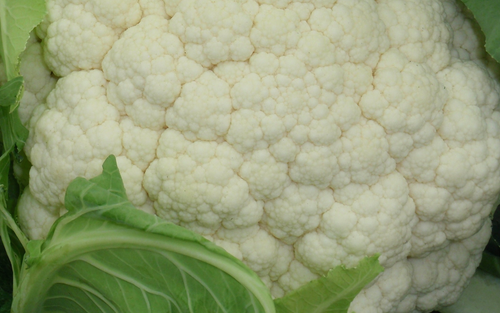
cauliflower-1

Cauliflower is in the Brassicaceae family of vegetables together with broccoli, brussels sprouts, and cabbage. It’s one of my favorite vegetables!

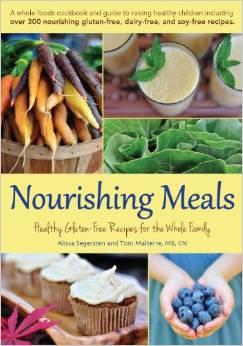
Enjoy this yummy recipe that I adapted slightly from a recipe from Nourishing Meals: Healthy Gluten-Free Recipes for the Whole Family.

by Alissa Segersten and Tom Malterre, MS, CN. I always seem to do this with recipes 🙂

1 medium head of cauliflower (i.e. a whole one)
1 cup of full-fat coconut milk
½ cup of chicken stock or water
1-2 tablespoons of freshly squeezed lemon juice (the original recipe called for lime juice which I didn’t have so I used lemon juice and it resulted in a great taste)
6 large garlic cloves, crushed (the original recipe called for 2, I love garlic so added more!)
1 teaspoon powdered ginger spice (the original recipe called for 1-2 teaspoons grated fresh ginger – I didn’t have any on hand but will try it with this next time)
½ teaspoon sea salt
Garnishes: sliced green onions and chopped cilantro

Cut the cauliflower into small pieces and place in a food processor fitted with the “s’ blade. Pulse until it’s coarsely ground. If you don’t have a food processor, just chop it as finely as possible.

In in large pot, heat the coconut milk, chicken stock or water, freshly squeezed lemon juice, crushed garlic cloves, powdered ginger spice or grated fresh ginger and sea salt, over medium heat. Once the mixture is simmering add the cauliflower pieces.

Stir together and simmer uncovered for 10-15 minutes, stirring every few minutes or until the cauliflower is cooked to your liking. Garnish with sliced green onions and chopped cilantro. Serve hot.

Yields 4-6 servings.

Some of my favorite foods are coconut, garlic, lemon and ginger, and the combination of these ingredients with the cauliflower is just superb! It heats up nicely the next day and is actually delicious cold too so could serve as a “salad.”

nourishing-meals 

I’m looking forward to trying other recipes in this book written by Tom and his wife Alissa. You may recall Tom’s interview from the Anxiety Summit: toxin exposures promote anxiety. We talked about the detox and health benefits, anti-cancer effects of sulforaphane in broccoli. And in my closing talk, I discussed broccoli sprouts and this study: Sulforaphane treatment of autism spectrum disorder. Well, cauliflower is a great source of sulforaphane too! So eat up and be sure to chew well.


Filed Under: Books, Food and mood, Real whole food, Recipes, The Anxiety Summit 2 Tagged With: anxiety, anxiety summit, cauliflower, recipe, sulforaphane, Tom Malterre, Trudy Scott

  • « Go to Previous Page
  • Page 1
  • Interim pages omitted …
  • Page 75
  • Page 76
  • Page 77
  • Page 78
  • Page 79
  • Interim pages omitted …
  • Page 96
  • Go to Next Page »

Primary Sidebar

GABA QuickStart Homestudy

gaba quickstart homestudy

Free Report

9 Great Questions Women Ask about Food, Mood and their Health

You'll also receive a complimentary subscription to my ezine "Food, Mood and Gal Stuff"


Connect with me

Popular Posts

  • Amino Acids Mood Questionnaire from The Antianxiety Food Solution
  • The Antianxiety Food Solution Amino Acid and Pyroluria Supplements
  • Pyroluria Questionnaire from The Antianxiety Food Solution
  • Collagen and gelatin lower serotonin: does this increase your anxiety and depression?
  • Tryptophan for the worry-in-your-head and ruminating type of anxiety
  • GABA for the physical-tension and stiff-and-tense-muscles type of anxiety
  • The Antianxiety Food Solution by Trudy Scott
  • Seriphos Original Formula is back: the best product for anxiety and insomnia caused by high cortisol
  • Am I an anxious introvert because of low zinc and vitamin B6? My response to Huffington Post blog
  • Vagus nerve rehab with GABA, breathing, humming, gargling and key nutrients

Recent Posts

  • Her cravings for chips and peanut butter were triggered by stress: GABA ends cravings and reduces physical tension and fear of heights
  • It is truly miraculous to be able to move through life without crippling anxiety and panic
  • GABA and tryptophan combo provide immediate and noticeable relief for tremors and cervical dystonia in just 7 days
  • Red light therapy for back and neck pain, plantar fasciitis and low mood – a complement to the amino acids GABA, DPA and tryptophan
  • What do I use instead of Seriphos to help lower high cortisol that is affecting my sleep and making me anxious at night?

Categories

  • 5-HTP
  • AB575
  • Addiction
  • ADHD
  • Adrenals
  • Alcohol
  • Allergies
  • Alzheimer's disease
  • Amino Acids
  • Anger
  • Antianxiety
  • Antianxiety Food Solution
  • Antidepressants
  • Anxiety
  • Anxiety and panic
  • Autism
  • Autoimmunity
  • benzodiazapines
  • Bipolar disorder
  • Books
  • Caffeine
  • Cancer
  • Candida
  • Children/Teens
  • Collagen
  • Cooking equipment
  • Coronavirus/COVID-19
  • Cravings
  • Depression
  • Detoxification
  • Diabetes
  • Diet
  • DPA/DLPA
  • Drugs
  • EFT/Tapping
  • EMF
  • EMFs
  • Emotional Eating
  • Endorphins
  • Environment
  • Essential oils
  • Events
  • Exercise
  • Fear
  • Fear of public speaking
  • Fertility and Pregnancy
  • Fish
  • Food
  • Food and mood
  • Functional neurology
  • GABA
  • Gene polymorphisms
  • General Health
  • Giving
  • Giving back
  • Glutamine
  • Gluten
  • GMOs
  • Gratitude
  • Gut health
  • Heart health/hypertension
  • Histamine
  • Hormone
  • Hyperparathyroidism
  • Hypoglycemia
  • Immune system
  • Inflammation
  • Insomnia
  • Inspiration
  • Introversion
  • Joy and happiness
  • Ketogenic diet
  • Lithium orotate
  • Looking awesome
  • Lyme disease and co-infections
  • MCAS/histamine
  • Medication
  • Men's health
  • Mental health
  • Mercury
  • Migraine
  • Mold
  • Movie
  • MTHFR
  • Multiple sclerosis
  • Music
  • NANP
  • Nature
  • Nutritional Psychiatry
  • OCD
  • Osteoporosis
  • Oxalates
  • Oxytocin
  • Pain
  • Paleo
  • Parasites
  • Parkinson’s disease
  • PCOS
  • People
  • PMS
  • Postpartum
  • PTSD/Trauma
  • Pyroluria
  • Questionnaires
  • Real whole food
  • Recipes
  • Research
  • Schizophrenia
  • serotonin
  • SIBO
  • Sleep
  • Special diets
  • Sports nutrition
  • Stress
  • Sugar addiction
  • Sugar and mood
  • Supplements
  • Teens
  • Testimonials
  • Testing
  • The Anxiety Summit
  • The Anxiety Summit 2
  • The Anxiety Summit 3
  • The Anxiety Summit 4
  • The Anxiety Summit 5
  • The Anxiety Summit 6
  • Thyroid
  • Thyroid health
  • Toxins
  • Tryptophan
  • Tyrosine
  • Uncategorized
  • Vegan/vegetarian
  • Women's health
  • Yoga

Archives

  • May 2026
  • April 2026
  • October 2025
  • September 2025
  • August 2025
  • July 2025
  • June 2025
  • May 2025
  • April 2025
  • March 2025
  • February 2025
  • January 2025
  • November 2024
  • October 2024
  • September 2024
  • August 2024
  • July 2024
  • June 2024
  • May 2024
  • April 2024
  • March 2024
  • February 2024
  • January 2024
  • December 2023
  • November 2023
  • October 2023
  • September 2023
  • August 2023
  • July 2023
  • June 2023
  • May 2023
  • April 2023
  • March 2023
  • February 2023
  • January 2023
  • December 2022
  • November 2022
  • October 2022
  • September 2022
  • August 2022
  • July 2022
  • June 2022
  • May 2022
  • April 2022
  • March 2022
  • February 2022
  • January 2022
  • December 2021
  • November 2021
  • October 2021
  • September 2021
  • August 2021
  • July 2021
  • June 2021
  • May 2021
  • April 2021
  • March 2021
  • February 2021
  • January 2021
  • December 2020
  • November 2020
  • October 2020
  • September 2020
  • August 2020
  • July 2020
  • June 2020
  • May 2020
  • April 2020
  • March 2020
  • February 2020
  • January 2020
  • December 2019
  • November 2019
  • October 2019
  • September 2019
  • August 2019
  • July 2019
  • June 2019
  • May 2019
  • April 2019
  • March 2019
  • February 2019
  • January 2019
  • December 2018
  • November 2018
  • October 2018
  • September 2018
  • August 2018
  • July 2018
  • June 2018
  • May 2018
  • April 2018
  • March 2018
  • February 2018
  • January 2018
  • December 2017
  • November 2017
  • October 2017
  • September 2017
  • August 2017
  • July 2017
  • June 2017
  • May 2017
  • April 2017
  • March 2017
  • February 2017
  • January 2017
  • December 2016
  • November 2016
  • October 2016
  • September 2016
  • August 2016
  • July 2016
  • June 2016
  • May 2016
  • April 2016
  • March 2016
  • February 2016
  • January 2016
  • December 2015
  • November 2015
  • October 2015
  • September 2015
  • August 2015
  • July 2015
  • June 2015
  • May 2015
  • April 2015
  • March 2015
  • February 2015
  • January 2015
  • December 2014
  • November 2014
  • October 2014
  • September 2014
  • August 2014
  • July 2014
  • June 2014
  • May 2014
  • April 2014
  • March 2014
  • February 2014
  • January 2014
  • December 2013
  • November 2013
  • October 2013
  • September 2013
  • August 2013
  • July 2013
  • June 2013
  • May 2013
  • April 2013
  • March 2013
  • February 2013
  • January 2013
  • December 2012
  • November 2012
  • October 2012
  • August 2012
  • July 2012
  • June 2012
  • May 2012
  • April 2012
  • March 2012
  • February 2012
  • January 2012
  • December 2011
  • November 2011
  • October 2011
  • September 2011
  • August 2011
  • July 2011
  • June 2011
  • May 2011
  • April 2011
  • March 2011
  • February 2011
  • January 2011
  • December 2010
  • October 2010
  • September 2010
  • July 2010
  • May 2010
  • April 2010
  • March 2010
  • February 2010
  • January 2010
  • November 2009

Share the knowledge!

The above statements have not been evaluated by the Food and Drug Administration. Products listed in this website are not intended to diagnose, treat, cure or prevent any disease.

The information provided on this site is for informational and educational purposes only and is not intended as a substitute for advice from your physician or other health care professional. You should consult with a healthcare professional before starting or modifying any diet, exercise, or supplementation program, before taking or stopping any medication, or if you have or suspect you may have a health problem.


Copyright © 2026 Trudy Scott. All Rights Reserved. | Privacy | Terms and Conditions | Refund Policy | Medical Disclaimer

Free Report

9 Great Questions Women Ask about Food, Mood and their Health

You’ll also receive a complimentary subscription to my ezine “Food, Mood and Gal Stuff”