• Skip to primary navigation
  • Skip to main content
  • Skip to primary sidebar

everywomanover29 blog

Food, Mood and Women's Health – Be your healthiest, look and feel great!

  • Blog
  • About
  • Services
  • Store
  • Resources
  • Testimonials
  • The Book
  • Newsletter
  • Contact
  • Search this site

anxiety

Chronic Lyme Disease Summit – anxiety, pyroluria & more

March 21, 2016 By Trudy Scott 6 Comments

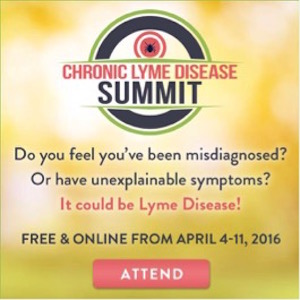
The Chronic Lyme Disease Summit runs from April 4th to 11th so I’m sharing some additional information for you.
chronic-lyme-disease-summit-y

The response to this summit, hosted by Dr. Jay Davidson, is out of this world already. Lyme disease is much more talked about than most realize and more people are affected by Lyme disease each year than breast cancer!

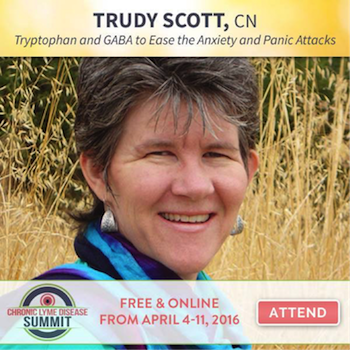
Many people with chronic Lyme disease have chronic anxiety too and the focus of my interview is how to use targeted individual amino acids GABA and tryptophan to top up low levels of GABA and serotonin while the Lyme is being addressed.

This gives Lyme sufferers resolution from much of the anxiety (if not all) right away and they don’t need to resort to meds like benzodiazepines or anti-depressants (like the women in the study below). There is also a big connection between Lyme disease and pyroluria and I cover this too.

Here is one study that shows that Lyme-anxiety is very real and that panic attacks may actually be trigged by the Lyme disease:

A paper published in the Journal of Psychiatric Practice in 2000: Panic attacks may reveal previously unsuspected chronic disseminated lyme disease

describes the histories of three patients with panic-like episodes that turned out to be related to underlying, previously unsuspected tick-borne diseases.

Each woman experienced symptoms that are not usual in panic disorder but are typical of neurological Lyme disease, including exquisite sensitivity to light, touch, and sounds, joint pain often in combination with cognitive changes including mental fogginess and loss of recent memory, and some degree of bizarre, shifting, and often excruciating neurological pain. Because these symptoms are atypical of primary panic disorder, they were very helpful in alerting the clinician to suspect an underlying physical illness.

In each case, the results of testing revealed positive hallmarks of disseminated Lyme and other tick-borne diseases [ including Lyme borreliosis caused by the spirochete, Borrelia burgdorferi, babesiosis, and ehrlichiosis.] Since beginning treatment with intensive doses of appropriate antimicrobial medications for their tick-borne infections, all three patients have become free of panic attacks.

Treatment of their infections by a specialist in Lyme disease allowed one of the women to discontinue anti-anxiety medication completely and another to reduce the dose of medication to occasional use only. The third patient is no longer anxious but her depression is resolving more slowly despite the ongoing use of an antidepressant. Two of the patients have also needed ongoing medication for pain and other symptoms of late-stage, neurological Lyme disease
lyme-trudy

One of my favorite presentations at the 2015 IMMH/Integrative Medicine for Mental Health conference was Dr. Suruchi Chandra’s Neuropsychiatric Lyme Disease talk. She shared that:

Lyme disease is one of the fastest growing infectious diseases in the United States. It can remain dormant for years and then later mimic a number of psychiatric illnesses, including anxiety disorders, mood disturbances, psychosis, and autism-like behaviors. It can be further complicated by the presence of co-infections.

Tune in to the summit to hear more about Lyme and anxiety and the amino acids GABA and tryptophan (and the Lyme-pyroluria connection).

(Please note: I’m not a Lyme disease expert – people seek me out for help with their anxiety and many of them also happen to have Lyme disease. The information we covered in the interview is very powerful for anxiety whether or not Lyme disease is a factor.)

Here are a selection of the many excellent Lyme interviews you’ll hear:

  • Dr. Jay Davidson, DC, PScD: Heavy Metal Detox and Lyme Disease
  • Connie Strasheim: Lyme Disease and Cancer
  • Jack Tips, PhD, CCN: The Gut Microbiome and Lyme disease
  • Shayne Morris, PhD: Biofilm, Bugs and Bacteriophage
  • Bradley Bush, ND: A Lab Test that Actually Works for Detecting Lyme Disease

When you register you get access to 3 talks right away – mine is one of the 3 talks! You can register here:
https://qt247.isrefer.com/go/LYME16reg/trudyscottcn
Filed Under: Amino Acids, Anxiety and panic, Events, GABA, Lyme disease and co-infections, Pyroluria, Tryptophan Tagged With: anxiety, GABA, Lyme Disease, pyroluria, tryptophan

A Mind of Your Own by Kelly Brogan MD – Chapter 1 Download

March 19, 2016 By Trudy Scott 2 Comments

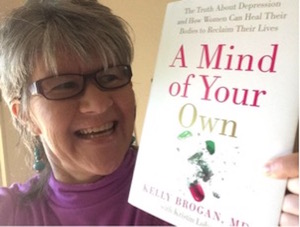
Here is a resource for you: Chapter 1 of Dr. Kelly Brogan’s new book on depression: A Mind of Your own.

mind-of-your-own-trudy


And  a reminder… if you’ve read chapter 1 and love it (and I’m sure you do!), and plan to buy a copy, Kelly is asking for your help.

It launched March 16th and there is a grass-roots effort to share this book widely because of the mainstream media blackout. Sayer Ji of GreenMedInfo shares this:

Unless about 3,000 copies of the book are sold in physical book stores throughout the country by Monday March 21st, it will not have a chance to make the NY Times and related best seller lists. Why is this so important? 

Two big reasons. 

One, because it sends a message that when major publishing companies like Harper Collins decide to print, uncensored, information that challenges the status quo, that instead of failing to receive a return on their investment, they can be further lionized in putting their money, influence, and power behind the truth, because not only is it the right thing to do but its good business (which ultimately is what drives future book buying decisions).

Two, because the very large publishers, like the NY Times, who wanted to ignore the message, and even threatened to publish negative reviews, will be compelled to acknowledge its success in their own best seller lists. Poetic, right?

So if you’d like to help, Kelly is asking that you buy a copy at your local bookstore by the end of day on Monday (and preferably sooner), take a picture with the book and show your support by posting on social media with #amindofyourown

I’d love to see the picture on my facebook page too https://www.facebook.com/TrudyScottAntianxietyFoodSolution/ or just tag me.

Get access to chapter 1 of the book here.  Be sure to enter your receipt number here so you can get access to a Q and A webinar too http://kellybroganmd.com/amindofyourown/?ref=35

And stay tuned for details of my upcoming audio interview with Kelly next week.  Have you got questions you’d like me to ask her?  If yes, please post them here and we’ll address them in our interview.

Check out the book selfies here – what fun! and what a lot of support!
https://tagboard.com/amindofyourown/274586


Trudy Scott (CN), Certified Nutritionist is the founder of www.everywomanover29.com, a thriving nutrition practice with a focus on food, mood and women’s health. Trudy educates women about the amazing healing powers of food and nutrients and helps them find natural solutions for anxiety and other mood problems. Trudy’s goal for all her clients (and all women): “You can be your healthiest, look your best and feel on-top-of-the-world emotionally!”

Filed Under: Anxiety and panic, Books, Depression Tagged With: anxiety, depression, Kelly Brogan

Food for Your Hormones + Brazil Nut Butter recipe

March 12, 2016 By Trudy Scott 6 Comments

In case you missed the email announcements, this is a quick reminder that this no-cost webinar is happening today (Saturday morning) at 10am PST!

If you haven’t registered yet, you can still register here:
https://xa202.isrefer.com/go/cfb1/trudys/

And if you have already signed up this is your friendly reminder and a new recipe for you! Enjoy!

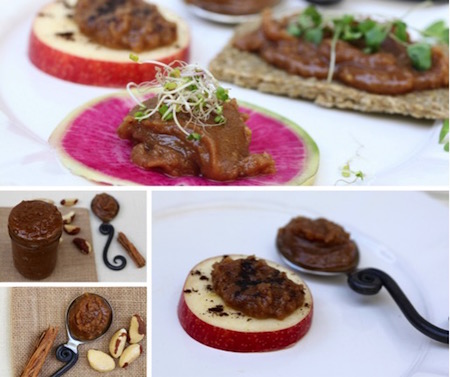
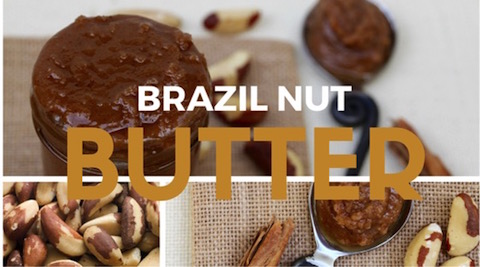
Brazil Nut Butter Recipe – by Magdalena Wszelaki

brazilnut-butter

This nut butter can be generously spread on crackers, toast or used as a dip with chopped up vegetables (I used radishes here as they also support estrogen detoxification) or fruit (I had apples on hand). I recommend soaking the nuts to improve their digestibility. If you tolerate nuts and have no time to soak and dry them, skip the initial steps and go to the blending instructions. Allow yourself to be creative and play with other nuts and seeds (sunflower and pumpkin seed butter is wonderful too) as well as spices like cardamom, cloves or lavender.

brazilnut-butter-2

Serves: 25 servings (tablespoons)
Time to soak: 12 hours
Time to roast: 1 hour
Time to prepare: 15 minutes

Ingredients
2 cups organic Brazil nuts
¾ cup avocado oil
½ cup coconut butter
½ cup golden flax seed
⅓ cup maca root powder
1 tablespoon camu camu (buy on Amazon)
1 tablespoon ground cinnamon
1 tablespoon vanilla essence or powder
¼ teaspoon sea salt 

Place the nuts in a large bowl, cover with filtered water and let them soak overnight, or for 12 hours.

Preheat the oven to 200F, spread the nuts on a baking tray and slow-roast for about an hour or until they become slightly brown.

Cool off the nuts and place in a high-speed blender or food processor (I use Vitamix). Add all the remaining ingredients and blend on high for 3 to 4 minutes.

Transfer to an air-tight container and keep in the fridge for no longer than 2 weeks. You can also freeze the butter.

Magdalena shares why incorporating brazil nuts and this lovely nut butter into your diet may be beneficial. It’s all about selenium and thyroid health and she shares this….

If you have a thyroid condition, it is very likely (like 90% likely) that you have Hashimoto’s disease, which is the autoimmune version of hypothyroidism. Interestingly, in most cases of hypothyroidism and Hashimoto’s disease, it’s not the thyroid that needs to be looked after but the immune system (since Hashimoto’s is an autoimmune condition). One way to know whether you have Hashimoto’s is to test for thyroid peroxidase antibodies (they also go by TPOab).

If the TPOab test result is high, an important mineral that can help bring down the TPO antibodies is selenium.

Selenium plays a key role in thyroid and autoimmune health because it protects thyroid cells from oxidative damage by forming selenoproteins. This extra protection helps to bring down the TPO antibodies. Selenium also acts as catalyst for converting the inactive T4 hormone to the biologically active T3 hormone.

The Brazil nut is the food that is highest in selenium. Three organic Brazil nuts per day will give you the daily recommended dose of 200mcg of selenium. You can incorporate them into your diet in a variety of ways. If you don’t tolerate nuts, you can take a selenium supplement.

I’d like to add that you can enjoy this nut butter even if you don’t have a thyroid problem. Selenium deficiency is pretty common and is often an issue with anxiety and depression.

So to recap (in case you missed the earlier notifications): Cooking for Balance will start with this no-cost live online workshop called How to Use Food to Rebalance Your Hormones today (at 10am PST, 1pm EST).

Cooking for Balance is an online cooking program created by my friend and colleague Magdalena Wszelaki, founder of Hormones Balance. You may remember our great interviews on last season of The Anxiety Summit! She was a hit, is a wealth of knowledge and very hands-on when it comes to food for hormone balancing! I really love what she offers (and her cute accent)!

Tune in to the no-cost webinar to learn a ton, have fun, get some great cooking ideas.

At the end of the webinar she’ll be sharing more about her next upcoming Cooking for Balance online cooking program that helps women rebalance their hormones with food, offering tailor-made nutritional protocols for women with thyroid issues, Hashimoto’s, adrenal fatigue, estrogen dominance, menopause and PCOS. This online program features 4 live classes, over 20+ done-for-you guides, 80+ recipes and 20+ demo videos. They focus on quick, simple yet nutritionally-dense cooking techniques that will help you feel like yourself again.

Registration page for the no-cost webinar is here:
https://xa202.isrefer.com/go/cfb1/trudys/


Filed Under: Events, Hormone, Recipes Tagged With: anxiety, balance hormone, Magdalena Wszelaki, selenium

Glutamine supplementation: cancer concerns and benefits

February 26, 2016 By Trudy Scott 128 Comments

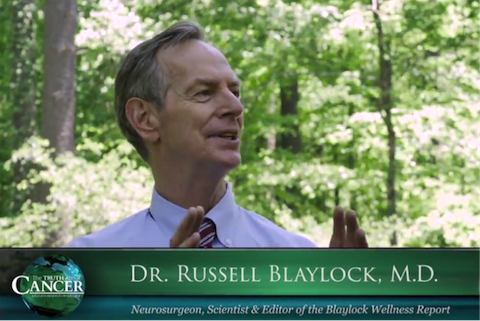
russell-blaylock

In the recent Truth About Cancer docu-series hosted by Ty Bollinger, founder of Cancer Truth, interviewed Dr. Russell Blaylock, M.D. and Dr. Blaylock said no to glutamine supplementation because it feeds cancer like sugar.

Here is what Dr. Russell Blaylock said during Episode 4 – Excitotoxins that Fuel Cancer:

Cancer cells use two major fuels, they use glucose and they use glutamine. Of the two, glutamine is the more powerful stimulant for cancer cell growth.

The Warburg effect is the fact that normal cells use both anaerobic and aerobic system, the Krebs cycle. The cancer cells only use the anaerobic system, it was thought. Glutamine can work the aerobic system and product a lot more energy. So if you’re eating a lot of sugar and you’re eating a lot of glutamine, you’re really stimulating your cancer powerfully. So the idea is you want to cut down your glutamine intake. A lot of people are promoting glutamine as a way to heal the gut—the leaky gut syndrome. So, they’re saying, take five, six, ten grams of glutamine. That is a powerful stimulant for degenerative brain disorders, a powerful stimulant for cancer growth. You don’t want to do that. There’s a lot better ways to repair the GI tract—they work better and safer and actually inhibit cancer.

Dr. Blaylock, author of Excitotoxins: The Taste That Kills, has been saying this for years. His coverage of MSG and how harmful it is, is very powerful groud-breaking work but many practitioners disagree with his glutamine-feeding-cancer comments.

As a result of this recent interview I’ve been getting a lot of questions about glutamine because it’s something I use with most of my clients for blood sugar control, carbohydrate/sugar cravings and gut healing.

In order to reassure folks I started looking at the current research and getting feedback from trusted colleagues.

I have now gathered 20+ studies showing glutamine to be beneficial in cancer: it heals the gut, helps boost glutathione, helps with muscle wasting, helps when someone is going through chemotherapy and radiation, and is useful for bone marrow transplants. Studies as far back as 1990 state it has benefits and doesn’t promote tumor growth, with 5 of them published this year.

This 2010 paper Glutamine as indispensable nutrient in oncology: experimental and clinical evidence summarizes many of the benefits:

Within the last two decades, 36 (24 oral/enteral, 12 parenteral) clinical studies evaluating the tolerance, safety and effects of glutamine in various patient groups have been published. In the great majority of these clinical studies, glutamine supplementation in cancer patients improves host metabolism and clinical situation without increasing tumor growth. Potential mechanisms of glutamine effects include maintenance of mucosal integrity, improved immune competence, inhibition of cell proliferation, increased apoptosis rate, increased synthesis of glutathione, induction of heat shock protein synthesis, and increased synthesis of glucagons-like peptides.

In various clinical situations, appropriate exogenous glutamine supply is safe and can beneficially contribute to diminish risks of high-dose chemotherapy and radiation. In addition, there is some evidence that adequate glutamine availability can beneficially affect outcome, especially in patients undergoing bone marrow transplantation.

With new research coming out all the time, a paper published in 2010 may seem very old and yet there are some more recent papers stating similar benefits, many of which were published this year and in 2014.   Here are a few excerpts from some of these papers:

  • Oral administration of [glutamine] plus [elemental diet] may prevent chemotherapy-induced oral mucositis in esophageal cancer patients. Link to paper
  • This study suggests a beneficial role of oral [glutamine] use in prevention and/or delay of radiation-induced esophagitis, in terms of esophageal transit time and serum immunological parameters, as well as weight loss. Link to paper
  • It also appears that glutamine may significantly reduce the duration and severity of objective oral mucositis during radiotherapy. Link to paper
  • These results suggest that [glutamine] is an effective way to reduce radiation morbidity to breast cancer and is associated with the increased expression of a novel serum protein biomarker. Link to paper
  • A promising supplemental therapy agent in the field is glutamine. Glutamine (Gln) is an amino acid that is produced in physiological conditions in human cells. However, in pathological states, glutamine production is often insufficient. In the clinical setting, glutamine has been shown to decrease metabolic side effects resulting from cancer treatment and to improve patient outcome. Link to paper
  • Prophylactic oral glutamine could ameliorate the neoadjuvant chemotherapy-induced increase in intestinal permeability, but had no significant positive clinical effect on stomatitis and diarrhea and did not interfere with the antitumor effect of chemotherapy. Link to paper
  • Oral [glutamine] increased [glutathione] levels and lowered IGF-I and TGF-beta 1 in a range that is considered clinically significant. However, the effect of [glutamine] in maintaining normal gut [glutathione] production in the presence of DMBA was much more significant. Link to paper

I’ve also posted the glutamine-cancer question in a number of online practitioner groups I belong to and have received this feedback:

  • Some practitioners still feel glutamine supplementation is very safe to use up to 10-30g a day for a month and then titrated down to a maintenance dose
  • An integrative cancer doctor says she is more cautious and would not recommend greater than 5g per day if someone has active cancer
  • One practitioner shared that long term studies haven’t shown changes in mortality due to glutamine supplementation in cancer settings but glutamine may be used for fuel by cancer cells
  • Glutamine is not neurotoxic as has been suggested in the book Excitotoxins:The Taste That Kills according to Dr. David Brady and other researchers
  • Many consider bone broth to be safe, some feel bone broth should be avoided during cancer treatments

It’s clearly a controversial topic with very divided opinions and it seems the jury is still out. We are also very individual beings with unique biochemistry so there is never a once size fits all approach and it’s very likely that some won’t benefit from glutamine and some may have adverse effects.

I do list cancer as a possible issue under the glutamine precautions and recommend that you check with your oncologist if you are currently undergoing treatment.

I do want to share safe and valuable information with my clients and with you (my community) and am not afraid to back down and say I was wrong. BUT right now I don’t believe we have enough information to say NO-ONE should be using glutamine as a supplement.   I’m gathering information and feedback, am learning a great deal and will be sharing more in future blogs on this topic. And I hope to get some feedback from Dr. Blaylock himself!

I hope this helps with questions you’ve been having or may have in the near future.

In the meantime I’d love your feedback…

  • If you’re a practitioner I’d love to hear your thoughts and approach, what cautions you offer and do you recommended a safe upper limit?
  • If you’re someone who uses glutamine or has used glutamine what does your practitioner say about it? Have they cautioned you about glutamine? Have they recommended a safe upper limit? What benefits have you seen when using it?
  • If you’ve been treated for cancer, has your cancer team recommended glutamine? And did it help?

UPDATE: Feb 26, 2016 (The post above was originally published on October 30, 2015)

I promised to come back and share additional information from someone working in the area of cancer and so here we are – an update on the glutamine cancer concern:

Paul Anderson ND shared a literature review and practice implications in an called “Glutamine and Cancer: What do we know?” (Update Sept 2021: it was published on Emerson Ecologics but the link is no longer active)

When I read this reassuring literature – based on the 2015 paper, Key Roles of Glutamine Pathways in Reprogramming the Cancer Metabolism. Oxidative Medicine and Cellular Longevity  – I reached out to Dr. Anderson and was given permission to share the link and excerpts from the article:

L-Glutamine the amino acid is one of the most widely used therapeutic substances in natural and integrative clinics as well as some allopathic practices. It has benefit in gastrointestinal illnesses and repair, post-surgical care, renal support, muscle mass maintenance, cachexia and a number of other conditions. Given its wide use in the integrative medical community the concern regarding potential for any adverse or untoward event associated with its use is significant. The primary potential issue is the “feeding” of cancer cells and another related issue is increasing glutathione stores and thereby inactivating standard therapies.

He shares some of the same potential benefits of glutamine that I mentioned above:

  • Post-surgical healing
  • GI repair and maintenance
  • Immune system recovery and maintenance
  • Muscle cell maintenance and recovery
  • Glutathione pool restoration

Dr. Anderson shares that:

the availability of glutamine even in a supplemented person is often too low to do much more than feed the deficient GI cells, so peripheral use is limited with oral doses.

The one common exception is glioblastoma multiforme (GM). In the case of GM, it is theoretically possible that amounts of glutamine that were able to cross the GI barrier could be metabolized in a manner promoting of GM energy and health. In the case of GM the authors point out that restricting carbohydrates would likely make the glutamine effective in an anti-GM biology.

And he shares a number of take home points for clinical practice: oral glutamine supplementation is likely safe across most tumor types in patients with cancer, it’s indicated for GI damage, the timing and doses, and how he uses carbohydrate restriction for certain cancers (when also using glutamine).

Based on his clinical experience Dr. Anderson states that:

Glutamine used appropriately is an excellent adjunctive therapy in the oncology setting.

Dr. Paul S. Anderson is medical director of Anderson Medical Specialty Associates, a clinic focusing on the care of patients with cancer and chronic diseases. Former positions include professor of Pharmacology and Clinical Medicine at Bastyr University and Chief of IV Services for Bastyr Oncology Research Center. He is a graduate of National College of Natural Medicine and began instructing classes at naturopathic medical schools in the early 1990’s. He continues to hold board review classes and CME courses for most of the US and Canadian ND programs. He also is a founding board member of the Academy of Parenteral Therapies specialty group and an instructor and author for the International IV Nutritional Therapy training group.

His book, Outside the Box Cancer Therapies: Alternative Therapies That Treat and Prevent Cancer (here is my Amazon link) discusses glutamine and some of the research and benefits when used with cancer patients, and also recommends consulting with your physician.

Did your oncology medical team recommend use of glutamine while you were in cancer treatment and did it help?

Or did they say no to supplemental glutamine and share why?

Feel free to post additional glutamine questions too.

Filed Under: Amino Acids, Cancer Tagged With: anxiety, blood sugar, cancer, cravings, glutamine, russell blaylock

Tryptophan 500mg or Tryptophan Complete (by Lidtke)?

February 19, 2016 By Trudy Scott 143 Comments

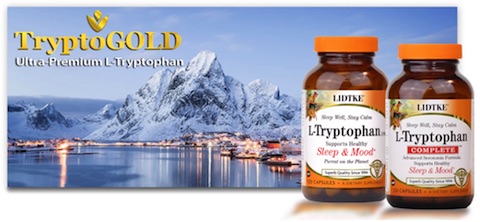
tryptogold-lidke
Lidtke Tryptophan 500mg and Lidtke Tryptophan Complete (credit: Lidtke)

If you’ve been following me and have read my book The Antianxiety Food Solution and heard me speak at conferences and on summits, you know I have been an avid fan of the Lidtke tryptophan 500mg for years and years because of the quality and because it works SO well for my anxious clients. The Lidtke brand is the ONLY tryptophan I recommend (and I’m not paid to say this) for boosting serotonin levels. You can find it and the other amino acids I use on the supplements blog.

This week I had a great conversation with Ron Sturtz, Owner and product formulator of the products at Lidtke Technologies. We discussed tryptophan in general and concerns about it not going down the serotonin pathway and instead converting to quinolinic acid.

We talked extensively about the Lidtke Tryptophan Complete and why they include vitamin C, niacinaminde, P5P (the active form of vitamin B6), curcumin, lysine, magnesium glycinate, magnesium taurinate and folate (from lemon peel) in the product. As a result of that discussion I now want to learn more about the Lidtke Tryptophan Complete product for you and for my clients.

I’ll be sharing more information with links to the research as to why these ingredients are important in the serotonin pathway but here is the short version: with these ingredients and co-factors less tryptophan is reportedly needed and there is less chance of it going down the wrong pathway to produce neurotoxic quinolinic acid instead of going down the pathway to make serotonin. We obviously want the latter to happen.

I’ve also decided I want to interview Ron on the next Anxiety Summit. The biochemistry is too important not to share. Hearing him say “we are fanatical about safety!” makes me even more of a fan of this company and their products!

Anyway, according to Ron, you should need less of the Lidtke Tryptophan Complete. He shared that 500mg Lidtke Tryptophan is approximately equivalent to 350mg Lidtke Tryptophan Complete, since it has all the co-factors.

I asked for feedback in some Facebook groups I host and got this:

I’ve used the Tryptophan Complete product and actually like it a lot better than the 500mg version. The Tryptophan Complete gave a much deeper state of relaxation and a way more solid sleep than the 500 mg version. I thought I would try the latter [the 500mg] and although it is good, once it is done, I’m going to go back to the Lidke Tryptophan Complete. For me, it seems that the addition of the other ingredients really worked well for my body chemistry, leaving me feeling grounded, focused and well rested. 🙂

With the Tryptophan Complete she needed just 1 tablet (350mg) an hour before bed and with the Tryptophan 500 mg, she took 2 tabs (1000mg) an hour before bed.

My concerns right now would be individual reactions to any or all the other ingredients, since we all have very individualized needs. Someone did share this on one of my Facebook posts:

Can’t do the p5p! Makes me agitated.

I’m not yet sure what my final recommendations will be but these are my initial thoughts (which may be revised in the future):

  • I like to have my clients do a trial of the amino acids so they can find the ideal dose for their needs and right now I still feel this would still be the best approach to take – using 500mg tryptophan. Once you have figured out you do well with tryptophan-only product and have your dose, then consider reducing it slightly after about 2-3 weeks and adding in additional Tryptophan Complete.
  • The other option is this: if you don’t get the expected results with Tryptophan 500mg, then try the Tryptophan Complete. You may need the other ingredients for it to work well for you.
  • Don’t use the Tryptophan Complete if you know you react to any of the other ingredients
  • If you do better with higher doses of tryptophan don’t use more than the recommended 3x Tryptophan Complete because you’ll end up with too much of the other ingredients. Rather make up the difference with extra capsules of the 500mg Tryptophan

So for now, since I’m in learning mode/discovery mode I’d love your feedback.

I’d love to hear if you’ve used the Lidtke Tryptophan Complete product (personally or with clients/patients)? And what you’ve observed? Better or worse?

Have you also tried the Lidtke 500mg tryptophan in the past and noticed any difference when using the Lidtke Tryptophan Complete?

And how much of each did you find you needed?

So is it Tryptophan 500mg or Tryptophan Complete or a combination for you?

Filed Under: Amino Acids, Antianxiety Food Solution, Anxiety and panic, Tryptophan Tagged With: amazing amino acids, amino acids, anxiety, lidke, supplements, the antianxiety food solution, tryptophan, tryptophan complete

Barefoot on the grass with The Urban Monk: an interview with Dr. Pedram Shojai

February 3, 2016 By Trudy Scott 28 Comments

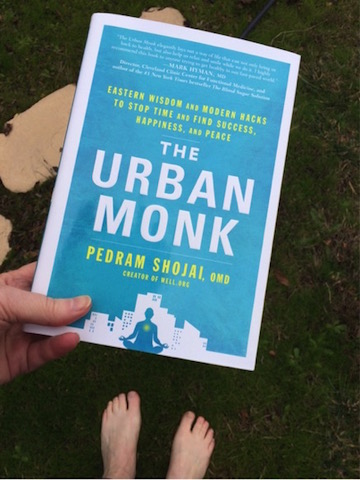
urban-monk
Barefoot on the grass with my copy of The Urban Monk

Dr. Pedram Shojai is the author of newly released book, The Urban Monk: Eastern Widsom and Modern Hacks to Stop Time and Find Success, Happiness and Peace.  

I recently had the opportunity to interview him and would love to share that wonderful interview with you (see the audio link below).

Dr. Shojai is a Doctor of Oriental Medicine and a Qi Gong master who has studied Kung Fu and Tai Chi for decades. He climbs big mountains and skies down them, he has two adorable kids, a delightful wife and is happy to be a family man. He’s the founder of Well.Org and the producer of the must-see movies “Vitality” and “Origins”.

Pedram was a Taoist monk for four years and decided his place was back here in the real world where he feels he can make a bigger impact:

Pedram has discovered a way for us to harness the calm of a Zen master in the midst of our hectic lives, showing how we can bring the centeredness of the monastery into our highly stimulating and demanding careers, families, and environments in a grounded way!

Here are some of the topics we discussed during our interview:

  • To merely survive is not enough. We want to thrive.
  • Stress impacts us physically and cuts off blood flow to the prefrontal cortex of our brains impacting digestion, reasoning, weight
  • A great “shake it out” de-stressing exercise
  • Sleep: “Our ancestors got a lot more of it and we’re suffering without it.” He shares a great tip for helping you get to sleep and here is his clip from the Dr. Oz show
  • How we are disconnected from nature and how our relationship with nature helps charge our batteries and soothe our souls … “the energy of nature is so simple and pure”
  • Why we want to kick off our shoes and put our feet on the grass

Here is an example of the simple and yet profound wisdom he shares in the book … on why we want to go barefoot:

Cutting off the flow of vital qi to your body is a bad idea. This happens as we cut off our contact with the natural world. We all get stuck doing it at times, and too much of it makes us weak and sick. Taking some time to reconnect with the planet and its free flow of limitless electrons is key. Take off your shoes and touch the earth. Doing so on raw earth is best. Grass, gravel, sand, and seawater are powerful ways to connect back into the “life soup” and let your body heal through the vital exchange of energy it needs (and direly misses) with the earth. The more the merrier on this. Some people take it to the extreme and go barefoot everywhere; I don’t advise this simply because walking around in urban environments subjects us to a barrage of petrochemicals and nasty agents that are not natural and have negative health impacts on us. We absorb things through our skin. We drag things into our homes with our feet. That’s why in traditional Asian cultures, shoes are left at the door and the house is to remain pure and clean. I’d say use shoes (with leather soles if you can) while walking the streets and go barefoot in nature, your yard, and your own house all the time.

Here is the whole interview.  (Click the link to listen)

Get a copy of the book if it sounds like you need help with some great ways for becoming an Urban Monk so you can reduce stress and anxiety and be a happier, healthier and more peaceful you!

Or sign up here for additional resources and Pedram’s upcoming Urban Monk 7-Day Reboot program if you feel you could do with wisdom and guidance from the Urban Monk himself, plus all the visuals of the videos.

I’ve also got 2 copies of the book for a giveaway so check out the table of contents (with the look inside Amazon feature) and share in the comments why you’d like to be one of the winners. Be sure to share at least one topic from the book that you think sounds really interesting. I’ll announce the winners in the ezine on Friday.

2/5/16 UPDATE: Thanks for participating and commenting – the winners are Michele and JoAnn. We’ll contact you to get a mailing address and get a copy of the book to each of you! 

If you missed out I encourage you to still check out the table of contents (with the look inside Amazon feature) and get the book if it feels like a fit for you. Check out the comments below to be inspired further.

Enjoy and lets us know what you think?

I’d also love to hear if you enjoy going barefoot in nature?

Filed Under: Anxiety and panic, Books, Stress Tagged With: anxiety, Dr. Pedram Shojai, happiness, stress, the urban monk

  • « Go to Previous Page
  • Page 1
  • Interim pages omitted …
  • Page 67
  • Page 68
  • Page 69
  • Page 70
  • Page 71
  • Interim pages omitted …
  • Page 96
  • Go to Next Page »

Primary Sidebar

GABA QuickStart Homestudy

gaba quickstart homestudy

Free Report

9 Great Questions Women Ask about Food, Mood and their Health

You'll also receive a complimentary subscription to my ezine "Food, Mood and Gal Stuff"


Connect with me

Popular Posts

  • Amino Acids Mood Questionnaire from The Antianxiety Food Solution
  • The Antianxiety Food Solution Amino Acid and Pyroluria Supplements
  • Pyroluria Questionnaire from The Antianxiety Food Solution
  • Collagen and gelatin lower serotonin: does this increase your anxiety and depression?
  • Tryptophan for the worry-in-your-head and ruminating type of anxiety
  • GABA for the physical-tension and stiff-and-tense-muscles type of anxiety
  • The Antianxiety Food Solution by Trudy Scott
  • Seriphos Original Formula is back: the best product for anxiety and insomnia caused by high cortisol
  • Am I an anxious introvert because of low zinc and vitamin B6? My response to Huffington Post blog
  • Vagus nerve rehab with GABA, breathing, humming, gargling and key nutrients

Recent Posts

  • Her cravings for chips and peanut butter were triggered by stress: GABA ends cravings and reduces physical tension and fear of heights
  • It is truly miraculous to be able to move through life without crippling anxiety and panic
  • GABA and tryptophan combo provide immediate and noticeable relief for tremors and cervical dystonia in just 7 days
  • Red light therapy for back and neck pain, plantar fasciitis and low mood – a complement to the amino acids GABA, DPA and tryptophan
  • What do I use instead of Seriphos to help lower high cortisol that is affecting my sleep and making me anxious at night?

Categories

  • 5-HTP
  • AB575
  • Addiction
  • ADHD
  • Adrenals
  • Alcohol
  • Allergies
  • Alzheimer's disease
  • Amino Acids
  • Anger
  • Antianxiety
  • Antianxiety Food Solution
  • Antidepressants
  • Anxiety
  • Anxiety and panic
  • Autism
  • Autoimmunity
  • benzodiazapines
  • Bipolar disorder
  • Books
  • Caffeine
  • Cancer
  • Candida
  • Children/Teens
  • Collagen
  • Cooking equipment
  • Coronavirus/COVID-19
  • Cravings
  • Depression
  • Detoxification
  • Diabetes
  • Diet
  • DPA/DLPA
  • Drugs
  • EFT/Tapping
  • EMF
  • EMFs
  • Emotional Eating
  • Endorphins
  • Environment
  • Essential oils
  • Events
  • Exercise
  • Fear
  • Fear of public speaking
  • Fertility and Pregnancy
  • Fish
  • Food
  • Food and mood
  • Functional neurology
  • GABA
  • Gene polymorphisms
  • General Health
  • Giving
  • Giving back
  • Glutamine
  • Gluten
  • GMOs
  • Gratitude
  • Gut health
  • Heart health/hypertension
  • Histamine
  • Hormone
  • Hyperparathyroidism
  • Hypoglycemia
  • Immune system
  • Inflammation
  • Insomnia
  • Inspiration
  • Introversion
  • Joy and happiness
  • Ketogenic diet
  • Lithium orotate
  • Looking awesome
  • Lyme disease and co-infections
  • MCAS/histamine
  • Medication
  • Men's health
  • Mental health
  • Mercury
  • Migraine
  • Mold
  • Movie
  • MTHFR
  • Multiple sclerosis
  • Music
  • NANP
  • Nature
  • Nutritional Psychiatry
  • OCD
  • Osteoporosis
  • Oxalates
  • Oxytocin
  • Pain
  • Paleo
  • Parasites
  • Parkinson’s disease
  • PCOS
  • People
  • PMS
  • Postpartum
  • PTSD/Trauma
  • Pyroluria
  • Questionnaires
  • Real whole food
  • Recipes
  • Research
  • Schizophrenia
  • serotonin
  • SIBO
  • Sleep
  • Special diets
  • Sports nutrition
  • Stress
  • Sugar addiction
  • Sugar and mood
  • Supplements
  • Teens
  • Testimonials
  • Testing
  • The Anxiety Summit
  • The Anxiety Summit 2
  • The Anxiety Summit 3
  • The Anxiety Summit 4
  • The Anxiety Summit 5
  • The Anxiety Summit 6
  • Thyroid
  • Thyroid health
  • Toxins
  • Tryptophan
  • Tyrosine
  • Uncategorized
  • Vegan/vegetarian
  • Women's health
  • Yoga

Archives

  • May 2026
  • April 2026
  • October 2025
  • September 2025
  • August 2025
  • July 2025
  • June 2025
  • May 2025
  • April 2025
  • March 2025
  • February 2025
  • January 2025
  • November 2024
  • October 2024
  • September 2024
  • August 2024
  • July 2024
  • June 2024
  • May 2024
  • April 2024
  • March 2024
  • February 2024
  • January 2024
  • December 2023
  • November 2023
  • October 2023
  • September 2023
  • August 2023
  • July 2023
  • June 2023
  • May 2023
  • April 2023
  • March 2023
  • February 2023
  • January 2023
  • December 2022
  • November 2022
  • October 2022
  • September 2022
  • August 2022
  • July 2022
  • June 2022
  • May 2022
  • April 2022
  • March 2022
  • February 2022
  • January 2022
  • December 2021
  • November 2021
  • October 2021
  • September 2021
  • August 2021
  • July 2021
  • June 2021
  • May 2021
  • April 2021
  • March 2021
  • February 2021
  • January 2021
  • December 2020
  • November 2020
  • October 2020
  • September 2020
  • August 2020
  • July 2020
  • June 2020
  • May 2020
  • April 2020
  • March 2020
  • February 2020
  • January 2020
  • December 2019
  • November 2019
  • October 2019
  • September 2019
  • August 2019
  • July 2019
  • June 2019
  • May 2019
  • April 2019
  • March 2019
  • February 2019
  • January 2019
  • December 2018
  • November 2018
  • October 2018
  • September 2018
  • August 2018
  • July 2018
  • June 2018
  • May 2018
  • April 2018
  • March 2018
  • February 2018
  • January 2018
  • December 2017
  • November 2017
  • October 2017
  • September 2017
  • August 2017
  • July 2017
  • June 2017
  • May 2017
  • April 2017
  • March 2017
  • February 2017
  • January 2017
  • December 2016
  • November 2016
  • October 2016
  • September 2016
  • August 2016
  • July 2016
  • June 2016
  • May 2016
  • April 2016
  • March 2016
  • February 2016
  • January 2016
  • December 2015
  • November 2015
  • October 2015
  • September 2015
  • August 2015
  • July 2015
  • June 2015
  • May 2015
  • April 2015
  • March 2015
  • February 2015
  • January 2015
  • December 2014
  • November 2014
  • October 2014
  • September 2014
  • August 2014
  • July 2014
  • June 2014
  • May 2014
  • April 2014
  • March 2014
  • February 2014
  • January 2014
  • December 2013
  • November 2013
  • October 2013
  • September 2013
  • August 2013
  • July 2013
  • June 2013
  • May 2013
  • April 2013
  • March 2013
  • February 2013
  • January 2013
  • December 2012
  • November 2012
  • October 2012
  • August 2012
  • July 2012
  • June 2012
  • May 2012
  • April 2012
  • March 2012
  • February 2012
  • January 2012
  • December 2011
  • November 2011
  • October 2011
  • September 2011
  • August 2011
  • July 2011
  • June 2011
  • May 2011
  • April 2011
  • March 2011
  • February 2011
  • January 2011
  • December 2010
  • October 2010
  • September 2010
  • July 2010
  • May 2010
  • April 2010
  • March 2010
  • February 2010
  • January 2010
  • November 2009

Share the knowledge!

The above statements have not been evaluated by the Food and Drug Administration. Products listed in this website are not intended to diagnose, treat, cure or prevent any disease.

The information provided on this site is for informational and educational purposes only and is not intended as a substitute for advice from your physician or other health care professional. You should consult with a healthcare professional before starting or modifying any diet, exercise, or supplementation program, before taking or stopping any medication, or if you have or suspect you may have a health problem.


Copyright © 2026 Trudy Scott. All Rights Reserved. | Privacy | Terms and Conditions | Refund Policy | Medical Disclaimer

Free Report

9 Great Questions Women Ask about Food, Mood and their Health

You’ll also receive a complimentary subscription to my ezine “Food, Mood and Gal Stuff”