• Skip to primary navigation
  • Skip to main content
  • Skip to primary sidebar

everywomanover29 blog

Food, Mood and Women's Health – Be your healthiest, look and feel great!

  • Blog
  • About
  • Services
  • Store
  • Resources
  • Testimonials
  • The Book
  • Contact
  • Search this site

amino acids

GABA, the calming amino acid: products and results

December 18, 2015 By Trudy Scott 57 Comments

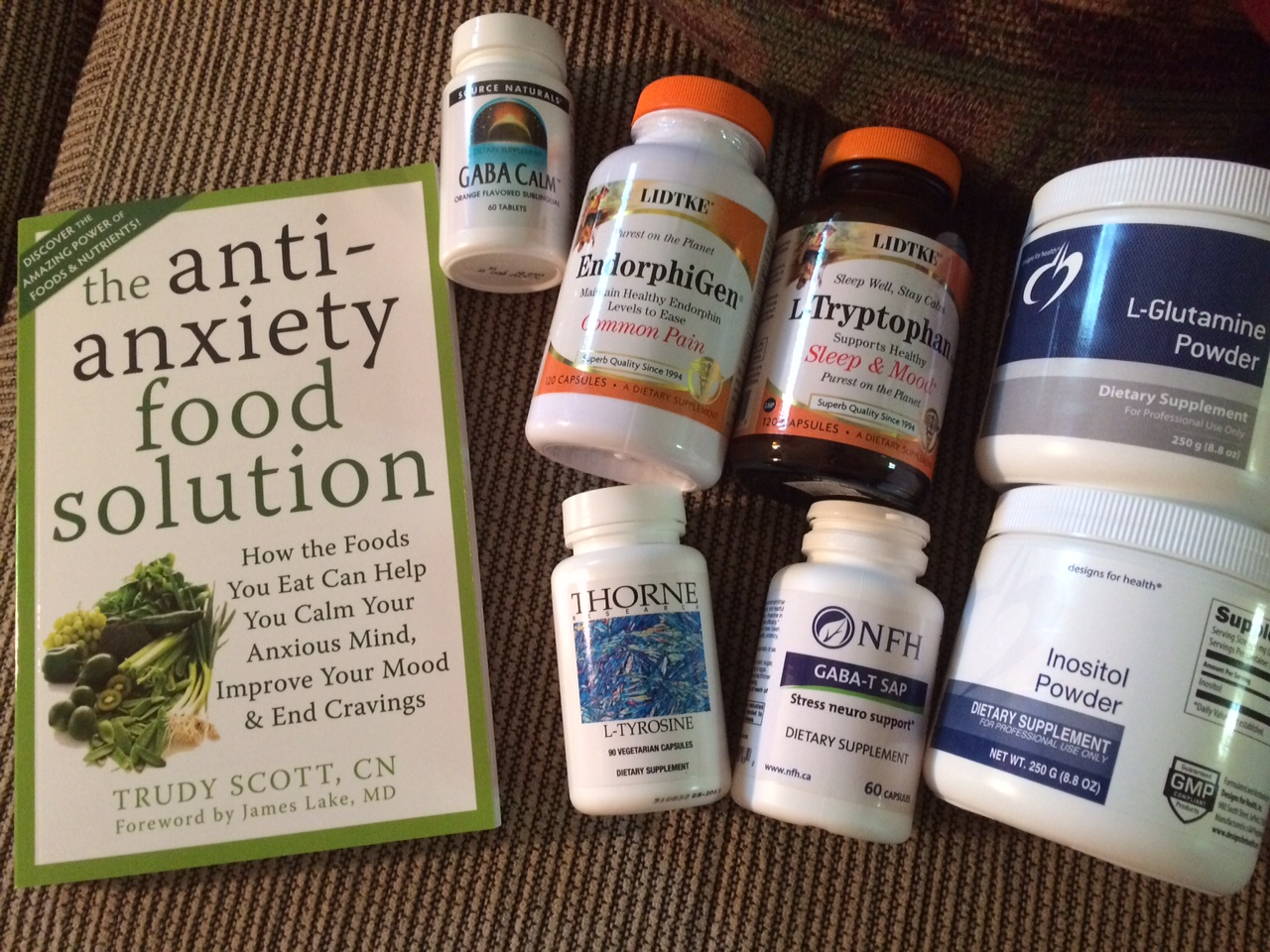
gaba

GABA (gamma-aminobutyric acid) is a calming amino acid that when taken orally works to relax, calm, ease anxiety and social anxiety, quiet the mind, help with sleeping better, reduce neck tension, remove uneasiness and worry, and give hope.

Even though we have recent research that it does work we still hear the naysayers saying “why bother to take GABA, it just doesn’t work unless you have a leaky blood brain barrier.”  

The blog post from last week – GABA, the calming amino acid: expert opinions generated so much interest and feedback, so I’m sharing some of this feedback so you can hear first-hand from people who have tried various GABA products. I’ve corrected typos but what follows is their actual feedback.

As you’ll see, it does work extremely well for many people. You’ll also see that there are many different products that work well. I’m sharing all of them even though I have my favorites.

There are some people that don’t benefit from it.   I share some questions below and you may want to go through these if GABA doesn’t work for you.

Here is the feedback for many of the products that were mentioned. It starts with products I like/recommend and have experience with.

Allergy Research 200mg of Zen product contains 500mg GABA and 200mg Theanine 200 mg per 2 capsules. Dee likes the instant calm and compared how it worked as well as Xanax had worked for her in the past:

I have taken Xanax in the past for panic attacks. My functional medicine doctor suggested this product as I wanted a natural product. I was amazed how it works just like the Xanax did – instant calm feeling within 10 mins of taking 2 capsules. I use them as needed when I am having heightened stress and anxiety.

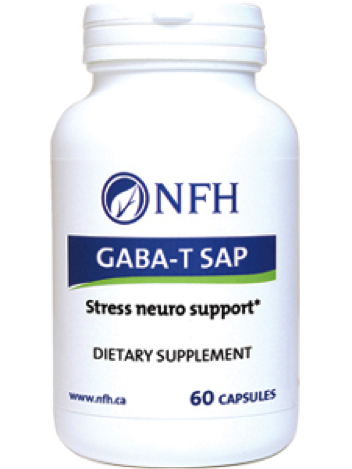
I’ve had a number of clients who really liked this GABA/theanine combination. This product together with Nutritional Fundamentals GABA-T SAP, also a GABA/theanine combination, comes highly recommended by me. They both contain a small amount of GABA, the theanine works really well with the GABA and the capsules, when opened on to the tongue, are pleasant tasting.

Source Naturals GABA Calm was only mentioned once which surprised me! Together with GABA/theanine combination products above, it’s the GABA product I use most with my clients because it’s sublingual, easy to take, great tasting and works so exceptionally well. It contains GABA, taurine and glycine, and a small amount of magnesium and tyrosine.   The tyrosine means this product cannot be used if you have melanoma, high blood pressure or bipolar disorder. You can see all the amino acid precautions here.  

Country Life GABA Relaxer contains GABA, taurine, glycine, inositol, niacin and vitamin B6. Melissa shares how much it helped her:

After my first panic attack I thankfully found Julia Ross’s work. I began taking 250 mg GABA every night. That really helped! Now a few years later I don’t need it every day, and I take a half pill during my cycle anxiety – more like uneasiness and over worried now, just as needed. I then heard you speak Trudy and share more info, bought your book, and put into place supportive lifestyle changes, and I have my life back. GABA is a great supplement for some of us!

I really like this product and used it when I worked with Julia Ross in her clinic. It was also a product I personally used when my anxiety and panic attacks started. I used this at night and GABA Calm in the day.

Seeking Health GABA 500mg was mentioned by a few people. Sherie said she loves it and takes it 2-4 times a day (she also takes theanine). This is what she shares:

It helps lower my overall anxious feeling all day (anxiety for no reason). I just started increasing the dose slightly and am beginning to take it a few times a day to help with social anxiety. I have lifelong problem of severe blushing and sweating from social anxiety and need that to stop.

I asked her if she’s looked into pyroluria and she said hadn’t but said it fits her to a T so this would be the next thing for her to address. It’s seldom just one underlying cause and the great thing is that the zinc, vitamin B6 and evening primrose oil of the pyroluria protocol help us make more GABA (and other brain chemicals).

I’d like to add that 500mg can be a high amount for many anxious individuals so it’s not something I typically start with. I like to have my clients start on either Source Naturals GABA Calm (which has 125mg of GABA) or one of the GABA/theanine combination products that have around 200mg GABA, and increase as needed.

I recommend GABA over pharmaGABA because over the years I’ve simply found more people seem to do better on GABA. But clearly, pharmaGABA does work for some individuals.

Thorne PharmaGABA-100 contains 100mg pharmaGABA and Cheryl shares how this product works great for her:

I usually only take it at night only when I know I need it, to quiet my mind and relax my body so I can sleep better. I need it less now because I am following MTHFR and adrenal fatigue supplement protocols and diet.

PharmaGABA Stress Relax from Natural Factors is another pharmaGABA product and Gina chewed two 100mg tablets and said this is how they helped:

It changed my life in minutes! Take it every day now. No more hopelessness!

April also finds that the Natural Factors pharmaGABA works great for her:

I take 100mg a day for about a week and then take time off until I feel I need it again or I feel I have too much. I know if I take too much, I get spacey, unmotivated, depressed even. Helps a ton with head/neck tension and anxiety.

I just want to add that this product does contain sugar (3.5 g with 300mg pharmaGABA) and fruit flavors (which sensitive folks may have an issue with) so this one would not be high on my list of recommendations. But if it’s the only one that works for you then go for it!

Quicksilver GABA is a liquid that contains GABA, theanine and sunflower lecithin, and is promoted as being a very effective form of delivery. Candy shares:

It is a liquid that I keep in the fridge. I squirt and leave it under my tongue for a couple minutes. It has been helpful.

I look forward to hearing if you or your clients have found this to be superior to other forms. I’d like add that it’s not suitable for children and alcoholics due to the ethanol.

A few other products were mentioned (neither of which I’ve had feedback on until now):

  • Source Naturals Theanine Serine which has GABA, theanine, taurine, magnesium and holy basil.
  • Pure Tranquility from Pure Encapsulations contains GABA, theanine and glycine. One person was suspicious that it was triggering migraines. I wonder if it could be related to one of the other ingredients like the natural apple flavor, potassium sorbate or purified stevia extract?

GABA won’t work for everyone and a few people said GABA didn’t work at all.

Karen appreciated me dispelling the blood-brain-barrier-GABA myth and pointing out that phenibut is not GABA. But GABA didn’t work for her and she shared this:

I have tried GABA, my mother swears by it and my husband uses it. It has a calming effect on me, but I like holy basil better.

I checked with her and she hasn’t tried it sublingually, which I find to be more effective for most of my clients. This could be something like Source Naturals GABA Calm or one of the GABA /theanine combination products opened on to tongue and held there for 1-2 minutes.

GABA also didn’t work for Sheri and she said:

I’m one of those folks for whom it seems to do nothing. Zip. I have found some relief using niacinamide, however.

Dr. Jonathan Prousky really likes niacinamide for anxiety and I find it helps a lot with my clients who have runaway thoughts and paranoia.

If GABA doesn’t work for you that’s fine, not everything works for everyone. But if you really feel GABA should work for you or feel you need additional support for your anxiety then I wouldn’t give up and ask these questions:

  1. do you have an underactive thyroid (amino acids may not be as effective)
  2. did you take it sublingually (it’s often more effective taken this way)
  3. did you take it away from protein (it needs to be taken this way)
  4. how much did you take (amounts can vary by person)
  5. do you have low GABA symptoms/physical anxiety (it will only work if you do) or
  6. are you taking a benzodiazepine (for some people on benzos many supplements don’t work or are just too much for them)

Here is the facebook post if you’d like to read the whole discussion.  I’d like to thank everyone who contributed to this great discussion!

I’ll cover phenibut (which is not GABA) in a future blog post. It’s always a hot topic and is not something I recommend but more on that next time.  

A heads up that I’ve shared links to the products that were mentioned so you can check them out. Some of the links are from Emerson, the online distributer I use. If you’d like to order from them you can find out how to set up an account here.

Now I’d love to hear from you. Have you used any of these GABA products (or had your clients use them) with good results? How much did you/they use and what were the results?

If GABA doesn’t help do you say “yes” to any of the 6 above questions?
Filed Under: Antianxiety, GABA Tagged With: amino acids, anxiety, calm, case study, GABA, sleep, supplements, tension, Trudy Scott

How to do an amino acid trial for anxiety

October 9, 2015 By Trudy Scott 184 Comments

amino acids for anxiety

The best way to figure out if you have a particular brain chemical imbalance and if you’ll benefit from a certain amino acid, is to do a trial.   This is something I do with all my clients with anxiety, when we’re working one-one-one and with those in group programs, and it works really well.

Because the effects of amino acids can be felt within a few minutes to a few days, it’s easy to confirm whether you do in fact have a deficiency in a certain area and whether you’ll benefit from supplementing with the associated amino acid.

How does doing a trial work?

  • I have my clients complete the Amino Acids Mood Questionnaire from The Antianxiety Food Solution  and check off their symptoms on the low serotonin, low GABA, low catecholamines, low endorphins, and low blood sugar sections.  The rating uses scale of 1-10 with 10 being worst.
  • I also have my clients review the Amino Acids Precautions  and we figure out which amino acids they can and can’t use
  • I have them do a trial of the amino acid that resonates the most with them. For example if they have really bad obsessive thoughts, anxiety in the head, negative self-talk we’ll start with trying to address low serotonin with tryptophan or 5-HTP. If they resonate more with physical tension and overwhelm, we’ll start with trying to address low GABA with GABA.
  • We trial one amino acid at a time and use them opened onto the tongue or chewed (and held there for 1 to 2 minutes) for getting immediate feedback.
  • I have my client rate themselves before the trial and then afterwards (10 is worst), looking for benefits and how many notches they improved. This helps us figure out how much to start with.
    • If it’s a big improvement (like 4 or 5 notches) they may start on 1 of the lowest dose (for example 1 x 500mg tryptophan or 1 x 125 mg GABA).
    • If they see a small improvement (like 1 or 2 notches) we may start with the lowest dose and give them a range to try over the next week (for example 1-2 x 500mg tryptophan or 1-2 x 125 mg GABA)
  • During the trial and over the next week we also look for possible negative effects, such as a headache or feeling light-headed. If the adverse effects of supplemental amino acids are uncomfortable, taking 1,000 mg of vitamin C is an effective short-term antidote.
  • If someone is very sensitive to small amount of supplements, we may have them do a trial with a dab or two rather than a whole capsule and start really low during the next week.
  • We typically allow a week to see how the selected amino acid is working and adjust up or down during that week until we find the optimal amount.

What are the advantages of doing a trial?

  • You are able to target the amino acid for your specific needs – I write more about this here: Targeted individual amino acids: what do we really mean?
  • You get feedback immediately – the amino acid works or doesn’t
  • You are able to figure out what your starting dose of the amino should be and are able to adjust upwards accordingly
  • You get more in tune with your symptoms and how certain amino acids affect you
  • You can use the results (provided you log them – this is something I recommend and encourage) if you ever need a tune up in the future

Which amino acids have you found to be effective? Did you do a trial to figure out which one to try and how did that work for you? We’d love to hear in the comments below?

Have you got questions about doing a trial? Feel free to ask in the comments below.

If this information is useful but also sounds a little overwhelming, check out the The Amazing Aminos for Anxiety homestudy program. This homestudy group program provides guidance with using each of the targeted individual amino acids and how to do a trial.

Filed Under: Amino Acids, Antianxiety, Anxiety and panic, GABA Tagged With: amino acids, anxiety, GABA, trial, tryptophan

The Amazing Aminos for Anxiety Homestudy program launch

October 8, 2015 By Trudy Scott 53 Comments

aaabanner

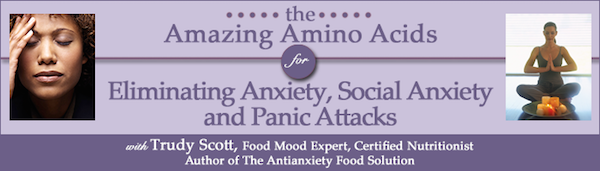
I’m so excited to launch the home study version of the Amazing Aminos for Anxiety program!

A powerful home study program on how to use five of the top individual amino acid supplements to help you eliminate anxiety, social anxiety and panic attacks. The added bonus is that you will also feel less stressed and overwhelmed, happier, more energetic and focused and will sleep through the night! Your cravings and emotional eating will be a thing of the past – no willpower required and no feelings of being deprived. You really do deserve to feel on top of the world and the amino acids may well be the answer!

Here’s what a past participant said about the live version I offered earlier this year:

This class was extremely helpful for me personally and professionally. I was intimidated with amino acids and Trudy’s class improved my understanding and confidence. In addition to her well organized class materials and information, she also shared personal experiences which made me feel like I wasn’t the only person with anxiety issues and there is a solution to managing anxiety.

I’m also seeing how gluten, alcohol and sugar really change my mood and anxiety/depression levels. I am very conscious of the consequences for me personally if I choose to eat/drink any of these. Before, I knew it was not good for me or anyone, now I know what happens with anxiety and brain function, in addition to the digestive and weight issues.

We’re offering 3 versions:

#1 Basic: Homestudy if you’re a DIY person OR
#2 Plus: Homestudy + 2 Q and A Live with Trudy (if you need some guidance and will have questions you can opt for this one) OR
#3 Premium: Homestudy + 4 Q and A live + private Facebook group for group discussions and interactions.

You can read all about it and sign up here:
https://www.everywomanover29.com/aminosforanxietyhs

Got questions or comments? Please comment below

Filed Under: Amino Acids, Anxiety and panic, Events Tagged With: amazing amino acids, amino acids, anxiety, Trudy Scott

Low serotonin MAY often be a factor in anxiety and depression

July 17, 2015 By Trudy Scott 25 Comments

 low-serotonin-anxiety

I recently received the following series of questions/comments (all from the same person) on my blog Targeted Individual Amino Acids for Eliminating Anxiety: Practical Applications and would like to share some of what I shared, plus some additional information.

  1. Do you believe in the serotonin hypothesis? And that low serotonin is a factor in anxiety and/or depression? The serotonin hypothesis is a sales pitch from the pharmaceutical industry to sell psychotropic drugs. It is therefore very worrying that nutritional therapists found a market for sufferers and medicine addicts!

  2. There is no test you can take today that show low serotonin in the brain? So where is the evidence?

  3. Please read the books by Robert Whitaker, Peter Breggin and David Healy. Please read this article Things your Doctor Should tell You About Antidepressants and watch this Peter Breggin video

I’m sharing my response because these questions do come up periodically and you may hear other practitioners make similar statements. This is my response:

Yes, I do believe that low serotonin MAY be a factor in anxiety and/or depression (and research shows this to be a fact). I say MAY because anxiety and/or depression could have one of many possible causes – low serotonin, blood sugar instability, poor diet, not eating enough protein, sugar, caffeine, gluten, low dopamine (for depression), pyroluria, inflammation etc.

There is much evidence supporting low serotonin and depression/anxiety. Here are a few recent papers published in 2015:

  • “These findings suggest that the anxiolytic effect of dark cycle restraint is mediated by corticosterone, serotonin or γ-aminobutyric acid-independent mechanisms”
  • “Our results demonstrate that 5-HT [serotonin] deficiency leads to increased susceptibility to social defeat stress (SDS), a model of psychosocial stress”
  • “These findings link the serotonin transporter gene to affective circuitry findings in anxiety and depression psychopathology”
  • “Serotonin, tryptophan metabolism and the brain-gut-microbiome axis”

In response to the question about testing serotonin levels: you can actually test serotonin levels via platelet testing. It’s the test that correlates most closely with CSF levels. A lab called European Laboratory of Nutrients (ELN)/formerly Vitamin Diagnostics offers this platelet serotonin test. It’s not a test that I use as I rely on the Amino Acid Questionnaire and response to the amino acids.   I do not use Urinary Neurotransmitter testing.

With regards to the great article from Mad in America – I totally support these facts (for many individuals):

“antidepressant medications appear to do more harm than good as treatments for depression” and all the “harmful effects on other processes in the body” like digestion, sexual function, cognition etc.

I also respect Dr Peter Breggin’s concerns (in the youtube video) about biochemical imbalances in your brain being caused by the antidepressant drugs you are taking (such as Prozac or Paxil) and why we want to avoid them.

We know that anxiety and depression is not only caused by life stresses and trauma. There are physical biochemical imbalances, nutritional deficiencies, gut problems, food sensitivities, heavy metals and many more causes. I discussed 60+ Nutritional & Biochemical Causes of Anxiety during season 3 of the Anxiety Summit.

Low serotonin is just one of these possible contributing factors and we can address this with dietary and lifestyle changes:

  • Dietary changes include real whole food, grass-fed red meat, no sugar, no gluten, oily fish, healthy fats etc
  • Lifestyle changes include light therapy and exercise

Here are a few recent studies supporting the above:

  • “The effects of dietary tryptophan on affective disorders”
  • “Kefir protective effects against nicotine cessation-induced anxiety and cognition impairments in rats” (kefir is rich in tryptophan)
  • “Stress-Induced Depression Is Alleviated by Aerobic Exercise Through Up-Regulation of 5-Hydroxytryptamine 1A Receptors in rats”

The amino acid supplements tryptophan and 5-HTP are very powerful for providing immediate results of improved mood and reduced anxiety while the other factors are being addressed.   We really need more research on the supplements. Here are two papers:

  • “The effect of raising and lowering tryptophan levels on human mood and social behavior”
  • “5-Hydroxytryptophan: a clinically-effective serotonin precursor”

By boosting serotonin levels in my clients, I see incredible results on a daily basis. And with all this serotonin anxiety/depression research (literally thousands and thousands of papers), it just amazes me when I hear someone say that low serotonin is not a factor. It’s not THE ONLY factor, but is often one of any contributing factors.

If you are anxious or depressed and are still unconvinced, I encourage you to do the Amino Acid Questionnaire and a trial of tryptophan or 5-HTP and see how you respond. I’ve listed some brands I like on this blog: The Antianxiety Food Solution Amino Acid and Pyroluria Supplements.

If you don’t need convincing and have seen great results by boosting your serotonin levels please do share your experiences in the comments below so we can inspire others to look into this approach so they can feel wonderful too.

Filed Under: Antianxiety, Depression, Food and mood Tagged With: amino acids, anxiety, depression, serotonin

The Anxiety Summit – Pyroluria, Amino Acids and Anxiety: Real Cases, Real Solutions

May 16, 2015 By Trudy Scott 22 Comments


Karla A Maree CNC, Neuronutrient Therapy Specialist, is interviewed by host of the Anxiety Summit, Trudy Scott, Food Mood Expert and Nutritionist, author of The Antianxiety Food Solution.

Pyroluria, Amino Acids and Anxiety: Real Cases, Real Solutions

  • How pyroluria affects mood and anxiety and introversion
  • Amino acids GABA and tryptophan: how they can help you feel less anxious and happier in as little as 5 minutes
  • What is a pixie dust person
  • Gina, case study 1: social anxiety/pyroluria, birth control pill, vegetarian, low GABA, low serotonin and low iron
  • Mark, case study 2: social anxiety, pyroluria, claustrophobia, low serotonin, very sensitive to noise, gluten sensitivity

Here are some snippets from our interview:

When we do a trail of an amino acid, you open the capsule into water and hold this in your mouth for 30 seconds to 2 minutes. It bypasses the digestive system and you can expect results in 5 minutes or less

“Pixie dust” people are very sensitive to the environment or vitamins and we have them do finger touches of the opened capsule [of an amino acid] and that small amount can literally shift their brain chemistry

Here is the Amino Acids Mood Questionnaire from The Antianxiety Food Solution. I encourage you to do it and see which sections may be an issue for you.  And as Karla mentioned re-do it frequently to see how much you’ve improved if you’ve been using amino acids.

We discussed why Urinary neurotransmitter testing falls short and why we use the above questionnaire instead.

Here is the Pyroluria Questionnaire from The Antianxiety Food Solution.   Karla has pyroluria and having it helps her identify with her clients.  She also used to be an introvert but when she is on the pyroluria protocol she can easily walk up to people and talk to them. 

[please stay tuned for the Dalai Lama vegetarian article]

If you are not already registered for the Anxiety Summit you can get live access to the speakers of the day here: www.theAnxietySummit.com

Missed this interview or can’t listen live? Or want this and the other great interviews for your learning library? Purchase the MP3s or MP3s + transcripts and listen when it suits you.

You can find your purchasing options here: Anxiety Summit Season 1, Anxiety Summit Season 2, and Anxiety Summit Season 3.

Filed Under: Amino Acids, Antianxiety, Pyroluria, The Anxiety Summit 3 Tagged With: amino acids, GABA, Karla Maree, pyroluria, the anxiety summit, Trudy Scott, tryptophan

The Anxiety Summit – Pyroluria, Amino Acids and Anxiety: Troubleshooting when you are not getting results

May 16, 2015 By Trudy Scott 101 Comments


Trudy Scott, Food Mood Expert and Nutritionist, author of The Antianxiety Food Solution. presents during the Anxiety Summit Season 3.

Pyroluria, Amino Acids and Anxiety: Troubleshooting when you are not getting results

  • Pyroluria and the effects of leaky gut, oxalates and low oxytocin levels
  • CFS, ADHD, autism, alcoholism, Lyme disease: the pyroluria connection
  • Introversion and musician’s dystonia: an update on the pyroluria connection
  • Troubleshooting the pyroluria protocol and mistakes I see
  • Testing for pyroluria, zinc, vitamin B6 and fatty acids
  • The 8 factors that make the targeted individual amino acids more effective
  • What to do when the amino acids are not working
  • Concerns about quinolinic acid and tryptophan?

Pyroluria/social anxiety/introversion protocol: trouble-shooting

This is the blog I mentioned that summarizes a number of prior blog posts on the topic: Pyroluria, social anxiety, introversion: a summary

We discussed factors to consider when you are not getting results on the pyroluria protocol. Here is the blog with the 21 we talked about during the interview plus additional factors that I’ve added.

Pyroluria protocol: why aren’t I getting results – trouble-shooting checklist

Here are the oxytocin blogs that discuss social anxiety, testing, the oxytocin receptor gene and connections to autism and depression:

Oxytocin, social anxiety, pyroluria and autism

Dr. Woeller shares how helpful oxytocin is for social anxiety, facial recognition and voice recognition in individuals with autism and Asperger’s syndrome

Oxytocin and social anxiety, pyroluria and depression?

Genetic variation in the oxytocin receptor gene (OXTR) has been implicated in anxiety, depression and related stress phenotypes

I mentioned my aminos and pyroluria interview with Sean Croxton on the upcoming Depression Sessions (an online video series) in June. He is an introvert and is fascinated with pyroluria-introversion connection. I said I’d share a link to the Depression Sessions but the site isn’t quite ready so please stay tuned. I’ll share it in a few days. This one is not to be missed.


Targeted individual amino acid supplements for anxiety: trouble-shooting

This is the blog I mentioned that summarizes a number of prior blog posts on the topic: Anxiety and targeted individual amino acid supplements: a summary

Here are the categories I discussed, together with the associated amino acid/s

  • low blood sugar: glutamine
  • low GABA: GABA (I prefer GABA to Phenibut or pharmaGABA)
  • low serotonin: tryptophan or 5-HTP
  • low endorphins: DPA (d-phenylalanine)
  • low catecholamines: tyrosine

Here is the Amino Acids Mood Questionnaire from The Antianxiety Food Solution. I encourage you to do and see which sections may be an issue for you (or see how much you’ve improved if you’ve been using amino acids)

I discussed why Urinary neurotransmitter testing falls short and why I use the above questionnaire instead

There are some precautions to be aware of when taking supplemental amino acids. Here are the Amino Acid Precautions

The 8 factors that make the amino acids more effective:

  1. addressing blood sugar issues and eating real whole food
  2. the brand and quality
  3. timing i.e. between meals and away from protein
  4. your unique amount for your own need
  5. addressing bipolar or bipolar-type symptoms
  6. using the pyroluria protocol at the same time (if needed)
  7. addressing thyroid health and hormonal health
  8. taking the amino acids opened up

Thanks to Dr. Josh Friedman, Integrative Psychotherapist, for the interview. As I mentioned, I interviewed him on season 1 of the Anxiety summit on: “Integrative Psychotherapy: My Journey from Psychoanalysis to Whole Person Mental Health.” If you missed it, I highly recommend it. Dr. Friedman is dear friend, colleague and integrative psychotherapist who uses amino acids and other nutritional approaches in his practice. During our season 1 interview I asked him if he uses GABA with his patients and I love his answer:

it is definitely something I use. I am not a biochemist, so I actually don’t really know whether it crosses the blood/brain barrier, nor do I care actually. the first question should be, is it harmful? Are any of these things going to cause harm? And the answer with all the amino acids are no, they’re not going to cause harm, especially when compared to psychiatric medicines. The second question is, does it work? Is it helpful for our patients that we see in our practice?

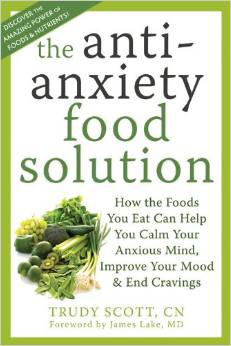
Here is a link to my book: The Antianxiety Food Solution: How the Foods You Eat Can Help You Calm Your Anxious Mind, Improve Your Mood, and End Cravings

As we mentioned, it has the amino acid questionnaire, pyroluria questionnaire and all the protocols BUT does not contain the 21+ pyroluria touble-shooting checklist (see the separate blog post for this)

trudy scott the antianxiety food solution

If you are not already registered for the Anxiety Summit you can get live access to the speakers of the day here: www.theAnxietySummit.com

Missed this interview or can’t listen live? Or want this and the other great interviews for your learning library? Purchase the MP3s or MP3s + transcripts and listen when it suits you.

You can find your purchasing options here: Anxiety Summit Season 1, Anxiety Summit Season 2, and Anxiety Summit Season 3.

Filed Under: Amino Acids, Antianxiety, Introversion, Pyroluria, The Anxiety Summit 3 Tagged With: amino acids, anxiety, dystonia, introversion, pyroluria, social anxiety, the antianxiety food solution, the anxiety summit, Trudy Scott

  • « Go to Previous Page
  • Page 1
  • Interim pages omitted …
  • Page 12
  • Page 13
  • Page 14
  • Page 15
  • Page 16
  • Interim pages omitted …
  • Page 18
  • Go to Next Page »

Primary Sidebar

NEW! GABA QuickStart Homestudy (with special intro pricing)

gaba quickstart homestudy

Free Report

9 Great Questions Women Ask about Food, Mood and their Health

You'll also receive a complimentary subscription to my ezine "Food, Mood and Gal Stuff"


Connect with me

Popular Posts

  • Amino Acids Mood Questionnaire from The Antianxiety Food Solution
  • The Antianxiety Food Solution Amino Acid and Pyroluria Supplements
  • Pyroluria Questionnaire from The Antianxiety Food Solution
  • Collagen and gelatin lower serotonin: does this increase your anxiety and depression?
  • Tryptophan for the worry-in-your-head and ruminating type of anxiety
  • GABA for the physical-tension and stiff-and-tense-muscles type of anxiety
  • The Antianxiety Food Solution by Trudy Scott
  • Seriphos Original Formula is back: the best product for anxiety and insomnia caused by high cortisol
  • Am I an anxious introvert because of low zinc and vitamin B6? My response to Huffington Post blog
  • Vagus nerve rehab with GABA, breathing, humming, gargling and key nutrients

Recent Posts

  • What do I use instead of Seriphos to help lower high cortisol that is affecting my sleep and making me anxious at night?
  • BeSerene™ GABA/theanine cream eases severe muscle tension in her neck/shoulders, prevents her bad headaches and quells her anxiety
  • How the correct approach, dose and sublingual use of GABA can be calming and not cause a flushed and itchy face and neck
  • The amino acid glutamine improves low mood by addressing gut health, and it has calming effects too
  • Flight anxiety with heightened breath, physical tension and also fearing the worst (the role of low GABA and low serotonin)

Categories

  • 5-HTP
  • AB575
  • Addiction
  • ADHD
  • Adrenals
  • Alcohol
  • Allergies
  • Alzheimer's disease
  • Amino Acids
  • Anger
  • Antianxiety
  • Antianxiety Food Solution
  • Antidepressants
  • Anxiety
  • Anxiety and panic
  • Autism
  • Autoimmunity
  • benzodiazapines
  • Bipolar disorder
  • Books
  • Caffeine
  • Cancer
  • Candida
  • Children/Teens
  • Collagen
  • Cooking equipment
  • Coronavirus/COVID-19
  • Cravings
  • Depression
  • Detoxification
  • Diabetes
  • Diet
  • DPA/DLPA
  • Drugs
  • EFT/Tapping
  • EMF
  • EMFs
  • Emotional Eating
  • Endorphins
  • Environment
  • Essential oils
  • Events
  • Exercise
  • Fear
  • Fear of public speaking
  • Fertility and Pregnancy
  • Fish
  • Food
  • Food and mood
  • Functional neurology
  • GABA
  • Gene polymorphisms
  • General Health
  • Giving
  • Giving back
  • Glutamine
  • Gluten
  • GMOs
  • Gratitude
  • Gut health
  • Heart health/hypertension
  • Histamine
  • Hormone
  • Hyperparathyroidism
  • Hypoglycemia
  • Immune system
  • Inflammation
  • Insomnia
  • Inspiration
  • Introversion
  • Joy and happiness
  • Ketogenic diet
  • Lithium orotate
  • Looking awesome
  • Lyme disease and co-infections
  • MCAS/histamine
  • Medication
  • Men's health
  • Mental health
  • Mercury
  • Migraine
  • Mold
  • Movie
  • MTHFR
  • Multiple sclerosis
  • Music
  • NANP
  • Nature
  • Nutritional Psychiatry
  • OCD
  • Osteoporosis
  • Oxalates
  • Oxytocin
  • Pain
  • Paleo
  • Parasites
  • Parkinson’s disease
  • PCOS
  • People
  • PMS
  • Postpartum
  • PTSD/Trauma
  • Pyroluria
  • Questionnaires
  • Real whole food
  • Recipes
  • Research
  • Schizophrenia
  • serotonin
  • SIBO
  • Sleep
  • Special diets
  • Sports nutrition
  • Stress
  • Sugar addiction
  • Sugar and mood
  • Supplements
  • Teens
  • Testimonials
  • Testing
  • The Anxiety Summit
  • The Anxiety Summit 2
  • The Anxiety Summit 3
  • The Anxiety Summit 4
  • The Anxiety Summit 5
  • The Anxiety Summit 6
  • Thyroid
  • Thyroid health
  • Toxins
  • Tryptophan
  • Tyrosine
  • Uncategorized
  • Vegan/vegetarian
  • Women's health
  • Yoga

Archives

  • October 2025
  • September 2025
  • August 2025
  • July 2025
  • June 2025
  • May 2025
  • April 2025
  • March 2025
  • February 2025
  • January 2025
  • November 2024
  • October 2024
  • September 2024
  • August 2024
  • July 2024
  • June 2024
  • May 2024
  • April 2024
  • March 2024
  • February 2024
  • January 2024
  • December 2023
  • November 2023
  • October 2023
  • September 2023
  • August 2023
  • July 2023
  • June 2023
  • May 2023
  • April 2023
  • March 2023
  • February 2023
  • January 2023
  • December 2022
  • November 2022
  • October 2022
  • September 2022
  • August 2022
  • July 2022
  • June 2022
  • May 2022
  • April 2022
  • March 2022
  • February 2022
  • January 2022
  • December 2021
  • November 2021
  • October 2021
  • September 2021
  • August 2021
  • July 2021
  • June 2021
  • May 2021
  • April 2021
  • March 2021
  • February 2021
  • January 2021
  • December 2020
  • November 2020
  • October 2020
  • September 2020
  • August 2020
  • July 2020
  • June 2020
  • May 2020
  • April 2020
  • March 2020
  • February 2020
  • January 2020
  • December 2019
  • November 2019
  • October 2019
  • September 2019
  • August 2019
  • July 2019
  • June 2019
  • May 2019
  • April 2019
  • March 2019
  • February 2019
  • January 2019
  • December 2018
  • November 2018
  • October 2018
  • September 2018
  • August 2018
  • July 2018
  • June 2018
  • May 2018
  • April 2018
  • March 2018
  • February 2018
  • January 2018
  • December 2017
  • November 2017
  • October 2017
  • September 2017
  • August 2017
  • July 2017
  • June 2017
  • May 2017
  • April 2017
  • March 2017
  • February 2017
  • January 2017
  • December 2016
  • November 2016
  • October 2016
  • September 2016
  • August 2016
  • July 2016
  • June 2016
  • May 2016
  • April 2016
  • March 2016
  • February 2016
  • January 2016
  • December 2015
  • November 2015
  • October 2015
  • September 2015
  • August 2015
  • July 2015
  • June 2015
  • May 2015
  • April 2015
  • March 2015
  • February 2015
  • January 2015
  • December 2014
  • November 2014
  • October 2014
  • September 2014
  • August 2014
  • July 2014
  • June 2014
  • May 2014
  • April 2014
  • March 2014
  • February 2014
  • January 2014
  • December 2013
  • November 2013
  • October 2013
  • September 2013
  • August 2013
  • July 2013
  • June 2013
  • May 2013
  • April 2013
  • March 2013
  • February 2013
  • January 2013
  • December 2012
  • November 2012
  • October 2012
  • August 2012
  • July 2012
  • June 2012
  • May 2012
  • April 2012
  • March 2012
  • February 2012
  • January 2012
  • December 2011
  • November 2011
  • October 2011
  • September 2011
  • August 2011
  • July 2011
  • June 2011
  • May 2011
  • April 2011
  • March 2011
  • February 2011
  • January 2011
  • December 2010
  • October 2010
  • September 2010
  • July 2010
  • May 2010
  • April 2010
  • March 2010
  • February 2010
  • January 2010
  • November 2009

Share the knowledge!

The above statements have not been evaluated by the Food and Drug Administration. Products listed in this website are not intended to diagnose, treat, cure or prevent any disease.

The information provided on this site is for informational and educational purposes only and is not intended as a substitute for advice from your physician or other health care professional. You should consult with a healthcare professional before starting or modifying any diet, exercise, or supplementation program, before taking or stopping any medication, or if you have or suspect you may have a health problem.


Copyright © 2026 Trudy Scott. All Rights Reserved. | Privacy | Terms and Conditions | Refund Policy | Medical Disclaimer

Free Report

9 Great Questions Women Ask about Food, Mood and their Health

You’ll also receive a complimentary subscription to my ezine “Food, Mood and Gal Stuff”