• Skip to primary navigation
  • Skip to main content
  • Skip to primary sidebar

everywomanover29 blog

Food, Mood and Women's Health – Be your healthiest, look and feel great!

  • Blog
  • About
  • Services
  • Store
  • Resources
  • Testimonials
  • The Book
  • Newsletter
  • Contact
  • Search this site

IMMH highlights: GABA for anxiety, insomnia, ADHD, autism and addictions

August 23, 2019 By Trudy Scott 6 Comments

immh highlights

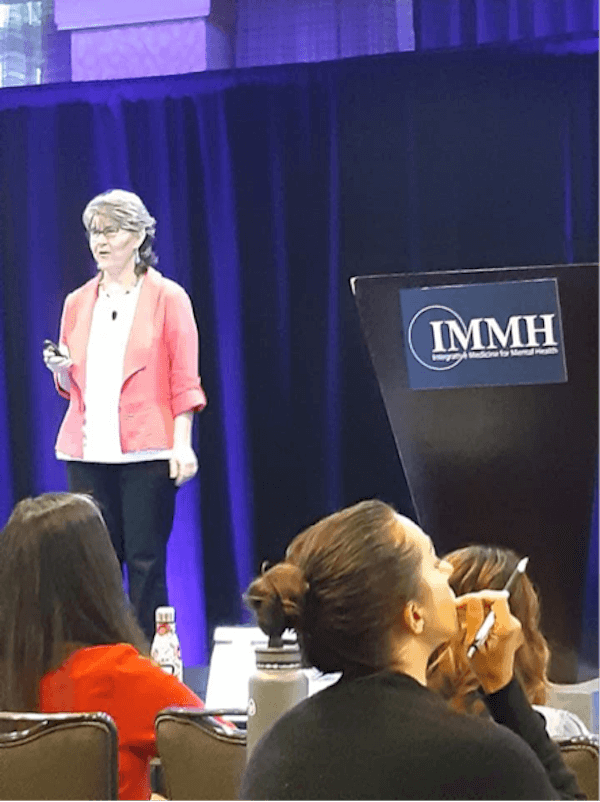
I’m back from 2 weeks in the USA, first attending the Mindshare Summit (a collaborative community of like-minded practitioners) and then speaking at the IMMH/Integrative Medicine for Mental Health Conference – my favorite mental health conference – on “GABA for Anxiety, Insomnia, ADHD, Autism and Addictions: Research and Practical Applications.”

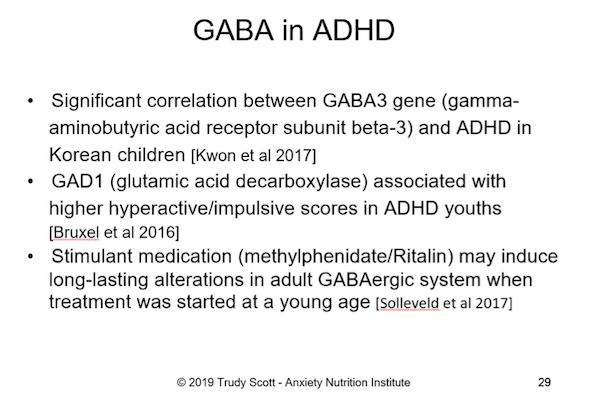
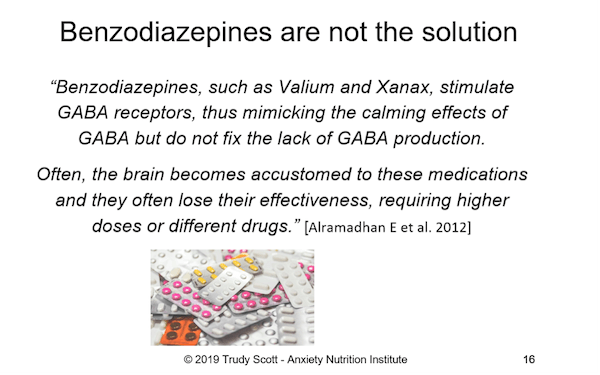
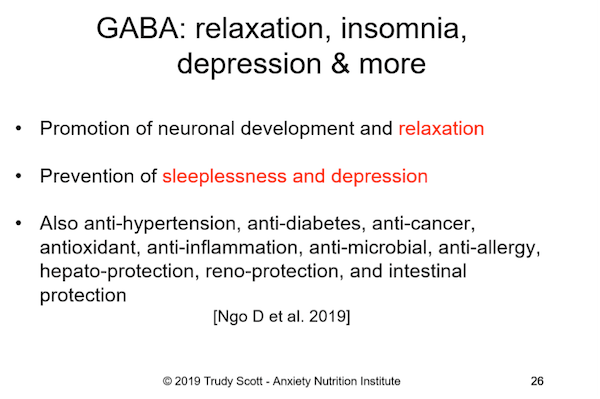
Last week I shared a blog on one of the new studies in my presentation: how a combination of GABA and theanine improves sleep and reduces anxiety. Today I’m sharing some other highlights from my presentation: benzodiazepines are not the solution, some new 2019 research on the far-reaching benefits of GABA, and the role of GABA in ADHD.
immh slide

immh slide

immh slide

It was great to meet so many of you from my community and to make new connections! I’m thrilled there is so much interest in using the individual amino acids for anxiety and insomnia, and for those with ADHD, autism and addictions.
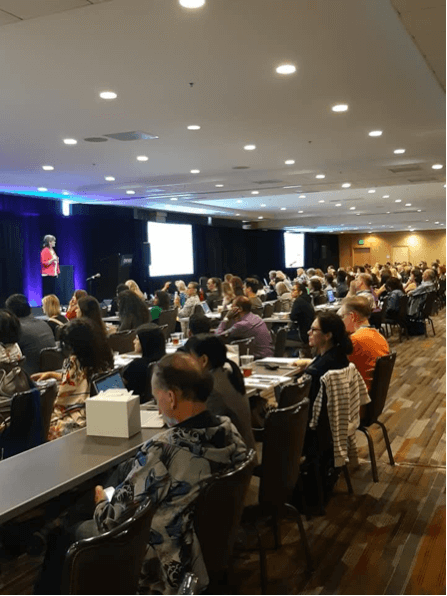
trudy at immh
trudy at immh

It was also wonderful to get the support of my colleagues at my booth, for my talk, and to hang out with them, laugh and eat good food. There was plenty of sardines, sauerkraut and grass-fed beef in the place we all shared!
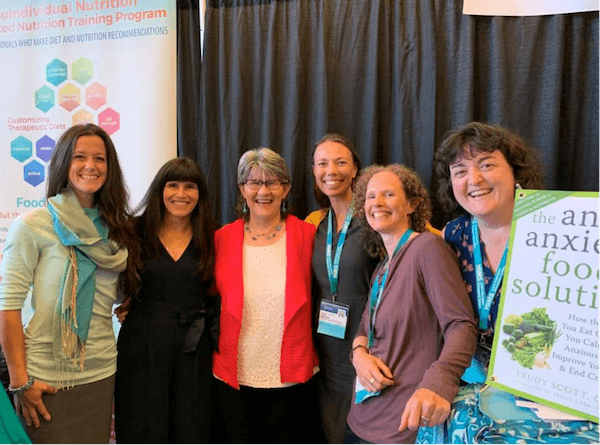
immh booth

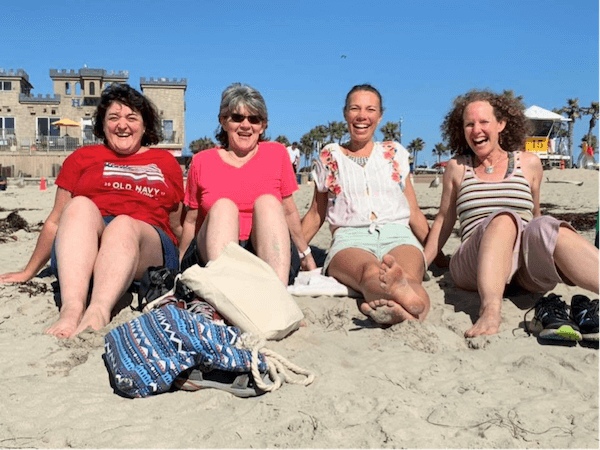
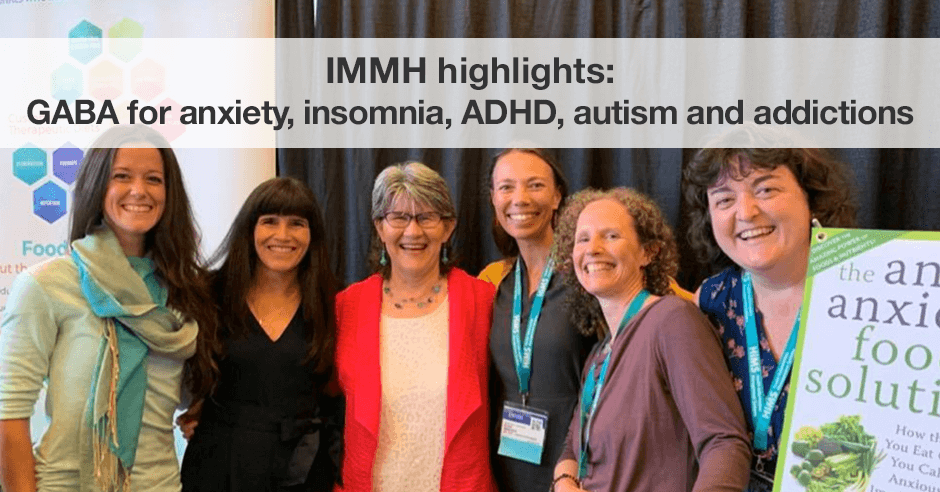
Pictured here, on the left is is Annie and Julie; on the right is Elissa, Jessica and Dr. Zendi

Let me share a little about these wonderful practitioners who are doing life-changing work:

  • Julie Matthews, is the author of Nourishing Hope for Autism (my Amazon link), co-author of a new study, Nutritional and Dietary Intervention for Autism Spectrum Disorder and creator/founder of the Bioindividual Nutrition Institute, offering practitioner training on special diets and bioindividual nutrition. Julie also presented at IMMH this year: “Effective Nutrition and Diet Intervention for Autism Spectrum Disorder: Newly Published Research.”
  • Elissa Arnheim is a health coach and a certified fermentationist. She is the creator of “Healthy Gut Happy Child”, “8 Days to Freedom from Picky Eating!” and the “Gut Health Mamas” group coaching programs.
  • Jessica Sherman’s work is all about raising resilient healthy kids and she teaches about nutrition for the brain, mood, behavior and better overall health. She is the author of Raising Resilience: Take the Stress out of Feeding Your Family and Love Your Life.
  • Zendi Molderhauer, works with children, adolescents and young adults, integrating her conventional medical background in pediatrics and psychiatry with more natural, holistic, and functional healing modalities.

Once the conference was over, we also got to lie on the warm sand chatting about what we had just learned, walk along the beach, jump for joy and play, and even have a quick swim in the ocean (it was chilly but invigorating).
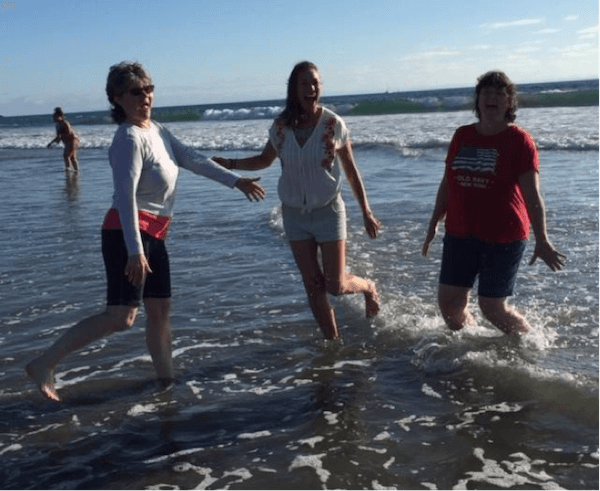
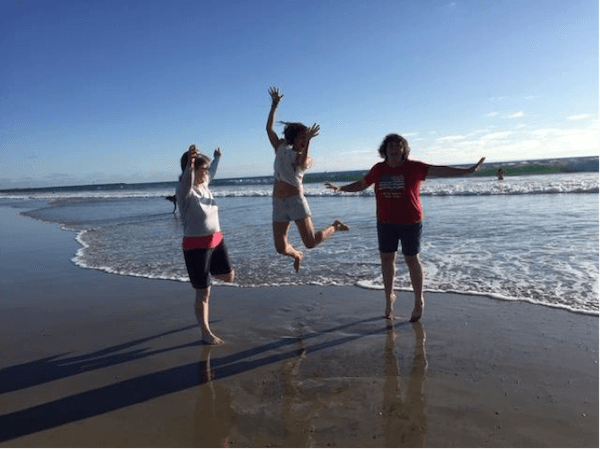
san diego beach

san diego beach

san diego beach

san diego beach

Has GABA helped you with your anxiety, insomnia or addictions (carbs or alcohol or even drugs)? Do you have a child with autism or ADHD and have they benefited from GABA?

Do you have questions about using GABA for anxiety, insomnia, autism, ADHD and addictions?

If you’re a practitioner and want to learn more about how to incorporate GABA and the other targeted individual amino acids (tryptophan/5-HTP, DPA, glutamine and tyrosine) into your work to help your clients/patients with anxiety/insomnia/addictions/ADHD/autism, I invite you to check out my online practitioner training here: Balancing Neurotransmitters – The Fundamentals.

And be sure to save the date for IMMH 2020:  August 20-23 in Chicago!

Filed Under: Events Tagged With: ADHD and addictions, anxiety, autism, benzodiazepines, GABA, IMMH, insomnia, Integrative Medicine for Mental Health conference

GABA and theanine mixture improves sleep and eases anxiety

August 16, 2019 By Trudy Scott 36 Comments

gaba theanine sleep

Today I’m sharing results from a new study on GABA and theanine and how this combination improves sleep: “GABA and l-theanine mixture decreases sleep latency and improves NREM sleep.”

I shared highlights from this paper with practitioners at the Integrative Medicine for Mental Health Conference, presenting on “GABA for anxiety, insomnia, ADHD, autism and addictions.”

The authors share the sleep and anxiety benefits of both GABA and theanine:

γ-Aminobutyric acid (GABA) is the main inhibitory neurotransmitter and it is well established that activation of GABAA receptors favours sleep.

l-Theanine, a naturally occurring amino acid first discovered in green tea, is a well-known anti-anxiety supplement with proven relaxation benefits.

The study objective was to investigate the: “potential synergistic sleep enhancement effect of GABA/l-theanine mixture.”

The GABA/l-theanine mixture showed a decrease in sleep latency (length of time to fall asleep) and an increase in sleep duration compared to GABA or theanine alone.

The study authors state:

The increase in GABA receptor and GluN1 (glutamine receptor subunit) expression is attributed to the potential neuromodulatory properties of GABA/l-theanine combination, which seems to affect sleep behaviour.

The dosing of GABA and theanine used in this animal study cannot be extrapolated to humans

Here are the amounts used in the study:

  • GABA: 100mg per kg of body weight
  • theanine: 20 mg per kg of body weight

This was an animal study and these very high doses based on weight do not extrapolate to humans. I have adult clients start with 125 mg GABA and increase based on their unique needs.

Keep in mind I do not make amino acid recommendations based on weight but instead use the trial method to find the ideal amount.

Using a GABA/theanine combination lessens the rushing feeling and prevents waking multiple times during the night

Anu shares how a combination helps her:

My doctor has recommended I take GABA 500mg with L-Theanine 200mg three times a day to stop the rushing and flushing feeling of extremely high cortisol, high melatonin, and low serotonin. I cannot find much on what the negative effects of high doses of GABA and l-theanine can be on the body so am asking you if you know. I only know that low doses of GABA did not have any effect on me but that the higher doses seem to lessen the rushing feeling and help me to sleep (only waking once not 3-5x/night).

I have clients and those individuals in my program start low and increase based on their response. A dose of 500mg GABA is considered high but is fine to continue with if it’s not the starting dose and not causing any adverse effects.

Using GABA alone improves sleep and mood and ends carb cravings

I have found the combination of GABA and theanine to be extremely helpful for many of my clients but not everyone needs to use both to get results. Some folks do very well on GABA alone and some folks do really well on theanine alone.

Here’s one mom’s experience of using just GABA for her son with autism:

“Got some GABA for our ASD [autism spectrum disorder] child. He has not slept well for years. We had tried all kinds of stuff. I am a healthcare pro and have studied and read and tried so much. But this stuff is a true miracle. For the first time in years my child sleeps. He sang and was all smiles from ear to ear for the first three days.

He has also really noticed a difference in his carb cravings since doing GABA. He went to grandma’s and was not tempted by 6 pies, tons of cookies, sweet rolls etc. We were both shocked. This is a kid who would mow through tons of cookies, rolls and pastries.”

Here are some other blogs on the benefits of using oral GABA

  • Sleep improvement: Oral intake of GABA and Apocynum venetum leaf extract
  • How GABA eases agonizing rectal pain and spasms in under 2 minutes
  • Oral GABA supplementation allows better prioritizing of planned actions
  • GABA helps with inhibition of unwanted thoughts

The best way for you to figure out if you will benefit from the combination or either of them alone is to use the trial method. Do the low GABA questionnaire and do a trial of either GABA alone or theanine alone or a combination of both, until you find the right amount to improve your sleep and ease anxiety.

A good quality GABA/theanine product: GABA-T SAP

If you find the combination works well for you, GABA-T SAP by Nutritional Fundamentals, is a really nice combination product that I use with clients who have both anxiety and insomnia issues. I find that opening up the capsule onto the tongue is more effective than swallowing it. You can find this product and other GABA products I recommend on my supplements blog.

Additional resources when you are new to using GABA and other amino acids as supplements

As always, I use the symptoms questionnaire to figure out if low GABA or other neurotransmitter imbalances may be an issue.

If you suspect low levels of any of the neurotransmitters and do not yet have my book, The Antianxiety Food Solution – How the Foods You Eat Can Help You Calm Your Anxious Mind, Improve Your Mood, and End Cravings, I highly recommend getting it and reading it before jumping in and using amino acids on your own so you are knowledgeable. And be sure to share it with the practitioner/health team you or your loved one is working with.

There is an entire chapter on the amino acids and they are discussed throughout the book in the sections on gut health, gluten, blood sugar control (this is covered in an entire chapter too), sugar cravings, anxiety and mood issues.

The book doesn’t include product names (per the publisher’s request) so this blog, The Antianxiety Food Solution Amino Acid and Pyroluria Supplements, lists the amino acids that I use with my individual clients and those in my group programs.

If, after reading this blog and my book, you don’t feel comfortable figuring things out on your own (i.e. doing the symptoms questionnaire and respective amino acids trials), a good place to get help is the GABA QuickStart Program (if you have low GABA symptoms). This is a paid online/virtual group program where you get my guidance and community support.

If you are a practitioner, join us in The Balancing Neurotransmitters: the Fundamentals program. This is also a paid online/virtual program with an opportunity to interact with me and other practitioners who are also using the amino acids.

Wrapping up and your feedback

Now I’d love to hear from you – have you found GABA alone to help you with both sleep and anxiety or have you found that the combination of GABA and theanine is more helpful?

Feel free to ask your questions below.

Filed Under: GABA Tagged With: anxiety, GABA, sleep, theanine

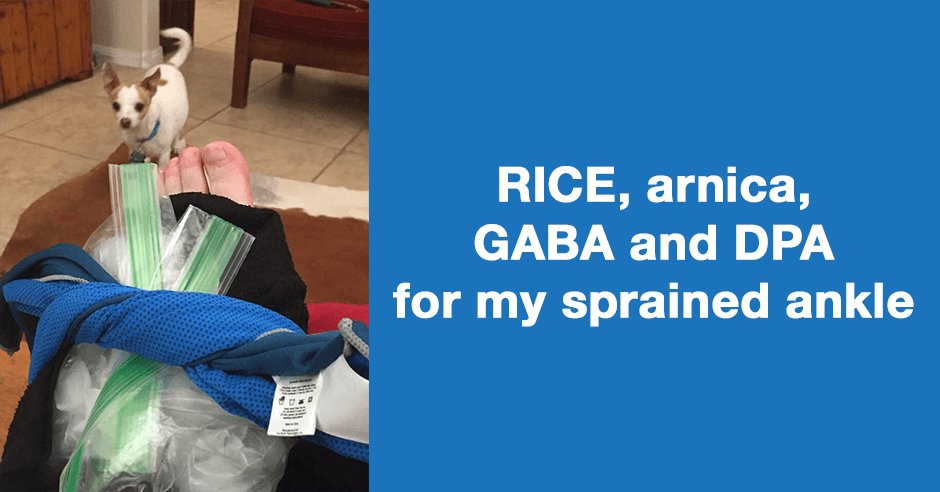
RICE, arnica, GABA and DPA for my sprained ankle

August 9, 2019 By Trudy Scott 34 Comments

sprained ankle

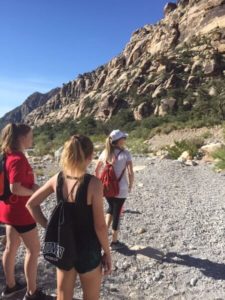
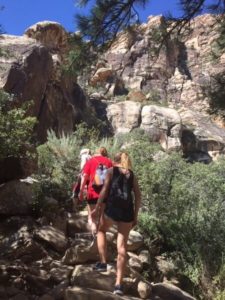
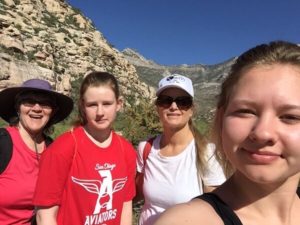
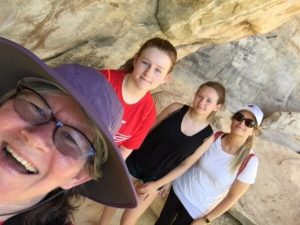
I’m in the USA for 2 conferences and I just spent 3 super days visiting my brother and his family in Las Vegas. We had a super hike in Red Rocks National Park.

We went early to avoid the heat and it was fabulous until I slipped on some sand when going down a steep section in the way out.

I twisted my ankle and at the time I thought this is bad! This is very bad!

It was a big relief that I was able to walk out. I walked very slowly and used my sister-in-law’s shoulder in the steep sections, always keeping my foot flat.

However when we got home I found I could not put any weight on it at all. The pain was really bad if I tried! How was I going to be able to navigate airports, hotels, conferences, speaking on stages and standing at my booth over the next 10 days?

At Mindshare, I’m thrilled to have been selected to present on The Future of Health, a 5 min TEDx type talk. My topic is: Why Social Anxiety, Introversion and Loneliness can be Lethal and a Simple Nutritional Solution. It will be videotaped and I’ll be sure to share with you.

[UPDATE: January 2020 – Here is the blog post with a link to the presentation and additional information on pyroluria]

I’ve also be nominated for a Rising Tide award at Mindshare.

And I’m presenting at the Integrative Medicine for Mental Health (IMMH) conference on “GABA for Anxiety, ADHD, Autism, Insomnia, and Addictions: Research and Practical Applications.”

I had to get it healed as quickly as possible!

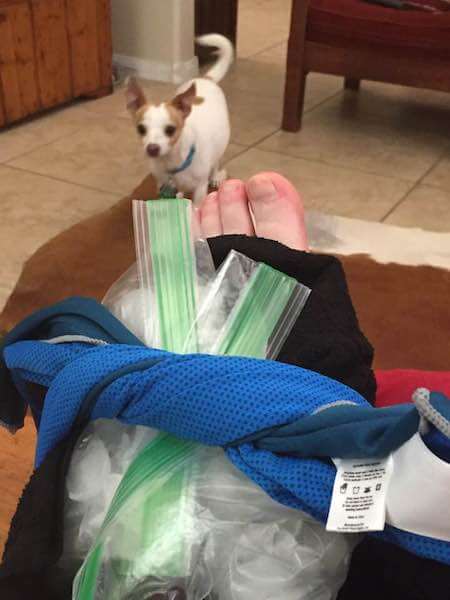
iced foot

I pampered my foot for the next 12 hours, keeping it elevated and alternating between ice and using a compression bandage.

The RICE – rest, ice, compression, elevate – technique really does work.

I was taken care of my my darling nieces and little Rascal, the taco-terrier came to check on me from time to time.

I could not stand on my foot at all that first day. When I did need to get up, I used the crutches. I was keeping well- hydrated so there were frequent bathroom breaks.

I also used arnica cream topically and arnica homeopathic pills orally 3 times a day.

It was pretty painful that first day so I also used DPA (d-phenylalanine), an amino acid which is great for physical pain. I also decided to use GABA, a calming amino acid  – this helped me relax and feel calm, sleep better and I suspect it helped ease some of the muscle stiffness and the pain too.

By the next day I was able to walk very carefully and 2 days later I was walking with almost no limp. I did continue with all of the above RICE, arnica, GABA and DPA supplements too.

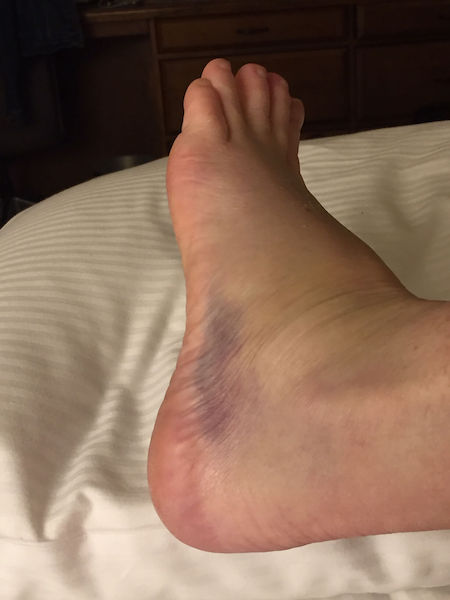
bruised foot

This is how my foot looks 4 days later. There is slight bruising and very little swelling. I can walk without a limp and can now wriggle my toes with no pain.

[UPDATE: July 2021]

I injured my knee last week (the diagnosis is patellofemoral pain syndrome) and I have been hobbling around (I had to use crutches for 2 days), doing physical therapy sessions, doing home exercises from the physical therapist, and using the RICE, arnica, GABA and DPA approach outlined above. It’s doing so much better in just a week but this injury got me thinking “why does this happen to me and how can I prevent it again?”

I have pyroluria and one of the classic set of symptoms with pyroluria is this: “Joints popping, cracking, or aching; pain or discomfort between the shoulder blades; or cartilage problems” (due to low zinc). That’s my first clue.

Because of the pandemic and being mostly home, I’m not taking the pyroluria supplements consistently. That’s my second clue.

I do have Lyme disease. There is a pyroluria-Lyme connection, and it’s well recognized that the Borrelia burgdorferi spirochete often affects the musculoskeletal system. That’s my third clue.

I also have dietary oxalate and pain issues and with the oxalate-vitamin B6 connection, I suspect this may be my fourth clue.

Now I plan to dig deeper into this particular set of pyroluria symptoms and look at the mechanisms at play that cause knee/ankle/hip/shoulder and other injuries to tendons, joints and cartilage (I’ve had many injuries over the years). It’s fascinating what I’m learning so far.

Stay tuned for an entire blog post on the topic. Until then please do share your experiences below if you have pyroluria and/or Lyme disease and/or dietary oxalate issues, and have or have had a lot of injuries.  Keep in mind that just having pyroluria is enough to have these types of injuries and it’s the Lyme and oxalate issues that add to the problems.  Having Ehlers Danlos Syndrome (EDS) adds to the complexity too.

If you’re new to pyroluria, this blog with my Mindshare video, Why social anxiety, introversion and loneliness can be lethal and a simple nutritional solution, has the following information:

  • A brief overview of pyroluria
  • A link to the Pyroluria Questionnaire from my book The Antianxiety Food Solution (which has an entire chapter on the topic).
  • A discussion on how I first discovered the pyroluria-introversion connection
  • And information on loneliness and the sociability/vagus nerve connections

Do you have pyroluria (social anxiety or introversion) or score high on the pyroluria questionnaire?

Have you noticed you are more injury prone when you are not on the pyroluria protocol or that your injuries stopped or became less frequent once you discovered you have pyroluria and started supplementing? And then got worse again when not supplementing?

What kinds of injuries have you had or have now?

Do you also have Lyme disease and/or dietary oxalate issues?

Have you used a similar approach for an ankle or knee injury – RICE, arnica, GABA and DPA?

What other tips do you have for a sprained ankle or knee injury?

Filed Under: Pain Tagged With: DPA, GABA, injury, nature, pain

My spider bite and what I did to heal

August 2, 2019 By Trudy Scott 26 Comments

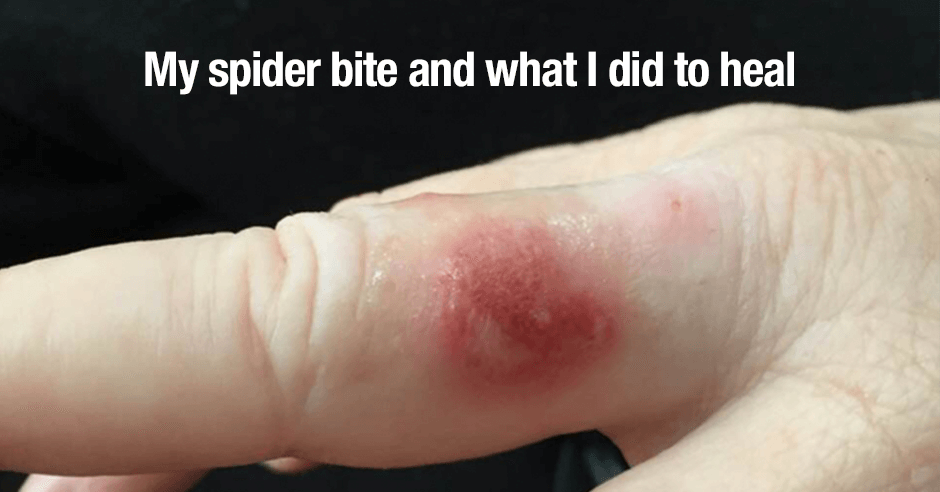
spider bite

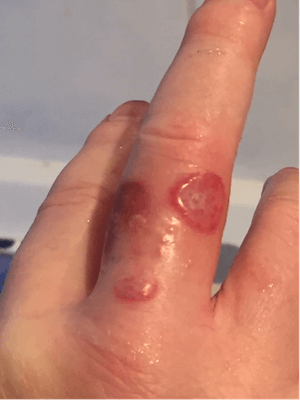
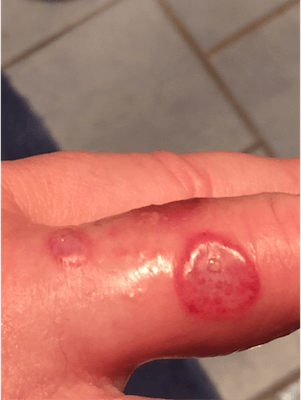
I’m writing this blog to share pictures of the spider bite on the middle finger of my right hand and what I did to heal. I am the first to admit that I am no expert in this area and I am simply sharing my personal story and what I decided was best for me and my body.

I did see a doctor and he said he suspected it was a bite from a white-tailed spider.  A local naturopath and a pharmacist also said it looked like a bite from a white-tailed spider (independently of each other).

It got infected and then “grew” into two large new infections, possibly multiple spider bites? I don’t recall being bitten but did have a bad day where it felt like I had been “gluten-ed” – aching all over, stiff neck, wiped out and bad night’s sleep. Maybe it was the result of the bite?

There is also the possibility swimming and snorkeling on the Great Barrier Reef contributed to the infection. It was covered but water may have gotten inside the dressing. I was also away from home for a week and living in an environment with a fair bit of second-hand smoke and that may have lowered my immunity too.

I did end up having a tetanus shot per the doctor’s recommendation. I had to make a quick decision because the next day I was heading to a farm for 3 days. Upon reflection I doubt it would have made any difference. I hadn’t had a tetanus shot for over 30 years so now I am all set for the next 30 years.

I opted for no antibiotics but did have a prescription in case they grew bigger. I decided to use what I’ve used for boils in the past – cleaning them with tea-tree oil and lavender essential oil and using castor oil and manuka honey topically, together with tons of immune-boosting and natural anti-bacterial products.  These included: oregano oil, garlic and colloidal silver as natural antibiotics; and all this for immune boosting: extra zinc, extra vitamin C, extra vitamin D, and Echinacea.

spider bites

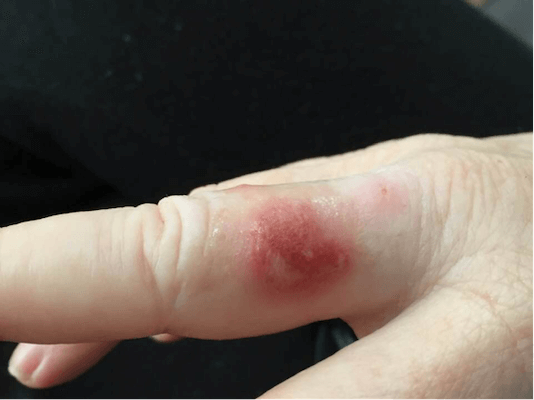
This picture (above) was taken July 6 and was the first picture I took because before then it looked like a slightly infected scratch. I started to clean it daily with lavender and tea tree essential oil and kept it covered with a nice big smear of raw Manuka honey and castor oil (castor oil on the gauze first with honey on top of it).


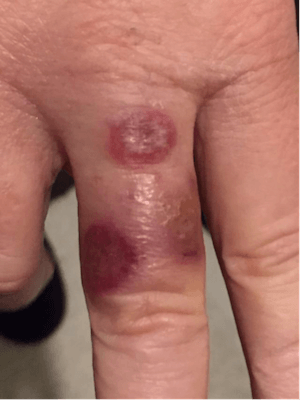
spider bites spider bites

By July 9 the one bite had “morphed” into three and they were looking pretty nasty (as you can see in the above 2 pictures). I wouldn’t say I was overly anxious, but I did have a few moments of worry about whether what I was doing was going to be enough.  I was watching and hoping it wasn’t going to spread beyond my finger.


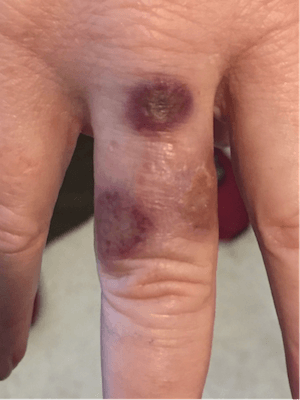
spider bites spider bites

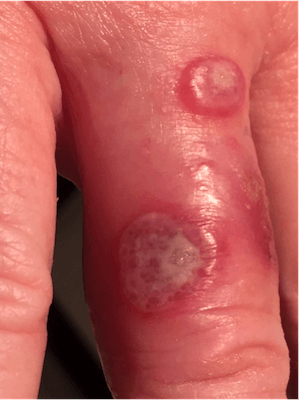
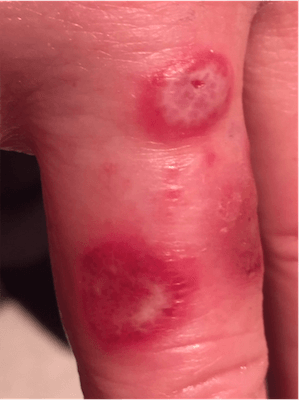
By July 10 and 11 (these 2 pictures above) they were looking very red and I could tell I was really fighting an infection. I continued to watch carefully to make sure it stayed local.


spider bites

And then a day later, July 12, the 3 bites were looking less inflamed and I could tell they were starting to heal nicely. I continued to clean them as above and use Manuka honey/castor oil daily, plus all the nutrients.

spider bites

This is what they looked like by July 16 – the initial bite has healed, and the 2nd and 3rd bites are starting to heal.

Around July 19 I did feet out of sorts for a good week. I had no pain but my finger was still swollen and I had low energy and a foggy brain.


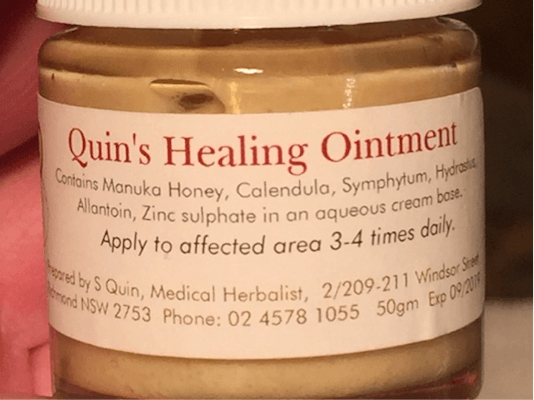
quin's healing ointment

I started to use this – Quin’s Healing Ointment – topically during this last week, always keeping the bites covered. It’s a formulation from a local herbalist Sue Quin and I like that it has manuka honey and calendula, together with zinc. Symphytum/comfrey also helps with wound healing.

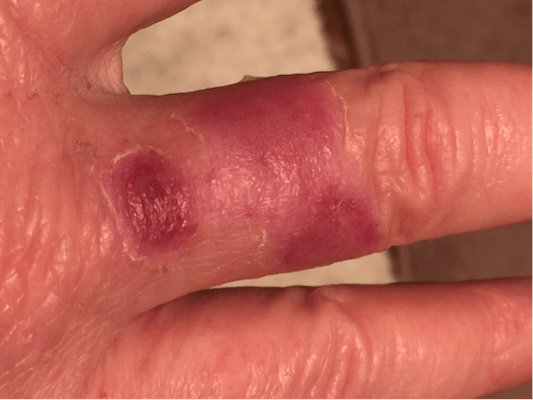
spider bites

Here you can see all 3 bites nicely healed with new pink skin underneath. This picture was taken yesterday. I’ll start using Helichrysum essential oil (for additional skin healing) together with lavender essential oil in a carrier like coconut oil. I’m going to use lavender because I’m not fond of the Helichrysum aroma and because lavender is healing too (and my favorite essential oil!).

As I mentioned, this is not my area of expertise, but I’ve had enough interest and many requests to share. Documenting it all also helps me if I ever have to go through something like this again – because I’ll hopefully know what to expect.

When I first shared about my spider bite in my newsletter, I was very touched by all the wonderful caring emails – thank you so much for your kind thoughts and tips for me.  You are just wonderful!

If you did email me with your healing tips (I read all the emails) please feel free to post them here in the comments.

And even if you didn’t email me but have your own healing tips about what has worked for you do post them too.   We can all learn from each other.

Filed Under: Inflammation Tagged With: anxious, calendula, essential oils, immune boosting nutrients, lavender, manuka honey, spider bite, tea tree, worried, worry

Buddy Bench for introverted adults with social anxiety, shyness and feelings of overwhelm?

July 26, 2019 By Trudy Scott 6 Comments

buddy-bench

Buddy Benches or Friendship Benches are being used in many countries around the world in schools to help children who feel lonely or are shy or anxious. I propose we do something similar for introverted adults with social anxiety, shyness and feelings of overwhelm or intimidation when they attend conferences.

This BBC article, How ‘Buddy Benches’ are making playtime less lonely shares this about how they are helping children fit in more:

The school playground can be a lonely place for a child if they haven’t got anyone to play with. But a special type of bench is helping pupils make friends.

The idea is simple – if a child feels lonely, they can go to the bench as a signal that they need someone to play with. Another child will see them, go and talk to them and include them in their games.

Also from the BBC article, we learn that Buddy Bench Ireland is taking it a step further and trying to do something different with them, using the bench to engender empathy and as

a reminder for children of things like communication, mutual support and opening up about feelings

Other objectives of these Buddy Benches in schools is:

  • reducing social isolation
  • improving mental wellbeing
  • end bullying

I propose we take these Buddy Benches – that work so well with children – to another level and set them up at conferences for adults too. I believe they could work very well for introverts (who make up around 50% of the population) with social anxiety and/or anyone feeling overwhelmed and/or intimidated and/or shy.

I get kickback when I talk about introverts feeling socially anxious but it’s common as you can see by these comments from introverted individuals

  • It isn’t always a comfortable place to be when I must be in a crowd.
  • The hardest aspect of living life as in introvert is we all live in an extroverted world. School pushes kids to do group projects, that are just awkward and when you don’t do well in it you’re doing something wrong or something is wrong with you. The moment I step out of the door I am no longer me, I am a character that has to put on a show in order to succeed in the work place.
  • Sometimes I can communicate with friends well and sometimes I fake it really badly. I always wonder if people can see past my half smile and fake laugh. It’s painful to be honest. But there are times when I don’t mind so much.

One big question is this: would adults use one or would they feel more self-conscious than children? Would they worry more about what others will think if they sit down at an empty bench waiting for someone to join them, essentially saying “I’m shy” or “I’m anxious” or “I’m an introvert” or “I feel intimidated”?

In the BBC article they address this stigma and worry aspect:

But do children actually use the bench? And are they worried about how it makes them look?

“They don’t see it as stigmatised,” says Sinead McGilloway, director of the Centre for Mental Health and Community Research at Maynooth University, who led a study of 117 pupils at three schools which have benches.

Forty per cent of the children she questioned said they had used the bench, and 90% said if they saw someone else sitting on it they would talk to them.

I have these questions for you about using a Buddy Bench at a business or health conference:

1) How likely are you to use a Buddy Bench as an adult diagnosed with social anxiety and/or know you have the social anxiety condition called pyroluria and you’re working to address your symptoms with nutrients but are not quite there yet.

2) How likely are you to use a Buddy Bench as an adult who identifies with being an introvert and are easily overwhelmed at the networking and mingling aspects that comes when you attend a conference?

3) How likely are you to use a Buddy Bench as an adult who feels shy and/or easily overwhelmed and/or intimidated in new settings with large groups of people you don’t know?

4) How likely are you to be the “Big Buddy” (I just made this term up because it makes me think of Big Brother or Big Sister) and go up to someone sitting on a designated Buddy Bench in order to offer moral support, conversation, connection, encouragement and kindness?

Of course, I love the idea of these Buddy Benches and would have used one for support and connection in the past. I have pyroluria and used to have dreadful social anxiety (and considered myself an introvert). But now that I’m on the pyroluria protocol I feel like a social butterfly and I am very relaxed at big group events. I would definitely go and buddy-up with someone looking for support.

And let’s not forget that Buddy Benches are just one part of the solution – for both children and adults – and we don’t want to forget food, nutrients and functional medicine:

  • While you’re figuring out the role of diet, gut health, adrenal/thyroid health, toxin exposure etc, a good place to start is to assess for and address low GABA and low serotonin with the amino acids GABA and tryptophan. This  provides quick nutritional support for worry, fear, anxiety, tension, overwhelm, lack of confidence and feelings of intimidation.
  • My next step would be to assess for and address pyroluria with zinc and B6 (and other key nutrients) to help ease and often eliminate the social anxiety completely.  Believe it or not, there is a strong connection between pyroluria and introversion and many of my clients and folks in my community no longer feel introverted when they address their pyroluria. I write about this in another blog: Am I an anxious introvert because of low zinc and vitamin B6? 

Feel free to comment and let us know what you think about Buddy Benches for adults. Do you have other ideas as to where these adult Buddy Benches could be used?

Let us know if you’ve seen these Buddy Benches work successfully with children and what ideas we could take away to get similar results for adults using them.

And do share if a nutritional approach or if addressing pyroluria has eased your social anxiety, and maybe got you wondering if you are an introvert after all.

Feel free to post your questions too.


Filed Under: Mental health Tagged With: adults, anxious, Buddy Benches, children, intimidated, introverts, lonely, mental health, overwhelmed, pyroluria, shy, social anxiety

Women, alcohol and mental health; autism and propionic acid; toxic farmed salmon

July 19, 2019 By Trudy Scott Leave a Comment

women alcohol mental health

Today I’m sharing some interesting and popular Facebook posts for you to either just read the article or come and join the Facebook discussion:

#1 Women who stop drinking alcohol improve mental health, study finds

Glad to see this research! I see way too much social drinking to de-stress, even by women who lead otherwise healthy lives

“Many women drink alcohol to relax, feel good and take the edge off life, but new evidence suggests skipping that daily glass of wine is a better way to boost their mental health.

Women who quit alcohol improved their mental well-being, researchers reported this week in CMAJ (Canadian Medical Association Journal). The study comes as many Americans are trying out an alcohol-free life as part of the “sober-curious” movement.”

Where are you with this? Do you “self-medicate” with alcohol in order to get through your week?

And there is no judging here…just educating and creating awareness.

Here is the Facebook discussion

bread

#2 Spike In Autism May Be Linked To Preservative In Processed Foods, Study Suggests

Very interesting connection – if it’s a possible factor in autism then it’s very likely a possible factor in anxiety, depression and other mood and neurological disorders too. You can read more about propionic acid here and how it’s found in most baked goods! Here is the Facebook discussion

wild salmon


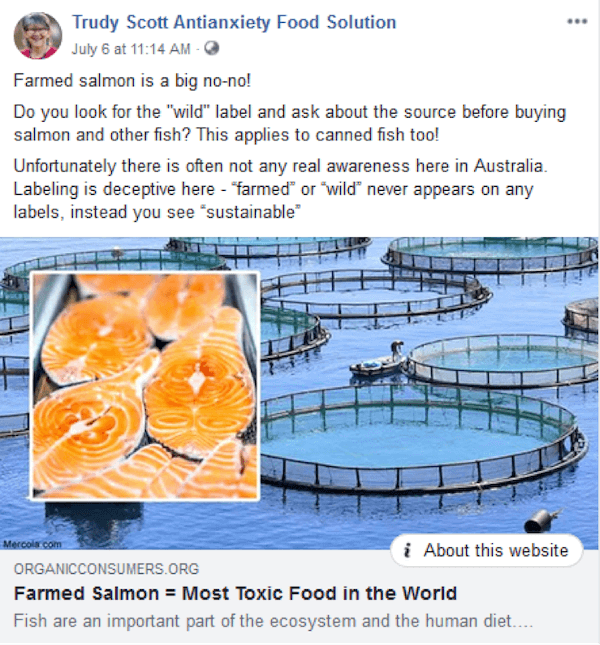
#3 Farmed Salmon = Most Toxic Food in the World

Farmed salmon is a big no-no!

Do you look for the “wild” label and ask about the source before buying salmon and other fish? This applies to canned fish too!

Unfortunately, there is often not any real awareness here in Australia. Labeling is deceptive here – “farmed” or “wild” never appears on any labels, instead you see “sustainable”

And you can’t tell if it’s farmed by just looking at it!

Here is the Facebook discussion

facebook post farmed salmon

Feel free to comment and/or post questions directly on any of the above Facebook discussions or here on the blog.

Filed Under: Women's health Tagged With: alcohol, autism, mental health, propionic acid, toxic farmed salmon, women

  • « Go to Previous Page
  • Page 1
  • Interim pages omitted …
  • Page 41
  • Page 42
  • Page 43
  • Page 44
  • Page 45
  • Interim pages omitted …
  • Page 160
  • Go to Next Page »

Primary Sidebar

GABA QuickStart Homestudy

gaba quickstart homestudy

Free Report

9 Great Questions Women Ask about Food, Mood and their Health

You'll also receive a complimentary subscription to my ezine "Food, Mood and Gal Stuff"


Connect with me

Popular Posts

  • Amino Acids Mood Questionnaire from The Antianxiety Food Solution
  • The Antianxiety Food Solution Amino Acid and Pyroluria Supplements
  • Pyroluria Questionnaire from The Antianxiety Food Solution
  • Collagen and gelatin lower serotonin: does this increase your anxiety and depression?
  • Tryptophan for the worry-in-your-head and ruminating type of anxiety
  • GABA for the physical-tension and stiff-and-tense-muscles type of anxiety
  • The Antianxiety Food Solution by Trudy Scott
  • Seriphos Original Formula is back: the best product for anxiety and insomnia caused by high cortisol
  • Am I an anxious introvert because of low zinc and vitamin B6? My response to Huffington Post blog
  • Vagus nerve rehab with GABA, breathing, humming, gargling and key nutrients

Recent Posts

  • Her cravings for chips and peanut butter were triggered by stress: GABA ends cravings and reduces physical tension and fear of heights
  • It is truly miraculous to be able to move through life without crippling anxiety and panic
  • GABA and tryptophan combo provide immediate and noticeable relief for tremors and cervical dystonia in just 7 days
  • Red light therapy for back and neck pain, plantar fasciitis and low mood – a complement to the amino acids GABA, DPA and tryptophan
  • What do I use instead of Seriphos to help lower high cortisol that is affecting my sleep and making me anxious at night?

Categories

  • 5-HTP
  • AB575
  • Addiction
  • ADHD
  • Adrenals
  • Alcohol
  • Allergies
  • Alzheimer's disease
  • Amino Acids
  • Anger
  • Antianxiety
  • Antianxiety Food Solution
  • Antidepressants
  • Anxiety
  • Anxiety and panic
  • Autism
  • Autoimmunity
  • benzodiazapines
  • Bipolar disorder
  • Books
  • Caffeine
  • Cancer
  • Candida
  • Children/Teens
  • Collagen
  • Cooking equipment
  • Coronavirus/COVID-19
  • Cravings
  • Depression
  • Detoxification
  • Diabetes
  • Diet
  • DPA/DLPA
  • Drugs
  • EFT/Tapping
  • EMF
  • EMFs
  • Emotional Eating
  • Endorphins
  • Environment
  • Essential oils
  • Events
  • Exercise
  • Fear
  • Fear of public speaking
  • Fertility and Pregnancy
  • Fish
  • Food
  • Food and mood
  • Functional neurology
  • GABA
  • Gene polymorphisms
  • General Health
  • Giving
  • Giving back
  • Glutamine
  • Gluten
  • GMOs
  • Gratitude
  • Gut health
  • Heart health/hypertension
  • Histamine
  • Hormone
  • Hyperparathyroidism
  • Hypoglycemia
  • Immune system
  • Inflammation
  • Insomnia
  • Inspiration
  • Introversion
  • Joy and happiness
  • Ketogenic diet
  • Lithium orotate
  • Looking awesome
  • Lyme disease and co-infections
  • MCAS/histamine
  • Medication
  • Men's health
  • Mental health
  • Mercury
  • Migraine
  • Mold
  • Movie
  • MTHFR
  • Multiple sclerosis
  • Music
  • NANP
  • Nature
  • Nutritional Psychiatry
  • OCD
  • Osteoporosis
  • Oxalates
  • Oxytocin
  • Pain
  • Paleo
  • Parasites
  • Parkinson’s disease
  • PCOS
  • People
  • PMS
  • Postpartum
  • PTSD/Trauma
  • Pyroluria
  • Questionnaires
  • Real whole food
  • Recipes
  • Research
  • Schizophrenia
  • serotonin
  • SIBO
  • Sleep
  • Special diets
  • Sports nutrition
  • Stress
  • Sugar addiction
  • Sugar and mood
  • Supplements
  • Teens
  • Testimonials
  • Testing
  • The Anxiety Summit
  • The Anxiety Summit 2
  • The Anxiety Summit 3
  • The Anxiety Summit 4
  • The Anxiety Summit 5
  • The Anxiety Summit 6
  • Thyroid
  • Thyroid health
  • Toxins
  • Tryptophan
  • Tyrosine
  • Uncategorized
  • Vegan/vegetarian
  • Women's health
  • Yoga

Archives

  • May 2026
  • April 2026
  • October 2025
  • September 2025
  • August 2025
  • July 2025
  • June 2025
  • May 2025
  • April 2025
  • March 2025
  • February 2025
  • January 2025
  • November 2024
  • October 2024
  • September 2024
  • August 2024
  • July 2024
  • June 2024
  • May 2024
  • April 2024
  • March 2024
  • February 2024
  • January 2024
  • December 2023
  • November 2023
  • October 2023
  • September 2023
  • August 2023
  • July 2023
  • June 2023
  • May 2023
  • April 2023
  • March 2023
  • February 2023
  • January 2023
  • December 2022
  • November 2022
  • October 2022
  • September 2022
  • August 2022
  • July 2022
  • June 2022
  • May 2022
  • April 2022
  • March 2022
  • February 2022
  • January 2022
  • December 2021
  • November 2021
  • October 2021
  • September 2021
  • August 2021
  • July 2021
  • June 2021
  • May 2021
  • April 2021
  • March 2021
  • February 2021
  • January 2021
  • December 2020
  • November 2020
  • October 2020
  • September 2020
  • August 2020
  • July 2020
  • June 2020
  • May 2020
  • April 2020
  • March 2020
  • February 2020
  • January 2020
  • December 2019
  • November 2019
  • October 2019
  • September 2019
  • August 2019
  • July 2019
  • June 2019
  • May 2019
  • April 2019
  • March 2019
  • February 2019
  • January 2019
  • December 2018
  • November 2018
  • October 2018
  • September 2018
  • August 2018
  • July 2018
  • June 2018
  • May 2018
  • April 2018
  • March 2018
  • February 2018
  • January 2018
  • December 2017
  • November 2017
  • October 2017
  • September 2017
  • August 2017
  • July 2017
  • June 2017
  • May 2017
  • April 2017
  • March 2017
  • February 2017
  • January 2017
  • December 2016
  • November 2016
  • October 2016
  • September 2016
  • August 2016
  • July 2016
  • June 2016
  • May 2016
  • April 2016
  • March 2016
  • February 2016
  • January 2016
  • December 2015
  • November 2015
  • October 2015
  • September 2015
  • August 2015
  • July 2015
  • June 2015
  • May 2015
  • April 2015
  • March 2015
  • February 2015
  • January 2015
  • December 2014
  • November 2014
  • October 2014
  • September 2014
  • August 2014
  • July 2014
  • June 2014
  • May 2014
  • April 2014
  • March 2014
  • February 2014
  • January 2014
  • December 2013
  • November 2013
  • October 2013
  • September 2013
  • August 2013
  • July 2013
  • June 2013
  • May 2013
  • April 2013
  • March 2013
  • February 2013
  • January 2013
  • December 2012
  • November 2012
  • October 2012
  • August 2012
  • July 2012
  • June 2012
  • May 2012
  • April 2012
  • March 2012
  • February 2012
  • January 2012
  • December 2011
  • November 2011
  • October 2011
  • September 2011
  • August 2011
  • July 2011
  • June 2011
  • May 2011
  • April 2011
  • March 2011
  • February 2011
  • January 2011
  • December 2010
  • October 2010
  • September 2010
  • July 2010
  • May 2010
  • April 2010
  • March 2010
  • February 2010
  • January 2010
  • November 2009

Share the knowledge!

The above statements have not been evaluated by the Food and Drug Administration. Products listed in this website are not intended to diagnose, treat, cure or prevent any disease.

The information provided on this site is for informational and educational purposes only and is not intended as a substitute for advice from your physician or other health care professional. You should consult with a healthcare professional before starting or modifying any diet, exercise, or supplementation program, before taking or stopping any medication, or if you have or suspect you may have a health problem.


Copyright © 2026 Trudy Scott. All Rights Reserved. | Privacy | Terms and Conditions | Refund Policy | Medical Disclaimer

Free Report

9 Great Questions Women Ask about Food, Mood and their Health

You’ll also receive a complimentary subscription to my ezine “Food, Mood and Gal Stuff”