• Skip to primary navigation
  • Skip to main content
  • Skip to primary sidebar

everywomanover29 blog

Food, Mood and Women's Health – Be your healthiest, look and feel great!

  • Blog
  • About
  • Services
  • Store
  • Resources
  • Testimonials
  • The Book
  • Newsletter
  • Contact
  • Search this site

Essential tremor, dystonia, anxiety and cravings – diet, GABA, tryptophan, zinc and vitamin B6

January 17, 2020 By Trudy Scott 83 Comments

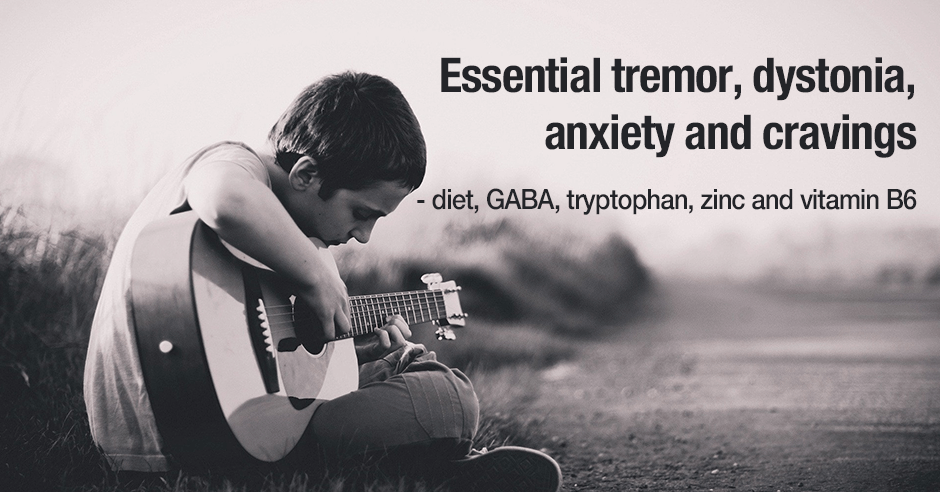
Essential tremor, dystonia, anxiety and cravings

Today I’m sharing how diet, GABA, tryptophan, zinc, vitamin B6 and other B vitamins can resolve essential tremor and sugar cravings in 2 months, and also resolve musician’s dystonia and social anxiety within 4 months.

According to Medical News Today essential tremor is a movement disorder that can cause hand tremors and “is among the most common movement disorders.” … “The tremor usually affects both sides of the body, but it may be more noticeable in the dominant hand. It tends to occur when the person is moving as well as when standing still. Genetics may be responsible for around half of the cases of essential tremor.”

Essential tremor – diet, GABA, tryptophan and B vitamins

This Croatian paper, Treatment of Essential Tremor with Multi-Modal Nutritional Therapy in a Teenage Patient, reports the “case of a 13-year-old boy with [essential tremor] causing severe functional impairment” over the previous 2 years.

“A multi-modal nutritional therapy approach” was used to target three possible areas that could be contributing to the tremors: a poor diet that was high in sugar, low GABA levels and low serotonin. These changes were implemented:

(i) diet (specifically adopting a Mediterranean diet)

(ii) GABA (through oral supplementation) and

(iii) L-tryptophan/vitamin B pathways (Triptobel oral supplement).

The papers states: “After two months of therapy, his tremor decreased significantly and he regained normal function.”

Once the essential tremor resolved, this teen was able to resume his plans to pursue a musical career as a guitar player (which had been put on hold due to the tremor and his inability to play). What wonderful results!

I’m thrilled to see tryptophan and GABA being used for this condition and am really pleased to read this case report.  Here is my commentary on the supplements and doses he used for anyone wishing to try and replicate this nutritional approach (keeping in mind there is no one-size-fits-all).

  • He used 150 mg of the Triptobel supplement three times daily at 8 am, 1 pm, and 6 pm. One capsule of  the Triptobel contains 150mg L-tryptophan and a B vitamin complex of thiamine (vitamin B1), riboflavin (vitamin B2), niacin (vitamin B3), pantothenic acid (vitamin B5), vitamin B6, folic acid (vitamin B9), and cyanocobalamin (vitamin B12).  The total tryptophan dose was 450mg per day. A typical starting dose for someone with anxiety is 500mg 2 x day so his dose was on the low-end.  The Triptobel was also used at mealtimes and according to the label “on a full stomach after a light meal, preferably without protein.” I like to use tryptophan between meals (away from protein) and a B complex with meals so I’m intrigued by this application (but wonder when protein was consumed).
  • He also used 750mg GABA twice daily at 10 am and 4 pm. This is considered a high starting dose for the majority of my clients with anxiety and I start low and build up to this amount.

Anxiety and low mood was not mentioned so I don’t know if they were factors.

It appears sugar and carb cravings were very likely a factor given that his normal daily diet contained “large amounts of refined sugars (chocolate, cake, biscuits, ice cream, etc).” The amino acids would have helped him with those cravings.

With regards to his diet, given how common movement disorders are with gluten issues, I would also consider I gluten-free diet which has been shown to have an adverse impact on neurotransmitter levels and B vitamins. Could gluten have triggered these nutritional deficiencies and the tremors?

And now to share a very similar case in an adult male … with a different and yet related approach.

Dystonia and hand tremors – and the pyroluria connection

This same Medical News Today article also describes dystonic tremor/dystonia as a movement disorder that can also cause hand tremors, stating that “the brain sends incorrect messages, resulting in overactive muscles, abnormal postures, and sustained undesired movements. Young adults and those in middle age are most likely to develop dystonic tremors, which can occur in any muscle.”

If you’ve been reading my recent articles on pyroluria (the pyroluria-vagus nerve connection and the introversion-pyroluria-loneliness connection) I’m sure you’ll be be interested to learn that there appears to be a strong link between pyroluria and focal musician’s dystonia (or musician’s cramp) in some individuals.

As you read in the blog above, Jay, also a guitar player, had to put his professional music career on hold due to musician’s dystonia. He also happened to have social anxiety and he started to notice improvements in his anxiety and tremors within the first 2 weeks. At the end of 4 months of being on the pyroluria protocol, he shared this:

I think it is, at this point, safe to say that the pyroluria treatment [120mg vitamin B6 and  60mg zinc) is, at least in my case, the cure for pyroluria and dystonia. 90%+ of my symptoms have disappeared, I am working extensively on repertoire and I am thinking about getting back into performing.

He says his experience was “akin to rebirth as a musician and also as a person.” How wonderful is that to read. Jay’s musician’s dystonia resolved and so did his social anxiety.

The outcome for the teen and Jay were similar and yet the approaches used were seemingly very different. This isn’t actually the case since zinc and vitamin B6 are co-factors that are needed to make GABA and serotonin.

Do you experience tremors, or have you been diagnosed with essential tremor or dystonia (or know someone who has)? And have you considered a nutritional approach?

Do share if you’ve seen success with either of the above approaches, and also experienced reduced anxiety or felt more social?

Filed Under: Pyroluria Tagged With: anxiety, cravings, diet, dystonia, Essential tremor, GABA, pyroluria, serotonin, social anxiety, tremor, tryptophan, vitamin B6, zinc

Brain Wash by Dr. David Perlmutter and Dr. Austin Perlmutter

January 15, 2020 By Trudy Scott 4 Comments

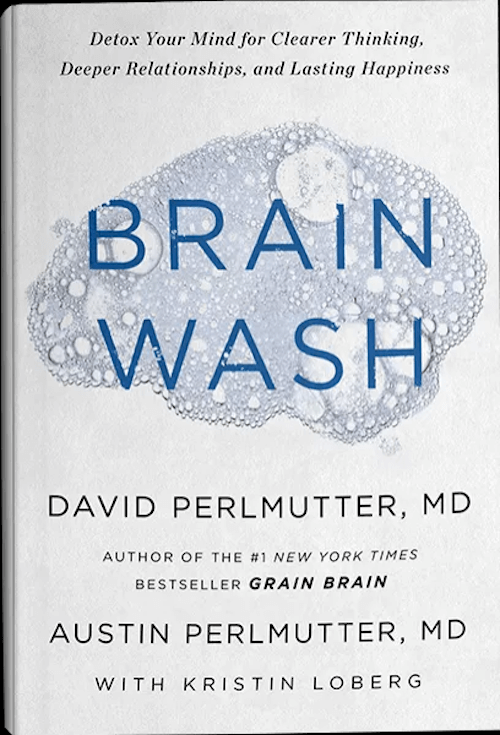
brain wash

If you tuned in to my interview with Dr. David Pelmutter on the Anxiety Summit 5: Gut-Brain Axis you may recall us talking about his new book Brain Wash: Detox Your Mind for Clearer Thinking, Deeper Relationships, and Lasting Happiness (written with his son Dr. Austin Perlmutter).

He shared this in our summit interview: “I think technology can be either our most wonderful servant or a really disastrous master. It’s all in how we mindfully use technology.”

I have the pleasure of sharing another interview where we take a deeper dive into this topic and he shares additional information about this new book, which was just published.

This book builds from a simple premise: “Our brain’s performance is being gravely manipulated, resulting in behaviors that leave us more lonely, anxious, depressed, distrustful, illness-prone, and overweight than ever before. At the same time, we feel disconnected from ourselves, from others, and from the world at large.

Dr Perlmutter shares wonderful insights from the book:

  • Disconnection syndrome (and loneliness) and how our decision-making abilities have been compromised
  • Hi-tech hijack and some alarming stats on internet addiction: it’s around 6 percent and translates to more than a quarter of a billion people. Keep in mind internet addiction is “any online-related compulsive behavior that interferes with normal living and causes severe stress on family, friends, loved ones, and the ability to be productive at work”
  • Structural changes that are seen in the brain when we are addicted
  • How we can set boundaries and his tool called T.I.M.E. “When approaching your use of technology, especially when it comes to digital media and communication, you need make sure your activities are making good use of T.I.M.E. (Time restricted, Intentional, Mindful and Enriching)

One of my favorite parts of the book is the chapter on nature:“Spending time in nature is one of the easiest things you can do to stay healthy and happy —you just need to step outside.”

He shares how: “Americans spend a remarkable 87 percent of their days indoors and another 6 percent in their cars” and we go into the health benefits of forest bathing and indoor plants. As he mentions, we know we feel good when we’re in nature, but they wanted to gather all the research supporting just what the health benefits are. I loved geeking over all the studies!

I can’t be anywhere indoors unless I can see outside and I just love this study: “View Through a Window May Influence Recovery from Surgery.”

We didn’t have time to go into other equally valuable chapters in the book on food, sleep, exercise, and quiet time but they are foundational especially if you are just starting your healing journey. If you’ve been following my work for awhile these chapters are a great reminder for us.

There is also a 10-day brain wash plan, together with a meal plan and recipes to guide you through the process.

Dr. Perlmutter shared his personal favorite recipe – the Jicama Slaw (with all those prebiotics for a good microbiome and reducing inflammation). He gave me permission to share the Cauliflower Pancakes recipe with you. Enjoy!

Cauliflower Pancakes

Serves 4, Time required: About 25 minutes

Although these pancakes make a terrific breakfast or brunch dish, they are also a wonderful side dish for grilled meats, poultry, and/or fish. The turmeric adds great color as well as a slightly tannic yet sweet flavor.

1 pound organic cauliflower florets, including stems
1 small organic white onion, peeled and grated
1 teaspoon grated organic garlic
1/2 teaspoon organic ground turmeric
3 large eggs from pasture-raised chickens, at room temperature, lightly beaten
Fine sea salt and freshly ground organic black pepper to taste
1/3 cup organic ghee from grass-fed animals
1/2 cup chopped organic scallion greens
1 cup full-fat organic sour cream from grass-fed cows (optional)

Preheat the oven to 200°F. Place a cookie sheet lined with parchment paper in the oven.

Using a handheld box grater, grate the cauliflower through the medium holes. Transfer the grated cauliflower in a large mixing bowl.

Add the onion, garlic, and turmeric and toss to blend.

Add the eggs and season with sea salt and pepper, stirring to combine completely. Set aside for 10 minutes to allow the flavors to blossom.

Heat the ghee in a large frying pan over medium heat. Spoon in enough of the cauliflower mixture to make a flat cake about 3 inches in diameter. Continue making cakes without crowding the pan.

Using the back of a metal spatula, flatten the cakes slightly, but allow them to get no larger than 4 inches in diameter.

Fry for about 5 minutes, or until the bottom is golden brown and the pancakes have firmed enough to turn easily. Lower the heat if they are browning too quickly.

Using the spatula – a fish spatula is a great tool for this – carefully turn the pancakes and fry for an additional 4 minutes, or until cooked through and golden brown. If you flip them too quickly, they will fall apart.

As each one is cooked, place it on the cookie sheet in the oven and continue making cakes until all the batter has been used.

When ready to serve, place the pancakes on a platter, sprinkle with sea salt and scallion greens, and serve with sour cream on the side if desired.

Here is the official blurb for the book:

Dr. David Perlmutter, #1 New York Times bestselling author of Grain Brain, and Dr. Austin Perlmutter, his son, explore how modern culture threatens to rewire our brains and damage our health, offering a practical plan for healing.

Contemporary life provides us with infinite opportunities, along with endless temptations. We can eat whatever we want, whenever we want. We can immerse ourselves in the vast, enticing world of digital media. We can buy goods and services for rapid delivery with our fingertips or voice commands. But living in this 24/7 hyper-reality poses serious risks to our physical and mental states, our connections to others, and even to the world at large.

Brain Wash builds from a simple premise: Our brains are being gravely manipulated, resulting in behaviors that leave us more lonely, anxious, depressed, distrustful, illness-prone, and overweight than ever before.

Based on the latest science, the book identifies the mental hijacking that undermines each and every one of us, and presents the tools necessary to think more clearly, make better decisions, strengthen bonds with others, and develop healthier habits. Featuring a 10-day bootcamp program, including a meal plan and 40 delicious original recipes, Brain Wash is the key to cultivating a more purposeful and fulfilling life.

You can get your copy from Amazon here (my Amazon link).  More information here

Do share what insights you’ve gained from this interview and review (and other gems once you’ve read the book).

I’d also love to hear your favorite way to enjoy nature. For me, some of my many favorites are a hike or mountain bike ride, a day at the beach catching waves and wriggling my toes in the sand, and visiting new places with lovely natural scenery.

Filed Under: Books Tagged With: anxiety, anxiety summit, Austin Perlmutter, Brain Wash, cauliflower, David Perlmutter, disconnection, internet addiction, loneliness, nature

Why social anxiety, introversion and loneliness can be lethal and a simple nutritional solution

January 10, 2020 By Trudy Scott 40 Comments

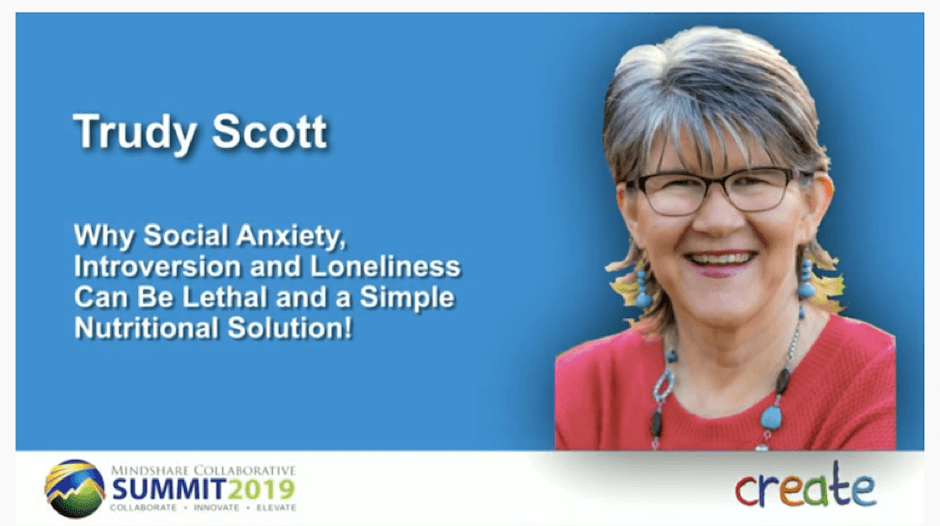
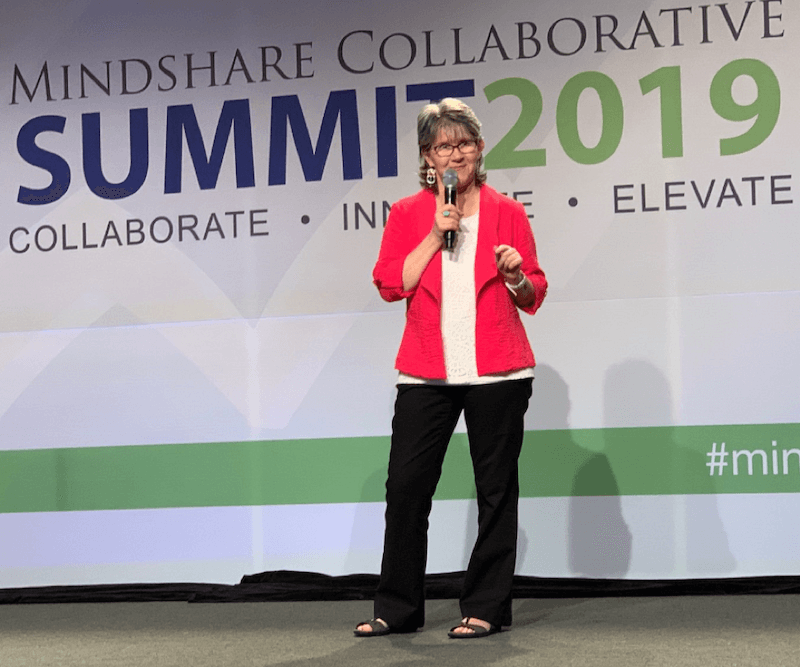
trudy scott mindshare

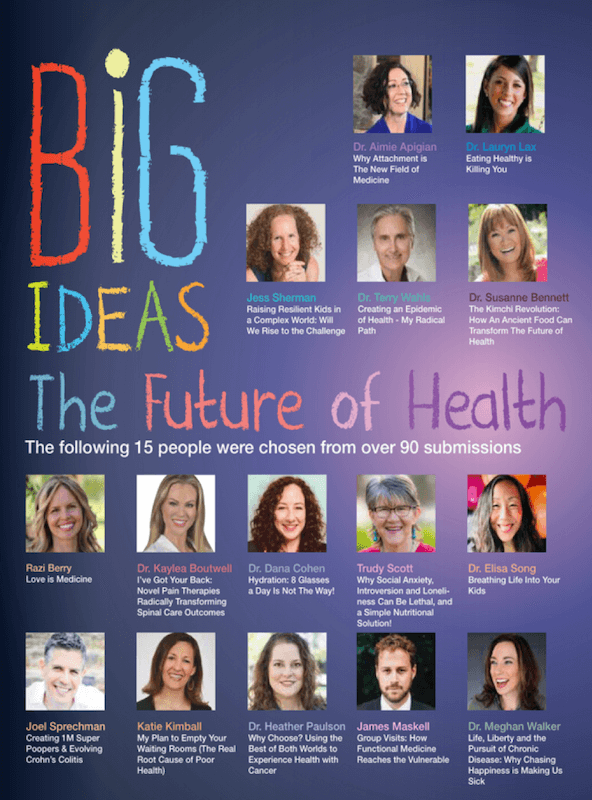
It was an honor to be selected as one of fifteen participants for The Future of Health presentations at Mindshare in August 2019. I presented this to my peers in the integrative health and nutrition space but it’s applicable to everyone and I’d like to share it with you today.

Here is my video presentation: Why social anxiety, introversion and loneliness can be lethal and a simple nutritional solution  (click below to watch the video)

Here are some additional reading resources on much of what I cover in my 5 minute presentation:

  • Pyroluria is a social anxiety condition that is not well recognized in the medical community. It responds really well to a few key nutrients, with zinc and vitamin B6 forming the foundation. I cover this in this blog post: Pyroluria, high mauve, pyrrole disorder, malvaria, elevated kryptopyrroles and social anxiety.
  • Here is a link to the Pyroluria Questionnaire from my book The Antianxiety Food Solution (which has an entire chapter on the topic). I created this questionnaire using the work of Carl Pfeiffer and Joan Mathews-Larson, modifying it based on feedback I receive from my clients.
  • I discuss how I first discovered the pyroluria-introversion connection here – Am I an anxious introvert because of low zinc and vitamin B6? My response to Huffington Post blog. I wrote this in response to the Huffington Post article, “23 Signs You’re Secretly An Introvert”, by Carolyn Gregoire.
  • Here is the webmd loneliness article with this quote: “Loneliness has the same impact on mortality as smoking 15 cigarettes a day, making it even more dangerous than obesity” ~ Douglas Nemecek, MD, chief medical officer for behavioral health, Cigna
  • And this loneliness paper, Loneliness and Social Isolation as Risk Factors for Mortality: A Meta-Analytic Review
  • In this blog I write about how Increased sociability improves vagus nerve function: the role of social anxiety, pyroluria and low zinc

This is the the amazing and inspiring group of speakers who I shared the stage with:

  • Amie Apigan – Why Attachment is the New Field of Medicine
  • Lauryn Lax – Eating Healthy is Killing You
  • Jess Sherman – Raising Resilient Kids in a Complex World: Will we Rise to the Challenge
  • Terry Wahls – Creating an Epidemic of Health – My Radical Path
  • Susanne Bennett – The Kimchi Revolution: How an Ancient Food Can Transform the Future of Health
  • Razi Berry – Love is Medicine
  • Kaylea Boutwell – I’ve Got Your Back: Novel Pain Therapies Transforming Spinal Care Outcomes
  • Dana Cohen – Hydration: 8 Glasses a Day is not the Way!
  • Elisa Song – Breathing Life into Your Kids
  • Joel Sprechman – Creating 1M Super Poopers & Evolving Crohn’s Colitis
  • Katy Kimball – My Plan to Empty Your Waiting Rooms (the Real Root Cause of Poor Health)
  • Heather Paulson – Why Choose? Using the Best of Both Worlds to Experience Health with Cancer
  • James Maskell – Group Visits: How Functional Medicine Reaches the Vulnerable
  • Mehgan Walker – Life, Liberty and the Pursuit of Chronic Disease: Why Chasing Happiness is Making us Sick

(do let me know if you’d like me to share any of these presentations in the follow-up blog)

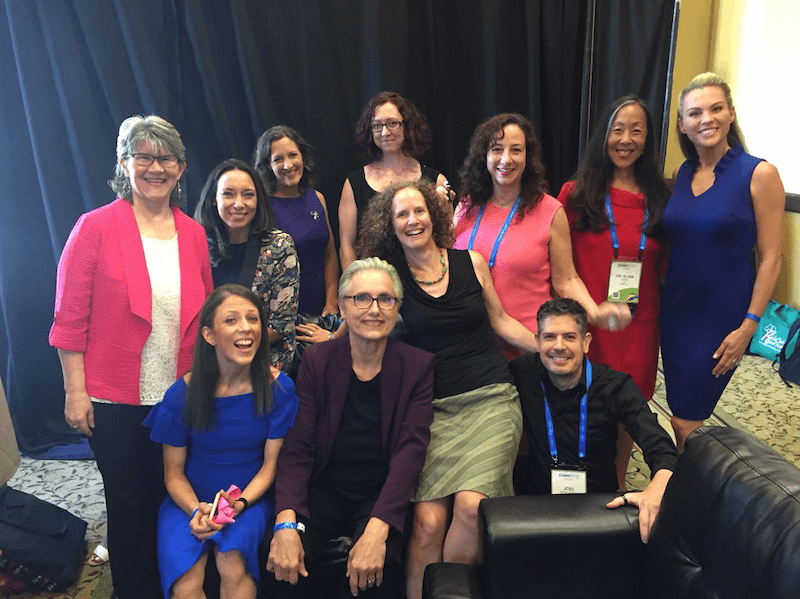
mindshare speakers
Mindshare 2019 green room
Here are some of us in the backstage “green room” and getting ready to go on stage!

We each had a maximum of 5 minutes to present and were not allowed slides or notes. The last time I had memorized my talks and had them timed was 15 years ago when I was in Toastmasters. Before that it was when I was in school. I wasn’t even sure if I could do it when I entered my proposal to speak. When practicing the day before I was still unsure I could manage. Because of my Lyme disease, my memory and word recall isn’t as great as it used to be.

If you pay close attention and you’ll notice the spot where I almost freeze – everything just went out of my head! I simply breathed in calmly, made an attempt to look like I had paused and was fortunate that most of the ending came back to me! Whew!

trudy scott mindshare 2019


I’d love to hear what you think of my message and if it resonates with you or a loved one. Feel free to share your pyroluria score and how you score on the introvert questionnaire.

Please also share if you’ve seen the benefits of no social anxiety, introversion and/or loneliness (or much less) when on the pyroluria protocol.

Filed Under: Anxiety, Introversion, Pyroluria Tagged With: anxiety, Future of Health, introversion, loneliness, mindshare, pyroluria, sociability, social anxiety, social isolation, vagus nerve, vitamin B6, zinc

Increased sociability improves vagus nerve function: the role of social anxiety, pyroluria and low zinc

December 13, 2019 By Trudy Scott 43 Comments

increased sociability and vagus nerve

With the objective of taking a deeper dive into some of the favorite topics of the recent Anxiety Summit: Gut-Brain Axis, today’s blog is about the vagus nerve since Dr. Navaz Habib’s interview, Vagus Nerve Activation to Reduce Anxiety, was voted one of the favorites. I’m focusing on one tool that improves vagus nerve function that we didn’t have time to get into in great detail – and that is how increased sociability helps.  It’s all good and well to recommend getting out and hanging out with more people but if you have the social anxiety condition called pyroluria it’s really challenging, hard work and very stressful. Added stress makes pyroluria worse so it becomes a vicious cycle.

Let’s start with the research that supports the connection between the vagus nerve and increased anxiety and mood problems.  In the interview with Dr Navaz, we discussed this paper: Vagus Nerve as Modulator of the Brain–Gut Axis in Psychiatric and Inflammatory Disorders which states that “vagus nerve stimulation is a promising add-on treatment for treatment-refractory depression, posttraumatic stress disorder, and inflammatory bowel disease” and how stimulation of vagal fibers that go from the gut to the brain (afferent fibers) influences neurotransmitter production and “play crucial roles in major psychiatric conditions, such as mood and anxiety disorders.”  The gut bacteria play a major role too, “partly by affecting the activity of the vagus nerve.”

In our interview we end with very practical ways to activate your vagus nerve

  • Deep breathing exercises (mentioned in the above paper, together with yoga and meditation) and cold showers (which makes you breathe harder)
  • Gargling and using the gag reflex
  • Humming, chanting and singing (I used these approaches for my vagus nerve issue after my terrifying plane ride. GABA also helped with the voice/throat spasms I experienced – more here on that)
  • Auricular acupuncture (which is also very effective for addictions)
  • And finally, social interaction or increased sociability, which I want to cover today

The research on the vagus nerve and being more social

Let’s look at the research on the vagus nerve or vagal tone and being more social.  This paper, Upward spirals of the heart: autonomic flexibility, as indexed by vagal tone, reciprocally and prospectively predicts positive emotions and social connectedness, reports that that vagal tone and connectedness or being more social is a two-way street i.e. it’s reciprocal

  • “…increases in connectedness and positive emotions predicted increases in vagal tone” and
  • “Adults who possessed higher initial levels of vagal tone increased in connectedness and positive emotions more rapidly than others”

In summary, the more social and happy you are, the healthier your vagus nerve is and a healthier vagus nerve leads to feeling more connected and happy.

This study was done with adults in a community-dwelling setting over 9 weeks: “adults were asked to monitor and report their positive emotions and the degree to which they felt socially connected each day.”

Address pyroluria in those who have social anxiety

Pyroluria, the social anxiety condition, was not part of the study because it’s under-recognized as a factor in anxiety.  I’d like to propose that we address pyroluria in those who have social anxiety in order to further improve social connectedness and their vagus nerve function.

Many folks with pyroluria put on a brave face in social settings and even “extrovert” which is extremely stressful. The added stress makes pyroluria worse (zinc and vitamin B6 are dumped in much higher amounts) so it becomes a vicious cycle.

Others, who are not willing to even show up because of their severe social anxiety, are not getting that social interaction and connectedness that is so crucial for improved vagus nerve function and better overall health.

Here is the pyroluria questionnaire and the pyroluria/introvert connection.

Connecting the dots further we have

  • research that reports that vagus nerve stimulation has potential in autism treatment and we know pyroluria and social issues are common in autism
  • one of the key nutrients for pyroluria, zinc, plays a role in vagus nerve function
  • another key nutrient in pyroluria is vitamin B6 and it plays a role in reducing inflammation
  • according to the vagus nerve study above, the vagus nerve “plays important roles in the relationship between the gut, the brain, and inflammation”
  • both zinc and vitamin B6 are needed for neurotransmitter production, so increasing both GABA and serotonin will further improve mood and reduce anxiety
  • and finally, the more social and happy you are, the healthier your vagus nerve is and a healthier vagus nerve leads to feeling more connected and happy

By addressing the social anxiety called pyroluria with a foundation of zinc and vitamin B6, we can increase sociability and thereby improve vagus nerve function.

UPDATE 5/7/2020:

Social isolation during the coronavirus pandemic – other vagus nerve exercises

This blog is very applicable now during the coronavirus pandemic. I’ve made an update because I feel we need to start thinking about the longer-term adverse impacts of social isolation and work on other ways to improve vagus nerve function during isolation or quarantine.

This can include any or all of the ways mentioned above: deep breathing exercises, yoga, meditation, cold showers, gargling/gag reflex, humming/chanting/singing and/or auricular acupuncture.

Do you find you have better vagus nerve function when you are more sociable? What of these vagus nerve exercises have you been doing and found helpful during isolation? Do you have any other favorite approaches like using essential oils or anything else?

Vagus nerve stimulation to treat respiratory symptoms associated with COVID-19

This paper reports benefits in 2 patients with coronavirus – Use of non-invasive vagus nerve stimulation to treat respiratory symptoms associated with COVID-19: A theoretical hypothesis and early clinical experience

  • Both patients reported clinically meaningful benefits from nVNS therapy [non-invasive vagus nerve stimulation].
  • In Case 1, the patient used nVNS to expedite symptomatic recovery at home after hospital discharge and was able to discontinue use of opioid and cough suppressant medications.
  • In Case 2, the patient experienced immediate and consistent relief from symptoms of chest tightness and shortness of breath, as well as an improved ability to clear his lungs.

The authors also share that “vagus nerve stimulation has been demonstrated to block production of cytokines in sepsis and other medical conditions.”

With this virus being novel and with everyone learning we are still appreciative of small case reports like this and hope to see bigger studies done. Until then there is other evidence of the overall importance of the vagus nerve in helping to regulate lung infection and immunity.

The nVNS therapy mentioned in the COVID-19 paper is an external device that delivers “a proprietary signal through the skin to either the right or the left branches of the vagus nerve in the neck.” It’s not something I’ve used personally or had clients use so please share if you’ve had success with this device or a similar device.

Loving social isolation and thriving during coronavirus

On the flip side we also need to consider that there are some individuals who are loving social isolation and thriving emotionally. I share some feedback from folks in my community:

  • Elissa: “As an introvert, my mental health has never been better ☺️. Loving isolation life.”
  • Drew: “Loving it in many ways. Dreading the hedonism starting up again…”
  • Tiffany: “My anxiety levels have decreased and I have decreased my anxiety meds! I think it’s because the demand to produce has decreased. I can actually move at my own speed in this world. I’m fortunate, though. My heart goes out to those people in medical fields. I really miss some things, like time with my dad, but we have made some adjustments, like driveway picnics.”
  • Katie: “I was praying for relief from the busyness. Definitely didn’t have this in mind and my heart hurts for those who are impacted. It has been a beautiful time of rest and restoration for my body and soul.”
  • Wendy: “My life is usually slow paced and introverted. Now it’s more so and I’m finding the less I do in a day, the better I sleep. I’m actually dreading getting back to “normal” with all the pressures put on us by extroverts. Yes I have sympathy for people suffering mentally by isolation, but for the first time I feel like my type of lifestyle is socially acceptable. I’m tired of life expectations being dictated by the extrovert half of the population.”

I appreciate these folks for sharing their valuable perspectives about thriving in these times. It reinforces how unique we all are.

If you’re struggling with social isolation…

  • How are you feeling and what are you most looking forward to doing once social isolation recommendations are relaxed?
  • I’m guessing you don’t have pyroluria but please share if you do?

If you are thriving in social isolation…

  • Would you consider yourself an introvert /a contented introvert?
  • Have you got pyroluria and has addressing it nutritionally in the past allowed you to be more sociable or at least less anxious when you are in crowds?
  • How are you feeling during social isolation and what do you love the most right now?
  • What are you not looking forward to once social isolation recommendations are relaxed?
  • And how do you plan to go back to the old “normal” or don’t you?

Please comment below and let us know where you are with social isolation during this pandemic – struggling or thriving? And what vagus nerve exercises are you using right now? Have you used an external device with success?

Filed Under: Coronavirus/COVID-19, Pyroluria Tagged With: anxiety, anxiety summit, autism, Coronavirus, COVID-19, depression, GABA, Habib Navaz, infection, Inflammation, lung, non-invasive vagus nerve stimulation, posttraumatic stress disorder, pyroluria, sociability, social anxiety, spasms, stress, struggling, thriving, vagal tone, vagus nerve, vitamin B6, voice, zinc

Recommended gut-brain books as holiday gifts for you or a loved one

December 6, 2019 By Trudy Scott 1 Comment

gut brain books

With one of the post Anxiety Summit: Gut-Brain objectives of sharing additional reading resources and with the holidays right around the corner this is perfect timing for my holiday book blog and all books gut-brain related. Read on below for book excerpts from these books, some of which have just published, some are older and a few have yet to be published.

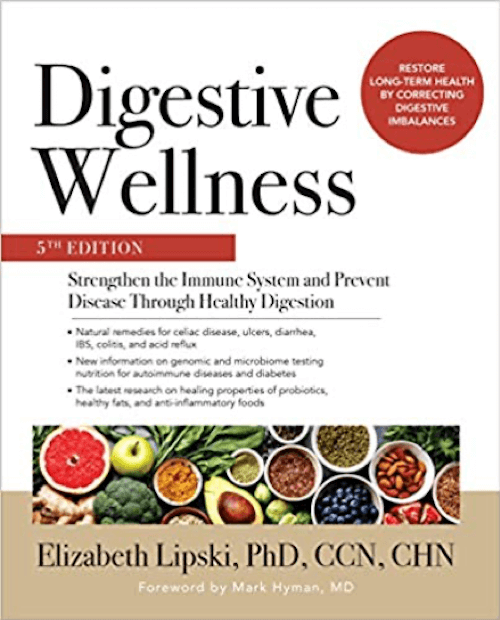
  • Digestive Wellness: Strengthen the Immune System and Prevent Disease Through Healthy Digestion, 5th Edition By Elizabeth Lipski (publication date Nov 22, 2019). The first edition was published in 1995 and this 5th edition (which I hear involved a great deal of revision) makes it current. I have yet to read this one but I know Liz and the previous editions and this is a firm favorite for overall digestive health.
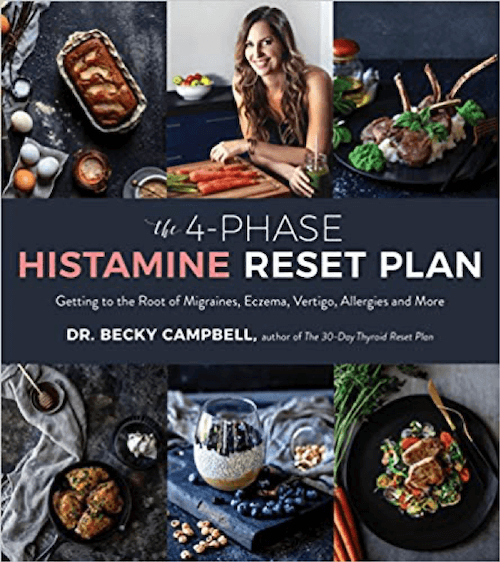
  • The 4-Phase Histamine Reset Plan: Getting to the Root of Migraines, Eczema, Vertigo, Allergies and More by Dr. Becky Campbell (publication date Dec 10, 2019). I have read this one and it’s excellent! It’s the only book that I am aware of that goes into so much depth on the topic of histamine intolerance.
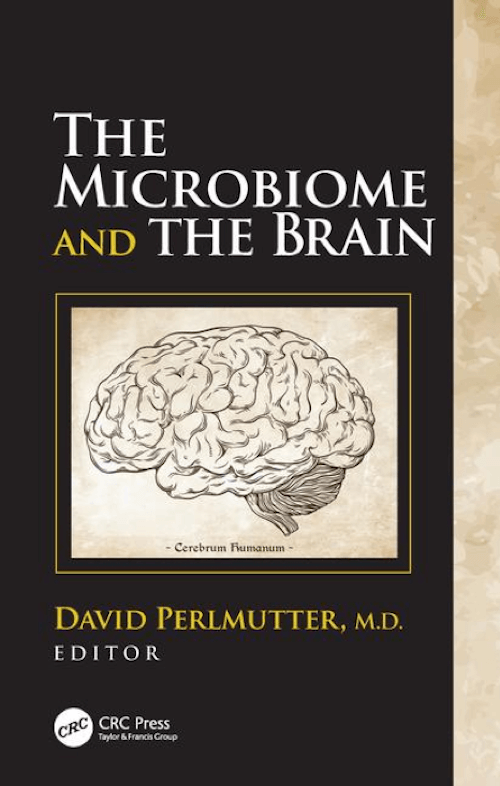
  • The Microbiome and the Brain, edited by David Perlmutter MD (publication date Dec 12, 2019). As Dr. Perlmutter shared in our Anxiety Summit interview, “it’s not just for clinicians, it’s also for researchers.” I can’t wait for my copy to arrive and will share more when it does.
  • Brain Wash: Detox Your Mind for Clearer Thinking, Deeper Relationships, and Lasting Happiness by David Perlmutter MD and Austin Perlmutter MD (publication date Jan 14, 2020). Dr. Perlmutter shared this in our summit interview: “I think technology can be either our most wonderful servant or a really disastrous master. It’s all in how we mindfully use technology.” I can’t wait for my copy to arrive and will share more when it does.
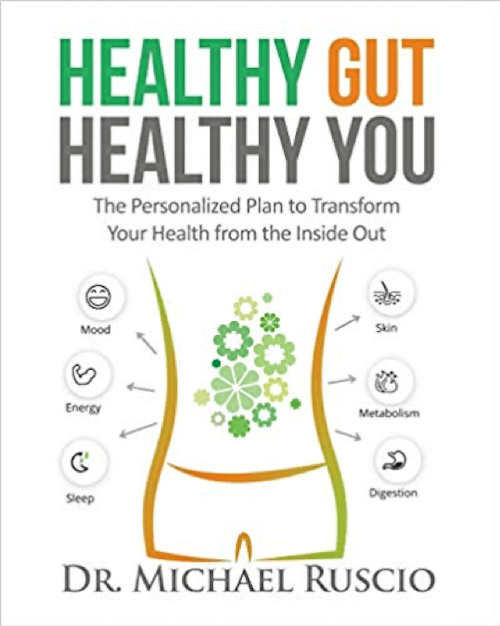
  • Healthy Gut, Healthy You by Dr. Michael Ruscio (publication date February 15, 2018). Misty Williams raved about this book in our interview and although I have yet to read it, I have attended one of Dr. Ruscio’s SIBO trainings, so I’m including it here too.
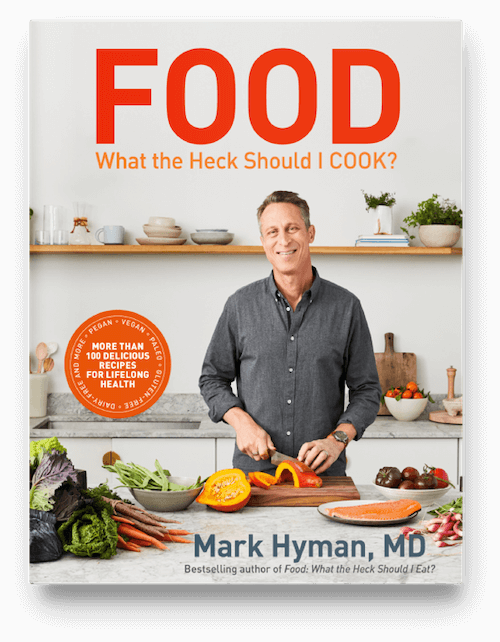
  • Food: What the Heck Should I Cook?: More than 100 Delicious Recipes–Pegan, Vegan, Paleo, Gluten-free, Dairy-free, and More – For Lifelong Health by Dr. Mark Hyman MD (publication date October 22, 2019). I reviewed this book a few months ago and am always a big fan of Dr. Hyman’s work so am including this one too.
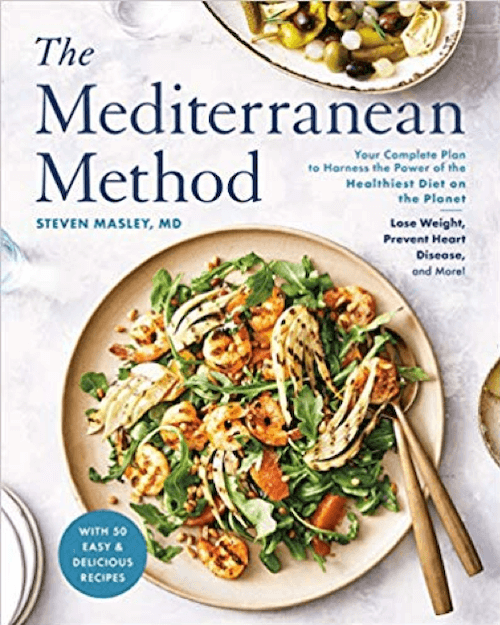
  • The Mediterranean Method: Your Complete Plan to Harness the Power of the Healthiest Diet on the Planet — Lose Weight, Prevent Heart Disease, and More! by Steven Masley M.D. (publication date December 31, 2019). We all like to be inspired by new recipes and I love that Dr. Masley is a heart doctor, nutritionist and chef so I’m including this one even though I have yet to get a copy.
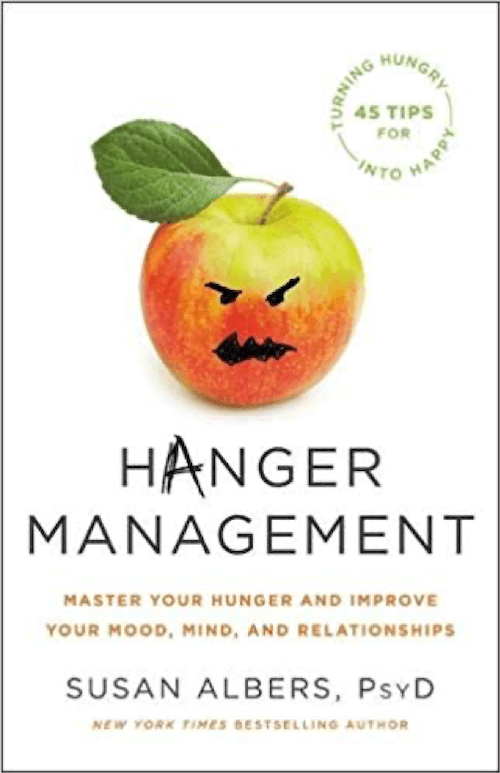
  • Hanger Management: Master Your Hunger and Improve Your Mood, Mind, and Relationships by Susan Albers PsyD (publication date December 24, 2019). Susan is a good friend and is well-recognized for her work on mindful eating, so I’m including this one too in order to round out this selection of books.
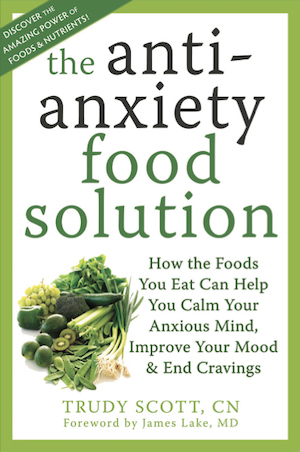
  • The Antianxiety Food Solution: How the Foods You Eat Can Help You Calm Your Anxious Mind, Improve Your Mood, and End Cravings by Trudy Scott (publication date June 2, 2011). I’m including my book too. If you don’t yet have a copy I encourage you to get a copy as a great foundation to the work I do. If you already have a copy I know you can see the value in gifting a copy to a loved one or sharing with your practitioner – so this is a reminder for you.

Here are more details on each of the above books….

Digestive Wellness: Strengthen the Immune System and Prevent Disease Through Healthy Digestion, 5th Edition By Elizabeth Lipski  (publication date Nov 22, 2019)

digestive wellness

Optimize your overall health through digestive wellness!

Fewer antacids and less bloating aren’t the only benefits of good digestion. When your digestive system is healthy and balanced, you sleep better, have more energy, think more clearly, experience less pain, and combat disease more effectively.

Digestive Health shows how everything from migraines to skin disease to arthritis are connected to your digestive system. And now, this go-to guide has been updated with critical new research and developments, including late-breaking information on:

  • Probiotics and Prebiotics
  • Celiac Disease
  • The Gut-Brain Connection
  • Carbohydrates
  • Leaky Gut Syndrome
  • Auto-Immune Conditions
  • Kidney and Bone Health
  • Cancer Prevention
  • Alzheimer’s Disease

You’ll find practical solutions to numerous conditions and disorders, along with expert guidance on the newest advances in testing and diagnosis, nutrition, and natural therapies.

A perfect balance of science and practical advice, Digestive Health explains how your digestive system works and what to do when it doesn’t function properly.

It provides everything you need to take control of your overall health through close, careful attention to your digestive system.

You can get your copy from Amazon here (my Amazon link).


The 4-Phase Histamine Reset Plan: Getting to the Root of Migraines, Eczema, Vertigo, Allergies and More by Dr. Becky Campbell (publication date Dec 10, 2019)

histamine reset

Uncover the Root Cause of Your Health Issues and Heal Your Body for Life

Millions of people suffer from allergies, migraines, skin issues, sleep disturbances, digestive ailments or anxiety due to undiagnosed histamine intolerance.

Dr. Becky Campbell, who has years of experience in the field and who suffers from histamine intolerance herself, has created a revolutionary four-phase program to heal your body naturally. What makes her approach different―and more effective for lifelong results―is that it looks for root causes and offers a well-rounded, holistic treatment plan that addresses diet, environmental toxins, lifestyle and more.

To help you uncover why your body is not processing histamine correctly, Dr. Campbell explains the eight most common factors and how to address them. Then she gives you a plan that includes a low-histamine diet, liver care, gut support and direction on how to safely reintroduce the foods that were once making you sick. Along with her wealth of delicious recipes, she also includes information on supplements, ways to reduce stress and much more.

Invest in your health and use The 4-Phase Histamine Reset Plan to heal your body for good.

You can get your copy from Amazon here (my Amazon link).


The Microbiome and the Brain, edited by David Perlmutter MD (publication date Dec 12, 2019)

microbiome and brain

Brain related disorders are among the most challenging health issues of our time. The development of effective therapeutic and preventive strategies for these disorders relies on a comprehensive understanding of the underlying causative mechanisms. And, until recently, these mechanisms have remained somewhat elusive.

The newly discovered pivotal role of the intestinal microbiome in brain health, functionality, and resistance to disease is revolutionizing neuroscience. The Microbiome and the Brain, through the contributions of some of the most forward thinking researchers and clinicians in the field, comprehensively reveals the leading edge of our understanding of the fundamental role of gut microbes and their metabolites in a wide array of seemingly diverse brain issues including Alzheimer’s disease, autism, multiple sclerosis, and mood disorders. In addition, mechanisms defining these relationships are explored along with a presentation of the state-of-the-art as it relates to interpretation of relevant laboratory assessments. Finally, novel therapeutic opportunities, derived from this exciting science are presented.

Readers will learn:

  • The highly validated relationship between alterations of gut microbes and their metabolites, and risk for Alzheimer’s disease.
  • The important link between autism and intestinal dysbiosis.
  • Appropriate interpretation of available laboratory assessments of the intestinal microbiome.
  • The potential role of fecal microbial transplant in neurological diseases.
  • The influence of diet and other lifestyle choices on the microbiome as it relates to brain health and functionality.

More information here


Brain Wash: Detox Your Mind for Clearer Thinking, Deeper Relationships, and Lasting Happiness by David Perlmutter MD and Austin Perlmutter MD (publication date Jan 14, 2020)

brain wash

Dr. David Perlmutter, #1 New York Times bestselling author of Grain Brain, and Dr. Austin Perlmutter, his son, explore how modern culture threatens to rewire our brains and damage our health, offering a practical plan for healing.

Contemporary life provides us with infinite opportunities, along with endless temptations. We can eat whatever we want, whenever we want. We can immerse ourselves in the vast, enticing world of digital media. We can buy goods and services for rapid delivery with our fingertips or voice commands. But living in this 24/7 hyper-reality poses serious risks to our physical and mental states, our connections to others, and even to the world at large.

Brain Wash builds from a simple premise: Our brains are being gravely manipulated, resulting in behaviors that leave us more lonely, anxious, depressed, distrustful, illness-prone, and overweight than ever before.

Based on the latest science, the book identifies the mental hijacking that undermines each and every one of us, and presents the tools necessary to think more clearly, make better decisions, strengthen bonds with others, and develop healthier habits. Featuring a 10-day bootcamp program, including a meal plan and 40 delicious original recipes, Brain Wash is the key to cultivating a more purposeful and fulfilling life.

You can get your copy from Amazon here (my Amazon link).  More information and bonus pre-launch gifts are available here.


Healthy Gut, Healthy You by Dr. Michael Ruscio (publication date February 15, 2018)

healthy gut healthy you

Are you experiencing depression, fatigue, thyroid imbalances, joint pain, insomnia, brain fog, inflammation or autoimmunity? Did you know your symptoms could be caused by a problem in your gut? Even if you don’t have gas, bloating, abdominal pain, diarrhea and/or constipation you could greatly benefit from improving your health at the core, your gut.

In Healthy Gut, Healthy You, clinician and researcher Dr. Michael Ruscio shows how modern lifestyle changes and the widespread use of antibiotics have made our guts more vulnerable than ever before.

The good news is that almost any ailment can be healed. The key is not just managing the symptoms but treating the root cause; the gut. Restoring this crucial part of your overall health improves the performance of your whole body from the inside out – and it’s easier than you think to get started.

You don’t have to follow crazy diets or spend a fortune to get healthy. Instead, read Healthy Gut, Healthy You to discover:

  • THE IMPORTANCE OF YOUR GUT
  • DIET FOR OPTIMUM GUT HEALTH
  • LIFESTYLE AND ENVIRONMENT FOR OPTIMUM GUT HEALTH
  • TOOLS FOR HEALING YOUR GUT
  • THE GREAT-IN-8 ACTION PLAN

A vibrant, healthy you begins with your gut! Start healing your body today with Healthy Gut, Healthy You!

You can get your copy from Amazon here  (my Amazon link)


Food: What the Heck Should I Cook?: More than 100 Delicious Recipes–Pegan, Vegan, Paleo, Gluten-free, Dairy-free, and More – For Lifelong Health by Dr. Mark Hyman MD (publication date October 22, 2019)

what the heck should i cook

The companion cookbook to Dr. Hyman’s New York Times bestselling Food: What the Heck Should I Eat?, featuring more than 100 delicious and nutritious recipes for weight loss and lifelong health.

Dr. Mark Hyman’s Food: What the Heck Should I Eat? revolutionized the way we view food, busting long-held nutritional myths that have sabotaged our health and kept us away from delicious foods that are actually good for us. Now, in this companion cookbook, Dr. Hyman shares more than 100 delicious recipes to help you create a balanced diet for weight loss, longevity, and optimum health. Food is medicine, and medicine never tasted or felt so good.

The recipes in Food: What the Heck Should I Cook? highlight the benefits of good fats, fresh veggies, nuts, legumes, and responsibly harvested ingredients of all kinds. Whether you follow a vegan, Paleo, Pegan, grain-free, or dairy-free diet, you’ll find dozens of mouthwatering dishes, including:

  • Mussels and Fennel in White Wine Broth
  • Golden Cauliflower Caesar Salad
  • Herbed Mini-Meatballs with Butternut Noodles
  • Lemon Berry Rose Cream Cake
  • and many more

With creative options and ideas for lifestyles and budgets of all kinds, Food: What the Heck Should I Cook? is a road map to a satisfying diet of real food that will keep you and your family fit, healthy, and happy for life.

You can get your copy from Amazon here (my Amazon link) and check out some sample recipes on my blog here.


The Mediterranean Method: Your Complete Plan to Harness the Power of the Healthiest Diet on the Planet — Lose Weight, Prevent Heart Disease, and More! by Steven Masley M.D. (publication date December 31, 2019)

mediterranean method

A fresh approach to the Mediterranean diet that focuses on low-glycemic foods that benefit the heart, brain, gut, and microbiome.

From southern Italy, Sardinia, and France to Spain, Greece, and Northern Africa the Mediterranean region is synonymous with sparkling azure waters and clear blue skies. It’s also home to most of the world’s longest-lived and vibrantly healthy people. Now we know why! Repeatedly ranked the #1 diet by U.S. News and World Report, the Mediterranean eating style–abundant seafood, vegetables, fruits, beans and nuts; lots of olive oil; a wide variety of herbs and spices; and even dark chocolate and red wine–has been scientifically proven to maintain a healthy gut and healthy weight, thereby reducing your risk for heart disease, dementia, memory loss, and many cancers in the process.

Taking this famously healthy and life-enhancing “prescription” one step further, Dr. Steven Masley–renowned physician, nutritionist, bestselling author, and trained chef–offers all the flavors and benefits of the Mediterranean diet, but with a “skinny” twist: he focuses on delicious ingredients with a low-glycemic load. Including 50 recipes for food everyone at the table will love–from hearty breakfasts, crowd-pleasing appetizers, soups, and sides, to family-style salads, memorable main meals, and irresistible desserts–The Mediterranean Method is a revolutionary program for losing weight and maintaining the amazing health you regain. Slim down and protect your heart, your brain, and your healthy longevity–all while you enjoy the amazing bounty, variety, and joy of Mediterranean cooking!

You can get your copy from Amazon here (my Amazon link)


Hanger Management: Master Your Hunger and Improve Your Mood, Mind, and Relationships by Susan Albers PsyD (publication date December 24, 2019)

hanger management

The complete program for mastering your “hanger,” from mindful-eating pioneer Dr. Susan Albers — with 45 tips to turn hanger into happiness.

It happens to all of us. One minute you’re happily going about your day, and a few seconds later you’re a snappy, illogical version of yourself. The culprit? Hanger.

We’re living busier lives than ever before, and when we forget to eat — or accidentally overeat — hunger can make us angry, unreasonable, and dull, with big impacts on our emotional and psychological well being. And hanger can become a cycle. When we get too hungry, we’re more likely to make food decisions we regret, which sets us up for another hanger crash later on.

The good news: when we make better decisions about food, we think more clearly, connect better in our relationships, and improve our performance. Hanger Management is the book that can help you break this cycle and create healthy habits that fuel and empower you.

In Hanger Management, New York Times bestselling author and clinical psychologist Susan Albers sheds light on the causes of hanger, and shares 45 of her best tips for managing it well. By learning to stay on top of your hunger cues, cultivating a better understanding of your appetite, and creating a better overall relationship with food, you’ll become happier — and healthier — for life.

You can get your copy from Amazon here (my Amazon link)


The Antianxiety Food Solution: How the Foods You Eat Can Help You Calm Your Anxious Mind, Improve Your Mood, and End Cravings by Trudy Scott (publication date June 2, 2011)

antianxiety food solution

It’s remarkable how much the foods we eat can impact our brain chemistry and emotions. What and when we eat can make the difference between feeling anxious and staying calm and in control. But most of us don’t realize how much our diets influence our moods, thoughts, and feelings until we make a change.

In The Antianxiety Food Solution, you’ll find four unique antianxiety diets designed to help you address nutritional deficiencies that may be at the root of your anxiety and enjoy the many foods that foster increased emotional balance. This helpful guide allows you to choose the best plan for you and incorporates effective anxiety-busting foods and nutrients. You’ll soon be on the path to freeing yourself from anxiety—and enjoying an improved overall mood, better sleep, fewer cravings, and optimal health—the natural way! The book also includes an easy-to-use index.

In The Antianxiety Food Solution, you’ll discover:

  • How to assess your diet for anxiety-causing and anxiety-calming foods and nutrients
  • Foods and nutrients that balance your brain chemistry
  • Which anxiety-triggering foods and drinks you may need to avoid
  • Easy lifestyle changes that reduce anxiety and increase happiness

You can get your copy from Amazon here (my Amazon link)

I’ve provided my Amazon links for your convenience but if you’re not in the USA, Book depository is a great place to purchase books and offers free shipping worldwide.

I hope I’ve given you some wonderful gift ideas! Happy shopping! And happy reading if you decide to gift yourself one or more of these wonderful books.

Let us know which books you are excited about getting for yourself or a loved one or friend, and which ones you already have and love.

Filed Under: Books Tagged With: anxiety, anxiety summit, Becky Campbell, David Perlmutter, digestion, Elizabeth Lipski, gut-brain, mark hyman, Michael Ruscio, steven masley, Susan Albers, Trudy Scott

Parasites, Anxiety and TUDCA for Your Liver with Dr. Jay Davidson: The Anxiety Summit 5

November 22, 2019 By Trudy Scott 4 Comments

parasites anxiety TUDCA

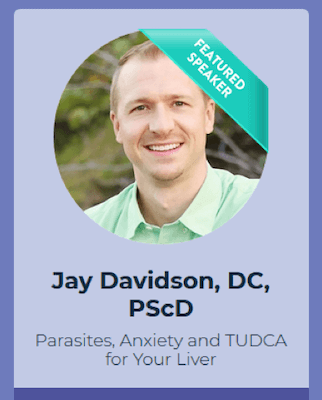
Dr. Jay Davidson is one my guest experts on The Anxiety Summit 5: Gut-Brain Axis and our topic is: Parasites, Anxiety and TUDCA for Your Liver.  What you’ll learn

  • Parasite facts and myths
  • New dosing options for mimosa pudica seed
  • TUDCA for liver, neuroinflammation and depression

and much more. It’s an excellent interview and was voted as one of the top 5 interviews of the summit in 2019.

jay davidson

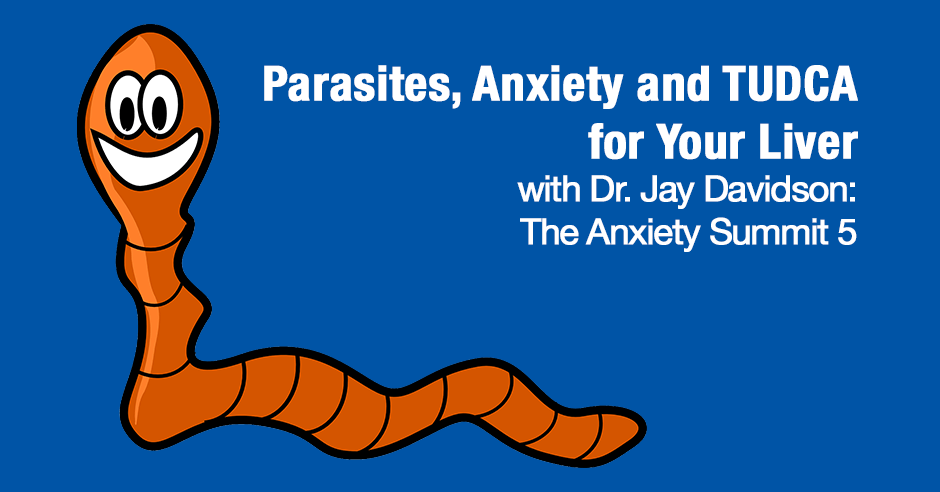
After hearing Dr. Jay’s explanation of what a parasite is, I couldn’t resist using the above image of a happy worm. This is what he shares:

the Greek meaning of parasite is one that sits at another’s table. So essentially think of a parasite as it’s taking things from you. It’s taking nutrients, it’s taking key things that your body needs and literally off of you, not to the point that it’s killing you because then you’re not a good host to give a good environment. So it’s basically just kind of sucking you dry.

Unfortunately you have this very “happy” and satisfied parasite sitting at your “table” and causing all kinds of symptoms:

Mood stuff for sure, which obviously this is The Anxiety Summit. So we want to highlight that one, absolutely. Sleep issues though. In the big sleep one that I see is restless sleep where you toss, you turn, you wake often. You can’t just be relaxed when you sleep. Parasites get active when you go to bed.

So the more active they are within your body and the more you’re trying to calm down, the more your body is getting stressed out. This is where teeth grinding happens when you sleep. This is, again, where the restless legs. You can also say the calf cramping, restless leg type symptoms would come in as well being associated. It’s classic, though, for parasites to affect the gut. So obviously diarrhea, is clearly a classic sign of acute parasitic type infection.

Other symptoms we discuss at length: bowel urgency, SIBO, vertical wrinkles above your mouth, nail-biting, food sensitivities, bed-wetting, insomnia (especially around full moon), grinding teeth, night sweats and anxiety.

And Dr. Jay shares how parasites contribute to neurotransmitter imbalances:

Parasites will eat the protein you eat and not allow your body to break down that protein into amino acids. That’s why amino acid therapy can be so beneficial symptomatically and change people’s lives, because they’re getting these amino acids that they’re not getting when they have parasites. But you always want to make sure to go to the underlying cause to remove the parasitic infection.

He also shares that parasites will “literally manipulate your thoughts and your personality” and I share the example of toxoplasma gondii and schizophrenia, and rats losing their fear of cats so the parasite can be transferred. It’s fascinating.

We cover why and how do do the parasite protocol before, during and after the full moon, his parasite story and the latest information on mimosa pudica seed:

So mimosa pudica seed is an amazing, just overall gut support. So even if your goal isn’t the parasite cleanse, mimosa pudica seed is awesome to help support the digestive tract. It can help break up biofilm. It’s really good against Candida and just helping to normalize microbial levels within the GI besides the fact that it can help with parasites.

Dr. Jay shares what he’s seeing clinically in terms of dosing mimosa pudica seed and when exactly to use it.

I share that I found an animal study where they were looking at the whole plant extract and found that it helped with modulating GABA receptors. And they said it had very similar effects to diazepam, which is a benzodiazepine that a lot of people with anxiety are prescribed. Fascinating!

The latter half of the interview focuses on drainage and supporting bile production with TUDCA, which also happens to support the mitochondria and help prevent Alzheimer’s disease.

I encourage you to also listen to Pyroluria, Oxidative Stress and Parasites with Todd Watts, DC, PScD. We discuss some of these same protocols in the context of pyroluria/social anxiety and oxidative stress.

You’re going to be hearing a lot more from me about these products and protocols as I learn more and trial them personally.

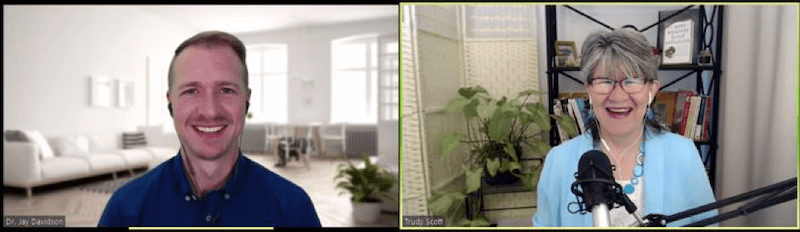
jay davidson trudy scott as5

You may notice this image doesn’t look like the video on the summit. This was one of 4 interviews we had to repeat due to technical issues!

Be sure to listen to Dr. Jay’s wonderful interview on The Anxiety Summit 5: Gut-Brain Axis.

As I mentioned, his interview was voted as one of the top 5 interviews of the summit in 2019. The other 4 top voted interviews are:

  • Fix the Brain to Fix the Gut – Datis Kharrazian, DHSc, DC, MS, FACN, CNS (more here)
  • Why Bile is the Key to Anxiety & Hormone Havoc – Ann Louise Gittleman, PhD, CNS (more here)
  • Vagus Nerve Activation to Reduce Anxiety – Dr. Navaz Habib, DC (more here)

and my interview GABA & Tryptophan: The Gut-Anxiety Connections (more here)

If you’re already familiar with Dr. Jay’s parasite protocols and TUDCA please share how they have helped you. That way we can all learn.

I’d also love to hear from you once you’ve listened in to Dr. Jay’s interview and the others.

If you’d like to ask a question, please post in the comments below.

Learn more/purchase now


Filed Under: The Anxiety Summit 5 Tagged With: anxiety, anxiety summit, biofilm, candida, GABA, insomnia, Jay Davidson, microbial, mimosa pudica seed, mood, parasites, Todd Watts, TUDCA

  • « Go to Previous Page
  • Page 1
  • Interim pages omitted …
  • Page 37
  • Page 38
  • Page 39
  • Page 40
  • Page 41
  • Interim pages omitted …
  • Page 160
  • Go to Next Page »

Primary Sidebar

GABA QuickStart Homestudy

gaba quickstart homestudy

Free Report

9 Great Questions Women Ask about Food, Mood and their Health

You'll also receive a complimentary subscription to my ezine "Food, Mood and Gal Stuff"


Connect with me

Popular Posts

  • Amino Acids Mood Questionnaire from The Antianxiety Food Solution
  • The Antianxiety Food Solution Amino Acid and Pyroluria Supplements
  • Pyroluria Questionnaire from The Antianxiety Food Solution
  • Collagen and gelatin lower serotonin: does this increase your anxiety and depression?
  • Tryptophan for the worry-in-your-head and ruminating type of anxiety
  • GABA for the physical-tension and stiff-and-tense-muscles type of anxiety
  • The Antianxiety Food Solution by Trudy Scott
  • Seriphos Original Formula is back: the best product for anxiety and insomnia caused by high cortisol
  • Am I an anxious introvert because of low zinc and vitamin B6? My response to Huffington Post blog
  • Vagus nerve rehab with GABA, breathing, humming, gargling and key nutrients

Recent Posts

  • Her cravings for chips and peanut butter were triggered by stress: GABA ends cravings and reduces physical tension and fear of heights
  • It is truly miraculous to be able to move through life without crippling anxiety and panic
  • GABA and tryptophan combo provide immediate and noticeable relief for tremors and cervical dystonia in just 7 days
  • Red light therapy for back and neck pain, plantar fasciitis and low mood – a complement to the amino acids GABA, DPA and tryptophan
  • What do I use instead of Seriphos to help lower high cortisol that is affecting my sleep and making me anxious at night?

Categories

  • 5-HTP
  • AB575
  • Addiction
  • ADHD
  • Adrenals
  • Alcohol
  • Allergies
  • Alzheimer's disease
  • Amino Acids
  • Anger
  • Antianxiety
  • Antianxiety Food Solution
  • Antidepressants
  • Anxiety
  • Anxiety and panic
  • Autism
  • Autoimmunity
  • benzodiazapines
  • Bipolar disorder
  • Books
  • Caffeine
  • Cancer
  • Candida
  • Children/Teens
  • Collagen
  • Cooking equipment
  • Coronavirus/COVID-19
  • Cravings
  • Depression
  • Detoxification
  • Diabetes
  • Diet
  • DPA/DLPA
  • Drugs
  • EFT/Tapping
  • EMF
  • EMFs
  • Emotional Eating
  • Endorphins
  • Environment
  • Essential oils
  • Events
  • Exercise
  • Fear
  • Fear of public speaking
  • Fertility and Pregnancy
  • Fish
  • Food
  • Food and mood
  • Functional neurology
  • GABA
  • Gene polymorphisms
  • General Health
  • Giving
  • Giving back
  • Glutamine
  • Gluten
  • GMOs
  • Gratitude
  • Gut health
  • Heart health/hypertension
  • Histamine
  • Hormone
  • Hyperparathyroidism
  • Hypoglycemia
  • Immune system
  • Inflammation
  • Insomnia
  • Inspiration
  • Introversion
  • Joy and happiness
  • Ketogenic diet
  • Lithium orotate
  • Looking awesome
  • Lyme disease and co-infections
  • MCAS/histamine
  • Medication
  • Men's health
  • Mental health
  • Mercury
  • Migraine
  • Mold
  • Movie
  • MTHFR
  • Multiple sclerosis
  • Music
  • NANP
  • Nature
  • Nutritional Psychiatry
  • OCD
  • Osteoporosis
  • Oxalates
  • Oxytocin
  • Pain
  • Paleo
  • Parasites
  • Parkinson’s disease
  • PCOS
  • People
  • PMS
  • Postpartum
  • PTSD/Trauma
  • Pyroluria
  • Questionnaires
  • Real whole food
  • Recipes
  • Research
  • Schizophrenia
  • serotonin
  • SIBO
  • Sleep
  • Special diets
  • Sports nutrition
  • Stress
  • Sugar addiction
  • Sugar and mood
  • Supplements
  • Teens
  • Testimonials
  • Testing
  • The Anxiety Summit
  • The Anxiety Summit 2
  • The Anxiety Summit 3
  • The Anxiety Summit 4
  • The Anxiety Summit 5
  • The Anxiety Summit 6
  • Thyroid
  • Thyroid health
  • Toxins
  • Tryptophan
  • Tyrosine
  • Uncategorized
  • Vegan/vegetarian
  • Women's health
  • Yoga

Archives

  • May 2026
  • April 2026
  • October 2025
  • September 2025
  • August 2025
  • July 2025
  • June 2025
  • May 2025
  • April 2025
  • March 2025
  • February 2025
  • January 2025
  • November 2024
  • October 2024
  • September 2024
  • August 2024
  • July 2024
  • June 2024
  • May 2024
  • April 2024
  • March 2024
  • February 2024
  • January 2024
  • December 2023
  • November 2023
  • October 2023
  • September 2023
  • August 2023
  • July 2023
  • June 2023
  • May 2023
  • April 2023
  • March 2023
  • February 2023
  • January 2023
  • December 2022
  • November 2022
  • October 2022
  • September 2022
  • August 2022
  • July 2022
  • June 2022
  • May 2022
  • April 2022
  • March 2022
  • February 2022
  • January 2022
  • December 2021
  • November 2021
  • October 2021
  • September 2021
  • August 2021
  • July 2021
  • June 2021
  • May 2021
  • April 2021
  • March 2021
  • February 2021
  • January 2021
  • December 2020
  • November 2020
  • October 2020
  • September 2020
  • August 2020
  • July 2020
  • June 2020
  • May 2020
  • April 2020
  • March 2020
  • February 2020
  • January 2020
  • December 2019
  • November 2019
  • October 2019
  • September 2019
  • August 2019
  • July 2019
  • June 2019
  • May 2019
  • April 2019
  • March 2019
  • February 2019
  • January 2019
  • December 2018
  • November 2018
  • October 2018
  • September 2018
  • August 2018
  • July 2018
  • June 2018
  • May 2018
  • April 2018
  • March 2018
  • February 2018
  • January 2018
  • December 2017
  • November 2017
  • October 2017
  • September 2017
  • August 2017
  • July 2017
  • June 2017
  • May 2017
  • April 2017
  • March 2017
  • February 2017
  • January 2017
  • December 2016
  • November 2016
  • October 2016
  • September 2016
  • August 2016
  • July 2016
  • June 2016
  • May 2016
  • April 2016
  • March 2016
  • February 2016
  • January 2016
  • December 2015
  • November 2015
  • October 2015
  • September 2015
  • August 2015
  • July 2015
  • June 2015
  • May 2015
  • April 2015
  • March 2015
  • February 2015
  • January 2015
  • December 2014
  • November 2014
  • October 2014
  • September 2014
  • August 2014
  • July 2014
  • June 2014
  • May 2014
  • April 2014
  • March 2014
  • February 2014
  • January 2014
  • December 2013
  • November 2013
  • October 2013
  • September 2013
  • August 2013
  • July 2013
  • June 2013
  • May 2013
  • April 2013
  • March 2013
  • February 2013
  • January 2013
  • December 2012
  • November 2012
  • October 2012
  • August 2012
  • July 2012
  • June 2012
  • May 2012
  • April 2012
  • March 2012
  • February 2012
  • January 2012
  • December 2011
  • November 2011
  • October 2011
  • September 2011
  • August 2011
  • July 2011
  • June 2011
  • May 2011
  • April 2011
  • March 2011
  • February 2011
  • January 2011
  • December 2010
  • October 2010
  • September 2010
  • July 2010
  • May 2010
  • April 2010
  • March 2010
  • February 2010
  • January 2010
  • November 2009

Share the knowledge!

The above statements have not been evaluated by the Food and Drug Administration. Products listed in this website are not intended to diagnose, treat, cure or prevent any disease.

The information provided on this site is for informational and educational purposes only and is not intended as a substitute for advice from your physician or other health care professional. You should consult with a healthcare professional before starting or modifying any diet, exercise, or supplementation program, before taking or stopping any medication, or if you have or suspect you may have a health problem.


Copyright © 2026 Trudy Scott. All Rights Reserved. | Privacy | Terms and Conditions | Refund Policy | Medical Disclaimer

Free Report

9 Great Questions Women Ask about Food, Mood and their Health

You’ll also receive a complimentary subscription to my ezine “Food, Mood and Gal Stuff”