• Skip to primary navigation
  • Skip to main content
  • Skip to primary sidebar

everywomanover29 blog

Food, Mood and Women's Health – Be your healthiest, look and feel great!

  • Blog
  • About
  • Services
  • Store
  • Resources
  • Testimonials
  • The Book
  • Newsletter
  • Contact
  • Search this site

Oxalates

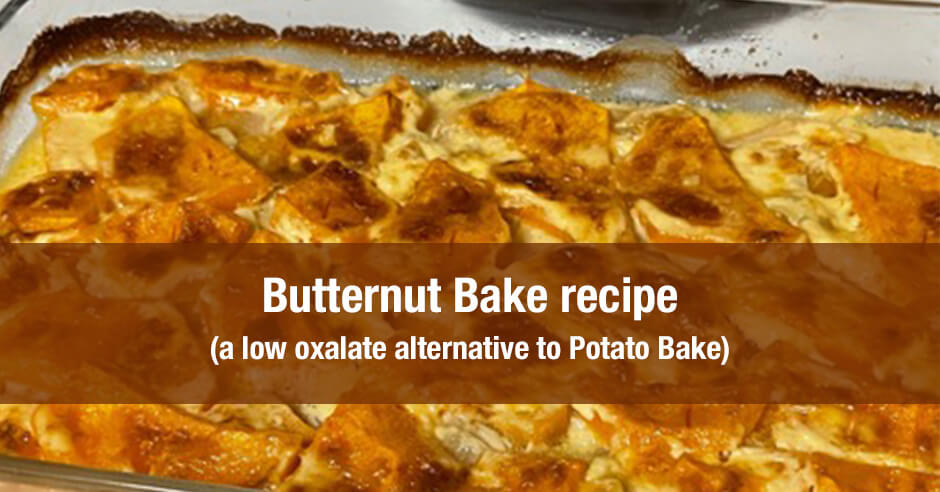
Butternut Bake recipe (a low oxalate alternative to Potato Bake)

November 4, 2022 By Trudy Scott 13 Comments

butternut bake recipe

Do you have dietary oxalate issues (pain, anxiety, insomnia, restless legs, hearing loss, eye issues, unresolved thyroid issues, bladder issues and more) and yet really miss potatoes and even sweet potatoes, both of which are very high oxalate?

I modified a family favorite recipe called Potato Bake (from Pips and my sister) to be a low oxalate option called Butternut Bake.

If you’re new to the dietary oxalate issues you can read more about this below. I’m finding it to be underappreciated as an issue especially in menopausal women when symptoms seems to be  more severe in susceptible individuals.

And if you don’t have dietary oxalate issues, you can certainly enjoy this recipe too.

Butternut Bake Recipe (a low oxalate alternative to potato bake)

Ingredients

1 large butternut peeled and sliced thinly
2 cups homemade stock (beef or chicken)
1 cup creme fraiche (or sour cream)
1 teaspoon butter
1 onion (grated)
6 large garlic cloves (grated or crushed in a garlic press)
Salt and pepper

Method

Peel the butternut and slice thinly (½ inch or 1 ¼  cm).

Butter a casserole dish (9×9 inches or 23 x 23 cm) and layer half the butternut slices in the dish.

Sprinkle with salt and pepper, and the grated onion and garlic – spreading it all evenly.

Layer the remaining butternut slices on top.

Bring the creme fraiche to boil and pour in the stock, boil for another minute.

Pour over the butternut.

Bake 180 deg C/350 deg F for 1.5 hours until the liquid has been absorbed by the butternut and the top is golden brown.

Enjoy as a side dish with a serving of quality/organic animal protein like grass-fed beef/lamb or pastured chicken or wild fish and some non-starchy low oxalate veggies such as cauliflower, zucchini  or asparagus.

Options

I have not tried it with coconut milk but I’m sure this could be substituted for the creme fraiche.

Low oxalate spices that could be experimented with include: chives, cilantro, basil, lemongrass, parsley, rosemary, ginger and sage.

If you know you don’t have dietary oxalate issues and decide to use potatoes instead, they do need to be cooked in the stock for 10 minutes before layering in the casserole dish. The original recipe calls for 3 large potatoes, sliced.

Some pictures to help as you make this butternut bake

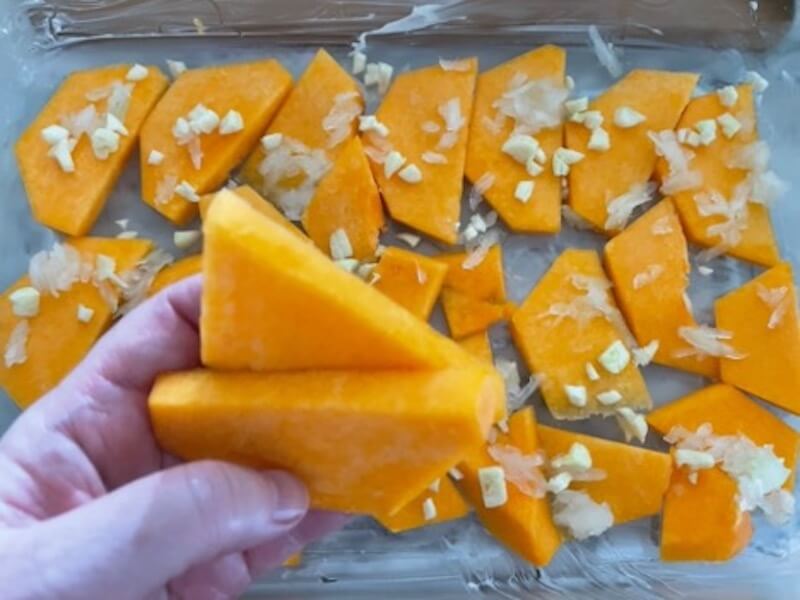
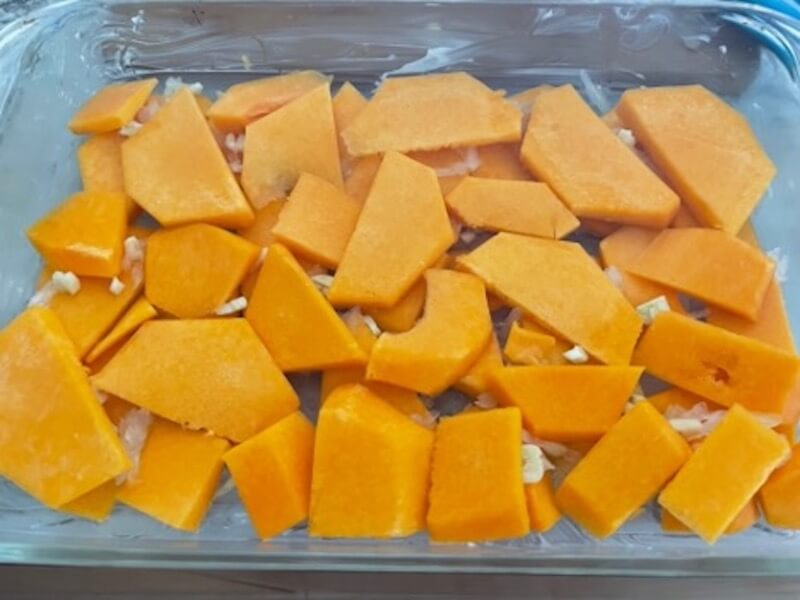
The top image shows the first layer of sliced butternut with grated onion and garlic. And the image below shows the second layer of butternut.
butternut bake

butternut bake

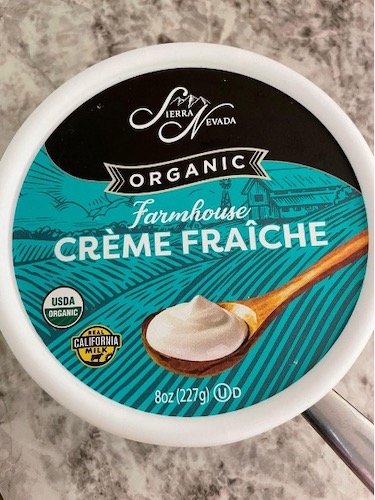
I was very pleased to find some very nice organic creme fraiche which has no added thickeners. The other image below shows the creme fraiche after it’s been boiled in the stock.
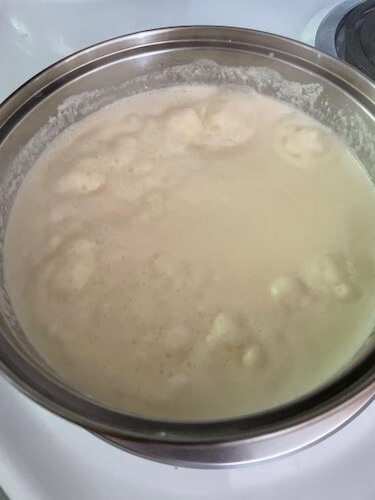
creme fraiche
creme fraiche sauce

The next image shows what the layers of butternut and garlic/onion looks like covered with the creme fraiche/stock mixture i.e. it looks like it may be too much liquid but it really isn’t.
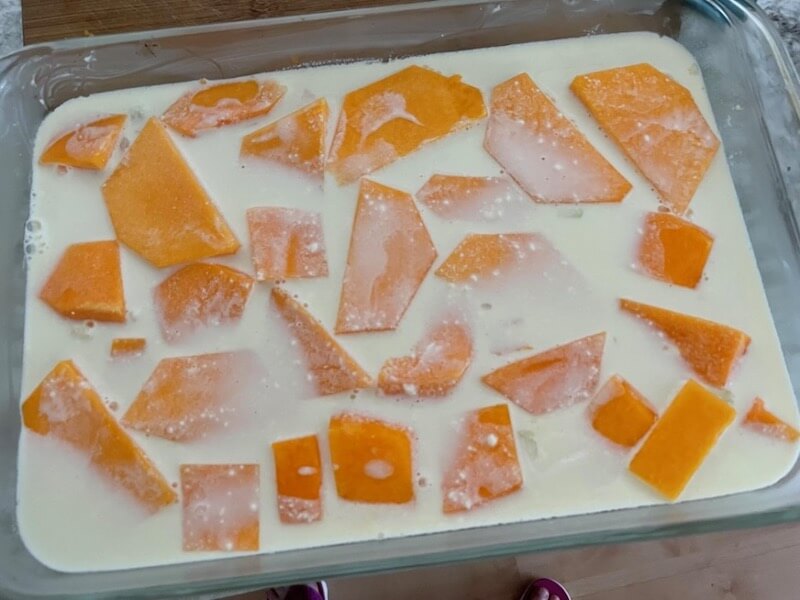
butternut bake

The bottom two images show what it looks like when the Butternut Bake is ready and comes out the oven, and then when it’s been served as a starter or side dish. There is a small amount of thick sauce.
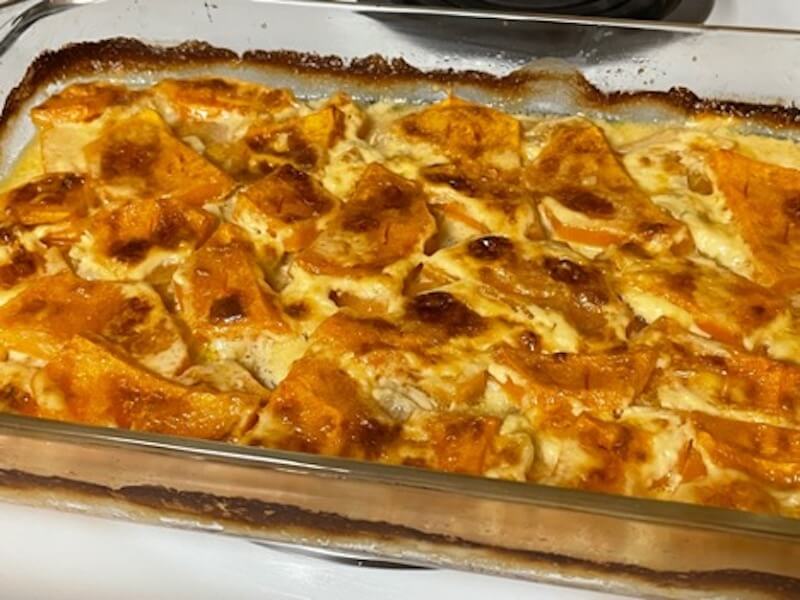
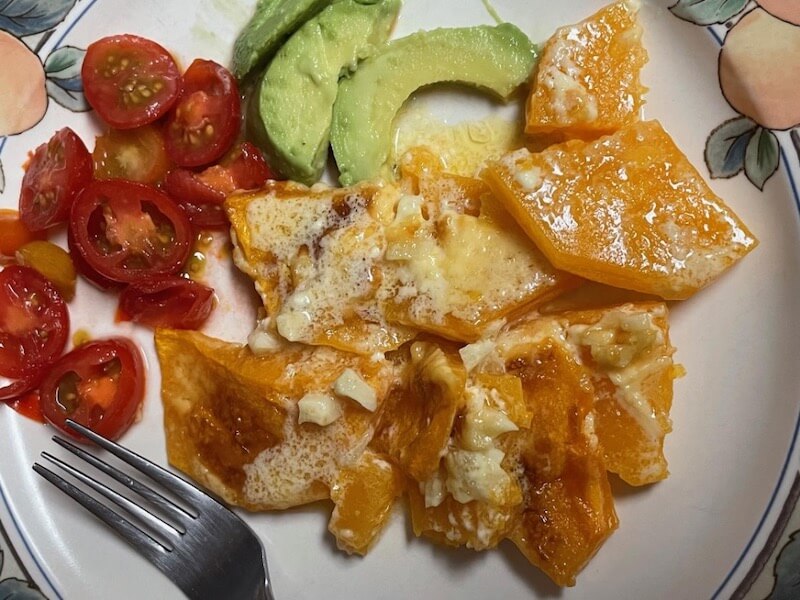
butternut bake

butternut bake

Why consider dietary oxalates as a possible issue?

This blog post is a good one to start with if you’re new to dietary oxalates and the issues they can cause: Oxalate crystal disease, dietary oxalates and pain: the research & questions

These are the common medium-oxalate and high-oxalate foods that many folks have problems with: nuts, nut-butters and nut-flour (something to watch when eating Paleo or GAPS), wheat, chocolate, kiwi fruit (very high – see the raphides image on the above blog), star fruit (also very high), beets, potatoes, sweet potatoes, legumes, raspberries, spinach and soy.

In the above blog post, I share an overview of oxalates, my pain issues with dietary oxalates (severe foot pain and eye pain), and deeper dive into the condition called oxalate crystal disease (with some of my insights and questions).

The big take-aways are that calcium oxalate crystals are sharp and can cause far reaching harm beyond pain – such as unresolved anxiety, thyroid issues, neurological symptoms, eye issues, hearing loss, bladder issues, headaches, fatigue, insomnia, restless legs, autism symptoms and more; and you can have issues with dietary oxalates and not have kidney disease/kidney stones (although there is very little research supporting the latter).

You may find these oxalate blogs helpful too:

  • Waking in the night due to environmental toxins: impacts on the liver, gallbladder and fat digestion (making oxalate issues worse)
  • Increased kidney stones in postmenopausal women with lower estradiol levels. What about increased dietary oxalate issues too?

What dietary oxalates issues have you experienced and has a low oxalate diet helped you?

Do let us know if you make this recipe and enjoy it.

Feel free to share a favorite recipe of something you’ve adapted to be low or even medium oxalate.

If you have questions please share them here too.
Filed Under: Anxiety, Insomnia, Oxalates, Recipes Tagged With: anxiety, bladder issues, butternut, Butternut Bake recipe, dietary oxalate, estradiol, eye issues, hearing loss, high oxalate, insomnia, kidney disease, kidney stones, low oxalate alternative, menopausal women, oxalate, pain, potato, Potato Bake, restless legs, sweet potatoes, unresolved thyroid issues

Waking in the night due to environmental toxins: impacts on the liver, gallbladder and fat digestion (making oxalate issues worse)

September 9, 2022 By Trudy Scott 37 Comments

night waking environmental toxins

Today I’m sharing how waking in the night may be caused by oxalate issues that are  made more severe because of home cleaning products, environmental toxins and fragrances/phthalates. It can happen because of the additional detoxification work required and adverse impacts on your liver and gallbladder. This can impact bile production so fat digestion is impaired. And when you have impaired fat digestion this can contribute to more severe oxalate issues because more oxalates are absorbed in the gut. This can lead to increased pain, worsening sleep and/or waking in the night, increased anxiety, fatigue, depression, more severe bladder symptoms, eye problems etc.

Using extra calcium citrate in the night can help in the short term. But improving fat digestion (with lipase, ox bile, taurine, a lipotropic formula, digestive bitters etc.) and supporting the liver/gallbladder is key because it gets to the root of the problem. And of course, avoid the chemical exposure. Sometimes this can’t be done – which is the case when you are traveling – so you have to do your best to reduce exposure.

This is actually my story. I’m traveling in South Africa at the moment and had a flare of my old oxalate issues, with increased foot pain at night, so much so that it was waking me at 3am in the morning. I’d be awake from 3-5am feeling agitated and restless and waiting for the extra calcium citrate to work. I’m a hot mess when I don’t get a solid 8-9 hours sleep so I had to figure out what the issue was and fix it quickly. It was a somewhat convoluted journey (more on that below) but eventually I landed on taurine as the solution and it’s been wonderful to get my solid sleep with no waking in the night!

I do eat a fair amount of fat – plenty of butter on my steamed veggies, olive oil, coconut oil, avocados, the fat from grass-fed meat, chicken skin, full fat cheese and eggs – and didn’t want to cut back.

So when taurine came to the rescue I was thrilled and still am!

I took 500mg before bed the first day and woke briefly twice but went right back to sleep. The second day I took 500mg taurine mid-morning, 500mg taurine mid-afternoon and 500mg before bed (all away from food). That night I woke briefly once and went right back to sleep. The third day I did the same and slept solidly through the night. My goal had been to increase to 3000mg per day but I’ll stick with 1500mg as long as this continues.

There were a few clues that indicated a need for liver-gallbladder support: the 3am waking is classic for liver issues; and my stool had become pale despite nothing else changing.

Impaired fat digestion leads to an increase in oxalate absorption

As mentioned above, when you have impaired fat digestion this can contribute to more severe oxalate issues because more oxalates are absorbed in the gut. This paper, Fat malabsorption induced by gastrointestinal lipase inhibitor leads to an increase in urinary oxalate excretion, summarizes the mechanism well:

Unabsorbed bile acids and fatty acids may react with calcium in the intestinal lumen, forming “soaps” that limit the amount of free calcium binding with oxalate, with a consequent increase in intestinal oxalate absorption leading to hyperoxaluria

In the above study, it’s orlistat (Xenical®), a gastrointestinal lipase inhibitor rather than environmental toxins and bile issues, that causes the increase in oxalates. I share it because it has a helpful explanation of the mechanism.

I share more about my issues with dietary oxalates here – Oxalate crystal disease, dietary oxalates and pain: the research & questions. My main issues in the past have been foot pain and eye pain, with downstream impacts on sleep. This blog has links to a number of other dietary oxalate blogs if this topic is new to you.

Bile production and detoxification

You may recall my wonderful interview with Ann Louise Gittleman on The Anxiety Summit 5: Gut-Brain Axis. The topic was: Why Bile is the Key to Anxiety & Hormone Havoc. I’ll add sleep to that too.

She covered the role of bile in PMS, estrogen imbalance and thyroid health; and importantly, how it’s involved in the removal of toxins from the body:

Bile is the dumping ground for hormones like estrogen. It’s the dumping ground for heavy metals that create anxiety like mercury, as well as too much aluminum and lead. And it’s the dumping ground, also, for a bunch of chemicals. So you got to keep the bile flowing. You have to keep it decongested. You have to thin it out.

She mentions simple tools to improve bile production: bitters (already part of my routine), lemon and water in the morning (also part of my daily routine), coffee (I can’t drink coffee as it makes me anxious), grapefruit and watercress. She also discusses key  nutrients for bile production and quality: choline, inositol, methionine and taurine.

I could not find any lipotropic formula with choline, inositol, methionine (they all had rice flour). And I could not find any products that contained only lipase or ox bile.

While I was looking for something to improve my bile production, I did try a milk thistle extract (for overall liver support) and a liver-gallbladder herbal tincture but both made things worse. So I did some reading on taurine, found a nice taurine only 500mg product and haven’t looked back. Read on for some of the mechanisms.

Taurine and bile acid conjugation and detoxification

Metabolic actions of the amino acid taurine include: “bile acid conjugation, detoxification, membrane stabilization, osmoregulation, and modulation of cellular calcium levels.”

This paper, The Continuing Importance of Bile Acids in Liver and Intestinal Disease, explains the significance of bile acid conjugation with taurine:

After biosynthesis from cholesterol and before excretion from the hepatocyte, bile acid molecules are conjugated with glycine or taurine, which converts a weak acid to a strong acid. As a result, conjugated bile acids are fully ionized at the range of pH values present in the small intestine.

Taurine works on GABA receptors and is a GABA alternative

What is really interesting is that taurine works on GABA receptors and has a synergistic effect with GABA. I suspect this played a role for me too.

In this editorial, Taurine and GABA neurotransmitter receptors, a relationship with therapeutic potential?, the authors share the following::

  • “Taurine exerts its neuronal inhibitory effect through the activation of GABAA receptors (GABAAR) but with less affinity than the specific agonists of each receptor.
  • GABA and taurine act synergistically in extra-synaptic GABA receptors.
  • Some experiments suggest that taurine activates GABAB receptors with high affinity”

In countries where over-the-counter GABA is not available (like the UK, Australia and New Zealand), I will recommend taurine as an option. I don’t find it to be as effective as GABA but it is slightly calming.

You may need to course-correct from time to time

I share this story to illustrate that things can be going well in terms of sleep, pain, anxiety, depression and so on, and then something can happen and you have to course-correct.

I also often hear from folks in my community saying: “GABA and/or tryptophan was working perfectly to help me sleep and all of a sudden it’s no longer working. What is going on?”  A situation like this shows how something else can change and it has nothing to do with the amino acids no longer working.

I do already use GABA, tryptophan (more on these below), melatonin and magnesium at bedtime and continued taking these supplements but I had to fix the root cause – the fat digestion issue.

I will add this: even if you don’t have dietary oxalate issues, this approach may be worth considering if you have no gallbladder, have fat digestion issues, are exposed to environmental toxins, have liver issues and wake in the night.

Resources if you are new to using amino acids as supplements

If you are new to using any of the amino acids as supplements, here is the Amino Acids Mood Questionnaire from The Antianxiety Food Solution (you can see all the symptoms of neurotransmitter imbalances, including low serotonin and low GABA).

If you suspect low levels of any of the neurotransmitters and do not yet have my book, The Antianxiety Food Solution – How the Foods You Eat Can Help You Calm Your Anxious Mind, Improve Your Mood, and End Cravings, I highly recommend getting it and reading it before jumping in and using amino acids on your own so you are knowledgeable. And be sure to share it with the practitioner/health team you or your loved one is working with.

There is an entire chapter on the amino acids and they are discussed throughout the book in the sections on gut health, gluten, blood sugar control, sugar cravings, self-medicating with alcohol and more.

The book doesn’t include product names (per the publisher’s request) so this blog, The Antianxiety Food Solution Amino Acid and Pyroluria Supplements, lists the amino acids that I use with my individual clients and those in my group programs. You can find them all in my online store.

If, after reading this blog and my book, you don’t feel comfortable figuring things out on your own (i.e. doing the symptoms questionnaire and respective amino acids trials), a good place to get help is the GABA QuickStart Program (if you have low GABA symptoms). This is a paid online/virtual group program where you get my guidance and community support.

If you are a practitioner, join us in The Balancing Neurotransmitters: the Fundamentals program. This is also a paid online/virtual program with an opportunity to interact with me and other practitioners who are also using the amino acids.

Have you experienced any adverse symptoms when exposed to environmental toxins? And has this made your oxalate issues worse or affected your fat digestion?

Have you used taurine with success? How much helps you?

Have other liver or gallbladder approaches also helped?

If you have questions please share them here too.
Read all posts in this series:

  • Coronavirus and vitamin C for immune support: new pain or more severe pain due to oxalate issues? (part 1)
  • Oxalate crystal disease, dietary oxalates and pain: the research & questions (part 2)
  • Vitamin C causes oxalate formation resulting in pain, anxiety, and insomnia (when there is a defect in ascorbic acid or oxalate metabolism)? (part 3)
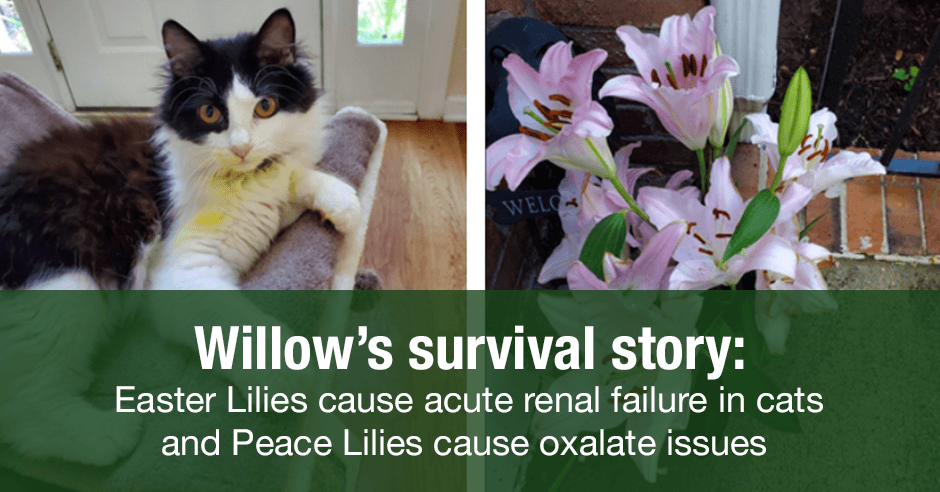
  • Willow’s survival story: Easter Lilies cause acute renal failure in cats and Peace Lilies cause oxalate issues (part 4)
  • Waking in the night due to environmental toxins: impacts on the liver, gallbladder and fat digestion (making oxalate issues worse) (part 5)

Filed Under: GABA, Insomnia, Oxalates, Pain Tagged With: anxiety, Balancing Neurotransmitters: the Fundamentals program for practitioners, bile, bladder symptoms, calcium citrate, depression, detoxification, digestive bitters; GABA Quickstart program, environmental toxins, eye problems, fat digestion, fatigue, fragrances, gallbladder, home cleaning products, insomnia, lipase, lipotropic formula, liver, ox bile, oxalates, pain, phthalates, sleep, taurine, Waking in the night

Increased kidney stones in postmenopausal women with lower estradiol levels. What about increased dietary oxalate issues too?

June 3, 2022 By Trudy Scott 20 Comments

oxalate menopause

Epidemiological data reveal that the overall risk for kidney stones disease is lower for women compared to age-matched men. However, the beneficial effect for the female sex is lost upon menopause, a time corresponding to the onset of fall in estrogen levels.

The above is from a 2013 paper, Serum estradiol and testosterone levels in kidney stones disease with and without calcium oxalate components in naturally postmenopausal women.

The aim of this study was to look at serum estradiol and testosterone levels of naturally postmenopausal women who had kidney stones.

It was a small study with 113 naturally postmenopausal women with newly diagnosed kidney stones (some with calcium oxalate stones and some with non-calcium oxalate stones) and 84 controls, all around 52 to 62 years of age.

The results were as follows:

  • Serum estradiol (E2) was significantly lower in kidney stones patients compared to controls (21.1 vs. 31.1 pg/ml)
  • Serum testosterone (T) levels did not significantly differ among the groups.

The authors came to the conclusion that “Naturally postmenopausal women with higher remaining estradiol levels appear less likely to suffer from kidney calcium oxalate stones.

These findings support the hypothesis that higher postmenopausal endogenous [produced by the body] estrogens may protect against kidney stones with ageing.”

This is very encouraging research because it means we can do something about it (more on that below).

My question is this: What about increased dietary oxalate issues in this age group? And can there be similar issues in perimenopausal women too? This study only looked at kidney stones but I propose that there is a connection and that declining estradiol is the common factor. I also propose that providing estrogen support may help to counter both issues – kidney stones and/or dietary oxalate issues with no kidney stones, especially with the clinical observations and feedback I have had (more on that below).

Now this may not be the case for all women and is clearly not the only factor when it comes to kidney stones and dietary oxalate issues. But I do feel it needs to be part of the discussion. In menopause, osteoporosis and heart disease are on our radar but kidney stones and dietary oxalate issues are not.

Dr. Felice Gersch talks about estrogen and calcium in bone health and osteoporosis

I really thought I was onto something after hearing Dr. Felice Gersh, MD (a integrative gynecologist who focuses on women’s health and menopause) talk about estrogen and calcium in bone health/osteoporosis on The Osteoporosis Summit earlier this year. This is some of what she shared:

Estrogen affects everything! So estrogen is involved in the development of bone, but it’s even more complex. For example, estrogen allows the proper absorption of calcium, so that you get proper absorption of calcium from food in the gastrointestinal tract. That involves having proper estrogen levels. And having proper estrogen levels allows the reabsorption of calcium in the kidneys so that you don’t excrete a lot of calcium that you shouldn’t be excreting.

As soon as I heard calcium and the kidneys, the light bulbs went off and I started looking for some research. I didn’t expect there to be much because a higher incidence of kidney stones in menopause and the estrogen connection is not something I’ve heard discussed by menopause experts. However, the above study was one of many. Here are a few more studies that support this connection:

  • Estrogen replacement increased the citrate and calcium excretion rates in postmenopausal women with recurrent urolithiasis (urolithiasis is kidney stone disease)
  • Etiological role of estrogen status in renal stone formation

Interestingly this 2021 paper, Association between sex hormones and kidney stones: analysis of the National Health and Nutrition Examination Survey, reports that there is “no independent association between sex hormones (testosterone and estradiol) and history of kidney stones in either males or females.”  This conclusion may be related to the fact that there are fewer studies that include women. I look forward to future research in this area and until then we use the other research and what we see clinically.

How common are dietary oxalate issues in my community of perimenopausal and menopausal women?

I posted the 2013 study and this question on Facebook to see how common an issue it is:

If you have dietary oxalate issues (with or without kidney stones) I’m curious if there is a hormonal connection and specifically if things got worse for you in perimenopause, and got really bad in menopause (as estrogen declines even further). This has certainly been the case for me.

Here is some of the feedback I’ve received on this post and related posts:

Cynthia shared this: “Really interesting! I definitely had oxalate issues (perimenopause) provoked by ruptured appendix/SBO/abscesses and fistula formation (13 day hospitalization)….I had to remove all oxalates and go full carnivore for 9 months….I’m still oxalate sensitive and had not been before…. I will definitely be sharing this with my communities….there are SO many middle aged women with oxalate issues”

Kirsten shared this: “Interesting to know. At the age of 49 (I am now 51), for the first time in my life I developed kidney stones – probably the most painful experience of my life. I eliminated vitamin C supplements and some oxalates (I had a daily dose of “green juice” that I was consuming as well that I no longer take) however I never understood the relationship between estrogen and their development. I am not post menopausal as of yet -but definitely experiencing symptoms common in peri-menopause… Perimenopausal symptoms include – anxiety (the worrying type) which is at its worst around the time I menstruate (taking 5-HTP which helps but doesn’t completely resolve), night sweats, hypoglycemia, HPA dysfunction (which could be a result of perimeno as well as its own issue – or both). If I don’t keep my stress levels in check, everything becomes exacerbated – meditation helps too.”

Leah shared this: I developed oxalate issues after menopause (I’m in my 60s) and didn’t realize what is was until I read your post about it during the early days of the pandemic when people were overdosing on vitamin C (at least you were trying to figure out if there was a connection at the time). With more research, I discovered a product called Kidney Cop that I still take (though I never get stones, only skin issues on my face). I also switched to liposomal vitamin C and amla and cut back on the offensive [high oxalate] foods for me. I do also experience a similar effect when I use collagen powder with peptides (skin issues). When I switched to a powder that didn’t contain peptides but has collagen types 1-5 in it, I had no issues. I don’t know if this is oxalate-related or not, but the skin issue is the same (clear fluid-filled bumps around my mouth and chin only).”

A number of women in the Facebook group Trying Low Oxlaates have shared comments like this: “I was never bothered by oxalate issues before menopause” and “I can tell you that my oxalate problems became far worse – along with everything else, pyroluria, copper toxicity etc – in perimenopause.”

Personally, my severe dietary oxalate issues started in 2012, when I was 52, and it manifested as excruciating foot pain. It was a combination of hot-burning-coals-pain and shards-of-glass-pain. Later it affected my left eye and more recently it impacted my sleep in a big way. I eat low oxalate and use vitamin B6 and calcium citrate (carefully timed) to keep symptoms away. My next plan is to see if addressing my low estrogen will help even more (more on that below).

Approaches to support declining estrogen levels in perimenopause and menopause

Briefly, here is a summary for supporting declining estrogen levels in perimenopause and menopause:

  • Diet and lifestyle including exercise and stress-reduction
  • Amino acid support as needed (GABA supports progesterone and tryptophan supports estrogen) and the pyroluria protocol of zinc, vitamin B6 and evening primrose oil (more on this here)
  • Adrenal support
  • Essential oils such as geranium and rose otto and clary sage and other oils to help with anxiety and stress
  • Liver and kidney support
  • Avoiding environmental toxins, especially xenoestrogens (plastics, fragrances, pesticides etc) which bind to estrogen receptor sites
  • Maca – the research on Femmenessence Maca-Pause for bone and cardio health is very encouraging and I suspect there may be benefits for dietary oxalate issues and kidney stones too (when there is a low estrogen trigger). I will be trying this approach and I’ll report back on what I find.
  • Other herbal approaches for hormonal support: Black cohosh, red clover, dong quai (which, interestingly, are reno-protective too)
  • Bioidentical hormone replacement therapy

This section deserves an entire blog post and is important to address over and above the mood issues, increased anxiety, compromised sleep, low libido, vaginal issues and hot flashes – because of the impacts for heart health, cognitive decline and bone health.

Kidney stones and dietary oxalate issues in men

This 2016 paper addresses kidney stones in males and makes the testosterone connection for men under 60 years of age: Possible role of elevated serum testosterone in pathogenesis of renal stone formation

Urolithiasis [kidney stones] occurs with greater frequency in males with incidences three times higher compared to females indicating some role played by androgens. Stone formation in renal tissues before puberty is similar between males and females, whereas greater frequency is seen in the third to the fourth decade of life when the levels of serum testosterone are also the highest in males.

With advancing age, the probability for stone formation also decreases as consistent with the decline in serum testosterone levels with more than 20% of healthy men over 60 years of age presenting with serum levels of hormone below the range for young men.

This paper does also support the menopausal estrogen connection I’ve mentioned above: “With females, the frequency for stone formation is considered more compared with premenopausal postulated mainly due to low estrogen levels.”

There is so mention of dietary oxalate issues but we do see this clinically.

My other resources on oxalates if this is new to you

This blog, Oxalate crystal disease, dietary oxalates and pain: the research & questions, came out of my quest for finding a medical explanation/term for my own pain caused by dietary oxalates and a desire to gain a better understanding for my clients who experience similar pain.

You can read an overview of oxalates, my pain issues with dietary oxalates, a deeper dive into the condition called oxalate crystal disease (with some of my insights and questions), and the autism and atherosclerosis research.

As I mentioned above, my severe dietary oxalate issues started in 2012 (when I was 52) and it manifested as excruciating foot pain. It was a combination of hot-burning-coals-pain and shards-of-glass-pain. Later it affected my left eye.

You can also read how oxalates can contribute to anxiety, sleep issues (this has been a more recent issue for me), headaches, fatigue and other symptoms.

When I did the research for this older blog I didn’t come across any studies related to menopause and estrogen levels.

I published this blog, Coronavirus and vitamin C for immune support: new pain or more severe pain due to oxalate issues?, to help folks identify the increase in different types of pain they were seeing as a result of using high dose vitamin C. This could be joint pain, eye pain, foot pain, vulvodynia, bladder issues, insomnia, gut pain, kidney pain, changes in thyroid health/labs, bone pain etc.

This blog, Vitamin C causes oxalate formation resulting in pain, anxiety, and insomnia (when there is a defect in ascorbic acid or oxalate metabolism)? is part 2 and reviews some of the research on vitamin C/ascorbic acid being a possible trigger for the formation of oxalates in certain instances.

I do mention the big disconnect that we see in this research is always the mention of kidney stones. The missing piece – in the research and in many articles – is that you can have issues with dietary oxalates when there is no kidney disease/no kidney stones. I propose similar logic for dietary oxalate issues in perimenopause and menopause with declining estrogen levels i.e. dietary oxalate issues with or without kidney stones.

If you’re in perimenopause or menopause have approaches for supporting estrogen (estradiol) made your dietary oxalate issues and/or kidney stones less severe? Please share what has helped and if you have both – dietary oxalate issues and kidney stones/kidney disease.

If you’re a younger woman and have dietary oxalate issues and kidney stones/kidney disease, have you noticed any hormonal connections?

If this doesn’t affect you personally, have you seen the benefits of supporting estrogen with your perimenopausal/menopausal female clients/patients who have dietary oxalate issues and kidney stones/kidney disease?

If you’re male and have had dietary oxalate issues and/or kidney stones have you found they get less severe as you get older and testosterone declines?

If you have questions please share them here too.
Filed Under: Oxalates, Women's health Tagged With: anxiety, bone health, calcium, calcium oxalate, cognitive decline, dietary oxalate issues, Dr. Felice Gersch, estrogen, heart health, hot-flashes, insomnia, kidney stones, libido, lower estradiol levels, men, mood issues, osteoporosis, oxalate menopause, pain, perimenopausal, perimenopause, postmenopausal women, postmenopause, sleep, testosterone, vaginal, vitamin C

Willow’s survival story: Easter Lilies cause acute renal failure in cats and Peace Lilies cause oxalate issues

September 11, 2020 By Trudy Scott 5 Comments

willow lilies oxalate

Be aware that Easter Lilies (pictured above) can cause acute renal failure in cats and Peace Lilies (pictured below) can cause calcium oxalate issues.

Lindsey Warnock shared these pictures and the story of her kitty Willow on Facebook and kindly gave me permission to share this on my blog as a caution for anyone with cats:

On Thursday Willow played with lilies in my office. She didn’t eat anything. She only batted at them and got the pollen all over her before I shooed her away. We laughed initially but thank God something in my head told me to google it.

I read, “All parts of the lily – including the stem, leaves, petals, stamens and pollen – are poisonous to cats. Even minor exposures (cat chewing on a leaf or getting pollen on his or her haircoat or whiskers) can be fatal.”

“Cats typically do not survive, even with aggressive therapy (such as dialysis).” [from this site noliliesforcats.com]

I freaked out. Threw her in the shower (that wasn’t fun) and immediately took her up to Blue Pearl Emergency & Specialty Hospital. Due to covid, they came and took her from my car and after her exam the ER doctor called me. She said her prognosis was very poor because they found the pollen around her mouth and on her tongue. She even said, “in my experience I’ve never seen a cat survive lily poisoning. Most owners only realize there’s an issue when the cat is sick and by that point it’s just too late”

Insert hysterical crying here. She said that her only saving grace may be that we sought treatment quickly but realistically she might not make it through the night. They made her throw up, gave her activated charcoal and aggressively treated her with fluid therapy and other meds.

Thank God after 2 days in the hospital, she pulled through!!! We will go for a recheck soon but her doctors are confident her organs didn’t suffer any long term damage from the poisoning.

I can’t tell you the intense guilt I felt and still feel for buying those stupid flowers. I felt like a murderer, terrible fur mom, terrible person. I’ve had cats my entire life and have never heard of lily poisoning. The vet’s response to that was “most people only find out the hard way” The doctors, technicians and staff at Blue Pearl really are the best! They saved our baby.

Please SHARE this with your friends. I would hate to see anyone go through this!! Thank you all for your support during that gut-wrenching 2 days. We’re thankful our girl is back home! No. More. Flowers. Ever.

This was a few weeks ago and when I checked in I see that Willow is still doing well!

This article, Toxic Plants by Tina A Wismer, DVM, DABVT, DABT, shares the toxic effects of the lily (pictured above) Willow brushed up against:

Lilies of the Lilium and Hemerocallis sp.have been shown to cause acute renal failure in the cat. Some examples include: Easter lilies (L. longiflorum), tiger lilies (L. tigrinum), rubrum or Japanese showy lilies (L. speciosum, L. lancifolium), and day lilies (H. species). The toxic principle is unknown, but is known to be water soluble. Even minor exposures (a few bites on a leaf, ingestion of pollen, etc.) may result in toxicosis, so all feline exposures to true lilies should be considered potentially life-threatening and should merit aggressive clinical intervention.

Peace lilies are also an issue for cats and dogs – due to oxalates

Peace Lilies are also harmful for cats and dogs because they contain calcium oxalate crystals. Fortunately they are not deadly.

peace lilies

This Toxic Plants article also lists common houseplants – including Philodendron spp. and Spathiphyllum spp. or Peace Lily – that contain insoluble calcium oxalate crystals, describing how they are also harmful for cats and dogs:

The calcium oxalate crystals look like needles, and when the plant is damaged these crystals embed themselves in the oral cavity. Clinical signs include hypersalivation, vomiting and possible swelling of the pharynx (obstruction is rare). Treatment includes milk or water to rinse mouth. Clinical signs usually resolve within 24 hours with no lasting effects.

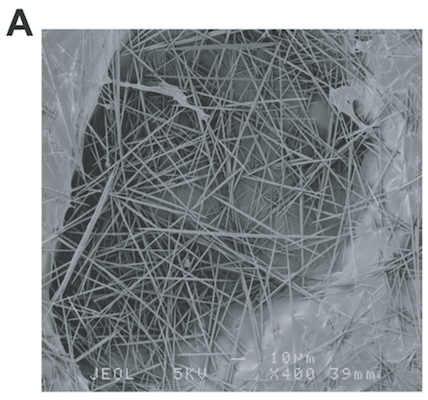
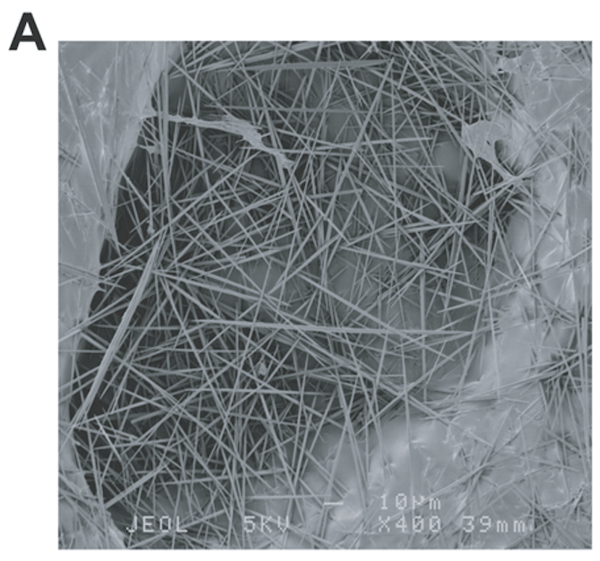
Here is an image of calcium oxalate crystals called raphides. You can see why these needle shaped calcium oxalate crystals found can inflict pain and cause harm. There are many different shapes of calcium oxalate crystals and this is just one example.

Raphides
Raphides purified from kiwifruit. Raphides, needle shaped calcium oxalate crystals, were collected from kiwifruit homogenate through heavy media separation using a dense CsCl solution. (A) The SEM image of purified raphides (x400). Shared from: Synergistic Defensive Function of Raphides and Protease through the Needle Effect via Creative Commons.

This article, Easter Lilies and Cats do not Mix! shares more about the two different groups of lilies, “true” lilies (like Easter Lilies) and “benign” lilies (like Peace Lilies). Author, Karen Christopherson, DVM, CVA says “It is best to skip lilies altogether in households where cats live.”

Be sure to read the entire Toxic Plants article for a list of all plants that are harmful and severely toxic to cats and dogs. I had no idea there were so many!

I am not a vet and am not an expert on any of this so please do check in with your own vet.

Oxalate questions I have

With regards to oxalates I have these questions I’d love to know the answers for:

  • Do all cats and dogs have an inborn ability to tolerate calcium oxalate crystals like those found in the Peace Lily?
  • Would cats and dogs also have issues (especially severe pain in their joints, bladder issues and increased anxiety) if they were to ingest high oxalate foods like spinach, beets, sweet potatoes, soy and kiwi fruit?
  • Given that there are some human “antidotes” for helping with acute exposure symptoms after ingestion of high oxalate foods (like spinach, rhubarb, nuts, kiwi fruit etc) in susceptible individuals, I am curious to know if some of these could be used with cats and dogs too: calcium citrate, magnesium citrate, vitamin B6 and/or an epsom salt bath?
  • Do humans with dietary oxalate issues have problems working with some of these indoor plants (like Peace Lilies) when planting them, pruning and even getting pollen on the skin?

Are you aware of these harmful effects of plants for cats and dogs? Let us know if you experienced something similar to what happened to Willow or with a plant like the Peace Lily. What advice did your vet share with you and how is your cat or dog doing now?

If you have answers to any of the above questions please do share too.

Feel free to post your questions here too.

We appreciate Lindsey for letting me share this and say well done for your quick thinking!

Read all posts in this series:

  • Coronavirus and vitamin C for immune support: new pain or more severe pain due to oxalate issues? (part 1)
  • Oxalate crystal disease, dietary oxalates and pain: the research & questions (part 2)
  • Vitamin C causes oxalate formation resulting in pain, anxiety, and insomnia (when there is a defect in ascorbic acid or oxalate metabolism)? (part 3)
  • Willow’s survival story: Easter Lilies cause acute renal failure in cats and Peace Lilies cause oxalate issues (part 4)
  • Waking in the night due to environmental toxins: impacts on the liver, gallbladder and fat digestion (making oxalate issues worse) (part 5)

Filed Under: Anxiety, Oxalates Tagged With: Calcium oxalate crystals, cats, dogs, Easter lily, harmful, hypersalivation, lilies, lily, mouth, needles, oral cavity, oxalates, Peace lily, raphides, swelling, vomiting

Vitamin C causes oxalate formation resulting in pain, anxiety, and insomnia (when there is a defect in ascorbic acid or oxalate metabolism)?

September 4, 2020 By Trudy Scott 51 Comments

vitamin c and oxalate

Supplemental vitamin C has many exceptional health benefits and causes no issues for a large majority of individuals. However if you have dietary oxalate issues, doses of vitamin C above 100mg to 250mg per day may be problematic and trigger pain, anxiety, insomnia, bladder issues and more. This blog, Coronavirus and vitamin C for immune support: new pain or more severe pain due to oxalate issues?, is part 1 of the series  which sets the scene and is a fact-finding article. Part 2, Oxalate crystal disease, dietary oxalates and pain: the research & questions (part 2), covers the research behind oxalate crystal disease.

Today we look at some of the research on vitamin C/ascorbic acid being a possible trigger for the formation of oxalates in certain instances. This paper, No contribution of ascorbic acid to renal calcium oxalate stones, has a good summary:

Even though a certain part of oxalate in the urine derives from metabolized ascorbic acid, the intake of high doses of vitamin C does not increase the risk of calcium oxalate kidney stones due to physiological regulatory factor: gastrointestinal absorption as well as renal tubular reabsorption of ascorbic acid are saturable processes, and the metabolic transformation of ascorbic acid to oxalate is limited as well.

But in the large-scale Harvard Prospective Health Professional Follow-Up Study, those groups in the highest quintile of vitamin C intake (> 1,500 mg/day) had a lower risk of kidney stones than the groups in the lowest quintiles.

This paper does however have this precaution:

Recurrent stone formers and patients with renal failure who have a defect in ascorbic acid or oxalate metabolism should restrict daily vitamin C intakes to approximately 100 mg.

My proposed interpretation of this

I’d like to propose an interpretation of this, based on what we know about oxalates. These are the individuals who should restrict daily vitamin C intakes to approximately 100 mg per day (or up to around 250mg per day – more on the range below):

1) If you are someone who is a recurrent stone former or is in renal failure with a defect in ascorbic acid or oxalate metabolism

2) If you are someone with dietary oxalate issues i.e. you have similar symptoms when consuming vitamin C as you do when consuming high oxalate foods. Could we consider that you be classified as having “a defect in ascorbic acid or oxalate metabolism?” I would say yes.

I’ve added #2 above because we need to keep in mind that many individuals who have issues with dietary oxalates are not necessarily stone formers and nor do they have renal failure.

Research is also lacking in this area as you can read in Oxalate crystal disease, dietary oxalates and pain: the research & questions (part 2).

An omission of the 100mg per day restriction

I would like to point out that the study mentioned above was referred to in an article on Dr. Andrew Saul’s site but for some reason the section about the 100mg daily restriction was omitted from the article. It may have something to do with the fact that the author firmly believes that no-one has oxalate issues with any dose of vitamin C. In fact, he even jokingly makes this comment in the article:

Is some clown still trying to tell you that vitamin C is somehow dangerous? Or that you shouldn’t take more than 200 mg/day?

If you are someone who does experience pain when consuming vitamin C (like I do), I’m pretty sure you don’t find this comment amusing.

Vitamin C intake leading to pain, anxiety, insomnia, low mood and bladder issues

Here is some additional feedback from a question I posted on Facebook. This is the question I posted:

I’ve been sharing here about vitamin C being an issue for some folks who have oxalate issues and seeing an increase in pain. I’d love to hear if you upped your vitamin C intake for immune support and saw your mood take a dive or your anxiety increase or your sleep get worse? Vitamin C typically helps because it’s a cofactor for making neurotransmitters like serotonin and GABA and tyrosine but too much of a good thing is not good! Did you also have increased or new pain (as well as anxiety, low mood and insomnia)?

Here are some of the responses from folks who shared about pain, anxiety, insomnia, low mood and bladder issues:

  • Fay shared this: “Yes increased pain, insomnia and anxiety with increased C and mouth sores to boot. Taking liposomal C and Ester C to boost antioxidants for health reasons and pain in elbows and knees. Not sleeping well at all either.”
  • Lica shared this: “Yes increased anxiety…never thought of it before…felt a bug coming on and took c for a few days…yup anxiety.”
  • Nicola shared this: “Increase in body pain, burning bladder, sleep affected and low mood ( not something I usually suffer with). I was taking liposomal C then increased the dose and also added Ester C as I had symptoms of covid. I was taking 1-2g a day of liposomal previously as a preventative and increased to 4g plus 4g of Ester. Only did it for a couple of days. Stopped three days ago and pain is starting to subside but no sleep last night. So I will continue with a break for now and add a very low dose again perhaps of Ester C and see how I go.”

I really appreciate these women sharing their experiences so we can all learn!

What is the upper limit of vitamin C for individuals with dietary oxalate issues?

I’m sure you’re wondering about the various dosages mentioned: the study mentions 100mg per day,  Dr. Andrew Saul’s clown comment says 200mg per day and Susan Owen’s TLO Facebook group recommends no more than 250mg per day. You’ll need to figure out what the upper dose of vitamin C you can tolerate – by trial and error.

The big disconnect is always the mention of kidney stones

This is one of many similar studies on the topic of ascorbic acid/vitamin C and oxalates. There are also many studies and articles stating that vitamin C does NOT play a role in the formation of oxalates and cause kidney stones. The big disconnect is always the mention of kidney stones. The missing piece – in the research and in many articles – is that you can have issues with dietary oxalates AND vitamin C when there is no kidney disease/no kidney stones.

I have a number of additional oxalate blog posts planned so please let me know what else you want to hear about.

Here are the 2 previous blog posts on this topic of oxalates, vitamin C and pain:

  • Coronavirus and vitamin C for immune support: new pain or more severe pain due to oxalate issues? (part 1)
  • Oxalate crystal disease, dietary oxalates and pain: the research & questions (part 2)

Please also share your vitamin C oxalate story and how you figured it out (and if you react in a similar way to dietary oxalates).

Let us know what your ideal dose is (and which dose caused issues) and what form of vitamin C and product name you use/used. Feel free to share if you also have a history of kidney stones.

Feel free to post your questions here too.

Read all posts in this series:

  • Coronavirus and vitamin C for immune support: new pain or more severe pain due to oxalate issues? (part 1)
  • Oxalate crystal disease, dietary oxalates and pain: the research & questions (part 2)
  • Vitamin C causes oxalate formation resulting in pain, anxiety, and insomnia (when there is a defect in ascorbic acid or oxalate metabolism)? (part 3)
  • Willow’s survival story: Easter Lilies cause acute renal failure in cats and Peace Lilies cause oxalate issues (part 4)
  • Waking in the night due to environmental toxins: impacts on the liver, gallbladder and fat digestion (making oxalate issues worse) (part 5)

Filed Under: Anxiety, Oxalates Tagged With: anxiety, ascorbic acid, Coronavirus, defect, depression, insomnia, kidney disease, low mood, oxalate crystal disease, oxalate formation, oxalate metabolism, oxalates, pain, renal, serotonin, vitamin C

Oxalate crystal disease, dietary oxalates and pain: the research & questions

June 26, 2020 By Trudy Scott 143 Comments

oxalate crystal disease

This blog post came out of my quest for finding a medical explanation/term for my own pain caused by dietary oxalates and a desire to gain a better understanding for my clients who experience similar pain. It’s been on my writing list for some time and I’ve been gathering articles and research but the current coronavirus pandemic and recommendations for high vitamin C intake had me concerned enough to blog about it and ask for feedback from my community.

This is the blog, Coronavirus and vitamin C for immune support: new pain or more severe pain due to oxalate issues?, where I pose the question about recent increased intake of vitamin C or the addition of large doses for immune support and increased pain: joint pain, eye pain, foot pain, vulvodynia, bladder issues, insomnia, gut pain, kidney pain, changes in thyroid health/labs, bone pain etc?  The feedback on this blog and on Facebook has been huge and confirms the connection.  Thank you if you’ve already contributed to the discussion!

Today I’ll share an overview of oxalates, my pain issues with dietary oxalates, a deeper dive into the condition called oxalate crystal disease (with some of my insights and questions), and the autism and atherosclerosis research. It’s by no means a comprehensive blog on all things oxalates but rather a way to try and connect some dots and pose some questions for going deeper.

The next blog will address my vitamin C/oxalate/pain story and the research on vitamin C, oxalates and pain, together with questions.

Oxalates defined and food sources

Before we review oxalate crystal disease, let’s define calcium oxalates. Julie Matthews, my good friend and colleague and an oxalate expert shares this in her blog, Oxalates: Their Influence on Chronic Disease

Oxalates present in our body as sharp crystals or crystalline structures with jagged edges that cause pain, irritation, and distress. They can bind with certain minerals; particularly calcium and magnesium, as well as iron and copper

You’ll find many different lists of low, medium and high oxalate foods. When I started eating low oxalate I found Susan Owen’s site simple and very helpful. I then joined the Trying Low Oxalates Facebook group for support and feedback.

In summary, these are the common medium-oxalate and high-oxalate foods that many folks have problems with: nuts, nut-butters and nut-flour (something to watch when eating Paleo or GAPS), wheat, chocolate, kiwi fruit (very high – see the raphides image below), star fruit (also very high), beets, potatoes, legumes, berries, spinach and soy.

You can see why these needle shaped calcium oxalate crystals found in kiwi fruit could inflict pain. This is just one example – there are many different shapes of calcium oxalate crystals.

raphides purified from kiwifruit
Raphides purified from kiwifruit. Raphides, needle shaped calcium oxalate crystals, were collected from kiwifruit homogenate through heavy media separation using a dense CsCl solution. (A) The SEM image of purified raphides (x400). Shared from: Synergistic Defensive Function of Raphides and Protease through the Needle Effect via Creative Commons.

My oxalate story: severe foot pain and eye pain

I personally had severe dietary oxalate issues in 2012 which manifested as excruciating foot pain. It was a combination of hot-burning-coals-pain and shards-of-glass-pain. It was just after my book, The Antianxiety Solution (my Amazon link), came out. Due to my book tours and events, I would be on my feet all day presenting, often for 3 full consecutive days, so I figured that must be the reason. When I travelled, I took a blender and made smoothies with berries, ate plenty of healthy nuts as my snacks and took kale chips with me to make sure I was getting my greens. Kiwi fruit was a favorite of mine!

I was eating a high oxalate diet and had no idea until I heard Julie present at an Integrative Medicine for Mental Health Conference on dietary oxalates and autism. A light-bulb went off and then I worked with her to learn about oxalates and figure out if it was in fact because of oxalates and sure enough, as soon as I removed high and medium oxalate foods the pain resolved. Note: the advice is NOT to remove all high and medium oxalate foods at once because dumping can occur. I was fortunate that this didn’t happen with me, possibly because of the vitamin B6 I was already taking as part of the pyroluria protocol.

When I eat a low oxalate diet I do really well. However, more recently dietary oxalates have been causing me eye pain when I have a treat like eggplant or carob. It starts out as a kind of scratchy discomfort and mild pain and then gets worse and worse. I also have a goopy kind of discharge from the inner part of my eye and burning/redness crystal-like teariness on the outer parts of my eyes.  I recently had one very severe incident where the eye pain in my left eye was agonizing for about 2 hours. I was beside myself and tried GABA, DPA and tryptophan for an attempt at pain relief – with no success. When I took 500mg of vitamin B6 the pain eased immediately.

The theory is that oxalates cause issues where you have a weakness. I injured my left eye walking into a low tree-branch while rock-climbing 15 years ago, so I suspect this is why my left eye is more severely affected.

Oxalate crystal disease

The condition “oxalate crystal disease” is the closest explanation I’ve found that explains the pain I’ve experienced and makes the most sense, other than the fact that all the studies mention kidney disease and yet I don’t have kidney disease and have never had kidney stones. I’ve also never had a problem with my estimated Glomerular Filtration Rate (eGFR). In case eGFR is new to you it measures how well your kidneys filter the wastes from your blood and is the best overall measure of kidney function/damage.

This paper, Update on oxalate crystal disease, summarizes it:

Oxalate arthropathy is a rare cause of arthritis characterized by deposition of calcium oxalate crystals within synovial fluid. This condition typically occurs in patients with underlying primary or secondary hyperoxaluria. Primary hyperoxaluria constitutes a group of genetic disorders resulting in endogenous overproduction of oxalate, whereas secondary hyperoxaluria results from gastrointestinal disorders associated with fat malabsorption and increased absorption of dietary oxalate. In both conditions, oxalate crystals can deposit in the kidney leading to renal failure. Since oxalate is primarily renally eliminated, it accumulates throughout the body in renal failure, a state termed oxalosis. Affected organs can include bones, joints, heart, eyes, and skin. Since patients can present with renal failure and oxalosis before the underlying diagnosis of hyperoxaluria has been made, it is important to consider hyperoxaluria in patients who present with unexplained soft tissue crystal deposition. The best treatment of oxalosis is prevention. If patients present with advanced disease, treatment of oxalate arthritis consists of symptom management and control of the underlying disease process.

Let me break this down because I’ve had to look up terminology and read and re-read papers in order to get a better understanding of things:

#1 Oxalate arthropathy is a rare cause of arthritis characterized by deposition of calcium oxalate crystals within synovial fluid.

Oxalate arthropathy is a disease of the joints caused by oxalates depositing in the synovial fluid of the joints.  The paper states it is a rare cause of arthritis, but I suspect it is much more common given what we’re seeing clinically.

Also, because all the research connects oxalate crystal disease with kidney disease, it may be overlooked when there is no kidney disease (more on that below).

Synovial fluid is the fluid between the joints that acts as a lubricant and nutrient source.

#2 This condition typically occurs in patients with underlying primary or secondary hyperoxaluria.

Hyperoxaluria occurs when you have “too much oxalate in your urine.”

#3 Primary hyperoxaluria constitutes a group of genetic disorders resulting in endogenous overproduction of oxalate and… secondary hyperoxaluria results from gastrointestinal disorders associated with fat malabsorption and increased absorption of dietary oxalate.

Primary hyperoxaluria is genetic and results in endogenous or internal overproduction of oxalate, causing too much oxalate in the urine.

The secondary hyperoxaluria description mentions “gastrointestinal disorders associated with fat malabsorption and increased absorption of dietary oxalate.”  There are a number of other factors which I’ll address in a future blog.

According to this paper and others, secondary hyperoxaluria also results in too much oxalate in the urine.

#4 In both conditions, oxalate crystals can deposit in the kidney leading to renal failure. Since oxalate is primarily renally eliminated, it accumulates throughout the body in renal failure, a state termed oxalosis.

Affected organs can include bones, joints, heart, eyes, and skin.

Mayo clinic states oxalosis occurs if your kidneys fail. “Because your body can no longer eliminate the extra oxalate, it starts accumulating — first in your blood, then in your eyes, bones, skin, muscles, blood vessels, heart and other organs.”

My comment is that in some instances, oxalates accumulate in various parts of the body without kidney failure. I share more about this aspect and what we see clinically below, plus an autism and atherosclerosis study.

This paper, Oxalate crystal deposition disease, also mentions the following: “osteopathy, acute and chronic arthropathy with chondrocalcinosis, synovial calcification, and miliary skin calcium oxalate deposits and vascular calcifications that affect mainly the hands and feet.” The paper is focused on primary hyperoxaluria (and does also discuss the kidney involvement) but I’m including it because of the conditions listed. You may have received one of these diagnoses and not linked it back to dietary oxalates and/or vitamin C intake possibly playing a role.

The authors do report “systemic life-threatening cardiovascular, neurologic, and hematologic manifestations”, saying they are rare.

Calcium oxalates: anxiety, sleep, headaches, fatigue and other symptoms

Calcium oxalate crystals can also be found in the thyroid, and ear, leading to hearing loss under some circumstances.

Julie Matthews, in her blog, Oxalates: Their Influence on Chronic Disease, also shares that

Clinical studies and anecdotal experience indicate that oxidative stress, mitochondrial disruption and damage, and nutrient depletions, trigger widely varied symptoms including fatigue and inflammatory cascades, joint pain or pain anywhere in the body. Chronic low energy is very common because of a reduction in ATP in the mitochondria. Oxalates could be a hidden source of headaches, urinary pain, genital irritation, joint, muscle, intestinal or eye pain.

Other common oxalate-caused symptoms may include mood conditions, anxiety, sleep problems, weakness, or burning feet. Indicators can be digestive, respiratory, or even bedwetting for children.

What the researchers are saying – always kidney disease

I’ve reached out to a number of researchers, practitioners and labs and they all state that oxalate crystal disease only happens with kidney disease/kidney stones. This is what one researcher shared with me: “Plasma oxalate concentrations only elevate enough to cause systemic disease when there is significant kidney disease (typically GFR <20-30). I have never seen a significantly elevated plasma oxalate without chronic kidney disease.”

Could this be the case because they are kidney specialists and therefore only seeing patients who already have kidney disease?

The good news is that a number of them are intrigued and interested in learning more.

Oxalate crystals in autism and atherosclerosis without kidney issues

However, based on my own experience and according to many in this community and other communities like the Trying Low Oxalates Facebook group, pain issues related to dietary oxalate intake may occur without kidney issues/kidney stones, and often does.

These papers offer some support for what I suspect we are seeing clinically – systemic oxalate deposits can occur deposits without kidney stones or renal failure:

  • A Potential Pathogenic Role of Oxalate in Autism

Children with ASD [autism spectrum disorder] demonstrated 3-fold greater plasma oxalate levels … and 2.5-fold greater urinary oxalate concentrations. Despite significant hyperoxaluria no evidence of kidney stone disease…was observed

  • Atherosclerotic Oxalosis in Coronary Arteries

calcium oxalate crystals were observed within atherosclerotic plaques in the coronary arteries. Similar deposits were seen in the thyroid gland and other organs but not in the kidneys. None of the patients had chronic renal failure…. We suggest the phrase “atherosclerotic oxalosis” to describe this finding.

These are the disconnects I’m seeing in the research and questions I have:

  • Oxalate crystal disease is reported to be rare and it only happens with kidney disease/kidney stones – could it be more common than reported? As Julie states: “New science and clinical experience reveal concerns about oxalates that far exceed traditional kidney stone pathology.”
  • Should we be calling it hyperoxaluria. “too much oxalate in your urine” if the kidney is not involved? Or do we need to expand the definition of hyperoxaluria to include too much oxalate in other tissues outside the kidney and urine?
  • Could oxalate crystal disease with no kidney disease be a new syndrome that has yet to be widely and clearly identified in the research?

I mean no disrespect to the study authors and researchers by sharing my insights and questions here and in the section above.  I appreciate the work they do and the opportunity to learn from them.

Searching through the literature on this has been extremely challenging because studies always refer to the kidney. It may well be that there is a perfectly logical explanation for much of this and someone has already gone through the research and has answers to all my questions.  I am very willing to be enlightened so please do share if you’ve come across a good explanation.

Either way, please share your insights based on what I’ve shared in this blog and in relation to your experiences with pain caused by dietary oxalates and/or pain caused by vitamin C intake. I will be sharing this blog and the comments with the researchers and practitioners who are open to all this.

Read all posts in this series:

  • Coronavirus and vitamin C for immune support: new pain or more severe pain due to oxalate issues? (part 1)
  • Oxalate crystal disease, dietary oxalates and pain: the research & questions (part 2)
  • Vitamin C causes oxalate formation resulting in pain, anxiety, and insomnia (when there is a defect in ascorbic acid or oxalate metabolism)? (part 3)
  • Willow’s survival story: Easter Lilies cause acute renal failure in cats and Peace Lilies cause oxalate issues (part 4)
  • Waking in the night due to environmental toxins: impacts on the liver, gallbladder and fat digestion (making oxalate issues worse) (part 5)
  • Increased kidney stones in postmenopausal women with lower estradiol levels. What about increased dietary oxalate issues too?
  • Vulvodynia: oxalates, GABA, tryptophan and physical therapy
  • Ox bile as a supplement: to help counter the effects of dietary oxalates very likely caused by bile issues and poor fat digestion
  • Low oxalate success stories: resolution of joint/body pain, insomnia, peripheral neuropathy and can walk without a cane
  • Bright light to reset circadian rhythm: a solution for jet lag (with melatonin) and for disturbed sleep caused by bile issues?

Filed Under: Oxalates Tagged With: atherosclerosis, autism, calcium oxalates, dietary oxalates, eyes, Julie Matthews, kidney disease, oxalate crystal disease, oxalates, pain, questions, research, susan owen, vulvodynia, xalate crystal disease

  • « Go to Previous Page
  • Page 1
  • Page 2
  • Page 3
  • Go to Next Page »

Primary Sidebar

GABA QuickStart Homestudy

gaba quickstart homestudy

Free Report

9 Great Questions Women Ask about Food, Mood and their Health

You'll also receive a complimentary subscription to my ezine "Food, Mood and Gal Stuff"


Connect with me

Popular Posts

  • Amino Acids Mood Questionnaire from The Antianxiety Food Solution
  • The Antianxiety Food Solution Amino Acid and Pyroluria Supplements
  • Pyroluria Questionnaire from The Antianxiety Food Solution
  • Collagen and gelatin lower serotonin: does this increase your anxiety and depression?
  • Tryptophan for the worry-in-your-head and ruminating type of anxiety
  • GABA for the physical-tension and stiff-and-tense-muscles type of anxiety
  • The Antianxiety Food Solution by Trudy Scott
  • Seriphos Original Formula is back: the best product for anxiety and insomnia caused by high cortisol
  • Am I an anxious introvert because of low zinc and vitamin B6? My response to Huffington Post blog
  • Vagus nerve rehab with GABA, breathing, humming, gargling and key nutrients

Recent Posts

  • Her cravings for chips and peanut butter were triggered by stress: GABA ends cravings and reduces physical tension and fear of heights
  • It is truly miraculous to be able to move through life without crippling anxiety and panic
  • GABA and tryptophan combo provide immediate and noticeable relief for tremors and cervical dystonia in just 7 days
  • Red light therapy for back and neck pain, plantar fasciitis and low mood – a complement to the amino acids GABA, DPA and tryptophan
  • What do I use instead of Seriphos to help lower high cortisol that is affecting my sleep and making me anxious at night?

Categories

  • 5-HTP
  • AB575
  • Addiction
  • ADHD
  • Adrenals
  • Alcohol
  • Allergies
  • Alzheimer's disease
  • Amino Acids
  • Anger
  • Antianxiety
  • Antianxiety Food Solution
  • Antidepressants
  • Anxiety
  • Anxiety and panic
  • Autism
  • Autoimmunity
  • benzodiazapines
  • Bipolar disorder
  • Books
  • Caffeine
  • Cancer
  • Candida
  • Children/Teens
  • Collagen
  • Cooking equipment
  • Coronavirus/COVID-19
  • Cravings
  • Depression
  • Detoxification
  • Diabetes
  • Diet
  • DPA/DLPA
  • Drugs
  • EFT/Tapping
  • EMF
  • EMFs
  • Emotional Eating
  • Endorphins
  • Environment
  • Essential oils
  • Events
  • Exercise
  • Fear
  • Fear of public speaking
  • Fertility and Pregnancy
  • Fish
  • Food
  • Food and mood
  • Functional neurology
  • GABA
  • Gene polymorphisms
  • General Health
  • Giving
  • Giving back
  • Glutamine
  • Gluten
  • GMOs
  • Gratitude
  • Gut health
  • Heart health/hypertension
  • Histamine
  • Hormone
  • Hyperparathyroidism
  • Hypoglycemia
  • Immune system
  • Inflammation
  • Insomnia
  • Inspiration
  • Introversion
  • Joy and happiness
  • Ketogenic diet
  • Lithium orotate
  • Looking awesome
  • Lyme disease and co-infections
  • MCAS/histamine
  • Medication
  • Men's health
  • Mental health
  • Mercury
  • Migraine
  • Mold
  • Movie
  • MTHFR
  • Multiple sclerosis
  • Music
  • NANP
  • Nature
  • Nutritional Psychiatry
  • OCD
  • Osteoporosis
  • Oxalates
  • Oxytocin
  • Pain
  • Paleo
  • Parasites
  • Parkinson’s disease
  • PCOS
  • People
  • PMS
  • Postpartum
  • PTSD/Trauma
  • Pyroluria
  • Questionnaires
  • Real whole food
  • Recipes
  • Research
  • Schizophrenia
  • serotonin
  • SIBO
  • Sleep
  • Special diets
  • Sports nutrition
  • Stress
  • Sugar addiction
  • Sugar and mood
  • Supplements
  • Teens
  • Testimonials
  • Testing
  • The Anxiety Summit
  • The Anxiety Summit 2
  • The Anxiety Summit 3
  • The Anxiety Summit 4
  • The Anxiety Summit 5
  • The Anxiety Summit 6
  • Thyroid
  • Thyroid health
  • Toxins
  • Tryptophan
  • Tyrosine
  • Uncategorized
  • Vegan/vegetarian
  • Women's health
  • Yoga

Archives

  • May 2026
  • April 2026
  • October 2025
  • September 2025
  • August 2025
  • July 2025
  • June 2025
  • May 2025
  • April 2025
  • March 2025
  • February 2025
  • January 2025
  • November 2024
  • October 2024
  • September 2024
  • August 2024
  • July 2024
  • June 2024
  • May 2024
  • April 2024
  • March 2024
  • February 2024
  • January 2024
  • December 2023
  • November 2023
  • October 2023
  • September 2023
  • August 2023
  • July 2023
  • June 2023
  • May 2023
  • April 2023
  • March 2023
  • February 2023
  • January 2023
  • December 2022
  • November 2022
  • October 2022
  • September 2022
  • August 2022
  • July 2022
  • June 2022
  • May 2022
  • April 2022
  • March 2022
  • February 2022
  • January 2022
  • December 2021
  • November 2021
  • October 2021
  • September 2021
  • August 2021
  • July 2021
  • June 2021
  • May 2021
  • April 2021
  • March 2021
  • February 2021
  • January 2021
  • December 2020
  • November 2020
  • October 2020
  • September 2020
  • August 2020
  • July 2020
  • June 2020
  • May 2020
  • April 2020
  • March 2020
  • February 2020
  • January 2020
  • December 2019
  • November 2019
  • October 2019
  • September 2019
  • August 2019
  • July 2019
  • June 2019
  • May 2019
  • April 2019
  • March 2019
  • February 2019
  • January 2019
  • December 2018
  • November 2018
  • October 2018
  • September 2018
  • August 2018
  • July 2018
  • June 2018
  • May 2018
  • April 2018
  • March 2018
  • February 2018
  • January 2018
  • December 2017
  • November 2017
  • October 2017
  • September 2017
  • August 2017
  • July 2017
  • June 2017
  • May 2017
  • April 2017
  • March 2017
  • February 2017
  • January 2017
  • December 2016
  • November 2016
  • October 2016
  • September 2016
  • August 2016
  • July 2016
  • June 2016
  • May 2016
  • April 2016
  • March 2016
  • February 2016
  • January 2016
  • December 2015
  • November 2015
  • October 2015
  • September 2015
  • August 2015
  • July 2015
  • June 2015
  • May 2015
  • April 2015
  • March 2015
  • February 2015
  • January 2015
  • December 2014
  • November 2014
  • October 2014
  • September 2014
  • August 2014
  • July 2014
  • June 2014
  • May 2014
  • April 2014
  • March 2014
  • February 2014
  • January 2014
  • December 2013
  • November 2013
  • October 2013
  • September 2013
  • August 2013
  • July 2013
  • June 2013
  • May 2013
  • April 2013
  • March 2013
  • February 2013
  • January 2013
  • December 2012
  • November 2012
  • October 2012
  • August 2012
  • July 2012
  • June 2012
  • May 2012
  • April 2012
  • March 2012
  • February 2012
  • January 2012
  • December 2011
  • November 2011
  • October 2011
  • September 2011
  • August 2011
  • July 2011
  • June 2011
  • May 2011
  • April 2011
  • March 2011
  • February 2011
  • January 2011
  • December 2010
  • October 2010
  • September 2010
  • July 2010
  • May 2010
  • April 2010
  • March 2010
  • February 2010
  • January 2010
  • November 2009

Share the knowledge!

The above statements have not been evaluated by the Food and Drug Administration. Products listed in this website are not intended to diagnose, treat, cure or prevent any disease.

The information provided on this site is for informational and educational purposes only and is not intended as a substitute for advice from your physician or other health care professional. You should consult with a healthcare professional before starting or modifying any diet, exercise, or supplementation program, before taking or stopping any medication, or if you have or suspect you may have a health problem.


Copyright © 2026 Trudy Scott. All Rights Reserved. | Privacy | Terms and Conditions | Refund Policy | Medical Disclaimer

Free Report

9 Great Questions Women Ask about Food, Mood and their Health

You’ll also receive a complimentary subscription to my ezine “Food, Mood and Gal Stuff”