• Skip to primary navigation
  • Skip to main content
  • Skip to primary sidebar

everywomanover29 blog

Food, Mood and Women's Health – Be your healthiest, look and feel great!

  • Blog
  • About
  • Services
  • Store
  • Resources
  • Testimonials
  • The Book
  • Newsletter
  • Contact
  • Search this site

Gut health

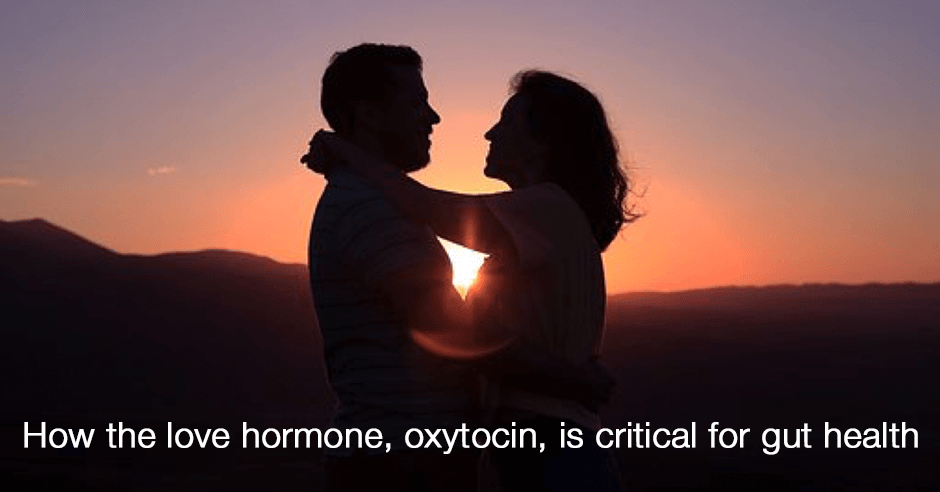
How the love hormone, oxytocin, is critical for gut health

September 7, 2017 By Trudy Scott 17 Comments

Dr. Lindsey Berkson’s fascinating interview on the Digestive Health Summit, hosted by Dr. Michael Murray, is all about the love hormone or oxytocin and the effects on digestion. The interview is called – How the Love Hormone is Critical for Gut Health.

Oyxtocin is not just a love hormone. It is also a helpful gut hormone. Dr. Berkson will clearly and easily explain the role of oxytocin in gut motility, sensation, tone of the muscular and nervous system layers, and even in the application for various gut issues from leaky gut to inflammatory bowel disease. You will also learn why nature intended oxytocin to be a care-taker of human health and how critical this hormone is in both genders throughout life. Historically oxytocin was regarded as a pregnancy and lactation hormone but you will now learn how it is even amazingly much more.  She shares that the love hormone: 

can be endocrine-disrupted by plastic, by Bisphenol A, by synthetic oxytocin given to a mother at birth i.e. Pitocin. I started using oxytocin in practice about 15 years ago as a hormonal Viagra and a rebooter, and I suddenly discovered that when I added it to the protocol of my inflammatory bowel disease patients, often people who were on Prednisone, methotrexate, on multiple meds, that could barely drag themselves out of bed, they were having many bowel movements a day, many of them were diarrhea-like and bloody; when I added oxytocin to them, usually within a few weeks we were able to get them off most of their meds and their health just came up incredibly.

There are oxytocin receptors all throughout the gut:

They’re in the esophagus. They’re in the stomach. They’re in the small intestine, the large intestine, they’re in the pancreas. They have a lot to do with the alpha and beta cells, with the release and maintenance of sugar. They’re in the liver; they have a lot to do with detoxification.

And oxytocin has also been shown to have an impact on constipation:

They have a double-blind, randomized trial in women with constipation and when they gave them oxytocin, they just delivered nasally because it first acts on the brain and then it has peripheral or distant actions. They had statistically significant normalization of bowel movements with oxytocin sprayed through the nose. How amazing is that?

Dr. Berkson then shares how intimacy and regular love-making improves gut health via oxytocin release:

I was so struck by how regular, satisfying intimacy was right up there with veggies and exercise [for longevity] and I was trying to figure out why, is it just the human contact? Well, one of the reasons was because both men and women become drenched in oxytocin and so nature takes care of your gut.

It’s a really fascinating interview with new information that is science-based.  It is not to be missed!

You can register for the Digestive Health Summit here

Other interviews include:

  • Joe Pizzorno, ND – The Toxin Solution: How to Clean Up the Gut to Ignite Vibrant Health
  • Wardee Harmon – Improve Your Gut Health and Save Money by Making Your Own Fermented Foods at Home
  • Razi Berry – Butterflies in Your Stomach: How Stess and Love Affect Digestive Health
  • Trudy Scott – Anxiety, the Microbiome, Psychobiotics and GABA
  • And more

Hope to see you on the summit!
Filed Under: Events, Gut health Tagged With: gut health, Lindsey Berkson, love hormone, oxytocin

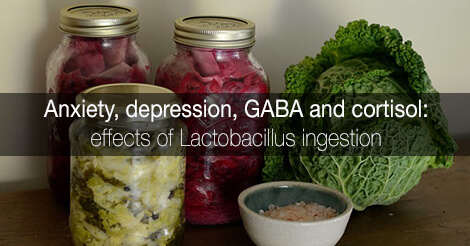
Anxiety, depression, GABA and cortisol: effects of Lactobacillus ingestion

April 14, 2017 By Trudy Scott 23 Comments

We now know that good bacteria or probiotics have the potential to alter brain chemistry and have an impact on anxiety and depression. You may recall my interview with Professor Ted Dinan on a prior Anxiety Summit – Microbes in the gut and psychobiotics as a potential treatment for anxiety and depression. He shared his paper and this definition of Psychobiotics: a novel class of psychotropic.

…we define a psychobiotic as a live organism that, when ingested in adequate amounts, produces a health benefit in patients suffering from psychiatric illness. As a class of probiotic, these bacteria are capable of producing and delivering neuroactive substances such as gamma-aminobutyric acid and serotonin, which act on the brain-gut axis.

Research published by Dinan, Cryan and their teams also found benefits of Lactobacillus rhamnosus on stress, anxiety and depression type behaviors in mice. This is older research (published in 2011) but it’s the first time I’ve shared it on the blog. I talk about this paper in the upcoming Microbiome Medicine 2 Summit so I like to share study excerpts and links to the study.

The write up in Science Daily is a good one – Mind-Altering Microbes: Probiotic Bacteria May Lessen Anxiety and Depression

…mice fed with Lactobacillus rhamnosus JB-1 showed significantly fewer stress, anxiety and depression-related behaviours than those fed with just broth. Moreover, ingestion of the bacteria resulted in significantly lower levels of the stress-induced hormone, corticosterone.

The part that I find fascinating is the effects of Lactobacillus on GABA receptors in the brain (GABA is your main calming neurotransmitter):

The researchers also showed that regular feeding with the Lactobacillus strain caused changes in the expression of receptors for the neurotransmitter GABA in the mouse brain, which is the first time that it has been demonstrated that potential probiotics have a direct effect on brain chemistry in normal situations.

In this paper the authors discuss the vagus nerve and the three-way communication:

…the vagus nerve is the main relay between the microbiome (bacteria in the gut) and the brain. This three way communication system is known as the microbiome-gut-brain axis and these findings highlight the important role of bacteria in the communication between the gut and the brain, and suggest that certain probiotic organisms may prove to be useful adjunct therapies in stress-related psychiatric disorders.

What is even more fascinating is this:

the neurochemical and behavioral effects were not found in vagotomized mice

What does this mean? When the researchers severed the vagus nerve in the test mice – removing the communication between the gut and the brain – they found that the behaviors and stress hormone levels reverted back to the way they had been i.e. the vagotomized mice were more anxious, more stressed, more depressed and had higher corticosterone levels.

You can find the abstract of the paper here: Ingestion of Lactobacillus strain regulates emotional behavior and central GABA receptor expression in a mouse via the vagus nerve.

What does this mean for you? It means that good bacteria in your diet could well improve your anxiety and depression symptoms and even have an impact on your adrenals and cortisol levels. This could be in the form of a good probiotic and should always include fermented foods like sauerkraut, kimchi, kombucha, yogurt and kefir (if dairy is tolerated), water kefir (if dairy is not tolerated).

Have you observed an improvement in your anxiety and stress levels since adding a probiotic or fermented foods into your diet?

Filed Under: GABA, Gut health Tagged With: anxiety, cortisol, depression, GABA, lactobacillus, lactobacillus ingestion, psychobiotics, Ted Dinan, vagus nerve

A gut feeling – the gut microbiome in health, diseases and behavior

January 6, 2017 By Trudy Scott 11 Comments

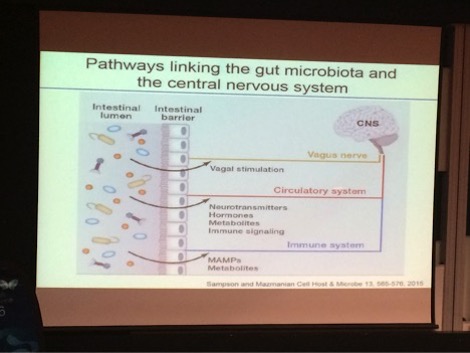
Pathways linking the gut microbiota and the CNS/central nervous system

There are a number of pathways linking the gut microbiota and the CNS/central nervous system: the vagus nerve, the circulatory system and the immune system. The gut microbiota have a direct impact on anxiety and depression via these pathways.

The 2015 paper referenced in the above slide is: Control of brain development, function, and behavior by the microbiome

More recently, studies have suggested that gut bacteria can impact neurological outcomes–altering behavior and potentially affecting the onset and/or severity of nervous system disorders. In this review, we highlight emerging evidence that the microbiome extends its influence to the brain via various pathways connecting the gut to the central nervous system. While understanding and appreciation of a gut microbial impact on neurological function is nascent, unraveling gut-microbiome-brain connections holds the promise of transforming the neurosciences and revealing potentially novel etiologies for psychiatric and neurodegenerative disorders.

This slide and study was part of Professor Karsten Kristiansen’s  keynote presentation at The Society for Mental Health Research conference in Sydney last month: “A gut feeling – the gut microbiome in health, diseases and behavior.”   I had the pleasure of attending and meeting Professor Kristiansen. He gave me permission to share some of the highlights which you can watch in the video below.

Professor Felice Jacka, nutritional psychiatry researcher and founder of ISNPR introduced him and his presentation on the gut-brain connection.

Here I am with Professor Karsten Kristiansen and Professor Felice Jacka

It was really wonderful to finally Professor Felice Jacka in person. I have been following her research work since her first food mood study in 2010: Association of Western and traditional diets with depression and anxiety in women. You may recall our wonderful interview on The Anxiety Summit: The Research – Food to prevent and treat anxiety and depression?

Here are 2 position statements on nutritional psychiatry from ISNPR:

  • Nutritional medicine in modern psychiatry: position statement by ISNPR 
  • Nutritional medicine as mainstream in psychiatry

It was also wonderful to see Felice’s name on so many of the microbiome and mood-diet posters that were presented at the conference!

We appreciate Professor Kristiansen, Professor Felice Jacka and all the research work they and their teams of researchers do!

Filed Under: Gut health Tagged With: 5-HTP, saffron, tryptophan

Zinc deficiency alters chick gut bacteria makeup and function

September 2, 2016 By Trudy Scott 11 Comments

chick-gut-mulfunction

A press release published by Cornell University shares research that has found that zinc deficiency alters gut bacteria makeup and function:

The researchers used broiler chickens in the study, partly due to their omnivorous appetites – which allowed the researchers to feed them purified diets – and because of their fatty acids and genetic similarities to humans.

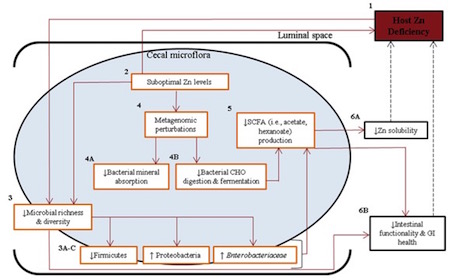
There is a great diagram in the actual study: Chronic Zinc Deficiency Alters Chick Gut Microbiota Composition and Function. It explains the proposed mechanisms by which a zinc-deficient gut microbiome may perpetuate a zinc-deficient state.

zinc-chick-diagram

Figure 8. Schematic diagram depicting proposed mechanisms by which a Zn [zinc] deficient gut microbiome may worsen a Zn deficient phenotype. Zn deficiency (1), caused by insufficient dietary Zn (2), induces a decrease in gut microbial diversity (3), and an outgrowth of bacteria particularly suited to low Zn conditions, leading to dysbiosis [3A–C]. Lack of dietary Zn also leads to alterations in the functional capacity of the microflora (4), causing multiple effects including decreased expression of pathways related to mineral (i.e., Zn) absorption (4A) and carbohydrate digestion and fermentation (4B). A decrease in the latter pathway may also cause a depression in the production of SCFAs [short chain fatty acids] (5), compounds responsible for improving the bioavailability of Zn. Altogether, these microbial effects may decrease Zn absorbability (6A) and disturb GI health (6B), thereby perpetuating a Zn deficient state. Red arrows and orange–lined boxes denote observations of this study, and dashed arrows and black–lined boxes describe published findings.

The above is shared here under the Creative Commons Attribution License and can be found here: Reed, S.; Neuman, H.; Moscovich, S.; Glahn, R.P.; Koren, O.; Tako, E. Chronic Zinc Deficiency Alters Chick Gut Microbiota Composition and Function. Nutrients 2015, 7, 9768-9784.

Zinc status is notoriously difficult to assess so I am fascinated by the findings of this Cornell University study suggesting

a simple new way to test for zinc deficiency by analyzing a patient’s fecal sample and seeing if the profile of gut bacteria matches the makeup one would expect in a zinc-deficient individual.

The authors suggest that with additional research this zinc stool test could become a noninvasive biomarker for zinc deficiency.

Zinc deficiency is common, affecting 25 percent of the world’s population, especially in the developing world.

Zinc deficiency plays a major role in anxiety and depression. Here is a recent paper on the connection between low serum zinc, high CRP (a marker of inflammation) and pre- and post-natal anxiety and depression: Lower Serum Zinc and Higher CRP Strongly Predict Prenatal Depression and Physio-somatic Symptoms, Which All Together Predict Postnatal Depressive Symptoms.

New research, soon to be published by the Journal of Neuroscience by researchers at the University of Auckland, shows the importance of zinc in autism. The study looks at how zinc can affect brain cell communication that is altered at the cellular level.

The researchers suggest this research may have applications for psychiatric disorders such as schizophrenia (and presumably anxiety and depression too).

I feel that we have an under-recognized opportunity to have a bigger impact on mental and physical health if we take zinc deficiency more seriously.

Have you had your zinc status assessed and do you supplement accordingly?

If you’re a practitioner, do you regularly check the zinc status of all your patients/clients?

Filed Under: Gut health Tagged With: anxiety, autism, depression, gut, Gut bacteria, microbiome, zinc, Zinc stool test

Dr. Josh Axe’s New Book “Eat Dirt”

March 26, 2016 By Trudy Scott 5 Comments

eat-dirt

I had the great pleasure of interviewing Dr. Josh Axe earlier this week. We talked about the gut and eating dirt!

The title of his great new book is: Eat Dirt: Why Leaky Gut May Be the Root Cause of Your Health Problems and 5 Surprising Steps to Cure It

We covered the following in our interview:

  • What is leaky gut and what causes it?
  • The 5 gut types and how to figure out your gut type
  • What does it really mean to eat dirt?
  • What are the best foods for a healthy gut?
  • What are the best supplements and herbs for a healthy gut?
  • And of course how does stress and anxiety play into all of this?

Hippocrates is famous for saying “All disease begins in the gut” and this book lays out the exact steps to take to begin healing the gut.

We started off discussing leaky gut, what it is and what causes it and the conditions that we see when someone has leaky gut. Here is an excerpt from the book:

Upon their initial visit, approximately 80 percent of my patients present with some level of leaky gut syndrome. They come to my clinic experiencing problems ranging from gallbladder issues to thyroid disease, psoriasis or eczema, migraine headaches, insulin resistance, and even stubborn weight gain. Many are amazed to learn that their condition may share the same origin as colitis, irritable bowel syndrome (IBS), and Crohn’s disease. And they’re downright stunned when I tell them that some degree of leaky gut is present in every autoimmune disease, including lupus, multiple sclerosis (MS), and type 1 diabetes.

According to research conducted on both animal and human subjects and published in journals such as Clinical Gastroenterology and Hepatology and Gut, leaky gut syndrome (or increased intestinal permeability) has been linked to the following symptoms and conditions: ALS (Lou Gehrig’s disease) Alzheimer’s disease, Anxiety and depression, ADHD (attention deficit hyperactivity disorder), Autism, Candida and yeast overgrowth, Celiac disease and nonceliac gluten sensitivity, Chronic fatigue syndrome, Crohn’s disease, Fibromyalgia, Gas, bloating, and digestive pain, Hashimoto’s disease, Irritable bowel syndrome.

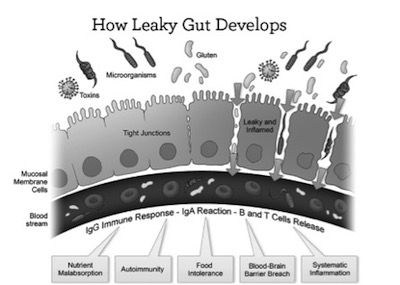
Here is one of the many great diagrams from the book: How Leaky Gut Develops

leaky-gut
From Eat Dirt by Josh Axe


And here are the 5 gut types that we talked about. They are covered in great detail in the book, together with an eating, supplement and lifestyle plan for each one:

  • Candida gut, directly related to yeast overgrowth and being overweight, which affects more than 68 percent of all American adults.
  • Stressed gut, in which chronic stress weakens your adrenal glands, kidneys, and thyroid, and can cause hormone imbalances, fatigue, and thyroid disease.
  • Immune gut, which afflicts the 15 million people who suffer from food allergies 4 and the 1.6 million with inflammatory bowel disease, as well as the 50 million adults with autoimmune disease.
  • Gastric gut, caused by small intestinal bacteria overgrowth (SIBO) and acid reflux, which afflicts 60 percent of all adults—half of whom struggle on a weekly basis.
  • Toxic gut, which can result in gallbladder disease, skin conditions, and chronic liver issues that cause thirty million people great pain every year.

Here is the link to the audio

https://s3-us-west-2.amazonaws.com/axmisc/josh-axe-eat-dirt.mp3


I received an advance review copy and it’s a great book! I highly recommend it, especially if leaky gut and gut health is an issue for you, and if also you’re new to this concept.

If you preorder before it launches you can get $300 in bonus material. Here is the link for making your purchase and getting those bonuses:
https://ju127.isrefer.com/go/edr/trudyscottcn/

Launch date is next Tuesday March 29th so be sure you get it and your bonus material before then. Happy reading!

Filed Under: Books, Gut health Tagged With: anxiety, candida, eat dirt, gut, josh axe, leaky gut

Heal Your Gut Summit: SIBO, microbiome, anxiety, depression

January 18, 2016 By Trudy Scott Leave a Comment

heal-your-gut-logo

The Heal Your Gut Summit starts this week and runs through January 25th.

Gut dysfunction can be linked to virtually every disease and can cause conditions like autoimmunity, fatigue, depression, anxiety and panic attacks, food sensitivities, chronic pain, allergies and many more. These conditions are by and large preventable.

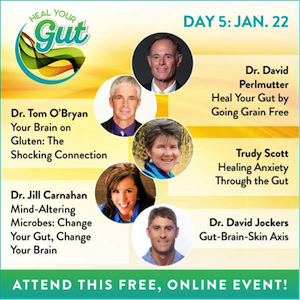
Here is the line-up of speakers and great topics on day 5 of the summit.

healthygutsummit-speakers

And some snippets from the Gut-Brain Connection by Dr. Jill Carnahan

What does the gut or stool have to do with my mood?” But as you and I know, there’s a ton of connection here.

And what we know is the composition of the gut microbiome has such a profound effect on the brain. And it talks back and forth, bi-directionally through the vagus nerve. So those gut microbes produce chemicals and cytokines and things that actually talk to the brain through the vagus nerve.

… So what I do is I will test. And I will do organic urinary acids to look at nutritional components and gut microbe markers and heavy metals and fatty acids and get a picture overall. Again, if there’s excess toxic or if something’s missing, and then, I’ll also do a stool profile. And those two pieces of data are core on every single new patient that I see.

And lipopolysaccharide may be one of the most potent triggers, not only for immune inflammation and autoimmunity, but also for depression. And this study after study after study is linking this LPS and depression and anxiety, as well.

So what happens is those excess microbes in the small bowels can create an inflammatory condition where there’s permeability along the lining of the gut. And then those LPS molecules leak into the bloodstream and create this inflammatory cytokine storm.

So TNF-alpha, IL-6, and IL-2, and some of these cytokines will start the process of inflammation. And we know now that many, many, many cases, if not all cases of depression, inflammation is underlined. So this is one of those triggers from the gut that’s creating inflammation and immune dysfunction and leading to depression and anxiety.

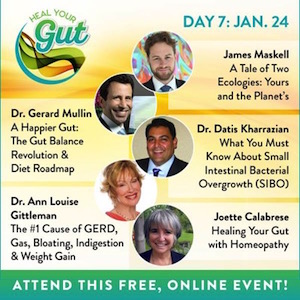
Here is the line-up of speakers and great topics on day 7 of the summit.

heal-your-gut-day7

And some snippets from the What You Must Know about Small Intestinal Bacterial Overgrowth (SIBO) by Dr. Datis Kharrazian:

Basically what happens is that there’s a valve between the small intestine and large intestine. And bacteria that’s in the large intestine move or translocate into the small intestine. And then we have this abnormal group of bacteria that should only be in the large intestine now in the small intestine. When people get this translocation of bacteria, or this movement of bacteria from their large intestine into their small intestine, that’s called small intestinal bacterial overgrowth.

… when this happens, this creates this vicious cycle that has consequences in the brain, that has consequences on the immune system

…there are some clear papers in the scientific literature that show that when people take NS medications like protein pump inhibitors, they’re at high risk for developing SIBO. And some have said as high as 50% to 80% of people that take antacid medications on a chronic basis end up with some aspect of SIBO.

…we know that the vagal motor nuclei, for example, that controls gut motility in the gut and controls valves that are so critical for things like SIBO, is just saturated with thyroid receptors. So when people become hypothyroid, we know that motility can really be compromised

heal-your-gut-summit

Join us for this fabulous upcoming online event that is being hosted by: Dr. Josh Axe, who specializes in functional medicine; Donna Gates, the international best-selling author of The Body Ecology Diet and Dr. Eric L. Zielinski, a sought-after natural health educator, motivational speaker and author, and host of the well-known Essential Oils Summit.

You can register here for the Healthy Gut Summit here https://ju127.isrefer.com/go/healyourgutreg/trudyscottcn/

Filed Under: Events, Gut health Tagged With: Heal Your Gut Summit

  • « Go to Previous Page
  • Page 1
  • Page 2
  • Page 3
  • Page 4
  • Go to Next Page »

Primary Sidebar

GABA QuickStart Homestudy

gaba quickstart homestudy

Free Report

9 Great Questions Women Ask about Food, Mood and their Health

You'll also receive a complimentary subscription to my ezine "Food, Mood and Gal Stuff"


Connect with me

Popular Posts

  • Amino Acids Mood Questionnaire from The Antianxiety Food Solution
  • The Antianxiety Food Solution Amino Acid and Pyroluria Supplements
  • Pyroluria Questionnaire from The Antianxiety Food Solution
  • Collagen and gelatin lower serotonin: does this increase your anxiety and depression?
  • Tryptophan for the worry-in-your-head and ruminating type of anxiety
  • GABA for the physical-tension and stiff-and-tense-muscles type of anxiety
  • The Antianxiety Food Solution by Trudy Scott
  • Seriphos Original Formula is back: the best product for anxiety and insomnia caused by high cortisol
  • Am I an anxious introvert because of low zinc and vitamin B6? My response to Huffington Post blog
  • Vagus nerve rehab with GABA, breathing, humming, gargling and key nutrients

Recent Posts

  • Her cravings for chips and peanut butter were triggered by stress: GABA ends cravings and reduces physical tension and fear of heights
  • It is truly miraculous to be able to move through life without crippling anxiety and panic
  • GABA and tryptophan combo provide immediate and noticeable relief for tremors and cervical dystonia in just 7 days
  • Red light therapy for back and neck pain, plantar fasciitis and low mood – a complement to the amino acids GABA, DPA and tryptophan
  • What do I use instead of Seriphos to help lower high cortisol that is affecting my sleep and making me anxious at night?

Categories

  • 5-HTP
  • AB575
  • Addiction
  • ADHD
  • Adrenals
  • Alcohol
  • Allergies
  • Alzheimer's disease
  • Amino Acids
  • Anger
  • Antianxiety
  • Antianxiety Food Solution
  • Antidepressants
  • Anxiety
  • Anxiety and panic
  • Autism
  • Autoimmunity
  • benzodiazapines
  • Bipolar disorder
  • Books
  • Caffeine
  • Cancer
  • Candida
  • Children/Teens
  • Collagen
  • Cooking equipment
  • Coronavirus/COVID-19
  • Cravings
  • Depression
  • Detoxification
  • Diabetes
  • Diet
  • DPA/DLPA
  • Drugs
  • EFT/Tapping
  • EMF
  • EMFs
  • Emotional Eating
  • Endorphins
  • Environment
  • Essential oils
  • Events
  • Exercise
  • Fear
  • Fear of public speaking
  • Fertility and Pregnancy
  • Fish
  • Food
  • Food and mood
  • Functional neurology
  • GABA
  • Gene polymorphisms
  • General Health
  • Giving
  • Giving back
  • Glutamine
  • Gluten
  • GMOs
  • Gratitude
  • Gut health
  • Heart health/hypertension
  • Histamine
  • Hormone
  • Hyperparathyroidism
  • Hypoglycemia
  • Immune system
  • Inflammation
  • Insomnia
  • Inspiration
  • Introversion
  • Joy and happiness
  • Ketogenic diet
  • Lithium orotate
  • Looking awesome
  • Lyme disease and co-infections
  • MCAS/histamine
  • Medication
  • Men's health
  • Mental health
  • Mercury
  • Migraine
  • Mold
  • Movie
  • MTHFR
  • Multiple sclerosis
  • Music
  • NANP
  • Nature
  • Nutritional Psychiatry
  • OCD
  • Osteoporosis
  • Oxalates
  • Oxytocin
  • Pain
  • Paleo
  • Parasites
  • Parkinson’s disease
  • PCOS
  • People
  • PMS
  • Postpartum
  • PTSD/Trauma
  • Pyroluria
  • Questionnaires
  • Real whole food
  • Recipes
  • Research
  • Schizophrenia
  • serotonin
  • SIBO
  • Sleep
  • Special diets
  • Sports nutrition
  • Stress
  • Sugar addiction
  • Sugar and mood
  • Supplements
  • Teens
  • Testimonials
  • Testing
  • The Anxiety Summit
  • The Anxiety Summit 2
  • The Anxiety Summit 3
  • The Anxiety Summit 4
  • The Anxiety Summit 5
  • The Anxiety Summit 6
  • Thyroid
  • Thyroid health
  • Toxins
  • Tryptophan
  • Tyrosine
  • Uncategorized
  • Vegan/vegetarian
  • Women's health
  • Yoga

Archives

  • May 2026
  • April 2026
  • October 2025
  • September 2025
  • August 2025
  • July 2025
  • June 2025
  • May 2025
  • April 2025
  • March 2025
  • February 2025
  • January 2025
  • November 2024
  • October 2024
  • September 2024
  • August 2024
  • July 2024
  • June 2024
  • May 2024
  • April 2024
  • March 2024
  • February 2024
  • January 2024
  • December 2023
  • November 2023
  • October 2023
  • September 2023
  • August 2023
  • July 2023
  • June 2023
  • May 2023
  • April 2023
  • March 2023
  • February 2023
  • January 2023
  • December 2022
  • November 2022
  • October 2022
  • September 2022
  • August 2022
  • July 2022
  • June 2022
  • May 2022
  • April 2022
  • March 2022
  • February 2022
  • January 2022
  • December 2021
  • November 2021
  • October 2021
  • September 2021
  • August 2021
  • July 2021
  • June 2021
  • May 2021
  • April 2021
  • March 2021
  • February 2021
  • January 2021
  • December 2020
  • November 2020
  • October 2020
  • September 2020
  • August 2020
  • July 2020
  • June 2020
  • May 2020
  • April 2020
  • March 2020
  • February 2020
  • January 2020
  • December 2019
  • November 2019
  • October 2019
  • September 2019
  • August 2019
  • July 2019
  • June 2019
  • May 2019
  • April 2019
  • March 2019
  • February 2019
  • January 2019
  • December 2018
  • November 2018
  • October 2018
  • September 2018
  • August 2018
  • July 2018
  • June 2018
  • May 2018
  • April 2018
  • March 2018
  • February 2018
  • January 2018
  • December 2017
  • November 2017
  • October 2017
  • September 2017
  • August 2017
  • July 2017
  • June 2017
  • May 2017
  • April 2017
  • March 2017
  • February 2017
  • January 2017
  • December 2016
  • November 2016
  • October 2016
  • September 2016
  • August 2016
  • July 2016
  • June 2016
  • May 2016
  • April 2016
  • March 2016
  • February 2016
  • January 2016
  • December 2015
  • November 2015
  • October 2015
  • September 2015
  • August 2015
  • July 2015
  • June 2015
  • May 2015
  • April 2015
  • March 2015
  • February 2015
  • January 2015
  • December 2014
  • November 2014
  • October 2014
  • September 2014
  • August 2014
  • July 2014
  • June 2014
  • May 2014
  • April 2014
  • March 2014
  • February 2014
  • January 2014
  • December 2013
  • November 2013
  • October 2013
  • September 2013
  • August 2013
  • July 2013
  • June 2013
  • May 2013
  • April 2013
  • March 2013
  • February 2013
  • January 2013
  • December 2012
  • November 2012
  • October 2012
  • August 2012
  • July 2012
  • June 2012
  • May 2012
  • April 2012
  • March 2012
  • February 2012
  • January 2012
  • December 2011
  • November 2011
  • October 2011
  • September 2011
  • August 2011
  • July 2011
  • June 2011
  • May 2011
  • April 2011
  • March 2011
  • February 2011
  • January 2011
  • December 2010
  • October 2010
  • September 2010
  • July 2010
  • May 2010
  • April 2010
  • March 2010
  • February 2010
  • January 2010
  • November 2009

Share the knowledge!

The above statements have not been evaluated by the Food and Drug Administration. Products listed in this website are not intended to diagnose, treat, cure or prevent any disease.

The information provided on this site is for informational and educational purposes only and is not intended as a substitute for advice from your physician or other health care professional. You should consult with a healthcare professional before starting or modifying any diet, exercise, or supplementation program, before taking or stopping any medication, or if you have or suspect you may have a health problem.


Copyright © 2026 Trudy Scott. All Rights Reserved. | Privacy | Terms and Conditions | Refund Policy | Medical Disclaimer

Free Report

9 Great Questions Women Ask about Food, Mood and their Health

You’ll also receive a complimentary subscription to my ezine “Food, Mood and Gal Stuff”