• Skip to primary navigation
  • Skip to main content
  • Skip to primary sidebar

everywomanover29 blog

Food, Mood and Women's Health – Be your healthiest, look and feel great!

  • Blog
  • About
  • Services
  • Store
  • Resources
  • Testimonials
  • The Book
  • Newsletter
  • Contact
  • Search this site

Events

Dr. David Perlmutter on The Role of Microbiome Diversity in Health and Disease

March 18, 2016 By Trudy Scott Leave a Comment

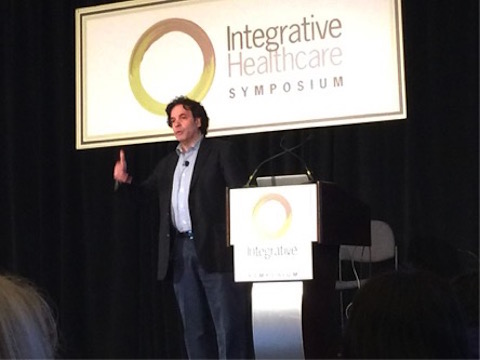
I had the distinct pleasure of hearing Dr. David Perlmutter present in person at the recent Integrative Healthcare Symposium. Dr. Perlmutter is a well-known neurologist and author of New York Times Bestsellers Grain Brain – The Surprising Truth About Wheat, Carbs, and Sugar – Your Brain’s Silent Killers and Brain Maker: The Power of Gut Microbes to Heal and Protect Your Brain – For Life
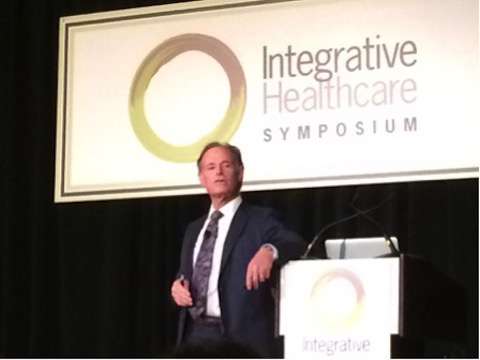
David-Perlmutter

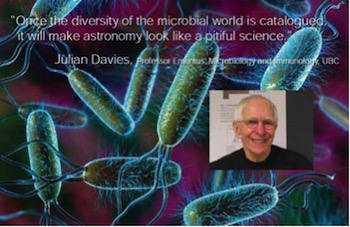
As expected, his talk was riveting, and so I’d like to share some of it with you! He opened with this quote from Julian Davies, Professor Emeritus, Microbiology and Immunology, UBC, showing just how much we have yet to learn about the microbiome:  
ihs-2

Once the diversity of the microbial world is catalogued it will make astronomy look like a pitiful science.  
ihs-3

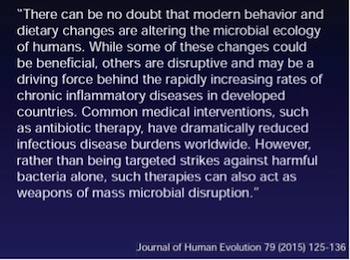
There can be no doubt that modern behavior and dietary changes are altering the microbial ecology of humans. While some of these changes could be beneficial, others are disruptive and may be a driving force behind the rapidly increasing rates of chronic inflammatory diseases in developed countries. Common medical interventions, such as antibiotic therapy, have dramatically reduced infectious disease burdens worldwide. However, rather than being targeted strikes against harmful bacteria alone, such therapies can also act as weapons of mass microbial disruption.

You can find the full paper here: Ancient Human Microbiomes

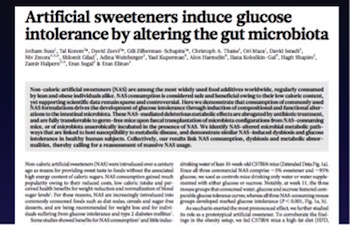
We know how harmful artificial sweeteners are (Mira Dessy writes about these and other harmful ingredients in her book The Pantry Principle)but now we are seeing how they affect the microbiome and contribute to diabetes.

ihs-4

ihs-5

In summary, our results suggest that NAS [non-caloric artificial sweeteners] consumption in both mice and humans enhances the risk of glucose intolerance and that these adverse metabolic effects are mediated by modulation of the composition and function of the microbiota. Notably, several of the bacterial taxa that changed following NAS consumption were previously associated with type 2 diabetes in humans, including over-representation of Bacteroides and under-representation of Clostridiales.

You can read the entire article in Nature: Artificial sweeteners induce glucose intolerance by altering the gut microbiota

You may have switched to artificial sweeteners because of sugar cravings and the desire to reduce sugar consumption. If this is the case, and you want to quit the artificial sweeteners and not go back to sugar, do check out this recent blog I wrote about diabetes and anxiety/cravings, and how the amino acid GABA was shown to:

increase islet hormonal secretion, suggesting potential therapeutic benefits for diabetes.

The GABA, will of course, also help with the cravings and quitting and not leave you feeling deprived, or needing to use willpower. You can read more on this topic here: GABA for ending sugar cravings (and anxiety and insomnia) 
ihs-6

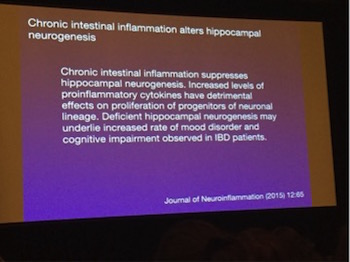
This paper in the Journal of Neuroinflammation shows us how connected the gut and the brain are:

Chronic intestinal inflammation suppresses hippocampal neurogenesis. Increased levels of proinflammatory cytokines have detrimental effects on proliferation of progenitors of neuronal lineage. Deficient hippocampal neurogenesis may underlie increased rate of mood disorder and cognitive impairment observed in IBD [inflammatory bowel disease] patients.

You can read the paper here: Chronic intestinal inflammation alters hippocampal neurogenesis.

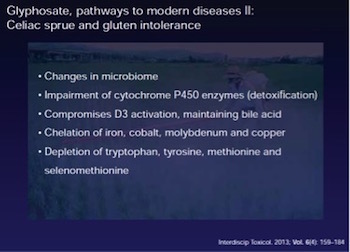
This paper: Glyphosate, pathways to modern diseases II: Celiac sprue and gluten intolerance states that :

Celiac disease, and, more generally, gluten intolerance, is a growing problem worldwide, but especially in North America and Europe, where an estimated 5% of the population now suffers from it. Symptoms include nausea, diarrhea, skin rashes, macrocytic anemia and depression. It is a multifactorial disease associated with numerous nutritional deficiencies as well as reproductive issues and increased risk to thyroid disease, kidney failure and cancer. Here, we propose that glyphosate, the active ingredient in the herbicide, Roundup®, is the most important causal factor in this epidemic.  

Glyphosate residues in wheat and other crops are likely increasing recently due to the growing practice of crop desiccation just prior to the harvest.
ihs-7

It discusses how glyphosate can cause the following:

  • Changes in microbiome
  • Impairment of cytochrome P450 enzymes (detoxification)
  • Compromises in D3 activation, maintaining bile acid
  • Chelation of iron, cobalt, molybdenum and copper
  • Depletion of tryptophan, tyrosine, methionine and selenomethionine

All of these factors can have a direct impact on your anxiety and depression levels. Dr. Perlmutter also discussed how glyphosate affects the shikimate pathway and in turn impacts our microbiome causing mood issues and anxiety.

Jeffrey Smith, non-GMO advocate, founder of Institute for Responsible Technology also talks about this on our Anxiety Summit interview: Anxiety, depression, GMOs and Roundup

Roundup shuts down this pathway called the shikimate pathway. Monsanto bragged up-and-down because Roundup blocks the shikimate pathway in order to kill weeds. And because humans don’t have the shikimate pathway, they said Roundup must be safe for humans. But it’s not safe for a lot of reasons.

It’s an endocrine disruptor. It can promote cancer. It’s linked to heart disease and diabetes. But what they failed to point out was that the shikimate pathway is what our gut bacteria use to produce the vast majority of the l-tryptophan that we assimilate. L-tryptophan is a precursor to melatonin, which is linked to sleep and circadian rhythms, daily cycles, but it’s also a precursor to serotonin and now we land squarely on the world of anxiety. Without sufficient serotonin there can be anxiety and depression.
ihs-8

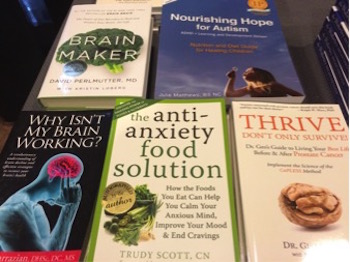
And now for a little fun! My book The Antianxiety Food Solution was on sale at the event, as was my colleague Julie Matthews’ book Nourishing Hope for Autism. After purchasing my signed copy of Brain Maker and “staged” it at the book table next to our books!

I have to admit it did give me a little thrill to see our books next to Dr. Perlmutter’s brilliant book and another great brain book Why Isn’t My Brain Working by Datis Kharrazian. The other book in the picture is a brand new book on prostate health by Dr. Geo Espinoza: Thrive Don’t Only Survive.
ihs-9

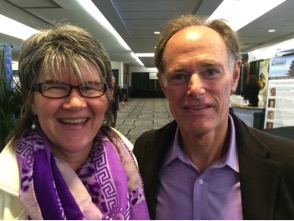
The other thrill was actually meeting a hero of mine! I heard his excellent presentation on the first day of the conference and then bumped in to him and his wife in one of the exhibit halls. I thanked him for his brilliance and asked if I could get a photo with him and he kindly obliged.

A bigger thrill and honor would be able to interview him on my next Anxiety Summit, now planned for June, so I can share his brilliance with you!  

In the meantime, I encourage you to check out his great blog and get a copy of Brain Maker, so you can learn from this great man and feel your absolute best!

Got questions? Feedback? Please post them in the comments.
Filed Under: Events Tagged With: Dr. David Perlmutter, microbiome

Food for Your Hormones + Brazil Nut Butter recipe

March 12, 2016 By Trudy Scott 6 Comments

In case you missed the email announcements, this is a quick reminder that this no-cost webinar is happening today (Saturday morning) at 10am PST!

If you haven’t registered yet, you can still register here:
https://xa202.isrefer.com/go/cfb1/trudys/

And if you have already signed up this is your friendly reminder and a new recipe for you! Enjoy!

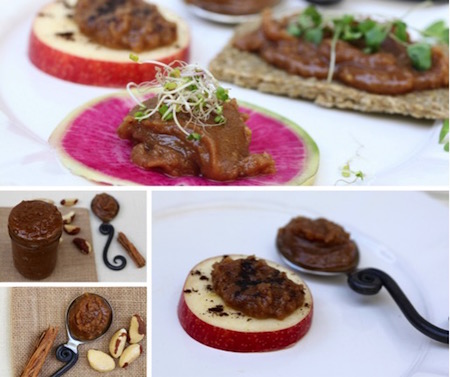
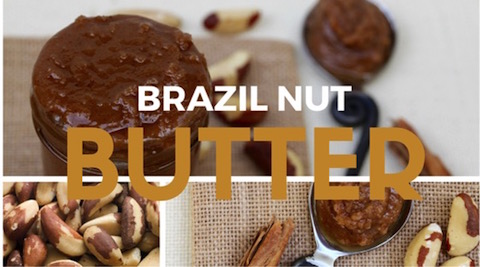
Brazil Nut Butter Recipe – by Magdalena Wszelaki

brazilnut-butter

This nut butter can be generously spread on crackers, toast or used as a dip with chopped up vegetables (I used radishes here as they also support estrogen detoxification) or fruit (I had apples on hand). I recommend soaking the nuts to improve their digestibility. If you tolerate nuts and have no time to soak and dry them, skip the initial steps and go to the blending instructions. Allow yourself to be creative and play with other nuts and seeds (sunflower and pumpkin seed butter is wonderful too) as well as spices like cardamom, cloves or lavender.

brazilnut-butter-2

Serves: 25 servings (tablespoons)
Time to soak: 12 hours
Time to roast: 1 hour
Time to prepare: 15 minutes

Ingredients
2 cups organic Brazil nuts
¾ cup avocado oil
½ cup coconut butter
½ cup golden flax seed
⅓ cup maca root powder
1 tablespoon camu camu (buy on Amazon)
1 tablespoon ground cinnamon
1 tablespoon vanilla essence or powder
¼ teaspoon sea salt 

Place the nuts in a large bowl, cover with filtered water and let them soak overnight, or for 12 hours.

Preheat the oven to 200F, spread the nuts on a baking tray and slow-roast for about an hour or until they become slightly brown.

Cool off the nuts and place in a high-speed blender or food processor (I use Vitamix). Add all the remaining ingredients and blend on high for 3 to 4 minutes.

Transfer to an air-tight container and keep in the fridge for no longer than 2 weeks. You can also freeze the butter.

Magdalena shares why incorporating brazil nuts and this lovely nut butter into your diet may be beneficial. It’s all about selenium and thyroid health and she shares this….

If you have a thyroid condition, it is very likely (like 90% likely) that you have Hashimoto’s disease, which is the autoimmune version of hypothyroidism. Interestingly, in most cases of hypothyroidism and Hashimoto’s disease, it’s not the thyroid that needs to be looked after but the immune system (since Hashimoto’s is an autoimmune condition). One way to know whether you have Hashimoto’s is to test for thyroid peroxidase antibodies (they also go by TPOab).

If the TPOab test result is high, an important mineral that can help bring down the TPO antibodies is selenium.

Selenium plays a key role in thyroid and autoimmune health because it protects thyroid cells from oxidative damage by forming selenoproteins. This extra protection helps to bring down the TPO antibodies. Selenium also acts as catalyst for converting the inactive T4 hormone to the biologically active T3 hormone.

The Brazil nut is the food that is highest in selenium. Three organic Brazil nuts per day will give you the daily recommended dose of 200mcg of selenium. You can incorporate them into your diet in a variety of ways. If you don’t tolerate nuts, you can take a selenium supplement.

I’d like to add that you can enjoy this nut butter even if you don’t have a thyroid problem. Selenium deficiency is pretty common and is often an issue with anxiety and depression.

So to recap (in case you missed the earlier notifications): Cooking for Balance will start with this no-cost live online workshop called How to Use Food to Rebalance Your Hormones today (at 10am PST, 1pm EST).

Cooking for Balance is an online cooking program created by my friend and colleague Magdalena Wszelaki, founder of Hormones Balance. You may remember our great interviews on last season of The Anxiety Summit! She was a hit, is a wealth of knowledge and very hands-on when it comes to food for hormone balancing! I really love what she offers (and her cute accent)!

Tune in to the no-cost webinar to learn a ton, have fun, get some great cooking ideas.

At the end of the webinar she’ll be sharing more about her next upcoming Cooking for Balance online cooking program that helps women rebalance their hormones with food, offering tailor-made nutritional protocols for women with thyroid issues, Hashimoto’s, adrenal fatigue, estrogen dominance, menopause and PCOS. This online program features 4 live classes, over 20+ done-for-you guides, 80+ recipes and 20+ demo videos. They focus on quick, simple yet nutritionally-dense cooking techniques that will help you feel like yourself again.

Registration page for the no-cost webinar is here:
https://xa202.isrefer.com/go/cfb1/trudys/


Filed Under: Events, Hormone, Recipes Tagged With: anxiety, balance hormone, Magdalena Wszelaki, selenium

Food to Rebalance Your Hormones & Super Sprout Smoothie recipe

March 9, 2016 By Trudy Scott 3 Comments

In case you missed the newsletter announcements, this is a quick reminder that this no-cost webinar is happening on Saturday morning!

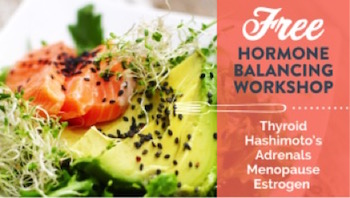
How to Use Food to Rebalance Your Hormones – online March 12th (at 10am PST, 1pm EST).

hormone-balancing-workshop

Cooking for Balance will start with this no-cost live online workshop on March 12th (at 10am PST, 1pm EST). Seats are limited and they get snapped up quickly.

Cooking for Balance is an online cooking program created by my friend and colleague Magdalena Wszelaki, founder of Hormones Balance. You may remember our great interviews on last season of The Anxiety Summit! She was a hit, is a wealth of knowledge and very hands-on when it comes to food for hormone balancing! I really love what she offers (and her cute accent)!

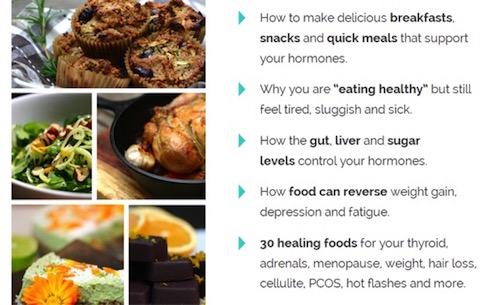
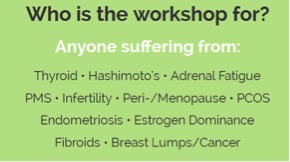
Here is a sampling of what Magdalena is going to show you in the no-cost webinar:

balance-hormone-2

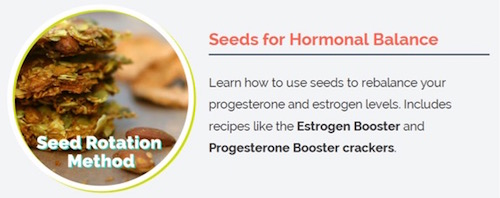
Plus she has a bonus for you: Seeds for Hormonal Balance – learn how to use seeds to rebalance your progesterone and estrogen levels. I really love that Magdalena teaches this simple and yet powerful concept!

balance-hormone-3

Here is a great example of Magdalena’s teachings on how to use food to balance your hormones: using broccoli sprouts for estrogen dominance. She shares this:

Most women have experienced some form of estrogen dominance without even realizing it. Symptoms include PMS, endometriosis, water retention, cellulite, weight gain, moodiness and infertility. Estrogen dominance can also be responsible for thyroid nodules and cancer as well as breast lumps and breast cancer. It is believed that 90% of breast cancers are of non-genetic origin and estrogen dominance can be the leading cause.

This hormonal imbalance can happen due to the dominance of the antagonistic estrogen called estradiol (or E2) as compared to progesterone or the protective estrogen called estriol (or E3). Estrogen dominance can also happen when there is an excess of metabolized estrogen called hydroxyestrones (a simple blood test called 2:16 hydroxyestrone can confirm that).

One of my favorite go-to foods to rebalance the estrogens and nudge them in the right direction are broccoli sprouts.

They contain di-indolyl-methane (short form: DIM, also found as a supplement) which detoxifies us of estradiol. Broccoli sprouts also contain the highest amounts of sulforaphane, which has been linked by numerous studies to not only prevent but also reverse breast cancer. Sulforaphane can also be found in smaller quantities in other cruciferous vegetables like kale, broccoli or cauliflower.

Depending on one’s health condition, studies have shown that ¼ cup to 1 cup of broccoli sprouts can create profound health improvement resulting from rebalancing estrogen dominance.

I recommend using them raw by adding to smoothies, wraps, salads or warm (not hot) soups. See recipes below for some cool ideas.  

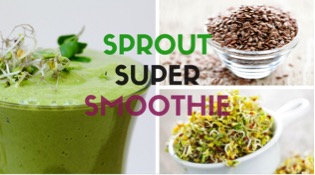
And here is Magdalena’s Super Sprout Smoothie recipe

balance-hormone-4

This recipe is a little different as it takes you on an unusual taste adventure to the land of a green savory smoothie. It is an energizing way to start the day with no sugar that will sustain you until lunch with no energy crushes. This smoothie is packed with the hormone-balancing superfoods: broccoli sprouts, flax seed, maca, Brazil nuts and camu camu and can be consumed by women of any hormonal imbalances.

Serves: 1

Time to prepare: 15 minutes

Ingredients

1½ cups water
½ avocado
½ cup broccoli sprouts
½ cup freshly chopped cilantro
4 Brazil nuts
3 tablespoons lemon juice
2 tablespoons flax seed
1 teaspoon maca root powder
½ teaspoon camu camu powder (get it on Amazon)
½ teaspoon ground fennel seed
½ teaspoon ground cumin
a generous pinch of salt

Place all the ingredients in the blender and blend until silky smooth.

Impressed? Intrigued to learn more? Salivating?

Tune in to the no-cost webinar to learn a ton, have fun, get some great cooking ideas.

If you can’t make it live sign up anyway to get the recording.

At the end of the webinar she’ll be sharing more about her next upcoming Cooking for Balance online cooking program that helps women rebalance their hormones with food, offering tailor-made nutritional protocols for women with thyroid issues, Hashimoto’s, adrenal fatigue, estrogen dominance, menopause and PCOS. This online program features 4 live classes, over 20+ done-for-you guides, 80+ recipes and 20+ demo videos. They focus on quick, simple yet nutritionally-dense cooking techniques that will help you feel like yourself again.

balance-hormone-5

Registration page for the no-cost webinar is here:
https://xa202.isrefer.com/go/cfb1/trudys/

Filed Under: Events, Hormone Tagged With: adrenal, hormones, Magdalena Wszelaki, menopause, PCOS, PMS, thyroid

Alzheimer’s disease, inflammation, stress and candida: Dr. Rudy Tanzi at IHS 2016

March 4, 2016 By Trudy Scott 17 Comments

ihs-1

I spent last week in New York city at the Integrative Healthcare Symposium Annual Conference listening to some truly brilliant speakers and would like to share some highlights from the wonderful presentation by Rudolph Tanzi, PhD : What Can Alzheimer’s Disease Teach Us About the Brain, Mind, and Self?

Dr. Rudolph Tanzi is the Vice-Chair of Neurology and Director of the Genetics and Aging Research Unit at Massachusetts General Hospital, and serves as the Joseph P. and Rose F. Kennedy Professor of Neurology at Harvard Medical School. 

Dr. Tanzi co-discovered three of the first Alzheimer’s disease genes and has identified several others in the Alzheimer’s Genome Project, which he directs. He also discovered the Wilson’s disease gene and participated in the discovery of several other neurological disease genes.

The focus of his research is in identifying and characterizing the genetic and environmental factors involved in neurodegeneration in Alzheimer’s disease and autism.

Dr. Tanzi shared this fundamental information:

  • the Alzheimer’s disease pathology begins in all of us after the age of 40
  • two thirds of those with Alzheimer’s disease are female
  • and women are especially susceptible after menopause  
  • head injuries increase the risk
  • these genes predispose us to the disease: APP, PSEN1, PSEN2 and APOE

Most of the above apply to me (I know I have the APOE gene) but I’m less concerned about Alzheimer’s disease that I have ever been and this is based on what was shared later in his presentation.

ihs-2

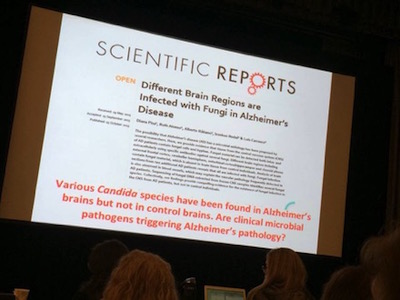
Dr. Tanzi’s whole presentation was fascinating and the section on fungi/candida, although concerning, was promising because we can do something about candida. This is the paper he shared: Different Brain Regions are Infected with Fungi in Alzheimer’s Disease with this question: Are clinical microbial pathogens triggering Alzheimer’s disease?

ihs-3

It was really interesting to hear that

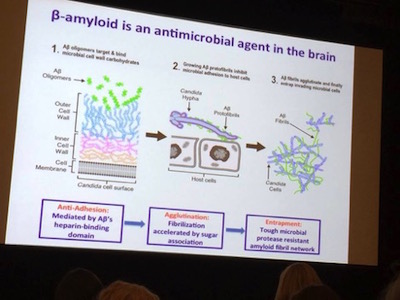
  • the amyloid is an antimicrobial agent in the brain and provides protection against the candida/fungi
  • and that that the amyloid plaques also provide protection against Borellia, periodontal bugs, Herpes Simplex 1 and other infectious agents

What was most encouraging was this:

  • your brain can handle tons of amyloid plaques and tangles and yet not develop Alzheimer’s disease.
  • the big deciding factor seems to be inflammation
  • “resilient brains” had plaques, no inflammation and no Alzheimer’s disease!

So these are some of my thoughts:

  • Tanzi did share that many people with Alzheimer’s disease suffer from depression and agitation. Here is a paper I retrieved; it does state that depression is worse when benzodiazepines have been used and we know benzodiazepines have been found to contribute to dementia so we need to consider this too.
  • We also know anxiety is a factor in Alzheimer’s disease and this study “showed that anxiolytic behavior…is predominantly due to cox-2 mediated neuroinflammation induced neurodegeneration in the brain.”
  • Some of the same underlying causes of anxiety and depression seem to be underlying factors when it comes to Alzheimer’s disease – like candida and inflammation – and there is something we can do about this. We can get rid of the candida and can use natural methods to reduce inflammation starting with eating an anti-inflammatory diet with wild oily fish, no gluten, no sugar and reduced carbs.    

Dr. Tanzi also shared these for preventing Alzheimer’s disease:

  • Social engagement (this is why addressing pyroluria/social anxiety is important – interestingly zinc, vitamin B6 and evening primrose oil are anti-inflammatory)
  • Learning new things
  • Reducing emotional stress and deep sleep (this is where my work with the amino acids comes in – interestingly I found this study that discusses how enhancing GABA signaling can prevent cognitive decline in mice with the apoE4 gene)
  • Exercise (also so beneficial in anxiety and depression)
  • And nutrients like ashwaganda and cat’s claw (to address stress and kill infections/candida)

Clearly I have more reading and researching to do! As you can tell I love putting all the puzzle pieces together.

I’ve also got more to share from Dr. Tanzi’s talk and will do so next week. Stay tuned for more information on his “three- dimensional human stem cell-derived neural culture system that recapitulates Alzheimer’s disease plaque and tangle pathology.”

Feel free to ask questions and share your thoughts in the comments section.


Filed Under: Candida, Events, Inflammation, Stress Tagged With: Alzheimer’s disease, candida, Dr. Rudy Tanzi, Inflammation, integrative healthcare symposium, stress

Microbiome & your mood! Don’t miss Microbiome Medicine Summit

February 24, 2016 By Trudy Scott 6 Comments

microbiome-summit-1

The trillions of organisms (known collectively as the microbiome) that live all over your body have a profound influence on your health. Understanding your microbiome is vitally important if you suffer from chronic diseases of the heart and digestive system, autoimmune disease, diabetes, thyroid disorders, anxiety and depression and more. The Microbiome Medicine Summit runs February 29 – March 7 and the line-up of speakers and topics is stellar!

Learn more and register here: https://qt247.isrefer.com/go/BIOME16reg/trudyscottcn/

Here are just some of the great speakers:

microbiome-summit-aviva-romm

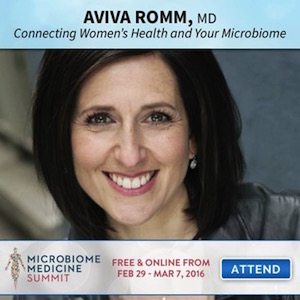
Aviva Romm, MD: “Connecting Women’s Health and Your Microbiome.” Dr. Romm is the author of many wonderful books on natural health for women, one of which is WomanWise. She shares:

And so we know that right now in the United States, 34% of all women are going to have a C­-section. And not only that, every mom who gets a C-section also gets an antibiotic. So those babies are getting the double whammy. They’re not getting exposed to the vaginal flora and mom’s breast milk is getting affected by the antibiotic. And baby is getting some of that antibiotic. So they’re getting an antibiotic exposure, and not getting the microbiome exposure. And then a whole other percentage of babies, maybe as much as 30% of babies on top of that, are getting exposure to an antibiotic all during labor or through mom because mom is positive with something called Group B strep. And so we give the mom an antibiotic to prevent her from passing this potentially serious infection on to the baby. So anywhere from 30% to 40% of babies in the United States are being born with an antibiotic exposure or absence of that good healthy immune education.

microbiome-summit-natasha-campbell-mcbride

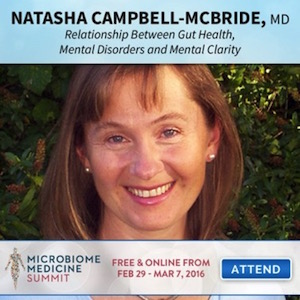
Natasha Campbell-McBride, MD: “The Relationship Between Gut Health, Mental Disorders and Mental Clarity.” Dr. Campbell-McBride is well-known for her book and program The Gut and Psychology Syndrome and the GAPS diet that benefits so many with anxiety and depression and other mood issues.

microbiome-summit-raphael-kellman

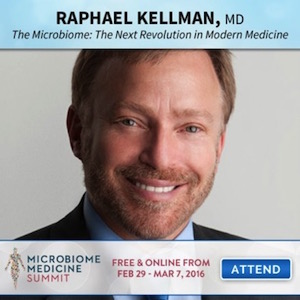
And the summit host, Raphael Kellman, MD, who created The Microbiome Medicine Summit to present ground-breaking information and a whole new perspective that could help you improve your emotional and physical wellbeing! His book is The Microbiome Diet and his talk is called “The Microbiome: The Next Revolution in Modern Medicine.”

He shares this fascinating information:

The microbiome is the community of trillions of bacteria that live in your digestive tract and elsewhere throughout your body. Collectively weighing about three pounds — the same weight as our brain — these bacteria outnumber our human cells by a factor of about 9 to 1. I jokingly tell my patients that I might look like a human, but I am really just “bacteria in a suit.” Each of us is literally more bacteria than human.

Not only do our bacteria outnumber us, their genes outnumber our genes — by a factor of 150 to 1. In many ways, their genes have more of an influence over our day-to-day life than our own genes do.

When your microbiome is balanced, you have a terrific ally that keeps your body healthy, promoting good digestion, clear thinking, balanced mood, and glowing overall health. When your microbiome goes out of balance, however, you risk such symptoms as brain fog, depression, anxiety, bad skin and insomnia — and, down the road, obesity, diabetes, and cancer.

I’m not speaking on this summit but will be listening and learning along with you. Learn more and register here: 
https://qt247.isrefer.com/go/BIOME16reg/trudyscottcn/

PS. I’m actually in New York city at the moment and get to hear Dr. Aviva Romm live at the Integrative Health Symposium. But when you sign up for this summit you get to hear her in the comfort of your own home! Enjoy the summit and don’t forget to share with a loved one or friend who may benefit from this too. 
https://qt247.isrefer.com/go/BIOME16reg/trudyscottcn/

PPS. It starts Monday next week!

Filed Under: Events Tagged With: microbiome, microbiome medicine summit

Heal Your Gut Summit: SIBO, microbiome, anxiety, depression

January 18, 2016 By Trudy Scott Leave a Comment

heal-your-gut-logo

The Heal Your Gut Summit starts this week and runs through January 25th.

Gut dysfunction can be linked to virtually every disease and can cause conditions like autoimmunity, fatigue, depression, anxiety and panic attacks, food sensitivities, chronic pain, allergies and many more. These conditions are by and large preventable.

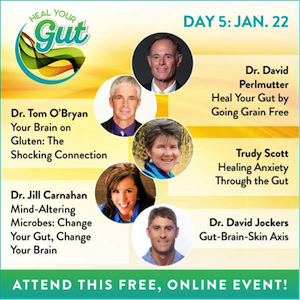
Here is the line-up of speakers and great topics on day 5 of the summit.

healthygutsummit-speakers

And some snippets from the Gut-Brain Connection by Dr. Jill Carnahan

What does the gut or stool have to do with my mood?” But as you and I know, there’s a ton of connection here.

And what we know is the composition of the gut microbiome has such a profound effect on the brain. And it talks back and forth, bi-directionally through the vagus nerve. So those gut microbes produce chemicals and cytokines and things that actually talk to the brain through the vagus nerve.

… So what I do is I will test. And I will do organic urinary acids to look at nutritional components and gut microbe markers and heavy metals and fatty acids and get a picture overall. Again, if there’s excess toxic or if something’s missing, and then, I’ll also do a stool profile. And those two pieces of data are core on every single new patient that I see.

And lipopolysaccharide may be one of the most potent triggers, not only for immune inflammation and autoimmunity, but also for depression. And this study after study after study is linking this LPS and depression and anxiety, as well.

So what happens is those excess microbes in the small bowels can create an inflammatory condition where there’s permeability along the lining of the gut. And then those LPS molecules leak into the bloodstream and create this inflammatory cytokine storm.

So TNF-alpha, IL-6, and IL-2, and some of these cytokines will start the process of inflammation. And we know now that many, many, many cases, if not all cases of depression, inflammation is underlined. So this is one of those triggers from the gut that’s creating inflammation and immune dysfunction and leading to depression and anxiety.

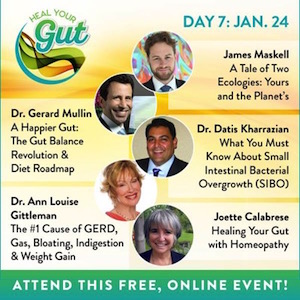
Here is the line-up of speakers and great topics on day 7 of the summit.

heal-your-gut-day7

And some snippets from the What You Must Know about Small Intestinal Bacterial Overgrowth (SIBO) by Dr. Datis Kharrazian:

Basically what happens is that there’s a valve between the small intestine and large intestine. And bacteria that’s in the large intestine move or translocate into the small intestine. And then we have this abnormal group of bacteria that should only be in the large intestine now in the small intestine. When people get this translocation of bacteria, or this movement of bacteria from their large intestine into their small intestine, that’s called small intestinal bacterial overgrowth.

… when this happens, this creates this vicious cycle that has consequences in the brain, that has consequences on the immune system

…there are some clear papers in the scientific literature that show that when people take NS medications like protein pump inhibitors, they’re at high risk for developing SIBO. And some have said as high as 50% to 80% of people that take antacid medications on a chronic basis end up with some aspect of SIBO.

…we know that the vagal motor nuclei, for example, that controls gut motility in the gut and controls valves that are so critical for things like SIBO, is just saturated with thyroid receptors. So when people become hypothyroid, we know that motility can really be compromised

heal-your-gut-summit

Join us for this fabulous upcoming online event that is being hosted by: Dr. Josh Axe, who specializes in functional medicine; Donna Gates, the international best-selling author of The Body Ecology Diet and Dr. Eric L. Zielinski, a sought-after natural health educator, motivational speaker and author, and host of the well-known Essential Oils Summit.

You can register here for the Healthy Gut Summit here https://ju127.isrefer.com/go/healyourgutreg/trudyscottcn/

Filed Under: Events, Gut health Tagged With: Heal Your Gut Summit

  • « Go to Previous Page
  • Page 1
  • Interim pages omitted …
  • Page 22
  • Page 23
  • Page 24
  • Page 25
  • Page 26
  • Interim pages omitted …
  • Page 35
  • Go to Next Page »

Primary Sidebar

GABA QuickStart Homestudy

gaba quickstart homestudy

Free Report

9 Great Questions Women Ask about Food, Mood and their Health

You'll also receive a complimentary subscription to my ezine "Food, Mood and Gal Stuff"


Connect with me

Popular Posts

  • Amino Acids Mood Questionnaire from The Antianxiety Food Solution
  • The Antianxiety Food Solution Amino Acid and Pyroluria Supplements
  • Pyroluria Questionnaire from The Antianxiety Food Solution
  • Collagen and gelatin lower serotonin: does this increase your anxiety and depression?
  • Tryptophan for the worry-in-your-head and ruminating type of anxiety
  • GABA for the physical-tension and stiff-and-tense-muscles type of anxiety
  • The Antianxiety Food Solution by Trudy Scott
  • Seriphos Original Formula is back: the best product for anxiety and insomnia caused by high cortisol
  • Am I an anxious introvert because of low zinc and vitamin B6? My response to Huffington Post blog
  • Vagus nerve rehab with GABA, breathing, humming, gargling and key nutrients

Recent Posts

  • Her cravings for chips and peanut butter were triggered by stress: GABA ends cravings and reduces physical tension and fear of heights
  • It is truly miraculous to be able to move through life without crippling anxiety and panic
  • GABA and tryptophan combo provide immediate and noticeable relief for tremors and cervical dystonia in just 7 days
  • Red light therapy for back and neck pain, plantar fasciitis and low mood – a complement to the amino acids GABA, DPA and tryptophan
  • What do I use instead of Seriphos to help lower high cortisol that is affecting my sleep and making me anxious at night?

Categories

  • 5-HTP
  • AB575
  • Addiction
  • ADHD
  • Adrenals
  • Alcohol
  • Allergies
  • Alzheimer's disease
  • Amino Acids
  • Anger
  • Antianxiety
  • Antianxiety Food Solution
  • Antidepressants
  • Anxiety
  • Anxiety and panic
  • Autism
  • Autoimmunity
  • benzodiazapines
  • Bipolar disorder
  • Books
  • Caffeine
  • Cancer
  • Candida
  • Children/Teens
  • Collagen
  • Cooking equipment
  • Coronavirus/COVID-19
  • Cravings
  • Depression
  • Detoxification
  • Diabetes
  • Diet
  • DPA/DLPA
  • Drugs
  • EFT/Tapping
  • EMF
  • EMFs
  • Emotional Eating
  • Endorphins
  • Environment
  • Essential oils
  • Events
  • Exercise
  • Fear
  • Fear of public speaking
  • Fertility and Pregnancy
  • Fish
  • Food
  • Food and mood
  • Functional neurology
  • GABA
  • Gene polymorphisms
  • General Health
  • Giving
  • Giving back
  • Glutamine
  • Gluten
  • GMOs
  • Gratitude
  • Gut health
  • Heart health/hypertension
  • Histamine
  • Hormone
  • Hyperparathyroidism
  • Hypoglycemia
  • Immune system
  • Inflammation
  • Insomnia
  • Inspiration
  • Introversion
  • Joy and happiness
  • Ketogenic diet
  • Lithium orotate
  • Looking awesome
  • Lyme disease and co-infections
  • MCAS/histamine
  • Medication
  • Men's health
  • Mental health
  • Mercury
  • Migraine
  • Mold
  • Movie
  • MTHFR
  • Multiple sclerosis
  • Music
  • NANP
  • Nature
  • Nutritional Psychiatry
  • OCD
  • Osteoporosis
  • Oxalates
  • Oxytocin
  • Pain
  • Paleo
  • Parasites
  • Parkinson’s disease
  • PCOS
  • People
  • PMS
  • Postpartum
  • PTSD/Trauma
  • Pyroluria
  • Questionnaires
  • Real whole food
  • Recipes
  • Research
  • Schizophrenia
  • serotonin
  • SIBO
  • Sleep
  • Special diets
  • Sports nutrition
  • Stress
  • Sugar addiction
  • Sugar and mood
  • Supplements
  • Teens
  • Testimonials
  • Testing
  • The Anxiety Summit
  • The Anxiety Summit 2
  • The Anxiety Summit 3
  • The Anxiety Summit 4
  • The Anxiety Summit 5
  • The Anxiety Summit 6
  • Thyroid
  • Thyroid health
  • Toxins
  • Tryptophan
  • Tyrosine
  • Uncategorized
  • Vegan/vegetarian
  • Women's health
  • Yoga

Archives

  • May 2026
  • April 2026
  • October 2025
  • September 2025
  • August 2025
  • July 2025
  • June 2025
  • May 2025
  • April 2025
  • March 2025
  • February 2025
  • January 2025
  • November 2024
  • October 2024
  • September 2024
  • August 2024
  • July 2024
  • June 2024
  • May 2024
  • April 2024
  • March 2024
  • February 2024
  • January 2024
  • December 2023
  • November 2023
  • October 2023
  • September 2023
  • August 2023
  • July 2023
  • June 2023
  • May 2023
  • April 2023
  • March 2023
  • February 2023
  • January 2023
  • December 2022
  • November 2022
  • October 2022
  • September 2022
  • August 2022
  • July 2022
  • June 2022
  • May 2022
  • April 2022
  • March 2022
  • February 2022
  • January 2022
  • December 2021
  • November 2021
  • October 2021
  • September 2021
  • August 2021
  • July 2021
  • June 2021
  • May 2021
  • April 2021
  • March 2021
  • February 2021
  • January 2021
  • December 2020
  • November 2020
  • October 2020
  • September 2020
  • August 2020
  • July 2020
  • June 2020
  • May 2020
  • April 2020
  • March 2020
  • February 2020
  • January 2020
  • December 2019
  • November 2019
  • October 2019
  • September 2019
  • August 2019
  • July 2019
  • June 2019
  • May 2019
  • April 2019
  • March 2019
  • February 2019
  • January 2019
  • December 2018
  • November 2018
  • October 2018
  • September 2018
  • August 2018
  • July 2018
  • June 2018
  • May 2018
  • April 2018
  • March 2018
  • February 2018
  • January 2018
  • December 2017
  • November 2017
  • October 2017
  • September 2017
  • August 2017
  • July 2017
  • June 2017
  • May 2017
  • April 2017
  • March 2017
  • February 2017
  • January 2017
  • December 2016
  • November 2016
  • October 2016
  • September 2016
  • August 2016
  • July 2016
  • June 2016
  • May 2016
  • April 2016
  • March 2016
  • February 2016
  • January 2016
  • December 2015
  • November 2015
  • October 2015
  • September 2015
  • August 2015
  • July 2015
  • June 2015
  • May 2015
  • April 2015
  • March 2015
  • February 2015
  • January 2015
  • December 2014
  • November 2014
  • October 2014
  • September 2014
  • August 2014
  • July 2014
  • June 2014
  • May 2014
  • April 2014
  • March 2014
  • February 2014
  • January 2014
  • December 2013
  • November 2013
  • October 2013
  • September 2013
  • August 2013
  • July 2013
  • June 2013
  • May 2013
  • April 2013
  • March 2013
  • February 2013
  • January 2013
  • December 2012
  • November 2012
  • October 2012
  • August 2012
  • July 2012
  • June 2012
  • May 2012
  • April 2012
  • March 2012
  • February 2012
  • January 2012
  • December 2011
  • November 2011
  • October 2011
  • September 2011
  • August 2011
  • July 2011
  • June 2011
  • May 2011
  • April 2011
  • March 2011
  • February 2011
  • January 2011
  • December 2010
  • October 2010
  • September 2010
  • July 2010
  • May 2010
  • April 2010
  • March 2010
  • February 2010
  • January 2010
  • November 2009

Share the knowledge!

The above statements have not been evaluated by the Food and Drug Administration. Products listed in this website are not intended to diagnose, treat, cure or prevent any disease.

The information provided on this site is for informational and educational purposes only and is not intended as a substitute for advice from your physician or other health care professional. You should consult with a healthcare professional before starting or modifying any diet, exercise, or supplementation program, before taking or stopping any medication, or if you have or suspect you may have a health problem.


Copyright © 2026 Trudy Scott. All Rights Reserved. | Privacy | Terms and Conditions | Refund Policy | Medical Disclaimer

Free Report

9 Great Questions Women Ask about Food, Mood and their Health

You’ll also receive a complimentary subscription to my ezine “Food, Mood and Gal Stuff”