• Skip to primary navigation
  • Skip to main content
  • Skip to primary sidebar

everywomanover29 blog

Food, Mood and Women's Health – Be your healthiest, look and feel great!

  • Blog
  • About
  • Services
  • Store
  • Resources
  • Testimonials
  • The Book
  • Contact
  • Search this site

tryptophan

Berberine in perimenopause and menopause: improving mood, calming the anxious mind, and improving heart health, blood sugar and bone health

May 10, 2024 By Trudy Scott 15 Comments

berberine and menopause

… Berberine, an isoquinoline alkaloid derived from plants of the generis Berberis, has been recognized as being capable of decreasing oxidative stress, LDL, triglycerides, and insulin resistance and of improving the mood. This review describes the cellular and clinical effects associated with the use of berberine, which suggest that this molecule could be an effective natural supplement to ensure a smooth peri- and postmenopausal transition.

The above is from a paper published in 2015, Potential benefits of berberine in the management of perimenopausal syndrome.

These are just a few of the many benefits of berberine. Other research reports impacts on the microbiome, benefits for bone density and kidney health – all very relevant in perimenopause and menopause.

I feel that berberine may be a nutrient to consider, in addition to dietary changes, stress reduction and lifestyle changes, and targeted individual amino acids. Read on to discover some of the mechanisms and the benefits of using a comprehensive approach, and feedback from folks in the community who are using berberine with success.

Impacts on oxidative stress, blood sugar/insulin resistance, lipids and heart health, and mood

I encourage you to read the full paper in order to get an overview of the impacts on oxidative stress, blood sugar/insulin resistance, lipids and heart health, and mood. Here is a very high level summary:

  • Estrogen deficiency, increased cardiovascular risk, an “overproduction of reactive oxygen species (ROS)” and reduced nitric oxide (NO) which are important contributing factors when it comes to “menopause-related endothelial dysfunction, atherosclerosis, hypertension, cardiovascular, and renal diseases.” Berberine counters this via various mechanisms.
  • Type 2 diabetes is higher amongst menopausal women, causing high blood sugar and insulin resistance. This paper shares a study that found berberine “significantly lowered fasting blood glucose (FBG), hemoglobin A1c, triglycerides, and insulin levels in patients with Type 2 diabetes as well as metformin and rosiglitazone.” One way berberine does this is via “increased insulin receptor (InsR) messenger RNA and protein expression.”
  • “inactivity of LDL receptor (LDLR)” in liver cells leads to higher levels of oxidized LDL, a risk factor for “endothelial dysfunction and atherosclerosis.” One mechanism is that berberine improves LDLR expression and has lipid-lowering activity.
  • When it comes to mood issues, the increased oxidative stress, immune dysfunction and inflammation play a role because of “interactions between neurotransmitters, neuropeptides, oxidative and nitrosative stress, and cytokines.” Higher levels of inflammatory markers such as interleukin-6 (IL-6), C-reactive protein, interleukin-1-beta (IL-1β), and TNFα “can enter the brain and may cause alterations of the metabolism of serotonin and dopamine.” Berberine helps to counter this inflammatory cascade and “inhibits the expression of MAO” , increasing norepinephrine, serotonin, and dopamine – and improving mood and presumably reducing anxiety too.
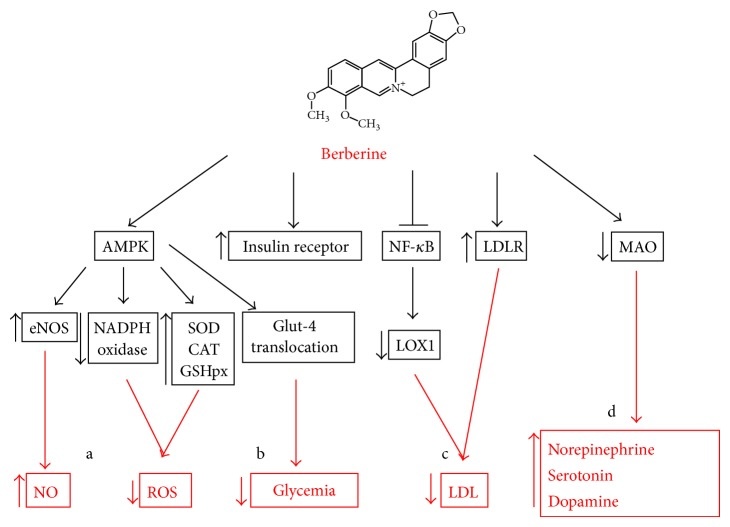
Berberine benefits menopause
From: Potential benefits of berberine in the management of perimenopausal syndrome

Feedback from folks in the community

When I shared this research on Facebook I received much in the way of positive results.

Susan shared this: “A functional medicine doctor suggested I take it with every meal. My A1C was not bad, (5.3) but my last level was 4.8. This was over the course of about 1 year.”

Becky shared this: “I used it for about 6 months along with diet changes to drop my A1C. Have been holding steady since with dietary measures alone. I didn’t realize berberine also helped lower LDL. Mine is slightly elevated. Not enough that my traditional MD has called me on it, but I’ve adjusted my diet again and hearing this about berberine I think I’ll try going back on it.”

Liz shared this: “I had gained some caregiver weight so started on berberine twice a day and it was helpful. However my Doc quickly had me switch over to [a combination product with berberine, chromium and alpha lipoic acid] and it’s fabulous! Twice a day and I feel great, my carb cravings are at bay and my bloodwork and overall health has vastly improved in just a few months.”

Marcy shared this: “Yes!! My son had been steadily gaining weight from binge eating and medications. In October 2022 his triglycerides were through the roof and I was so worried about his health. I put him on 500 mg of Berberine twice a day. Fast forward to today, he has lost approximately 50 pounds and his triglycerides are normal. There were other factors that may have contributed to the weight loss such as therapy and more structured eating times, but I absolutely believe the Berberine supported all this!” (this was also a combination product with berberine and a small amount of alpha lipoic acid and grape seed extract)

Marcia shared this: “I’ve used Berberine for appetite suppression, which it seems to help with, though not enough for me to lose any weight. But it did also actually lift my mood, which I was not expecting.”

Berberine: the microbiota, the gut-brain connection and anxiety

The number of studies on berberine is impressive and growing by the day. It’s not discussed in the above paper, but this paper, Effects of Berberine on the Gastrointestinal Microbiota states this: “The mechanism underlying the role of berberine in lipid‐lowering and insulin resistance is incompletely understood, but one of the possible mechanisms is related to its effect on the gastrointestinal microbiota.” Given what we know about the gut-brain connection, this is another likely mechanism for mood and anxiety benefits.

In another paper, Berberine ameliorates ovariectomy-induced anxiety-like behaviors by enrichment in equol generating gut microbiota, the authors propose that the use of berberine “modulates the gut microbiota, stimulates equol production, and improves anxiety-like symptoms” … “suggesting a direct link between gut microbiota modulation and estrogen deficiency-induced anxiety.”

Berberine: osteoporosis and the kidneys

An osteoporosis study shows that berberine regulates “the estrogen and thyroid hormone signaling pathways to treat osteoporosis in a multi-target, multi-pathway, and multi-system manner.”

And berberine used in conjunction with calcium carbonate and vitamin D, helps to prevent drug-induced bone loss too: “berberine inhibits bone resorption and improves bone formation to prevent glucocorticoid-induced osteoporosis.” I’d be considering vitamin K and other approaches like working towards optimal homocysteine, addressing food sensitivities, addressing possible oxalate and gallbladder issues too. The latter are more common during and after perimenopause.

Interestingly berberine also improves kidney health. One study reports that berberine “significantly ameliorated chronic kidney disease by altering the composition of the gut microbiota and inhibiting the production of gut-derived uremic toxins.”

A comprehensive approach that includes amino acids

As I mentioned above, I feel that berberine may be a nutrient to consider, in addition to dietary changes, stress reduction and lifestyle changes, and targeted individual amino acids. Berberine is relatively new to me and not covered in my book “The Antianxiety Food Solution” but it’s a great resource for the rest.

Here are are few blog posts specific to amino acids in perimenopause and menopause:

  • Tryptophan had the added benefit of turning me completely off alcohol when I took it to improve mood and sleep during perimenopause
  • “Potion” of tyrosine, Endorphigen, GABA and tryptophan has been nothing less than a miracle for my depression and anxiety – how long can I remain on these?
  • I have issues with perimenopausal anxiety a couple of weeks per month and don’t want to turn to SSRIs
  • The individual amino acids glutamine, GABA, tryptophan (or 5-HTP), DPA and tyrosine are powerful for eliminating sugar cravings, often within 5 minutes

The good news is that the amino acids provide immediate relief while the berberine is slower-acting and starting to have an impact.

Product recommendation: Thorne Berberine

There are many good berberine products available. I did some reading and research and landed on Thorne Berberine.

thorne berberine

It is available from my online store (Fullscript – only available to US customers – use this link to set up an account) and it’s available via iherb (use this link to save 5%).

If you’re new to berberine, be sure to discuss the research and if it may be something to consider with your practitioner.

Additional resources when you are new to using amino acids as supplements

As always, I use the symptoms questionnaire to figure out if low GABA or other neurotransmitter imbalances may be an issue.

If you suspect low levels of any of the neurotransmitters and do not yet have my book, The Antianxiety Food Solution – How the Foods You Eat Can Help You Calm Your Anxious Mind, Improve Your Mood, and End Cravings, I highly recommend getting it and reading it before jumping in and using amino acids on your own so you are knowledgeable. And be sure to share it with the practitioner/health team you or your loved one is working with.

There is an entire chapter on the amino acids and they are discussed throughout the book in the sections on gut health, gluten, blood sugar control (this is covered in an entire chapter too), sugar cravings, anxiety and mood issues.

The book doesn’t include product names (per the publisher’s request) so this blog, The Antianxiety Food Solution Amino Acid and Pyroluria Supplements, lists the amino acids that I use with my individual clients and those in my group programs.

If, after reading this blog and my book, you don’t feel comfortable figuring things out on your own (i.e. doing the symptoms questionnaire and respective amino acids trials), a good place to get help is the GABA QuickStart Program (if you have low GABA symptoms too). This is a paid online/virtual group program where you get my guidance and community support.

If you are a practitioner, join us in The Balancing Neurotransmitters: the Fundamentals program. This is also a paid online/virtual program with an opportunity to interact with me and other practitioners who are also using the amino acids.

Wrapping up and your feedback

I do always appreciate feedback from the community and being able to share it on the blog.

Now I’d love to hear from you – have you used berberine with success? How much have you used, which product and how has it helped?

Were you aware of all these benefits?

Have you also used amino acids and dietary approaches as you start to see hormonal shifts?

If you’re a practitioner do you berberine with your clients/patients?

And please let me know if it’s helpful that I’m now including product recommendations and where to get them.

Feel free to share and ask your questions below.
Filed Under: Anxiety, Depression, Women's health Tagged With: amino acids, anxious, anxious mind, berberine, blood sugar, bone density, bone health, calming, GABA, GABA Quickstart; Balancing Neurotransmitters: the Fundamentals program for practitioners, gut-brain, heart health, insulin resistance, kidney, LDL, menopause, microbiome, mood, osteoporosis, oxalates, oxidative stress, perimenopause, triglycerides, tryptophan

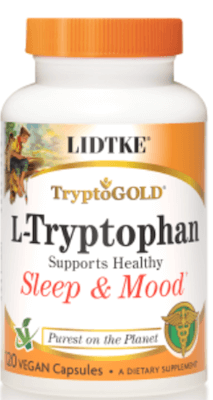
Collagen causes anxiety and sleep problems for some people. I would never have connected the dots but apparently I am one of those people.

March 1, 2024 By Trudy Scott 13 Comments

collagen and anxiety

Thank you for solving my sleeping problem! I would never have connected the dots regarding collagen causing anxiety and sleep problems for some people, but apparently I am one of those people.

Although I would fall asleep instantly at bedtime, I would wake up 3 or 4 hours later and while my body was tired, my mind was wide awake and I was unable to go back to sleep for at least 2 or 3 hours. I would think about all the things I needed to do and the challenges I was having. These things would not bother me as much in the day.  No matter what I tried – like praying and listening to calming music, I could not shut off my anxious thoughts.

Then it occurred to me that when I go out of town to visit my family, I sleep better.   After hearing Trudy’s collagen presentation on the Osteoporosis Summit, I connected the dots!  For the last 6 months, I have been putting about 10 grams of Vital Protein collagen in my coffee each morning.   I don’t take the collagen with me when I travel.  So I stopped using it and lo and behold, I am sleeping the best sleep I have slept in a long time!   I even look forward to going to sleep.

So I thank you Trudy from the bottom of my heart for enlightening me.  And Margie, I thank you for the wonderful Summit you put together with so much great information.  I would still be sleep deprived if it wasn’t for you both!

I was so pleased to receive this lovely thank you email from Merrilyn (sent to me and summit host Margie Bissinger) and said how happy I am for her. I asked if I could share her feedback as a new blog so we can enlighten others who may have similar issues and because it’s an opportunity to share some of sleep/collagen research that supports a possible mechanism.  She kindly said yes and answered my questions:

  • How long had you been using collagen and how long after starting it did the sleep issues start?
  • And how quickly after stopping the collagen did your sleep improve?
  • Did you consider using tryptophan or 5-HTP so you could continue to use the collagen? And are you prone to low serotonin?

Read on for some background on the serotonin-lowering effects for some folks who consume collagen, Merrilyn’s responses to my questions, my insights, some of the research, and the tryptophan and 5-HTP products I recommend.

The original collagen/gelatin serotonin-lowering blog/research from 2017

I first addressed this potential cause for anxiety, mood and sleep issues in a blog in 2017 – Collagen and gelatin lower serotonin: does this increase your anxiety and depression?

Margie invited me to share this information and some of the research with those who are using it or planning to use it for osteoporosis. I’m so glad I accepted because clearly there are still folks who are not aware of the potential serotonin-lowering effects of collagen. And I’m sharing Merrilyn’s results via this new blog in case it’s also new to you.

Briefly, collagen and gelatin are used in tryptophan-depletion studies to lower serotonin levels. It does this because neither collagen or gelatin contain tryptophan. Some people seem to be adversely impacted by acute tryptophan depletion/ATD caused by collagen or gelatin consumption while others are not.

If this is all new to you, I encourage you to read the original blog and search for “collagen” to find other information on this topic on my site.

How long had you been using collagen and how long after starting it did the sleep issues start?

I asked how long she’d been using collagen and how long after starting it did she notice problems with her sleep. This wasn’t clear to her and many folks like Marrilyn unfortunately don’t connect the dots right away.

I started Vital Proteins collagen on July 1, 2023.  I did mark that down because as I add supplements to my diet, I try to make notes and only do one at a time in case they cause a problem.  I did note that I was not consistent with taking it daily and I was only taking 5 to 10 grams daily ( in my cup of coffee!).

I have always had a bit of a problem with waking up at night, but normally go right back to sleep.  I can’t remember exactly when the sleeping problems worsened and I never connected them to collagen.

Seems like over time, the sleeping and waking up with ruminating thoughts was getting worse.  I had started trying Tylenol PM or Advil PM, only taking 1/2 of one with one plain Tylenol or Advil to help me sleep and relieve any muscle tension from exercise. That did not always help. Taking a whole PM was better, but I felt groggy the next day.  I don’t need any now that I have stopped the collagen.

How quickly after stopping the collagen did your sleep improve?

When the cause of waking in the night is due to low serotonin, it’s common to notice improvements very quickly after stopping collagen. This was the case with Merrilyn:

I would say my sleep improved immediately after stopping it.  I realized that on the days I was out of town and didn’t take the collagen, I slept better. … but I attributed it to the fact that it is cooler there and my 6 year old grandson wears me out by the evening.  I do not take the collagen with me and I had not connected this to the sleep pattern.

I returned home after one trip and started the collagen that next morning and the sleepless nights started again.  I can’t remember when I listened to your talk, but I am guessing around January 18th, because I noted that I stopped after that day and according to my Fitbit and my memory, I slept great the night of January 19th and other than one night, I have slept well since.

I do want to commend Merrilyn for keeping a log of new supplements and sleep patterns. It’s something I recommend for all my clients.  

Did you consider using tryptophan or 5-HTP so you could continue to use the collagen and are you prone to low serotonin?

I also asked if she considered using tryptophan or 5-HTP (some folks do better on one vs the other) so she could continue to use the collagen – she had not considered this. And I wanted to know if she has been prone to low serotonin or suspects low serotonin currently.

I do believe I am prone to low serotonin based on the little I have read in your book.   I have thought about using tryptophan with the collagen and might later.  For now, I just want to enjoy sleeping and focus on improving my diet.

I also have evenings when I crave sugar.  I can do without it during the day, but evenings are worse. Something else to work on.

She’s referring to the low serotonin symptoms questionnaire in the amino acid chapter of my book, The Antianxiety Food Solution. It’s also on the blog here.

A big clue is the insomnia and anxiety caused by consumption of collagen, and also the evening cravings. There are cravings with all the neurotransmitter imbalances, with afternoon/evening cravings common with low serotonin.

It is possible Merrilyn’s anxiety and insomnia effects are for reasons other than low serotonin: glutamate, oxalate, arginine or a histamine reaction are all possible with collagen intake). Doing a trial of tryptophan or 5-HTP while consuming collagen would confirm a serotonin connection.

Osteoporosis, allergies, serotonin and coffee

Merrilyn also shared that she is in her early 70s and  besides osteoporosis and allergies, is generally healthy and takes no prescription drugs. Interestingly, research finds there may be a role for 5-HTP (and presumably tryptophan) for allergies and asthma, so this may be another clue for her.

Of course, reducing her cravings – tryptophan and/or 5-HTP make it easy – will also improve her nutrient status of zinc, magnesium, iron, vitamin B6 and other B vitamins etc. all of which are key when it comes to osteoporosis.

Quitting coffee altogether will likely prevent any waking in the night – yes, even just one cup a day can make a difference – and also help improve the status of many of these nutrients. This is often the least favorite change my clients make but Merrilyn will read about all this in the caffeine chapter in my book and may find tyrosine helps her do so.

Research: Daytime tryptophan depletion altered night-time sleep

A paper published in 2002, Mid-morning tryptophan depletion delays REM sleep onset in healthy subjects, reports the following:

Rapid daytime tryptophan depletion in healthy volunteers significantly decreased plasma tryptophan levels during the day and the evening, followed by alterations in the characteristics of night-time sleep, including increased sleep fragmentation, REM sleep latency, and REM density during first sleep episode.

In this randomized double-blind cross-over study, participants received “a tryptophan-free mixture of amino acids at 10:30 am…. resulting in a 77% decrease and 41% decrease of serum tryptophan at 3:30 pm. and 9:30 pm.” Keep in mind that collagen is a blend of certain amino acids and is tryptophan-free.

The authors discuss the fact that serotonin is involved in sleep regulation but interestingly the mood of study participants was not affected.

Even more interesting is another study that found collagen used before bedtime improved sleep and cognitive function in physically active males. It’s possible it’s doing this because it is lowering serotonin that is too high.

Tryptophan and 5-HTP product options

lydke l-tryptophan
pure 5htp

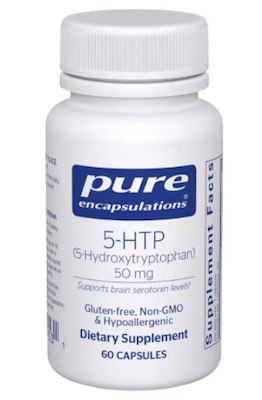
Products I recommend include Lidtke 500 mg Tryptophan, and Pure Encapsulations 50 mg 5-HTP.  You can purchase these from my online store (Fullscript – only available to US customers – use this link to set up an account).

nature's best l-tryptophan
source natural 5-htp

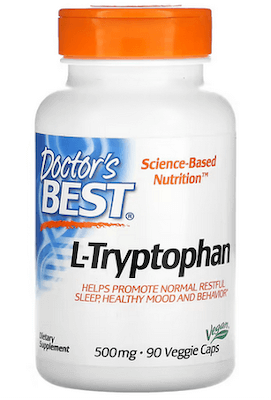
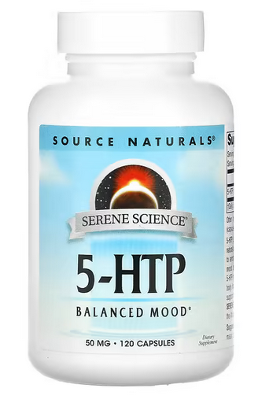
If you’re not in the US, Doctor’s Best L-Tryptophan 500mg and Source Naturals 50 mg 5-HTP  are products I recommend on iherb (use this link to save 5%).

Additional resources when you are new to using tryptophan or 5-HTP and other amino acids as supplements

We use the symptoms questionnaire to figure out if low serotonin or other neurotransmitter imbalances may be an issue for you.

If you suspect low levels of any of the neurotransmitters and do not yet have my book, The Antianxiety Food Solution – How the Foods You Eat Can Help You Calm Your Anxious Mind, Improve Your Mood, and End Cravings, I highly recommend getting it and reading it before jumping in and using amino acids on your own so you are knowledgeable. And be sure to share it with the practitioner/health team you or your loved one is working with.

There is an entire chapter on the amino acids and they are discussed throughout the book in the sections on gut health, gluten, blood sugar control (this is covered in an entire chapter too), sugar cravings, anxiety and mood issues. The importance of quality animal protein and healthy fats is also covered.

The book doesn’t include product names (per the publisher’s request) so this blog, The Antianxiety Food Solution Amino Acid and Pyroluria Supplements, lists the amino acids that I use with my individual clients and those in my group programs.

If, after reading this blog and my book, you don’t feel comfortable figuring things out on your own (i.e. doing the symptoms questionnaire and respective amino acids trials), a good place to get help is the GABA QuickStart Program (if you have low GABA symptoms too). This is a paid online/virtual group program where you get my guidance and community support.

If you are a practitioner, join us in The Balancing Neurotransmitters: the Fundamentals program. This is also a paid online/virtual program with an opportunity to interact with me and other practitioners who are also using the amino acids.

Have you made the connection between your collagen consumption and anxiety/insomnia (or other low serotonin symptoms)?

Did you end up simply stopping collagen or have you successfully used it with tryptophan or 5-HTP?

If you’re a practitioner do you see this with your clients/patients who are prone to low serotonin?

And please let me know if it’s helpful that I’m now including product recommendations and where to get them?

Feel free to share and ask your questions below.
Filed Under: 5-HTP, Anxiety and panic, Collagen, Insomnia, Tryptophan Tagged With: anxiety, anxious thoughts, GABA Quickstart; Balancing Neurotransmitters: the Fundamentals program for practitioners, insomnia, neurotransmitters, osteoporosis, ruminations, serotonin, sleep, tryptophan

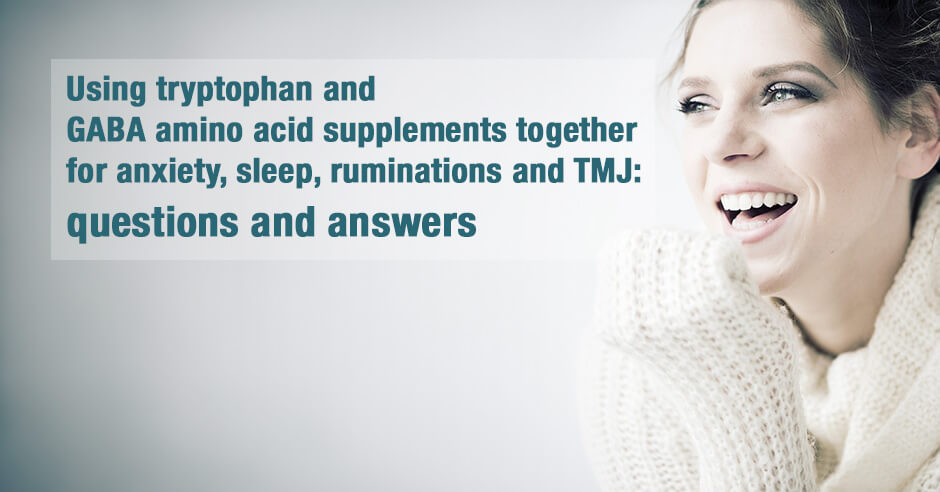
Using tryptophan and GABA amino acid supplements together for anxiety, sleep, ruminations and TMJ: questions and answers

February 23, 2024 By Trudy Scott 18 Comments

amino acids q and a

I am taking 250 mg tryptophan, 100-200 mg GABA. Tryptophan is helping with rumination. GABA is helping with feeling less tension in the body. I am also taking 500mg DPA. DLPA used to help me but I thought it was too stimulating so I’m trying DPA now. I couldn’t feel much when taking it on its own.

But the combination of tryptophan, DPA & GABA is generally helping me to feel less wound up. I still struggle with rumination and I have a really difficult time making decisions. I get really overwhelmed when I have a lot of decisions to make – it sends me in a tailspin and leads to more rumination. I’m not sure which amino acid would be good for that?

I generally have trouble relaxing and feeling calm and I feel the tension in my body. I am not sure if I should try increasing the dosage of one of the above?

I am wondering, is it important to take l-tyrosine to balance the tryptophan since tryptophan can lower dopamine over time? Or is the DPA enough since it’s a precursor to tyrosine?

I get many questions like this about using both tryptophan and GABA amino acid supplements together for easing anxiety and today I’m sharing some of these questions and my answers. This will also give you the opportunity to ask questions you may have related to using both these amino acids together. You’ll also read many success stories like the above and how to tweak the amino acids for optimal results.

Read on for my response to the above question from TT and other questions about using GABA and tryptophan together –  how to measure GABA and serotonin levels for using with teens, adding tryptophan for sleep separately from GABA, how to test both for jaw clenching, and the precaution about serotonin syndrome.

My response and feedback for TT – adjustments for even better results

My response and feedback for TT … It’s wonderful that this combination is helping so much. It’s a great start but there are adjustments I’d consider to get even better results. The tryptophan dose is low, with a typical starting dose of 500mg so I’d consider increasing this a few times over a few weeks to see if the ruminations decrease even further. This may also help with the overwhelm and decision making.

Increasing the GABA over a few weeks (after the trial of increased tryptophan) may well improve her ongoing tension and inability to relax. I’d want to make sure she is using GABA sublingually for the best effects.

She asks about the need to take tyrosine to balance the tryptophan but I don’t have clients do this as a rule of thumb and only have clients take tyrosine if they have symptoms of low dopamine. In this instance since TT mentions difficulties with decision-making, a trial of tyrosine may be worth considering, after she has increased tryptophan and increased GABA. More about tyrosine benefits here.

I do want to mention that DPA is not a precursor to dopamine but DLPA does offer some dopamine support. I share more about the differences between DPA and DLPA here.

I want to give my teens GABA and tryptophan – how do I measure GABA and serotonin levels?

I have two teenagers ages 14 and 16 who suffer from anxiety and depression. My daughter has more difficulty with depression and my son with ruminating thoughts . My father had similar issues. We have tried supplements, and medications that help a little.

I want to try giving them GABA and tryptophan, but to make sure that they in fact meet the criteria you describe. Is there a lab test that measures GABA and serotonin levels? Also, how can I figure out the dose and times to give them?

Here is my feedback for Maria …. The best way to determine if someone may have low GABA/serotonin is to look at the low GABA/serotonin symptoms questionnaire (here is that link), rate 1 or 2 symptoms on a scale of 1-10 with 10 being worst, do an initial one-off trial of the respective amino acid and rate the symptoms again right afterwards (in the next 2 to 30 minutes). Based on this we decide if we’ll continue with the amino acid and how much to use.

Dosing is unique to each person’s needs and timing differs for each amino acid – tryptophan is best mid-afternoon and evening and GABA throughout the day and evening if needed too.

I don’t use the urinary neurotransmitter test as it’s not considered an accurate assessment. I blogged about this here.

It’s a comprehensive approach – amino acids AND diet. This mom mentions supplements and medications but nothing about what their diets are like right now – gluten-free, sugar-free, caffeine-free, eating protein at breakfast for blood sugar control, real whole foods, grass-fed red meat, wild fish, fermented foods etc?

I also suggest my book “The Antianxiety Food Solution”  as a great place to start when you are new to the amino acids and other anxiety nutrition solutions like gluten/sugar/caffeine removal, blood sugar control, gut health, pyroluria etc.

And this blog is a wonderful example and gives hope to moms – Tryptophan for my teenager: she laughs and smiles, her OCD and anxiety has lessened, and she is more goal oriented and focused on school. It’s one of many similar blogs so be sure to use the search feature to find others.

GABA and theanine help my anxiety, if I add tryptophan for sleep should I take it separately?

I have taken Gaba and L-theanine for anxiety for the last few years on and off as recommended by a doctor, it really does help although I still have sleeping problems. I also have a lot of symptoms on your low serotonin list so if I add tryptophan to see if it helps with sleep should I take it with the Gaba or separately?

Here is my response and feedback for Diane … I was glad to hear GABA and theanine are helping with the anxiety. I have many clients with low serotonin and low GABA symptoms take GABA, theanine and tryptophan at bedtime at the same time for improving sleep that is caused by low serotonin.

Diane has already identified that she has a lot of low serotonin symptoms from the questionnaire, so like I shared for Maria above, a trial is worth considering.

We always want to capitalize on what is already working so when GABA/theanine is helping with anxiety and offers some help with sleep we will often increase that before considering a trial of tryptophan.

I’m assuming she is addressing dietary factors too and other root causes that may also affect her sleep – like low blood sugar and high cortisol.

Would GABA or tryptophan help with jaw clenching and how do I test to see if they would help?

Would Gaba or tryptophan help with jaw clenching, not grinding, which I assume is an anxiety thing even when I’m unaware of any anxiety? Since I already use Gaba on and off for anxiety or if I can’t sleep (only taking 200 mg) how would I go about testing tryptophan to see if it would help for clenching?

Here is my feedback for Diane … Jaw clenching/TMJ (temporomandibular joint) issues can be related to both low GABA because of the muscle tension and also when serotonin is low.

In the same way we do a trial with the amino acids for anxiety or low self-esteem (or another symptom like cravings) we would do a trial for the jaw clenching i.e. rate the severity on a scale of 1-10 with 10 being worst, do a trial of tryptophan and then GABA (separately) and rate the symptoms again right afterwards (in the next 2 to 30 minutes). And go from there, increasing each as needed (one at a time) and tracking symptom improvement.

Here is a case as an example: Tryptophan ends TMJ pain, headaches and worry, and improves mood and sleep.

Precaution about serotonin syndrome with tryptophan/5-HTP

There are precautions when using certain amino acids and I always review them with all my clients. If they have been prescribed an SSRI, I have them discuss the use of tryptophan/5-HTP with their prescribing doctor so they can be monitored for serotonin syndrome. With careful monitoring and doctor approval I feel comfortable having my clients use tryptophan/5-HTP 6 hours away from their one and only SSRI.

If they are using more than one SSRI and/or a combination of psychiatric medications, the use of tryptophan/5-HTP is not advised.

None of the above applied in these situations but it’s important to be aware of.

Tryptophan and GABA product options

lydke l-tryptophan
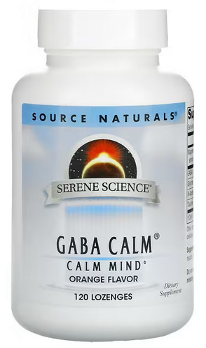
gaba calm
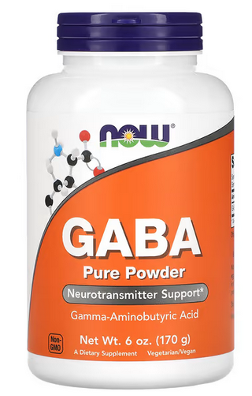
gaba pure poder

Products I recommend include Lidtke 500 mg Tryptophan, Source Naturals GABA Calm lozenges and Now GABA Powder.  You can purchase these from my online store (Fullscript – only available to US customers – use this link to set up an account).

nature's best l-tryptophan
gaba calm
gaba pure poder

If you’re not in the US, Doctor’s Best L-Tryptophan 500mg and Source Naturals GABA Calm lozenges and Now GABA Powder are products I recommend on iherb (use this link to save 5%).

Additional resources when you are new to using tryptophan or GABA and other amino acids as supplements

We use the symptoms questionnaire to figure out if low serotonin or low GABA or other neurotransmitter imbalances may be an issue for you.

If you suspect low levels of any of the neurotransmitters and do not yet have my book, The Antianxiety Food Solution – How the Foods You Eat Can Help You Calm Your Anxious Mind, Improve Your Mood, and End Cravings, I highly recommend getting it and reading it before jumping in and using amino acids on your own so you are knowledgeable. And be sure to share it with the practitioner/health team you or your loved one is working with.

There is an entire chapter on the amino acids and they are discussed throughout the book in the sections on gut health, gluten, blood sugar control (this is covered in an entire chapter too), sugar cravings, anxiety and mood issues. The importance of quality animal protein and healthy fats is also covered.

The book doesn’t include product names (per the publisher’s request) so this blog, The Antianxiety Food Solution Amino Acid and Pyroluria Supplements, lists the amino acids that I use with my individual clients and those in my group programs.

If, after reading this blog and my book, you don’t feel comfortable figuring things out on your own (i.e. doing the symptoms questionnaire and respective amino acids trials), if you need serotonin support, the Serotonin QuickStart Program is a good place to start. This is a paid online/virtual group program where you get my guidance on using tryptophan and 5-HTP safely, and community support during 5 LIVE Q&A calls. You can sign up to be notified when the next live launch of this program is happening. We take a deep dive into product options including Lidtke products and others if you’re not able to access Lidtke.

Low GABA can also affect sleep and cause stress eating. If you also have low GABA symptoms, the next step to get help is the GABA QuickStart Program. This is also a paid online/virtual group program where you get my guidance and community support. Another option is the budget-friendly GABA QuickStart Homestudy Program.

If you are a practitioner, join us in The Balancing Neurotransmitters: the Fundamentals program. This is also a paid online/virtual program with an opportunity to interact with me and other practitioners who are also using the amino acids.

This blog is a follow-on from the previous blog on this topic so be sure to read that blog too. It also features many valuable questions in the comments and my responses, hence this new post. I hope this has been helpful for you.

Wrapping up

Now I’d love to hear from you…

Have you had success using GABA and tryptophan together for anxiety, insomnia, ruminations, depression, overwhelm, TMJ etc?

Have you tweaked your dosing to find the ideal doses for your needs?

If yes, what doses and which products have helped?

If you’re a practitioner do you use tryptophan and GABA with clients/patients with these low serotonin and low GABA symptoms?

And please let me know if it’s helpful that I’m now including product recommendations and where to get them?

Feel free to share and ask your questions below.
Filed Under: Anxiety and panic, Children/Teens, GABA, Insomnia, Tryptophan Tagged With: amino acid supplements, anxiety, dopamine, GABA, GABA Quickstart; Balancing Neurotransmitters: the Fundamentals program for practitioners, jaw clenching, making decisions, neurotransmitters, ruminations, serotonin, serotonin syndrome, sleep, teens, tension, TMJ, tryptophan, tyrosine

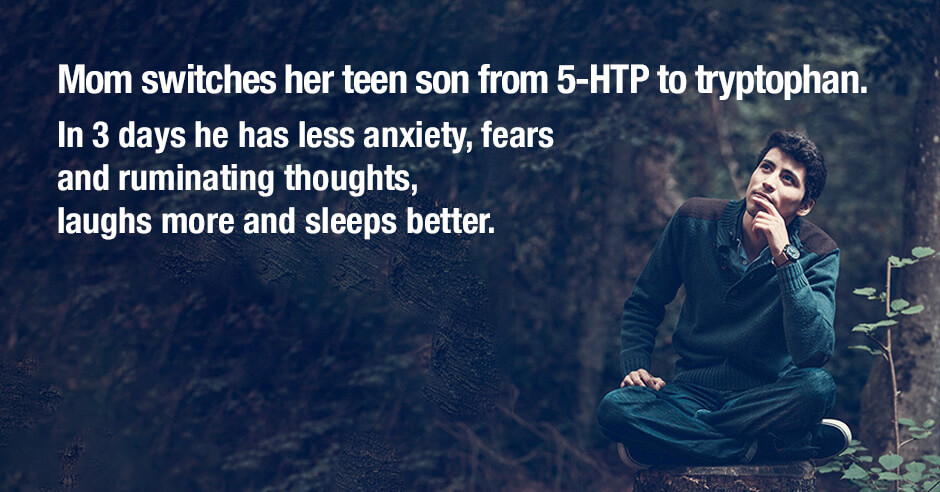
Mom switches her teen son from 5-HTP to tryptophan. In 3 days he has less anxiety, fears and ruminating thoughts, laughs more and sleeps better.

February 16, 2024 By Trudy Scott 40 Comments

5-HTP to Tryptophan

My son has autism and OCD. I took him off fluvoxamine in May and used cbd and some other things and he was doing fine up until this past winter. He began having irrational fears and ruminating thoughts/fears that would not stop! I started 5-HTP, theanine, B12, probiotics with him for the last month and did not see any improvement. I was ready to go back to the medication when I came across your blog and information.

I assumed 5-HTP would be better for OCD, but after reading your comments you mentioned that you just switch to tryptophan if the 5-HTP is not working. I had tryptophan at home already. That night I emptied half a capsule into a little stevia flavored water and had him hold it in his mouth for a minute.

He was a different kid after that!!!! This is just the 3rd day but even his teachers are telling me he is doing really well and is less anxious at school. I am so thankful! I am now giving him 500mg in the morning and early evening.

I bought some inositol and plan to try adding that in the afternoons to see if that will help as well. I believe that he has PANDAS. He is a hand washer, and spits a lot, and has lots of other quirks that I would love to see decrease.

I have hope again! I am buying your book so that I can get a good plan going for him. If you have any other suggestions for him please let me know!!

This wonderful feedback was posted in the comments of one of the tryptophan blogs. I’m so thrilled for this mom and young man (he’s almost 20). I thanked her for sharing all this on the blog and offered to share additional generic feedback via a new blog post. I also asked for additional feedback on exactly how the tryptophan helped (more on that below).

Read on to learn how tryptophan helped with his ruminating thoughts, fears, crying and improved his sleep. And my insights about the ideal timing of tryptophan, finding the optimal dose and why it may work when 5-HTP doesn’t. I also share some insights about inositol and  OCD (obsessive compulsive disorder).

Low serotonin symptoms and the questions I had about his symptoms

I do hope he continues to see these benefits. Seeing such amazing results in 3 days is always what we’re looking for and it’s not unexpected to get such profound results so quickly!

I had some additional questions so I could share some general feedback as to how I work in situations like this. I wanted to know his age and if the switch to tryptophan helped any of his OCD symptoms and if yes how many notches improvement?

And which of the classic low serotonin symptoms the tryptophan helped and by how much: anxiety? irrational fears? and ruminating thoughts/fears? anything else? (all the low serotonin symptoms here)

Knowing this helps me know if I’m on track with a client i.e. the tryptophan is helping with low serotonin symptoms. And it also helps me decide we should consider increasing the dose and possibly adjust the number of times to use tryptophan. I share more about this below.

Tryptophan helps reduce his ruminating thoughts, fear and anxiety. And he’s laughing more and sleeps better

She shared some specific examples as to how much the tryptophan helps reduce his ruminating thoughts, fear and anxiety. And he’s laughing more and it helps him sleep:

He would often call me or text me throughout the day with questions about his health, and he would come to me 10-15 times in the afternoons/evenings, for about 3 weeks or so, and ask me the same questions about a rare disease that he believed he had.

He would cry and shake with fear and anxiety at some point and I would need to reassure him over and over again that he did not have this disease, and that it was literally impossible for him to have it.

After starting the tryptophan supplements 2x500mg morning/early evening he did not come to me at all and seemed content the 1st day.

Yesterday, he didn’t get the 2nd tryptophan until 5pm so he did come to me with 1 question/concern. I reassured him and he seemed fine especially after his supplement. Then 1 more question later that night but he accepted my reassurance both times and let it go.

So that was a big difference compared to the last 4 weeks. He was also laughing at some cartoon he was watching which I had not seen him do for a month either. Anxiety is less. He is sleeping better too. So far he still seems to believe the irrational things.

Tryptophan is clearly helping so many of his symptoms but we have more opportunities for further gains with tryptophan.

Tryptophan for low serotonin: dosing and timing

As I share in my book and other blog posts, typically 500 mg tryptophan twice a day is a good starting dose, used away from protein mid-afternoon and evening. It’s used like this because serotonin starts to decline in the afternoon. We increase based on individual needs to find the ideal dose. We may also add tryptophan or 5-HTP earlier in the day.

In a situation like this, if we were working together, I’d consider the following:

  • Adding a mid-afternoon dose of tryptophan
  • A switch to just afternoon and evening dosing (unless the morning dose was used for a specific reason i.e. morning symptoms)
  • Adding a second dose of tryptophan each time (he is using Nature Stacks Serotonin Brain Food and I’d recommend Lidtke 500 mg tryptophan for the second dose each time because it contains only tryptophan)

With changes we do one thing at a time and track symptom improvements carefully.

Tryptophan vs 5-HTP?

I commend her for figuring out the switch from 5-HTP to tryptophan.

It’s a well known fact that some folks just do better on one vs the other and if 5-HTP isn’t working I’ll have clients switch to tryptophan and vice versa. I typically start with tryptophan because it seems to be better tolerated. The biggest issue that I see with 5-HTP is that it’s often not tolerated if you have high cortisol. It can also cause nightmares for some folks.

Precaution about serotonin syndrome with tryptophan/5-HTP

There are precautions when using certain amino acids and I always review them with all my clients. If they have been prescribed an SSRI, I have them discuss the use of tryptophan/5-HTP with their prescribing doctor so they can be monitored for serotonin syndrome. With careful monitoring and doctor approval I feel comfortable having my clients use tryptophan/5-HTP 6 hours away from their one and only SSRI.

If they are using more than one SSRI and/or a combination of psychiatric medications, the use of tryptophan/5-HTP is not advised.

None of the above applied in this situation but it’s important to be aware of.

Inositol and OCD: when to consider adding it?

OCD or even mildly obsessive behaviors or thoughts can be a sign of low serotonin. I will do a trial of tryptophan as above and for some folks it’s often enough. Sometimes tryptophan at least helps to some degree and when it’s not enough, adding inositol (a B vitamin) takes it to the next level.

For many folks 500 -1000 mg capsules are typically recommended but this is a really low dose for OCD. The powdered form is really effective because you can increase as needed. You can actually go as high as 18g. I start low, with 1-2g in kids and adults, and keep going up by 2g a week until the obsessive symptoms disappear. More on inositol and OCD here.

GABA, dopamine and endorphin support too

She mentions that her son “seems to be low serotonin, low GABA (1st 1/2 of the list), low endorphins and low catecholamines” so other amino acids are likely to be of benefit too.

As always we used the neurotransmitter symptoms questionnaire and do trials of each amino acid: GABA for low GABA symptoms, DPA for low endorphins and tyrosine for low dopamine. These trials of each one are done one at a time with careful tracking to find the ideal dose before layering in the next amino acid.

Using the amino acids so it’s easy to reduce sugar and go gluten-free

I also asked what dietary changes he has already made and she responded: “We are in the  process of reducing sugar and going back to gluten-free as much as possible but this will be hardest to stick to. Have done a keto-like and gluten-free-casein-free diet on and off since he was 4 years old.”

This is a great start and using the amino acids help reduce cravings and make it easy to reduce sugar and go gluten-free.

There is a sugar cravings aspect to all the neurotransmitter imbalances. The type of craving can be found on the above symptoms questionnaire. It’s not uncommon to need support in more than one area:

  • Low serotonin – tryptophan or 5-HTP for afternoon/evening cravings
  • Low endorphins – DPA for comfort/reward eating
  • Low catecholamines – tyrosine for low energy sugar cravings
  • Low GABA – GABA for stress eating

You can read more about this here: The individual amino acids glutamine, GABA, tryptophan (or 5-HTP), DPA and tyrosine are powerful for eliminating sugar cravings, often within 5 minutes

I’m glad she is getting a copy of my book The Antianxiety Food Solution. It has all the foundational dietary information, sections on cravings and a chapter on the amino acids.

It also has a chapter on pyroluria, which is very common in autism and something I help most of my clients address. Here is the pyroluria questionnaire.

Tryptophan and inositol product options

lydke l-tryptophan
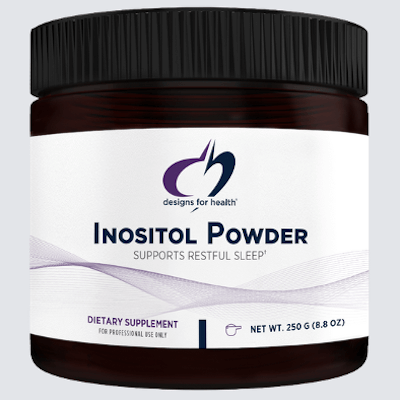
inositol powder

Products I recommend include Lidtke 500 mg Tryptophan and Designs for Health Inositol Powder.  You can purchase these from my online store (Fullscript – only available to US customers – use this link to set up an account).

doctor's best l-tryptophan
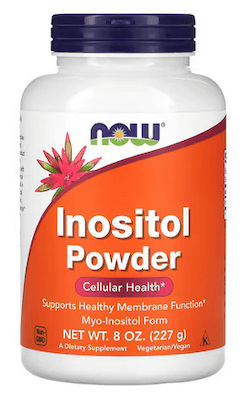
now inositol powder

If you’re not in the US, Doctor’s Best L-Tryptophan 500mg and Now Inositol Powder are products I recommend on iherb (use this link to save 5%).

Additional resources when you are new to using tryptophan and other amino acids as supplements

We use the symptoms questionnaire to figure out if low serotonin or other neurotransmitter imbalances may be an issue for you.

If you suspect low levels of any of the neurotransmitters and do not yet have my book, The Antianxiety Food Solution – How the Foods You Eat Can Help You Calm Your Anxious Mind, Improve Your Mood, and End Cravings, I highly recommend getting it and reading it before jumping in and using amino acids on your own so you are knowledgeable. And be sure to share it with the practitioner/health team you or your loved one is working with.

There is an entire chapter on the amino acids and they are discussed throughout the book in the sections on gut health, gluten, blood sugar control (this is covered in an entire chapter too), sugar cravings, anxiety and mood issues. The importance of quality animal protein and healthy fats is also covered.

The book doesn’t include product names (per the publisher’s request) so this blog, The Antianxiety Food Solution Amino Acid and Pyroluria Supplements, lists the amino acids that I use with my individual clients and those in my group programs.

If, after reading this blog and my book, you don’t feel comfortable figuring things out on your own (i.e. doing the symptoms questionnaire and respective amino acids trials), if you need serotonin support, the Serotonin QuickStart Program is a good place to start. This is a paid online/virtual group program where you get my guidance on using tryptophan and 5-HTP safely, and community support during 5 LIVE Q&A calls. You can sign up to be notified when the next live launch of this program is happening. We take a deep dive into product options including Lidtke products and others if you’re not able to access Lidtke.

If you also have low GABA symptoms, the next step to get help is the GABA QuickStart Program. This is also a paid online/virtual group program where you get my guidance and community support. Another option is the budget-friendly GABA QuickStart Homestudy program.

If you are a practitioner, join us in The Balancing Neurotransmitters: the Fundamentals program. This is also a paid online/virtual program with an opportunity to interact with me and other practitioners who are also using the amino acids.

Now I’d like to hear from you

Have you had success with tryptophan for anxiety, fears, crying and ruminations? And has it also helped with sleep, how happy you feel and reduced cravings? Has it also helped with OCD?

Did you first trial 5-HTP and then found tryptophan worked better or vice versa?

If yes, what dose and when do you use it?

What about using inositol to further reduce OCD? And what dose helped?

If you’re a practitioner do you use tryptophan and/or inositol with clients/patients with these low serotonin symptoms?

And please let me know if it’s helpful that I’m now including product recommendations and where to get them?

Feel free to share and ask your questions below.
Filed Under: Anxiety and panic, Children/Teens, Cravings, OCD, Tryptophan Tagged With: 5-HTP, amino acids, anxiety, anxious, autism, crying, fears, GABA Quickstart; Balancing Neurotransmitters: the Fundamentals program for practitioners, inositol, laughs, neurotransmitters, obsessive compulsive disorder, OCD, ruminating thoughts, ruminations, sleeps, teen, tryptophan

How to use bright light therapy for increased anxiety, increased panic and SAD during the cold dark winter months

January 19, 2024 By Trudy Scott 2 Comments

bright light therapy

There is a seasonality to anxiety and panic disorder just as there are seasonal variations in mood for certain susceptible individuals:

Following a clinical observation of increased anxiety symptoms and mood changes during winter in panic disorder patients, the Seasonal Pattern Assessment Questionnaire (SPAQ) was completed by 133 patients. Global Seasonality Scores (GSS), and the prevalence of Seasonal Affective Disorder (SAD), were significantly higher than reported in general population studies.

Seasonal changes were also found in anxiety and panic attacks.

These findings suggest the possibility of a common aetiology [etiology or cause] for panic disorder and SAD, that seasonality may be a far more general phenomenon in psychopathology, and that light therapy may be a useful treatment for some panic disorder patients.

The above abstract is from this paper: Seasonality in panic disorder

If you’re new to bright light therapy or are currently using it with success and would like to learn more, I’d like to point you to this excellent review paper, Bright Light as a Personalized Precision Treatment of Mood Disorders. The authors of the above paper cover some of the basics like how to use bright light for SAD (seasonal affective disorder) or the winter blues, and for how long, possible adverse effects and who should not use bright light therapy (this last aspect is theoretical).

This information about bright light and mood disorders can be applied to anxiety and panic attacks, in addition to SAD.

As you’ll read below there are also often benefits for non seasonal depression, bipolar disorder, fatigue, sleep issues, emotional eating and other conditions too.  And bright light therapy can be used in conjunction with the amino acids tryptophan or 5-HTP, and is often used with psychiatric medications too.

How to use bright light for SAD and winter anxiety/panic and for how long?

You sit in front of the light box or full spectrum lamp – on a table or your desk – with open eyes.  Using a standing lamp as a source of light is another option.

The authors of the Bright Light paper share the following approach for SAD (seasonal affective disorder or the winter blues), all of which is applicable for increased anxiety and panic attacks in winter too):

  • Start with a “duration of 30 minutes, using a light intensity of 10,000 lux.” (more on lux comparisons below)
  • “Early morning administration offers greater chances for remission” (although there is documented research and clinical results that for some folks later in the day works well too).
  • “Measured at eye level, a therapeutic distance of 60–80 cm from the light box can be seen as standard requirements (some other devices recommend a distance of 30 cm, so we advise to follow the device recommendations that take into account light parameters and distance).” Most of the lights/devices I recommend state a distance of 30 cm so it’s best to follow the manufacturer’s guidelines.
  • “Lower intensities also appear to be effective, but need longer exposure durations: 2,500 Lux for 2 hours per day or 5,000 Lux for 1 hour a day.” This means sitting further away may allow you to sit in front of the lamp/device for longer duration and get the same benefits.
  • “Significant effects appear only at 2–3 weeks of treatment.” Based on my clinical results, I have clients start to feel some improvements right away with the correct distance and a good lamp.
  • “Treatment is usually continued until the time of usual spontaneous remission in the spring or summer” (and is ideally started as fall/autumn starts to approach rather than in the middle of winter).

I’m also adding this missing and yet important fact from another paper: “The light box is angled ~30° from the line of gaze. The user does not stare directly into the light.”

They also discuss guidelines for year round use of bright light therapy for non-seasonal unipolar depression, another term for major depressive disorder. And midday or morning use for bipolar depression (when on mood stabilizers). I share more about this in my blog: Midday bright light therapy for bipolar depression. I refer you to the study for this information so it can be discussed with your doctor.

Bright light therapy for insomnia and decreased alertness/fatigue

The Bright Light paper also mentions how light therapy “may also be useful to improve sleep quality” … and … “abnormalities in circadian rhythms such as sleep phase delay syndrome, that are frequently associated in mood disorders.”

The authors also mention how light therapy can also help “decreased alertness”, presumably as a result of poor sleep.

Clinically, I see these benefits for clients in similar ways that tryptophan or 5-HTP help with sleep issues. This is related to the serotonin boosting mechanism of bright light therapy. Keep in mind anxiety and panic are symptoms of low serotonin.

What are some possible adverse effects of bright light therapy?

The authors state that bright light therapy “is well-tolerated by patients; adverse effects such as headache, eyestrain, nausea and agitation, are usually transient and mild.” Clinically, I have seldom seen clients experience headache, eyestrain and nausea.

However, I have seen agitation and other low serotonin symptoms get worse – like feeling more sad or more worried or more angry or more irritated or more sleep issues (or all of the above). Too much bright light therapy can ramp up low serotonin symptoms in a similar way that too much tryptophan or 5-HTP can. In other words, it can be overdone and more is not necessarily better. You have to find a balance and figure out what works best for your needs.

I also have clients who are prescribed antidepressants discuss light therapy with their prescribing doctor as I suspect there is the possibility of serotonin syndrome. I don’t see any reports of this in the research and a number of reports of bright light therapy being used successfully in conjunction with antidepressants.

Who should not use bright light therapy?

The authors share these contraindications: “ophthalmic disorders (cataract, macular degeneration, glaucoma, retinitis pigmentosa) and disorders affecting the retina (retinopathy, diabetes, herpes, etc.).” They recommend getting an eye examination if you are in doubt.

Other papers state that the above is theoretical and there are no documented cases of eye damage from bright light therapy. But if you suspect you may be at high risk, get the approval from your ophthalmologist and ongoing monitoring too.

Recommended lights, lamps and panels: always 10,000 lux

This blog post, Winter blues or SAD: light therapy has been updated (as of Jan 2024) with new links for recommended lights/lamps/panels, all 10,000 lux. You can also read feedback from folks who use and find the benefits of full spectrum light or bright light therapy. For example, Chrstine shared this:

My office is the darkest room in the house and I have one sitting on my desk, especially helpful in the winter. This is the second Verilux Happy Light I have used and I really like it. Living in Nevada where there is sunshine over 330 days of the year I am so accustomed to light and brightness that if I am in a dark room or space for too long it really affects me. This has been a great product for me and I can recommend it.

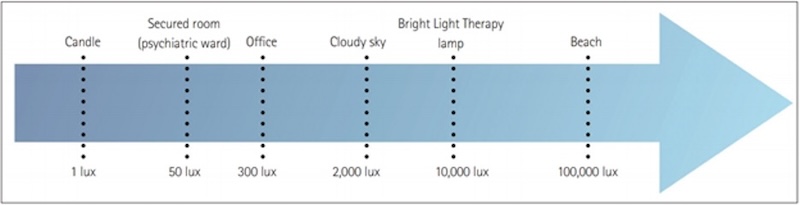
If you’re curious about lux, it is a unit of illumination and this paper, Light Therapy in Mood Disorders: A Brief History with Physiological Insights, includes this very useful lux comparison image:

light therapy and mood disorders
The above is shared under the Creative Commons Attribution License and can be found here .

The combination of using bright light therapy with amino acids such as tryptophan and 5-HTP

I often recommend the use of light therapy in conjunction with amino acids such as tryptophan and 5-HTP. This offers additional serotonin support and helps ease worry-type anxiety, panic attacks, low mood, insomnia, cravings and more. I discuss this combination approach in the winter blues blog.

When someone is already using amino acids with some success, we may just add light therapy and keep amino acid dosing the same or we may use higher doses of amino acids like tryptophan, 5-HTP and GABA during the winter months. We may also use both depending on the person’s unique needs.

I had one client who did really well with tryptophan: his anxiety decreased dramatically but then ramped up before winter. Increasing tryptophan was too much for him so we kept the original tryptophan dose and he started bright light therapy. This worked very well for him until the end of spring when he was able to stop the light therapy.

I also share links to increased OCD (obsessive compulsive disorder), intrusive thoughts, PMDD (premenstrual dysphoric disorder), PMS (premenstrual syndrome), binge eating/emotional eating and drinking/alcoholism in the winter months – and the role of light therapy and amino acids.

Additional resources when you are new to using tryptophan or other amino acids as supplements

We use the symptoms questionnaire to figure out if low serotonin or other neurotransmitter imbalances may be an issue for you.

If you suspect low levels of any of the neurotransmitters and do not yet have my book, The Antianxiety Food Solution – How the Foods You Eat Can Help You Calm Your Anxious Mind, Improve Your Mood, and End Cravings, I highly recommend getting it and reading it before jumping in and using amino acids on your own so you are knowledgeable. And be sure to share it with the practitioner/health team you or your loved one is working with.

There is an entire chapter on the amino acids and they are discussed throughout the book in the sections on gut health, gluten, blood sugar control, sugar cravings, anxiety and mood issues. The importance of quality animal protein is also covered.

The book doesn’t include product names (per the publisher’s request) so this blog, The Antianxiety Food Solution Amino Acid and Pyroluria Supplements, lists the amino acids that I use with my individual clients and those in my group programs.

If, after reading this blog and my book, you don’t feel comfortable figuring things out on your own (i.e. doing the symptoms questionnaire and respective amino acids trials), a good place to get help is the GABA QuickStart Program (if you have low GABA symptoms too). This is a paid online/virtual group program where you get my guidance and community support.

If you are a practitioner, join us in The Balancing Neurotransmitters: the Fundamentals program. This is also a paid online/virtual program with an opportunity to interact with me and other practitioners who are also using the amino acids.

Do you experience increased anxiety, panic attacks and/or the winter blues in the winter months? Have you had success with bright light therapy?

If yes, which full spectrum lamp have you found to be the most useful? What time of the day do you use it, how often do you use it and for what duration?

Have you used a combination of amino acids and light therapy, and adjusted up your amino acids during the colder and darker winter months?

If you’re a practitioner do you recommend light therapy to your clients/patients?

Feel free to share and ask your questions below.
Filed Under: Amino Acids, Anxiety and panic, Depression, Emotional Eating Tagged With: 000 lux, 10, 5-HTP, anxiety, Bipolar, Bright light therapy, depression, emotional eating amino acids, fatigue, GABA Quickstart; Balancing Neurotransmitters: the Fundamentals program for practitioners, how to use, light therapy, mood, panic, SAD, seasonal affective disorder, seasonality, sleep, tryptophan, winter, winter blues

Tryptophan 500 mg daily for a month: helps reduce negative thoughts, that scary wave of fear, panic attacks and anxiety

December 22, 2023 By Trudy Scott 32 Comments

tryptophan 500mg

Sylvie learned about my work after hearing me speak about nutritional solutions for anxiety on a summit. I discussed the use of tryptophan for low serotonin type of anxiety and panic attacks. She shared how much just 500 mg of tryptophan helps her and asks about using pharmaGABA too. In this blog I share my insights on next steps for someone in her shoes: using more tryptophan and/or more GABA and/or another GABA product. I also suggest that she reconsiders her vegetarian diet which can definitely play a role in low serotonin and some of the other neurotransmitters. Here is her wonderful feedback about tryptophan and her question in her own words:

I’ve been dealing with anxiety and panic attacks for a while. I am a vegetarian and really have no apparent reason why to have these two ghosts (anxiety and panic attacks) stealing the show in my present life. I don’t have anything causing intense stress or trauma and I take good care of myself. I went to see a Ph.D. in Psychotherapy and she couldn’t help me much, then I heard you talking about Tryptophan.

I got it the next day and I have been taking 1 x 500 mg at night daily, for about a month now. I have had almost no negative thoughts and that scary wave of fear in my body. Ok, maybe a couple of times, but really, very minimum. I was having a panic attack about once a week, ever since I took Lidtke Tryptophan so far I think I wanted to have a couple of them in the whole month, but they came very mildly and they disappeared.

May I take advantage and ask a question? When I felt I was going to have a panic attack I tried a 100mg of Pharmagaba that I found at Whole Foods, but I don’t think it did much for me. I know you recommend the GABA Calm, but I’ve suffered from migraines in the past, and I am afraid that the tyrosine will trigger one (one of my triggers for panic/anxiety are migraines), so what other brand/amount could I take that does not have tyrosine?

I don’t take any medications and am very healthy (had a yearly check up with complete lab work done in January), so the minimum dose of Tryptophan seems to be working well for me. THANK YOU SO MUCH for sharing this information. I now understand the power of nutrition in our brain’s health, thanks to your book, etc…

Use what is already working and increase to find the ideal dose

It’s wonderful to hear how just 500 mg tryptophan once a day had such an impact on her and I appreciate her for sharing this on the blog so I can share here.

When I’m working with a client we always use what is already working well – in this case it’s tryptophan – and increase it to see if we can find the ideal dose and alleviate all the low serotonin symptoms.

Her negative thoughts and the scary wave of fear have been dramatically reduced but do happen from time to time. By increasing tryptophan she may well be able to completely eliminate them.

Panic attacks are a classic sign of low serotonin and with this amount of tryptophan they have decreased from once a week to a mild version once a month. This is another clue that tryptophan is helping and that it’s worth considering an increase. I would start with this before adding in pharmaGABA or another GABA product (but more on that below).

I would also review the list of low serotonin symptoms (you can find these here) and rate what else may still be causing any issues – like insomnia, PMS, anger, afternoon sugar cravings etc.

As far as increasing tryptophan a few options could be considered:

  • 500 mg tryptophan mid-afternoon and 500 mg tryptophan at night OR
  • 2 x 500 mg tryptophan at night (this would be a good option if sleep is still not ideal)

Precaution about serotonin syndrome with tryptophan/5-HTP

There are precautions when using certain amino acids and I always review them with all my clients. If they have been prescribed an SSRI I have them discuss the use of tryptophan/5-HTP with their prescribing doctor so they can be monitored for serotonin syndrome. With careful monitoring and doctor approval I feel comfortable having my clients use tryptophan/5-HTP 6 hours away from their one and only SSRI.

If they are using more than one SSRI and/or a combination of psychiatric medications, the use of tryptophan/5-HTP is not advised.

None of the above applied in this situation but it’s important to be aware of.

When to consider GABA and some products to trial

Low GABA can also be a factor when it comes to anxiety and panic attacks. But it’s best to get a good baseline of serotonin support before adding a new amino acid like GABA.

I would also review the list of low GABA symptoms (you can find these here) and rate which ones may still be causing issues – like how severe her physical anxiety/tension is when she has a panic attack, if she eats more sugar/drinks more alcohol when stressed and has low GABA tension-type of insomnia.

Tyrosine is a precaution with migraines so it was wise not to use GABA Calm but the pharmaGABA dose she used may not have been high enough. It’s worth increasing the dose to see if that helps before adding a different GABA product. A GABA only product like NOW GABA powder or a liposomal GABA/theanine product would be something to consider if the pharmaGABA doesn’t help. I shared a link to many of the GABA products that I use and recommend

The role of a vegetarian diet in low serotonin

I also suggest that Sylvie reconsiders her vegetarian diet which can definitely play a role in low serotonin and some of the other neurotransmitters.

She does share that she is surprised about the anxiety and panic attacks but it’s not really surprising to me because it’s a fact that you can become nutrient depleted on a vegetarian diet: low iron, low vitamin B12, low omega-3s and low vitamin D, as well as low intake of amino acids are common. All of the above are needed to make serotonin and other neurotransmitters.

She says “I now understand the power of nutrition in our brain’s health, thanks to your book.” I do address the issue with vegetarianism in my book so hopefully she is open to considering some changes.

Here are a few blog posts to illustrate the power of eating real whole food that does include quality animal protein:

  • Paleo and grain free diets: anxiety and depression success stories
  • A lifetime of horrible and bizarre intrusive thoughts eliminated by a low carb/high fat diet (not as strict as keto) – a case study and research

If she doesn’t make changes to her diet it’s possible she may need to use tryptophan and/or GABA long term.

Tryptophan and 5-HTP product options

Sylvie happens to respond well to tryptophan and yet some folks do better with 5-HTP so it’s a matter of doing a trial of each.

lydke l-tryptophan
pure 5htp

Products I recommend include Lidtke 500 mg Tryptophan, and Pure Encapsulations 50 mg 5-HTP.  You can purchase these from my online store (Fullscript – only available to US customers – use this link to set up an account).

nature's best l-tryptophan
source natural 5-htp

If you’re not in the US, Doctor’s Best L-Tryptophan 500mg and Source Naturals 50 mg 5-HTP  are products I recommend on iherb (use this link to save 5%).

Additional resources when you are new to using tryptophan, GABA and the other amino acids as supplements

We use the symptoms questionnaire to figure out if low serotonin or low GABA may be an issue for you.

If you suspect low levels of any of the neurotransmitters and do not yet have my book, The Antianxiety Food Solution – How the Foods You Eat Can Help You Calm Your Anxious Mind, Improve Your Mood, and End Cravings, I highly recommend getting it and reading it before jumping in and using amino acids on your own so you are knowledgeable. And be sure to share it with the practitioner/health team you or your loved one is working with.

There is an entire chapter on the amino acids and they are discussed throughout the book in the sections on gut health, gluten, blood sugar control, sugar cravings, anxiety and mood issues.

The book doesn’t include product names (per the publisher’s request) so this blog, The Antianxiety Food Solution Amino Acid and Pyroluria Supplements, lists the amino acids that I use with my individual clients and those in my group programs. You can find them all – including the Lidtke Tryptophan 500 mg and some of the GABA products mentioned above – in my online store.

If, after reading this blog and my book, you don’t feel comfortable figuring things out on your own (i.e. doing the symptoms questionnaire and respective amino acids trials), a good place to get help is the GABA QuickStart Program (if you have low GABA symptoms too). This is a paid online/virtual group program where you get my guidance and community support.

If you are a practitioner, join us in The Balancing Neurotransmitters: the Fundamentals program. This is also a paid online/virtual program with an opportunity to interact with me and other practitioners who are also using the amino acids.

Have you had success using tryptophan and/or GABA for your anxiety, panic attacks, negative thoughts and scary waves of fear?  If yes, how much helps? Did you start low and then increase?

If you’re a practitioner do you have success using tryptophan and GABA this way with your clients/patients?

Feel free to share and ask your questions below.
Filed Under: Anxiety, Fear, GABA, Tryptophan, Women's health Tagged With: anxiety, fear, GABA, migraine; GABA Quickstart; Balancing Neurotransmitters: the Fundamentals program for practitioners, negative thoughts, neurotransmitters, panic attacks, pharmaGABA, serotonin, tryptophan, tyrosine, vegetarian diet, wave of fear

  • « Go to Previous Page
  • Page 1
  • Page 2
  • Page 3
  • Page 4
  • Page 5
  • Interim pages omitted …
  • Page 31
  • Go to Next Page »

Primary Sidebar

NEW! GABA QuickStart Homestudy (with special intro pricing)

gaba quickstart homestudy

Free Report

9 Great Questions Women Ask about Food, Mood and their Health

You'll also receive a complimentary subscription to my ezine "Food, Mood and Gal Stuff"


Connect with me

Popular Posts

  • Amino Acids Mood Questionnaire from The Antianxiety Food Solution
  • The Antianxiety Food Solution Amino Acid and Pyroluria Supplements
  • Pyroluria Questionnaire from The Antianxiety Food Solution
  • Collagen and gelatin lower serotonin: does this increase your anxiety and depression?
  • Tryptophan for the worry-in-your-head and ruminating type of anxiety
  • GABA for the physical-tension and stiff-and-tense-muscles type of anxiety
  • The Antianxiety Food Solution by Trudy Scott
  • Seriphos Original Formula is back: the best product for anxiety and insomnia caused by high cortisol
  • Am I an anxious introvert because of low zinc and vitamin B6? My response to Huffington Post blog
  • Vagus nerve rehab with GABA, breathing, humming, gargling and key nutrients

Recent Posts

  • What do I use instead of Seriphos to help lower high cortisol that is affecting my sleep and making me anxious at night?
  • BeSerene™ GABA/theanine cream eases severe muscle tension in her neck/shoulders, prevents her bad headaches and quells her anxiety
  • How the correct approach, dose and sublingual use of GABA can be calming and not cause a flushed and itchy face and neck
  • The amino acid glutamine improves low mood by addressing gut health, and it has calming effects too
  • Flight anxiety with heightened breath, physical tension and also fearing the worst (the role of low GABA and low serotonin)

Categories

  • 5-HTP
  • AB575
  • Addiction
  • ADHD
  • Adrenals
  • Alcohol
  • Allergies
  • Alzheimer's disease
  • Amino Acids
  • Anger
  • Antianxiety
  • Antianxiety Food Solution
  • Antidepressants
  • Anxiety
  • Anxiety and panic
  • Autism
  • Autoimmunity
  • benzodiazapines
  • Bipolar disorder
  • Books
  • Caffeine
  • Cancer
  • Candida
  • Children/Teens
  • Collagen
  • Cooking equipment
  • Coronavirus/COVID-19
  • Cravings
  • Depression
  • Detoxification
  • Diabetes
  • Diet
  • DPA/DLPA
  • Drugs
  • EFT/Tapping
  • EMF
  • EMFs
  • Emotional Eating
  • Endorphins
  • Environment
  • Essential oils
  • Events
  • Exercise
  • Fear
  • Fear of public speaking
  • Fertility and Pregnancy
  • Fish
  • Food
  • Food and mood
  • Functional neurology
  • GABA
  • Gene polymorphisms
  • General Health
  • Giving
  • Giving back
  • Glutamine
  • Gluten
  • GMOs
  • Gratitude
  • Gut health
  • Heart health/hypertension
  • Histamine
  • Hormone
  • Hyperparathyroidism
  • Hypoglycemia
  • Immune system
  • Inflammation
  • Insomnia
  • Inspiration
  • Introversion
  • Joy and happiness
  • Ketogenic diet
  • Lithium orotate
  • Looking awesome
  • Lyme disease and co-infections
  • MCAS/histamine
  • Medication
  • Men's health
  • Mental health
  • Mercury
  • Migraine
  • Mold
  • Movie
  • MTHFR
  • Multiple sclerosis
  • Music
  • NANP
  • Nature
  • Nutritional Psychiatry
  • OCD
  • Osteoporosis
  • Oxalates
  • Oxytocin
  • Pain
  • Paleo
  • Parasites
  • Parkinson’s disease
  • PCOS
  • People
  • PMS
  • Postpartum
  • PTSD/Trauma
  • Pyroluria
  • Questionnaires
  • Real whole food
  • Recipes
  • Research
  • Schizophrenia
  • serotonin
  • SIBO
  • Sleep
  • Special diets
  • Sports nutrition
  • Stress
  • Sugar addiction
  • Sugar and mood
  • Supplements
  • Teens
  • Testimonials
  • Testing
  • The Anxiety Summit
  • The Anxiety Summit 2
  • The Anxiety Summit 3
  • The Anxiety Summit 4
  • The Anxiety Summit 5
  • The Anxiety Summit 6
  • Thyroid
  • Thyroid health
  • Toxins
  • Tryptophan
  • Tyrosine
  • Uncategorized
  • Vegan/vegetarian
  • Women's health
  • Yoga

Archives

  • October 2025
  • September 2025
  • August 2025
  • July 2025
  • June 2025
  • May 2025
  • April 2025
  • March 2025
  • February 2025
  • January 2025
  • November 2024
  • October 2024
  • September 2024
  • August 2024
  • July 2024
  • June 2024
  • May 2024
  • April 2024
  • March 2024
  • February 2024
  • January 2024
  • December 2023
  • November 2023
  • October 2023
  • September 2023
  • August 2023
  • July 2023
  • June 2023
  • May 2023
  • April 2023
  • March 2023
  • February 2023
  • January 2023
  • December 2022
  • November 2022
  • October 2022
  • September 2022
  • August 2022
  • July 2022
  • June 2022
  • May 2022
  • April 2022
  • March 2022
  • February 2022
  • January 2022
  • December 2021
  • November 2021
  • October 2021
  • September 2021
  • August 2021
  • July 2021
  • June 2021
  • May 2021
  • April 2021
  • March 2021
  • February 2021
  • January 2021
  • December 2020
  • November 2020
  • October 2020
  • September 2020
  • August 2020
  • July 2020
  • June 2020
  • May 2020
  • April 2020
  • March 2020
  • February 2020
  • January 2020
  • December 2019
  • November 2019
  • October 2019
  • September 2019
  • August 2019
  • July 2019
  • June 2019
  • May 2019
  • April 2019
  • March 2019
  • February 2019
  • January 2019
  • December 2018
  • November 2018
  • October 2018
  • September 2018
  • August 2018
  • July 2018
  • June 2018
  • May 2018
  • April 2018
  • March 2018
  • February 2018
  • January 2018
  • December 2017
  • November 2017
  • October 2017
  • September 2017
  • August 2017
  • July 2017
  • June 2017
  • May 2017
  • April 2017
  • March 2017
  • February 2017
  • January 2017
  • December 2016
  • November 2016
  • October 2016
  • September 2016
  • August 2016
  • July 2016
  • June 2016
  • May 2016
  • April 2016
  • March 2016
  • February 2016
  • January 2016
  • December 2015
  • November 2015
  • October 2015
  • September 2015
  • August 2015
  • July 2015
  • June 2015
  • May 2015
  • April 2015
  • March 2015
  • February 2015
  • January 2015
  • December 2014
  • November 2014
  • October 2014
  • September 2014
  • August 2014
  • July 2014
  • June 2014
  • May 2014
  • April 2014
  • March 2014
  • February 2014
  • January 2014
  • December 2013
  • November 2013
  • October 2013
  • September 2013
  • August 2013
  • July 2013
  • June 2013
  • May 2013
  • April 2013
  • March 2013
  • February 2013
  • January 2013
  • December 2012
  • November 2012
  • October 2012
  • August 2012
  • July 2012
  • June 2012
  • May 2012
  • April 2012
  • March 2012
  • February 2012
  • January 2012
  • December 2011
  • November 2011
  • October 2011
  • September 2011
  • August 2011
  • July 2011
  • June 2011
  • May 2011
  • April 2011
  • March 2011
  • February 2011
  • January 2011
  • December 2010
  • October 2010
  • September 2010
  • July 2010
  • May 2010
  • April 2010
  • March 2010
  • February 2010
  • January 2010
  • November 2009

Share the knowledge!

The above statements have not been evaluated by the Food and Drug Administration. Products listed in this website are not intended to diagnose, treat, cure or prevent any disease.

The information provided on this site is for informational and educational purposes only and is not intended as a substitute for advice from your physician or other health care professional. You should consult with a healthcare professional before starting or modifying any diet, exercise, or supplementation program, before taking or stopping any medication, or if you have or suspect you may have a health problem.


Copyright © 2026 Trudy Scott. All Rights Reserved. | Privacy | Terms and Conditions | Refund Policy | Medical Disclaimer

Free Report

9 Great Questions Women Ask about Food, Mood and their Health

You’ll also receive a complimentary subscription to my ezine “Food, Mood and Gal Stuff”