• Skip to primary navigation
  • Skip to main content
  • Skip to primary sidebar

everywomanover29 blog

Food, Mood and Women's Health – Be your healthiest, look and feel great!

  • Blog
  • About
  • Services
  • Store
  • Resources
  • Testimonials
  • The Book
  • Contact
  • Search this site

seriphos

What do I use instead of Seriphos to help lower high cortisol that is affecting my sleep and making me anxious at night?

October 31, 2025 By Trudy Scott 28 Comments

seriphos alternative

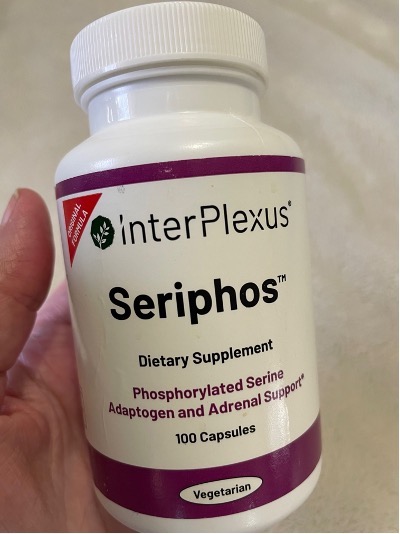
Seriphos, a phosphorylated serine supplement that I rate highly and have personally used with success, is not available right now. I’ve had a number of people reaching out frantically asking for help:

What do I use instead of Seriphos to help lower high cortisol that is affecting my sleep and making me anxious at night?

It’s my top product for addressing high cortisol at night and I’ve been recommending it for years for this purpose (as did one of my mentors, Julia Ross). It’s extremely effective when used a few hours before high cortisol (as measured on a salivary cortisol test).  It also starts to work within about a week for most individuals.

Unfortunately Seriphos has been unavailable for a number of months. The company has no information on when it will be available again but have assured me via email that the formulation will be the same. This is really good news after a previous debacle when the formulation changed in 2016/2017.

Until then, there are some other options that may be an effective alternative. And even if you still have some Seriphos in your calming/sleep stash I encourage you to pay attention as it’s important to have a backup plan for situations like this!

Read on below for information on phosphatidylserine, the cortisol/stress research and how it compares to phosphorylated serine; which phosphatidylserine products to consider instead of Seriphos; other options for lowering high cortisol levels (such as Cortisol Manager, Relora® lactium and bergamot); the amino acid theanine for neurotransmitter support and high cortisol; and additional resources when you are new to amino acids.

What is phosphatidylserine and how does it compare to phosphorylated serine?

From this 2023 paper, Phosphatidylserine: An overview on functionality, processing techniques, patents, and prospects

Phosphatidylserine is the part of cell structure in the body and has many beneficial functions especially in brain-related aging diseases.

Supplementation has been reported to show improved memory and cognition (including ADHD and Alzheimer’ s disease), and also better exercise performance. The research also shows benefits when it comes to lowering cortisol levels and feeling less stressed:

  • One study reported 300 mg/day for 1 month was “associated with feeling less stressed and having better mood in a sub-group of healthy young males.”
  • And another study using a moderate dose of 600 mg/day promoted “a desired hormonal balance for athletes by blunting increases in cortisol levels”, suggesting that phosphatidylserine “partly counteracts the stress-induced activation of the hypothalamopituitary-adrenal axis.”
  • One additional study reported that 800 mg/day for 10 days lowered “plasma cortisol concentrations in healthy inactive males”

As you can see the range of doses varies (which makes sense since we are all unique) but it has been established as a “safe oral supplement capable of attenuating the serum cortisol and creatine kinase responses to acute exercise stress.”

“Lower daily doses (<500 mg/day) for longer duration” are recommended for ongoing cognitive benefits. One study reported improvements in “behavioral and cognitive functions in a group of geriatric patients with cognitive impairment” who used 300 mg/day for 6 months.

Seriphos is unique in that it is a phosphorylated serine product – this is where the magic happens when it comes to lowering cortisol so well. It is similar to phosphatidylserine but as far as I am aware, there is no actual research on phosphorylated serine. They quote studies on phosphatidylserine on their site.

Which phosphatidylserine products to consider instead of Seriphos?

Here are two excellent professional grade phosphatidylserine products to consider. It may be a matter of trial and error to find what works well for your needs, plus adjusting the dose up as necessary.

  • Designs for Health PS 150 – Phosphatidylserine 150 mg: non-soy, sunflower sourced phosphatidyl serine with one capsule providing 150mg, so using a higher dose may be more effective:
    • Feedback from a colleague: “We have equally good results with phosphatidyl serine, but the dose usually needs to be in the 300-500mg range, to equate to what 1 or 2 Seriphos capsules could do.”
    • Feedback from another colleague: “We started using PS150 from DFH and love it.” He often uses this in conjunction with another Designs for Health product called Catecholacalm.
  • Designs for Health Phosphatidylserine Powder 200mg: One quarter teaspoon provides 200mg phosphatidylserine in a powder form.
    • This one is made from soy (GMO-free) but may be easier to use to get higher doses. Per their site the powder is an “excellent delivery system for children and the elderly who may have difficulty swallowing capsules; it has virtually no taste and will dissolve into applesauce or any food.”

Other options for lowering high cortisol levels: Cortisol Manager, Relora® lactium and bergamot

  • Cortisol Manager by Integrative Therapeutics – 2 capsules contain a proprietary blend of: ashwagandha (Sensoril®), L-Theanine, plus a blend of Magnolia (Magnolia officinalis) and 100mg of phosphatidylserine (soy free). I have seen mixed results with this product:
    • A colleague shared this: “Cortisol Manager can be dosed up to 2-3 tablets per day and used with or without additional phosphatidyl serine which can easily go as high as 600 mg.” He has seen salivary cortisol levels shift with this approach and shared: “Interestingly, I never saw those changes with Seriphos despite being a heavy user between 2009 and 2011 so I thought it was just hype.”
    • Feedback from someone on my blog: “Cortisol Manager was too stimulating with the Ashwagandha”
    • Feedback from a practitioner who first used Cortisol Manager personally and then switched to Seriphos at my recommendation: “Cortisol Manager did nothing for me. I dosed it high enough and took it for a month – but I felt nothing. Seriphos, on the other hand, worked the same night, within an hour or two.”
  • Relora®, a proprietary blend of Magnolia officinalis bark extract and Phellodendron amurense bark extract
    • This 2013 study, Effect of Magnolia officinalis and Phellodendron amurense (Relora®) on cortisol and psychological mood state in moderately stressed subjects, found that after 4 weeks of supplementation (500 mg /day, with 250 mg at breakfast and 250mg at dinner) these were the results seen in the Relora® group (compared to the placebo group):
      • salivary cortisol exposure was significantly lower (18%)
      • lower overall stress (11%)
      • lower tension (13%)
      • less depression (20%)
      • less anger (42%)
      • less fatigue (31%),
      • less confusion (27%)
      • and significantly better mood state parameters (11%) and vigor (18%)
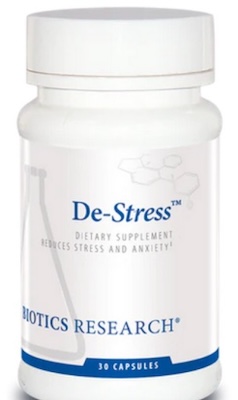
  • Biotics Research De-stress, contains Lactium®, also known as hydrolyzed casein.
    • I have used this product with clients with good results and based on the research it lowers high cortisol. It’s also calming because it works on the GABAA receptor.
    • You’ll also see Lactium® referred to as alpha-s1 casein hydrolysate, hydrolyzed casein concentrate, and tryptic hydrolysate from bovine milk alphaS1-casein. More on this blog
  • There is very promising research on essential oils lowering cortisol levels – such as bergamot. In this blog I share an animal study that shows very promising results: Acute effects of bergamot oil on anxiety-related behaviour and corticosterone level in rats

both bergamot essential oil and diazepam exhibited anxiolytic-like behaviours and attenuated HPA axis activity by reducing the corticosterone response to stress

The amino acid theanine for neurotransmitter support and high cortisol

Theanine is a calming amino acid that supports low GABA, low serotonin and low dopamine, and has been shown to help with stress levels when salivary cortisol is high.

A 2021 study, A Randomized, Triple-Blind, Placebo-Controlled, Crossover Study to Investigate the Efficacy of a Single Dose of AlphaWave® l-Theanine on Stress in a Healthy Adult Population, 200 mg of AlphaWave® l-Theanine was shown reduce “salivary cortisol in healthy, moderately stressed adults” and increase frontal region alpha wave activity.This was “indicative of relaxation in the brain and suggest a calming response.”

The authors conclude as follows:

Four weeks of supplementation with 200 mg of l-theanine has been shown to improve trait anxiety scores, suggesting that continued supplementation with AlphaWave® l-Theanine may have positive effects on trait anxiety as well, which may be an important application in longer-term stress management.

As you may already know, I am a proponent of long-term stress management with individual amino acids such as GABA, theanine and tryptophan/5-HTP. And the more I learn about the benefits and mechanisms of theanine the more excited I get!

Additional resources when you are new to using theanine, GABA or other amino acids as supplements

We use the symptoms questionnaire to figure out if low GABA (indicating a possible need for GABA or theanine) or low serotonin (indicating a need for tryptophan or 5-HTP) or low endorphins (indicating a possible need for DPA) or low dopamine (a need for tyrosine) other neurotransmitter imbalances may be an issue for you.

If you suspect low levels of any of the neurotransmitters and do not yet have my book, The Antianxiety Food Solution – How the Foods You Eat Can Help You Calm Your Anxious Mind, Improve Your Mood, and End Cravings. I highly recommend getting it and reading it before jumping in and using amino acids on your own so you are knowledgeable. And be sure to share it with the practitioner/health team you or your loved one is working with.

There is an entire chapter on the amino acids and they are discussed throughout the book in the sections on gut health, gluten, blood sugar control, sugar cravings, anxiety and mood issues. The importance of quality animal protein and healthy fats is also covered.

The book doesn’t include product names (per the publisher’s request) so this blog, The Antianxiety Food Solution Amino Acid and Pyroluria Supplements, lists the amino acids that I use with my individual clients and those in my group programs.

If, after reading this blog and my book, you don’t feel comfortable figuring things out on your own (i.e. doing the symptoms questionnaire and respective amino acids trials), a good place to get help is the GABA QuickStart Program (if you have low GABA symptoms). This is a paid online/virtual group program where you get my guidance and community support. We’ll be launching a budget-friendly homestudy version in a few weeks – sign up for the wait list here (the live version with Q&A is offered only a few times a year). The amino acids GABA and theanine are covered.

If you also need serotonin support, the Serotonin QuickStart Program is a good place to get help. This is also a paid online/virtual group program where you get my guidance on using tryptophan and 5-HTP safely, and community support during 5 LIVE Q&A calls. You can sign up to be notified when the next live launch of this program is happening.

If you are a practitioner, join us in The Balancing Neurotransmitters: the Fundamentals program. This is also a paid online/virtual program with an opportunity to interact with me and other practitioners who are also using the amino acids.

Now I’d love to hear from you …

Have you used Seriphos with success in the past for lowering high cortisol and helping with sleep and middle of the night surges or adrenalin-type anxiety and panic?

Have you had success with any of the Designs For Health or other phosphatidylserine products? How much did you need to use to get results?

What about Cortisol Manager, essential oils, Relora or lactium? Or something else?

Do you also use theanine with success? And if yes, how much helps you?

Feel free to post your questions here too.
Filed Under: Adrenals, Anxiety, Insomnia, Stress Tagged With: amino acids, anxious, at night, Bergamot, Cortisol Manager, Designs for Health, GABA, GABA Quickstart, high cortisol, neurotransmitter, phosphatidylserine, phosphorylated serine, Relora® lactium, salivary cortisol, seriphos, sleep, theanine

Seriphos to lower high cortisol: Help prevent an adrenaline-type surge and waking with anxiety and panic. Your questions answered

January 26, 2024 By Trudy Scott 16 Comments

seriphos and high cortisol

When you have high night-time cortisol it can cause you to wake in the middle of the night with anxiety and/or feeling like you’re having a panic attack. If your cortisol is really high in the early morning (outside of the normal range), you can also wake with a jolt and feelings of anxiety and panic. Seriphos, a phosphorylated serine product, can help to lower your high cortisol and eventually prevent these symptoms.

Today I’m addressing your questions about how to use Seriphos to lower high cortisol and help prevent an adrenaline-type surge – like dosing/timing at night and in the early morning, how long you can take it for, cortisol salivary testing, interactions, brands and another option to Seriphos.

Soma shared her symptoms on Facebook when I said I’d be taking questions:

Can feel the adrenaline rush “crash” over me. I responded so so to beta blockers but still having fitful sleep and occasional “shocks” into wakefulness in the night as if tragedy struck … fight or flight upon waking. Tremendous night sweats. Generally hyper vigilant as a person.

This is her question: “What dosage and when to take (how soon before bed) is recommended?”

Addressing dosage and timing is a good place to start (and a common question) but I asked her if she has done a 4-5x cortisol salivary collection to confirm that her night time cortisol is high. She has not done this simple and very effective adrenal test and I highly recommend it before using Seriphos. The reason is that low cortisol can often have similar symptoms to high cortisol and using Seriphos is going to make things worse.

What dosage and when to take Seriphos (how soon before bed) is recommended?

Assuming Soma has done the adrenal saliva test and knows her middle of the night cortisol (5th saliva collection) is high, using 1-3 capsules a few hours before the high cortisol seems to be most effective. For example, for 2-4 am waking this typically means taking Seriphos right before bed. In some instances, taking 1 on waking in the night can help too (for a maximum of 3).

If her late evening 10 pm (4th saliva collection) is high too, the dose can be split. For example, taking 1 Seriphos at 7- 8 pm (a few hours before the high cortisol at 10 pm) and 1-2 right before bed for the 2 -4 am high cortisol.

The bottle states to use 1 capsule with water 15 minutes before a meal. I’m really not sure why they state this.

How to use Seriphos for high morning cortisol and adrenaline surge on waking?

Syd asks this question about high morning cortisol (as confirmed by saliva adrenal testing):

Opinion about using it for confirmed high MORNING cortisol? (Yup, I know cortisol is supposed to be highest in the morning, but this is off the charts, literally, high.)

“Adrenaline surge” or “catecholamine surge” is exactly how I’ve explained it to people!! No cognitive worrying, just that surge.

Because Seriphos works best taken a few hours in advance of high cortisol, I typically have clients use Lactium in this situation. It’s a hydrolyzed casein product that also lowers high cortisol. If casein is an issue then Relora is another option. I’ve blogged about both – Lactium here and Relora here.

One other option is to experiment with Seriphos – using it in the morning and also trying it at bedtime.

Should I take two Seriphos? I wake halfway through the night

Anne asks this question:

I only take one capsule? Should I take two? I wake halfway through the night, usually due to a full bladder. I fall back to sleep easily if I use a CBD gummy. Tested high for cortisol throughout the day on a DUTCH complete test, which measures at least 4 times.

Anne has done a DUTCH test which includes 4 adrenal saliva collections but doesn’t know if her cortisol is high in the middle of the night.  As mentioned above, 1-3 capsules of Seriphos is ideal so I have clients start with 1 and increase to 2 and then 3. Since her cortisol is high throughout the day she may do better using Seriphos in the day and continuing with CBD at night when she wakes.

She may also want to consider low GABA and/or low serotonin as factors causing her to not sleep through the night. This applies to anyone using Seriphos to lower high cortisol. More on amino acids below.

If she does have bladder issues addressing this is key too.

For how long can Seriphos be taken?

It is recommended to take a one-month break after 3 months of Seriphos use. Ideally, once some or all the root causes of high cortisol are addressed (like gluten, stress, parasites, infections, trauma etc), you should be able to stop anyway.  Or take a break, retest cortisol and then continue.

Does Seriphos have any interactions? And is there any cohort who should not use it?

Someone asked about using Seriphos with a beta blocker and someone else asked about using it with a SSRI. I’m not aware of any medication interactions but it’s best to always discuss with the prescribing physician.

What brands make Seriphos and where can I find it?

seriphos

There is only one product and it’s called Interplexis Seriphos. You can purchase this from my online store (Fullscript – only available to US customers – use this link to set up an account) and you can also find it on iherb (use this link to save 5%).

de-stress
bioactive milk peptides

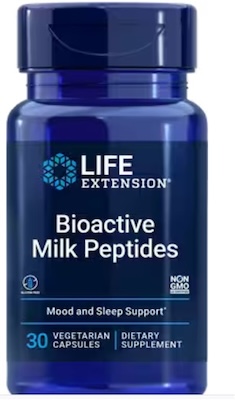
Since I mentioned Lactium above, Biotics Research De-Stress contains 150mg hydrolyzed casein or lactium. You can find this in my online Fullscript too – use this link to set up an account.  For non-US customers, Life Extension Bioactive Milk Peptides also contains 150mg hydrolyzed casein or lactium (you’ll see casein decapeptide and lactium on the label.)  You can find this on iherb (use this link to save 5%).

Additional resources when you are new to using amino acids as supplements

We use the symptoms questionnaire to figure out if low serotonin or low GABA and other neurotransmitter imbalances may be an issue for you.

If you suspect low levels of any of the neurotransmitters and do not yet have my book, The Antianxiety Food Solution – How the Foods You Eat Can Help You Calm Your Anxious Mind, Improve Your Mood, and End Cravings, I highly recommend getting it and reading it before jumping in and using amino acids on your own so you are knowledgeable. And be sure to share it with the practitioner/health team you or your loved one is working with.

There is an entire chapter on the amino acids and they are discussed throughout the book in the sections on gut health, gluten, blood sugar control, sugar cravings, anxiety and mood issues. The importance of quality animal protein is also covered.

The book doesn’t include product names (per the publisher’s request) so this blog, The Antianxiety Food Solution Amino Acid and Pyroluria Supplements, lists the amino acids that I use with my individual clients and those in my group programs.

If, after reading this blog and my book, you don’t feel comfortable figuring things out on your own (i.e. doing the symptoms questionnaire and respective amino acids trials), a good place to get help is the GABA QuickStart Program (if you have low GABA symptoms too). This is a paid online/virtual group program where you get my guidance and community support.

If you are a practitioner, join us in The Balancing Neurotransmitters: the Fundamentals program. This is also a paid online/virtual program with an opportunity to interact with me and other practitioners who are also using the amino acids.

Have you had success with Seriphos (or Lactium or Relora) to lower high cortisol and help with anxiety, panic and/or adrenaline-type surges?

Have you used Seriphos in combination with amino acids and dietary changes?

If you’re a practitioner do you use Seriphos with clients/patients?

Feel free to share and ask your questions below.

Filed Under: Adrenals, Anxiety and panic, Insomnia Tagged With: adrenaline-type surge, anxiety, cortisol, de-stress, dosage, fight or flight, high cortisol, interactions; GABA Quickstart; Balancing Neurotransmitters: the Fundamentals program for practitioners, jolt, lactium, panic, phosphorylated serine, safe, salivary testing, seriphos, shocks, Timing, waking

Seriphos lowers high cortisol: prevent waking in the night and nighttime anxiety

October 20, 2023 By Trudy Scott 63 Comments

seriphos and cortisol

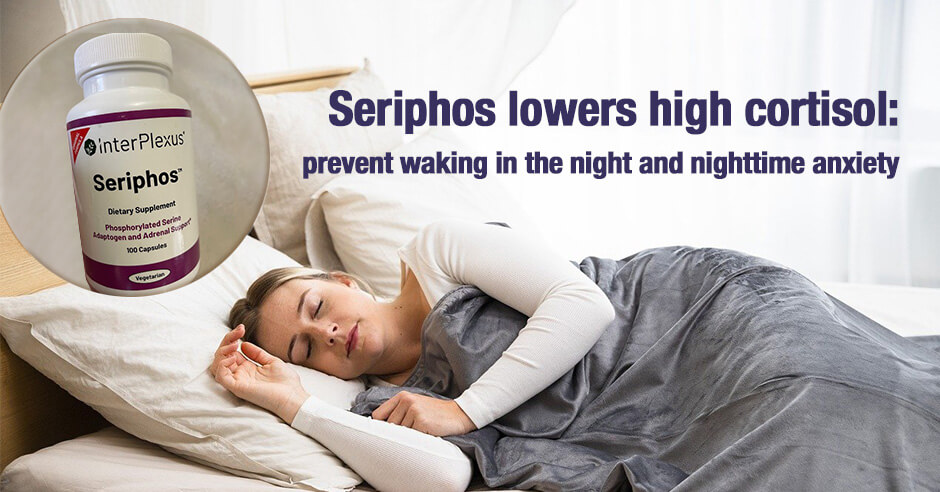
Seriphos is my favorite nutrient for lowering high nighttime cortisol in order to reduce night waking and nighttime anxiety. I’ve used it with success in the past and have just needed it again:

After coming back from Hawaii (I was there for just under 2 weeks), I was still waking a few times each night. Sometimes I would be awake for 2-3 hours! I’m a hot mess when I don’t get sleep through the night. With just 1 Seriphos before bed for 9 days I was sleeping through the night again. It was glorious!

High cortisol can be a temporary issue after international travel i.e. caused by jetlag and out of balance circadian rhythm. I will admit that I have a number of confounding factors – like my loss and grief (my darling mom has just passed away), being sprayed with insecticide on landing in Australia (which I suspect caused severe vertigo the day after I got back), and high blood pressure (and likely higher cortisol too) after drinking too much licorice tea for my voice loss. Whatever the causes of my high cortisol, Seriphos really helped me sleep through the night.

I ran out of Seriphos 2 nights ago and I was awake for 3 hours last night. I’ll be adding it back to my nighttime protocol as soon as my order arrives.

Seriphos is made by Interplexus and is a phosphorylated serine product. It is similar to the more recognized phosphatidylserine which is also used and known for lowering high cortisol – clinically and in the research.  However, clinically, I have found Seriphos to be more effective and work more quickly.

UPDATE Feb 2024: I did end up tweaking my Seriphos dose a few times. After a few weeks I decided to trial 2 per night – this worked well. Then a few weeks later I trialed 3 per night – but after a few days I realized that even though it worked well for sleep it made me too tired the next day. For this reason I went back down to 2 Seriphos at bedtime.

UPDATE August 2024: I’m now using just 1 Seriphos at night and have added ox bile supplementation and a bright light panel in the morning because of bile issues. More on this below.

Seriphos for high cortisol due to trauma, loss of beloved cat and more

When I posted this on Facebook, I had a number of folks share how Seriphos has also helped them.

Kathy shared this: “I take two Seriphos at night for high cortisol that causes insomnia. It works well for me and helps me to relax. I have a significant trauma background that keeps me in fight or flight, so Seriphos is a must have at night. I do take a break from time to time if I am going through a less stressful time.”

Hopefully Kathy is also working on the trauma, doing trauma work and even incorporating other nutritional approaches which help so much with recovery – like zinc, vitamin D, a B complex, GABA and tryptophan etc. Taking a break from time to time is a good plan – I share more about this below.

Kim shared this: “Seriphos is a life saver – I started it when I was having cortisol/adrenaline issues a few years ago and have continued using it. I don’t ever want to be without Seriphos. A little over a month ago I unexpectedly lost my youngest cat. She was emaciated when I rescued her over 4 years ago and we turned around health issues. I feel so sad that she was dealt such a bad hand but we got her a loving home. My animals are everything to me and the grief is so difficult. She was a character and I love her so much.”

She uses one capsule in the evening but also uses a capsule during the day if she feels off. Hopefully Kim is also doing trauma work and other nutritional support too.

Janie shared this: “I have used it, years ago when my cortisol was off the charts, morning and at night. I was awake every night until 2am, unable to sleep. Seriphos certainly helped.”

She used 1 Seriphos per day for about 3 months.

Patricia said: “Please remember that there is Original Seriphos and the next gen Seriphos. I was one of thousands of people who had used original Seriphos for sleep and then they changed their formulation without telling us and then so very many of us were wide awake at night until we realized that they had changed the formulation.”

This happened in 2016/2017 and I blogged about that whole fiasco here –  Seriphos Original Formula is back: the best product for anxiety and insomnia caused by high cortisol. You can read many other success stories on the blog and in the comments.

Address the causes of your high cortisol: jetlag, grief, toxins, licorice intake

As you can see from my example there can be a number of causes of high cortisol and you always want to address these causes while using Seriphos so you can eventually stop using it:

  • International travel i.e. caused by jetlag and out of balance circadian rhythm. I’m home so this is no longer a contributing issue.
  • Loss and grief can have physiological effects and high cortisol is one of many effects: “It appears that cortisol remains elevated for at least the first 6 months of bereavement. For some, cortisol elevation may become chronic”. The loss of my darling mom is going to take time but I am making time for grieving and I’m nurturing myself. As I navigate this period in my life I’ll continue to share what has helped me. I suspect I may need Seriphos for longer than the usual 3 months.
  • Being sprayed with insecticide on landing in Australia (which I suspect caused severe vertigo the day after I got back). It’s well-recognized that environmental toxins are hormone disruptors and affect the hypothalamic-pituitary-adrenal (HPA) axis and cortisol. I’m addressing this with active detoxification and my portable infrared sauna.
  • High blood pressure and likely higher cortisol too after drinking too much licorice tea for my voice loss. I have stopped the licorice consumption and my blood pressure is back to normal.

Other possible causes of high cortisol include day to day stresses, food sensitivities such as gluten, high sugar consumption, parasites and so on. Each factor needs to be addressed.

I do recommend Salivary cortisol testing before using Seriphos

Salivary cortisol testing is something I do with all my clients anyway. And I do recommend salivary cortisol testing before using Seriphos and the other cortisol-lowering nutrients mentioned below.

I will admit that I didn’t follow my own recommendation because I’ve had high nighttime cortisol in the past and recognized the symptoms. I had also identified all the above root causes and I desperately needed to sleep. I now have an adrenal saliva test kit on hand and will report back when I get the results.

Seriphos will only work for waking in the night if cortisol is high

One woman shared “I have never slept through the night in years. It would be delightful to get to the morning without waking.” Seriphos will very likely help if her cortisol is high.

Keep in mind there are many causes of not being able to sleep through the night and Seriphos will not help if cortisol is not high. Other root causes for insomnia/waking in the night (and nighttime anxiety) we consider and investigate are:

  • Low GABA and low serotonin (I always start with these while waiting for salivary cortisol results to come back),
  • Low melatonin

The following factors need to be addressed as root causes of sleep issues, anxiety and other symptoms (like gut issues, pain etc.), and also keep in mind that they are very possibly contributing to your high cortisol too:

  • Gluten and other food sensitivities
  • Caffeine and sugar intake
  • Oxalate issues and/or toxins exposure affecting bile production (this affected my sleep last year)
  • EMFs
  • Parasites and other gut issues like IBS/SIBO etc.
  • Disrupted circadian rhythms connected to liver/gallbladder/bile issues – more on that and bright light here. (Research does support a connection between high cortisol and cholestasis i.e. “stagnation, or at least a marked reduction, in bile secretion and flow.”)

A few folks reported they had tried Seriphos without success and it may well be that they don’t have high cortisol. Or they would possibly benefit from another approach to lower their cortisol (more on this below).

What are my options if I have high cortisol at night and Seriphos has the opposite effect?

One person said it had the opposite reaction. Joanne shared this: “Seriphos had the opposite effect on me. [One Seriphos] gave me extreme anxiety, kept me awake all night. Saliva tested consistently high cortisol at night so it should have helped. Been trying to work out why it would and how it might inform how I treat my insomnia.”

I’ve had a few clients do better with less than the recommended 3 per day and one not being able to use it at all. I suspect an allergic reaction or that it’s just too high a dose for some folks. The capsule could be opened and less could be used.

If this doesn’t work, other options for lowering high cortisol include lactium/hydrolyzed casein, Relora® (which contains Magnolia officinalis and Phellodendron amurense), essential oils such as bergamot and some herbal adaptogens. You can also read about some phosphatidylserine products I looked into when the Seriphos product was changed.

Forest bathing also helps to lower high cortisol levels and I recommend it for everyone.

Where does using Seriphos fit into everything else that I’m doing to address my insomnia and/or anxiety?

I typically don’t start with Seriphos right away with clients unless we know cortisol is high. As mentioned above I always start with assessing for low GABA and low serotonin and we do trials of the respective amino acids based on the symptoms questionnaire.

I also assess for low blood sugar and dietary factors like gluten, caffeine, sugar, quality animal protein intake etc. as covered in my book “The Antianxiety Food Solution.” More about my book here.  It does include a chapter on the amino acids and how to use them too.

Then we start to dig deeper and would consider Seriphos or lactium for anxiety caused by high night time or even high morning cortisol or high cortisol at other times of the day.

With many folks all of the above often applies. And we continue with assessing for each of the 60+ nutritional and biochemical root causes of anxiety/waking in the night (which does include liver/gallbladder/bile issues).

Where do I purchase Seriphos and how much do I use? What about taking a break?

seriphos

You can purchase Seriphos from my online store (Fullscript – only available to USA customers – use this link to set up an account) and you can also find it on iherb (use this link to save 5%).

The bottle states to use 1 capsule with water 15 minutes before a meal. Clinically, using 1-3 capsules a few hours before the high cortisol seems to be most effective. For 2-4am waking this typically means taking Seriphos right before bed. In some instances, taking 1 on waking in the night can help too (for a maximum of 3).

With high cortisol in the night and on waking, I have clients use Seriphos before bed and lactium on waking.

It is recommended to take a one-month break after 3 months of Seriphos use. Ideally, once the root causes of high cortisol are addressed, you should be able to stop anyway.  Or take a break, retest cortisol and then continue.

I’ll share some research and how Seriphos differs from phosphatidylserine in a follow-up blog if there is enough interest.

I appreciate all the feedback from these women in my community.

Have you used Seriphos (a phosphorylated serine product) to help with high cortisol and waking in the night/nighttime anxiety caused by any of the?

What do you suspect the cause(s) of your high cortisol is or was? And have you confirmed high cortisol with a saliva cortisol test?

Have any of the other products mentioned above helped to reduce high cortisol? If yes, have you compared them with Seriphos?

Let me know if you’re interested in a follow-up blog that includes some research and how Seriphos differs from phosphatidylserine.

Feel free to share and ask your questions below.

Filed Under: Adrenals, Anxiety, Insomnia, Stress, Toxins Tagged With: 000 lux, 10, anxiety, Balancing Neurotransmitters: the Fundamentals program for practitioners, bile liver, bright light, bright light panel, cholestasis, circadian rhythm, cognitive performance, cortisol, daytime sleepiness, disturbed sleep, GABA, GABA Quickstart, grief, high blood pressure, high cortisol, insecticide, Interplexus, jet lag, jetlag, licorice tea for my voice loss, melatonin, mood, nighttime anxiety, phosphatidylserine, phosphorylated serine, primary biliary cholangitis, salivary cortisol testing, seriphos, serotonin, sleep, sleep quality, sleep timing, trauma, tryptophan, vertigo, waking, waking early

Lactium® (alpha-s1 casein hydrolysate/hydrolyzed casein) for lowering high cortisol, reducing anxiety and improving sleep

October 14, 2022 By Trudy Scott 29 Comments

lactium cortisol anxiety

Lactium® is my second choice for lowering high cortisol and reducing the type of anxiety that we see when cortisol is high i.e. anxiety that feels like an adrenaline-type surge.  It is especially helpful when cortisol is high as you wake up. This can be confirmed by a 4 collection saliva test. The reason why Lactium® is the best choice in a situation like this is because Seriphos (a phosphorylated serine product) is most effective for lowering high cortisol when it’s used 3 hours before the high cortisol measurement and you can’t do this when anxiety and adrenaline-type surges happen on waking in the morning. This is where Lactium® shines. It also helps to reduce anxiety at other times in the day and to improve sleep.

The Lactium® research

There is research supporting the use of Lactium® for improving sleep, reducing anxiety and lowering high cortisol. The number of Lactium® studies are not extensive but the results are very promising and correlate with what we see clinically. Here are a few of them:

  • Effects of a tryptic hydrolysate from bovine milk alphaS1-casein on hemodynamic responses in healthy human volunteers facing successive mental and physical stress situations

“The study subjects were (double blind) randomly allocated to ingest three times, 12 hours apart, two capsules containing either 200 mg of alphaS1-casein hydrolysate or bovine skimmed milk powder as a placebo.” They were then subjected to successive stress situations. There was a significant decrease of plasma cortisol concentrations and heart rate remained stable in the Lactium® group. The study conclusion is as follows: “On the basis of blood pressure and cortisol changes, these results suggest an anti stress profile of this alphaS1-casein hydrolysate in human subjects.”

  • A Double-Blind, Randomized, Placebo-Controlled Crossover Clinical Study of the Effects of Alpha-s1 Casein Hydrolysate on Sleep Disturbance

48 participants exhibited mild to moderate degree of sleep disturbance and after 4 weeks of Lactium® use, “overall perceived sleep profiles in sleep diaries were significantly improved … represented by increased total sleep time and sleep efficiency, as well as decreased sleep latency and wake after sleep onset.” It was concluded that Lactium® “was well tolerated and could improve sleep quality, with possible cumulative beneficial effects with long-term administration.”

  • Effect of Alpha-S1-Casein Tryptic Hydrolysate and L-Theanine on Poor Sleep Quality: A Double Blind, Randomized Placebo-Controlled Crossover Trial

39 subjects were given a supplement containing Lactium® and theanine for four weeks. The authors concluded that “given its beneficial effects without notable adverse events, it would be advantageous to use these nutraceutical ingredients to promote better sleep quality” (and in a larger study).

You’ll see Lactium® referred to as alpha-s1 casein hydrolysate, hydrolyzed casein concentrate, and tryptic hydrolysate from bovine milk alphaS1-casein.

INGREDIA of France manufactures Lactium and you will see some of the studies have been initiated and/or co-authored by them.

The product I use is called Biotics Research De-Stress. It contains 150mg Lactium® in one capsule. I’ve had clients use 1-2 capsules at a time, based on symptoms and the relief they feel.

Lactium® works on GABAA receptors

What is really interesting is an animal study that reports Lactium® works on the GABAA receptor: A tryptic hydrolysate from bovine milk αs1-casein enhances pentobarbital-induced sleep in mice via the GABAA receptor

It was found that Lactium® “enhanced the sleep induced by pentobarbital sodium in mice. It also promoted slow-wave (delta) EEG activity in rats; a pattern indicative of sleep or relaxation.” The authors state that the effects are “probably mediated through the GABAA receptor-chloride ion channel complex.”

As you may already know, GABA is one of the amino acids I use extensively with folks with low GABA physical anxiety and related sleep issues. There is also compelling research on the benefits of GABA and theanine for improving sleep and easing anxiety.

I have found that many of my clients do well on both GABA (when GABA levels are low) and Lactium® (when cortisol is high).  Lactium® can be used in the daytime and at night when cortisol is high (and so can Seriphos).

Seriphos and other ways to lower high cortisol

As I mentioned above, Seriphos is my first choice for lowering high cortisol and easing this type of anxiety, especially when cortisol is high during the night. Seriphos is a phosphorylated serine product and I find it much more effective than regular phosphatidylserine products.

If you’re new to Seriphos here is my blog post – Seriphos Original Formula is back: the best product for anxiety and insomnia caused by high cortisol

There are other ways to lower cortisol too:

  • Relora – Magnolia officinalis and Phellodendron amurense (Relora®) lowers cortisol and reduces stress and anxiety
  • Forest bathing – Anxiety, stress and high cortisol: forest bathing to the rescue
  • Reducing Wi-Fi exposure – Wi-Fi is an important threat to human health and may contribute to unresolved anxiety, SIBO, oxalate issues and high cortisol
  • Tapping – Tapping (or EFT) for reducing anxiety, depression, pain and cravings, plus physiological changes in cortisol, heart rate, blood pressure and SigA
  • Essential oils – Orange essential oil to alleviate PTSD, fear, stress and anxiety

Resources if you are new to using GABA and other amino acids as supplements

If you are new to using any of the amino acids as supplements, here is the Amino Acids Mood Questionnaire from The Antianxiety Food Solution (you can see all the symptoms of neurotransmitter imbalances, including low GABA).

If you suspect low levels of any of the neurotransmitters and do not yet have my book, The Antianxiety Food Solution – How the Foods You Eat Can Help You Calm Your Anxious Mind, Improve Your Mood, and End Cravings, I highly recommend getting it and reading it before jumping in and using amino acids on your own so you are knowledgeable. And be sure to share it with the practitioner/health team you or your loved one is working with.

There is an entire chapter on the amino acids and they are discussed throughout the book in the sections on gut health, gluten, blood sugar control, sugar cravings, self-medicating with alcohol and more.

The book doesn’t include product names (per the publisher’s request) so this blog, The Antianxiety Food Solution Amino Acid and Pyroluria Supplements, lists the amino acids that I use with my individual clients and those in my group programs. You can find them all in my online store.

You can also find Biotics Research De-Stress in my online store (see link above for how to set up an account and purchase).

If, after reading this blog and my book, you don’t feel comfortable figuring things out on your own (i.e. doing the symptoms questionnaire and respective amino acids trials), a good place to get help is the GABA QuickStart Program (if you have low GABA symptoms). This is a paid online/virtual group program where you get my guidance and community support.

If you are a practitioner, join us in The Balancing Neurotransmitters: the Fundamentals program. This is also a paid online/virtual program with an opportunity to interact with me and other practitioners who are also using the amino acids.

Have you used Lactium® for improving your sleep, reducing anxiety and/or lowering your high cortisol?

Have you also used any of the above approaches to lower cortisol or reduce anxiety too?

How quickly did each one help?

If you’re a practitioner do you use Lactium® with success?

If you have questions please share them here too.

Filed Under: Anxiety, Insomnia Tagged With: adrenaline-type surge, alpha-s1 casein hydrolysate, anxiety, Balancing Neurotransmitters: the Fundamentals program for practitioners, cortisol, GABA Quickstart program, high cortisol, hydrolyzed casein, insomnia, lactium, phosphorylated serine, saliva test, seriphos, sleep

Rebound insomnia after tapering a benzodiazepine: will taking GABA or any other natural supplement interfere with healing?

August 26, 2022 By Trudy Scott 16 Comments

rebound insomnia after tapering

This question was posted on one of the GABA blog posts by Fran, asking about about using GABA for insomnia shortly after having tapered a benzodiazepine she had used for 15 years:

I am a senior who took benzodiazepines (clonazepam) on advice of my doctor for sleep because of chronic fatigue for 15 years. Last year I weaned myself off the medication and it has been just over 10 months. No one tells you that when you stop taking them you go into a rebound insomnia phase and it can last a long time. The doctor still won’t admit that!

I joined benzo buddies, a group I found out about on your site and found much encouragement from the posts of many brave and determined people. One post mentioned that the drug actually overrides your GABA receptors so when you stop taking it they have to heal to become active again. My question is: Will taking GABA or any other natural supplement interfere with that healing. The writer of the post feels taking nothing is best for the brain to return to normal and that only time will do that.

I said I was sorry to hear about her struggles with her benzodiazepine prescription. Sadly it’s all too common and it’s seldom that folks are cautioned about the rebound insomnia and other issues seen with benzodiazepines.

I love benzo buddies and other benzo support groups and often recommend that clients join one of these groups for the community support aspect. I am really happy that Fran found encouragement.

However, I  respectfully disagree with their message that GABA supplements or other supplements should not be used and that you should just wait for time to heal. We want to use everything at our disposal in order to heal as quickly as possible. And quality sleep is imperative for healing.

Also many of the most severely affected folks are part of these support groups, so it may well be all that they know, hence the advice they dispense.

Many do get relief with GABA during and post benzo taper and it won’t affect long-term healing (with a very low dose)

It is true that GABA receptors can be affected by benzodiazepines but despite this, many of my clients and others in my community do get relief from GABA during this period. Since we are all unique, some folks may have an issue, so we always do a trial with GABA if someone has rebound insomnia (and other low GABA symptoms of physical tension/anxiety, stiff and tense muscles, stress eating etc).

When someone can’t tolerate GABA they will know very quickly – typically in 1-2 days. If you can’t tolerate GABA it may feel the same as someone who takes GABA and doesn’t need it (i.e. GABA isn’t low) or when someone takes too much. This could make you feel light-headed, dizzy, feel a flush and/or feel too tired. You may even feel more anxious. Vitamin C is a wonderful antidote to all this and these short-term adverse reactions won’t interfere with long-term healing.

We also start with a very small dose – I typically have someone start with 25mg GABA and go up from there – and only use sublingual GABA. For some very sensitive folks we will start even lower as in this example where Syd gets sleep and body anxiety benefits with just 1.5 mg to 3 mg GABA.

Other nutrients that may also help with insomnia

We may also use other nutrients to help with sleep support and rebound anxiety (which is also common) and other symptoms, all based on each person’s unique needs. These may include tryptophan or 5-HTP if serotonin is also low (this can affect sleep and cause worry/ruminating type anxiety), melatonin if that is low (either sublingual or timed-release) and Seriphos if cortisol is high too. We may also combine GABA with theanine (research shows the combination may help some folks).

A full functional medicine and nutritional workup is recommended in order to be as nutritionally stable as possible. Ideally this happens before tapering starts but even if it’s done after the fact it can help with healing and symptom relief. Addressing histamine imbalances is one factor to consider as this can impact sleep (more on that below).

This is an important question that many folks ask so I appreciate her asking so I could share it as a blog post for others in a similar situation.

I am waiting to hear back about what happened when she did use GABA and how much she used. She mentioned that she did take GABA for a time at first but it only worked for a while. I find that during the taper and post taper, GABA needs can fluctuate as healing starts to take place. I have clients adjust up and down as needed.

More on benzodiazepine withdrawal and histamine issues

These medications have the most debilitating withdrawal reactions in all of medicine and Valium blocks DAO/impacts histamine levels:

  • World Benzodiazepine Awareness Day 2017: Awareness and Anxiety Nutrition Solutions

Benzodiazepines (Xanax, Klonopin, Ativan, Valium, Librium, and others) as well as Z-drugs (Ambien, Lunesta and others), which are similar, have the most debilitating withdrawal reactions in all of medicine.

This happens in regular, everyday people who are taking the medications exactly as their doctor prescribed. It also happens to people on what they think are “low doses” and is not just a “high dose” problem.

  • The benzodiazepine valium blocks DAO and impacts histamine levels: wisdom from Yasmina Ykelenstam and a tribute to her brilliance

Many people doing a benzodiazepine taper are often switched to Valium which is a DAO [diamine oxidase blocker (or histamine liberator)] and this further prevents histamine from being removed from the body [and can lead to increased anxiety].

Dyes are also triggers…the pink Xanax can be problematic.

GABA is as effective as benzodiazepines (which should only be prescribed for short-term use)

Many folks who have used benzos in the past, find GABA to be as effective. Another woman in my community, Dee, shared that she had taken Xanax in the past for panic attacks and her functional medicine doctor suggested GABA Calm as she wanted a natural product. This is her encouraging feedback: “I was amazed how it works just like the Xanax did – instant calm feeling within 10 mins of taking 2 capsules. I use them as needed when I am having heightened stress and anxiety.”

Ideally we want to use GABA instead of one of the benzodiazepines – which are all too commonly prescribed for anxiety, insomnia and pain – in order to avoid tolerance issues, dependence and withdrawal/tapering issues. The fact that they are used long term – like 15 years for Fran – further compounds the issues. Even a few months can be problematic for some folks. It’s important to be aware that this class of medication is intended for short-term use  i.e. 2-4 weeks only.

Resources if you are new to using the GABA and other amino acids as supplements

If you are new to using GABA and any of other the amino acids as supplements, here is the Amino Acids Mood Questionnaire from The Antianxiety Food Solution (you can see all the symptoms of neurotransmitter imbalances, including low GABA).

If you suspect low levels of any of the neurotransmitters and do not yet have my book, The Antianxiety Food Solution – How the Foods You Eat Can Help You Calm Your Anxious Mind, Improve Your Mood, and End Cravings, I highly recommend getting it and reading it before jumping in and using amino acids on your own so you are knowledgeable. And be sure to share it with the practitioner/health team you or your loved one is working with.

There is an entire chapter on the amino acids and they are discussed throughout the book in the sections on gut health, gluten, blood sugar control, sugar cravings, self-medicating with alcohol and more.

The book doesn’t include product names (per the publisher’s request) so this blog, The Antianxiety Food Solution Amino Acid and Pyroluria Supplements, lists the amino acids that I use with my individual clients and those in my group programs. You can find them all in my online store.

If, after reading this blog and my book, you don’t feel comfortable figuring things out on your own (i.e. doing the symptoms questionnaire and respective amino acids trials), a good place to get help is the GABA QuickStart Program (if you have low GABA symptoms). This is a paid online/virtual group program where you get my guidance and community support.

If you are a practitioner, join us in The Balancing Neurotransmitters: the Fundamentals program. This is also a paid online/virtual program with an opportunity to interact with me and other practitioners who are also using the amino acids.

Have you used GABA with success while tapering a benzodiazepine or shortly after tapering is complete?

Have you used other nutrients to help while tapering or post taper? If yes, which ones?

Did you find that GABA was not helpful? (which product and how much did you use?)

If you have questions please share them here too.

Filed Under: Anxiety, benzodiazapines, GABA, Insomnia Tagged With: 5-HTP, amino acids, Balancing Neurotransmitters: the Fundamentals program for practitioners, benzo buddies, benzodiazepine, clonazepam, DAO enzyme, GABA, GABA Quickstart program, GABA receptors, healing, histamine, insomnia, medication, melatonin, natural supplement, Rebound insomnia, seriphos, sleep, tapering, theanine, tryptophan, Xanax

Tapping (or EFT) for reducing anxiety, depression, pain and cravings, plus physiological changes in cortisol, heart rate, blood pressure and SigA

February 21, 2020 By Trudy Scott 16 Comments

tapping and anxiety

Awareness about tapping or EFT (emotional freedom technique) is growing and so is the research. I’ve been intrigued by tapping for some time and I’m impressed by some of the very positive feedback I’ve heard about how it reduces anxiety, depression, pain and cravings. I’m now more intrigued after reading a 2019 paper that describes some of the physiological changes (i.e. changes in the body) that improve after tapping.

This paper, Clinical EFT (Emotional Freedom Techniques) Improves Multiple Physiological Markers of Health, describes EFT as “an evidence-based self-help therapeutic method”, reporting that “over 100 studies demonstrate its efficacy.”

It’s further described as “a brief intervention combining elements of exposure, cognitive therapy, and somatic [or physical] stimulation of acupressure points on the face and body.” The full paper here goes into great detail if you’d like to read more.

The objectives of this study were to measure and describe some of the physiological changes that occur after tapping, in order to understand some of the mechanisms. Up until now “information about the physiological effects of EFT is limited.”

As far as physiological changes, these included: heart rate variability and heart coherence, resting heart rate and blood pressure, salivary cortisol (to show changes in the endocrine system), and salivary immunoglobulin A (SigA) (to show impacts on the immune system).

They also measured these psychological symptoms: anxiety, depression, posttraumatic stress disorder, pain, and cravings. After a 4-day training workshop on tapping, the researchers reported that happiness increased by 31% and the following declines in psychological symptoms in 203 participants were reported:

  • anxiety (-40%)
  • depression (-35%)
  • posttraumatic stress disorder (-32%)
  • pain (-57%) and
  • cravings (-74%)

These physiological improvements were found in the subset of 31 participants that were tested:

  • resting heart rate (-8%)
  • salivary cortisol (-37%)
  • systolic blood pressure (-6%) and diastolic blood pressure (-8%)
  • heart rate variability and heart coherence
  • salivary immunoglobulin A (SigA) (+113%)

The authors conclude that

gains were maintained on follow-up, indicating EFT results in positive health effects as well as increased mental well-being.

If you’ve been following me for awhile you know I like to look into the research so I’m excited by this study and look forward to further research and gaining a better understanding of this tool.

I also look forward to learning how lasting these psychological and physiological changes are and if you need to keep tapping in order to sustain the changes.

Possible impacts on boosting neurotransmitter levels

Because of the psychological benefits I was also curious about the possible impacts of tapping on boosting neurotransmitter levels such as GABA and serotonin. I found this research on acupuncture which we may be able to partially extrapolate from since EFT does have the acupressure aspect: Effect of Acupuncture on Neurotransmitters/Modulators

In general, acupuncture enhances the activity of the endogenous opioid peptides, serotonin, dopamine, ACh [actelyl-choline], and inhibitory amino acids such as γ-aminobutyric acid (GABA), glycine, taurine, and lactamine, while it attenuates the activity of noradrenalin and excitatory amino acids including glutamate and aspartic acid.

Compliments the dietary/nutritional/biochemical approach

Based on what I’ve been recently learned, tapping compliments the dietary/nutritional/biochemical approach I use my clients for helping to ease anxiety, overwhelm and stress.

I reached out on Facebook and here is some of the feedback I received:

  • Maria shares how she uses both EFT and tryptophan: I started using EFT and it has helped – wasn’t expecting it to, but it really does work. However, having had a particular problem for many years, I realize that it’s going to take time to really be at the level I want to be. I also got a teenager to try it, and to their amazement, it did settle their anxiousness – from what they initially said was a 10 -11 – down to 7 in just a few minutes. Last night, I tried the Lidtke Tryptophan and couldn’t believe how deeply and undisturbed I slept – thank you Trudy – I learnt about that product from you during the anxiety summit. By the way, I will be joining the Tapping Summit – can’t wait for that one!
  • Terri Hirning is a practitioner and shares that her and her biz partner bring it to their clients in conjunction with lifestyle changes for maximum effect. She shares: I find that anxiety is a big issue for my clients. So while they are implementing dietary or supplement changes, tapping can help reduce those emotions while their biochemistry comes into alignment.

She also says: I taught it to my children and they have The Tapping Solution app and will proactively use it when they need to shift things. I am so thankful for this work.

  • Meeta Darji is a health coach and says this: YES! EFT is profound in helping with anxiety and stress. I have been doing it for the last two years and use it on my kids too. I’m training at the moment and learning how it can help with cravings and addictions. Absolutely incredible and I can’t wait to add it to my health coaching practice.

She does use amino acids like GABA, tryptophan, DPA, glutamine for anxiety and cravings/addictions and agrees that EFT is definitely a good compliment. EFT is great for using with limiting beliefs, traumas, addictions, fears and so much more, so together with amino acids, it’s very powerful.

  • Benita Scott shares this: EFT is so great! I use it as part of my professional practice as a psychologist and in conjunction with Nutritional therapies it’s a game changer for so many vulnerable clients. It’s been shown to increase GABA levels, decrease cortisol and alter brain cells in relation to food cravings too. There has been a paradigm shift in psychology recently and I think EFT, Matrix and nutritional supplements are changing how we work and heal.
  • Dede shares how EFT changed her life: I was on permanent disability for 20 years due to panic attacks. EFT changed all that so I became a practitioner. This was 11 years ago.

She shares how she went through “the literal hell of getting off psych meds. I wouldn’t have survived without EFT and food changes.”

It does seem to be very individualized and works very well for some folks and not very well or not at all for others:

  • One person said EFT is soothing in the moment but she didn’t find any significant or lasting benefits.
  • Someone else shared: I have tried it, my daughter and her son went to a practitioner, and it did nothing for me or them. I have studied how to do it on-line from well known sites, and still nothing. I’m wondering if a lot of healings are the placebo effect.
  • It doesn’t seem to work for me either (more on that below)

My tapping experience is very limited

I will admit that, at this point, my tapping experience is very limited.  I have such great success with amino acids like GABA, tryptophan and glutamine to provide quick anxiety-relief, end the overwhelm and stop the carb cravings for my clients, I haven’t felt the need to look into tapping.

In case you’re new to me and my work, here is a sampling of a few tools I use with my anxious clients:

  • My main approach is using targeted amino acids such as tryptophan or 5-HTP for the low serotonin worry-in-your-head anxiety where folks may also experience fears, panic attacks, ruminations, phobias, insomnia, PMS, anger, irritability and cravings; and GABA for the low GABA physical-anxiety that also includes muscle tension, overwhelm, insomnia and the need to self-medicate with alcohol to calm down
  • Another amino acid is DPA (d-phenylalanine) and I’m mentioning this one because it boosts endorphins (in a similar way to acupuncture) and helps my clients who are experiencing weepiness, pain and are big comfort/reward eaters. I blog about this here: DPA for weepiness, pain and comfort and reward eating)
  • Since the EFT study mentions cortisol, I’ll share one of my key nutrients for lowering cortisol – Seriphos (I blog about this here: Seriphos Original Formula is back: the best product for anxiety and insomnia caused by high cortisol)
  • And of course everything else: diet, no sugar, no caffeine, gut health, improving sleep, toxin removal and addressing all nutritional deficiencies etc (covered in great detail in my book “The Antianxiety Food Solution” and elsewhere on this blog.)

I’m getting newly acquainted with EFT

I have been hearing about tapping/EFT for years – first from Dr. Mercola and then had a group session at a conference with Brad Yates and didn’t notice any benefits. I’ve tried it again a few times and have yet to experience any profound benefits. I’d expect to be a good candidate given my history with anxiety/insomnia.

I really do like to be able to share resources and products I have experienced personally but in this instance I’m still a newbie.

As of now I don’t know why tapping/EFT doesn’t help me and some other folks. Perhaps there is a bioindividual aspect? Just like some folks do well with herbs and some with vitamins/amino acids; some folks thrive on spinach and some have oxalate issues; some folks do well with  meditation and others struggle with it; some find nature to be an elixir and others find dancing to be their magic?

However, based on what I’ve recently learned about the physiological changes and the feedback I’ve heard, I’m getting newly acquainted with EFT and it’s an additional resource I want to offer you – my community of anxious women.

Right now I’m seeing it as another tool in the toolbox (for some folks), together with dietary changes, addressing biochemical imbalances, gut health, getting out in nature etc.

Resources for additional learning

If you’re new to tapping and would like to learn more, the 13th Annual Tapping World Summit airs online Feb 24 – March 7. Here is the main summit registration page.

This is a great introductory video from summit host Nick Ortner (register to watch it and get access to the summit)

I’d love to hear back from you in the comments below

  • Do you use tapping/EFT in conjunction with dietary/nutritional/biochemical changes to help ease your anxiety, stress, overwhelm? (if you’re a practitioner, do you use both with clients/patients?)
  • Do you find one approach to be better than the other?
  • Have you tried tapping without success?
  • If you’re new to tapping/EFT are you interested in learning how to incorporate it into your life?

Please share so I can learn from you and we can all learn from each other (and thanks to everyone who has contributed to the discussion already).

Filed Under: Anxiety, EFT/Tapping Tagged With: anxiety, blood pressure, cortisol, cravings, dawson church, depression, eft, emotional freedom technique, GABA, happiness, heart rate, Nick Ortner, pain, physiological, psychological, seriphos, serotonin, sIgA, tapping, tapping solution

  • Page 1
  • Page 2
  • Page 3
  • Go to Next Page »

Primary Sidebar

NEW! GABA QuickStart Homestudy (with special intro pricing)

gaba quickstart homestudy

Free Report

9 Great Questions Women Ask about Food, Mood and their Health

You'll also receive a complimentary subscription to my ezine "Food, Mood and Gal Stuff"


Connect with me

Popular Posts

  • Amino Acids Mood Questionnaire from The Antianxiety Food Solution
  • The Antianxiety Food Solution Amino Acid and Pyroluria Supplements
  • Pyroluria Questionnaire from The Antianxiety Food Solution
  • Collagen and gelatin lower serotonin: does this increase your anxiety and depression?
  • Tryptophan for the worry-in-your-head and ruminating type of anxiety
  • GABA for the physical-tension and stiff-and-tense-muscles type of anxiety
  • The Antianxiety Food Solution by Trudy Scott
  • Seriphos Original Formula is back: the best product for anxiety and insomnia caused by high cortisol
  • Am I an anxious introvert because of low zinc and vitamin B6? My response to Huffington Post blog
  • Vagus nerve rehab with GABA, breathing, humming, gargling and key nutrients

Recent Posts

  • What do I use instead of Seriphos to help lower high cortisol that is affecting my sleep and making me anxious at night?
  • BeSerene™ GABA/theanine cream eases severe muscle tension in her neck/shoulders, prevents her bad headaches and quells her anxiety
  • How the correct approach, dose and sublingual use of GABA can be calming and not cause a flushed and itchy face and neck
  • The amino acid glutamine improves low mood by addressing gut health, and it has calming effects too
  • Flight anxiety with heightened breath, physical tension and also fearing the worst (the role of low GABA and low serotonin)

Categories

  • 5-HTP
  • AB575
  • Addiction
  • ADHD
  • Adrenals
  • Alcohol
  • Allergies
  • Alzheimer's disease
  • Amino Acids
  • Anger
  • Antianxiety
  • Antianxiety Food Solution
  • Antidepressants
  • Anxiety
  • Anxiety and panic
  • Autism
  • Autoimmunity
  • benzodiazapines
  • Bipolar disorder
  • Books
  • Caffeine
  • Cancer
  • Candida
  • Children/Teens
  • Collagen
  • Cooking equipment
  • Coronavirus/COVID-19
  • Cravings
  • Depression
  • Detoxification
  • Diabetes
  • Diet
  • DPA/DLPA
  • Drugs
  • EFT/Tapping
  • EMF
  • EMFs
  • Emotional Eating
  • Endorphins
  • Environment
  • Essential oils
  • Events
  • Exercise
  • Fear
  • Fear of public speaking
  • Fertility and Pregnancy
  • Fish
  • Food
  • Food and mood
  • Functional neurology
  • GABA
  • Gene polymorphisms
  • General Health
  • Giving
  • Giving back
  • Glutamine
  • Gluten
  • GMOs
  • Gratitude
  • Gut health
  • Heart health/hypertension
  • Histamine
  • Hormone
  • Hyperparathyroidism
  • Hypoglycemia
  • Immune system
  • Inflammation
  • Insomnia
  • Inspiration
  • Introversion
  • Joy and happiness
  • Ketogenic diet
  • Lithium orotate
  • Looking awesome
  • Lyme disease and co-infections
  • MCAS/histamine
  • Medication
  • Men's health
  • Mental health
  • Mercury
  • Migraine
  • Mold
  • Movie
  • MTHFR
  • Multiple sclerosis
  • Music
  • NANP
  • Nature
  • Nutritional Psychiatry
  • OCD
  • Osteoporosis
  • Oxalates
  • Oxytocin
  • Pain
  • Paleo
  • Parasites
  • Parkinson’s disease
  • PCOS
  • People
  • PMS
  • Postpartum
  • PTSD/Trauma
  • Pyroluria
  • Questionnaires
  • Real whole food
  • Recipes
  • Research
  • Schizophrenia
  • serotonin
  • SIBO
  • Sleep
  • Special diets
  • Sports nutrition
  • Stress
  • Sugar addiction
  • Sugar and mood
  • Supplements
  • Teens
  • Testimonials
  • Testing
  • The Anxiety Summit
  • The Anxiety Summit 2
  • The Anxiety Summit 3
  • The Anxiety Summit 4
  • The Anxiety Summit 5
  • The Anxiety Summit 6
  • Thyroid
  • Thyroid health
  • Toxins
  • Tryptophan
  • Tyrosine
  • Uncategorized
  • Vegan/vegetarian
  • Women's health
  • Yoga

Archives

  • October 2025
  • September 2025
  • August 2025
  • July 2025
  • June 2025
  • May 2025
  • April 2025
  • March 2025
  • February 2025
  • January 2025
  • November 2024
  • October 2024
  • September 2024
  • August 2024
  • July 2024
  • June 2024
  • May 2024
  • April 2024
  • March 2024
  • February 2024
  • January 2024
  • December 2023
  • November 2023
  • October 2023
  • September 2023
  • August 2023
  • July 2023
  • June 2023
  • May 2023
  • April 2023
  • March 2023
  • February 2023
  • January 2023
  • December 2022
  • November 2022
  • October 2022
  • September 2022
  • August 2022
  • July 2022
  • June 2022
  • May 2022
  • April 2022
  • March 2022
  • February 2022
  • January 2022
  • December 2021
  • November 2021
  • October 2021
  • September 2021
  • August 2021
  • July 2021
  • June 2021
  • May 2021
  • April 2021
  • March 2021
  • February 2021
  • January 2021
  • December 2020
  • November 2020
  • October 2020
  • September 2020
  • August 2020
  • July 2020
  • June 2020
  • May 2020
  • April 2020
  • March 2020
  • February 2020
  • January 2020
  • December 2019
  • November 2019
  • October 2019
  • September 2019
  • August 2019
  • July 2019
  • June 2019
  • May 2019
  • April 2019
  • March 2019
  • February 2019
  • January 2019
  • December 2018
  • November 2018
  • October 2018
  • September 2018
  • August 2018
  • July 2018
  • June 2018
  • May 2018
  • April 2018
  • March 2018
  • February 2018
  • January 2018
  • December 2017
  • November 2017
  • October 2017
  • September 2017
  • August 2017
  • July 2017
  • June 2017
  • May 2017
  • April 2017
  • March 2017
  • February 2017
  • January 2017
  • December 2016
  • November 2016
  • October 2016
  • September 2016
  • August 2016
  • July 2016
  • June 2016
  • May 2016
  • April 2016
  • March 2016
  • February 2016
  • January 2016
  • December 2015
  • November 2015
  • October 2015
  • September 2015
  • August 2015
  • July 2015
  • June 2015
  • May 2015
  • April 2015
  • March 2015
  • February 2015
  • January 2015
  • December 2014
  • November 2014
  • October 2014
  • September 2014
  • August 2014
  • July 2014
  • June 2014
  • May 2014
  • April 2014
  • March 2014
  • February 2014
  • January 2014
  • December 2013
  • November 2013
  • October 2013
  • September 2013
  • August 2013
  • July 2013
  • June 2013
  • May 2013
  • April 2013
  • March 2013
  • February 2013
  • January 2013
  • December 2012
  • November 2012
  • October 2012
  • August 2012
  • July 2012
  • June 2012
  • May 2012
  • April 2012
  • March 2012
  • February 2012
  • January 2012
  • December 2011
  • November 2011
  • October 2011
  • September 2011
  • August 2011
  • July 2011
  • June 2011
  • May 2011
  • April 2011
  • March 2011
  • February 2011
  • January 2011
  • December 2010
  • October 2010
  • September 2010
  • July 2010
  • May 2010
  • April 2010
  • March 2010
  • February 2010
  • January 2010
  • November 2009

Share the knowledge!

The above statements have not been evaluated by the Food and Drug Administration. Products listed in this website are not intended to diagnose, treat, cure or prevent any disease.

The information provided on this site is for informational and educational purposes only and is not intended as a substitute for advice from your physician or other health care professional. You should consult with a healthcare professional before starting or modifying any diet, exercise, or supplementation program, before taking or stopping any medication, or if you have or suspect you may have a health problem.


Copyright © 2026 Trudy Scott. All Rights Reserved. | Privacy | Terms and Conditions | Refund Policy | Medical Disclaimer

Free Report

9 Great Questions Women Ask about Food, Mood and their Health

You’ll also receive a complimentary subscription to my ezine “Food, Mood and Gal Stuff”