• Skip to primary navigation
  • Skip to main content
  • Skip to primary sidebar

everywomanover29 blog

Food, Mood and Women's Health – Be your healthiest, look and feel great!

  • Blog
  • About
  • Services
  • Store
  • Resources
  • Testimonials
  • The Book
  • Contact
  • Search this site

glutamine

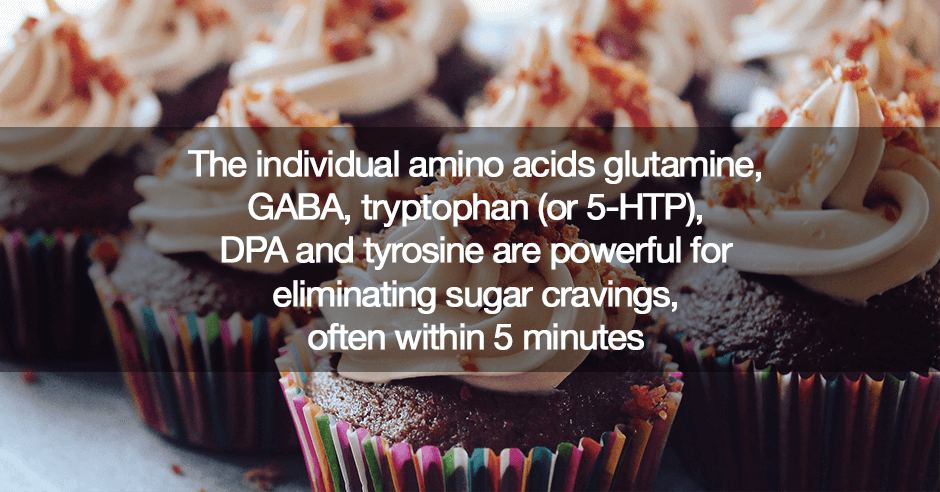
The individual amino acids glutamine, GABA, tryptophan (or 5-HTP), DPA and tyrosine are powerful for eliminating sugar cravings, often within 5 minutes

November 30, 2018 By Trudy Scott 28 Comments

The individual amino acids glutamine, GABA, tryptophan (or 5-HTP), DPA and tyrosine are powerful for eliminating sugar cravings, often within 5 minutes. It seems that this wonderful benefit – over and above the anxiety-reducing and mood-boosting benefits – is often overlooked or poorly understood.

I recently posted this on Facebook: GABA for ending sugar cravings (and anxiety and insomnia) and I’m writing this blog today because it’s clear there is some confusion about this cravings aspect.

Let me first recap Melissa’s experience with Source Naturals GABA Calm during her family holiday trip (the link above has all the details):

I’m glad I bought it before traveling home for Christmas – I was cool as a cucumber at the airport and was much calmer when visiting family and friends compared to last year! I notice a general calmness and am sleeping well.

As well as the calming benefits of GABA, Melissa found this unexpected reduction in cravings for sweets, chocolates, truffles and ice cream after about a week of taking it:

I didn’t even realize this until I was grocery shopping and out of habit walked towards the ice cream – I stopped and realized I didn’t want ice cream. So I walked toward the chocolate – same reaction. For once in my life, I was not craving sweets. I made truffles for a NYE party and only ate two. But what is really shocking is that the leftovers are still in my refrigerator two days later and I haven’t touched them.

This is a very typical response that I see with my clients and when I shared the above blog, others on Facebook shared similar experiences and surprise about the connections. Kim found it fascinating and very timely saying:

I ran out of GABA a month ago. Not only has my anxiety been very difficult to manage but literally I haven’t been able to stop eating. Sugary, high carb, total junk has consumed my thoughts. I never realized the correlation.

April also seemed surprised to learn that GABA was also actually helping with her sugar cravings too:

I think my sugar cravings are down (not looking for something sweet every night after dinner, maybe I treat myself to once a week and not overindulge when I do) and when I think about it, I’ve lost a bit of weight as a result. Most of all it helps me sleep and reduces tension in my neck.

In the above examples, due to low GABA levels in these women, GABA was helped with both the anxiety and the stress-eating, leading to a calming effect and reduced sugar cravings. If you have low blood sugar cravings then glutamine is the amino acid to use; low serotonin cravings then tryptophan or 5-HTP will help; low endorphin cravings then DPA will do the trick; and low catecholamines then tyrosine is the amino acid to use.

The best way to figure it which neurotransmitter deficiency is affecting your sugar cravings

The best way to figure it which neurotransmitter deficiency is affecting your sugar cravings is to do the amino acid mood questionnaire and also review this list for further clarification:

  1. If you have to eat sugar when you haven’t eaten in awhile it’s likely low blood sugar and glutamine on the tongue stops the sugar desire almost immediately and also helps with the low blood sugar symptoms of shakiness and irritability
  2. If you stress-eat your sugar cravings are likely due to low GABA, and GABA will stop the stress-eating and calm you down
  3. If you eat sugar or carbs to feel happy (and especially from late afternoon into the evening) then your sugar cravings are likely due to low serotonin, and tryptophan (or 5-HTP) stops the cravings and boosts mood and reduces anxiety
  4. If you are a comfort-eater then it’s likely due to low endorphins and DPA will stop that feeling of “I deserve-it” kind of reward-eating or comfort-eating and also give you a hug-like mood boost
  5. If you eat sugar for an energy boost or to give your focus then it’s likely due to low catecholamines and tyrosine will stop those cravings and give you a mood and energy boost, and help with mental clarity

It’s not uncommon for my anxious clients to have issues in all these areas and I have them address low blood sugar and each neurotransmitter deficiency one by one (for 2 through 5) and very methodically so they know exactly which areas are problematic for them.

When it comes to low blood sugar, addressing adrenal health is also key. And as always, we need to be making dietary changes, fixing gut health, addressing other deficiencies, removing toxins and more, using a complete functional medicine approach.

How quickly can you expect to get results?

However, using the amino acids in a targeted way like this gets you results quickly while you’re figuring out everything else.

You may say “what exactly do you mean by quickly”?   When opened onto the tongue and used with the trial method, based on your unique needs, if you have low levels, you can expect to notice effects in as quickly as 5 minutes and sometimes up to 15 minutes in some cases! This is why I like to refer to them as the amazing amino acids! They truly are amazing for eliminating cravings, reducing anxiety and improving mood and even sleep – provided they are needed.

Each of the individual amino acids

Last year I wrote a series of blog posts on each of the above-mentioned amino acids. If you missed them you may find them helpful for getting a better understanding, even though they are not specific about sugar cravings:

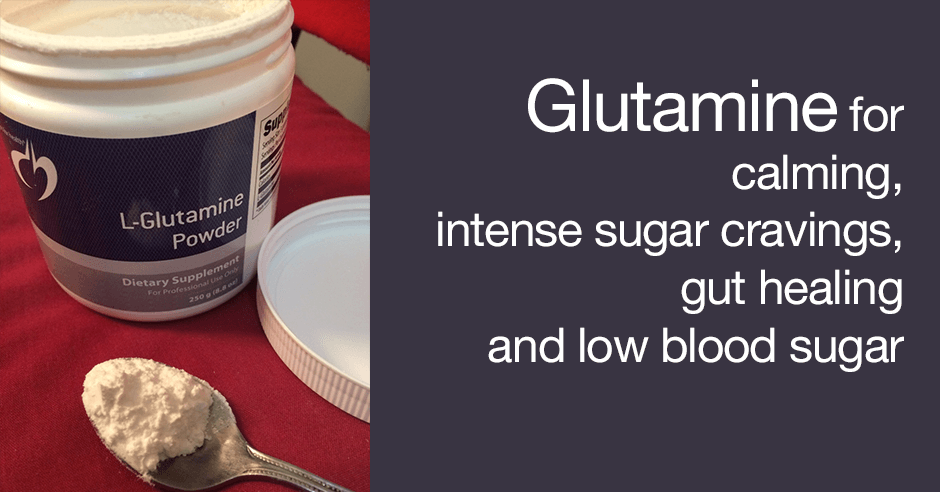
  • Glutamine for calming, intense sugar cravings, gut healing and low blood sugar
  • GABA for low GABA symptoms (physical anxiety)
  • Tryptophan for low serotonin (worry-in-the-head anxiety)
  • DPA for weepiness, pain and comfort and reward eating
  • Tyrosine for focus, motivation, energy, a good mood and possibly even anxiety

You can find the amino acid supplements that I use with my clients here.

The amino acids help you make dietary changes with ease

Keep in mind the amino acids are intended for relatively short-term use so the goal is to work on your diet, gut health, adrenals, nutritional deficiencies etc. so they are no longer needed or only needed in times of added stress. My book, The Antianxiety Food Solution – How the Foods You Eat Can Help You Calm Your Anxious Mind, Improve Your Mood, and End Cravings (my Amazon link), covers in-depth how to implement much of what is mentioned in the above article: a real food Mediterranean diet, red meat, oily fish, the importance of zinc, vitamin D, antioxidants and so on, and the powerful role of nutrition in immunity, inflammation, sleep, stress, anxiety and food cravings.

The amino acids help you make those dietary changes with ease, end your cravings and stress-eating or excessive drinking, so no will power is needed and you don’t feel deprived.

Pandemic stress pushed people toward overeating, mostly looking for sugary “comfort foods”

(UPDATE 4/17/2020 for coronavirus pandemic)

Keep in mind that in times of added stress – like being in the midst of a pandemic such as the coronavirus – you may find your sugar and carbohydrate cravings have increased, and you may be over-indulging, emotional-eating, comfort-eating and/or stress-eating as a way to self-medicate in order to feel calm and good.

This paper, Nutritional recommendations for CoVID-19 quarantine, published just a few days ago, shares how continuously hearing or reading about the pandemic without a break can be stressful and may be

pushing people toward overeating, mostly looking for sugary “comfort foods”. This desire to consume a specific kind of food is defined as “food craving”, which is a multidimensional concept including emotional (intense desire to eat), behavioral (seeking food), cognitive (thoughts about food), and physiological (salivation) processes.

We can apply this knowledge and logic to any stressful situation we may find ourselves experiencing.

Self-medication with alcohol as a way to calm down

You may also find you are more drawn to alcohol as a way to calm down and relax i.e. self-medication with alcohol.  According to this Forbes article, Nielsen reports that online sales of alcohol increased by 291% compared to the end of March 2019.

You may be surprised to learn that the amino acids also help with reducing alcohol cravings and the need to self-medicate with this “drug-of-choice.”  If one glass of wine leads finishing to an entire bottle in one evening or if you’re drinking beer or spirits excessively, know that the words “sweets”, “sugar”, “carbs” can be substituted in the blog post below with “alcohol” and consider trials of the respective amino acids.

This blog post illustrates this perfectly: Tryptophan had the added benefit of turning me completely off alcohol when I took it to improve mood and sleep during perimenopause.

Resources if you are new to using amino acids as supplements

If you are new to using amino acids as supplements, here is the Amino Acids Mood Questionnaire from The Antianxiety Food Solution (you can see all the symptoms of neurotransmitter imbalances, including low GABA, low serotonin and low endorphins).

If you suspect low levels of any of the neurotransmitters and do not yet have my book, The Antianxiety Food Solution – How the Foods You Eat Can Help You Calm Your Anxious Mind, Improve Your Mood, and End Cravings, I highly recommend getting it and reading it before jumping in and using amino acids on your own so you are knowledgeable. And be sure to share it with the practitioner/health team you or your loved one is working with.

There is an entire chapter on the amino acids and they are discussed throughout the book in the sections on gut health, gluten, blood sugar control, sugar cravings, anxiety and mood issues.

The book doesn’t include product names (per the publisher’s request) so this blog, The Antianxiety Food Solution Amino Acid and Pyroluria Supplements, lists the amino acids that I use with my individual clients and those in my group programs. You can find them all in my online store.

If, after reading this blog and my book, you don’t feel comfortable figuring things out on your own (i.e. doing the symptoms questionnaire and respective amino acids trials), a good place to get help is the GABA QuickStart Program (if you have low GABA symptoms too). This is a paid online/virtual group program where you get my guidance and community support.

If you are a practitioner, join us in The Balancing Neurotransmitters: the Fundamentals program. This is also a paid online/virtual program with an opportunity to interact with me and other practitioners who are also using the amino acids.

Have you found any of the amino acids to help you eliminate your cravings for sweets, chocolate, ice-cream and other high-carb foods? Were you pleasantly surprised to experience this lovely benefit when you were initially looking for anxiety-relief?

Were you / are you drinking more and have you figured out which amino acids help you quit?

If you’re a practitioner, do you see similar cravings benefits with your anxious clients/patients?

Are you still struggling with comfort-eating, stress-eating of carb/sugar or drinking alcohol to “self-medicate” and feel better?

Feel free to ask your questions and share challenges and/or successes you’ve had too.
Filed Under: Amino Acids, Coronavirus/COVID-19 Tagged With: alcohol, amino acids, anxiety, catecholamines, comfort eating, Coronavirus, COVID-19, cravings, diet, DPA, emotional-eating, endorphins, GABA, glutamine, self-eating, serotonin, sugar, tryptophan, tyrosine

The Lyme Solution by Dr. Darin Ingels

March 30, 2018 By Trudy Scott 4 Comments

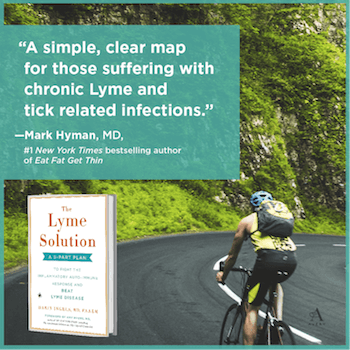
I highly recommend Dr. Darin Ingels, ND new book The Lyme Solution: A 5-Part Plan to Fight the Inflammatory Auto-Immune Response and Beat Lyme Disease. As a functional medicine practitioner, he provides a natural approach to treating Lyme disease that is both comprehensive and designed to each person’s own unique needs i.e. he doesn’t use a one size fits all approach. His uniquely holistic approach to treating this rampant disease, treats both the infection and the resulting autoimmune response. He’s also recovered from Lyme disease himself so he really gets it!

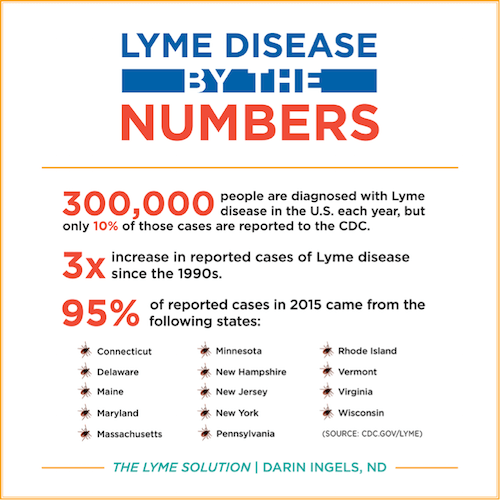
According to the CDC, over 300,000 cases of Lyme are reported every year in the U.S.A.

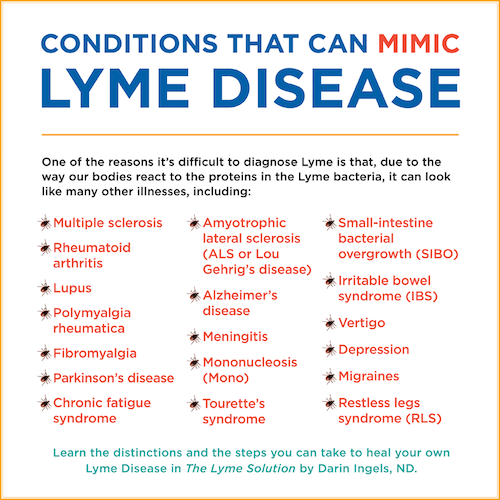
As you can see, many conditions can mimic Lyme disease, including anxiety and depression.

Many in my community have both Lyme disease and anxiety and many nutritional solutions, such as GABA (a calming amino acid supplement), can ease their anxiety while my client is working with a doctor such as Dr. Ingels in order to address and eliminate the Lyme disease.

Tricia Soderstrom from Abounding in Hope With Lyme shares her Lyme GABA story here: GABA helps with Lyme anxiety (while addressing the underlying disease)

Dr. Ingels shared this with me when I asked about what GABA products he likes and why:

I use DFH PharmaGaba and Allergy Research Liposomal GABA, which also has theanine. Liposomal GABA works beautifully for anxiety and sleep disturbances in my Lyme patients and children with autism. I also love how quickly it seems to affect people, often within 10-15 minutes of taking it.

Including the latest research about the diagnosis and treatment of Lyme, The Lyme Solution provides a path to wellness by strengthening the body’s ability to heal from within. Dr. Ingels suggests an actionable 5-Part Plan to:

  • Fortify gut health and restore the immune system
  • Follow a diet that increases immunity and reduces inflammation
  • Thwart and target an active infection
  • Identify hidden toxins that worsen Lyme
  • Lifestyle suggestions to help healing

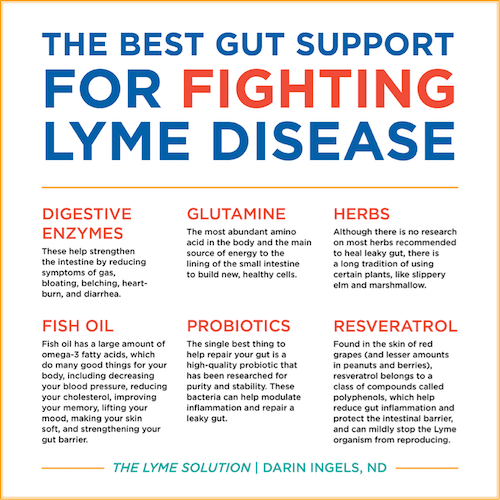
Here are some of his gut support protocols: digestive enzymes, glutamine, resveratrol, herbs like slippery elm and marshmallow, fish oil and probiotics:

The Lyme Solution is a simple guide for how you can advocate for your own health and use innovative treatments to maintain wellness, using the least invasive ways to facilitate treatment. By following this plan, you can become even stronger than you were before the Lyme and better equipped to manage recurring symptoms.

UPDATE: April 20, 2018 – My actual review  

I highly recommend this book if you have Lyme disease or if you suspect that Lyme disease may be playing a role in your ill-health or have chronic anxiety (or another chronic health condition) and have not yet found a solution. I also highly recommend it for practitioners who are both treating Lyme disease patients and those, like myself, who want to really understand all aspects in order to make good referrals for Lyme treatment.

I read it cover to cover in one sitting and could not put it down!

Chapter 1 – An excellent discussion about the problems with long-term antibiotics for chronic Lyme disease and when antibiotics should be used. The chronic inflammatory autoimmune connection is unique to Dr. Ingels’ approach for treating Lyme disease and makes a great deal of sense. The Lyme facts are invaluable: Lyme spirochete going dormant and hiding in scar tissue and lymph nodes; the nymph the most dangerous; Lyme-reactive antibodies form against proteins in the brain, giving rise to neurological symptoms.

Chapter 2 – Covers complex and controversial issues with diagnosis and pitfalls of the various testing that is available. It contains Lyme signs/symptoms and a Lyme questionnaire. It was eye-opening to learn that the bull’s-eye rash is Lyme specific and that changes in handwriting and mixing up words may be a sign of chronic Lyme disease. This is one of my favorite chapters of the book and is very comprehensive.

Chapter 3 – Gut and immune restoring protocols and more on the autoimmune connection. Addressing gut health is key to any condition and Dr. Ingels reiterates that addressing the immune system is key for recovery from Lyme.

Chapter 4 – Immune boosting diet and the importance of alkalinity. This is my least favorite chapter because I’m an advocate of the Paleo diet and have found that when done well with large amounts of vegetables, it is healing and alkaline. (He did connect with me on this and agrees in principle with a Paleo diet that does include plenty of vegetables). I am pleased to see coffee is off the list but would have liked to hear his experiences with intermittent fasting.

Chapter 5 – Covers targeting the infection in a way that doesn’t impact gut flora and undermine the immune system. This chapter has extensive coverage of the herbal protocols Dr. Ingels has found to be effective for his patients: Zhang protocol, his version of the Cowden protocol and others. He goes into great detail for each herb, including products to help with a Herxheimer reaction, as well as the rationale and protocols for breaking up biofilm. It’s also one of my favorite chapters in the book.

Chapter 6 – Cleaning your home and environment and getting rid of toxic chemicals and products, as well as addressing mold. This is also common-sense to address for any condition so it’s great to cover for Lyme.

Chapter 7 – Sleep, exercise and stress reduction. This is also common-sense to address for any condition. I do have a professional difference of opinion for the GABA recommendation for sleep and typically start my clients on much lower doses. I also love GABA for stress and anxiety.

Chapter 8 – Advanced protocols for specific symptoms: mitochondrial issues, neuropathy and balance, low dose immunotherapy, LDN and other approaches where you’ll need to work with a health care provider. Another favorite chapter of mine.

Chapter 9 – Additional lab testing, SIBO, Mast cell activation syndrome and POTS are addressed in relation to Lyme disease. This chapter is enlightening.

The case studies throughout the book reflect the complex nature of Lyme disease and help us get a better understanding about unexpected symptoms, as well as Dr. Ingels’ level of expertise. One such example is Peter’s story: he developed tics but none of the other classic Lyme symptoms, PANS was found and then Lyme disease.

Given that neuropsychiatric symptoms are common in Lyme disease I hope to see more coverage of this in a later edition or follow-up book. I work with individuals with anxiety and underlying Lyme disease is very common, with benzodiazepines and SSRIs commonly prescribed. Using nutritional approaches for the anxiety and/or depression and since it gets to the root cause it’s more effective, plus it lowers the toxic burden and side-effects of added medications. (He also connected with me about this and said he agrees but word-count was the challenge in this first book).

Overall, this book is an excellent resource and I highly recommend it! It offers practical solutions and hope for those who are been suffering with chronic Lyme disease and are seeking a solution.

Learn more and get your copy here on Amazon (my link) or at major bookstores. Get access to a digital version of chapter 1 here.

Filed Under: Books, Lyme disease and co-infections Tagged With: anxiety, autoimmune, Darin Ingels, GABA, glutamine, gut, Lyme Disease, The Lyme Solution

Glutamine for calming, intense sugar cravings, gut healing and low blood sugar

September 13, 2017 By Trudy Scott 29 Comments

Today I’m reviewing glutamine for the calming properties and to also share how glutamine helps reduce intense sugar cravings, helps with gut healing and prevents low blood sugar (which can actually cause anxiety and panic attacks).

I’m also sharing some additional resources for you on glutamine.

Here are all the symptoms we see with low blood sugar:

  • Crave sugar, starch or alcohol any time during the day
  • Irritable, shaky, headachey – especially if going too long between meals
  • Intense cravings for sweets
  • Lightheaded if meals are missed
  • Eating relieves fatigue
  • Agitated, easily upset
  • Nervous, anxious, panic attacks

Together with low serotonin and low GABA, addressing low blood sugar is one of the most effective approach I use with clients to help ease anxiety.   We achieve this with the use of glutamine and by controlling blood sugar by starting the day with a breakfast that includes quality animal protein.

Glutamine also helps eliminate sugar cravings and the strong desire for something sweet when opened directly on to the tongue. This blog and video explains it all: Glutamine for low blood sugar and calming effects

watch this video to hear how powerful glutamine was for Nicole – she saw results in around 5 minutes. I really like to get testimonials like this because when I talk about the profound and quick effects of the amazing amino acids it almost sounds too good to be true! But in this case (and the majority of cases), it really is true!

Nicole says “I get irritable, I get shaky and I get to the point that if I don’t get food NOW I think I’m going to hurt something!”

She tried the glutamine and in under 5 minutes she went from that feeling to: “I’m ok. I feel happy, I feel calm, I feel I can make it longer without needing food right away.”

She finished up by saying “I’m impressed at how well that worked for me”

When I mentioned I was working on this blog (on facebook) I had plenty of questions about this sugar craving benefit we see with glutamine. Keep in mind that low blood sugar is just ONE of the root causes of sugar cravings and glutamine will only work if the cravings are driven by low blood sugar. The way to figure it out is to do the amino acid mood questionnaire

Here is a simple way to help you figure it out:

  • if you have to eat sugar when you haven’t eaten in awhile it’s likely low blood sugar and glutamine on the tongue stops the sugar desire on the spot
  • if you stress-eat your sugar cravings are likely due to low GABA, and GABA will stop the stress-eating and calm you down
  • if you eat sugar or carbs to feel happy (and especially from late afternoon onwards) then your sugar cravings are likely due to low serotonin, and tryptophan stops the cravings and boosts mood and reduces anxiety
  • if you eat sugar for an energy boost then it’s likely due to low catecholamines and tyrosine will stop those cravings and give you a mood and energy boost
  • if you are a comfort-eater then it’s likely due to low endorphins and DPA will stop that “I deserve-it-reward-eating” and also give you a hug-like mood boost

When I asked for feedback one person felt glutamine made her depressed. This was new to me but I never say never and suggested she look at what else was in the product she used. I had one client feel more anxious on glutamine and it was due to one of the fillers.

Glutamine converts to GABA in most people and this is another way it helps calm you. For some people it converts to too much glutamate and can be a bit too stimulating. I’ll have these people use less or only use it during the day or not use it all. As with all nutrients used as supplements there is no one size fits all.

Dr. Josh Axe shares that glutamine is critical for any program designed to heal leaky gut and I write about this in this blog: Glutamine for healing a leaky gut

as a functional amino acid with multiple key physiological roles, glutamine holds great promise in protecting the gut from atrophy and injury under various stress conditions in mammals and other animals.

Here are some of the actual glutamine products I recommend and use with clients:

  • Pure Encapsulations L-Glutamine 500mg:  L-glutamine (free-form) 500 mg, vitamin C (as ascorbyl palmitate) 5 mg. The capsules can be swallowed or the capsule can be opened on to the tongue
  • Designs for Health Glutamine Powder: This is a powdered glutamine that you can use right on your tongue or even mixed in water. The taste is quite pleasant.

As with all the amino acids, when using glutamine:

  • Start low (500mg is a typical starting dose) and increase as needed.
  • Do a trial to determine if the anxiety and sugar cravings are in fact due to low blood sugar. I always do this with clients before starting any amino acid. Be sure to read how to do an amino acid trial. It has the amino acid questionnaire, the precautions and information on how to use targeted individual amino acids.
  • Take between meals and away from protein for the best effects

The blog has many other posts on glutamine – simply use the “search” function to find them.

This blog post is part of the series of amino acid product reviews:

  • Tryptophan for low serotonin (worry-in-the-head anxiety)
  • GABA for low GABA symptoms (physical anxiety)
  • DPA for weepiness, pain and comfort and reward eating
  • Tyrosine for focus, motivation, energy, a good mood and possibly even anxiety

The resources in this blog and my other articles are intended to be used in conjunction with my book: The Antianxiety Food Solution – How the Foods You Eat Can Help You Calm Your Anxious Mind, Improve Your Mood, and End Cravings. If you do not have my book I highly recommend getting it and reading it before jumping in and taking the amino acid supplements:

There is a complete chapter on the amino acids and one for pyroluria, plus information on real whole food, sugar and blood sugar, gluten, digestion and much more.

You can find the glutamine products and the others I recommend here on this blog: The Antianxiety Food Solution Amino Acid and Pyroluria Supplements


I’d love to hear if glutamine has worked for you and how it’s helped? With low blood sugar symptoms and anxiety? For intense sugar cravings? For gut healing?

If you have questions please post them below or on the supplements blog

Filed Under: Glutamine Tagged With: anxiety, calming, GABA, glutamine, gut healing, intense sugar cravings, low blood sugar, physical anxiety

DPA to end comfort-eating, end weepiness and boost endorphins

September 10, 2016 By Trudy Scott 83 Comments

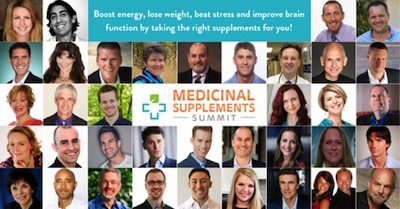
medicinal-supplements-summit-speakers

The Medicinal Supplements Summit runs September 12 -19 and is dedicated to helping you learn the latest in supplement customization to boost energy, lose weight, beat stress, improve brain function and heal your body! 

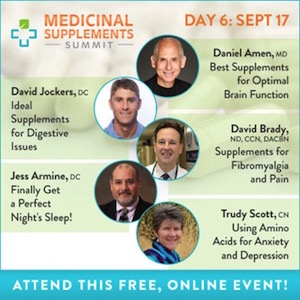
My interview addresses amino acids for both anxiety and depression – I talk about GABA, tryptophan, 5-HTP (and when not to use it), DPA, glutamine and tyrosine.

medicinal-supplements-summit-day6

Wendy asks me to share more about DPA for the low endorphins kind of depression, comfort eating, emotional pain, weepiness and physical pain. Here are some snippets on this topic from my interview:

DPA is D-phenylalanine. It’s an amino acid that actually destroys the enzyme that breaks down endorphins. Endorphins are feel-good chemicals that we may relate to when you hear about getting an endorphin rush, when you go for a run or when someone gives you a big hug or when you do something nice for someone or someone does something nice for you, you get that nice sort of feel good feeling, like you’ve got this big hug kind of feeling. So taking this amino acid, DPA, helps, in essence, to raise your endorphins.

There are different kinds of depression. I mentioned the low serotonin depression, which is more the anxiety kind of depression. With the low endorphin kind of depression, you’re very weepy. You may be overly emotional. So if you watched a TV ad or you watched a really sad movie, you may be more prone to crying than the average person. As well as being sensitive to emotional pain, which is the crying and the weepiness, you also tend to be sensitive to physical pain.

So we know that doing acupuncture raises your endorphin levels. And in that way it helps with pain. So taking this amino acid will help with that emotional sadness that you often feel when you’ve got low endorphins. And it is very, very helpful for physical pain as well. I find a number of clients with physical pain that is related to low endorphins. Pain can be related to low oxalates or nightshades, something physical, or even osteoarthritis. So you’ve got some kind of physical issue. But if it’s related to low endorphins you’ll actually see a really nice pain reduction effect from it.

Now, the big thing with low endorphins is this comfort eating. So I mentioned earlier with low serotonin you have the anxiety and the depression and the afternoon and the evening cravings. With low endorphins, as well as this emotional aspect and the pain aspect, the cravings part is very much a comfort kind of craving.

It’s like, “This is my reward. This is my treat. I deserve it.” And when you consume those carbohydrates, that bowl of ice cream, that bowl of cereal, that chocolate chip cookie, you feel like this is my reward. I deserve it. So a lot of people will resonate with the low endorphins kind of emotional eating. And when they get on DPA their mood improves, and this comfort eating goes away.

Tune in to hear my entire interview and all the other great speakers!

You can use this link to register for access: https://qt247.isrefer.com/go/SUPP16reg/trudyscottcn/

And use this link to purchase at pre-summit special prices:
https://qt247.isrefer.com/go/SUPP16order/trudyscottcn/

Filed Under: Events, GABA Tagged With: 5-HTP, aminos for anxiety, comfort eating, depression, DPA, emotional, GABA, glutamine, Medicinal supplements summit, tryptophan, tyrosine

Anxiety and Hypoglycemia Symptoms Improve with Diet Modification

August 12, 2016 By Trudy Scott 15 Comments

strawberry-smoothie

A paper published by the Canadian College of Naturopathic Medicine last month supports what I see with my clients on a daily basis: when it comes to anxiety caused by low blood sugar (or hypoglycemia) the correct diet can have a huge impact. And this means is the inclusion of enough protein, fats and fiber, especially at breakfast.

Here is the abstract from the paper: Generalized Anxiety Disorder and Hypoglycemia Symptoms Improved with Diet Modification

Observational evidence suggests that a relationship may exist between high glycemic index diets and the development of anxiety and depression symptoms; however, as no interventional studies assessing this relationship in a psychiatric population have been completed, the possibility of a causal link is unclear.

AB is a 15-year-old female who presented with concerns of generalized anxiety disorder and hypoglycemia symptoms. Her diet consisted primarily of refined carbohydrates. The addition of protein, fat, and fiber to her diet resulted in a substantial decrease in anxiety symptoms as well as a decrease in the frequency and severity of hypoglycemia symptoms.

A brief return to her previous diet caused a return of her anxiety symptoms, followed by improvement when she restarted the prescribed diet.

This case strengthens the hypothesis that dietary glycemic index may play a role in the pathogenesis or progression of mental illnesses such as generalized anxiety disorder and subsequently that dietary modification as a therapeutic intervention in the treatment of mental illness warrants further study.

Here are some details about this case report for AB, who was a 15-year-old female student of south-Asian descent:

  • she had anxiety (rated as 8/10 with 10 being the highest level of anxiety), worried excessively, experienced heart palpitations, shakiness, discomfort in her stomach, and muscle tension and often missed school because of how she felt
  • she experienced symptoms of hypoglycemia/low blood sugar and when her blood sugar dipped too low she experienced muscle weakness, headaches, nausea, anxiety, and poor concentration
  • when she felt anxious she would eat she would eat chocolate, chips, fruit and when her blood sugar dipped she would eat a granola bar

As you can see from her typical daily diet she was eating mostly carbohydrates, with very little protein, fat or fiber:

  1. Breakfast: fruit smoothie containing fruit, fruit juice, and water.
  2. Morning snack: bagel with margarine.
  3. Lunch: pasta or white rice with vegetables.
  4. Afternoon snack: granola bar or cookies or gummy candies.
  5. After school meal: white pasta; it may include meat.
  6. Dinner: white rice or spaghetti; it may include meat.
  7. Evening snack: cookies and toast.
  8. Beverages: 2 liters of water, 1 cup of juice, 1 cup of lactose-free milk, and 1 cup of tea.

She made the following changes in her diet adding protein at breakfast, lunch, dinner and at snack time, and adding healthy fats like flax seeds, olive oil and nut butters:

  1. Breakfast: includes a smoothie containing fruit, water, 1 scoop of protein powder, and 1 tablespoon of flax seeds or olive oil.
  2. Lunch and dinner: include a serving of protein (meat, legume, and soy) and a serving of vegetables.
  3. Snacks: include protein when possible (e.g., apple with sunflower seed butter, vegetable sticks with hummus, and pumpkin seeds).
  4. Continue to eat carbohydrate-containing snacks as needed for the management of hypoglycemia symptoms.

Over a 4-week period she made a few simple dietary changes and saw profound results: her anxiety decreased significantly from 8/10 to 4 or 5/10, she had more energy, she had fewer headaches, better concentration and improved mood.

The interesting factor is that when she slipped up for a week and went back to her old diet she felt more anxious within a day, but felt better within 2 days of adding back protein, fats and fiber.

These results are very typical with my clients and getting a handle on stabilizing blood sugar is the first thing I do with all my clients. Believe it or not, for some people this is ALL they need to do. I would add that I recommend making these changes in conjunction with the removal of gluten and caffeine.

I also like to see animal protein (and fat) as part of the snacks: like grass-fed beef jerky, grass-fed beef sticks, boiled eggs or pemmican. AB was allergic to eggs, nuts, and fish so these were not an option for her. Soy is often as issue so would need to be watched.

So this case study supports the fact that we must not forget the basics like blood sugar control. It’s very common for me to get questions like this on my blog: “I’m anxious, which amino acid should I use?” I always reply: focus first on real whole food and eating to balance blood sugar, remove sugar, gluten and caffeine, and then look at doing a trial of one or more of the amino acids

I do like to make things easier for my clients and this is where an amino acid like glutamine is very helpful in terms of providing added blood sugar stability, a calming effect and help with gut healing

Adding the glutamine and also doing a trial of an amino acid like GABA Calm may get the anxiety down a few more notches because we are always aiming for zero.

Addressing adrenal issues (which are closely related to blood sugar issues), and of course addressing all the other possible factors like thyroid health, gut health, other food sensitivities and so on would be the next step.

Have you see the positive impacts of keeping your blood sugar stable? What makes the most impact for you?

If you are a practitioner, how do you help your clients or patients address blood sugar issues?

Filed Under: Antianxiety Tagged With: anxiety, Carbohydrate, fat, fatigue, GABA, glutamine, Headaches, Hypoglycemia, low blood sugar, protein

Glutamine supplementation: cancer concerns and benefits

February 26, 2016 By Trudy Scott 128 Comments

russell-blaylock

In the recent Truth About Cancer docu-series hosted by Ty Bollinger, founder of Cancer Truth, interviewed Dr. Russell Blaylock, M.D. and Dr. Blaylock said no to glutamine supplementation because it feeds cancer like sugar.

Here is what Dr. Russell Blaylock said during Episode 4 – Excitotoxins that Fuel Cancer:

Cancer cells use two major fuels, they use glucose and they use glutamine. Of the two, glutamine is the more powerful stimulant for cancer cell growth.

The Warburg effect is the fact that normal cells use both anaerobic and aerobic system, the Krebs cycle. The cancer cells only use the anaerobic system, it was thought. Glutamine can work the aerobic system and product a lot more energy. So if you’re eating a lot of sugar and you’re eating a lot of glutamine, you’re really stimulating your cancer powerfully. So the idea is you want to cut down your glutamine intake. A lot of people are promoting glutamine as a way to heal the gut—the leaky gut syndrome. So, they’re saying, take five, six, ten grams of glutamine. That is a powerful stimulant for degenerative brain disorders, a powerful stimulant for cancer growth. You don’t want to do that. There’s a lot better ways to repair the GI tract—they work better and safer and actually inhibit cancer.

Dr. Blaylock, author of Excitotoxins: The Taste That Kills, has been saying this for years. His coverage of MSG and how harmful it is, is very powerful groud-breaking work but many practitioners disagree with his glutamine-feeding-cancer comments.

As a result of this recent interview I’ve been getting a lot of questions about glutamine because it’s something I use with most of my clients for blood sugar control, carbohydrate/sugar cravings and gut healing.

In order to reassure folks I started looking at the current research and getting feedback from trusted colleagues.

I have now gathered 20+ studies showing glutamine to be beneficial in cancer: it heals the gut, helps boost glutathione, helps with muscle wasting, helps when someone is going through chemotherapy and radiation, and is useful for bone marrow transplants. Studies as far back as 1990 state it has benefits and doesn’t promote tumor growth, with 5 of them published this year.

This 2010 paper Glutamine as indispensable nutrient in oncology: experimental and clinical evidence summarizes many of the benefits:

Within the last two decades, 36 (24 oral/enteral, 12 parenteral) clinical studies evaluating the tolerance, safety and effects of glutamine in various patient groups have been published. In the great majority of these clinical studies, glutamine supplementation in cancer patients improves host metabolism and clinical situation without increasing tumor growth. Potential mechanisms of glutamine effects include maintenance of mucosal integrity, improved immune competence, inhibition of cell proliferation, increased apoptosis rate, increased synthesis of glutathione, induction of heat shock protein synthesis, and increased synthesis of glucagons-like peptides.

In various clinical situations, appropriate exogenous glutamine supply is safe and can beneficially contribute to diminish risks of high-dose chemotherapy and radiation. In addition, there is some evidence that adequate glutamine availability can beneficially affect outcome, especially in patients undergoing bone marrow transplantation.

With new research coming out all the time, a paper published in 2010 may seem very old and yet there are some more recent papers stating similar benefits, many of which were published this year and in 2014.   Here are a few excerpts from some of these papers:

  • Oral administration of [glutamine] plus [elemental diet] may prevent chemotherapy-induced oral mucositis in esophageal cancer patients. Link to paper
  • This study suggests a beneficial role of oral [glutamine] use in prevention and/or delay of radiation-induced esophagitis, in terms of esophageal transit time and serum immunological parameters, as well as weight loss. Link to paper
  • It also appears that glutamine may significantly reduce the duration and severity of objective oral mucositis during radiotherapy. Link to paper
  • These results suggest that [glutamine] is an effective way to reduce radiation morbidity to breast cancer and is associated with the increased expression of a novel serum protein biomarker. Link to paper
  • A promising supplemental therapy agent in the field is glutamine. Glutamine (Gln) is an amino acid that is produced in physiological conditions in human cells. However, in pathological states, glutamine production is often insufficient. In the clinical setting, glutamine has been shown to decrease metabolic side effects resulting from cancer treatment and to improve patient outcome. Link to paper
  • Prophylactic oral glutamine could ameliorate the neoadjuvant chemotherapy-induced increase in intestinal permeability, but had no significant positive clinical effect on stomatitis and diarrhea and did not interfere with the antitumor effect of chemotherapy. Link to paper
  • Oral [glutamine] increased [glutathione] levels and lowered IGF-I and TGF-beta 1 in a range that is considered clinically significant. However, the effect of [glutamine] in maintaining normal gut [glutathione] production in the presence of DMBA was much more significant. Link to paper

I’ve also posted the glutamine-cancer question in a number of online practitioner groups I belong to and have received this feedback:

  • Some practitioners still feel glutamine supplementation is very safe to use up to 10-30g a day for a month and then titrated down to a maintenance dose
  • An integrative cancer doctor says she is more cautious and would not recommend greater than 5g per day if someone has active cancer
  • One practitioner shared that long term studies haven’t shown changes in mortality due to glutamine supplementation in cancer settings but glutamine may be used for fuel by cancer cells
  • Glutamine is not neurotoxic as has been suggested in the book Excitotoxins:The Taste That Kills according to Dr. David Brady and other researchers
  • Many consider bone broth to be safe, some feel bone broth should be avoided during cancer treatments

It’s clearly a controversial topic with very divided opinions and it seems the jury is still out. We are also very individual beings with unique biochemistry so there is never a once size fits all approach and it’s very likely that some won’t benefit from glutamine and some may have adverse effects.

I do list cancer as a possible issue under the glutamine precautions and recommend that you check with your oncologist if you are currently undergoing treatment.

I do want to share safe and valuable information with my clients and with you (my community) and am not afraid to back down and say I was wrong. BUT right now I don’t believe we have enough information to say NO-ONE should be using glutamine as a supplement.   I’m gathering information and feedback, am learning a great deal and will be sharing more in future blogs on this topic. And I hope to get some feedback from Dr. Blaylock himself!

I hope this helps with questions you’ve been having or may have in the near future.

In the meantime I’d love your feedback…

  • If you’re a practitioner I’d love to hear your thoughts and approach, what cautions you offer and do you recommended a safe upper limit?
  • If you’re someone who uses glutamine or has used glutamine what does your practitioner say about it? Have they cautioned you about glutamine? Have they recommended a safe upper limit? What benefits have you seen when using it?
  • If you’ve been treated for cancer, has your cancer team recommended glutamine? And did it help?

UPDATE: Feb 26, 2016 (The post above was originally published on October 30, 2015)

I promised to come back and share additional information from someone working in the area of cancer and so here we are – an update on the glutamine cancer concern:

Paul Anderson ND shared a literature review and practice implications in an called “Glutamine and Cancer: What do we know?” (Update Sept 2021: it was published on Emerson Ecologics but the link is no longer active)

When I read this reassuring literature – based on the 2015 paper, Key Roles of Glutamine Pathways in Reprogramming the Cancer Metabolism. Oxidative Medicine and Cellular Longevity  – I reached out to Dr. Anderson and was given permission to share the link and excerpts from the article:

L-Glutamine the amino acid is one of the most widely used therapeutic substances in natural and integrative clinics as well as some allopathic practices. It has benefit in gastrointestinal illnesses and repair, post-surgical care, renal support, muscle mass maintenance, cachexia and a number of other conditions. Given its wide use in the integrative medical community the concern regarding potential for any adverse or untoward event associated with its use is significant. The primary potential issue is the “feeding” of cancer cells and another related issue is increasing glutathione stores and thereby inactivating standard therapies.

He shares some of the same potential benefits of glutamine that I mentioned above:

  • Post-surgical healing
  • GI repair and maintenance
  • Immune system recovery and maintenance
  • Muscle cell maintenance and recovery
  • Glutathione pool restoration

Dr. Anderson shares that:

the availability of glutamine even in a supplemented person is often too low to do much more than feed the deficient GI cells, so peripheral use is limited with oral doses.

The one common exception is glioblastoma multiforme (GM). In the case of GM, it is theoretically possible that amounts of glutamine that were able to cross the GI barrier could be metabolized in a manner promoting of GM energy and health. In the case of GM the authors point out that restricting carbohydrates would likely make the glutamine effective in an anti-GM biology.

And he shares a number of take home points for clinical practice: oral glutamine supplementation is likely safe across most tumor types in patients with cancer, it’s indicated for GI damage, the timing and doses, and how he uses carbohydrate restriction for certain cancers (when also using glutamine).

Based on his clinical experience Dr. Anderson states that:

Glutamine used appropriately is an excellent adjunctive therapy in the oncology setting.

Dr. Paul S. Anderson is medical director of Anderson Medical Specialty Associates, a clinic focusing on the care of patients with cancer and chronic diseases. Former positions include professor of Pharmacology and Clinical Medicine at Bastyr University and Chief of IV Services for Bastyr Oncology Research Center. He is a graduate of National College of Natural Medicine and began instructing classes at naturopathic medical schools in the early 1990’s. He continues to hold board review classes and CME courses for most of the US and Canadian ND programs. He also is a founding board member of the Academy of Parenteral Therapies specialty group and an instructor and author for the International IV Nutritional Therapy training group.

His book, Outside the Box Cancer Therapies: Alternative Therapies That Treat and Prevent Cancer (here is my Amazon link) discusses glutamine and some of the research and benefits when used with cancer patients, and also recommends consulting with your physician.

Did your oncology medical team recommend use of glutamine while you were in cancer treatment and did it help?

Or did they say no to supplemental glutamine and share why?

Feel free to post additional glutamine questions too.

Filed Under: Amino Acids, Cancer Tagged With: anxiety, blood sugar, cancer, cravings, glutamine, russell blaylock

  • « Go to Previous Page
  • Page 1
  • Page 2
  • Page 3
  • Page 4
  • Go to Next Page »

Primary Sidebar

NEW! GABA QuickStart Homestudy (with special intro pricing)

gaba quickstart homestudy

Free Report

9 Great Questions Women Ask about Food, Mood and their Health

You'll also receive a complimentary subscription to my ezine "Food, Mood and Gal Stuff"


Connect with me

Popular Posts

  • Amino Acids Mood Questionnaire from The Antianxiety Food Solution
  • The Antianxiety Food Solution Amino Acid and Pyroluria Supplements
  • Pyroluria Questionnaire from The Antianxiety Food Solution
  • Collagen and gelatin lower serotonin: does this increase your anxiety and depression?
  • Tryptophan for the worry-in-your-head and ruminating type of anxiety
  • GABA for the physical-tension and stiff-and-tense-muscles type of anxiety
  • The Antianxiety Food Solution by Trudy Scott
  • Seriphos Original Formula is back: the best product for anxiety and insomnia caused by high cortisol
  • Am I an anxious introvert because of low zinc and vitamin B6? My response to Huffington Post blog
  • Vagus nerve rehab with GABA, breathing, humming, gargling and key nutrients

Recent Posts

  • What do I use instead of Seriphos to help lower high cortisol that is affecting my sleep and making me anxious at night?
  • BeSerene™ GABA/theanine cream eases severe muscle tension in her neck/shoulders, prevents her bad headaches and quells her anxiety
  • How the correct approach, dose and sublingual use of GABA can be calming and not cause a flushed and itchy face and neck
  • The amino acid glutamine improves low mood by addressing gut health, and it has calming effects too
  • Flight anxiety with heightened breath, physical tension and also fearing the worst (the role of low GABA and low serotonin)

Categories

  • 5-HTP
  • AB575
  • Addiction
  • ADHD
  • Adrenals
  • Alcohol
  • Allergies
  • Alzheimer's disease
  • Amino Acids
  • Anger
  • Antianxiety
  • Antianxiety Food Solution
  • Antidepressants
  • Anxiety
  • Anxiety and panic
  • Autism
  • Autoimmunity
  • benzodiazapines
  • Bipolar disorder
  • Books
  • Caffeine
  • Cancer
  • Candida
  • Children/Teens
  • Collagen
  • Cooking equipment
  • Coronavirus/COVID-19
  • Cravings
  • Depression
  • Detoxification
  • Diabetes
  • Diet
  • DPA/DLPA
  • Drugs
  • EFT/Tapping
  • EMF
  • EMFs
  • Emotional Eating
  • Endorphins
  • Environment
  • Essential oils
  • Events
  • Exercise
  • Fear
  • Fear of public speaking
  • Fertility and Pregnancy
  • Fish
  • Food
  • Food and mood
  • Functional neurology
  • GABA
  • Gene polymorphisms
  • General Health
  • Giving
  • Giving back
  • Glutamine
  • Gluten
  • GMOs
  • Gratitude
  • Gut health
  • Heart health/hypertension
  • Histamine
  • Hormone
  • Hyperparathyroidism
  • Hypoglycemia
  • Immune system
  • Inflammation
  • Insomnia
  • Inspiration
  • Introversion
  • Joy and happiness
  • Ketogenic diet
  • Lithium orotate
  • Looking awesome
  • Lyme disease and co-infections
  • MCAS/histamine
  • Medication
  • Men's health
  • Mental health
  • Mercury
  • Migraine
  • Mold
  • Movie
  • MTHFR
  • Multiple sclerosis
  • Music
  • NANP
  • Nature
  • Nutritional Psychiatry
  • OCD
  • Osteoporosis
  • Oxalates
  • Oxytocin
  • Pain
  • Paleo
  • Parasites
  • Parkinson’s disease
  • PCOS
  • People
  • PMS
  • Postpartum
  • PTSD/Trauma
  • Pyroluria
  • Questionnaires
  • Real whole food
  • Recipes
  • Research
  • Schizophrenia
  • serotonin
  • SIBO
  • Sleep
  • Special diets
  • Sports nutrition
  • Stress
  • Sugar addiction
  • Sugar and mood
  • Supplements
  • Teens
  • Testimonials
  • Testing
  • The Anxiety Summit
  • The Anxiety Summit 2
  • The Anxiety Summit 3
  • The Anxiety Summit 4
  • The Anxiety Summit 5
  • The Anxiety Summit 6
  • Thyroid
  • Thyroid health
  • Toxins
  • Tryptophan
  • Tyrosine
  • Uncategorized
  • Vegan/vegetarian
  • Women's health
  • Yoga

Archives

  • October 2025
  • September 2025
  • August 2025
  • July 2025
  • June 2025
  • May 2025
  • April 2025
  • March 2025
  • February 2025
  • January 2025
  • November 2024
  • October 2024
  • September 2024
  • August 2024
  • July 2024
  • June 2024
  • May 2024
  • April 2024
  • March 2024
  • February 2024
  • January 2024
  • December 2023
  • November 2023
  • October 2023
  • September 2023
  • August 2023
  • July 2023
  • June 2023
  • May 2023
  • April 2023
  • March 2023
  • February 2023
  • January 2023
  • December 2022
  • November 2022
  • October 2022
  • September 2022
  • August 2022
  • July 2022
  • June 2022
  • May 2022
  • April 2022
  • March 2022
  • February 2022
  • January 2022
  • December 2021
  • November 2021
  • October 2021
  • September 2021
  • August 2021
  • July 2021
  • June 2021
  • May 2021
  • April 2021
  • March 2021
  • February 2021
  • January 2021
  • December 2020
  • November 2020
  • October 2020
  • September 2020
  • August 2020
  • July 2020
  • June 2020
  • May 2020
  • April 2020
  • March 2020
  • February 2020
  • January 2020
  • December 2019
  • November 2019
  • October 2019
  • September 2019
  • August 2019
  • July 2019
  • June 2019
  • May 2019
  • April 2019
  • March 2019
  • February 2019
  • January 2019
  • December 2018
  • November 2018
  • October 2018
  • September 2018
  • August 2018
  • July 2018
  • June 2018
  • May 2018
  • April 2018
  • March 2018
  • February 2018
  • January 2018
  • December 2017
  • November 2017
  • October 2017
  • September 2017
  • August 2017
  • July 2017
  • June 2017
  • May 2017
  • April 2017
  • March 2017
  • February 2017
  • January 2017
  • December 2016
  • November 2016
  • October 2016
  • September 2016
  • August 2016
  • July 2016
  • June 2016
  • May 2016
  • April 2016
  • March 2016
  • February 2016
  • January 2016
  • December 2015
  • November 2015
  • October 2015
  • September 2015
  • August 2015
  • July 2015
  • June 2015
  • May 2015
  • April 2015
  • March 2015
  • February 2015
  • January 2015
  • December 2014
  • November 2014
  • October 2014
  • September 2014
  • August 2014
  • July 2014
  • June 2014
  • May 2014
  • April 2014
  • March 2014
  • February 2014
  • January 2014
  • December 2013
  • November 2013
  • October 2013
  • September 2013
  • August 2013
  • July 2013
  • June 2013
  • May 2013
  • April 2013
  • March 2013
  • February 2013
  • January 2013
  • December 2012
  • November 2012
  • October 2012
  • August 2012
  • July 2012
  • June 2012
  • May 2012
  • April 2012
  • March 2012
  • February 2012
  • January 2012
  • December 2011
  • November 2011
  • October 2011
  • September 2011
  • August 2011
  • July 2011
  • June 2011
  • May 2011
  • April 2011
  • March 2011
  • February 2011
  • January 2011
  • December 2010
  • October 2010
  • September 2010
  • July 2010
  • May 2010
  • April 2010
  • March 2010
  • February 2010
  • January 2010
  • November 2009

Share the knowledge!

The above statements have not been evaluated by the Food and Drug Administration. Products listed in this website are not intended to diagnose, treat, cure or prevent any disease.

The information provided on this site is for informational and educational purposes only and is not intended as a substitute for advice from your physician or other health care professional. You should consult with a healthcare professional before starting or modifying any diet, exercise, or supplementation program, before taking or stopping any medication, or if you have or suspect you may have a health problem.


Copyright © 2026 Trudy Scott. All Rights Reserved. | Privacy | Terms and Conditions | Refund Policy | Medical Disclaimer

Free Report

9 Great Questions Women Ask about Food, Mood and their Health

You’ll also receive a complimentary subscription to my ezine “Food, Mood and Gal Stuff”