• Skip to primary navigation
  • Skip to main content
  • Skip to primary sidebar

everywomanover29 blog

Food, Mood and Women's Health – Be your healthiest, look and feel great!

  • Blog
  • About
  • Services
  • Store
  • Resources
  • Testimonials
  • The Book
  • Contact
  • Search this site

gamma-aminobutyric acid

Exploring the Therapeutic Potential of Gamma-Aminobutyric Acid (GABA) in Stress and Depressive Disorders through the Gut–Brain Axis

January 31, 2025 By Trudy Scott 4 Comments

gaba and stress disorder

Research conducted on individuals with depression reveals that major depressive disorders (MDDs) coincide with diminished levels of the inhibitory neurotransmitter γ-aminobutyric acid (GABA) in the brain, as well as modifications in the subunit composition of the primary receptors (GABAA receptors) responsible for mediating GABAergic inhibition.

Furthermore, there is substantial evidence supporting the significant role of GABA in regulating stress within the brain, which is a pivotal vulnerability factor in mood disorders. GABA is readily available and approved as a food supplement in many countries.

Although there is substantial evidence indicating that orally ingested GABA may affect GABA receptors in peripheral tissues, there is comparatively less evidence supporting its direct action within the brain.

Emerging evidence highlights that oral GABA intake may exert beneficial effects on the brain and psyche through the gut–brain axis. While GABA enjoys wide consumer acceptance in Eastern Asian markets, with many consumers reporting favorable effects on stress regulation, mood, and sleep, rigorous independent research is still largely lacking.

Basic research, coupled with initial clinical findings, makes GABA an intriguing neuro-nutritional compound deserving of clinical studies in individuals with depression and other psychological problems.

This is the abstract from a recently published review paper: Exploring the Therapeutic Potential of Gamma-Aminobutyric Acid in Stress and Depressive Disorders through the Gut–Brain Axis

Does GABA exert calming and mood benefits via the gut-brain axis or is it really just a placebo effect? This paper discusses both possibilities. I’m excited by the former (and share more about this below) but I do not agree with the latter. Based on my clinical and personal experience, the calming effects of the amino acid GABA, used as a supplement (when you have low GABA symptoms/levels and used in a very specific way), is not a placebo effect. I also discuss this and share some cases that clearly confirm there is no placebo effect. Read on to be enlightened and encouraged about the power of GABA.

GABA and the microbiota-gut-brain axis

The authors describe the microbiome-gut-brain axis as “the bidirectional communication between the gastrointestinal tract, including its resident microbiota and the brain, linking emotional and cognitive centers of the brain with peripheral intestinal functions.”

They acknowledge that while we don’t quite understand the exact mechanisms of this bidirectional communication, “the vagus nerve, the endocrine and immune system, and the synthesis and metabolism of metabolites and neurotransmitters in the gut are critically involved.” This is exciting given what we know about the blood brain barrier.

If you are new to this concept of the gut-brain axis or want to read some of the latest updates, I encourage you to read the paper and learn about the benefits of probiotics (such as Lactobacillus and Bifidobacterium, and Lactococcus, Enterococcus, Streptococcus, and Leuconostoc) and prebiotics i.e. psychobiotics; and fermented foods – for mood improvement and stress reduction.

You’ll read this about GABA (both as a metabolite produced by the microbiome and as a supplement):

  • found in the enteric nervous system it contributes significantly to gut-brain axis functions and related disorders, including depression, anxiety, inflammatory, and cardiovascular disorders (they refer to GABA as a crucial ‘postbiotic’ i.e. a metabolite produced by the microbiome)
  • while GABA may not directly cross the blood-brain barrier in humans, an indirect influence through the enteric nervous system could potentially provide a viable pathway for the impact of GABA dietary supplements
  • although the connection between oral GABA administration i.e. GABA supplementation, the vagal nerve, and GABA levels in the brain has not been firmly established, considering the existing evidence, it represents a promising avenue for future research.

The last two bullets are worth emphasizing because one of the most common myths is that “GABA supplements don’t work because GABA is too big a molecule to get across the blood brain barrier.”  It really doesn’t need to get through the blood brain barrier in order to be calming.

I share more about this in a blog I published in 2023 – you can read it here.

GABA is a lifesaver and helps with mycotoxin-induced anxiety

Joie has Sjogren’s, Hashimoto’s, fibromyalgia & collagenous colitis (all diagnosed after severe mold exposure) and shares how GABA

has been a life saver for me (for my anxiety), and I share this with all I know who experience anxiety. I also use L-theanine at night because of insomnia. The 5-HTP has helped somewhat for sleep. L-tryptophan didn’t seem to make a difference. However the 5-HTP has made a significant difference in lessening my daily pain levels, which I am most grateful for.

Micki Contini, MS CNC, a board-certified holistic health and nutrition consultant, is a friend and colleague whose life was hugely impacted by mold toxicity. She shares this about how GABA helped her:

As they started tearing my house apart for remediation, I started eating GABA Calm like candy. At the beginning I had to have a lot more than I do now. GABA Calm takes me down a notch and I feel my shoulder coming away from my ears and I get closer to relaxing.

Here are a few other blogs that illustrate just how calming GABA can be when used as a supplement:

  • GABA Calm is a game changer for husband’s sound and tactile hypersensitivity, significant coordination problems and his anxiety
  • Her mum just passed away and although she is sad, GABA allows her to sit with a feeling of peace and calm most of the time
  • GABA worked amazingly for 18-year-old during a MCAS/histamine flare, helping with OCD, anxiety, rage and skin issues

If GABA works it’s a placebo effect?!

I find this statement in the conclusion of the review to be confusing given all that the authors share about the gut-brain axis, vagus nerve and bidirectional communication:

The dietary supplement form of GABA is readily accessible to consumers. While many individuals assert that they derive advantages from using these products, it remains uncertain whether these supplements provide benefits beyond what could be attributed to a placebo effect.

Their argument about conflict of interest and small sample sizes when it comes to studies doesn’t hold water with me.

As I mentioned above, based on my clinical experience, the calming effects of the amino acid GABA, used as a supplement when you have low GABA levels (and used in a very specific way), is not a placebo effect.

The following two cases clearly confirm there is no placebo effect (and these are just a few of many which I plan to share with the authors).

My 6 year old was having panic attacks getting out of the car for Kindergarten

My 6 year old son was having panic attacks getting out of the car going to Kindergarten and taking two GABA Calm has completely relieved him of his fears. He has been going for 3 straight weeks in a row.

I thought it may be low serotonin since this happened last winter as well but I gave him 5-HTP for a couple months and it didn’t seem to affect him and his anxiety. We had to have him repeat Kinder this year.

But wow, the GABA has been fabulous and Kindergarten is in full swing because of your help.

Lisa, a mom in the community, shared these wonderful results about her son. This is most definitely not a placebo effect.

You can read the entire story on the blog here. The school is actually in shock at how well carpooling is going for him.

GABA lessens anxiety, agitation and defiance in 98 year old mother who has been “sundowning” for a couple of years

My mother is 98 and has been “sundowning” for a couple of years. It starts around 3pm, sometimes earlier. Some days it’s no big deal. It is on those other days when she starts and then it goes to anxiety, agitation, then she can get sort of defiant which is so not her. She is a gentle soul, friendly, and kind so this is difficult on her as well as our family.

I just started to use my pestle and mortar to crush up a 125 mg GABA CALM supplement (Source Naturals) and I mix a little into her flavored yogurt when I start to see her having difficulty. I give it to her throughout the day. She only gets the 125 mg amount so I feel safe with that.

I believe that I do notice it lessens her anxiety. I pray that this will be helpful for her because that anxiety can be really draining for her. I have not noticed any adverse reactions.

This is another heartwarming success story shared by Marsha who used GABA Calm with her mother. It’s yet another one that is not a placebo effect either. You can read the entire blog post here.

My personal GABA results are also not a placebo effect

I can also share from first-hand experience that GABA was a life-saver for me in my late 30s when I had no idea what a panic attack was and knew very little about GABA other than the fact it calmed me down very quickly!

I still use GABA in various situations to this day: to help with back spasms after a fall, to help with rectal spasms, to help with throat spasms/pain caused by crying (after the loss of my darling mom), to help me sleep solidly and before doing an on-stage presentation, and much more.

GABA is effective and safe when used in a very specific way

Many people use GABA and report it didn’t work or that they had a strange or uncomfortable reaction to their GABA supplement (such as tingles or flush or feeling dizzy). I’m on a mission to educate folks how GABA is effective and safe when used in a very specific way:

  • Only if you have low GABA levels and symptoms of physical tension, overwhelm, fears, anxiousness, stiff and tense muscles, stress eating, drinking to calm down or fit in socially (you can see all the symptoms here)
  • Starting with a low dose of around 125mg (and less if you’re sensitive)
  • Only using it as a sublingual, powder or capsule opened on to the tongue, liposomal or GABA cream (to see results in 1-10 mins and to bypass the digestive system)
  • Titrating up (and sometimes back down) to find the ideal dose for your unique needs
  • Being open to trialing different products and forms and sometimes combining GABA with theanine
  • Understanding that there can be nuances to using GABA, making one change at a time and not giving up too soon
  • Tracking carefully and course-correcting as needed

I educate anxious individuals about all of the above and offer guidance and encouragement in the GABA Quickstart 2.0 online group 5 week program.

I hope this summary, the review paper and the cases leave you feeling enlightened and encouraged about the power of calming GABA.

Additional resources when you are new to using GABA and other amino acids as supplements

As always, I use the symptoms questionnaire to figure out if low GABA or other neurotransmitter imbalances may be an issue.

If you suspect low levels of any of the neurotransmitters and do not yet have my book, The Antianxiety Food Solution – How the Foods You Eat Can Help You Calm Your Anxious Mind, Improve Your Mood, and End Cravings, I highly recommend getting it and reading it before jumping in and using amino acids on your own so you are knowledgeable. And be sure to share it with the practitioner/health team you or your loved one is working with.

There is an entire chapter on the amino acids and they are discussed throughout the book in the sections on gut health, gluten, blood sugar control (this is covered in an entire chapter too), sugar cravings, anxiety and mood issues.

The book doesn’t include product names (per the publisher’s request) so this blog, The Antianxiety Food Solution Amino Acid and Pyroluria Supplements, lists the amino acids that I use with my individual clients and those in my group programs.

If, after reading this blog and my book, you don’t feel comfortable figuring things out on your own (i.e. doing the symptoms questionnaire and respective amino acids trials), a good place to get help is the GABA QuickStart Program (if you have low GABA symptoms). This is a paid online/virtual group program where you get my guidance and community support.

If you are a practitioner, join us in The Balancing Neurotransmitters: the Fundamentals program. This is also a paid online/virtual program with an opportunity to interact with me and other practitioners who are also using the amino acids.

Wrapping up and your feedback

Have you experienced the benefits of GABA for stress and/or low mood? Do you believe it’s more than a placebo effect?

And are you excited to understand the possible mechanisms and read the research? Or do you just want to know how GABA could help you and how to use it?

Have you tried GABA without success or only had limited success? Feel free to share and I’ll provide my feedback.

Feel free to ask your questions below.
Filed Under: Anxiety, Depression, GABA Tagged With: amino acid, anxiety, anxiousness, calming, depressive disorder, drinking, fears, GABA, GABA Quickstart, gamma-aminobutyric acid, gut-brain axis, inhibitory neurotransmitter, low mood, neurotransmitter, overwhelm, physical-tension, placebo effect, sleep, stiff and tense muscles, stress, stress-eating, vagus nerve

GABA is not the same as gabapentin. GABA (gamma-aminobutyric acid) is an amino acid supplement; gabapentin is a prescription medication

December 23, 2022 By Trudy Scott 53 Comments

gaba and gabapentin

One common question I hear from folks who are new to my work is this: “is GABA the same as gabapentin?”  Quite frankly it has always surprised me to get this question since they are different words – why would you think they are the same? But I’d carefully explain the difference, educate the person and move on. A few months ago I shared a blog post on how the amino acid GABA was effective for an 11 year old with ADHD, irritability, anxiety and tantrums and someone asked this question again: “GABA sold at health store or prescription Gabapentin?”

I decided it was finally time to ask why she thought they may be the same thing. I first explained what GABA is (an amino acid supplement), shared some links to products and said “no, not prescription Gabapentin – I’m curious why you’d think that?”

She replied that “some people refer to GABA the same as Gabapentin” and thanked me for the clarification.

I appreciate her response but it did still concern me that the amino acid GABA is lumped together with prescription gabapentin. My next step was a facebook post sharing the above dialogue and asking my community there for feedback: “Have you heard GABA and gabapentin used interchangeably? Did you think they were the same thing at one stage?”

The response was enlightening, hence this blog post to provide clarification if you’re not sure either or if you know exactly what GABA is but have had confused conversations with your practitioner, family members, friends and/or colleagues. And to also get your feedback on this topic.

GABA is not the same as gabapentin. GABA (gamma-aminobutyric acid) is an amino acid supplement and neurotransmitter; gabapentin is a prescription medication. They are often used interchangeably (as you’ll read below) and should not be!

GABA and gabapentin is used interchangeably by a variety of practitioners

Here are some of the many responses showing how GABA and gabapentin is used interchangeably by a variety of practitioners:

Jennifer shared this: Yes in the vet world, gabapentin is often called gaba. Not surprising since western medicine likes to pretend that supplements don’t exist. I didn’t know GABA existed as a supplement for many years. I always explain what it is when I talk about it, to make sure there’s no confusion.

Val shared this: I was just at the dentist and I shared that I take Gaba to help me sleep. She said “Gabapentin?” I said “no I don’t take a synthetic medication, instead I take Gaba which is an amino acid.” It’s good to share with all who are willing to listen.

Katie shared this: I have never heard them used interchangeably but, whenever I talk about GABA, I say “GABA otc amino acid, not gabapentin the prescription” to be extra clear and educational.

Heather said: I was wondering this earlier in the week. My husband’s [nurse practitioner] suggested gabapentin temporarily for a back injury but she used the term “gaba”. I quickly got clarification. Hopefully she won’t do that again. But I understand it. Her field is all pain management.

Theresa shared this: Nurses who don’t know medicine often do that. I’ve found that [gaba] is listed in my med list when they don’t seem to know the difference.

Laura shared this: I always knew that they were different but I have had psychiatrists use them interchangeably. 

Bonnie shared this: I mentioned GABA to my dad’s nurse and she got all upset, thinking I meant Gabapentin. At the time I didn’t know it was two different things. Dad was in the hospital and I suggested gaba to calm him. She said, no, no, no! I didn’t realize we were speaking of two different things.

Lisa shared this: When I told my primary doctor [an MD] that I was taking Gaba instead of prescription drugs she asked “gabapentin?” I said “no, Gaba which is a supplement”. She looked confused.

Lindy shared this: It’s a common assumption. I think some GPs (general practitioners) shorten gapapentin to gaba.

Jane shared this: “Yes – I am very careful to say the “supplement GABA.” I mentioned it to an Anesthesiologist when I had surgery. I normally don’t tell the medical profession my supplements – they have no idea what they are. I do specify the “supplement GABA” to holistic providers – I don’t want any misunderstanding. I was on Gabapentin and Lyrica for a long time. Horrific medications with severe consequences

If you relate to any of this feedback, keep sharing in order to educate, explain the difference and clarify to make sure there is no confusion.

What is GABA?

If you are new to the amino acid GABA, it’s a supplement that is used to raise low GABA (the neurotransmitter) levels and ease the physical-tension and stiff-and-tense-muscles type of anxiety.

The other symptoms we see with low GABA are panic attacks, physical tension in certain settings like public speaking or driving, and the need to self-medicate to calm down, often with alcohol but sometimes with carbs and sugary foods. Insomnia can also be due to low GABA and you’ll experience physical tension (rather than the ruminating thoughts which is the low serotonin type of insomnia – although it’s not uncommon to experience both). GABA also helps with muscle spasms and pain relief when muscles are tight.

You can read this blog, GABA for the physical-tension and stiff-and-tense-muscles type of anxiety for my biggest takeaways for using GABA effectively.  I also share a number of GABA products and some feedback from folks who have experienced the benefits. One example is this:

I have used GABA (several brands, just open a capsule and sprinkle a small amount under the tongue) for years now, with calming results within minutes.

With regards to the question about GABA being available in health stores: there are amino acid supplements that are available over the counter at a health store and also via my online health store here (these are products I have vetted and use with clients).

Here is the blog I referred to above: GABA for children: ADHD, focus issues, irritability, anxiety and tantrums. My blog is a wealth of information when it comes to GABA so be sure to use the search feature.

What is gabapentin?

Per the Cleveland Clinic site:

Gabapentin is a prescription medication known as a gamma aminobutyric acid (GABA) analogue. GABA reduces the excitability of nerve cells (neurons) in the brain, which play a role in seizures and the transmission of pain signals. Gabapentin mirrors the effects of GABA calming excited neurons. Gabapentin is in a class of medications called anticonvulsants.

It’s been approved for seizures and nerve pain caused by shingles, however, off-label use is common when it comes to other types of pain, anxiety and depression. This  paper, Outpatient Off-Label Gabapentin Use for Psychiatric Indications Among U.S. Adults, 2011-2016 warns of

risks associated with gabapentin combined with central nervous system depressant (CNS-D) drugs, which are commonly prescribed in psychiatric treatment….Over 6 years, 58.4% of off-label gabapentin visits listed one or more concomitant CNS-D medications, most frequently antidepressants (24.3%), opioids (22.9%), and benzodiazepines (17.3%).

The above Cleveland Clinic site lists some brand names – Horizant®, Gralise® and Neurontin® – but it is known by many different names in other countries. You can look it up in your country here.

You’ll also see all the side effects and the fact that dependence and withdrawal is downplayed despite the growing evidence that these are very real issues. More on that below.

There are many issues with gabapentin dependence and withdrawal

This blog post is really about terminology and the interchangeable use of GABA and gabapentin, but if you’re new to gabapentin, it’s important to be aware that there are many issues with dependence and withdrawal (often similar to benzodiazepines):

  • Withdrawal symptoms after gabapentin discontinuation

On day 3 of hospitalization, she developed restlessness, disorientation, confusion, agitation, and anxiety. She was presumed to be suffering from ethanol withdrawal and was treated with benzodiazepines but had no improvement in symptoms. During days 4 and 5, the patient became increasingly confused, agitated, and anxious, with complaints of headache, light sensitivity, and increasing nervousness. On day 5, gabapentin was reinitiated, and the patient’s confusion and agitation improved that evening. The next morning, the patient was calm, alert, and cooperative.

  • Akathisia induced by gabapentin withdrawal

To our knowledge, this is the first reported cases of akathisia induced by gabapentin withdrawal. Available case reports suggest that gabapentin withdrawal can occur at doses ranging from 400-8000 mg/day. Patients experienced symptoms similar to those that develop with benzodiazepine withdrawal and were taking gabapentin for as little as 3 weeks to as long as 5 years.

  • Gabapentin dependence and withdrawal requiring an 18-month taper in a patient with alcohol use disorder: a case report

This case highlights the need for patient-centered slow tapers in patients with severe gabapentin dependence and withdrawal.

The withdrawal took 18 months.

There is one case report of macular edema after gabapentin use and gabapentinoid (pregabalin/Lyrica) more so than gabapentin/Neurontin) prescriptions increased risk of suicidal behavior and unintentional overdose.

This 2017 paper, Gabapentin and pregabalin: do the benefits outweigh the harms? summarizes as follows: “Prescribers should be aware of the very limited clinical evidence for use of gabapentin and pregabalin outside their licensed indications, as well as their capacity to do harm.”

The amino acid GABA has none of these issues.

Why it may be confusing for practitioners

Other than the fact that gabapentin is described as a GABA analogue, I can see why it may be confusing for practitioners who don’t yet know about my work and the amino acid GABA.

The fact that GABA is an amino acid supplement and also a neurotransmitter may also be contributing to some of the confusion.

The other fact that I believe is adding to the confusion is because of how gabapentin is often referred to in the research. Let’s take this 2020 paper as an example: γ-Aminobutyric Acid and Derivatives Reduce the Incidence of Acute Pain after Herpes Zoster – A Systematic Review and Meta-analysis

It has γ-aminobutyric acid and derivatives in the paper title and as part of the aim, is mentioned in the results and elsewhere too:

  • The aim of the present study was to investigate the effectiveness of GABA and its derivatives in reducing acute pain incidence in patients having HZ.
  • The results showed that the treatment with GABA and its derivatives significantly reduced the number of patients with acute zoster pain.
  • There is no guideline for using and dosing GABA and its derivatives to prevent acute HZ pain.

And elsewhere they refer to GABA-like compounds:

  • The optimal dosage of GABA-like compounds is still to be determined.
  • Nevertheless, the presently available data indicate that the application of GABA-like compounds in this respect is very promising.

The entire review is about gabapentin/neurontin and is not about the amino acid GABA at all, even though the search terms used for this paper included: gamma-aminobutyric acid and gaba.

This is just one example of many such papers. I know what the amino acid GABA is and I was initially confused when reading the title and abstract, and even when reading the full paper (initially hopeful the paper would also be discussing the amino acid GABA).

Resources if you are new to using GABA and other amino acids as supplements

If you are new to using GABA or any of the other amino acids as supplements, here is the Amino Acids Mood Questionnaire from The Antianxiety Food Solution (you can see all the symptoms of neurotransmitter imbalances, including low GABA and low serotonin).

If you suspect low levels of any of the neurotransmitters and do not yet have my book, The Antianxiety Food Solution – How the Foods You Eat Can Help You Calm Your Anxious Mind, Improve Your Mood, and End Cravings, I highly recommend getting it and reading it before jumping in and using amino acids on your own so you are knowledgeable. And be sure to share it with the practitioner/health team you or your loved one is working with.

There is an entire chapter on the amino acids and they are discussed throughout the book in the sections on gut health, gluten, blood sugar control, sugar cravings, self-medicating with alcohol and more.

The book doesn’t include product names (per the publisher’s request) so this blog, The Antianxiety Food Solution Amino Acid and Pyroluria Supplements, lists the amino acids that I use with my individual clients and those in my group programs. You can find them all in my online store.

If, after reading this blog and my book, you don’t feel comfortable figuring things out on your own (i.e. doing the symptoms questionnaire and respective amino acids trials), a good place to get help is the GABA QuickStart Program (if you have low GABA symptoms). This is a paid online/virtual group program where you get my guidance and community support.

If you are a practitioner, join us in The Balancing Neurotransmitters: the Fundamentals program. This is also a paid online/virtual program with an opportunity to interact with me and other practitioners who are also using the amino acids.

I appreciate these women for sharing their interactions with practitioners so we can all be enlightened.

Have you heard GABA and gabapentin used interchangeably? Did you think they were the same thing at one stage?

How do you refer to GABA and gabapentin in order to avoid confusion?

If you’ve been prescribed gabapentin what was/is it prescribed for? And did you/do you also have a prescription for an antidepressant, opioid or benzodiazepine?

Have you had/do you have any issues using gabapentin?

Have you had success using the amino acid GABA? If yes, what for?

Feel free to post your questions and feedback in the comments below.

Filed Under: Anxiety, GABA, Medication Tagged With: ADHD, amino acid, Antidepressants, anxiety, benzodiazepines, dependence, depression, GABA, GABA Quickstart online program; Balancing Neurotransmitters: the Fundamentals program for practitioners, gabapentin, gamma-aminobutyric acid, irritability, is GABA the same as gabapentin?, medication, off-label use, opioids, pain, prescription, some people refer to GABA the same as Gabapentin, supplement, withdrawal

PharmaGABA vs GABA when you have histamine issues/MCAS: does pharmaGABA ease physical anxiety or make things worse?

April 15, 2022 By Trudy Scott 34 Comments

PharmaGABA vs GABA

If you have histamine issues or MCAS (mast cell activation syndrome) and the low GABA type of physical anxiety (with muscle tension, insomnia and stress eating), you may well want to consider which type of GABA product you use. It may be wise to avoid or use caution with the type of GABA that is produced via fermentation and could actually make your symptoms worse and cause a histamine reaction.

PharmaGABA and GABA (gamma-aminobutyric acid) are the two forms of commercially available GABA products. PharmaGABA is produced via industrial fermentation of the amino acid glutamic acid (glutamate) using Lactobacillus hilgardii. This is the same beneficial bacteria that is used to ferment foods like kimchi, the well-known Korean vegetable fermented product.

However, GABA is not fermented and is a manufactured product. It’s the form I typically have clients start with simply because it’s been around longer than pharmaGABA and I’ve had such excellent results with it.

I’ve also had reliable feedback from folks who have used both, that GABA works best for them. That said, some folks do find that pharmaGABA works better for their needs and I recognize that there is no one-size-fits-all.

How probable is it that someone could have a histamine reaction to pharmaGABA?

It was only recently that I became aware of the possibility that someone could have a histamine reaction to pharmaGABA. Someone asked the question in my GABA Quickstart online group program and I posed the question to folks on Facebook. Today I’m sharing some of that feedback and asking you to please contribute to the discussion so we can all learn.

Based on what I’ve learned so far I believe it’s very feasible and also probable for many individuals who have histamine issues to have a bad response to pharmaGABA. Keep in mind, histamine triggers are not the same across the board, and it’s possible that some individuals may not react initially and may only react as more and more is used. Or they may not not react at all.

Today’s blog is to shine light on the matter because it’s not something I’ve heard about or seen documented in the research or company product specifications or warnings.

PharmaGABA wasn’t tolerated by Calina’s daughter: she had increased ADHD, agitation, rages, tics and was argumentative and very emotional

Calina shared this about her daughter’s reaction to pharmaGABA and asked about a GABA product that isn’t fermented:

My daughter has high histamine and did not tolerate the pharmaGABA at all. She has increased ADHD, agitation, rages, constantly starts arguments, tics and is very emotional. She has the same reactions with fermented foods (like sauerkraut).

Calina shared that she is 20 and was diagnosed with MCAS at 2 years old:

It improved some for many years, but she’s always been very short attention span, anxiety, OCD, ODD, and learning differences.

Her daughter has a number of more recent factors that are likely compounding things for her:

In 2017 after a mold exposure, dog bite, mosquito bites that left bullseye rashes, all of those symptoms intensified to the extreme.

She used to eat sauerkraut daily but became intolerant. She’s always had problems with all fermented foods and supplements.

I suspect her daughter does have a histamine reaction to pharmaGABA. The clue for me is that her reactions to pharmaGABA are the same as when she consumes fermented foods.

And the symptoms are more severe and more varied than what we see when too much GABA or too much pharmaGABA is used. With too much of either we see increased anxiety and/or more sleepiness and/or feeling flushed. Flushing is common with histamine issues/MCAS and it can be challenging to figure out cause and effect, but this mom and daughter have been dealing with this for a long time and are more likely able to identify what is causing what.

If her daughter has low GABA anxiety physical type symptoms (with insomnia, spinning/focus issues, intrusive thoughts, panic attacks, stiff and tense muscles) I would recommend a GABA-only product, with manufactured GABA instead of fermented pharmaGABA.

PharmaGABA didn’t work for Bren and caused a migraine the next day

A common sign of histamine intolerance/MCAS is migraines so it’s possible that pharmaGABA could trigger a migraine in someone with histamine issues.

Bren shared this on my Facebook post:

Ah now I think I understand why Jarrow’s GABA Soothe not only didn’t work nearly as well for me as GABA Calm, but I also had a migraine the next day. Thanks so much for that information.

When I asked if she has histamine issues and if a migraine is a typical histamine reaction for her she shared that is really only just learning about histamine issues:

Until recently I would have said no and have only had the vaguest idea of what that might mean. But I have been struggling to get off Seroquel, which is the reason I started taking GABA, and I recently found out that Seroquel is a potent anti-histamine. So when you posted about people having histamine issues with the pharmaGABA, which seemed to have caused my migraine, I put 2 and 2 together. I may have it all wrong, but if so it is quite a coincidence.

In Bren’s case it’s a bit more challenging to tease out since this is new to her, she doesn’t eat sauerkraut because she doesn’t like them, but she feels there may be other foods that are affecting her.

This Jarrow GABA Soothe product also contains theanine and Ashwagandha extract so it’s hard to know if it was the pharmaGABA itself. In this instance confirming her reaction with a pharmaGABA only product would be better.

Quetiapine, sold under the brand name Seroquel, is an atypical antipsychotic medication and Bren started to make the connections when she saw my question and because she had read about Seroquel being a histamine-blocking medication.

I share her example because you may not know if you have histamine issues but you may have had a less than pleasant reaction. This will hopefully give you some things to think about.

Product labeling of pharmaGABA can be confusing

You may have noticed this product, Jarrow GABA Soothe, has GABA on the front of the bottle and strangely has “Gamma-amino butyric acid (GABA) (PharmaGABA)” on the product label.

This label makes no sense at all and is contributing to consumer and practitioner confusion.

Unfortunately this kind of labeling is not unusual and variations of this is common with many products.

GABA is used interchangeably with pharmaGABA all the time. In fact, I do it here on the blog and did it in my book. Maybe we are going to find we need to be specific.

Is the flush reaction from too much GABA or because of a histamine reaction?

The biggest issue I see with GABA and pharmaGABA is using too high a dose to start. This causes a temporary and uncomfortable tingling niacin-like flush sensation (in the brain and body).

One challenging aspect is figuring out if the flush reaction is from too much pharmaGABA, or if it’s due to a histamine reaction.

I’d suggest lowering the pharmaGABA dose and looking at all the adverse symptoms. For example, the symptoms of  increased ADHD, agitation, rages, tics, being more argumentative and very emotional experienced by Calina’s daughter would not be attributed to too much pharmaGABA but to a histamine reaction (especially when correlated with her similar reactions to high histamine foods.)

If you’re new to histamine issues and MCAS

If you’re new to histamine issues and MCAS (mast cell activation syndrome), Dr. Jill Carnahan has an excellent overview here – Mast Cell Activation Syndrome: Here’s What You Need to Know When Histamine Goes Haywire.

Mast cell activation syndrome is an immune disorder. It’s just one type of mast cell activation disease.

What sets MCAS apart from other mast cell activation diseases is that it isn’t caused by an abnormally large amount of mast cells, and it isn’t a result of pathogen infection. Instead, when you have MCAS, you have a normal amount of mast cells, but they’re overactive and malfunctioning.

When your body is exposed to what it thinks is a threat, these overactive mast cells start to go haywire and secrete massive amounts of chemical mediators stored in the cytoplasm of your cells—degranulation. What’s meant to be a positive, protective response from your mast cells instead triggers both local and systemic negative effects.

When chemical messengers are released into your body, they set off an alarm that triggers an immune system response. And when this response becomes chronic—the chemical messengers are set off too much, too often—the result is mast cell activation syndrome.

In this instance, because pharmaGABA is fermented (and is likely high in histamine for this reason), it’s perceived to be a threat and causes adverse symptoms.

Over the next few months I’ll be sharing additional information about histamine issues and MCAS because of the symptoms of anxiety, insomnia, brain fog, depression and racing heart. Stress is a big trigger and teasing out the role and interplay of neurotransmitter support with GABA and tryptophan is of value.

Resources if you are new to using GABA or pharmaGABA as supplement

If you are new to using the amino acids as supplements, here is the Amino Acids Mood Questionnaire from The Antianxiety Food Solution (you can see all the low GABA symptoms).

If you suspect low levels of any of the neurotransmitters and do not yet have my book, The Antianxiety Food Solution – How the Foods You Eat Can Help You Calm Your Anxious Mind, Improve Your Mood, and End Cravings, I highly recommend getting it and reading it before jumping in and using amino acids on your own so you are knowledgeable. And be sure to share it with the team you or your loved one is working with.

I actually write about pharmaGABA briefly because it was new at the time and I had some clients who were seeing success with GABA, also trial pharmaGABA. The results were not as good as when they used GABA, so I continued to use GABA.

The book doesn’t include product names (per the publisher’s request) so this blog, The Antianxiety Food Solution Amino Acid and Pyroluria Supplements, lists the amino acids that I use with my individual clients and those in my group programs.

If you don’t feel comfortable reading my book and figuring things out on your own (doing the symptoms questionnaire and doing respective trials), you can get guidance from me in the GABA Quickstart Program (online/virtual).

If you are a practitioner, join us in The Balancing Neurotransmitters: the Fundamentals program. It’s an opportunity to interact with me and other practitioners who are also using the amino acids.

If you have histamine issues or have been diagnosed with MCAS:

  • Have you found you can’t tolerate pharmaGABA and do better with GABA for easing physical anxiety, insomnia and/or stress eating?
  • Are your histamine reactions to pharmaGABA similar to when you eat fermented foods and other high histamine foods?
  • Please share which pharmaGABA product you used and how much you used
  • Please share the reactions and the foods that trigger similar reactions so we can build an informal database with the feedback

If you have experienced reactions to pharmaGABA but do well with GABA, do you now have plans to look into the possibility of histamine issues/MCAS? Please share which pharmaGABA product you used and how much you used.

If you’re a practitioner, have you observed these effects with your patients and/or clients and is it something you caution them about?

Feel free to ask your questions here too.

Filed Under: Anxiety, GABA, MCAS/histamine Tagged With: ADHD, agitation, argumentative, emotional, fermentation, flush, GABA, GABA Quickstart, gamma-aminobutyric acid, high histamine, histamine issues, insomnia, Lactobacillus hilgardii, mast cell activation syndrome, MCAS, migraine, muscle tension, pharmaGABA, physical anxiety, practitioner training, rages, stress-eating, tics

Yoga increases brain GABA levels and reduces anxiety

July 22, 2016 By Trudy Scott 8 Comments

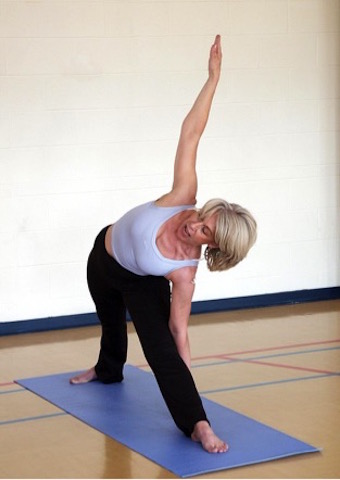
triangle-pose

In a 2007 study published by the Division of Psychiatry at the Boston University School of Medicine – Yoga Asana sessions increase brain GABA levels: a pilot study – researchers had 8 yoga practitioners complete a 60-minute yoga session and 11 comparison subjects complete a 60-minute reading session.

The study objective was to compare changes in brain levels of gamma-aminobutyric acid (GABA) – our calming neurotransmitter – in those completing the 60-minute yoga session and in those reading.

These were the results that were reported:

There was a 27% increase in GABA levels in the yoga practitioner group after the yoga session but no change in the comparison subject group after the reading session.

And here is the conclusion the authors reached:

These findings demonstrate that in experienced yoga practitioners, brain GABA levels increase after a session of yoga. This suggests that the practice of yoga should be explored as a treatment for disorders with low GABA levels such as depression and anxiety disorders. Future studies should compare yoga to other forms of exercise to help determine whether yoga or exercise alone can alter GABA levels.

In this study, GABA levels were measured with magnetic resonance spectroscopic imaging (MRS/MRSI) before and after the yoga and reading sessions. If you really want to know how yoga improves your anxiety you could do the GABA section of the amino acid questionnaire and rate your before and after symptoms:  

  • Anxiety and feeling overwhelmed or stressed
  • Feeling worried or fearful
  • Panic attacks
  • Unable to relax or loosen up
  • Stiff or tense muscles
  • Feeling stressed and burned-out
  • Craving carbs, alcohol, or drugs for relaxation and calming

The above study looked at experienced yoga practitioners but there is so much research on the many benefits of yoga for everyone and for many conditions. Here is a small sampling of some other studies that include anxiety as well as depression, stress, hormonal imbalances and sleep issues:

  • Improved menopausal symptoms, stress levels and depression symptoms
  • Reduced anxiety in pediatric burn survivors
  • Potential benefits for people who have anxiety and stutter
  • Reduced back pain, depression, anxiety, fatigue and medication usage, and improved quality of life and sleep in military veterans
  • Changes in neural connectivity and memory in older adults

If you’ve never done yoga or if you haven’t been doing it for a while this blog will hopefully give you the motivation to start a yoga practice or get back into it.

You may ask: how do I get started?

  • Find a class at a local yoga studio or gym OR
  • Buy a yoga DVD (like Yoga for Beginners or Yoga for Stress Relief and do it at home with some friends or your kids

The important thing is to find the joy in doing it so I encourage you to try different classes until you find one you love. I love Iyengar yoga but it’s not for everyone (it can be seen as too slow for some people.) Here is a yoga DVD for more advanced Iyengar yoga students: Iyengar Yoga with Gabriella.

If you already do yoga this will confirm what you already likely know. Please share what yoga you enjoy, how often you practice and how it leaves you feeling.

If you’re a health practitioner, please share if yoga is something you recommend to your clients or patients.

Filed Under: GABA Tagged With: anxiety, depression, GABA, gamma-aminobutyric acid, our calming neurotransmitter, sleep, yoga

Primary Sidebar

NEW! GABA QuickStart Homestudy (with special intro pricing)

gaba quickstart homestudy

Free Report

9 Great Questions Women Ask about Food, Mood and their Health

You'll also receive a complimentary subscription to my ezine "Food, Mood and Gal Stuff"


Connect with me

Popular Posts

  • Amino Acids Mood Questionnaire from The Antianxiety Food Solution
  • The Antianxiety Food Solution Amino Acid and Pyroluria Supplements
  • Pyroluria Questionnaire from The Antianxiety Food Solution
  • Collagen and gelatin lower serotonin: does this increase your anxiety and depression?
  • Tryptophan for the worry-in-your-head and ruminating type of anxiety
  • GABA for the physical-tension and stiff-and-tense-muscles type of anxiety
  • The Antianxiety Food Solution by Trudy Scott
  • Seriphos Original Formula is back: the best product for anxiety and insomnia caused by high cortisol
  • Am I an anxious introvert because of low zinc and vitamin B6? My response to Huffington Post blog
  • Vagus nerve rehab with GABA, breathing, humming, gargling and key nutrients

Recent Posts

  • What do I use instead of Seriphos to help lower high cortisol that is affecting my sleep and making me anxious at night?
  • BeSerene™ GABA/theanine cream eases severe muscle tension in her neck/shoulders, prevents her bad headaches and quells her anxiety
  • How the correct approach, dose and sublingual use of GABA can be calming and not cause a flushed and itchy face and neck
  • The amino acid glutamine improves low mood by addressing gut health, and it has calming effects too
  • Flight anxiety with heightened breath, physical tension and also fearing the worst (the role of low GABA and low serotonin)

Categories

  • 5-HTP
  • AB575
  • Addiction
  • ADHD
  • Adrenals
  • Alcohol
  • Allergies
  • Alzheimer's disease
  • Amino Acids
  • Anger
  • Antianxiety
  • Antianxiety Food Solution
  • Antidepressants
  • Anxiety
  • Anxiety and panic
  • Autism
  • Autoimmunity
  • benzodiazapines
  • Bipolar disorder
  • Books
  • Caffeine
  • Cancer
  • Candida
  • Children/Teens
  • Collagen
  • Cooking equipment
  • Coronavirus/COVID-19
  • Cravings
  • Depression
  • Detoxification
  • Diabetes
  • Diet
  • DPA/DLPA
  • Drugs
  • EFT/Tapping
  • EMF
  • EMFs
  • Emotional Eating
  • Endorphins
  • Environment
  • Essential oils
  • Events
  • Exercise
  • Fear
  • Fear of public speaking
  • Fertility and Pregnancy
  • Fish
  • Food
  • Food and mood
  • Functional neurology
  • GABA
  • Gene polymorphisms
  • General Health
  • Giving
  • Giving back
  • Glutamine
  • Gluten
  • GMOs
  • Gratitude
  • Gut health
  • Heart health/hypertension
  • Histamine
  • Hormone
  • Hyperparathyroidism
  • Hypoglycemia
  • Immune system
  • Inflammation
  • Insomnia
  • Inspiration
  • Introversion
  • Joy and happiness
  • Ketogenic diet
  • Lithium orotate
  • Looking awesome
  • Lyme disease and co-infections
  • MCAS/histamine
  • Medication
  • Men's health
  • Mental health
  • Mercury
  • Migraine
  • Mold
  • Movie
  • MTHFR
  • Multiple sclerosis
  • Music
  • NANP
  • Nature
  • Nutritional Psychiatry
  • OCD
  • Osteoporosis
  • Oxalates
  • Oxytocin
  • Pain
  • Paleo
  • Parasites
  • Parkinson’s disease
  • PCOS
  • People
  • PMS
  • Postpartum
  • PTSD/Trauma
  • Pyroluria
  • Questionnaires
  • Real whole food
  • Recipes
  • Research
  • Schizophrenia
  • serotonin
  • SIBO
  • Sleep
  • Special diets
  • Sports nutrition
  • Stress
  • Sugar addiction
  • Sugar and mood
  • Supplements
  • Teens
  • Testimonials
  • Testing
  • The Anxiety Summit
  • The Anxiety Summit 2
  • The Anxiety Summit 3
  • The Anxiety Summit 4
  • The Anxiety Summit 5
  • The Anxiety Summit 6
  • Thyroid
  • Thyroid health
  • Toxins
  • Tryptophan
  • Tyrosine
  • Uncategorized
  • Vegan/vegetarian
  • Women's health
  • Yoga

Archives

  • October 2025
  • September 2025
  • August 2025
  • July 2025
  • June 2025
  • May 2025
  • April 2025
  • March 2025
  • February 2025
  • January 2025
  • November 2024
  • October 2024
  • September 2024
  • August 2024
  • July 2024
  • June 2024
  • May 2024
  • April 2024
  • March 2024
  • February 2024
  • January 2024
  • December 2023
  • November 2023
  • October 2023
  • September 2023
  • August 2023
  • July 2023
  • June 2023
  • May 2023
  • April 2023
  • March 2023
  • February 2023
  • January 2023
  • December 2022
  • November 2022
  • October 2022
  • September 2022
  • August 2022
  • July 2022
  • June 2022
  • May 2022
  • April 2022
  • March 2022
  • February 2022
  • January 2022
  • December 2021
  • November 2021
  • October 2021
  • September 2021
  • August 2021
  • July 2021
  • June 2021
  • May 2021
  • April 2021
  • March 2021
  • February 2021
  • January 2021
  • December 2020
  • November 2020
  • October 2020
  • September 2020
  • August 2020
  • July 2020
  • June 2020
  • May 2020
  • April 2020
  • March 2020
  • February 2020
  • January 2020
  • December 2019
  • November 2019
  • October 2019
  • September 2019
  • August 2019
  • July 2019
  • June 2019
  • May 2019
  • April 2019
  • March 2019
  • February 2019
  • January 2019
  • December 2018
  • November 2018
  • October 2018
  • September 2018
  • August 2018
  • July 2018
  • June 2018
  • May 2018
  • April 2018
  • March 2018
  • February 2018
  • January 2018
  • December 2017
  • November 2017
  • October 2017
  • September 2017
  • August 2017
  • July 2017
  • June 2017
  • May 2017
  • April 2017
  • March 2017
  • February 2017
  • January 2017
  • December 2016
  • November 2016
  • October 2016
  • September 2016
  • August 2016
  • July 2016
  • June 2016
  • May 2016
  • April 2016
  • March 2016
  • February 2016
  • January 2016
  • December 2015
  • November 2015
  • October 2015
  • September 2015
  • August 2015
  • July 2015
  • June 2015
  • May 2015
  • April 2015
  • March 2015
  • February 2015
  • January 2015
  • December 2014
  • November 2014
  • October 2014
  • September 2014
  • August 2014
  • July 2014
  • June 2014
  • May 2014
  • April 2014
  • March 2014
  • February 2014
  • January 2014
  • December 2013
  • November 2013
  • October 2013
  • September 2013
  • August 2013
  • July 2013
  • June 2013
  • May 2013
  • April 2013
  • March 2013
  • February 2013
  • January 2013
  • December 2012
  • November 2012
  • October 2012
  • August 2012
  • July 2012
  • June 2012
  • May 2012
  • April 2012
  • March 2012
  • February 2012
  • January 2012
  • December 2011
  • November 2011
  • October 2011
  • September 2011
  • August 2011
  • July 2011
  • June 2011
  • May 2011
  • April 2011
  • March 2011
  • February 2011
  • January 2011
  • December 2010
  • October 2010
  • September 2010
  • July 2010
  • May 2010
  • April 2010
  • March 2010
  • February 2010
  • January 2010
  • November 2009

Share the knowledge!

The above statements have not been evaluated by the Food and Drug Administration. Products listed in this website are not intended to diagnose, treat, cure or prevent any disease.

The information provided on this site is for informational and educational purposes only and is not intended as a substitute for advice from your physician or other health care professional. You should consult with a healthcare professional before starting or modifying any diet, exercise, or supplementation program, before taking or stopping any medication, or if you have or suspect you may have a health problem.


Copyright © 2026 Trudy Scott. All Rights Reserved. | Privacy | Terms and Conditions | Refund Policy | Medical Disclaimer

Free Report

9 Great Questions Women Ask about Food, Mood and their Health

You’ll also receive a complimentary subscription to my ezine “Food, Mood and Gal Stuff”