• Skip to primary navigation
  • Skip to main content
  • Skip to primary sidebar

everywomanover29 blog

Food, Mood and Women's Health – Be your healthiest, look and feel great!

  • Blog
  • About
  • Services
  • Store
  • Resources
  • Testimonials
  • The Book
  • Contact
  • Search this site

food

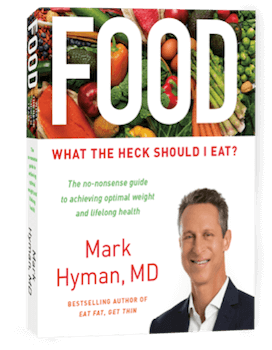
New book Food: What the Heck Should I Eat by Dr. Mark Hyman

February 27, 2018 By Trudy Scott 5 Comments

I highly recommend Dr. Mark Hyman’s new book Food: What the Heck Should I Eat if you are new to the world of nutrition and functional medicine.

I will be recommending it to my newbie clients who are switching from the SAD/standard American diet (that makes you sad and mad!) to a real whole foods quality diet.  

This book is well worth reading to get current trends and research

This book is well worth reading if:

  • you’re still on the fence about grass-fed red meat and eggs and still believe chicken is healthier than red meat

  • you are not current on the sugar-is-bad and fat-is-good research when it comes to cholesterol and heart disease

    Consuming lots of natural, whole food-based, healthy fats, including saturated fats, is absolutely critical for good health

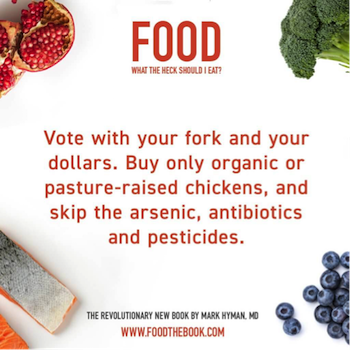
  • you’re not convinced that eating only organic chicken is a must and don’t know about the chicken-arsenic issue

    Why would anyone feed arsenic to a chicken? Because it makes the birds gain weight faster, turns their flesh a little rosier, and kills parasites. Unless the poultry you buy is labeled organic, it almost certainly has been treated with arsenic. Of course, the arsenic the birds are fed doesn’t kill them it’s the organic kind, which is harmless. But once they eat it, it can be converted in the chicken’s digestive tract to the inorganic kind, which the World Health Organization classifies as a carcinogen.
  • you appreciate a research-based approach from a functional medicine doctor who has been doing this work for 20+ years

  • you are looking for a short overview of the benefits of a ketogenic diet and intermittent fasting, plus confirmation that coconut oil is actually healthy

  • you need a re-fresher on which additives to avoid and why – like calcium propionate, an additive in almost all commercial bread products and has been shown to cause autistic behavior in rats and in kids

    It’s enough to make you wonder if there’s a link between the 133 pounds of flour consumed by each American each year and the rising rate of brain disorders such as ADHD, autism, depression, [anxiety] and more.

  • you are interested in the social and environmental aspects like: how much water it takes to produce 2 liters of soda (it’s about 132 gallons); and how we only absorb 10% of the Splenda/sucralose we consume with the rest ending up polluting waterways

  • you don’t know about the superior nutritional qualities of wild or heirloom varieties of vegetables and fruit

A wild crabapple, for example, has one hundred times more cancer and inflammation-fighting anthocyanins than the Golden Delicious variety found in supermarkets. Purple carrots contain twenty times more phytonutrients than their more common orange brethren. Wild blueberries have dozens of times more phytonutrients than domesticated berries.

  • you are behind in some of the news stories like skittles and other junk-food being fed to conventional feedlot cows:

    In January 2017, a flatbed pickup truck accidentally spilled its cargo on a Wisconsin highway, creating a remarkable scene. The truck, destined for a factory farm, was carrying hundreds of thousands of red Skittles to be used as feed for cattle. The spill left a blanket of red candies scattered across the road, but what was most disturbing about the accident was that it revealed a little-known fact about factory farming: that it’s not only legal but common for producers to feed their cattle all sorts of sugar, candy, Kool-Aid powder, potato chips, and molasses.
What if you’re health savvy and are already following a real whole foods diet?

You may also wonder if this book is worth a read if you are health savvy and are already following a real whole foods diet. Here are some reasons why it’s well worth getting a copy:

  • It’s a great introduction for a loved one or friend who may be new to all this

  • It’s a great gift for your doctor who may not yet be fully on board with this approach

  • It’s great to take to school administrators so you can help effect changes in your kid’s or grandkid’s schools (and even universities)

  • It’s also a great resource for sharing with food banks, drug treatment/rehab centers, and non-profits that offer food and/or meals

Other dietary resources you may need based on your unique health issues

This book does a brilliant job of covering everything you need to know about eating a quality real whole foods diet where food-is-your-medicine. But if you have certain health issues, you’ll need other very specific dietary resources (which Dr. Hyman doesn’t mention), such as a low oxalate diet, low histamine diet, low salicylate diet, diets for SIBO (small intestinal bacteria overgrowth), an anti-candida diet,  an autoimmune diet and so on. 

The official book blurb

#1 New York Times bestselling author Dr. Mark Hyman sorts through the conflicting research on food to give us the skinny on what to eat.

Did you know that eating oatmeal actually isn’t a healthy way to start the day? That milk doesn’t build bones, and eggs aren’t the devil?

Even the most health conscious among us have a hard time figuring out what to eat in order to lose weight, stay fit, and improve our health. And who can blame us? When it comes to diet, there’s so much changing and conflicting information flying around that it’s impossible to know where to look for sound advice. And decades of misguided “common sense,” food-industry lobbying, bad science, and corrupt food polices and guidelines have only deepened our crisis of nutritional confusion, leaving us overwhelmed and anxious when we head to the grocery store.

Thankfully, bestselling author Dr. Mark Hyman is here to set the record straight. In Food: What the Heck Should I Eat? — his most comprehensive book yet — he takes a close look at every food group and explains what we’ve gotten wrong, revealing which foods nurture our health and which pose a threat. From grains to legumes, meat to dairy, fats to artificial sweeteners, and beyond, Dr. Hyman debunks misconceptions and breaks down the fascinating science in his signature accessible style. He also explains food’s role as powerful medicine capable of reversing chronic disease and shows how our food system and policies impact the environment, the economy, social justice, and personal health, painting a holistic picture of growing, cooking, and eating food in ways that nourish our bodies and the earth while creating a healthy society.

With myth-busting insights, easy-to-understand science, and delicious, wholesome recipes, Food: What the Heck Should I Eat? is a no-nonsense guide to achieving optimal weight and lifelong health [I would also add …and for providing the foundation for excellent mental health with freedom from anxiety.]

Grab your copy from your nearest bookstore or online from Amazon (my affiliate link) and find out more here.

Dr. Hyman makes this promise:

If you take the time to read through each section … not only will you walk away with new information, but you’ll also let go of the anxiety and worry that most people have around the basic question, “What the heck should I eat?”

Feel free to comment or post questions below and please do let us know what you think of the book.

Filed Under: Books, Food, General Health Tagged With: food, mark hyman, What the Heck Should I Eat

International Society for Nutritional Psychiatry Research: 2017 conference

July 21, 2017 By Trudy Scott Leave a Comment

This is the first major international meeting of the International Society for Nutritional Psychiatry Research and will be held July 30 – August 2, in Bethesda, MD, USA. The conference will comprise:

  • Plenary presentations from leading international researchers
  • State of the art symposia and free oral presentations from researchers and clinicians
  • Multidisciplinary workshops for psychiatrists, psychologists, dietitians, nutritionists and other health professionals
  • An exciting social program

This meeting will reflect the broad spectrum of research, from the sub-cellular to translation and implementation science. There will also be a strong focus on basic science and the biological processes and factors that underpin the links between diet, nutrition and mental health, including the brain-gut-microbe axis, immunology and metabolic processes and molecular science. The program will cater to the interests of researchers and clinicians from the fields of public health, diabetes, cardiovascular disease, obesity and dietetics, as well as psychiatry and psychology.

I’m excited to have the opportunity to hear and meet so many amazing food/nutrient and mental health researchers, many of whom I’ve referenced in my book and shared on my blog and in presentations:

  • Food mood /microbiome researcher, Professor Felice Jacka, President, International Society for Nutritional Psychiatry Research
  • Microbiome researcher, Professor John F. Cryan
  • Micronutrient researcher, Julia Rucklidge
  • Sugar and trans fats researcher, Professor Almudena Sánchez-Villegas, University of Las Palmas de Gran Canaria, Spain
  • Nutraceuticals researcher, Professor Jerome Sarris;
  • Hypoglycemia/anxiety researcher, Monique Aucoin ND and so many more!

I’ve been accepted to do a rapid fire presentation on gluten-free/Paleo diet for anxiety and will also be presenting a poster on GABA/amino acids for anxiety. What an honor!

You can find the program information here.

This is a conference for health professionals but I’m pleased to announce that the Sunday sessions are OPEN TO THE PUBLIC.

More information and registration for INSPR 2017 here.

Filed Under: Events Tagged With: anxiety, felice jacka, food, GABA, gut-brain, International Society for Nutritional Psychiatry Research, ISNPR

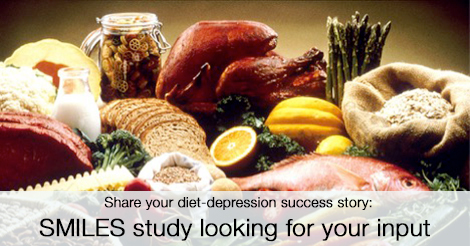
Share your diet-depression success story: SMILES study looking for your input

January 19, 2017 By Trudy Scott 18 Comments

Professor Felice Jacka, nutritional psychiatry researcher and founder of ISNPR/International Society for Nutritional Psychiatry Research posted this exciting news and important request on the ISNPR facebook page:

The SMILES RCT, which is the first randomised controlled trial to test whether dietary improvement can actually treat depression, has now been accepted for publication in BMC Medicine (publication date 31st January).

As part of the media campaign, we will be needing to identify people who are willing to be interviewed. If there is anyone who has personally experienced a benefit from improving their diet, would you please volunteer for this purpose?

It’s a very important role, as the media coverage for SMILES will be limited if we can’t provide personal, first-person experiences to journalists. Clearly – for the sake of the field – it will be important to generate extensive media in order for clinicians and the general public to understand the implications and possibilities that arise from the RCT. Your help is enormously appreciated!

You can read more about this SMILES RCT here and the Anxiety Summit interview with Felice Jacka here: The Research – Food to prevent and treat anxiety and depression?.

Although anxiety was looked at in the study, Felice shared this regarding the type of interviewees they are looking for:

  • We really need to keep a focus on the topic of the RCT, which is depression
  • And to also keep it to those who improved the quality of their diet i.e. moving from a processed food diet, to one high in plant foods and healthy fats and healthy proteins
  • Not a particular type of diet (e.g. not paleo, not gluten free).

If you’ve personally benefited from changing your diet in this way and you’d like to help by sharing your story with the media please comment on the blog (or send an email to support [at] everywomanover29.com) with details of your story and willingness to be interviewed, plus your location. Be sure to let us know how best to contact you.

Right now we’ll just be calling on those who meet the above criteria for the media interviews.

BUT if you’ve benefited from any other changes to your diet – for either anxiety or depression – feel free to share anyway, so we can inspire others to do the same.

Here is my story:

For me it was anxiety and panic attacks that resolved when I made dietary and other nutritional and lifestyle changes.   I had been eating a vegetarian diet for a few years and I suspect the non-organic/GMO processed soy products (soy milk, soy yogurt, soy “butter” etc) were a big issue for me and damaged my gut.  When I added back quality animal protein (grass-fed red meat, wild fish, pastured eggs and chicken), switched to organic produce, added healthy fats and removed gluten my mood improved dramatically.  Now I eat a combination of a Paleo/SCD /low FODMAPS/low oxalate diet. 

During the severe anxiety and panic attacks I also needed additional support in the way of the targeted amino acids GABA (this was a life-saver and stopped the panic attacks in a few days) and tryptophan, plus zinc, vitamin B6, evening primrose oil, a good multi and B complex and adrenal support.  I still continue with some of these basic nutrients today.

My health issues have been complex as I’ve also had to deal with heavy metals, poor gut health and much more so I had what I call “a perfect storm” and yet diet has had such a huge impact for me!

Thanks for sharing your story! I’ll be sharing more as soon as the paper is actually published. Stay tuned for an interview with Felice too! 

And  big congrats to Felice and her team on this ground-breaking research!

UPDATE January 30, 2017: Here is the link to the research – A randomised controlled trial of dietary improvement for adults with major depression (the ‘SMILES’ trial)


Filed Under: Depression, Food and mood, Research Tagged With: anxiety, depression, diet, felice jacka, food, smiles study

The Anxiety Summit – Foods to balance your hormones and ease anxiety

May 11, 2015 By Trudy Scott 77 Comments


Magdalena Wszelaki, founder of Hormones Balance, is interviewed by host of the Anxiety Summit, Trudy Scott, Food Mood Expert and Nutritionist, author of The Antianxiety Food Solution.

Foods to balance your hormones and ease anxiety (part 1)

  • Magdalena’s own journey with Graves’ disease, Hashimoto’s disease, adrenal fatigue, estrogen dominance and anxiety
  • How hormonal imbalances can cause anxiety: low progesterone, low/high estrogen
  • How over and underactive thyroid can cause anxiety
  • The adrenals and anxiety and depression

Foods to balance your hormones and ease anxiety (part 2)

  • How to test for hormonal imbalances
  • The foundation to all hormonal health being: healthy gut, healthy blood sugar levels and optimal liver health
  • Foods that support the production of the different hormones
  • Seed rotation for balancing estrogen and progesterone
  • The role of coffee in liver health, hormone metabolism and anxiety


In part  1 we discussed this 2015 paper: Sex hormones affect neurotransmitters and shape the adult female brain during hormonal transition periods.

Here we review the evidence from animal experiments and human studies reporting interactions between sex hormones and the dominant neurotransmitters, such as serotonin, dopamine, GABA and glutamate

The brain represents an important target for estrogen and progesterone effects.

major shifts in sex hormone levels seem to be paralleled by the incidence rates of mood disorders such as unipolar depression

A subgroup of women suffers from clinical level of premenstrual mood changes called premenstrual dysphoric disorder (PMDD)… core symptoms include anxiety, irritability and depressed mood

Estrogen has been reported to have potent serotonin-modulating properties

progesterone and its neuroactive metabolites (allopregnanolone, pregnanolone) seem to facilitate GABAergic transmission

To summarize, neurotransmitter systems do not work in isolation and sex hormones act on multiple sites, highly intertwined with serotonin, dopamine, GABA and glutamate.

Magdalena shared these low estrogen symptoms:

  • Forgetfulness
  • Incontinence
  • Skin elasticity problems
  • Loss of muscle strength
  • Feeling really blah
  • Osteoporosis/osteopenia
  • Warm flashes and/or night sweats

Magdalena shared these low progesterone symptoms:

  • Tender breasts
  • PMS
  • Irregular periods
  • Puffiness and water retention
  • Mood swings and anger
  • Anxiety and sleep issues
  • Problems falling pregnant
 
In part 2:
 
Magdalena shared how the foundation of hormone balance is a healthy gut and talked about food intolerances, the microbiome, bone broths and quality animal protein.
 
I loved the discussion on using seed rotation for hormonal balancing: flax seeds and pumpkin seeds for the first half of your cycle and sesame and sunflower seeds for the second  half of your cycle/luteal phase (the cracker recipes are in the gift download – see below). 
 
Coffee does affect our hormones and here is a great guest blog post by Magdalena: 12 Ways Coffee Impacts Your Hormones 
If you had to give up either coffee or the internet for 2 weeks, which one would you choose? How about either coffee or sex for 2 weeks? If you’d rather relinquish anything to keep your coffee, you’d be on par with the majority of the people around you.
Be sure to check it out and try out her delicious Roasted Chicory Root Latte recipe.

I shared my recipe: Carob Cinnamon Delight instead of coffee – a calming hot beverage and mentioned rooibos tea how it’s A Functional Food in the Management of Stress (an interview from a prior anxiety summit)

Magdalena mentioned the EWG/Environmental Working Group’s Skin Deep site for checking your cosmetics – simply enter the name of the product in the search area.

We also mentioned Annmarie Gianni Skin Care, which is a natural skin care line made with organic ingredients that you can trust – and that actually work. This is the best and most natural skin-care line I have come across – anywhere! It’s organic, uses absolutely zero toxic ingredients and features gorgeous essential oils! You can try your Annmarie Gianni Skin Care sample kit here. 


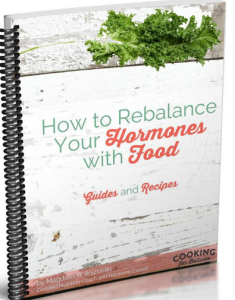
Magdalena’s gift: How to Rebalance Your Hormones with Food and Recipes

magdalena gift image


If you are not already registered for the Anxiety Summit you can get live access to the speakers of the day here: www.theAnxietySummit.com 

Missed this interview or can’t listen live? Or want this and the other great interviews for your learning library? Purchase the MP3s or MP3s + transcripts and listen when it suits you.

You can find your purchasing options here: Anxiety Summit Season 1, Anxiety Summit Season 2, and Anxiety Summit Season 3.

Filed Under: Antianxiety, Fertility and Pregnancy, Hormone, The Anxiety Summit 3, Thyroid health Tagged With: cortisol, estrogen, food, GABA, hormones, Hormones Balance, Magdalena Wszelaki, progesterone, serotonin, the anxiety summit, Trudy Scott

The Anxiety Summit – The latest food and nutrient research on anxiety, music and more

November 2, 2014 By Trudy Scott 37 Comments

as

A very very big welcome to The Anxiety Summit, season 2, day 1!! We’re going to share expert interviews on nutritional approaches for eliminating anxiety, social anxiety, panic attacks and OCD.

This is what you’ll learn in the Anxiety Summit – how you can eliminate: 

  • full blown anxiety, panic attacks, social anxiety, OCD, phobias
  • constant low grade fear, feelings of dread, the racing heart, the busy mind you can’t switch off and the ruminating thoughts
  • the constant worry, perfectionism, procrastination, the who-am-I-to-do-this or imposter syndrome

The first talk is: “The latest food and nutrient research on anxiety, music and more” and airs live on Monday November 3rd from 9am PST for a 24 hour window.

Trudy Scott, Food Mood Expert, is the host the Anxiety Summit, and author of The Antianxiety Food Solution.

  • Why The Anxiety Summit
  • New research on food and nutrients for reducing anxiety and depression
  • Why changing our diets and addressing nutritional deficiencies is so important
  • Music for mood and some inspiration for you
  • Gems from each of the upcoming speakers

A recent paper in BMC Psychiatry titled “Lessons from obesity prevention for the prevention of mental disorders” proposes that

common mental disorders like anxiety and depression “should be considered as a form of non-communicable disease,” like obesity “preventable through the modification of lifestyle behaviors, particularly diet” and exercise.

One of the authors of the above study, Dr. Felice Jacka, a well-known food and mood researcher, co-authored another 2014 paper “Nutritional psychiatry research: an emerging discipline and its intersection with global urbanization, environmental challenges and the evolutionary mismatch”  that stated:

“the clear message is that in the midst of a looming global epidemic” of mental health disorders, “we ignore nutrition at our peril.”

If you joined us in June during season 1, you’ll recall Dr. Jacka shared The Research – Food to prevent and treat anxiety and depression?  She shared:

We’ve now seen data from right around the world right across every continent and across age ranges, showing that diet really does matter to the prevalence and incidence of depression and anxiety.

This is the ATA blog post I mentioned: Five Ways the New ATA Hypothyroidism Guidelines are Bad for Thyroid Patients

Music has mood benefits. I blogged about this in this Anna Clendening post. Check it out to see the links to the research and hear Anna sing.

Grab your copy of “Top of the World ” song here. This is your own copy of my custom song co-created by me and Amma Jo and sung by the lovely Amma Jo. I want this to be an inspiration for you! And as someone said during the first season: “a bouquet of hope.” Because you deserve to feel on top of the world all the time! Enjoy!

And stay tuned for my interview with Amma Jo later in the summit.

Do you sing or play a musical instrument? How does it make you feel?  Does it help with anxiety, depression, stress?

Have food changes helped your anxiety, depression, stress?

If you are not already registered for the Anxiety Summit you can get live access to the speakers of the day here www.theAnxietySummit.com

Filed Under: Antianxiety, Food and mood, Music, The Anxiety Summit 2 Tagged With: anxiety, food, music, the anxiety summit, Trudy Scott

Anna Clendening: Anxious Singer on America’s Got Talent 2014

July 13, 2014 By Trudy Scott 45 Comments

anna clendening agt

Anna is a very talented 20 year old young woman who recently performed on America’s Got Talent 2014. Her singing was just beautiful and you could hear the raw emotion in her voice.

Being on this big stage was quite something for her – she’s been suffering from anxiety and depression since she was 16. A few months ago she was bedridden and having panic attacks. She said: “my mind had given up on me. I didn’t see a future. I didn’t want to be here anymore and I felt so bad about myself.”

She was able to turn things around dramatically with therapy and music.

During her audition, judge Howie Mandel shared: “I also suffer from an anxiety disorder – I have OCD.” He also said: “There isn’t anyone alive who doesn’t need help at some time and the world is here for you.” After her song, Howie was very kind and went and hugged her. He also said this: “life is filled with peaks and valleys, you have experienced a lot of valleys. Tonight, young lady, you are on a peak.”

I would have to agree and I’d like to say “bravo Anna!”  Watch her performance here….

I’ve got three other comments on this: the stigma of mental health, the wonderful effects of music for mood and encouragement to look in to the powerful effects of food and nutrients.

The stigma of mental health

I commend her for being open about her anxiety and depression. There is a great deal of stigma around mental illness but I had no idea how bad it was. I was very surprised to see all the cruel and insensitive comments on the youtube video. Here is one example:

Couldn’t leave her bed?  What a joke.  You didn’t see this kind this stuff 50 years ago.  It was called responsibility and accountability.  She was obviously validated and enabled by her parents.  Society today substantiates this crap.  It’s called life, and everybody has challenges and feeling they need to overcome, get over it.  I bet she’s drawing a nice little social security disability check, too. Its pretty sad that she has such self pity.  She is very attractive, talented, not overweight, racially advantaged, has loving parents.  She needs to visit a children’s cancer ward or burn ward and get a grip as to how truly blessed she is.  

I say this to Anna: “Just ignore these naysayers. You did good and the more of us who talk about it the more awareness we’ll bring.”

The wonderful effects of music for mood

In a 2009 paper called The effect of group music therapy on quality of life for participants living with a severe and enduring mental illness

A 10-week group music therapy project was designed to determine whether music therapy influenced quality of life and social anxiety for people with a severe and enduring mental illness living in the community. Ten one-hour weekly sessions including song singing, song writing and improvisation, culminated in each group recording original song/s in a professional studio.

This is what they found:

music therapy gave joy and pleasure, working as a team was beneficial, participants were pleasantly surprised at their creativity, and they took pride in their song.

A 2014 study called Possible benefits of singing to the mental and physical condition of the elderly, reported that the study participants felt:

refreshed, comfortable, light-hearted, relieved, and relaxed, they felt less tense and confused and their mood improved.  The level of cortisol, a salivary stress marker, decreased after singing.  The same tendencies were shown regardless of whether or not the subjects liked singing !  (this is my exclamation point)

I say this to Anna: “Good for you for finding music! I wish you all the best in AGT 2014!”

The powerful effects of food and nutrients

I would also like to encourage Anna and anyone with anxiety and depression to look in to the powerful effects of food and nutrients. Here are just a few of the topics we covered on the recent Anxiety Summit:

  • Dr. Felice Jacka – Principal Research Fellow at Deakin University, Melbourne, Australia: “The research: food for the treatment and prevention of anxiety and depression?”
  • Julie Matthews – Certified Nutrition Consultant and author of award winning book, Nourishing Hope for Autism: “BioIndividual Nutrition for Anxiety: How special diets and avoiding certain foods can Support individuals with anxiety.”
  • Mira Dessy – Certified Nutrition Educator, Real Food Advocate, and author of The Pantry Principle: “How additives in your food can make you anxious.”
  • Amanda Swart – Associate Professor, Department of Biochemistry, Stellenbosch University, South Africa: “Rooibos: a functional food in the management of stress“
  • Julia Ross, MFT – Pioneer in the field of Neuro-nutrient Therapy and the author of the best sellers The Mood Cure and The Diet Cure: “Eliminating Anxiety: Amino Acid Therapy and Adrenal Balancing.”

I say this to Anna: “I’d like to encourage you explore these and other biochemical approaches – so you can have zero anxiety and depression.”

And I say this to Howie: “I’d like to encourage you to also explore these and other biochemical approaches for eliminating your OCD.”  In this blog post about Charlize Theron I talk about how GABA, tryptophan, 5-HTP and/or inositol can end OCD and obsessive thoughts and behaviors.

I am musically “challenged” and can’t sing to save my life so while this is all very interesting to me, it’s not something I have experienced first hand.  I’d love to hear from you.  

Do you sing or play a musical instrument? How does it make you feel?  Does it help with anxiety, depression, stress?

Filed Under: Music, People Tagged With: america's got talent, amino acids, anna clendening, anxiety, anxious, food, music, stigma

  • « Go to Previous Page
  • Page 1
  • Page 2
  • Page 3
  • Page 4
  • Page 5
  • Go to Next Page »

Primary Sidebar

NEW! GABA QuickStart Homestudy (with special intro pricing)

gaba quickstart homestudy

Free Report

9 Great Questions Women Ask about Food, Mood and their Health

You'll also receive a complimentary subscription to my ezine "Food, Mood and Gal Stuff"


Connect with me

Popular Posts

  • Amino Acids Mood Questionnaire from The Antianxiety Food Solution
  • The Antianxiety Food Solution Amino Acid and Pyroluria Supplements
  • Pyroluria Questionnaire from The Antianxiety Food Solution
  • Collagen and gelatin lower serotonin: does this increase your anxiety and depression?
  • Tryptophan for the worry-in-your-head and ruminating type of anxiety
  • GABA for the physical-tension and stiff-and-tense-muscles type of anxiety
  • The Antianxiety Food Solution by Trudy Scott
  • Seriphos Original Formula is back: the best product for anxiety and insomnia caused by high cortisol
  • Am I an anxious introvert because of low zinc and vitamin B6? My response to Huffington Post blog
  • Vagus nerve rehab with GABA, breathing, humming, gargling and key nutrients

Recent Posts

  • What do I use instead of Seriphos to help lower high cortisol that is affecting my sleep and making me anxious at night?
  • BeSerene™ GABA/theanine cream eases severe muscle tension in her neck/shoulders, prevents her bad headaches and quells her anxiety
  • How the correct approach, dose and sublingual use of GABA can be calming and not cause a flushed and itchy face and neck
  • The amino acid glutamine improves low mood by addressing gut health, and it has calming effects too
  • Flight anxiety with heightened breath, physical tension and also fearing the worst (the role of low GABA and low serotonin)

Categories

  • 5-HTP
  • AB575
  • Addiction
  • ADHD
  • Adrenals
  • Alcohol
  • Allergies
  • Alzheimer's disease
  • Amino Acids
  • Anger
  • Antianxiety
  • Antianxiety Food Solution
  • Antidepressants
  • Anxiety
  • Anxiety and panic
  • Autism
  • Autoimmunity
  • benzodiazapines
  • Bipolar disorder
  • Books
  • Caffeine
  • Cancer
  • Candida
  • Children/Teens
  • Collagen
  • Cooking equipment
  • Coronavirus/COVID-19
  • Cravings
  • Depression
  • Detoxification
  • Diabetes
  • Diet
  • DPA/DLPA
  • Drugs
  • EFT/Tapping
  • EMF
  • EMFs
  • Emotional Eating
  • Endorphins
  • Environment
  • Essential oils
  • Events
  • Exercise
  • Fear
  • Fear of public speaking
  • Fertility and Pregnancy
  • Fish
  • Food
  • Food and mood
  • Functional neurology
  • GABA
  • Gene polymorphisms
  • General Health
  • Giving
  • Giving back
  • Glutamine
  • Gluten
  • GMOs
  • Gratitude
  • Gut health
  • Heart health/hypertension
  • Histamine
  • Hormone
  • Hyperparathyroidism
  • Hypoglycemia
  • Immune system
  • Inflammation
  • Insomnia
  • Inspiration
  • Introversion
  • Joy and happiness
  • Ketogenic diet
  • Lithium orotate
  • Looking awesome
  • Lyme disease and co-infections
  • MCAS/histamine
  • Medication
  • Men's health
  • Mental health
  • Mercury
  • Migraine
  • Mold
  • Movie
  • MTHFR
  • Multiple sclerosis
  • Music
  • NANP
  • Nature
  • Nutritional Psychiatry
  • OCD
  • Osteoporosis
  • Oxalates
  • Oxytocin
  • Pain
  • Paleo
  • Parasites
  • Parkinson’s disease
  • PCOS
  • People
  • PMS
  • Postpartum
  • PTSD/Trauma
  • Pyroluria
  • Questionnaires
  • Real whole food
  • Recipes
  • Research
  • Schizophrenia
  • serotonin
  • SIBO
  • Sleep
  • Special diets
  • Sports nutrition
  • Stress
  • Sugar addiction
  • Sugar and mood
  • Supplements
  • Teens
  • Testimonials
  • Testing
  • The Anxiety Summit
  • The Anxiety Summit 2
  • The Anxiety Summit 3
  • The Anxiety Summit 4
  • The Anxiety Summit 5
  • The Anxiety Summit 6
  • Thyroid
  • Thyroid health
  • Toxins
  • Tryptophan
  • Tyrosine
  • Uncategorized
  • Vegan/vegetarian
  • Women's health
  • Yoga

Archives

  • October 2025
  • September 2025
  • August 2025
  • July 2025
  • June 2025
  • May 2025
  • April 2025
  • March 2025
  • February 2025
  • January 2025
  • November 2024
  • October 2024
  • September 2024
  • August 2024
  • July 2024
  • June 2024
  • May 2024
  • April 2024
  • March 2024
  • February 2024
  • January 2024
  • December 2023
  • November 2023
  • October 2023
  • September 2023
  • August 2023
  • July 2023
  • June 2023
  • May 2023
  • April 2023
  • March 2023
  • February 2023
  • January 2023
  • December 2022
  • November 2022
  • October 2022
  • September 2022
  • August 2022
  • July 2022
  • June 2022
  • May 2022
  • April 2022
  • March 2022
  • February 2022
  • January 2022
  • December 2021
  • November 2021
  • October 2021
  • September 2021
  • August 2021
  • July 2021
  • June 2021
  • May 2021
  • April 2021
  • March 2021
  • February 2021
  • January 2021
  • December 2020
  • November 2020
  • October 2020
  • September 2020
  • August 2020
  • July 2020
  • June 2020
  • May 2020
  • April 2020
  • March 2020
  • February 2020
  • January 2020
  • December 2019
  • November 2019
  • October 2019
  • September 2019
  • August 2019
  • July 2019
  • June 2019
  • May 2019
  • April 2019
  • March 2019
  • February 2019
  • January 2019
  • December 2018
  • November 2018
  • October 2018
  • September 2018
  • August 2018
  • July 2018
  • June 2018
  • May 2018
  • April 2018
  • March 2018
  • February 2018
  • January 2018
  • December 2017
  • November 2017
  • October 2017
  • September 2017
  • August 2017
  • July 2017
  • June 2017
  • May 2017
  • April 2017
  • March 2017
  • February 2017
  • January 2017
  • December 2016
  • November 2016
  • October 2016
  • September 2016
  • August 2016
  • July 2016
  • June 2016
  • May 2016
  • April 2016
  • March 2016
  • February 2016
  • January 2016
  • December 2015
  • November 2015
  • October 2015
  • September 2015
  • August 2015
  • July 2015
  • June 2015
  • May 2015
  • April 2015
  • March 2015
  • February 2015
  • January 2015
  • December 2014
  • November 2014
  • October 2014
  • September 2014
  • August 2014
  • July 2014
  • June 2014
  • May 2014
  • April 2014
  • March 2014
  • February 2014
  • January 2014
  • December 2013
  • November 2013
  • October 2013
  • September 2013
  • August 2013
  • July 2013
  • June 2013
  • May 2013
  • April 2013
  • March 2013
  • February 2013
  • January 2013
  • December 2012
  • November 2012
  • October 2012
  • August 2012
  • July 2012
  • June 2012
  • May 2012
  • April 2012
  • March 2012
  • February 2012
  • January 2012
  • December 2011
  • November 2011
  • October 2011
  • September 2011
  • August 2011
  • July 2011
  • June 2011
  • May 2011
  • April 2011
  • March 2011
  • February 2011
  • January 2011
  • December 2010
  • October 2010
  • September 2010
  • July 2010
  • May 2010
  • April 2010
  • March 2010
  • February 2010
  • January 2010
  • November 2009

Share the knowledge!

The above statements have not been evaluated by the Food and Drug Administration. Products listed in this website are not intended to diagnose, treat, cure or prevent any disease.

The information provided on this site is for informational and educational purposes only and is not intended as a substitute for advice from your physician or other health care professional. You should consult with a healthcare professional before starting or modifying any diet, exercise, or supplementation program, before taking or stopping any medication, or if you have or suspect you may have a health problem.


Copyright © 2026 Trudy Scott. All Rights Reserved. | Privacy | Terms and Conditions | Refund Policy | Medical Disclaimer

Free Report

9 Great Questions Women Ask about Food, Mood and their Health

You’ll also receive a complimentary subscription to my ezine “Food, Mood and Gal Stuff”