• Skip to primary navigation
  • Skip to main content
  • Skip to primary sidebar

everywomanover29 blog

Food, Mood and Women's Health – Be your healthiest, look and feel great!

  • Blog
  • About
  • Services
  • Store
  • Resources
  • Testimonials
  • The Book
  • Contact
  • Search this site

depression

Pinkwashing for the cure (ridiculous!) or green for prevention?

October 21, 2013 By Trudy Scott 30 Comments

Pinkwashing

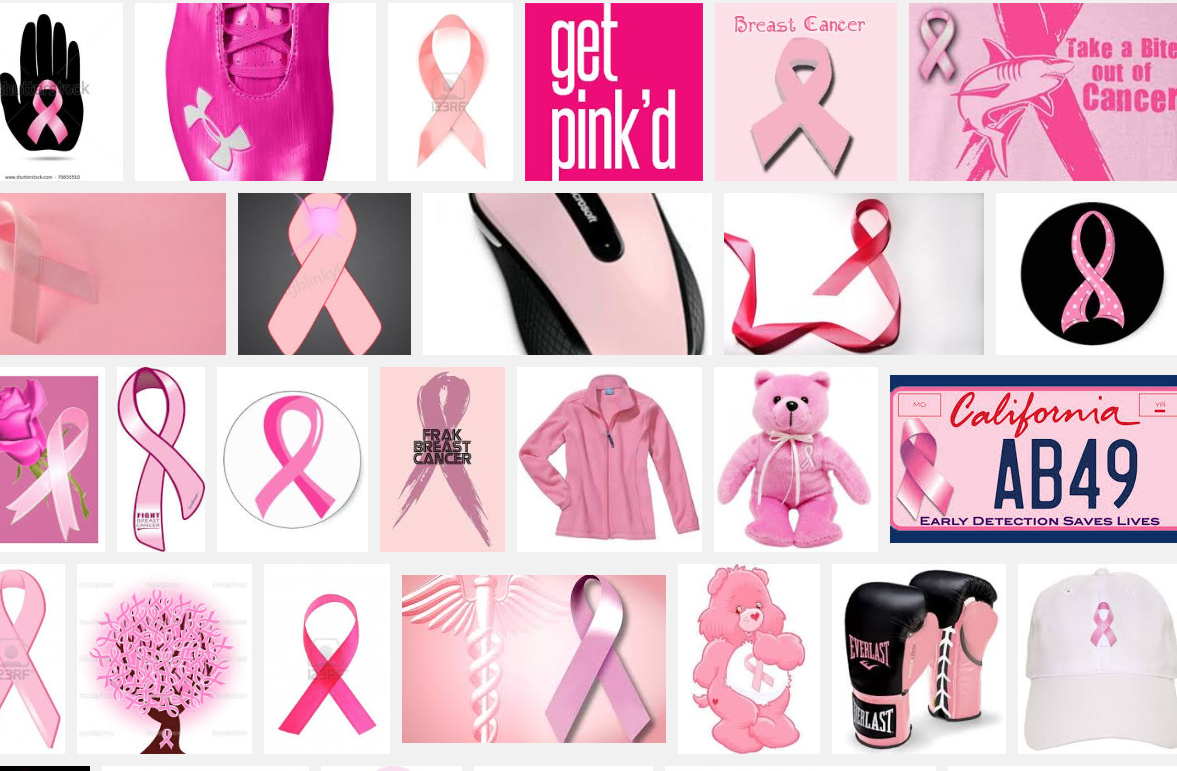
October is National Breast Cancer Awareness Month and creating breast cancer awareness is great BUT this pinkwashing is ridiculous!

A California based organization shares what pinkwashing is:

Breast Cancer Action coined the term pinkwashing as part of our Think BeforeYou Pink® campaign. Pinkwasher: (pink’-wah-sher) noun. A company or organization that claims to care about breast cancer by promoting a pink ribbon product, but at the same time produces, manufactures and/or sells products that are linked to the disease.

Sarah Pope, the Healthy Home Economist doesn’t mince her words in her blog post “Komen (NOT) for the Cure: for the Cure: The Complete and Utter Pinkwashing of America” and nor should she.  She says things like “pink propaganda”, “media stupidity”, “zombie like hypnosis that comes over people with regard to supporting the marketing bonanza” and “Breast Cancer Industry Month.”  As far as I’m concerned she is spot on and this pinkwashing is ridiculous and totally out of hand!   Do read her blog post above: she shares some shocking facts about Komen, saying they don’t want a cure because “Pinkwashing is far too lucrative.”

I am, quite frankly, flabbergasted by the whole commercialism of it. Also, so many of the products that have been “pinked” are part of the cancer problem in the first place.

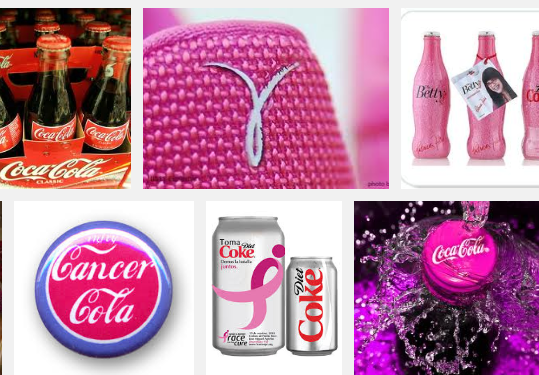
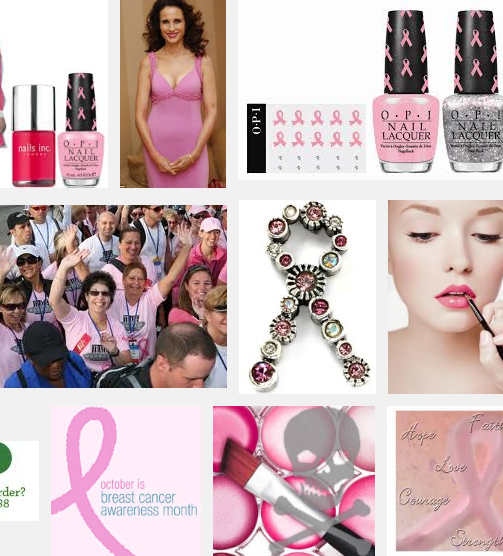
Like sugary foods and fast food!  You’re kidding me!  Coke and cancer awareness!?  What about cancer-causing toxins in makeup!?
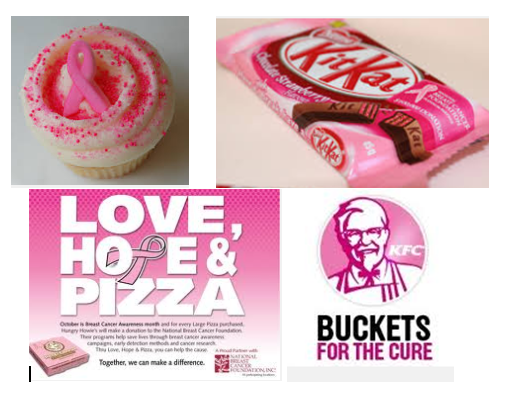
cancer sugary foods

cancer pinking coke

cancer pinking makeup

The title of this paper says it all: Cancer is a Preventable Disease that Requires Major Lifestyle Changes

“Only 5–10% of all cancer cases can be attributed to genetic defects, whereas the remaining 90–95% have their roots in the environment and lifestyle. The lifestyle factors include cigarette smoking, diet (fried foods, red meat), alcohol, sun exposure, environmental pollutants, infections, stress, obesity, and physical inactivity.”

Here are some great resources that help with some of these lifestyle factors:

  • Helyane Waldman’s book “The Whole-Food Guide for Breast Cancer Survivors: A Nutritional Approach to Preventing Recurrence”
  • Rebecca Katz’s “The Cancer-Fighting Kitchen: Nourishing, Big-Flavor Recipes for Cancer Treatment and Recovery”
  • Mira Dessy’s book “The Pantry Principle: how to read the label and understand what’s really in your food”
  • Good quality grass-fed red meat from US Wellness Meats, instead of poor quality feed-lot meat
  • Good quality wild salmon and other healthy fish from Vital Choice, instead of farmed fish
  • Environmental Working Group’s Skin Deep Guide to Cosmetics and their guides to healthy cleaning products and GMOs, pesticides on produce and much more.  As well as cancer, we know about the bad effects of pesticides on anxiety and depression. I also encourage you to take action: sign Breast Cancer Action’s petition to end pinkwashing once and for all via strong chemical regulations.

How about a green ribbon instead of a pink ribbon!?  And please, let’s call it Breast Cancer Prevention and have a Race for Prevention instead of a Race for the Cure!

Which do you choose – pinkwashing for the cure or green for prevention?
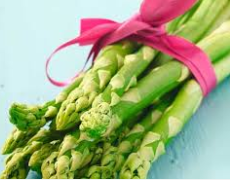
cancer pinking asparagus

Filed Under: Anxiety and panic, Cancer, Environment Tagged With: anxiety, breast cancer, depression, food, pesticides, toxins

Zinc, turmeric and tryptophan for brain health and mood

September 4, 2013 By Trudy Scott 33 Comments

Boys Telling Secrets

So much can be done using the amazing healing power of foods and nutrients when it comes to brain health and mood. I truly believe this holistic health approach is the way to go because it gets back to basics and addresses the root causes of issues instead of the using the band-aid approach. The added bonus is that this approach also improves focus, skin health, digestion, heart health and more.

Here are just some of my top nutrients for a healthy brain and great mood!

Zinc is one of the top nutrient deficiencies I see with my clients.

Zinc is a key nutrient for the prevention of anxiety and depression, especially the type of social anxiety called pyroluria. Here is the pyroluria questionnaire: https://www.everywomanover29.com/blog/pyroluria-questionnaire-from-the-antianxiety-food-solution/ It’s also been shown to be beneficial for sleep, cognitive function and for healing from traumatic brain injury. Zinc is also an important co-factor in making the neurotransmitters GABA and serotonin.

Turmeric is an uncommon yet powerful supplement

Research shows that turmeric has “promising cardioprotective and anti-inflammatory properties”. We often see inflammation and brain/mood problems go hand in hand. Inflammation produces cytokines which activate the IDO enzyme, degrading tryptophan and leading to less serotonin and less melatonin. This can result in increased depression and anxiety, poor sleep and poor focus. A new randomized, controlled clinical trial published in the journal Phytotherapy Research has confirmed that the primary polyphenol in turmeric known as curcumin is both safe and effective in treating serious states of depression. One study even found that turmeric benefited 3 patients with Alzheimer’s disease and reduced symptoms of irritability, agitation, anxiety, and apathy.

Tryptophan is an amazing amino acid

It promotes sleep and improves depression, anxiety, panic, worry and OCD /obsessive compulsive symptoms in people who have low serotonin. I have my clients do this questionnaire so we can figure out which deficiency they have https://www.everywomanover29.com/blog/amino-acids-mood-questionnaire-from-the-antianxiety-food-solution/ Although there isn’t a great deal of research on this amino acid and “the evidence base is significantly larger for depression than for anxiety disorder”, tryptophan is recognized as an add-on for when someone is on medications. I see so much success using tryptophan with my clients that I wish it was the first choice before anti-depressants!

I’d like to share some recent success I’ve seen with tryptophan. I’ve been having the most amazingly rewarding sessions with a young man (and his mom). During our first session, an in-office trial of 100mg of chewable tryptophan reduced his worry, sadness and very busy thoughts from a 7/8/9 out of 10, to a 3 out of 10 within 5-10 minutes. He said “my head feels different…good different…I’m thinking happy things”. He started to smile a lot. He also has a repetitive behavior which went from 7/8 out of 10, to a 5 out of 10. Tryptophan is known for reducing OCD but it wasn’t quite enough and we have had to add inositol too. I know the amazing amino acids work wonders but I’m always thrilled when I see them in action changing lives. And most of all, I’m so pleased his mom decided to go this route first instead of having him take medications. We are simply addressing nutritional deficiencies like low serotonin and low zinc [he did also need zinc].

What supplements have you found to be beneficial for your brain health, anxiety or depression? 

Filed Under: Antianxiety Food Solution, Anxiety and panic, Food and mood Tagged With: anxiety, brain, depression, mood, panic, tryptophan, turmeric, zinc

Using Essential Oils to Survive and Thrive with Anxiety and Depression

July 5, 2013 By Trudy Scott 13 Comments

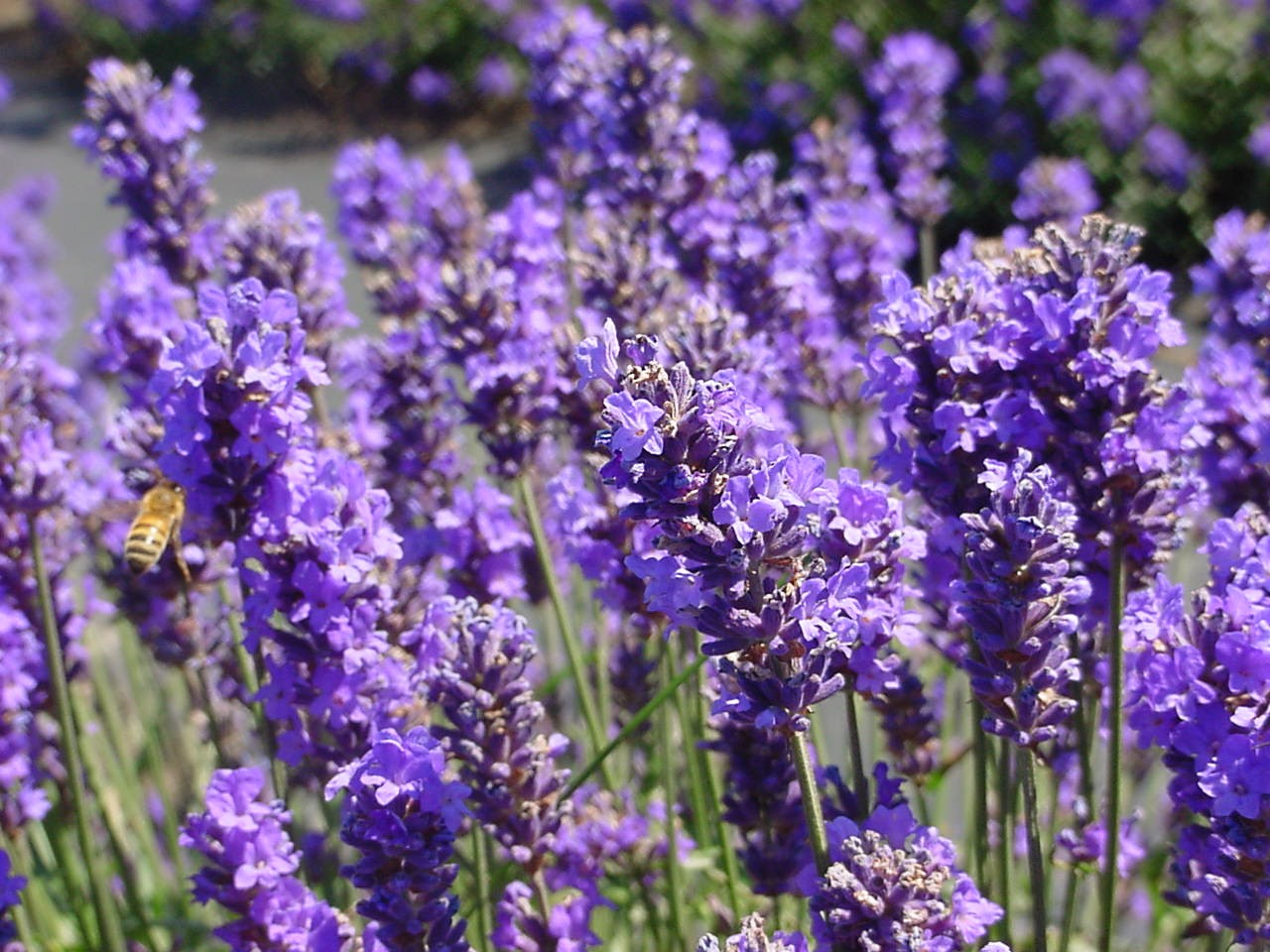
lavender

Essential oils can be a powerful addition to help relieve your anxiety, stress, depression and other mood disorders.  There is much research supporting the use of aromatherapy as we can see from this summary in a 2013 paper:  

“Molecular medical research on aromatherapy has been steadily increasing for use as an adjuvant therapy in managing psychiatric disorders and to examine its therapeutic mechanisms. Most studies, as well as clinically applied experience, have indicated that various essential oils, such as lavender, lemon and bergamot can help to relieve stress, anxiety, depression and other mood disorders. Most notably, inhalation of essential oils can communicate signals to the olfactory system and stimulate the brain to exert neurotransmitters (e.g. serotonin and dopamine) thereby further regulating mood.”

Today, I’m sharing a guest post on how to use essential oils, written by AnnaLaura Brown:

As anyone who suffers from anxiety and depression knows, it’s really hard on your life and can make it difficult to live a normal life. The drugs that are often prescribed can help but in many cases they don’t completely fix the problem and the side effects can make your health and the rest of your life even worse. So what can you do? While there are a variety of available options, essential oils have been proven to be a great natural solution. Essential oils are extracted from plants and because they are not a synthetic drug they have virtually no side effects. That said as with all products that are a form of medicine if you are currently taking drugs, then you want to talk with your doctor before you begin using essential oils.

Here are some tips to help you survive and thrive with anxiety and depression while using essential oils.

  1. If you are not on drugs now, don’t start using them and begin using essential oils instead.
  2. If you are on drugs now, talk with your doctor about your desire to gradually stop using them and work out a program to get off them over time and to begin using essential oils.
  3. Start slowly by trying one essential oil at a time. Identify your biggest health problem that you suffer with as a result of your anxiety and depression. For example, if you have problems sleeping, then you should start by using an oil that will help you sleep better. The best oil for this is lavender.
  4. Keep using that same oil for at least 2 weeks before you try another one.
  5. Take the time to do some research and to learn about different essential oils and how they are used for anxiety, depression and to help with moods. For example, citrus oils such as lemon, and orange can help uplift the moods of a lot of people. There are several books written on using oils for moods so you can probably find one with a lot of details at your local library or bookstore.
  6. Experiment with different ways of using oils. The most common ways that people use them are by either rubbing a few drops on the bottoms of your feet or your wrists, or by putting a few drops with some water into a diffuser or humidifier. You will want to try both ways and see which way works the best for you.
  7. Work on improving other aspects of your life so that you can live a more balanced life overall.
  8. Keep small amounts of the oils with you at all times so that if you start to feel depressed or anxious you can rub a little bit or smell the bottle to get some relief.

AnnaLaura Brown is passionate about helping others discover the power of essential oils for health and wellness. She personally discovered the oils while suffering from asthma and was able to get rid of her inhalers and use essential oils instead. In the past 2 years she has helped lots of people discover the power of essential oils for a variety of health and wellness uses. Grab your free copy of her report 50 ways to use essential oils at Health and Wealth with Oils.

Filed Under: Antianxiety, Antianxiety Food Solution, Anxiety and panic, Depression, Essential oils, Joy and happiness, Stress Tagged With: Antianxiety Food Solution, anxiety, depression, essential oils, lavender

Carob Coconut Avocado bites

May 24, 2013 By Trudy Scott 15 Comments

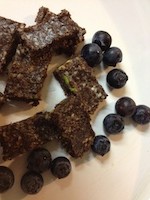
carob-coconut-bites

¼ cup coconut oil
1 ripe avocado
1 T maple syrup
½ cup carob powder
Pinch sea salt
¾ cup coconut flakes (unsweetened)
¼ cup sesame seeds

Melt the coconut oil on the stove. Remove avocado and mash. Mix in coconut oil and all the ingredients and stir well. Spoon into a glass pan and press flat. Put in the fridge until set and then cut into small bites or squares and serve with fresh blueberries. Yummy!

This recipe was inspired by a recipe of something served at the annual conference of the National Association of Nutrition Professionals. I replaced the cocoa and nibs with carob for those with caffeine issues (some people with anxiety are super-sensitive to the effects of caffeine, even that found in cocoa and chocolate). I also omitted the stevia because it spoils the taste of everything. And I added coconut flakes for crunch and sesame seeds for calcium. 

Funny thing….I love avocado! It’s possibly one of my favorite foods (together with eggs, Brussels sprouts, lamb, coconut and paw paw) and I was excited to try it out in this recipe. But it’s totally lost – no hint of avocado! It seems rather a waste! Do let me know what you think.

Filed Under: Food and mood, Real whole food, Recipes Tagged With: anxiety, avocado, carob, coconut, depression

Gluten and the serious effects on mental health: ADAA 2013

April 1, 2013 By Trudy Scott 14 Comments

logo_adaa

The 2013 annual conference of the Anxiety and Depression Association of America  is April 5-7 at the Hyatt Regency La Jolla at Aventine (La Jolla, California).  It’s a wonderful conference to hear all the latest research on anxiety and depression.  The focus of the conference is primarily therapy and medications with some presentations and posters on exercise, nutrients, guided imagery, yoga and one topic on gluten (mine!)

I’m doing a poster presentation Friday, April 5, 6:30 – 8pm, “Evidence-based Research On The Serious Effects Of Gluten On Mental Health, With An In-depth Look At Testing And The Gluten-free Diet.” 

This poster will identify what gluten is, where it is found and if the gluten-free diet is a fad or very real concern for those with mental health disorders. The following will be explained: gluten sensitivity, celiac disease, and wheat allergies. Evidence-based research will be reviewed, showing the serious impacts of gluten on various mental health disorders: anxiety, social phobia, panic attacks, depression, schizophrenia and bipolar disorder.

Here are a few examples of some the research that will be reviewed: 

  • “gluten sensitivity remains undertreated and underrecognized as a contributing factor to psychiatric and neurologic manifestations” (Jackson, Psychiatric Quarterly 2011)
  • Spectrum of gluten-related disorders: consensus on new nomenclature and classification (Sapone, BMC Medicine, 2012)
  • Celiac disease, wheat allergy, and gluten sensitivity: when gluten free is not a fad. (Pietzak, Journal of Parenteral and Enteral Nutrition 2012)
  • Gluten-free diet may alleviate depressive and behavioural symptoms in adolescents with coeliac disease (Pynnönen , BMC Psychiatry 2005)
  • Social phobia in coeliac disease (Addolorato, Scandinavian Journal of Gastroenterology 2008)

There will be an in-depth discussion of the various testing options and the many associated health problems that may be associated with gluten intolerance. This session will clearly define gluten-containing versus gluten-free foods when it comes to eating a gluten-free diet.

Filed Under: Antianxiety, Events, Food and mood, Gluten Tagged With: ADAA, anxiety, depression, gluten, mental health, social phobia, Trudy Scott

The Role of Inflammation in Stress, Anxiety and Depression

March 8, 2013 By Trudy Scott 10 Comments

NTA-Conference-2013

“Inflammation: The Fire Within” is the theme of the annual conference of the Nutritional Therapy Association. It will be held in Vancouver, WA on March 15, 16, 17. I’m thrilled to presenting on Friday from 10-11:30am and my topic is “The Role of Inflammation in Stress, Anxiety and Depression.”

This presentation will provide health and nutrition professionals with current, evidence-based information the role of inflammation in stress, and on anxiety and mood disorders. It will explain:

  • the negative impact of pro-inflammatory junk food, trans fats, feed-lot meat, pesticides, gluten, fructose and caffeine on stress, anxiety and depression
  • the recent research supporting the anti-inflammatory benefits of real whole food, the Mediterranean diet (for both reducing inflammation and reducing and preventing depression, fish and fish oils (with some exceptions), dark chocolate (with some caveats), probiotics, zinc and vitamin B6
  • the links between social stress and inflammation
  • the effects of maternal inflammation on anxiety and social behavior of offspring
  • the links between pyroluria (see the pyroluria questionnaire here), social anxiety and oxidative stress
  • how inflammation leads to low serotonin and mood issues

It’s quite incredible how much of an impact inflammation has on mood disorders and how simply taking steps to lower inflammation can have a positive impact. What is equally fascinating is that so many of the foods and nutrients that eliminate anxiety and depression also lower inflammation! The body is quite amazing in its ability to heal when provided with the correct nutrients!

I will also be exhibiting and will have delicious 100% certified Organic Tulsi Teas donated by Organic India and great for stress-relief and you guessed it… inflammation! Do come and try some yummy lemon-ginger or licorice or find some in your local grocery store. We’ll also do zinc status testing because zinc is key for alleviating anxiety, stress and depression. I’ll also have DVD sets and copies of my book The Antianxiety Food Solution for sale. And I’ll also be offering Lidtke samples of the amazing amino acids tryptophan (for low serotonin) and DPA/Endorphigen (for low endorphins and comfort eating). These amino acids also help with inflammation!

And I’m thrilled that my friend and colleague Mira Dessy will be joining me at my booth. She is a Nutrition Educator, Real Food Advocate and author of the fabulous new book The Pantry Principle: How to read the label and understand what’s really in your food (find her here and on facebook here).

The event has many great speakers and will be a content-rich educational three days. You can learn more and register here:
http://nutritionaltherapy.com/events-resources/nta-conferences

The sessions will be recorded and available for purchase from Nutritional Therapy Association if you can’t make it to the live event.

Filed Under: Antianxiety Food Solution, Events, Food and mood, Joy and happiness, Real whole food Tagged With: Antianxiety Food Solution, anxiety, depression, Inflammation, pyroluria, stress, Trudy Scott

  • « Go to Previous Page
  • Page 1
  • Interim pages omitted …
  • Page 23
  • Page 24
  • Page 25
  • Page 26
  • Page 27
  • Go to Next Page »

Primary Sidebar

NEW! GABA QuickStart Homestudy (with special intro pricing)

gaba quickstart homestudy

Free Report

9 Great Questions Women Ask about Food, Mood and their Health

You'll also receive a complimentary subscription to my ezine "Food, Mood and Gal Stuff"


Connect with me

Popular Posts

  • Amino Acids Mood Questionnaire from The Antianxiety Food Solution
  • The Antianxiety Food Solution Amino Acid and Pyroluria Supplements
  • Pyroluria Questionnaire from The Antianxiety Food Solution
  • Collagen and gelatin lower serotonin: does this increase your anxiety and depression?
  • Tryptophan for the worry-in-your-head and ruminating type of anxiety
  • GABA for the physical-tension and stiff-and-tense-muscles type of anxiety
  • The Antianxiety Food Solution by Trudy Scott
  • Seriphos Original Formula is back: the best product for anxiety and insomnia caused by high cortisol
  • Am I an anxious introvert because of low zinc and vitamin B6? My response to Huffington Post blog
  • Vagus nerve rehab with GABA, breathing, humming, gargling and key nutrients

Recent Posts

  • What do I use instead of Seriphos to help lower high cortisol that is affecting my sleep and making me anxious at night?
  • BeSerene™ GABA/theanine cream eases severe muscle tension in her neck/shoulders, prevents her bad headaches and quells her anxiety
  • How the correct approach, dose and sublingual use of GABA can be calming and not cause a flushed and itchy face and neck
  • The amino acid glutamine improves low mood by addressing gut health, and it has calming effects too
  • Flight anxiety with heightened breath, physical tension and also fearing the worst (the role of low GABA and low serotonin)

Categories

  • 5-HTP
  • AB575
  • Addiction
  • ADHD
  • Adrenals
  • Alcohol
  • Allergies
  • Alzheimer's disease
  • Amino Acids
  • Anger
  • Antianxiety
  • Antianxiety Food Solution
  • Antidepressants
  • Anxiety
  • Anxiety and panic
  • Autism
  • Autoimmunity
  • benzodiazapines
  • Bipolar disorder
  • Books
  • Caffeine
  • Cancer
  • Candida
  • Children/Teens
  • Collagen
  • Cooking equipment
  • Coronavirus/COVID-19
  • Cravings
  • Depression
  • Detoxification
  • Diabetes
  • Diet
  • DPA/DLPA
  • Drugs
  • EFT/Tapping
  • EMF
  • EMFs
  • Emotional Eating
  • Endorphins
  • Environment
  • Essential oils
  • Events
  • Exercise
  • Fear
  • Fear of public speaking
  • Fertility and Pregnancy
  • Fish
  • Food
  • Food and mood
  • Functional neurology
  • GABA
  • Gene polymorphisms
  • General Health
  • Giving
  • Giving back
  • Glutamine
  • Gluten
  • GMOs
  • Gratitude
  • Gut health
  • Heart health/hypertension
  • Histamine
  • Hormone
  • Hyperparathyroidism
  • Hypoglycemia
  • Immune system
  • Inflammation
  • Insomnia
  • Inspiration
  • Introversion
  • Joy and happiness
  • Ketogenic diet
  • Lithium orotate
  • Looking awesome
  • Lyme disease and co-infections
  • MCAS/histamine
  • Medication
  • Men's health
  • Mental health
  • Mercury
  • Migraine
  • Mold
  • Movie
  • MTHFR
  • Multiple sclerosis
  • Music
  • NANP
  • Nature
  • Nutritional Psychiatry
  • OCD
  • Osteoporosis
  • Oxalates
  • Oxytocin
  • Pain
  • Paleo
  • Parasites
  • Parkinson’s disease
  • PCOS
  • People
  • PMS
  • Postpartum
  • PTSD/Trauma
  • Pyroluria
  • Questionnaires
  • Real whole food
  • Recipes
  • Research
  • Schizophrenia
  • serotonin
  • SIBO
  • Sleep
  • Special diets
  • Sports nutrition
  • Stress
  • Sugar addiction
  • Sugar and mood
  • Supplements
  • Teens
  • Testimonials
  • Testing
  • The Anxiety Summit
  • The Anxiety Summit 2
  • The Anxiety Summit 3
  • The Anxiety Summit 4
  • The Anxiety Summit 5
  • The Anxiety Summit 6
  • Thyroid
  • Thyroid health
  • Toxins
  • Tryptophan
  • Tyrosine
  • Uncategorized
  • Vegan/vegetarian
  • Women's health
  • Yoga

Archives

  • October 2025
  • September 2025
  • August 2025
  • July 2025
  • June 2025
  • May 2025
  • April 2025
  • March 2025
  • February 2025
  • January 2025
  • November 2024
  • October 2024
  • September 2024
  • August 2024
  • July 2024
  • June 2024
  • May 2024
  • April 2024
  • March 2024
  • February 2024
  • January 2024
  • December 2023
  • November 2023
  • October 2023
  • September 2023
  • August 2023
  • July 2023
  • June 2023
  • May 2023
  • April 2023
  • March 2023
  • February 2023
  • January 2023
  • December 2022
  • November 2022
  • October 2022
  • September 2022
  • August 2022
  • July 2022
  • June 2022
  • May 2022
  • April 2022
  • March 2022
  • February 2022
  • January 2022
  • December 2021
  • November 2021
  • October 2021
  • September 2021
  • August 2021
  • July 2021
  • June 2021
  • May 2021
  • April 2021
  • March 2021
  • February 2021
  • January 2021
  • December 2020
  • November 2020
  • October 2020
  • September 2020
  • August 2020
  • July 2020
  • June 2020
  • May 2020
  • April 2020
  • March 2020
  • February 2020
  • January 2020
  • December 2019
  • November 2019
  • October 2019
  • September 2019
  • August 2019
  • July 2019
  • June 2019
  • May 2019
  • April 2019
  • March 2019
  • February 2019
  • January 2019
  • December 2018
  • November 2018
  • October 2018
  • September 2018
  • August 2018
  • July 2018
  • June 2018
  • May 2018
  • April 2018
  • March 2018
  • February 2018
  • January 2018
  • December 2017
  • November 2017
  • October 2017
  • September 2017
  • August 2017
  • July 2017
  • June 2017
  • May 2017
  • April 2017
  • March 2017
  • February 2017
  • January 2017
  • December 2016
  • November 2016
  • October 2016
  • September 2016
  • August 2016
  • July 2016
  • June 2016
  • May 2016
  • April 2016
  • March 2016
  • February 2016
  • January 2016
  • December 2015
  • November 2015
  • October 2015
  • September 2015
  • August 2015
  • July 2015
  • June 2015
  • May 2015
  • April 2015
  • March 2015
  • February 2015
  • January 2015
  • December 2014
  • November 2014
  • October 2014
  • September 2014
  • August 2014
  • July 2014
  • June 2014
  • May 2014
  • April 2014
  • March 2014
  • February 2014
  • January 2014
  • December 2013
  • November 2013
  • October 2013
  • September 2013
  • August 2013
  • July 2013
  • June 2013
  • May 2013
  • April 2013
  • March 2013
  • February 2013
  • January 2013
  • December 2012
  • November 2012
  • October 2012
  • August 2012
  • July 2012
  • June 2012
  • May 2012
  • April 2012
  • March 2012
  • February 2012
  • January 2012
  • December 2011
  • November 2011
  • October 2011
  • September 2011
  • August 2011
  • July 2011
  • June 2011
  • May 2011
  • April 2011
  • March 2011
  • February 2011
  • January 2011
  • December 2010
  • October 2010
  • September 2010
  • July 2010
  • May 2010
  • April 2010
  • March 2010
  • February 2010
  • January 2010
  • November 2009

Share the knowledge!

The above statements have not been evaluated by the Food and Drug Administration. Products listed in this website are not intended to diagnose, treat, cure or prevent any disease.

The information provided on this site is for informational and educational purposes only and is not intended as a substitute for advice from your physician or other health care professional. You should consult with a healthcare professional before starting or modifying any diet, exercise, or supplementation program, before taking or stopping any medication, or if you have or suspect you may have a health problem.


Copyright © 2026 Trudy Scott. All Rights Reserved. | Privacy | Terms and Conditions | Refund Policy | Medical Disclaimer

Free Report

9 Great Questions Women Ask about Food, Mood and their Health

You’ll also receive a complimentary subscription to my ezine “Food, Mood and Gal Stuff”