• Skip to primary navigation
  • Skip to main content
  • Skip to primary sidebar

everywomanover29 blog

Food, Mood and Women's Health – Be your healthiest, look and feel great!

  • Blog
  • About
  • Services
  • Store
  • Resources
  • Testimonials
  • The Book
  • Contact
  • Search this site

brain

The ketogenic diet for mental health, weight loss, inflammation and disease prevention

May 2, 2018 By Trudy Scott 6 Comments

I wasn’t aware until recently that “KETO”, “Ketones” “Keto diet”, “Ketogenic lifestyle”, “Ketosis” and “Ketogenic diet” are some of the MOST SEARCHED terms on the internet today.

But there is a good reason for this and host of  The Keto Edge Summit (which runs from May 7-13, 2018), Dr. David Jockers shares this:

The goal of the ketogenic lifestyle is to adapt the body to utilize FAT as its primary fuel source instead of SUGAR.

For our ancestors, eating three meals a day just wasn’t a thing. Instead, they’d hunt and forage for the foods they could find. When there wasn’t food, they wouldn’t eat.

Sometimes they’d go for days without food. To sustain life during times of scarcity, the body is thought to have developed the ability to utilize fat as an alternative fuel source.

Today, there’s an abundance of food available to most of us at all times. We regularly eat three meals per day with intermittent snacking between them.

This kind of frequent eating, along with an overemphasis on carb-rich and sugary foods, causes a REDUCED ability to burn fat. Because we don’t have to hunt or forage for food; we’ve become “sugar burners.”

As these sugar-laden foods damage our bodies, we rely MORE on sugar and lose the ability to produce ketones – as a result, massive blood sugar spikes, inflammation, hormone imbalance and ultimately many of the chronic diseases that plague us today.

In a traditional nutrition course, you’d learn that sugar is the body’s PRIMARY fuel source, while fat is secondary. What we’ve learned now (and so much research is supporting this) fat can be a healthier and more sustainable source of energy.
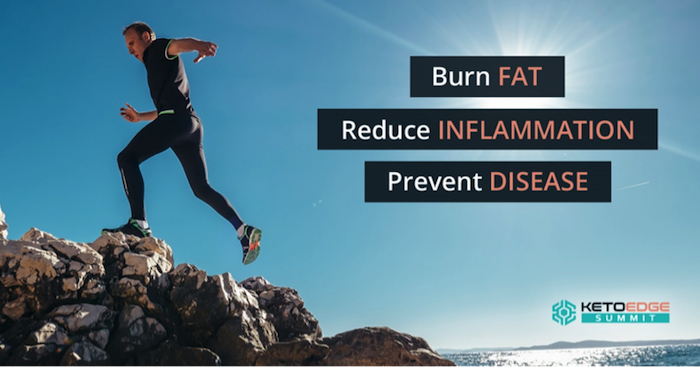
Ketones help you burn fat for energy, powerfully reduce inflammation and show promise in preventing and eradicating diabetes, cancer, autoimmune and neurodegenerative diseases like Alzheimer’s and Parkinson’s, and they can even play a role in alleviating symptoms in mental health conditions like anxiety, depression and schizoaffective disorder.

One of the amazing speakers on the summit is Dominic D’Agostino, researcher and Associate Professor at the University of South Florida. I attended the Bioceuticals conference in Melbourne this past weekend and had the pleasure of hearing him present on this topic live and all I can say is wow! I don’t want you to miss out and now you don’t have to when you tune in via the Keto Edge Summit.

Here is one of the slides where he shares the many proven and emerging applications of nutritional ketosis:

The applications of nutritional ketosis are extensive – including epilepsy, type 2 diabetes, weight loss, NAFLD, mitochondrial disease and inflammation, with emerging evidence for acne, PCOS, wound healing, cancer, autism, ALS, MS, Alzheimer’s, the brain and anxiety.
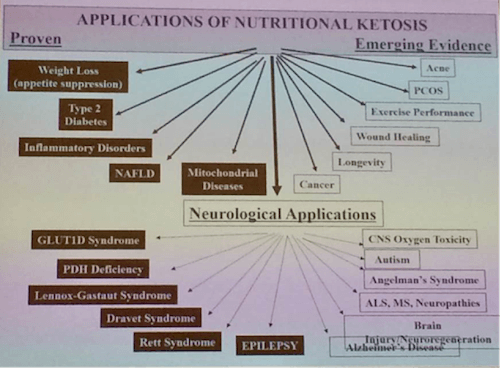
(anxiety and depression fall under brain on the right and also under inflammatory disorders on the left)

I shared these case studies a few weeks ago in a blog post – Ketogenic diet: reductions in auditory hallucinations and delusions, better mood and energy, and weight loss. Two schizoaffective patients working with Dr. Chris Palmer, a psychiatrist from Harvard’s McLean Hospital in Belmont, Massachusetts, tried a ketogenic diet for weight loss:

  • After four weeks on the ketogenic diet, the female patient had resolution of her delusions and lost ten pounds.
  • The male patient experienced similar results with “dramatic” reductions in auditory hallucinations and delusions, as well as better mood and energy. He also lost weight, losing 104 pounds over the course of a year.

There is also research reporting the following results:

  • Therapeutic use of carbohydrate-restricted diets in an autistic child; a case report of clinical and 18FDG PET findings

the patient’s behavior and intellect improved in regard to hyperactivity, attention span, abnormal reactions to visual and auditory stimuli, usage of objects, adaptability to changes, communication skills, fear, anxiety, and emotional reactions

  • Exogenous Ketone Supplements Reduce Anxiety-Related Behavior in Sprague-Dawley and Wistar Albino Glaxo/Rijswijk Rats

ketone supplementation may represent a promising anxiolytic strategy through a novel means of inducing nutritional ketosis.

As Dr. Jockers states:

The GREATEST health discovery of this century may ALREADY be inside your body!

During this health summit, you’ll discover:

  • What is ketosis (and how does it work)?
  • Myths, and how to separate fact from fiction!
  • How to overcome the challenges of being “keto adapted.”
  • Whether you should start a keto diet (or not!).
  • How to shop, live and eat on a ketogenic lifestyle.

The Keto Edge Summit is online and available at no-cost from May 7-13, 2018! Register here

I will be in learning mode with you for the Keto Edge Summit. I’ve been following Dr. David Jockers for awhile and I’m very excited about the applications of a ketogenic diet for anxiety and depression, given what we’ve learned so far. It’s going to be a great educational opportunity for all of us.

Have you experienced benefits from a ketogenic diet? If yes please do share what benefits?

If you’ve had challenges being on a ketogenic diet please share those challenges too, so we can all learn.
Filed Under: Diet, Events, Ketogenic diet Tagged With: anxiety, brain, Dominic D'Agostino, Dr. David Jockers, Inflammation, keto, Ketogenic, Ketogenic diet, ketosis, The Keto Edge Summit, weight-loss

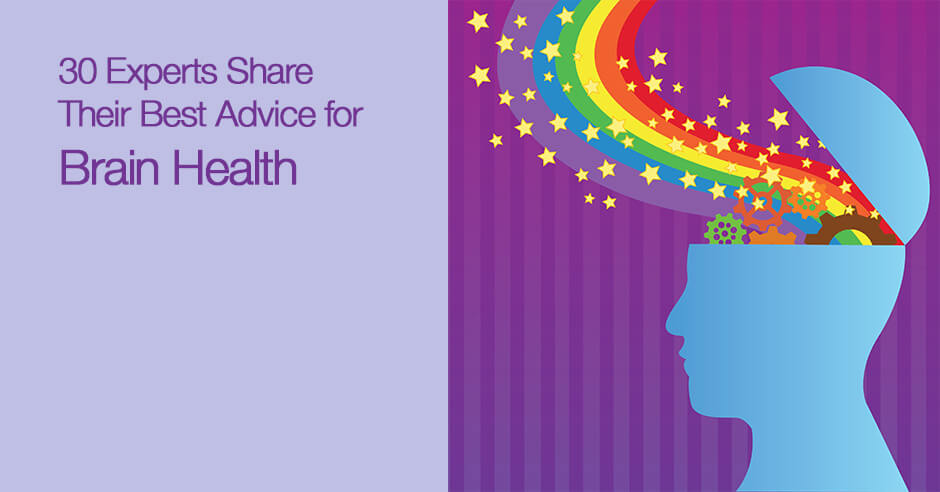
30 Experts Share Their Best Advice for Brain Health by Jordan Fallis

November 24, 2017 By Trudy Scott 4 Comments

Jordan Fallis of Optimal Living Dynamics reached out to some of his favorite cutting-edge health practitioners and researchers and asked them one question:

What is the one piece of advice you would offer to people who want to improve and optimize their brain health?

I was thrilled to be one of the people he reached out to. This is my response:

This a tough question and I can think of many things such as eating sardines or other oily fish for the omega-3 benefits; eating pumpkin seeds as a great source of zinc and tryptophan (both great for anxiety and depression); dumping the bread and cookies due to the inflammatory effects of gluten on the brain and body; and eating grass-fed red meat as a great source of zinc, omega-3s and iron, all of which are needed for brain health. 

But if I had to pick only one piece of advice, I would say to optimize gut health because of the very strong gut-brain connection. This means healing a leaky gut with an amino acid like glutamine; improving the microbiome by eating fermented foods like sauerkraut; improving protein digestion with enzymes; cooking and eating quality food at home; chewing our food slowly, and addressing issues like candida, parasites, small intestinal bacterial overgrowth and dysbiosis.

In addition to the above, I always trial the use of targeted individual amino acids such as calming GABA, mood-boosting tryptophan and DPA, and addressing nutritional deficiencies with nutrients like zinc, vitamin B6, iron, magnesium and so on. You may need to also address Lyme disease, mold, heavy metals and many of the other possible biochemical causes of anxiety and depression.

Here are some snippets from a few of my favorite quotes:

  • Kelly Brogan: the brain “does not understand modern chemicals, processed foods, and industrial pollutants. It also doesn’t understand chronic stress, poor sleep, minimal movement, and indoor living”
  • Hyla Cass: “don’t follow a low-fat diet! Make sure to get sufficient fats and protein. Avoid trans fats, but eat healthy fats like omega 3’s found in fatty fish, and medium chain triglycerides from coconut oil”
  • Sayer Ji: “Turmeric is one of the most remarkable neuroprotective and neurorestorative agents yet identified”
  • Max Lugavere: “…there’s simply nothing like exercise for the brain.”
  • Gwen Olson: “Do your own due diligence before taking any pharmaceuticals. Put the name of the drug into a search engine followed by the words ‘controversy’ and ‘side effects’”
  • James Greenblatt: “As vitamins and minerals serve as co-factors in almost every enzymatic reaction in the brain, it is important to assess for adequate nutrient levels regularly to ensure that you are optimizing brain health”

You can read all the inspiring and valuable responses on Jordan’s blog: 30 Experts Share Their Best Advice for Brain Health. You’ll see some common themes: stress, the gut, exercise, real food, sleep and nutrients.

When I asked Jordan how he knew of me and my work he shared this:

I found you through Sean Croxton’s Depression Sessions. When that first came out, I was in the middle of my journey, trying to restore my own mental health. It was great timing. So I immediately purchased it and watched all the videos for more solutions.

I already knew about pyroluria, as I had read Dr. William Walsh’s book Nutrient Power at that time. But it was great to see you talk about it and bring it to light! And I believe I was taking just regular B6 before your talk. So then I switched to P-5-P. I continue to take P-5-P and zinc picolinate regularly.

I’m so thankful I’m feeling better and have my life back, so I’m going to work really hard to share everything that helped me. I just feel like I need to do that 🙂

I really appreciate that Jordan wants to share everything that has helped him and this article is a perfect way to do this.

Here are some additional resources for you on pyroluria, the social anxiety condition he mentions above:

  • Pyroluria prevalence and associated conditions
  • A snippet from the interview I did with Sean: Can Social Anxiety Be Reversed with Nutrition?
  • Some information from my interview with Dr. William Walsh on a prior Anxiety Summit: Is My Anxiety and Depression from a Methylation, Pyrrole, or Copper-Zinc Imbalance?

I hope you enjoy these resources from me, Jordan and all the experts he reached out to!

I’d love to hear what you have found to be the best brain advice you have received and implemented?  


Filed Under: Pyroluria Tagged With: anxiety, brain, brain health, copper, GABA, Jord, pyroluria, social anxiety, tryptophan, zinc

Titanium dioxide: gut damage, anxiety and cancer

March 10, 2017 By Trudy Scott 36 Comments

Titanium dioxide, a common food additive found in candy, gum, bread, sunscreens, cosmetics and medications, has been shown in new research to alter digestive cell structure and function due to the damage it causes to the gut lining:

The ability of small intestine cells to absorb nutrients and act as a barrier to pathogens is ‘significantly decreased’ after chronic exposure to nanoparticles of titanium dioxide, a common food additive found in everything from chewing gum to bread.

Acute exposures did not have much effect, but chronic exposure diminished the absorptive projections on the surface of intestinal cells called microvilli. With fewer microvilli, the intestinal barrier was weakened, metabolism slowed and some nutrients — iron, zinc, and fatty acids, specifically — were more difficult to absorb. Enzyme functions were negatively affected, while inflammation signals increased.

The study was done using an in vitro (i.e. “in glass” or test-tube) cell culture model of the small intestinal epithelium. You can read the actual January 2017 study here.

Since this was not a human study this could be some of the extrapolations we could possibly make because of how chronic exposure led to fewer microvilli:

  • The intestinal barrier was weakened and metabolism slowed. If you suspect you may have damage to the gut lining (as in leaky gut and malabsorption), glutamine is an amino acid that when taken as a supplement is very healing of the gut.
  • Malabsorption of iron, zinc, and fatty acids was a factor so it would be important to assess for low levels and address deficiencies if necessary, especially since low levels of all three can have a direct impact on increasing anxiety.
  • Enzyme functions were negatively affected so this would need to be addressed with a broad spectrum enzyme and possibly HCl.
  • Inflammation signals also increased so using something like curcumin and omega-3 fatty acids may be a good choice to reduce likely inflammation.
  • And it goes without saying, eating a nutrient-dense anti-inflammatory diet is key

As soon as I read this paper I thought of my good friend and colleague Mira Dessy, NE, known as The Ingredient Guru, and author of The Pantry Principle: how to read the label and understand what’s really in your food. She is an expert in all things ingredient and food labels related so I reached out to her and she shared that the titanium dioxide powder itself appears to be somewhat harmless (although there are reports of the dust causing causing respiratory irritation). Even this concerns me but it gets even more concerning. Mira goes on to say:  

The challenge, however, is that there is an increasing amount of titanium dioxide nanoparticles being used.  The microscopic size and their ability to penetrate into the blood stream and from there circulate throughout the body is very worrisome.  These titanium dioxide nanoparticles represent a significant challenge to nerve tissue and also impact brain health through oxidative stress.

Given the ability of the nanoparticles to go through the skin and into the blood stream I’m not surprised that there is growing evidence for gut disruption in addition to the nerve and brain health issues.  The damage to epithelial cells and impairment of micronutrient absorption is highly concerning.  

I love Mira’s book The Pantry Principle (and learned so much from it) and I asked her this week when I reached out for a quote from her why it didn’t make it into her book published just a few years ago in 2013. She shared that it did not really come up on her radar at the time:  

Sadly it turns out that this is because food producers can use up to 1% titanium dioxide (food grade) without declaring it on the label.  Unfortunately when I wrote the book I did not know that.   At the time it appeared to be primarily used in personal care products. Approved for use in cosmetics back in 1973 it is often found in bath powders, cosmetics, antiperspirants, nail polish, sunscreen, and lotions.  It seems to be growing in food usage, appearing in candies, gums, dairy products, condiments, processed meats, and snack foods.  

I’m sharing this because I want you to be aware how quickly things can change and how we really need to keep up with labeling! (be sure to check out Mira’s other work on additives and labeling and my review of her book The Pantry Principle for additional information.)

I was also shocked to find out that food producers can use up to 1% titanium dioxide (food grade) without declaring it on the label – what!? I suspect (and hope) this will be changing in the near future.

I would expect some radical changes from governments and companies using it especially with this IARC (International Agency for Research on Cancer) monograph (another resource Mira provided): 

Titanium dioxide is possible carcinogenic to humans (Group 2B) based on sufficient evidence in experimental animals and inadequate evidence from epidemiological studies.

and this conclusion they reach:

Given the increasing applications of nano titanium dioxide in consumer products (e.g., food or food packaging and skin care products), there is a need to develop better techniques to detect titanium dioxide in tissues and to examine possible carcinogenicity of nano titanium dioxide by other routes of exposure (oral, dermal).

Another recent study found that injected titanium dioxide nanoparticles increased anxiety in rats, increased inflammation and there was increased accumulation in the liver, lungs and brain:

The results suggest that TiO2 NPs [titanium dioxide nanoparticles] could alter the neurobehavioral performance of adult Wistar rats and promote alterations in hepatic [liver] tissues.

I plan to avoid this additive. The best way you can avoid it too is to do the following:

  • eat real food and avoid food that has been processed
  • if you do eat something processed make sure it’s organic because titanium dioxide is not approved for use in organic foods (also make sure it’s not organic “junk food” – there is plenty of that around these days!)
  • read cosmetic labels and avoid toothpastes, makeup, lotions and sunscreens that contain the titanium, especially when in nanoparticle form  

Just to be clear, not all titanium dioxide used in food products are nanoparticles (which are defined as smaller than 100 nanometers in diameter). However up to 36 percent of the titanium dioxide found in nearly 90 food products were nanoparticles, according to this 2012 article: Titanium Dioxide Nanoparticles in Food and Personal Care Products.

I also reached out to my friend and colleague Lara Adler, Environmental Toxins Expert & Educator for her expert opinion:

The issue of nanoparticles in consumer products, whether it’s food, or personal care products like makeup or sunscreen can be confusing. The first issue is that there are no current labelling or disclosure requirements regarding nanoparticles, at least here in the US. Companies that are more keen to appeal to health-minded consumers will often disclose that they are not using nanoparticle sized ingredients, but there’s no legal requirement for anyone to do so, which means it’s totally possible for a product to contain nanoparticles of titanium dioxide and we won’t know. In the European Union, companies are required to disclose and fully label nano-ingredients.

When it comes to topical use in say, sunscreen, research is showing that non-nano titanium dioxide is unlikely to penetrate the skin and enter the body, and is therefore a low risk. The bigger health risk, for nano, or non-nano are products that are aerosolized, like the spray sunscreens as these products are easily inhaled. Most of the research into the negative health effects of titanium dioxide are inhalation studies.

Her feedback supports what Mira and I have discovered from the research: there’s a growing body of research that’s indicating potential negative health effects of nanoparticles, including their ability to migrate throughout the body. She shared these papers with me (both about nanoparticles in general):

A rodent study found that inhaled nanoparticles ended up in the central nervous system, and another study found them ending up in the liver.

But most shocking is this study Lara shared with me about maternal exposure to nanoparticles of titanium dioxide:

It caused the changes in the expression of genes associated with brain development, cell death, response to oxidative stress, and mitochondria in the brain during the perinatal period.

Changes of the expression of genes associated with neurotransmitters and psychiatric diseases were found.

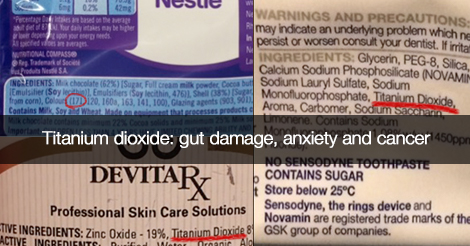
Here are some examples of what you may see on labels:

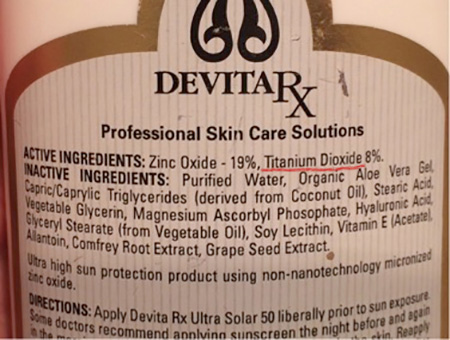
Titanium dioxide in Devitar sunscreen – this is the sunscreen I have been using and recommended by an integrative cancer doctor. This is a common ingredient in sunscreen since it reflects the sun. I’m on the look-out for a new sunscreen that is free from titanium dioxide because we just don’t know what research is going to find. Right now a product like this is better than some of the other sunscreens that contain endocrine-disrupting oxybenzone and should definitely be avoided at all costs.

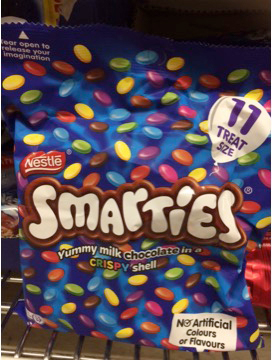
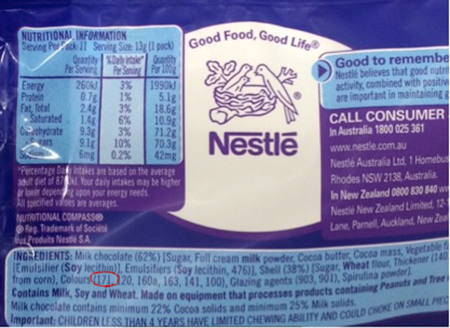
A bag of Smarties (yes, I was prowling the candy aisle here in Australia looking for ingredients!). You’ll see it on this label as 171. Titanium dioxide or E171 is used by the food industry to whiten and brighten food. Children have been identified as having the highest exposures because titanium dioxide content of sweets is higher than other food products.


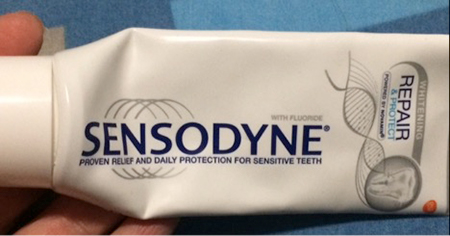
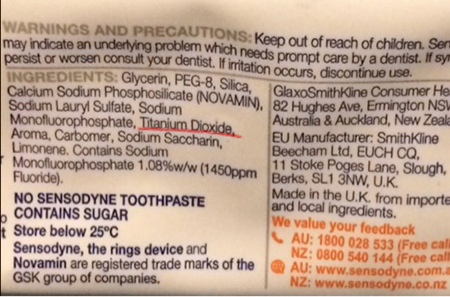
It’s very commonly found in toothpaste for it’s whitening and brightening properties. This is from a tube of Sensodyne toothpaste here in Australia.  

Have you got products in your home with titanium dioxide on the label? I’d love to hear where you see it labelled and if you’ll be avoiding it in the future?

Filed Under: Cancer Tagged With: anxiety, brain, cancer, gut damage, nanoparticles, titanium dioxide

The Anxiety Summit – Nutrients that Fuel Brain Power and Reduce Anxiety

June 8, 2016 By Trudy Scott 35 Comments

Drew Ramsey_Anxiety4

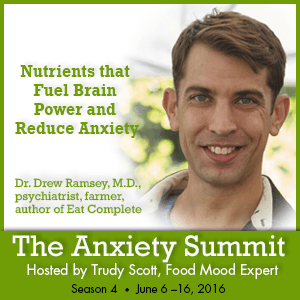
Dr. Drew Ramsey, M.D., psychiatrist, farmer, author of Eat Complete, was interviewed on the Anxiety Summit by host of the Anxiety Summit, Trudy Scott, Food Mood Expert and Nutritionist, author of The Antianxiety Food Solution.

Nutrients that Fuel Brain Power and Reduce Anxiety

  • The nutritional psychiatry movement and food as medicine
  • The impact of food on brain health, neurogenesis and BDNF
  • The hippocampus and your diet
  • The 21 nutrients that are key for brain health
  • The impacts of low zinc, low B12 and low choline diets
  • How to get these nutrients in your diet

Here are some gems from our interview:

One, oftentimes mental health symptoms stem from dietary insufficiencies.  So people can feel more down, more anxious, more cloudy in their thinking based on the types of food that they’re eating.  And then secondly the strongest data is in terms of prevention.  So if you do have a disorder – if you have an anxiety disorder or you do really struggle in a way with your mood there’s some data that both the development of depression and the recurrence of depression – it’s very highly correlated with your dietary pattern.  And so nutritional psychiatry in summary is looking at mental health through the lens of food and then adding nutrition as a tool to our toolbox as clinicians.  I suspect most folks who are listening, maybe you’ve seen a mental health clinician.  If you think back to that initial intake was there really detailed dietary history that understood you as an eater?  And usually the answer is no.  And even in my own practice until a number of years ago that was no.  And I’ve trained at some of the best places when it comes to mental health.

No fault of those organizations but it feels to me that this has been a tremendous blind spot for us both in medicine and in mental health.  So I’m very excited to see this growing movement.  We have the new International Society of Nutrition and Psychiatry Research. There’s been tremendous interest from the American Psychiatry Association in terms of how do we get this into our treatment standards.  So it’s a very exciting moment I think in mental health.  And I also personally like it because it allows me to talk about some other subjects besides psychotherapy or medications with my patients.  And so it’s a lot of fun to be talking about kale salads and do you know how to make ceviche and have you ever made mussels at home.

I love that Dr. Ramsey says: “I eat for a bigger hippocampus.” The hippocampus is an area of your brain involved in emotional regulation and learning. We talked about this in the context of the research published by Dr. Felice Jacka and her team: Western diet is associated with a smaller left hippocampus and anxiety

Dr. Ramsey talks about zinc and animal protein:

Zinc is a mineral and minerals tend to be more absorbable in animal forms.  I think a lot of people are very confused about meat and seafood and often intimidated and scared.  And then we’ve had this message to go plant based and even vegan which is not a diet that is healthy for the brain.

And low choline and anxiety:

And if you look especially in terms of anxiety really there’s not a lot of data, not a lot of scientific data about anxiety disorders and food.  There’s some but the clearest data signal comes from the Hordaland study that looked at correlations of anxiety disorders and different nutrients and found people with lower choline had much higher rates of anxiety. 

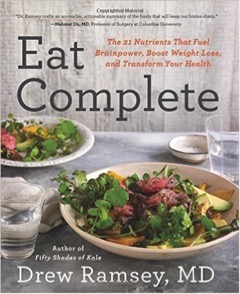
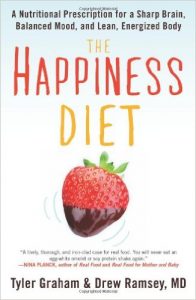
Dr. Ramsey has written some wonderful books.  Here are two of them:

Eat Complete: The 21 Nutrients That Fuel Brainpower, Boost Weight Loss, and Transform Your Health

eat-complete

The Happiness Diet: A Nutritional Prescription for a Sharp Brain, Balanced Mood, and Lean, Energized Body

happiness diet

Here is Dr. Ramsey’s 7-Day Brain Boost

If you are not already registered for the Anxiety Summit you can get live access to the speakers of the day here: www.theAnxietySummit.com

Missed this interview or can’t listen live? Or want this and the other great interviews for your learning library? Purchase the MP3s or MP3s + transcripts and listen when it suits you.

You can find your purchasing options here.: Anxiety Summit Season 1, Anxiety Summit Season 2, Anxiety Summit Season 3, and Anxiety Summit Season 4.

Filed Under: Events, The Anxiety Summit 4 Tagged With: anxiety, anxiety summit, brain, drew ramsey, Trudy Scott

The Anxiety Summit – Your Brain on Food: The Science and Alchemy of Yum for Alleviating Anxiety!

May 6, 2015 By Trudy Scott 18 Comments


Rebecca Katz MS, culinary translator, author of The Healthy Mind Cookbook, was interviewed on the Anxiety Summit by host of the Anxiety Summit, Trudy Scott, Food Mood Expert and Nutritionist, author of The Antianxiety Food Solution.

Your Brain on Food: The Science and Alchemy of Yum for Alleviating Anxiety!

  • The wonderful definition of alchemy
  • Brain boosting ingredients from Rebecca’s culinary pharmacy: lentils, mint, pumpkin seeds, cauliflower, #goodmoodsardines
  • The tricks to building flavor great taste and flavor
  • How to make the most of your time in the kitchen
  • Tips and tricks to feel less overwhelmed in the kitchen and how to prevent recipe reading anxiety
  • The secret of dollops for yum and why they are like edible makeup

Here are a few snippets from my interview with Rebecca Katz, the queen of yum!

Pumpkin seeds are “nature’s smallest antidepressant next to a snowflake”

Pumpkin seeds are a source of iron which has been shown to boost cognitive performance, especially in women of childbearing years. Iron is also a co-factor for making our neurotransmitters

Parsley and mint are so accessible and eating them “is like eating oxygen”

What we put on the end of our fork does affect our brain

Cooking can be a meditation in motion and stress-relieving project

Sardines are like Prozac in a can

I recently shared the delicious pomegranate olive mint salsa recipe from Rebecca’s new Healthy Mind Cookbook.  Here it is on top of the yummy salmon we made!

healthy-mind-recipe2

Here is a new recipe for you…it’s what Rebecca calls My everything drizzle

After interviewing Rebecca I have a new appreciation for mint and parsley and use it way more than I used to!  I just love this picture of her with mint – lots of it!

mintgirl

Rebecca and I both LOVE sardines and she mentioned her  wonderful source for great quality sardines and other fish: Vital Choice. They are “a trusted source for fast home delivery of the world’s finest wild seafood and organic fare, harvested from healthy, well-managed wild fisheries and farms.”

I have met the founder Randy Hartnell a few times, had him speak on season 2 of the Anxiety Summit, and I love this company and everything that they stand for!

“We capture the fresh-caught quality of fine, sustainably harvested Alaskan salmon and other Alaskan and northwest Pacific seafood by cleaning and flash-freezing it within hours of harvest.

The fisheries that supply most of our seafood are certified sustainable by MSC (look for their blue logo) or the State of Alaska, or are widely considered sustainable.”

After our interview I saw this great picture of Rebecca “in front of the National Gallery of Art in Washington DC, after delivering a talk at DHHS for their White House Panel on Alzheimer’s & Dementia. The topic? Food for a Healthy Mind.”

Rebecca in DC

This is just so exciting to hear! Bravo Rebecca! When I asked her about it, this is what she said:

There were 30 members on the panel and standing room only in the room. The talk, which centered around 25 slides of “food porn” was very well received. They even got a chocolate cherry walnut truffle out of the deal. Perhaps what was most touching was a man in his late 50’s with early on set dementia that gave us a look into his world. I felt humbled by the whole experience.

Here are two of her wonderful books:

  • The Healthy Mind Cookbook: Big-Flavor Recipes to Enhance Brain Function, Mood, Memory, and Mental Clarity
  • The Cancer-Fighting Kitchen: Nourishing, Big-Flavor Recipes for Cancer Treatment and Recovery

If you are not already registered for the Anxiety Summit you can get live access to the speakers of the day here: www.theAnxietySummit.com

Missed this interview or can’t listen live? Or want this and the other great interviews for your learning library? Purchase the MP3s or MP3s + transcripts and listen when it suits you.

You can find your purchasing options here: Anxiety Summit Season 1, Anxiety Summit Season 2, and Anxiety Summit Season 3.

Filed Under: Antianxiety, Books, Food and mood, The Anxiety Summit 3 Tagged With: anxiety, brain, dementia, Rebecca Katz, sardines, the anxiety summit, The Healthy Mind Cookbook, Trudy Scott

Zinc, turmeric and tryptophan for brain health and mood

September 4, 2013 By Trudy Scott 33 Comments

Boys Telling Secrets

So much can be done using the amazing healing power of foods and nutrients when it comes to brain health and mood. I truly believe this holistic health approach is the way to go because it gets back to basics and addresses the root causes of issues instead of the using the band-aid approach. The added bonus is that this approach also improves focus, skin health, digestion, heart health and more.

Here are just some of my top nutrients for a healthy brain and great mood!

Zinc is one of the top nutrient deficiencies I see with my clients.

Zinc is a key nutrient for the prevention of anxiety and depression, especially the type of social anxiety called pyroluria. Here is the pyroluria questionnaire: https://www.everywomanover29.com/blog/pyroluria-questionnaire-from-the-antianxiety-food-solution/ It’s also been shown to be beneficial for sleep, cognitive function and for healing from traumatic brain injury. Zinc is also an important co-factor in making the neurotransmitters GABA and serotonin.

Turmeric is an uncommon yet powerful supplement

Research shows that turmeric has “promising cardioprotective and anti-inflammatory properties”. We often see inflammation and brain/mood problems go hand in hand. Inflammation produces cytokines which activate the IDO enzyme, degrading tryptophan and leading to less serotonin and less melatonin. This can result in increased depression and anxiety, poor sleep and poor focus. A new randomized, controlled clinical trial published in the journal Phytotherapy Research has confirmed that the primary polyphenol in turmeric known as curcumin is both safe and effective in treating serious states of depression. One study even found that turmeric benefited 3 patients with Alzheimer’s disease and reduced symptoms of irritability, agitation, anxiety, and apathy.

Tryptophan is an amazing amino acid

It promotes sleep and improves depression, anxiety, panic, worry and OCD /obsessive compulsive symptoms in people who have low serotonin. I have my clients do this questionnaire so we can figure out which deficiency they have https://www.everywomanover29.com/blog/amino-acids-mood-questionnaire-from-the-antianxiety-food-solution/ Although there isn’t a great deal of research on this amino acid and “the evidence base is significantly larger for depression than for anxiety disorder”, tryptophan is recognized as an add-on for when someone is on medications. I see so much success using tryptophan with my clients that I wish it was the first choice before anti-depressants!

I’d like to share some recent success I’ve seen with tryptophan. I’ve been having the most amazingly rewarding sessions with a young man (and his mom). During our first session, an in-office trial of 100mg of chewable tryptophan reduced his worry, sadness and very busy thoughts from a 7/8/9 out of 10, to a 3 out of 10 within 5-10 minutes. He said “my head feels different…good different…I’m thinking happy things”. He started to smile a lot. He also has a repetitive behavior which went from 7/8 out of 10, to a 5 out of 10. Tryptophan is known for reducing OCD but it wasn’t quite enough and we have had to add inositol too. I know the amazing amino acids work wonders but I’m always thrilled when I see them in action changing lives. And most of all, I’m so pleased his mom decided to go this route first instead of having him take medications. We are simply addressing nutritional deficiencies like low serotonin and low zinc [he did also need zinc].

What supplements have you found to be beneficial for your brain health, anxiety or depression? 

Filed Under: Antianxiety Food Solution, Anxiety and panic, Food and mood Tagged With: anxiety, brain, depression, mood, panic, tryptophan, turmeric, zinc

  • « Go to Previous Page
  • Page 1
  • Page 2

Primary Sidebar

NEW! GABA QuickStart Homestudy (with special intro pricing)

gaba quickstart homestudy

Free Report

9 Great Questions Women Ask about Food, Mood and their Health

You'll also receive a complimentary subscription to my ezine "Food, Mood and Gal Stuff"


Connect with me

Popular Posts

  • Amino Acids Mood Questionnaire from The Antianxiety Food Solution
  • The Antianxiety Food Solution Amino Acid and Pyroluria Supplements
  • Pyroluria Questionnaire from The Antianxiety Food Solution
  • Collagen and gelatin lower serotonin: does this increase your anxiety and depression?
  • Tryptophan for the worry-in-your-head and ruminating type of anxiety
  • GABA for the physical-tension and stiff-and-tense-muscles type of anxiety
  • The Antianxiety Food Solution by Trudy Scott
  • Seriphos Original Formula is back: the best product for anxiety and insomnia caused by high cortisol
  • Am I an anxious introvert because of low zinc and vitamin B6? My response to Huffington Post blog
  • Vagus nerve rehab with GABA, breathing, humming, gargling and key nutrients

Recent Posts

  • What do I use instead of Seriphos to help lower high cortisol that is affecting my sleep and making me anxious at night?
  • BeSerene™ GABA/theanine cream eases severe muscle tension in her neck/shoulders, prevents her bad headaches and quells her anxiety
  • How the correct approach, dose and sublingual use of GABA can be calming and not cause a flushed and itchy face and neck
  • The amino acid glutamine improves low mood by addressing gut health, and it has calming effects too
  • Flight anxiety with heightened breath, physical tension and also fearing the worst (the role of low GABA and low serotonin)

Categories

  • 5-HTP
  • AB575
  • Addiction
  • ADHD
  • Adrenals
  • Alcohol
  • Allergies
  • Alzheimer's disease
  • Amino Acids
  • Anger
  • Antianxiety
  • Antianxiety Food Solution
  • Antidepressants
  • Anxiety
  • Anxiety and panic
  • Autism
  • Autoimmunity
  • benzodiazapines
  • Bipolar disorder
  • Books
  • Caffeine
  • Cancer
  • Candida
  • Children/Teens
  • Collagen
  • Cooking equipment
  • Coronavirus/COVID-19
  • Cravings
  • Depression
  • Detoxification
  • Diabetes
  • Diet
  • DPA/DLPA
  • Drugs
  • EFT/Tapping
  • EMF
  • EMFs
  • Emotional Eating
  • Endorphins
  • Environment
  • Essential oils
  • Events
  • Exercise
  • Fear
  • Fear of public speaking
  • Fertility and Pregnancy
  • Fish
  • Food
  • Food and mood
  • Functional neurology
  • GABA
  • Gene polymorphisms
  • General Health
  • Giving
  • Giving back
  • Glutamine
  • Gluten
  • GMOs
  • Gratitude
  • Gut health
  • Heart health/hypertension
  • Histamine
  • Hormone
  • Hyperparathyroidism
  • Hypoglycemia
  • Immune system
  • Inflammation
  • Insomnia
  • Inspiration
  • Introversion
  • Joy and happiness
  • Ketogenic diet
  • Lithium orotate
  • Looking awesome
  • Lyme disease and co-infections
  • MCAS/histamine
  • Medication
  • Men's health
  • Mental health
  • Mercury
  • Migraine
  • Mold
  • Movie
  • MTHFR
  • Multiple sclerosis
  • Music
  • NANP
  • Nature
  • Nutritional Psychiatry
  • OCD
  • Osteoporosis
  • Oxalates
  • Oxytocin
  • Pain
  • Paleo
  • Parasites
  • Parkinson’s disease
  • PCOS
  • People
  • PMS
  • Postpartum
  • PTSD/Trauma
  • Pyroluria
  • Questionnaires
  • Real whole food
  • Recipes
  • Research
  • Schizophrenia
  • serotonin
  • SIBO
  • Sleep
  • Special diets
  • Sports nutrition
  • Stress
  • Sugar addiction
  • Sugar and mood
  • Supplements
  • Teens
  • Testimonials
  • Testing
  • The Anxiety Summit
  • The Anxiety Summit 2
  • The Anxiety Summit 3
  • The Anxiety Summit 4
  • The Anxiety Summit 5
  • The Anxiety Summit 6
  • Thyroid
  • Thyroid health
  • Toxins
  • Tryptophan
  • Tyrosine
  • Uncategorized
  • Vegan/vegetarian
  • Women's health
  • Yoga

Archives

  • October 2025
  • September 2025
  • August 2025
  • July 2025
  • June 2025
  • May 2025
  • April 2025
  • March 2025
  • February 2025
  • January 2025
  • November 2024
  • October 2024
  • September 2024
  • August 2024
  • July 2024
  • June 2024
  • May 2024
  • April 2024
  • March 2024
  • February 2024
  • January 2024
  • December 2023
  • November 2023
  • October 2023
  • September 2023
  • August 2023
  • July 2023
  • June 2023
  • May 2023
  • April 2023
  • March 2023
  • February 2023
  • January 2023
  • December 2022
  • November 2022
  • October 2022
  • September 2022
  • August 2022
  • July 2022
  • June 2022
  • May 2022
  • April 2022
  • March 2022
  • February 2022
  • January 2022
  • December 2021
  • November 2021
  • October 2021
  • September 2021
  • August 2021
  • July 2021
  • June 2021
  • May 2021
  • April 2021
  • March 2021
  • February 2021
  • January 2021
  • December 2020
  • November 2020
  • October 2020
  • September 2020
  • August 2020
  • July 2020
  • June 2020
  • May 2020
  • April 2020
  • March 2020
  • February 2020
  • January 2020
  • December 2019
  • November 2019
  • October 2019
  • September 2019
  • August 2019
  • July 2019
  • June 2019
  • May 2019
  • April 2019
  • March 2019
  • February 2019
  • January 2019
  • December 2018
  • November 2018
  • October 2018
  • September 2018
  • August 2018
  • July 2018
  • June 2018
  • May 2018
  • April 2018
  • March 2018
  • February 2018
  • January 2018
  • December 2017
  • November 2017
  • October 2017
  • September 2017
  • August 2017
  • July 2017
  • June 2017
  • May 2017
  • April 2017
  • March 2017
  • February 2017
  • January 2017
  • December 2016
  • November 2016
  • October 2016
  • September 2016
  • August 2016
  • July 2016
  • June 2016
  • May 2016
  • April 2016
  • March 2016
  • February 2016
  • January 2016
  • December 2015
  • November 2015
  • October 2015
  • September 2015
  • August 2015
  • July 2015
  • June 2015
  • May 2015
  • April 2015
  • March 2015
  • February 2015
  • January 2015
  • December 2014
  • November 2014
  • October 2014
  • September 2014
  • August 2014
  • July 2014
  • June 2014
  • May 2014
  • April 2014
  • March 2014
  • February 2014
  • January 2014
  • December 2013
  • November 2013
  • October 2013
  • September 2013
  • August 2013
  • July 2013
  • June 2013
  • May 2013
  • April 2013
  • March 2013
  • February 2013
  • January 2013
  • December 2012
  • November 2012
  • October 2012
  • August 2012
  • July 2012
  • June 2012
  • May 2012
  • April 2012
  • March 2012
  • February 2012
  • January 2012
  • December 2011
  • November 2011
  • October 2011
  • September 2011
  • August 2011
  • July 2011
  • June 2011
  • May 2011
  • April 2011
  • March 2011
  • February 2011
  • January 2011
  • December 2010
  • October 2010
  • September 2010
  • July 2010
  • May 2010
  • April 2010
  • March 2010
  • February 2010
  • January 2010
  • November 2009

Share the knowledge!

The above statements have not been evaluated by the Food and Drug Administration. Products listed in this website are not intended to diagnose, treat, cure or prevent any disease.

The information provided on this site is for informational and educational purposes only and is not intended as a substitute for advice from your physician or other health care professional. You should consult with a healthcare professional before starting or modifying any diet, exercise, or supplementation program, before taking or stopping any medication, or if you have or suspect you may have a health problem.


Copyright © 2026 Trudy Scott. All Rights Reserved. | Privacy | Terms and Conditions | Refund Policy | Medical Disclaimer

Free Report

9 Great Questions Women Ask about Food, Mood and their Health

You’ll also receive a complimentary subscription to my ezine “Food, Mood and Gal Stuff”