• Skip to primary navigation
  • Skip to main content
  • Skip to primary sidebar

everywomanover29 blog

Food, Mood and Women's Health – Be your healthiest, look and feel great!

  • Blog
  • About
  • Services
  • Store
  • Resources
  • Testimonials
  • The Book
  • Contact
  • Search this site

brain

“A catatonic woman awakened after 20 years. Her story may change psychiatry.” (Her schizophrenia was an untreated autoimmune disease)

June 16, 2023 By Trudy Scott 8 Comments

catatonic woman

Today I’m sharing some highlights from a recent eye-opening article in the Washington Post: A catatonic woman awakened after 20 years. Her story may change psychiatry

Before she became a patient, April had been an outgoing, straight-A student majoring in accounting at the University of Maryland Eastern Shore. But after a traumatic event when she was 21, April suddenly developed psychosis and became lost in a constant state of visual and auditory hallucinations. The former high school valedictorian could no longer communicate, bathe or take care of herself.

April was diagnosed with a severe form of schizophrenia

April was hospitalized, medicated and eventually institutionalized. It got to the point where she no longer recognized her family and she became catatonic, “unmoving, unblinking and unknowing of where or who she was.”

Twenty years after April’s original diagnosis it was discovered that she has an autoimmune condition. Dr. Sander Markx is director of precision psychiatry at Columbia University and I have so much admiration for his dedication to the field and the fact that he facilitated this testing and discovery so long after meeting April, when he was a student:

Markx and his colleagues discovered that although April’s illness was clinically indistinguishable from schizophrenia, she also had lupus, an underlying and treatable autoimmune condition that was attacking her brain.

After months of targeted treatments – and more than two decades trapped in her mind – April woke up.

April’s transformation is truly heartwarming and it’s wonderful that the doctors plan to do similar testing and offer similar treatments for others living with schizophrenia who are in mental health institutions in New York State.

Researchers in other countries are making similar connections and it’s really exciting to read that they are recognizing that “underlying autoimmune and inflammatory processes may be more common in patients with a variety of psychiatric syndromes than previously believed.”

We can and should be doing better when looking for root causes

I believe we can and should be doing better when it comes to looking for root causes. Many individuals may have an autoimmune/inflammatory condition and many may have other root cause/s. If I was on an advisory panel these would be my recommendations:

  • Use this powerful outcome to really turn psychiatry on its head and screen for lupus and other autoimmune conditions in every single person with schizophrenia. Dr. Markx “believes highly sensitive and inexpensive blood tests to detect different antibodies should become part of the standard screening protocol for psychosis.”
  • Do the same for every single person with mental illnesses and illnesses with a behavioral aspect – including anxiety, depression, bipolar, OCD/obsessive compulsive disorder. ADD/ADHD, autism/ASD (autism spectrum disorders), developmental disorders and neurological disorders.
  • Go beyond autoimmune screening and do a comprehensive functional medicine and nutritional deficiency assessment for every single person, including low serotonin, low GABA, low vitamin D, low zinc, low vitamin B6, hormone imbalances (sex hormones, adrenals, thyroid health), gut health, liver health etc. This includes testing for infections (such as Lyme and strep), looking at toxin exposure (phthalates, mold, heavy metals) and medication side effects.

If you’re new to the concept of root causes and functional medicine/nutritional testing these two blogs will be helpful. They are specific to anxiety because I work with anxious individuals but much of it can also be applied to other mental health and even physical health conditions (like rheumatoid arthritis and say multiple sclerosis):

  • Nutritional testing for figuring out the root cause/s of your anxiety
  • 60+ Nutritional & Biochemical Causes of Anxiety

Functional medicine and nutrition for maintaining symptom resolution in the long term

As you read in the article, April received “short, but powerful “pulses” of intravenous steroids for five days, plus a single dose of cyclophosphamide, a heavy-duty immunosuppressive drug typically used in chemotherapy and borrowed from the field of oncology. She was also treated with rituximab, a drug initially developed for lymphoma.”

Incredibly, she recovered completely and was eventually discharged from the psychiatric hospital and has been living in a rehab center for 3 years. Unfortunately “she has recently regressed because she was not receiving adequate maintenance care.”

I see the next step for April and others like her, is maintaining resolution of symptoms in the long term. This is where functional medicine and nutrition shines.

The ISNPR shared this about Nutritional psychiatry in 2015 in a letter published in World Psychiatry, the official journal of the World Psychiatric Association:

In addition to dietary modification, we recognize that nutrient-based (nutraceutical) prescription has the potential to assist in the management of mental disorders at the individual and population level.

In other words, diet and nutrient-based approaches need to be included for mental health treatment and for prevention. One of many examples is the ketogenic diet which has been shown to reduce auditory hallucinations and delusions in those with schizophrenia. Another is the low carb diet helping to reduce bizarre intrusive thoughts. And the SMILES trial was the first randomized controlled trial to show that dietary improvement can actually treat depression.

Specific nutrients can be very powerful too. One example is a case where a woman in my community experienced a drastic reduction in intrusive thoughts, anxiety and fears (and better sleep) with GABA, tryptophan, 5-HTP and the pyroluria protocol (zinc, vitamin B6 and evening primrose oil). More on the blog. Intrusive thoughts can be alleviated with a similar combination of nutrients and by addressing hormonal imbalances too.

These blogs/research illustrate a few of the many root causes of schizophrenia and psychosis other than lupus:

  • Case Study: Bartonella and Sudden-Onset Adolescent Schizophrenia
  • Toxoplasma gondii: schizophrenia, bipolar disorder, OCD and unresolved anxiety?
  • Gluten sensitivity and relationship to psychiatric symptoms in people with schizophrenia

  • Late-Onset Psychotic Symptoms Associated With Vitamin B12 Deficiency in a Patient With Celiac Disease

When it comes to autoimmunity in general I refer you to the work of Dr. Tom O’Bryan, Dr. Izabella Wentz, Dr. Terry Wahls, Dr. Amy Myers and others who teach about using functional medicine and diet for reversing a number of different autoimmune conditions.

The above approaches can all be explored and used when individuals are initially diagnosed too. But keep in mind that there is no one size fits all and it’s a matter of finding the root causes for each person.

We are moving in the right direction and there is hope but…

We are moving in this direction, awareness is growing and there is hope. But I know we can get there sooner.

What Dr. Markx and his colleagues have discovered and shared with the world will hopefully help us get there much more quickly.

(You can read the whole story here and a similar transformation experienced by Devine Cruz.)

I’m thrilled for April and Devine and their families, and appreciate them sharing these stories with the world. Let’s hope their stories do change psychiatry!

Resources if you are new to using amino acids as supplements

If you are new to using amino acids as supplements, here is the Amino Acids Mood Questionnaire from The Antianxiety Food Solution (you can see all the symptoms of neurotransmitter imbalances, including low GABA, low serotonin and low endorphins).

If you suspect low levels of any of the neurotransmitters and do not yet have my book, The Antianxiety Food Solution – How the Foods You Eat Can Help You Calm Your Anxious Mind, Improve Your Mood, and End Cravings, I highly recommend getting it and reading it before jumping in and using amino acids on your own so you are knowledgeable. And be sure to share it with the practitioner/health team you or your loved one is working with.

There is an entire chapter on the amino acids and they are discussed throughout the book in the sections on gut health, gluten, blood sugar control, sugar cravings, anxiety and mood issues.

The book doesn’t include product names (per the publisher’s request) so this blog, The Antianxiety Food Solution Amino Acid and Pyroluria Supplements, lists the amino acids that I use with my individual clients and those in my group programs. You can find them all in my online store.

If, after reading this blog and my book, you don’t feel comfortable figuring things out on your own (i.e. doing the symptoms questionnaire and respective amino acids trials), a good place to get help is the GABA QuickStart Program (if you have low GABA symptoms too). This is a paid online/virtual group program where you get my guidance and community support.

If you are a practitioner, join us in The Balancing Neurotransmitters: the Fundamentals program. This is also a paid online/virtual program with an opportunity to interact with me and other practitioners who are also using the amino acids.

Does this heartwarming story give you hope for psychiatry?

What do you feel we should be doing to advance nutritional psychiatry even more quickly?

Can you or a family member relate to this and what did you discover in terms of testing and nutritional support/functional medicine?

Feel free to post your feedback and questions here in the comments.
Filed Under: Anxiety, Autism, Autoimmunity, Depression, Nutritional Psychiatry, Schizophrenia Tagged With: amino acids, auditory hallucinations, autoimmune disease, brain, catatonic, functional medicine, GABA, intrusive thoughts, lupus, nutrition, nutritional psychiatry, psychiatry, psychosis, root causes, schizophrenia, the GABA Quickstart online program; and Balancing Neurotransmitters: the Fundamentals program for practitioners, tryptophan, visual hallucinations, vitamin B6, zinc

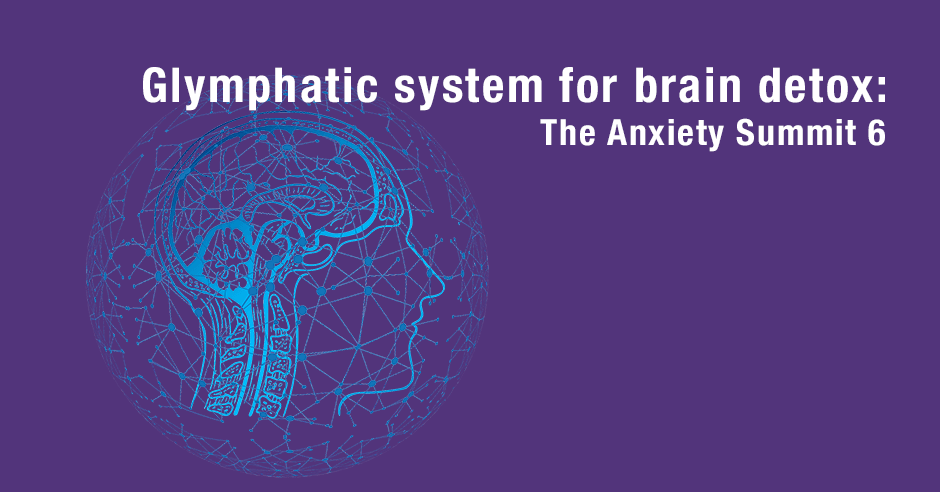
Glymphatic system for brain detox: The Anxiety Summit 6

September 25, 2020 By Trudy Scott Leave a Comment

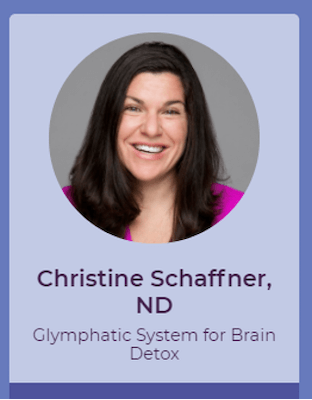
Dr. Christine Schaffner is one of my guest experts on The Anxiety Summit 6: Toxins/Meds/Infections!
and our topic is: The Glymphatic System for Brain Detox

  • The astrocyte as the brain pacman for lead and mercury
  • Tonsils, aquaporins, lymph drainage, PANDAS, anxiety and OCD
  • GABA, sleep, anxiety and high-dose neuroprotective melatonin

and much more.

christine schaffner

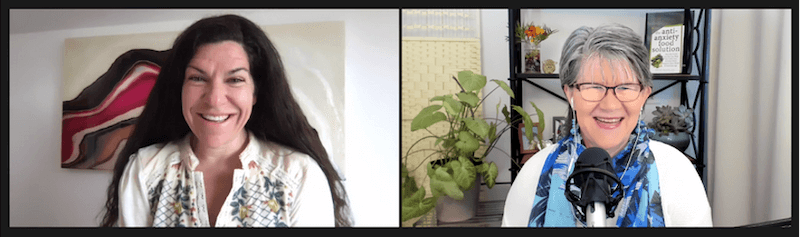
Here is a snippet from our discussion on the glymphatic system, lead, astrocytes, GABA and aquaporin channels (paraphrased as I don’t yet have transcripts).

In case you’re new to the glymphatic system it is

a recently discovered macroscopic waste clearance system that utilizes a unique system of perivascular tunnels, formed by astroglial cells, to promote efficient elimination of soluble proteins and metabolites from the central nervous system.

Besides waste elimination, the glymphatic system also facilitates brain-wide distribution of several compounds, including glucose, lipids, amino acids, growth factors, and neuromodulators. Intriguingly, the glymphatic system functions mainly during sleep and is largely disengaged during wakefulness.

I’ve been dying to interview Dr. Schaffner since I first heard her present on this topic AND because it’s a relatively new discovery.

During the interview I ask her this question: We know lead (one of the heavy metals) can increase anxiety and cause panic attacks. How does lead adversely impact the glymphatic system?

Dr. Schaffner shares this:

Yes, lead is a neurotoxin and loves fat tissue. Because of this it impacts the health of the astrocytes (a sub-type of glial cells) and the flow of lymph around neurons. Lead can also compromise the blood brain barrier. The astrocytes act like a pacman to take up lead in the brain but they are also impaired by lead. This has an effect on GABA which is calming. GABA also helps the aquaporin channels work better which improves flow of lymph in the brain and helps with detox.

How incredible is this – I share how big a fan I am of GABA:

I’m a big fan of GABA.. .GABA used as a supplement helps to raise GABA levels (of the brain chemical GABA) so it’s calming and helps with sleep. And now we know it helps keep the aquaporin channels open and helps with detoxification of toxins like lead!

This is one of the registration gifts so you can listen to it right away as soon as you register (there will also be a complimentary transcript made available as soon as it’s completed.)

christine schaffner interview

Here is a little about the summit… as you know, anxiety can be related to your daily life experiences BUT it can also be triggered by:

  • foods you eat and what you drink (like wheat, oxalates, alcohol and more)
  • environmental toxins (like lead, plastics, fragrances, insecticides, fluoride and more)
  • many types of medications (like the birth control pill, acne medication, fluoroquinolone antibiotics and more) and/or
  • chronic infections (like Lyme disease, PANDAS, parasites, candida and more).

Once you identify the root causes and understand anxiety’s mechanisms you can support the liver/gallbladder, detox, address infections, implement targeted and supportive solutions, and get relief!

WHY ATTEND?

This is my 6th Anxiety Summit, featuring all new topics and the latest research related to anxiety and toxins, medications and infections.

I’ve also experienced many of these health challenges myself – lead and mercury toxicity, gluten issues and candida – and I’m currently dealing with chronic Lyme disease and dietary oxalate issues. You’ll hear some of my healing journey and my solutions in a few interviews too.

anxiety summit 6

WHAT SETS THIS ONLINE EVENT APART?

What sets this apart from other events on toxins and infections is being able to make the many connections to GABA (the main calming neurotransmitter) and serotonin (a happy and calming neurotransmitter) AND how to use  the amino acids GABA and tryptophan to ease your anxiety right away while you are dealing with the other underlying root causes – which take longer to address.

You will see this woven into each of the expert interviews (just like this one with Dr. Schaffner) and also addressed in detail in my 3 interviews where I do a deep dive into specific applications.

For example, in my toxins interview, I share how GABA reverses fluoride-induced anxiety and hypothyroidism, and how tryptophan and vitamin C ease anxiety symptoms associated with lead toxicity  (I’ll be sharing more about this in the future so stay tuned….)

Over the course of the next 6 weeks you’ll be seeing frequent emails from me with snippets and highlights from various interviews – like this one. I do hope you continue to enjoy them and get excited about the summit! Please do share if you know someone who has anxiety!

It’s been wonderful to get all the emails saying how excited you are and seeing so many of you signing up. These last few months have been full-time on research and interviews and I’ll shortly get to share it all with you!

You’ve heard me say the Anxiety Summit has been called “a bouquet of hope!”  My wish for you is that this summit is your bouquet of hope!

I hope you’ll join me and these incredible speakers, be enlightened and find YOUR solutions!

Here’s to no more anxiety and you feeling on top of the world again!


If you’re already familiar with some of this information and practice some of this already please share how it’s helped you. That way we can all learn.

If you’d like to ask a question, please post in the comments below.

I’d also love to hear from you once you’ve listened to this interview. Please do come back and comment about some of the highlights of this interview and what changes you plan to make.

Filed Under: The Anxiety Summit 6 Tagged With: aquaporin channels, brain, brain detox, GABA, Glymphatic, glymphatic system, lead, lymph flow, The Anxiety Summit 6

This Is Your Brain on Food by Uma Naidoo, MD (video interview and review)

August 21, 2020 By Trudy Scott 6 Comments

brain on food

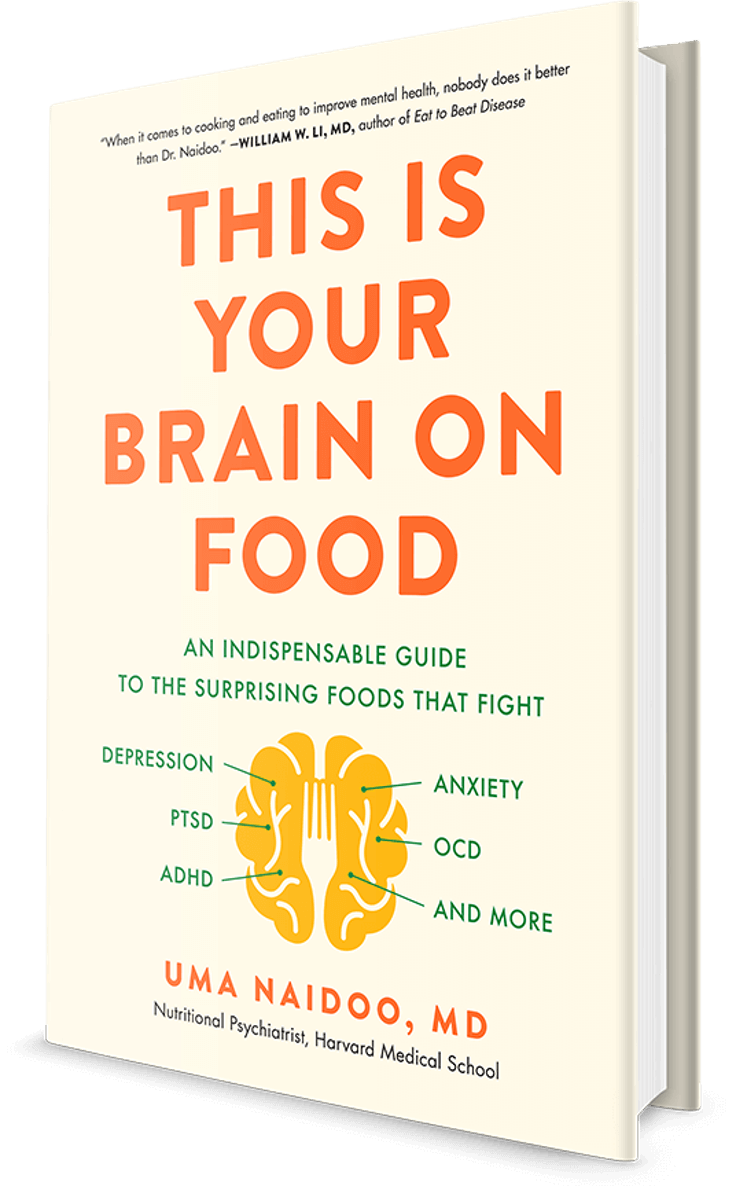
Dr. Uma Naidoo has a wonderful new book called This Is Your Brain on Food: An Indispensable Guide to the Surprising Foods that Fight Depression, Anxiety, PTSD, OCD, ADHD, and More (my Amazon link)

Her big bold message is this “Until we solve nutritional problems, no amount of medication and psychotherapy is going to be able to stem the tide of mental issues in our society.”  This is something I wholeheartedly agree with!

I had the wonderful opportunity to interview Dr. Naidoo and we talked about the benefits of fermented foods and social anxiety, vitamin D and anxiety, dietary sources of polyphenols for ADHD and much more:

  • A 2015 study, Fermented foods, neuroticism, and social anxiety, reports that people eating fermented foods saw a reduction in their social anxiety and neurotic traits
  • Dr. Naidoo recommends unflavored kefir (which can be used to make a creamy dressing), miso, fermented vegetables and kombucha (watch the added sugars)
  • I mention kombucha as a source of fluoride (watch if you have issues with fluoride)
  • Vitamin D and anxiety: we discuss a 2019 study, Effect of Vitamin D Supplement on Mood Status and Inflammation in Vitamin D Deficient Type 2 Diabetic Women with Anxiety: A Randomized Clinical Trial

51 women with type 2 diabetes and vitamin D deficiency were randomly allocated to receive one oral pearl of 50,000 IU vitamin D3 (26 women) or a placebo (25 women) fortnightly for 16 weeks

Anxiety score changes were significantly lower in vitamin D group than the controls

  • Dr . Naidoo recommends these sources of vitamin D: egg yolks, salmon, mushrooms and sun exposure (sun through a window doesn’t count)
  • Dietary polyphenols and ADHD: We talk about a 2018 study, Rationale for Dietary Antioxidant Treatment of ADHD

Dietary polyphenols… have antioxidant capacities as well as immunoregulatory effects and, therefore, appear appropriate in ADHD therapy.

  • Dr. Naidoo recommends these sources of polyphenols: berries and other fruit, vegetables, extra virgin olive oil.
  • I’m fascinated by the fact that polyphenols “act as a low-dose toxin that trains the body to mount an immune response in a process called hormesis” (there are many geeky gems like this in the book)
  • Dr. Naidoo shares the story of her 36 year old patient with severe anxiety. He was a binge eater and also had a history of alcohol abuse. Vitamin B1 (250mg) was every effective for him…“In animal studies, thiamine appears to reduce stress-like responses because it protects the hippocampus”
  • We talk about chamomile tea and how it helps with sleep. There are some cautions if you’re on a blood thinner prescription or going to have surgery. Pregnant women should also avoid it.
  • Dr. Naidoo shares a delicious Golden Milk recipe with tips on how to use turmeric (one her favorite spices and inspired by her grandmother’s cooking) with black pepper. You’ll find this in the recipes section.
  • Dr Naidoo also shares one of her favorite comfort foods – a yummy lentil soup recipe called dal in south Indian cuisines. It’s a great source of fiber, plant-based protein and is very affordable. And really healthy when cooked with vegetables and spices like mustard seeds, ginger, garlic and turmeric. She shares a tip to improve the flavors – making tadka (listen to the interview below, enjoy and be inspired!)


It’s a wonderful book that I highly recommend if:

  • you are new to nutritional psychiatry and the power of food
  • you are a seasoned foodie and want to geek out on mechanisms and the science
  • you want to learn about foods and nutrients (all science-based) specifically for depression, anxiety, PTSD, OCD, ADHD and insomnia
  • you are a practitioner and want to learn and share a wonderful book with your patients or clients

I read it cover to cover and picked up so many gems. I also loved reading about her memories of cooking with her Pinetown granny (Pinetown is just outside Durban where we both happened to grow up)!

We do have a few professional differences of opinion that I feel I should mention:

  • I am not in favor of canola oil and I’d switch out the recipes that call for canola oil with olive oil
  • I have a difficult time extrapolating high-fat diets in rat studies to concerns about saturated fat consumption in humans (given the nature of the rat chow in many of these studies)
  • I’m more concerned with portion-size of carbs than I am with portion-size of healthy fats (and typically recommend full-fat coconut milk, and chicken and turkey with skin-on)
  • I find grass-red meat to be beneficial for my clients with anxiety and mood issues
  • Many of my anxious clients cannot tolerate any caffeine and I consider 14 alcoholic drinks a week for men and 7 alcoholic drinks a week for women to be excessive
  • I prefer stove-top and oven cooking to using a microwave.

This is the official book blurb:

Did you know that blueberries can help you cope with the aftereffects of trauma? That salami can cause depression, or that boosting Vitamin D intake can help treat anxiety?

When it comes to diet, most people’s concerns involve weight loss, fitness, cardiac health, and longevity. But what we eat affects more than our bodies; it also affects our brains. And recent studies have shown that diet can have a profound impact on mental health conditions ranging from ADHD to depression, anxiety, sleep disorders, OCD, dementia and beyond.

A triple threat in the food space, Dr. Uma Naidoo is a board-certified psychiatrist, nutrition specialist, and professionally trained chef. In This Is Your Brain on Food, she draws on cutting-edge research to explain the many ways in which food contributes to our mental health, and shows how a sound diet can help treat and prevent a wide range of psychological and cognitive health issues.

Packed with fascinating science, actionable nutritional recommendations, and delicious, brain-healthy recipes, This Is Your Brain on Food is the go-to guide to optimizing your mental health with food.

Uma Naidoo, MD is board-certified psychiatrist (Harvard Medical School), professional chef (Cambridge School of Culinary Arts), and nutrition specialist (Cornell University). She is currently the Director of Nutritional and Lifestyle Psychiatry at Massachusetts General Hospital (MGH), where she consults on nutritional interventions for the psychiatrically and medically ill; Director of Nutritional Psychiatry at the Massachusetts General Hospital Academy; and has a private practice in Newton, MA. She also teaches at The Cambridge School of Culinary Arts.

Dr. Naidoo speaks frequently at conferences at Harvard, for Goop audiences, the New York City Jewish Community Center (JCC), and Ivy Boston. She blogs for Harvard Health and Psychology Today and completed a unique video cooking series for the MGH Academy which teaches Nutritional Psychiatry using culinary techniques in the kitchen.

You can get your copy of This Is Your Brain on Food here (my Amazon link) and find additional information about Dr. Naidoo here and the book here.

Let us know what you think in the comments below and be sure to leave Dr. Naidoo a review once you read your copy!

Feel free to post your questions here too.

Filed Under: Anxiety, Books Tagged With: ADHD, anxiety, brain, chamomile tea, dal, depression, Dr. Uma Naidoo, fermented food, food, insomnia, OCD, polyphenols, PTSD, sleep, This Is Your Brain on Food, turmeric, Uma Naidoo, vitamin D

Fix the Brain to Fix the Gut with Dr. Datis Kharrazian on The Anxiety Summit 5

October 11, 2019 By Trudy Scott 4 Comments

fix the brain to fix the gut

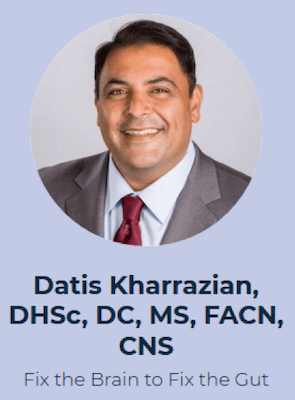
Datis Kharrazian, DHSc, DC, MS, FACN, CNS is one my guest experts on The Anxiety Summit 5: Gut-Brain Axis and our topic is: Fix the Brain to Fix the Gut. In this interview you’ll learn:

  • Impact of brain injury and impaired vagal activity (as well as motility and breakdown of the blood brain barrier)
  • Activate your neurons
  • Polyphenols (for neuroinflammation) and butyrate for leaky gut/brain

datis kharrazian

We’re taught that “healing begins in the gut” and it’s a huge factor but in certain instances we need to do more before the gut can truly be healed. When you have had a traumatic brain injury/TBI, integrative functional neurology teaches that the brain has to be fixed for the gut to gut to work well. Dr. Kharrazian why this is important:

Someone can have a TBI and 10 or 15 years later they can experience brain and neurological symptoms – like depression and anxiety. These patients can end up with chronic GI issues as a consequence of the TBI because there is this intimate relationship between the brain and how it controls gut function.

In this interview you’ll hear how, after a TBI, the bidirectional gut-brain-microbiotia axis leads to structural and functional  damage to the gut, increased intestinal permeability and an altered microbiome, an immune response and inflammation. There is also often impaired motility, breakdown of the blood brain barrier and impaired vagal activity (and much more).

Dr Kharrazian discusses aspects of this paper: The bidirectional gut-brain-microbiota axis as a potential nexus between traumatic brain injury, inflammation, and disease

  • we will examine the extent to which the bidirectional influence of the gut-brain axis modulates the complex biological processes occurring at the time of traumatic brain injury (TBI) and over the days, months, and years that follow.
  • In addition to local enteric signals originating in the gut, it is well accepted that gastrointestinal (GI) physiology is highly regulated by innervation from the CNS.
  • Conversely, emerging data suggests that the function and health of the CNS is modulated by the interaction between 1) neurotransmitters, immune signaling, hormones, and neuropeptides produced in the gut, 2) the composition of the gut microbiota, and 3) integrity of the intestinal wall serving as a barrier to the external environment.
  • Specific to TBI, existing pre-clinical data indicates that head injuries can cause structural and functional damage to the GI tract, but research directly investigating the neuronal consequences of this intestinal damage is lacking.

datis kharrazian and trudy scott

Dr. Datis Kharrazian is a clinical research scientist, academic professor, and a functional medicine health care provider. You likely are familiar with his work as the author of Why Do I Still Have Thyroid Symptoms? and Why Isn’t My Brain Working?

He is also the creator of several functional medicine and neurology online courses, and the founder of the Kharrazian institute, a post-graduate institute for functional medicine and restorative neurology. Earlier this year I attended his excellent Neuroinflammation training and decided I really wanted him on the summit to share an important an often overlooked aspect – integrative functional neurology.

What I found most surprising is that you don’t even have to have been concussed for a head injury to have an impact on your gut! The serious consequences of a head injury (and subsequent damage to the gut) is very much related to your blood sugar, nutritional status and stress levels at the time of the fall or head bang.

After learning all this it really got me thinking about the many falls I have had. I have never been concussed but I’ve been in a roll-over car accident, fallen hard snow-boarding, fallen sideways off my mountain bike onto rocks at Moab, and taken a really big pendulum fall when rock-climbing in Cape Town. Based on all this and my many chronic gut issues, I am going to have a full functional neurology assessment done and will report back as I learn more.  I’ve completed Dr. Kharrazian’s questionnaire and it seems like I would really benefit from some neuro-rehab. I hope our interview gives you some insights too.

We also talk about one of my favorite topics: GABA and the controversial blood-brain-barrier question. I think you’ll really enjoy this discussion. Do let me know what you think!

We go on to talk about resveratrol, curcumin and butyrate, as well as some very practical neuro-rehab exercises he uses with his patients.

Please join us and listen to my interviews and all the others on The Anxiety Summit 5: Gut-Brain Axis.

Learn more/purchase now


If you’d like to give feedback or ask a question, please post in the comments section at the bottom.

I’d love to hear from you once you’ve listened in to Dr. Kharrazian’s interview and the others.

Filed Under: The Anxiety Summit 5 Tagged With: anxiety, anxiety summit, blood brain barrier, brain, datis kharrazian, Fix the Brain to Fix the Gut, GABA, gut, gut-brain, gut-brain axis, motility, TBI, traumatic brain injury

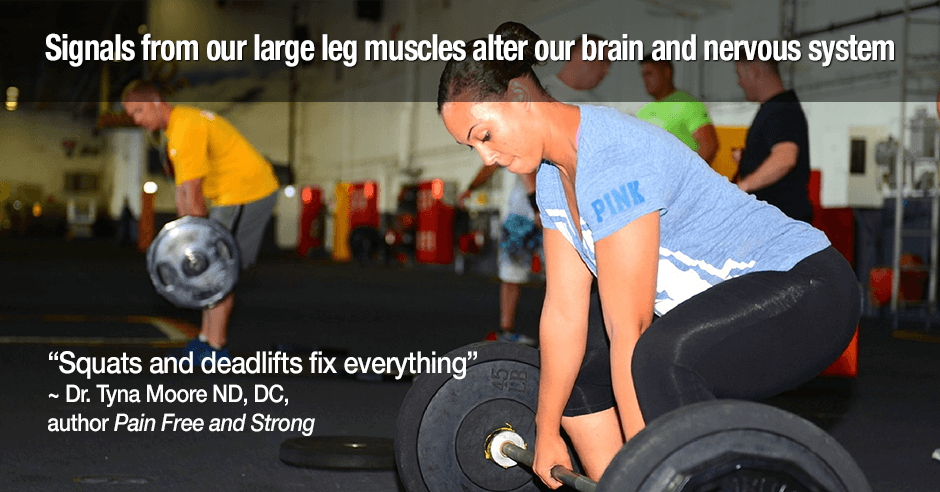
Squats and deadlifts fix everything: Signals from our large leg muscles alter our brain and nervous system

June 1, 2018 By Trudy Scott 22 Comments

A new paper published in Frontiers in Neuroscience reports new research that highlights how signals from our large leg muscles alter our brain and nervous system:

Groundbreaking research shows that neurological health depends as much on signals sent by the body’s large, leg muscles to the brain as it does on directives from the brain to the muscles… the study fundamentally alters brain and nervous system medicine – giving doctors new clues as to why patients with motor neuron disease, multiple sclerosis, spinal muscular atrophy and other neurological diseases often rapidly decline when their movement becomes limited.

My friend and colleague, Dr. Tyna Moore ND, DC, author Pain Free and Strong said this when she shared the study on social media: “Told ya – squats and deadlifts fix everything!”

Study author, Dr. Raffaella Adami, shares this about body chemistry being altered:

Our study supports the notion that people who are unable to do load-bearing exercises – such as patients who are bed-ridden, or even astronauts on extended travel – not only lose muscle mass, but their body chemistry is altered at the cellular level and even their nervous system is adversely impacted.

Here are some points from the discussion section in the actual study that relate directly to anxiety, depression and cognition:

The level of glutamate was up-regulated… the concentration of serotonin, dopamine, GABA, and epinephrine was reduced

What this means is that people who are not able to do load-bearing exercise had glutamate up-regulated (likely leading to more anxiety and excitotoxicity), reduced serotonin and GABA (contributing to more anxiety, worry, fear, depression and carb cravings), and lower dopamine and epinephrine (so more depression, less energy and less motivation).  (You can read all the symptoms associated with out of balance neurotransmitters here and how I use targeted individual amino acids to address low levels – which you want to do in conjunction with dietary and lifestyle changes such as resistance training.)

The study goes on to share that:

Prospective studies indicate that physical inactivity is one of the most frequent avoidable risk factors for developing Alzheimer’s disease. Moreover, elevated physical activity levels are associated with a lower risk of Alzheimer’s disease. The Alzheimer’s disease patient who undertook exercise training showed decreased neuropsychiatric symptoms, improvement in cognitive function, and a slower decline in the activities of daily life.

This was an animal study conducted with mice but we have many human studies that highlight the benefits of exercise for both anxiety and depression. In this recent meta-analysis “of 33 clinical trials including 1877 participants, resistance exercise training was associated with a significant reduction in depressive symptoms.”

When I shared the Frontiers in Neuroscience paper on Facebook, I received this feedback that correlates with the research:

Chris: My son’s concussion symptoms improved by leaps when he began consistent light cardio and added some leg weight training

Katie: I wonder if this is why my mom “lost her mind” (suddenly dementia) when she broke her ankle. I thought it was the antibiotics but maybe it was the extended reclining recovery

Jessica: I had a brain injury due to being hit by a car while crossing the street a year ago. I had to dig deep to heal – meditation, fish oil….. But I thought I had hit a plateau in my healing. About 2 months ago I was able to start doing yoga again, and move my body… wow, what a difference it has made in my brain healing! I am feeling able to focus again and have more brain energy! The body is connected from head to toes

As you’ve gathered from Dr. Tyna Moore’s quote about squats and deadlifts, she is a big fan of resistance training, and she is my go-to person for questions on this topic. I’ve been following her online for a few years, love her posts and we finally got to meet in person last summer.

Tyna and trudy
Tyna and I last summer

Dr. Tyna has written a great ebook called Pain Free and Strong (you can download a copy here). She shares how sarcopenia or muscle wasting results from “deconditioning and lack of strength training exercises,” and this wisdom about movement and resistance training, also referred to as strength training:

Movement is the key to life. Without movement, your cells cannot do their thing. Your blood and lymph do not pump well. Your metabolism slows, your hormones suffer and your sleep becomes compromised. More than anything, you hurt. Motion is lotion and movement is medicine.

We have been taught as a society to do cardiovascular exercises, such as running, biking or walking as the core of our exercise routines. When I discuss exercise with my patients, I talk about “appropriate and strategic exercise” and what I’m referring to is strength training.

the most potent exercises for orthopedic health, improving metabolism, balancing hormones, decreasing inflammation, modulating immune function, reducing pain, lowering blood pressure, improving heart health and increasing resilience revolve around adding and maintaining healthy lean skeletal muscle mass to the body, and keeping it there as we age.

The entire chapter on movement is well-worth reading to get a better understanding of the importance of adding and maintaining healthy lean skeletal muscle mass.

Dr. Tyna also has the answer on how we can do this, sharing that squats and deadlifts “are king and the cornerstone to any strength and conditioning program”:

Compound lifts like squats and deadlifts can give us more bang for our buck metabolically, while also providing profound hormetic and hormonal benefits. Studies have also shown that free weights may be more potent than machines, and that machines put you into an unnatural position at times, which can lead to further injury. If machines are all you have access to, so be it. Just know that free weights are optimal and you need [a professional] to show you how to use them safely.

If you’re new to squats and deadlifts like I am, you may be like me and prefer to know what you’re letting yourself in for so here are 2 excellent blog posts with great images on how to and how not to do deadlifts and squats.  For women, the exercise section in this book looks excellent: The New Rules of Lifting for Women: Lift Like a Man, Look Like a Goddess (my Amazon link). The exercise information is more than half the book and has in-depth explanations on the mechanisms, going into much more in detail than I can cover in a blog. I would pass on the nutritional sections as the advice about canola, Splenda and low-fat is clearly outdated information. But as Dr. Tyna says in her ebook, you can’t learn this from  a book or video – find a personal trainer to guide you if you’re new to free weights.

In case you’re wondering about aerobic exercise it’s still good. In fact, one study reports how both aerobic exercise and resistance training offer slightly different benefits if you suffer from anxiety:

aerobic exercise improved general psychological distress and anxiety, while resistance training improved disorder-specific symptoms, anxiety sensitivity, distress tolerance, and intolerance of uncertainty.

So go for your walk, ride your bike, swim in the ocean, go hiking, play tennis – and all the better if you can do this out in nature for the added benefits of sunshine, fresh air, greenery and the scenery – but don’t forget the huge benefits of resistance training and find a personal trainer to get you up to speed on doing squats and deadlifts and using free weights.

And remember what Dr. Tyna says: “squats and deadlifts fix everything!”

Let us know if this is new to you and you’re now interested in doing squats and deadlifts and using free weights?

I’ve done plenty of resistance training with free weights over the years, especially when I was rock-climbing every weekend, but have not done deadlifts or squats with free weights and have decided it’s time to start. I’ll keep you posted on my progress. Feel free to share your progress too.

If you’re already doing squats and deadlifts and using free weights we’d love to hear how you enjoy it, how long you’ve been doing it and the benefits you’ve seen?  And please do share tips or words of encouragement for us newbies.

Filed Under: Exercise Tagged With: ALS, anxiety, brain, brain chemicals, deadlifts, depression, hormones, leg muscles, lifting weights, nervous system, squats, weights

Brain and mood benefits of a ketogenic lifestyle

May 19, 2018 By Trudy Scott 4 Comments

Keto Edge Summit

We know that ketones help you burn fat for energy, powerfully reduce inflammation and show promise in preventing and eradicating diabetes, cancer, autoimmune and neurodegenerative diseases like Alzheimer’s and Parkinson’s, and even play a role in mental health conditions like anxiety and depression. Experts on the Keto Edge Summit share many of the brain and mood benefits of a ketogenic lifestyle.

Dr. David Jockers shares this about anxiety and GABA and glutamate (his #5 benefit) in his interview on the ‘Top 7 Benefits of a Ketogenic Lifestyle’:

We have an epidemic of depression and anxiety in our society. And so, one of the key things that being keto-adapted does—not only does it downregulate inflammation in the brain, and we know that depression now is really neuroinflammation.

So the other big thing is we’ve got these neurotransmitters. One is glutamate; the other is GABA. Glutamate is an excitatory neurotransmitter, meaning that it helps us think sharply and quickly. What balances glutamate is this other neurotransmitter called GABA, gamma-aminobutyric acid. And it’s inhibitory. It helps balance us and calm us. What we find is that people with anxiety, they have high glutamate, low GABA. They don’t have a good ratio. Same thing with depression.

So what a ketogenic diet does, when we’re keto-adapted, it helps balance out the glutamate to GABA ratio and creates stability there. What does that mean to you? That means you’re going to be able to think sharply and quickly but you’re not going to get out of control. Your brain’s not going to be going too fast. You’re not going to be at risk for anxiety, for depression in the same way. You’re going to notice just an improved mood, more emotional balance.

Dr. David Perlmutter shares the importance of blood sugar regulation in his interview ‘Keto for Brain Health’:

Blood sugar regulation is pivotal as it relates to the destiny of your brain. Probably the most important biometric that determines whether you will or won’t become an Alzheimer’s patient is what your fasting blood sugar is today.

Even with the ApoE-4 gene, the ketogenic diet, physical exercise, and gluten-free, lowering sugar and carbs… are important changes that can absolutely rewrite your book.

I think it’s important to understand that humans have probably been in a state of ketosis most of the time over most of our existence on this planet. It’s only been in the last 10,000 years or so when we’ve created agriculture that we’ve had this robust availability of carbohydrate resources that has really shifted the human diet to one that is carbohydrate-based as opposed to fat-based.

Dr. Cheryl Burdette also covers inflammation in her interview, ‘Inflammation and the Ketogenic Diet’:

So when we see markers of oxidative stress high, not only do we know the DNA is suffering but we know our mitochondria, our powerhouse is suffering and, therefore, our brain is suffering. And so what you see is a high 8-OHdG – you see that high in conditions like Alzheimer’s or Parkinson’s but you even see it high in depression or bipolar or anxiety. What you also see is a ketogenic diet, helps to lower that. What you also see is adding more antioxidants, helps to lower that. So again, we’re back to our green leafies with our good fats.

The Keto Edge Summit is available online and there are REPLAYS ALL WEEKEND. You can still register here to hear the replays

Please share your gems and what you’ve implemented or are planning to implement in terms of a ketogenic lifestyle.

Filed Under: Events, Ketogenic diet Tagged With: anxiety, brain, David Jockers, David Perlmutter, depression, GABA, glutamate, Keto Edge Summit, Ketogenic diet, ketogenic lifestyle, mood

  • Page 1
  • Page 2
  • Go to Next Page »

Primary Sidebar

NEW! GABA QuickStart Homestudy (with special intro pricing)

gaba quickstart homestudy

Free Report

9 Great Questions Women Ask about Food, Mood and their Health

You'll also receive a complimentary subscription to my ezine "Food, Mood and Gal Stuff"


Connect with me

Popular Posts

  • Amino Acids Mood Questionnaire from The Antianxiety Food Solution
  • The Antianxiety Food Solution Amino Acid and Pyroluria Supplements
  • Pyroluria Questionnaire from The Antianxiety Food Solution
  • Collagen and gelatin lower serotonin: does this increase your anxiety and depression?
  • Tryptophan for the worry-in-your-head and ruminating type of anxiety
  • GABA for the physical-tension and stiff-and-tense-muscles type of anxiety
  • The Antianxiety Food Solution by Trudy Scott
  • Seriphos Original Formula is back: the best product for anxiety and insomnia caused by high cortisol
  • Am I an anxious introvert because of low zinc and vitamin B6? My response to Huffington Post blog
  • Vagus nerve rehab with GABA, breathing, humming, gargling and key nutrients

Recent Posts

  • What do I use instead of Seriphos to help lower high cortisol that is affecting my sleep and making me anxious at night?
  • BeSerene™ GABA/theanine cream eases severe muscle tension in her neck/shoulders, prevents her bad headaches and quells her anxiety
  • How the correct approach, dose and sublingual use of GABA can be calming and not cause a flushed and itchy face and neck
  • The amino acid glutamine improves low mood by addressing gut health, and it has calming effects too
  • Flight anxiety with heightened breath, physical tension and also fearing the worst (the role of low GABA and low serotonin)

Categories

  • 5-HTP
  • AB575
  • Addiction
  • ADHD
  • Adrenals
  • Alcohol
  • Allergies
  • Alzheimer's disease
  • Amino Acids
  • Anger
  • Antianxiety
  • Antianxiety Food Solution
  • Antidepressants
  • Anxiety
  • Anxiety and panic
  • Autism
  • Autoimmunity
  • benzodiazapines
  • Bipolar disorder
  • Books
  • Caffeine
  • Cancer
  • Candida
  • Children/Teens
  • Collagen
  • Cooking equipment
  • Coronavirus/COVID-19
  • Cravings
  • Depression
  • Detoxification
  • Diabetes
  • Diet
  • DPA/DLPA
  • Drugs
  • EFT/Tapping
  • EMF
  • EMFs
  • Emotional Eating
  • Endorphins
  • Environment
  • Essential oils
  • Events
  • Exercise
  • Fear
  • Fear of public speaking
  • Fertility and Pregnancy
  • Fish
  • Food
  • Food and mood
  • Functional neurology
  • GABA
  • Gene polymorphisms
  • General Health
  • Giving
  • Giving back
  • Glutamine
  • Gluten
  • GMOs
  • Gratitude
  • Gut health
  • Heart health/hypertension
  • Histamine
  • Hormone
  • Hyperparathyroidism
  • Hypoglycemia
  • Immune system
  • Inflammation
  • Insomnia
  • Inspiration
  • Introversion
  • Joy and happiness
  • Ketogenic diet
  • Lithium orotate
  • Looking awesome
  • Lyme disease and co-infections
  • MCAS/histamine
  • Medication
  • Men's health
  • Mental health
  • Mercury
  • Migraine
  • Mold
  • Movie
  • MTHFR
  • Multiple sclerosis
  • Music
  • NANP
  • Nature
  • Nutritional Psychiatry
  • OCD
  • Osteoporosis
  • Oxalates
  • Oxytocin
  • Pain
  • Paleo
  • Parasites
  • Parkinson’s disease
  • PCOS
  • People
  • PMS
  • Postpartum
  • PTSD/Trauma
  • Pyroluria
  • Questionnaires
  • Real whole food
  • Recipes
  • Research
  • Schizophrenia
  • serotonin
  • SIBO
  • Sleep
  • Special diets
  • Sports nutrition
  • Stress
  • Sugar addiction
  • Sugar and mood
  • Supplements
  • Teens
  • Testimonials
  • Testing
  • The Anxiety Summit
  • The Anxiety Summit 2
  • The Anxiety Summit 3
  • The Anxiety Summit 4
  • The Anxiety Summit 5
  • The Anxiety Summit 6
  • Thyroid
  • Thyroid health
  • Toxins
  • Tryptophan
  • Tyrosine
  • Uncategorized
  • Vegan/vegetarian
  • Women's health
  • Yoga

Archives

  • October 2025
  • September 2025
  • August 2025
  • July 2025
  • June 2025
  • May 2025
  • April 2025
  • March 2025
  • February 2025
  • January 2025
  • November 2024
  • October 2024
  • September 2024
  • August 2024
  • July 2024
  • June 2024
  • May 2024
  • April 2024
  • March 2024
  • February 2024
  • January 2024
  • December 2023
  • November 2023
  • October 2023
  • September 2023
  • August 2023
  • July 2023
  • June 2023
  • May 2023
  • April 2023
  • March 2023
  • February 2023
  • January 2023
  • December 2022
  • November 2022
  • October 2022
  • September 2022
  • August 2022
  • July 2022
  • June 2022
  • May 2022
  • April 2022
  • March 2022
  • February 2022
  • January 2022
  • December 2021
  • November 2021
  • October 2021
  • September 2021
  • August 2021
  • July 2021
  • June 2021
  • May 2021
  • April 2021
  • March 2021
  • February 2021
  • January 2021
  • December 2020
  • November 2020
  • October 2020
  • September 2020
  • August 2020
  • July 2020
  • June 2020
  • May 2020
  • April 2020
  • March 2020
  • February 2020
  • January 2020
  • December 2019
  • November 2019
  • October 2019
  • September 2019
  • August 2019
  • July 2019
  • June 2019
  • May 2019
  • April 2019
  • March 2019
  • February 2019
  • January 2019
  • December 2018
  • November 2018
  • October 2018
  • September 2018
  • August 2018
  • July 2018
  • June 2018
  • May 2018
  • April 2018
  • March 2018
  • February 2018
  • January 2018
  • December 2017
  • November 2017
  • October 2017
  • September 2017
  • August 2017
  • July 2017
  • June 2017
  • May 2017
  • April 2017
  • March 2017
  • February 2017
  • January 2017
  • December 2016
  • November 2016
  • October 2016
  • September 2016
  • August 2016
  • July 2016
  • June 2016
  • May 2016
  • April 2016
  • March 2016
  • February 2016
  • January 2016
  • December 2015
  • November 2015
  • October 2015
  • September 2015
  • August 2015
  • July 2015
  • June 2015
  • May 2015
  • April 2015
  • March 2015
  • February 2015
  • January 2015
  • December 2014
  • November 2014
  • October 2014
  • September 2014
  • August 2014
  • July 2014
  • June 2014
  • May 2014
  • April 2014
  • March 2014
  • February 2014
  • January 2014
  • December 2013
  • November 2013
  • October 2013
  • September 2013
  • August 2013
  • July 2013
  • June 2013
  • May 2013
  • April 2013
  • March 2013
  • February 2013
  • January 2013
  • December 2012
  • November 2012
  • October 2012
  • August 2012
  • July 2012
  • June 2012
  • May 2012
  • April 2012
  • March 2012
  • February 2012
  • January 2012
  • December 2011
  • November 2011
  • October 2011
  • September 2011
  • August 2011
  • July 2011
  • June 2011
  • May 2011
  • April 2011
  • March 2011
  • February 2011
  • January 2011
  • December 2010
  • October 2010
  • September 2010
  • July 2010
  • May 2010
  • April 2010
  • March 2010
  • February 2010
  • January 2010
  • November 2009

Share the knowledge!

The above statements have not been evaluated by the Food and Drug Administration. Products listed in this website are not intended to diagnose, treat, cure or prevent any disease.

The information provided on this site is for informational and educational purposes only and is not intended as a substitute for advice from your physician or other health care professional. You should consult with a healthcare professional before starting or modifying any diet, exercise, or supplementation program, before taking or stopping any medication, or if you have or suspect you may have a health problem.


Copyright © 2026 Trudy Scott. All Rights Reserved. | Privacy | Terms and Conditions | Refund Policy | Medical Disclaimer

Free Report

9 Great Questions Women Ask about Food, Mood and their Health

You’ll also receive a complimentary subscription to my ezine “Food, Mood and Gal Stuff”