• Skip to primary navigation
  • Skip to main content
  • Skip to primary sidebar

everywomanover29 blog

Food, Mood and Women's Health – Be your healthiest, look and feel great!

  • Blog
  • About
  • Services
  • Store
  • Resources
  • Testimonials
  • The Book
  • Contact
  • Search this site

blood brain barrier

One of the most common myths: “GABA supplements don’t work – GABA is too big a molecule to get across the blood brain barrier”

December 8, 2023 By Trudy Scott 30 Comments

gaba myth

GABA supplements don’t work – GABA is too big a molecule to get across the blood brain barrier. They don’t typically work unless you have a leaky gut which means you have a leaky brain” (also referred to as leaky blood brain barrier/BBB).

This is one of the most common myths I hear about GABA. Neither of the above statements are true. I stand by my recommendations of GABA Calm and other GABA products as an effective way to boost GABA levels that are low, and ease physical anxiety symptoms and the other symptoms you can experience with low GABA levels.

A few weeks ago, Suzanne asked a question on the blog after hearing a doctor state the above about GABA supplements not working for anxiety. She was justifiably confused and concerned:

I stumbled across this video on Youtube and am seeking your thoughts on it please. In my quest to achieve a state of calm as naturally as possible, I research a lot of stuff. I have always taken on board the knowledge you share about GABA.

The video, made by a quite well known fitness trainer, focuses on GABA. Your team suggested I time stamp the part of the video of interest, but frankly, there are poignant points made throughout.

I would be really appreciative if you have time to watch it, as now I’m unsure that the GABA Calm I have purchased, and yet to take, is in fact, going to be effective.

The video she had watched was a very recent Youtube video where a well-known fitness trainer interviews an integrative medical doctor. It’s the doctor who said: “GABA supplements don’t work.”

I reassured Suzanne and provided her with some additional reading (more on that below). This topic has been discussed by me before but it’s time for another blog post that gathers the information into one place. Hopefully it offers you confidence if you are also uncertain and can be a resource for you to share with the naysayers or those who just don’t yet know that GABA supplements really do work (when used in a specific way)!

The effects of GABA supplements may be exerted through BBB passage or indirectly, via an effect on the enteric nervous system (but we don’t really know)

I first discussed GABA and the blood brain barrier controversy during one of my interviews during The Anxiety Summit in 2016. I shared this October 2015 paper, Neurotransmitters as food supplements: the effects of GABA on brain and behavior, which states that we don’t really know how GABA supplements work:

There is some evidence in favor of a calming effect of GABA food supplements, but most of this evidence was reported by researchers with a potential conflict of interest. We suggest that any veridical effects of GABA food supplements on brain and cognition might be exerted through BBB passage or, more indirectly, via an effect on the enteric nervous system. We conclude that the mechanism of action of GABA food supplements is far from clear, and that further work is needed to establish the behavioral effects of GABA.

I also discuss the fact that GABA’s relaxing effect may be due to peripheral effects rather than the effect on/in the brain. Here is an excerpt from this paper: GABA-receptors in peripheral tissues

GABA and its receptors are found in a wide range of peripheral tissues, including parts of the peripheral nervous system, endocrine, and non-neural tissues such as smooth muscle and the female reproductive system.

Feel free to read more about this here

Valuable feedback about GABA’s effectiveness from other practitioners

Dr. Josh Friedman, integrative psychotherapist uses amino acids and other nutritional approaches in his practice:

[GABA] is definitely something I use. I am not a biochemist, so I actually don’t really know whether it crosses the blood/brain barrier, nor do I care actually. The first question should be, is it harmful? Are any of these things going to cause harm? And the answer with all the amino acids is no, they’re not going to cause harm, especially when compared to psychiatric medicines. The second question is, does it work? Is it helpful for our patients that we see in our practice? Yes it is.

Jonathan Prousky, ND, MSc, editor of the Journal of Orthomolecular Medicine and author of Anxiety: Orthomolecular Diagnosis and Treatment shared this in our season 2 interview: Tapering off psychiatric drugs so they do not ruin your life

I have found GABA to be invariably helpful and I don’t really know exactly how GABA works but I know it to be very, very safe and, to me, that is fundamentally important. It’s not associated with any withdrawal, with any tolerance, with any habituation, so people can try it without a lot of concern.

I feel the same way – GABA supplementation works, it is safe and it doesn’t really matter how it works.

Dr. Kharrazian’s GABA Challenge for a leaky blood brain barrier is a theory

In addition to sharing the above with Suzanne, I also shared this blog with her: Dr. Datis Kharrazian’s GABA Challenge for a leaky blood brain barrier is a theory and we still have much to learn.

I had the pleasure of interviewing him late in 2019 and we talked about his GABA challenge for testing for a leaky blood brain barrier. Read the above blog to learn how Dr. Kharrazian came up with the GABA Challenge and the fact that it’s just a theory.

GABA case studies/success stories if you’re still unsure

If you’re still unsure I encourage you to read the many case studies published in my book “The Antianxiety Food Solution” and on this blog. Here are some of them:

  • My 6 year old was having panic attacks getting out of the car for Kindergarten: GABA has completely relieved him of his fears
  • GABA Calm is a game changer for husband’s sound and tactile hypersensitivity, significant coordination problems and his anxiety
  • GABA lessens anxiety, agitation and defiance in 98 year old mother who has been “sundowning” for a couple of years
  • Her mum just passed away and although she is sad, GABA allows her to sit with a feeling of peace and calm most of the time
  • PCOS (polycystic ovarian syndrome): GABA helped ease lifelong anxiety, wean off anxiety medication, ovulate each month and stop PCOS meds
  • GABA helps ease symptoms of anger, rage, and dark moods (symptoms we typically associate with low serotonin)
  • GABA worked amazingly for 18-year-old during a MCAS/histamine flare, helping with OCD, anxiety, rage and skin issues

Do a trial of GABA and use it in a specific way

Doing a trial of GABA is another way to find out how effective it is. Keep in mind GABA will only work if you have the low GABA type of physical anxiety, stiff and tense muscles, insomnia caused by low GABA, overwhelm and panic attacks, and other low GABA symptoms. You can see all the low GABA symptoms here.

Also, GABA needs to be used in a specific way. It is most effective provided it’s used as a sublingual, liposomal, a powder or capsules opened on to the tongue or rubbed inside the cheek, or as a GABA cream (as you’ll read in the case studies above). It’s best to start low – at 125mg – and increase from there based on your own unique needs. I believe many practitioners are not on board because they have clients and patients swallow GABA capsules, and often use high dose GABA capsules.

I appreciate Suzanne for asking this question and I’m hoping my feedback gave you and her confidence.

It also helps me to know what is still being taught so I can offer educational resources – for both the consumer like Suzanne and practitioners – and hopefully further the field.

Am I surprised to hear that this myth is still being shared? Not really. So I’ll continue to share what I know and the wonderful GABA success stories so this message gets out there.

Additional resources when you are new to using GABA and the other amino acids as supplements

We use the symptoms questionnaire to figure out if low GABA or low serotonin or low endorphins or low dopamine or low blood sugar may be an issue for you.

If you suspect low levels of any of the neurotransmitters and do not yet have my book, The Antianxiety Food Solution – How the Foods You Eat Can Help You Calm Your Anxious Mind, Improve Your Mood, and End Cravings, I highly recommend getting it and reading it before jumping in and using amino acids on your own so you are knowledgeable. And be sure to share it with the practitioner/health team you or your loved one is working with.

There is an entire chapter on the amino acids and they are discussed throughout the book in the sections on gut health, gluten, blood sugar control, sugar cravings, anxiety and mood issues.

The book doesn’t include product names (per the publisher’s request) so this blog, The Antianxiety Food Solution Amino Acid and Pyroluria Supplements, lists the amino acids that I use with my individual clients and those in my group programs. You can find them all in my online store.

If, after reading this blog and my book, you don’t feel comfortable figuring things out on your own (i.e. doing the symptoms questionnaire and respective amino acids trials), a good place to get help is the GABA QuickStart Program (if you have low GABA symptoms too). This is a paid online/virtual group program where you get my guidance and community support.

If you are a practitioner, join us in The Balancing Neurotransmitters: the Fundamentals program. This is also a paid online/virtual program with an opportunity to interact with me and other practitioners who are also using the amino acids.

How many times have you heard this myth about GABA not working? How long ago and where from?

Has GABA helped you? If yes, I’m thrilled for you. Please do share how it’s helped, how much helps and how you use GABA (as a sublingual, liposomal, a powder or capsules opened on to the tongue or inside the cheek, or as a GABA cream)?

If you’re a practitioner do you have success using GABA this way with your clients/patients? And were you also taught – in the past – that GABA supplements don’t work or taught the GABA leaky BBB theory?

Feel free to share and ask your questions below.
Filed Under: Anxiety, GABA Tagged With: anxiety, BBB, blood brain barrier, calm, Dr. Kharrazian, enteric nervous system, GABA, GABA Calm, GABA Challenge, GABA Quickstart; Balancing Neurotransmitters: the Fundamentals program for practitioners, GABA supplements, leaky BBB, leaky gut, physical anxiety, too big a molecule

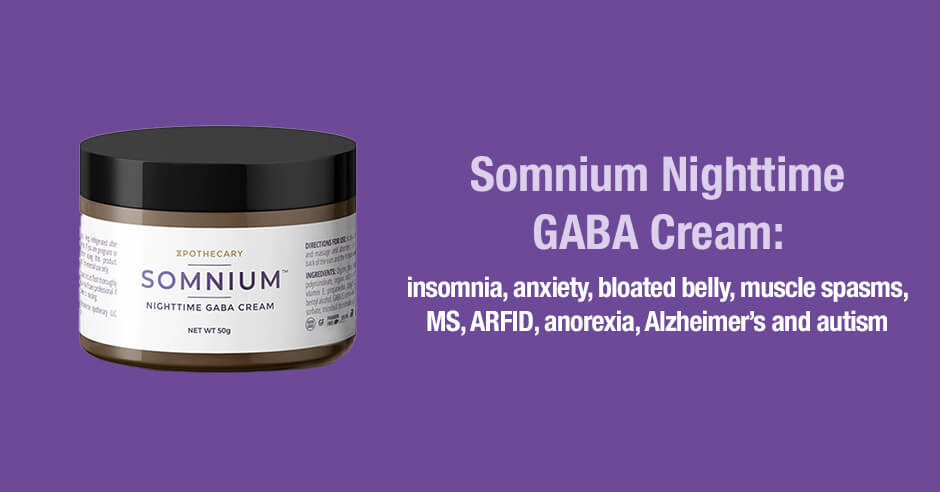
Somnium Nighttime GABA Cream: insomnia, anxiety, bloated belly, muscle spasms, MS, ARFID, anorexia, Alzheimer’s and autism

May 26, 2023 By Trudy Scott 45 Comments

somnium gaba cream

Somnium Nighttime GABA Cream is a topical GABA product I have been researching and trying personally with success. And folks in my community are reporting good results too. One woman shared this:

Surprisingly this stuff is very strong. I only use a small amount on the inside of my arm and it really helps me sleep better and calm down my nervous system at night. I don’t use it every day, rather I tend to use it when I’ve had a particularly busy or full/stressful day.

I endorse this topical GABA product as something to use in addition to the sublingual, powder, liposomal or opened GABA capsule you may be seeing benefits from OR it may become the one GABA product that works best for your needs – for helping with insomnia, easing physical anxiety and other low GABA symptoms.

I expect it to be beneficial for those with MS (multiple sclerosis), ARFID (Avoidant restrictive food intake disorder), anorexia, Alzheimer’s, autism and special needs children, and if you have severe digestive issues – for anxiety, insomnia and related symptoms.

When to use Somnium and increasing as needed

I do recommend only trialing this GABA cream when you know that GABA does work for you and you are looking for another way to increase GABA levels. I say this because it is more expensive than other GABA products and will only work if GABA is low – so it’s best to be sure.

Also, I have clients use a similar dose when using GABA products interchangeably. Somnium is around 250mg to 500mg for a small pea-size amount (the 1oz jar lasts 45 days, and the 2oz jar lasts 90 days if a pea-sized amount is used nightly.)

When comparing this with the GABA product that is already working for you, don’t forget to compare apples to apples with no confounding influences. So if you still have your period, the time of the month needs to be considered, and diet and other factors like outside stresses of course.

And don’t forget that there is no one size fits all. I have clients increase the amount of GABA when using it as a supplement, in order to find the ideal dose for their unique needs. I use the same logic with the GABA cream – start low and increase as needed.

For nighttime use for improving sleep (and how to use it)

As you’ll see on the website, it’s recommended for nighttime use for improving sleep but I have found there are many more applications (more on these below).

You’ll also see the recommended way to use it is to “Apply a small pea-size amount to skin and massage until absorbed. For best results apply to the back of the ears and the temples before bed time.”

Very quickly after starting to use Somnium myself, I decided I didn’t like using it on the back of my ears and temples, because it’s oily and made my hair greasy.

Rubbing it between my palms and applying some onto my forearms worked as well for my insomnia. Using it on the inner thigh is an option too.

It also helps me with a painful bloated belly and muscle spasms

I’ve also used it for a painful bloated belly at night, rubbed directly on my belly.

And I’ve found it to help back pain/muscle spasms when used directly over the spasming muscle.

(By the way my sublingual GABA product works as well as the GABA cream – I was experimenting with the cream so I could compare the two and offer my feedback.)

An application for specific populations

I also see the application for Somnium GABA cream for specific populations, who may find a cream is a better way to use GABA:

  • An aging parent with Alzheimer’s disease (and sundowning agitation/anxiety)
  • A person with ARFID (avoidant-restrictive food intake disorder)
  • A person with anorexia or other eating disorder
  • A child or young adult with autism (with anxiety and sensorimotor issues), a child/adult who struggles with taking supplements and other special needs children/adults
  • Someone with multiple sclerosis (for anxiety and muscle spasms/spasticity)
  • A person with severe digestive issues and prefers a cream

Low GABA symptoms

As a reminder, if you are new to GABA, it’s an amino acid that helps to address low GABA levels and the associated symptoms: insomnia, physical anxiety, feeling worried or fearful, panic attacks, stiff or tense muscles, feeling stressed and burned-out, craving carbs/alcohol for relaxation and calming, intrusive thoughts, spinning/poor focus, fear of heights, rectal spasms, burning mouth, and visceral pain/belly pain with IBS. See the most current list of low GABA symptoms here.

Is oral GABA not effective?

When I recently shared this GABA cream product someone asked this great question: “Why have I been spending a ton of money on oral GABA if it’s not effective?”

Oral GABA does work and is most effective when it’s used properly i.e. using a capsule opened on to the tongue (and held for at least 2 minutes) or using GABA in powder form on the tongue (and held for at least 2 minutes), or using a sublingual form of GABA. More on all this here – How did you come up with the idea of using GABA on the tongue? (GABA is a calming amino acid supplement used to ease physical anxiety symptoms).

Keep in mind there are many practitioners who are not aware of these methods and will recommend swallowing GABA capsules or tablets. This is not ideal for the majority of clients I have worked with.

There are also some practitioners and consumers who do not believe that any method of oral GABA works (swallowed or using the above approaches) or even that topical GABA works.

The important thing is this: if you do have low GABA symptoms and get symptom relief when you use GABA, you can ignore the naysayers. Better yet, shout it from the rooftops so more people get to learn about the amazing amino acid GABA and get results too!

My recommendation is to first experiment with oral GABA (used as above) and then consider Somnium when you know how GABA benefits you and how much is helping.

A few of the negatives

Here are a few of the negatives: You don’t know exactly how much GABA you’re getting (it’s a proprietary formulation but I suspect it’s 250mg to 500mg for a small pea-size amount); towards the end of the jar it does start to separate a bit/get clumpy; it’s pricey but it does go a long way.

However, it works!

The benefits of combing GABA with chondroitin sulfate

Dr. Christine Schaffner helped formulate the product and shares this about combining GABA with chondroitin sulfate:

Now individually, GABA and Chondroitin Sulfate have their respective health benefits. But when you combine these 2 compounds, something AMAZING happens.

You might’ve heard the phrase, ‘your skin is the antenna of your body’. It’s a fancy way of saying that your skin absorbs everything.

When you combine the 2 compounds… the absorption happens faster than with any other GABA cream on the market. And since chondroitin sulfate is known to pass the blood brain barrier, it’s as if the GABA has hopped on a super-highway straight to your brain.

Here is some feedback from a few of her Somnium customers:

I was waiting to share until I had more than one great night’s sleep after using Somnium Nighttime Gaba Cream. I now have had several nights of deep sleep and the only thing I changed was the sleep cream. It had been years since I slept straight through 7 – 8 hours. I feel SO rested when I get up. Wow!! – Candace

It works! I LOVE gaba and am familiar with how it feels. It’s especially nice to be able to get it in cream form. I’ve been sleeping much more deeply. – Jaya

UPDATE: April 2025 – unfortunately this product has been discontinued. Stay tuned for a new updated formula.

UPDATE: July 2025 – I have been in communication with Dr. Ruggiero’s team at Bravo North America about the new formulation called Bravo cream. He worked with Dr. Christine Schaffner to create Somnium GABA cream. They have shared that “Bravo is the combination of Somnium and Lymphflo; it contains all the active ingredients of the two creams with a delivery system that has been redesigned appropriately to allow the maximum efficacy.”

Purchase Bravo cream with this link – Use trudy15 at checkout to get a 15% discount.

Have you used Somnium in the past and how has it helped you? If you have used it and decide to get the Bravo cream I’d really appreciate your feedback on how it compares.

How does using a GABA cream compare with other GABA products you have used (feel free to share specific brands and how you used them – sublingual, capsule-opened, liposomal or powder). Some folks prefer a cream only and many use a combination of cream and sublingual.

Feel free to post your questions here too.

Filed Under: Anxiety, GABA Tagged With: alzheimer's, anorexia, anxiety, ARFID, autism, bloated belly, blood brain barrier, chondroitin sulfate, GABA, insomnia, MS, muscle spasms, Somnium, Somnium Nighttime GABA Cream, topical

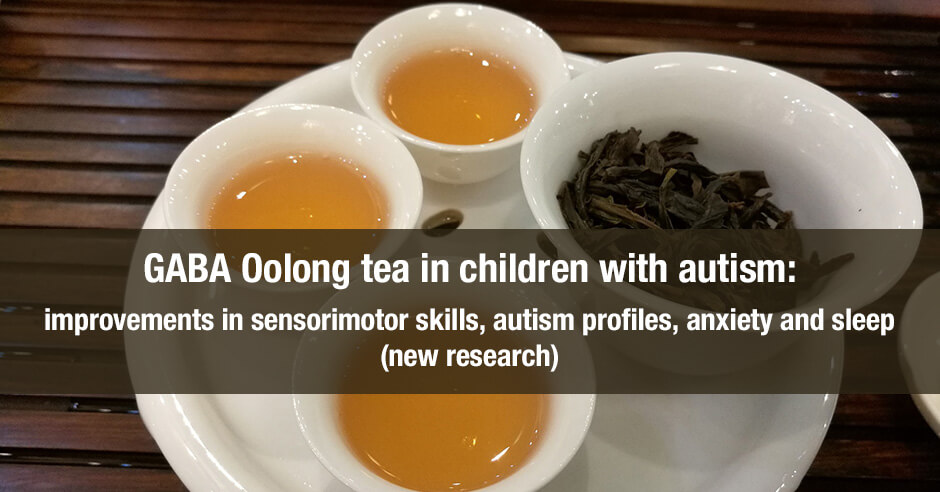
GABA Oolong tea in children with autism: improvements in sensorimotor skills, autism profiles, anxiety and sleep (new research)

December 2, 2022 By Trudy Scott 14 Comments

gaba woolong tea and autism

A small feasibility study, A double-blind, placebo-controlled, randomised-designed GABA tea study in children diagnosed with autism spectrum conditions, explored the effect of drinking GABA Oolong tea on sensorimotor skills, autism profiles, anxieties and sleep of children with autism.

It was a very small study with nine children (5 male and 4 female) but the results were very promising… “significant improvement in manual dexterity and some large individual improvements in balance, sensory responsivity, DSM-5 criteria and cortisol levels with GABA tea.”

In addition to reducing anxiety (in all but one participant – more on that below), the paper lists the following additional information related to sensory issues, cortisol levels and sleep:

  • Results also demonstrated that sensory responsivity improved in two-thirds of the participants and autism symptomology decreased in over half, with four of these individuals being positively re-classified on the DSM-5 scale
  • Differences between evening and morning cortisol levels, deemed the ‘carryover’ effect and cortisol awakening levels were also decreased in over two thirds of the participants, which we attribute to a reduction in stress response which may have helped to reduce sensorimotor responsivity in individuals with autism.
  • Contrary to our hypotheses, GABA Oolong tea did not appear to impact sleep, with no discernible differences noted in a range of sleep parameters compared with the placebo, despite parents’ subjective reports that their children appeared to sleep more deeply.

They conclude as follows … “These results suggest that sensorimotor abilities, anxiety levels and DSM-5 symptomology of children with autism can benefit from the administration of GABA in the form of Oolong tea.”

What is GABA Oolong tea?

When I shared this study and results on Facebook, I had a few people ask if they could simply add the amino acid GABA to their Oolong tea: “Is it just brewed tea with GABA powder added? Or does someone make a specific tea? I can totally add some GABA to my daily tea.”

It’s not regular oolong tea with GABA added, instead it’s specially fermented to increase GABA levels naturally. Amber GABA Oolong tea by Meileaf is the actual tea used in the study and they share this on the product page.

The farmers achieve this by alternating the leaves between air and a nitrogen rich environment (with no air) during the oxidation phase. This is done over a matter of hours and naturally increases the GABA levels in the tea leaves.

They also share this: “In order to be called GABA tea, the leaves must contain at least 150 mg of GABA per 100g (normal oolong has about 6 mg so that is 25 times higher).”

GABA Oolong tea does also contain theanine, caffeine and epigallocatechin gallate. There is a large part of the study dedicated to theanine so feel free to read that at your leisure.

How much GABA was ingested by study participants?

It was a surprisingly low dose of GABA! They were given 4 cups a day of the GABA Oolong tea and this provided a total of 39.2mg GABA for the day. The authors share this about the amount of daily GABA the study participants received:

With the GABA Oolong tea the dose would be approximately 280 mg per 100 g tea. Based on using 3.5 g per tea portion this equates to 9.8 mg of GABA; multiplied by 4 throughout the day, being 39.2 mg of GABA.

I’ve reached out to confirm which tea was used in the study since Meileaf mentions that this tea contains 205 mg of GABA per 100 g whereas the study states there was 280 mg GABA per 100 g tea. I see consistency with assessing GABA levels accurately being a possible issue (more on that below).

One of the first questions I had was how could such a small amount – 39.2 mg GABA for the day –  be so effective? I typically have clients start with 125 mg GABA and they may end up using this dose 3 or 4 x day (so 375 to 500 mg GABA total for the day.)

That said, we are all unique and as I’ve shared, there can be an extremely large variation in dosing.  In this blog I share how Syd gets sleep and body anxiety benefits with just 1.5 mg to 3 mg GABA and yet Christina’s agoraphobic client was able to leave the house with 3000 mg GABA.

My other questions: the placebo, caffeine, a histamine reaction, low cortisol and B1 depletion

With new research there are always many factors to consider and I have a number of other questions I’d love to see addressed:

  • Why did the placebo tea also contain GABA? It had 22.2 mg per day of GABA – about half that found in the GABA Oolong tea.
  • GABA Oolong tea does contain small amounts of caffeine and how would this affect susceptible individuals? One child was more anxious – was it due to caffeine or was it too much GABA for his needs or a histamine reaction due to the fermentation process (or something else)?
  • Do we need to be concerned about long term use and depletion of vitamin B1/thiamine which happens with regular tea.
  • And what about the effects if someone already has low cortisol levels?
  • Will there be standard levels and accurate measures of GABA in the various GABA Oolong teas that we can rely on? This applies to consumers and practitioners wanting to try this approach and for ongoing research.
  • How much of the effect was also due to addressing dehydration and helping with dietary oxalate issues which are known to be common in autism?

Hopefully new ongoing research with more participants will shed light on some of these questions.

I’d also love to see head to head research comparing GABA Oolong tea with supplementation of the amino acid GABA, and a study where both are used for possible synergistic effects.

I do appreciate that the authors attempt to address the GABA blood brain barrier (BBB) debate and how GABA could work, focusing on a permeable blood brain barrier in epilepsy and increased epilepsy in autism. This angle is new to me. I’ve addressed the leaky BBB at length here in my interview with Dr. Kharrazian (it’s a theory) and one of my interviews on a prior Anxiety Summit (there are many possible mechanisms and the peripheral effects).

If you’re new to symptoms of low GABA (and cases highlighting the calming effects of the amino acid GABA used as as a supplement)

GABA (gamma aminobutyric acid) is a calming neurotransmitter and the calming amino acid GABA used as a supplement can raise GABA levels. With low GABA levels you’ll feel a physical-tension and stiff-and-tense-muscles type of anxiety.

The other symptoms we see with low GABA are panic attacks, physical tension in certain settings like public speaking or driving, and the need to self-medicate to calm down, often with alcohol but sometimes with carbs and sugary foods. Insomnia can also be due to low GABA and you’ll experience physical tension (rather than the ruminating thoughts which is the low serotonin type of insomnia – although it’s not uncommon to experience both). GABA also helps with muscle spasms and pain relief when muscles are tight.

Here are are some case studies where you can read about the calming effects (and other benefits) of the amino acid GABA used as as a supplement:

  • GABA is a life saver for anxiety, theanine helps at night (insomnia) and 5-HTP makes a significant difference in lessening daily pain
  • Drastic reduction in intrusive thoughts, anxiety and fears (and better sleep) with GABA, tryptophan, 5-HTP and the pyroluria protocol
  • GABA, Heartmath and EFT ease Micki’s mold-induced anxiety and panic attacks
  • GABA, Rescue Remedy & essential oils for eliminating dental anxiety
  • GABA for children: ADHD, focus issues, irritability, anxiety and tantrums

Resources if you are new to using GABA and other amino acids as supplements

If you are new to using GABA or any of the other amino acids as supplements, here is the Amino Acids Mood Questionnaire from The Antianxiety Food Solution (you can see all the symptoms of neurotransmitter imbalances, including low GABA and low serotonin).

If you suspect low levels of any of the neurotransmitters and do not yet have my book, The Antianxiety Food Solution – How the Foods You Eat Can Help You Calm Your Anxious Mind, Improve Your Mood, and End Cravings, I highly recommend getting it and reading it before jumping in and using amino acids on your own so you are knowledgeable. And be sure to share it with the practitioner/health team you or your loved one is working with.

There is an entire chapter on the amino acids and they are discussed throughout the book in the sections on gut health, gluten, blood sugar control, sugar cravings, self-medicating with alcohol and more.

The book doesn’t include product names (per the publisher’s request) so this blog, The Antianxiety Food Solution Amino Acid and Pyroluria Supplements, lists the amino acids that I use with my individual clients and those in my group programs. You can find them all in my online store.

If, after reading this blog and my book, you don’t feel comfortable figuring things out on your own (i.e. doing the symptoms questionnaire and respective amino acids trials), a good place to get help is the GABA QuickStart Program (if you have low GABA symptoms). This is a paid online/virtual group program where you get my guidance and community support.

If you are a practitioner, join us in The Balancing Neurotransmitters: the Fundamentals program. This is also a paid online/virtual program with an opportunity to interact with me and other practitioners who are also using the amino acids.

Have you used GABA Oolong tea with clients/patients or personally? How much and what benefits have you seen?  Which product have you used?

If you’ve also used the amino acid GABA sublingually and with success, I’d love to hear how much (and which product) and how it compares with GABA Oolong tea for anxiety, insomnia, sensorimotor skills and/or autism symptoms (as applicable to you, your child or other family member and/or your client/patient)?

If you have questions please share them here too.

Filed Under: Anxiety, Autism, GABA, Insomnia Tagged With: amino acid, anxiety, autism, autism profiles, B1 depletion, balance, BBB, blood brain barrier, caffeine, calming, children, cortisol, GABA, GABA Oolong tea, GABA Quickstart online program; Balancing Neurotransmitters: the Fundamentals program for practitioners, histamine, insomnia, manual dexterity, research, sensorimotor skills, sensory responsivity, sleep, study

Dr. Datis Kharrazian’s GABA Challenge for a leaky blood brain barrier is a theory and we still have much to learn

May 29, 2020 By Trudy Scott 16 Comments

gaba challenge theory

I highly respect Dr. Datis Kharrazian and his work and had the pleasure of interviewing him last November on the Anxiety Summit 5: Gut-Brain Axis. During our preparations I asked if we could talk about his GABA challenge for a leaky blood brain barrier and he graciously agreed.

I wanted to address this topic in our interview because two of the most common questions I get asked are these:

  • “How can GABA work if it can’t cross the blood brain barrier?” and
  • “If GABA works does this mean I have a leaky blood brain barrier?”

We had such a great conversation on the topic I’ve decided to pull this part of the transcript into a blog so I can share it here with you and use the blog link to share it more widely as I’m asked these questions on social media and elsewhere.

You will learn how Dr. Kharrazian came up with the GABA Challenge, what his thoughts are today, his reservations with GABA and my excellent results with low doses of sublingual GABA. I also share some links to success stories, some of the research and how to figure out if GABA is for you.

Here it is, word for word.

Trudy: So while we’re talking about the leaky blood brain barrier, I want to just talk briefly about GABA and the GABA challenge that you have proposed as a tool for testing for a leaky blood brain barrier. And as you know, I use GABA extensively with clients with the low GABA physical type of anxiety.

I’ve always been a huge fan of you and your work but we do have a professional difference of opinion in this area. And I’ve never actually been a proponent of using the GABA challenge, and I’ve been pretty vocal about it. So I’m really glad that we had a discussion about this in the Facebook group of your neuroinflammation training, and you shared some insights because I was asking some questions about this.

I’d love you to just share some of what we talked about in that discussion. Because if we don’t talk about it, my community is going to say, “Hey, why didn’t you talk to Dr. Kharrazian about this?”

Dr. Kharrazian: Sure, no problem. I don’t think we have this big a disagreement. I think we just have different ways of looking at what’s out there and what we are observing as people working with people, patients who have anxiety.

So ultimately, we have a bunch of theory right now and a bunch of potential models, but we don’t have any clear studies to show what’s really happening. So, one of the things that I proposed in my book before… you understand, I was working with brain patients for over 20 years now….before we had S100 B readily available for many years, it was only in research; you couldn’t get it from conventional labs, even though research was showing it. And the blood brain permeability test was not available either. These have really become more available the past five years and prior to that, we didn’t really have a great test to evaluate if the blood brain barrier was breached.

In an effort to work with what’s out there, what we could do, one of the things that I was doing was doing a test that we called the GABA challenge test. It was really based on the lactulose mannitol test. So the lactulose mannitol test is a well-established test in gastroenterology where they measure leaky gut. So, in that test what the person does is they consume a monosaccharide and a disaccharide, lactulose and mannitol. Lactulose is a disaccharide, it’s very large, and mannitol is very small. And if mannitol doesn’t get absorbed, then there’s a malabsorption issue. And if lactose, which is very large; that should not get through the tight junctions of the gut, gets absorbed in a post urine test, after they drink it, then it shows they have leaky gut. So the whole premise of when you find particle sizes too large to cross, can be a clue to an indication of permeability.

So the GABA challenge that I write about in my book, Why Isn’t My Brain Working? (my Amazon link) was really a way for us to have patients consume GABA. If you look at the molecular weight of GABA, the Dalton size, it’s several hundred Daltons. Several hundred Daltons cannot cross the blood brain barrier. So the concept was, well if someone is taking GABA and they have an effect, then there’s a potential for it to cross the blood brain barrier. And it was kind of following the theory of the lactulose mannitol test. So there’s patients out there who take GABA and nothing happens and some patients take it and go, “It was amazing. Best thing ever. It finally helped me sleep,” or, “Helped reduce anxiety for me.” So, one of the theories was that maybe for some of these people, their blood brain barrier is breached.

Now I know we talked and there is actually the possibility of other pathways that can impact GABA, maybe directly to the gut itself, through the vagus, so I don’t discount those possibilities because we still don’t know. I mean, ultimately, there’d have to be a study designed where they look at it. And it would have to be an animal study, there’s no way you can get an IRB for human studies to check if it’s crossing the brain. It’s some really advanced isotope tracing techniques and I just don’t think the level of dyes they would have to consume to look at the gut and the brain is peripheral and separate… it wouldn’t be possible. So the real answer is, we don’t know.

For me, I still am always suspicious if someone takes GABA and they have a reaction. I always want to go and check the blood brain barrier. And it’s not 100%, I mean, I can tell you without question, there’s people who take GABA, you do a blood brain barrier test, they feel benefit from it, but their blood brain barrier doesn’t have any markers to show permeability.

So it’s not hard for me to consider the possibility that there’s some exogenous pathways too. But at the same time, it’s also really hard to look at the molecular weight of GABA and look at what can cross a healthy blood brain barrier. This Dalton size, we’re talking nanoparticles to a huge, huge particle. So I don’t know but I think we’ll just have to see what happens. And ultimately, if you feel better with GABA, that’s great. If it’s not harmful to you, and if you feel like taking it, that’s great.

I like to also use things like Valerian root, passion flower, and hops because those compounds cross the blood brain barrier. They cross the blood brain barrier and they bind to GABA receptors.

So, the other thing too with actually using GABA you always have the potential for your neurotransmitter receptor sites to down regulate. And this is seen all the time too, patients take GABA and they feel great and then they have to increase their dose and they don’t get the effect as they first did. And they increase the dose and finally, they just don’t get much of an effect from it. And that’s potentially due to receptor site down regulation, which is not as common if you take agonists like Valerian root or passion flower, or hops. These things bind to GABA receptors. So I did a review in my book, where I went over all the literature of the different GABA compounds, which have been published in the literature.

But I’m not going to deny the possibility that there is a potential exogenous source but I also can’t let go the possibility that the blood brain barrier is permeable. So I’m still waiting.

Trudy: Yes, I think it’s great because the fact that you write about that and you taught about that, and you teach about it. It got me looking into the research further and it got me more curious; and it’s good, it’s good to have a healthy discussion and a healthy debate, and be open to possibilities. I’m very open to having my mind changed if something comes up.

I just see GABA works so well with my clients and we use very, very small amounts. I know with your GABA challenge, it’s… what is the amount, its 1,500 milligrams, I think or 1,500 to 2,000? So I’ll start my clients on 125 milligrams of GABA sublingually and get results. I have not noticed the effect that they need more and more, and more. So that’s interesting that you say that. But yeah, it’s good, I’m glad that we’ve had this discussion.

And the other thing that you did say in the online discussion, you said, if someone has a response to taking oral GABA, in other words, taking a GABA supplement does help them, you would want to test for the blood brain barrier permeability, just to see what’s going on. And I like that you say we can track. I’ve actually been in discussions with Cyrex and said, “Hey, why don’t we monitor people who are doing the Cyrex test and have a response to GABA, either therapeutically for the anxiety or with your challenge?” We may start to see some patterns, which I think would be very interesting.

Dr. Kharrazian: Yes, the best we can do with the data in that scenario is just the correlation statistical analysis. But it still wouldn’t answer it.

Trudy: No, I know. But maybe that will trigger someone to want to do a study. So, the good news is we’re seeing more and more research on GABA in the literature. So, it’s exciting. Well, thank you for discussing that with me.

You can read more from our very enlightening interview here: Fix the Brain to Fix the Gut. Dr Kharrazian covers the impact of brain injury and impaired vagal activity (as well as motility and breakdown of the blood brain barrier), how to activate your neurons, using polyphenols for neuroinflammation and butyrate for leaky gut/brain.

These blogs have additional information on GABA and some of the many possible mechanisms:

  • GABA and theanine for easing anxiety, improving sleep and supporting immunity
  • Oral GABA supplementation allows better prioritizing of planned actions
  • GABA helps with inhibition of unwanted thoughts
  • Pharma-GABA: study participants with an irrational fear of heights are relaxed and less anxious when crossing a swaying suspension bridge

Here are some blogs with feedback from folks who have benefited from using sublingual GABA for dental anxiety, ADHD/focus issues and Lyme anxiety:

  • GABA, Rescue Remedy & essential oils for eliminating dental anxiety
  • GABA for children: ADHD, focus issues, irritability, anxiety and tantrums
  • GABA helps with Lyme anxiety (while addressing the underlying disease)

The best way for you to figure out if you will benefit from GABA is to use the trial method. Do the low GABA questionnaire and do a trial of GABA (used sublingually), starting low and increasing until you find the right amount to ease anxiety and improve sleep. You can find the GABA products I recommend on my supplements blog.

Please do share if you’ve benefited from using GABA or if you use it with success with your clients or patients.

Filed Under: Anxiety, GABA Tagged With: ADHD, anxiety, anxiety summit, blood brain barrier, Dr. Datis Kharrazian, Dr. Kharrazian, GABA, GABA Challenge, leaky, Lyme anxiety, sleep, theanine, unwanted thoughts

Fix the Brain to Fix the Gut with Dr. Datis Kharrazian on The Anxiety Summit 5

October 11, 2019 By Trudy Scott 4 Comments

fix the brain to fix the gut

Datis Kharrazian, DHSc, DC, MS, FACN, CNS is one my guest experts on The Anxiety Summit 5: Gut-Brain Axis and our topic is: Fix the Brain to Fix the Gut. In this interview you’ll learn:

  • Impact of brain injury and impaired vagal activity (as well as motility and breakdown of the blood brain barrier)
  • Activate your neurons
  • Polyphenols (for neuroinflammation) and butyrate for leaky gut/brain

datis kharrazian

We’re taught that “healing begins in the gut” and it’s a huge factor but in certain instances we need to do more before the gut can truly be healed. When you have had a traumatic brain injury/TBI, integrative functional neurology teaches that the brain has to be fixed for the gut to gut to work well. Dr. Kharrazian why this is important:

Someone can have a TBI and 10 or 15 years later they can experience brain and neurological symptoms – like depression and anxiety. These patients can end up with chronic GI issues as a consequence of the TBI because there is this intimate relationship between the brain and how it controls gut function.

In this interview you’ll hear how, after a TBI, the bidirectional gut-brain-microbiotia axis leads to structural and functional  damage to the gut, increased intestinal permeability and an altered microbiome, an immune response and inflammation. There is also often impaired motility, breakdown of the blood brain barrier and impaired vagal activity (and much more).

Dr Kharrazian discusses aspects of this paper: The bidirectional gut-brain-microbiota axis as a potential nexus between traumatic brain injury, inflammation, and disease

  • we will examine the extent to which the bidirectional influence of the gut-brain axis modulates the complex biological processes occurring at the time of traumatic brain injury (TBI) and over the days, months, and years that follow.
  • In addition to local enteric signals originating in the gut, it is well accepted that gastrointestinal (GI) physiology is highly regulated by innervation from the CNS.
  • Conversely, emerging data suggests that the function and health of the CNS is modulated by the interaction between 1) neurotransmitters, immune signaling, hormones, and neuropeptides produced in the gut, 2) the composition of the gut microbiota, and 3) integrity of the intestinal wall serving as a barrier to the external environment.
  • Specific to TBI, existing pre-clinical data indicates that head injuries can cause structural and functional damage to the GI tract, but research directly investigating the neuronal consequences of this intestinal damage is lacking.

datis kharrazian and trudy scott

Dr. Datis Kharrazian is a clinical research scientist, academic professor, and a functional medicine health care provider. You likely are familiar with his work as the author of Why Do I Still Have Thyroid Symptoms? and Why Isn’t My Brain Working?

He is also the creator of several functional medicine and neurology online courses, and the founder of the Kharrazian institute, a post-graduate institute for functional medicine and restorative neurology. Earlier this year I attended his excellent Neuroinflammation training and decided I really wanted him on the summit to share an important an often overlooked aspect – integrative functional neurology.

What I found most surprising is that you don’t even have to have been concussed for a head injury to have an impact on your gut! The serious consequences of a head injury (and subsequent damage to the gut) is very much related to your blood sugar, nutritional status and stress levels at the time of the fall or head bang.

After learning all this it really got me thinking about the many falls I have had. I have never been concussed but I’ve been in a roll-over car accident, fallen hard snow-boarding, fallen sideways off my mountain bike onto rocks at Moab, and taken a really big pendulum fall when rock-climbing in Cape Town. Based on all this and my many chronic gut issues, I am going to have a full functional neurology assessment done and will report back as I learn more.  I’ve completed Dr. Kharrazian’s questionnaire and it seems like I would really benefit from some neuro-rehab. I hope our interview gives you some insights too.

We also talk about one of my favorite topics: GABA and the controversial blood-brain-barrier question. I think you’ll really enjoy this discussion. Do let me know what you think!

We go on to talk about resveratrol, curcumin and butyrate, as well as some very practical neuro-rehab exercises he uses with his patients.

Please join us and listen to my interviews and all the others on The Anxiety Summit 5: Gut-Brain Axis.

Learn more/purchase now


If you’d like to give feedback or ask a question, please post in the comments section at the bottom.

I’d love to hear from you once you’ve listened in to Dr. Kharrazian’s interview and the others.

Filed Under: The Anxiety Summit 5 Tagged With: anxiety, anxiety summit, blood brain barrier, brain, datis kharrazian, Fix the Brain to Fix the Gut, GABA, gut, gut-brain, gut-brain axis, motility, TBI, traumatic brain injury

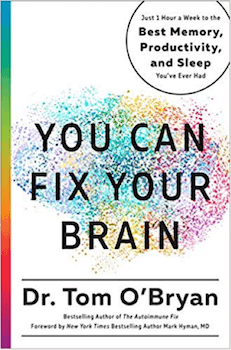
A new book: You Can Fix Your Brain by Dr. Tom O’Bryan

September 19, 2018 By Trudy Scott 2 Comments

There is a new book that I think you may be interested in (for yourself or a family member): You Can Fix Your Brain: Just 1 Hour a Week to the Best Memory, Productivity, and Sleep You’ve Ever Had (Amazon link), written by my amazing friend and colleague Dr. Tom O’Bryan.

One of my favorite chapters is chapter 2: The Leaky Brain, where Dr. Tom writes about the blood-brain barrier (BBB), comparing it to a protective cheesecloth-like lining where:

its main role is to block large molecules from entering into the brain from the bloodstream. The brain’s cheesecloth is even finer than the one in the intestine because most molecules are too big to fit in the blood vessels that service the brain. Just as the intestinal lining can tear, resulting in a leaky gut, the cheesecloth of the brain can tear, resulting in a leaky brain. Scientists refer to these tears as a breach of the blood-brain barrier.

He shares the many reasons we can end up with a leaky brain: trauma to the head/a concussion,

“smaller, repeated traumas (think of head butts during soccer practice that can happen 20, 30, or 50 times a day, 3, 4, or even 5 days a week)”, and even excessive exercise (a modest amount of exercise is beneficial).

Dr. Tom also shares the role of inflammation in creating tears in the blood-brain barrier – due to antibodies to wheat and dairy, bacteria, parasites or autoimmune diseases, together with advanced glycation end products (AGEs) from eating charred meats or barbecued chicken.

He shares that the blood-brain barrier typical heals quickly, within 4 hours but “if there is a recurring insult, leaky brain will remain, allowing macromolecules to penetrate the very sensitive brain.”

Dr. Tom suggests having your doctor order the Neural Zoomer blood test from Vibrant Wellness Laboratories, in order to identify if you have ongoing tearing of your blood-brain barrier:

Two of the biomarkers used in emergency rooms for severe trauma to the blood-brain barrier are called S100B and neuron-specific enolase (NSE). If they are elevated, it means that you’re leaking S100B and NSE into your bloodstream. If you have high levels of S100B and/or NSE in your bloodstream long-term (for instance, as a result of playing soccer or football regularly), your body will make antibodies to them in order to get rid of the excess. When you have elevated antibodies to S100B and NSE, it strongly suggests that you have an ongoing tearing of your blood-brain barrier. These are extremely accurate biomarkers that show up with damage to the blood-brain barrier from any cause, not just physical trauma. They identify that the flood gates are open, allowing macromolecules into the brain, which then will activate the immune response, causing the inflammation that eventually manifests as brain fog, forgetfulness, ADHD, seizures, anxiety, depression, schizophrenia, bipolar disorder, and eventually dementia, Parkinson’s, MS, and Alzheimer’s.

According to Dr. Tom the Neural Zoomer blood test is:

cutting-edge and is the most sensitive biomarker of brain antibodies available today and includes all six of the most important categories to set a benchmark for: demyelination (the condition of your nerves in your brain, related to MS), the blood-brain barrier [S100B and NSE], peripheral neuropathies (numbness and tingling), brain autoimmunity (antibodies to brain tissue), herpes (there are more than 100 studies connecting herpes simplex 1 and Alzheimer’s), and the genes for Alzheimer’s. I believe this test is a game-changer. It can identify, years in advance, the ongoing mechanisms that can cause degenerative brain diseases. When you can identify the mechanism before there is so much tissue damage that symptoms appear, you have a window of opportunity to do something about it.

If your doctor can’t order the test you can order it directly from theDr.com/neuralzoomer.

Here’s the official book blurb for You Can Fix Your Brain: Just 1 Hour a Week to the Best Memory, Productivity, and Sleep You’ve Ever Had (Amazon link)

For anyone worried about any type of brain ailment, ranging from the chronic conditions to simple brain fog and fatigue, this essential guide covers the full spectrum of prevention to treatment.

We’ve all experienced brain fog―misplaced keys, forgotten facts, a general feeling that you’re just feeling off today. And many of us will experience that “fog” manifesting as something more permanent―either in ourselves or our loved ones.

No matter what your current brain health state may be, You Can Fix Your Brain will enable and empower you to take concrete steps that will make an immediate difference in your brain’s vitality, clarity, and energy. Your memory will improve, fogginess will disappear, you’ll be less tired all the time, and much more. And, you’ll learn that these aren’t empty promises. Dr. Tom O’Bryan, author of The Autoimmune Fix, knows how to create lasting changes in health, and he’s here to share them with you.

It’s a step-by-step approach to better cognitive function―being selective about what’s on your fork, what’s in your environment, and how you take care of yourself can make a world of difference. With only one hour a week of practice, in 6 months, you can say goodbye to brain fog and welcome a better long-term memory and a sharper mind.

This is my endorsement:

The advice Dr. Tom shares in this book is cutting edge and provides powerful results if you want to have the best possible brain. This book is a must-read if you want to improve your memory and clear brain fog, have amazing sleep, reduce anxiety and ADHD, be productive and even feel happier. I love his message about setting a goal each week to learn just one thing and apply it – it makes this totally do-able for each of us!

If you already know you’d like to buy a copy of the book (or have already bought a copy) go to this link after your purchase to get access to some valuable bonuses.

If you’d like to get a taste of some of the content before purchasing you can check out some snippets in this download: Surprising Everyday Things That Can Damage Your Brain (changing the way you pump gasoline is one very simple changes you can make).

Enjoy! And be sure to leave Dr. Tom a review.

Filed Under: Books Tagged With: blood brain barrier, Dr Tom O'Bryan, leaky brain, you can fix your brain

  • Page 1
  • Page 2
  • Go to Next Page »

Primary Sidebar

NEW! GABA QuickStart Homestudy (with special intro pricing)

gaba quickstart homestudy

Free Report

9 Great Questions Women Ask about Food, Mood and their Health

You'll also receive a complimentary subscription to my ezine "Food, Mood and Gal Stuff"


Connect with me

Popular Posts

  • Amino Acids Mood Questionnaire from The Antianxiety Food Solution
  • The Antianxiety Food Solution Amino Acid and Pyroluria Supplements
  • Pyroluria Questionnaire from The Antianxiety Food Solution
  • Collagen and gelatin lower serotonin: does this increase your anxiety and depression?
  • Tryptophan for the worry-in-your-head and ruminating type of anxiety
  • GABA for the physical-tension and stiff-and-tense-muscles type of anxiety
  • The Antianxiety Food Solution by Trudy Scott
  • Seriphos Original Formula is back: the best product for anxiety and insomnia caused by high cortisol
  • Am I an anxious introvert because of low zinc and vitamin B6? My response to Huffington Post blog
  • Vagus nerve rehab with GABA, breathing, humming, gargling and key nutrients

Recent Posts

  • What do I use instead of Seriphos to help lower high cortisol that is affecting my sleep and making me anxious at night?
  • BeSerene™ GABA/theanine cream eases severe muscle tension in her neck/shoulders, prevents her bad headaches and quells her anxiety
  • How the correct approach, dose and sublingual use of GABA can be calming and not cause a flushed and itchy face and neck
  • The amino acid glutamine improves low mood by addressing gut health, and it has calming effects too
  • Flight anxiety with heightened breath, physical tension and also fearing the worst (the role of low GABA and low serotonin)

Categories

  • 5-HTP
  • AB575
  • Addiction
  • ADHD
  • Adrenals
  • Alcohol
  • Allergies
  • Alzheimer's disease
  • Amino Acids
  • Anger
  • Antianxiety
  • Antianxiety Food Solution
  • Antidepressants
  • Anxiety
  • Anxiety and panic
  • Autism
  • Autoimmunity
  • benzodiazapines
  • Bipolar disorder
  • Books
  • Caffeine
  • Cancer
  • Candida
  • Children/Teens
  • Collagen
  • Cooking equipment
  • Coronavirus/COVID-19
  • Cravings
  • Depression
  • Detoxification
  • Diabetes
  • Diet
  • DPA/DLPA
  • Drugs
  • EFT/Tapping
  • EMF
  • EMFs
  • Emotional Eating
  • Endorphins
  • Environment
  • Essential oils
  • Events
  • Exercise
  • Fear
  • Fear of public speaking
  • Fertility and Pregnancy
  • Fish
  • Food
  • Food and mood
  • Functional neurology
  • GABA
  • Gene polymorphisms
  • General Health
  • Giving
  • Giving back
  • Glutamine
  • Gluten
  • GMOs
  • Gratitude
  • Gut health
  • Heart health/hypertension
  • Histamine
  • Hormone
  • Hyperparathyroidism
  • Hypoglycemia
  • Immune system
  • Inflammation
  • Insomnia
  • Inspiration
  • Introversion
  • Joy and happiness
  • Ketogenic diet
  • Lithium orotate
  • Looking awesome
  • Lyme disease and co-infections
  • MCAS/histamine
  • Medication
  • Men's health
  • Mental health
  • Mercury
  • Migraine
  • Mold
  • Movie
  • MTHFR
  • Multiple sclerosis
  • Music
  • NANP
  • Nature
  • Nutritional Psychiatry
  • OCD
  • Osteoporosis
  • Oxalates
  • Oxytocin
  • Pain
  • Paleo
  • Parasites
  • Parkinson’s disease
  • PCOS
  • People
  • PMS
  • Postpartum
  • PTSD/Trauma
  • Pyroluria
  • Questionnaires
  • Real whole food
  • Recipes
  • Research
  • Schizophrenia
  • serotonin
  • SIBO
  • Sleep
  • Special diets
  • Sports nutrition
  • Stress
  • Sugar addiction
  • Sugar and mood
  • Supplements
  • Teens
  • Testimonials
  • Testing
  • The Anxiety Summit
  • The Anxiety Summit 2
  • The Anxiety Summit 3
  • The Anxiety Summit 4
  • The Anxiety Summit 5
  • The Anxiety Summit 6
  • Thyroid
  • Thyroid health
  • Toxins
  • Tryptophan
  • Tyrosine
  • Uncategorized
  • Vegan/vegetarian
  • Women's health
  • Yoga

Archives

  • October 2025
  • September 2025
  • August 2025
  • July 2025
  • June 2025
  • May 2025
  • April 2025
  • March 2025
  • February 2025
  • January 2025
  • November 2024
  • October 2024
  • September 2024
  • August 2024
  • July 2024
  • June 2024
  • May 2024
  • April 2024
  • March 2024
  • February 2024
  • January 2024
  • December 2023
  • November 2023
  • October 2023
  • September 2023
  • August 2023
  • July 2023
  • June 2023
  • May 2023
  • April 2023
  • March 2023
  • February 2023
  • January 2023
  • December 2022
  • November 2022
  • October 2022
  • September 2022
  • August 2022
  • July 2022
  • June 2022
  • May 2022
  • April 2022
  • March 2022
  • February 2022
  • January 2022
  • December 2021
  • November 2021
  • October 2021
  • September 2021
  • August 2021
  • July 2021
  • June 2021
  • May 2021
  • April 2021
  • March 2021
  • February 2021
  • January 2021
  • December 2020
  • November 2020
  • October 2020
  • September 2020
  • August 2020
  • July 2020
  • June 2020
  • May 2020
  • April 2020
  • March 2020
  • February 2020
  • January 2020
  • December 2019
  • November 2019
  • October 2019
  • September 2019
  • August 2019
  • July 2019
  • June 2019
  • May 2019
  • April 2019
  • March 2019
  • February 2019
  • January 2019
  • December 2018
  • November 2018
  • October 2018
  • September 2018
  • August 2018
  • July 2018
  • June 2018
  • May 2018
  • April 2018
  • March 2018
  • February 2018
  • January 2018
  • December 2017
  • November 2017
  • October 2017
  • September 2017
  • August 2017
  • July 2017
  • June 2017
  • May 2017
  • April 2017
  • March 2017
  • February 2017
  • January 2017
  • December 2016
  • November 2016
  • October 2016
  • September 2016
  • August 2016
  • July 2016
  • June 2016
  • May 2016
  • April 2016
  • March 2016
  • February 2016
  • January 2016
  • December 2015
  • November 2015
  • October 2015
  • September 2015
  • August 2015
  • July 2015
  • June 2015
  • May 2015
  • April 2015
  • March 2015
  • February 2015
  • January 2015
  • December 2014
  • November 2014
  • October 2014
  • September 2014
  • August 2014
  • July 2014
  • June 2014
  • May 2014
  • April 2014
  • March 2014
  • February 2014
  • January 2014
  • December 2013
  • November 2013
  • October 2013
  • September 2013
  • August 2013
  • July 2013
  • June 2013
  • May 2013
  • April 2013
  • March 2013
  • February 2013
  • January 2013
  • December 2012
  • November 2012
  • October 2012
  • August 2012
  • July 2012
  • June 2012
  • May 2012
  • April 2012
  • March 2012
  • February 2012
  • January 2012
  • December 2011
  • November 2011
  • October 2011
  • September 2011
  • August 2011
  • July 2011
  • June 2011
  • May 2011
  • April 2011
  • March 2011
  • February 2011
  • January 2011
  • December 2010
  • October 2010
  • September 2010
  • July 2010
  • May 2010
  • April 2010
  • March 2010
  • February 2010
  • January 2010
  • November 2009

Share the knowledge!

The above statements have not been evaluated by the Food and Drug Administration. Products listed in this website are not intended to diagnose, treat, cure or prevent any disease.

The information provided on this site is for informational and educational purposes only and is not intended as a substitute for advice from your physician or other health care professional. You should consult with a healthcare professional before starting or modifying any diet, exercise, or supplementation program, before taking or stopping any medication, or if you have or suspect you may have a health problem.


Copyright © 2026 Trudy Scott. All Rights Reserved. | Privacy | Terms and Conditions | Refund Policy | Medical Disclaimer

Free Report

9 Great Questions Women Ask about Food, Mood and their Health

You’ll also receive a complimentary subscription to my ezine “Food, Mood and Gal Stuff”