• Skip to primary navigation
  • Skip to main content
  • Skip to primary sidebar

everywomanover29 blog

Food, Mood and Women's Health – Be your healthiest, look and feel great!

  • Blog
  • About
  • Services
  • Store
  • Resources
  • Testimonials
  • The Book
  • Contact
  • Search this site

benzodiazepine

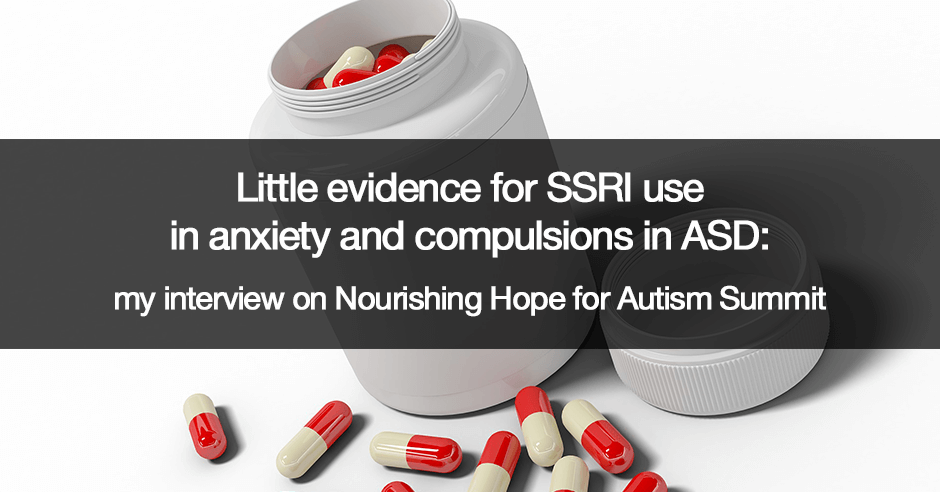
Little evidence for SSRI use in anxiety and compulsions in ASD: my interview on Nourishing Hope for Autism Summit

July 2, 2018 By Trudy Scott 2 Comments

One of the reasons I’m so passionate about participating on summits like The Nourishing Hope for Autism Summit and sharing the powerful nutritional interventions is due to the fact that medications such as antidepressants and benzodiazepines are frequently prescribed in ASD – and the research and clinical evidence shows that children and adolescents with ASD (autism spectrum disorder) are more vulnerable to the side effects.

This paper, Psychopharmacological interventions in autism spectrum disorder, makes the following conclusion:

Psychopharmacological treatment of core and associated symptoms in ASD is challenging, in large part because ASD presents in many different ways. Furthermore, children and adolescents with ASD are more vulnerable to the side effects of psychopharmacological intervention than their age-matched, typically developing counterparts.

This paper, Pharmacotherapy of emotional and behavioral symptoms associated with autism spectrum disorder in children and adolescents, supports this, stating there is little evidence to support the use of SSRIs in ASD:

Selective serotonin reuptake inhibitors are often used in clinical practice to target anxiety and compulsions; however, there is little evidence to support its use in this population. There is a great need for further research on the safety and efficacy of existing psychotropic medications in youth with ASD.

And this paper published a few months ago, An update on pharmacotherapy of autism spectrum disorder in children and adolescents, concludes that

Overall, the evidence is limited for pharmacotherapy in children with ASD, and side-effects with long-term use can be burdensome.

Much of this also applies to adults with ASD and in my interview I talk about the psychiatric medicine concerns within the ASD community and the high incidence of anxiety, aggression, irritability and OCD in this population.

We also discuss the following nutritional solutions in my interview (appropriately titled: How to calm anxiety, and eliminate aggression and OCD) –

  • the role low serotonin plays in anxiety, aggression and OCD/obsessions and the use of tryptophan and when to avoid 5-HTP
  • the low GABA type of physical anxiety and how to effectively use GABA for results
  • how to use inositol for OCD and some wonderful success stories
  • lead toxicity and increased anxiety and the protective role of tryptophan and ascorbic acid
  • phenols and oxalates other special diets (and my story with oxalate issues)

Our interviews are always fun, science based and practical – and in this one we even shared some of our personal results (both good and bad) with some of these nutrients.

Here are just a few of the speakers and topics I’m really looking forward to hearing:

  • James Adams, PhD: The Scientific Evidence Linking Nutrition and Autism Improvement
  • Dietrich Klinghardt: Understanding Lyme, Infections, Mold, and Heavy Metals and the Effects on Autism
  • Chef Pete Evans: Food is Medicine, Inspiration from a chef
  • Kaalya Daniel, PhD: How You Can Use the Healing Properties of Camel’s Milk for Autism
  • Dominic D’Agostino, PhD: Is the Ketogenic Diet Right for an Autistic Child?
  • Susan Owens, MS: The Inflammasome, Oxalates, Autoimmunity and Autism
  • And of course, Julie Matthews, CNC: When GFCF Diets Don’t Work – BioIndividual Nutrition for Autism

This summit provides you with information and tools that address the root causes so medications such as the above do not even have to come into the picture!

The Nourishing Hope for Autism Summit runs July 30 to August 3 and is hosted by my dear friend and colleague Julie Matthews, whose work you’re probably very familiar with. In case Julie’s work is new to you, in my eyes, she is THE autism nutrition expert. I’ve had the pleasure of interviewing her a number of times on the Anxiety Summit, I endorse her Bioindividual Nutrition training (special diets) for practitioners, I highly respect the work she does and I adore her!

The focus of this summit is clearly autism and Julie is THE expert so you’ll learn a ton from the experts she has gathered.

But do keep in mind that those with autism or Asperger’s are often considered the canaries in the coalmine and even if you don’t have a loved one with ASD many of the interviews have wider applications for anxiety, ADHD and other developmental and learning disorders.

Register here for The Nourishing Hope for Autism Summit to learn more! It airs online from July 30 to August 3, 2018
Filed Under: Anxiety, Autism, Events Tagged With: antidepressant, anxiety, ASD, Asperger’s, autism, benzodiazepine, compulsions, GABA, inositol, Julie Matthews, medications, Nourishing Hope for Autism Summit, OCD, psychotropic, SSRI, tryptophan

Benzodiazepine horror story on The Mental Wellness Summit 2

August 27, 2017 By Trudy Scott 28 Comments

The Mental Wellness Summit 2 aired online September 25 – October 2, 2017

Whether challenged by depression, anxiety, stress, addiction or another mental health challenge, every single person is impacted and affected – you, your family, friends, neighbors and coworkers -either directly or indirectly every single day.

This Mental Wellness Summit 2 will provided the information you need to:

  • Overcome the silence, isolation and fear of your struggle
  • Transcend outdated, prescription-based healthcare systems
  • Find holistic practitioners and natural solutions for your pain
  • Implement expert practices, tools and tips into your daily routine

My interview covered the dangers of benzodiazepines and why GABA is a more effective option for anxiety.

Here are some snippets from my interview where I discuss benzodiazepines which are

  • a class of psychoactive drugs / tranquillizers with sedative, sleep-inducing, anti-anxiety, anticonvulsant, and muscle relaxant properties
  • they target the GABAA receptor and enhance the effect of the neurotransmitter GABA
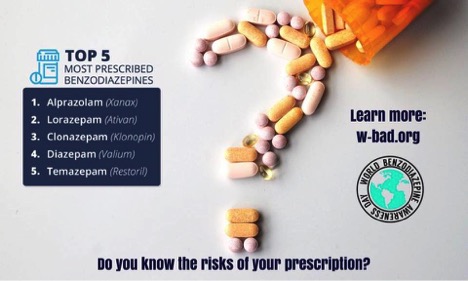
  • the common Brand name/drug name are: Xanax/ Alprazolam, Klonopin/Clonazepam, Valium/ Diazepam, Ativan/ Lorazapam

These medications are commonly prescribed for:

  • Anxiety, social anxiety, panic, pain/dental pain, insomnia, fear of flying, Lyme disease, ER visits for back/neck spasms
  • Children with autism
  • IBS
  • pre-surgery anxiety
  • ICU patients needing ventilation
  • during chemotherapy for cancer treatments – for anxiety, nausea and anticipatory nausea

I share this true benzodiazepine horror story:

Been totally disabled by benzos for over 3 years. I have been off meds for 17.5 months and the impact of these meds makes any anxiety I ever felt a cake walk. Please run from the poison.

When I turned 21 I went to the doctor for dizziness and they put me on xanax. I started to feel anxious and they then added Zoloft. That was the start of a long journey. I was shifted from one anti-depressant to another. At 34 I was told I was treatment resistant and they added lamotrigine. Then my world crashed at age 37. I have been on xanax, then klonopin, then Ativan, then back to xanax, then valium to taper. I had also been given ambien to sleep in early 30s.

I tapered off meds over a period of a year. I was on 1.5 mg xanax and tapered off valium as prescribed. I have tried many supplements but I react poorly to all of them. I get very agitated and revved up.

I have locked shoulder muscles, neck, jaw; I have internal vibrations, I get bad headaches, jelly legs, distorted vision like floaters and squiggles and fireworks, my teeth all feel like they will fall out but they are not loose, it feels like adrenaline or cortisol rushes through the body. Sometimes my arms go numb. I am pretty tortured every day. These meds are truly causing chemical warfare on some of us. 

This is one of the many reasons I do this work – so more people don’t end up in this situation and so everyone knows about the dangers of benzodiazepines and that there are nutritional solutions for anxiety. One of them is the amino acid GABA and I discuss this in the latter half of the interview.

Filed Under: benzodiazapines, Events Tagged With: anxiety, benzodiazepine, GABA, Mental Wellness Summit

World Benzodiazepine Awareness Day 2017: Awareness and Anxiety Nutrition Solutions

July 14, 2017 By Trudy Scott 14 Comments

World Benzodiazepine Awareness Day 2017 was celebrated earlier this week on July 11th. The organization recommends that everyone should watch and share this short informative video: The risks of taking benzodiazepines (Klonopin, Xanax, Ativan) as prescribed. It could save your life or the life of someone you know.

This is what W-BAD shares about benzodiazepines and Z-drugs that are used as prescribed:

Benzodiazepines (Xanax, Klonopin, Ativan, Valium, Librium, and others) as well as Z-drugs (Ambien, Lunesta and others), which are similar, have the most debilitating withdrawal reactions in all of medicine.

This happens in regular, everyday people who are taking the medications exactly as their doctor prescribed. It also happens to people on what they think are “low doses” and is not just a “high dose” problem. This happens because the prescribing guidelines for this class of drug recommend short-term use only (less than 2-4 weeks), yet doctors are prescribing them for much longer. Even worse, these unsuspecting patients are given no warning (or informed consent) by their doctor about these risks and dangers before taking the prescription past the recommended timeline. The patients think the drugs are “safe” because they are prescribed when they are actually quite dangerous medications that are capable of inflicting sometimes severe and life-threatening withdrawal syndromes which are known, for some people, to persist for many years.

W-BAD shares these stats about how common it is to see physical dependence, adverse effects, and withdrawal:

Experts and studies estimate that as many as 60% of people taking benzodiazepines for more than the recommended 2-4 week time period will develop physical dependence, adverse effects, and withdrawal

60% is actually a conservative percentage, as some other sources indicate that “50-80% of people regularly taking benzodiazepines (even in ‘low dose’) for longer than a few months will develop a physical tolerance to the drug and become dependent, resulting in difficulty stopping benzodiazepines because of withdrawal symptoms”.

30% of long-term users will experience severe withdrawal or adverse effects which may include seizures, hallucinations, psychosis, akathisia, and sometimes suicide or death (people are especially at risk for severe withdrawal if they over-rapidly taper or cold-turkey their benzodiazepine/Z-drug).

The tapers to discontinue these medications, once you’ve taken them past 2-4 weeks and depending on dose, can last many months or years. I see this all the time in my practice.

About 10-15% of people who withdraw will develop a protracted withdrawal syndrome which can potentially persist for many years (there are anecdotal reports of it persisting up to five, seven, and even ten years post-cessation.). Others, even after a slow, gradual reduction of the benzodiazepine or Z-drug will experience withdrawal that lasts for up to 18 months post-cessation.

Physical dependence is a physical condition, a state of adaptation in the body caused by chronic use of a tolerance forming drug, in which abrupt or gradual drug withdrawal causes withdrawal.

When someone becomes physically dependent to benzodiazepines (or Z-drugs), they are also at risk for developing tolerance. With benzodiazepines/Z-drugs, specifically, when the receptors in the brain become adapted or accustomed to the action of the original dose of BZ, more of the drug is needed in order for the desired therapeutic effect (or the original effect at the original dose) to be achieved. This means that the drug loses its effectiveness and the person taking it can begin to experience withdrawal symptoms while still taking the prescribed dose of the drug.

It’s very unfortunate that some of the very same symptoms that are trying to be addressed by these medications are now amplified or seen for the first time:

Some common symptoms of tolerance include increasing anxiety, panic attacks, development of agoraphobia for the first time, interdose withdrawal (withdrawal symptoms emerging in between doses), as well as a plethora of other physical/neurological/psychological symptoms.

Visit the website World Benzodiazepine Awareness Day to learn more and to get involved:

By spreading the word about taken-as-prescribed benzodiazepine risks, harms, and dangers, W-BAD (World Benzodiazepine Awareness Day) hopes to bring awareness to the general public and the medical community about this problem before more people are needlessly harmed. Please help share this video with everyone you know and, together, we can prevent more victims of iatrogenic (caused by medicine) dependence, withdrawal, and injury from prescribed benzodiazepines and Z-drugs.

There are some heartbreaking stories on the Facebook page (an excellent resource) :

  • W-BAD volunteer Jan Elle bravely shares some details of her cold-turkey benzo withdrawal in this video as she recovers from the Protracted Withdrawal Syndrome
  • Jennifer Fritzler-Krueger was struggling really badly through withdrawal and major brain fog but shared her story via video anyway

W-BAD acknowledges Professor Malcolm H. Lader for guiding them in providing information that appears throughout the website and in handout materials. Prof. Lader first described benzodiazepine withdrawal syndrome as a potential brain injury in the scientific literature, and also campaigned around the world to get everyone from politicians to royalty to listen.

Here is some guidance with slow tapering protocols from W-BAD (and never stop cold-turkey).

For additional resources this is the blog post I published last year: World Benzodiazepine Awareness Day – say NO to Benzodiazepines for anxiety!

Awareness and nutrition solutions

I do love that this awareness is being created. It is so needed for those who are prescribed these medications and currently taking them, for anyone who may consider a future prescription, and for everyone in the medical profession, as well as all integrative and functional medicine practitioners and nutritionists.

All this awareness creates the perfect opportunity to offers nutrition solutions too, so we can address:

  • the initial root cause/s of your anxiety which led to your prescription of this medication to start with
  • the anxiety you now experience even through you were prescribed these medications for something else (such as pain)
  • your current biochemistry and nutritional status to facilitate an easier taper from the benzodiazepine with the least withdrawal effects
  • your current biochemistry and nutritional status so you don’t get anxiety in the future, once you have completed the taper

And if you are considering a benzodiazepine prescription in the future you are now informed about the dangers and have nutritional resources too.

When I am working with someone who has been prescribed a benzodiazepine, I get them nutritionally stable BEFORE they even consider a benzodiazepine taper.

I use amino acids like GABA and tryptophan, melatonin and niacinamide to make the taper easier and so we can balance brain chemistry before tapering and then during the taper (all under the supervision of the prescribing doctor and using the Ashton taper protocol).

Dr. Jonathan Prousky, talks about his success with benzodiazepine tapers on a prior Anxiety Summit interview – using melatonin, niacinamide, Neurapas Balance, rhodiola and GABA.

There is also a big focus on diet (real food/often a Paleo diet, no additives, organic, healthy fats, no gluten, no sugar, no caffeine, quality grass-fed/wild protein), addressing high cortisol if needed, addressing low zinc, low iron, low vitamin B6, low B12 and looking at gut health. Lifestyle and stress reduction is important and we look at and address all possible 60+ underlying factors/causes.

This is all covered in detail in my book “The Antianxiety Food Solution” (on amazon here) The basics plus advanced topics (like fluoroquinolone antibiotic issues when on benzodiazepines and more) are also addressed on the Anxiety Summits.

I feel very strongly about providing this nutritional support and sharing how helpful it is because organizations like W-BAD and Benzobuddies.org (as much as love them) advocate for no nutrient support suggesting it won’t help or could make symptoms worse. I will admit that some people who are tapering are very sensitive and in these situations very very tiny amounts (as small as a pinch in some instances) of some of the nutrients may be a better option, always only doing one thing at a time to make sure it’s helping and not making symptoms worse, and doing functional medicine tests. Using essential oils, light therapy, gentle detox, Heartmath and yoga are wonderful to start with, in conjunction with all the diet changes.

Please share your benzodiazepine story and what has helped you taper more easily and recover.

If you’re a practitioner please share what approaches you have used to help your clients or patients taper more easily.

Filed Under: benzodiazapines Tagged With: anxiety, benzodiazepine, diet, GABA, melatonin, nutrition solutions, World Benzodiazepine Awareness Day

Prozac Nation Is Now the United States of Xanax in New York Times Magazine: my response

June 23, 2017 By Trudy Scott 11 Comments

This is the title of a new article recently published in the New York Times Magazine: Prozac Nation Is Now the United States of Xanax. In other words, depression has been surpassed by anxiety and the antidepressant Prozac has been replaced by Xanax (and other benzodiazepines /anti-anxiety medications) by the US population!

It’s an excellent read for creating awareness about anxiety and benzodiazepines but also sad because there is so much we can do and no solutions are offered. Here are some startling stats shared in the article:

According to data from the National Institute of Mental Health, some 38 percent of girls ages 13 through 17, and 26 percent of boys, have an anxiety disorder. [Note: this was quoted in the article. I’m trying to track down the source because an article in Time Magazine last year says this: ‘About 30% of girls and 20% of boys–totaling 6.3 million teens–have had an anxiety disorder, according to data from the National Institute of Mental Health’ as of 2015.]

On college campuses, anxiety is running well ahead of depression as the most common mental health concern, according to a 2016 national study of more than 150,000 students by the Center for Collegiate Mental Health at Pennsylvania State University. [Both anxiety and depression have shown slight but persistent increases each year for the past six years]

Meanwhile, the number of web searches involving the term [anxiety] has nearly doubled over the last five years, according to Google Trends. (The trendline for “depression” was relatively flat.)

I’m the optimistic type, I’m proactive and I like to give hope as well as solutions – and I have quite a bit to say about this article so here goes.

#1 Too many people are prescribed benzodiazepines without knowing what they are getting into

The article does not address the issues with benzodiazepines: how too many people are prescribed benzodiazepines without knowing what they are getting into, with many suffering dreadfully and never offered nutritional solutions. When I shared the article on my facebook page, someone in my community shared this (and gave me permission to share it further in the hope someone else will be spared her suffering)

Been totally disabled by benzo for 3.5 years. I have been off meds for 17.5 months and the impact of these meds makes any anxiety I ever felt a cake walk. Please run from the poison. Find healthy foods, nutrition and take the break your body is begging you for. We need to listen to our bodies! If it is screaming with anxiety maybe you need to make some life changes. I wish I did instead of taking a med that has almost destroyed me.

I asked her what symptoms she was experiencing, and as well as suffering from severe motion sickness (so badly she can’t even leave her home) she also shared this:

I have locked shoulder muscles, neck, jaw; I have internal vibrations, I get bad headaches, jelly legs, distorted vision like floaters and squiggles and fireworks, my teeth all feel like they will fall out but they are not lose, it feels like adrenaline or cortisol rushes through the body. Sometimes arms go numb. I am pretty tortured every day. These meds are truly causing chemical warfare on some of us.

I believe this will be the next big epidemic and I hope I heal somehow to help others

She had been on a variety of benzodiazepines, SSRIs and other medications for over 17 years and you may think this is an isolated incidence. I assure you it is not – just read the list of the most common psychological and physical symptoms of benzodiazepine withdrawal.

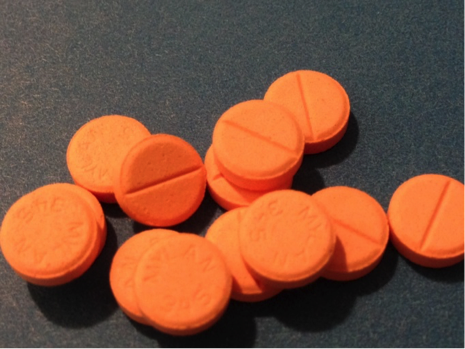
5mg diazepam / Valium, a benzodiazepine

Here is some useful information about the risks and dangers of benzodiazepines:

  • World Benzodiazepine Awareness Day – say NO to Benzodiazepines for anxiety!
  • Benzodiazepines do patients more harm than good

#2 Let’s help anxious individuals like you find solutions

Scott Stossel, journalist and author of My Age of Anxiety: Fear, Hope, Dread, and the Search for Peace of Mind was quoted as saying this in the article:

The silver lining for those with nervous disorders is that we can welcome our previously non-neurotic fellow citizens into the anxious fold.

My first response to the article is this: I say NO to Scott Stossel and instead I say let’s think bigger and instead let’s invite the anxious citizens into the calm and no-more-anxiety fold!

Scott’s book is well-written book, offers an excellent understanding of what it feels like to experience anxiety and panic attacks, and has many compelling stories. But as a number of his Amazon reviewer’s say the big question is this: what is the answer or solution? Unfortunately it’s not provided in his book (or the New York Times Magazine article).

The New York Times Magazine article provides another anxiety resource that has helped “bring anxiety into the open, and allowed its clinical sufferers to band together in a virtual group-therapy setting”: The Sarah Fader on twitter, creator of the hashtag #ThisIsWhatAnxietyFeelsLike and a mental-health advocacy organization called Stigma Fighters.

Again, these are wonderful resources for support, awareness and advocacy but they don’t offer solutions if you suffer from anxiety. With nutritional solutions we can change this to #ThisIsWhatCalmFeelsLike.

#3 Too few people know about nutritional solutions

Too few people know about nutritional solutions and that has to change. Clinically we know it works and there is now SO much research supporting this approach.

Here are a few of many blog posts on my site that share powerful anxiety nutrition solutions:

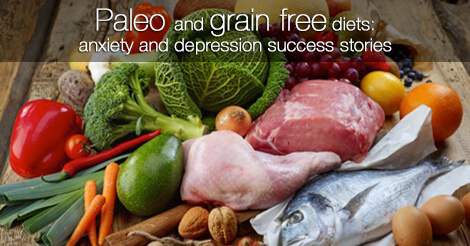
  • Paleo and grain free diets: anxiety and depression success stories
  • GABA the calming amino acid: common questions I get asked
  • GABA for children: ADHD, focus issues, irritability, anxiety and tantrums
  • Tryptophan for PMS: premenstrual dysphoria, mood swings, tension, and irritability

Here is one of the latest food and mental health studies – A modified Mediterranean dietary intervention for adults with major depression: Dietary protocol and feasibility data from the SMILES trial

This and other dietary and nutritional approaches for both depression and anxiety will be presented at the upcoming International Society of Nutritional Psychiatry Research conference in Bethesda, MD next month)

Here are two book resources too: my book The Antianxiety Food Solution and integrative psychiatrist Kelly Brogan’s book A Mind of Your Own.

I’d love your feedback

  • Which nutritional solutions topics do you have questions about and in what areas do you still need help?
  • What ideas do you have for getting this nutritional solution message out in a bigger way?
  • What do you wish you’d known when you were first diagnosed with anxiety and prescribed medication (such as a benzodiazepine or SSRI)?
  • How do we convince the naysayers that this does work and is worth implementing?
  • How do we get the mainstream mental health community on board?
  • What anxiety resources do you have to share

Filed Under: benzodiazapines Tagged With: anxiety, anxiety nutrition solutions, benzodiazepine, depression, prozac, Xanax

Vulvodynia: oxalates, GABA, tryptophan and physical therapy

February 10, 2017 By Trudy Scott 41 Comments

On a recent webinar with Julie Matthews, I shared how healthy foods that are high in oxalates caused me excruciating foot pain: Oxalates and leaky gut for Anxiety.

We also mentioned how oxalates can be a factor in vulvodynia and someone asked this question on the blog:

I just listened to the webinar talking about oxalates. I was shocked and delighted to hear the mention of the connection between high oxalates and vulvodynia. My friend has suffered with this for 18 months with little improvement. She has painful feet so I am wondering if there is indeed a connection for her situation. Could you please explain a bit more of the vulvodynia/ oxalates connection? I would like to give my friend the information.

Before I share the resources I offered her for her friend, let me share this about vulvodynia:

Vulvodynia is defined as chronic vulvar burning, stinging, rawness, soreness or pain in the absence of objective clinical or laboratory findings to explain these symptoms. Vulvodynia is a chronic pain syndrome affecting up to 18% of the female population and is generally regarded as an underdiagnosed difficult to treat gynecological disorder.

There is still much we have to learn about vulvodynia and the causes are multifactorial:

The etiology [cause] of vulvodynia is still enigmatic and is probably multifactorial-including physiological concerns (eg, pelvic floor muscle dysfunction, neuropathic pain, and psychosocial) and sexual issues (eg, anxiety and sexual dysfunction). Although it is a common syndrome, most patients are neither correctly diagnosed nor treated. A diagnosis of vulvodynia is based upon patient history and lack of physical findings upon careful examination. No clinical or histological findings are present to aid in diagnosis. Most treatment options for vulvodynia are neither well studied nor have an evidence base, relying instead upon expert opinion, care provider experience, and use of data from other pain syndromes. However, many patients show marked improvement after physical therapy for the pelvic floor, medications for neuropathic pain, and psychosexual therapy.

You’ll notice that oxalates and other dietary approaches are not mentioned. There are actually 2 studies that state there is NO connection between dietary oxlalates and vulvodynia. This is the first one: Influence of dietary oxalates on the risk of adult-onset vulvodynia. The second paper: Urinary oxalate excretion and its role in vulvar pain syndrome concludes that:

Urinary oxalates may be nonspecific irritants that aggravate vulvodynia; however, the role of oxalates as instigators is doubtful.

In this paper: Vulvar vestibulitis-a complex clinical entity, a low oxalate diet and calcium citrate did help:

Successful outcomes were achieved in 14.3% of patients using a low oxalate diet and calcium citrate supplementation

The Vulval Pain Society is a wealth of information on vulvodynvia and they have this information on the low oxalate diet, saying it helps many women and it worth trying:

A diet low in oxalate salts has been suggested as a treatment for women who experience unexplained vulval pain or vulvodynia… it is widely used in the United States as a treatment for vulvodynia. The diet may be supplemented with the use of oral calcium citrate.

There are few doctors in the UK who are aware of or routinely use this treatment. Many specialist doctors who run vulval clinics in this country [the UK] are skeptical about the treatment, as much of the evidence has not been published in the medical literature and the treatment is not of proven value. A diet low in oxalate with or without calcium citrate may, however, benefit some women with vulval pain and this is certainly an option for some women to try.

The vulvar pain is often described as a “burning” or “cutting” or “sharp” kind of pain. You’ll see medications recommended for the neuropathic pain in many of the studies and on the Vulval Pain society site.

It does concern me that so many women are prescribed SSRIs and medications like gabapentin and benzodiazepines when there are the safer and more effective options of the amino acids such as tryptophan and GABA.   When dosed correctly these individual amino acids help with some of the pain and anxiety right away while other root causes are addressed.

For my clients, I recommend targeted individual amino acids instead of the medications. I recommend a trial of tryptophan instead of an antidepressant, assuming they score low on the serotonin section of the amino acid questionnaire.

Research shows there is serotonin involvement with vulvodynia. In this study of women with PVD (provoked vestibulodynia i.e. pain in the entrance of the vagina, common with vulvodynia):

Polymorphism in the serotonin receptor gene, 5HT-2A, has been associated with other chronic pain disorders such as fibromyalgia…. The results [of this study] indicate a contribution of alterations in the serotonergic system to the patho-genesis of PVD and gives further evidence of PVD being a general pain disorder similar to other chronic pain disorders.

I also recommend a trial of GABA instead of gabapentin or one of the benzodiazepines, assuming they score low on the GABA section of the amino acid questionnaire.

Tryptophan and GABA can help with both the pain, and the anxiety and depression that is commonly seen with vulvodynia and other pelvic floor conditions – right away while other root causes are addressed.

Since acupuncture is often reported to be helpful, I also consider a trial of DPA for endorphin boosting and hence some pain reduction too.

Physical therapy is often extremely beneficial and frequently overlooked, so finding a good pelvic floor PT to be part of your healing team is key too.

When responding to the blog question I commented that “your friend is fortunate to have you looking out for her”. Using some or all of the above approaches I would expect her to find some relief of the vulva pain, the foot pain and experience reduced anxiety and depression (assuming these are her root causes).

Please note that this is not an exhaustive list of contributing factors for vulvoldynia – other factors could include candida, infections such as HPV, IBS/SIBO, and trauma and sexual abuse. My colleague, Jessica Drummond, nutritionist and physical therapist, and an expert on female pelvic pain, writes about immunity, dysbiosis, gluten and other food sensitivities, cortisol and sex hormone imbalances in this article: Vulvovaginal Pain and The Immune System: Practical Steps for Vulvovaginal Pain Relief. A full functional workup is required and your root cause can be different from someone else’s root cause.

I’d also like to add that although dietary oxalates cause excruciating pain in my feet, I’m so fortunate, in that I do not have vulvodynia.

Additional resources when you are new to using tryptophan and other amino acids as supplements

We use the symptoms questionnaire to figure out if low serotonin or other neurotransmitter imbalances may be an issue for you.

If you suspect low levels of any of the neurotransmitters and do not yet have my book, The Antianxiety Food Solution – How the Foods You Eat Can Help You Calm Your Anxious Mind, Improve Your Mood, and End Cravings, I highly recommend getting it and reading it before jumping in and using amino acids on your own so you are knowledgeable. And be sure to share it with the practitioner/health team you or your loved one is working with.

There is an entire chapter on the amino acids and they are discussed throughout the book in the sections on gut health, gluten, blood sugar control (this is covered in an entire chapter too), sugar cravings, anxiety and mood issues. The importance of quality animal protein and healthy fats is also covered.

The book doesn’t include product names (per the publisher’s request) so this blog, The Antianxiety Food Solution Amino Acid and Pyroluria Supplements, lists the amino acids that I use with my individual clients and those in my group programs.

If, after reading this blog and my book, you don’t feel comfortable figuring things out on your own (i.e. doing the symptoms questionnaire and respective amino acids trials), a good place to get help is the GABA QuickStart Program (if you have low GABA symptoms too). This is a paid online/virtual group program where you get my guidance and community support.

If you are a practitioner, join us in The Balancing Neurotransmitters: the Fundamentals program. This is also a paid online/virtual program with an opportunity to interact with me and other practitioners who are also using the amino acids.

Have you had success with a low oxalate diet and calcium citrate for vulvodynia? And other pain (in the feet or hips or elsewhere in the body)?

Has physical therapy with a pelvic floor specialist helped?

Have you found tryptophan, GABA or DPA to help with the pain and the anxiety and/or depression too?

Have any other treatments helped you?

If you’re a practitioner what approaches have helped your clients/patients?

Please share questions or feedback below.

Filed Under: Amino Acids, Women's health Tagged With: anxiety, benzodiazepine, depression, GABA, gabapentin, oxalates, pain, physical therapy, SSRI, tryptophan, vulvodynia

Bergamot as effective as diazepam for reducing anxiety?

August 19, 2016 By Trudy Scott 75 Comments

bergamot-green

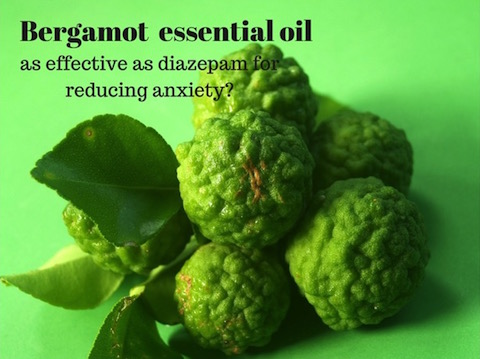
Could the essential oil bergamot be as effective as diazepam (a benzodiazepine) in reducing anxiety?

An animal study shows very promising results: Acute effects of bergamot oil on anxiety-related behaviour and corticosterone level in rats

both BEO [bergamot essential oil] and diazepam exhibited anxiolytic-like behaviours and attenuated HPA axis activity by reducing the corticosterone response to stress

What this is means is that the bergamot was found to be as effective as diazepam in reducing the anxiety. Bergamot also reduced cortisol levels.

I’m really excited to see a study comparing an essential oil with benzodiazepines because I’m really worried that so many people are being prescribed benzodiazepines and that they are being used long-term. They are meant to be used short-term, if at all. They have very addictive properties, there are dependence issues and can be really really hard to quit, often with a very challenging withdrawal period. And too many people, including many in the medical profession, are not aware of all the issues once you start down this road.

If you’ve been following me for some time you’ll know I’m really vocal about the dangers of this class of medication.  You can read about the first World Benzodiazepine Awareness Day here.

How wonderful if we use these other wonderful approaches instead of benzodiazepines: use an essential oil like bergamot (or more than one – like lavender, roman chamomile and neroli too) and make food changes (like quitting gluten, caffeine and sugar), and add some amino acids like GABA and tryptophan and reduce the stress in our lives!

I talk about this research and other essential oils for anxiety and stress in the Essential Oils Revolution 2 summit which runs August 22 to 29. I’m so thrilled to be part of this event!

essential-oils-revolution-banner

Let’s get the conversation started now. Feel free to share which essential oils you use for anxiety and stress? And how do you use them?


Filed Under: Antianxiety, Essential oils, Events Tagged With: anxiety, benzodiazepine, Bergamot, diazepam, essential oils, Essential Oils Revolution

  • « Go to Previous Page
  • Page 1
  • Page 2
  • Page 3
  • Page 4
  • Go to Next Page »

Primary Sidebar

NEW! GABA QuickStart Homestudy (with special intro pricing)

gaba quickstart homestudy

Free Report

9 Great Questions Women Ask about Food, Mood and their Health

You'll also receive a complimentary subscription to my ezine "Food, Mood and Gal Stuff"


Connect with me

Popular Posts

  • Amino Acids Mood Questionnaire from The Antianxiety Food Solution
  • The Antianxiety Food Solution Amino Acid and Pyroluria Supplements
  • Pyroluria Questionnaire from The Antianxiety Food Solution
  • Collagen and gelatin lower serotonin: does this increase your anxiety and depression?
  • Tryptophan for the worry-in-your-head and ruminating type of anxiety
  • GABA for the physical-tension and stiff-and-tense-muscles type of anxiety
  • The Antianxiety Food Solution by Trudy Scott
  • Seriphos Original Formula is back: the best product for anxiety and insomnia caused by high cortisol
  • Am I an anxious introvert because of low zinc and vitamin B6? My response to Huffington Post blog
  • Vagus nerve rehab with GABA, breathing, humming, gargling and key nutrients

Recent Posts

  • What do I use instead of Seriphos to help lower high cortisol that is affecting my sleep and making me anxious at night?
  • BeSerene™ GABA/theanine cream eases severe muscle tension in her neck/shoulders, prevents her bad headaches and quells her anxiety
  • How the correct approach, dose and sublingual use of GABA can be calming and not cause a flushed and itchy face and neck
  • The amino acid glutamine improves low mood by addressing gut health, and it has calming effects too
  • Flight anxiety with heightened breath, physical tension and also fearing the worst (the role of low GABA and low serotonin)

Categories

  • 5-HTP
  • AB575
  • Addiction
  • ADHD
  • Adrenals
  • Alcohol
  • Allergies
  • Alzheimer's disease
  • Amino Acids
  • Anger
  • Antianxiety
  • Antianxiety Food Solution
  • Antidepressants
  • Anxiety
  • Anxiety and panic
  • Autism
  • Autoimmunity
  • benzodiazapines
  • Bipolar disorder
  • Books
  • Caffeine
  • Cancer
  • Candida
  • Children/Teens
  • Collagen
  • Cooking equipment
  • Coronavirus/COVID-19
  • Cravings
  • Depression
  • Detoxification
  • Diabetes
  • Diet
  • DPA/DLPA
  • Drugs
  • EFT/Tapping
  • EMF
  • EMFs
  • Emotional Eating
  • Endorphins
  • Environment
  • Essential oils
  • Events
  • Exercise
  • Fear
  • Fear of public speaking
  • Fertility and Pregnancy
  • Fish
  • Food
  • Food and mood
  • Functional neurology
  • GABA
  • Gene polymorphisms
  • General Health
  • Giving
  • Giving back
  • Glutamine
  • Gluten
  • GMOs
  • Gratitude
  • Gut health
  • Heart health/hypertension
  • Histamine
  • Hormone
  • Hyperparathyroidism
  • Hypoglycemia
  • Immune system
  • Inflammation
  • Insomnia
  • Inspiration
  • Introversion
  • Joy and happiness
  • Ketogenic diet
  • Lithium orotate
  • Looking awesome
  • Lyme disease and co-infections
  • MCAS/histamine
  • Medication
  • Men's health
  • Mental health
  • Mercury
  • Migraine
  • Mold
  • Movie
  • MTHFR
  • Multiple sclerosis
  • Music
  • NANP
  • Nature
  • Nutritional Psychiatry
  • OCD
  • Osteoporosis
  • Oxalates
  • Oxytocin
  • Pain
  • Paleo
  • Parasites
  • Parkinson’s disease
  • PCOS
  • People
  • PMS
  • Postpartum
  • PTSD/Trauma
  • Pyroluria
  • Questionnaires
  • Real whole food
  • Recipes
  • Research
  • Schizophrenia
  • serotonin
  • SIBO
  • Sleep
  • Special diets
  • Sports nutrition
  • Stress
  • Sugar addiction
  • Sugar and mood
  • Supplements
  • Teens
  • Testimonials
  • Testing
  • The Anxiety Summit
  • The Anxiety Summit 2
  • The Anxiety Summit 3
  • The Anxiety Summit 4
  • The Anxiety Summit 5
  • The Anxiety Summit 6
  • Thyroid
  • Thyroid health
  • Toxins
  • Tryptophan
  • Tyrosine
  • Uncategorized
  • Vegan/vegetarian
  • Women's health
  • Yoga

Archives

  • October 2025
  • September 2025
  • August 2025
  • July 2025
  • June 2025
  • May 2025
  • April 2025
  • March 2025
  • February 2025
  • January 2025
  • November 2024
  • October 2024
  • September 2024
  • August 2024
  • July 2024
  • June 2024
  • May 2024
  • April 2024
  • March 2024
  • February 2024
  • January 2024
  • December 2023
  • November 2023
  • October 2023
  • September 2023
  • August 2023
  • July 2023
  • June 2023
  • May 2023
  • April 2023
  • March 2023
  • February 2023
  • January 2023
  • December 2022
  • November 2022
  • October 2022
  • September 2022
  • August 2022
  • July 2022
  • June 2022
  • May 2022
  • April 2022
  • March 2022
  • February 2022
  • January 2022
  • December 2021
  • November 2021
  • October 2021
  • September 2021
  • August 2021
  • July 2021
  • June 2021
  • May 2021
  • April 2021
  • March 2021
  • February 2021
  • January 2021
  • December 2020
  • November 2020
  • October 2020
  • September 2020
  • August 2020
  • July 2020
  • June 2020
  • May 2020
  • April 2020
  • March 2020
  • February 2020
  • January 2020
  • December 2019
  • November 2019
  • October 2019
  • September 2019
  • August 2019
  • July 2019
  • June 2019
  • May 2019
  • April 2019
  • March 2019
  • February 2019
  • January 2019
  • December 2018
  • November 2018
  • October 2018
  • September 2018
  • August 2018
  • July 2018
  • June 2018
  • May 2018
  • April 2018
  • March 2018
  • February 2018
  • January 2018
  • December 2017
  • November 2017
  • October 2017
  • September 2017
  • August 2017
  • July 2017
  • June 2017
  • May 2017
  • April 2017
  • March 2017
  • February 2017
  • January 2017
  • December 2016
  • November 2016
  • October 2016
  • September 2016
  • August 2016
  • July 2016
  • June 2016
  • May 2016
  • April 2016
  • March 2016
  • February 2016
  • January 2016
  • December 2015
  • November 2015
  • October 2015
  • September 2015
  • August 2015
  • July 2015
  • June 2015
  • May 2015
  • April 2015
  • March 2015
  • February 2015
  • January 2015
  • December 2014
  • November 2014
  • October 2014
  • September 2014
  • August 2014
  • July 2014
  • June 2014
  • May 2014
  • April 2014
  • March 2014
  • February 2014
  • January 2014
  • December 2013
  • November 2013
  • October 2013
  • September 2013
  • August 2013
  • July 2013
  • June 2013
  • May 2013
  • April 2013
  • March 2013
  • February 2013
  • January 2013
  • December 2012
  • November 2012
  • October 2012
  • August 2012
  • July 2012
  • June 2012
  • May 2012
  • April 2012
  • March 2012
  • February 2012
  • January 2012
  • December 2011
  • November 2011
  • October 2011
  • September 2011
  • August 2011
  • July 2011
  • June 2011
  • May 2011
  • April 2011
  • March 2011
  • February 2011
  • January 2011
  • December 2010
  • October 2010
  • September 2010
  • July 2010
  • May 2010
  • April 2010
  • March 2010
  • February 2010
  • January 2010
  • November 2009

Share the knowledge!

The above statements have not been evaluated by the Food and Drug Administration. Products listed in this website are not intended to diagnose, treat, cure or prevent any disease.

The information provided on this site is for informational and educational purposes only and is not intended as a substitute for advice from your physician or other health care professional. You should consult with a healthcare professional before starting or modifying any diet, exercise, or supplementation program, before taking or stopping any medication, or if you have or suspect you may have a health problem.


Copyright © 2026 Trudy Scott. All Rights Reserved. | Privacy | Terms and Conditions | Refund Policy | Medical Disclaimer

Free Report

9 Great Questions Women Ask about Food, Mood and their Health

You’ll also receive a complimentary subscription to my ezine “Food, Mood and Gal Stuff”