• Skip to primary navigation
  • Skip to main content
  • Skip to primary sidebar

everywomanover29 blog

Food, Mood and Women's Health – Be your healthiest, look and feel great!

  • Blog
  • About
  • Services
  • Store
  • Resources
  • Testimonials
  • The Book
  • Contact
  • Search this site

anxious

Neurotransmitters in food addiction: dopamine, endorphins, GABA and serotonin

April 11, 2014 By Trudy Scott 22 Comments

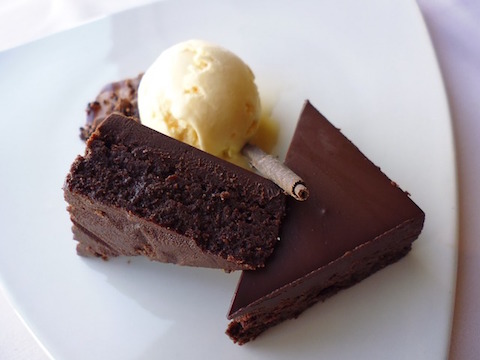
chocolate-cake-icecream

Food can be as addicting as drugs and we often see mood changes when someone has addictions or out of control cravings.

In this blog post Why do you crave and how do you self-medicate? I covered a simple way for you to figure out why you crave something or why you’re drawn to a particular food, substance, or behavior. I also said that it can be challenging to determine which part of your brain chemistry it’s affecting, and you may not associate cravings with mood issues.

In a series of connected articles I’m going to share some of the research supporting this. If you’ve read my book, The Antianxiety Food Solution, or have been reading my blog posts, you know I like to share research-based evidence. Unfortunately there are not many double blind studies on intervention and symptom management when it comes to amino acids, but I’ll be sharing the research that has been done – focusing on each neurotransmitter and amino acid individually.

Let’s start with this 2013 review titled Pharmacotherapies for Overeating and Obesity. Although the focus of the review is drug-based interventions for finding solutions to food addictions, the mechanisms of food addiction is nicely spelled out: neurotransmitter or brain chemical imbalances. I’d like to add that all of this can be in play even if you are not obese – you just have to love sugar/carbs, wine, coffee etc and eat or drink them to self-medicate.

  • “Research has shown that obesity can and does cause changes in behavior and in the brain itself that are very similar to changes caused by drugs of abuse”
  • “While food addiction is not the causal agent of all obesity, it is clear that many people no longer eat to survive, but instead survive to eat.”
  • “This review considers the importance of the brain’s reward system in food intake.”
  • “…research has recently demonstrated that each of these nutrient elements affects specific neurotransmitter systems in the brain providing the potential for targeted pharmacologic treatments” [instead of targeted drug treatments, we can use targeted amino acid supplements]
  • “The American Society of Addiction Medicine (ASAM) now recognizes addictions as a brain disorder, and as such, treatments aimed at addressing food addiction must address the dysfunctions at the level of the brain”
  • “There are a number of such therapies under investigation targeting neuropathways and neurotransmitters implicated in addiction, including: dopaminergic [i.e. low or high dopamine, a catecholamine], opioid [i.e. low endorphins], GABAnergic [i.e. low GABA or a need for glutamine], cannabinoid, serotonergic [i.e. low serotonin], and other novel treatment options.”

If this scientific information is of interest to you, I encourage you to read the whole paper here.

In this 2014 study looking at food addiction, in 233 participants, they did find a relationship between food addiction and negative mood i.e. there was: “an inclination toward behaving irrationally while experiencing negative mood states (Negative Urgency) and low levels of task persistence (lack of Perseverance)”

As a reminder here is the table again:

How you feel before

How you feel after

Brain chemistry imbalance

Amino acid to supplement

Anxious or stressed

Calm or relaxed

Low GABA

GABA

Depressed or anxious

Happy or content

Low serotonin

Tryptophan or 5-HTP

Tired or unfocused

Energetic, alert, or focused

Low catecholamines

Tyrosine

Wanting a reward or sad

Rewarded or comforted

Low endorphins

DPA (d-phenylalanine)

Irritable and shaky

Grounded or stable

Low blood sugar

Glutamine


As I said, the research is important, but more important are the incredible results my clients get when they have brain chemical deficiencies and use the amino acids in a targeted manner addressing each area of deficiency.

Meme Grant, GAPS Practitioner, Nutritional Therapist, FNTP, givennewlife.info participated my Amazing Aminos for Ending Emotional Eating program and this is what she said afterwards:

“I still am amazed at how quickly the panic attacks, binge eating, and mood swings disappeared. Tyrosine enabled me to focus and gave me energy to do things again, glutamine allowed me to walk past the gluten and dairy free junk foods, d-phenylalanine [DPA] stopped my comfort eating, tryptophan enabled me to stop my negative thoughts and helped me sleep but the best was when GABA was introduced, the panic attacks disappeared.”

This is why I call them the amazing amino acids. And this why addressing neurotransmitter deficiencies can end food addiction and out-of-control sugar cravings (and at the same time they help to eliminate or reduce anxiety, mood issues and insomnia).

Update June 24, 2016:

Research is now further highlighting the connection between food addiction and depression and anxiety.

In this May 2016 paper, Food addiction associations with psychological distress among people with type 2 diabetes  they looked at the relationship between food addiction and psychological distress among 334 patients with type 2 diabetes and found that those:

meeting the FA [food addiction] criterion had significantly higher depression, anxiety, and stress scores as compared to participants who did not meet the FA [food addiction] criterion.

This applies whether or not you have type 2 diabetes and whether or not you are overweight.

As you can see in this blog post: GABA for ending sugar cravings (and anxiety and insomnia), Melissa started taking Source Naturals GABA Calm in anticipation of stressful holiday travel and holiday gatherings.  She felt much calmer when she used GABA Calm and discovered that a wonderful side-benefit (we like side-benefits vs side-effects!) was reduced cravings (as well as improved sleep):

An unexpected result was that I stopped craving sweets after about a week of taking it! I didn’t even realize this until I was grocery shopping and out of habit walked towards the ice cream – I stopped and realized I didn’t want ice cream. So I walked toward the chocolate – same reaction. For once in my life, I was not craving sweets. I made truffles for a NYE party and only ate two. But what is really shocking is that the leftovers are still in my refrigerator two days later and I haven’t touched them. I don’t understand what is going on! Can this be the GABA Calm?

She was pleasantly surprised as many of my clients are – she felt more calm, she had better sleep and saw an end to her cravings!

If this is new to you this is what I do with my clients:  

  • Have them do the Amino Acid questionnaire  so they can figure out if they may have low brain chemicals that are affecting both mood and playing a role in food addiction or cravings.   
  • Review the Amino Acid Precautions
  • Have them do a trial  of the relevant amino acids, one at a time and monitor how they feel in terms of reduced cravings, less anxiety, improved mood and sleep

Let us know if this resonates with you and if you have tried the amino acids for food addiction or sugar/carb cravings? And what results you have seen?



Filed Under: Addiction, Amino Acids, Anxiety and panic, Sugar addiction, Sugar and mood Tagged With: amino acids, anxious, crave, depressed, dopamine, food addiction, GABA, neurotransmitter, self-medicate, serotonin

Why do you crave and how do you self-medicate?

March 14, 2014 By Trudy Scott 23 Comments

Sometimes it’s difficult to figure out why you crave something or why you’re drawn to a particular food, substance, or behavior. It can be challenging to determine which part of your brain chemistry it’s affecting, and you may not associate cravings with mood issues. Here is a way to figure out why you may crave certain things.

Your drug-of-choice is something you self-medicate with and it is something that makes you feel good or “normal.” It could be candy, chocolate, starchy foods like bread or pasta, cookies, ice-cream, coffee, sodas or wine/beer. It could also be cigarettes, marijuana, a prescription medication like Prozac, street drugs, or even shopping or exercise.

Cravings for these substances (or behaviors) typically indicate a brain chemistry imbalance, so it’s very helpful to identify how the substances you crave affect you. This will help you determine which amino acids you might supplement to address the imbalance.

For example, a glass of wine may be calming for one person but energizing for another, or chocolate may be calming for some people and comforting for others. Certain prescription medications also offer clues. If you have many symptoms of low serotonin and have found that prescription SSRIs help, it’s possible that low serotonin is an issue.

Taking chocolate as an example, here’s what I suggest: Before you eat some chocolate, think about why you want it. Is it because you’re sad or tired or anxious? Or do you feel like you deserve a reward or feel irritable and shaky? Then, once you’ve eaten it, think about how it made you feel.

Use your drug-of-choice (candy, chocolate, starchy foods like bread or pasta, cookies, ice-cream, coffee, sodas or wine/beer etc) and the chart below to help you determine what brain chemistry imbalance may be affecting you and which amino acid you may benefit from.

How you feel before How you feel after Brain chemistry imbalance Amino acid to supplement
Anxious or stressed Calm or relaxed Low GABA GABA
Depressed or anxious Happy or content Low serotonin Tryptophan or 5-HTP
Tired or unfocused Energetic, alert, or focused Low catecholamines Tyrosine
Wanting a reward or sad Rewarded or comforted Low endorphins DPA (d-phenylalanine)
Irritable and shaky Grounded or stable Low blood sugar Glutamine

Feel free to share in the comments section: your drug-of-choice and how it makes you feel before you indulge and how you feel afterwards. If you’ve used any of the amino acid supplements to end the craving or addiction, I’d love to hear your feedback too.

Filed Under: Anxiety and panic, Food and mood, Sugar addiction Tagged With: amino acids, anxious, crave, depressed, drug-of-choice, self-medicate

The Antianxiety Food Solution on Annie Jennings’ JenningsWire

November 12, 2013 By Trudy Scott 12 Comments

trudy scott on annie jenningsI really enjoyed sharing a few of my top antianxiety food solution tips on the Annie Jennings’ JenningsWire podcast! It was short but sweet! We managed to cover real food, red meat, coffee!!, tryptophan and gluten in 10 minutes!

The Antianxiety Food Solution

  • How do you calm your anxious mind, improve your mood and end cravings with food?
  • Does red meat cause anxiety?
  • If you’re anxious do you really have to quit caffeine?
  • Everyone is talking about the gluten-free diet – what is the tie in to mood?
  • What is your favorite nutrient for eliminating anxiety, worry, negative self-talk, low self-esteem and afternoon/evening sugar cravings?
  • What are the key nutrients for addressing social anxiety?

You can go to the Annie Jennings’ JenningsWire podcast page to listen to the 10 minute audio interview.

We didn’t get to the last question: What are the key nutrients for addressing social anxiety?  If you have the little-known condition called pyroluria (the main symptoms are inner tension and social anxiety) you may need to supplement with zinc and vitamin B6. These nutrients also happen to be co-factors for making brain chemicals like serotonin and the calming GABA.  I am seeing an overlap between the traits anxious introverts resonate with and the pyroluria symptoms !  Imagine a nutritional solution for anxious introverts!

From Annie’s site:  “This podcast is presented by Annie Jennings, of the National Publicity Firm, Annie Jennings PR and the creator of JenningsWire online magazine. JenningsWire is capturing the heart of America with its rich community of talented, insightful and relevant bloggers and podcasters!”

Thanks Annie and Stacey for the opportunity!

Filed Under: Antianxiety, Antianxiety Food Solution, Caffeine, Food and mood, Gluten, Introversion, Pyroluria, Real whole food Tagged With: annie jennings, Antianxiety Food Solution, anxious, introvert, pyroluria

Food and Mood: 9 Steps to Calm the Anxious Mind in Boston

February 29, 2012 By Trudy Scott 4 Comments

Please join me for a full 1 day seminar to learn about the powerful connection between food and mental health, and anxiety specifically.

“Food and Mood: 9 Steps to Calm the Anxious Mind, Improve Mood & End Cravings”

I’ll be doing 3 talks in the Boston, MA area in these locations and on these dates:

Tuesday, March 06, 2012 at 8:30 AM – 4:00 PM in Woburn, MA

Wednesday, March 07, 2012 at 8:30 AM – 4:00 PM in Waltham, MA

Thursday, March 08, 2012 at 8:30 AM – 4:00 PM in Dedham, MA

These are PESI seminars and are geared towards mental health professionals and are also open to the public. They are delivered as a live event with Q & A at various times during the presentation. I’ll be covering all the latest research on food and mental health, as well as practical steps for implementing changes.

[Update after the event: go to the PESI site and at the Title, enter Trudy Scott, and hit SEARCH to see all the future events, plus DVD/CDs that are available for purchase.]

Recent 2011 food mood research by Dr Felice Jacka,  looked at the eating habits of 5731 Norwegian adult men and women. They  found that “those with better quality diets were less likely to be depressed” and that a “higher intake of processed and unhealthy foods was associated with increased anxiety.”

The fee of $79.99 includes course materials.

The 9 steps are covered in great detail in The Antianxiety Food Solution: How the Foods You Eat Can Help You Calm Your Anxious Mind, Improve Your Mood and End Cravings, now available in major books stores, at Amazon and via www.antianxietyfoodsolution.com

Here are book reviews by Dr Winston Chung, child psychiatrist and Mira Dessy, Certified Nutrition Educator

Filed Under: Antianxiety Food Solution, Anxiety and panic, Events, Food and mood, Joy and happiness, Real whole food Tagged With: anxiety, anxious, Boston, food, mood, PESI

Carob Cinnamon Delight instead of coffee – a calming hot beverage

December 23, 2011 By Trudy Scott 34 Comments

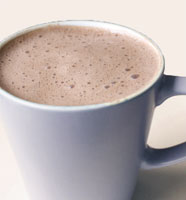
hot drink recipe trudy scott

Carob is a delicious alternative to coffee or hot chocolate as it doesn’t contain caffeine. It has a definite chocolate-like flavor and is something I recommend to my clients who may be looking for a healthier alternative or who can’t tolerate coffee or chocolate. Carob is originally from the eastern Mediterranean region, Northern Africa and the western part of Asia. Ceratonia siliqua or carob is also known as locust bean gum.

Consider trying carob if you are anxious and stressed. There are a subset of those with anxiety who are more prone to the anxiety-provoking effects of coffee and some very sensitive people may even find the caffeine in chocolate to be too stimulating.

In fact a 2002 study found that carob may actually have calming effects. It is also antioxidant rich, contains the polyphenol gallic acid which has been shown to help metabolic syndrome, it has been shown to lower total and LDL cholesterol, it has chemoprotective properties and helps with digestion.

Here is a recipe for a delicious beverage you can make using carob powder:

Carob Cinnamon Delight al la Trudy

¾ cup of boiling water

1 Tablespoon carob powder

¼ teaspoon cinnamon

Coconut milk (full-fat) or fresh raw cream (if you can tolerate dairy)

Boil the water, add carob and cinnamon and top up with coconut milk (or cream), stir and enjoy! The carob tends to settle a bit so you’ll probably need to stir it again when you’re half way through drinking it.

If you are going to give up coffee it’s good to have some alternative beverages on hand You could try delicious herbal teas (such as licorice, lemon-ginger, and mint), coffee substitutes such as Dandy Blend, rooibos or green rooibos (herbal teas from South Africa that appears to have health benefits similar to those of green tea), or one of my favorites – carob!

I’d love to get your feedback on how you enjoyed this and any variations you’ve tried.

Enjoy!

P.S.  Check out my book The Antianxiety Food Solution: How the Foods You Eat Can Help You Calm Your Anxious Mind, Improve Your Mood, and End Cravings for other calming tips. 


Filed Under: Antianxiety Food Solution, Anxiety and panic, Food and mood, General Health, Joy and happiness, Real whole food, Recipes, Stress Tagged With: anxiety, anxious, calming, carob, chocolate, food and mood

  • « Go to Previous Page
  • Page 1
  • Interim pages omitted …
  • Page 6
  • Page 7
  • Page 8

Primary Sidebar

NEW! GABA QuickStart Homestudy (with special intro pricing)

gaba quickstart homestudy

Free Report

9 Great Questions Women Ask about Food, Mood and their Health

You'll also receive a complimentary subscription to my ezine "Food, Mood and Gal Stuff"


Connect with me

Popular Posts

  • Amino Acids Mood Questionnaire from The Antianxiety Food Solution
  • The Antianxiety Food Solution Amino Acid and Pyroluria Supplements
  • Pyroluria Questionnaire from The Antianxiety Food Solution
  • Collagen and gelatin lower serotonin: does this increase your anxiety and depression?
  • Tryptophan for the worry-in-your-head and ruminating type of anxiety
  • GABA for the physical-tension and stiff-and-tense-muscles type of anxiety
  • The Antianxiety Food Solution by Trudy Scott
  • Seriphos Original Formula is back: the best product for anxiety and insomnia caused by high cortisol
  • Am I an anxious introvert because of low zinc and vitamin B6? My response to Huffington Post blog
  • Vagus nerve rehab with GABA, breathing, humming, gargling and key nutrients

Recent Posts

  • What do I use instead of Seriphos to help lower high cortisol that is affecting my sleep and making me anxious at night?
  • BeSerene™ GABA/theanine cream eases severe muscle tension in her neck/shoulders, prevents her bad headaches and quells her anxiety
  • How the correct approach, dose and sublingual use of GABA can be calming and not cause a flushed and itchy face and neck
  • The amino acid glutamine improves low mood by addressing gut health, and it has calming effects too
  • Flight anxiety with heightened breath, physical tension and also fearing the worst (the role of low GABA and low serotonin)

Categories

  • 5-HTP
  • AB575
  • Addiction
  • ADHD
  • Adrenals
  • Alcohol
  • Allergies
  • Alzheimer's disease
  • Amino Acids
  • Anger
  • Antianxiety
  • Antianxiety Food Solution
  • Antidepressants
  • Anxiety
  • Anxiety and panic
  • Autism
  • Autoimmunity
  • benzodiazapines
  • Bipolar disorder
  • Books
  • Caffeine
  • Cancer
  • Candida
  • Children/Teens
  • Collagen
  • Cooking equipment
  • Coronavirus/COVID-19
  • Cravings
  • Depression
  • Detoxification
  • Diabetes
  • Diet
  • DPA/DLPA
  • Drugs
  • EFT/Tapping
  • EMF
  • EMFs
  • Emotional Eating
  • Endorphins
  • Environment
  • Essential oils
  • Events
  • Exercise
  • Fear
  • Fear of public speaking
  • Fertility and Pregnancy
  • Fish
  • Food
  • Food and mood
  • Functional neurology
  • GABA
  • Gene polymorphisms
  • General Health
  • Giving
  • Giving back
  • Glutamine
  • Gluten
  • GMOs
  • Gratitude
  • Gut health
  • Heart health/hypertension
  • Histamine
  • Hormone
  • Hyperparathyroidism
  • Hypoglycemia
  • Immune system
  • Inflammation
  • Insomnia
  • Inspiration
  • Introversion
  • Joy and happiness
  • Ketogenic diet
  • Lithium orotate
  • Looking awesome
  • Lyme disease and co-infections
  • MCAS/histamine
  • Medication
  • Men's health
  • Mental health
  • Mercury
  • Migraine
  • Mold
  • Movie
  • MTHFR
  • Multiple sclerosis
  • Music
  • NANP
  • Nature
  • Nutritional Psychiatry
  • OCD
  • Osteoporosis
  • Oxalates
  • Oxytocin
  • Pain
  • Paleo
  • Parasites
  • Parkinson’s disease
  • PCOS
  • People
  • PMS
  • Postpartum
  • PTSD/Trauma
  • Pyroluria
  • Questionnaires
  • Real whole food
  • Recipes
  • Research
  • Schizophrenia
  • serotonin
  • SIBO
  • Sleep
  • Special diets
  • Sports nutrition
  • Stress
  • Sugar addiction
  • Sugar and mood
  • Supplements
  • Teens
  • Testimonials
  • Testing
  • The Anxiety Summit
  • The Anxiety Summit 2
  • The Anxiety Summit 3
  • The Anxiety Summit 4
  • The Anxiety Summit 5
  • The Anxiety Summit 6
  • Thyroid
  • Thyroid health
  • Toxins
  • Tryptophan
  • Tyrosine
  • Uncategorized
  • Vegan/vegetarian
  • Women's health
  • Yoga

Archives

  • October 2025
  • September 2025
  • August 2025
  • July 2025
  • June 2025
  • May 2025
  • April 2025
  • March 2025
  • February 2025
  • January 2025
  • November 2024
  • October 2024
  • September 2024
  • August 2024
  • July 2024
  • June 2024
  • May 2024
  • April 2024
  • March 2024
  • February 2024
  • January 2024
  • December 2023
  • November 2023
  • October 2023
  • September 2023
  • August 2023
  • July 2023
  • June 2023
  • May 2023
  • April 2023
  • March 2023
  • February 2023
  • January 2023
  • December 2022
  • November 2022
  • October 2022
  • September 2022
  • August 2022
  • July 2022
  • June 2022
  • May 2022
  • April 2022
  • March 2022
  • February 2022
  • January 2022
  • December 2021
  • November 2021
  • October 2021
  • September 2021
  • August 2021
  • July 2021
  • June 2021
  • May 2021
  • April 2021
  • March 2021
  • February 2021
  • January 2021
  • December 2020
  • November 2020
  • October 2020
  • September 2020
  • August 2020
  • July 2020
  • June 2020
  • May 2020
  • April 2020
  • March 2020
  • February 2020
  • January 2020
  • December 2019
  • November 2019
  • October 2019
  • September 2019
  • August 2019
  • July 2019
  • June 2019
  • May 2019
  • April 2019
  • March 2019
  • February 2019
  • January 2019
  • December 2018
  • November 2018
  • October 2018
  • September 2018
  • August 2018
  • July 2018
  • June 2018
  • May 2018
  • April 2018
  • March 2018
  • February 2018
  • January 2018
  • December 2017
  • November 2017
  • October 2017
  • September 2017
  • August 2017
  • July 2017
  • June 2017
  • May 2017
  • April 2017
  • March 2017
  • February 2017
  • January 2017
  • December 2016
  • November 2016
  • October 2016
  • September 2016
  • August 2016
  • July 2016
  • June 2016
  • May 2016
  • April 2016
  • March 2016
  • February 2016
  • January 2016
  • December 2015
  • November 2015
  • October 2015
  • September 2015
  • August 2015
  • July 2015
  • June 2015
  • May 2015
  • April 2015
  • March 2015
  • February 2015
  • January 2015
  • December 2014
  • November 2014
  • October 2014
  • September 2014
  • August 2014
  • July 2014
  • June 2014
  • May 2014
  • April 2014
  • March 2014
  • February 2014
  • January 2014
  • December 2013
  • November 2013
  • October 2013
  • September 2013
  • August 2013
  • July 2013
  • June 2013
  • May 2013
  • April 2013
  • March 2013
  • February 2013
  • January 2013
  • December 2012
  • November 2012
  • October 2012
  • August 2012
  • July 2012
  • June 2012
  • May 2012
  • April 2012
  • March 2012
  • February 2012
  • January 2012
  • December 2011
  • November 2011
  • October 2011
  • September 2011
  • August 2011
  • July 2011
  • June 2011
  • May 2011
  • April 2011
  • March 2011
  • February 2011
  • January 2011
  • December 2010
  • October 2010
  • September 2010
  • July 2010
  • May 2010
  • April 2010
  • March 2010
  • February 2010
  • January 2010
  • November 2009

Share the knowledge!

The above statements have not been evaluated by the Food and Drug Administration. Products listed in this website are not intended to diagnose, treat, cure or prevent any disease.

The information provided on this site is for informational and educational purposes only and is not intended as a substitute for advice from your physician or other health care professional. You should consult with a healthcare professional before starting or modifying any diet, exercise, or supplementation program, before taking or stopping any medication, or if you have or suspect you may have a health problem.


Copyright © 2026 Trudy Scott. All Rights Reserved. | Privacy | Terms and Conditions | Refund Policy | Medical Disclaimer

Free Report

9 Great Questions Women Ask about Food, Mood and their Health

You’ll also receive a complimentary subscription to my ezine “Food, Mood and Gal Stuff”