• Skip to primary navigation
  • Skip to main content
  • Skip to primary sidebar

everywomanover29 blog

Food, Mood and Women's Health – Be your healthiest, look and feel great!

  • Blog
  • About
  • Services
  • Store
  • Resources
  • Testimonials
  • The Book
  • Contact
  • Search this site

ADHD

The Broken Brain highlights: Trudy Scott interviews Dr. Mark Hyman

January 3, 2018 By Trudy Scott 6 Comments

I’m really excited to share my in-person video interview with Dr. Mark Hyman, MD. It’s an interview I arranged because I’m so excited about his Broken Brain docu-series which will start airing on January 17th. You may have seen it when they recently did a test launch but if you haven’t yet seen the series it is well-worth watching and is highly recommended! (Registration link here)

In this interview with Dr. Hyman we talk about root causes of anxiety, depression, dementia, Alzheimer’s disease and ADHD: medication side-effects, diet, the microbiome, nutritional deficiencies, brain chemical imbalances, heavy metal toxicities and more; he shares his personal mercury toxicity story and the why behind the Broken Brain series; we cover off-label medications, trauma, labels and functional medicine.

I love the term he uses to describe body-mind medicine (which is different from mind-body medicine): somatopsychic = mental symptoms caused by bodily illness i.e. all of the above root causes.

One of the big reasons I’m supporting The Broken Brain docu-sersies is that it offers solutions and plenty of hope!

Here is the interview and transcript.

(there are captions on the video – if you don’t see them be sure to click the CC on the bottom right)

Trudy: – Welcome, it’s Trudy Scott here, food mood expert, certified nutritionist, author of The Antianxiety Food Solution, host of The Anxiety Summit, and today I’ve got the pleasure of interviewing Dr. Mark Hyman, who is the creator and host of the new Broken Brain series, and I’m just really excited to be here. I’ve been such a fan of yours for so many years. I know my community knows who you are, and they’re really excited about the Broken Brain series. I wanted to get together with you, and give some highlights, and talk about firstly why you created the Broken Brain series, and you’ve got a story behind your passion about it.

Dr. Mark Hyman: – I do. I do. Thank you for having me. Yeah, so about 20 years ago, I went from being a very healthy young doctor to having a broken brain, and a broken body, and it turned out it was from mercury poisoning that I got when I was in China, and I just developed severe chronic fatigue, where I couldn’t focus, I couldn’t remember, I couldn’t think, I couldn’t pay attention, I was depressed, I couldn’t sleep, I felt just completely not myself, and through that journey, was able to discover this world of functional medicine, which I thought was fairly developed at the time, but was really just in its infancy, and through discovering functional medicine, I was able to repair my own system, and fix my broken brain. I began to apply this with patients, seeing all kinds of things, without really knowing what I was doing, I was just treating people’s physical systems, fixing their gut, helping their immune system, cleaning up their diet, optimizing their nutritional status, balancing their hormones, and all their mental problems would get better. Their anxiety would get better, their depression would get better, and I wasn’t actually treating the depression or anxiety. Autism, ADD, memory issues, dementia, all these things would start to get better, and I began to realize that the body was driving a lot of this brain dysfunction, and that if you fix the body, a lot of the brain disorders would get better, that it wasn’t a primarily a mental problem, but it was a physical problem. Just as there’s a mind body effect, which is real, there’s also a body mind effect and that hadn’t been really talked about, so I wrote a book called The UltraMind Solution 10 years ago, which outlined this model, and then really this has been an incredible 10 years of brain research that I felt needed updating, and so we created a documentary series online looking at the new research, and how this applies, and the things that I noticed 10, 15, 20 years ago are now becoming more and more accepted and understood as real, and so we’re able to actually work with people in a very specific and direct way to help heal their broken brains, and to help people recover from things that we thought were really irreversible, not just anxiety, depression, but ADD, autism, dementia, Parkinson’s, all sort of issues that affect the brain that have a very different approach that can be used to repair and heal.

Trudy: – That’s so powerful, and I love that you talk about this effect that the body has on the brain, because we know about mind body medicine, you talk about that in the series, about how we can use our mind to affect our health, but you use this term. Tell me what the term is that you use that talks about how physical issues in our body, nutritional deficiencies, imbalances, can actually affect the brain.

Dr. Mark Hyman: – You mean the body mind effect?

Trudy: – Yes.

Dr. Mark Hyman – Yeah.

Trudy: – You’ve give it a term, and it was called?

Dr. Mark Hyman: – Oh, somatopsychic.

Trudy: – Somatopsychic, yes.

Dr. Mark Hyman: – We think of psychosomatic, but there’s also a somatopsychic phenomena. I would say if you have mercury poisoning, or you have a thyroid problem, or you have abnormal gut flora, or you’re vitamin D deficient, or B12 deficient, it’s very hard to have a proper functioning brain. You can’t just say someone’s got depression, that’s what’s causing their hopelessness, and helplessness, and sadness, and maybe many other things, it could be psychological, it could be a trauma, but it also could be so many other factors, and they often are overlooked and ignored, and when I start peeling back the layers of what’s happening with these people, and looking underneath the hood, and looking through the functional medicine lens at the body as a system, and correcting the imbalances, it’s shocking to me what happens. I always remember when I start applying this, I was like, wow, you got better? I can’t believe it. You shouldn’t really get better, according to Western medicine.

Trudy: – Amazing, and you mention trauma. Even if someone has experienced trauma, if their nutritional status is good, they’re able to deal with it better.

Dr. Mark Hyman: – Right.

Trudy: – And maybe have less symptoms of post-traumatic stress.

Dr. Mark Hyman: – That’s right.

Trudy: – If they have a good nutritional status, and there’s a lot of good research supporting that.

Dr. Mark Hyman: – Absolutely.

Trudy: – You talk about that in the series as well.

Dr. Mark Hyman: – Yeah, absolutely. Your brain has the ability to be resilient, but if you’re nutritionally depleted, and if you’re having all sorts of inflammatory problems, if you’re eating foods you’re reacting to, or allergic to, your brain can’t work properly, so your baseline is going be much lower, but if you fix all those things, then your capacity to deal with your psychological issues, it’s not that they don’t exist, it’s that your ability to cope with them, to work through them, to heal and repair the more difficult things, which are early life traumas, or abuse, or addiction, these are much easier to deal with once you fix the basic constitution of the person.

Trudy: – Right. Now one thing that you talk about a lot in the Broken Brain series, which I really appreciate, is the fact that there’s so much over-medication.

Dr. Mark Hyman: – Yeah.

Trudy: – Can you talk a little about it today? And I know with your story, you also had anxiety, depression, and you were prescribed medications as well.

Dr. Mark Hyman: – Yeah.

Trudy: – So this is common.

Dr. Mark Hyman: – Yeah.

Trudy: – You talk about antipsychotics. You shared some pretty scary stats on the increase that we see.

Dr. Mark Hyman: – When you look at it, it kind of goes up and down, but psychiatric medication as a whole, is the number two or three most prescribed category of drugs in America, and increasing across the globe, and it’s being used instead of dealing with the real issues, and they don’t really even work that well. I mean, anxiety medications can work, but antidepressants have been shown really not to work that well for mild to moderate depression. For severe depression, they can be helpful, and they can be life saving for some people, but they’re not a panacea, and when I was a kid, there was that one kid in the class, Patty Ainsworth, who was a troublemaker. Now it’s like 10% of the class is on ADD medication. That’s a problem.

Trudy: – It is.

Dr. Mark Hyman: – And when we see one in four people have depression in their lifetime, and if the knee jerk reaction is medication, it just sort of gives people a sense of numbness, but it doesn’t really deal with the issue. So I think we are way over-medicated, and on top of that, there’s pushing of medications for off-label use, which means that they’re not approved for those indications. So they’re doing this for kids with antipsychotics, and they’re actually been sued. So the pharma companies have been held liable for promoting these drugs for off-label uses, which they’re not allowed to do, for kids. They get fined billions of dollars, but they don’t care because they’ve made umpteen more billions, and they just see it as a marketing expense. So it’s really discouraging to see what happens to the pharmaceutical use in this space, because even for example, ADD is so fixable by dealing with the root causes, and most of us not are not even trained how to think that way.

Trudy: – That’s why I love the Broken Brian series, because it offers a message of hope, offers some practical solutions, and it empowers the person who’s suffering from the brain disorder, whatever it is, anxiety, depression, dementia, you name it, empowers them with solutions, and I think the other thing is it’s going to give curious practitioners who are not on board with this functional medicine approach some insights into what the future may hold, which I think is very promising.

Dr. Mark Hyman: – Yeah. It’s very powerful. I remember this guy who read my book, The UltraMind Solution, which is really what the Broken Brain series is based on, and he was a doctor, and he had a kid with autism, and he said, “We’re so desperate. Our kids was five, he wasn’t talking. We just started with the diet. We just got him off gluten, casein, and a few days later, all of a sudden, he started talking in full sentences,” and this is a skeptical physician who witnessed this, and I see this all the time. Patients, for example, have Alzheimer’s, or dementia, or diagnosed with dementia, and it turns out they have other issues. They have heavy metal poisoning, or they might have Lyme disease in the brain, or they might have severe nutritional deficiencies, or they might be insulin resistant with high levels of sugar in their diet that are affecting their brain, and you can fix those things. There may still be issues left over, but it’s going to be much easier to deal with those after.

Trudy: – Get to the root cause, and address those root causes.

Dr. Mark Hyman: – That’s right. That’s the purpose of functional medicine, which is a medicine of why, not what, and we have all these labels, but you know, if someone comes into my office, and they’re hopeless, and helpless, have no interest in life, can’t focus, can’t sleep, don’t want to have sex, I know what’s wrong with you. Depression, but depression isn’t the cause of those symptoms, it’s the name of the symptoms. It doesn’t tell you what’s really wrong with that person. It’s could be a host of things, from low thyroid, to gluten, to mercury poisoning, to vitamin D deficiency, to B12 deficiency, to insulin resistance. All these factors can lead to depression. Same syndrome, but different causes. So I’m much more interested in addressing the causes, then you don’t have to use the medication.

Trudy: – And some people have an issue with gluten, and have autism symptoms, and someone else can have depression or anxiety or dementia.

Dr. Mark Hyman: – That’s right.

Trudy: – So it can affect different people in a different way.

Dr. Mark Hyman: – That’s a very good point. So in functional medicine, we see that one disease can have many causes, but on the other hand, one causative factor can create many diseases. For example, heavy metals may cause dementia, or autism, or depression, or anxiety, or insomnia, or gut issues can cause all these various things that are not one disease, or for example gluten, like you mentioned, can cause autoimmune disease, can cause cancer, can cause diabetes, can cause osteoporosis, can cause anemia, can cause depression, can cause even dementia. So how do you begin to think about it? Our current naming of diseases doesn’t make any sense. So all the labeling, if you look at the diagnostic criteria, we have something called the DSM-5, which is the diagnostic and statistical manual that categorizes and catalogs all the psychiatric disorders, and they’re all categorized by symptoms. So it’s all descriptive. It’s says if you have these five symptoms, you have this, but it doesn’t tell you why, and it doesn’t really help you, other than giving you a label, which doesn’t mean anything about helping you understand what’s really going on.

Trudy: – And then you’re on a medication that’s going to give you side effects, and not actually get to the root cause of the problem.

Dr. Mark Hyman: – Right.

Trudy: – And yeah, just make some nutritional changes, addressing the thyroid, getting off gluten, addressing the gut – big session in the Broken Brain series.

Dr. Mark Hyman: – Yeah, it’s huge.

Trudy: – The gut brain connection.

Dr. Mark Hyman: – I mean, we’re just learning about this. For example, for years one of the main ways I treated the brain was fixing the gut, and that means optimizing the flora, getting rid of bad bugs, helping heal leaky gut, and we just did it, we didn’t really have a deep understanding other than we knew the microbiome was important, but now we know, for example, that there are more bacterial molecules in your blood than your own molecules, that you have 10 times as many bacterial cells in you as your own cells, 100 times as much bacterial DNA, and that DNA is all producing proteins, and all those proteins, you have 20,000 genes, there’s two million genes of bacteria in you, and they’re all producing molecules that are entering your blood stream, and driving all sorts of biological reactions, that aren’t even human molecules. So we have to begin to sort of how do those affect the brain and what’s going on? And it’s very powerful.

Trudy: – And so much research in this area, it’s just growing and growing.

Dr. Mark Hyman: – Yeah.

Trudy: – So you mentioned earlier that you wanted to do this because of all the new research. There is so much research on the gut brain connection, nutritional psychiatry. Dr. Drew Ramsey talks about this recent study on depression, and just getting people onto a real whole foods diet, and how 30% saw remission of symptoms, just changing their diet.

Dr. Mark Hyman: – Of course.

Trudy: – Not even going gluten free. So it’s powerful. These small changes can have powerful effects.

Dr. Mark Hyman: – Profound, profound effects

Trudy: – Well, thank you so much.

Dr. Mark Hyman – Thank you.

Trudy: – For your wonderful work that you do. And for making time today. I highly recommend the Broken Brain series with Dr. Mark Hyman, all the wonderful experts.

Dr. Mark Hyman: – Oh, so many. We’ve got 57 experts.

Trudy: – Amazing, some of our favorite functional medicine practitioners.

Dr. Mark Hyman: – Yeah.

Trudy: – Thank you.

Dr. Mark Hyman: – Thank you.

(I’m a tad disappointed that there is the background noise of people talking – and apologize – but I am hoping the great content overrides this and it’s not too distracting.)
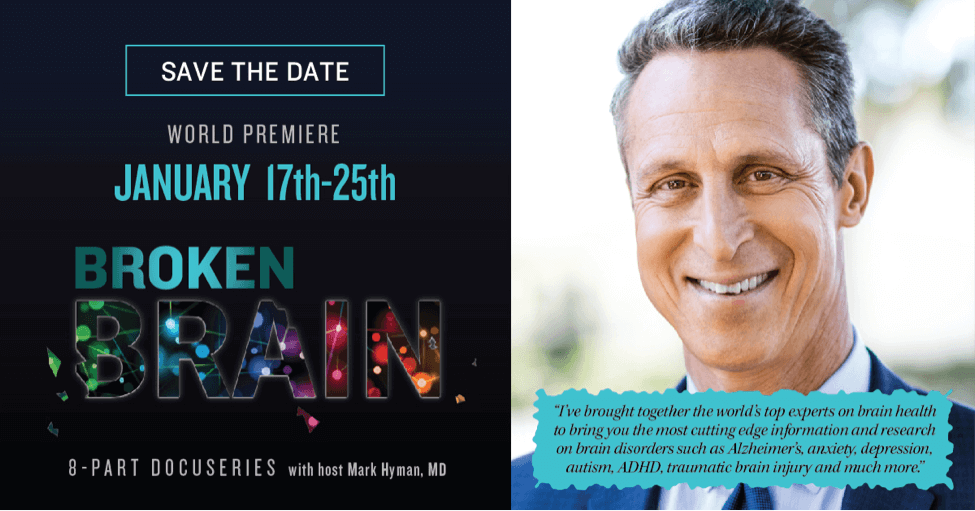
Save the date for the 8 -part Broken Brain docusersies, hosted by Dr. Mark Hyman – and register here. It airs January 17-25th

Here’s a list of ALL the episodes, to showcase just some of what you will have access to. Each episode will be available for 24 hours, at no-cost!

  1. The Broken Brain Epidemic / My Story (January 17)
  2. Gut Brain Connection: Getting to The Root of a Broken Brain (January 18)
  3. Losing Your Mind (Alzheimer’s, Dementia, MS, and More) (January 19)
  4. ADHD and Autism (January 20)
  5. Depression & Anxiety (January 21)
  6. Traumatic Brain Injury: Accidents, Sports, and More (January 22)
  7. 7 Steps to An UltraMind (Part 1) (January 23)
  8. 7 Steps to An UltraMind (Part 2) (January 24)

I hope you enjoy it and get as much out of it as I did!

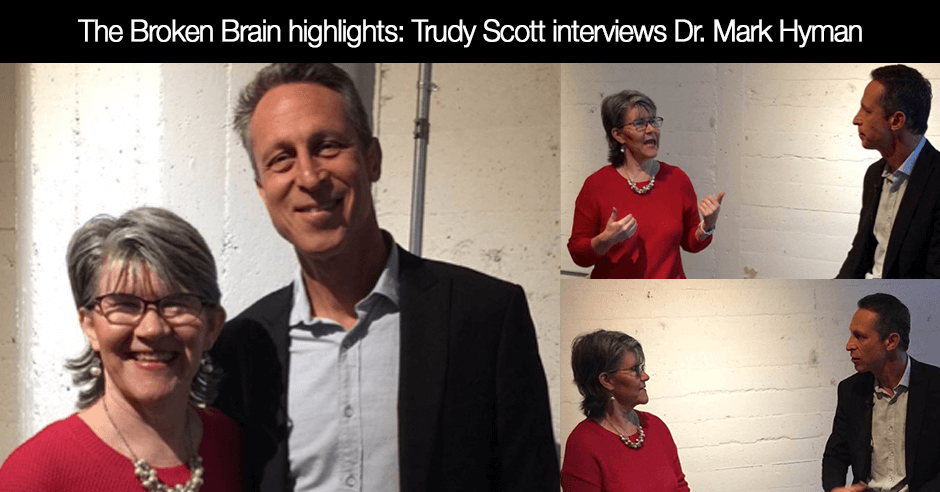
I actually flew from Sydney to LA for this opportunity to meet and interview him, and share more about the Broken Brain series, and I’m so glad I did! It was the first time I’d met Dr. Hyman in person and it truly was an honor to be in the company of this great man who is doing so much in the functional medicine world! Again, here is that link to register

Please share if any of this resonates with you – what solutions you have found have helped you and/or what you are working on addressing now?

AN UPDATE: there has been some feedback on the term “broken brain” being too negative and even scary so I gathered some feedback and share it in this blog: Is the term ‘broken brain’ hopeful and real or too negative and scary? I really want to hear your thoughts if you are offended by the term broken brain.  I also want to share Dr. Hyman’s apology.
Filed Under: Anxiety, Depression, Events, Gut health, Mental health, Mercury Tagged With: ADHD, alzheimer's, anxiety, broken brain, depression, functional medicine, mark hyman, Trudy Scott

Copper toxicity: anxiety, phobias, ADHD on the Heavy Metals Summit

December 23, 2017 By Trudy Scott 32 Comments

One of my favorite functional medicine practitioners, Ann Louise Gittleman covers the issue of excess copper on the Heavy Metals Summit, which airs online Jan 29 to Feb 5, 2018.

The topic is – Copper: The Double-Edged Sword – and she shares how copper is probably the most insidious of the toxic metals:

I think what lead was to the ancient Romans, copper is to modern day Americans. And I think it may be the fundamental cause of many of our orphan illnesses, our mystery illnesses, and debilitating and aging biochemical imbalances.

She shares some of the sources of copper that are most prevalent in contributing to excess copper levels and toxicity:

I think first and foremost we have to look at copper plumbing, copper cookware, which is all the rage in this day and time. There’s naturally occurring copper in water. Birth control pills can be a source of copper, because of excessive amounts of estrogen and estrogen is connected to copper the way zinc is connected to progesterone.

There are copper IUDs that are very popular amongst so many of our young women. Even dental amalgams, if they are put in your mouth post 1976 can have a very high copper amalgam percentage. And then, of course, there are fungicides for swimming pools and foods. So that’s just the beginning.

Then there’s the copper that you’re getting in common foods. Whether it’s soy; whether it’s GMO soy or not. You’re getting that in tempeh, tofu, soy protein powders. Nuts and seeds, like cashew nuts and sesame seeds. Avocados; a very healthy fat, but high in copper nevertheless. And some of our shellfish. Then you’ve got your regular tea, your green tea, your white tea, your black tea, your bran, and even your brewer’s yeast.

One of the biggest factors that I see contributing to high copper in my clients who have low zinc and anxiety, is all the baking being done with nuts flours such as almond flour! The next two areas I see as being most problematic for women, is the birth control pill and copper IUDs.  

Ann Louise talks about how excess copper can affect you: hyperactivity and ADD, thyroid issues, tooth decay, dementia, urinary tract infections, candida and functional hypoglycemia.

She also covers the following anxiety symptoms, which I commonly see in my clients and community: nervousness, phobias and unresolved fears, depression and even stuttering.

Here are my contributions to this important discussion:

  • High copper and low zinc (because these two balance each other out), is one of the most common imbalances I see in my community of anxious individuals, and especially in women because of the hormonal influence.
  • Other than removing the source of the copper, one way to address this is via zinc supplementation. If anxiety is a factor, addressing low serotonin and low GABA with amino acids like tryptophan and GABA helps until zinc increases and copper decreases.
  • Good levels of zinc are also needed to make the neurotransmitters so once levels rise (as we get rid of excess copper) we can start to make our own.

Wendy Myers, Christine Schaffner, ND, and Dietrich Klinghardt, MD, PhD, have spent the last few months gathering the right experts, information and protocols to help you understand the danger of heavy metals like copper, mercury, lead, cadmium and others, and what to do about them.

Every day, they help their patients regain health, in some part through heavy metal detoxification. People with incorrect diagnoses of multiple sclerosis, fibromyalgia, anxiety and depression, insomnia, or thyroid issues, just to name a few, have found relief through innovative and individualized protocols to reduce the burden of heavy metals.

Register here to join us on The Heavy Metals Summit January 29 – February 5, 2018. See you on the summit! I know I’m going to learn a lot too!

Have you had issues with high copper and low zinc?

Feel free to comment or post a question below.

Filed Under: Events, Toxins Tagged With: ADHD, anxiety, copper, fear, heavy metals summit, nervousness, phobias, toxicity, zinc

OCD, anxiety, PANDAS and PANS: Dr Brandon Brock

June 18, 2017 By Trudy Scott 6 Comments

This is a quick reminder that The Autism, ADHD and Sensory Processing Disorder Summit starts tomorrow.

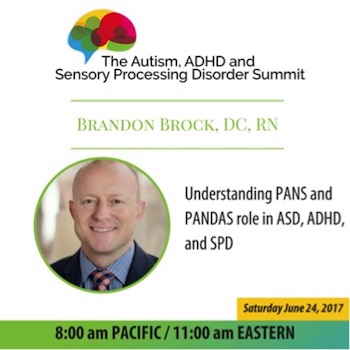
I really enjoyed Dr. Brandon Brock’s interview, Understanding PANS and PANDAS role in ASD, ADHD and SPD, and it is particularly relevant for anxiety and OCD. During the interview he describes what he often finds with these children with PANS (Pediatric Acute-onset Neuropsychiatric Syndrome) and PANDAS (Pediatric Autoimmune Neuropsychiatric Disorders Associated with Streptococcal Infections):

A lot of times the child may come in having nightmares or they just start bed wetting or they’re having fears or a little bit of irritability and they get blamed on all kinds of things. You know they get blamed on maybe a sketchy home environment that’s really not that sketchy, or maybe they just say it’s normal for a child to go through this, or maybe they’re just starting to hit puberty so they’re getting more aggressive. In other words there’s always a reason other than looking at the brain physiology. Why is it changing? Is the brain physiology changing because maybe there is an environmental factor? You know maybe there is some abuse or something. And that does happen.

But on a bigger scale maybe they had some sort of infectious disease, or maybe they had a toxin that got into their body, and it made their immune system react, and it started giving them symptoms like abnormal movements, ticks, especially in the face, lip smacking, hair twirling.

He talks about how these immune reactions to the brain and basal ganglia cause symptoms:

So when you have an immune response against the basal ganglia it’s kind of like pushing the play button over and over and over again. So now we see things like obsessive compulsive disorder, we see tics, we see choreiform movements [repetitive and rapid, jerky, involuntary movement that appears to be well-coordinated], we see nightmares and bizarre thoughts, or the kid does something that we call a perseveration. It is the repetition of a particular response (such as a word, phrase, or gesture), so they say something over and over and over. So there’s a fine line between a kid being a kid and then a kid having something like PANDAS. And really what we call that is auto-immune encephalitis, which just means inflammation of the brain. So the kid’s brain really is kind of like, if you want to say it metaphorically, on fire.

Dr. Brock talks about the 2 strep tests or anti-streptococcal antibody titers that are commercially available and determines whether the child has had a previous strep infection:

  • Antistrepolysin O (ASO) titer,* which rises 3-6 weeks after a strep infection, and
  • Antistreptococcal DNAse B (AntiDNAse-B) titer, which rises 6-8 weeks after a strep infection.]

In addition to the many other labs tests they do, he goes on to discuss another whole set of antibodies that can become positive down the road:

Dopamine antibodies, calcium calmodulin mechanisms, and then all of the intra-cellular structures, like the tubulin structures, the alpha and beta tubulin structures, the micro-tubulin structures, and even the cell wall. So we have an antibody panel that really says it’s either the structure, it’s either the receptor, or it’s the actual pumping mechanism that makes dopamine.

He didn’t mention this but it’s the Cunningham Panel done by Moleculera Labs

Dr. Brock goes on to talk about functional neurology, diet, how to find a good practitioner and much more. It’s a great interview!

The Autism, ADHD and Sensory Processing Disorder Summit, hosted by Tara Hunkin, NTP, runs from June 19-28, 2017.

It will be 10 days of eye opening information into the root causes of your child’s neurological dysfunction. Imagine learning about what may have caused their symptoms and how to address them with nutrition and biomedical approaches and leverage the power of positive neuroplasticity to improve function, health and their lives.

As I mentioned in the prior summit announcement many of the interviews on this summit may be applicable for you even if you don’t have a child with a sensory processing disorder, ADHD and/or autism – many of my clients with anxiety often benefit from the biomedical support that many of these speakers are addressing. Simply replace sensory processing disorder, ADHD and/or autism with anxiety and listen and learn.

And if you’re new to my work, do also tune into my interview: Anxiety’s Role in ASD, ADHD and SPD and how nutrient therapy can help.

Here are a few other speakers and their interesting topics (and I can’t wait to hear them all):

  • David Perlmutter, MD: The role of the microbiome in neurological health.
  • Alex Doman: Using music to heal your child’s brain
  • Derrick MacFabe, MD: The role of propionic acid in the multi-system challenges found in ASD.
  • Sonia McGowin, DC: How to know if biomedical intervention is right for your child.

You can register for The Autism, ADHD and Sensory Processing Disorder Summit here

Filed Under: Autism Tagged With: ADHD, anxiety, autism, Brandon Brock, OCD, PANDAS, PANS, Sensory Processing Disorder, strep, Tara Hunkin

Anxiety in autism, ADHD and sensory processing disorders

June 5, 2017 By Trudy Scott 8 Comments

I had the pleasure of being interviewed by Tara Hunkin on the upcoming Autism, ADHD and Sensory Processing Disorder Summit and share my expertise on anxiety since we so often see anxiety in this population. My topic is: Anxiety’s Role in ASD, ADHD and SPD and how nutrient therapy can help.

I start out sharing some of the research on the incidence and connections.

This 2009 paper Sensory Overresponsivity and Anxiety in Children With ADHD in the American Journal of Occupational Therapy, reports that:

Approximately 25% of children with attention deficit hyperactivity disorder (ADHD) have a comorbid anxiety disorder.

The purpose of this particular study was to determine whether sensory overresponsivity (SOR) or sensory processing disorders are related to increased anxiety in children with ADHD. There were twenty-four children between the age of 6 to 10 with ADHD and 24 children without ADHD.

The study concluded that:

Children in the ADHD + SOR [sensory over responsivity] group were significantly more anxious than both the ADHD-only and non-ADHD (control) groups.

Occupational therapists treating children with ADHD and SOR should be aware that these children may also have anxiety and discuss options with families for prevention or treatment.

I would add that anyone working with these children should be aware of the connections: doctors, nutritionists, psychologists and anyone else on the health team.

We also discuss this 2012 paper, also from the American Journal of Occupational Therapy – Sensory Overresponsivity and Anxiety in Typically Developing Children and Children With Autism and Attention Deficit Hyperactivity Disorder: Cause or Coexistence?

Reviews of the coexistence of ASD [autism spectrum disorder] and anxiety disorders have concluded that among children and youth with ASD, anxiety disorders are highly prevalent, clinically significant, and varied as to specific type of anxiety disorder

Approximately 25% of children with attention deficit hyperactivity disorder (ADHD) also have anxiety disorder, a rate that is elevated when ADHD is seen in conjunction with conduct or oppositional defiant disorders

The paper mentions these 3 factors as models worthy of further study in order to understand the relationship between anxiety, sensory overresponsivity, autism and ADHD:

(1) anxiety caused by, or a symptom of, SOR (primary anxiety model);
(2) SOR caused by, or a symptom of, anxiety (primary SOR model); and
(3) the presence of both anxiety and SOR, linked by way of another factor

Based on what I know about anxiety I feel it could be a combination of all of the above.

My interview also covers the following around how to address the anxiety in these children and their moms (who also often have anxiety):

  • Low serotonin anxiety, symptoms, using tryptophan and 5-HTP and precautions with using them with an SSRI
  • A young girl with RAD (reactive attachment disorder) with rage/anger, anxiety, insomnia, and sugar cravings and the successful use of chewable tryptophan, addressing low iron and a gluten-free diet
  • A young boy with OCD and the successful use of both tryptophan and inositol
  • Low GABA anxiety, the use of GABA and not phenibut, and cautions about using too much
  • A young girl with ADHD and irritability and the successful use of GABA
  • Pyroluria incidence and symptoms and how it ties back to neurotransmitter imbalances

Sensory processing disorders, ADHD and autism are not my expertise and I don’t work much with children so I’m really pleased to be bringing you this information via the other amazing speakers AND listening and learning myself!

Here are some speakers and topics I’m particularly interested in

  • Brandon Brock, RN, DC: Understanding PANS and PANDAS role in ASD, ADHD and SPD.
  • Elizabeth Mumper, MD: Mitochondrial Dysfunction: What it is and how to address the underlying causes.
  • Richard Frye, MD, Ph.D.: Cerebral Folate Deficiency: and how it impairs neurological health.
  • Nancy O’Hara, MD: What you need to know about cell danger response in ASD & other neurodevelopmental disorders.
  • John Tjenos, NTP: The importance of the vagus nerve and how to build vagal tone with essential oils.

We have so much to learn from practitioners and researchers working in this area. And children affected by these conditions do recover!

The Autism, ADHD and Sensory Processing Disorder Summit, hosted by Tara Hunkin, NTP, runs from June 19-28, 2017.

It will be 10 days of eye opening information into the root causes of your child’s neurological dysfunction. Imagine learning about what may have caused their symptoms and how to address them with nutrition and biomedical approaches and leverage the power of positive neuroplasticity to improve function, health and their lives.

Do also keep in mind that these topics may have relevance for you even if you don’t have a child with a sensory processing disorder, ADHD and/or autism. These children are the canaries in the coal mine and many of my clients with anxiety can benefit from the biomedical support that many of these speakers are addressing. Simply replace sensory processing disorder, ADHD and/or autism with anxiety and listen and learn.

You can register for The Autism, ADHD and Sensory Processing Disorder Summit here

Feel free to ask questions or provide feedback and your experiences in the comment section below.

Filed Under: Autism, Events Tagged With: ADHD, anxiety, autism, Brandon Brock, Elizabeth Mumper, GABA, inositol, Nancy O’Hara, sensory overresponsivity, Sensory Processing Disorder, serotonin, Tara Hunkin, tryptophan

GABA for children: ADHD, focus issues, irritability, anxiety and tantrums

April 7, 2017 By Trudy Scott 117 Comments

Is GABA safe for children with symptoms of ADHD? I was asked this question after my interview on anxiety on the Diabetes Summit. I shared the question and my answer on facebook:

I’ve used GABA (and theanine) very successfully with children with physical anxiety symptoms and ADHD. I’ve also used tyrosine for the attention/focus issues. Plus I always consider gluten, blood sugar control (animal protein at breakfast often makes the biggest difference), colors/additives, low iron, low zinc and candida (this list is not inclusive but is a good starting point)

Jenny is a mom in my facebook community and responded to the above post, sharing that a friend of hers recommended GABA for her daughter after reading some of my posts. She shared this wonderful feedback:

My daughter hasn’t been diagnosed with ADHD but has a lot of ADHD qualities. We were having a huge amount of behavior problems as she is getting older (she’s 11). I did some research and went to the health food store and bought a bottle. At this point I was mentally exhausted from all the fighting and drama at home and at school. I was desperate and didn’t want to put her on any hard medication.

She has had amazing behavior at school and at home since giving it to her. She’s almost like different child. GABA has truly changed our life. She’s been taking it for almost 2 months.

What wonderful results! I’m thrilled for Jenny and her daughter. I asked Jenny to share what her daughter’s symptoms/behaviors were before they used the GABA and which symptoms improved. This is what Jenny shared:

…before the GABA she was irritable, she was fighting with her teacher and schoolmates, she couldn’t focus and was distracted by anything and everything, she was constantly disrupting the class and she was throwing major tantrums over ridiculous stuff (like her hair didn’t do what she wanted), she was mouthy and everything was a fight.

We are not seeing 99% of those behaviors at all anymore. She of course is still your typical pre-teen but if I say “no you can’t have that” our “no you can’t go there” her reaction is OK. Before it would have been a major fight or meltdown. Her teacher is reporting to me every day about her wonderful days.

I love hearing this feedback and it’s not unusual for children to act out when they have low GABA levels. Adults may identify with being anxious, but children may appear irritable, unfocused and distracted, may have tantrums and meltdowns, and all the while not be able to articulate how they are feeling.

Long–term use of GABA and root causes of low GABA

Jenny also posed some additional questions about GABA:

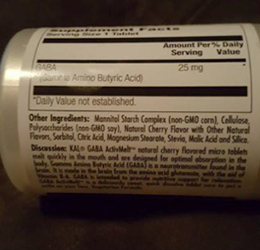
I do have some questions – I can’t really find anything online saying that it’s OK to give to kids. I mean, I’ve seen the results but it still worries me. She takes one 25 mg pill a day – do you think that’s OK?? Should I give her more or less or keep it the same? Just wondering your opinion?

I shared some of this feedback on the facebook thread and have elaborated on it here on the blog.

There is no research on children and the long-term use of amino acids but plenty of clinical evidence showing they can be used safely for 3-12 months. But I am also always working with my clients to find out why there is the deficiency in the first place and addressing that. This could include any or all of the following:

  • low zinc/vitamin B6/low iron which are all co-factors needed to make GABA (and then I’d want to know why are these low)
  • dysbiosis, parasites and/or candida (we make GABA in the gut and we may have GABA-eating bacteria in the gut – such as gabavorous)
  • too much stress at school, playing sports and/or at home
  • not getting enough sleep
  • not eating animal protein at breakfast (this affects blood sugar control and can stress the adrenals and impact cortisol, sex hormones and brain chemicals)
  • gluten sensitivity (gluteomorphins in gluten can impact mood and gluten can damage the gut leading to nutritional deficiencies)
  • low animal protein intake and/or eating a low-fat diet
  • low stomach acid (so you can’t digest the protein you’re eating)
  • toxin exposure (like pesticides or BPA)
  • low total cholesterol (caused in part by low levels of enzymes for fat digestion or a low-fat diet)

I shared these 60+ Nutritional and Biochemical Causes of Anxiety on my closing call of the The Anxiety Summit season 3.   I use this to help put the puzzle pieces together for my clients to resolve their anxiety and related issues like ADHD, insomnia, sadness, irritability etc.

When Jenny saw some of the root causes for low GABA she shared that she’s going to be making an appointment with her doctor. Keep in mind that in this instance it will need to be a functional medicine doctor or nutritionally trained doctor or a doctor who is open to learning about all this. I always also suggest taking a copy of my book The Antianxiety Food Solution to share with the doctor too!

What GABA product?

I typically have clients start with Source Naturals GABA Calm which contains 125mg of GABA. I was curious to know which 25mg GABA product she was using. It turns out to be a sublingual product by KAL.


You can find the other GABA products I use and recommend here and the precautions with using GABA here. Typically it’s an amino acid that has the least issues, unless too high an amount is used.   I often hear that 500mg or 1000mg was used and caused dizziness or breathlessness – these are clues it’s too much!

As mentioned, one product I use and recommend is Source Naturals GABA Calm lozenges. It’s a good low dose of 125 mg and is convenient and effective because it’s a sublingual lozenge.

Now GABA Powder is another product I use and recommend. It does need to be measured out to provide a 125 mg typical starting dose or less (as needed). I have clients use a handy mini measuring spoon like this one (my Amazon link) and share more about how to measure out GABA powder on this blog).

For Source Naturals GABA Calm lozenges and Now GABA Powder:

  • You can purchase these from my online store (Fullscript – only available to US customers – use this link to set up an account).
  • If you’re not in the US, you can purchase these at iherb (use this link to save 5%).

Somnium GABA Cream is another option that could be considered especially for children and those with special needs. It is available in the US and elsewhere with international shipping. Read more about the product and who else may benefit from using a cream, and grab my coupon code to save 15%.

Why does GABA help in a situation like this?

These results are exceptional and it’s seldom just low GABA that needs to be addressed but in this instance it was. The low GABA type of ADHD is a bit different than low dopamine or low ferritin ADHD. With low GABA, it’s the anxiety that is causing the spinning, lack of focus, irritability and tantrums.

This blog post and study explains some of it – Oral GABA supplementation allows better prioritizing of planned actions: new research. GABA provides a better ability to handle tasks (complex and/or planned tasks) with less spinning and feelings of overwhelm, and prioritization of tasks is improved.

In addition to addressing low GABA, we also typically address the diet, gut health, toxin exposures (cosmetics are a big issue at this age), screen-time/EMFs (also a big issue at this age), and any other nutritional deficiencies.

Resources if you are new to using GABA as a supplement

If you are new to using GABA as a supplement, here is the Amino Acids Mood Questionnaire from The Antianxiety Food Solution (you can see all the low GABA symptoms).

If you suspect low levels of GABA or any of the neurotransmitters and do not yet have my book, The Antianxiety Food Solution – How the Foods You Eat Can Help You Calm Your Anxious Mind, Improve Your Mood, and End Cravings, I highly recommend getting it and reading it before jumping in and using amino acids on your own so you are knowledgeable. And be sure to share it with the team you or your loved one is working with.

There is an entire chapter on the amino acids and they are discussed throughout the book in the sections on gut health, blood sugar control, sugar cravings, self-medicating with alcohol and more.

The book doesn’t include product names (per the publisher’s request) so this blog, The Antianxiety Food Solution Amino Acid and Pyroluria Supplements, lists the amino acids that I use with my individual clients and those in my group programs.

If, after reading this blog and my book, you don’t feel comfortable figuring things out on your own (i.e. doing the symptoms questionnaire and respective amino acids trials), a good place to get help is the GABA QuickStart Program. This is a paid online/virtual group program where you get my guidance and community support. There are many moms in the program who are having much success with their kids.

If you are a practitioner, join us in The Balancing Neurotransmitters: the Fundamentals program. This is also a paid online/virtual program with an opportunity to interact with me and other practitioners who are also using the amino acids.

Have you noticed that your child (or even you personally) has seen improvements in these symptoms after using GABA: ADHD, focus issues, irritability, anxiety and tantrums?

Does it seem like it gives them (or you) a better ability to handle tasks (complex and/or planned tasks) with less spinning and feelings of overwhelm? Is prioritization improved?

If you are a practitioner are you seeing results like this with your clients/patients?

If you have questions please share them here too.

I asked Jenny if I could share here to give other mom’s hope and inspiration and practical results so they can help their children – and I really appreciate her being willing to do so.

Thanks for sharing Jenny! Happy mama and happy daughter – it warms my heart to hear stories like this!

Filed Under: GABA Tagged With: ADHD, children, GABA, tantrums

The Anxiety Summit – What if… Nutrition could Treat Anxiety and Depression?

May 6, 2015 By Trudy Scott 18 Comments


Julia Rucklidge PhD, Professor of Clinical Psychology in the Department of Psychology at the University of Canterbury, Christchurch, New Zealand, was interviewed on the Anxiety Summit by host of the Anxiety Summit, Trudy Scott, Food Mood Expert and Nutritionist, author of The Antianxiety Food Solution.

Julia has over 75 peer-reviewed studies and is passionate about helping people find alternative treatments to medications for their psychiatric symptoms. Her current research interests can be found at the University of Canterbury site here.

What if… Nutrition could Treat Anxiety and Depression?

  • The increasing prevalence of mental health problems and medication side-effects
  • Why diet is so important when it comes to mental health (anxiety, depression, ADHD and even schizophrenia)
  • Nutritional medicine as mainstream in psychiatry and ISNPR (International Society for Nutritional Psychiatry Research)
  • The problems with food: pesticides, soil quality, Roundup
  • Micronutrient research for ADHD, anxiety, bipolar and PTSD
  • The emerging field of nutritional mental health: Inflammation, the microbiome, oxidative stress, and mitochondrial function

Here are some snippets from our interview:

Why is nutrition important? As a scientist I can just say because the data says it’s important. So if we start with the wonderful work that has really been spearheaded from Felice Jacka and there are other people in Spain and in Japan who have published similar studies showing that the more you eat a processed, western type of diet, the higher your risk for mental illness. They’ve published data on depression and anxiety, but also other mental illness as well. And the more you eat what we call, a prudent or a healthier Mediterranean type of diet, the lower your risk for depression and anxiety.

How long is it going to take our society to pay attention to the research that shows that suboptimal nutrition is contributing to the epidemic of mental illness? Are we just going to sit around and ignore this evidence to our peril? Or are we going to start paying attention and start to invest in the really important research that needs to happen?

Here is an earlier blog post I did on Dr. Rucklidge’s excellent TEDX talk: The surprisingly dramatic role of nutrition in mental health

Here is part of the recent paper titled “What if nutrients could treat mental illness?”

We are at a tipping point in psychiatry.

The growing body of literature on the effect of nutrients on mental health is compelling enough and consistent enough for us to pay attention. It is time to revisit the role of diet and supplementary nutrients in the treatment of mental illness and to invest in this line of research.

Here is the smoking and cannabis study we talked about: Use of micronutrients attenuates cannabis and nicotine abuse as evidenced from a reversal design: a case study.

This case adds to a growing body of research supporting the use of micronutrients in the treatment of psychiatric symptoms and suggests it may extend to substance dependence. Micronutrients, by assisting with mood regulation and reductions in anxiety, may assist with successful cessation of drug use.

We discussed this earthquake paper, a favorite of hers: Shaken but unstirred? Effects of micronutrients on stress and trauma after an earthquake: RCT evidence comparing formulas and doses.

This study supports micronutrients as an inexpensive and practical treatment for acute stress following a natural disaster with a slight advantage to higher doses

If you are not already registered for the Anxiety Summit you can get live access to the speakers of the day here: www.theAnxietySummit.com

Missed this interview or can’t listen live? Or want this and the other great interviews for your learning library? Purchase the MP3s or MP3s + transcripts and listen when it suits you.

You can find your purchasing options here: Anxiety Summit Season 1, Anxiety Summit Season 2, and Anxiety Summit Season 3.

Filed Under: Antianxiety, Food and mood, PTSD/Trauma, Research, The Anxiety Summit 3 Tagged With: ADHD, anxiety, depression, Julia Rucklidge, nutrition, Nutritional medicine, psychiatry, the anxiety summit, Trudy Scott

  • « Go to Previous Page
  • Page 1
  • Interim pages omitted …
  • Page 3
  • Page 4
  • Page 5
  • Page 6
  • Go to Next Page »

Primary Sidebar

NEW! GABA QuickStart Homestudy (with special intro pricing)

gaba quickstart homestudy

Free Report

9 Great Questions Women Ask about Food, Mood and their Health

You'll also receive a complimentary subscription to my ezine "Food, Mood and Gal Stuff"


Connect with me

Popular Posts

  • Amino Acids Mood Questionnaire from The Antianxiety Food Solution
  • The Antianxiety Food Solution Amino Acid and Pyroluria Supplements
  • Pyroluria Questionnaire from The Antianxiety Food Solution
  • Collagen and gelatin lower serotonin: does this increase your anxiety and depression?
  • Tryptophan for the worry-in-your-head and ruminating type of anxiety
  • GABA for the physical-tension and stiff-and-tense-muscles type of anxiety
  • The Antianxiety Food Solution by Trudy Scott
  • Seriphos Original Formula is back: the best product for anxiety and insomnia caused by high cortisol
  • Am I an anxious introvert because of low zinc and vitamin B6? My response to Huffington Post blog
  • Vagus nerve rehab with GABA, breathing, humming, gargling and key nutrients

Recent Posts

  • What do I use instead of Seriphos to help lower high cortisol that is affecting my sleep and making me anxious at night?
  • BeSerene™ GABA/theanine cream eases severe muscle tension in her neck/shoulders, prevents her bad headaches and quells her anxiety
  • How the correct approach, dose and sublingual use of GABA can be calming and not cause a flushed and itchy face and neck
  • The amino acid glutamine improves low mood by addressing gut health, and it has calming effects too
  • Flight anxiety with heightened breath, physical tension and also fearing the worst (the role of low GABA and low serotonin)

Categories

  • 5-HTP
  • AB575
  • Addiction
  • ADHD
  • Adrenals
  • Alcohol
  • Allergies
  • Alzheimer's disease
  • Amino Acids
  • Anger
  • Antianxiety
  • Antianxiety Food Solution
  • Antidepressants
  • Anxiety
  • Anxiety and panic
  • Autism
  • Autoimmunity
  • benzodiazapines
  • Bipolar disorder
  • Books
  • Caffeine
  • Cancer
  • Candida
  • Children/Teens
  • Collagen
  • Cooking equipment
  • Coronavirus/COVID-19
  • Cravings
  • Depression
  • Detoxification
  • Diabetes
  • Diet
  • DPA/DLPA
  • Drugs
  • EFT/Tapping
  • EMF
  • EMFs
  • Emotional Eating
  • Endorphins
  • Environment
  • Essential oils
  • Events
  • Exercise
  • Fear
  • Fear of public speaking
  • Fertility and Pregnancy
  • Fish
  • Food
  • Food and mood
  • Functional neurology
  • GABA
  • Gene polymorphisms
  • General Health
  • Giving
  • Giving back
  • Glutamine
  • Gluten
  • GMOs
  • Gratitude
  • Gut health
  • Heart health/hypertension
  • Histamine
  • Hormone
  • Hyperparathyroidism
  • Hypoglycemia
  • Immune system
  • Inflammation
  • Insomnia
  • Inspiration
  • Introversion
  • Joy and happiness
  • Ketogenic diet
  • Lithium orotate
  • Looking awesome
  • Lyme disease and co-infections
  • MCAS/histamine
  • Medication
  • Men's health
  • Mental health
  • Mercury
  • Migraine
  • Mold
  • Movie
  • MTHFR
  • Multiple sclerosis
  • Music
  • NANP
  • Nature
  • Nutritional Psychiatry
  • OCD
  • Osteoporosis
  • Oxalates
  • Oxytocin
  • Pain
  • Paleo
  • Parasites
  • Parkinson’s disease
  • PCOS
  • People
  • PMS
  • Postpartum
  • PTSD/Trauma
  • Pyroluria
  • Questionnaires
  • Real whole food
  • Recipes
  • Research
  • Schizophrenia
  • serotonin
  • SIBO
  • Sleep
  • Special diets
  • Sports nutrition
  • Stress
  • Sugar addiction
  • Sugar and mood
  • Supplements
  • Teens
  • Testimonials
  • Testing
  • The Anxiety Summit
  • The Anxiety Summit 2
  • The Anxiety Summit 3
  • The Anxiety Summit 4
  • The Anxiety Summit 5
  • The Anxiety Summit 6
  • Thyroid
  • Thyroid health
  • Toxins
  • Tryptophan
  • Tyrosine
  • Uncategorized
  • Vegan/vegetarian
  • Women's health
  • Yoga

Archives

  • October 2025
  • September 2025
  • August 2025
  • July 2025
  • June 2025
  • May 2025
  • April 2025
  • March 2025
  • February 2025
  • January 2025
  • November 2024
  • October 2024
  • September 2024
  • August 2024
  • July 2024
  • June 2024
  • May 2024
  • April 2024
  • March 2024
  • February 2024
  • January 2024
  • December 2023
  • November 2023
  • October 2023
  • September 2023
  • August 2023
  • July 2023
  • June 2023
  • May 2023
  • April 2023
  • March 2023
  • February 2023
  • January 2023
  • December 2022
  • November 2022
  • October 2022
  • September 2022
  • August 2022
  • July 2022
  • June 2022
  • May 2022
  • April 2022
  • March 2022
  • February 2022
  • January 2022
  • December 2021
  • November 2021
  • October 2021
  • September 2021
  • August 2021
  • July 2021
  • June 2021
  • May 2021
  • April 2021
  • March 2021
  • February 2021
  • January 2021
  • December 2020
  • November 2020
  • October 2020
  • September 2020
  • August 2020
  • July 2020
  • June 2020
  • May 2020
  • April 2020
  • March 2020
  • February 2020
  • January 2020
  • December 2019
  • November 2019
  • October 2019
  • September 2019
  • August 2019
  • July 2019
  • June 2019
  • May 2019
  • April 2019
  • March 2019
  • February 2019
  • January 2019
  • December 2018
  • November 2018
  • October 2018
  • September 2018
  • August 2018
  • July 2018
  • June 2018
  • May 2018
  • April 2018
  • March 2018
  • February 2018
  • January 2018
  • December 2017
  • November 2017
  • October 2017
  • September 2017
  • August 2017
  • July 2017
  • June 2017
  • May 2017
  • April 2017
  • March 2017
  • February 2017
  • January 2017
  • December 2016
  • November 2016
  • October 2016
  • September 2016
  • August 2016
  • July 2016
  • June 2016
  • May 2016
  • April 2016
  • March 2016
  • February 2016
  • January 2016
  • December 2015
  • November 2015
  • October 2015
  • September 2015
  • August 2015
  • July 2015
  • June 2015
  • May 2015
  • April 2015
  • March 2015
  • February 2015
  • January 2015
  • December 2014
  • November 2014
  • October 2014
  • September 2014
  • August 2014
  • July 2014
  • June 2014
  • May 2014
  • April 2014
  • March 2014
  • February 2014
  • January 2014
  • December 2013
  • November 2013
  • October 2013
  • September 2013
  • August 2013
  • July 2013
  • June 2013
  • May 2013
  • April 2013
  • March 2013
  • February 2013
  • January 2013
  • December 2012
  • November 2012
  • October 2012
  • August 2012
  • July 2012
  • June 2012
  • May 2012
  • April 2012
  • March 2012
  • February 2012
  • January 2012
  • December 2011
  • November 2011
  • October 2011
  • September 2011
  • August 2011
  • July 2011
  • June 2011
  • May 2011
  • April 2011
  • March 2011
  • February 2011
  • January 2011
  • December 2010
  • October 2010
  • September 2010
  • July 2010
  • May 2010
  • April 2010
  • March 2010
  • February 2010
  • January 2010
  • November 2009

Share the knowledge!

The above statements have not been evaluated by the Food and Drug Administration. Products listed in this website are not intended to diagnose, treat, cure or prevent any disease.

The information provided on this site is for informational and educational purposes only and is not intended as a substitute for advice from your physician or other health care professional. You should consult with a healthcare professional before starting or modifying any diet, exercise, or supplementation program, before taking or stopping any medication, or if you have or suspect you may have a health problem.


Copyright © 2026 Trudy Scott. All Rights Reserved. | Privacy | Terms and Conditions | Refund Policy | Medical Disclaimer

Free Report

9 Great Questions Women Ask about Food, Mood and their Health

You’ll also receive a complimentary subscription to my ezine “Food, Mood and Gal Stuff”