• Skip to primary navigation
  • Skip to main content
  • Skip to primary sidebar

everywomanover29 blog

Food, Mood and Women's Health – Be your healthiest, look and feel great!

  • Blog
  • About
  • Services
  • Store
  • Resources
  • Testimonials
  • The Book
  • Newsletter
  • Contact
  • Search this site

Amino Acids

The Anxiety Summit – Pyroluria, Amino Acids and Anxiety: Troubleshooting when you are not getting results

May 16, 2015 By Trudy Scott 101 Comments


Trudy Scott, Food Mood Expert and Nutritionist, author of The Antianxiety Food Solution. presents during the Anxiety Summit Season 3.

Pyroluria, Amino Acids and Anxiety: Troubleshooting when you are not getting results

  • Pyroluria and the effects of leaky gut, oxalates and low oxytocin levels
  • CFS, ADHD, autism, alcoholism, Lyme disease: the pyroluria connection
  • Introversion and musician’s dystonia: an update on the pyroluria connection
  • Troubleshooting the pyroluria protocol and mistakes I see
  • Testing for pyroluria, zinc, vitamin B6 and fatty acids
  • The 8 factors that make the targeted individual amino acids more effective
  • What to do when the amino acids are not working
  • Concerns about quinolinic acid and tryptophan?

Pyroluria/social anxiety/introversion protocol: trouble-shooting

This is the blog I mentioned that summarizes a number of prior blog posts on the topic: Pyroluria, social anxiety, introversion: a summary

We discussed factors to consider when you are not getting results on the pyroluria protocol. Here is the blog with the 21 we talked about during the interview plus additional factors that I’ve added.

Pyroluria protocol: why aren’t I getting results – trouble-shooting checklist

Here are the oxytocin blogs that discuss social anxiety, testing, the oxytocin receptor gene and connections to autism and depression:

Oxytocin, social anxiety, pyroluria and autism

Dr. Woeller shares how helpful oxytocin is for social anxiety, facial recognition and voice recognition in individuals with autism and Asperger’s syndrome

Oxytocin and social anxiety, pyroluria and depression?

Genetic variation in the oxytocin receptor gene (OXTR) has been implicated in anxiety, depression and related stress phenotypes

I mentioned my aminos and pyroluria interview with Sean Croxton on the upcoming Depression Sessions (an online video series) in June. He is an introvert and is fascinated with pyroluria-introversion connection. I said I’d share a link to the Depression Sessions but the site isn’t quite ready so please stay tuned. I’ll share it in a few days. This one is not to be missed.


Targeted individual amino acid supplements for anxiety: trouble-shooting

This is the blog I mentioned that summarizes a number of prior blog posts on the topic: Anxiety and targeted individual amino acid supplements: a summary

Here are the categories I discussed, together with the associated amino acid/s

  • low blood sugar: glutamine
  • low GABA: GABA (I prefer GABA to Phenibut or pharmaGABA)
  • low serotonin: tryptophan or 5-HTP
  • low endorphins: DPA (d-phenylalanine)
  • low catecholamines: tyrosine

Here is the Amino Acids Mood Questionnaire from The Antianxiety Food Solution. I encourage you to do and see which sections may be an issue for you (or see how much you’ve improved if you’ve been using amino acids)

I discussed why Urinary neurotransmitter testing falls short and why I use the above questionnaire instead

There are some precautions to be aware of when taking supplemental amino acids. Here are the Amino Acid Precautions

The 8 factors that make the amino acids more effective:

  1. addressing blood sugar issues and eating real whole food
  2. the brand and quality
  3. timing i.e. between meals and away from protein
  4. your unique amount for your own need
  5. addressing bipolar or bipolar-type symptoms
  6. using the pyroluria protocol at the same time (if needed)
  7. addressing thyroid health and hormonal health
  8. taking the amino acids opened up

Thanks to Dr. Josh Friedman, Integrative Psychotherapist, for the interview. As I mentioned, I interviewed him on season 1 of the Anxiety summit on: “Integrative Psychotherapy: My Journey from Psychoanalysis to Whole Person Mental Health.” If you missed it, I highly recommend it. Dr. Friedman is dear friend, colleague and integrative psychotherapist who uses amino acids and other nutritional approaches in his practice. During our season 1 interview I asked him if he uses GABA with his patients and I love his answer:

it is definitely something I use. I am not a biochemist, so I actually don’t really know whether it crosses the blood/brain barrier, nor do I care actually. the first question should be, is it harmful? Are any of these things going to cause harm? And the answer with all the amino acids are no, they’re not going to cause harm, especially when compared to psychiatric medicines. The second question is, does it work? Is it helpful for our patients that we see in our practice?

Here is a link to my book: The Antianxiety Food Solution: How the Foods You Eat Can Help You Calm Your Anxious Mind, Improve Your Mood, and End Cravings

As we mentioned, it has the amino acid questionnaire, pyroluria questionnaire and all the protocols BUT does not contain the 21+ pyroluria touble-shooting checklist (see the separate blog post for this)
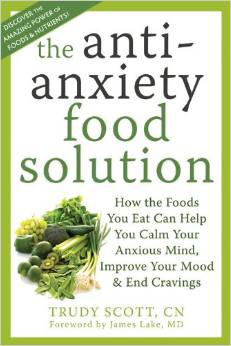
trudy scott the antianxiety food solution

If you are not already registered for the Anxiety Summit you can get live access to the speakers of the day here: www.theAnxietySummit.com

Missed this interview or can’t listen live? Or want this and the other great interviews for your learning library? Purchase the MP3s or MP3s + transcripts and listen when it suits you.

You can find your purchasing options here: Anxiety Summit Season 1, Anxiety Summit Season 2, and Anxiety Summit Season 3.

Filed Under: Amino Acids, Antianxiety, Introversion, Pyroluria, The Anxiety Summit 3 Tagged With: amino acids, anxiety, dystonia, introversion, pyroluria, social anxiety, the antianxiety food solution, the anxiety summit, Trudy Scott

The Anxiety Summit – Serotonin and Anxiety, Happiness, Digestion and our Hormones

May 14, 2015 By Trudy Scott 43 Comments


Dr. Peter Bongiorno ND, author of Holistic Therapies for Anxiety and Depression is interviewed by host of the Anxiety Summit, Trudy Scott, Food Mood Expert and Nutritionist, author of The Antianxiety Food Solution.

Serotonin and Anxiety, Happiness, Digestion and our Hormones

  • What is serotonin and why is it often considered the molecule of happiness
  • The role of serotonin when it comes to anxiety?
  • How serotonin was first discovered and the 5-HT1A receptor/oxytocin connection
  • Serotonin’s strong relationship to the digestive tract
  • The connection between inflammation and serotonin
  • How to naturopathically support serotonin and the overall neurotransmitter system for optimal mood support: 5-HTP, L-tryptophan and its vitamin co-factors
  • Serotonin’s effects on our hormones, other neurotransmitters and whole body

Here are some snippets from our interview:

In modern medicine we tend to focus on one thing and tend to work it to death, almost to the point that we believe we are doing things that will be helpful. Many studies have shown that antidepressants are not working any better than placebos in most people and yet we’re still treating it [depression/anxiety] the same way

In naturopathy we look at things from all angles. There can be multiple factors involved and why someone has anxiety. How you’re going to work through these factors successfully is going to be very different for each person.

Here is the 2010 JAMA paper: The Antidepressant Drug Effects and Depression Severity A Patient-Level Meta-analysis

The magnitude of benefit of antidepressant medication compared with placebo increases with severity of depression symptoms and may be minimal or nonexistent, on average, in patients with mild or moderate symptoms. For patients with very severe depression, the benefit of medications over placebo is substantial.

Dr. Bongiorno shares how using 5-HTP and tryptophan leads to quicker results for his patients, and unlike drugs you don’t get side-effects. He likes to use acupuncture for this too.

He discusses the co-factors that are needed for making neurotransmitters: the B vitamins like riboflavin, niacinamide and vitamin B6, plus the need for a good multivitamin.   Here is a recent Psychology Today article: Multiple Vitamins for Anxiety

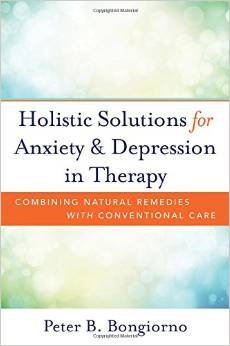
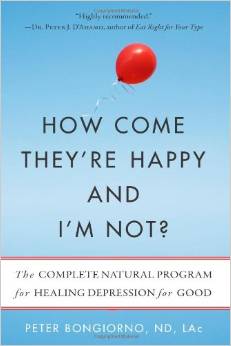
Here are Dr. Bongiorno’s two books:

How Come They’re Happy and I’m Not – The Complete Natural Program for Healing Depression for Good

peter bongiorno how come they're happy and I'm not

Holistic Solutions for Anxiety & Depression in Therapy: Combining Natural Remedies with Conventional Care

peter bongiorno holistic solutions for anxiety and depression

You can download his free gift here: 10 Ways to Boost Serotonin Naturally.  Once you sign up you’re taken to a page that has the free ebook about serotonin.

If you are not already registered for the Anxiety Summit you can get live access to the speakers of the day here: www.theAnxietySummit.com

Missed this interview or can’t listen live? Or want this and the other great interviews for your learning library? Purchase the MP3s or MP3s + transcripts and listen when it suits you.

You can find your purchasing options here: Anxiety Summit Season 1, Anxiety Summit Season 2, and Anxiety Summit Season 3.
Filed Under: Amino Acids, Antianxiety, Anxiety and panic, Depression, The Anxiety Summit 3 Tagged With: 5-HTP, anxiety, digestion, happiness, oxytocin, Peter Bongiorno, serotonin, the anxiety summit, Trudy Scott, tryptophan

Oxytocin and social anxiety, pyroluria and depression?

March 27, 2015 By Trudy Scott 66 Comments

A 2014 paper published in the Journal of Psychiatric Research looked at how variations in the oxytocin receptor gene is associated with increased risk for anxiety, stress and depression in individuals with a history of exposure to early life stress. Here are some excerpts from this paper:

Oxytocin is a neuropeptide that is involved in the regulation of mood, anxiety and social biology.

Genetic variation in the oxytocin receptor gene (OXTR) has been implicated in anxiety, depression and related stress phenotypes.

In this study, we examined genotypes in 653 individuals and tested whether SNP variation in OXTR correlates with severity of features of self-reported experience on the Depression Anxiety and Stress Scale (DASS), and whether this correlation is enhanced when early life trauma is taken into account.

The study found a significant effect of several oxytocin receptor genes (OXTR genotypes) on anxiety, stress and depression scores. They concluded that:

These results support the hypothesis that the oxytocin system plays a role in the pathophysiology of mood and anxiety disorders.

In this 2015 paper published in Neuropsychopharmacology, they looked at “Oxytocin modulation of amygdala functional connectivity to fearful faces in generalized social anxiety disorder” and found that oxytocin lessened anxiety by dampening amygdala reactivity to threat in individuals with generalized social anxiety disorder.

Results indicated that in individuals with generalized social anxiety disorder:

Oxytocin enhanced functional connectivity between the amygdala and the bilateral insula and middle cingulate/dorsal anterior cingulate gyrus during the processing of fearful faces

These findings suggest that [oxytocin] may have broad pro-social implications such as enhancing the integration and modulation of social responses.

We know that low serotonin can cause anxiety, worry and depression and research shows there are interactions between oxytocin and serotonin levels. So if you don’t respond to serotonin support (tryptophan or 5-HTP or light therapy), maybe boosting oxytocin is a possible solution?  Or maybe supporting serotonin will boost oxytocin? 

What is also really interesting to me is that zinc is needed for binding oxytocin to its receptor so I wonder about the oxytocin connection to pyroluria, a social anxiety condition where higher amounts of zinc and vitamin B6 are needed. I wonder if adding oxytocin to the mix or boosting it would help even more?  Or if optimizing zinc use and absorption would help promote oxytocin?

Have you had your oxytocin levels tested? Have you used oxytocin with good results and did it help your social anxiety/pyroluria and/or depression?  Have you done anything else to boost your oxytocin levels?


Filed Under: Amino Acids, Antianxiety, Depression, Pyroluria Tagged With: depression, oxytocin, pyroluria, serotonin, social anxiety, zinc

Mindful Eating World Summit: Stop dieting and START LIVING

March 10, 2015 By Trudy Scott 12 Comments

This is just a reminder that the Mindful Eating World Summit: Stop dieting and START LIVING! online event runs March 16th – 26th for 11 days.

mindful-eating

I’m very excited to be a part of Dr. Kellee Rutley’s virtual event. She’s brought together over 28 amazing POWERHOUSE experts to help you remove the guilt, shame and confusion around weight issues and TRUE health, and disocver powerful ideas that work to EMPOWER you!

We are Doctors, Educators, Scientists, Zen Masters, Psychologists, Naturopaths and Holistic Chefs! New York Times and Hay House authors, World Renowned Master Trainers, Coaches and Nutritionists. Many of us have had our own issues with poor health, unhealthy weight rollercoasters, emotional eating, anxiety and depression – and our personal stories reflect that.   Had my own issues with anxiety and panic and at one stage was such a choco-holic!

Together, we’ll share ways to help you reach optimal health, vitality and happiness!

I was given a sneak peek at some of the interviews and would love to share some gems from the wonderful interview with Dr. Michael Finkelstein….

Dr. Michael Finkelstein, The Slow Medicine Doctor, has been featured in top media outlets including The New York Times and CNN; has presented at leading venues including GE Corporation and Omega Institute; and blogs on the topic of Slow Medicine for The Huffington Post.

  • Dr. Finkelstein opened with this powerful message: “The promise of science let us down…the reality was that it doesn’t work for everything. Procedures and medicines often cause side-effects and problems, and 80% of people going to the doctor these days have a chronic problem (often contributed in part by their treatments). My patients would say to me (after 15 years of writing prescriptions): ‘isn’t there something else?’   I didn’t have the answer. When my blood pressure started to rise, I went to my physician who said you said to me ‘you need to be on medication’ and I said: ‘isn’t there something else?’ I had to go back to school to study integrative medicine to find the answer and I learned about other tools to augment my tool box. Instead of a pen and a scalpel I had so much more”
  • He suggests putting flowers and candles on the table when we’re eating – to improve our mood and overall eating experience
  • I really love when he talked about how “activity with meaning” or “movement with purpose” and how it is way more than simply exercising (like being on a treadmill). He suggests things like building a community garden, hiking with friends and gardening. “Do something you love and then you’ll do it!”
  • He loves to garden, his office is located in a garden and he shared the importance of nature, air, natural light, rain, getting your hands in the dirt, and probiotics and the microbiome and how it changes when you garden. I loved hearing him say so many of us suffer from nature-deficit-disorder! It’s so true!
  • His best quick fix for your health is Slow Medicine…when you change how you are living, you’ll feel in alignment and your anxiety will go down because your expectations are reasonable.

Dr. Finkelstein also shared how if we aren’t living a life that’s meaningful with purpose, we’re going to be very hungry and our craving will lead us to food because it’s readily available. Sometimes our hunger is emotional and with food we are feeding our bodies, and our minds and spirits.  He talks about finding your purpose and finding the treasure in your pain (for example, your anxiety or emotional eating) and looking for one key to the treasure.   Beautiful!

If you haven’t already heard me speak on amino acids and emotional eating my topic is: 5 Powerful Amino Acids that Banish Emotional Eating and Balance Your Brain Chemistry – No Willpower Required!  

The amino acids may be one of the keys to finding your treasure i.e. the freedom from your anxiety and/or or emotional eating.  

I’ll be offering $50 off my homestudy 6-week digital delivery program called The Amazing Amino Acids for Ending Emotional Eating – No Willpower Required! Really!!

Mark the date and sign up here http://mindfuleatingworldsummit.com?affiliates=33

Enjoy all these great speakers and topics!


Filed Under: Amino Acids, Emotional Eating, Events, Looking awesome, Mental health Tagged With: amino acids, anxiety, emotional eating, Kellee Rutley, mindful eating

Amino Acid Precautions

November 16, 2014 By Trudy Scott 159 Comments

There are some precautions to be aware of when taking supplemental amino acids. These are reprinted from The Mood Cure (2004) with permission from Julia Ross. Consult a knowledgeable practitioner before taking any supplemental amino acids if any of the following statements apply to you:

  • React to supplements, foods or medications with unusual or uncomfortable symptoms
  • Have a serious physical illness, particularly cancer
  • Have severe liver or kidney problems
  • Have an ulcer (amino acids are slightly acidic)
  • Have schizophrenia or other mental illness
  • Pregnant or nursing
  • Taking any medications for mood problems, particularly MAO inhibitors, or more than one SSRI

Also, please be aware of the following precautions in regard to specific amino acids and consult with a knowledgeable practitioner if in doubt:

  • Overactive thyroid/Grave’s disease: tyrosine, DLPA
  • Phenylketonuria (PKU): tyrosine, DLPA
  • Melanoma: tyrosine, DLPA
  • High Blood pressure: tyrosine, DLPA
  • Migraine headaches: tyrosine, DLPA
  • Low blood pressure: GABA, taurine
  • High blood pressure and on blood pressure medications: GABA, taurine (Sept 2023: research)
  • Asthma: tryptophan, melatonin
  • Severe depression: melatonin
  • Bipolar disorder: tyrosine, DLPA, glutamine
  • Cancer: there is a question around glutamine (some research shows it’s beneficial some research suggests avoiding it – check with your oncologist if you are currently undergoing treatment)

Amino Acids and SSRIs

If you’re currently taking a selective serotonin reuptake inhibitor (SSRI) or monoamine oxidase inhibitor (MAOI), don’t take either 5-HTP or tryptophan unless you’re working with a knowledgeable practitioner. Taking 5-HTP or tryptophan with either of these classes of antidepressants may cause serotonin syndrome, an adverse reaction characterized by agitation, confusion, rapid heart rate, and blood pressure fluctuations. If you experience these symptoms, stop taking 5-HTP or tryptophan immediately. When I have clients who are taking a single SSRI who might also benefit from tryptophan or 5-HTP, I have them take the amino acid six hours apart from their medication—after obtaining approval from their doctor and with their doctor monitoring for adverse reactions. Please do the same. I also recommend the chapter on antidepressants and amino acids in The Mood Cure: The 4-Step Program to take charge of your Emotions

The above (except for the cancer/glutamine statement) is an excerpt from my book The Antianxiety Food Solution: How the Foods You Eat Can Help You Calm Your Anxious Mind, Improve Your Mood, and End Cravings

Here is a link to the information shared during my interview on the Anxiety Summit season 2: Targeted individual amino acids for eliminating anxiety: practical applications 

The questionnaire is also on the blog – amino acid questionnaire   It has many comments that are invaluable.

Filed Under: Amino Acids, Antianxiety, Anxiety and panic, The Anxiety Summit 2 Tagged With: amino acids, Julia Ross, precautions, the antianxiety food solution, the mood cure, Trudy Scott

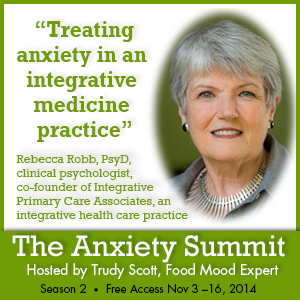
The Anxiety Summit – Treating Anxiety in an Integrative Medicine Practice

November 14, 2014 By Trudy Scott 8 Comments

Rebecca Robb, PsyD clinical psychologist, co-founder of an integrative health care practice, Integrative Primary Care Associates, was interviewed by host of the Anxiety Summit, Trudy Scott, Food Mood Expert and Nutritionist, author of The Antianxiety Food Solution.

Treating Anxiety in an Integrative Medicine Practice

  • What is integrated medicine
  • What are the complexities of building an integrated medical practice
  • Incorporating neuro-nutrition/amino acids into a psychotherapy practice
  • Case studies using neuro-nutrition/amino acids and psychotherapy for anxiety, depression, panic attacks, family dysfunction, chronic pain, gut distress

Rebecca Robb incorporates neuro nutrition into her psychotherapy practice. This is what she says about neuro nutrition:

From my standpoint, for me, I think I use those words to describe the way in which I use supplements, specifically amino acids although I’m starting to use lithium orotate, and vitamins and supplements, vitamins and omega-3’s, that kind of thing. How I use those supplements and how I use dietary change and adjustment to affect mental health issues or to tweak mental health issues. That’s what I mean by neuro-nutrition.

I will tell you any therapist can describe to you, and I can go on and on, about what it’s like, for example, to be sitting with somebody who’s quite anxious and spending your time on deep breathing exercises and the kind of tools that I have traditionally been offered as a psychologist, and yet here’s this other tool where we can calm the patient’s body. Once they can get more of their physical symptoms under control, the level that we can go at in a psychotherapy realm is very exciting.

People come in to see a therapist and then kind of push you away because it’s too scary to deal with grief, it’s too scary to deal with the hard stuff, they’re afraid to become more depressed or more anxious or more – but when we can get the physiological symptoms more under control, we can go to really deep places and make wonderful progress from the psychological standpoint. I do it, so that I can do my work better; that’s why I’m so attracted to it. I watched people be able to grow more than I could ever imagine them growing with us just using the traditional tools of psychotherapy.

We discussed the amino acid questionnaire created by Julia Ross, author of the The Mood Cure. Here is the link to the blog from my talk: Targeted individual amino acids for eliminating anxiety: practical applications. You can get a copy of the questionnaire from here and read up more information on GABA.  I am a big fan of GABA and find it to be very effective.

Rebecca has found phenibut (and Kavinace – a combo product that contains phenibut) to be more effective than GABA with her patients.  This is one of the case studies that has me concerned about phenibut: Phenibut dependence 

We present a case of a patient who used phenibut to self-medicate anxiety, insomnia and cravings for alcohol. While phenibut was helpful initially, the patient developed dependence including tolerance, significant withdrawal symptoms within 3-4 h of last use and failure to fulfil his roles at work and at home.

Rebecca mentioned two books: the book that covers a paleo style diet Practical Paleo: A Customized Approach to Health and a Whole-Foods Lifestyle by Diane Sanfilippo and The Defining Decade: Why Your Twenties Matter–And How to Make the Most of Them Now by Meg Jay, a guide for 20-somethings.

If you are not already registered for the Anxiety Summit you can get live access to the speakers of the day here www.theAnxietySummit.com

Filed Under: Amino Acids, Antianxiety, Food and mood, The Anxiety Summit 2 Tagged With: amino acids, anxiety, DPA, GABA, Julia Ross, neuronutrition, Rebecca Robb, the anxiety summit, Trudy Scott, tryptophan

  • « Go to Previous Page
  • Page 1
  • Interim pages omitted …
  • Page 9
  • Page 10
  • Page 11
  • Page 12
  • Page 13
  • Go to Next Page »

Primary Sidebar

GABA QuickStart Homestudy

gaba quickstart homestudy

Free Report

9 Great Questions Women Ask about Food, Mood and their Health

You'll also receive a complimentary subscription to my ezine "Food, Mood and Gal Stuff"


Connect with me

Popular Posts

  • Amino Acids Mood Questionnaire from The Antianxiety Food Solution
  • The Antianxiety Food Solution Amino Acid and Pyroluria Supplements
  • Pyroluria Questionnaire from The Antianxiety Food Solution
  • Collagen and gelatin lower serotonin: does this increase your anxiety and depression?
  • Tryptophan for the worry-in-your-head and ruminating type of anxiety
  • GABA for the physical-tension and stiff-and-tense-muscles type of anxiety
  • The Antianxiety Food Solution by Trudy Scott
  • Seriphos Original Formula is back: the best product for anxiety and insomnia caused by high cortisol
  • Am I an anxious introvert because of low zinc and vitamin B6? My response to Huffington Post blog
  • Vagus nerve rehab with GABA, breathing, humming, gargling and key nutrients

Recent Posts

  • Her cravings for chips and peanut butter were triggered by stress: GABA ends cravings and reduces physical tension and fear of heights
  • It is truly miraculous to be able to move through life without crippling anxiety and panic
  • GABA and tryptophan combo provide immediate and noticeable relief for tremors and cervical dystonia in just 7 days
  • Red light therapy for back and neck pain, plantar fasciitis and low mood – a complement to the amino acids GABA, DPA and tryptophan
  • What do I use instead of Seriphos to help lower high cortisol that is affecting my sleep and making me anxious at night?

Categories

  • 5-HTP
  • AB575
  • Addiction
  • ADHD
  • Adrenals
  • Alcohol
  • Allergies
  • Alzheimer's disease
  • Amino Acids
  • Anger
  • Antianxiety
  • Antianxiety Food Solution
  • Antidepressants
  • Anxiety
  • Anxiety and panic
  • Autism
  • Autoimmunity
  • benzodiazapines
  • Bipolar disorder
  • Books
  • Caffeine
  • Cancer
  • Candida
  • Children/Teens
  • Collagen
  • Cooking equipment
  • Coronavirus/COVID-19
  • Cravings
  • Depression
  • Detoxification
  • Diabetes
  • Diet
  • DPA/DLPA
  • Drugs
  • EFT/Tapping
  • EMF
  • EMFs
  • Emotional Eating
  • Endorphins
  • Environment
  • Essential oils
  • Events
  • Exercise
  • Fear
  • Fear of public speaking
  • Fertility and Pregnancy
  • Fish
  • Food
  • Food and mood
  • Functional neurology
  • GABA
  • Gene polymorphisms
  • General Health
  • Giving
  • Giving back
  • Glutamine
  • Gluten
  • GMOs
  • Gratitude
  • Gut health
  • Heart health/hypertension
  • Histamine
  • Hormone
  • Hyperparathyroidism
  • Hypoglycemia
  • Immune system
  • Inflammation
  • Insomnia
  • Inspiration
  • Introversion
  • Joy and happiness
  • Ketogenic diet
  • Lithium orotate
  • Looking awesome
  • Lyme disease and co-infections
  • MCAS/histamine
  • Medication
  • Men's health
  • Mental health
  • Mercury
  • Migraine
  • Mold
  • Movie
  • MTHFR
  • Multiple sclerosis
  • Music
  • NANP
  • Nature
  • Nutritional Psychiatry
  • OCD
  • Osteoporosis
  • Oxalates
  • Oxytocin
  • Pain
  • Paleo
  • Parasites
  • Parkinson’s disease
  • PCOS
  • People
  • PMS
  • Postpartum
  • PTSD/Trauma
  • Pyroluria
  • Questionnaires
  • Real whole food
  • Recipes
  • Research
  • Schizophrenia
  • serotonin
  • SIBO
  • Sleep
  • Special diets
  • Sports nutrition
  • Stress
  • Sugar addiction
  • Sugar and mood
  • Supplements
  • Teens
  • Testimonials
  • Testing
  • The Anxiety Summit
  • The Anxiety Summit 2
  • The Anxiety Summit 3
  • The Anxiety Summit 4
  • The Anxiety Summit 5
  • The Anxiety Summit 6
  • Thyroid
  • Thyroid health
  • Toxins
  • Tryptophan
  • Tyrosine
  • Uncategorized
  • Vegan/vegetarian
  • Women's health
  • Yoga

Archives

  • May 2026
  • April 2026
  • October 2025
  • September 2025
  • August 2025
  • July 2025
  • June 2025
  • May 2025
  • April 2025
  • March 2025
  • February 2025
  • January 2025
  • November 2024
  • October 2024
  • September 2024
  • August 2024
  • July 2024
  • June 2024
  • May 2024
  • April 2024
  • March 2024
  • February 2024
  • January 2024
  • December 2023
  • November 2023
  • October 2023
  • September 2023
  • August 2023
  • July 2023
  • June 2023
  • May 2023
  • April 2023
  • March 2023
  • February 2023
  • January 2023
  • December 2022
  • November 2022
  • October 2022
  • September 2022
  • August 2022
  • July 2022
  • June 2022
  • May 2022
  • April 2022
  • March 2022
  • February 2022
  • January 2022
  • December 2021
  • November 2021
  • October 2021
  • September 2021
  • August 2021
  • July 2021
  • June 2021
  • May 2021
  • April 2021
  • March 2021
  • February 2021
  • January 2021
  • December 2020
  • November 2020
  • October 2020
  • September 2020
  • August 2020
  • July 2020
  • June 2020
  • May 2020
  • April 2020
  • March 2020
  • February 2020
  • January 2020
  • December 2019
  • November 2019
  • October 2019
  • September 2019
  • August 2019
  • July 2019
  • June 2019
  • May 2019
  • April 2019
  • March 2019
  • February 2019
  • January 2019
  • December 2018
  • November 2018
  • October 2018
  • September 2018
  • August 2018
  • July 2018
  • June 2018
  • May 2018
  • April 2018
  • March 2018
  • February 2018
  • January 2018
  • December 2017
  • November 2017
  • October 2017
  • September 2017
  • August 2017
  • July 2017
  • June 2017
  • May 2017
  • April 2017
  • March 2017
  • February 2017
  • January 2017
  • December 2016
  • November 2016
  • October 2016
  • September 2016
  • August 2016
  • July 2016
  • June 2016
  • May 2016
  • April 2016
  • March 2016
  • February 2016
  • January 2016
  • December 2015
  • November 2015
  • October 2015
  • September 2015
  • August 2015
  • July 2015
  • June 2015
  • May 2015
  • April 2015
  • March 2015
  • February 2015
  • January 2015
  • December 2014
  • November 2014
  • October 2014
  • September 2014
  • August 2014
  • July 2014
  • June 2014
  • May 2014
  • April 2014
  • March 2014
  • February 2014
  • January 2014
  • December 2013
  • November 2013
  • October 2013
  • September 2013
  • August 2013
  • July 2013
  • June 2013
  • May 2013
  • April 2013
  • March 2013
  • February 2013
  • January 2013
  • December 2012
  • November 2012
  • October 2012
  • August 2012
  • July 2012
  • June 2012
  • May 2012
  • April 2012
  • March 2012
  • February 2012
  • January 2012
  • December 2011
  • November 2011
  • October 2011
  • September 2011
  • August 2011
  • July 2011
  • June 2011
  • May 2011
  • April 2011
  • March 2011
  • February 2011
  • January 2011
  • December 2010
  • October 2010
  • September 2010
  • July 2010
  • May 2010
  • April 2010
  • March 2010
  • February 2010
  • January 2010
  • November 2009

Share the knowledge!

The above statements have not been evaluated by the Food and Drug Administration. Products listed in this website are not intended to diagnose, treat, cure or prevent any disease.

The information provided on this site is for informational and educational purposes only and is not intended as a substitute for advice from your physician or other health care professional. You should consult with a healthcare professional before starting or modifying any diet, exercise, or supplementation program, before taking or stopping any medication, or if you have or suspect you may have a health problem.


Copyright © 2026 Trudy Scott. All Rights Reserved. | Privacy | Terms and Conditions | Refund Policy | Medical Disclaimer

Free Report

9 Great Questions Women Ask about Food, Mood and their Health

You’ll also receive a complimentary subscription to my ezine “Food, Mood and Gal Stuff”