• Skip to primary navigation
  • Skip to main content
  • Skip to primary sidebar

everywomanover29 blog

Food, Mood and Women's Health – Be your healthiest, look and feel great!

  • Blog
  • About
  • Services
  • Store
  • Resources
  • Testimonials
  • The Book
  • Contact
  • Search this site

Trudy Scott

The Anxiety Summit – Micronutrients for Eliminating Anxiety

May 13, 2015 By Trudy Scott 22 Comments


Mira Calton CN and Jayson Calton PhD, micronutrient specialists, authors of Naked Calories, are interviewed by host of the Anxiety Summit, Trudy Scott, Food Mood Expert and Nutritionist, author of The Antianxiety Food Solution.

Micronutrients for Eliminating Anxiety

  • The importance of micronutrient sufficiency and Mira’s osteoporosis
  • The Calton’s 6 year, 135 country expedition to explore traditional diets
  • The definition of naked calories
  • How glyphosate/Roundup impacts mineral absorption in plants and thereby impacts us
  • The new GM arctic apple and why it should be avoided
  • How minerals compete for absorption
  • Zinc/copper balance and why we want a multi with no copper

Here are some snippets from our interview:

When food is picked early it doesn’t have all the micronutrients

Spraying our food with glyphosate (Roundup) is starving our food of nutrients because it doesn’t allow the roots to absorb minerals from the soil so the plant is less micronutrient-rich

When you sweat, you become more deficient in micronutrients

The Arctic Apple doesn’t brown when it’s cut open and looks visually good but it’s really rotten and has lost the micronutrient value 

They are really passionate about this topic of Arctic apples – as you heard in the interview and as you’ll see in this excellent Arctic apple blog

There is a relationship between micronutrients and there is this web of competition. Here are a few examples Mira and Jayson talked about:

Iron is the most competitive

Zinc and copper compete for absorption

Magnesium can affect zinc absorption

The zinc-copper discussion was fascinating.  Mira and Jayson mentioned copper/iron position of the Physicians Committee for Responsible Medicine: Doctors Urge FDA to Ban Multivitamins Containing Iron or Copper

The Physicians Committee (for Responsible Medicine) urging the Food and Drug Administration to require vitamin manufacturers to reformulate common multivitamins that contain iron or copper, due to possible links with Alzheimer’s disease.

I wholeheartedly agree with this concern about copper and iron in multivitamins. My concern is with copper connection to lower zinc in anxiety and depression.   (Just a heads up: I’m not on board with the Physicians Committee’s dietary recommendations on vegetarianism.)

Here are two of the papers I mentioned at the end of the interview

Zinc prevents sickness behavior induced by lipopolysaccharides after a stress challenge in rats.

Lipopolysaccharide or LPS is an endotoxin that mimics infection by gram-negative bacteria

Zinc treatment was able to prevent sickness behavior in LPS-exposed rats after the stress challenge, restoring exploratory/motor behaviors, communication, and TNF-α levels similar to those of the control group.

They found that zinc treatment appears to be beneficial for sick animals when they are facing risky/stressful situations

Possible involvement of corticosterone and serotonin in antidepressant and antianxiety effects of chromium picolinate in chronic unpredictable mild stress induced depression and anxiety in rats.

In the present study, we investigated the effects of chromium picolinate (CrP) on behavioural and biochemical parameters in chronic unpredictable mild stress (CUMS) induced depression and anxiety in rats.

The results showed that treatment of CrP produced significant antidepressant effect

It was also found that CrP (8 and 16μg/mL) significantly increased 5-HT [serotonin] concentration in the discrete regions of brain (cortex and cerebellum).

On the other hand, the plasma corticosterone level was significantly decreased with CrP (16μg/mL).

The results suggested that increase in the concentration of 5-HT/serotonin and decrease in plasma corticosterone levels could be responsible for improvement in symptoms of depression and anxiety in CUMS induced depression and anxiety in rats.

Here are two of their great books:

Naked Calories: The Calton’s Simple 3-step Plan to Micronutrient Sufficiency
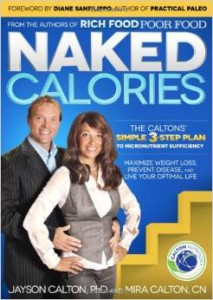
mira and jayson naked calories

And Rich Food Poor Food: The Ultimate Grocery Purchasing System (GPS)
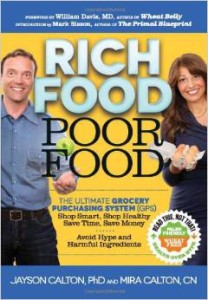
mira and jayson calton rich food poor food

Be sure to grab their amazing gifts:

  • A PERSONAL Micronutrient Sufficiency Analysis
  • Rich Food, Poor Food chapters
  • Micronutrient Miracle Guide to Reducing Stress, Anxiety and Depression;
  • NUTREINCE SAMPLE PACK & COUPON; and more

If you are not already registered for the Anxiety Summit you can get live access to the speakers of the day here: www.theAnxietySummit.com

Missed this interview or can’t listen live? Or want this and the other great interviews for your learning library? Purchase the MP3s or MP3s + transcripts and listen when it suits you.

You can find your purchasing options here: Anxiety Summit Season 1, Anxiety Summit Season 2, and Anxiety Summit Season 3.
Filed Under: Antianxiety, The Anxiety Summit 3 Tagged With: anxiety, chromium, Jayson Calton, micronutrient, Mira Calton, Naked Calories, the anxiety summit, Trudy Scott, zinc

Methylation and anxiety: histadelia and histapenia

May 13, 2015 By Trudy Scott 64 Comments

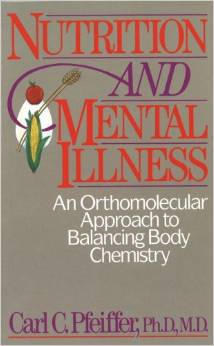
carl pfeiffer nutrition and mental illness

In preparing for the Anxiety Summit I put out a call for questions for my methylfolate interview with Dr. Ben Lynch: How Methylfolate can make you Feel Worse and even Cause Anxiety, and What to do about it  This question was posted on my blog and since it’s a big topic I feel it deserves a separate blog post

This is the question that Paula posted:

If my understanding is correct, William Walsh of the Walsh Research Institute explains that folates of any kind (methylfolate, folic acid, etc) will cause there to be less serotonin activity at the synapse because folates promote the expression of the SERT enzyme which increases serotonin reuptake. He warns that those who are undermethylators should not take folate if they have cognitive/mood issues, as it will make their anxiety or depression worse. Since those with the MTHFR gene defect are likely undermethylators, his advice contradicts Dr Lynch’s advice regarding the use of folate. Could you ask Dr Lynch if he has any opinion regarding this?

Dr. Walsh has treated over 30,000 patients with mental health problems and has one of the largest lab chemistry data bases in the world. It would be great to see the top doctors collaborating on the methylation cycle as it seems to be a large piece of the puzzle for so many people. Maybe a methylation summit? It’s such a complicated and confusing subject and there seems to be some contradictory information out there.

This was my response:

These are excellent questions you bring up!

The terminology can be confusing so I will recap my understanding here:

Undermethylators/high histamine/histadelia = folate not good
Overmethylators or low folate/low histamine/histapenia = folate helps symptoms

This is from the work of Carl Pfeiffer (his book “Nutrition and Mental Illness” is excellent) and is also written about in Joan Matthews Larson’s wonderful book “Depression-Free Naturally” and Eva Edelman’s “Natural Healing for Schizophrenia.”

As you’re aware Dr. Walsh uses this terminology too. His book is “Nutrient Power.” Here is a snippet from a powerpoint of his called The Role of Epigenetics in Mental Health 

Undermethylated mental patients are intolerant to folic acid, but most overmethylated mental patients improve after folic acid supplements.

Folic Acid generates acetylase enzymes that alter histones, promoting expression of SERT and DAT transporter proteins. SERT and DAT enhance reuptake at serotonin and dopamine synapses…. thus reducing NT activity.

For undermethylators, the harmful impact of folic acid at NT synapses greatly exceeds the benefits of normalizing methylation.

So there is a place for methylfolate. I don’t know anything about SERT and DAT transporter proteins so can’t comment on that aspect, but look forward to learning more.

You say “Since those with the MTHFR gene defect are likely undermethylators.” I don’t know that this is a true statement. I would love to see a source for this? It’s certainly not the case with me – I have the MTHFR 1298C defect and have low histamine/histapenia/overmethylation (using the Carl Pfeiffer terminology).

As far as I’m aware Dr Walsh does NOT feel the MTHFR defects play a role in all of this. I hope to learn more and interview him on a future Anxiety Summit.

I have not seen Dr. Lynch write about histapenia and histadelia or the work of Carl Pfeiffer, although some recent comments in this blog  refer to Walsh and Dr. Lynch says he’ll check it out.

Dr. Lynch is not a big fan of the terms overmethylation and undermethylation. And when he talks about overmethylation and undermethylation I think he is referring to the methylation process being more effective/speeding up and being less effective/slowing down within a few days of adding methylfolate supplements.

So I feel we have some terminology differences AND some differences of opinions.

Both Dr. Walsh and Dr. Lynch see amazing results with their patients/clients but I agree with you – I’d love to clear up some of the confusion. I’m going send this question and my answer to Dr. Lynch for our interview next Friday. Since he may need to do some additional prep/research, we may have to do a deeper dive into this question on a future summit. Hopefully he’ll be able to add something to the discussion this time.

I did also interview Yamsina (www.thelowhistaminechef.com) for this summit and she too was not familiar with the work of Carl Pfeiffer so it’s exciting that we can all learn from each other and advance the field.

Finally, this is not all bad because it gets us thinking and asking questions and digging deeper.

Paula then has this follow-up question:

The following quote from this link gave me the impression that the MTHFR mutation usually caused undermethylation, but farther down it also references where Dr Walsh says it’s possible to have MTHFR and not be undermethylated.

In your opinion, do people fall into either an overmethylated or undermethylated status or can you be an undermethylator in certain areas of the methylation cycle and an overmethylator in other areas of the cycle? If someone has some traits of an undermethylator and some traits of an overmethylator, what would you recommend?

Dr. Walsh: Based on my massive chemistry database, about 22% of the population is undermethylated and 8% overmethylated. These are inborn tendencies that usually persist throughout life. Undermethylation usually results from single nucleotide polymorphisms (SNPs) that weaken MTHFR or other enzymes in the methylation cycle. Overmethylation is generally caused by enzyme weaknesses (SNPs) in the SAMe utilization pathways.

What are your thoughts on using genetic testing, such as “23 and Me” to create an individual methylation roadmap/treatment plan.

Dr. Walsh: Genetic testing is quite inexpensive, highly accurate, reliable, and will certainly grow in importance in future years. These tests can already identify predispositions for many disorders such as breast cancer and Alzheimer’s and may soon obsolete the need for pap smears. However the reliability of genetic testing for assessing methylation is quite limited at present.

Identifying SNP weaknesses in MTHFR and other methylation-cycle enzymes does not necessarily mean that individual is undermethylated. There is a “tug-of-war” competition between enzyme SNPs that weaken methylation and SNPs in the SAMe utilization pathway that can produce overmethylation.

I believe you’re right Trudy in saying this is not all bad because it gets everyone thinking and digging deeper. I think both Dr Lynch and Dr Walsh bring invaluable information to the discussion, each adding something that can further illuminate how this complicated process works. Thanks again to you for providing us an opportunity to ask questions.

And this is my response:

This is a perfect summary of Dr Walsh’s approach – thank you!

This part is interesting: “Undermethylation usually results from single nucleotide polymorphisms (SNPs) that weaken MTHFR or other enzymes in the methylation cycle. Overmethylation is generally caused by enzyme weaknesses (SNPs) in the SAMe utilization pathways.” I’d love to know which ones… and then he says “However the reliability of genetic testing for assessing methylation is quite limited at present”

His percentages are also interesting and I would challenge this saying it’s very likely based on the people he has worked with: 22% of the population is undermethylated (high histamine) and 8% overmethylated (low histamine).

When I worked with Julia Ross we saw way more low histamine and that is likely because we worked with more women who seem to be prone to low histamine.

This is also what Carl Pfeiffer found: “These are inborn tendencies that usually persist throughout life” and was my understanding until I started learning from Dr Lynch 2 years ago. Now I’m confused too!

Here is a nice post by Chris Kresser: Methylation – What it is and why should you care. I’m going to paraphrase some of it. He says yes do the 23and me testing but: “genetics do not always predict functional methylation capacity”…”I really believe that we need to be testing both”… “There are different ways to test functional methylation capacity. Doctor’s Data has a methylation panel blood test. Health Diagnostics and Research Institute has a Methylation Pathways Panel that’s good and I tend to use in my practice. Genova has a Complete Hormones profile that, among other things, looks at the ability to convert proliferative estrogen metabolites into less proliferative metabolites, and those conversions are methylation dependent. So if you see poor conversion happening there, that’s a methylation issue. The urine organics acids profile from Genova has some methylation markers, active folate and B12 deficiency. And then a urine amino acids profile can be helpful to look at taurine levels and levels of other metabolites in the methylation cycle.”

This above blog has comments about Dr. Walsh and Dr. Lynch too so they are worth a read.

Of course Dr. Lynch supports the fact that just because you have a defect it doesn’t mean you are affected by it so the additional functional testing makes total sense. And he recommends this additional testing too.

I feel it’s time to mesh the old research and prior work Carl Pfeiffer did, the work Dr. Walsh is doing, Dr. Lynch’s work and the new methylation research. And the wisdom from other practitioners like Chris Kresser and people like you who are digging and reading and asking questions

We clearly all have lots to learn!  I know I don’t have the answers! This topic has been front and center in my mind for awhile so it’s good to get it down in writing here (so thanks Paula, for asking this question!)

I encourage you to listen in to my interview with Dr. Lynch. We talk about this and acknowledge that we all have gaps and that getting together to talk about all this would be an excellent idea!

And finally, please share if you have had your histamine levels tested (whole blood histamine)?  Low or high? and have you found results with the Pfeiffer protocol?

I have tested mine and have low histamine/histapenia and absolutely do benefit from the low histamine protocol.

Filed Under: Anxiety and panic, MTHFR, The Anxiety Summit 3 Tagged With: anxiety, Ben Lynch, Bill Walsh, Carl Pfeiffer, histadelia, histapenia, the anxiety summit, Trudy Scott

The Anxiety Summit – How Methylfolate can make you Feel Worse and even Cause Anxiety, and What to do about it

May 12, 2015 By Trudy Scott 176 Comments


Dr. Benjamin Lynch ND, MTHFR and methylation expert, is interviewed  by host of the Anxiety Summit, Trudy Scott, Food Mood Expert and Nutritionist, author of The Antianxiety Food Solution.

How Methylfolate can make you Feel Worse and even Cause Anxiety, and What to do about it

  • Methylfolate and the MTHFR polymorphism
  • Anxiety and other side effects of too much methylfolate
  • How to prevent methylfolate side-effects
  • How to determine how much methylfolate to take

Here are some snippets from our interview (Dr Lynch actually closed with these wise words) :

Just because you have MTHFR doesn’t mean you’re screwed! 

Don’t look at MTHFR as a bad thing

It just means you have to do things differently

Be proactive and don’t be scared about it

At the start of our interview he said this:

Anxiety can be relieved by methylfolate but it can also be made worse

Here are some snippets from Dr. Lynch’s excellent article: Methylfolate Side Effects

Methylfolate is a remarkable nutrient yet it can create significant side effects.

Those who have MTHFR mutations (especially the C677T MTHFR mutation) learn that methylfolate is critical to take. The issue is methylfolate can cause more harm than good if not started at the right time or tapered up slowly in amount.

There appear to be three types of responses to methylfolate:

FIRST: A person who can jump on methylfolate and feel absolutely wonderful. The only down side they experience is why didn’t they know about methylfolate before?!

SECOND: A person starts methylfolate has an amazingly incredible week where they are happy, interacting and alert. Then the second week comes and they switch to wanting to hide in a room by themselves or literally throw dishes across the room out of anger. Or they may become bed ridden from muscle aches, intense headaches or joint pain.

THIRD: A person takes a small amount of methylfolate and feels all the methylfolate side effects right out the gate.

The above blog also lists the Methylfolate Side Effects:

  • irritability
  • insomnia
  • sore muscles
  • achy joints
  • acne
  • rash
  • severe anxiety
  • palpitations
  • nausea
  • headaches
  • migraines

I encourage you to read the whole blog that Dr Lynch has written (Methylfolate Side Effects)

And here is the related blog on Preventing Methylfolate Side Effects.  I’ve included some snippets here but please read the whole article too

ALREADY TAKING METHYLFOLATE AND FEEL GREAT?

Excellent! However, it may be a ‘honeymoon’ period and in a few days or weeks, side effects may appear.

Discuss this article with your doctor and make appropriate changes to your protocol.

Just think of a bell-shaped curve.

Before you started taking methylfolate, you felt terrible. You began taking it and started to feel good. Day after day goes by and you continue to improve. In time if the above things are not corrected, you will begin to slide down the other side of the bell-shaped curve.

My whole point of this article is to prevent this from happening!

My goal is to keep you feel amazing!

I’ve seen it happen way too much – caused by me, caused by other doctors and caused by over-excited people feeling amazing and pushing their system too hard with methylfolate. Methylfolate is powerful.

This last statement by Dr. Lynch is why I invited him to speak on this summit on this topic!

This is the Dr. Carl Pfeiffer and Dr Bill Walsh histapenia/histadelia blog post that I referred to in our discussion.  You can either read the discussion in the comments or read this new blog post I created: Methylation and anxiety: histadelia and histapenia.

Here is information about the first annual Seeking Health Educational Institute Conference, SHEI Con 15 (an event for health professionals).

Dr Lynch and a team of world-renowned physicians will be presenting absolutely new clinically-relevant information that has never been seen before ANYWHERE.

The main topics of SHEI Con 15 are centered around where physicians must look to recover their patient’s heath at the core.

Mitochondria: Function, Dysfunction, Connections to Pathologies, Identification and Restoration

Cell Membranes: Function, Dysfunction, Connections to Pathologies, Identification and Restoration

If you are not already registered for the Anxiety Summit you can get live access to the speakers of the day here: www.theAnxietySummit.com

Missed this interview or can’t listen live? Or want this and the other great interviews for your learning library? Purchase the MP3s or MP3s + transcripts and listen when it suits you.

You can find your purchasing options here: Anxiety Summit Season 1, Anxiety Summit Season 2, and Anxiety Summit Season 3.

Filed Under: Antianxiety, MTHFR, The Anxiety Summit 3 Tagged With: anxiety, Dr Ben Lynch, Methylation, methylfolate, mthfr, the anxiety summit, Trudy Scott

The Anxiety Summit – Foods to balance your hormones and ease anxiety

May 11, 2015 By Trudy Scott 77 Comments


Magdalena Wszelaki, founder of Hormones Balance, is interviewed by host of the Anxiety Summit, Trudy Scott, Food Mood Expert and Nutritionist, author of The Antianxiety Food Solution.

Foods to balance your hormones and ease anxiety (part 1)

  • Magdalena’s own journey with Graves’ disease, Hashimoto’s disease, adrenal fatigue, estrogen dominance and anxiety
  • How hormonal imbalances can cause anxiety: low progesterone, low/high estrogen
  • How over and underactive thyroid can cause anxiety
  • The adrenals and anxiety and depression

Foods to balance your hormones and ease anxiety (part 2)

  • How to test for hormonal imbalances
  • The foundation to all hormonal health being: healthy gut, healthy blood sugar levels and optimal liver health
  • Foods that support the production of the different hormones
  • Seed rotation for balancing estrogen and progesterone
  • The role of coffee in liver health, hormone metabolism and anxiety


In part  1 we discussed this 2015 paper: Sex hormones affect neurotransmitters and shape the adult female brain during hormonal transition periods.

Here we review the evidence from animal experiments and human studies reporting interactions between sex hormones and the dominant neurotransmitters, such as serotonin, dopamine, GABA and glutamate

The brain represents an important target for estrogen and progesterone effects.

major shifts in sex hormone levels seem to be paralleled by the incidence rates of mood disorders such as unipolar depression

A subgroup of women suffers from clinical level of premenstrual mood changes called premenstrual dysphoric disorder (PMDD)… core symptoms include anxiety, irritability and depressed mood

Estrogen has been reported to have potent serotonin-modulating properties

progesterone and its neuroactive metabolites (allopregnanolone, pregnanolone) seem to facilitate GABAergic transmission

To summarize, neurotransmitter systems do not work in isolation and sex hormones act on multiple sites, highly intertwined with serotonin, dopamine, GABA and glutamate.

Magdalena shared these low estrogen symptoms:

  • Forgetfulness
  • Incontinence
  • Skin elasticity problems
  • Loss of muscle strength
  • Feeling really blah
  • Osteoporosis/osteopenia
  • Warm flashes and/or night sweats

Magdalena shared these low progesterone symptoms:

  • Tender breasts
  • PMS
  • Irregular periods
  • Puffiness and water retention
  • Mood swings and anger
  • Anxiety and sleep issues
  • Problems falling pregnant
 
In part 2:
 
Magdalena shared how the foundation of hormone balance is a healthy gut and talked about food intolerances, the microbiome, bone broths and quality animal protein.
 
I loved the discussion on using seed rotation for hormonal balancing: flax seeds and pumpkin seeds for the first half of your cycle and sesame and sunflower seeds for the second  half of your cycle/luteal phase (the cracker recipes are in the gift download – see below). 
 
Coffee does affect our hormones and here is a great guest blog post by Magdalena: 12 Ways Coffee Impacts Your Hormones 
If you had to give up either coffee or the internet for 2 weeks, which one would you choose? How about either coffee or sex for 2 weeks? If you’d rather relinquish anything to keep your coffee, you’d be on par with the majority of the people around you.
Be sure to check it out and try out her delicious Roasted Chicory Root Latte recipe.

I shared my recipe: Carob Cinnamon Delight instead of coffee – a calming hot beverage and mentioned rooibos tea how it’s A Functional Food in the Management of Stress (an interview from a prior anxiety summit)

Magdalena mentioned the EWG/Environmental Working Group’s Skin Deep site for checking your cosmetics – simply enter the name of the product in the search area.

We also mentioned Annmarie Gianni Skin Care, which is a natural skin care line made with organic ingredients that you can trust – and that actually work. This is the best and most natural skin-care line I have come across – anywhere! It’s organic, uses absolutely zero toxic ingredients and features gorgeous essential oils! You can try your Annmarie Gianni Skin Care sample kit here. 


Magdalena’s gift: How to Rebalance Your Hormones with Food and Recipes

magdalena gift image


If you are not already registered for the Anxiety Summit you can get live access to the speakers of the day here: www.theAnxietySummit.com 

Missed this interview or can’t listen live? Or want this and the other great interviews for your learning library? Purchase the MP3s or MP3s + transcripts and listen when it suits you.

You can find your purchasing options here: Anxiety Summit Season 1, Anxiety Summit Season 2, and Anxiety Summit Season 3.

Filed Under: Antianxiety, Fertility and Pregnancy, Hormone, The Anxiety Summit 3, Thyroid health Tagged With: cortisol, estrogen, food, GABA, hormones, Hormones Balance, Magdalena Wszelaki, progesterone, serotonin, the anxiety summit, Trudy Scott

The Anxiety Summit – Nutritional Influences on Anxiety and Musculoskeletal Pain

May 11, 2015 By Trudy Scott 20 Comments


Joe Tatta DPT, CCN, Musculoskeletal Pain Expert, was interviewed by host of the Anxiety Summit, Trudy Scott, Food Mood Expert and Nutritionist, author of The Antianxiety Food Solution.

Nutritional Influences on Anxiety and Musculoskeletal Pain

  • Link between anxiety and chronic musculoskeletal problems
  • Fear avoidance behaviors and pain
  • Headaches, back pain, joint pain and nutritional influences
  • An exercise prescription for anxiety

Here are some snippets from our interview:

People used to think depression was more linked to chronic pain but we are learning its more anxiety driven

The chronic anxiety that people have on a daily basis kicks off the pain process

Negative thoughts, worry, doom-and-gloom about the future all come in to play, with fear being the most common emotion leading to pain

Here is the very recent 2015 paper that discusses this – Psychological functioning of people living with chronic pain: A meta-analytic review.

Joe tied fear and anxiety to adrenalin release and the effects on the muscles, specifically how the smaller muscles around the spine and in the neck are turned off. You then have less blood flow, less oxygen and less nutrients going to those muscles and that’s when the pain starts.

Joe shared the staggering number of people who suffer from chronic pain:

more than those who suffer from heart disease, diabetes and cancer combined!

We also discussed migraines and magnesium, and this paper: Why all migraine patients should be treated with magnesium

Magnesium, the second most abundant intracellular cation, is essential in many intracellular processes and appears to play an important role in migraine pathogenesis. Routine blood tests do not reflect true body magnesium stores since <2% is in the measurable, extracellular space, 67% is in the bone and 31% is located intracellularly. Lack of magnesium may promote cortical spreading depression, hyperaggregation of platelets, affect serotonin receptor function, and influence synthesis and release of a variety of neurotransmitters.

There is strong evidence that magnesium deficiency is much more prevalent in migraine sufferers than in healthy controls.

Considering these features of magnesium, the fact that magnesium deficiency may be present in up to half of migraine patients, and that routine blood tests are not indicative of magnesium status, empiric treatment with at least oral magnesium is warranted in all migraine sufferers.

If you are not already registered for the Anxiety Summit you can get live access to the speakers of the day here: www.theAnxietySummit.com

Missed this interview or can’t listen live? Or want this and the other great interviews for your learning library? Purchase the MP3s or MP3s + transcripts and listen when it suits you.

You can find your purchasing options here: Anxiety Summit Season 1, Anxiety Summit Season 2, and Anxiety Summit Season 3.

Filed Under: Antianxiety, Anxiety and panic, Depression, Pain, The Anxiety Summit 3 Tagged With: anxiety, butterbur, chronic pain, cortisol, fear, Joe Tatta, magnesium, migraine, pain, the anxiety summit, Trudy Scott

The Anxiety Summit – Is Toxic Mold the Hidden Cause of Your Anxiety?

May 10, 2015 By Trudy Scott 54 Comments


Dr. Jill Carnahan MD, Functional Medicine Practitioner, is interviewed  by host of the Anxiety Summit, Trudy Scott, Food Mood Expert and Nutritionist, author of The Antianxiety Food Solution.

Is Toxic Mold the Hidden Cause of Your Anxiety?

  • An overview of functional medicine
  • How common is it for mold and mycotoxins to contribute to illness and anxiety
  • Where are we exposed to mold
  • Top symptoms associated with mycotoxin-associated illness
  • How to treat mold/mycotoxin exposure in someone who has anxiety (or depression)
  • The role of methylation and MTHFR polymorphisms in our detox abilities

We talked about the upcoming IFM conference: The Omics Revolution – Nature and Nurture, May 28-30, Austin TX

IFM’s 2015 Annual International Conference (AIC) will explore the wild and wonderful world of “omics,” including genomics, proteomics, metabolomics, and other terms that describe the cascade of responses in human biology initiated by signals from the outside world washing over our genes.

It’s not nature or nurture but nature (genetic heritage) and nurture (lifestyle and environment).

I’m excited to be attending for the first time and can’t wait. I know this conference does fill up each year so if you’re interested don’t wait to sign up.

Dr. Jill talked about functional medicine so I pulled this functional medicine definition off the IFM site:

Functional medicine addresses the underlying causes of disease, using a systems-oriented approach and engaging both patient and practitioner in a therapeutic partnership. It is an evolution in the practice of medicine that better addresses the healthcare needs of the 21st century. By shifting the traditional disease-centered focus of medical practice to a more patient-centered approach, functional medicine addresses the whole person, not just an isolated set of symptoms. Functional medicine practitioners spend time with their patients, listening to their histories and looking at the interactions among genetic, environmental, and lifestyle factors that can influence long-term health and complex, chronic disease. In this way, functional medicine supports the unique expression of health and vitality for each individual.

The topics we cover on this summit and the approaches the Anxiety Summit speakers take all fall under the definition of functional medicine.

Dr. Jill shared her story and amazing healing journey with cancer. You can read about this here

mold

Top Symptoms Associated with Mycotoxin-Associated Illness per the blog on Dr. Jill’s site: Is Toxic Mold Exposure the Cause of Your Symptoms?

  •    Fatigue and weakness
  •    Headache, light sensitivity
  •    Poor memory, difficult word finding
  •    Difficulty concentration
  •    Morning stiffness, joint pain
  •    Unusual skin sensations, tingling and numbness
  •    Shortness of breath, sinus congestion or chronic cough
  •    Appetite swings, body temperature regulation
  •    Increased urinary frequency or increased thirst
  •    Red eyes, blurred vision, sweats, mood swings, sharp pains
  •    Abdominal pain, diarrhea, bloating
  •    Tearing, disorientation, metallic taste in mouth
  •    Static shocks
  •    Vertigo, feeling lightheaded

(do check out the above link for more in depth information on Dr Jill’s site)

We didn’t discuss this paper but I’m including it anyway because anxiety isn’t in the above list of symptoms: Psychological, neuropsychological, and electrocortical effects of mixed mold exposure

The authors assessed the psychological, neuropsychological, and electrocortical effects of human exposure to mixed colonies of toxigenic molds

Patients reported high levels of physical, cognitive, and emotional symptoms.

Most of the patients were found to suffer from acute stress, adjustment disorder, or post-traumatic stress

These findings indicated a hypoactivation of the frontal cortex, possibly due to brainstem involvement and insufficient excitatory input from the reticular activating system. Neuropsychological testing revealed impairments similar to mild traumatic brain injury.

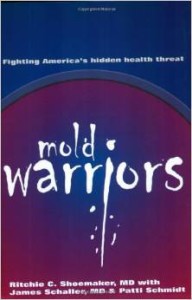
This is the book that Dr. Jill mentioned – Mold Warriors: Fighting America’s Hidden Health Threat by Ritchie C. Shoemaker

ritchie shoemaker mold warriors


Dr Jill has these Paleolicious Snack Ideas for download

If you are not already registered for the Anxiety Summit you can get live access to the speakers of the day here: www.theAnxietySummit.com

Missed this interview or can’t listen live? Or want this and the other great interviews for your learning library? Purchase the MP3s or MP3s + transcripts and listen when it suits you.

You can find your purchasing options here: Anxiety Summit Season 1, Anxiety Summit Season 2, and Anxiety Summit Season 3.

Filed Under: Antianxiety, The Anxiety Summit 3 Tagged With: anxiety, IFM, Jill Carnahan, mold, Ritchie Shoemaker, the anxiety summit, toxic mold, Trudy Scott

  • « Go to Previous Page
  • Page 1
  • Interim pages omitted …
  • Page 9
  • Page 10
  • Page 11
  • Page 12
  • Page 13
  • Interim pages omitted …
  • Page 24
  • Go to Next Page »

Primary Sidebar

NEW! GABA QuickStart Homestudy (with special intro pricing)

gaba quickstart homestudy

Free Report

9 Great Questions Women Ask about Food, Mood and their Health

You'll also receive a complimentary subscription to my ezine "Food, Mood and Gal Stuff"


Connect with me

Popular Posts

  • Amino Acids Mood Questionnaire from The Antianxiety Food Solution
  • The Antianxiety Food Solution Amino Acid and Pyroluria Supplements
  • Pyroluria Questionnaire from The Antianxiety Food Solution
  • Collagen and gelatin lower serotonin: does this increase your anxiety and depression?
  • Tryptophan for the worry-in-your-head and ruminating type of anxiety
  • GABA for the physical-tension and stiff-and-tense-muscles type of anxiety
  • The Antianxiety Food Solution by Trudy Scott
  • Seriphos Original Formula is back: the best product for anxiety and insomnia caused by high cortisol
  • Am I an anxious introvert because of low zinc and vitamin B6? My response to Huffington Post blog
  • Vagus nerve rehab with GABA, breathing, humming, gargling and key nutrients

Recent Posts

  • What do I use instead of Seriphos to help lower high cortisol that is affecting my sleep and making me anxious at night?
  • BeSerene™ GABA/theanine cream eases severe muscle tension in her neck/shoulders, prevents her bad headaches and quells her anxiety
  • How the correct approach, dose and sublingual use of GABA can be calming and not cause a flushed and itchy face and neck
  • The amino acid glutamine improves low mood by addressing gut health, and it has calming effects too
  • Flight anxiety with heightened breath, physical tension and also fearing the worst (the role of low GABA and low serotonin)

Categories

  • 5-HTP
  • AB575
  • Addiction
  • ADHD
  • Adrenals
  • Alcohol
  • Allergies
  • Alzheimer's disease
  • Amino Acids
  • Anger
  • Antianxiety
  • Antianxiety Food Solution
  • Antidepressants
  • Anxiety
  • Anxiety and panic
  • Autism
  • Autoimmunity
  • benzodiazapines
  • Bipolar disorder
  • Books
  • Caffeine
  • Cancer
  • Candida
  • Children/Teens
  • Collagen
  • Cooking equipment
  • Coronavirus/COVID-19
  • Cravings
  • Depression
  • Detoxification
  • Diabetes
  • Diet
  • DPA/DLPA
  • Drugs
  • EFT/Tapping
  • EMF
  • EMFs
  • Emotional Eating
  • Endorphins
  • Environment
  • Essential oils
  • Events
  • Exercise
  • Fear
  • Fear of public speaking
  • Fertility and Pregnancy
  • Fish
  • Food
  • Food and mood
  • Functional neurology
  • GABA
  • Gene polymorphisms
  • General Health
  • Giving
  • Giving back
  • Glutamine
  • Gluten
  • GMOs
  • Gratitude
  • Gut health
  • Heart health/hypertension
  • Histamine
  • Hormone
  • Hyperparathyroidism
  • Hypoglycemia
  • Immune system
  • Inflammation
  • Insomnia
  • Inspiration
  • Introversion
  • Joy and happiness
  • Ketogenic diet
  • Lithium orotate
  • Looking awesome
  • Lyme disease and co-infections
  • MCAS/histamine
  • Medication
  • Men's health
  • Mental health
  • Mercury
  • Migraine
  • Mold
  • Movie
  • MTHFR
  • Multiple sclerosis
  • Music
  • NANP
  • Nature
  • Nutritional Psychiatry
  • OCD
  • Osteoporosis
  • Oxalates
  • Oxytocin
  • Pain
  • Paleo
  • Parasites
  • Parkinson’s disease
  • PCOS
  • People
  • PMS
  • Postpartum
  • PTSD/Trauma
  • Pyroluria
  • Questionnaires
  • Real whole food
  • Recipes
  • Research
  • Schizophrenia
  • serotonin
  • SIBO
  • Sleep
  • Special diets
  • Sports nutrition
  • Stress
  • Sugar addiction
  • Sugar and mood
  • Supplements
  • Teens
  • Testimonials
  • Testing
  • The Anxiety Summit
  • The Anxiety Summit 2
  • The Anxiety Summit 3
  • The Anxiety Summit 4
  • The Anxiety Summit 5
  • The Anxiety Summit 6
  • Thyroid
  • Thyroid health
  • Toxins
  • Tryptophan
  • Tyrosine
  • Uncategorized
  • Vegan/vegetarian
  • Women's health
  • Yoga

Archives

  • October 2025
  • September 2025
  • August 2025
  • July 2025
  • June 2025
  • May 2025
  • April 2025
  • March 2025
  • February 2025
  • January 2025
  • November 2024
  • October 2024
  • September 2024
  • August 2024
  • July 2024
  • June 2024
  • May 2024
  • April 2024
  • March 2024
  • February 2024
  • January 2024
  • December 2023
  • November 2023
  • October 2023
  • September 2023
  • August 2023
  • July 2023
  • June 2023
  • May 2023
  • April 2023
  • March 2023
  • February 2023
  • January 2023
  • December 2022
  • November 2022
  • October 2022
  • September 2022
  • August 2022
  • July 2022
  • June 2022
  • May 2022
  • April 2022
  • March 2022
  • February 2022
  • January 2022
  • December 2021
  • November 2021
  • October 2021
  • September 2021
  • August 2021
  • July 2021
  • June 2021
  • May 2021
  • April 2021
  • March 2021
  • February 2021
  • January 2021
  • December 2020
  • November 2020
  • October 2020
  • September 2020
  • August 2020
  • July 2020
  • June 2020
  • May 2020
  • April 2020
  • March 2020
  • February 2020
  • January 2020
  • December 2019
  • November 2019
  • October 2019
  • September 2019
  • August 2019
  • July 2019
  • June 2019
  • May 2019
  • April 2019
  • March 2019
  • February 2019
  • January 2019
  • December 2018
  • November 2018
  • October 2018
  • September 2018
  • August 2018
  • July 2018
  • June 2018
  • May 2018
  • April 2018
  • March 2018
  • February 2018
  • January 2018
  • December 2017
  • November 2017
  • October 2017
  • September 2017
  • August 2017
  • July 2017
  • June 2017
  • May 2017
  • April 2017
  • March 2017
  • February 2017
  • January 2017
  • December 2016
  • November 2016
  • October 2016
  • September 2016
  • August 2016
  • July 2016
  • June 2016
  • May 2016
  • April 2016
  • March 2016
  • February 2016
  • January 2016
  • December 2015
  • November 2015
  • October 2015
  • September 2015
  • August 2015
  • July 2015
  • June 2015
  • May 2015
  • April 2015
  • March 2015
  • February 2015
  • January 2015
  • December 2014
  • November 2014
  • October 2014
  • September 2014
  • August 2014
  • July 2014
  • June 2014
  • May 2014
  • April 2014
  • March 2014
  • February 2014
  • January 2014
  • December 2013
  • November 2013
  • October 2013
  • September 2013
  • August 2013
  • July 2013
  • June 2013
  • May 2013
  • April 2013
  • March 2013
  • February 2013
  • January 2013
  • December 2012
  • November 2012
  • October 2012
  • August 2012
  • July 2012
  • June 2012
  • May 2012
  • April 2012
  • March 2012
  • February 2012
  • January 2012
  • December 2011
  • November 2011
  • October 2011
  • September 2011
  • August 2011
  • July 2011
  • June 2011
  • May 2011
  • April 2011
  • March 2011
  • February 2011
  • January 2011
  • December 2010
  • October 2010
  • September 2010
  • July 2010
  • May 2010
  • April 2010
  • March 2010
  • February 2010
  • January 2010
  • November 2009

Share the knowledge!

The above statements have not been evaluated by the Food and Drug Administration. Products listed in this website are not intended to diagnose, treat, cure or prevent any disease.

The information provided on this site is for informational and educational purposes only and is not intended as a substitute for advice from your physician or other health care professional. You should consult with a healthcare professional before starting or modifying any diet, exercise, or supplementation program, before taking or stopping any medication, or if you have or suspect you may have a health problem.


Copyright © 2026 Trudy Scott. All Rights Reserved. | Privacy | Terms and Conditions | Refund Policy | Medical Disclaimer

Free Report

9 Great Questions Women Ask about Food, Mood and their Health

You’ll also receive a complimentary subscription to my ezine “Food, Mood and Gal Stuff”