• Skip to primary navigation
  • Skip to main content
  • Skip to primary sidebar

everywomanover29 blog

Food, Mood and Women's Health – Be your healthiest, look and feel great!

  • Blog
  • About
  • Services
  • Store
  • Resources
  • Testimonials
  • The Book
  • Contact
  • Search this site

pregnancy

5-HTP with Paxil, when nursing, for men, with insomnia in Parkinson’s and when it gives you nightmares: questions and answers

December 9, 2022 By Trudy Scott 8 Comments

5-htp q and a

5-HTP is an amino acid, made from the seeds of an African plant, Griffonia simplicifolia, and used as a supplement to ease low serotonin symptoms of worry-type anxiety, often with ruminations, obsessing and panic attacks. When you have insomnia caused by low serotonin you may lie awake worrying. This type of anxiety is different from the low GABA physical/tension type anxiety. Other low serotonin symptoms include low mood/depression, late afternoon and evening carbohydrate cravings, pain, digestive/IBS symptoms, PMS, irritability, rage and anger, TMJ, low confidence, imposter syndrome and perfectionism.

I’ve blogged about 5-HTP extensively and I receive many great questions about this supplement. Today I’m going to share some of these questions and my answers so you can get the benefits too: using it with Paxil, insomnia when you have Parkinson’s disease, if 5-HTP works for men, timing of 5-HTP with nightmares and if 5-HTP can be used in pregnancy and when nursing.

Haley shared how 5-HTP helps with insomnia and asks about taking it with Paxil:

I was taking 5-HTP and it definitely helped me sleep at night. I recently started Paxil for my panic attacks after a recent trauma and I’m no longer sure if I can take Paxil with 5-HTP or not?

I’m so glad to hear 5-HTP helped with sleep. I’m sorry to hear about your recent trauma but keep in mind the other benefits of 5-HTP – helping with panic attacks is just one. When I’m working with someone who has experienced something like this and is already seeing benefits with 5-HTP, we increase their 5-HTP to help with the panic attacks too.

If they have already started Paxil and would prefer to stop using it I have them read this tapering blog and work/discuss with their prescribing doctor. There is the risk of serotonin syndrome with SSRIs (such as Paxil) and 5-HTP (and tryptophan).

There are many nutritional solutions for trauma and psychological stress (a natural disaster or anything else) and we’d address all this too.

Lynn has Parkinson’s disease and sleep problems:

I have Parkinson’s and sleep is starting to be an issue. I usually fall asleep but after about 4 hours I’m wide awake. I’m afraid this sleeplessness will negatively affect my brain if I can’t remedy this. I take carbidopa/levodopa. I’ve seen a sleep neurologist and she wants to prescribe drugs which again I’m afraid will have a negative effect on my brain. Your suggestions around 5-HTP would be very much appreciated.

We always start with the low serotonin symptoms and do a trial of either 5-HTP or tryptophan if it looks like low serotonin is the root cause of the sleep issues (there are many other root causes of insomnia).

If you score high on many of the low serotonin symptoms I suggest sharing this 5-HTP/Parkinson’s disease blog post and research with your sleep neurologist and Parkinson’s doctor: “Research shows that the amino acid 5-HTP (5-hydroxytryptophan), the intermediate metabolite of tryptophan in the production of serotonin, offers benefits for Parkinson’s disease patients. It has been reported to ease depression and to reduce levodopa-induced motor complications. This was reported in two separate studies by the same research team at the University of Cagliari, Cagliari, Italy. They were small studies and considered preliminary.”

Meleah asks about using 5-HTP with men:

Hi Trudy, did you recommend the same protocol for men? Most of the examples are about women and I have a male friend who needs help

Generally speaking the amino acids work the same for men but I have found that the impact they have on the sex hormone estrogen when using 5-HTP or tryptophan (and progesterone when using GABA) means they tend to work exceptionally well for women.

I also have much more experience working with women so I have more to share on these outcomes. With the few men I have worked with I find they tend to under-report when looking at their low serotonin symptoms so this needs to be taken into account when doing the trial of 5-HTP or tryptophan.

Scott shared how he uses 5-HTP for insomnia and his solution for preventing nightmares when using it:

In regards to nightmares with 5-HTP, I definitely seem to experience disturbing dreams when I take it within 4 hours of bedtime. Therefore, I normally don’t take any after 7pm but do take it periodically throughout the day.

I also suggested it to a friend who tried and likes it very much, however, he experienced excessive dreaming which interferes with him sleeping soundly, so I suggested the same protocol to him.

When I was in college, I am now a senior, I tried taking regular tryptophan and soon started having nightmares and hallucinations as I began seeing faces on the wall when I was trying to fall asleep.

I only take 5-HTP now, in extended release 200mg tablets from the Natrol company. Thank you, Trudy, for bringing this subject up.

I thanked him for sharing this interesting nuance of nightmares with 5-HTP and using it in the day instead. (which I blogged about here i.e. some folks do get nightmares when using 5-HTP)

I’m glad he figured this out and it helps since tryptophan does cause him nightmares. We are all so different and have to find what works best for our unique needs.

Carly asks about using 5-HTP when nursing:

Can someone take 5-HTP while nursing?

5-HTP has not been studied during pregnancy or nursing but a free form amino acid blend that does contain tryptophan is often very helpful. You have to really look for these because many companies choose to leave out tryptophan. I have a few listed on the supplements blog.

Other approaches to improve mood, reduce anxiety and help with sleep while nursing include exercise, yoga, diet and bright light therapy/full spectrum light. Dr. Aviva Romm writes about herbs for anxiety and specifies which are safe while nursing.

If you are new to other anxiety nutrition solutions like gluten/sugar/caffeine removal, blood sugar control, gut health, and pyroluria my book “The Antianxiety Food Solution” is a great place to start for the foundations. Much of this helps with low mood, cravings and insomnia too. More here.

5-HTP is often successfully used in conjunction with other amino acids

Here are some useful blogs related to low serotonin and 5-HTP. As you can see, it’s often successfully used in conjunction with other amino acid supplementation:

  • You can see all the low serotonin symptoms here.
  • Fibromyalgia: tryptophan or 5-HTP for anxiety, depression, pain and insomnia
  • GABA is a life saver for anxiety, theanine helps at night (insomnia) and 5-HTP makes a significant difference in lessening daily pain
  • Drastic reduction in intrusive thoughts, anxiety and fears (and better sleep) with GABA, tryptophan, 5-HTP and the pyroluria protocol
  • If low GABA type anxiety and insomnia is also an issue you may find this helpful too – GABA for easing physical anxiety and tension: some questions and answers.
  • An amino acid supplement with DLPA, glutamine and 5-HTP eases alcohol withdrawal symptoms at an inpatient detoxification program
  • You can see the 5-HTP and tryptophan products (and GABA) I use with my clients here on the supplements blog.

As always, it’s not only the low serotonin we need to address. 5-HTP offers quick relief but we must always do a full functional workup looking at diet, nutritional deficiencies, digestion, all hormones, toxins and infections (and so on) so we can address all possible root causes – and why serotonin is low in the first place.

I also want to add that I typically start with tryptophan for low serotonin support simply because I have such good results with it and because 5-HTP can raise cortisol in some folks. If we already have salivary cortisol results and none of the four collections are high then 5-HTP is an option to consider.

Resources if you are new to using 5-HTP and other amino acids as supplements

If you are new to using 5-HTP or any of the other amino acids as supplements, here is the Amino Acids Mood Questionnaire from The Antianxiety Food Solution (you can see all the symptoms of neurotransmitter imbalances, including low GABA and low serotonin).

If you suspect low levels of any of the neurotransmitters and do not yet have my book, The Antianxiety Food Solution – How the Foods You Eat Can Help You Calm Your Anxious Mind, Improve Your Mood, and End Cravings, I highly recommend getting it and reading it before jumping in and using amino acids on your own so you are knowledgeable. And be sure to share it with the practitioner/health team you or your loved one is working with.

There is an entire chapter on the amino acids and they are discussed throughout the book in the sections on gut health, gluten, blood sugar control, sugar cravings, self-medicating with alcohol and more.

The book doesn’t include product names (per the publisher’s request) so this blog, The Antianxiety Food Solution Amino Acid and Pyroluria Supplements, lists the amino acids that I use with my individual clients and those in my group programs. You can find them all in my online store.

If, after reading this blog and my book, you don’t feel comfortable figuring things out on your own (i.e. doing the symptoms questionnaire and respective amino acids trials), a good place to get help is the GABA QuickStart Program (if you have low GABA symptoms). This is a paid online/virtual group program where you get my guidance and community support.

If you are a practitioner, join us in The Balancing Neurotransmitters: the Fundamentals program. This is also a paid online/virtual program with an opportunity to interact with me and other practitioners who are also using the amino acids.

Thanks to these folks for asking good questions and for allowing me to share here.

What questions do you have about 5-HTP?

Which low serotonin symptoms can you relate to and has 5-HTP or tryptophan helped? Or have you found success with a combination?

Feel free to post your questions and feedback in the comments below.

Filed Under: 5-HTP, Anxiety, Insomnia, serotonin Tagged With: 5-HTP, amino acid, GABA Quickstart online program; Balancing Neurotransmitters: the Fundamentals program for practitioners, insomnia, men, Nightmares, nursing, obsessing, panic attacks, Parkinson's, Paxil, pregnancy, ruminations, serotonin, tryptophan, worry-type anxiety

Mindd 2019: The cell danger response and microbiome; and microchimerism and pregnancy

March 15, 2019 By Trudy Scott 16 Comments

Today’s blog highlights two interesting and very different topics that can impact both your mental and physical health: The cell danger response: inflammation, the microbiome and digestion; and microchimerism and how pregnancy can change the health of a mother in unintended ways.

I love to share resources after I’ve attended a conference but today I’m switching it up and sharing resources before the conference for three reasons: 1) to get you fired up and excited about attending in person (or on the Livestream) 2) to share in case you can’t attend in person (or via Livestream) and 3) to highlight the amazing work that the Mindd Foundation is doing via the Mindd Forum 2019, which will be in Sydney, Australia, March 23-24, 2019.

There’s also a giveaway of 2 free tickets to the Public stream (in-person or livestream) so read on below to see how to enter.

The cell danger response: inflammation, the microbiome and digestion

The cell danger response can cause increased inflammation and have direct impacts on the microbiome and digestion. The Cell Danger Response (also known as CDR)

is the intracellular response to stressors, viruses, chemicals or toxins and any foreign particles that come into the human system that need to be expelled. If the cell danger response is constantly being activated and is defective, it may cause a heightened prevalence and severity of inflammation.

The above article highlights the effects on the cell danger response on the microbiome, digestion and nutrient absorption, with ramifications for anxiety, depression, ASD (autism spectrum disorder), ADHD (attention deficit hyperactivity disorder) and many other conditions. Here are some highlights of what the CDR can impact the lower part of the colon

  • alter disaccharide metabolism, causing the lower/distal bowel to receive a more significant number of simple sugars and change carbohydrate digestion
  • alter the cells that line the intestines leading to differences in how amino acids are processed, affecting production of neurotransmitters such as GABA, serotonin and dopamine, with consequences for both your brain and gut health

Dr. Robert Naviaux coined the term CDR and will address these links in detail and explain current research with regard to the CDR, cellular healing and how to incorporate these concepts into practice. He will address the role this plays in the healing cycle and treating chronic disease, and specifics on CDR as it applies to understanding Chronic Fatigue Syndrome. His masterclass series is titled: Cellular Pathways for Chronic Disease Recovery.

According to Mindd, three of Dr. Robert Naviaux’s research publications were the most frequently downloaded papers in the journal Mitochondrion in the last 90 days, so this gives you an idea on the relevance of this topic.

Dr Nancy O’Hara also has a helpful explanation of the CDR here cover Clinical Applications of Dr. Naviaux’s research, together with Dr. Elizabeth Mumper.

It’s a pretty complex topic and I’ve been trying to get my head around it for some time. I blogged about some of his early research on CDR and the dramatic effects of a single dose of suramin on “social communication and play, speech and language, calm and focus, repetitive behaviors and coping skills” in 10 boys, ages 5 to 14 years, all diagnosed with autism.

What does all this mean for you?

  • Could the CDR be a factor in your chronic unresolved SIBO (small intestinal bacterial overgrowth)?
  • Could there be applications for anxiety for you if you have tried ALL the nutritional/biochemical approaches and are still not seeing symptom resolution?
  • Could addressing the CDR help you if you’ve been harmed by benzodiazepines, SSRIs and/or fluoroquinolones and can’t take any supplements or can only tolerate very small doses?
  • Could addressing the CDR help when you have a combination of many stresses like past or recent trauma, genetic defects, heavy metals, mold and Lyme, as well as gut issues and nutritional imbalances?

We clearly have much to learn in this area and I’m excited to hear more from these practitioners.

Microchimerism and how pregnancy can change the health of a mother in unintended ways

Pregnancy can change the health of a mother in unintended ways, sometimes causing harm and in other instances saving the mother’s life. Microchimerism is the “two-way implantation of cells between a mother and fetus.”

Approximately 50-75% of women carry immune cells derived from their fetus after giving birth. Not only that, but the offspring can also hold onto maternal cells too. The fetal cells present in a mother can be apparent for years after giving birth, and their role in human health is currently being investigated. Research is also evaluating the likelihood of whether an older sibling/previous pregnancy can pass cells to a current fetus of a different pregnancy.

The majority of research on microchimerism has investigated its potential to cause harm. This is due to a 1996 paper hypothesizing the link between microchimerism and the cause of autoimmune conditions. However, the connection between microchimerism and positive health outcomes has been receiving attention in the last few years. This is partly due to detecting the capability of mammals to save their mother’s lives by providing cells that are repairing tissue, including bone marrow, to replace dysfunctional cells.

While the mechanism of action is currently unclear, it is understood that microchimeric fetal cells can provide repair processes within maternal tissue, via cellular differentiation.

Leah Hechtman will be speaking at the Mindd Forum 2019 on Microchimerism, mRNA and Parental Wisdom. She will review the understanding of how pregnancy can change the health of a mother in unintended ways and “how we can influence unique genetic pathways to improve the health of future generations.” Read about Leah and more about this fascinating topic in the MINDD article on microchimerism.

Ideally, attend the conference in person. These topics will all be presented as part of both the Public stream and the Practitioner stream, and will also be available via Livestream – at the Mindd Forum 2019 (links below).

Other topics of interest being presented at the Mindd forum

Alexx Stuart from Low Tox Life is presenting in the Food Is Medicine program – Foods that Support Detoxification: Brilliant Brassicas!

Are you looking for clever ways to bring delicious inspiration to your plate? Learn how to incorporate brassica vegetables (Broccoli, Cauliflower, Brussels sprouts, Cabbage, Kale and more) – this vital family of veggies – to inspire detoxification and disease-fighting, every single day. From breakfast to snacks to family meals and even dessert!

Naturopath, Nutritionist and Mindd Ambassador Helen Padarin is presenting – Nutrition & Lifestyle that Supports Mitochondria

Many symptoms can be due to your mitochondria needing support. These can include waking tired, energy slumps, fatigue, trouble concentrating, poor muscle tone, speech difficulties, learning disabilities, Autism Spectrum Disorder, vision or hearing problems, exercise intolerance or heart, liver or kidney disease. If you haven’t yet heard about your mitochondria – it’s time to get to know them and learn how to treat them well! Mitochondria are highly intelligent energy producing engines in every cell in your body.

Gillian Koziciki of Cultured Artisans is presenting – Fermenting the Rainbow for Health & Vitality

Bidirectional communication between your gut microbiota and cellular mitochondria show a link to your health and energy levels. Feeding your gut healthy, probiotic foods increases the good bacteria of your microbiome which assists your mitochondrial health. The full colour spectrum of foods can be fermented to provide guerilla nourishment.

Both Dr. Mumper and Dr. O’Hara are presenting – A Functional Approach to Conditions On-the-Rise

Clinical pearls and case histories, testing and treatment on Lyme disease, ADHD, PANDAS & PANS, Alopecia, Vitiligo and Cutaneous Mastocytosis, migraines, rhinitis, asthma, eczema, Cerebral folate deficiency, Chronic inflammatory response syndrome (i.e. toxic mold issues), POTS & Dysautonomia, Autism, Celiac & non-celiac gluten sensitivity, and ADHD without drugs.

Here are all the links

The cell danger response and the microbiome – what’s the link?

What is the Cell Danger Response? with Dr. Nancy O’Hara

A new outlook on Microchimerism

Practitioner stream link

Public stream link

You can find the Mindd Foundation on facebook here.

Drawing to win a ticket to the Public sessions (2 tickets to be won) and 10% discount

If you’d like to be entered into a drawing to enter a ticket to the Public Stream (in-person or livestream):

  1. Comment below and share why you’d like to attend/listen in and what interests you about any or all of these topics
  2. AND share this blog with a friend, colleague and/or on social media. Be sure to mention where you shared it when you comment.
  3. AND let me know if you’d like to attend the Public track in person or do the livestream Public track

I have 2 tickets to give away and I’ll announce the winners on the blog Monday March 18 at 10pm PDT (USA) which is Tuesday March 19 at 4pm AEDT (Australia), and will email you directly if you’re a winner.

As a Mindd Ambassador, I am also thrilled to be able to offer a 10% discount to my community. Use the promotional code TRUDY10 at checkout to receive this discount (this is for both the practitioner and public tracks and the livestream).

Can you see any applications of the above for your health personally or for someone in your family, or a client/patient?

Feel free to post your questions here too and I’ll do my best to try and address them.

And don’t forget to comment and share the blog for a chance to win a ticket to the Public stream!

Filed Under: Events Tagged With: anxiety, CDR, cell danger response, depression, Dr. Robert Naviaux, GABA, Leah Hechtman, microbiome, microchimerism, Mindd 2019, pregnancy, serotonin, SIBO

How to Beat Anxiety and Resolve Panic Attacks with Targeted Amino Acids: Wellness Mama podcast

September 15, 2017 By Trudy Scott 20 Comments

Today I share my wonderful interview with Katie, the “Wellness Mama”. We talk about my favorite topic: How to Beat Anxiety and Resolve Panic Attacks with Targeted Amino Acids with some extra questions about pregnancy and nursing that I’m not often asked about. Katie is mom to 6 children and many in her community are moms too.

Here is some of what we cover in our interview:

  • nutritional deficiencies commonly linked to anxiety, depression, and other problems
  • my own story of recovery from severe panic attacks
  • why perfectionism and worry might have more to do with body chemistry than your personality
  • all about the key anti-anxiety amino acids: GABA, theanine, tryptophan, 5-HTP (and others)
  • how low vitamin D, low zinc, high copper, and other nutritional factors add to anxiety
  • the low zinc and high copper play a role in postpartum depression
  • the potential neurotransmitter issue that leads to cravings
  • biochemical reasons some people are introverted or socially anxious
  • guidance for pregnant moms who can’t take amino acids (and what to do if you’re nursing)
  • the way an MTHFR mutation is linked to anxiety and how to resolve it

Here is a snippet of our interview on the topic of how to assess for low neurotransmitters and do a trial of GABA or tryptophan, and how quickly they work:

Just like you test your vitamin D levels – that’ll tell you that you’ve got low levels and you need to supplement with vitamin D, then you’ll retest and see that your levels have come up. With the amino acids and the low neurotransmitters, I find using a questionnaire is the best way to assess the fact that you may have low GABA and you may have low serotonin. Then you do a trial of the amino acid based on your unique needs, and then you redo the questionnaire and you see how things have changed.

If you use these targeted individual amino acids based on your unique need, you can see results very quickly – within five minutes, and then over the course of the next few weeks you should be seeing results very quickly. Some people will say, “I’m not seeing any impact, should I keep trying, you know, how long should I be aiming for.” The thing that, about the amino is that are so amazing, is that you get results right away. If you don’t get results, it means it’s not enough or it means you don’t need it. The anxiety is not caused by low serotonin or low GABA.

I also talk about my personal experience with low serotonin and perfectionism:

I discovered low serotonin was a factor because although the GABA helped with the physical anxiety and the panic attacks, I still had this perfectionism issue. I remember working in that computer job and being called up to do an appraisal. And they told me I was too much of a perfectionist and I needed to let go a little bit. I couldn’t believe anyone could think that was a bad thing. So it was interesting how, as you start to implement some of these, you start to realize some of these other things that you may think is just a personality thing or it’s just me, it’s just the way I am – you realize that some of these things can be related to biochemical imbalances.

As I mention above Katie does ask me about using the amino acids during pregnancy and while nursing:

I don’t recommend anyone take them during pregnancy. It’s difficult advice for me to give because I know that there are so many issues with SSRIs during pregnancy. Because we don’t have the research, it’s not something that I can recommend. If you are prone to anxiety or you’ve had anxiety, get that sorted out before you get pregnant. I know, that’s easier said than done. A lot of women really want to get pregnant now or they are pregnant and then they realize that they’ve got the anxiety. So that’s a very difficult situation.

Once you’ve had the baby, if you are having really bad anxiety, obviously you’ve got to talk to your doctor and make sure that they are okay with you taking the amino acids right after nursing and then waiting four to six hours before nursing again. It is one way to do it. And then monitoring the baby to make sure that they are okay. There are actually two studies that came out recently showing that tryptophan and tyrosine, doesn’t seem to be an issue in breast milk.

You can listen to the entire interview (and download the interview mp3 file and read the transcript) via the Wellness Mama podcast #105 blog.

For additional information on products over and above those we covered in the interview here are some recent blogs:

  • GABA for the physical tension kind of anxiety
  • tryptophan for the worry-in-the-head anxiety

Katie, is the “Wellness Mama” and her goal is to help other families live more naturally through practical tips, real food recipes, natural beauty and cleaning tutorials, natural remedies and more. Her blog is a wealth of information and if you don’t tune in to her podcasts and get her newsletter I encourage you to check her out.

Here are a few really good ones to get you started (although they really are all excellent!):

  • Epsom Salt: 21 Surprising Uses & Benefits for Health, Beauty, and Home (the first one is to use it for a relaxing bath soak, a favorite of mine; another is a recipe for a soothing magnesium lotion)
  • Homemade Remineralizing Toothpaste Recipe (Natural + Simple)
  • Homemade HE Laundry Detergent Recipe (Laundry Soap) (this was a hot topic on a recent facebook discussion)

She shares this on her site: “my real goal with the blog is to help you and to create lasting changes so that our children can grow up in a better world.” I just love her mission and passion and all the very practical and safe solutions she offers!

Filed Under: Amino Acids Tagged With: amino acids, anxiety, GABA, Katie, nursing, panic attacks, pregnancy, tryptophan, Wellness Mama

Anxiety and Depression Association of America 2013 conference highlights

April 12, 2013 By Trudy Scott 14 Comments

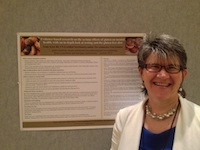
My gluten-mood poster at the 2013 ADAA conference

Last weekend I attended the annual conference of the Anxiety and Depression Association of America / ADAA and am pleased to share some of the highlights.

  • The keynote was presented by Dr. James Fowler and was fascinating! He shared how we are all connected and how your friends’ friends’ friends affect everything you feel, think and do! Check out his site and book Connected, The Surprising Power of Our Social Networks 
  • Gluten does have such a big impact on mood for so many people and I had many interested and curious visitors at my poster presentation (see the above picture)  “Evidence-based Research On The Serious Effects Of Gluten On Mental Health, With An In-depth Look At Testing And The Gluten-free Diet.” A number of people shared how gluten removal had eliminated their anxiety and/or depression too: a mom whose daughter quit gluten and found that this eliminated her panic attacks, a Canadian MD who didn’t know about gluten intolerance and infertility and the director of an anxiety clinic in Argentina. I was also honored to have Dr. Jerrold Rosenbaum, MD, ADAA Past President, Chief of Psychiatry, Massachusetts General Hospital and Professor of Psychiatry, Harvard Medical School, stop by. He said “interesting… everyone where I live is going gluten-free.” I asked him “and what kind of feedback are you getting?” Dr. Rosenbaum: “They’re all feeling better!”
  • I attended a great presentation by Dr. Teri Pearlstein: “Treatment of Perinatal Mood and Anxiety Disorders”. Dr. Pearlstein shared studies that show that babies born to depressed moms may have similar health problems as those born to moms taking anti-depressant medications i.e. lower birth weight and smaller head circumference. However, I also learned this: in a JAMA Psychiatry study of more than 1800 children, investigators found an adjusted 2-fold increased risk for ASD (autism spectrum disorder) among mothers who used an SSRI during the year before delivery and a 3-fold increased risk when SSRIs were ingested during the first trimester. The study was done in 2011 so it’s not new but it’s still an important finding. To me, this provides a very big incentive for using drug-free solutions for pregnancy – which is why the amino acids, fish oils and other nutrients that I cover in The Antianxiety Food Solution are worth investigating as a better option.  We really need some research in this area!

I’ll be sharing some other interesting posters (like “Mindful-based stress reduction for stress and cognition in older adults”) and presentations (like Benzodiazapine side-effects and tolerance) in my next post on the ADAA.

Filed Under: Antianxiety Food Solution, Events, Fertility and Pregnancy, Food and mood, Gluten Tagged With: ADAA, Antianxiety Food Solution, Anxiety and Depression association, fertility, gluten, pregnancy, SSRI, Trudy Scott

Primary Sidebar

NEW! GABA QuickStart Homestudy (with special intro pricing)

gaba quickstart homestudy

Free Report

9 Great Questions Women Ask about Food, Mood and their Health

You'll also receive a complimentary subscription to my ezine "Food, Mood and Gal Stuff"


Connect with me

Popular Posts

  • Amino Acids Mood Questionnaire from The Antianxiety Food Solution
  • The Antianxiety Food Solution Amino Acid and Pyroluria Supplements
  • Pyroluria Questionnaire from The Antianxiety Food Solution
  • Collagen and gelatin lower serotonin: does this increase your anxiety and depression?
  • Tryptophan for the worry-in-your-head and ruminating type of anxiety
  • GABA for the physical-tension and stiff-and-tense-muscles type of anxiety
  • The Antianxiety Food Solution by Trudy Scott
  • Seriphos Original Formula is back: the best product for anxiety and insomnia caused by high cortisol
  • Am I an anxious introvert because of low zinc and vitamin B6? My response to Huffington Post blog
  • Vagus nerve rehab with GABA, breathing, humming, gargling and key nutrients

Recent Posts

  • What do I use instead of Seriphos to help lower high cortisol that is affecting my sleep and making me anxious at night?
  • BeSerene™ GABA/theanine cream eases severe muscle tension in her neck/shoulders, prevents her bad headaches and quells her anxiety
  • How the correct approach, dose and sublingual use of GABA can be calming and not cause a flushed and itchy face and neck
  • The amino acid glutamine improves low mood by addressing gut health, and it has calming effects too
  • Flight anxiety with heightened breath, physical tension and also fearing the worst (the role of low GABA and low serotonin)

Categories

  • 5-HTP
  • AB575
  • Addiction
  • ADHD
  • Adrenals
  • Alcohol
  • Allergies
  • Alzheimer's disease
  • Amino Acids
  • Anger
  • Antianxiety
  • Antianxiety Food Solution
  • Antidepressants
  • Anxiety
  • Anxiety and panic
  • Autism
  • Autoimmunity
  • benzodiazapines
  • Bipolar disorder
  • Books
  • Caffeine
  • Cancer
  • Candida
  • Children/Teens
  • Collagen
  • Cooking equipment
  • Coronavirus/COVID-19
  • Cravings
  • Depression
  • Detoxification
  • Diabetes
  • Diet
  • DPA/DLPA
  • Drugs
  • EFT/Tapping
  • EMF
  • EMFs
  • Emotional Eating
  • Endorphins
  • Environment
  • Essential oils
  • Events
  • Exercise
  • Fear
  • Fear of public speaking
  • Fertility and Pregnancy
  • Fish
  • Food
  • Food and mood
  • Functional neurology
  • GABA
  • Gene polymorphisms
  • General Health
  • Giving
  • Giving back
  • Glutamine
  • Gluten
  • GMOs
  • Gratitude
  • Gut health
  • Heart health/hypertension
  • Histamine
  • Hormone
  • Hyperparathyroidism
  • Hypoglycemia
  • Immune system
  • Inflammation
  • Insomnia
  • Inspiration
  • Introversion
  • Joy and happiness
  • Ketogenic diet
  • Lithium orotate
  • Looking awesome
  • Lyme disease and co-infections
  • MCAS/histamine
  • Medication
  • Men's health
  • Mental health
  • Mercury
  • Migraine
  • Mold
  • Movie
  • MTHFR
  • Multiple sclerosis
  • Music
  • NANP
  • Nature
  • Nutritional Psychiatry
  • OCD
  • Osteoporosis
  • Oxalates
  • Oxytocin
  • Pain
  • Paleo
  • Parasites
  • Parkinson’s disease
  • PCOS
  • People
  • PMS
  • Postpartum
  • PTSD/Trauma
  • Pyroluria
  • Questionnaires
  • Real whole food
  • Recipes
  • Research
  • Schizophrenia
  • serotonin
  • SIBO
  • Sleep
  • Special diets
  • Sports nutrition
  • Stress
  • Sugar addiction
  • Sugar and mood
  • Supplements
  • Teens
  • Testimonials
  • Testing
  • The Anxiety Summit
  • The Anxiety Summit 2
  • The Anxiety Summit 3
  • The Anxiety Summit 4
  • The Anxiety Summit 5
  • The Anxiety Summit 6
  • Thyroid
  • Thyroid health
  • Toxins
  • Tryptophan
  • Tyrosine
  • Uncategorized
  • Vegan/vegetarian
  • Women's health
  • Yoga

Archives

  • October 2025
  • September 2025
  • August 2025
  • July 2025
  • June 2025
  • May 2025
  • April 2025
  • March 2025
  • February 2025
  • January 2025
  • November 2024
  • October 2024
  • September 2024
  • August 2024
  • July 2024
  • June 2024
  • May 2024
  • April 2024
  • March 2024
  • February 2024
  • January 2024
  • December 2023
  • November 2023
  • October 2023
  • September 2023
  • August 2023
  • July 2023
  • June 2023
  • May 2023
  • April 2023
  • March 2023
  • February 2023
  • January 2023
  • December 2022
  • November 2022
  • October 2022
  • September 2022
  • August 2022
  • July 2022
  • June 2022
  • May 2022
  • April 2022
  • March 2022
  • February 2022
  • January 2022
  • December 2021
  • November 2021
  • October 2021
  • September 2021
  • August 2021
  • July 2021
  • June 2021
  • May 2021
  • April 2021
  • March 2021
  • February 2021
  • January 2021
  • December 2020
  • November 2020
  • October 2020
  • September 2020
  • August 2020
  • July 2020
  • June 2020
  • May 2020
  • April 2020
  • March 2020
  • February 2020
  • January 2020
  • December 2019
  • November 2019
  • October 2019
  • September 2019
  • August 2019
  • July 2019
  • June 2019
  • May 2019
  • April 2019
  • March 2019
  • February 2019
  • January 2019
  • December 2018
  • November 2018
  • October 2018
  • September 2018
  • August 2018
  • July 2018
  • June 2018
  • May 2018
  • April 2018
  • March 2018
  • February 2018
  • January 2018
  • December 2017
  • November 2017
  • October 2017
  • September 2017
  • August 2017
  • July 2017
  • June 2017
  • May 2017
  • April 2017
  • March 2017
  • February 2017
  • January 2017
  • December 2016
  • November 2016
  • October 2016
  • September 2016
  • August 2016
  • July 2016
  • June 2016
  • May 2016
  • April 2016
  • March 2016
  • February 2016
  • January 2016
  • December 2015
  • November 2015
  • October 2015
  • September 2015
  • August 2015
  • July 2015
  • June 2015
  • May 2015
  • April 2015
  • March 2015
  • February 2015
  • January 2015
  • December 2014
  • November 2014
  • October 2014
  • September 2014
  • August 2014
  • July 2014
  • June 2014
  • May 2014
  • April 2014
  • March 2014
  • February 2014
  • January 2014
  • December 2013
  • November 2013
  • October 2013
  • September 2013
  • August 2013
  • July 2013
  • June 2013
  • May 2013
  • April 2013
  • March 2013
  • February 2013
  • January 2013
  • December 2012
  • November 2012
  • October 2012
  • August 2012
  • July 2012
  • June 2012
  • May 2012
  • April 2012
  • March 2012
  • February 2012
  • January 2012
  • December 2011
  • November 2011
  • October 2011
  • September 2011
  • August 2011
  • July 2011
  • June 2011
  • May 2011
  • April 2011
  • March 2011
  • February 2011
  • January 2011
  • December 2010
  • October 2010
  • September 2010
  • July 2010
  • May 2010
  • April 2010
  • March 2010
  • February 2010
  • January 2010
  • November 2009

Share the knowledge!

The above statements have not been evaluated by the Food and Drug Administration. Products listed in this website are not intended to diagnose, treat, cure or prevent any disease.

The information provided on this site is for informational and educational purposes only and is not intended as a substitute for advice from your physician or other health care professional. You should consult with a healthcare professional before starting or modifying any diet, exercise, or supplementation program, before taking or stopping any medication, or if you have or suspect you may have a health problem.


Copyright © 2026 Trudy Scott. All Rights Reserved. | Privacy | Terms and Conditions | Refund Policy | Medical Disclaimer

Free Report

9 Great Questions Women Ask about Food, Mood and their Health

You’ll also receive a complimentary subscription to my ezine “Food, Mood and Gal Stuff”