• Skip to primary navigation
  • Skip to main content
  • Skip to primary sidebar

everywomanover29 blog

Food, Mood and Women's Health – Be your healthiest, look and feel great!

  • Blog
  • About
  • Services
  • Store
  • Resources
  • Testimonials
  • The Book
  • Contact
  • Search this site

mood

The Virgin Diet by JJ Virgin: book review and webinar

February 12, 2014 By Trudy Scott 15 Comments

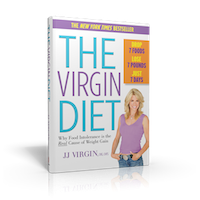
virgin-diet-book-NYT

Food intolerance is a big factor and something I look at with all my clients. Other than weight gain it can cause a host of other issues ranging from inflammation to aches and pains to fatigue and even anxiety and depression. In fact, over 80% of my anxious clients do better mood-wise on a gluten-free diet.

I’m a little behind the times because JJ Virgin wrote this NY Times bestseller book late in 2012:  The Virgin Diet: Drop 7 Foods, Lose 7 Pounds, Just 7 Days (Why Food Intolerance is the Real Cause of Weight Gain).

With her new recipe book coming out I decided it’s time to do a review!

These are the 7 foods JJ wants you to drop: corn, eggs, peanuts, dairy, gluten, soy, and sugar (including artificial sweeteners).

I have to admit I was skeptical about eggs because they are such a wonderful protein source, such a great start to the day  and so handy for a snack. I used to eat a lot of eggs until I recently discovered that I have an egg intolerance! I’m hoping it’s going to be a short-term problem and that I can eventually reintroduce them because I LOVE my soft-boiled pastured eggs.  [UPDATE 2015: I am now able to eat eggs again!] The message is this: even a healthy food like eggs may be an issue for you.

You eliminate the above 7 foods and see how you do and then add them back and see how they affect you (sugar and artificial sweeteners stay out for good, and possibly gluten too). There are 3 cycles that the book walks you through:

  • Cycle 1: Elimination
  • Cycle 2: Reintroduction
  • Cycle 3: The Virgin Diet for Life

The book goes into a great more detail about the following:

  • what food intolerances are
  • insulin resistance – a condition in which the body produces insulin but does not use it effectively leading to weight-gain and blood sugar issues
  • leptin resistance – leptin is the hormone that signals satiety or fullness and when you have resistance you feel hungrier and have more cravings
  • zonulin – a protein that is affected by gluten and loosens the tight junctions in the gut contributing to leaky gut and more food intolerances
  • the dangers of GMOs and soy
  • the autoimmune connection – and much more

The book has great sections on healthy proteins and fats, quality produce, sugar and artificial sweeteners, exercising, meal planning, eating out and recipes. I’m looking forward to her follow-up book which launches on Feb 18th – her recipe book The Virgin Diet Cookbook: 150 Easy and Delicious Recipes to Lose Weight and Feel Better Fast 

We do have a few differences of opinion. 🙂

  • I’m not a big fan of coffee and JJ admits that she fights her fellow-nutritionists on this one!
  • I find that my clients with adrenal issues need to eat more frequently than every 4 to 6 hours
  • Pea-rice protein is the protein powder recommended and would not be suitable if you need to eat grain free or have issues with peas so adjust accordingly
  • I’m not terribly fond of the 3-bite rule where you get to splurge on desserts. JJ has a great sense of humor and says “share your dessert with someone who has a faster fork!” But I think you can get to the point where you no longer have a sweet tooth.

I’d also like to add that these 7 food intolerances are obviously not the only factor when it comes to weight-loss resistance – it’s one of many factors, including thyroid health, environmental toxins, dysbiosis, brain chemical imbalances, poor eating choices, stress (this is a big one!), lack of sleep and not exercising enough or incorrectly. JJ is the pro when it comes to exercise and she is a big proponent of restorative sleep.  There are also many  other foods that could potentially be an issue for you.

I do love that this book has brought the concept of food intolerances to the masses, bringing awareness of something that had not even been considered before. I commend JJ for this and her big mission to help millions of people lose weight and get healthy! So many people have had such incredible results with her program!

PS. In preparation of the new book launch JJ is hosting a webinar on what you need to know about The Virgin Diet. You can sign up here to get the most up-to-date information. Sign up and get to hear her share her words of wisdom.


Filed Under: Anxiety and panic, Books, Looking awesome, People Tagged With: anxiety, depression, food sensitivity, JJ Virgin, mood, Virgin diet

No.1 Thing to Do to Minimize Holiday Weight Gain in Shape Magazine

December 13, 2013 By Trudy Scott 16 Comments

Cristina Goynes wrote a great piece in Shape magazine on the benefits of water when it comes to holiday weight gain. I’m thrilled to have been quoted. My contribution is about dehydration and the direct effect this has on neurotransmitters like serotonin and dopamine, leading to increased carb cravings for a good mood and for an energy boost!

The article is called the “No.1 Thing to Do to Minimize Holiday Weight Gain”

Going into the scale-tipping season known as Thanksgiving to New Year’s, the typical mindset is to amp up workouts, cut calories, and stick to crudités at parties to dodge those extra holiday pounds. But who actually does that?

This year, dare to be different: Rather than take on unrealistic demands during an already stressful time, focus on only one thing that will help you look better, feel less tempted by party food, have more energy, and brighten your mood. The answer is as simple as sipping more water.

This is one of the water/mood papers we used for the story: a 2012 animal study found that “dehydration is able to reduce serotoninergic neurotransmission, which might be involved in generating anxiety behavior.”

This animal study showed that dehyrdation also affects “dopaminergic neurotransmission” leading to hyperactivity. Changes in dopamine can also affect concentration and focus and lead to increased cravings for energy.

A 2011 study that looked at 24 females in their 20s found that dehydration “degraded mood, increased perception of task difficulty,” lowered concentration, and caused headaches.

A similar study looking at men, also in their 20s found that mild dehydration caused “adverse changes in vigilance and working memory,” and increased tension, anxiety and fatigue.

This Amino Acids Mood Questionnaire from The Antianxiety Food Solution will give you a clue about your serotonin and dopamine/catecholamine levels and this blog post on Winter blues, SAD, holiday stress and sugar will give you some insights into the winter blues.

When you get a serotonin and dopamine boost it balances brain chemistry so you don’t have to use willpower and you don’t feel deprived! And you won’t be drawn to sugary foods and won’t gain weight over the holidays.

Do read the rest of the SHAPE article here as it has practical information on how

  • Holiday stress also contributes to dehydration
  • Water makes us feel full by adding extra volume to our stomach
  • it can also help you feel satisfied
  • it is the easiest, cheapest way to score firmer, younger-looking skin

So drink up that water to reduce anxiety, depression and cravings, feel satisfied, not gain weight, have more energy and be more focused, have beautiful skin and feel stress-free!

Filed Under: Antianxiety Food Solution, Anxiety and panic, Joy and happiness, Looking awesome Tagged With: anxiety, focus, mood, water, weight

Zinc, turmeric and tryptophan for brain health and mood

September 4, 2013 By Trudy Scott 33 Comments

Boys Telling Secrets

So much can be done using the amazing healing power of foods and nutrients when it comes to brain health and mood. I truly believe this holistic health approach is the way to go because it gets back to basics and addresses the root causes of issues instead of the using the band-aid approach. The added bonus is that this approach also improves focus, skin health, digestion, heart health and more.

Here are just some of my top nutrients for a healthy brain and great mood!

Zinc is one of the top nutrient deficiencies I see with my clients.

Zinc is a key nutrient for the prevention of anxiety and depression, especially the type of social anxiety called pyroluria. Here is the pyroluria questionnaire: https://www.everywomanover29.com/blog/pyroluria-questionnaire-from-the-antianxiety-food-solution/ It’s also been shown to be beneficial for sleep, cognitive function and for healing from traumatic brain injury. Zinc is also an important co-factor in making the neurotransmitters GABA and serotonin.

Turmeric is an uncommon yet powerful supplement

Research shows that turmeric has “promising cardioprotective and anti-inflammatory properties”. We often see inflammation and brain/mood problems go hand in hand. Inflammation produces cytokines which activate the IDO enzyme, degrading tryptophan and leading to less serotonin and less melatonin. This can result in increased depression and anxiety, poor sleep and poor focus. A new randomized, controlled clinical trial published in the journal Phytotherapy Research has confirmed that the primary polyphenol in turmeric known as curcumin is both safe and effective in treating serious states of depression. One study even found that turmeric benefited 3 patients with Alzheimer’s disease and reduced symptoms of irritability, agitation, anxiety, and apathy.

Tryptophan is an amazing amino acid

It promotes sleep and improves depression, anxiety, panic, worry and OCD /obsessive compulsive symptoms in people who have low serotonin. I have my clients do this questionnaire so we can figure out which deficiency they have https://www.everywomanover29.com/blog/amino-acids-mood-questionnaire-from-the-antianxiety-food-solution/ Although there isn’t a great deal of research on this amino acid and “the evidence base is significantly larger for depression than for anxiety disorder”, tryptophan is recognized as an add-on for when someone is on medications. I see so much success using tryptophan with my clients that I wish it was the first choice before anti-depressants!

I’d like to share some recent success I’ve seen with tryptophan. I’ve been having the most amazingly rewarding sessions with a young man (and his mom). During our first session, an in-office trial of 100mg of chewable tryptophan reduced his worry, sadness and very busy thoughts from a 7/8/9 out of 10, to a 3 out of 10 within 5-10 minutes. He said “my head feels different…good different…I’m thinking happy things”. He started to smile a lot. He also has a repetitive behavior which went from 7/8 out of 10, to a 5 out of 10. Tryptophan is known for reducing OCD but it wasn’t quite enough and we have had to add inositol too. I know the amazing amino acids work wonders but I’m always thrilled when I see them in action changing lives. And most of all, I’m so pleased his mom decided to go this route first instead of having him take medications. We are simply addressing nutritional deficiencies like low serotonin and low zinc [he did also need zinc].

What supplements have you found to be beneficial for your brain health, anxiety or depression? 

Filed Under: Antianxiety Food Solution, Anxiety and panic, Food and mood Tagged With: anxiety, brain, depression, mood, panic, tryptophan, turmeric, zinc

Bubble gum flavored apples anyone?

July 2, 2012 By Trudy Scott 9 Comments

Guest Post by Mira Dessy, Certified Nutrition Educator and holistic health columnist helping others eat well to be well.


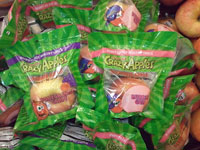
fake apples | photo: LeemanS

One of my readers, sent in this picture and comment/question about these apples.

“We came across these apples at Stop & Shop here in town. We could not believe our eyes when we saw flavored apples!! I told my husband to take a pic to send to you because I wasn’t sure you would believe me when I tell you that they had bubblegum flavored apples. I believe there were four flavors total to choose from. 

I’m curious what your thoughts are. I walked away all kinds of confused. Was this an attempt to help kids with poor eating habits cross over the healthy eating or the other way around? How exactly did they alter this apple to make it flavored? And of course the obvious…yet another example of FAKE food.

Oh and as you can see it’s was placed right next to the apples and the packaging says ready to eat snack. What’s so difficult about preparing an apple for eating? hmmm you wash it?!?!”

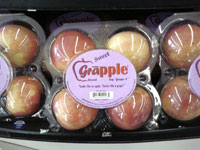
Good eye, and good thinking. This is very similar to something I just saw in my local grocery store called grapples. Research indicates that the flavoring comes from “natural” (read possible MSG ingredients) and artificial flavoring. It seems that the apples are marinated for several days in an undoubtedly chemical concoction which allows the apple to soak up the flavor. This process has apparently been approved by the FDA.

grapples | photo: Qrd2006

The Grapple company website assures the consumer that the product has not been genetically modified and there are no added sugars or calories. Unfortunately there is a huge chemical load, not just from the flavorings, but one assumes these are not organic apples and therefore potentially high in pesticide residue.

The Crazy Apple company website says they can’t tell you how they do it but I assume it’s the same sort of process. They do however assure you that their apples are gluten free (duh!), dairy free (again, duh!), and contain no soy or nuts.

I believe this is seen as a way to market apples to kids but I’m not really sure why this sort of adulteration is seen as a positive. Since apples by themselves are sweet, crunchy, and tasty I’m not sure what the appeal is here. Unfortunately I see this as a big step backwards as items like these further dull the taste buds to what food should taste like.

Update: It turns out these apples are being spotted all over the place and most of you are not happy about it. My friend Adrienne says, “If you want a grape flavored apple take a slice of apple and some grapes. Eat them together. It’s a party in your mouth!” Good advice.

Filed Under: Real whole food Tagged With: anxiety, depression, exercise, hot-flashes, mood, sleep, social anxiety

Bipolar, disruptive mood or gluten and junk food?

May 29, 2012 By Trudy Scott 27 Comments

A national study published in 2007 showed a surge in use of the bipolar diagnosis in children: the frequency of visits to doctors’ offices by youths 19 and younger for treatment of the condition increased from 25 per 100,000 visits in 1994-95 to 1,003 per 100,000 visits in 2002-03. I wonder what the numbers are now?

The above quote is from a story that appeared in the Boston Globe earlier this month [thanks to my friend in Boston who shared this story with me and urged me to write a commentary!]

The story, “Proposed diagnosis for bipolar disorder divides psychiatrists” by Patricia Wen, discusses issues with proposed revisions to the Diagnostic and Statistical Manual of Mental Disorders IV (DSMIV). The psychiatric association is expected to make final decisions for its fifth revised edition to be published in May 2013.

A panel appointed by the American Psychiatric Association is urging that a new, potentially more transient and less-stigmatizing diagnosis – “disruptive mood dysregulation disorder’’ – be added to the official manual of mental illnesses, which is undergoing a sweeping revision [this new disorder would be included in the manual in addition to the existing bipolar disorder, and this is where the division is].

The new condition would apply to children who have chronic irritability, as well as recurrent temper outbursts – three or more times a week, on average – that are “grossly out of proportion’’ to the situation the child confronts.

It can be as disabling to a young child as bipolar disorder, but would probably be treated with antidepressants, not antipsychotic drugs. As adults, these children would be more likely to develop anxiety or depression, rather than bipolar disorder.

Wow! chronic irritability, recurrent temper outbursts, “grossly out of proportion’’ to the situation, likely to develop anxiety or depression as adults

This sounds a lot like a combination of poor diet/junk food and food intolerances. And it’s no surprise when you consider what diets kids are eating these days! Let’s also throw in low blood sugar for good measure – how many kids do you know who eat a good breakfast that includes protein?

Let’s first look at food quality and bipolar disorder:

In the Journal of Affective Disorders, a 2012 paper titled “Diet quality in bipolar disorder in a population-based sample of women”, found a lower risk of bipolar disorder in those eating a quality traditional foods diet. Granted, this is epidemiological evidence, but this is exactly why more research is imperative. The authors do actually state: “Longitudinal studies are warranted”.

Lead author of the above paper, Dr. Felice Jacka , is also the lead author in a 2011 PLoS One paper that found diet quality in adolescents was associated with a lower risk of mental health issues. The author stated that this “study highlights the importance of diet in adolescence and its potential role in modifying mental health over the life course”

Let’s also look at gluten and bipolar disorder:

In the journal Psychiatry Research, a 2012 paper titled “Markers of gluten sensitivity in acute mania: A longitudinal study” states that individuals “with mania had significantly increased levels of IgG antibodies to gliadin” “which is derived from the wheat protein gluten”.

When I read this section in the Boston Globe story a light bulb went off….

What is ultimately added, subtracted, or revised in the Diagnostic and Statistical Manual of Mental Disorders, first put out by the American Psychiatric Association in 1952, is loaded with practical and cultural implications.

It will help define what is considered normal behavior. It largely determines how clinicians diagnose conditions; what health insurers will pay for; what drugs are made and marketed; and what research will be funded by governments and foundations

Perhaps the division between bipolar disorder and disruptive mood dysregulation disorder is less important than my whole-hearted proposal to add gluten intolerance and celiac disease, junk food addict (and low blood sugar and a host of other nutritional factors) to the DSMIV!!!

I’m obviously saying this tongue-in-cheek but imagine a world where we:

  • Do get government research funding and studies done on mental health issues related to or directly caused by gluten intolerance and a junk food diet
  • Do get insurance coverage for nutrition coaching and consulting
  • Do see subsidies for organic food farmers
  • Do make this the first approach instead of medications…or at least use this approach in conjunction with lower doses of medications
  • Do see huge improvements …leading to say a 40-fold (or more) decrease in bipolar diagnoses in children (and adults) in a less than a year!

Yes! Add these now… please! If we need research for it to become mainstream then so be it! I’m volunteering to be part of any research in these areas. It works – I already know this, as do countless of other practitioners and people who have made these changes. Just read Michael Ellsberg’s compelling bipolar story on Forbes to be inspired!

Dr Katherine Falk, MD is in private practice in New York City and is certified by the American Board of Psychiatry and Neurology. She endorsed my book The Antianxiety Food Solution and said this:

Trudy Scott is an expert on the relationship of food and mood, an often neglected area in the health of persons with mental illness. This book provides practical information, clearly presented, which I believe to be an important adjunct in the treatment of not only anxiety and depression, but also of serious mental illness.

I would like to end by saying that I have no intention of minimizing the seriousness of bipolar disorder or any mental illness, I just believe there is so much more we can do on the food-mood front!

Filed Under: Antianxiety Food Solution, Anxiety and panic, Bipolar disorder, Food and mood, Real whole food Tagged With: antianxiety diet, Antianxiety Food Solution, anxiety, Bipolar, depression, gluten, junk food, mood

Salmon Pate Recipe for Summer

May 29, 2012 By Trudy Scott 9 Comments

2 small cans of wild Alaskan pink salmon (totaling 12oz/340g)
1T gelatin
½ cup chicken stock, heated (home-made is best)
¼ cup mayonnaise
2 t lemon juice
4 small onions, finely chopped
½ cup fresh raw cream
Sea salt and pepper

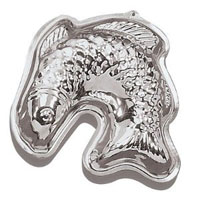
Mix gelatin with hot chicken stock. In a blender, blend the following: gelatin/stock, undrained salmon, onions, mayonnaise, lemon juice and seasoning. Add cream and stir. Pour into lightly oiled fish molds (use one large or 3 small fish molds). Refrigerate and tip onto the serving plate just before eating. Serve with rice crackers, whole-grain wheat crackers (if tolerated) and fresh veggies like chopped carrots, zucchini, mushrooms and celery.

I’d like to give credit to Suzy for this wonderful recipe (which I have modified slightly). She is an old friend of mine and I’m so thrilled that we just reconnected on Facebook after being out of touch for 20 years! I was so impressed when she served it at a dinner party in Johannesburg, South Africa, a LONG time ago. In fact, everything Suzy served at dinner parties was amazing! Here’s to sitting down together at a dinner party in the near future!

May you enjoy this and other wonderful food with your friends and family!

Filed Under: Real whole food, Recipes Tagged With: anxiety, food, mood, omega-3, recipe, salmon

  • « Go to Previous Page
  • Page 1
  • Interim pages omitted …
  • Page 3
  • Page 4
  • Page 5
  • Page 6
  • Page 7
  • Page 8
  • Go to Next Page »

Primary Sidebar

NEW! GABA QuickStart Homestudy (with special intro pricing)

gaba quickstart homestudy

Free Report

9 Great Questions Women Ask about Food, Mood and their Health

You'll also receive a complimentary subscription to my ezine "Food, Mood and Gal Stuff"


Connect with me

Popular Posts

  • Amino Acids Mood Questionnaire from The Antianxiety Food Solution
  • The Antianxiety Food Solution Amino Acid and Pyroluria Supplements
  • Pyroluria Questionnaire from The Antianxiety Food Solution
  • Collagen and gelatin lower serotonin: does this increase your anxiety and depression?
  • Tryptophan for the worry-in-your-head and ruminating type of anxiety
  • GABA for the physical-tension and stiff-and-tense-muscles type of anxiety
  • The Antianxiety Food Solution by Trudy Scott
  • Seriphos Original Formula is back: the best product for anxiety and insomnia caused by high cortisol
  • Am I an anxious introvert because of low zinc and vitamin B6? My response to Huffington Post blog
  • Vagus nerve rehab with GABA, breathing, humming, gargling and key nutrients

Recent Posts

  • What do I use instead of Seriphos to help lower high cortisol that is affecting my sleep and making me anxious at night?
  • BeSerene™ GABA/theanine cream eases severe muscle tension in her neck/shoulders, prevents her bad headaches and quells her anxiety
  • How the correct approach, dose and sublingual use of GABA can be calming and not cause a flushed and itchy face and neck
  • The amino acid glutamine improves low mood by addressing gut health, and it has calming effects too
  • Flight anxiety with heightened breath, physical tension and also fearing the worst (the role of low GABA and low serotonin)

Categories

  • 5-HTP
  • AB575
  • Addiction
  • ADHD
  • Adrenals
  • Alcohol
  • Allergies
  • Alzheimer's disease
  • Amino Acids
  • Anger
  • Antianxiety
  • Antianxiety Food Solution
  • Antidepressants
  • Anxiety
  • Anxiety and panic
  • Autism
  • Autoimmunity
  • benzodiazapines
  • Bipolar disorder
  • Books
  • Caffeine
  • Cancer
  • Candida
  • Children/Teens
  • Collagen
  • Cooking equipment
  • Coronavirus/COVID-19
  • Cravings
  • Depression
  • Detoxification
  • Diabetes
  • Diet
  • DPA/DLPA
  • Drugs
  • EFT/Tapping
  • EMF
  • EMFs
  • Emotional Eating
  • Endorphins
  • Environment
  • Essential oils
  • Events
  • Exercise
  • Fear
  • Fear of public speaking
  • Fertility and Pregnancy
  • Fish
  • Food
  • Food and mood
  • Functional neurology
  • GABA
  • Gene polymorphisms
  • General Health
  • Giving
  • Giving back
  • Glutamine
  • Gluten
  • GMOs
  • Gratitude
  • Gut health
  • Heart health/hypertension
  • Histamine
  • Hormone
  • Hyperparathyroidism
  • Hypoglycemia
  • Immune system
  • Inflammation
  • Insomnia
  • Inspiration
  • Introversion
  • Joy and happiness
  • Ketogenic diet
  • Lithium orotate
  • Looking awesome
  • Lyme disease and co-infections
  • MCAS/histamine
  • Medication
  • Men's health
  • Mental health
  • Mercury
  • Migraine
  • Mold
  • Movie
  • MTHFR
  • Multiple sclerosis
  • Music
  • NANP
  • Nature
  • Nutritional Psychiatry
  • OCD
  • Osteoporosis
  • Oxalates
  • Oxytocin
  • Pain
  • Paleo
  • Parasites
  • Parkinson’s disease
  • PCOS
  • People
  • PMS
  • Postpartum
  • PTSD/Trauma
  • Pyroluria
  • Questionnaires
  • Real whole food
  • Recipes
  • Research
  • Schizophrenia
  • serotonin
  • SIBO
  • Sleep
  • Special diets
  • Sports nutrition
  • Stress
  • Sugar addiction
  • Sugar and mood
  • Supplements
  • Teens
  • Testimonials
  • Testing
  • The Anxiety Summit
  • The Anxiety Summit 2
  • The Anxiety Summit 3
  • The Anxiety Summit 4
  • The Anxiety Summit 5
  • The Anxiety Summit 6
  • Thyroid
  • Thyroid health
  • Toxins
  • Tryptophan
  • Tyrosine
  • Uncategorized
  • Vegan/vegetarian
  • Women's health
  • Yoga

Archives

  • October 2025
  • September 2025
  • August 2025
  • July 2025
  • June 2025
  • May 2025
  • April 2025
  • March 2025
  • February 2025
  • January 2025
  • November 2024
  • October 2024
  • September 2024
  • August 2024
  • July 2024
  • June 2024
  • May 2024
  • April 2024
  • March 2024
  • February 2024
  • January 2024
  • December 2023
  • November 2023
  • October 2023
  • September 2023
  • August 2023
  • July 2023
  • June 2023
  • May 2023
  • April 2023
  • March 2023
  • February 2023
  • January 2023
  • December 2022
  • November 2022
  • October 2022
  • September 2022
  • August 2022
  • July 2022
  • June 2022
  • May 2022
  • April 2022
  • March 2022
  • February 2022
  • January 2022
  • December 2021
  • November 2021
  • October 2021
  • September 2021
  • August 2021
  • July 2021
  • June 2021
  • May 2021
  • April 2021
  • March 2021
  • February 2021
  • January 2021
  • December 2020
  • November 2020
  • October 2020
  • September 2020
  • August 2020
  • July 2020
  • June 2020
  • May 2020
  • April 2020
  • March 2020
  • February 2020
  • January 2020
  • December 2019
  • November 2019
  • October 2019
  • September 2019
  • August 2019
  • July 2019
  • June 2019
  • May 2019
  • April 2019
  • March 2019
  • February 2019
  • January 2019
  • December 2018
  • November 2018
  • October 2018
  • September 2018
  • August 2018
  • July 2018
  • June 2018
  • May 2018
  • April 2018
  • March 2018
  • February 2018
  • January 2018
  • December 2017
  • November 2017
  • October 2017
  • September 2017
  • August 2017
  • July 2017
  • June 2017
  • May 2017
  • April 2017
  • March 2017
  • February 2017
  • January 2017
  • December 2016
  • November 2016
  • October 2016
  • September 2016
  • August 2016
  • July 2016
  • June 2016
  • May 2016
  • April 2016
  • March 2016
  • February 2016
  • January 2016
  • December 2015
  • November 2015
  • October 2015
  • September 2015
  • August 2015
  • July 2015
  • June 2015
  • May 2015
  • April 2015
  • March 2015
  • February 2015
  • January 2015
  • December 2014
  • November 2014
  • October 2014
  • September 2014
  • August 2014
  • July 2014
  • June 2014
  • May 2014
  • April 2014
  • March 2014
  • February 2014
  • January 2014
  • December 2013
  • November 2013
  • October 2013
  • September 2013
  • August 2013
  • July 2013
  • June 2013
  • May 2013
  • April 2013
  • March 2013
  • February 2013
  • January 2013
  • December 2012
  • November 2012
  • October 2012
  • August 2012
  • July 2012
  • June 2012
  • May 2012
  • April 2012
  • March 2012
  • February 2012
  • January 2012
  • December 2011
  • November 2011
  • October 2011
  • September 2011
  • August 2011
  • July 2011
  • June 2011
  • May 2011
  • April 2011
  • March 2011
  • February 2011
  • January 2011
  • December 2010
  • October 2010
  • September 2010
  • July 2010
  • May 2010
  • April 2010
  • March 2010
  • February 2010
  • January 2010
  • November 2009

Share the knowledge!

The above statements have not been evaluated by the Food and Drug Administration. Products listed in this website are not intended to diagnose, treat, cure or prevent any disease.

The information provided on this site is for informational and educational purposes only and is not intended as a substitute for advice from your physician or other health care professional. You should consult with a healthcare professional before starting or modifying any diet, exercise, or supplementation program, before taking or stopping any medication, or if you have or suspect you may have a health problem.


Copyright © 2026 Trudy Scott. All Rights Reserved. | Privacy | Terms and Conditions | Refund Policy | Medical Disclaimer

Free Report

9 Great Questions Women Ask about Food, Mood and their Health

You’ll also receive a complimentary subscription to my ezine “Food, Mood and Gal Stuff”