• Skip to primary navigation
  • Skip to main content
  • Skip to primary sidebar

everywomanover29 blog

Food, Mood and Women's Health – Be your healthiest, look and feel great!

  • Blog
  • About
  • Services
  • Store
  • Resources
  • Testimonials
  • The Book
  • Contact
  • Search this site

mood

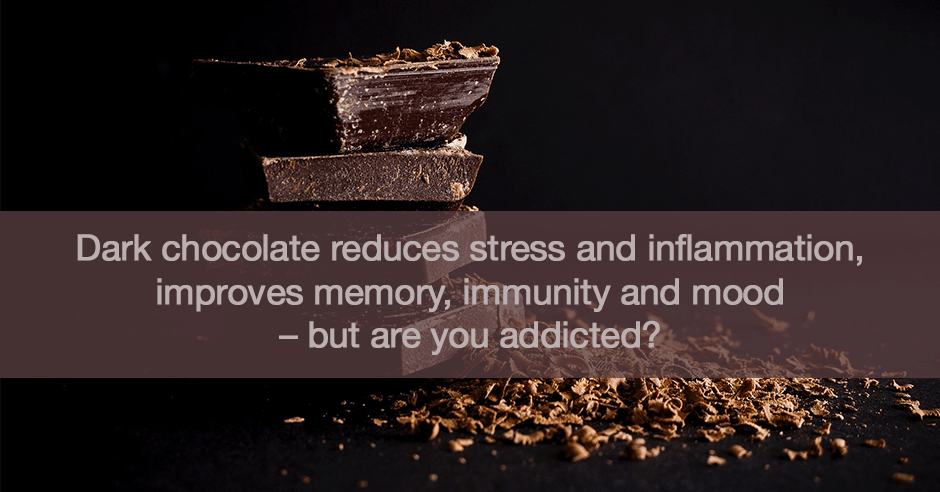
Dark chocolate reduces stress and inflammation, improves memory, immunity and mood – but are you addicted?

June 22, 2018 By Trudy Scott 21 Comments

dark chocolate addiction

A press release from Loma Linda University reports that two new studies show dark chocolate consumption reduces stress and inflammation, while improving memory, immunity and mood. These are wonderful results from human trials and if you’re like most of us I’m sure this subject brings great delight! However (and sorry to be the party-pooper here), there are a number reasons why you may want to hold back on the excitement: if you’re addicted to chocolate and/or sugar this is a big red flag, and if dietary oxalates and caffeine are issues for you then this news won’t be good. But there may be ways you can get some of the benefits without the harmful effects (more on that below).

These papers were presented as posters at the Experimental Biology 2018 annual meeting in San Diego, and the press release reports that

dark chocolate with a high concentration of cacao (minimally 70% cacao, 30% organic cane sugar) has positive effects on stress levels, inflammation, mood, memory and immunity. While it is well known that cacao is a major source of flavonoids, this is the first time the effect has been studied in human subjects to determine how it can support cognitive, endocrine and cardiovascular health.

Lee S. Berk, a researcher in psychoneuroimmunology and food science from Loma Linda University, School of Allied Health Professions, served as principal investigator on both studies and stated the following:

For years, we have looked at the influence of dark chocolate on neurological functions from the standpoint of sugar content – the more sugar, the happier we are. This is the first time that we have looked at the impact of large amounts of cacao in doses as small as a regular-sized chocolate bar in humans over short or long periods of time, and are encouraged by the findings. These studies show us that the higher the concentration of cacao, the more positive the impact on cognition, memory, mood, immunity and other beneficial effects [such as enhanced neuroplasticity].

The flavonoids found in cacao are extremely potent antioxidants and anti-inflammatory agents, with known mechanisms beneficial for brain and cardiovascular health.

In these 2 small studies (which have yet to be published in a peer-review journal) the consumption of 48g of 70% dark organic chocolate offered many of these health benefits in as quickly as 30 mins (in one the study) and when consumed every day for a week (in the other study).

In case you’re wondering how much this means in practical terms: 48 g is just over an ounce and a half, or 2 tablespoons. So think about 2 squares of 70% dark chocolate.

But are you addicted to chocolate? And do you binge?

I know I sounded like a real party pooper in the introduction but if your eyes lit up or you even got a little teary-eyed or felt a really warm “I so deserve this treat” glow or you felt realy joy at the thought of indulging (or maybe all of the above emotions) when you read the subject line then these may be red flag for you. But despair not as there are ways to help you not overdo it and binge on a week’s supply of dark chocolate in one sitting. If you relate to the binge comment you know exactly what I mean and have felt that deep regret and shame afterwards.

Lorraine shares this about her chocolate addiction:

the minute I start eating it – I am like a heroin addict. I can’t stop. I end up bingeing for a few weeks as it’s all I can think about. It’s the weirdest thing – so I mainly abstain from it and have a slip, binge, anxiety relapse about once a year until I am able to buckle down and fight the cravings knowing the anxiety is not worth the euphoria.

For some people the anxiety that is caused by chocolate is too severe (more on that below) but if Lorraine’s anxiety and bingeing are related there may be a solution for her and if yes, it would be the GABA solution below.

The brain chemistry balancing solution for bingeing

Cravings for chocolate can often be due to brain chemical imbalances and when these are addressed no willpower is required and there are no feelings of being deprived. Here is a simple way to help you figure it out:

  • if you have to eat chocolate when you haven’t eaten in awhile it’s likely low blood sugar and glutamine on the tongue stops the desire on the spot
  • if you stress-eat your chocolate cravings are likely due to low GABA, and GABA will stop the stress-eating and calm you down
  • if you eat chocolate to feel happy (and especially from late afternoon onwards) then your cravings are likely due to low serotonin, and tryptophan stops the cravings and boosts mood and reduces anxiety
  • if you eat chocolate for an energy boost then it’s likely due to low catecholamines and tyrosine will stop those cravings and give you a mood and energy boost
  • if you are a comfort-eater then it’s likely due to low endorphins and DPA will stop that “I deserve-it-reward-eating” and also give you a hug-like mood boost

I write more about this in the glutamine cravings blog and you can find all the individual amino acids listed on my supplements blog here with details on how to purchase them from my distributor.

Once you have this figured out this brain balancing there is no bingeing, you can eat a small portion and feel very satisfied and will actually address some mood and anxiety issues at the same time!

Dark chocolate is a no-no if dietary oxalates are an issue for you

If dietary oxalates cause you issues like anxiety, insomnia, vulvar pain, urinary issues, or other pain (for me they cause dreadful foot pain – like shards of glass combined with hot coals)

When considering high oxalate foods, 41mg and above is considered an exceptionally high oxalate food. In one study, the total oxalate contents of 34 samples of dark chocolate collected from 13 different countries ranged from 155 to 485 mg/100 g which equates to around 77 to 240mg for 48g.   So dark chocolate does need to be avoided and I would not even consider eating some even with calcium citrate or magnesium citrate.

In a related study published last year by lead author Professor Lee Birk, Is Chocolate Beneficial for Brain Health? the 20 subjects were subjected to a sequence of cacao sensory awareness tasks ranging from:

  • recall of past experiences
  • imagine eating chocolate right now
  • visualization/looking at real chocolate
  • olfaction [or sense of smell]
  • taste but not swallow
  • and finally chocolate consumption (70% cocoa bar) to satiation

And for many the above provided benefits for them. For me a good long deep sniff of dark chocolate feels quite satisfying, as strange as it may sound.

I do sometimes miss the texture of melted chocolate but solid coconut butter satisfies that need. Believe it or not, but so does pemmican, a savory snack that is made with beef fat and beef jerky, honey/cherries and sea salt. Check out pemmican from US Wellness Meats here (my affiliate link).

Avoid it if the caffeine causes anxiety, insomnia, heart palpitations and/or migraines

For many of my clients the caffeine in dark chocolate can cause anxiety, insomnia, heart palpitations and/or migraines. Some of these “twitchy” effects may also be due to the theobromine, a chemical compound, which roughly translates to “food of the gods” and is also what makes chocolate deadly for dogs.

I have to admit that chocolate would be my “drug” of choice before cakes, cookies or sweets. Putting aside the oxalate issues, it also affects my sleep and creates mild anxiety/sort of edginess with mild heart palpitations with restless sleep. This is how I remember a coffee buzz feeling. But worse than this is the migraine I get a day or 2 days later. It is wicked pain above my left eye that leaves me horizontal for a day. So, no chocolate for me unfortunately, other than enjoying the aroma of it.

Carob as a delicious alternative

Carob is a delicious alternative to dark chocolate as it doesn’t contain caffeine and is lower in oxalates. It has a definite chocolate-like flavor.

A 2002 study found that carob may actually have calming effects. It is also antioxidant rich, contains the polyphenol gallic acid which has been shown to help metabolic syndrome, has chemoprotective properties and helps with digestion.

Check out my Carob Cinnamon Delight al la Trudy hot beverage recipe and this recipe for Carob Coconut Avocado bites (leave out the sesame seeds and add extra coconut flakes if oxalates are an issue).

Organic and Fair Trade of course

If you can get to enjoy dark chocolate be sure to consume only organic as cocoa plants are heavily sprayed, Other than the concerns with the actual pesticides and insecticides, there is cause for concern about raised copper levels because of copper-based pesticides.

Fair Trade is a global movement made up of a diverse network of producers, companies, shoppers, advocates, and organizations putting people and planet first

I know I’m going to get questions on what brands I recommend that are organic, Fair Trade and gluten-free so here goes – Vital Choice is my pick right now.
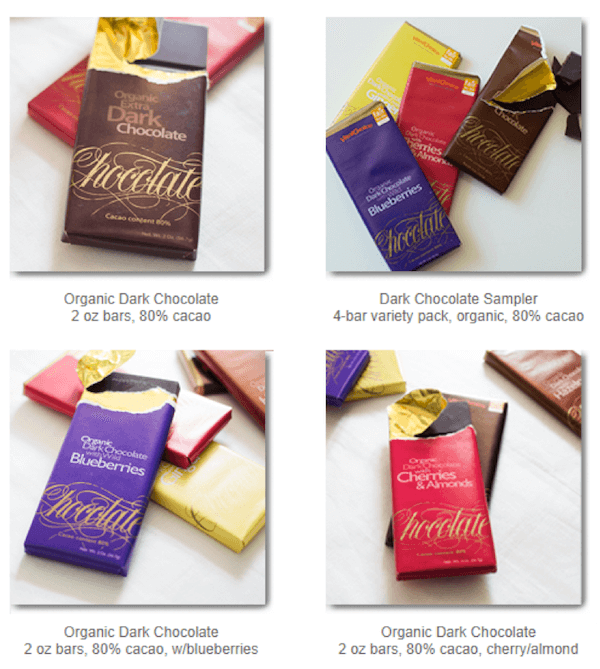
Vital Choice has quality dark chocolate that is both organic and Fair Trade. It is labeled gluten-free but they state it is “Manufactured on shared equipment with products containing wheat, milk, peanuts, and tree nuts.” I have not had any reports of anyone having a gluten issue with it but please use your own discretion. Here is the link to check them out and make a purchase (it is my affiliate link). Simply search for dark chocolate.

Feel free to share how you do with dark chocolate and how it makes you feel when you consume it and be sure to post any questions you may have.

And if you know of brands that are organic, Fair Trade and gluten-free please do share them.

Filed Under: Addiction Tagged With: addicted, anxiety, caffeine, comfort, Dark chocolate, DPA, immunity, Inflammation, insomnia, memory, mood, oxalates, reward, stress, tryptophan, Vital Choice

Brain and mood benefits of a ketogenic lifestyle

May 19, 2018 By Trudy Scott 4 Comments

Keto Edge Summit

We know that ketones help you burn fat for energy, powerfully reduce inflammation and show promise in preventing and eradicating diabetes, cancer, autoimmune and neurodegenerative diseases like Alzheimer’s and Parkinson’s, and even play a role in mental health conditions like anxiety and depression. Experts on the Keto Edge Summit share many of the brain and mood benefits of a ketogenic lifestyle.

Dr. David Jockers shares this about anxiety and GABA and glutamate (his #5 benefit) in his interview on the ‘Top 7 Benefits of a Ketogenic Lifestyle’:

We have an epidemic of depression and anxiety in our society. And so, one of the key things that being keto-adapted does—not only does it downregulate inflammation in the brain, and we know that depression now is really neuroinflammation.

So the other big thing is we’ve got these neurotransmitters. One is glutamate; the other is GABA. Glutamate is an excitatory neurotransmitter, meaning that it helps us think sharply and quickly. What balances glutamate is this other neurotransmitter called GABA, gamma-aminobutyric acid. And it’s inhibitory. It helps balance us and calm us. What we find is that people with anxiety, they have high glutamate, low GABA. They don’t have a good ratio. Same thing with depression.

So what a ketogenic diet does, when we’re keto-adapted, it helps balance out the glutamate to GABA ratio and creates stability there. What does that mean to you? That means you’re going to be able to think sharply and quickly but you’re not going to get out of control. Your brain’s not going to be going too fast. You’re not going to be at risk for anxiety, for depression in the same way. You’re going to notice just an improved mood, more emotional balance.

Dr. David Perlmutter shares the importance of blood sugar regulation in his interview ‘Keto for Brain Health’:

Blood sugar regulation is pivotal as it relates to the destiny of your brain. Probably the most important biometric that determines whether you will or won’t become an Alzheimer’s patient is what your fasting blood sugar is today.

Even with the ApoE-4 gene, the ketogenic diet, physical exercise, and gluten-free, lowering sugar and carbs… are important changes that can absolutely rewrite your book.

I think it’s important to understand that humans have probably been in a state of ketosis most of the time over most of our existence on this planet. It’s only been in the last 10,000 years or so when we’ve created agriculture that we’ve had this robust availability of carbohydrate resources that has really shifted the human diet to one that is carbohydrate-based as opposed to fat-based.

Dr. Cheryl Burdette also covers inflammation in her interview, ‘Inflammation and the Ketogenic Diet’:

So when we see markers of oxidative stress high, not only do we know the DNA is suffering but we know our mitochondria, our powerhouse is suffering and, therefore, our brain is suffering. And so what you see is a high 8-OHdG – you see that high in conditions like Alzheimer’s or Parkinson’s but you even see it high in depression or bipolar or anxiety. What you also see is a ketogenic diet, helps to lower that. What you also see is adding more antioxidants, helps to lower that. So again, we’re back to our green leafies with our good fats.

The Keto Edge Summit is available online and there are REPLAYS ALL WEEKEND. You can still register here to hear the replays

Please share your gems and what you’ve implemented or are planning to implement in terms of a ketogenic lifestyle.

Filed Under: Events, Ketogenic diet Tagged With: anxiety, brain, David Jockers, David Perlmutter, depression, GABA, glutamate, Keto Edge Summit, Ketogenic diet, ketogenic lifestyle, mood

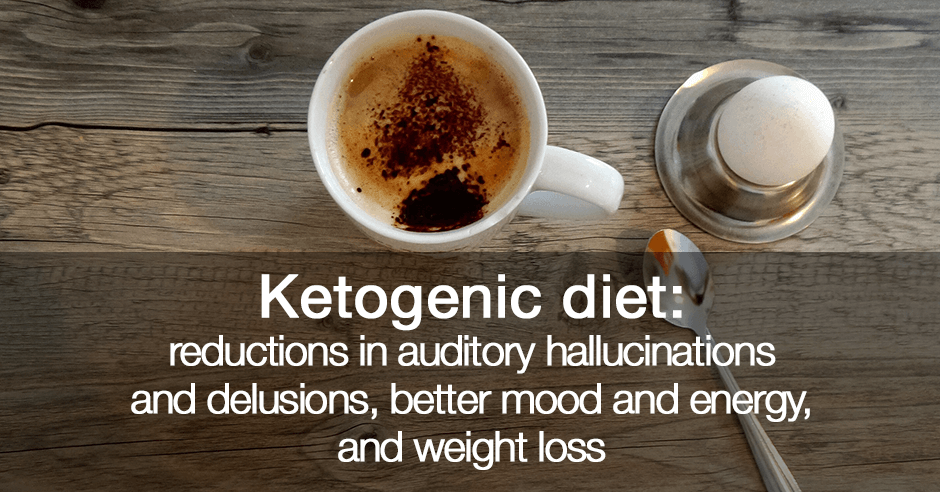
Ketogenic diet: reductions in auditory hallucinations and delusions, better mood and energy, and weight loss

April 6, 2018 By Trudy Scott 5 Comments

Two schizoaffective patients of Dr. Chris Palmer, a psychiatrist from Harvard’s McLean Hospital in Belmont, Massachusetts, tried a ketogenic diet for weight loss. As well as losing weight, they experienced reductions in auditory hallucinations and delusions, had a better mood and had more energy.

Here is additional information about these remarkable results, published late last year in this letter to the editor – Ketogenic diet in the treatment of schizoaffective disorder: Two case studies.

The male patient: lost weight, reductions in auditory hallucinations and delusions, better mood and energy

The male patient, diagnosed with schizoaffective disorder, with a prior psychiatric history of attention deficit hyperactivity disorder and major depression, experienced “dramatic” reductions in auditory hallucinations and delusions, as well as better mood and energy on the ketogenic diet. He also lost weight, losing 104 pounds over the course of a year.

He weighed 322 lb and wanted to lose weight by following a ketogenic diet, typically consisting of coffee with medium chain triglyceride (MCT) oil and butter (“bulletproof coffee”), eggs, meat, fish, poultry, spinach, kale, and olive oil. Within 3 weeks, he had lost 15 lb, but also noted a dramatic reduction in his auditory hallucinations and delusions, and improvement in his mood, energy, and ability to concentrate. For the past year, he has largely remained on this ketogenic diet and has lost 104 lb.

His functioning has improved and he has become more independent:

He completed a certification course, successfully participates in an online college program, has friends, began dating, and moved from his father’s home into an independent apartment.

The female patient: lost weight, resolution of her delusions

After four weeks on the ketogenic diet, the female patient, also diagnosed with schizoaffective disorder, and with a prior psychiatric history of major depression and anorexia nervosa, had resolution of her delusions and lost ten pounds:

she wanted to lose weight, and went on a ketogenic diet, consisting mostly of coffee, eggs, poultry, and lettuce. Within 4 weeks, she lost 10 lb and noted that her delusions were no longer present, and that her mood and energy were much better. After 4 months, she lost a total of 30 lb and her PANSS score decreased to 70 [down from 107]

In both instances their symptoms returned when they stopped the diet, but then improved again when back on the ketogenic diet.

In case you’re not familiar with the ketogenic diet here is a quick summary:

The ketogenic diet is a high-fat / low carbohydrate [and low protein] diet that has been used since the 1920’s to treat childhood epilepsy, with some studies suggesting that over 50% of patients experience significant reductions in seizure frequency. The ketogenic diet results in ketone bodies, instead of glucose, being used as the primary energy source in the brain.

There simply is no psychiatric medication available with the power to accomplish these results

I had the pleasure of meeting Dr. Georgia Ede, MD  last year at the ISNPR conference. She is a Harvard-trained psychiatrist and nutrition consultant practicing at Smith College, and writes about these two schizoaffective cases in her article – Low-Carbohydrate Diet Superior to Antipsychotic Medications:

These outcomes are truly remarkable: improvement by dozens of points on the PANSS, significant weight loss, and better quality of life. There simply is no psychiatric medication available with the power to accomplish these results.

I agree with Dr. Ede especially when we look at the medications these patients had trialed. These medication trials for the male patient: methylphenidate, amphetamine salts, dextroamphetamine, bupropion, sertraline, paroxetine, buspirone, lamotrigine, lorazepam, clonazepam, gabapentin, haloperidol, perphenazine, aripiprazole, olanzapine, quetiapine, and clozapine. The female patient had a similarly long list of medication trials and she also received 23 electroconvulsive therapy treatments. For both of them, positive and negative symptoms persisted.

I do still have questions about the ketogenic diet

The research in epilepsy is extensive and the research in mental health is growing. I am really impressed with the results, but I do still have questions about the ketogenic diet. Perhaps you have some similar questions and concerns. Here goes…

  1. If this particular nutritional psychiatry approach works so well for severe mental health disorders such as schizophrenia and psychosis, how will it work for less severe conditions like anxiety and panic attacks? Are these severe cases like the “canaries in the coal-mine” paving the way and teaching us about the benefits of this way of eating?
  2. Should you use a ketogenic dietary approach as the first approach or consider it as a last resort once the other dietary approaches have been implemented and you’re not seeing full symptom resolution? In other words, should you start with a real whole foods diet, then implement a gluten-free diet, then a grain-free diet, then remove dairy (if it’s an issue), then incorporate low FODMAPs if needed and only then implement a ketogenic diet? (low oxalate, low salicylate and low histamine would be incorporated as needed earlier in the process, based on each person’s unique needs).  If we look only at schizoaffective disorder,  there is growing evidence of the role of gluten  in some individuals with this paper “suggesting that an antigliadin IgG positive population of schizophrenia could be a distinct subgroup.” This 2 person pilot study reports the benefits of a gluten-free diet: “this potential mechanism is exciting and may provide improvement for up to one-fourth of patients (antibody-positive) who suffer from this devastating disorder.”
  3. How do we clearly define a ketogenic diet and communicate this definition to practitioners and to those who choose to implement this way of eating on their own? I’ve had feedback from many people who tell me they have been on a ketogenic diet (and it’s worked well for them or maybe it hasn’t worked so well for them), only to discover they are not really eating a true ketogenic diet. How do we simplify this way of eating and make it easy for individuals to understand and then stay in ketosis?
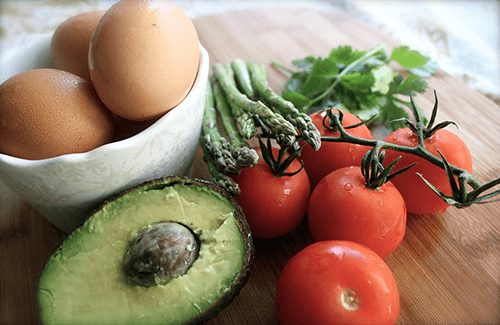
  4. How do we create a ketogenic diet that is nutrient dense and also offers the benefits seen in this research. I have major concerns about long-term nutritional deficiencies with a diet of coffee, eggs, poultry, and lettuce (as eaten by the female patient in this case study). It should ideally include plenty of leafy greens, non-starchy vegetables like broccoli, cauliflower, asparagus etc. and healthy fats like avocado, grass-fed butter and coconut oil, together with fermented vegetables and bone broths. I’m also not convinced that coffee should be part of the ketogenic diet, especially if coffee increases your anxiety and affects your sleep.

  1. How do we help individuals make the switch to this way of low carb eating and help them maintain so they don’t feel deprived and are not relying on willpower alone? As you can see from these 2 cases, the diet can be challenging to sustain and slip ups are common. If you are eating enough health fats (and it’s a lot more than you’re used to eating), this typically helps with cravings. If you still have cravings and feel you are deprived and missing out on treats, the targeted individual amino acids offer powerful results: tryptophan (for afternoon cravings), GABA (for stress eating), DPA (for comfort eating), tyrosine (when there is low motivation) and glutamine (for low blood sugar cravings).
  2. Is the ketogenic diet the next big fad or weight-loss trend as we’re hearing in the media? Based on the above research it truly does have impressive therapeutic benefits beyond only weight-loss. So can we see similar benefits with a modified ketogenic diet, using intermittent fasting and/or cycling in and out of ketosis, and even adding in a ‘feasting day’ of carbs?
  3. Who shouldn’t adopt a ketogenic diet? For example: those with the APOE4 gene, women with adrenal and hormone issues, and individuals with thyroid issues and no gallbladder? The question then becomes this: of those suffering with anxiety and depression or another mental health disorder, who doesn’t have one of these issues? And how do we address the keto rash, constipation, fat malabsorption, fatigue, mineral deficiencies and other issues some people experience on a ketogenic diet?

Right now, this is my thinking: as with any nutritional or functional medicine approach, I would say there is no one-size-fits all for who should implement a ketogenic diet (we need to consider the unique biochemistry of each person) and there is no one set ketogenic diet (it will need to be customized for each person).

Please do share if you’ve adopted a ketogenic diet and the benefits you have experienced, and if you experienced any issues. Be sure to share what a typical day’s diet looks like for you.

Filed Under: Anxiety, Diet, Sugar addiction Tagged With: anxiety, coffee, delusions, depression, diet, Dr. Chris Palmer, energy, hallucinations, Ketogenic, mood, schizoaffective, weight-loss

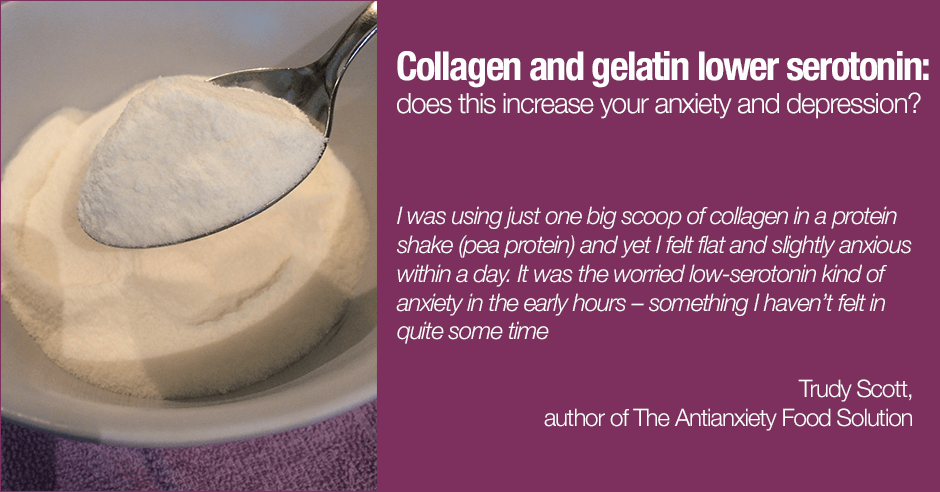
Collagen and gelatin lower serotonin: does this increase your anxiety and depression?

September 29, 2017 By Trudy Scott 471 Comments

I see everyone raving about gelatin and collagen – and rightly so – they have amazing health benefits. However, no-one is addressing the fact that gelatin is actually used in tryptophan-depletion studies to lower serotonin (gelatin is derived from collagen: when collagen breaks down, it becomes gelatin). When I first discovered this fact it really concerned me that this very important aspect is ignored so I added it to my long list of topics to investigate.

I posted the above on Facebook last month as part of a fact-finding exercise and appreciate all the feedback and questions. Today I share some of the feedback and research and I’d love to hear from you what your experiences have been.

I share how my experience with collagen left me flat and worried until I added tryptophan; feedback from individuals who wondered if collagen was affecting their sleep, making them moody, on edge or feeling night-time anxiety; some reported no mood issues when using collagen with tryptophan; feedback from many who didn’t notice any obvious mood issues at all ;and one woman who uses collagen ‘therapeutically’ to lower her serotonin levels.

I also share some very interesting research on why some people seem to be adversely impacted by acute tryptophan depletion/ATD (caused by collagen or gelatin consumption) while others are not. There are definitely some folks who are more susceptible.

The health benefits of collagen

In case you’re new to collagen, Dr. Josh Axe provides an excellent overview of the health benefits of collagen

  1. Improves Health of Skin and Hair
  2. Reduces Joint Pains and Degeneration
  3. Helps Heal Leaky Gut
  4. Boosts Metabolism, Muscle Mass and Energy Output
  5. Strengthens Nails, Hair and Teeth
  6. Improves Liver Health
  7. Protects Cardiovascular Health

Gelatin is used in tryptophan depletion studies

Tryptophan-depletion studies have been done for years, as a way to study the relationship between low serotonin and depression.  Often a tryptophan-deficient amino acid mixture is used for this purpose.  More recently, collagen and gelatin are being used.

Collagen and gelatin are an excellent source of these amino acids: proline, glycine, glutamine and arginine, but they do not contain the amino acid tryptophan.

This paper, Pharmacokinetics of acute tryptophan depletion using a gelatin-based protein in male and female Wistar rats summarizes what we find in a number of studies that use gelatin for the purpose of lowering serotonin levels, in order to study the relationship between serotonin and behavior:

The essential amino acid tryptophan is the precursor of the neurotransmitter serotonin. By depleting the body of tryptophan, brain tryptophan and serotonin levels are temporarily reduced. In this paper, several experiments are described in which dose and treatment effects of acute tryptophan depletion (ATD) using a gelatin-based protein-carbohydrate mixture were studied in male and female Wistar rats.

My experience with collagen – flat and worried until I added tryptophan

When I recently injured my back and sprained my ankle, I decided to add collagen to speed up the healing and very quickly had to take a deeper dive into the topic because I noticed it affected my mood right away! I was using just one big scoop of collagen in a protein shake (pea protein) and yet I felt flat and slightly anxious within a day. It was the worried low-serotonin kind of anxiety in the early hours – something I haven’t felt in quite some time.

I wondered if it was due to the injury and inflammation my body was dealing with or if it was related to the effects of tryptophan depletion. I stopped the collagen and then added it back and had the same experience. I did this a few times and experienced similar feelings each time.

When I used tryptophan mid-afternoon and at bedtime I felt fine and was able to continue taking the collagen with no problems. I am prone to low serotonin – it was one of the root causes of my big anxiety issues in my late 30s – so I may be more affected than the average person.

Wondering if collagen causing mood issues and an increase in anxiety?

Here is feedback from someone who is wondering if collagen is causing her mood to dive:

I have wondered if it affects my mood so I haven’t been using it lately. Interested to see what other people say. I was using about a table spoon in a drink that I would sip on throughout the morning. My moods just take dives now and then. I have isolated gluten as a HUGE factor. I am forever wondering what else causes the dives and I began to wonder if collagen was causing problems so I haven’t used it in several months.

Stephanie feels moody when using collagen:

I have found that the days I take collagen that I’m moody. I’ve kept trying, but am always surprised by the reaction. I even mentioned it to my naturopath recently. Curious to see if there’s a connection.

Here is feedback from someone also reporting mood dives and feeling on edge (although as I pointed out to her the feeling on edge is very likely due to or partly due to the coffee):

I take collagen (grass-fed and grass-finished) in my coffee every morning. I’ve also had some mood dives consistently the last few months and feel more on edge. I’ve honestly never made the connection and actually thought it was hormones. Something to think about!

Melissa shared it affected her sleep:

As soon as I started taking gelatin daily I have had difficult falling asleep.

Katinka began having strange night time anxiety:

I did [Vital Proteins grass fed beef gelatin] for 2 weeks in bone broth. My nails grew like crazy, but at the same time I begun having strange night time anxiety: worry, obsessive, but not any of the other symptoms like depression and cravings. It is interesting to me because this was the only time I had anxiety at night since going gluten free.

Collagen caused a racing heart for Beverly:

Used to take Vital Proteins products. Was woken up several times in the night with racing heartbeat and out of breath. This went away when I stopped the collagen. I have symptoms of low serotonin but have not tried tryptophan

No noticeable problems

Many people shared that they didn’t notice any obvious mood issues so it’s clearly not a problem for everyone:

  • Jaime: Interesting, I use it almost daily for protein at breakfast. I will pay attention better. No obvious problems now (used for 9 months).
  • Angela: …I don’t think I have any side effects and I do have serotonin issues. I think I will have to do more research
  • Courtney: I just started using collagen peptides but not every day. Maybe once or twice a week. I haven’t noticed any difference in mood but I also just started taking it a few weeks ago.
  • Debra: I take 1bsp of Great Lakes Collagen Hydrosylate every day and take it to help heal my leaky gut….haven’t noticed any particular side-effects. I alternate it with the normal gelatin. I suffer from complex PTSD, anxiety and depression…I haven’t noticed any difference in that either

Jessica Drummond, nutritionist and physical therapist, and an expert on female pelvic pain and women’s health shared:

I use collagen regularly and I also eat quite a lot of meat and fish. For me both help me to feel very grounded and less anxious. I think of collagen as balancing for all of the muscle meat that we eat. I eat anywhere from 10-20 grams 4-5 days per week.


Feels anxious using gelatin, stop using it and anxiety is gone/less

Laura’s anxiety got worse within a few months of adding daily gelatin:

Wow, I never heard that gelatin can lower serotonin. I started using [Puritan’s Pride brand], 650mg, daily about 6 months ago to strengthen my nails. It’s worked very well for that. About a couple months ago my anxiety started to get worse again. My anxiety shows up as fear and worry mostly and not being able to quiet my mind. I had gotten it under control for almost 2 years now. I wonder if there is a connection. I’m going to stop taking the gelatin and see if my anxiety improves. I have not tried tryptophan, but I have found GABA helped quiet my mind and let me sleep better.

She decided to stop taking it to see if her anxiety symptoms would reduce and when I checked back with her she shared this:

I was surprised to find after about 2 weeks of stopping the gelatin, I began to feel more calm again and it’s been a lasting change. I still take zinc, vitamin b6 and lysine in the morning and GABA in the evening. This combination works well for me. I’m so grateful for all the information you share! Thank you!

Toni experienced something similar:

I’ve been using Organic collagen for about 8 months now… love the hair and skin results. My tummy felt better at first but not currently. My anxiety and panic attacks are off the charts: panic attacks, heart racing, sweating, brain fog. I want to escape -like fight or flight. Definately obsessing and fears. Memory difficulty. I have an upcoming GI appointment to check for Candida /SIBO… but I had no idea this could add to my anxiety. I’ll be looking forward to more information, Seriously.

And a few weeks after stopping the collagen she shared this:

I stopped using the collagen. Since then, my anxiety and panic are decreased by less than half. Mild in comparison. I’m definately taking a long break.

Keep in mind I’m not suggesting we should not be using collagen – just that if it seems to lower serotonin and increase anxiety/depression doing a trial with tryptophan may be the solution (more on that and some other possible causes of anxiety below).

When used with tryptophan – no mood issues

Karen uses collagen and tryptophan at night:

I use collagen every day. But hey, I also take L-tryptophan every night for anxiety. It runs in the family and a small amount of Tyrptophan at night helps resolve mine. No clue there was a connection

Maxine uses it every morning and takes 1 tryptophan before bed and reports no mood issues

I take it [Great Lakes gelatin and Vital Choice collagen] every morning in my tea and at night in my bone broth for my skin and joints and I take one tryptophan before bed. The tryptophan with GABA before bed is for better sleep. No mood issues.


Used ‘therapeutically’ to lower serotonin

Misty reports using it ‘therapeutically’ to lower her high serotonin levels. This application is new to me and I find it quite fascinating:

I use it to reduce tryptophan because I have a tendency toward high serotonin. I have suffered my entire life with ADD, tics as a child, grinding teeth, general anxiety, lack of motivation and later, IBS. In my quest to maximize my health, I finally came to these web pages for help. In my 53 years I’ve never been as calm as I am now. If I’m not careful, I can get a bout of IBS (not food related and trust me, from GAPS to AIP, nothing really affects me). I reduce tryptophan and I’m balanced. It seems contrary but it works for me and so many others

She links to these articles Tryptophan, Sleep, and Depression and The Sadder Side of Serotonin which both refer to the work of Ray Peat who I recently discovered is very much against the use of tryptophan.

I agree with the premise of too much serotonin causing issues (often the same symptoms we see with serotonin that is too low) but not the general message that tryptophan supplements and foods high in tryptophan are harmful and should be avoided by everyone. Based on the clinical results myself and other practitioners see boosting low serotonin with tryptophan and/or 5-HTP -and the wonderful results they experience – in my opinion, this is really all about biochemical individuality.

I decided to share this story here, even with the controversial tryptophan articles, because it illustrates that it is highly likely that the collagen is lowering her serotonin levels and making her feel better. I’ll tackle the above negative articles about serotonin and tryptophan in a separate blog post.

Why are some people adversely impacted by acute tryptophan depletion/ATD while others are not?

UPDATE: Dec 22, 2017. This section adds additional evidence or possibly some theories for why some people are adversely impacted when consuming collagen, while others are not impacted mood-wise – all related to the lowering of serotonin levels. These are called ATD or acute tryptophan depletion studies.

This paper: The effect of raising and lowering tryptophan levels on human mood and social behavior explains that effects of ATD can vary based on susceptibility of the study participants to clinical depression:

Acute tryptophan depletion (ATD) studies indicate that low serotonin can lower mood and also increase aggression, although results vary somewhat between studies with similar participants. Lowering of mood after ATD is related to the susceptibility of the study participants to clinical depression, and some participants show no effect on mood.

In healthy individuals, there is little or no lowering of mood, although results can be quite variable between studies, with some lowering of mood seen more often in women than in men.

The author reports the following variable responses:

In healthy participants with a family history of depression, there is a lowering of mood although mood remains within the normal range of mood.

In newly recovered depressed patients on antidepressants that act on the serotonergic system, 50 per cent or more of the patients show a temporary reappearance of the depressed mood they experienced before recovery.

In recovered depressed patients off antidepressants, only a small percentage of the patients show a marked lowering of mood.

In recovered depressed on noradrenergic antidepressants, there is no lowering of mood.

The results of the ATD studies suggest that lowering serotonin synthesis can lower mood in some circumstances, and that the magnitude of the effect tends to be greater in people with a greater susceptibility for depression.

Other studies report on these groups of people that were adversely affected with a lowered mood after ATD:

OCD / obsessive compulsive disorder: Patients with OCD experienced a decrease in control and an increase in interfering thoughts after acute tryptophan depletion. There was no effect on anxiety in this group.

Genetic polymorphisms: A number of papers show some genetic polymorphisms make some individuals vulnerable to increased depression after acute tryptophan depletion, such as MAOA and 5-HTTLPR (the serotonin transporter gene). In one 5-HTTLPR polymorphism study differences were seen between men and women: healthy men became more impulsive, whereas healthy women showed a mood reduction after ATD. Keep in mind that having a polymorphism doesn’t mean there will always be an issue, instead, it means there may be a predisposition.

Smokers: The moderating influence of nicotine and smoking on resting-state mood and EEG changes in remitted depressed patients during tryptophan depletion.

Comorbidity between depression and tobacco use may reflect self-medication of serotonergically mediated mood dysregulation [and acute tryptophan depletion or ATD] increased self-ratings of depressed mood [in certain smokers].

Although this study was looking at the role of nicotinic receptors in disordered mood and the self-medication of mood by smoking, we may be able to extrapolate this for our purposes because it was this one subset of smokers who were more depressed after tryptophan depletion. Could it be that smokers or even former smokers are more likely see increased depression after consuming collagen because it contains no tryptophan? Or is it that smokers tend to be drawn to smoking because they are prone to low serotonin?

Women ecstasy users: The effect of acute tryptophan depletion on mood and impulsivity in polydrug ecstasy users.

Women polydrug ecstasy users appear to be more susceptible than men to the effects of lowered serotonin levels [when they] received a tryptophan-deficient amino acid mixture and a control amino acid mixture containing tryptophan, at least 1 week apart.

The women who were impacted – with a lowering of their mood – used a tryptophan-deficient amino acid mixture and not collagen. The authors suggest this could be due to the drug-use causing progressive damage of serotonin neurons. Could this also happen with collagen consumption in current and possibly prior drug users? What about users of other street drugs or even medications that may also damage serotonin neurons?

Interestingly, in a study looking at five chronic fatigue/CFS patients, none of them showed any significant differences in fatigue, depression and concentration when subjected to acute tryptophan depletion /ATD. Was this group of patients too small or were none of them susceptible to low serotonin?

This is just a small selection of studies looking at the effects of acute tryptophan depletion or ATD but they give us much to think about when it comes to considering the varied effects we are seeing when individuals consume collagen.

If collagen affects you adversely and makes you feel more depressed, more anxious and experience worse sleep, can you relate to any of the above scenarios?

More questions and looking for your feedback

As you can see we have very different experiences but there are enough unanswered questions we need to be asking:

  • Are the negative effects because of low serotonin? If yes, are some of us more susceptible to the serotonin-lowering effects than others and should we stop using collagen despite all the health benefits?
  • And should we be assessing for low serotonin levels before using collagen or gelatin, and supplementing with tryptophan when it is low (more on this below)? There is one company that has added tryptophan to their collagen – is this a good idea?
  • Or are the negative effects some people experience due to glutamates, arginine, histamine, because of quality issues and glyphosate levels, an increase in oxalates or something else such as not eating enough animal protein?

I’ll address the above questions and share some additional research and feedback from collagen experts in part 2 of this article.

Until then, if you have observed a mood dip or increase in anxiety since using collagen or gelatin, I would suggest you stop using collagen/gelatin and see how you feel, then add it back and see how you feel. If you do see a correlation, do the low serotonin questionnaire and a trial of tryptophan (after checking the precautions) to see if this improves your mood when using collagen/gelatin. I recently blogged about tryptophan here (brand is important).

Resources if you are new to using the amino acids as supplements

If you are new to using any of the amino acids as supplements, here is the Amino Acids Mood Questionnaire from The Antianxiety Food Solution (you can see all the symptoms of neurotransmitter imbalances, including low endorphins).

If you suspect low levels of any of the neurotransmitters and do not yet have my book, The Antianxiety Food Solution – How the Foods You Eat Can Help You Calm Your Anxious Mind, Improve Your Mood, and End Cravings, I highly recommend getting it and reading it before jumping in and using amino acids on your own so you are knowledgeable. And be sure to share it with the practitioner/health team you or your loved one is working with.

There is an entire chapter on the amino acids and they are discussed throughout the book in the sections on gut health, gluten, blood sugar control, sugar cravings, self-medicating with alcohol and more.

The book doesn’t include product names (per the publisher’s request) so as mentioned above, this blog, The Antianxiety Food Solution Amino Acid and Pyroluria Supplements, lists the amino acids that I use with my individual clients and those in my group programs.

As mentioned above, Lidtke Endorphigen is the DPA product I’ve had the most success with (and it can be found in my online store). Doctor’s Best D-phenylalanine is also a good product.

If, after reading this blog and my book, you don’t feel comfortable figuring things out on your own (i.e. doing the symptoms questionnaire and respective amino acids trials), a good place to get help is the GABA Quickstart Program (if you have low GABA symptoms). This is a paid online/virtual group program where you get my guidance and community support. There are many moms in the program who are having much success with their kids.

You can then use this knowledge to then trial DPA and other amino acids or move on to the Amazing Aminos for Anxiety Program and get help there.

If you are a practitioner, join us in The Balancing Neurotransmitters: the Fundamentals program. This is also a paid online/virtual program with an opportunity to interact with me and other practitioners who are also using the amino acids with success with their clients/patients.


I would love your feedback. Do you use gelatin or collagen regularly i.e. daily or weekly? And why do you use it? How do you use it and what benefits do you notice?

Have you noticed any worsening of mood or an increase in anxiety or any of the other low serotonin symptoms? Do you take tryptophan to offset the fact that gelatin or collagen doesn’t contain any tryptophan?

Have you done the off/on test with collagen/gelatin and what was the outcome?

I’d love your feedback in the comments. Be sure to share what you’re using (collagen or gelatin and the brand), how much, how often you consume it, what you take it with, how much caffeine you consume, how much protein you consume on a daily basis and what kind of protein, and how you react to home made bone broth. If you’re comfortable with sharing how you score on the low serotonin questionnaire (now or in the past i.e. are you prone to low serotonin) and if you’re using a SSRI (or have in the recent past), this may help us piece the puzzle together.

Filed Under: Anxiety, Depression, Food and mood, serotonin Tagged With: anxiety, collagen, depression, gelatin, mood, serotonin, tryptophan

Organic Acids Testing by Great Plains Lab

December 15, 2014 By Trudy Scott Leave a Comment

greatplainslabThis is a 1-day professional training being held in Berkeley, CA on January 24, 2015: An Overview of Organic Acids Testing and Why it is so Important

Hundreds of organic acid metabolites are found in the urine of all mammals including humans. These metabolites can be used for both diagnostic and therapeutic measurements for: detecting abnormal gastrointestinal overgrowth or dysbiosis, assessing mitochondrial energy production, detecting genetic diseases, assessing malnutrition and suboptimum nutrition, revealing toxic exposure, finding alterations of neurotransmitter metabolites in neurological and psychiatric disorders, and assessing metabolites that cause severe inflammation in a variety of chronic illnesses.

The Interrelationship between Chronic Yeast and Various Issues

The OAT evaluates for various fungal toxins, including specific markers for Candida. Many people rely on stool testing for Candida diagnosis and miss the presence of Candida toxins through the Organic Acid Test. Candida can lead to neurochemical imbalances in the brain, as well as sensory problems and self-stimulatory behavior (often seen in autism).

The Interrelationship between Clostridia and Various Health Issues

The OAT evaluates for two specific toxins related to Clostridia bacteria – HPHPA and 4-cresol. Both of these toxins can inhibit a dopamine converting enzyme, leading to excess dopamine and toxic reactions in the brain and nervous system. Problems such as moodiness, irritability, aggression, self-injurious behavior, sleep difficulties and more can be associated with Clostridia bacteria overgrowth.

Correlating Oxalate Problems

The OAT includes glycolic and glyceric acids in the oxalate section, which can differentiate between genetic and nutritional components in disturbed oxalate metabolism. Oxalates are compounds found in many foods, and can be worsened from Candida overgrowth. High oxalates are associated with pain in the joints, muscles, and connective tissues. They can also trap heavy metals (such as mercury, lead, and arsenic) in the body and lead to mineral imbalances. Certain behavioral issues and self-injurious tendencies have been associated with high oxalates.

Organic Acids Testing and Neurochemical Imbalances

The OAT evaluates for imbalances in serotonin (an important brain chemical for mood, fine and gross motor skills, and calmness), as well additional markers that can indicate toxic stress in the brain and nervous system, such as Quinolinic Acid. High Quinolinic Acid suggests toxic stress in the brain and is important to evaluate before prescribing certain supplements, particularly L-Tryptophan which is commonly used to help with sleep.

Case Studies

This presentation will highlight various patient cases from clinical practice that show the role of biomedical intervention for various patient scenarios such as dietary therapy, yeast and Clostridia treatment, and methylation support.

All of the above, together with start and end times, and breaks can be found here on the presentation schedule page

Presenter: Kurt N. Woeller, D.O., has been an integrative medicine physician and biomedical autism specialist for 15+ years. He is an author of several health books including “Autism – The Road To Recovery,” “Methyl-B12 Therapy For Autism,” “Methyl-B12 for Alzheimer’s Disease and Dementia,” and “5 Things You MUST Do Right Now To Help With Your Rheumatoid Arthritis.” He is a lecturer (United States and International), educator and experienced clinician offering specialized treatment and testing for individuals with complex medical conditions such as Autism-Spectrum Disorders, Chronic Fatigue Syndrome, Mental Health Disorders, Multiple Sclerosis and other chronic health conditions.

I’m sharing this training on behalf of Dr. Kat Toups, M.D., Distinguished Fellow APA, Functional Medicine Psychiatry, BayAreaWellness.net

Dr. Toups shared this with me and I would suggest you call Great Plains Lab if you are unsure whether you are eligible to order testing:

This includes a free test kit. My understanding about the free test kits at the Organic Acid Testing conference is that they are available for anyone licensed to order testing. You do not have to be a Physician. Their website says the following: “Please note that to receive the FREE Organic Acids Test practitioners must be qualified as MD, DO, NP, NMD, DC, PsyD, PA, LAc or otherwise have the authority to order laboratory testing. Other healthcare practitioners will receive a voucher for 50% off one Organic Acids Test.

The pricing will increase by $40 on 12/22/14, so please register as early as possible to allow time to receive your OAT kit, complete it, mail back and get results before the conference. Things may get a little backed up around the holidays.

For those of you new to Organic Acid Testing, you can also request a complimentary consult at Great Plains once you receive your results. They will go over them with you.

Register here  Early bird expires 12/22/14

Location details are here

Filed Under: Anxiety and panic, Events, Testing Tagged With: anxiety, dysbiosis, great plains, mood, organic acids, serotonin, sleep

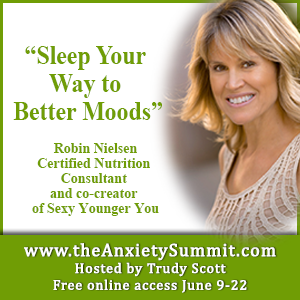
The Anxiety Summit: Sleep Your Way to Better Moods

June 19, 2014 By Trudy Scott 9 Comments

robin nielsen 1 the anxiety summit

This is day 12 of the Anxiety Summit. Robin Nielsen, Certified Nutrition Consultant and co-creator of Sexy Younger You, is interviewed by host of the Anxiety Summit, Trudy Scott, Food Mood Expert and Nutritionist, author of The Antianxiety Food Solution.

Everyone needs sleep! The CDC /Centers for Disease control says “Insufficient Sleep Is a Public Health Epidemic” According to data from the National Health Interview Survey, nearly 30% of adults reported an average of ?6 hours of sleep and only 31% of high school students reported getting at least 8 hours of sleep on an average school night. How do you feel when you don’t get enough sleep – other than awful…irritable, anxious, depressed and you very likely gravitate to sugar and caffeine to keep you going – which is only going to make things worse!

Research published just last month in the journal Pediatrics suggest that poor sleep in children under age 7 can lead to weight problems later on in life and can also affect their emotional health leading to more anxiety and depression.

Robin shares how you can …

Sleep Your Way to Better Moods

  • Learn why restorative sleep is the key to being happier
  • How anxiety and poor sleep are connected: sugar, blood sugar, caffeine, gluten
  • What sleep has to do with brain chemistry and hormones
  • How you can feel so much better when you get restorative sleep

Here are some great gems from my interview with Robin:

restorative sleep means sleep without medication

sleep helps to keep us beautiful as we age

insomnia can really be caused by just about anything and things that we would never guess

if you have a busy day, you’re going to have a busy night

chronic infections are constant stressor (and can affect your sleep)

hypothyroidism can cause sleep apnea

if you’re exercising improperly it’s going to raise your stress hormones and it’s going to affect your sleep and anxiety

We certainly did cover all the causes of insomnia and there are a lot of them.

Robin also shared that one of her favorite books is Lights Out: Sleep, Sugar, and Survival by T.S. Wiley.

Robin is so funny…she starts out by saying talking about sleep is not sexy and then ends with a sexy bombshell about oxytocin that left me speechless! Be warned!

Get your free gift from Robin Nielsen. She has a great Sleep Quiz, Checklist and Journal for you.

If you are not already registered for the Anxiety Summit you can get live access to the speakers of the day here www.theAnxietySummit.com

UPDATE: the summit concluded on Tues 6/24 – season 2 of The Anxiety Summit will be in November 2014. If you’d like to be on the notification list just sign up here www.theAnxietySummit.com

Missed this interview or can’t listen live? Or want this and the other great interviews for your learning library? Purchase the MP3s or MP3s + transcripts + interview highlights and listen when it suits you

Filed Under: Antianxiety, Anxiety and panic, Sleep, The Anxiety Summit Tagged With: Antianxiety Food Solution, anxiety, GABA, insomnia, mood, Robin Nielsen, sleep, the anxiety summit, Trudy Scott

  • « Go to Previous Page
  • Page 1
  • Page 2
  • Page 3
  • Page 4
  • Page 5
  • Page 6
  • Interim pages omitted …
  • Page 8
  • Go to Next Page »

Primary Sidebar

NEW! GABA QuickStart Homestudy (with special intro pricing)

gaba quickstart homestudy

Free Report

9 Great Questions Women Ask about Food, Mood and their Health

You'll also receive a complimentary subscription to my ezine "Food, Mood and Gal Stuff"


Connect with me

Popular Posts

  • Amino Acids Mood Questionnaire from The Antianxiety Food Solution
  • The Antianxiety Food Solution Amino Acid and Pyroluria Supplements
  • Pyroluria Questionnaire from The Antianxiety Food Solution
  • Collagen and gelatin lower serotonin: does this increase your anxiety and depression?
  • Tryptophan for the worry-in-your-head and ruminating type of anxiety
  • GABA for the physical-tension and stiff-and-tense-muscles type of anxiety
  • The Antianxiety Food Solution by Trudy Scott
  • Seriphos Original Formula is back: the best product for anxiety and insomnia caused by high cortisol
  • Am I an anxious introvert because of low zinc and vitamin B6? My response to Huffington Post blog
  • Vagus nerve rehab with GABA, breathing, humming, gargling and key nutrients

Recent Posts

  • What do I use instead of Seriphos to help lower high cortisol that is affecting my sleep and making me anxious at night?
  • BeSerene™ GABA/theanine cream eases severe muscle tension in her neck/shoulders, prevents her bad headaches and quells her anxiety
  • How the correct approach, dose and sublingual use of GABA can be calming and not cause a flushed and itchy face and neck
  • The amino acid glutamine improves low mood by addressing gut health, and it has calming effects too
  • Flight anxiety with heightened breath, physical tension and also fearing the worst (the role of low GABA and low serotonin)

Categories

  • 5-HTP
  • AB575
  • Addiction
  • ADHD
  • Adrenals
  • Alcohol
  • Allergies
  • Alzheimer's disease
  • Amino Acids
  • Anger
  • Antianxiety
  • Antianxiety Food Solution
  • Antidepressants
  • Anxiety
  • Anxiety and panic
  • Autism
  • Autoimmunity
  • benzodiazapines
  • Bipolar disorder
  • Books
  • Caffeine
  • Cancer
  • Candida
  • Children/Teens
  • Collagen
  • Cooking equipment
  • Coronavirus/COVID-19
  • Cravings
  • Depression
  • Detoxification
  • Diabetes
  • Diet
  • DPA/DLPA
  • Drugs
  • EFT/Tapping
  • EMF
  • EMFs
  • Emotional Eating
  • Endorphins
  • Environment
  • Essential oils
  • Events
  • Exercise
  • Fear
  • Fear of public speaking
  • Fertility and Pregnancy
  • Fish
  • Food
  • Food and mood
  • Functional neurology
  • GABA
  • Gene polymorphisms
  • General Health
  • Giving
  • Giving back
  • Glutamine
  • Gluten
  • GMOs
  • Gratitude
  • Gut health
  • Heart health/hypertension
  • Histamine
  • Hormone
  • Hyperparathyroidism
  • Hypoglycemia
  • Immune system
  • Inflammation
  • Insomnia
  • Inspiration
  • Introversion
  • Joy and happiness
  • Ketogenic diet
  • Lithium orotate
  • Looking awesome
  • Lyme disease and co-infections
  • MCAS/histamine
  • Medication
  • Men's health
  • Mental health
  • Mercury
  • Migraine
  • Mold
  • Movie
  • MTHFR
  • Multiple sclerosis
  • Music
  • NANP
  • Nature
  • Nutritional Psychiatry
  • OCD
  • Osteoporosis
  • Oxalates
  • Oxytocin
  • Pain
  • Paleo
  • Parasites
  • Parkinson’s disease
  • PCOS
  • People
  • PMS
  • Postpartum
  • PTSD/Trauma
  • Pyroluria
  • Questionnaires
  • Real whole food
  • Recipes
  • Research
  • Schizophrenia
  • serotonin
  • SIBO
  • Sleep
  • Special diets
  • Sports nutrition
  • Stress
  • Sugar addiction
  • Sugar and mood
  • Supplements
  • Teens
  • Testimonials
  • Testing
  • The Anxiety Summit
  • The Anxiety Summit 2
  • The Anxiety Summit 3
  • The Anxiety Summit 4
  • The Anxiety Summit 5
  • The Anxiety Summit 6
  • Thyroid
  • Thyroid health
  • Toxins
  • Tryptophan
  • Tyrosine
  • Uncategorized
  • Vegan/vegetarian
  • Women's health
  • Yoga

Archives

  • October 2025
  • September 2025
  • August 2025
  • July 2025
  • June 2025
  • May 2025
  • April 2025
  • March 2025
  • February 2025
  • January 2025
  • November 2024
  • October 2024
  • September 2024
  • August 2024
  • July 2024
  • June 2024
  • May 2024
  • April 2024
  • March 2024
  • February 2024
  • January 2024
  • December 2023
  • November 2023
  • October 2023
  • September 2023
  • August 2023
  • July 2023
  • June 2023
  • May 2023
  • April 2023
  • March 2023
  • February 2023
  • January 2023
  • December 2022
  • November 2022
  • October 2022
  • September 2022
  • August 2022
  • July 2022
  • June 2022
  • May 2022
  • April 2022
  • March 2022
  • February 2022
  • January 2022
  • December 2021
  • November 2021
  • October 2021
  • September 2021
  • August 2021
  • July 2021
  • June 2021
  • May 2021
  • April 2021
  • March 2021
  • February 2021
  • January 2021
  • December 2020
  • November 2020
  • October 2020
  • September 2020
  • August 2020
  • July 2020
  • June 2020
  • May 2020
  • April 2020
  • March 2020
  • February 2020
  • January 2020
  • December 2019
  • November 2019
  • October 2019
  • September 2019
  • August 2019
  • July 2019
  • June 2019
  • May 2019
  • April 2019
  • March 2019
  • February 2019
  • January 2019
  • December 2018
  • November 2018
  • October 2018
  • September 2018
  • August 2018
  • July 2018
  • June 2018
  • May 2018
  • April 2018
  • March 2018
  • February 2018
  • January 2018
  • December 2017
  • November 2017
  • October 2017
  • September 2017
  • August 2017
  • July 2017
  • June 2017
  • May 2017
  • April 2017
  • March 2017
  • February 2017
  • January 2017
  • December 2016
  • November 2016
  • October 2016
  • September 2016
  • August 2016
  • July 2016
  • June 2016
  • May 2016
  • April 2016
  • March 2016
  • February 2016
  • January 2016
  • December 2015
  • November 2015
  • October 2015
  • September 2015
  • August 2015
  • July 2015
  • June 2015
  • May 2015
  • April 2015
  • March 2015
  • February 2015
  • January 2015
  • December 2014
  • November 2014
  • October 2014
  • September 2014
  • August 2014
  • July 2014
  • June 2014
  • May 2014
  • April 2014
  • March 2014
  • February 2014
  • January 2014
  • December 2013
  • November 2013
  • October 2013
  • September 2013
  • August 2013
  • July 2013
  • June 2013
  • May 2013
  • April 2013
  • March 2013
  • February 2013
  • January 2013
  • December 2012
  • November 2012
  • October 2012
  • August 2012
  • July 2012
  • June 2012
  • May 2012
  • April 2012
  • March 2012
  • February 2012
  • January 2012
  • December 2011
  • November 2011
  • October 2011
  • September 2011
  • August 2011
  • July 2011
  • June 2011
  • May 2011
  • April 2011
  • March 2011
  • February 2011
  • January 2011
  • December 2010
  • October 2010
  • September 2010
  • July 2010
  • May 2010
  • April 2010
  • March 2010
  • February 2010
  • January 2010
  • November 2009

Share the knowledge!

The above statements have not been evaluated by the Food and Drug Administration. Products listed in this website are not intended to diagnose, treat, cure or prevent any disease.

The information provided on this site is for informational and educational purposes only and is not intended as a substitute for advice from your physician or other health care professional. You should consult with a healthcare professional before starting or modifying any diet, exercise, or supplementation program, before taking or stopping any medication, or if you have or suspect you may have a health problem.


Copyright © 2026 Trudy Scott. All Rights Reserved. | Privacy | Terms and Conditions | Refund Policy | Medical Disclaimer

Free Report

9 Great Questions Women Ask about Food, Mood and their Health

You’ll also receive a complimentary subscription to my ezine “Food, Mood and Gal Stuff”