• Skip to primary navigation
  • Skip to main content
  • Skip to primary sidebar

everywomanover29 blog

Food, Mood and Women's Health – Be your healthiest, look and feel great!

  • Blog
  • About
  • Services
  • Store
  • Resources
  • Testimonials
  • The Book
  • Contact
  • Search this site

lactium

Seriphos to lower high cortisol: Help prevent an adrenaline-type surge and waking with anxiety and panic. Your questions answered

January 26, 2024 By Trudy Scott 16 Comments

seriphos and high cortisol

When you have high night-time cortisol it can cause you to wake in the middle of the night with anxiety and/or feeling like you’re having a panic attack. If your cortisol is really high in the early morning (outside of the normal range), you can also wake with a jolt and feelings of anxiety and panic. Seriphos, a phosphorylated serine product, can help to lower your high cortisol and eventually prevent these symptoms.

Today I’m addressing your questions about how to use Seriphos to lower high cortisol and help prevent an adrenaline-type surge – like dosing/timing at night and in the early morning, how long you can take it for, cortisol salivary testing, interactions, brands and another option to Seriphos.

Soma shared her symptoms on Facebook when I said I’d be taking questions:

Can feel the adrenaline rush “crash” over me. I responded so so to beta blockers but still having fitful sleep and occasional “shocks” into wakefulness in the night as if tragedy struck … fight or flight upon waking. Tremendous night sweats. Generally hyper vigilant as a person.

This is her question: “What dosage and when to take (how soon before bed) is recommended?”

Addressing dosage and timing is a good place to start (and a common question) but I asked her if she has done a 4-5x cortisol salivary collection to confirm that her night time cortisol is high. She has not done this simple and very effective adrenal test and I highly recommend it before using Seriphos. The reason is that low cortisol can often have similar symptoms to high cortisol and using Seriphos is going to make things worse.

What dosage and when to take Seriphos (how soon before bed) is recommended?

Assuming Soma has done the adrenal saliva test and knows her middle of the night cortisol (5th saliva collection) is high, using 1-3 capsules a few hours before the high cortisol seems to be most effective. For example, for 2-4 am waking this typically means taking Seriphos right before bed. In some instances, taking 1 on waking in the night can help too (for a maximum of 3).

If her late evening 10 pm (4th saliva collection) is high too, the dose can be split. For example, taking 1 Seriphos at 7- 8 pm (a few hours before the high cortisol at 10 pm) and 1-2 right before bed for the 2 -4 am high cortisol.

The bottle states to use 1 capsule with water 15 minutes before a meal. I’m really not sure why they state this.

How to use Seriphos for high morning cortisol and adrenaline surge on waking?

Syd asks this question about high morning cortisol (as confirmed by saliva adrenal testing):

Opinion about using it for confirmed high MORNING cortisol? (Yup, I know cortisol is supposed to be highest in the morning, but this is off the charts, literally, high.)

“Adrenaline surge” or “catecholamine surge” is exactly how I’ve explained it to people!! No cognitive worrying, just that surge.

Because Seriphos works best taken a few hours in advance of high cortisol, I typically have clients use Lactium in this situation. It’s a hydrolyzed casein product that also lowers high cortisol. If casein is an issue then Relora is another option. I’ve blogged about both – Lactium here and Relora here.

One other option is to experiment with Seriphos – using it in the morning and also trying it at bedtime.

Should I take two Seriphos? I wake halfway through the night

Anne asks this question:

I only take one capsule? Should I take two? I wake halfway through the night, usually due to a full bladder. I fall back to sleep easily if I use a CBD gummy. Tested high for cortisol throughout the day on a DUTCH complete test, which measures at least 4 times.

Anne has done a DUTCH test which includes 4 adrenal saliva collections but doesn’t know if her cortisol is high in the middle of the night.  As mentioned above, 1-3 capsules of Seriphos is ideal so I have clients start with 1 and increase to 2 and then 3. Since her cortisol is high throughout the day she may do better using Seriphos in the day and continuing with CBD at night when she wakes.

She may also want to consider low GABA and/or low serotonin as factors causing her to not sleep through the night. This applies to anyone using Seriphos to lower high cortisol. More on amino acids below.

If she does have bladder issues addressing this is key too.

For how long can Seriphos be taken?

It is recommended to take a one-month break after 3 months of Seriphos use. Ideally, once some or all the root causes of high cortisol are addressed (like gluten, stress, parasites, infections, trauma etc), you should be able to stop anyway.  Or take a break, retest cortisol and then continue.

Does Seriphos have any interactions? And is there any cohort who should not use it?

Someone asked about using Seriphos with a beta blocker and someone else asked about using it with a SSRI. I’m not aware of any medication interactions but it’s best to always discuss with the prescribing physician.

What brands make Seriphos and where can I find it?
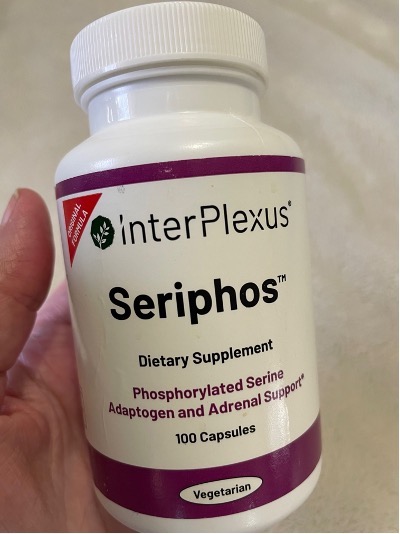
seriphos

There is only one product and it’s called Interplexis Seriphos. You can purchase this from my online store (Fullscript – only available to US customers – use this link to set up an account) and you can also find it on iherb (use this link to save 5%).
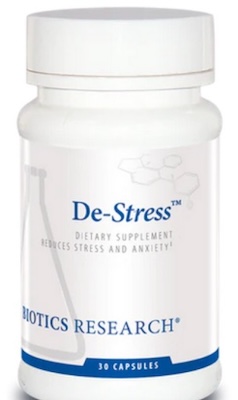
de-stress
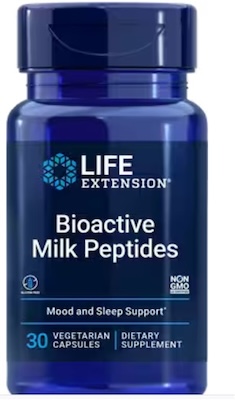
bioactive milk peptides

Since I mentioned Lactium above, Biotics Research De-Stress contains 150mg hydrolyzed casein or lactium. You can find this in my online Fullscript too – use this link to set up an account.  For non-US customers, Life Extension Bioactive Milk Peptides also contains 150mg hydrolyzed casein or lactium (you’ll see casein decapeptide and lactium on the label.)  You can find this on iherb (use this link to save 5%).

Additional resources when you are new to using amino acids as supplements

We use the symptoms questionnaire to figure out if low serotonin or low GABA and other neurotransmitter imbalances may be an issue for you.

If you suspect low levels of any of the neurotransmitters and do not yet have my book, The Antianxiety Food Solution – How the Foods You Eat Can Help You Calm Your Anxious Mind, Improve Your Mood, and End Cravings, I highly recommend getting it and reading it before jumping in and using amino acids on your own so you are knowledgeable. And be sure to share it with the practitioner/health team you or your loved one is working with.

There is an entire chapter on the amino acids and they are discussed throughout the book in the sections on gut health, gluten, blood sugar control, sugar cravings, anxiety and mood issues. The importance of quality animal protein is also covered.

The book doesn’t include product names (per the publisher’s request) so this blog, The Antianxiety Food Solution Amino Acid and Pyroluria Supplements, lists the amino acids that I use with my individual clients and those in my group programs.

If, after reading this blog and my book, you don’t feel comfortable figuring things out on your own (i.e. doing the symptoms questionnaire and respective amino acids trials), a good place to get help is the GABA QuickStart Program (if you have low GABA symptoms too). This is a paid online/virtual group program where you get my guidance and community support.

If you are a practitioner, join us in The Balancing Neurotransmitters: the Fundamentals program. This is also a paid online/virtual program with an opportunity to interact with me and other practitioners who are also using the amino acids.

Have you had success with Seriphos (or Lactium or Relora) to lower high cortisol and help with anxiety, panic and/or adrenaline-type surges?

Have you used Seriphos in combination with amino acids and dietary changes?

If you’re a practitioner do you use Seriphos with clients/patients?

Feel free to share and ask your questions below.
Filed Under: Adrenals, Anxiety and panic, Insomnia Tagged With: adrenaline-type surge, anxiety, cortisol, de-stress, dosage, fight or flight, high cortisol, interactions; GABA Quickstart; Balancing Neurotransmitters: the Fundamentals program for practitioners, jolt, lactium, panic, phosphorylated serine, safe, salivary testing, seriphos, shocks, Timing, waking

A weighted blanket increases pre-sleep salivary concentrations of melatonin in young, healthy adults – a new study

October 28, 2022 By Trudy Scott 7 Comments

weighted blanket melatonin

A new paper published earlier this month, A weighted blanket increases pre-sleep salivary concentrations of melatonin in young, healthy adults provides yet another mechanism supporting the benefits of a weighted blanket for improving sleep and also reducing anxiety – an increase in melatonin. The authors share that “Weighted blankets have emerged as a potential non-pharmacological intervention to ease conditions such as insomnia and anxiety. Despite a lack of experimental evidence, these alleged effects are frequently attributed to a reduced activity of the endogenous stress systems and an increased release of hormones such as oxytocin and melatonin.”

Here are some of the details from the study:

  • It was a small in-laboratory crossover study and included 26 young and healthy participants (15 men and 11 women)
  • The heavier weighted blanket was about 12% of their body weight
  • The following were measured: “salivary concentrations of the stress hormone cortisol, salivary alpha-amylase activity (as an indicative metric of sympathetic nervous system activity), subjective sleepiness, and sleep duration.”

The only difference found was a 1 hour increase of salivary melatonin from 10pm to lights off at 11pm. It was about 32% higher when using the heavier weighted blanket.

No other differences were found in terms of subjective sleepiness and total sleep duration.

The study concludes as follows:

Our study is the first to suggest that using a weighted blanket may result in a more significant release of melatonin at bedtime. Future studies should investigate whether the stimulatory effect on melatonin secretion is observed on a nightly basis when frequently using a weighted blanket over weeks to months. It remains to be determined whether the observed increase in melatonin may be therapeutically relevant for the previously described effects of the weighted blanket on insomnia and anxiety.

The authors only identified an increase in pre-sleep melatonin in this study. But keep in mind these limitations of the study: participants did not have insomnia or anxiety, and they were young (and melatonin declines as we age). The authors didn’t find an improvement in subjective feedback on better sleep and they did not measure subjective changes in anxiety levels – which I don’t find surprising.

However, as you’ll read below, many individuals in my community responded favorably when I posted this new study on Facebook, sharing how using their weighted blankets does improve their sleep and reduce their anxiety.  I share some of the anecdotal feedback below.

Feedback from real people: improved sleep, calm body, soothing and less anxiety

Here is some of the feedback from folks in my Facebook community:

Krys shares this: Ever since I started using a weighted blanket my sleep has improved. I think I need a heavier one. I believe the one I have is only 12 lbs. I was born in Poland, and we always had very heavy covers. Usually feather filled comforters, which made me feel secure and helped with sleep. I have a lot of past trauma and did not notice the weighted  blanket to be confining.

Christine shares this “I love my weighted blanket and sleep much better with it. I definitely sleep more soundly…less waking up. I bought it about 3 months ago and plan to use it year round. It is a faux fur glass bead filled one….it is super flexible and I can tuck it in and around all the nooks and crannies around my body. I considered a flatter, more stiff one but preferred the tucking option.” Christine’s weighted blanket is 15lbs and she plans to use an electric blanket to warm it up in winter (and switch it off /unplug it, before getting into bed).

Courtney shares this: “I started with a 12lb, then 20lb, now I have a 25lb one lol. I absolutely love my weighted blanket and can not sleep without it…I use it year round, it’s not hot but yet keeps you warm. And I feel like the weight keeps you from tossing and turning as much. It feels like a hug lol.”  The hug comment makes me wonder if they provide endorphin support too.

MaryKatherine shares this: “Wow that is seriously amazing. They definitely help me. I love weighted blankets…I feel almost instant calm in my body when I use weighted blankets. It does take 10-15 min for full effect.”

Tana shares this: “I love  my weighted blanket. It helps me relax. I sleep so much better.”

And then she shared this: “After this post I thought I should let my teenage daughter try my weighted blanket . She has anxiety and poor sleep habits. She loved it. I will be ordering her one.”  How wonderful is this?

Brenda shares this: “Love mine… I find it helps my AM anxiety. I’m kind of a hot sleeper, so I can’t keep it on for long, but I pull it up in the early morning, and it just gives a nice feeling of safety almost. I know a guy who does this with his dog when he’s having PTSD anxiety attacks.”

Willow shares this: “I have a cooling weighted blanket that I use all year. It is completely magical. I bought it hoping to sleep better but I didn’t expect it to be so incredibly soothing. Mine is 100% organic bamboo with glass beads. I find the cooling cover perfect all year. I honestly LOVE this improvement in my life.”

Katie shares this: “I love mine! I got one for each of my kids too. For my son I got a lighter one for kids, though he prefers my heavier adult blanket. He has ADHD and anxiety and really loves the weight. We all sleep deeper and fall asleep faster. Sometimes I use mine during the day when anxiety is especially high and it helps to calm my nervous system.”

Many folks are going to need additional nutritional support for their anxiety and insomnia

One person shared this: “I love my weighted blankets but it took awhile to get used to the heaviness on me… It’s not a miracle particularly if my stress and anxiety is much higher but I’d rather have it then not. It’s more helpful if I’m calmer.”

I agree. Many folks are going to need additional nutritional support for their anxiety and insomnia. This is where my work with addressing low GABA and low serotonin comes into play. Also, we may need to consider high cortisol and always need to address gut health, diet, caffeine/sugar/gluten intake, parasites, EMFs and everything covered in my book “The Antianxiety Food Solution.”

Here are a few (of many) useful resources from the blog:

  • GABA and theanine mixture improves sleep and eases anxiety
  • Rage, anxiety, cravings & insomnia in 11-year old girl with RAD/reactive attachment disorder: chewable tryptophan turns things around
  • Lactium® (alpha-s1 casein hydrolysate/hydrolyzed casein) for lowering high cortisol, reducing anxiety and improving sleep

Feel free to use the search feature to find additional anxiety and sleep resources and success stories.

Resources if you are new to using GABA, tryptophan and other amino acids as supplements

If you are new to using any of the amino acids as supplements, here is the Amino Acids Mood Questionnaire from The Antianxiety Food Solution (you can see all the symptoms of neurotransmitter imbalances, including low GABA and low serotonin).

If you suspect low levels of any of the neurotransmitters and do not yet have my book, The Antianxiety Food Solution – How the Foods You Eat Can Help You Calm Your Anxious Mind, Improve Your Mood, and End Cravings, I highly recommend getting it and reading it before jumping in and using amino acids on your own so you are knowledgeable. And be sure to share it with the practitioner/health team you or your loved one is working with.

There is an entire chapter on the amino acids and they are discussed throughout the book in the sections on gut health, gluten, blood sugar control, sugar cravings, self-medicating with alcohol and more.

The book doesn’t include product names (per the publisher’s request) so this blog, The Antianxiety Food Solution Amino Acid and Pyroluria Supplements, lists the amino acids that I use with my individual clients and those in my group programs. You can find them all in my online store.

If, after reading this blog and my book, you don’t feel comfortable figuring things out on your own (i.e. doing the symptoms questionnaire and respective amino acids trials), a good place to get help is the GABA QuickStart Program (if you have low GABA symptoms). This is a paid online/virtual group program where you get my guidance and community support.

If you are a practitioner, join us in The Balancing Neurotransmitters: the Fundamentals program. This is also a paid online/virtual program with an opportunity to interact with me and other practitioners who are also using the amino acids.

Have you had success with a weighted blanket …for sleep issues and anxiety?

If you have seen these benefits with a weighted blanket:

  • I’m also curious if you’ve observed reductions in sugar cravings, less anger issues, less irritability, less PMS symptoms, less negativity and less worry and panic attacks? These are all symptoms of low serotonin. I suspect that if there is an increase in melatonin there may also be an increase in serotonin (which is used to make melatonin).
  • Have you noticed any other benefits?
  • Be sure to share which weighted blanket you have, what percentage of your weight it is, and how often you use it.
  • Have some of the nutritional approaches helped too?

If you have not seen benefits or didn’t like using one, please feel free to share your experiences.

If you’re a practitioner, do you recommend a weighted blanket to your clients/patients?

If you have questions please share them here too.

Filed Under: Anxiety, GABA, Insomnia, serotonin Tagged With: amino acids; the GABA Quickstart online program; Balancing Neurotransmitters: the Fundamentals program for practitioners, anxiety, calm body, calming, cortisol, GABA, healthy adults, insomnia, lactium, melatonin, oxytocin, pre-sleep salivary melatonin, sleep, sleep duration, sleepiness, soothing, theanine, tryptophan, weighted blanket, young

Lactium® (alpha-s1 casein hydrolysate/hydrolyzed casein) for lowering high cortisol, reducing anxiety and improving sleep

October 14, 2022 By Trudy Scott 29 Comments

lactium cortisol anxiety

Lactium® is my second choice for lowering high cortisol and reducing the type of anxiety that we see when cortisol is high i.e. anxiety that feels like an adrenaline-type surge.  It is especially helpful when cortisol is high as you wake up. This can be confirmed by a 4 collection saliva test. The reason why Lactium® is the best choice in a situation like this is because Seriphos (a phosphorylated serine product) is most effective for lowering high cortisol when it’s used 3 hours before the high cortisol measurement and you can’t do this when anxiety and adrenaline-type surges happen on waking in the morning. This is where Lactium® shines. It also helps to reduce anxiety at other times in the day and to improve sleep.

The Lactium® research

There is research supporting the use of Lactium® for improving sleep, reducing anxiety and lowering high cortisol. The number of Lactium® studies are not extensive but the results are very promising and correlate with what we see clinically. Here are a few of them:

  • Effects of a tryptic hydrolysate from bovine milk alphaS1-casein on hemodynamic responses in healthy human volunteers facing successive mental and physical stress situations

“The study subjects were (double blind) randomly allocated to ingest three times, 12 hours apart, two capsules containing either 200 mg of alphaS1-casein hydrolysate or bovine skimmed milk powder as a placebo.” They were then subjected to successive stress situations. There was a significant decrease of plasma cortisol concentrations and heart rate remained stable in the Lactium® group. The study conclusion is as follows: “On the basis of blood pressure and cortisol changes, these results suggest an anti stress profile of this alphaS1-casein hydrolysate in human subjects.”

  • A Double-Blind, Randomized, Placebo-Controlled Crossover Clinical Study of the Effects of Alpha-s1 Casein Hydrolysate on Sleep Disturbance

48 participants exhibited mild to moderate degree of sleep disturbance and after 4 weeks of Lactium® use, “overall perceived sleep profiles in sleep diaries were significantly improved … represented by increased total sleep time and sleep efficiency, as well as decreased sleep latency and wake after sleep onset.” It was concluded that Lactium® “was well tolerated and could improve sleep quality, with possible cumulative beneficial effects with long-term administration.”

  • Effect of Alpha-S1-Casein Tryptic Hydrolysate and L-Theanine on Poor Sleep Quality: A Double Blind, Randomized Placebo-Controlled Crossover Trial

39 subjects were given a supplement containing Lactium® and theanine for four weeks. The authors concluded that “given its beneficial effects without notable adverse events, it would be advantageous to use these nutraceutical ingredients to promote better sleep quality” (and in a larger study).

You’ll see Lactium® referred to as alpha-s1 casein hydrolysate, hydrolyzed casein concentrate, and tryptic hydrolysate from bovine milk alphaS1-casein.

INGREDIA of France manufactures Lactium and you will see some of the studies have been initiated and/or co-authored by them.

The product I use is called Biotics Research De-Stress. It contains 150mg Lactium® in one capsule. I’ve had clients use 1-2 capsules at a time, based on symptoms and the relief they feel.

Lactium® works on GABAA receptors

What is really interesting is an animal study that reports Lactium® works on the GABAA receptor: A tryptic hydrolysate from bovine milk αs1-casein enhances pentobarbital-induced sleep in mice via the GABAA receptor

It was found that Lactium® “enhanced the sleep induced by pentobarbital sodium in mice. It also promoted slow-wave (delta) EEG activity in rats; a pattern indicative of sleep or relaxation.” The authors state that the effects are “probably mediated through the GABAA receptor-chloride ion channel complex.”

As you may already know, GABA is one of the amino acids I use extensively with folks with low GABA physical anxiety and related sleep issues. There is also compelling research on the benefits of GABA and theanine for improving sleep and easing anxiety.

I have found that many of my clients do well on both GABA (when GABA levels are low) and Lactium® (when cortisol is high).  Lactium® can be used in the daytime and at night when cortisol is high (and so can Seriphos).

Seriphos and other ways to lower high cortisol

As I mentioned above, Seriphos is my first choice for lowering high cortisol and easing this type of anxiety, especially when cortisol is high during the night. Seriphos is a phosphorylated serine product and I find it much more effective than regular phosphatidylserine products.

If you’re new to Seriphos here is my blog post – Seriphos Original Formula is back: the best product for anxiety and insomnia caused by high cortisol

There are other ways to lower cortisol too:

  • Relora – Magnolia officinalis and Phellodendron amurense (Relora®) lowers cortisol and reduces stress and anxiety
  • Forest bathing – Anxiety, stress and high cortisol: forest bathing to the rescue
  • Reducing Wi-Fi exposure – Wi-Fi is an important threat to human health and may contribute to unresolved anxiety, SIBO, oxalate issues and high cortisol
  • Tapping – Tapping (or EFT) for reducing anxiety, depression, pain and cravings, plus physiological changes in cortisol, heart rate, blood pressure and SigA
  • Essential oils – Orange essential oil to alleviate PTSD, fear, stress and anxiety

Resources if you are new to using GABA and other amino acids as supplements

If you are new to using any of the amino acids as supplements, here is the Amino Acids Mood Questionnaire from The Antianxiety Food Solution (you can see all the symptoms of neurotransmitter imbalances, including low GABA).

If you suspect low levels of any of the neurotransmitters and do not yet have my book, The Antianxiety Food Solution – How the Foods You Eat Can Help You Calm Your Anxious Mind, Improve Your Mood, and End Cravings, I highly recommend getting it and reading it before jumping in and using amino acids on your own so you are knowledgeable. And be sure to share it with the practitioner/health team you or your loved one is working with.

There is an entire chapter on the amino acids and they are discussed throughout the book in the sections on gut health, gluten, blood sugar control, sugar cravings, self-medicating with alcohol and more.

The book doesn’t include product names (per the publisher’s request) so this blog, The Antianxiety Food Solution Amino Acid and Pyroluria Supplements, lists the amino acids that I use with my individual clients and those in my group programs. You can find them all in my online store.

You can also find Biotics Research De-Stress in my online store (see link above for how to set up an account and purchase).

If, after reading this blog and my book, you don’t feel comfortable figuring things out on your own (i.e. doing the symptoms questionnaire and respective amino acids trials), a good place to get help is the GABA QuickStart Program (if you have low GABA symptoms). This is a paid online/virtual group program where you get my guidance and community support.

If you are a practitioner, join us in The Balancing Neurotransmitters: the Fundamentals program. This is also a paid online/virtual program with an opportunity to interact with me and other practitioners who are also using the amino acids.

Have you used Lactium® for improving your sleep, reducing anxiety and/or lowering your high cortisol?

Have you also used any of the above approaches to lower cortisol or reduce anxiety too?

How quickly did each one help?

If you’re a practitioner do you use Lactium® with success?

If you have questions please share them here too.

Filed Under: Anxiety, Insomnia Tagged With: adrenaline-type surge, alpha-s1 casein hydrolysate, anxiety, Balancing Neurotransmitters: the Fundamentals program for practitioners, cortisol, GABA Quickstart program, high cortisol, hydrolyzed casein, insomnia, lactium, phosphorylated serine, saliva test, seriphos, sleep

Nutrition solutions for psychological stress after a natural disaster

September 8, 2017 By Trudy Scott 8 Comments

There is much that can be done nutritionally in support of psychological stress and PTSD (post-traumatic stress disorder) during and after a natural disaster. I’ve written this blog for you if you’ve been impacted by the recent storm and flooding due to Hurricane Harvey in the Houston area (the pictures of people returning home are so sad), and for everyone impacted by Irma and about to be impacted by Irma. This is for you if

  • you had to be rescued and had to evacuate your home, are displaced and/or saw neighbors in trouble, have lost your belongings and home – and anything else that may have happened during this natural disaster
  • you have been involved in on-the-ground rescue efforts or working online helping with rescue efforts and you have working long hours, not getting enough sleep and likely not eating well
  • you had a loved one in trouble and feared for their lives
  • and if you’re on observer feeling distressed by what you have witnessed

You may be feeling on edge and anxious about the future, fearful about losing your job, worried about expenses and the chemical soup of flood waters you were exposed to, exhausted and yet not able to sleep, feeling overly emotional and weepy, having nightmares and flashbacks and feeling frazzled.

I wasn’t even in Texas and my contribution was a very small one, helping online rescue efforts from Australia via a volunteer rescue group created by McCall McPherson, but I felt really burned out after just a few days and quite distressed by some of the rescues we were trying to facilitate. I have had to really walk my talk and implement some of what I’m sharing here even though I would consider myself resilient because my nutrient balance is good.

B-Complex for everyone

My first recommendation is a B complex and if this is all that can be managed it would be my first choice for everyone. In fact, if you live in an area prone to hurricanes, flood, fires etc. I’d recommend being on a B complex all the time.

My colleagues Bonnie Kaplin and Julia Rucklidge published this paper in 2015: A randomised trial of nutrient supplements to minimise psychological stress after a natural disaster. They share that:

After devastating flooding in southern Alberta in June 2013, we attempted to replicate a New Zealand randomised trial that showed that micronutrient (minerals, vitamins) consumption after the earthquakes of 2010-11 resulted in improved mental health. Residents of southern Alberta were invited to participate in a study on the potential benefit of nutrient supplements following a natural disaster.

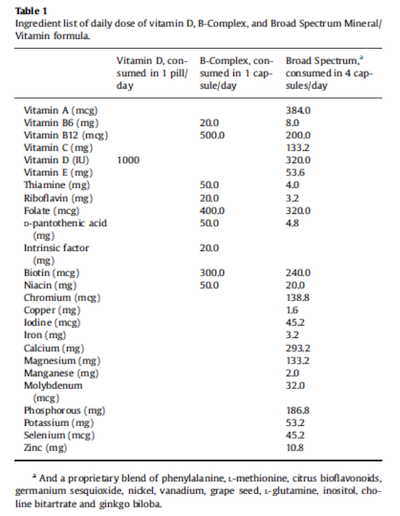
Fifty-six adults aged 23-66 were randomised to receive one of the following for 6 weeks:

  1. vitamin D as a single nutrient
  2. a B-Complex formula or a
  3. broad-spectrum mineral/vitamin formula

The study participants monitored changes in depression, anxiety and stress via self-reporting. All of the above 3 groups showed substantial decreases on all measures. However, those consuming the B-Complex and the broad-spectrum mineral/vitamin formula showed significantly greater improvement in stress and anxiety compared with those consuming the vitamin D alone, with the results being similar for the group using the B-Complex and the broad-spectrum mineral/vitamin formula.

The authors report that:

The use of nutrient formulas with multiple minerals and/or vitamins to minimise stress associated with natural disasters is now supported by three studies.

Further research should be carried out to evaluate the potential population benefit that might accrue if such formulas were distributed as a post-disaster public health measure.

I would love to see either a B-Complex or broad-spectrum mineral/vitamin formula be given out to everyone as part of relief efforts for all natural disasters.

The B-Complex used in the study was made by Douglas labs but other similar B-Complex products would be fine too.  I happen to use Designs for Health B Supreme with my clients.

The broad-spectrum mineral/vitamin formula in the study was EmpowerPlus made by TrueHope.

From: A randomised trial of nutrient supplements to minimise psychological stress after a natural disaster

Vitamin D based on levels

In the above study, some participants in the vitamin D group did see benefits and it’s likely to have been those who were low in vitamin D at the time of the flooding since other research supports a connection between low vitamin D and anxiety and depression. I like to see vitamin D results before recommending supplementation.

Serotonin, GABA and endorphin support based on symptoms and a trial

As well as a B-complex and/or vitamin D, I’d also consider the following neurotransmitter support on a case by case basis, and after doing the amino acid questionnaire and a trial of each amino acid:

  • Serotonin support with Lidtke tryptophan or Lidtke Tryptophan Complete or Lidtke Combat Stress (a tryptophan product formulated for stress support) – especially if you’re feeling sad, worried, resolving to try and feel positive, imagining the worst, feeling fearful and having problem sleeping. I blogged about tryptophan products last week.
  • GABA support for physical tension and an increased need to self-medicate with alcohol in order to stay calm. New research shows that reduced plasma levels of GABA observed in PTSD could be considered as a possible biomarker for PTSD severity. This is not something I typically look at but it’s something I will be considering going forward. I blogged about some specific GABA products earlier this week.
  • Endorphin support with Lidtke DPA if you’re feeling especially emotional and weepy.

Serotonin and GABA play a role in stress resilience and when we have enhanced stress resilience mechanisms we have the ability to adapt more successfully to stressful situations like natural disasters.    

Additional adrenal support if needed

The adrenals are part of the hypothalamic-pituitary axis (HPA) and also need nutritional support after stress and trauma. I recommend a good adrenal support product with rhodiola, Vitamin C, pantothenic acid, eleuthero and ashwagandha. Designs for Health Adrenotone is a good product.

If it’s known that cortisol levels are high then the addition of Seriphos and/or a lactium product (such as Biotics Research De-Stress) helps to lower high cortisol, reduce anxiety and help with insomnia.

Additional pyroluria support if needed

It is well known that pyroluria symptoms are made worse in times of heightened stress. If you are on protocol for pyroluria, additional zinc and vitamin B6/P5P is likely going to be needed short-term too.

Essential oils

Essential oils like lavender and citrus are wonderful for the stress, anxiety and sleepless nights. An animal study reports that passively inhaling orange essential oil could potentially reduce PTSD symptoms in humans


Some other considerations include the following once things start to get back to some kind of normal:

  • trying to eat as well as you can and not skipping meals
  • trying to get enough sleep (the GABA and tryptophan support mentioned above can help in this area)
  • getting outside into nature as soon as it’s possible. If this is impossible right away, simply looking at images of nature can help you feel calmer, less irritable, and more empathetic. I hope you enjoy this flower photograph I took in Australia!   
  • meditating and doing yoga
  • community support and helping others if you’re able to
  • getting a cat or dog (veterans who were given pet dogs showed significant improvement in their PTSD symptoms)

I would recommend a similar approach for any natural disaster or in fact for any other traumatic event, always working individually with each person.  

If you have found some approach to be particularly useful for you please do share it.

And if you have any connections for getting this information into the hands of public health officials and non-profits offering aid please let me know. I feel that protocols similar to this one need to be made available to everyone subjected to a natural disaster.

I wish you and your families much healing and a speedy recovery.

Additional resources

I added these additional resources after September 20, 2017:

  • How to Stay Safe in a Disaster: Emergency Preparedness List by Katie Wells on the Wellness Mama blog. She says this: “The point of putting together an emergency preparedness plan is not to create any undue anxiety, but to help alleviate some of the stress of a disaster in case it hits.”
  • What to Do After a Hurricane: The Dangers Lurking Beyond the Storm by Dr. Jill Carnahan. This blog addresses both mold and bacteria in flood waters, and practical steps on how to deal with these issues.  Mold needs to be taken seriously – I interviewed Dr. Carnahan on the topic of mold toxicity and anxiety during one the Anxiety Summits – Is Toxic Mold the Hidden Cause of Your Anxiety?
  • My Flood Story and What to Do About Mold by Dave Asprey. This blog offers practical solutions on how best to do clean-up after a flood and the dangers of mold. He is also very kindly making his documentary, Moldy available for viewing at no charge.
  • Beyond Meditation: Making Mindfulness Accessible for Everyone by Mira Dessy and Kerry McClure. Mira is a dear friend whose home was flooded by Harvey and went I spoke to her last week she shared how much her meditation practice has been helping her.  I love that she has a book on the topic so that it can be shared far and wide to help those affected.
  • My book The Antianxiety Food Solution: How the Foods You Eat Can Help You Calm Your Anxious Mind, Improve Your Mood and End Cravings, available in major books stores and via online stores like Amazon. You can find out more here.
  • I am also the host of The Anxiety Summit, now in it’s 4th season and called a “bouquet of hope”. It’s a wealth of information on all topics related to anxiety. More on the Anxiety Summit here. 

If you have links to additional useful resources please let me know and I’ll add them.

Filed Under: PTSD/Trauma, Stress Tagged With: essential oils, floods, GABA, Houston, Hurricane Harvey, lactium, natural disaster, nature, nutrition solutions, psychological stress, PTSD, seriphos, stress, tryptophan, vitamin B6, zinc

Primary Sidebar

NEW! GABA QuickStart Homestudy (with special intro pricing)

gaba quickstart homestudy

Free Report

9 Great Questions Women Ask about Food, Mood and their Health

You'll also receive a complimentary subscription to my ezine "Food, Mood and Gal Stuff"


Connect with me

Popular Posts

  • Amino Acids Mood Questionnaire from The Antianxiety Food Solution
  • The Antianxiety Food Solution Amino Acid and Pyroluria Supplements
  • Pyroluria Questionnaire from The Antianxiety Food Solution
  • Collagen and gelatin lower serotonin: does this increase your anxiety and depression?
  • Tryptophan for the worry-in-your-head and ruminating type of anxiety
  • GABA for the physical-tension and stiff-and-tense-muscles type of anxiety
  • The Antianxiety Food Solution by Trudy Scott
  • Seriphos Original Formula is back: the best product for anxiety and insomnia caused by high cortisol
  • Am I an anxious introvert because of low zinc and vitamin B6? My response to Huffington Post blog
  • Vagus nerve rehab with GABA, breathing, humming, gargling and key nutrients

Recent Posts

  • What do I use instead of Seriphos to help lower high cortisol that is affecting my sleep and making me anxious at night?
  • BeSerene™ GABA/theanine cream eases severe muscle tension in her neck/shoulders, prevents her bad headaches and quells her anxiety
  • How the correct approach, dose and sublingual use of GABA can be calming and not cause a flushed and itchy face and neck
  • The amino acid glutamine improves low mood by addressing gut health, and it has calming effects too
  • Flight anxiety with heightened breath, physical tension and also fearing the worst (the role of low GABA and low serotonin)

Categories

  • 5-HTP
  • AB575
  • Addiction
  • ADHD
  • Adrenals
  • Alcohol
  • Allergies
  • Alzheimer's disease
  • Amino Acids
  • Anger
  • Antianxiety
  • Antianxiety Food Solution
  • Antidepressants
  • Anxiety
  • Anxiety and panic
  • Autism
  • Autoimmunity
  • benzodiazapines
  • Bipolar disorder
  • Books
  • Caffeine
  • Cancer
  • Candida
  • Children/Teens
  • Collagen
  • Cooking equipment
  • Coronavirus/COVID-19
  • Cravings
  • Depression
  • Detoxification
  • Diabetes
  • Diet
  • DPA/DLPA
  • Drugs
  • EFT/Tapping
  • EMF
  • EMFs
  • Emotional Eating
  • Endorphins
  • Environment
  • Essential oils
  • Events
  • Exercise
  • Fear
  • Fear of public speaking
  • Fertility and Pregnancy
  • Fish
  • Food
  • Food and mood
  • Functional neurology
  • GABA
  • Gene polymorphisms
  • General Health
  • Giving
  • Giving back
  • Glutamine
  • Gluten
  • GMOs
  • Gratitude
  • Gut health
  • Heart health/hypertension
  • Histamine
  • Hormone
  • Hyperparathyroidism
  • Hypoglycemia
  • Immune system
  • Inflammation
  • Insomnia
  • Inspiration
  • Introversion
  • Joy and happiness
  • Ketogenic diet
  • Lithium orotate
  • Looking awesome
  • Lyme disease and co-infections
  • MCAS/histamine
  • Medication
  • Men's health
  • Mental health
  • Mercury
  • Migraine
  • Mold
  • Movie
  • MTHFR
  • Multiple sclerosis
  • Music
  • NANP
  • Nature
  • Nutritional Psychiatry
  • OCD
  • Osteoporosis
  • Oxalates
  • Oxytocin
  • Pain
  • Paleo
  • Parasites
  • Parkinson’s disease
  • PCOS
  • People
  • PMS
  • Postpartum
  • PTSD/Trauma
  • Pyroluria
  • Questionnaires
  • Real whole food
  • Recipes
  • Research
  • Schizophrenia
  • serotonin
  • SIBO
  • Sleep
  • Special diets
  • Sports nutrition
  • Stress
  • Sugar addiction
  • Sugar and mood
  • Supplements
  • Teens
  • Testimonials
  • Testing
  • The Anxiety Summit
  • The Anxiety Summit 2
  • The Anxiety Summit 3
  • The Anxiety Summit 4
  • The Anxiety Summit 5
  • The Anxiety Summit 6
  • Thyroid
  • Thyroid health
  • Toxins
  • Tryptophan
  • Tyrosine
  • Uncategorized
  • Vegan/vegetarian
  • Women's health
  • Yoga

Archives

  • October 2025
  • September 2025
  • August 2025
  • July 2025
  • June 2025
  • May 2025
  • April 2025
  • March 2025
  • February 2025
  • January 2025
  • November 2024
  • October 2024
  • September 2024
  • August 2024
  • July 2024
  • June 2024
  • May 2024
  • April 2024
  • March 2024
  • February 2024
  • January 2024
  • December 2023
  • November 2023
  • October 2023
  • September 2023
  • August 2023
  • July 2023
  • June 2023
  • May 2023
  • April 2023
  • March 2023
  • February 2023
  • January 2023
  • December 2022
  • November 2022
  • October 2022
  • September 2022
  • August 2022
  • July 2022
  • June 2022
  • May 2022
  • April 2022
  • March 2022
  • February 2022
  • January 2022
  • December 2021
  • November 2021
  • October 2021
  • September 2021
  • August 2021
  • July 2021
  • June 2021
  • May 2021
  • April 2021
  • March 2021
  • February 2021
  • January 2021
  • December 2020
  • November 2020
  • October 2020
  • September 2020
  • August 2020
  • July 2020
  • June 2020
  • May 2020
  • April 2020
  • March 2020
  • February 2020
  • January 2020
  • December 2019
  • November 2019
  • October 2019
  • September 2019
  • August 2019
  • July 2019
  • June 2019
  • May 2019
  • April 2019
  • March 2019
  • February 2019
  • January 2019
  • December 2018
  • November 2018
  • October 2018
  • September 2018
  • August 2018
  • July 2018
  • June 2018
  • May 2018
  • April 2018
  • March 2018
  • February 2018
  • January 2018
  • December 2017
  • November 2017
  • October 2017
  • September 2017
  • August 2017
  • July 2017
  • June 2017
  • May 2017
  • April 2017
  • March 2017
  • February 2017
  • January 2017
  • December 2016
  • November 2016
  • October 2016
  • September 2016
  • August 2016
  • July 2016
  • June 2016
  • May 2016
  • April 2016
  • March 2016
  • February 2016
  • January 2016
  • December 2015
  • November 2015
  • October 2015
  • September 2015
  • August 2015
  • July 2015
  • June 2015
  • May 2015
  • April 2015
  • March 2015
  • February 2015
  • January 2015
  • December 2014
  • November 2014
  • October 2014
  • September 2014
  • August 2014
  • July 2014
  • June 2014
  • May 2014
  • April 2014
  • March 2014
  • February 2014
  • January 2014
  • December 2013
  • November 2013
  • October 2013
  • September 2013
  • August 2013
  • July 2013
  • June 2013
  • May 2013
  • April 2013
  • March 2013
  • February 2013
  • January 2013
  • December 2012
  • November 2012
  • October 2012
  • August 2012
  • July 2012
  • June 2012
  • May 2012
  • April 2012
  • March 2012
  • February 2012
  • January 2012
  • December 2011
  • November 2011
  • October 2011
  • September 2011
  • August 2011
  • July 2011
  • June 2011
  • May 2011
  • April 2011
  • March 2011
  • February 2011
  • January 2011
  • December 2010
  • October 2010
  • September 2010
  • July 2010
  • May 2010
  • April 2010
  • March 2010
  • February 2010
  • January 2010
  • November 2009

Share the knowledge!

The above statements have not been evaluated by the Food and Drug Administration. Products listed in this website are not intended to diagnose, treat, cure or prevent any disease.

The information provided on this site is for informational and educational purposes only and is not intended as a substitute for advice from your physician or other health care professional. You should consult with a healthcare professional before starting or modifying any diet, exercise, or supplementation program, before taking or stopping any medication, or if you have or suspect you may have a health problem.


Copyright © 2026 Trudy Scott. All Rights Reserved. | Privacy | Terms and Conditions | Refund Policy | Medical Disclaimer

Free Report

9 Great Questions Women Ask about Food, Mood and their Health

You’ll also receive a complimentary subscription to my ezine “Food, Mood and Gal Stuff”