• Skip to primary navigation
  • Skip to main content
  • Skip to primary sidebar

everywomanover29 blog

Food, Mood and Women's Health – Be your healthiest, look and feel great!

  • Blog
  • About
  • Services
  • Store
  • Resources
  • Testimonials
  • The Book
  • Contact
  • Search this site

GABA Calm

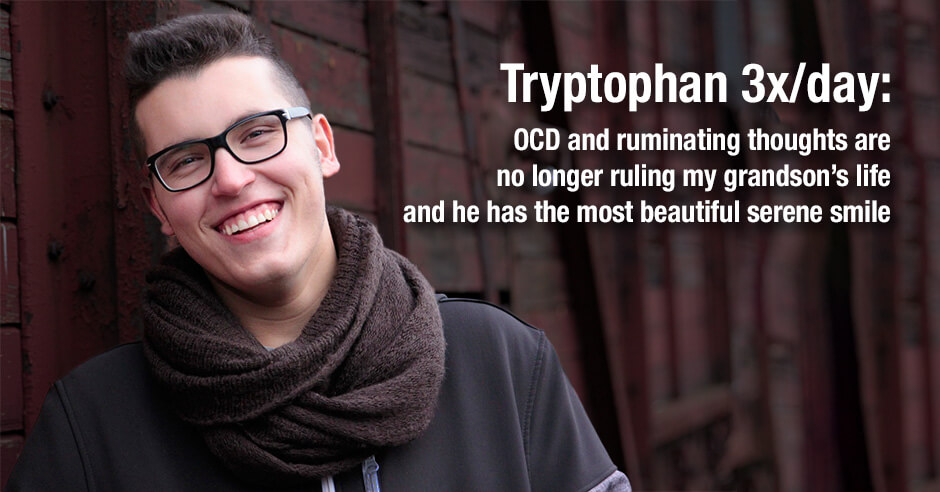
Tryptophan 3x/day: OCD and ruminating thoughts are no longer ruling my grandson’s life and he has the most beautiful serene smile

December 15, 2023 By Trudy Scott 34 Comments

tryptophan 3 times a day

I recently received this wonderful feedback from a grandmother who is so happy about tryptophan helping her 17-year old grandson. He had been struggling with OCD (obsessive compulsive disorder) and ruminating thoughts for years:

We started with Lidtke L-Tryptophan Chewables. I was thrilled beyond my greatest hopes to see that it helped immediately! So, we went forward with having him chew a tryptophan when the thoughts started taking hold. This helped for a while, but the thoughts would return.

Finally I read one mother on your blog who gave her son tryptophan 3x/day. So we tried this. That was the magic bullet for my grandson. Getting the tryptophan in before the thoughts could take hold made the difference. And so we have stuck with this plan and have been so happy to see that OCD is no longer ruling my grandson’s life.

Last week I heard the most beautiful words I could imagine. “Hey grandma! The OCD is permanently gone!” Truly a miracle! That’s how it feels to him. As long as we continue to take the tryptophan 3x/day, there is no sign of OCD or ruminating thoughts!

We keep GABA Calm on hand as well and if a bothersome thought enters his mind, he chews a GABA and we don’t hear any more about it.

I honestly don’t even know how to tell you what a blessing your information has been to my grandson. He has the most beautiful, serene smile almost all the time now.

In all my reading and searching for all these years, you’re the only one I saw talking about this. Thank you, from the bottom of my heart, for guiding us to giving this kid his life back. I pray that all the good things you have done to help people come back to you tenfold, Trudy. You are a Godsend.

How much tryptophan helped him and why using it 3 x a day was key

The amino acid tryptophan, used as a supplement, supports low serotonin levels which can cause the worry type of anxiety, ruminating thoughts and OCD (behaviors and thoughts). You can see all the low serotonin symptoms here.

Each of the Lidtke L-Tryptophan Chewables provides 100 mg tryptophan which is often a great starting dose for children and teens. Because it’s chewable and tastes sweet it’s also a great format for children and teens (and “pixie dust” adults who need a very small amount). The bad aspect is that it does contain sugar and is quite sweet. Because you are continually consuming something sweet you may end up over-consuming them if sugar addiction is your issue.

As you can see 100 mg tryptophan did provide some relief in the moment but using the amino acids consistently throughout the day is what I always recommend for best results. In this instance 100 mg tryptophan 3x day worked perfectly for this young man.

Keep in mind there is no one-size fits all for dosing and 100 mg tryptophan x3 per day is considered quite low with many individuals needing 500-1000 mg tryptophan two or three times a day. Also some individuals do better on 5-HTP so this should always be considered too (10 mg 5-HTP is equivalent to 100 mg tryptophan).

Precaution about serotonin syndrome with tryptophan/5-HTP

There are precautions when using certain amino acids and I always review them with all my clients. If they have been prescribed an SSRI, I have them discuss the use of tryptophan/5-HTP with their prescribing doctor so they can be monitored for serotonin syndrome. With careful monitoring and doctor approval I feel comfortable having my clients use tryptophan/5-HTP 6 hours away from their one and only SSRI.

If they are using more than one SSRI and/or a combination of psychiatric medications, the use of tryptophan/5-HTP is not advised.

None of the above applied in this situation but it’s important to be aware of.

How GABA also helps and my recommendation about consistent use too

The amino acid GABA, used as a supplement, supports low GABA levels which can cause  physical anxiety and tension, and also an inability to stop intrusive thoughts. You can see all the low GABA symptoms here.

Each GABA Calm provides 125 mg GABA and he uses it as needed: “We keep GABA Calm on hand as well and if a bothersome thought enters his mind, he chews a GABA.”

My recommendation is to assess for low GABA symptoms and consider using GABA consistently throughout the day, typically 2-4 x day.

OCD research: glutamatergic and serotonergic pathway dysregulation

This 2011 paper, Nutraceuticals in the treatment of obsessive compulsive disorder (OCD): a review of mechanistic and clinical evidence, states the following:

Current preclinical research investigating nutraceuticals (natural products) for OCD, reveals encouraging novel activity in modulating key pathways suggested to be involved in the pathogenesis of OCD (glutamatergic and serotonergic pathway dysregulation).

With glutamatergic pathway dysregulation, we would expect GABA to help; and with serotonergic pathway dysregulation, we would expect tryptophan (or 5-HTP to help), as this young man found.

However there are no studies that have used tryptophan for OCD and the above paper concludes that “the serotonin precursor tryptophan is unlikely to be of use in treating OCD while 5-HTP may possibly be a more effective precursor strategy.” The authors state this about 5-HTP because it has been used with success for OCD in conjunction with medication (read the study here).

This lack of research on tryptophan for OCD is one of the reasons I feel compelled to share wonderful success stories like this. And until we have tryptophan research, we must use what we see works clinically and recognize that tryptophan and 5-HTP work in very similar ways.

Other nutrients when tryptophan or 5-HTP or GABA doesn’t help

The above paper does mention other nutrients that are tentatively supported by research and which modulate these pathways: N-acetylcysteine (NAC), myo-inositol, glycine, and milk thistle.

These nutrients could be considered when tryptophan or 5-HTP or GABA doesn’t help or doesn’t help enough. I’ve had much success with myo-inositol for OCD and have always used it in conjunction with tryptophan or 5-HTP. We start with tryptophan or 5-HTP and find a good base line and then add inositol, starting with 500 mg and working up to 18 g/day (as reported in the research).

As you can see, in one study, NAC was shown to be helpful for trichotillomania, a behavioral disorder characterized by the recurring or obsessive habit of pulling one’s hair, resulting in secondary alopecia. I blogged about this here.

They tried many approaches and it took 3 years before they used the amino acids

Patricia, the grandmother, also shared what other approaches they had tried from the age of 14-17 years before seeing success with tryptophan and GABA: therapy, tapping, breathing techniques, acupuncture, yoga and tai chi. None of this helped enough and they rejected pharmaceutical approaches.

It breaks my heart that it took 3 years for her grandson to find relief:

I have been reading your information on OCD for several years (in all my reading and searching for all these years, you’re the only one I saw talking about this) and though I thought it was the best hope I’d heard of for stopping OCD and ruminating thoughts, I was afraid to try the amino acids because I knew so little about them.

So I studied and studied and gained confidence by reading the published reports that seemed to back up what you said about amino acids.

Still, since I was hoping to help my grandson, who was 14 at the time, I was overly cautious. I’m not a medical professional and I’m aware that even really safe and effective treatments can change more than just the issue I was hoping to address.

So, more reading and searching ensued. Meanwhile my grandson’s life was deteriorating. He couldn’t function in many ways because he had no peace. Even sleep was difficult because the thoughts wouldn’t rest – the poor kid had no time at all when his mind wasn’t racing. It broke my heart to see him suffer so much.

Finally, I got the strength to trust my gut and try the amino acids.

I admire Patricia for reading, searching and studying and finally being well-informed enough to  help her grandson. And then sharing his story with me so I can share it here with you. She was inspired by one of my other blogs and hopefully you will be inspired and motivated by this wonderful success story.

My hope, with stories like this, is that the amino acids and nutritional approaches are considered first and not after all else has failed. 

Additional resources when you are new to using tryptophan, 5-HTP, GABA and the other amino acids as supplements

We use the symptoms questionnaire to figure out if low serotonin or low GABA may be an issue for you.

If you suspect low levels of any of the neurotransmitters and do not yet have my book, The Antianxiety Food Solution – How the Foods You Eat Can Help You Calm Your Anxious Mind, Improve Your Mood, and End Cravings, I highly recommend getting it and reading it before jumping in and using amino acids on your own so you are knowledgeable. And be sure to share it with the practitioner/health team you or your loved one is working with.

There is an entire chapter on the amino acids and they are discussed throughout the book in the sections on gut health, gluten, blood sugar control, sugar cravings, anxiety and mood issues.

The book doesn’t include product names (per the publisher’s request) so this blog, The Antianxiety Food Solution Amino Acid and Pyroluria Supplements, lists the amino acids that I use with my individual clients and those in my group programs. You can find them all – including the Lidtke Tryptophan Chewable product – in my online store.

If, after reading this blog and my book, you don’t feel comfortable figuring things out on your own (i.e. doing the symptoms questionnaire and respective amino acids trials), a good place to get help is the GABA QuickStart Program (if you have low GABA symptoms too). This is a paid online/virtual group program where you get my guidance and community support.

If you are a practitioner, join us in The Balancing Neurotransmitters: the Fundamentals program. This is also a paid online/virtual program with an opportunity to interact with me and other practitioners who are also using the amino acids.

Have you had success using tryptophan (or 5-HTP) and GABA this way for your OCD and ruminating thoughts or for a loved one? If yes, how much helps?

If you’re a practitioner do you have success using tryptophan (or 5-HTP) and GABA this way with your clients/patients who have OCD and ruminating thoughts?

Feel free to share and ask your questions below.
Filed Under: 5-HTP, Children/Teens, GABA, OCD, Tryptophan Tagged With: 5-HTP, amino acids, anxiety, GABA, GABA Calm, glutamatergic, inositol; GABA Quickstart; Balancing Neurotransmitters: the Fundamentals program for practitioners, Lidtke L-Tryptophan Chewables, NAC, obsessive compulsive disorder, OCD, ruminating thoughts, serene, serotonergic, serotonin, teen, tryptophan

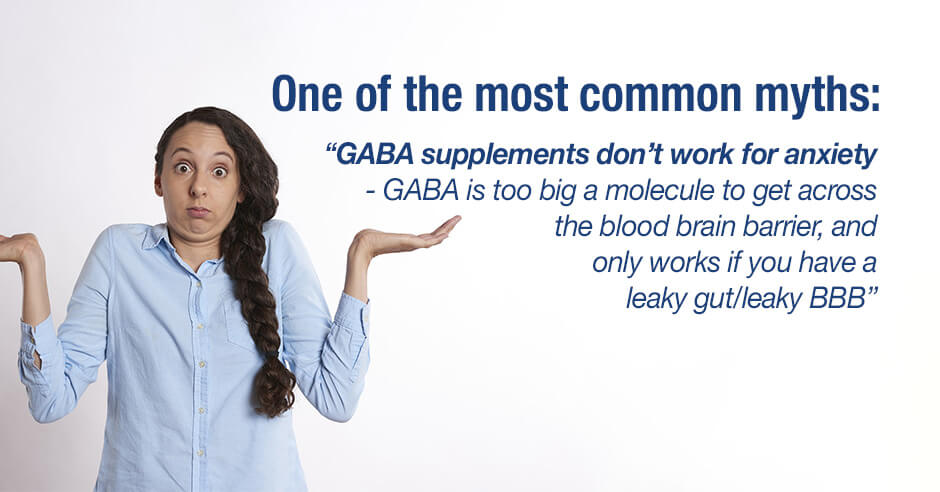
One of the most common myths: “GABA supplements don’t work – GABA is too big a molecule to get across the blood brain barrier”

December 8, 2023 By Trudy Scott 30 Comments

gaba myth

GABA supplements don’t work – GABA is too big a molecule to get across the blood brain barrier. They don’t typically work unless you have a leaky gut which means you have a leaky brain” (also referred to as leaky blood brain barrier/BBB).

This is one of the most common myths I hear about GABA. Neither of the above statements are true. I stand by my recommendations of GABA Calm and other GABA products as an effective way to boost GABA levels that are low, and ease physical anxiety symptoms and the other symptoms you can experience with low GABA levels.

A few weeks ago, Suzanne asked a question on the blog after hearing a doctor state the above about GABA supplements not working for anxiety. She was justifiably confused and concerned:

I stumbled across this video on Youtube and am seeking your thoughts on it please. In my quest to achieve a state of calm as naturally as possible, I research a lot of stuff. I have always taken on board the knowledge you share about GABA.

The video, made by a quite well known fitness trainer, focuses on GABA. Your team suggested I time stamp the part of the video of interest, but frankly, there are poignant points made throughout.

I would be really appreciative if you have time to watch it, as now I’m unsure that the GABA Calm I have purchased, and yet to take, is in fact, going to be effective.

The video she had watched was a very recent Youtube video where a well-known fitness trainer interviews an integrative medical doctor. It’s the doctor who said: “GABA supplements don’t work.”

I reassured Suzanne and provided her with some additional reading (more on that below). This topic has been discussed by me before but it’s time for another blog post that gathers the information into one place. Hopefully it offers you confidence if you are also uncertain and can be a resource for you to share with the naysayers or those who just don’t yet know that GABA supplements really do work (when used in a specific way)!

The effects of GABA supplements may be exerted through BBB passage or indirectly, via an effect on the enteric nervous system (but we don’t really know)

I first discussed GABA and the blood brain barrier controversy during one of my interviews during The Anxiety Summit in 2016. I shared this October 2015 paper, Neurotransmitters as food supplements: the effects of GABA on brain and behavior, which states that we don’t really know how GABA supplements work:

There is some evidence in favor of a calming effect of GABA food supplements, but most of this evidence was reported by researchers with a potential conflict of interest. We suggest that any veridical effects of GABA food supplements on brain and cognition might be exerted through BBB passage or, more indirectly, via an effect on the enteric nervous system. We conclude that the mechanism of action of GABA food supplements is far from clear, and that further work is needed to establish the behavioral effects of GABA.

I also discuss the fact that GABA’s relaxing effect may be due to peripheral effects rather than the effect on/in the brain. Here is an excerpt from this paper: GABA-receptors in peripheral tissues

GABA and its receptors are found in a wide range of peripheral tissues, including parts of the peripheral nervous system, endocrine, and non-neural tissues such as smooth muscle and the female reproductive system.

Feel free to read more about this here

Valuable feedback about GABA’s effectiveness from other practitioners

Dr. Josh Friedman, integrative psychotherapist uses amino acids and other nutritional approaches in his practice:

[GABA] is definitely something I use. I am not a biochemist, so I actually don’t really know whether it crosses the blood/brain barrier, nor do I care actually. The first question should be, is it harmful? Are any of these things going to cause harm? And the answer with all the amino acids is no, they’re not going to cause harm, especially when compared to psychiatric medicines. The second question is, does it work? Is it helpful for our patients that we see in our practice? Yes it is.

Jonathan Prousky, ND, MSc, editor of the Journal of Orthomolecular Medicine and author of Anxiety: Orthomolecular Diagnosis and Treatment shared this in our season 2 interview: Tapering off psychiatric drugs so they do not ruin your life

I have found GABA to be invariably helpful and I don’t really know exactly how GABA works but I know it to be very, very safe and, to me, that is fundamentally important. It’s not associated with any withdrawal, with any tolerance, with any habituation, so people can try it without a lot of concern.

I feel the same way – GABA supplementation works, it is safe and it doesn’t really matter how it works.

Dr. Kharrazian’s GABA Challenge for a leaky blood brain barrier is a theory

In addition to sharing the above with Suzanne, I also shared this blog with her: Dr. Datis Kharrazian’s GABA Challenge for a leaky blood brain barrier is a theory and we still have much to learn.

I had the pleasure of interviewing him late in 2019 and we talked about his GABA challenge for testing for a leaky blood brain barrier. Read the above blog to learn how Dr. Kharrazian came up with the GABA Challenge and the fact that it’s just a theory.

GABA case studies/success stories if you’re still unsure

If you’re still unsure I encourage you to read the many case studies published in my book “The Antianxiety Food Solution” and on this blog. Here are some of them:

  • My 6 year old was having panic attacks getting out of the car for Kindergarten: GABA has completely relieved him of his fears
  • GABA Calm is a game changer for husband’s sound and tactile hypersensitivity, significant coordination problems and his anxiety
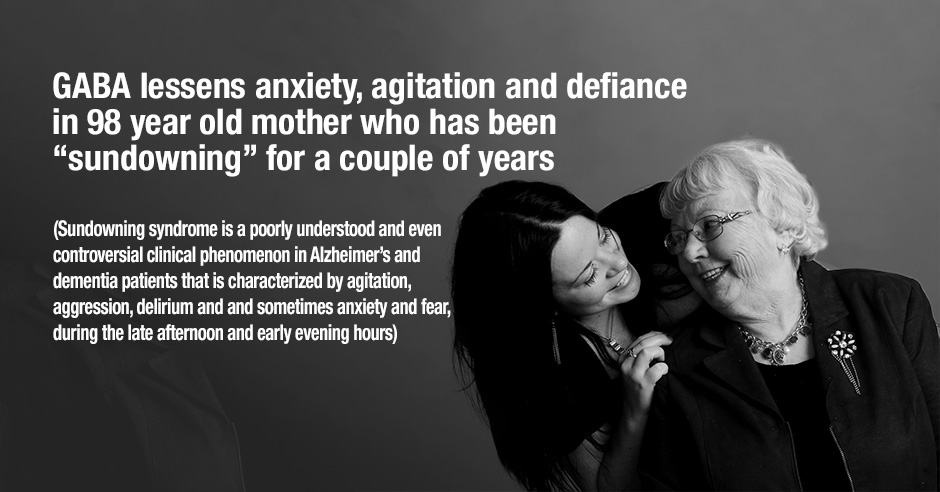
  • GABA lessens anxiety, agitation and defiance in 98 year old mother who has been “sundowning” for a couple of years
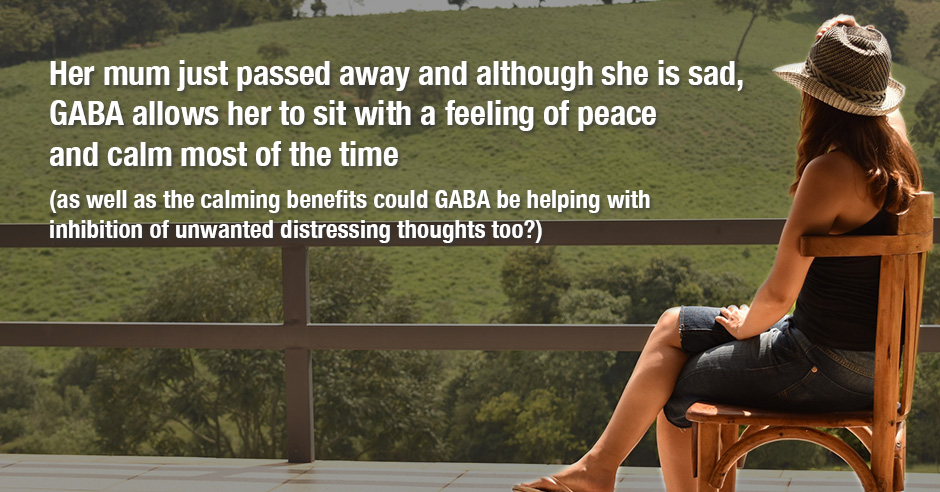
  • Her mum just passed away and although she is sad, GABA allows her to sit with a feeling of peace and calm most of the time
  • PCOS (polycystic ovarian syndrome): GABA helped ease lifelong anxiety, wean off anxiety medication, ovulate each month and stop PCOS meds
  • GABA helps ease symptoms of anger, rage, and dark moods (symptoms we typically associate with low serotonin)
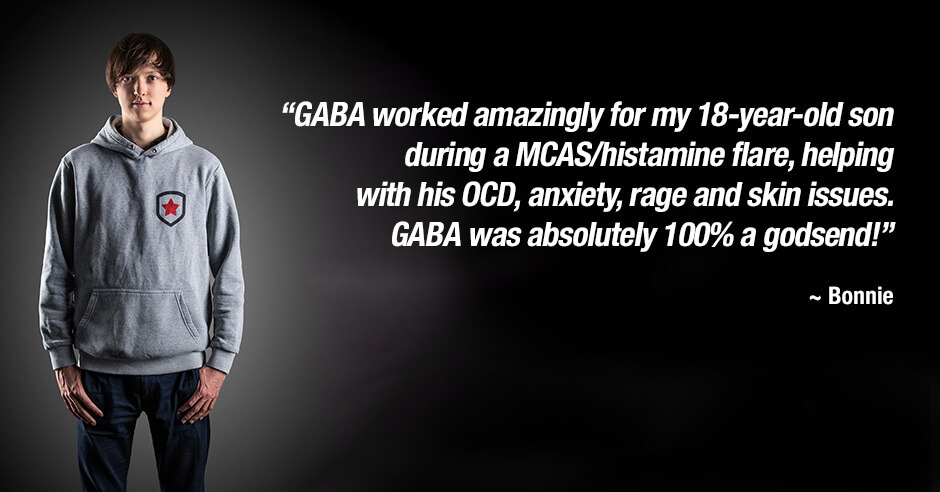
  • GABA worked amazingly for 18-year-old during a MCAS/histamine flare, helping with OCD, anxiety, rage and skin issues

Do a trial of GABA and use it in a specific way

Doing a trial of GABA is another way to find out how effective it is. Keep in mind GABA will only work if you have the low GABA type of physical anxiety, stiff and tense muscles, insomnia caused by low GABA, overwhelm and panic attacks, and other low GABA symptoms. You can see all the low GABA symptoms here.

Also, GABA needs to be used in a specific way. It is most effective provided it’s used as a sublingual, liposomal, a powder or capsules opened on to the tongue or rubbed inside the cheek, or as a GABA cream (as you’ll read in the case studies above). It’s best to start low – at 125mg – and increase from there based on your own unique needs. I believe many practitioners are not on board because they have clients and patients swallow GABA capsules, and often use high dose GABA capsules.

I appreciate Suzanne for asking this question and I’m hoping my feedback gave you and her confidence.

It also helps me to know what is still being taught so I can offer educational resources – for both the consumer like Suzanne and practitioners – and hopefully further the field.

Am I surprised to hear that this myth is still being shared? Not really. So I’ll continue to share what I know and the wonderful GABA success stories so this message gets out there.

Additional resources when you are new to using GABA and the other amino acids as supplements

We use the symptoms questionnaire to figure out if low GABA or low serotonin or low endorphins or low dopamine or low blood sugar may be an issue for you.

If you suspect low levels of any of the neurotransmitters and do not yet have my book, The Antianxiety Food Solution – How the Foods You Eat Can Help You Calm Your Anxious Mind, Improve Your Mood, and End Cravings, I highly recommend getting it and reading it before jumping in and using amino acids on your own so you are knowledgeable. And be sure to share it with the practitioner/health team you or your loved one is working with.

There is an entire chapter on the amino acids and they are discussed throughout the book in the sections on gut health, gluten, blood sugar control, sugar cravings, anxiety and mood issues.

The book doesn’t include product names (per the publisher’s request) so this blog, The Antianxiety Food Solution Amino Acid and Pyroluria Supplements, lists the amino acids that I use with my individual clients and those in my group programs. You can find them all in my online store.

If, after reading this blog and my book, you don’t feel comfortable figuring things out on your own (i.e. doing the symptoms questionnaire and respective amino acids trials), a good place to get help is the GABA QuickStart Program (if you have low GABA symptoms too). This is a paid online/virtual group program where you get my guidance and community support.

If you are a practitioner, join us in The Balancing Neurotransmitters: the Fundamentals program. This is also a paid online/virtual program with an opportunity to interact with me and other practitioners who are also using the amino acids.

How many times have you heard this myth about GABA not working? How long ago and where from?

Has GABA helped you? If yes, I’m thrilled for you. Please do share how it’s helped, how much helps and how you use GABA (as a sublingual, liposomal, a powder or capsules opened on to the tongue or inside the cheek, or as a GABA cream)?

If you’re a practitioner do you have success using GABA this way with your clients/patients? And were you also taught – in the past – that GABA supplements don’t work or taught the GABA leaky BBB theory?

Feel free to share and ask your questions below.
Filed Under: Anxiety, GABA Tagged With: anxiety, BBB, blood brain barrier, calm, Dr. Kharrazian, enteric nervous system, GABA, GABA Calm, GABA Challenge, GABA Quickstart; Balancing Neurotransmitters: the Fundamentals program for practitioners, GABA supplements, leaky BBB, leaky gut, physical anxiety, too big a molecule

GABA worked amazingly for 18-year-old during a MCAS/histamine flare, helping with OCD, anxiety, rage and skin issues

October 27, 2023 By Trudy Scott Leave a Comment

gaba mcas

Bonnie shared how effective GABA was for her 18 year old son with suspected MCAS (mast cell activation syndrome/histamine issues) and his associated anxiety/OCD/rage and skin issues:

GABA worked amazingly for us during a flare! Flares began with OCD [obsessive compulsive disorder]and anxiety increasing before our eyes and then the rage followed.

He would wake up very early and his upper back, shoulders and upper chest would have acne all over, this would come and go, but never completely go.

GABA capsules worked in 20 minutes and thanks to you Trudy, I read and found GABA chewables worked in 5 minutes. We used to buy GABA all the time to stop the flares and to prevent them from coming! The GABA was absolutely 100% a godsend!

Once I started focusing on keeping histamine down, we don’t buy or use GABA much! Haven’t had a flare in almost a year!!

It’s so wonderful to hear that GABA helped Bonnie’s son so much. No MCAS/histamine flare in a year!

I checked with Bonnie and they primarily used 3 x Source Naturals GABA Calm chewables (each one contains 125 mg GABA). They initially used up to 3 x 250 mg GABA if he was having a really bad flare, 1 if he was not so bad and 2 if somewhere between.

Histamine issues frequently cause physical tension and anxiety so we’d expect GABA to help. Wth rage and OCD, we typically consider low serotonin as a possible cause but in her son’s case, GABA clearly was his root cause. I share another case where GABA helped ease symptoms of anger, rage, and dark moods.

It’s been a long road – ruling out PDD-NOS, PANDAS and PANS

But as amazing as GABA was for him there was more to it and it has been a long road for him. Bonnie shared this too: “At 4 years old he was diagnosed with PDD-NOS, then at 5 years old they said no it’s PANDAS, and at 6 years old no it’s PANS.”

Pervasive Developmental Disorder – Not Otherwise Specified (PDD-NOS) refers to a group of disorders characterized by impairment in the development of social interaction, verbal and non-verbal communication, imaginative activity and a limited number of interests and activities that tend to be repetitive.

Both PANDAS and PANS are associated with OCD, rages and other mental health issues which are often sudden onset and caused by infections – PANDAS is Pediatric Autoimmune Neuropsychiatric Disorders Associated with Streptococcal Infections, and PANS is when the severe onset of OCD symptoms is linked to another infection. More on these conditions here. It’s important to either rule out or address these conditions.

They tried several doctors and several protocols over the years: “B12 injections early but only saw a small gain. No reactions for years whatever we tried. IV treatment about 5 years ago was the second time we had gains.

Histamine was off the chart and flares were worse during allergy season and better in winter

I share all this to give you hope and to send the message that you don’t want to ever give up. Even with few gains, Bonnie persevered and started making the connections with allergies. She shared this: “During these years 2 different allergy tests matched and histamine was off the chart for both, but 2 different doctors did not address it. Maybe there was no connection then.”

She noticed flares were worse during the beginning of allergy season and better in winter, and started to histamine support:

We use DAO enzymes with high histamine foods. We tried quercetin, isoquercetin and curcumin with no gains. Started stinging nettles and bromelain and they are definitely helping us with gains.

Our son seems to be much better, being more social and we are just seeing better connections socially.

Just started Seeking Health Serotonin Nutrients to see if this can further add gains. Probably a different topic now! Sorry so long!! Love to share!!!

Bonnie noticed her son’s flares were better in winter but keep in mind there may be seasonality of GABA with worsening anxiety, insomnia and intrusive thoughts in winter (and the need for increased GABA supplementation). I blog about this here.

The research: Neurotransmitter and neuropeptide regulation of mast cell function

Bonnie shared her son’s results in response to a Facebook post where I shared the research that GABA (a well-known inhibitory neurotransmitter) helps with MCAS/mast cell activation syndrome and histamine issues.

This 2020 paper, Neurotransmitter and neuropeptide regulation of mast cell function: a systematic review, reports that:

Some reports link GABA to the inhibition of MC (mast cell) activation in allergies. GABA suppresses degranulation in rat basophilic leukemia RBL-2H3 cells via the GABA(B) receptor on the cell surface

….The administration of GABA in a dose-dependent manner reduced the development of AD [atopic dermatitis] – like skin lesions in mice by suppressing serum IgE and splenocyte IL-4 production.

(Keep in mind that the RBL-2H3 cell line mentioned in the above research is a commonly used histamine-releasing cell line used in inflammation, allergy and immunological research.)

My additional feedback about serotonin support and pyroluria

They also used (and still use) 5 mg lithium orotate and 100 mg 5-HTP. Bonnie will soon be stopping one at a time to see if that makes a difference. I’ll share what she reports back.

Bonnie mentions wanting to trial a combination product for serotonin support. I shared with her that I prefer individual amino acids so we know what’s helping. This is especially important with sensitive folks who may react to any one of the ingredients. My choice would be exploring 5-HTP further or doing a trial of tryptophan instead of 5-HTP (or possibly a combination of both) if there are still low serotonin symptoms.

She also mentions that her son is “more social and we are just seeing better connections socially.” This is great but if she feels he could make even more social gains I’d encourage looking into the pyroluria protocol too. There are many added benefits of addressing pyroluria (a social anxiety condition) when someone has MCAS, histamine issues, Lyme or another chronic condition. The zinc, vitamin B6 and other nutrients also support neurotransmitter production.

Resources if you are new to using amino acids as supplements

We use the symptoms questionnaire to figure out if low GABA or low serotonin may be an issue.

If you suspect low levels of any of the neurotransmitters and do not yet have my book, The Antianxiety Food Solution – How the Foods You Eat Can Help You Calm Your Anxious Mind, Improve Your Mood, and End Cravings, I highly recommend getting it and reading it before jumping in and using amino acids on your own so you are knowledgeable. And be sure to share it with the practitioner/health team you or your loved one is working with.

There is an entire chapter on the amino acids and they are discussed throughout the book in the sections on gut health, gluten, blood sugar control, sugar cravings, anxiety and mood issues.

The book doesn’t include product names (per the publisher’s request) so this blog, The Antianxiety Food Solution Amino Acid and Pyroluria Supplements, lists the amino acids that I use with my individual clients and those in my group programs. You can find them all in my online store.

If, after reading this blog and my book, you don’t feel comfortable figuring things out on your own (i.e. doing the symptoms questionnaire and respective amino acids trials), a good place to get help is the GABA QuickStart Program (if you have low GABA symptoms too). This is a paid online/virtual group program where you get my guidance and community support.

If you are a practitioner, join us in The Balancing Neurotransmitters: the Fundamentals program. This is also a paid online/virtual program with an opportunity to interact with me and other practitioners who are also using the amino acids.

I really appreciate Bonnie for sharing her son’s story and giving me permission to share as a blog.

Has GABA helped with your symptoms (or your loved one’s symptoms) triggered by MCAS/mast cell activation syndrome and histamine issues – like anxiety, insomnia, OCD, racing heart, rage, allergy symptoms and even rashes/dermatitis?

Do you also find that the sublingual/chewable GABA Calm product worked/works quicker than swallowed GABA products?

Has addressing pyroluria helped MCAS/histamine issues and social anxiety?

Feel free to share and ask your questions below.
Filed Under: Anger, Anxiety, GABA, MCAS/histamine, OCD Tagged With: acne, allergy season, amino acids, anger, anxiety, flare, GABA, GABA Calm, GABA Quickstart; Balancing Neurotransmitters, histamine flare, mast cell activation syndrome, MCAS, OCD, PANDAS, PANS, pyroluria, rage, serotonin, skin issues

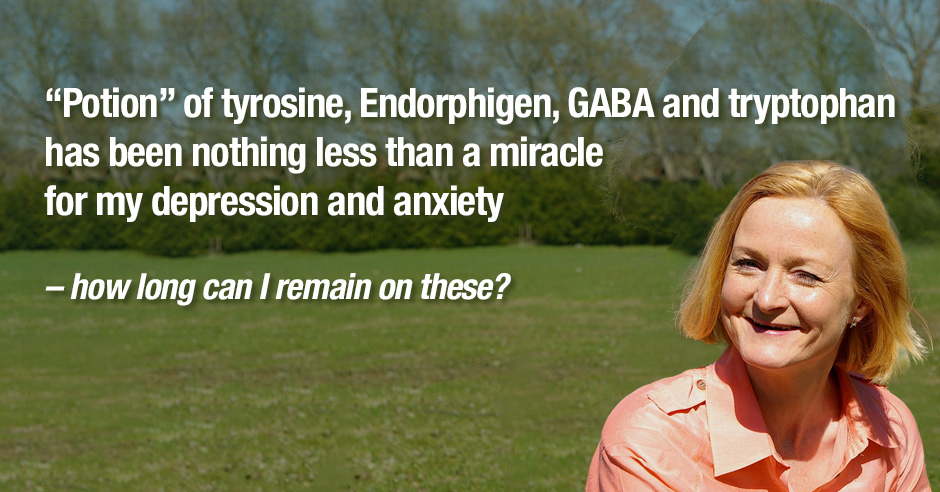
“Potion” of tyrosine, Endorphigen, GABA and tryptophan has been nothing less than a miracle for my depression and anxiety – how long can I remain on these?

August 11, 2023 By Trudy Scott 21 Comments

amino acids duration

Amy shares how much her particular “potion” or combination of amino acids has helped her depression and anxiety and wants to know how long she can remain on them:

I currently take 500 mg of l-tyrosine in the morning, 1 Endorphigen 2xday, 1 GABA calm 2x day and 1000 mg of tryptophan before bed with some natural calm & true calm. This “potion” has been nothing less than a miracle. I feel pretty good.

The past few years have been rough, managing depression and anxiety with frequent relapse, and I finally feel ok.

I don’t want to wean off yet and am curious as to how long I can remain on these. Is it dangerous to keep on it too long? Is there a maximum time? I follow your blog and reached out to you last year. Your information has been extremely helpful. Thank you.

I’m glad to hear Amy is doing so well on this miracle combination and finally feels ok. Before stopping the amino acids, the goal is to address diet, gut health, nutritional imbalances, toxins and all the underlying factors that lead to low catecholamines, low endorphins, low GABA and low serotonin.

It’s fine to stop taking them and see how you do and add some or all of them back if you find you still need that neurotransmitter support. This is one of a few approaches I use with clients. But here are times when it’s best to wait and continue using them (like when on the pill and when affected by seasonal depression). I share my insights on this and other ways to cut back below.

How long can you remain on amino acids and when do you consider stopping them?

There is no set time frame for staying on the amino acids. As I mentioned above you can stop taking the individual amino acids and see how you do and then add some or all of them back if you find you still need that neurotransmitter support. This is one of a few approaches I use with clients.

Other approaches include: completely stopping one amino acid at a time and monitoring symptoms or reducing the amount one amino acid at a time, also monitoring symptoms. I prefer the latter especially with someone like Amy who has been “managing depression and anxiety with frequent relapse.”

I can also hear that she has some hesitation about stopping her “potion” and going with your gut is a good thing too. She also has a few confounding factors that make me feel staying on them longer may be in her best interest. One factor is her long-term use of birth control pills.

Long term use of birth control pills and the impact on mood and nutritional status

Amy also shares about her use of the birth control pill and how she suspects it’s a factor in her depression and anxiety:

I should also mention I just went off birth control pills. I have taken them since age 16 only stopping for 3 pregnancies and breastfeeding. I am 46. I’ve been on for painful periods. I made the decision to stop for fear of clots, cardiac issues and most importantly my mental well being. I truly believe they contributed to my depression. I believe I’m in perimenopause and have higher than normal anxiety. I’m extremely worried about my periods if I stop the pill and think my amino acid supplements help these worries and I cope better. That’s why I’m reluctant to stop the supplements but still worried about long term use.

Because Amy has been using the birth control pill for around 25 years I’d have her continue with the amino acids for now and address the effects on her gut health and nutritional status first.

Women taking the pill and other hormonal contraception are more likely to be depressed. A Danish study published in JAMA Psychiatry of more than 1 million women aged 15 to 34, with no prior history of depression, were included in the study and followed for 13 years. The researchers found that those women who used the pill were 23% more likely to be depressed and  use antidepressants.

You can read more about the effects of the birth control pill on this blog and my book review of “Beyond the Pill” by Dr. Jolene Brighten. As you’ll read it causes vitamin, mineral, and antioxidant depletion (such as folate, B12, vitamin B6 and zinc).

She did actually come back and share that she tried and it didn’t work out going off the birth control pill. She was unable to manage the pain. She needs to address all these root causes first.

There is also no reason for her to be worried about long term use of the amino acids when they are clearly addressing her neurotransmitter imbalances.

The seasonal impact on mood and anxiety

I don’t have clients make changes to their amino acids in the Fall or Winter when there can be seasonal impacts on mood and anxiety. She had shared this too:

I’m more prone to depression this time of year. I think with these 2 factors [seasonal mood changes and the pill] I’ll stay on the regime until the spring.

This is a wise decision for Amy.

I would also hold off on making changes if someone is prone to airborne allergies. This is because there can be a higher need for neurotransmitter support when there are allergies.

Amy has already made many diet and lifestyle changes so she is heading in the right direction:

I have given my diet an overhaul. Not perfect but significantly less refined carbs and sugar. Plenty of fresh produce, healthy fats and protein ( especially animal). I also have committed to daily “body movement”: yoga, Pilates, max trainer, light weights or bike.

All of these changes are starting to support her overall nutritional status and resilience.

A recap of the amino acids Amy is using and the rationale for each one

If you’re new to using individual amino acids, here is a quick recap of the amino acids Amy is using and the rationale for each one.

She is using 500 mg of l-tyrosine in the morning. This supports low levels of dopamine/catchecolamines and improves the curl-up-in-bed kind of depression. You can read more about tyrosine here.

She is also using Endorphigen twice a day. This is a Lidtke product called Endorphigen and provides 500 mg  DPA/d-phenylalanine  per capsule. It raises endorphin levels, offering a mood boost, typically helping with weepiness and also emotional eating. You can read more about DPA here.

Amy is also using GABA Calm 2x day.  This is a sublingual/chewable product made by Source Naturals and is a nice low dose of 125mg per chewable. You can read more about GABA here.

And finally, she is using 1000 mg of tryptophan before bed. This supports low serotonin and improves worry-kind of anxiety and depression, ruminating, obsessive tendencies and also sleep issues. You can read more about tryptophan here.

Keep in mind this is what Amy found works for her unique needs and would have done trials of the amino acids one by one to figure out which ones to use and how much of each to use. There is no one size fits all.

It’s not unusual for folks using the amino acids to describe their results as miraculous!

Resources if you are new to using amino acids as supplements

If you are new to using amino acids as supplements, here is the Amino Acids Mood Questionnaire from The Antianxiety Food Solution (you can see all the symptoms of neurotransmitter imbalances, including low GABA, low serotonin, low dopamine, low blood sugar and low endorphins).

If you suspect low levels of any of the neurotransmitters and do not yet have my book, The Antianxiety Food Solution – How the Foods You Eat Can Help You Calm Your Anxious Mind, Improve Your Mood, and End Cravings, I highly recommend getting it and reading it before jumping in and using amino acids on your own so you are knowledgeable. And be sure to share it with the practitioner/health team you or your loved one is working with.

There is an entire chapter on the amino acids and they are discussed throughout the book in the sections on gut health, gluten, blood sugar control, sugar cravings, anxiety and mood issues.

The book doesn’t include product names (per the publisher’s request) so this blog, The Antianxiety Food Solution Amino Acid and Pyroluria Supplements, lists the amino acids that I use with my individual clients and those in my group programs. You can find them all in my online store.

If, after reading this blog and my book, you don’t feel comfortable figuring things out on your own (i.e. doing the symptoms questionnaire and respective amino acids trials), a good place to get help is the GABA QuickStart Program (if you have low GABA symptoms too). This is a paid online/virtual group program where you get my guidance and community support.

If you are a practitioner, join us in The Balancing Neurotransmitters: the Fundamentals program. This is also a paid online/virtual program with an opportunity to interact with me and other practitioners who are also using the amino acids.

Thanks to Amy for sharing her results and asking this question.

Have you seen similar benefits when using individual amino acids? If yes, which ones have helped you?

What approach have you used to stop or reduce your doses?

And have you continued using the amino acids because of the effects of the pill, seasonal mood shifts or seasonal allergies (or some other reason)?

If you have questions and feedback please share them here too.

Filed Under: Amino Acids, Anxiety, Depression, Women's health Tagged With: amino acids, catecholamines, dangerous, depression, diet, DPA, Endorphigen, endorphins, GABA, GABA Calm, GABA Quickstart online program; Balancing Neurotransmitters: the Fundamentals program for practitioners, gut health, how long, miracle, neurotransmitters, nutritional imbalances, seasonal depression, serotonin, the pill, toxins, tryptophan, tyrosine

Her mum just passed away and although she is sad, GABA allows her to sit with a feeling of peace and calm most of the time

April 7, 2023 By Trudy Scott 33 Comments

gaba healing

Sandra shared this heartening feedback on how GABA helped right after the passing of her mum. She also voiced her surprise that it could have such a profound effect at a sad time like this, asking me if this was possible:

I recently started taking GABA Calm lozenges. I settled on a small dose of one lozenge at bedtime. Initially I took this for tense neck and shoulder muscles due to years of anxiety.

What I have noticed in the past month is that I seem quite calm although I do still have tense neck muscles.

Last week I experienced a profound bereavement with the passing of my mum who I have been caring for. I am genuinely surprised at how I have handled this stressful situation including the funeral. I have always been quite emotional and I have found myself, although sad, sitting in a feeling of peace and calm most of the time.

Is it possible that the GABA Calm is contributing to this? It was my understanding this product would assist with my tense muscles but I feel like it has helped me tremendously with my mindset, emotions and mood.

I look forward to your reply.

I offered my condolences for the loss of her mum and said how heartened I felt, hearing that she had a feeling of peace and calm most of the time. And the fact that GABA had helped with the stressful events of the funeral and her mindset, emotions and mood. I would expect the feeling of peace and calm, and helping reduce overall stress. The calming amino acid supplement, GABA, has long been recognized to help ease the more physical type of anxiety.

But because the amount of GABA she was taking didn’t help with her tense muscles, some of the benefits may have been as a result of GABA reducing the distressing unwanted thoughts. The emotions and mood are added benefits that we don’t always hear about with GABA but are not unheard of (more on this below).

I thanked Sandra for sharing this wonderful feedback, letting her know I’d share it as a separate blog, so we can offer support to others in similar situations. I’ll also be sharing this blog with her so she understands some of the mechanisms better too. In fact, I only made the unwanted thoughts connection after having responded to her.

GABA helps with inhibition of unwanted thoughts

In the past I’ve blogged about how Scientists identified a mechanism that helps us inhibit unwanted thoughts:

We are sometimes confronted with reminders of unwanted thoughts – thoughts about unpleasant memories, images or worries. When this happens, the thought may be retrieved, making us think about it again even though we prefer not to. While being reminded in this way may not be a problem when our thoughts are positive, if the topic was unpleasant or traumatic, our thoughts may be very negative, worrying or ruminating about what happened, taking us back to the event.

Scientists have identified a key chemical within the ‘memory’ region of the brain that allows us to suppress unwanted thoughts, helping explain why people who suffer from disorders such as anxiety, post-traumatic stress disorder (PTSD), depression, and schizophrenia often experience persistent intrusive thoughts when these circuits go awry.

Professor Anderson, Dr. Schmitz and colleagues showed that the ability to inhibit unwanted thoughts relies on a neurotransmitter – a chemical within the brain that allows messages to pass between nerve cells – known as GABA.

GABA is the main ‘inhibitory’ neurotransmitter in the brain, and its release by one nerve cell can suppress activity in other cells to which it is connected.

Anderson and colleagues discovered that GABA concentrations within the hippocampus – a key area of the brain involved in memory – predict people’s ability to block the retrieval process and prevent thoughts and memories from returning.

You can read more on the blog post here: GABA helps with inhibition of unwanted thoughts

If you are using the GABA with success already and experience the loss of a loved one, you may find you need to increase your dose for a period of time.

There is individual variability in the capacity to cope with stress during bereavement

Research supports that there is “individual variability in the capacity to cope with stress” during bereavement and there are differences in symptoms and physiological changes. This paper, Long-term immune-endocrine effects of bereavement: relationships with anxiety levels and mood, identified changes in depression, anxiety,  adrenocorticotropin and cortisol plasma concentrations, beta-endorphins, and reduced “functional activity of natural killer cells.” And the two different groups of people in the study had different symptoms and physiological changes.

GABA and glutamate, and the HPA axis in depression/bereavement

The above paper doesn’t mention GABA but growing evidence indicates that glutamate and GABA, and the HPA axis/corticotropin-releasing hormone, plays a role in depression and presumably bereavement too. This may be another mechanism that led to the feelings of calm that Sandra experienced.

You’ll need to figure out your unique biochemical needs

When you experience the loss of a loved one, you’ll need to figure out your unique biochemical needs and address them one by one. You may need GABA support like Sandra and/or may find you need serotonin support (with tryptophan or 5-HTP) and/or may need endorphin support (with the amino acid DPA/d-phenylalanine).

Both GABA and serotonin support also helps to address sleep problems. DPA helps especially with the emotional pain and weepiness, and if you’re self-medicating with comfort foods while grieving.

If you have high cortisol you may benefit from Seriphos or Lactium.

Keep in mind that nutritional support is immensely helpful during caregiving too. Here is just one example: When using the amino acid DPA (d-phenylalanine) I have more resilience and more buffer in the caregiving work I do, and just the oops’s of life

Helping Sandra ease her still tense neck muscles

For her ongoing tense neck and shoulder muscles I suggested a higher amount of GABA may be needed. She reported back that taking it in the morning made her sleepy and a couple of times she noticed a headache.

When GABA in the day causes sleepiness I have clients use less GABA more frequently or to take more at night to carry over the next day. In this case probably a GABA-only product because of her headaches.

She did share that GABA was her starting point with the intention of including tryptophan for ruminating and fearful thoughts which do stop her from participating in various activities. Low serotonin does cause TMJ (temporomandibular joint) pain and it’s possible this is contributing to her ongoing tense neck and shoulder muscles, and tryptophan may be the solution.

We also address low magnesium if applicable. I’d also suggest looking into dietary oxalates too and getting checked for physical issues by a chiropractor and/or osteopath and/or physical therapist.

You can read our discussion on this blog.

Resources if you are new to using GABA or tryptophan or DPA as supplements

If you are new to using GABA or tryptophan or DPA as supplements, here is the Amino Acids Mood Questionnaire from The Antianxiety Food Solution (you can see all the symptoms of neurotransmitter imbalances, including low GABA, low serotonin and low endorphins).

If you suspect low levels of any of the neurotransmitters and do not yet have my book, The Antianxiety Food Solution – How the Foods You Eat Can Help You Calm Your Anxious Mind, Improve Your Mood, and End Cravings, I highly recommend getting it and reading it before jumping in and using amino acids on your own so you are knowledgeable. And be sure to share it with the practitioner/health team you or your loved one is working with.

There is an entire chapter on the amino acids and they are discussed throughout the book in the sections on gut health, gluten, blood sugar control, sugar cravings, anxiety and mood issues (which include rage/anger/irritability/self-harm).

The book doesn’t include product names (per the publisher’s request) so this blog, The Antianxiety Food Solution Amino Acid and Pyroluria Supplements, lists the amino acids that I use with my individual clients and those in my group programs. You can find them all in my online store. The above oral lavender products are available in my online store too.

If, after reading this blog and my book, you don’t feel comfortable figuring things out on your own (i.e. doing the symptoms questionnaire and respective amino acids trials), a good place to get help is the GABA QuickStart Program (if you have low GABA symptoms). This is a paid online/virtual group program where you get my guidance and community support.

If you are a practitioner, join us in The Balancing Neurotransmitters: the Fundamentals program. This is also a paid online/virtual program with an opportunity to interact with me and other practitioners who are also using the amino acids.

Has GABA or tryptophan or DPA helped you after the loss of a loved one? How did each one help?

Were you surprised that they would help so much?

If you were using the aminos with success already did you find you needed to increase your dose for a period of time?

What else has helped you at a time of loss?

If you have questions and other feedback please share it here too.

Filed Under: Amino Acids, Endorphins, GABA, serotonin, Tryptophan Tagged With: amino acids, anxiety, bereavement, calm, cortisol; the GABA Quickstart online program; and Balancing Neurotransmitters: the Fundamentals program for practitioners, depression, distressing, DPA, emotions, funeral, GABA, GABA Calm, glutamate, HPA axis, loss of loved one, passing of my mum, peace, SAD, serotonin, stressful, tense neck and shoulder muscles, unwanted thoughts

GABA lessens anxiety, agitation and defiance in 98 year old mother who has been “sundowning” for a couple of years

March 17, 2023 By Trudy Scott 11 Comments

gaba and sundowning

Marsha shared this feedback on one of the blogs, saying that GABA lessens anxiety in her 98 year old mother:

My mother is 98 and has been “sundowning” for a couple of years. It starts around 3pm, sometimes earlier. Some days it’s no big deal. It is on those other days when she starts and then it goes to anxiety, agitation, then she can get sort of defiant which is so not her. She is a gentle soul, friendly, and kind so this is difficult on her as well as our family.

I just started to use my pestle and mortar to crush up a 125 mg GABA CALM supplement (Source Naturals) and I mix a little into her flavored yogurt when I start to see her having difficulty. I give it to her throughout the day. She only gets the 125 mg amount so I feel safe with that.

I believe that I do notice it lessens her anxiety. I pray that this will be helpful for her because that anxiety can be really draining for her. I will keep you posted. I have not noticed any adverse reactions. Thank you Trudy for all your info.

Anxiety, fear and agitation in sundowning syndrome: circadian dysfunction and low GABA

I responded, saying how wonderful to hear that she is noticing supplemental GABA lessens her mother’s anxiety (and presumably her agitation and defiance too). And I shared that GABA may be involved in sundowning syndrome.

This paper describes “sundowning syndrome,” as “a poorly understood (and even controversial) clinical phenomenon in Alzheimer’s and dementia patients that is characterized by agitation, aggression, and delirium during the late afternoon and early evening hours.”

The authors are focusing on potential pathways for circadian rhythm – physical, mental, and behavioral changes that follow a 24-hour cycle – dysfunction in sundowning. They also mention the presence of fear and anxiety and the fact that there is a circadian aspect of these emotional processes.

What is interesting is that the “master circadian pacemaker” i.e. “the suprachiasmatic nucleus of the hypothalamus” has impacts on both GABA and serotonin, and also dopamine and orexin (involved in sleep-wake processes).

Given the circadian aspect addressed in the above paper, “properly timed light exposure” i.e. early morning sunlight, is also worth exploring.

This paper, Implications of GABAergic Neurotransmission in Alzheimer’s Disease, focuses onGABA and shares that “of the two major types of synapses in the central nervous system (CNS): glutamatergic and GABAergic, which provide excitatory and inhibitory outputs respectively, abundant data implicate an impaired glutamatergic system during disease progression.” 

The amino acid GABA helps to ease anxiety symptoms and agitation and restlessness, also helping with disturbed sleep.

GABA Calm dosing in the elderly with sundowning syndrome: my observations

I also expressed how this is a smart way to use the GABA Calm. I’m going to make some assumptions and share my observations:

  • Marsha uses GABA Calm herself and has a good level of comfort based on personal results. She knows how she feels after using it and is observing her mother’s symptoms. I have guided many family members in doing the same type of thing – mom’s working to help a child and a granddaughter helping a grandparent – and it works well.
  • Marsha has also started with a low dose of 125 mg. This is a typical starting dose and is a reasonable dose that may suffice for the entire day for someone this age. She may also need more and increasing the dose and observing is the way to go when someone can’t articulate how the amino acid is helping them. For some folks, 125mg may be too much – making them too sleepy or even more agitated/anxious – the dose can be reduced in this case (after using vitamin C as an antidote).
  • Marsha crushes the GABA Calm chewable/sublingual and mixes it into her mother’s flavored yogurt, since having her suck on the chewable is not an option. This is a great plan but as she continues to help her, she may see better results using a non-protein source to mix it in – like apple sauce or mashed banana.
  • Finally, she gives it to her mother when she starts to see her having difficulty. Again, it’s wonderful she is observing and helping her at the moment, but this could be a clue that she needs more GABA to provide even better results. We also don’t want to wait for the anxiety and then address it. Instead, we want to get GABA levels up and prevent it.

You can read more about Source Naturals GABA Calm product and why I use it with clients here.

Low serotonin, tryptophan and melatonin in sundowning syndrome

I also told Marsha that when I hear symptoms like agitation and defiance, especially with the 3pm start, I also would also consider low serotonin since it starts to decline afternoon into evening.

Her mother’s anxiety may be a mix of low GABA physical-type anxiety and low serotonin worry-type anxiety. She’ll only really know once she trials the respective amino acids.

I’ve seen low serotonin worry-type anxiety, agitation and defiance symptoms improve with tryptophan and/or melatonin and share more about this in this blog post – Sundowning in Alzheimer’s and dementia: melatonin/tryptophan for the agitation, restlessness, anxiety, disturbed sleep and aggression

Dietary factors and low dose lithium

Marsha says some days it’s no big deal. I would recommend keeping a food-mood log and make sure it’s not something in her diet that may be a trigger: hidden gluten, dietary oxalates or even blood sugar swings.

These are mentioned in the above blog, together with low dose lithium orotate which can help keep moods more even.

Microdose lithium is also capable of halting signs of advanced Alzheimer’s and improving cognition. More on that here.

It’s with much appreciation that Marsha shared this feedback. I’m thrilled for her and her mother. Hopefully, my feedback on this blog means she’ll be able to fine-tune things. And you get to learn and benefit from this feedback too – for your loved one.

A few GABA product options  – a sublingual, a powder and a cream

A product I use and recommend is Source Naturals GABA Calm lozenges. This is one Marsha uses for herself and is using with her mother.  It’s a good low dose of 125 mg and is convenient and effective because it’s a sublingual lozenge.

Now GABA Powder is another product I use and recommend. It does need to be measured out to provide a 125 mg typical starting dose or less (as needed), and could be mixed in water in a situation like this. I have clients use a handy mini measuring spoon like this one (my Amazon link) and share more about how to measure out GABA powder on this blog).

For Source Naturals GABA Calm lozenges and Now GABA Powder:

  • You can purchase these from my online store (Fullscript – only available to US customers – use this link to set up an account).
  • If you’re not in the US, you can purchase these at iherb (use this link to save 5%).

Somnium GABA Cream is another option that could be considered especially for those with Alzheimer’s or dementia who may struggle with using a supplement. It is available in the US and elsewhere with international shipping. Read more about the product and who else may benefit from using a cream, and grab my coupon code to save 15%.

Resources if you are new to using tryptophan or GABA as supplements

If you are new to using tryptophan or GABA as supplements, here is the Amino Acids Mood Questionnaire from The Antianxiety Food Solution (you can see all the symptoms of neurotransmitter imbalances, including low GABA and low serotonin).

If you suspect low levels of any of the neurotransmitters and do not yet have my book, The Antianxiety Food Solution – How the Foods You Eat Can Help You Calm Your Anxious Mind, Improve Your Mood, and End Cravings, I highly recommend getting it and reading it before jumping in and using amino acids on your own so you are knowledgeable. And be sure to share it with the practitioner/health team you or your loved one is working with.

There is an entire chapter on the amino acids and they are discussed throughout the book in the sections on gut health, gluten, blood sugar control, sugar cravings, anxiety and mood issues (which include rage/anger/irritability/self-harm).

The book doesn’t include product names (per the publisher’s request) so this blog, The Antianxiety Food Solution Amino Acid and Pyroluria Supplements, lists the amino acids that I use with my individual clients and those in my group programs. You can find them all in my online store. The above oral lavender products are available in my online store too.

If, after reading this blog and my book, you don’t feel comfortable figuring things out on your own (i.e. doing the symptoms questionnaire and respective amino acids trials), a good place to get help is the GABA QuickStart Program (if you have low GABA symptoms). This is a paid online/virtual group program where you get my guidance and community support.

If you are a practitioner, join us in The Balancing Neurotransmitters: the Fundamentals program. This is also a paid online/virtual program with an opportunity to interact with me and other practitioners who are also using the amino acids.

Have you found GABA to help in a situation like this?

If yes, which symptoms have resolved and how much GABA/which product are you using/did you use?

What time did the symptoms start to ramp up?

And has serotonin support with tryptophan and/or melatonin also helped?

If you have questions and other feedback please share it here too.

Filed Under: GABA, Lithium orotate, serotonin, Tryptophan Tagged With: agitation, alzheimer's, amino acids, anxiety, anxious; GABA Quickstart online program; Balancing Neurotransmitters: the Fundamentals program for practitioners, circadian dysfunction, defiance, dementia, dietary factors, elderly, fear, GABA, GABA Calm, lithium, melatonin, serotonin, Sundowning, tryptophan

  • « Go to Previous Page
  • Page 1
  • Page 2
  • Page 3
  • Page 4
  • Interim pages omitted …
  • Page 6
  • Go to Next Page »

Primary Sidebar

NEW! GABA QuickStart Homestudy (with special intro pricing)

gaba quickstart homestudy

Free Report

9 Great Questions Women Ask about Food, Mood and their Health

You'll also receive a complimentary subscription to my ezine "Food, Mood and Gal Stuff"


Connect with me

Popular Posts

  • Amino Acids Mood Questionnaire from The Antianxiety Food Solution
  • The Antianxiety Food Solution Amino Acid and Pyroluria Supplements
  • Pyroluria Questionnaire from The Antianxiety Food Solution
  • Collagen and gelatin lower serotonin: does this increase your anxiety and depression?
  • Tryptophan for the worry-in-your-head and ruminating type of anxiety
  • GABA for the physical-tension and stiff-and-tense-muscles type of anxiety
  • The Antianxiety Food Solution by Trudy Scott
  • Seriphos Original Formula is back: the best product for anxiety and insomnia caused by high cortisol
  • Am I an anxious introvert because of low zinc and vitamin B6? My response to Huffington Post blog
  • Vagus nerve rehab with GABA, breathing, humming, gargling and key nutrients

Recent Posts

  • What do I use instead of Seriphos to help lower high cortisol that is affecting my sleep and making me anxious at night?
  • BeSerene™ GABA/theanine cream eases severe muscle tension in her neck/shoulders, prevents her bad headaches and quells her anxiety
  • How the correct approach, dose and sublingual use of GABA can be calming and not cause a flushed and itchy face and neck
  • The amino acid glutamine improves low mood by addressing gut health, and it has calming effects too
  • Flight anxiety with heightened breath, physical tension and also fearing the worst (the role of low GABA and low serotonin)

Categories

  • 5-HTP
  • AB575
  • Addiction
  • ADHD
  • Adrenals
  • Alcohol
  • Allergies
  • Alzheimer's disease
  • Amino Acids
  • Anger
  • Antianxiety
  • Antianxiety Food Solution
  • Antidepressants
  • Anxiety
  • Anxiety and panic
  • Autism
  • Autoimmunity
  • benzodiazapines
  • Bipolar disorder
  • Books
  • Caffeine
  • Cancer
  • Candida
  • Children/Teens
  • Collagen
  • Cooking equipment
  • Coronavirus/COVID-19
  • Cravings
  • Depression
  • Detoxification
  • Diabetes
  • Diet
  • DPA/DLPA
  • Drugs
  • EFT/Tapping
  • EMF
  • EMFs
  • Emotional Eating
  • Endorphins
  • Environment
  • Essential oils
  • Events
  • Exercise
  • Fear
  • Fear of public speaking
  • Fertility and Pregnancy
  • Fish
  • Food
  • Food and mood
  • Functional neurology
  • GABA
  • Gene polymorphisms
  • General Health
  • Giving
  • Giving back
  • Glutamine
  • Gluten
  • GMOs
  • Gratitude
  • Gut health
  • Heart health/hypertension
  • Histamine
  • Hormone
  • Hyperparathyroidism
  • Hypoglycemia
  • Immune system
  • Inflammation
  • Insomnia
  • Inspiration
  • Introversion
  • Joy and happiness
  • Ketogenic diet
  • Lithium orotate
  • Looking awesome
  • Lyme disease and co-infections
  • MCAS/histamine
  • Medication
  • Men's health
  • Mental health
  • Mercury
  • Migraine
  • Mold
  • Movie
  • MTHFR
  • Multiple sclerosis
  • Music
  • NANP
  • Nature
  • Nutritional Psychiatry
  • OCD
  • Osteoporosis
  • Oxalates
  • Oxytocin
  • Pain
  • Paleo
  • Parasites
  • Parkinson’s disease
  • PCOS
  • People
  • PMS
  • Postpartum
  • PTSD/Trauma
  • Pyroluria
  • Questionnaires
  • Real whole food
  • Recipes
  • Research
  • Schizophrenia
  • serotonin
  • SIBO
  • Sleep
  • Special diets
  • Sports nutrition
  • Stress
  • Sugar addiction
  • Sugar and mood
  • Supplements
  • Teens
  • Testimonials
  • Testing
  • The Anxiety Summit
  • The Anxiety Summit 2
  • The Anxiety Summit 3
  • The Anxiety Summit 4
  • The Anxiety Summit 5
  • The Anxiety Summit 6
  • Thyroid
  • Thyroid health
  • Toxins
  • Tryptophan
  • Tyrosine
  • Uncategorized
  • Vegan/vegetarian
  • Women's health
  • Yoga

Archives

  • October 2025
  • September 2025
  • August 2025
  • July 2025
  • June 2025
  • May 2025
  • April 2025
  • March 2025
  • February 2025
  • January 2025
  • November 2024
  • October 2024
  • September 2024
  • August 2024
  • July 2024
  • June 2024
  • May 2024
  • April 2024
  • March 2024
  • February 2024
  • January 2024
  • December 2023
  • November 2023
  • October 2023
  • September 2023
  • August 2023
  • July 2023
  • June 2023
  • May 2023
  • April 2023
  • March 2023
  • February 2023
  • January 2023
  • December 2022
  • November 2022
  • October 2022
  • September 2022
  • August 2022
  • July 2022
  • June 2022
  • May 2022
  • April 2022
  • March 2022
  • February 2022
  • January 2022
  • December 2021
  • November 2021
  • October 2021
  • September 2021
  • August 2021
  • July 2021
  • June 2021
  • May 2021
  • April 2021
  • March 2021
  • February 2021
  • January 2021
  • December 2020
  • November 2020
  • October 2020
  • September 2020
  • August 2020
  • July 2020
  • June 2020
  • May 2020
  • April 2020
  • March 2020
  • February 2020
  • January 2020
  • December 2019
  • November 2019
  • October 2019
  • September 2019
  • August 2019
  • July 2019
  • June 2019
  • May 2019
  • April 2019
  • March 2019
  • February 2019
  • January 2019
  • December 2018
  • November 2018
  • October 2018
  • September 2018
  • August 2018
  • July 2018
  • June 2018
  • May 2018
  • April 2018
  • March 2018
  • February 2018
  • January 2018
  • December 2017
  • November 2017
  • October 2017
  • September 2017
  • August 2017
  • July 2017
  • June 2017
  • May 2017
  • April 2017
  • March 2017
  • February 2017
  • January 2017
  • December 2016
  • November 2016
  • October 2016
  • September 2016
  • August 2016
  • July 2016
  • June 2016
  • May 2016
  • April 2016
  • March 2016
  • February 2016
  • January 2016
  • December 2015
  • November 2015
  • October 2015
  • September 2015
  • August 2015
  • July 2015
  • June 2015
  • May 2015
  • April 2015
  • March 2015
  • February 2015
  • January 2015
  • December 2014
  • November 2014
  • October 2014
  • September 2014
  • August 2014
  • July 2014
  • June 2014
  • May 2014
  • April 2014
  • March 2014
  • February 2014
  • January 2014
  • December 2013
  • November 2013
  • October 2013
  • September 2013
  • August 2013
  • July 2013
  • June 2013
  • May 2013
  • April 2013
  • March 2013
  • February 2013
  • January 2013
  • December 2012
  • November 2012
  • October 2012
  • August 2012
  • July 2012
  • June 2012
  • May 2012
  • April 2012
  • March 2012
  • February 2012
  • January 2012
  • December 2011
  • November 2011
  • October 2011
  • September 2011
  • August 2011
  • July 2011
  • June 2011
  • May 2011
  • April 2011
  • March 2011
  • February 2011
  • January 2011
  • December 2010
  • October 2010
  • September 2010
  • July 2010
  • May 2010
  • April 2010
  • March 2010
  • February 2010
  • January 2010
  • November 2009

Share the knowledge!

The above statements have not been evaluated by the Food and Drug Administration. Products listed in this website are not intended to diagnose, treat, cure or prevent any disease.

The information provided on this site is for informational and educational purposes only and is not intended as a substitute for advice from your physician or other health care professional. You should consult with a healthcare professional before starting or modifying any diet, exercise, or supplementation program, before taking or stopping any medication, or if you have or suspect you may have a health problem.


Copyright © 2026 Trudy Scott. All Rights Reserved. | Privacy | Terms and Conditions | Refund Policy | Medical Disclaimer

Free Report

9 Great Questions Women Ask about Food, Mood and their Health

You’ll also receive a complimentary subscription to my ezine “Food, Mood and Gal Stuff”