• Skip to primary navigation
  • Skip to main content
  • Skip to primary sidebar

everywomanover29 blog

Food, Mood and Women's Health – Be your healthiest, look and feel great!

  • Blog
  • About
  • Services
  • Store
  • Resources
  • Testimonials
  • The Book
  • Contact
  • Search this site

Dr. Mark Hyman

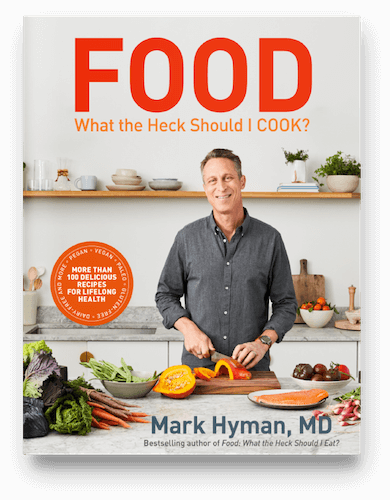
Food: What the Heck Should I Cook by Dr. Mark Hyman

October 23, 2019 By Trudy Scott 2 Comments

Dr. Mark Hyman proudly shares this about his new recipe book – Food: What the Heck Should I Cook

This cookbook is a beautiful work of art—full color, lots of recipe pictures, and over 100 delicious and healthy pegan recipes. The book features tasty recipes with delicious whole food ingredients.

Everything in the cookbook meets my Pegan Diet guidelines, which means all the recipes are gluten-free, dairy-free, refined sugar-free, and nutrient-dense. Whether you or someone in your household is Paleo, vegetarian, vegan, keto, pescatarian—it’s got super satisfying meals you’ll all love and can enjoy together.

Plus, I talk about how to create a conscious kitchen – which includes how I choose the ingredients I cook with as well as the safest cooking tools.

And he shares more about why he wrote this new cookbook – a companion book to Food: What the Heck Should I Eat – in the book trailer video.

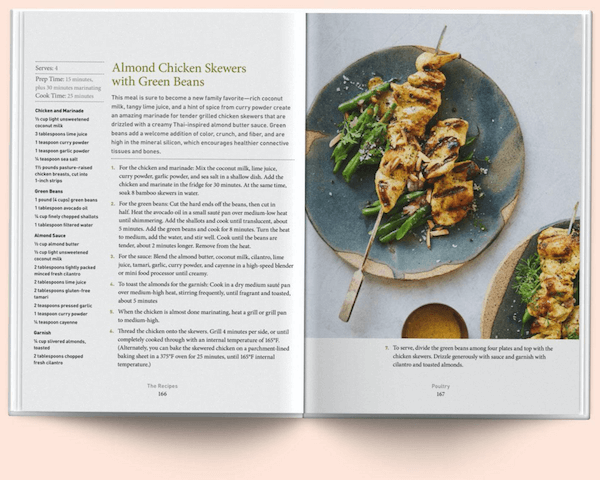
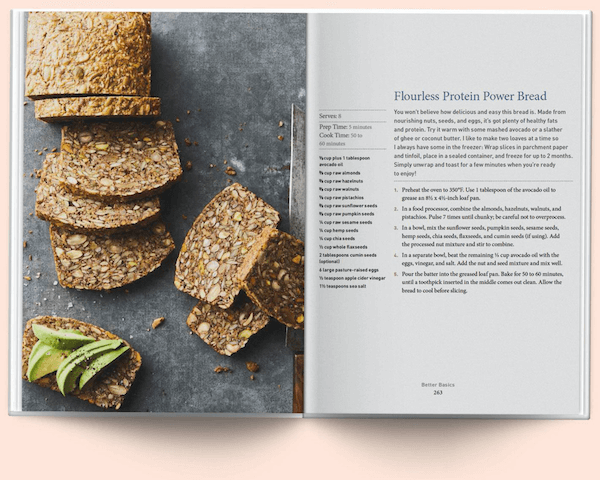
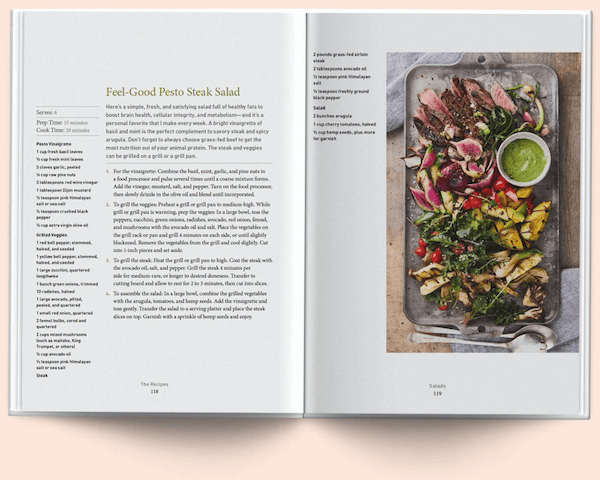
Here are few recipes from the book to get you inspired and cooking: Blushing Beet Soup, Feel-Good Pesto Steak Salad, Almond Chicken Skewers with Green Beans and Flourless Protein Power Bread.
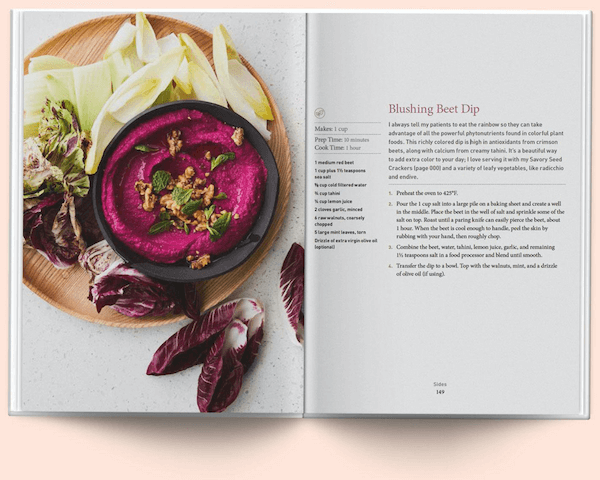
blushing beet dip

pesto steak salad

almond chicken skewers

protein power break

Here are a few of the many other recipes: Superfood Smoothie Bowl, Green Shakshuka, Crispy Carrot Fries with Pesto, Coriander Salmon with Coconut-Tomato Salsa, Toasted Sage Butternut Pizza, Lemon-Berry Rose Cream Cake, and Chocolate-Almond Sandwich Cookies.

He calls this recipe book  “one of my most exciting personal projects to date, one that I hope will be something you can use to create better health while sharing great times with the people you love.”

Learn more about the book here

Buy your copy on Amazon here (my Amazon link).

I hope it inspires you to create delicious healthy real food meals to eat and enjoy with your loved ones! And let us know which recipes you decide to make.
Filed Under: Books Tagged With: cooking, dairy-free, Dr. Mark Hyman, food, Food: What the Heck Should I Cook, gluten-free, nutrient-dense, paleo, Pegan, recipe book, recipes, refined sugar-free, vegetarian

Dr. Mark Hyman’s Broken Brain 2: mold toxicity, the heart-brain connection, genetics, inspiration and more

April 1, 2019 By Trudy Scott 6 Comments

Dr. Mark Hyman has done it again with a powerful all-new online docuseries called Broken Brain 2: The Body-Mind Connection as a follow-up to his very popular earlier online docuseries. Some of the big topics that are covered mycotoxins and mold toxicity, the heart-brain connection, the role of genetics and your environment and of course diet and lifestyle.

In the first episode, Dr. Hyman shares his own and very recent personal story with mold toxicity,  how it damaged his brain and how he recovered:

My mold toxicity started off as a cough I just couldn’t kick. After seeing several doctors (something even a doctor has to do sometimes!) I was advised that it could be mold. My house was the prime suspect and my hunch was right, and so began the process of healing my body and gutting my home. I was at one point so sick I couldn’t get out of bed; my mind and body felt like they were failing me and I was desperate to feel like myself again.

In a later episode, Dr. Hyman also shares how the connection between the heart and brain is a great example of the body’s interconnectedness at work:

People often think the brain is the one sending signals to the heart, instructing it to pump blood throughout the body. But there is much more to the story. The heart actually sends MORE signals to the brain than the other way around. The rhythm of the heart is extremely influential—it can signal a state of calm or one of stress, which the nervous system and brain register and share with the rest of the body.

That means your emotional and physical experiences all tie back to the rhythm of the heart. When we’re in a chronic state of stress, that disordered heart rate becomes our norm, and the amygdala gets familiar with it; the brain actually gets comfortable with it and sees it as our baseline.

For this reason, heart rate variability, or HRV, can be used as a dynamic tool to reset our heart-brain connection. We want to strive for a state of coherence—a smooth wave pattern in heart rate variability over time. This coherence is a reflection of a balance between the parasympathetic or relaxation nervous system and our sympathetic nervous system, which is the fight or flight system.

Coherence is the natural state of feeling good and it sends the most beneficial signals to the brain; it actually means we are able to send more information through the vagus nerve to the brain and when we’re in this state frequently it sets a new baseline, one that keeps the body relaxed, enhances cognition, and keeps our physiology balanced.

The powerful evidence behind the heart-brain connection has given birth to a concept called HeartMath, a methodology that assesses HRV and encourages self-regulation practices to promote heart-brain coherence for optimal health.

Dr Hyman and the experts will be doing a deep dive into HeartMath and the importance of the heart-brain connection in Broken Brain 2: The Body-Mind Connection. 

Here are some gems and inspiration from a few of the 70 health experts you can expect to learn from in the docuseries.

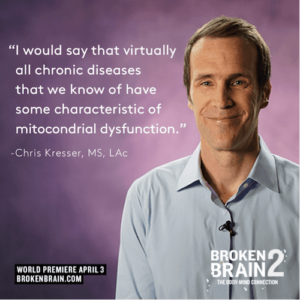
Dr. Chris Kresser on mitochondrial dysfunction and chronic disease….

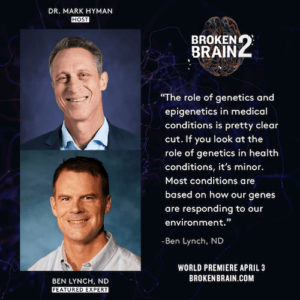
Dr. Ben Lynch on our genes and the environment …

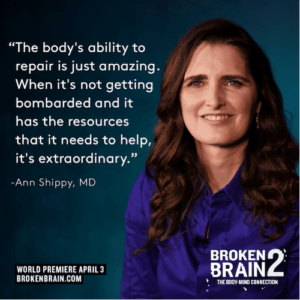
And some inspiration from Dr. Ann Shippy during her discussion on mold toxicity and brain health …

I am privileged and honored to have a very small cameo section in the docuseries!

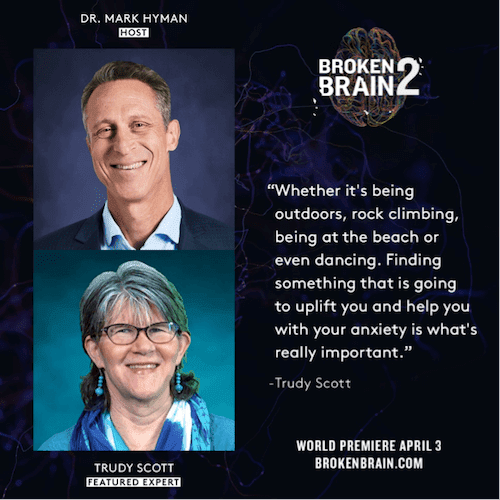
Here is some of my advice to find something you love to do and have fun…

And my closing words of wisdom about hope and finding your unique root cause …

» Click here to Reserve your SPOT to see Broken Brain 2

In Broken Brain 2, you’ll hear from me and leading health experts AND hear inspiring stories from recovering patients. You’ll discover:

  • Unique ways to protect your brain from the multitude of toxins inside your home…
  • The odd way in which your heart rhythm can shape your brain function…
  • Easy methods to heal yourself from destructive beliefs and traumas that impact your mind and body…
  • How to use your personal genetics to improve your brain and overall health…
  • The little-known link between your brain health and your eyes, teeth, and gums…
  • A simple morning routine for more success and better brain health…
  • And much, much more…

In Broken Brain 2, you’ll learn all about the functional medicine approaches available for overcoming a variety of toxic environmental exposures, including mold, as well as how to heal from toxic beliefs, support the heart-brain connection, understand immunity in the brain, and so much more.

Over the course of 8 full-length episodes, you’ll learn cutting-edge strategies to help you heal your own mind, brain, and body. Here are all 8 episodes and when they will air:

  1. April 3: Dr. Hyman’s Story: The Power of the Body-Mind Connection
  2. April 4: Protecting Your Brain from a Toxic World
  3. April 5: Rising Above and Healing from Toxic Beliefs and Trauma
  4. April 6: The Secrets Behind the Heart-Brain Connection
  5. April 7: Cooling the Fire Within: The Immune-Brain Connection
  6. April 8: How to Personalize Your Diet and Understand Your Genetics
  7. April 9: Optimizing Your Brain Health and Innovative Therapies
  8. April 10: The Step-by-Step Brain Reset

» Click here to register for Broken Brain 2

This was truly a “labor of love” for Dr. Hyman and all of us participants and we hope you’ll join.

Please help us spread the word by sharing this with your friends and loved ones who may benefit from this information.

Let us know if you can relate to any of this and feel free to post your questions here.

Filed Under: Events Tagged With: Ben Lynch, Broken Brain 2, Dr. Ann Shippy, Dr. Mark Hyman, functional medicine, genes, heart, Heartmath, mold toxicity

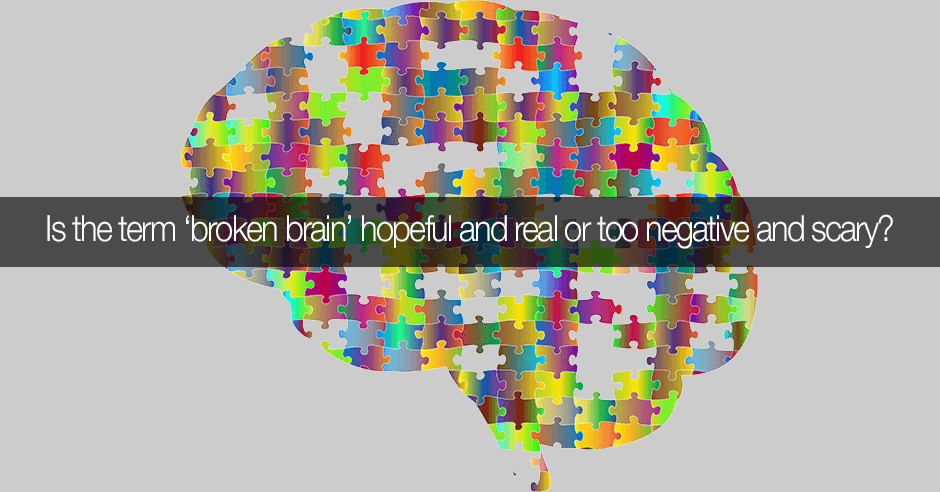
Is the term ‘broken brain’ hopeful and real or too negative and scary?

January 12, 2018 By Trudy Scott 18 Comments

If you experience anxiety, panic attacks, depression, memory or cognitive issues, ADHD or poor focus and someone suggests you may be suffering from a broken brain are you intrigued and hopeful that something that is broken can now be fixed OR do you consider the term broken brain too negative and scary?

I received this feedback from someone in my community when I shared my recent Broken Brain interview with Dr. Mark Hyman:

I’m looking forward to seeing the [Broken Brain] documentaries however I dislike the title. Everything that you say and think is affecting your brain. For me Broken is not a word with healing potencies but suggests that is something very bad happening in the brain. And maybe that is the case, but how we interpret our symptoms is very crucial for healing. In my opinion it could be Healing the Brain or something like that. I think is very important that the title implies positivity not fear!

I shared this feedback with her: “Thanks for sharing – you’re the 4th person in a day to say this. Prior to your feedback and hearing from 3 mental health colleagues earlier today I had not considered the name would invoke negativity and fear. One of my mental health colleagues shared with me that “referring to people as ‘broken’ is really stigmatizing and inappropriate.”

My thinking is that just like a leg is broken, the brain can be broken and can just as easily be fixed when we address the root causes. I’ve also watched the series (during the test run late last year) and have seen the wisdom, caring and compassion of the experts and Dr. Hyman, as well as the solutions and message of hope. I suspect that has swayed my opinion too. But I do see your point on being positive and solution-oriented without the fear aspect.”

What do you think?

It’s important that I serve my community well – and that’s you! If something concerns you I want to know so I can address it.  I also want you to know that I’m offering solutions hope and not wanting to create fear and negativity, so I posed this question on Facebook (together with the above feedback from the blog):

I’d love to hear your thoughts on the title of Dr. Hyman’s new Broken Brain docu-series?

What do you think? Good title? Bad title? And why?

The positive feedback: enlightening, fixable, hopeful

The majority of responses were positive feedback. Here are many of them:

  • Mary Anne McEvoy: I rather like the title. When I read the word “Broken” it brought my awareness to: “WOW – the brain can actually get ‘broken’!” I want to see the docu-series because of the word broken.
  • Cathcart Louque: I don’t mind the title at all. I work in mental health (as a Care Manger for a non-profit mental health organization helping low income people) and see “broken brains” everyday which could be so much better by diet, exercise, meditation etc. I wish something would shake people up into wanting to have better brain health. Dementia and Alzheimer’s can be at work ten, twenty, thirty years before it manifests but people continue to make bad choices. I hope his videos will bring enlightenment to many and more will be proactive! Me included 😀! Daily healthy choices are not always the easiest but boy it’s so worth it.
  • Susan McDuffie: This title may really speak to those who feel in dire straits. ‘Have tried everything, read everything, and still struggle.’ Sometimes it’s the darker words that actually resonate with people.
  • Wyndie: I’m not afraid of the word broken – it’s true. Some things break. But broken things can be fixed. When I hear that title, I don’t hear negative, I hear reality.
  • Holly Higgins, NTP: I love the title. It’s catchy, alliterative, and it’s the exact words that so many of my clients use to describe how they feel. I’ve heard this phrase over and over by people who feel like they’ve been harmed by psychiatry or have never felt like their brain was working right. We are all going to have different reactions. It’s clear from the content of the series and the character of the people involved that this was not meant to be offensive.
  • Marthe: I actually liked the title. I thought it was powerful and, to me, it inferred that brain issues are becoming common occurrences and that there are ways to heal.
  • Leslie Montano: It’s just a title. I like the alliteration. It’s catchy, easy to remember, and certainly effective in that way for marketing. It not stigmatizing, it is not directly calling any person broken, it is speaking about a part of the body generally. Things that are broken can be repaired. There is hope. And personally, 2 years ago before I fixed my diet and lifestyle, I felt broken. Broken brain explains EXACTLY what was going on and how I was feeling.
  • Sharleen McDowall: As a psychologist, I like the title. I see the title the same way you do – just like a broken leg. I think the title conveys a strong message and it is needed to spark the conversation about how we are treating our brains. Also, Dr. Hyman’s message focuses on how the broken brain can be healed which is very positive.
  • Lee Ann Foster: First of all, it’s a good, empowering series giving people a lot of useful and hope-inspiring information to care for their brain related issues. Secondly, as a 30-year old functional neuropsychology practice, Neurosource, in which we get to root issues and help re-regulate brain function through evidence based technologies and lifestyle interventions, we find that many people are relieved when we show them through 3-D neuroimaging how their brain is dysregulated – or one could say broken. We find people feel hopeful when they see their issues are physiological in nature (and can be helped), versus giving them stigmatized and often inaccurate or unhelpful mental health diagnostic labels that mean very little aside from labeling for insurance and pharmaceutical purposes. Just my two cents.
  • Pierce: For me the first step in healing is acknowledging that I’m broken at the moment. Then I focus on moving forward and healing for the long term.
  • Deena Louise: My son has tuberous sclerosis that has left him severely disabled with autism, MR and uncontrolled epilepsy….when my daughter, who is younger than him by 6 years, was able to understand that he was “different” than neurotypical people, she asked what was wrong with him….why didn’t he talk. She didn’t understand autism, so we just told her he had a broken brain. Some things can be fixed and some things can’t. She understood it when we said it that way. I think the title is fine…broken is just a word used to describe something that isn’t working right at the moment. Dealing with anxiety, menopause, insomnia and panic…my brain definitely feels broken! I can’t wait to watch the series, I don’t care what he calls it. I am grateful for all of these lovely functional medicine docs and scientists giving of their time and expertise to help so many.

The less than positive feedback: worthless, negative, insensitive

Three mental health professionals felt the term broken brain was stigmatizing but other than this, surprisingly few people had negative feedback. A few people resonated with words like repair or mend instead of broken, saying most people think of broken as worthless and negative, and can’t be fixed. One mom felt it was insensitive to the real struggles of depression and anxiety. Here are a few specific comments:

  • Donna: Broken brains aren’t as easily fixable as broken legs. Broken brain means Alzheimer’s or stroke or something equally scary to me. I think another word could have been used to get the point across…. whatever a broken but fixable brain is…
  • Missy Ruth: Our brains are not broken. They regenerate and grow and change and are incredible. However, they certainly can feel like they are not operating like we wish they would. Labeling the brain as “broken” is an example of inflammatory linguistics, and as human beings we create fear by using terms that exaggerate. We scare ourselves. Nobody’s brain is broken.

If you don’t like the term broken brain, I’m hoping you will get some inspiration and feel some level of comfort from the positive comments above and watch it anyway. You will see there are solutions, compassion and hope!

Also, many of my clients who use words like “negative, worthless, scary and fear”, do feel better when we look into low serotonin and address low levels with tryptophan or 5-HTP. Also, addressing gluten issues, poor gut health, low GABA, low zinc and so on – everything body-related that can affect the mind and brain. All of this is covered in the docuseries, other then the use of targeted amino acids, which I cover extensively in my book The Antianxiety Food Solution, in my newsletters and elsewhere on this blog.

An apology: integrity, compassion and hope

I really want to hear your thoughts but also want to offer Dr. Hyman’s apology if you are offended by the term broken brain. As soon as his team started getting feedback they issued this statement on his behalf:

Thank you for your comment. We completely understand what you are saying and we agree. So much of this docuseries is about Dr. Hyman’s personal health crisis and how he treated his own brain disorder. During this time Dr. Hyman felt like he had a broken brain. This is why we decided to call the title Broken Brain because the foundation of the series is about his personal journey. However, we do not think that everyone who is dealing with a brain disorder or a developmental disorder has a broken brain. We know that all individuals, including those with brain conditions, are fully complete people, each with their unique spirit. We hope that you’ll watch the series and understand that more than anything it’s about hope and about moving toward our best health!

I find this very thoughtful and it clearly reflects the level of his integrity and compassion.

In case you’re just hearing about the Broken Brain for the first time, you can watch my highlights video interview with Dr. Hyman (together with the transcript).

So, what do YOU think? Is broken brain a good title or term? Or a bad title or term? And why?

(With appreciation if you already provided feedback and for giving me permission to share it here. This is a good discussion to have!)

Filed Under: Antianxiety, Events Tagged With: anxiety, broken brain, depression, Dr. Mark Hyman, hopeful, Negative, panic attacks

New book for health coaches: Functional Medicine Coaching

April 25, 2017 By Trudy Scott 3 Comments

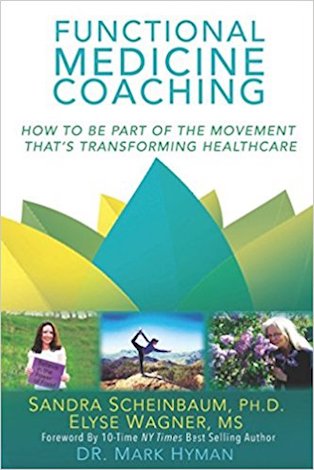
If you’re a health coach or an aspiring health coach I want to make sure you know about the new book written by my colleagues Sandra Scheinbaum and Elyse Wagner. They are two of the key leaders in Functional Medicine coaching and founders of Functional Medicine Coaching Academy, a well-regarded learning platform for health coaches around the world.

Their new book is called Functional Medicine Coaching: How to Be Part of the Movement That’s Transforming Healthcare.

(You may even find it useful if you’ve worked with a health coach or plan to work with one in the future, and to get a better understanding of Functional Medicine and how it works)

The goal of this book is not only to help you understand the growing role of health coaches, but also to be inspired by the dozens of transformational stories and the impact of Functional Medicine overall.

Here is a snippet from Dr. Mark Hyman’s foreword for the book, describing the important role of health coaches:

Health coaches teach people how to change their diet and live better, more fulfilling lives. They do not act as experts, but educated in Functional Medicine principles and nutrition, they have enough information to guide clients to make better choices and change habits. Coaches provide the key ingredient: social support. The coach, rather than acting as the expert, empowers the client to take charge of his/her health and the two work as a team.

As a nutritionist, I believe that health coaches are an important part of the team for someone who is working with a functional medicine practitioner. This book covers all the important aspects about being a health coach, and why proper training is essential, as well as providing a clear understanding of the value and impact of Functional Medicine.

Dr Hyman sums it up perfectly:

Essentially, individuals engage with coaches to support them, either individually, or in groups. With this type of teamwork, individuals can transform their behavior. They can receive feedback and be held accountable. Health coaches have to be integrated into every facet of the health care system, beginning in the community.

The Functional Medicine movement cannot succeed without Functional Medicine health coaches, as inspiring behavior change is necessary if people are to actually get better. I can tell my patients what to do, but if they don’t do it, it doesn’t matter.

The authors are offering a no-cost Functional Medicine health coaching session for you if you buy the book and register your purchase through the Functional Medicine Coaching Academy. You will also have access to the dozens of bonuses being offered by some of the top leaders in the healthcare community.

Here is the link to purchase on Amazon

Here is the link to register your book (after purchasing it) and your no-cost Functional Medicine health coaching session + bonuses.

Here’s to transforming your health and the health of those around you!

Filed Under: Books Tagged With: Dr. Mark Hyman, Elyse Wagner, Functional Medicine coaching, Functional Medicine Coaching Academy, health coach, Sandra Scheinbaum

Thyroid Secret documentary – wise words of wisdom!

February 25, 2017 By Trudy Scott 9 Comments

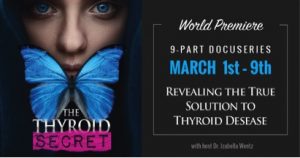
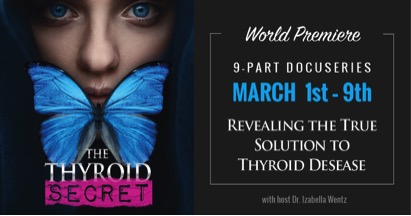
The Thyroid Secret documentary is just around the corner!  My colleague Dr. Izabella Wentz and her amazing team have produced this powerful 9-part documentary and it truly is groundbreaking! (It starts on March 1.)

Thyroid disease is one of the most overlooked diseases and is so often misdiagnosed. I see this all this time with my anxious clients (and I share more about this in the documentary!)

In case you’re not already signed up here is the link to sign up. And some wise words of wisdom from some of the experts that are part of the documentary

If you are already signed up enjoy these wise words too!

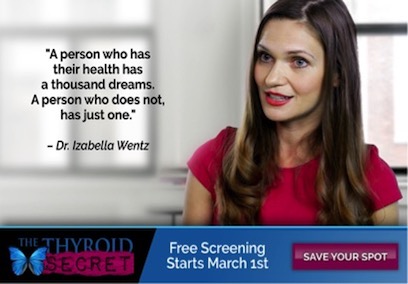
Dr. Izabella Wentz, host and producer of the documentary, and author of the forthcoming book, Hashimoto’s Protocol, sets the tone and I love it!

A person who has their health has 1,000 dreams. A person who does not has just one.

Allowing yourself to heal will allow you to do all these different things in your life that you maybe dreamed about but you never thought were possible. I have people within my community who’ve become like romance novelists or … they’ve gone back to horseback riding. They’ve done all of these things that they never thought will be possible and sometimes in their 40s, 50s, 60s, lucky ones in their 20s.

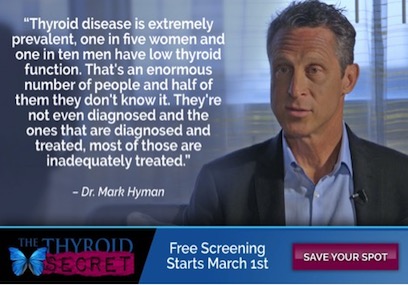
Dr. Mark Hyman, author of The Blood Sugar Solution, discusses the prevalence of thyroid disease in this part of his interview:

Thyroid disease is extremely prevalent, one in five women and one in ten men have low thyroid function. That’s an enormous number of people and half of them they don’t know it. They’re not even diagnosed and the ones that are diagnosed and treated most of those are inadequately treated.

You’ve got an epidemic or thyroid dysfunction that is really driving a lot of suffering and it’s subtle. People don’t know, they think it’s something else. Oh I’m a little tired, oh I have trouble getting up in the morning, my skin’s a little dry, my nails are cracking, I’m a little constipated, I have a little fluid retention. Can’t remember things as well, I feel little depressed, I might not be sleeping as well, I might get muscle cramps, my sex drive’s a little low… You add all these things up, oh my hair’s falling out a little bit.


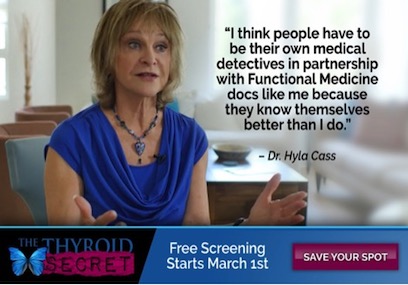
Dr. Hyla Cass, integrative psychiatrist, talks about antidepressant side-effects in this part of her interview:

I think people have to be their own medical detectives in partnership with Functional Medicine docs like me because they know themselves better than I do.

 I think the way conventional medicine is treating depression is really a disaster and that’s simply writing prescriptions for antidepressants. I get a lot of these women and women outnumbering men with thyroid issues coming to me, that have been failures. ‘Failures’ at antidepressant therapy, they’re still depressed and they’re not only still depressed but they now have side effects from being on antidepressants. They can’t sleep or they’re sleeping too much, weight gain, huge weight gain (with thyroid issues you’re already gaining weight). Then there is dizziness, nausea, lack of libido… I mean really? So many problems with the antidepressants and it’s not directed to the cause.


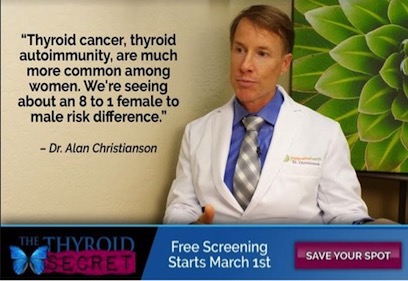
Dr. Alan Christianson, author of The Adrenal Reset Diet, covers our genes and environmental toxins in this part of his interview:

Thyroid cancer, thyroid autoimmunity are much more common among women. We’re seeing about a eight to one female to male risk difference.

So, we think that it’s really a perfect storm of three, three large factors; we’ve got the, the genes, you know. So, the first step is you got to be cautious about choosing your parents (laughter), however that works out, I don’t know. So, there’s some genetic susceptibility and then, and there’s some foreign substances. So, your thyroid like, there’s the shows about the hoarders you know, like those that like never let go of things. So, your thyroid is kind of a hoarder (laughter). It needs iodine, but the amount that it needs is way above what your blood carries, so it concentrates it and pulls it in.

We have a lot of weird chemicals nowadays that confuse that concentrator, that your concentrator thinks, “Well, that looks like iodine,” but it’s not. So, we have uh, Perchlorate for example in the soils in the southwest area, where we had someone just the other day who is working in aviation, in managing the airplanes out in the tarmac and what not and exposed to jet fuel, and they get Perchlorate from that as well.

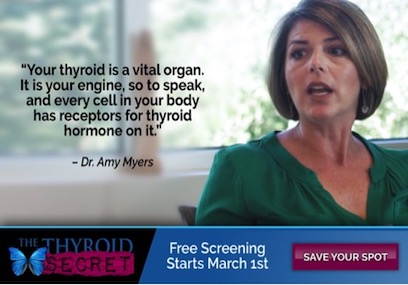
Dr. Amy Myers, author of The Autoimmune Solution, covers diagnosis, root causes and supplemental thyroid hormone in this part of her interview:

Your thyroid is a vital organ. It is your engine, so to speak, and every cell in your body has receptors for thyroid hormone on it.

The average is 6 to 10 doctors in five years to get any kind of autoimmune diagnosis. It may be less for thyroid because that’s a little more common and people do screen at least with a TSH, but if that damage has been going on or you are just now becoming aware of it and you’ve had Hashimoto’s for 20 years, if you’ve had enough damage and destruction to your thyroid, I and no one can grow your thyroid back. We can optimize the function through, and I’m sure we’ll talk about that through this interview, we can optimize the function, we can prevent you hopefully from getting another autoimmune disease, we can get to the root cause of why you got it, but I can’t regrow thyroid tissue for you. You may still need to be on some supplemental thyroid hormone, and that’s okay. I just want people to know that there are people, and I have them in my clinic as well, that we get it early enough and we’re able to do all the things that we’ll talk about in the interview, and they don’t need to go on supplemental thyroid hormone, or they’ve gone on it and we’ve been able to get them off.

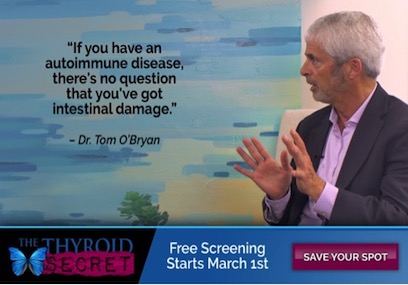
Dr. Tom O’Bryan, author of The Autoimmune Fix, discusses the key role the gut and microbiome play:

If you have an autoimmune disease, there’s no question that you’ve got intestinal damage.

It’s a shift. The first shift is recognizing that there’s no magic pill for thyroid autoimmune disease. There’s no magic pill. The second shift is recognizing that it’s going to take time to reverse the damage that’s accrued. If you can accept that and look for the small wins regularly, and the third is … My recommendation to people, one hour a week. Can you give one hour a week to just doing some research on this topic that you have? Just one hour a week.

The most important thing as we’re learning now in this last ten to twelve year period is if there’s one organ that is more impactful on the rest of the body than any other organ, it’s the microbiome. The microbiome controls our brain function. For every one message coming from the brain down to the gut, there are nine messages from the gut to the brain. It’s the exhaust, if you will, the chemicals that are secreted by the microbiome that go up to the brain to tell the brain what to do. It’s a nine to one ratio. For your heart, the microbiome sends direction to the heart. For your thyroid, the microbiome sends direction to the thyroid.

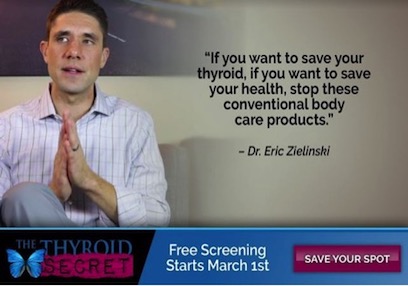
Dr. Eric Zielinski, host of the Essential Oils Summit, covers the dangers of conventional body care products and why use essential oils instead:

We need to work on preventing disease before they happen and I hope to God, that the researchers will come together, that the funding will be available so we could start testing how certain essential oils and chemical constituencies in these oils affect thyroid conditions. Until we do have that, I’m telling you one thing.

If you want to save your thyroid, if you want to save your health, stop these conventional body care products. I’m talking throw them away.

The lowest hanging fruit that anyone can do today, so easy, is literally to throw away all hand sanitizer. I’m telling you, it’s like the worst stuff for you. Conventional hand sanitizer, throw it away. To replace it, super simple. You get a one to two ounce glass spritzer bottle, you put a few drops of witch hazel in it, a couple drops of aloe, vitamin E, and seven drops of essential oils per every ounce that the bottle is.

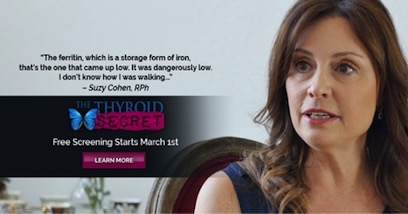
Suzy Cohen, RPh covers low ferritin and low manganese:

The ferritin, which is a storage form of iron, that’s the one that came up low. It was dangerously low. I don’t know how I was walking, it was eight, and it was eight for years. It was eight when I measured it, so it was probably lower, but eight is a very bad number. We shoot to have it above 50, sometimes even closer to 70.

I’m often asked, “What did I do to raise that ferritin, how did I get my iron up?” You would think the answer is that I took iron supplements, but that didn’t work. I did try them. I tried them for six months, they tore me apart. I took the best forms. I’m a pharmacist, I know what the best forms are. Iron doesn’t really help you if you’re iron deficient. That’s a huge secret.

The things that I did were I bought a cast iron pot. I bought two, a little one and a bigger one, and I cooked everything in my cast iron pot because the iron leaches just a little teeny bit. It’s just a little bit, but cooking all of your food in a cast iron pot helped. I drank a little Dixie cup full of orange juice every day. I took betaine with pepsin. This was huge for me. You’ve written articles about this, where you have to titrate up with the betaine. You can’t just take five all at once, but I was so low in acid that at one point I was taking six with my meals. Isn’t that a lot? Today I don’t take any, but there was a point where I worked my way up from one capsule with a meal to six.

The final piece of this was manganese. If your iron is low, manganese is lower, count on it. Having your iron and your manganese in the correct ratio is very huge. I took one capsule of manganese every day and that worked for me. It allows you to better absorb your iron, you need less iron, and you maintain the manganese-iron ratio, and that was a very big piece of it. I took one manganese capsule every day for about a year.

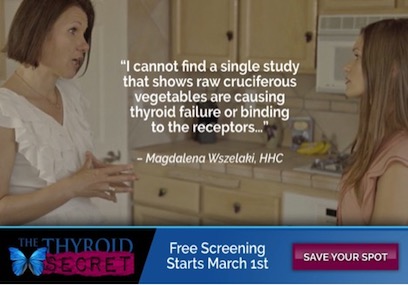
Magdalena Wszelaki, creator of Eating for Hormone Balance, talks about raw cruciferous vegetables and oxalates in this part of her interview:

I cannot find a single study that shows raw cruciferous vegetables are causing thyroid failure or binding to the receptors, or whatever. It’s the stuff that I feel like the bloggers have copied and pasted the same information and just created fear. Having said that, I have come across people …This is anecdotal, but when you have people coming to you over and over again telling these stories of going on a health binge, on a health kick I should say, and they will do juicing or they would start blending smoothies that are full of kale, and beets, and almonds. Then three months into that health protocol, they start having a lot of issues with fatigue. They start putting on weight. They go and get a test that turns out it’s the thyroid.

I think that what is happening is that there’s an issue with oxalates with a lot of the vegetables. Kale has got some oxalates, but spinach is super high in oxalates. Almonds are super high in oxalates, so are hemp seeds, all the seeds and nuts. That has been well-documented that oxalates can deposit on the thyroid gland and be causing an issue. I suspect that could be a problem for a lot of people. With the cruciferous vegetables, I love them because they are so rich in … Nutritionally they’re so much richer than all the other vegetables. They’re also full of diindolylmethane, DIM also named, which binds estrogen and that really supports the thyroid function. I’m definitely for them.

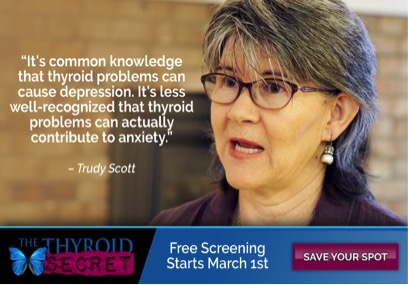
Trudy Scott, yours truly (!), and author of The Antianxiety Food Solution:

A lot of people go to the doctor and get a diagnosis, you’ve got anxiety, or you’ve got depression, and they’ll be given a medication, benzodiazepine or an SSRI. It may be the thyroid that’s causing the problems. It’s common knowledge that thyroid problems can cause depression. It’s less well recognized that thyroid problems can actually contribute to anxiety.

I actually looked at a study that was published in 2010, and they found that there was three times the higher incidence of anxiety in women who have underactive thyroid. It’s more common than a lot of people realize.

Certainly in my practice, working with anxious women, most of the people that I work with are women, I work with men as well, but most of the women that I work with, with anxiety, have thyroid issues. They either have Hashimoto’s Thyroiditis, they have hypothyroid, or they may have had Graves’ in the past. It’s very, very common that I see this.

One of the things that we want to think about from a biochemical and a nutritional aspect when it comes to anxiety is, junk food. We want to eat real whole food. The additives, the colors, the pesticides, the trans fats, all of those can be problematic when it comes to anxiety, because we don’t have the raw materials to make our brain chemicals. GABA is a wonderful calming neurotransmitter, and serotonin is also calming, and if we don’t have enough of the raw materials to make those neurotransmitters, we can be more prone to anxiety.

I’d like to end with a perfect quote from Mary Shomon, thyroid advocate: Be your own CEO of your healthcare!

Watching this Thyroid Secret documentary will empower you, provide you with vital thyroid knowledge you and will truly allow you to be the CEO of your own healthcare when it comes to your thyroid health!

Here is the link to register for the 9-part online documentary The Thyroid Secret, which runs March 1-9.

I do hope you can join us online for this amazing 9-part documentary that I’m so honored to have been a part of!

Filed Under: Anxiety and panic, Events, Thyroid, Thyroid health Tagged With: anxiety, Dr Alan Christianson, Dr Tom O'Bryan, Dr. Mark Hyman, GABA, hashimoto's thyroiditis, izabella wentz, thyroid, Thyroid Secret

Primary Sidebar

NEW! GABA QuickStart Homestudy (with special intro pricing)

gaba quickstart homestudy

Free Report

9 Great Questions Women Ask about Food, Mood and their Health

You'll also receive a complimentary subscription to my ezine "Food, Mood and Gal Stuff"


Connect with me

Popular Posts

  • Amino Acids Mood Questionnaire from The Antianxiety Food Solution
  • The Antianxiety Food Solution Amino Acid and Pyroluria Supplements
  • Pyroluria Questionnaire from The Antianxiety Food Solution
  • Collagen and gelatin lower serotonin: does this increase your anxiety and depression?
  • Tryptophan for the worry-in-your-head and ruminating type of anxiety
  • GABA for the physical-tension and stiff-and-tense-muscles type of anxiety
  • The Antianxiety Food Solution by Trudy Scott
  • Seriphos Original Formula is back: the best product for anxiety and insomnia caused by high cortisol
  • Am I an anxious introvert because of low zinc and vitamin B6? My response to Huffington Post blog
  • Vagus nerve rehab with GABA, breathing, humming, gargling and key nutrients

Recent Posts

  • What do I use instead of Seriphos to help lower high cortisol that is affecting my sleep and making me anxious at night?
  • BeSerene™ GABA/theanine cream eases severe muscle tension in her neck/shoulders, prevents her bad headaches and quells her anxiety
  • How the correct approach, dose and sublingual use of GABA can be calming and not cause a flushed and itchy face and neck
  • The amino acid glutamine improves low mood by addressing gut health, and it has calming effects too
  • Flight anxiety with heightened breath, physical tension and also fearing the worst (the role of low GABA and low serotonin)

Categories

  • 5-HTP
  • AB575
  • Addiction
  • ADHD
  • Adrenals
  • Alcohol
  • Allergies
  • Alzheimer's disease
  • Amino Acids
  • Anger
  • Antianxiety
  • Antianxiety Food Solution
  • Antidepressants
  • Anxiety
  • Anxiety and panic
  • Autism
  • Autoimmunity
  • benzodiazapines
  • Bipolar disorder
  • Books
  • Caffeine
  • Cancer
  • Candida
  • Children/Teens
  • Collagen
  • Cooking equipment
  • Coronavirus/COVID-19
  • Cravings
  • Depression
  • Detoxification
  • Diabetes
  • Diet
  • DPA/DLPA
  • Drugs
  • EFT/Tapping
  • EMF
  • EMFs
  • Emotional Eating
  • Endorphins
  • Environment
  • Essential oils
  • Events
  • Exercise
  • Fear
  • Fear of public speaking
  • Fertility and Pregnancy
  • Fish
  • Food
  • Food and mood
  • Functional neurology
  • GABA
  • Gene polymorphisms
  • General Health
  • Giving
  • Giving back
  • Glutamine
  • Gluten
  • GMOs
  • Gratitude
  • Gut health
  • Heart health/hypertension
  • Histamine
  • Hormone
  • Hyperparathyroidism
  • Hypoglycemia
  • Immune system
  • Inflammation
  • Insomnia
  • Inspiration
  • Introversion
  • Joy and happiness
  • Ketogenic diet
  • Lithium orotate
  • Looking awesome
  • Lyme disease and co-infections
  • MCAS/histamine
  • Medication
  • Men's health
  • Mental health
  • Mercury
  • Migraine
  • Mold
  • Movie
  • MTHFR
  • Multiple sclerosis
  • Music
  • NANP
  • Nature
  • Nutritional Psychiatry
  • OCD
  • Osteoporosis
  • Oxalates
  • Oxytocin
  • Pain
  • Paleo
  • Parasites
  • Parkinson’s disease
  • PCOS
  • People
  • PMS
  • Postpartum
  • PTSD/Trauma
  • Pyroluria
  • Questionnaires
  • Real whole food
  • Recipes
  • Research
  • Schizophrenia
  • serotonin
  • SIBO
  • Sleep
  • Special diets
  • Sports nutrition
  • Stress
  • Sugar addiction
  • Sugar and mood
  • Supplements
  • Teens
  • Testimonials
  • Testing
  • The Anxiety Summit
  • The Anxiety Summit 2
  • The Anxiety Summit 3
  • The Anxiety Summit 4
  • The Anxiety Summit 5
  • The Anxiety Summit 6
  • Thyroid
  • Thyroid health
  • Toxins
  • Tryptophan
  • Tyrosine
  • Uncategorized
  • Vegan/vegetarian
  • Women's health
  • Yoga

Archives

  • October 2025
  • September 2025
  • August 2025
  • July 2025
  • June 2025
  • May 2025
  • April 2025
  • March 2025
  • February 2025
  • January 2025
  • November 2024
  • October 2024
  • September 2024
  • August 2024
  • July 2024
  • June 2024
  • May 2024
  • April 2024
  • March 2024
  • February 2024
  • January 2024
  • December 2023
  • November 2023
  • October 2023
  • September 2023
  • August 2023
  • July 2023
  • June 2023
  • May 2023
  • April 2023
  • March 2023
  • February 2023
  • January 2023
  • December 2022
  • November 2022
  • October 2022
  • September 2022
  • August 2022
  • July 2022
  • June 2022
  • May 2022
  • April 2022
  • March 2022
  • February 2022
  • January 2022
  • December 2021
  • November 2021
  • October 2021
  • September 2021
  • August 2021
  • July 2021
  • June 2021
  • May 2021
  • April 2021
  • March 2021
  • February 2021
  • January 2021
  • December 2020
  • November 2020
  • October 2020
  • September 2020
  • August 2020
  • July 2020
  • June 2020
  • May 2020
  • April 2020
  • March 2020
  • February 2020
  • January 2020
  • December 2019
  • November 2019
  • October 2019
  • September 2019
  • August 2019
  • July 2019
  • June 2019
  • May 2019
  • April 2019
  • March 2019
  • February 2019
  • January 2019
  • December 2018
  • November 2018
  • October 2018
  • September 2018
  • August 2018
  • July 2018
  • June 2018
  • May 2018
  • April 2018
  • March 2018
  • February 2018
  • January 2018
  • December 2017
  • November 2017
  • October 2017
  • September 2017
  • August 2017
  • July 2017
  • June 2017
  • May 2017
  • April 2017
  • March 2017
  • February 2017
  • January 2017
  • December 2016
  • November 2016
  • October 2016
  • September 2016
  • August 2016
  • July 2016
  • June 2016
  • May 2016
  • April 2016
  • March 2016
  • February 2016
  • January 2016
  • December 2015
  • November 2015
  • October 2015
  • September 2015
  • August 2015
  • July 2015
  • June 2015
  • May 2015
  • April 2015
  • March 2015
  • February 2015
  • January 2015
  • December 2014
  • November 2014
  • October 2014
  • September 2014
  • August 2014
  • July 2014
  • June 2014
  • May 2014
  • April 2014
  • March 2014
  • February 2014
  • January 2014
  • December 2013
  • November 2013
  • October 2013
  • September 2013
  • August 2013
  • July 2013
  • June 2013
  • May 2013
  • April 2013
  • March 2013
  • February 2013
  • January 2013
  • December 2012
  • November 2012
  • October 2012
  • August 2012
  • July 2012
  • June 2012
  • May 2012
  • April 2012
  • March 2012
  • February 2012
  • January 2012
  • December 2011
  • November 2011
  • October 2011
  • September 2011
  • August 2011
  • July 2011
  • June 2011
  • May 2011
  • April 2011
  • March 2011
  • February 2011
  • January 2011
  • December 2010
  • October 2010
  • September 2010
  • July 2010
  • May 2010
  • April 2010
  • March 2010
  • February 2010
  • January 2010
  • November 2009

Share the knowledge!

The above statements have not been evaluated by the Food and Drug Administration. Products listed in this website are not intended to diagnose, treat, cure or prevent any disease.

The information provided on this site is for informational and educational purposes only and is not intended as a substitute for advice from your physician or other health care professional. You should consult with a healthcare professional before starting or modifying any diet, exercise, or supplementation program, before taking or stopping any medication, or if you have or suspect you may have a health problem.


Copyright © 2026 Trudy Scott. All Rights Reserved. | Privacy | Terms and Conditions | Refund Policy | Medical Disclaimer

Free Report

9 Great Questions Women Ask about Food, Mood and their Health

You’ll also receive a complimentary subscription to my ezine “Food, Mood and Gal Stuff”