• Skip to primary navigation
  • Skip to main content
  • Skip to primary sidebar

everywomanover29 blog

Food, Mood and Women's Health – Be your healthiest, look and feel great!

  • Blog
  • About
  • Services
  • Store
  • Resources
  • Testimonials
  • The Book
  • Newsletter
  • Contact
  • Search this site

anxiety

The Anxiety Summit – My Anxiety Story and the Message of Hope We Offer

May 18, 2015 By Trudy Scott 14 Comments


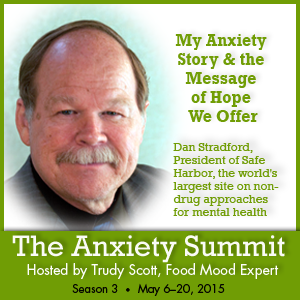
Dan Stradford, Safe Harbor President, is interviewed by host of the Anxiety Summit, Trudy Scott, Food Mood Expert and Nutritionist, author of The Antianxiety Food Solution.

My Anxiety Story and the Message of Hope We Offer

  • Safe Harbor /Alternative Mental Health: a message of hope and practitioner resources
  • His low zinc, histadelia and anxiety
  • Margot Kidder’s story with amino acids and bipolar disorder
  • Success with social anxiety/pyroluria
  • His greatest piece of wisdom from an elderly African priest

Safe Harbor is the world’s largest site on non-drug approaches for mental health.

Thousands of people around the world have recovered from mental disorders and now enjoy the simple pleasures of a drug-free life. Most were told this was impossible. Yet we hear from these individuals regularly. Many others have been able to significantly reduce their dependency on psychiatric medication. Commonly these people find that underlying their “mental” disorders are medical problems, allergies, toxic conditions, nutritional imbalances, poor diets, lack of exercise, or other treatable physical conditions.

Safe Harbor is a nonprofit corporation, founded in 1998 and based in Los Angeles, California.

In 1958, when Safe Harbor founder Dan Stradford was four years old, his father, William Stradford, vanished into a mental hospital with a “nervous breakdown.” After receiving a series of shock treatments and potent drugs, William Stradford returned home a broken man. His memory was gone, his personality had deteriorated, and he could scarcely hold a job.

William Stradford – a once-vibrant, personable man – never recovered. The family, with 4 children, plummeted into poverty and fell apart. All the children except for Dan ended up in children’s homes.               

From a very early age, Dan Stradford felt there had to be safer, more effective alternatives for treating the mentally disturbed. In 1998 he formed the groundwork for the Safe Harbor Project to help others avoid the tragedy he witnessed growing up.

Finding many like-minded people inside and outside the medical community, Dan requested their help as board members and advisors and the Safe Harbor Project was born.

Safe Harbor has a very active Integrative Psychiatry email listserv for professionals who wish to share information on alternative mental health treatments. You can find out more about this and sign up here

This is the ebook for health professionals: Complementary and Alternative Medicine Treatments in Psychiatry

There is a practitioner directory  but I’m not sure how accurate it is right now. They just moved to a new website format and I don’t see my listing there. We’ll keep you posted as it gets fixed.

Here is a link to Margot Kidder’s story: The Role of Amino Acids in Bipolar Disorder and Mental Health

The big takeaways from this interview:

  • The human mind and body is very complex and many overlapping factors can contribute to your anxiety
  • The physical aspect is the most unknown cause of mental health and most practitioners don’t know about this aspect

If you are not already registered for the Anxiety Summit you can get live access to the speakers of the day here: www.theAnxietySummit.com

Missed this interview or can’t listen live? Or want this and the other great interviews for your learning library? Purchase the MP3s or MP3s + transcripts and listen when it suits you.

You can find your purchasing options here: Anxiety Summit Season 1, Anxiety Summit Season 2, and Anxiety Summit Season 3.
Filed Under: Antianxiety, The Anxiety Summit 3 Tagged With: Alternative Mental Health, anxiety, Dan Stradford, histadelia, Margot Kidder, physical conditions, pyroluria, Safe Harbor, the anxiety summit, Trudy Scott

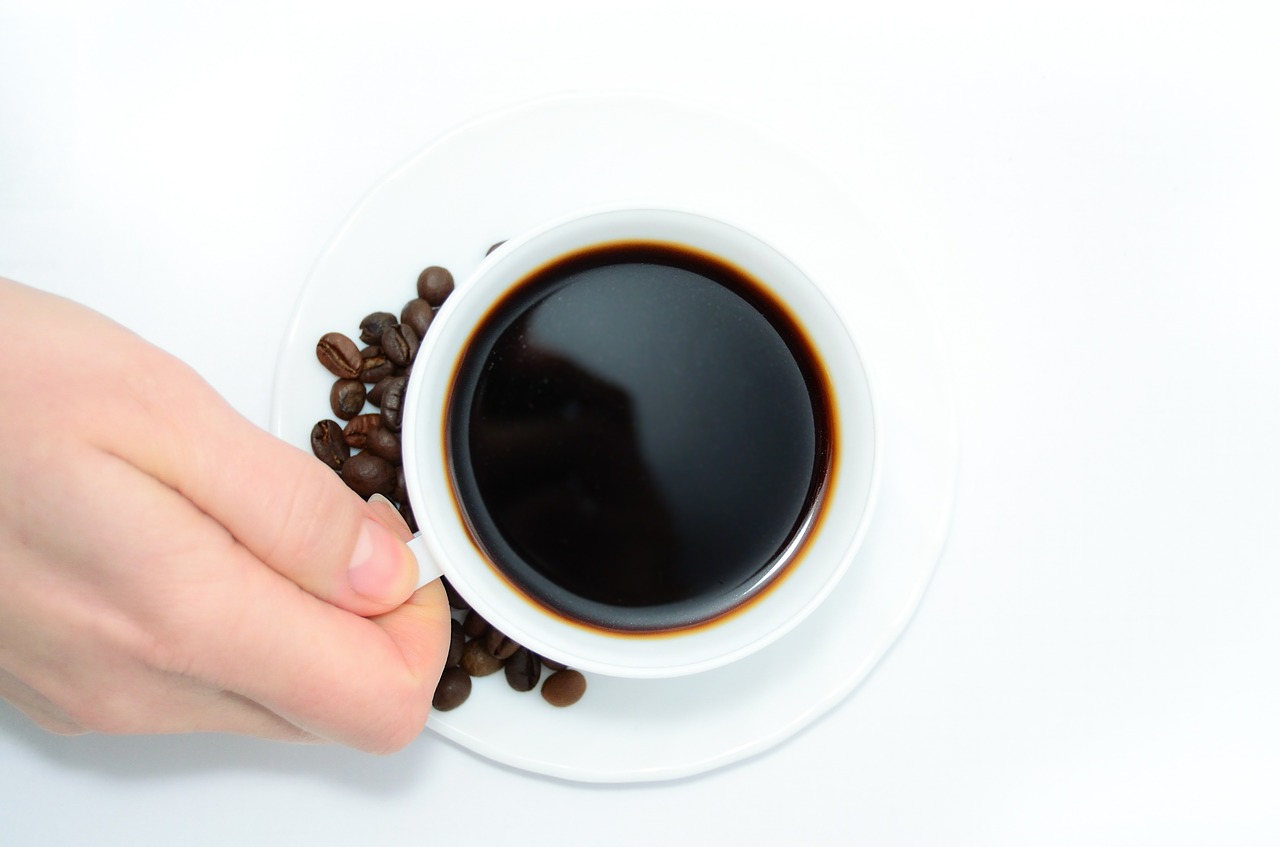
12 Ways Coffee Impacts Your Hormones

May 17, 2015 By Trudy Scott 4 Comments

 a-cup-of-coffee-399478_1280

12 Ways Coffee Impacts Your Hormones

Guest post by Magdalena Wszelaki, founder of Hormones Balance

(with the 12th one on anxiety added by me!)

Black magic. Black medicine. Morning elixir.

If you had to give up either coffee or the internet for 2 weeks, which one would you choose? How about either coffee or sex for 2 weeks? If you’d rather relinquish anything to keep your coffee, you’d be on par with the majority of the people around you.

Taking steps to remove gluten, dairy or sugar from your diet can feel like a breeze compared to giving up coffee. However, as with anything that makes us feel that good, there is another side to your java fixation, and you need to know about it.

Benefits of coffee

Many reliable studies are often cited in confirming that coffee is full of antioxidants and polyphenols. However, these same antioxidants and polyphenols can also be found abundantly in many fruits and vegetables.

In addition, there are also a variety studies showing coffee’s role in the prevention of cancer, diabetes, depression, cirrhosis of the liver, gallstones, etc.

Beyond science, there is also the undeniable feeling of comfort in a morning routine, a stop at a favorite coffee shop, the smell, the buzz, and the energetic boost and mental clarity that come with a good cup of joe.

Everyone reacts differently

Is coffee bad for everybody? Not really. Each of us can have a different reaction to coffee. Some people get jittery, anxious and nervous, while others feel uplifted for hours. Many coffee drinkers report feeling good for the first two hours (mainly due to a dopamine spike), but eventually their energy and mental alertness will start dropping rapidly.

Coffee is metabolized in Phase I of the liver detoxification pathway, and some people have a harder time breaking it down – we call them “slow metabolizers.” This can either manifest immediately, presenting shaky and jittery feelings, or in a delayed fashion, such as poor sleep and digestive issues.

What is so worrisome about coffee?

If you are suffering from thyroid issues, Hashimoto’s, adrenal fatigue, insomnia, anxiety, hot flashes or hormone-related conditions, it’s important to be fully aware of the “other side of coffee” and make an educated decision whether it is good for you.

Here are some of the lesser-known facts about coffee:

  1. Increases blood sugar levels

According to this study, caffeine increases blood sugar levels. This is especially dangerous for people with hypoglycemia (or low sugar levels) who feel jittery, shaky, moody and unfocused when hungry. Blood sugar fluctuations cause cortisol spikes, which not only exhaust the adrenals, but also deregulate the immune system. This is highly undesirable for those of us with adrenal fatigue, Hashimoto’s or Graves’ disease. Such cortisol spikes are also highly inflammatory (read more below).

  1. Creates sugar and carbohydrate cravings

As the result of the above (increase in sugar levels), when our blood sugar levels come down, we need an emergency fix to bring them back up. This is why people who drink coffee at breakfast or indulge in sugary and processed breakfasts crave carbs and sugar by 11am or later in the day.

  1. Contributes to acid reflux and damages gut lining

Coffee stimulates the release of gastrin, the main gastric hormone, which speeds up intestinal transit time. Coffee can also stimulate the release of bile (which is why some people run to the bathroom soon after drinking coffee) and digestive enzymes.

In a person with a healthy digestion, this is not a big deal. However, for people with autoimmune conditions, compromised digestion (such as IBS, or “leaky gut”), this can cause further digestive damage to the intestinal lining (source).

  1. Exhausts the adrenals

Coffee stimulates the adrenals to release more cortisol, our stress hormone; this is partly why we experience a wonderful but temporary and unsustainable burst of energy.

What many of us don’t realize is that our tired adrenals are often the cause of unexplained weight gain, sleeping problems, feeling emotionally fragile, depression and fatigue. Drinking coffee while experiencing adrenal fatigue is only adding fuel to the fire.

  1. Worsens PMS and lumpy breasts

It’s well-established that coffee contributes to estrogen dominance (source), which can mean one of two things: we either have too much estrogen in relation to progesterone, or we have an imbalance in the estrogen metabolites (some are protective and some are dangerous).

PMS, lumpy breasts, heavy periods, cellulite and even breast cancer (which is an estrogenic cancer) can be symptoms of estrogen dominance.

  1. Gluten-cross reactive food

50% of people with gluten sensitivities also experience cross reactivity with other foods, including casein in milk products, corn, coffee, and almost all grains, because their protein structures are similar. Cyrex Labs provides a test for gluten cross-reactive foods.

 Many people report having a similar reaction to coffee as they do to gluten.

  1. Impacts the conversion of T4 to T3 hormones

Coffee impacts the absorption of levothyroxine (the synthetic thyroid hormone); this is why thyroid patients need to take their hormone replacement pill at least an hour before drinking coffee.

The indirect but important point is that coffee contributes to estrogen dominance, cited above, and estrogen dominance inhibits T4 to T3 conversion.

  1. Can cause miscarriages

This study showed that women who drink coffee during their pregnancy are at a higher risk of miscarriage.

  1. Is highly inflammatory

Any functional or integrative doctor would say the majority of modern diseases are caused by inflammation – a smoldering and invisible fire found on a cellular level.

This study found that caffeine is a significant contributor to oxidative stress and inflammation in the body. Chronic body pains and aches, fatigue, skin problems, diabetes and autoimmune conditions are just some of the conditions related to inflammation.

  1. Can contribute to and even cause osteoporosis

It is well-known that coffee changes our body pH to a lower, and thus more acidic, level. A low pH (which means a more acidic body) can contribute to osteoporosis.

This study has confirmed that habitual coffee drinking among postmenopausal women was the leading cause of osteoporosis.

  1. Can cause insomnia and poor sleep

This study showed that 400mg of “caffeine taken 6 hours before bedtime has important disruptive [sleep] effects.”

This, again, is dependent on the individual and his or her ability to metabolize caffeine. Some people experience deep and restful sleep whether or not they drink coffee, while others do not, even if they stop drinking anything caffeinated at noon.

How sensitive are you and how does coffee impact your sleep? You will only find out when you give up caffeinated drinks for 5 days – then your body will tell you!

       12.  Can cause anxiety and depression (Trudy: I added this one!)

Many people find that caffeine consumption can worsen anxiety. For example, chronic, heavy use of caffeine can cause or heighten anxiety and may lead to increased use of antianxiety medications as shown in this study. This study showed that people with panic disorder and social anxiety may be more sensitive to the anxiety-causing effects of caffeine. Somewhat paradoxically, caffeine withdrawal can also mimic anxiety

What about decaf?

It’s a disputed area, but many health practitioners don’t suggest it for two reasons. For one, many manufacturers use a chemical process to remove caffeine from the coffee beans. The result is less caffeine, but more chemicals. Secondly, it is the caffeine in the coffee that has the health benefits we discussed above. Without it, you are left with little benefit.

The change we resist the most is often the change we need the most

Many people who have made extensive dietary changes will admit that coffee was the last and hardest thing to eliminate from their diets. Coffee is our ritual; it’s our best friend.

But is it really? It is often said that the change we resist the most is the change our body needs the most. Let your intuition be your guide.

Bottom line

You will only know how you really feel without coffee when you get off it for 3 to 5 days (and please don’t say it does not impact you until you try this experiment). The first 2 days will be tough, but that tells you something important about this addictive substance, does it not?

Many women who have given up coffee and caffeine report better sleep within days, fewer hot flashes, less depression and anxiety, and many more other benefits over time.

What are some substitute options?

If you feel like you still need a slight kick, go for less-caffeinated options, such as green tea.

Once you are ready to completely rid yourself of caffeine, herbal teas are a wonderful replacement.

One of my personal favorites is a Roasted Chicory Latte – it tastes like coffee, but it contains no caffeine. Making it into a smooth and creamy (yet dairy-free) latte makes the transition so much easier.

magdalena roasted chicory latte 

RECIPE: ROASTED CHICORY ROOT LATTE

Time to prepare: 15 minutes; Time to steep: 10minutes.

Serves: 1

Equipment: blender

Ingredients

1 tbsp roasted chicory root

2 cups water

1 tbsp ghee, coconut butter or butter (if tolerated)

1 pitted date

fresh nutmeg (nut or powder)

How to make:

  1. Bring water to a boil, add chicory root and steep for 10 minutes.
  2. Strain and transfer to a blender.
  3. Add the ghee (or any fat you decide to use) and the date. Blend for 1 minute at high speed.
  4. Top with freshly grated nutmeg and enjoy.


Medical references:

  • Effects of caffeine on glucose tolerance: a placebo-controlled study.
  • Coffee and estrogen dominance.
  • Maternal caffeine consumption during pregnancy and the risk of miscarriage: a prospective cohort study.
  • The effects of theaflavin-enriched black tea extract on muscle soreness, oxidative stress, inflammation, and endocrine responses to acute anaerobic interval training: a randomized, double-blind, crossover study.
  • Coffee and gastrointestinal function: facts and fiction. A review.
  • Dietary patterns and bone mineral density in Brazilian postmenopausal women with osteoporosis: a cross-sectional study.
  • Caffeine effects on sleep taken 0, 3, or 6 hours before going to bed.
  • Psychotropic effects of caffeine
  • Caffeine, mental health, and psychiatric disorders

If you are not already registered for the Anxiety Summit you can get live access to the speakers of the day here: www.theAnxietySummit.com

Check out the speaker blog from Magdalena’s two wonderful interviews on the Anxiety Summit Season 3: Foods to balance your hormones and ease anxiety.

Her 2 interviews will be replayed on Monday May 18th (we have encore replay days on Monday May 18th and Wednesday May 20th).

Grab Magdalena’s gift: How to Rebalance Your Hormones with Food and Recipes

Missed these interviews or can’t listen live? Or want this and the other great interviews for your learning library? Purchase the MP3s or MP3s + transcripts and listen when it suits you.

You can find your purchasing options here: Anxiety Summit Season 1, Anxiety Summit Season 2, and Anxiety Summit Season 3.

Filed Under: Anxiety and panic, Caffeine, Hormone, The Anxiety Summit 3, Women's health Tagged With: anxiety, caffeine, coffee, hormones, Magdalena Wszelaki, the anxiety summit, Trudy Scott

The Anxiety Summit – How Gluten Elimination Healed Me and Eliminated my Anxiety

May 16, 2015 By Trudy Scott 16 Comments


Lebby Salinas, The Fooducator®, certified health & wellness coach, is interviewed  by host of the Anxiety Summit, Trudy Scott, Food Mood Expert and Nutritionist, author of The Antianxiety Food Solution.

How Gluten Elimination Healed Me and Eliminated my Anxiety

  • Lebby’s gluten story and how she nearly died
  • The gluten testing she did and what she learned
  • The C.R.A.P diet
  • Community work and the Fooducation® Movie Series
  • Buying local produce

Lebby Salinas suffered from many food allergies and illnesses that conventional medicine couldn’t diagnose or cure; at one point, becoming very ill and needing to be hospitalized. After many years and many thousands of dollars, she took her health into her own hands.

Lebby took Hippocrates at his word and began to “Let food be thy medicine and medicine be thy food.” She discovered that it was more about what was wrong with the foods she was eating, not what was wrong with her body.

She shared how her healing journey is a continual journey shared this:

When you have anxiety you are told to just think positive and just change your thoughts and I like to say just change your food!

Most of her life she had been eating what is referred to as the S.A.D. diet (Standard American Diet) consisting of a lot of what she calls C.R.A.P. 

C= carbonated and sugared drinks

R= refined sugar

A= artificial flavors and dyes and

P = processed foods

The first time someone suggested a connection between food and mood and anxiety she found the idea so foreign.   It was only later that she figured out how bad gluten was for her health and how it made her so sick and caused anxiety and panic attacks.

Dr. Charles Parker, holistic psychiatrist, was the first doctor who recommended that she eliminate gluten and dairy, rather than prescribe her antidepressants. This was based on IgG food sensitivity testing.

Later the doctors at another hospital said she didn’t have celiac disease, could eat gluten, looked at her like she was “a bit crazy” and prescribed Xanax to calm her down. She was sent home and her husband was told to get her things in order.

Lebby shared how she was then referred to Dr. Tom O’Bryan, he did the Cyrex test and said she needed to do the elimination diet and heal her gut or she would likely die.

She shared that doing the Cyrex testing and working with Dr. Tom “literally saved my life!” And that he is going to write up a paper on her illness and great results.

You may recall my great interview with Dr. Tom on season 2 of the Anxiety Summit: Gluten’s impact on the inflamed brain: reducing anxiety and depression

Here is one of the great statements Dr. Tom made during our interview:

No human on the planet can digest gluten! Whether or not it causes symptoms like anxiety or depression or arthritis why eat anything that would cause inflammation!

Dr. Tom also talked about his new product during our interview: 

Glutenza™ is a gluten pulverizing formula uniquely designed with powerful enzymes, prebiotics and probiotics to break down gluten proteins by targeting both internal and external peptide bonds. Glutenza™ goes beyond the traditional DPPIV enzyme, offering superior degradation of gluten proteins by breaking down unhydrolyzed gluten peptides.

Dr. Tom is host of the well-known summit called ‘The Gluten Summit – A Grain of Truth’  (the interviews are excellent and are highly recommended if you want to learn more about gluten issues).

The training that Lebby did once she had recovered was through Dr. Tom’s office and is called the Certified Gluten-free Practitioner training.

I love that Lebby has taken what she learned and now helps others in their healing journeys, as The Fooducator®,  and a certified health & wellness coach. The more she studied health, food, and nutrition, the more passionate she became about sharing with others the power of holistic health and the power that “real food” has in nourishing and healing our bodies, minds and spirits.

One thing she has started is community effort to help improve the health and wellness of communities via the Fooducation® Movie Series that works towards “Changing lives one movie at a time.”™ 

Here are some of her “Fooducator approved movies you absolutely have to watch”: Fat Sick and Nearly Dead, The Future of Food and Ingredients.   You can watch some trailers on her site GetFooducated

lebby salinas getfooducated

If you are not already registered for the Anxiety Summit you can get live access to the speakers of the day here: www.theAnxietySummit.com

Missed this interview or can’t listen live? Or want this and the other great interviews for your learning library? Purchase the MP3s or MP3s + transcripts and listen when it suits you.

You can find your purchasing options here: Anxiety Summit Season 1, Anxiety Summit Season 2, and Anxiety Summit Season 3.

Filed Under: Antianxiety, Gluten, The Anxiety Summit 3 Tagged With: anxiety, Dr Tom O'Bryan, gluten, Glutenza, Lebby Salinas, panic attacks, the anxiety summit, The Fooducator, Trudy Scott

Pyroluria/social anxiety protocol: why aren’t I getting results? (trouble-shooting checklist)

May 16, 2015 By Trudy Scott 118 Comments

pyroluria social anxiety protocol

How do you trouble-shoot when you score high on the Pyroluria Questionnaire from The Antianxiety Food Solution  or even have a positive pyroluria urine test but you don’t seem to be getting the results you expect?

You still have social anxiety, that inner tension that you push through and deal with, and likely still feel uncomfortable when in large groups. You force yourself to put on the confident brave face. You may wish you could be more like your extrovert friends and actual enjoy socializing and speaking in public/on stage – without the fear and anxiety. You may still not be a big breakfast eater and have morning nausea. You may not yet be having pleasant dreams that you always remember.

(If pyroluria is new to you here is the Pyroluria Questionnaire from The Antianxiety Food Solution and here is a nice summary – Pyroluria, social anxiety, introversion: a summary )

This checklist is a starting point to try and figure out what may be the issue. These are the questions I work through with someone who is working with me one-on-one.

I discussed 21 of these in my interview on season 3 of the Anxiety Summit: Pyroluria, Amino Acids and Anxiety: Troubleshooting when you are not getting results

As you heard during the interview, I added MTHFR and I’ve even added a few more since then. I expect this list to continue to grow.

  1. What form of zinc are you taking and is it free from copper? My favorite is Optizinc (zinc monomethionine) as it’s typically well-absorbed
  2. Have you made sure that there is no copper in your multivitamin or other supplements? (this completes with zinc)
  3. Have you been taking evening primrose oil and if yes, how much? (this enhances zinc absorption)
  4. Did you test your fatty acid levels? What are the results? Did it show a need for GLA (I like evening primrose oil rather than borage oil) and no need for omega-3s (pyrolurics typically don’t need to supplement with omega-3s like fish oil)
  5. What is your alkaline phosphatase (a blood test)? Less than 70 may indicate a need for zinc
  6. Have you done the zinc tally/challenge with zinc sulfate and does it taste like water or does it taste really bad? If you zinc levels are good it should taste really bad
  7. Did you test copper and ceruloplasmin, and if yes, what were the results?
  8. Did you do the pyroluria urine test? What are the results?
  9. What’s your score on the pyroluria questionnaire ? And which symptoms do you have?
  10. What is your score on the introversion questionnaire?
  11. What were your dreams like before starting the protocol and now? How high did you go on the vitamin B6? Did you switch to P5P and/or use a combination of both if needed?
  12. On a scale of 1-10, what was your social anxiety before and now (10 is worst)
  13. What is your stomach acid like? And have you trialed HCl supplements? Tested total protein (in blood)
  14. Do you eat grass-fed red meat (a good source of zinc, iron and omega-3s)?
  15. Do you eat sugar? Refined sugar and processed foods? Or even “healthy” sweeteners such as honey in large quantities? (sugar depletes zinc)
  16. Do you eat large quantities of nuts or bake with nut flours? (the copper in the nuts may be affecting your zinc levels)
  17. Do you have a copper IUD, copper pipes, copper pots? (this may also affect your zinc levels, keeping them low)
  18. Have you done a hair analysis and found high copper or high hidden copper? (this may also affect your zinc levels, keeping them low)
  19. How much and how often do you exercise? What about bikram/hot yoga? (sweating depletes us of zinc)
  20. Have you used any of the amino acids? And seen good results? (this could be a clue that zinc and vitamin B6 are low since they are cofactors for making neurotransmitters such as serotonin, GABA, dopamine)
  21. Do you eat gluten and have a gluten sensitivity? If yes, have you healed your gut? If not, you may have malabsorption issues
  22. Are you completely grain-free? (this may be impacting your vitamin B6 levels)
  23. Do you have amalgams/silver fillings? Did you have them removed and did a mercury detox? Were you tested for heavy metals? (zinc absorption can be blocked by heavy metals – we talked about this in season 2)
  24. Do you have the MTHFR polymorphism? It’s common with pyroluria and this may mean you need higher amounts of the supplements
  25. Do you have high histamine/hisadelia or low histamine/histapenia? Pyrolurics often have one or the other
  26. Are you taking benzodiazapines or have recently quit benzodiazapines? Your unresolved anxiety may be due to this fact (we talked about this in season 1)
  27. Do you have parasites, candida, dysbiosis, SIBO or other digestive issues? These can be considered stresses and pyroluria symptoms are worse under stress. Digestive issues also impact absorption
  28. Do you have Lyme disease or another infection? These can be considered stresses and pyroluria symptoms are worse under stress. The immune system also uses up zinc.
  29. Do you have food sensitivities?  This may contribute to malabsorption.  This can also be considered a stress and pyroluria symptoms are worse under stress
  30. Do you have problems with histamine-containing foods? This can be considered a stress and pyroluria symptoms are worse under stress.  Also, vitamin B6 is a co-factor needed for the DAO enzyme, which is responsible for the degradation of histamine.
  31. Do you have issues with oxalates? This can be considered a stress and pyroluria symptoms are worse under stress. Oxalates can also bind to minerals and lower the levels. For some folks vitamin B6 helps with oxalate issues so the need may be higher.
  32. Have you been/are you exposed to mold and other toxins? These can be considered stresses and pyroluria symptoms are worse under stress. The immune system also uses up zinc.
  33. Do you have low oxytocin levels?  Do you have a genetic variation in the oxytocin receptor gene (OXTR). Oxytocin has been implicated in anxiety, depression and related stress phenotypes
  34. Is your life super-stressful or have you suffered from a recent trauma (or have old unresolved trauma)? Stress and trauma makes pyroluria worse
  35. Do you have adrenal issues? We need good adrenal function for optimal digestion, being able to handle stress and being able to fight off infections/avoid getting parasites and dysbiosis
  36. Do you have hormonal issues – PMS, perimenopausal or menopausal symptoms?  The pyroluria protocol helps and this could be a clue that something is off
  37. Are you on the birth control pill or have used one in the past? Oral contraceptives cause low vitamin B6 and zinc, reduce serotonin levels and increase anxiety.
  38. Are you on any other prescription medications? Many medications deplete B vitamins and zinc.
  39. Do you have vagus nerve issues? Good vagus nerve function is key for digestion, immunity, inflammation, neurotransmitter production and so much more. Also, forcing yourself to socialize when you have pyroluria is stressful and impacts the vagus nerve
  40. Do you have inflammation and/or immunity issues? Vitamin B6 plays a role in reducing inflammation and immune modulation
[August 2021: the above list was updated extensively]


This list is NOT exhaustive and it’s NOT in my book The Antianxiety Food Solution because I gathered this information after the book was published. However, the pyroluria questionnaire, detailed protocol and testing information is in the book. There is an entire chapter on pyroluria.

Keep in mind that most folks do the pyroluria questionnaire, start on the recommended protocol of zinc, vitamin B6 and a copper-free multi and start to see improvements in a week. These can be dramatic improvements for many folks. And many folks see decent improvements in a few weeks and tweak things over the next few weeks before landing on the ideal doses.

This blog is for you if this doesn’t happen.

Did you miss this interview or want this and the other great interviews for your learning library? You can purchase the MP3s or MP3s + transcripts and listen/read when it suits you. You can find your purchasing options here: Anxiety Summit Season 1, Anxiety Summit Season 2, and Anxiety Summit Season 3.

Feel free to share your results in the blog comments and what you figured may be the issue/s for you.

If you tweak something and it helped do let us know too. That way we all help each other.

And feel free to ask questions in the comments too.

Filed Under: Antianxiety, Antianxiety Food Solution, Introversion, MTHFR, Pyroluria, Stress, The Anxiety Summit 3 Tagged With: anxiety, introversion, pyroluria, social anxiety, the anxiety summit, Trudy Scott, vitamin B6, zinc

The Anxiety Summit – Pyroluria, Amino Acids and Anxiety: Troubleshooting when you are not getting results

May 16, 2015 By Trudy Scott 101 Comments


Trudy Scott, Food Mood Expert and Nutritionist, author of The Antianxiety Food Solution. presents during the Anxiety Summit Season 3.

Pyroluria, Amino Acids and Anxiety: Troubleshooting when you are not getting results

  • Pyroluria and the effects of leaky gut, oxalates and low oxytocin levels
  • CFS, ADHD, autism, alcoholism, Lyme disease: the pyroluria connection
  • Introversion and musician’s dystonia: an update on the pyroluria connection
  • Troubleshooting the pyroluria protocol and mistakes I see
  • Testing for pyroluria, zinc, vitamin B6 and fatty acids
  • The 8 factors that make the targeted individual amino acids more effective
  • What to do when the amino acids are not working
  • Concerns about quinolinic acid and tryptophan?

Pyroluria/social anxiety/introversion protocol: trouble-shooting

This is the blog I mentioned that summarizes a number of prior blog posts on the topic: Pyroluria, social anxiety, introversion: a summary

We discussed factors to consider when you are not getting results on the pyroluria protocol. Here is the blog with the 21 we talked about during the interview plus additional factors that I’ve added.

Pyroluria protocol: why aren’t I getting results – trouble-shooting checklist

Here are the oxytocin blogs that discuss social anxiety, testing, the oxytocin receptor gene and connections to autism and depression:

Oxytocin, social anxiety, pyroluria and autism

Dr. Woeller shares how helpful oxytocin is for social anxiety, facial recognition and voice recognition in individuals with autism and Asperger’s syndrome

Oxytocin and social anxiety, pyroluria and depression?

Genetic variation in the oxytocin receptor gene (OXTR) has been implicated in anxiety, depression and related stress phenotypes

I mentioned my aminos and pyroluria interview with Sean Croxton on the upcoming Depression Sessions (an online video series) in June. He is an introvert and is fascinated with pyroluria-introversion connection. I said I’d share a link to the Depression Sessions but the site isn’t quite ready so please stay tuned. I’ll share it in a few days. This one is not to be missed.


Targeted individual amino acid supplements for anxiety: trouble-shooting

This is the blog I mentioned that summarizes a number of prior blog posts on the topic: Anxiety and targeted individual amino acid supplements: a summary

Here are the categories I discussed, together with the associated amino acid/s

  • low blood sugar: glutamine
  • low GABA: GABA (I prefer GABA to Phenibut or pharmaGABA)
  • low serotonin: tryptophan or 5-HTP
  • low endorphins: DPA (d-phenylalanine)
  • low catecholamines: tyrosine

Here is the Amino Acids Mood Questionnaire from The Antianxiety Food Solution. I encourage you to do and see which sections may be an issue for you (or see how much you’ve improved if you’ve been using amino acids)

I discussed why Urinary neurotransmitter testing falls short and why I use the above questionnaire instead

There are some precautions to be aware of when taking supplemental amino acids. Here are the Amino Acid Precautions

The 8 factors that make the amino acids more effective:

  1. addressing blood sugar issues and eating real whole food
  2. the brand and quality
  3. timing i.e. between meals and away from protein
  4. your unique amount for your own need
  5. addressing bipolar or bipolar-type symptoms
  6. using the pyroluria protocol at the same time (if needed)
  7. addressing thyroid health and hormonal health
  8. taking the amino acids opened up

Thanks to Dr. Josh Friedman, Integrative Psychotherapist, for the interview. As I mentioned, I interviewed him on season 1 of the Anxiety summit on: “Integrative Psychotherapy: My Journey from Psychoanalysis to Whole Person Mental Health.” If you missed it, I highly recommend it. Dr. Friedman is dear friend, colleague and integrative psychotherapist who uses amino acids and other nutritional approaches in his practice. During our season 1 interview I asked him if he uses GABA with his patients and I love his answer:

it is definitely something I use. I am not a biochemist, so I actually don’t really know whether it crosses the blood/brain barrier, nor do I care actually. the first question should be, is it harmful? Are any of these things going to cause harm? And the answer with all the amino acids are no, they’re not going to cause harm, especially when compared to psychiatric medicines. The second question is, does it work? Is it helpful for our patients that we see in our practice?

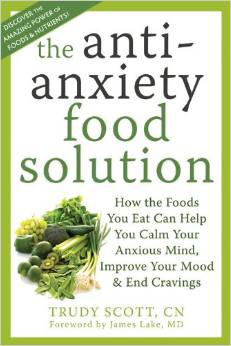
Here is a link to my book: The Antianxiety Food Solution: How the Foods You Eat Can Help You Calm Your Anxious Mind, Improve Your Mood, and End Cravings

As we mentioned, it has the amino acid questionnaire, pyroluria questionnaire and all the protocols BUT does not contain the 21+ pyroluria touble-shooting checklist (see the separate blog post for this)

trudy scott the antianxiety food solution

If you are not already registered for the Anxiety Summit you can get live access to the speakers of the day here: www.theAnxietySummit.com

Missed this interview or can’t listen live? Or want this and the other great interviews for your learning library? Purchase the MP3s or MP3s + transcripts and listen when it suits you.

You can find your purchasing options here: Anxiety Summit Season 1, Anxiety Summit Season 2, and Anxiety Summit Season 3.
Filed Under: Amino Acids, Antianxiety, Introversion, Pyroluria, The Anxiety Summit 3 Tagged With: amino acids, anxiety, dystonia, introversion, pyroluria, social anxiety, the antianxiety food solution, the anxiety summit, Trudy Scott

The Anxiety Summit – Serotonin and Anxiety, Happiness, Digestion and our Hormones

May 14, 2015 By Trudy Scott 43 Comments


Dr. Peter Bongiorno ND, author of Holistic Therapies for Anxiety and Depression is interviewed by host of the Anxiety Summit, Trudy Scott, Food Mood Expert and Nutritionist, author of The Antianxiety Food Solution.

Serotonin and Anxiety, Happiness, Digestion and our Hormones

  • What is serotonin and why is it often considered the molecule of happiness
  • The role of serotonin when it comes to anxiety?
  • How serotonin was first discovered and the 5-HT1A receptor/oxytocin connection
  • Serotonin’s strong relationship to the digestive tract
  • The connection between inflammation and serotonin
  • How to naturopathically support serotonin and the overall neurotransmitter system for optimal mood support: 5-HTP, L-tryptophan and its vitamin co-factors
  • Serotonin’s effects on our hormones, other neurotransmitters and whole body

Here are some snippets from our interview:

In modern medicine we tend to focus on one thing and tend to work it to death, almost to the point that we believe we are doing things that will be helpful. Many studies have shown that antidepressants are not working any better than placebos in most people and yet we’re still treating it [depression/anxiety] the same way

In naturopathy we look at things from all angles. There can be multiple factors involved and why someone has anxiety. How you’re going to work through these factors successfully is going to be very different for each person.

Here is the 2010 JAMA paper: The Antidepressant Drug Effects and Depression Severity A Patient-Level Meta-analysis

The magnitude of benefit of antidepressant medication compared with placebo increases with severity of depression symptoms and may be minimal or nonexistent, on average, in patients with mild or moderate symptoms. For patients with very severe depression, the benefit of medications over placebo is substantial.

Dr. Bongiorno shares how using 5-HTP and tryptophan leads to quicker results for his patients, and unlike drugs you don’t get side-effects. He likes to use acupuncture for this too.

He discusses the co-factors that are needed for making neurotransmitters: the B vitamins like riboflavin, niacinamide and vitamin B6, plus the need for a good multivitamin.   Here is a recent Psychology Today article: Multiple Vitamins for Anxiety

Here are Dr. Bongiorno’s two books:

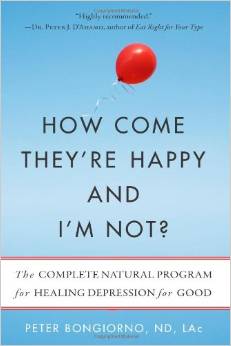
How Come They’re Happy and I’m Not – The Complete Natural Program for Healing Depression for Good

peter bongiorno how come they're happy and I'm not

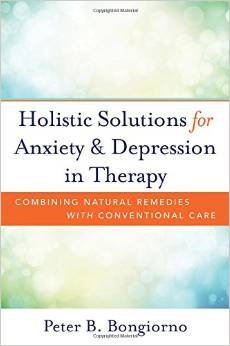
Holistic Solutions for Anxiety & Depression in Therapy: Combining Natural Remedies with Conventional Care

peter bongiorno holistic solutions for anxiety and depression

You can download his free gift here: 10 Ways to Boost Serotonin Naturally.  Once you sign up you’re taken to a page that has the free ebook about serotonin.

If you are not already registered for the Anxiety Summit you can get live access to the speakers of the day here: www.theAnxietySummit.com

Missed this interview or can’t listen live? Or want this and the other great interviews for your learning library? Purchase the MP3s or MP3s + transcripts and listen when it suits you.

You can find your purchasing options here: Anxiety Summit Season 1, Anxiety Summit Season 2, and Anxiety Summit Season 3.

Filed Under: Amino Acids, Antianxiety, Anxiety and panic, Depression, The Anxiety Summit 3 Tagged With: 5-HTP, anxiety, digestion, happiness, oxytocin, Peter Bongiorno, serotonin, the anxiety summit, Trudy Scott, tryptophan

  • « Go to Previous Page
  • Page 1
  • Interim pages omitted …
  • Page 71
  • Page 72
  • Page 73
  • Page 74
  • Page 75
  • Interim pages omitted …
  • Page 96
  • Go to Next Page »

Primary Sidebar

GABA QuickStart Homestudy

gaba quickstart homestudy

Free Report

9 Great Questions Women Ask about Food, Mood and their Health

You'll also receive a complimentary subscription to my ezine "Food, Mood and Gal Stuff"


Connect with me

Popular Posts

  • Amino Acids Mood Questionnaire from The Antianxiety Food Solution
  • The Antianxiety Food Solution Amino Acid and Pyroluria Supplements
  • Pyroluria Questionnaire from The Antianxiety Food Solution
  • Collagen and gelatin lower serotonin: does this increase your anxiety and depression?
  • Tryptophan for the worry-in-your-head and ruminating type of anxiety
  • GABA for the physical-tension and stiff-and-tense-muscles type of anxiety
  • The Antianxiety Food Solution by Trudy Scott
  • Seriphos Original Formula is back: the best product for anxiety and insomnia caused by high cortisol
  • Am I an anxious introvert because of low zinc and vitamin B6? My response to Huffington Post blog
  • Vagus nerve rehab with GABA, breathing, humming, gargling and key nutrients

Recent Posts

  • Her cravings for chips and peanut butter were triggered by stress: GABA ends cravings and reduces physical tension and fear of heights
  • It is truly miraculous to be able to move through life without crippling anxiety and panic
  • GABA and tryptophan combo provide immediate and noticeable relief for tremors and cervical dystonia in just 7 days
  • Red light therapy for back and neck pain, plantar fasciitis and low mood – a complement to the amino acids GABA, DPA and tryptophan
  • What do I use instead of Seriphos to help lower high cortisol that is affecting my sleep and making me anxious at night?

Categories

  • 5-HTP
  • AB575
  • Addiction
  • ADHD
  • Adrenals
  • Alcohol
  • Allergies
  • Alzheimer's disease
  • Amino Acids
  • Anger
  • Antianxiety
  • Antianxiety Food Solution
  • Antidepressants
  • Anxiety
  • Anxiety and panic
  • Autism
  • Autoimmunity
  • benzodiazapines
  • Bipolar disorder
  • Books
  • Caffeine
  • Cancer
  • Candida
  • Children/Teens
  • Collagen
  • Cooking equipment
  • Coronavirus/COVID-19
  • Cravings
  • Depression
  • Detoxification
  • Diabetes
  • Diet
  • DPA/DLPA
  • Drugs
  • EFT/Tapping
  • EMF
  • EMFs
  • Emotional Eating
  • Endorphins
  • Environment
  • Essential oils
  • Events
  • Exercise
  • Fear
  • Fear of public speaking
  • Fertility and Pregnancy
  • Fish
  • Food
  • Food and mood
  • Functional neurology
  • GABA
  • Gene polymorphisms
  • General Health
  • Giving
  • Giving back
  • Glutamine
  • Gluten
  • GMOs
  • Gratitude
  • Gut health
  • Heart health/hypertension
  • Histamine
  • Hormone
  • Hyperparathyroidism
  • Hypoglycemia
  • Immune system
  • Inflammation
  • Insomnia
  • Inspiration
  • Introversion
  • Joy and happiness
  • Ketogenic diet
  • Lithium orotate
  • Looking awesome
  • Lyme disease and co-infections
  • MCAS/histamine
  • Medication
  • Men's health
  • Mental health
  • Mercury
  • Migraine
  • Mold
  • Movie
  • MTHFR
  • Multiple sclerosis
  • Music
  • NANP
  • Nature
  • Nutritional Psychiatry
  • OCD
  • Osteoporosis
  • Oxalates
  • Oxytocin
  • Pain
  • Paleo
  • Parasites
  • Parkinson’s disease
  • PCOS
  • People
  • PMS
  • Postpartum
  • PTSD/Trauma
  • Pyroluria
  • Questionnaires
  • Real whole food
  • Recipes
  • Research
  • Schizophrenia
  • serotonin
  • SIBO
  • Sleep
  • Special diets
  • Sports nutrition
  • Stress
  • Sugar addiction
  • Sugar and mood
  • Supplements
  • Teens
  • Testimonials
  • Testing
  • The Anxiety Summit
  • The Anxiety Summit 2
  • The Anxiety Summit 3
  • The Anxiety Summit 4
  • The Anxiety Summit 5
  • The Anxiety Summit 6
  • Thyroid
  • Thyroid health
  • Toxins
  • Tryptophan
  • Tyrosine
  • Uncategorized
  • Vegan/vegetarian
  • Women's health
  • Yoga

Archives

  • May 2026
  • April 2026
  • October 2025
  • September 2025
  • August 2025
  • July 2025
  • June 2025
  • May 2025
  • April 2025
  • March 2025
  • February 2025
  • January 2025
  • November 2024
  • October 2024
  • September 2024
  • August 2024
  • July 2024
  • June 2024
  • May 2024
  • April 2024
  • March 2024
  • February 2024
  • January 2024
  • December 2023
  • November 2023
  • October 2023
  • September 2023
  • August 2023
  • July 2023
  • June 2023
  • May 2023
  • April 2023
  • March 2023
  • February 2023
  • January 2023
  • December 2022
  • November 2022
  • October 2022
  • September 2022
  • August 2022
  • July 2022
  • June 2022
  • May 2022
  • April 2022
  • March 2022
  • February 2022
  • January 2022
  • December 2021
  • November 2021
  • October 2021
  • September 2021
  • August 2021
  • July 2021
  • June 2021
  • May 2021
  • April 2021
  • March 2021
  • February 2021
  • January 2021
  • December 2020
  • November 2020
  • October 2020
  • September 2020
  • August 2020
  • July 2020
  • June 2020
  • May 2020
  • April 2020
  • March 2020
  • February 2020
  • January 2020
  • December 2019
  • November 2019
  • October 2019
  • September 2019
  • August 2019
  • July 2019
  • June 2019
  • May 2019
  • April 2019
  • March 2019
  • February 2019
  • January 2019
  • December 2018
  • November 2018
  • October 2018
  • September 2018
  • August 2018
  • July 2018
  • June 2018
  • May 2018
  • April 2018
  • March 2018
  • February 2018
  • January 2018
  • December 2017
  • November 2017
  • October 2017
  • September 2017
  • August 2017
  • July 2017
  • June 2017
  • May 2017
  • April 2017
  • March 2017
  • February 2017
  • January 2017
  • December 2016
  • November 2016
  • October 2016
  • September 2016
  • August 2016
  • July 2016
  • June 2016
  • May 2016
  • April 2016
  • March 2016
  • February 2016
  • January 2016
  • December 2015
  • November 2015
  • October 2015
  • September 2015
  • August 2015
  • July 2015
  • June 2015
  • May 2015
  • April 2015
  • March 2015
  • February 2015
  • January 2015
  • December 2014
  • November 2014
  • October 2014
  • September 2014
  • August 2014
  • July 2014
  • June 2014
  • May 2014
  • April 2014
  • March 2014
  • February 2014
  • January 2014
  • December 2013
  • November 2013
  • October 2013
  • September 2013
  • August 2013
  • July 2013
  • June 2013
  • May 2013
  • April 2013
  • March 2013
  • February 2013
  • January 2013
  • December 2012
  • November 2012
  • October 2012
  • August 2012
  • July 2012
  • June 2012
  • May 2012
  • April 2012
  • March 2012
  • February 2012
  • January 2012
  • December 2011
  • November 2011
  • October 2011
  • September 2011
  • August 2011
  • July 2011
  • June 2011
  • May 2011
  • April 2011
  • March 2011
  • February 2011
  • January 2011
  • December 2010
  • October 2010
  • September 2010
  • July 2010
  • May 2010
  • April 2010
  • March 2010
  • February 2010
  • January 2010
  • November 2009

Share the knowledge!

The above statements have not been evaluated by the Food and Drug Administration. Products listed in this website are not intended to diagnose, treat, cure or prevent any disease.

The information provided on this site is for informational and educational purposes only and is not intended as a substitute for advice from your physician or other health care professional. You should consult with a healthcare professional before starting or modifying any diet, exercise, or supplementation program, before taking or stopping any medication, or if you have or suspect you may have a health problem.


Copyright © 2026 Trudy Scott. All Rights Reserved. | Privacy | Terms and Conditions | Refund Policy | Medical Disclaimer

Free Report

9 Great Questions Women Ask about Food, Mood and their Health

You’ll also receive a complimentary subscription to my ezine “Food, Mood and Gal Stuff”