• Skip to primary navigation
  • Skip to main content
  • Skip to primary sidebar

everywomanover29 blog

Food, Mood and Women's Health – Be your healthiest, look and feel great!

  • Blog
  • About
  • Services
  • Store
  • Resources
  • Testimonials
  • The Book
  • Newsletter
  • Contact
  • Search this site

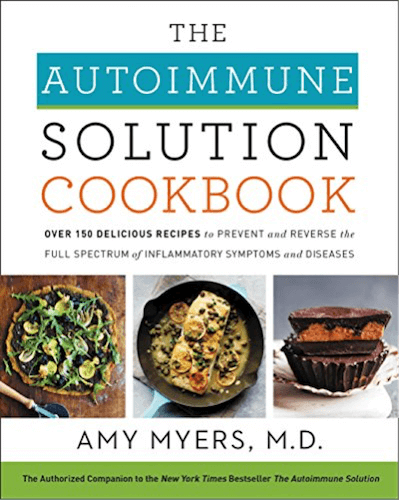
The Autoimmune Solution Cookbook by Amy Myers MD

May 8, 2018 By Trudy Scott 6 Comments

There is a wonderful new recipe book out this week and I want you to know about it!

Dealing with an autoimmune or other chronic health condition such as Hashimoto’s, IBS, Celiac, RA, Psoriasis, chronic fatigue or fibromyalgia, or even just committing to your family’s health does NOT have to mean giving up delicious foods!

No one knows this better than my dear friend and world-renowned functional medicine physician, Amy Myers, MD.

Amy Myers reversed her own autoimmune condition by addressing the root causes of her illness and diet played a HUGE role. She continues to follow the same dietary program that she recommends to her patients and community.

We actually ate out together in Melbourne at the recent Bioceuticals Symposium and I saw her put The Myers Way® (her proven program) of eating into practice at the restaurant, making sure everything she was eating was safe and would not trigger an autoimmune flare. Our server worked hard making sure all her questions were addressed in a satisfactory manner and she set a great example for all of us.

She does this in her wonderful new cookbook, setting a great example and guiding you to make the right choices in order to reduce inflammation, heal your leaky gut and help you move toward the optimal health side of the autoimmune spectrum and stay there.
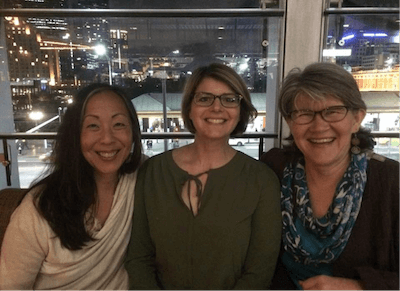
Here I am with integrative pediatrician Elisa Song MD and functional medicine physician, Amy Myers, MD.

Amy inspires you to cook delicious meals at the same time. She helps you change the way you look at food, both when you’re cooking at home for our families, and when we’re eating out and traveling.

This new book, The Autoimmune Solution Cookbook (my Amazon link), contains over 150 absolutely delicious, easy-to-make, autoimmune-reversing recipes. Amy shares this:

Whether you’re a five-star chef or just getting started in the kitchen, I created these recipes to be a piece of cake (YES! There’s even a birthday cake recipe I created for my daughter).

This cookbook is perfect for you if you:

  • Have an autoimmune or other chronic condition
  • Know that autoimmunity runs in your family
  • Currently follow an autoimmune, Paleo or ketogenic diet
  • Have read The Autoimmune Solution and have already followed its thirty-day protocol, this cookbook is the perfect companion for spicing up your diet and adding more variety to your mealtimes
  • Are dealing with leaky gut, seasonal allergies, asthma, or eczema
  • Have Hashimoto’s, Graves’, or any other type of thyroid issue
  • Deal with digestive issues such as bloating, gas, constipation, and more
  • Have food allergies or food sensitivities
  • Have a loved one dealing with any of the above issues and are looking for the perfect gift for them
  • Are looking for a gift for your doctor or other health practitioner

Here are 2 yummy recipes to get you tempted, your mouth watering and cooking: Refreshing Mango-Avocado Salsa and Coconut Shrimp.
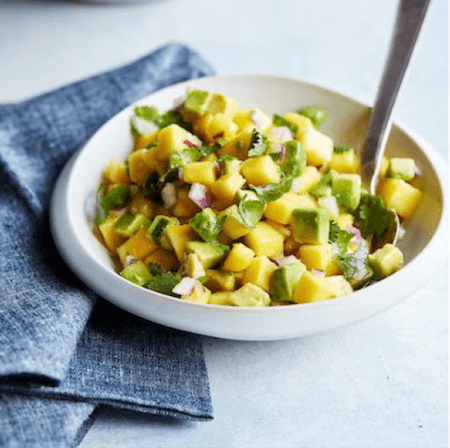
Refreshing Mango-Avocado Salsa

With summer approaching, this refreshing mango-avocado salsa makes the perfect poolside snack or cookout appetizer served with plantain chips. Or add it to grilled fish, shrimp, or chicken for an extra boost of inflammation-fighting Omega 3 fatty acids. Makes 2 cups

Ingredients:

1 mango, cubed
1 avocado, cubed
½ red onion, finely chopped
3 tablespoons chopped fresh cilantro
Juice of 1 small lime
1 tablespoon extra virgin olive oil
¼ teaspoon fine sea salt
½ teaspoon freshly ground black pepper
½ teaspoon ground cumin

Instructions:

In a bowl, combine all ingredients and mix gently. Serve immediately
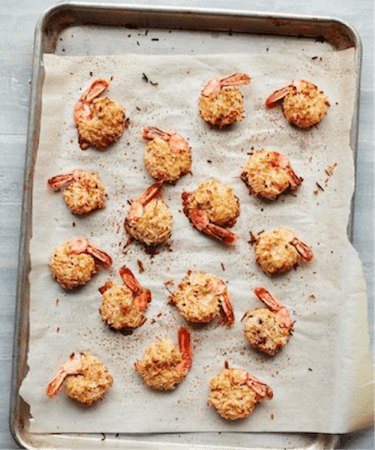
 

Coconut Shrimp

When I was growing up in New Orleans, my grandparents took the family out to dinner at the Yacht Club for special occasions, and I always ordered a fried shrimp po’ boy—a traditional Louisiana sandwich. This substitute for fried shrimp is a healthier option that everyone will love. The shrimp are tossed with coconut flour and shredded coconut instead of breadcrumbs— and they are so easy to make! My husband and I served this as an appetizer at our wedding and they were a huge hit! Serves 4

Ingredients:

2 tablespoons coconut flour
½ cup unsweetened shredded coconut
1 teaspoon garlic powder
1 teaspoon onion powder
½ teaspoon fine sea salt
½ teaspoon ground black pepper
¾ cup full-fat coconut milk
1 ½ tablespoons coconut aminos
1 pound wild-caught shrimp

Instructions:

  1. Heat oven to 400°F. In a shallow bowl, whisk together coconut flour, shredded coconut, garlic and onion powders, salt, and pepper.
  2. In another shallow bowl, whisk together the coconut milk and coconut aminos.
  3. Dip each shrimp into the liquid mixture, and then into the dry mixture to coat. Arrange in a single layer in a baking dish. Bake for 15 to 20 minutes, until golden brown. For extra crispiness, remove the pan and set the oven to broil. Broil the shrimp for 4 to 5 minutes.

Some of the other recipes I’m really looking forward to trying are the creamy zucchini-basil soup, the herbed roast chicken, the world’s best Asian flank steak, the rosemary sea-salt crackers (made with cassava flour), the spinach artichoke dip (I’ll replace the spinach with low-oxalate dino kale), raspberry cheesecake bites (I’ll make it with blueberries instead of high-oxalate raspberries), and the apple crisp.  There are so many delicious recipes!

There is no perfect eating plan for everyone and Amy has created this eating plan and recipes to cater for the majority of those with an autoimmune condition. I really appreciate that recipes are marked as being autoimmune-friendly, thyroid-friendly, suitable for candida and SIBO, and low histamine.  However, if you do have oxalate issues you will need to adjust some of the recipes. Also, if you have issues with collagen making your anxiety or insomnia worse then I recommend adding some protein powder to the recipes that call for gelatin or collagen, and/or consider a trial of tryptophan.

Here’s the official book blurb:

The companion cookbook to the revolutionary New York Times bestseller The Autoimmune Solution, filled with more than 150 nutritious, easy-to-prepare, every day recipes to heal symptoms of inflammation and autoimmune disorders, including Graves’ Disease, Psoriasis, Fibromyalgia, Lupus, Celiac disease, Hashimoto’s thyroiditis, and Multiple sclerosis.

Nine in ten Americans suffer from inflammation or an autoimmune disorder—conditions for which conventional medicine has no cure. Minor irritations like rashes and runny noses are ignored, while chronic and debilitating diseases like Crohn’s and rheumatoid arthritis are handled with a cocktail of toxic treatments that fail to address their root cause. But as Dr. Amy Myers revealed in The Autoimmune Solution, there are solutions. In this invaluable cookbook, she now shows you how to repair your body and reverse your symptoms by eating your way to good health.

The Autoimmune Solution Cookbook delivers more than 150 grain-free recipes designed to prevent and reverse the full spectrum of autoimmune diseases, including allergies, obesity, asthma, cardiovascular disease, fibromyalgia, lupus, IBS, chronic headaches, fatigue, multiple sclerosis, colitis, Graves’ disease, and Hashimoto’s thyroiditis. As our food and environment becomes more toxic, the health of millions of us have been impaired. Thanks to Dr. Myers, you no longer need to rely on prescriptions—with troubling, sometimes dangerous side effects—to counteract your body’s over-reactive immune system. The Autoimmune Solution Cookbook is the healthy alternative to cope with and conquer inflammatory-related symptoms and diseases.

If you’re ready to enjoy amazing meals that will help you take back your health and your life, this book is an absolute must-have, so get your copy of The Autoimmune Solution Cookbook today – on Amazon here (my affiliate link) or from your favorite book store.

This cookbook is the perfect companion to The Autoimmune Solution (my affiliate link), a wonderful book that introduced The Myers Way®, empowering so many to reverse their autoimmune conditions.

Learn more about the book and claim the book launch gifts here.

And stay tuned for an email notification from Dr. Myers about the upcoming Autoimmune Program webinar being held online on May 17. She’ll be sharing more about her group program if you’re the kind of person looking for a community-based program.

Happy cooking and do let us know how you enjoy the recipes!

If you have questions or feedback please post them in the comments below.
Filed Under: Books Tagged With: amy myers, autoimmune, autoimmune disease, Inflammation, The Autoimmune Solution, The Autoimmune Solution Cookbook

KetoNutrition: From Science to Emerging Applications and Practical Implementation

May 4, 2018 By Trudy Scott Leave a Comment

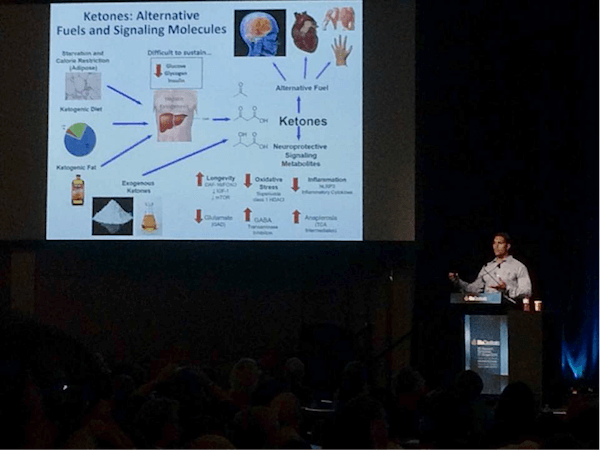
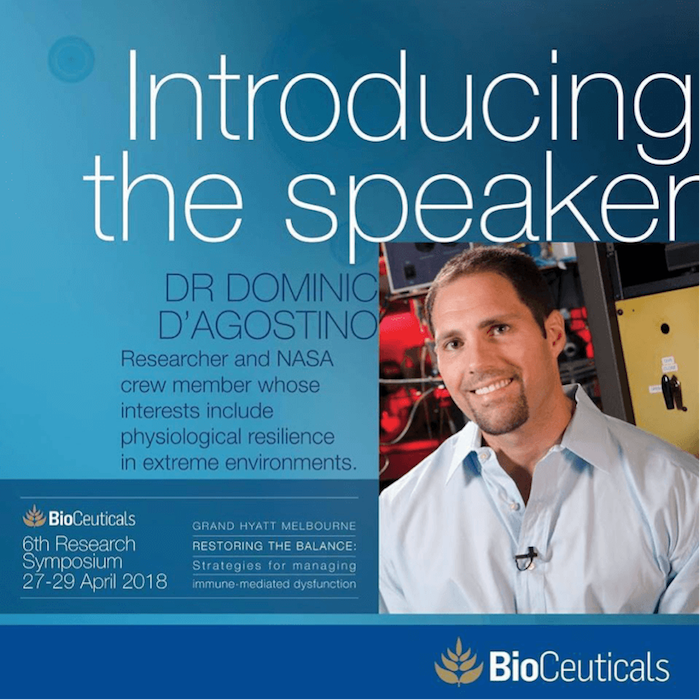
I had the pleasure of hearing Dominic D’Agostino, NASA crew member, researcher and Associate Professor at the University of South Florida present on “KetoNutrition: From Science to Emerging Applications and Practical Implementation” at the 6th BioCeuticals Research Symposium in Melbourne last weekend. His presentation was based on decades of evidence that supports the anticonvulsant and neuroprotective properties of nutritional ketosis. It was one of my favorite presentations and I’m thrilled to share some of the highlights with you here.

Ketones are alternative fuels and neuroprotective signaling metabolites – increasing longevity, lowering inflammation, dampening oxidative stress, lowering glutamate and raising GABA.

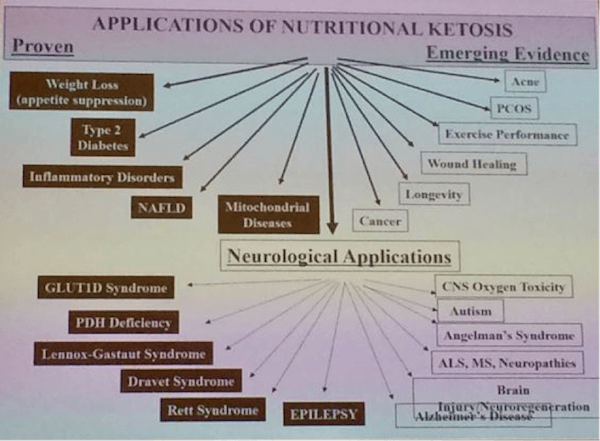
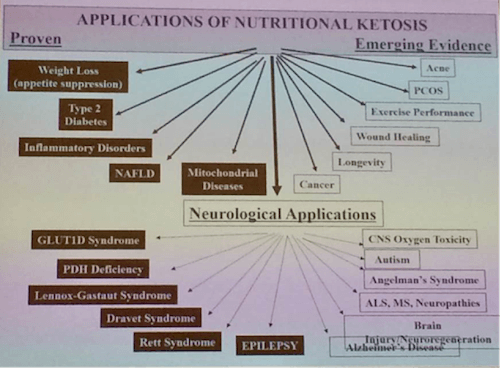
In this slide he shared how the proven applications of nutritional ketosis are extensive – including epilepsy, type 2 diabetes, weight loss, NAFLD, mitochondrial disease and inflammation, GLUTID Syndrome, PDH Deficiency, Lennox-Gastaut Syndrome, Dravet Syndrome and Rett Syndrome.

There is emerging evidence for acne, PCOS, exercise performance, wound healing, longevity, cancer, CNS Oxygen Toxicity, autism, Angelman’s Syndrome, ALS, MS, Neuropathies, Alzheimer’s disease, brain injury, neurodegeneration, anxiety, depression, bipolar and schizoaffective disorder.

Seizures, cancer and the ketogenic diet


In his TEDx talk from 2013 Dr. D’Agostino shares the benefits of a ketogenic diet for seizures and how while studying the effects of gasses on the brains of Navy Seal divers, he developed an approach for metabolically starving cancer cells through diet and compressed oxygen, replacing chemotherapy, surgery, or radiation.

He ends by saying this:

Future treatments and prevention of many diseases may fall back on the ancient wisdom of Hippocrates when he said “let food be thy medicine”

As you can see from the applications slide above, much more research has been done on the therapeutic benefits of a ketogenic diet since this 2013 TEDx talk.  And food truly is medicine!

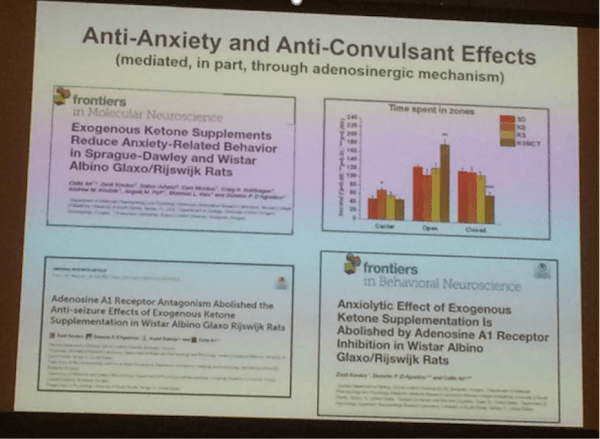
In one of his studies, the first paper above, ketone supplementation was found to have an anti-anxiety effect – Exogenous Ketone Supplements Reduce Anxiety-Related Behavior in Sprague-Dawley and Wistar Albino Glaxo/Rijswijk Rats:

We conclude that ketone supplementation may represent a promising anxiolytic strategy through a novel means of inducing nutritional ketosis.

Adenosine and the adenosinergic mechanism

He shared a number of studies that describe how the anti-anxiety and anti-convulsant effects of ketone supplementation are mediated, in part, through the adenosinergic mechanism. This was one of his papers – Anxiolytic Effect of Exogenous Ketone Supplementation Is Abolished by Adenosine A1 Receptor Inhibition in Wistar Albino Glaxo/Rijswijk Rats.

Adenosine is a neurochemical which many coffee-drinkers may be familiar with since: “Caffeine increases wakefulness [and often anxiety] by antagonizing adenosine receptors, and adenosine itself promotes sleepiness” and a feeling of calm.

Older research finds that there is the “involvement of adenosinergic receptor system in anxiety related behaviours.” More recent research describes adenosine as “a mediator with multisystemic effects”, and it is produced by almost all cells, playing a role in heart function, sleep, bone health, activation of the immune system and mediating the effect of various hormones. I expect we’ll be hearing a great deal more about adenosine in relation to ketogenic diets in the near future.

The microbiomes of astronauts sync up and so do their serotonin levels

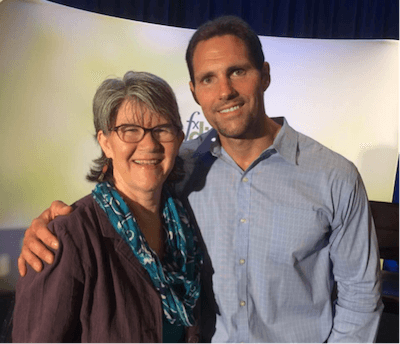
This was one of my favorite presentations at the BioCeuticals Symposium and it was really great to meet Dominic afterwards and learn more about future anxiety research. He shared that his lab has planned research on the benefits of ketosis for both anxiety and improved cognitive function.

It was also fascinating learning from someone who has been in space and hearing how the microbiomes of the astronauts sync up when they are all in space together. And so do their serotonin levels.

If the ketogenic diet is new for you or you want to see the latest research, check out Dominic’s work at Keto Nutrition. And if you want to learn more from Dominic and other keto experts, the Keto Edge Summit runs all of next week.

I also write about two schizoaffective case studies here and share questions and concerns I have about the ketogenic diet. It’s not a panacea for everyone in all instances. But the therapeutic benefits are profound when someone needs to adopt this dietary approach.

Feel free to ask questions and share you experiences with a ketogenic diet – in the comments below.

Filed Under: Anxiety, Bipolar disorder, Ketogenic diet Tagged With: adenosine, adenosinergic, anxiety, autism, cancer, depression, Dominic D'Agostino, keto, Ketogenic diet, ketosis, schizoaffective disorder, seizures, weight-loss

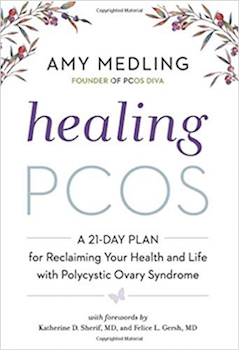
Healing PCOS: a new book by Amy Medling

May 4, 2018 By Trudy Scott Leave a Comment

Big congrats to my friend and colleague Amy Medling on the launch of her book this week: “Healing PCOS: A 21-Day Plan for Reclaiming Your Health and Life with Polycystic Ovary Syndrome.” This is a proven 21-day diet and lifestyle plan to help women with polycystic ovary syndrome (PCOS) take back control of their health and resolve their symptoms from a certified health coach and founder of the large PCOS Diva online community.

I’m excited to share this book as a PCOS resource for you because anxiety and depression are common symptoms with PCOS – as a result of insulin resistance, low blood sugar and high cortisol:

  • In the short term, insulin resistance is at the heart of most PCOS symptoms, including infertility, obesity, hirsutism [male-pattern hair growth in women], hyperandrogenism (elevated androgen levels), chronic fatigue syndrome, immune system defects, eating disorders, hypoglycemia [low blood sugar], gastrointestinal disorders, depression, and anxiety
  • many women with PCOS may naturally have higher cortisol levels. Being overweight also increases cortisol production. Raised levels of cortisol change the way your body manages other critical hormones, putting you at risk for insulin resistance, anxiety, depression, and thyroid dysfunction.

Anxiety symptoms can also be due to low progesterone, estrogen dominance, thyroid issues, and overall inflammation.

She shares so many gems: how it’s so important to begin your healing journey by establishing your PCOS Diva mindset and practicing mindfulness; that the best movement for women with PCOS is whatever you enjoy; that the best way to overcome gym anxiety is to think like a PCOS Diva i.e. don’t wait until you have lost weight and then go; the importance of the vagus nerve and improving vagal tone.

The sections on the difficulties of getting a diagnosis, testing and medications are invaluable.

The section describing the different types of inositol when it comes to PCOS is also excellent. She writes that research suggests that women with PCOS may not be able to efficiently convert other inositols to D-chiro-inositol (DCI).

When I shared the new book announcement on Facebook, Katie Moon Bodily posted this:

I love the opening paragraph that defines what a PCOS Diva is. She is full of hope, chooses to thrive, takes charge, advocates for herself, and looks beyond physical management and also cares for her mind and spirit. I love that Amy starts with retraining the mind before she dives in to making physical changes—unless you change the way you think, the changes won’t last. Her words are full of hope and encouragement. She holds your hand through the changes so that you do t get overwhelmed and start to feel like “hey, I CAN do this!” Everything she does impresses me, and it’s so exciting to see it all compiled into one book!

I have to agree! As well as being a fabulous practical PCOS resource, it is a wonderfully hopeful and encouraging book and you can feel her warm support with you throughout the book. I really love the opening pages where Amy says this:

I deserve to be a PCOS Diva. I need to be a PCOS Diva.

A PCOS Diva is a woman with hope. She has taken charge of her health and happiness and takes steps every day to enhance both. She chooses to thrive with PCOS and is empowered by the knowledge she gathers as she educates herself about PCOS.

Here is the official blurb:

“PCOS is one of the most common hormonal disorders, and the most common cause of female infertility, affecting roughly five million American women. Because it’s symptoms are widespread—including stubborn weight gain, acne, mood swings, abnormal hair loss or growth, and irregular menstrual cycles—women suffering from PCOS are often misdiagnosed and treated with “Band-Aid” pharmaceuticals with uncomfortable side effects that only mask PCOS’s root causes. While there is no cure for PCOS, women can learn to control their symptoms naturally. In this welcome guide, Amy Medling shows how to combine an anti-inflammatory and hormone-balancing diet, daily movement, and stress-reducing self-care to successfully treat their PCOS.

Grounded in the latest medical research and filled with the knowledge she’s acquired dealing with PCOS herself and working with thousands of women, Healing PCOS offers women small, manageable steps that help alleviate their symptoms and control the inflammation, hormonal imbalance, and insulin resistance that underlie the condition. Amy’s revolutionary program consists of:

  • A 21-day anti-inflammatory, hormone-balancing and gluten-free meal plan, including meal prep and plan-ahead tips to make eating this way simple and fast
  • 85 delicious recipes—half fan favorites and half new dishes
  • Daily self-care exercises, including meditation and journaling prompts

Amy has helped tens of thousands of women with PCOS take back control of their health and their lives through lasting, healing, and sustainable lifestyle change. Whether you’re newly diagnosed or have struggled with PCOS, her revolutionary program can now work for you.”

Get access to chapter 1 of Healing PCOS here

Grab your copy of Healing PCOS on Amazon (my link)

Feel free to post questions below and do let us know which steps have helped you (or your patients/clients).


Filed Under: Books, Hormone Tagged With: Amy Medling, anti-inflammatory, diet and lifestyle, PCOS, polycystic ovary syndrome, recipes, Self-care, stress-reducing

The ketogenic diet for mental health, weight loss, inflammation and disease prevention

May 2, 2018 By Trudy Scott 6 Comments

I wasn’t aware until recently that “KETO”, “Ketones” “Keto diet”, “Ketogenic lifestyle”, “Ketosis” and “Ketogenic diet” are some of the MOST SEARCHED terms on the internet today.

But there is a good reason for this and host of  The Keto Edge Summit (which runs from May 7-13, 2018), Dr. David Jockers shares this:

The goal of the ketogenic lifestyle is to adapt the body to utilize FAT as its primary fuel source instead of SUGAR.

For our ancestors, eating three meals a day just wasn’t a thing. Instead, they’d hunt and forage for the foods they could find. When there wasn’t food, they wouldn’t eat.

Sometimes they’d go for days without food. To sustain life during times of scarcity, the body is thought to have developed the ability to utilize fat as an alternative fuel source.

Today, there’s an abundance of food available to most of us at all times. We regularly eat three meals per day with intermittent snacking between them.

This kind of frequent eating, along with an overemphasis on carb-rich and sugary foods, causes a REDUCED ability to burn fat. Because we don’t have to hunt or forage for food; we’ve become “sugar burners.”

As these sugar-laden foods damage our bodies, we rely MORE on sugar and lose the ability to produce ketones – as a result, massive blood sugar spikes, inflammation, hormone imbalance and ultimately many of the chronic diseases that plague us today.

In a traditional nutrition course, you’d learn that sugar is the body’s PRIMARY fuel source, while fat is secondary. What we’ve learned now (and so much research is supporting this) fat can be a healthier and more sustainable source of energy.

Ketones help you burn fat for energy, powerfully reduce inflammation and show promise in preventing and eradicating diabetes, cancer, autoimmune and neurodegenerative diseases like Alzheimer’s and Parkinson’s, and they can even play a role in alleviating symptoms in mental health conditions like anxiety, depression and schizoaffective disorder.

One of the amazing speakers on the summit is Dominic D’Agostino, researcher and Associate Professor at the University of South Florida. I attended the Bioceuticals conference in Melbourne this past weekend and had the pleasure of hearing him present on this topic live and all I can say is wow! I don’t want you to miss out and now you don’t have to when you tune in via the Keto Edge Summit.

Here is one of the slides where he shares the many proven and emerging applications of nutritional ketosis:

The applications of nutritional ketosis are extensive – including epilepsy, type 2 diabetes, weight loss, NAFLD, mitochondrial disease and inflammation, with emerging evidence for acne, PCOS, wound healing, cancer, autism, ALS, MS, Alzheimer’s, the brain and anxiety.

(anxiety and depression fall under brain on the right and also under inflammatory disorders on the left)

I shared these case studies a few weeks ago in a blog post – Ketogenic diet: reductions in auditory hallucinations and delusions, better mood and energy, and weight loss. Two schizoaffective patients working with Dr. Chris Palmer, a psychiatrist from Harvard’s McLean Hospital in Belmont, Massachusetts, tried a ketogenic diet for weight loss:

  • After four weeks on the ketogenic diet, the female patient had resolution of her delusions and lost ten pounds.
  • The male patient experienced similar results with “dramatic” reductions in auditory hallucinations and delusions, as well as better mood and energy. He also lost weight, losing 104 pounds over the course of a year.

There is also research reporting the following results:

  • Therapeutic use of carbohydrate-restricted diets in an autistic child; a case report of clinical and 18FDG PET findings

the patient’s behavior and intellect improved in regard to hyperactivity, attention span, abnormal reactions to visual and auditory stimuli, usage of objects, adaptability to changes, communication skills, fear, anxiety, and emotional reactions

  • Exogenous Ketone Supplements Reduce Anxiety-Related Behavior in Sprague-Dawley and Wistar Albino Glaxo/Rijswijk Rats

ketone supplementation may represent a promising anxiolytic strategy through a novel means of inducing nutritional ketosis.

As Dr. Jockers states:

The GREATEST health discovery of this century may ALREADY be inside your body!

During this health summit, you’ll discover:

  • What is ketosis (and how does it work)?
  • Myths, and how to separate fact from fiction!
  • How to overcome the challenges of being “keto adapted.”
  • Whether you should start a keto diet (or not!).
  • How to shop, live and eat on a ketogenic lifestyle.

The Keto Edge Summit is online and available at no-cost from May 7-13, 2018! Register here

I will be in learning mode with you for the Keto Edge Summit. I’ve been following Dr. David Jockers for awhile and I’m very excited about the applications of a ketogenic diet for anxiety and depression, given what we’ve learned so far. It’s going to be a great educational opportunity for all of us.

Have you experienced benefits from a ketogenic diet? If yes please do share what benefits?

If you’ve had challenges being on a ketogenic diet please share those challenges too, so we can all learn.

Filed Under: Diet, Events, Ketogenic diet Tagged With: anxiety, brain, Dominic D'Agostino, Dr. David Jockers, Inflammation, keto, Ketogenic, Ketogenic diet, ketosis, The Keto Edge Summit, weight-loss

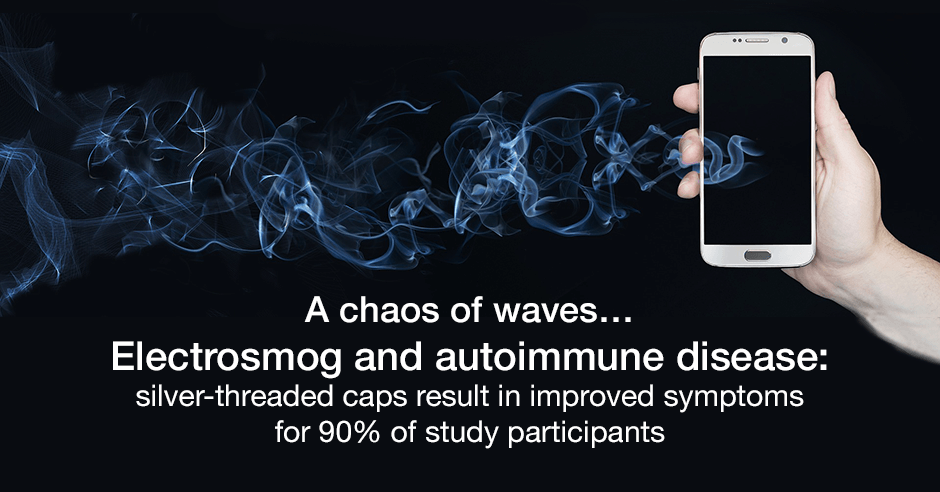
Electrosmog and autoimmune disease: silver-threaded caps result in improved symptoms for 90% of study participants

April 27, 2018 By Trudy Scott 40 Comments

One of the most compelling studies I learned about in the recent Electrosmog Rx course (hosted by Nick Pineault) is the study by Trevor Marshall, MD and Trudy Heil, RN: Electrosmog and autoimmune disease. In this study, 90% of the participants – all with an autoimmune diagnosis of either arthritis, lupus, multiple sclerosis, sjogrens or celiac disease – reported improved symptoms as a result of wearing silver-threaded EMF protective caps.

The paper provides a good overview from NASA on what electrosmog is i.e. all the electromagnetic waves we’re exposed to on a daily basis:

As you sit watching TV, not only are there visible light waves from the TV striking your eyes, but also radio waves, transmitting from a nearby station, and microwaves carrying cellphone calls and text messages, and waves from your neighbor’s WiFi, and GPS units in the cars driving by. There is a chaos of waves from all across the spectrum passing through your room right now.

Patients who were participating in Dr. Marshall’s autoimmune/VDR/electrosmog research were purchasing commercially available shielded clothing and tenting on their own from retailers and reporting symptom improvements:

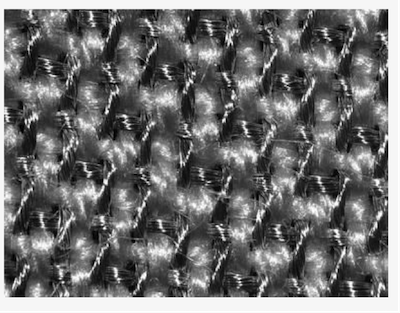
This clothing typically has silver-coated polyester threads interwoven with the supporting fabric so that the garment is capable of partially blocking microwave Electrosmog.

Fig. 5: A X20 micrograph of a microwave-blocking fabric woven with a mesh of silver-coated polyester strands among the supporting bamboo fibers (Electrosmog and autoimmune disease)

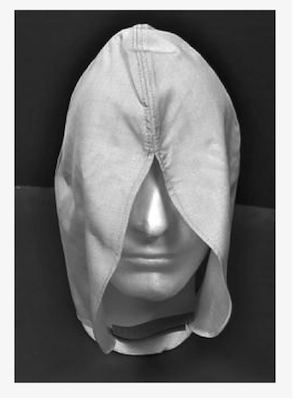
Because there were frequent anecdotal reports of symptom improvement, especially when their brain and brain stem were “shielded” during sleep, Dr. Marshall and his team decided to create a standardized sleeping cap so the EMF shielding effect could be easily analyzed and optimized.

Fig. 6: A photograph of a sleeping cap sewn from the microwave-shielding fabric (Electrosmog and autoimmune disease)

Study participants wore the cap once for 4 hours during sleeping and once for 4 hours during normal activity. The results were impressive, with 90 % of the 64 patients reporting a “Definite” or “Strong” change in their symptoms.

The authors share that those with an autoimmune condition seem to be predisposed to Electrosmog hypersensitivity (now being called EHS) at levels currently existing in typical home and work environments. They suggest the following:

effective control of environmental Electrosmog immunomodulation may soon become necessary for successful therapy of autoimmune disease.

Caution does need to be exercised as some people can feel worse when going from being bombarded by EMFs on a daily basis to much less exposure. This could almost be considered a Herxheimer reaction and is described in the paper as follows:

When the Electrosmog in a patient’s environment is reduced, the immune system tends to become more active. This may result in immunopathology. Indeed, some patients have reported a surge in disease symptoms, occasionally an intolerable surge, after WiFi routers and cell phones have been switched off in their homes. Others have reported that travel to a very quiet area, such as a remote canyon, caused a surge in their immune symptoms.

This is something that Dr. Klinghardt finds when working with his patients and the authors agree that we need a plan on how best to address this. I can attest to this personally – I have discovered that I have Electrosmog hypersensitivity – and as I have started to mitigate my own EMF exposure I’ve had to be careful.

This proposed go-slow EMF mitigation plan includes:

  • the basic foundational work based on my book “The Antianxiety Food Solution” and the material on my blog
  • additional nutritional support specific to the EMF detox: mitochondria support, added antioxidants and melatonin, rosemary, propolis, kombucha, vitamin D and more
  • and only then removal of EMF sources, EMF-protective clothing, grounding and devices such as pendants, and supporting specific symptoms such as increased insomnia/anxiety
  • working with a knowledgeable functional medicine practitioner if heavy metals are being stirred up and are causing worse symptoms (Dr. Klinghardt reports this to be a common issue).
  • reducing some of the support nutrients once EMF mitigation is in place and the ‘herxheimer’ reaction is over, adding them back when you know you’ll be exposed to WiFi i.e. during travel and when ill or during times of stress

I’ll be sharing more about my journey and my detailed proposed go-slow EMF mitigation plan with links to research in a future blog.

Going back to the study – we are still learning more about what this may all mean for someone with an autoimmune disease. The results are clearly very powerful and the benefits wonderful. But for me this study is so promising on many other levels because it shows that:

  • EMFs can and do have an adverse impact on health and this adds to the growing body of evidence (despite this research and many more studies, the dangers of EMFs are not common knowledge)
  • we have control and can do something about the adverse effects of EMFs
  • those of us with less severe symptoms but still sensitive to EMFs, can also hopefully expect to see some improvements when mitigation approaches like this are implemented

I write about how Wi-Fi is an important threat to human health and may contribute to unresolved anxiety, SIBO, oxalate issues and high cortisol. This is just the tip of the iceberg and it’s something we all need to be taking seriously.

I’d love to hear from you. How concerned are you about EMFs and what changes have you made? Did you experience a Herxheimer reaction when reducing EMF exposure and what helped you?

If you’re a practitioner – are you talking to your clients/patients about this and seeing improvements in their symptoms when they make changes? Are you interested in learning more about this topic so you can further help them? If yes, the evergreen digital version of the Electrosmog Rx program created by investigative health journalist Nicolas Pineault is now available.  You can learn more about the program here. I highly recommend it!

His book, “The Non-Tinfoil Guide to EMFs” (my Amazon link), is also recommended reading for all of us.


Filed Under: Anxiety, EMFs Tagged With: anxiety, arthritis, autoimmune disease, celiac, Dr. Marshall, electrosmog, EMFs, high cortisol, MS, SIBO, silver-threaded caps

Help! I’m worried all the time! Soothe with supplements and tame worry with food!

April 20, 2018 By Trudy Scott 3 Comments

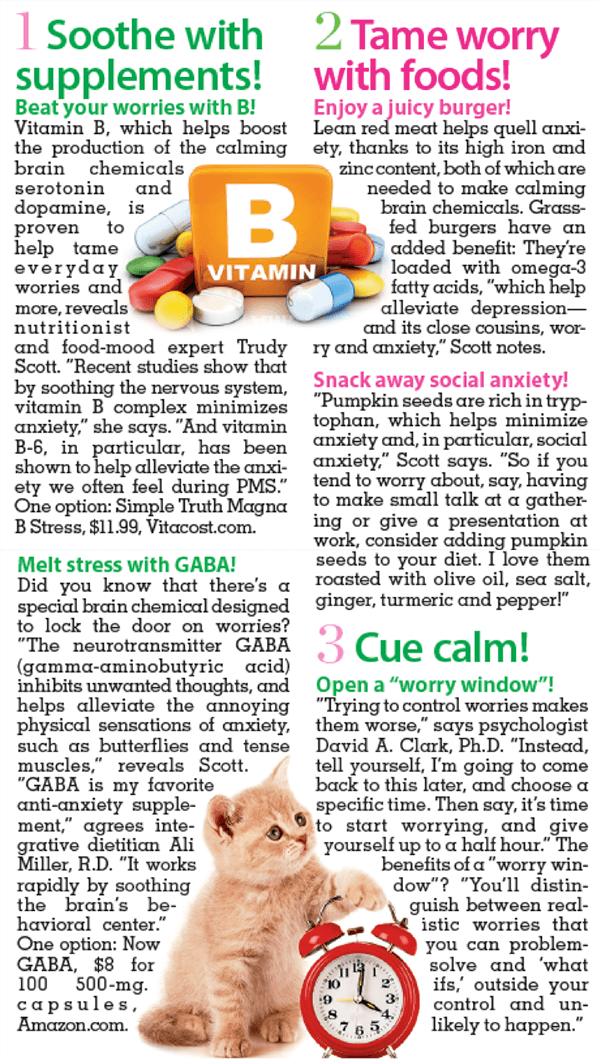
Some of my simple tips for worry were shared in the April edition of Women’s World so here they are for you to enjoy in case you didn’t see them in the magazine. I’m quite chuffed to see it’s for a piece called “Ask America’s Ultimate Experts.”

I share tips about the benefits of a B- complex vitamin (for adrenal support), vitamin B6 (especially for PMS-type anxiety and worry, the calming amino acid called GABA, plus the mood-boosting and calming benefits of a grass-fed burger (loaded with zinc, iron and omega-3s) and pumpkin seeds as a snack (because they’re rich in both tryptophan and zinc)

Here are my tips from the article:

#1 Soothe with supplements

Here are some supporting articles and research for some of the above tips. A good B- complex vitamin for adrenal support has been shown to minimize psychological stress after a natural disaster and vitamin B6 (or pyridoxine) helps with PMS-type anxiety and worry.

A paper titled Pyridoxine in the treatment of premenstrual syndrome: a retrospective survey in 630 patients, reports the following results:

The daily doses of pyridoxine hydrochloride varied from 40 to 100 mg early in the study and from 120 to 200 mg in the later period of the investigations. The response to treatment was recorded as good (no significant residual complaints) in 40 per cent or more of patients taking 100-150 mg pyridoxine daily and in 60 per cent of patients treated with 160-200 mg daily. Together with partial response (useful benefit but still some significant complaints), the positive effect of the treatment increased to 65-68 per cent and 70-88 per cent respectively. No symptoms consistent with a diagnosis of peripheral neuropathy were reported

The calming amino acid called GABA helps with the physical-tension and stiff-and-tense-muscles type of anxiety and helps with worry and inhibition of unwanted thoughts.

#2 Tame worry with foods

Professor Felice Jacka, nutritional psychiatry researcher, discusses the mood-boosting and calming benefits of grass-fed beef (loaded with zinc, iron and omega-3s) on our Anxiety Summit interview: The Research – Food to prevent and treat anxiety and depression?

Pumpkin seeds are rich in tryptophan and zinc and research shows that a functional food made from these seeds actually helps with social anxiety.

Here are a few minor discrepancies in the above sections:

  • In #1 dopamine is not a calming brain chemical but instead it’s stimulating and helps with focus and motivation. The B vitamin mentioned contain folic acid whereas methyl folate is the preferred choice.
  • In #2 the GABA product recommended is 500mg and I find starting much lower is a more effective approach with my clients.

#3 Cue calm – open a worry window

Opening a worry window is a new approach for me and I’d love to hear if it helps you now or has helped you in the past.

Anti-anxiety gummies and low serotonin

Ali Miller, RD, shares a recipe for anti-anxiety gummies (you can see it in the PDF) and I love that it includes coconut water, ginger and turmeric. I’d replace the cup of orange juice (which is high in sugar) with water and use 2 tablespoons instead. Be sure to watch that these gelatin gummies don’t make your anxiety (or depression or sleep worse). It’s a small amount of gelatin but if you’re eating a lot of them and you’re prone to low serotonin, this may be a problem for you. I write about this in a blog post here – Collagen and gelatin lower serotonin: does this increase your anxiety and depression? If it does cause an adverse reaction it doesn’t mean you can’t eat them, instead it simply means you may need to take tryptophan when eating them (if low serotonin is the issue.

If you’d like a PDF of the article you can grab a copy here.

I’d love to hear if any of these approaches have helped you or your clients/patients. Keep in mind that it’s a fun article that is by no means comprehensive in terms of addressing all the possible root causes of anxiety.

Filed Under: Anxiety Tagged With: anxiety, B-complex, food, GABA, grass-fed red meat, omega-3s, pumpkin seeds, supplements, vitamin B6, Women’s World, worry, zinc

  • « Go to Previous Page
  • Page 1
  • Interim pages omitted …
  • Page 55
  • Page 56
  • Page 57
  • Page 58
  • Page 59
  • Interim pages omitted …
  • Page 160
  • Go to Next Page »

Primary Sidebar

GABA QuickStart Homestudy

gaba quickstart homestudy

Free Report

9 Great Questions Women Ask about Food, Mood and their Health

You'll also receive a complimentary subscription to my ezine "Food, Mood and Gal Stuff"


Connect with me

Popular Posts

  • Amino Acids Mood Questionnaire from The Antianxiety Food Solution
  • The Antianxiety Food Solution Amino Acid and Pyroluria Supplements
  • Pyroluria Questionnaire from The Antianxiety Food Solution
  • Collagen and gelatin lower serotonin: does this increase your anxiety and depression?
  • Tryptophan for the worry-in-your-head and ruminating type of anxiety
  • GABA for the physical-tension and stiff-and-tense-muscles type of anxiety
  • The Antianxiety Food Solution by Trudy Scott
  • Seriphos Original Formula is back: the best product for anxiety and insomnia caused by high cortisol
  • Am I an anxious introvert because of low zinc and vitamin B6? My response to Huffington Post blog
  • Vagus nerve rehab with GABA, breathing, humming, gargling and key nutrients

Recent Posts

  • Her cravings for chips and peanut butter were triggered by stress: GABA ends cravings and reduces physical tension and fear of heights
  • It is truly miraculous to be able to move through life without crippling anxiety and panic
  • GABA and tryptophan combo provide immediate and noticeable relief for tremors and cervical dystonia in just 7 days
  • Red light therapy for back and neck pain, plantar fasciitis and low mood – a complement to the amino acids GABA, DPA and tryptophan
  • What do I use instead of Seriphos to help lower high cortisol that is affecting my sleep and making me anxious at night?

Categories

  • 5-HTP
  • AB575
  • Addiction
  • ADHD
  • Adrenals
  • Alcohol
  • Allergies
  • Alzheimer's disease
  • Amino Acids
  • Anger
  • Antianxiety
  • Antianxiety Food Solution
  • Antidepressants
  • Anxiety
  • Anxiety and panic
  • Autism
  • Autoimmunity
  • benzodiazapines
  • Bipolar disorder
  • Books
  • Caffeine
  • Cancer
  • Candida
  • Children/Teens
  • Collagen
  • Cooking equipment
  • Coronavirus/COVID-19
  • Cravings
  • Depression
  • Detoxification
  • Diabetes
  • Diet
  • DPA/DLPA
  • Drugs
  • EFT/Tapping
  • EMF
  • EMFs
  • Emotional Eating
  • Endorphins
  • Environment
  • Essential oils
  • Events
  • Exercise
  • Fear
  • Fear of public speaking
  • Fertility and Pregnancy
  • Fish
  • Food
  • Food and mood
  • Functional neurology
  • GABA
  • Gene polymorphisms
  • General Health
  • Giving
  • Giving back
  • Glutamine
  • Gluten
  • GMOs
  • Gratitude
  • Gut health
  • Heart health/hypertension
  • Histamine
  • Hormone
  • Hyperparathyroidism
  • Hypoglycemia
  • Immune system
  • Inflammation
  • Insomnia
  • Inspiration
  • Introversion
  • Joy and happiness
  • Ketogenic diet
  • Lithium orotate
  • Looking awesome
  • Lyme disease and co-infections
  • MCAS/histamine
  • Medication
  • Men's health
  • Mental health
  • Mercury
  • Migraine
  • Mold
  • Movie
  • MTHFR
  • Multiple sclerosis
  • Music
  • NANP
  • Nature
  • Nutritional Psychiatry
  • OCD
  • Osteoporosis
  • Oxalates
  • Oxytocin
  • Pain
  • Paleo
  • Parasites
  • Parkinson’s disease
  • PCOS
  • People
  • PMS
  • Postpartum
  • PTSD/Trauma
  • Pyroluria
  • Questionnaires
  • Real whole food
  • Recipes
  • Research
  • Schizophrenia
  • serotonin
  • SIBO
  • Sleep
  • Special diets
  • Sports nutrition
  • Stress
  • Sugar addiction
  • Sugar and mood
  • Supplements
  • Teens
  • Testimonials
  • Testing
  • The Anxiety Summit
  • The Anxiety Summit 2
  • The Anxiety Summit 3
  • The Anxiety Summit 4
  • The Anxiety Summit 5
  • The Anxiety Summit 6
  • Thyroid
  • Thyroid health
  • Toxins
  • Tryptophan
  • Tyrosine
  • Uncategorized
  • Vegan/vegetarian
  • Women's health
  • Yoga

Archives

  • May 2026
  • April 2026
  • October 2025
  • September 2025
  • August 2025
  • July 2025
  • June 2025
  • May 2025
  • April 2025
  • March 2025
  • February 2025
  • January 2025
  • November 2024
  • October 2024
  • September 2024
  • August 2024
  • July 2024
  • June 2024
  • May 2024
  • April 2024
  • March 2024
  • February 2024
  • January 2024
  • December 2023
  • November 2023
  • October 2023
  • September 2023
  • August 2023
  • July 2023
  • June 2023
  • May 2023
  • April 2023
  • March 2023
  • February 2023
  • January 2023
  • December 2022
  • November 2022
  • October 2022
  • September 2022
  • August 2022
  • July 2022
  • June 2022
  • May 2022
  • April 2022
  • March 2022
  • February 2022
  • January 2022
  • December 2021
  • November 2021
  • October 2021
  • September 2021
  • August 2021
  • July 2021
  • June 2021
  • May 2021
  • April 2021
  • March 2021
  • February 2021
  • January 2021
  • December 2020
  • November 2020
  • October 2020
  • September 2020
  • August 2020
  • July 2020
  • June 2020
  • May 2020
  • April 2020
  • March 2020
  • February 2020
  • January 2020
  • December 2019
  • November 2019
  • October 2019
  • September 2019
  • August 2019
  • July 2019
  • June 2019
  • May 2019
  • April 2019
  • March 2019
  • February 2019
  • January 2019
  • December 2018
  • November 2018
  • October 2018
  • September 2018
  • August 2018
  • July 2018
  • June 2018
  • May 2018
  • April 2018
  • March 2018
  • February 2018
  • January 2018
  • December 2017
  • November 2017
  • October 2017
  • September 2017
  • August 2017
  • July 2017
  • June 2017
  • May 2017
  • April 2017
  • March 2017
  • February 2017
  • January 2017
  • December 2016
  • November 2016
  • October 2016
  • September 2016
  • August 2016
  • July 2016
  • June 2016
  • May 2016
  • April 2016
  • March 2016
  • February 2016
  • January 2016
  • December 2015
  • November 2015
  • October 2015
  • September 2015
  • August 2015
  • July 2015
  • June 2015
  • May 2015
  • April 2015
  • March 2015
  • February 2015
  • January 2015
  • December 2014
  • November 2014
  • October 2014
  • September 2014
  • August 2014
  • July 2014
  • June 2014
  • May 2014
  • April 2014
  • March 2014
  • February 2014
  • January 2014
  • December 2013
  • November 2013
  • October 2013
  • September 2013
  • August 2013
  • July 2013
  • June 2013
  • May 2013
  • April 2013
  • March 2013
  • February 2013
  • January 2013
  • December 2012
  • November 2012
  • October 2012
  • August 2012
  • July 2012
  • June 2012
  • May 2012
  • April 2012
  • March 2012
  • February 2012
  • January 2012
  • December 2011
  • November 2011
  • October 2011
  • September 2011
  • August 2011
  • July 2011
  • June 2011
  • May 2011
  • April 2011
  • March 2011
  • February 2011
  • January 2011
  • December 2010
  • October 2010
  • September 2010
  • July 2010
  • May 2010
  • April 2010
  • March 2010
  • February 2010
  • January 2010
  • November 2009

Share the knowledge!

The above statements have not been evaluated by the Food and Drug Administration. Products listed in this website are not intended to diagnose, treat, cure or prevent any disease.

The information provided on this site is for informational and educational purposes only and is not intended as a substitute for advice from your physician or other health care professional. You should consult with a healthcare professional before starting or modifying any diet, exercise, or supplementation program, before taking or stopping any medication, or if you have or suspect you may have a health problem.


Copyright © 2026 Trudy Scott. All Rights Reserved. | Privacy | Terms and Conditions | Refund Policy | Medical Disclaimer

Free Report

9 Great Questions Women Ask about Food, Mood and their Health

You’ll also receive a complimentary subscription to my ezine “Food, Mood and Gal Stuff”