• Skip to primary navigation
  • Skip to main content
  • Skip to primary sidebar

everywomanover29 blog

Food, Mood and Women's Health – Be your healthiest, look and feel great!

  • Blog
  • About
  • Services
  • Store
  • Resources
  • Testimonials
  • The Book
  • Newsletter
  • Contact
  • Search this site

The Anxiety Summit 3

The Anxiety Summit – Is Toxic Mold the Hidden Cause of Your Anxiety?

May 10, 2015 By Trudy Scott 54 Comments


Dr. Jill Carnahan MD, Functional Medicine Practitioner, is interviewed  by host of the Anxiety Summit, Trudy Scott, Food Mood Expert and Nutritionist, author of The Antianxiety Food Solution.

Is Toxic Mold the Hidden Cause of Your Anxiety?

  • An overview of functional medicine
  • How common is it for mold and mycotoxins to contribute to illness and anxiety
  • Where are we exposed to mold
  • Top symptoms associated with mycotoxin-associated illness
  • How to treat mold/mycotoxin exposure in someone who has anxiety (or depression)
  • The role of methylation and MTHFR polymorphisms in our detox abilities

We talked about the upcoming IFM conference: The Omics Revolution – Nature and Nurture, May 28-30, Austin TX

IFM’s 2015 Annual International Conference (AIC) will explore the wild and wonderful world of “omics,” including genomics, proteomics, metabolomics, and other terms that describe the cascade of responses in human biology initiated by signals from the outside world washing over our genes.

It’s not nature or nurture but nature (genetic heritage) and nurture (lifestyle and environment).

I’m excited to be attending for the first time and can’t wait. I know this conference does fill up each year so if you’re interested don’t wait to sign up.

Dr. Jill talked about functional medicine so I pulled this functional medicine definition off the IFM site:

Functional medicine addresses the underlying causes of disease, using a systems-oriented approach and engaging both patient and practitioner in a therapeutic partnership. It is an evolution in the practice of medicine that better addresses the healthcare needs of the 21st century. By shifting the traditional disease-centered focus of medical practice to a more patient-centered approach, functional medicine addresses the whole person, not just an isolated set of symptoms. Functional medicine practitioners spend time with their patients, listening to their histories and looking at the interactions among genetic, environmental, and lifestyle factors that can influence long-term health and complex, chronic disease. In this way, functional medicine supports the unique expression of health and vitality for each individual.

The topics we cover on this summit and the approaches the Anxiety Summit speakers take all fall under the definition of functional medicine.

Dr. Jill shared her story and amazing healing journey with cancer. You can read about this here
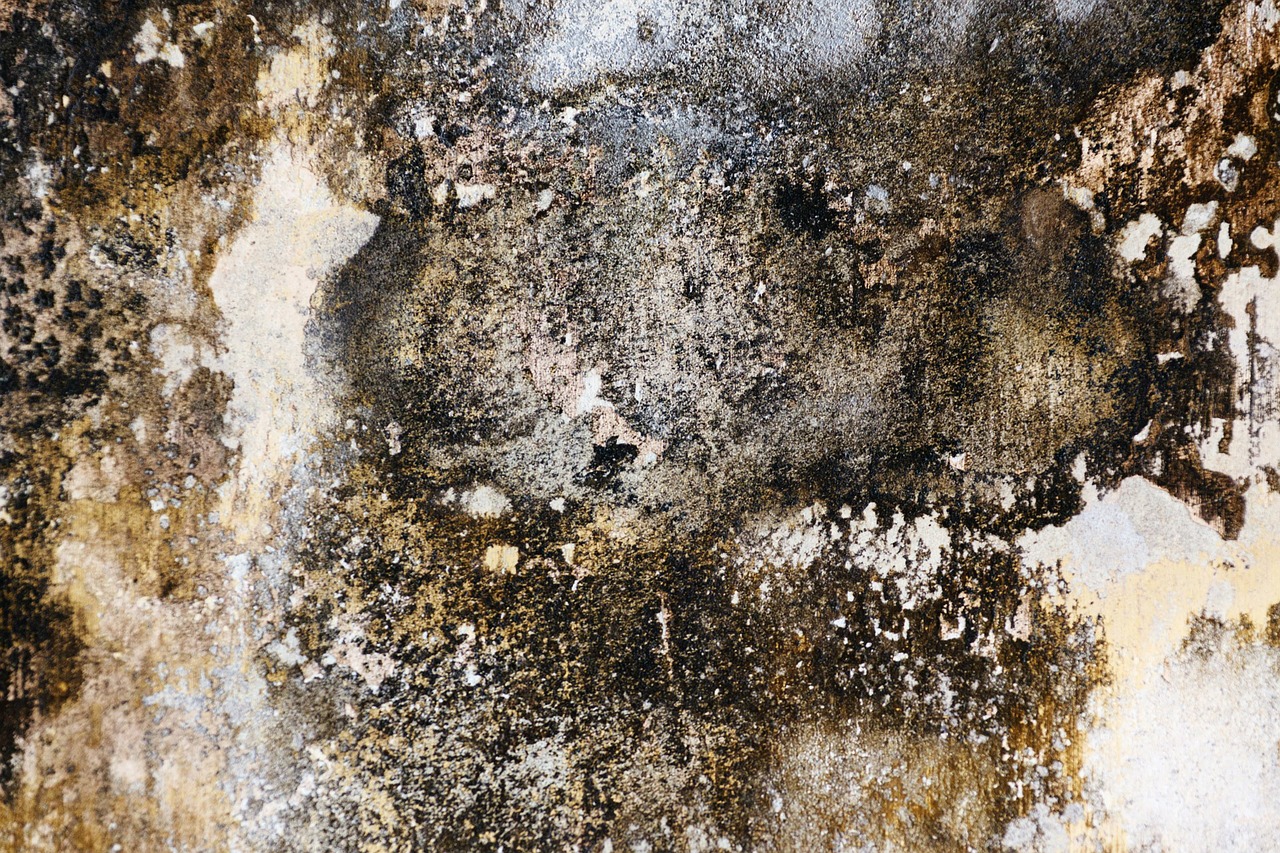
mold

Top Symptoms Associated with Mycotoxin-Associated Illness per the blog on Dr. Jill’s site: Is Toxic Mold Exposure the Cause of Your Symptoms?

  •    Fatigue and weakness
  •    Headache, light sensitivity
  •    Poor memory, difficult word finding
  •    Difficulty concentration
  •    Morning stiffness, joint pain
  •    Unusual skin sensations, tingling and numbness
  •    Shortness of breath, sinus congestion or chronic cough
  •    Appetite swings, body temperature regulation
  •    Increased urinary frequency or increased thirst
  •    Red eyes, blurred vision, sweats, mood swings, sharp pains
  •    Abdominal pain, diarrhea, bloating
  •    Tearing, disorientation, metallic taste in mouth
  •    Static shocks
  •    Vertigo, feeling lightheaded

(do check out the above link for more in depth information on Dr Jill’s site)

We didn’t discuss this paper but I’m including it anyway because anxiety isn’t in the above list of symptoms: Psychological, neuropsychological, and electrocortical effects of mixed mold exposure

The authors assessed the psychological, neuropsychological, and electrocortical effects of human exposure to mixed colonies of toxigenic molds

Patients reported high levels of physical, cognitive, and emotional symptoms.

Most of the patients were found to suffer from acute stress, adjustment disorder, or post-traumatic stress

These findings indicated a hypoactivation of the frontal cortex, possibly due to brainstem involvement and insufficient excitatory input from the reticular activating system. Neuropsychological testing revealed impairments similar to mild traumatic brain injury.

This is the book that Dr. Jill mentioned – Mold Warriors: Fighting America’s Hidden Health Threat by Ritchie C. Shoemaker
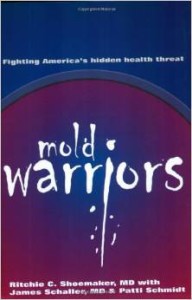
ritchie shoemaker mold warriors


Dr Jill has these Paleolicious Snack Ideas for download

If you are not already registered for the Anxiety Summit you can get live access to the speakers of the day here: www.theAnxietySummit.com

Missed this interview or can’t listen live? Or want this and the other great interviews for your learning library? Purchase the MP3s or MP3s + transcripts and listen when it suits you.

You can find your purchasing options here: Anxiety Summit Season 1, Anxiety Summit Season 2, and Anxiety Summit Season 3.

Filed Under: Antianxiety, The Anxiety Summit 3 Tagged With: anxiety, IFM, Jill Carnahan, mold, Ritchie Shoemaker, the anxiety summit, toxic mold, Trudy Scott

The Anxiety Summit – The Parasite/Anxiety Connection

May 9, 2015 By Trudy Scott 46 Comments


Ann Louise Gittleman PhD, CNS, author of The Fat Flush Plan and Guess What Came to Dinner, was interviewed on the Anxiety Summit by host of the Anxiety Summit, Trudy Scott, Food Mood Expert and Nutritionist, author of The Antianxiety Food Solution.

The Parasite/Anxiety Connection

  • How common are parasites and how do we become infected (even if we live in a first world country)
  • How do parasites contribute to anxiety and depression and even schizophrenia
  • Other symptoms of a parasitic infection
  • How to avoid being exposed to parasites
  • How to test for parasites and how do we get rid of the parasite/s

Here are some gems from our interview:

Parasitic infections in the USA are far more common than you would expect – in fact the estimates are that 1 in every 3 people have a parasite or more than one

Parasites can contribute to or cause anxiety and fear by altering “hormonal and neurotransmitter communication and/or direct interference with the neurons and brain regions that mediate behavioural expression”

According to folklore, parasites are more active around the full moon, so testing and treating around this time may yield better results

Toxoplasma gondii is one parasite that has been researched a great deal and is one that has big implications for anxiety and other mood conditions, especially schizophrenia.

Ann Louise shared this interesting article from Scientific American called Toxoplasma’s Dark Side: The Link Between Parasite and Suicide

In 2003, E. Fuller Torrey of the Stanley Medical Research Institute in Bethesda, Maryland his colleagues noted a link between Toxoplasma and schizophrenia – specifically, that women with high levels of the parasite were more likely to give birth to schizophrenics-to-be

scientists have discovered a link between suicide and parasite infection

In 2006, researchers linked Toxoplasma infection to neuroticism in both men and women.

When we are infected with a parasite like Toxoplasma gondii, our immune system goes on the offensive, producing a group of molecules called cytokines that activate various immune cell types. The exact mechanism by which cytokines cause depression and other mental illnesses is poorly understood, but we do know they are able to pass the blood-brain barrier and alter neurotransmitters like serotonin and dopamine in the brain.

Here is the parasite testing and products we discussed:  

The Expanded GI panel (for testing)

Colon Cleaning kit with Verma-Plus and Para- Key (together with a probiotic)

Verma-Plus contains the Native American herb called Centaury (aerial portion) (Centaurium erythraea)

It seems to have antimicrobial properties too: Volatile organic compounds from Centaurium erythraea Rafn (Croatia) and the antimicrobial potential of its essential oil.

And gastroprotective effects: Gastroprotective effect of small centaury (Centaurium erythraea L) on aspirin-induced gastric damage in rats.

We also talked about using filtered water for washing fruits and vegetables and this is the water filter Ann Louise recommends: Countertop Ultra-Ceramic Water Filter. “It purifies your tap water for the removal of incoming contaminants including parasites, chlorine, chloramines, heavy metals, cloudiness and sediment. The ceramic filter also inhibits the growth of bacteria”

Ann Louise has written many wonderful books.  Here are three of them that were mentioned in this interview:

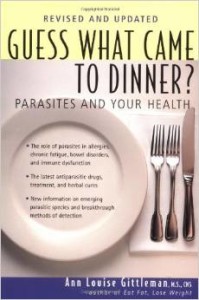
Guess What Came to Dinner? Parasites and Your Health (this is the book about parasites)

Ann Louise Gittleman_guess what came to dinner


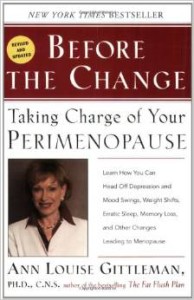
Before the Change: Taking Charge of Your Perimenopause (this is the one that helped me so much when I was in my late thirties and having perimenopausal symptoms – with the zinc, vitamin B6 and evening primrose oil )

Ann Louise Gittleman_before the change


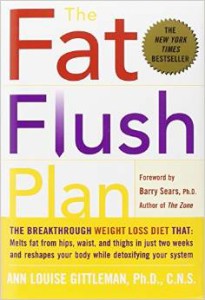
The Fat Flush Plan (this is one of many her classic weight loss books)

AnnLouiseGittleman_fat flush plan


Here is her gift: a 50-Page Report on Parasites – Still the Greatest Masqueraders of All Time

If you are not already registered for the Anxiety Summit you can get live access to the speakers of the day here: www.theAnxietySummit.com

Missed this interview or can’t listen live? Or want this and the other great interviews for your learning library? Purchase the MP3s or MP3s + transcripts and listen when it suits you.

You can find your purchasing options here: Anxiety Summit Season 1, Anxiety Summit Season 2, and Anxiety Summit Season 3.
Filed Under: Antianxiety, Parasites, Testing, The Anxiety Summit 3 Tagged With: ann louise gittleman, parasites, perimenopause, schizophrenia, the anxiety summit, toxoplasma gondii, Trudy Scott

The Anxiety Summit – Small Intestinal Bacterial Overgrowth and Anxiety

May 9, 2015 By Trudy Scott 56 Comments


Dr. Allison Siebecker ND, LAc, SIBO specialist, was interviewed on the Anxiety Summit by host of the Anxiety Summit, Trudy Scott, Food Mood Expert and Nutritionist, author of The Antianxiety Food Solution.

Small Intestinal Bacterial Overgrowth and Anxiety

  • An overview of SIBO/small intestinal bacterial overgrowth and recent research
  • The SIBO connection to IBS and anxiety/depression
  • Using a SIBO questionnaire and SIBO testing
  • SIBO treatment: medications, a herbal approach and diet
  • Gut motility and low serotonin

Here is the information on the 2015 SIBO Symposium, June 6–7, 2015.

Designed for the medical doctor, alternative medicine practitioner, and the public, the 2nd Annual SIBO Symposium features the nation’s leading experts on the topic to present an evidence-based educational program on managing small intestine bacterial overgrowth.
Here is the definition of SIBO from the SIBO Symposium site:
Small intestine bacterial overgrowth (SIBO) is a chronic bacterial colonization of the small intestine.  These bacteria normally live in the gastrointestinal tract, however, in SIBO they have overgrown in a location not meant for so many bacteria. The bacteria interfere with our normal digestion and absorption of food and are associated with damage to the lining or membrane of the small intestine. These mechanisms in turn lead to myriad other disorders—gastrointestinal, systemic, and neurological.

Dr Siebecker has this quote on her site www.siboinfo.com (which has a wealth of information)

According to Bures et al,

It is mandatory to consider SIBO in all cases of complex non-specific dyspeptic complaints (bloating, abdominal discomfort, diarrhea, abdominal pain), in motility disorders, anatomical abnormalities of the small bowel and in all malassimilation syndromes (malabsorption, maldigestion).

I said there were no studies linking SIBO and anxiety but there are many studies connecting SIBO and IBS, and there are many studies connecting IBS and anxiety/depression

However I wrote this in my book the  The Antianxiety Food Solution. (published in 2011)

Studies have found that people with digestive complaints such IBS, food allergies and sensitivities, small intestinal bacterial overgrowth and ulcerative colitis frequently suffer from anxiety and, to a lesser extent, depression (Addolorato, Mirijello, D’Angelo, Leggio, Ferrulli, Abenavoli, et al. 2008).

One study (Lydiard 2001) found that 50 to 90 percent of people with IBS who visited a doctor for treatment also suffered from various anxiety disorders (panic disorder, generalized anxiety disorder, social phobia, and post-traumatic stress disorder) and major depression.

Here is a list of the symptoms of SIBO

Here are some of the papers we mentioned:

Serotonin and Its Role in Colonic Function and in Gastrointestinal Disorders

Herbal therapy is equivalent to rifaximin for the treatment of small intestinal bacterial overgrowth

You’ll find many more papers on Dr. Siebecker’s siboinfo.com research section

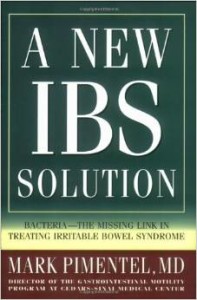
This is the book Dr Siebecker mentioned:  A New IBS Solution: Bacteria-The Missing Link in Treating Irritable Bowel Syndrome, written by Dr Mark Pimentel

mark pimentel IBS book


If you are not already registered for the Anxiety Summit you can get live access to the speakers of the day here: www.theAnxietySummit.com

Missed this interview or can’t listen live? Or want this and the other great interviews for your learning library? Purchase the MP3s or MP3s + transcripts and listen when it suits you.

You can find your purchasing options here: Anxiety Summit Season 1, Anxiety Summit Season 2, and Anxiety Summit Season 3.
Filed Under: Antianxiety, SIBO, The Anxiety Summit 3 Tagged With: Allison Siebecker, SIBO, SIBO symposium, small intestinal bacterial overgrowth, the anxiety summit, Trudy Scott

The Anxiety Summit – Anxiety, Depression, and the Vegetarian Diet

May 9, 2015 By Trudy Scott 46 Comments


Lierre Keith, small farmer, author of The Vegetarian Myth, was interviewed on the Anxiety Summit by host of the Anxiety Summit, Trudy Scott, Food Mood Expert and Nutritionist, author of The Antianxiety Food Solution.

Anxiety, Depression, and the Vegetarian Diet

  • How young girls are being targeted by vegan groups
  • Lierre’s story and the health challenges she faced: hypoglycemia, anxiety, bone pain, fatigue
  • Moral vegetarianism or veganism and factory farming
  • The importance of topsoil and how it’s disappearing
  • The nutritional deficiencies of a vegetarian or vegan diet: B12, fats, amino acids like tryptophan, iron, vitamin D
  • The mood benefits of grass-fed red meat
  • The problems with processed soy

Lierre shares some of her story and why she wrote her book:

I get a lot of emails from people who have joint problems on this vegan diet, and I can explain to them what they’re doing and why they have to stop. And I have this sort of cautionary tale: “This is how bad it can get, and the damage can be permanent.” So there was that.

Of course, I had the depression and anxiety. It was this terrible sense of apathy, pointlessness, you know, that terrible gray fog that you get when you are experiencing that level of nutritional deprivation. There’s just no way to keep a steady mood when your brain is that deprived. So I really lost 20 years of my life just to depression. And I would say that’s probably the number one reason that I had vegans reach out to me because they’re so exhausted and they’ve got this terrible depression and anxiety, and they don’t understand why.

She shares about the horrors of factory farming:

we can start with factory farming, and I think everyone with a pulse can agree that this is a horror on every level. It’s a terrible waste of all our resources, all this ridiculous amounts of grain that goes to feed them, and the lives that they lead are absolutely miserable, it makes them sick. If you’re eating factory farm beef, you’re eating an animal that probably had liver disease, probably had holes in its stomach, was absolutely miserable for the last two months of its life, and was toxic through and through from all the horrible stuff that leaked out when their livers aren’t functioning and they’ve got holes in their stomach. Their whole system just goes septic; and that’s what you’re eating.

And a lot of the vegetarians and vegans have this strange idea – it’s just an ignorant idea – that somehow this is inevitable in the raising of meat, and it’s not. It’s actually a very bizarre moment in history.

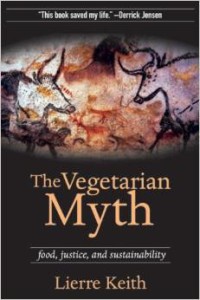
Here is Lierre’s wonderful book – The Vegetarian Myth: Food, Justice, and Sustainability

lierre keith book cover

Leirre also shares this author and book as another resource:

Denise Minger, is a wonderful young woman who’s a recovering vegan. She’s written a fabulous book about her experience, and the USDA food pyramid, and what this kind of diet has done to public health; that’s what happened to her.

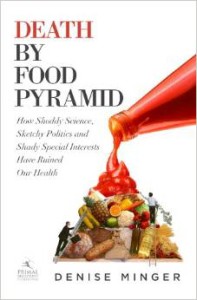
Here is Denise Minger’s book Death by Food Pyramid: How Shoddy Science, Sketchy Politics and Shady Special Interests Have Ruined Our Health

denise minger death by food pyramid

Summit you can get live access to the speakers of the day here: www.theAnxietySummit.com

Missed this interview or can’t listen live? Or want this and the other great interviews for your learning library? Purchase the MP3s or MP3s + transcripts and listen when it suits you.

You can find your purchasing options here: Anxiety Summit Season 1, Anxiety Summit Season 2, and Anxiety Summit Season 3.
Filed Under: Antianxiety, The Anxiety Summit 3, Vegan/vegetarian Tagged With: denise minger, Lierre Keith, the anxiety summit, The Vegetarian Myth, Trudy Scott, vegan, vegetarian

The Anxiety Summit – Real Food for Anxiety: Butter, Broth and Beyond

May 9, 2015 By Trudy Scott 34 Comments


Kaayla T. Daniel PhD, CCN, The Naughty Nutritionist®, author of Nourishing Broth, was interviewed on the Anxiety Summit by host of the Anxiety Summit, Trudy Scott, Food Mood Expert and Nutritionist, author of The Antianxiety Food Solution.

Real Food for Anxiety: Butter, Broth and Beyond

  • Butter and the “fats of life”
  • How vegetarian diets can contribute to anxiety and other mental health disorders
  • Why soy is NOT a health food and why it can contribute to anxiety, ADHD and other mental health challenges
  • Paleo diet and “nose to tail eating”
  • Broths help to cure melancholy/depression and help us deal with stress
  • A simple broth recipe
  • The component in broth that helps calm the mind and quell anxiety
  • How broths heal the gut and how this heals our brains

We started with a discussion about the harmful effects of soy:

What I would say for sure is that soy has a disastrous effect on gut health. We all know now that the gut and the brain are very, very connected.

The component in the soy bean that has such a terrible effect on the gut is the trypsin inhibitor or some people would call it protease inhibitors. Trypsin or protease are the enzymes we need to digest protein properly. If we’re inhibiting that process, the fact that soy beans are high in protein is a problem because we’re inhibiting the ability to digest that protein very well. You end up with a lot of digestive distress.

Then the inability to digest the protein and the stress on the pancreas can lead to what we often see with people is pancreatitis.

That’s where you start seeing some of the anxiety problems, for example, because chronic pancreatitis is a long-term progressive inflammatory disease, and it can cause distress including anxiety

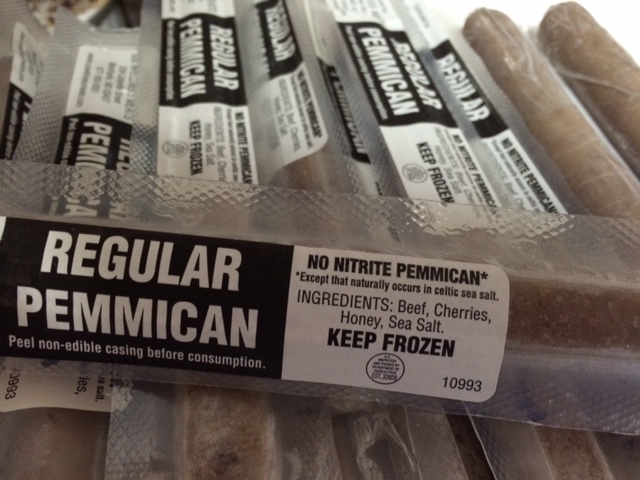
We talked about one of my favorite replacements for soy-based energy bars: pemmican. I just call pemmican the energy bar of the twenty first century. It’s just a wonderful snack to have. It’s healthy. It has good fats, and it sustains you. You can purchase pemmican from US Wellness Meats.

pemmican

Then we talked about broths and glycine:

there’s a lot of different definitions of broth and stock, but basically we’re taking animal bones, and they’re going to come complete with cartilage and some skin. We’re going to make a broth with that. The main ingredients would be those bones plus a good quality water and a little bit of apple cider vinegar or a different kind of vinegar. Actually, any kind of vinegar or perhaps a wine that will help pull the collagen or the gelatin out of the bones and cartilage as well as some of the minerals.

We’re going to have a very, very delicious and rich broth. From that, we can go and make soups and stews. There’s also ways we can do things like start from the beginning with, say, lamb skanks and vegetables and make that into a dish. The point is we’re pulling all the minerals and the cartilage and the marrow from the bones into our diet in terms of a delicious broth, soup, or stew.

we have some science behind it quelling the stress and anxiety too. One of the factors would be there’s some evidence that broth will help us sleep. Now, that’s pretty interesting because broth is actually completely devoid of tryptophan and we think we need tryptophan to sleep well. We do, but broth does contain glycine and glutamine and that can help us sleep

I mentioned that I had found a large amount of research looking at a specific antibiotic called Cycloserine

it’s actually an antibiotic that is used for tuberculosis and is sold under the brand name Seromycin. They discovered that this antibiotic can actually penetrate that central nervous system via the blood brain barrier and is effective for anxiety, social anxiety, phobia, and fear of public speaking. It affects the glycine bonding sites. Wow, if we’ve got this drug that will affect the glycine binding sites, why not just incorporate more glycine into our diets in the way of beautiful broths.

Here is one of the 2015 papers: D-cycloserine augmentation of cognitive behavioral therapy for anxiety disorders: an update.

And an older one: Dose-related anxiogenic effect of glycine in the elevated plus maze and in electrodermal activity.

Here are Kaayla’s books:

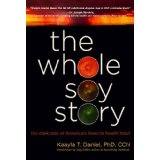
The Whole Soy Story: The Dark Side of America’s Favorite Health Food

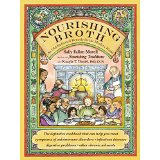
Nourishing Broth: An Old-Fashioned Remedy for the Modern World

kaayla daniel whole soy storykaayla daniel nourishing broths


If you are not already registered for the Anxiety Summit you can get live access to the speakers of the day here: www.theAnxietySummit.com

Missed this interview or can’t listen live? Or want this and the other great interviews for your learning library? Purchase the MP3s or MP3s + transcripts and listen when it suits you.

You can find your purchasing options here: Anxiety Summit Season 1, Anxiety Summit Season 2, and Anxiety Summit Season 3.

Filed Under: Antianxiety, Food and mood, The Anxiety Summit 3 Tagged With: Kaayla Daniel, Nourishing Broths, the anxiety summit, The Whole Soy Story, Trudy Scott

Pyroluria, social anxiety, introversion: a summary

May 8, 2015 By Trudy Scott 53 Comments

 reading-on-beach

Pyroluria is a social anxiety condition that is not well recognized in the medical community. It responds really well to a few key nutrients. I cover this in this blog post: Pyroluria, high mauve, pyrrole disorder, malvaria, elevated kryptopyrroles and social anxiety

Low levels of the mineral zinc and vitamin B6 are frequently associated with a type of anxiety characterized by social anxiety, avoidance of crowds, a feeling of inner tension, and bouts of depression. People with this problem experience varying degrees of anxiety or fear, often starting in childhood, but they usually manage to cover it up and push through. They tend to build their life around one person, become more of a loner over time, have difficulty handling stress or change, and have heightened anxiety symptoms when under more stress.

This constellation of symptoms is often the result of a genetic condition called pyroluria, also known as high mauve, pyrrole disorder, pyrroluria, pyrolleuria, malvaria, and elevated kryptopyrroles.

If this sounds like you, here is a link to the Pyroluria Questionnaire from my book The Antianxiety Food Solution. I created this using the work of Carl Pfeiffer and Joan Mathews-Larson, modifying it based on feedback I received from my clients.

I encourage you to do this questionnaire and see how you score (before starting on the supplements and once you are on them).

This is a collection of past blog posts on the topic of pyroluria in preparation for my season 3 interview on the Anxiety Summit: “Pyroluria, Amino Acids and Anxiety: Troubleshooting when you are not getting results”

During the Anxiety Summit season 2 Dr Corey Schuler interviewed me on the topic: How zinc and vitamin B6 prevent pyroluria and social anxiety

I review the questionnaire, the protocol and discuss how I’ve discovered a pyroluria-introversion connection. Here is the blog post I wrote in response to the Huffington Post article, written by Carolyn Gregoire and called “23 Signs You’re Secretly An Introvert”: Am I an anxious introvert because of low zinc and vitamin B6? My response to Huffington Post blog

I encourage you to also do this questionnaire and see how you score and see if a high score correlates with a high score on the pyroluria questionnaire. Do this before starting on the supplements and then once you are on them. Many anxious introverts no longer feel anxious in social settings once they get on the pyroluria protocol. Many say they no longer see themselves as introverted!

In that season 2 interview I also share about the connection between Pyroluria and focal musician’s dystonia or musician’s cramp

Here are some more recent blogs on pyroluria and related conditions:

  • Pyroluria and chronic fatigue syndrome: is there a link?
  • Oxytocin and social anxiety, pyroluria and depression?
  • Oxytocin, social anxiety, pyroluria and autism

For most of my clients getting on the pyroluria protocol is life-changing! It certainly has been for me!

Unfortunately not everyone responds as expected. Some people:

  • Cannot get their zinc levels to increase
  • Feel too nauseas when taking any zinc
  • Never seem to remember their dreams
  • Continue to have social anxiety despite everything they do

My troubleshooting interview will be addressing the above scenarios and other related pyroluria questions that come up. PLEASE ASK YOUR QUESTIONS in the comments section below.

PS. If you’d like me to try and troubleshoot for you, please answer the questions I posed to Nancy below

If you’re not already signed up do join us here: season 3 of The Anxiety Summit


Filed Under: Pyroluria, The Anxiety Summit 3 Tagged With: introversion, social anxiety

  • « Go to Previous Page
  • Page 1
  • Page 2
  • Page 3
  • Page 4
  • Page 5
  • Page 6
  • Go to Next Page »

Primary Sidebar

GABA QuickStart Homestudy

gaba quickstart homestudy

Free Report

9 Great Questions Women Ask about Food, Mood and their Health

You'll also receive a complimentary subscription to my ezine "Food, Mood and Gal Stuff"


Connect with me

Popular Posts

  • Amino Acids Mood Questionnaire from The Antianxiety Food Solution
  • The Antianxiety Food Solution Amino Acid and Pyroluria Supplements
  • Pyroluria Questionnaire from The Antianxiety Food Solution
  • Collagen and gelatin lower serotonin: does this increase your anxiety and depression?
  • Tryptophan for the worry-in-your-head and ruminating type of anxiety
  • GABA for the physical-tension and stiff-and-tense-muscles type of anxiety
  • The Antianxiety Food Solution by Trudy Scott
  • Seriphos Original Formula is back: the best product for anxiety and insomnia caused by high cortisol
  • Am I an anxious introvert because of low zinc and vitamin B6? My response to Huffington Post blog
  • Vagus nerve rehab with GABA, breathing, humming, gargling and key nutrients

Recent Posts

  • Her cravings for chips and peanut butter were triggered by stress: GABA ends cravings and reduces physical tension and fear of heights
  • It is truly miraculous to be able to move through life without crippling anxiety and panic
  • GABA and tryptophan combo provide immediate and noticeable relief for tremors and cervical dystonia in just 7 days
  • Red light therapy for back and neck pain, plantar fasciitis and low mood – a complement to the amino acids GABA, DPA and tryptophan
  • What do I use instead of Seriphos to help lower high cortisol that is affecting my sleep and making me anxious at night?

Categories

  • 5-HTP
  • AB575
  • Addiction
  • ADHD
  • Adrenals
  • Alcohol
  • Allergies
  • Alzheimer's disease
  • Amino Acids
  • Anger
  • Antianxiety
  • Antianxiety Food Solution
  • Antidepressants
  • Anxiety
  • Anxiety and panic
  • Autism
  • Autoimmunity
  • benzodiazapines
  • Bipolar disorder
  • Books
  • Caffeine
  • Cancer
  • Candida
  • Children/Teens
  • Collagen
  • Cooking equipment
  • Coronavirus/COVID-19
  • Cravings
  • Depression
  • Detoxification
  • Diabetes
  • Diet
  • DPA/DLPA
  • Drugs
  • EFT/Tapping
  • EMF
  • EMFs
  • Emotional Eating
  • Endorphins
  • Environment
  • Essential oils
  • Events
  • Exercise
  • Fear
  • Fear of public speaking
  • Fertility and Pregnancy
  • Fish
  • Food
  • Food and mood
  • Functional neurology
  • GABA
  • Gene polymorphisms
  • General Health
  • Giving
  • Giving back
  • Glutamine
  • Gluten
  • GMOs
  • Gratitude
  • Gut health
  • Heart health/hypertension
  • Histamine
  • Hormone
  • Hyperparathyroidism
  • Hypoglycemia
  • Immune system
  • Inflammation
  • Insomnia
  • Inspiration
  • Introversion
  • Joy and happiness
  • Ketogenic diet
  • Lithium orotate
  • Looking awesome
  • Lyme disease and co-infections
  • MCAS/histamine
  • Medication
  • Men's health
  • Mental health
  • Mercury
  • Migraine
  • Mold
  • Movie
  • MTHFR
  • Multiple sclerosis
  • Music
  • NANP
  • Nature
  • Nutritional Psychiatry
  • OCD
  • Osteoporosis
  • Oxalates
  • Oxytocin
  • Pain
  • Paleo
  • Parasites
  • Parkinson’s disease
  • PCOS
  • People
  • PMS
  • Postpartum
  • PTSD/Trauma
  • Pyroluria
  • Questionnaires
  • Real whole food
  • Recipes
  • Research
  • Schizophrenia
  • serotonin
  • SIBO
  • Sleep
  • Special diets
  • Sports nutrition
  • Stress
  • Sugar addiction
  • Sugar and mood
  • Supplements
  • Teens
  • Testimonials
  • Testing
  • The Anxiety Summit
  • The Anxiety Summit 2
  • The Anxiety Summit 3
  • The Anxiety Summit 4
  • The Anxiety Summit 5
  • The Anxiety Summit 6
  • Thyroid
  • Thyroid health
  • Toxins
  • Tryptophan
  • Tyrosine
  • Uncategorized
  • Vegan/vegetarian
  • Women's health
  • Yoga

Archives

  • May 2026
  • April 2026
  • October 2025
  • September 2025
  • August 2025
  • July 2025
  • June 2025
  • May 2025
  • April 2025
  • March 2025
  • February 2025
  • January 2025
  • November 2024
  • October 2024
  • September 2024
  • August 2024
  • July 2024
  • June 2024
  • May 2024
  • April 2024
  • March 2024
  • February 2024
  • January 2024
  • December 2023
  • November 2023
  • October 2023
  • September 2023
  • August 2023
  • July 2023
  • June 2023
  • May 2023
  • April 2023
  • March 2023
  • February 2023
  • January 2023
  • December 2022
  • November 2022
  • October 2022
  • September 2022
  • August 2022
  • July 2022
  • June 2022
  • May 2022
  • April 2022
  • March 2022
  • February 2022
  • January 2022
  • December 2021
  • November 2021
  • October 2021
  • September 2021
  • August 2021
  • July 2021
  • June 2021
  • May 2021
  • April 2021
  • March 2021
  • February 2021
  • January 2021
  • December 2020
  • November 2020
  • October 2020
  • September 2020
  • August 2020
  • July 2020
  • June 2020
  • May 2020
  • April 2020
  • March 2020
  • February 2020
  • January 2020
  • December 2019
  • November 2019
  • October 2019
  • September 2019
  • August 2019
  • July 2019
  • June 2019
  • May 2019
  • April 2019
  • March 2019
  • February 2019
  • January 2019
  • December 2018
  • November 2018
  • October 2018
  • September 2018
  • August 2018
  • July 2018
  • June 2018
  • May 2018
  • April 2018
  • March 2018
  • February 2018
  • January 2018
  • December 2017
  • November 2017
  • October 2017
  • September 2017
  • August 2017
  • July 2017
  • June 2017
  • May 2017
  • April 2017
  • March 2017
  • February 2017
  • January 2017
  • December 2016
  • November 2016
  • October 2016
  • September 2016
  • August 2016
  • July 2016
  • June 2016
  • May 2016
  • April 2016
  • March 2016
  • February 2016
  • January 2016
  • December 2015
  • November 2015
  • October 2015
  • September 2015
  • August 2015
  • July 2015
  • June 2015
  • May 2015
  • April 2015
  • March 2015
  • February 2015
  • January 2015
  • December 2014
  • November 2014
  • October 2014
  • September 2014
  • August 2014
  • July 2014
  • June 2014
  • May 2014
  • April 2014
  • March 2014
  • February 2014
  • January 2014
  • December 2013
  • November 2013
  • October 2013
  • September 2013
  • August 2013
  • July 2013
  • June 2013
  • May 2013
  • April 2013
  • March 2013
  • February 2013
  • January 2013
  • December 2012
  • November 2012
  • October 2012
  • August 2012
  • July 2012
  • June 2012
  • May 2012
  • April 2012
  • March 2012
  • February 2012
  • January 2012
  • December 2011
  • November 2011
  • October 2011
  • September 2011
  • August 2011
  • July 2011
  • June 2011
  • May 2011
  • April 2011
  • March 2011
  • February 2011
  • January 2011
  • December 2010
  • October 2010
  • September 2010
  • July 2010
  • May 2010
  • April 2010
  • March 2010
  • February 2010
  • January 2010
  • November 2009

Share the knowledge!

The above statements have not been evaluated by the Food and Drug Administration. Products listed in this website are not intended to diagnose, treat, cure or prevent any disease.

The information provided on this site is for informational and educational purposes only and is not intended as a substitute for advice from your physician or other health care professional. You should consult with a healthcare professional before starting or modifying any diet, exercise, or supplementation program, before taking or stopping any medication, or if you have or suspect you may have a health problem.


Copyright © 2026 Trudy Scott. All Rights Reserved. | Privacy | Terms and Conditions | Refund Policy | Medical Disclaimer

Free Report

9 Great Questions Women Ask about Food, Mood and their Health

You’ll also receive a complimentary subscription to my ezine “Food, Mood and Gal Stuff”