• Skip to primary navigation
  • Skip to main content
  • Skip to primary sidebar

everywomanover29 blog

Food, Mood and Women's Health – Be your healthiest, look and feel great!

  • Blog
  • About
  • Services
  • Store
  • Resources
  • Testimonials
  • The Book
  • Newsletter
  • Contact
  • Search this site

Events

Bergamot as effective as diazepam for reducing anxiety?

August 19, 2016 By Trudy Scott 75 Comments

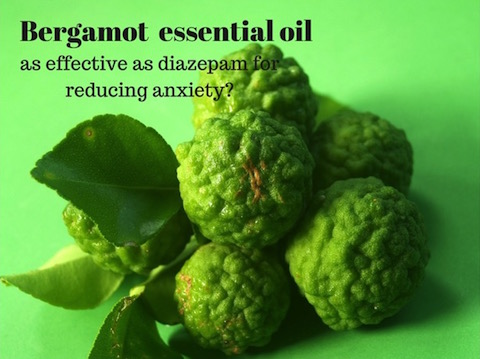
bergamot-green

Could the essential oil bergamot be as effective as diazepam (a benzodiazepine) in reducing anxiety?

An animal study shows very promising results: Acute effects of bergamot oil on anxiety-related behaviour and corticosterone level in rats

both BEO [bergamot essential oil] and diazepam exhibited anxiolytic-like behaviours and attenuated HPA axis activity by reducing the corticosterone response to stress

What this is means is that the bergamot was found to be as effective as diazepam in reducing the anxiety. Bergamot also reduced cortisol levels.

I’m really excited to see a study comparing an essential oil with benzodiazepines because I’m really worried that so many people are being prescribed benzodiazepines and that they are being used long-term. They are meant to be used short-term, if at all. They have very addictive properties, there are dependence issues and can be really really hard to quit, often with a very challenging withdrawal period. And too many people, including many in the medical profession, are not aware of all the issues once you start down this road.

If you’ve been following me for some time you’ll know I’m really vocal about the dangers of this class of medication.  You can read about the first World Benzodiazepine Awareness Day here.

How wonderful if we use these other wonderful approaches instead of benzodiazepines: use an essential oil like bergamot (or more than one – like lavender, roman chamomile and neroli too) and make food changes (like quitting gluten, caffeine and sugar), and add some amino acids like GABA and tryptophan and reduce the stress in our lives!

I talk about this research and other essential oils for anxiety and stress in the Essential Oils Revolution 2 summit which runs August 22 to 29. I’m so thrilled to be part of this event!
essential-oils-revolution-banner

Let’s get the conversation started now. Feel free to share which essential oils you use for anxiety and stress? And how do you use them?

 

Filed Under: Antianxiety, Essential oils, Events Tagged With: anxiety, benzodiazepine, Bergamot, diazepam, essential oils, Essential Oils Revolution

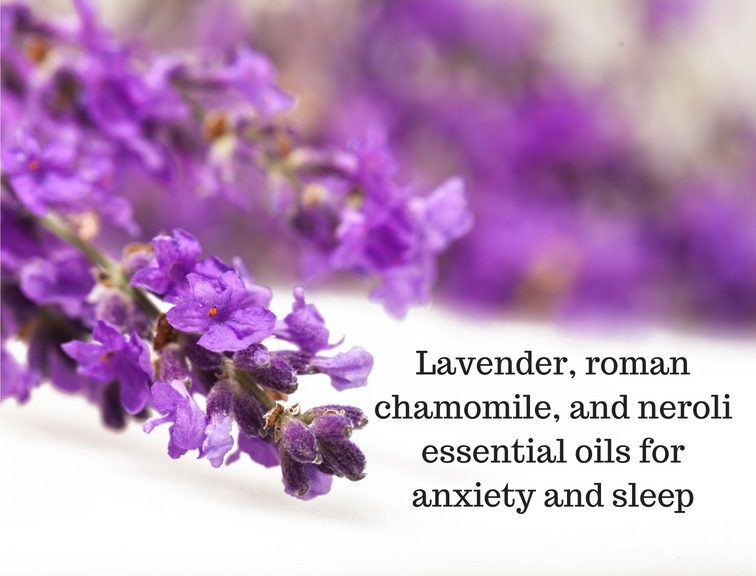
Lavender, roman chamomile, and neroli essential oils for anxiety and sleep

August 11, 2016 By Trudy Scott Leave a Comment

Lavender, roman chamomile, and neroli essential oils for anxiety and sleep

Lavender, roman chamomile, and neroli essential oils have been found to be beneficial for anxiety and sleep in patients going through a surgical procedure. 

The aromatherapy blend was in a ratio of 6 :  2 : 0.5  for lavender: roman chamomile: neroli.  

Participants received 10 treatments before percutaneous coronary intervention/PCI (formerly known as angioplasty with stent) and the same essential oil blend was inhaled another 10 times after the procedure.

Here are the details of the study: Effects of aromatherapy on the anxiety, vital signs, and sleep quality of percutaneous coronary intervention patients in intensive care units

The purpose of this study was to investigate the effects of aromatherapy on the anxiety, sleep, and blood pressure (BP) of percutaneous coronary intervention (PCI) patients in an intensive care unit (ICU). Fifty-six patients with PCI in ICU were evenly allocated to either the aromatherapy or conventional nursing care.

Outcome measures patients’ state anxiety, sleeping quality, and BP (blood pressure).

The aromatherapy group showed significantly low anxiety and improving sleep quality compared with conventional nursing intervention.

If these surgical patients could see these results imagine how these essential oils could help you if you suffer from anxiety and/or sleep issues.

Join us on the Essential Oils Revolution 2 to hear me cover this and  and other essential oils combinations for anxiety and insomnia.

essential-oils-revolution-banner

Here is the summit registration link:
https://qt247.isrefer.com/go/EOR16reg/trudyscottcn/

Have you found that this combination helps you with anxiety and sleep?  What ratio works for you?


Filed Under: Anxiety and panic, Essential oils, Events, Sleep Tagged With: anxiety, chamomile, essential oils, insomnia, lavender, neroli, sleep

Sleep restriction for insomnia – Dr. Breus on the Sleep Success Summit

August 8, 2016 By Trudy Scott 17 Comments

sleep-success-summit

As you probably know, insomnia is often a big issue if you have anxiety and/or depression. I like to address low serotonin, low GABA and low blood sugar for the sleep and mood issues but sleep issues can be caused by so many factors.

The Sleep Success summit addresses so many of these other factors: the adrenals, the thyroid, the gut, hormone health (all of which can impact sleep), plus topics on sleep apnea (and the inflammation connection), MTHFR, autoimmunity, using essential oils, sleep problems we see in kids and so much more.

sleep-summit-speakers

Dr. Michael Breus is the host of the summit and is interviewed by Sean Croxton: “An Interview with The Sleep Doctor.” He shares:

We know that when people aren’t able to stay asleep or fall asleep there is always some type of a mental component, either anxiety or depression (60-70% of the time)

There are just not a lot of people out there treating insomnia other than just prescribing pills and I’m not a big fan of that. Now you have two problems – you have a sleep problem and you have a pill problem.

I learned something new listening to Dr. Breus’ interview. He uses an evidence-based technique called “sleep restriction” to help his patients with insomnia.   He says it trains your brain to know when to sleep and it works for about 50% of his patients.   When the “sleep restriction” technique isn’t enough he uses cognitive behavior therapy to help with the negative thoughts and worry around the lack of sleep and supplements. He does use medications short-term (a few weeks only) to break the insomnia cycle.

I’m so intrigued by this “sleep restriction” method that I went looking for the research and found this study published just last month: 70% of the women receiving cognitive behavioral therapy for insomnia (CBT-I) said they had no more insomnia after 8 weeks and 84% said they had no more insomnia after 24 weeks!

A randomized clinical trial was conducted among 106 perimenopausal or postmenopausal women aged 40 to 65 years with moderate insomnia symptoms and 2 or more daily hot flashes.

Telephone-based cognitive behavioral therapy for insomnia (CBT-I) – which included sleep restriction, stimulus control, sleep hygiene education, cognitive restructuring, and behavioral homework – was compared to menopause education MEC/ information about menopause and women’s health.

At 8 and 24 weeks, 33 of 47 women (70%) and 37 of 44 (84%) in the CBT-I group, had scores in the no-insomnia range, compared with 10 of 41 (24%) and 16 of 37 (43%) in the MEC group.

Dr. Breus’ expertise is CBT-I and he is new to the naturopathic and nutritional world so we do have some professional differences of opinion, like buying Cosco magnesium (I would suggest looking for a quality product just like I do with all supplments) and avoiding 5-HTP and melatonin (although I do agree we do need to be informed consumers when using them).  The good news is that because he’s new to this he does ask great in-depth questions of the experts on the summit.

Other great interviews to check out:

  • Ben Lynch, ND – Are Your Genes Affecting Your Ability to Sleep?
  • Izabella Wentz, PharmD, FASCP – Getting to the Root Cause of Hypersomnia and Thyroid Fatigue
  • Magdalena Wszelaki, HHC – Your Hormones Could Be Affecting Your Sleep
  • Alan Christianson, NMD – Heal Your Adrenals and Get Better Sleep
  • Daniel Kalish, DC – How Sleep Influences Functional Medicine
  • Amy Myers, MD – Sleep, Functional Medicine and Autoimmune Function
  • Eric L. Zielinski, DC, MPH(c), BA – Sleep and Essential Oils: What’s the Connection?
  • Emily Fletcher – How Meditation Cured my Insomnia!
  • David Wolfe – How Your Environment Could Be Affecting Sleep! (Earthing and grounding for better sleep + Analyzing your environment to sleep better)

You can REGISTER HERE

You can PURCHASE HERE (it’s summit special pricing until the summit ends) 

I’d love to know if you’ve ever done cognitive behavioral therapy for insomnia (CBT-I) and if it helped you?   Is yes did it include all of the following: sleep restriction, stimulus control, sleep hygiene education, cognitive restructuring, and behavioral homework? Please share in the comments.

Filed Under: Events, Sleep Tagged With: anxiety, CBT-I, depression, insomnia, Michael Breus, sleep, sleep restriction, Sleep Success Summit

Bergamot, lavender and ylangylang for anxiety and high blood pressure

August 4, 2016 By Trudy Scott 23 Comments

bergamot-eo

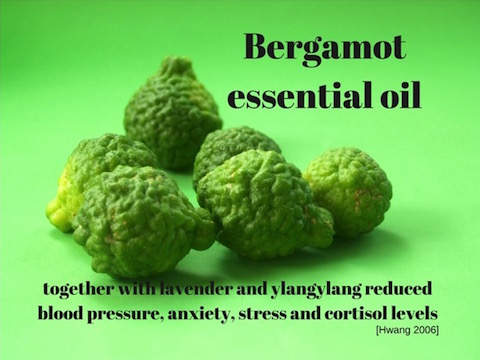
The wonderful combination of bergamot, lavender and ylangylang essential oils have been found to lower high blood pressure and reduce anxiety.

The study The effects of the inhalation method using essential oils on blood pressure and stress responses of clients with essential hypertension was published in 2006 and looked at 52 people who were anxious and stressed, and had high blood pressure.

The participants were placed in an essential oil group, a placebo group, and a control group by random assignment.

The essential oil group used aromatherapy inhalation by blending lavender, ylangylang, and bergamot essential oils once a day for 4 weeks.

To evaluate the effects of aromatherapy, blood pressure and pulse were measured two times a week and serum cortisol levels, catecholamine levels, subjective stress, and state anxiety were measured before and after treatment in the three groups.

 Here are the results of the study:

The blood pressure, pulse, subjective stress, state anxiety, and serum cortisol levels among the three groups were significantly statistically different.

The results suggest that the inhalation method using essential oils can be considered an effective nursing intervention that reduces psychological stress responses and serum cortisol levels, as well as the blood pressure of clients with essential hypertension.

They did not see any significant differences in catecholamine levels among the three groups but keep in mind this was only a 4-week study. And to see those other results in just 4 weeks is very encouraging! A simple intervention and yet very profound.

Dietary changes and amino acids and other nutrients are my go-to approach for anxiety but I’m finding more and more of my clients benefit with the addition of essential oils.

Essential oils are also very beneficial in the following instance where amino acids and other supplements can’t be taken or are not tolerated:

  • Young children (inhalation aromatherapy and creams/lotions work well here)
  • Older adults (creams/lotions work well when there is loss of smell with dementia or Alzheimer’s disease)
  • Someone going through benzodiazepine withdrawal and is too sensitive for supplements or can only tolerate small amounts

I talk about this research and other essential oils for anxiety and stress in the upcoming Essential Oils Revolution 2 summit which runs August 22 to 29. I’m thrilled to be part of this event!

essential-oils-revolution-banner

People all over the world are scrambling to find the answer to health problems like diabetes, pain, chronic fatigue, anxiety, estrogenic cancers and more. Millions are turning to natural solutions and many have experienced great success with essential oils. Learn if oils could be the missing ingredient for you and your family! What you will gain from this event:

  • Why essential oils are truly nature’s best medicine
  • How to use essential oils safely and effectively
  • Tips for regaining control of your health
  • Home recipes, guides, safety protocols and best practices
  • And so much more!

More than 165,000 people joined the 2015 Essential Oils Revolution. This year, the experts in aromatherapy, medicine and research will deliver in-depth discussion, debunk common myths and help you learn about the possibility of regaining your health using essential oils.

I can’t wait to learn more and hope you’ll tune in too. Here is the registration link:
https://qt247.isrefer.com/go/EOR16reg/trudyscottcn/

Let’s get the conversation started now. Feel free to share which essential oils you use for anxiety and stress? And how do you use them?

Filed Under: Essential oils, Events Tagged With: anxiety, Bergamot, cortisol, Essential Oils Revolution, high blood pressure, lavender, stress, Ylangylang

Alzheimer’s disease, mercury and mycotoxins: Dr. Dale Bredesen

July 25, 2016 By Trudy Scott 13 Comments

APOE4 and alzheimers

It really is possible to prevent, slow down and even reverse the symptoms of Alzheimer’s disease and dementia. As with all conditions, be it Alzheimer’s disease or anxiety or depression or PMS (or whatever health condition you have), you always want to get to the root cause/s and address this. The wonderful thing is that by addressing the root causes you can expect to see improvements in all conditions, including Alzheimer’s disease.

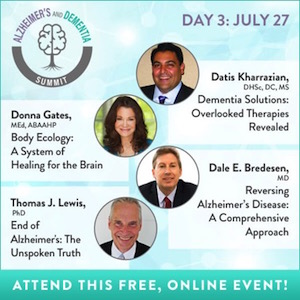
Dr. Dale Bredesen is one of the speakers at the Alzheimer’s & Dementia Summit available online from July 25 – August 1.

alzheimers-summit-day3

The interview with Dr. Dale Bredesen, “Reversing Alzheimer’s disease: a Comprehensive Approach”, covers the different types of Alzheimer’s disease and how in his research they look at over 100 different metabolic factors:

  • Type 1 Alzheimer’s disease (the inflammation type) – people typically have inflammatory markers such as high HS-CRP, IL-6, TNF alpha
  • Type 2 Alzheimer’s disease (the atrophic type) – there is no increase in inflammation but rather a decrease in many factors like estradiol to testosterone to vitamin D to nerve growth factor to BDNF, all required to support the neuronal network
  • Type 1.5 Alzheimer’s disease (the glycotoxic type) – it has some of type 1 and some of type 2, and people have type 2 diabetes or pre- type 2 diabetes. They have inflammation and insulin resistance
  • Type 3 Alzheimer’s disease (the toxic type) – people have a toxic illness caused by something like mycotoxins or high levels of mercury. We make amyloid because it’s anti-microbial and it will destroy biofilms by pulling out the metals and then killing the microbes

Dr. Dale Bredesen makes this very profound statement about Alzheimer’s disease:

the making of this amyloid is actually a protective response to different metabolic and toxic perturbations. The idea of getting rid of the amyloid only makes sense if you first understand why it’s there and get rid of the cause or causes…we’ve identified 36 different causes that can contribute to this…when you fix that, it’s fine to get rid of the amyloid  

He talks about:

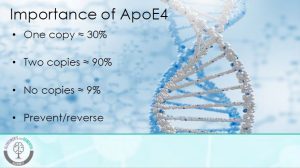
  • the APOE4 gene and the increased risk for Alzheimer’s – if you have one copy your risk is 30%, if you have two copies your risk is 90% [I’d like to add to this: there is also an increased risk for anxiety/depression with this gene and a strong correlation between mood issues and Alzheimer’s disease]
  • why it’s important to know your genetic risk so you can take steps to prevent it and correct metabolic imbalances
  • the role of leaky gut, chemicals/toxins we inhale through the nose, microbes, viruses, fungi, gum disease, Lyme disease

He shares many of the metabolic and functional testing that he recommends and covers how his study participants with a 90% risk of Alzheimer’s have been able to reverse the memory/dementia decline in 3- 6 months. You can read more about his research here – Reversal of cognitive decline: A novel therapeutic program

There is no one size fits all approach and we need a personalized approach, so you need to address one or more of the 36 factors/causes that pertain to you. Dr. Bredesen says this:

I do believe health coaching is going to be critical for the future as we shift from a monotherapeutic approach to a programmatic approach

This interview and other interviews on the Alzheimer’s & Dementia Summit are well-worth tuning in to. They represent a unique opportunity to discover how to prevent, slow down and even reverse the symptoms of Alzheimer’s and dementia.

You can register here: https://qt247.isrefer.com/go/ALZ16reg/trudyscottcn/

Filed Under: Events Tagged With: alzheimer's, Dale Bredesen, mercury, mycotoxins

Reminder – therapeutic/special diets webinar

July 5, 2016 By Trudy Scott 12 Comments

[SEE BELOW FOR REPLAY INFORMATION + MOM’S GROUP]

Here is a quick reminder about the webinar tomorrow July 6th at 1pm PDT: Customizing Therapeutic Diets to Improve Clinical Success with Anxiety, Autism and Beyond.

therapeutic-diets-1

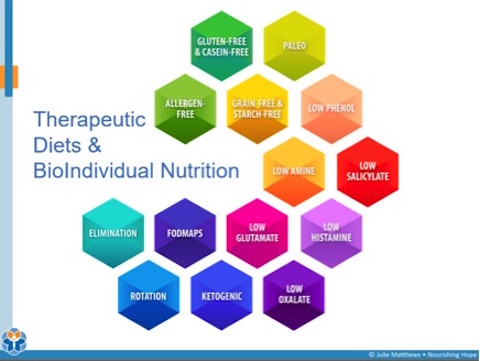
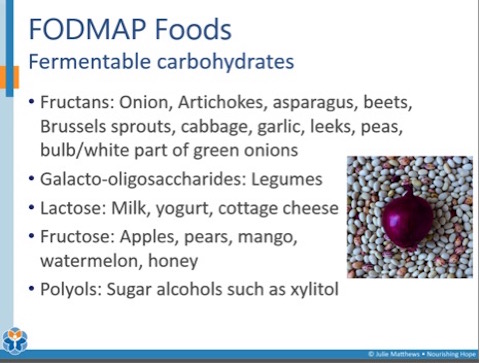
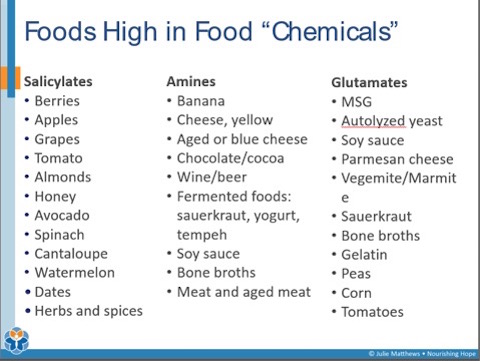
We all agree that Food is Medicine, however, there is no one dietary strategy that is right for everyone. Diet recommendations must consider varied biochemical and physiological factors, so they are personalized to suite the individual needs of your client – can they tolerate phenols, salicylates, high histamine foods, amines, oxalates, and FODMAPS? Knowing about these special diets and customizing dietary recommendations can increase your success with complex cases, especially your clients with anxiety and those that seem to have food reactions to “everything.” Understanding these advanced diets and principles have been critical to furthering my success in working with clients with anxiety.

Tomorrow I will be conducting a webinar with Julie Matthews on this topic. She is a good friend and nutrition colleague and we’ll be sharing valuable tips and clinical advice from our combined 25 years in practice. Julie is the founder of the Bioindividual Nutrition Institute and will cover:

  • How personalizing food and nutrition strategy helps improve patient/client outcomes
  • Which foods may negatively affect mood and anxiety, as well as co-morbid conditions
  • How to make your preferred diet strategy even more effective by individualizing over a dozen additional dietary factors
  • The most advantageous special diets for healing: including: GFCF, SCD, GAPS Diet, Paleo diet, low phenol diets, low oxalate, and low FODMAPs

We’ll discuss some clinical case studies from both of our practices and Julie will share more about the study group forming for the BioIndividual Nutrition Institute practitioner training program.

If diet and nutrition is a strong part of your practice, be sure to join us.

Here is a sampling of what we’ll cover:

therapeutic-diets-2

therapeutic-diets-3

Hope you can join us!

PS. This is webinar is for practitioners but anyone can tune in and listen and learn. Register at:
https://az184.isrefer.com/go/ctdaa/TrudyScott/

PPS. I’m actually camping at Tahoe this week so we recorded this before I left! But Julie will be live on the call after the recording so if you have questions join live to get them answered. If you can’t make it live sign up and you’ll get the recording + the questions she addressed

UPDATE July 8, 2016 – REPLAY INFORMATION + MOM’S GROUP

In order to listen to the replay of the webinar simply register at the same link and you’ll receive an email with the replay
https://az184.isrefer.com/go/ctdaa/TrudyScott/

Also, because many of you that are not clinicians expressed interest in the BioIndividual Nutrition training, Julie has re-opened the Nourishing Hope Moms program and scholarship to TEN new individuals. Inquire and apply here https://az184.isrefer.com/go/nhmoms/TrudyScott/


Filed Under: Events Tagged With: fodmaps, Julie Matthews, therapeutic diets

  • « Go to Previous Page
  • Page 1
  • Interim pages omitted …
  • Page 15
  • Page 16
  • Page 17
  • Page 18
  • Page 19
  • Interim pages omitted …
  • Page 35
  • Go to Next Page »

Primary Sidebar

GABA QuickStart Homestudy

gaba quickstart homestudy

Free Report

9 Great Questions Women Ask about Food, Mood and their Health

You'll also receive a complimentary subscription to my ezine "Food, Mood and Gal Stuff"


Connect with me

Popular Posts

  • Amino Acids Mood Questionnaire from The Antianxiety Food Solution
  • The Antianxiety Food Solution Amino Acid and Pyroluria Supplements
  • Pyroluria Questionnaire from The Antianxiety Food Solution
  • Collagen and gelatin lower serotonin: does this increase your anxiety and depression?
  • Tryptophan for the worry-in-your-head and ruminating type of anxiety
  • GABA for the physical-tension and stiff-and-tense-muscles type of anxiety
  • The Antianxiety Food Solution by Trudy Scott
  • Seriphos Original Formula is back: the best product for anxiety and insomnia caused by high cortisol
  • Am I an anxious introvert because of low zinc and vitamin B6? My response to Huffington Post blog
  • Vagus nerve rehab with GABA, breathing, humming, gargling and key nutrients

Recent Posts

  • Her cravings for chips and peanut butter were triggered by stress: GABA ends cravings and reduces physical tension and fear of heights
  • It is truly miraculous to be able to move through life without crippling anxiety and panic
  • GABA and tryptophan combo provide immediate and noticeable relief for tremors and cervical dystonia in just 7 days
  • Red light therapy for back and neck pain, plantar fasciitis and low mood – a complement to the amino acids GABA, DPA and tryptophan
  • What do I use instead of Seriphos to help lower high cortisol that is affecting my sleep and making me anxious at night?

Categories

  • 5-HTP
  • AB575
  • Addiction
  • ADHD
  • Adrenals
  • Alcohol
  • Allergies
  • Alzheimer's disease
  • Amino Acids
  • Anger
  • Antianxiety
  • Antianxiety Food Solution
  • Antidepressants
  • Anxiety
  • Anxiety and panic
  • Autism
  • Autoimmunity
  • benzodiazapines
  • Bipolar disorder
  • Books
  • Caffeine
  • Cancer
  • Candida
  • Children/Teens
  • Collagen
  • Cooking equipment
  • Coronavirus/COVID-19
  • Cravings
  • Depression
  • Detoxification
  • Diabetes
  • Diet
  • DPA/DLPA
  • Drugs
  • EFT/Tapping
  • EMF
  • EMFs
  • Emotional Eating
  • Endorphins
  • Environment
  • Essential oils
  • Events
  • Exercise
  • Fear
  • Fear of public speaking
  • Fertility and Pregnancy
  • Fish
  • Food
  • Food and mood
  • Functional neurology
  • GABA
  • Gene polymorphisms
  • General Health
  • Giving
  • Giving back
  • Glutamine
  • Gluten
  • GMOs
  • Gratitude
  • Gut health
  • Heart health/hypertension
  • Histamine
  • Hormone
  • Hyperparathyroidism
  • Hypoglycemia
  • Immune system
  • Inflammation
  • Insomnia
  • Inspiration
  • Introversion
  • Joy and happiness
  • Ketogenic diet
  • Lithium orotate
  • Looking awesome
  • Lyme disease and co-infections
  • MCAS/histamine
  • Medication
  • Men's health
  • Mental health
  • Mercury
  • Migraine
  • Mold
  • Movie
  • MTHFR
  • Multiple sclerosis
  • Music
  • NANP
  • Nature
  • Nutritional Psychiatry
  • OCD
  • Osteoporosis
  • Oxalates
  • Oxytocin
  • Pain
  • Paleo
  • Parasites
  • Parkinson’s disease
  • PCOS
  • People
  • PMS
  • Postpartum
  • PTSD/Trauma
  • Pyroluria
  • Questionnaires
  • Real whole food
  • Recipes
  • Research
  • Schizophrenia
  • serotonin
  • SIBO
  • Sleep
  • Special diets
  • Sports nutrition
  • Stress
  • Sugar addiction
  • Sugar and mood
  • Supplements
  • Teens
  • Testimonials
  • Testing
  • The Anxiety Summit
  • The Anxiety Summit 2
  • The Anxiety Summit 3
  • The Anxiety Summit 4
  • The Anxiety Summit 5
  • The Anxiety Summit 6
  • Thyroid
  • Thyroid health
  • Toxins
  • Tryptophan
  • Tyrosine
  • Uncategorized
  • Vegan/vegetarian
  • Women's health
  • Yoga

Archives

  • May 2026
  • April 2026
  • October 2025
  • September 2025
  • August 2025
  • July 2025
  • June 2025
  • May 2025
  • April 2025
  • March 2025
  • February 2025
  • January 2025
  • November 2024
  • October 2024
  • September 2024
  • August 2024
  • July 2024
  • June 2024
  • May 2024
  • April 2024
  • March 2024
  • February 2024
  • January 2024
  • December 2023
  • November 2023
  • October 2023
  • September 2023
  • August 2023
  • July 2023
  • June 2023
  • May 2023
  • April 2023
  • March 2023
  • February 2023
  • January 2023
  • December 2022
  • November 2022
  • October 2022
  • September 2022
  • August 2022
  • July 2022
  • June 2022
  • May 2022
  • April 2022
  • March 2022
  • February 2022
  • January 2022
  • December 2021
  • November 2021
  • October 2021
  • September 2021
  • August 2021
  • July 2021
  • June 2021
  • May 2021
  • April 2021
  • March 2021
  • February 2021
  • January 2021
  • December 2020
  • November 2020
  • October 2020
  • September 2020
  • August 2020
  • July 2020
  • June 2020
  • May 2020
  • April 2020
  • March 2020
  • February 2020
  • January 2020
  • December 2019
  • November 2019
  • October 2019
  • September 2019
  • August 2019
  • July 2019
  • June 2019
  • May 2019
  • April 2019
  • March 2019
  • February 2019
  • January 2019
  • December 2018
  • November 2018
  • October 2018
  • September 2018
  • August 2018
  • July 2018
  • June 2018
  • May 2018
  • April 2018
  • March 2018
  • February 2018
  • January 2018
  • December 2017
  • November 2017
  • October 2017
  • September 2017
  • August 2017
  • July 2017
  • June 2017
  • May 2017
  • April 2017
  • March 2017
  • February 2017
  • January 2017
  • December 2016
  • November 2016
  • October 2016
  • September 2016
  • August 2016
  • July 2016
  • June 2016
  • May 2016
  • April 2016
  • March 2016
  • February 2016
  • January 2016
  • December 2015
  • November 2015
  • October 2015
  • September 2015
  • August 2015
  • July 2015
  • June 2015
  • May 2015
  • April 2015
  • March 2015
  • February 2015
  • January 2015
  • December 2014
  • November 2014
  • October 2014
  • September 2014
  • August 2014
  • July 2014
  • June 2014
  • May 2014
  • April 2014
  • March 2014
  • February 2014
  • January 2014
  • December 2013
  • November 2013
  • October 2013
  • September 2013
  • August 2013
  • July 2013
  • June 2013
  • May 2013
  • April 2013
  • March 2013
  • February 2013
  • January 2013
  • December 2012
  • November 2012
  • October 2012
  • August 2012
  • July 2012
  • June 2012
  • May 2012
  • April 2012
  • March 2012
  • February 2012
  • January 2012
  • December 2011
  • November 2011
  • October 2011
  • September 2011
  • August 2011
  • July 2011
  • June 2011
  • May 2011
  • April 2011
  • March 2011
  • February 2011
  • January 2011
  • December 2010
  • October 2010
  • September 2010
  • July 2010
  • May 2010
  • April 2010
  • March 2010
  • February 2010
  • January 2010
  • November 2009

Share the knowledge!

The above statements have not been evaluated by the Food and Drug Administration. Products listed in this website are not intended to diagnose, treat, cure or prevent any disease.

The information provided on this site is for informational and educational purposes only and is not intended as a substitute for advice from your physician or other health care professional. You should consult with a healthcare professional before starting or modifying any diet, exercise, or supplementation program, before taking or stopping any medication, or if you have or suspect you may have a health problem.


Copyright © 2026 Trudy Scott. All Rights Reserved. | Privacy | Terms and Conditions | Refund Policy | Medical Disclaimer

Free Report

9 Great Questions Women Ask about Food, Mood and their Health

You’ll also receive a complimentary subscription to my ezine “Food, Mood and Gal Stuff”