• Skip to primary navigation
  • Skip to main content
  • Skip to primary sidebar

everywomanover29 blog

Food, Mood and Women's Health – Be your healthiest, look and feel great!

  • Blog
  • About
  • Services
  • Store
  • Resources
  • Testimonials
  • The Book
  • Newsletter
  • Contact
  • Search this site

Antianxiety

The Anxiety Summit – How to Heal Anxiety with Nature and the Body, not just with the Mind

April 30, 2015 By Trudy Scott 6 Comments


Dr. Eva Selhub MD, author of Your Health Destiny and Your Brain on Nature, is interviewed by host of the Anxiety Summit, Trudy Scott, Food Mood Expert and Nutritionist, author of The Antianxiety Food Solution.

How to Heal Anxiety with Nature and the Body, not just with the Mind

  • Why the “the body whispers before it screams”
  • What stress has to do with anxiety
  • Mind/body interventions and why they help
  • Why nature is so important for reducing anxiety and even improving cognition
  • What love has to do with any of this
  • The role of our genes in anxiety and depression
  • Why sleep is so important?


Here are some gems from our interview:

Listen to your body’s whispers before they become screams

We are always looking for a state of balance or relief

We develop coping skills to manage bad feelings

Adaptive coping: we’re hungry so we eat

Maladaptive coping: we’re anxious so we eat

Oxytocin, the trust molecule, is necessary for survival of the species

Here is my oxytocin blog I mentioned: Oxytocin and social anxiety, pyroluria and depression?

We know that low serotonin can cause anxiety, worry and depression and research shows there are interactions between oxytocin and serotonin levels.

I loved the discussion about getting out in nature. This 2011 study titled: Effect of forest environments on human natural killer (NK) activity found that visiting forest parks found:

enhanced human natural killer (NK) activity, increased anti-cancer proteins, such as perforin, granzymes A and B, and granulysin in NK cells, and reduced the level of stress hormones in both male and female subjects

this effect lasted for more than 30 days after the trips, suggesting that visiting a forest park once a month is beneficial

Here is another paper we mentioned: Is love of nature in the US becoming love of electronic media? 16-year downtrend in national park visits explained by watching movies, playing video games, internet use, and oil prices.

This advice was smart: if you’re working and can’t out in nature, get a plant for your office or use a tool like Calm.com, a very cool online tool I recently discovered.  It’s not nature but may help until you can get into nature.  You can pick what nature scene you like and then pick the meditation duration.  I love it!

calm dot com image

Here are the books we mentioned:

Your Brain on Nature: The Science of Nature’s Influence on Your Health, Happiness and Vitality (with Alan Logan)
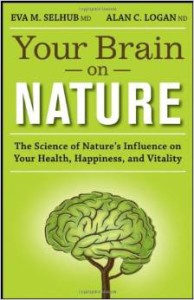
eva selhub your brain on nature


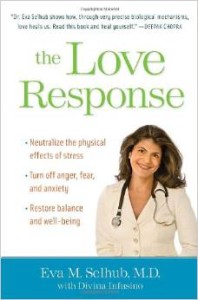
The Love Response: Your Prescription to Turn Off Fear, Anger, and Anxiety to Achieve Vibrant Health and Transform Your Life

 eva selhub the love response


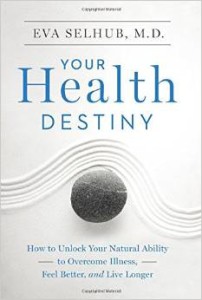
Your Health Destiny: How to Unlock Your Natural Ability to Overcome Illness, Feel Better, and Live Longer

eva selhub your health destiny


Get sample preview chapters from Your Health Destiny 

If you are not already registered for the Anxiety Summit you can get live access to the speakers of the day here: www.theAnxietySummit.com

Missed this interview or can’t listen live? Or want this and the other great interviews for your learning library? Purchase the MP3s or MP3s + transcripts and listen when it suits you.

You can find your purchasing options here: Anxiety Summit Season 1, Anxiety Summit Season 2, and Anxiety Summit Season 3.

Filed Under: Antianxiety, The Anxiety Summit 3 Tagged With: calm, Eva Selhub, nature, oxytocin, the anxiety summit, The Love Response, Trudy Scott, Your Brain on Nature, Your Health Destiny

Oxytocin, social anxiety, pyroluria and autism

April 10, 2015 By Trudy Scott 11 Comments

autism-awareness

I recently blogged about the possible connection between oxytocin, social anxiety, pyroluria and depression and would like to share that there is also a connection between autism, low oxytocin and social anxiety, and possibly pyroluria too.

It’s Autism Awareness Month so I’d like to share a video from Dr. Kurt Woeller D.O., an integrative medicine physician and biomedical autism specialist. He is also a lecturer, educator, and experienced practicing clinician offering specialized diagnostic testing and treatment for individuals with complex medical conditions like autism, mental health disorders, multiple sclerosis, and other chronic health conditions.

Dr. Woeller shares how helpful oxytocin is for social anxiety, facial recognition and voice recognition in individuals with autism and Asperger’s syndrome

An interesting therapy for certain individuals on the autism spectrum is something called oxytocin. Oxytocin is a hormone that is produced in our bodies and it has a wide range of effects. When a woman is in labor, oxytocin helps with uterine contractions so it is useful for the delivery of the baby. When a mother is breastfeeding her newborn, oxytocin can be released and it is felt that oxytocin helps with mother to child bonding that occurs with breastfeeding.

This is important for human to human interaction. Oxytocin is also released during physical contact between two people, and we know it is released in large amounts particularly during sexual intercourse.

As a therapy, oxytocin has been very helpful particularly for social anxiety. There are a couple of other effects that are interesting with oxytocin. Oxytocin seems to help with facial cue recognition. That enables us to tell the difference between a happy face, sad face, inquisitive face, etc. It also helps with voice cue recognition as well.

They did a study with adults on the autism spectrum and who had Asperger’s as well and they gave them an IV infusion of oxytocin and then measured their response over a two week period of time. What they found was that the individuals that received the oxytocin did much better at looking at pictures of different facial expressions and picking out the differences as well as listening to recordings of different voice emotional cues: an angry voice, a happy voice, etc.

Oxytocin is a useful remedy to consider particularly if the child, teenager or adult that you know has social anxiety issues or lacks the recognition of facial and/or voice cues.

Oxytocin comes as a nasal spray and does need to be prepared by a compounding pharmacy.

Usually you dose oxytocin once a day, maybe twice a day or even as needed situationally. You can give oxytocin before going into a situation where your child has a problem with social anxiety.

Dr Woeller uses the Meridian Valley Lab 24-hr urinary oxytocin test which, according to them “is the best method to capture the pulsatile peaks and valleys of oxytocin production.” You can order the test (and interpretation) via his testing site Lab Tests Plus

There are a number of studies that support the use of oxytocin for improving eye-contact, facial recognition and social anxiety:

  • Oxytocin increases eye contact during a real-time, naturalistic social interaction in males with and without autism
  • Effects of intranasal oxytocin on the neural basis of face processing in autism spectrum disorder
  • Oxytocin improves behavioural and neural deficits in inferring others’ social emotions in autism
  • Intranasal oxytocin in the treatment of autism spectrum disorders: a review of literature and early safety and efficacy data in youth
  • Effects of oxytocin on attention to emotional faces in healthy volunteers and highly socially anxious males

Here is a snippet from my book The Antianxiety Food Solution on the estimates of the prevalence of pyroluria (be aware that can vary depending on the type of clients/patients a practitioner works with):

Joan Mathews-Larson, considered an expert on the subject, reports the prevalence as follows: 11 percent of the healthy population, 40 percent of adults with psychiatric disorders, 25 percent of children with psychiatric disorders, 30 percent of people with schizophrenia, and 40 percent of alcoholics.

Abram Hoffer worked primarily with schizophrenic patients, but he found pyroluria was also present in 25 percent of his nonschizophrenic patients, including adults with anxiety, depression, and alcoholism, and children with learning disorders and behavioral disorders.

According to McGinnis, pyroluria is also present in about 46 percent of people with autism spectrum disorders and 71 percent of those with Down syndrome.

I work primarily with adult women who are anxious, depressed, or both and have found that at least 80 percent of my clients with moderate to severe anxiety have a large number of pyroluria symptoms.

Based on this and the research we’re seeing on autism, social anxiety and oxytocin, I would expect that if you have pyroluria you may also have low levels of oxytocin and may need to address this, especially if you not getting complete resolution with the zinc, vitamin B6 and evening primrose oil.


Filed Under: Antianxiety, Autism, Pyroluria Tagged With: autism awareness month, social anxiety

Oxytocin and social anxiety, pyroluria and depression?

March 27, 2015 By Trudy Scott 66 Comments

A 2014 paper published in the Journal of Psychiatric Research looked at how variations in the oxytocin receptor gene is associated with increased risk for anxiety, stress and depression in individuals with a history of exposure to early life stress. Here are some excerpts from this paper:
Oxytocin is a neuropeptide that is involved in the regulation of mood, anxiety and social biology.

Genetic variation in the oxytocin receptor gene (OXTR) has been implicated in anxiety, depression and related stress phenotypes.

In this study, we examined genotypes in 653 individuals and tested whether SNP variation in OXTR correlates with severity of features of self-reported experience on the Depression Anxiety and Stress Scale (DASS), and whether this correlation is enhanced when early life trauma is taken into account.

The study found a significant effect of several oxytocin receptor genes (OXTR genotypes) on anxiety, stress and depression scores. They concluded that:

These results support the hypothesis that the oxytocin system plays a role in the pathophysiology of mood and anxiety disorders.

In this 2015 paper published in Neuropsychopharmacology, they looked at “Oxytocin modulation of amygdala functional connectivity to fearful faces in generalized social anxiety disorder” and found that oxytocin lessened anxiety by dampening amygdala reactivity to threat in individuals with generalized social anxiety disorder.

Results indicated that in individuals with generalized social anxiety disorder:

Oxytocin enhanced functional connectivity between the amygdala and the bilateral insula and middle cingulate/dorsal anterior cingulate gyrus during the processing of fearful faces

These findings suggest that [oxytocin] may have broad pro-social implications such as enhancing the integration and modulation of social responses.

We know that low serotonin can cause anxiety, worry and depression and research shows there are interactions between oxytocin and serotonin levels. So if you don’t respond to serotonin support (tryptophan or 5-HTP or light therapy), maybe boosting oxytocin is a possible solution?  Or maybe supporting serotonin will boost oxytocin? 

What is also really interesting to me is that zinc is needed for binding oxytocin to its receptor so I wonder about the oxytocin connection to pyroluria, a social anxiety condition where higher amounts of zinc and vitamin B6 are needed. I wonder if adding oxytocin to the mix or boosting it would help even more?  Or if optimizing zinc use and absorption would help promote oxytocin?

Have you had your oxytocin levels tested? Have you used oxytocin with good results and did it help your social anxiety/pyroluria and/or depression?  Have you done anything else to boost your oxytocin levels?


Filed Under: Amino Acids, Antianxiety, Depression, Pyroluria Tagged With: depression, oxytocin, pyroluria, serotonin, social anxiety, zinc

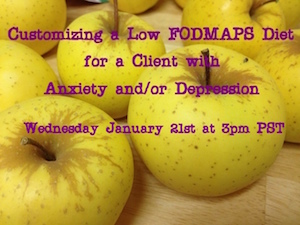
Customizing a Low FODMAPS Diet for a Client with Anxiety and/or Depression

January 19, 2015 By Trudy Scott 10 Comments

fodmaps-image

Here is an excerpt from a Dec 2014 paper called Review article: the aetiology, diagnosis, mechanisms and clinical evidence for food intolerance:

There have been significant advances in understanding the scientific basis of gastrointestinal food intolerance due to short-chain fermentable carbohydrates (FODMAPs). The most helpful diagnostic test for food intolerance is food exclusion to achieve symptom improvement followed by gradual food reintroduction. A low FODMAP diet is effective, however, it affects the gastrointestinal microbiota and FODMAP reintroduction to tolerance is part of the management strategy.

We’re seeing plenty of people with digestive issues like IBS (Irritable Bowel Syndrome) and SIBO (Small Intestinal Bacterial Overgrowth),  often with accompanying anxiety and depression, and a low FODMAPS diet may need to be considered. How do we know if we should consider it and how do we help out clients make this change?

This webinar is a way for you to learn more about FODMAPS for your clients and it’s a way for me to showcase the valuable work my friend Julie Matthews is doing in her BioIndividual Nutrition™ program. And for us to share the very cool new Victus software. I’ve actually signed up for the next training and I’m just super-excited to get the word out…which is another reason for the webinar! When I learn, I like to share what I learn!

Customizing a Low FODMAPS Diet for a Client with Anxiety and/or Depression

A webinar for health practitioners 
Food Mood Expert Trudy Scott interviews Julie Matthews, co-founder of BioIndividual Nutrition Institute

In this webinar, aimed at health practitioners, we will discuss:

  • The scientific rationale for recommending a Low FODMAPS (an acronym, deriving from “Fermentable, Oligo-, Di-, Mono-saccharides And Polyols) Diet for someone with anxiety/depression
  • Defining oligosaccharides (fructans and galacto-oligosaccharides); disaccharides (lactose); monosaccharides (fructose) and polyols (sugar alcohols and more)
  • What are high free fructose foods and the fructose malabsorption/anxiety and depression connection
  • How to do a low FODMAPs diet elimination/provocation
  • Why would you combine Low FODMAPS and SCD (Specific Carbohydrate Diet) for SIBO (Small Intestinal Bacterial Overgrowth)
  • How the Victus software helps you create a diet/recipes for the Low FODMAPs Diet
  • How to learn more about Julie Matthews’ Bioindividual Nutrition program (for practitioners), other special diets and the upcoming study group

Julie Matthews is a Certified Nutrition Consultant specializing in autism spectrum disorders, ADHD, and nutrition for pregnancy.  Her approached is based on the BioIndividual Nutrition™ needs of each person. She provides dietary guidance backed by scientific research and applied clinical experience. Her award winning book, Nourishing Hope for Autism, has helped people around the world to make food and nutrition choices that aid the health, learning, and behavior of those with autism, ADHD, and other developmental delays. She presents at leading autism conferences in the US and abroad, and is the Nutrition Editor of the Autism File magazine. She is on the scientific advisory board for USAAA (U.S. Autism & Asperger Association) and the Autism Nutrition Research Center. She is the co-founder of Nourishing Hope and BioIndividual Nutrition Institute. Julie has a private nutrition practice in San Francisco, California, and supports families and clinicians from around the world with her nutrition learning tools and professional training courses.

Here is the link to register for the webinar. If you can’t make it at this time, register anyway to get a copy of the notes and audio:

Update: this event is over (it was done Wednesday January 21st, 2015.)  Sorry you missed it!


Filed Under: Antianxiety, Anxiety and panic, Events Tagged With: anxiety, BioIndividual Nutrition Institute, depression, fodmaps, IBS, Julie Matthews, SIBO, Trudy Scott

Pyroluria, high mauve, pyrrole disorder, malvaria, elevated kryptopyrroles and social anxiety

January 9, 2015 By Trudy Scott 107 Comments

coneflower

Low levels of the mineral zinc and vitamin B6 are frequently associated with a type of anxiety characterized by social anxiety, avoidance of crowds, a feeling of inner tension, and bouts of depression. People with this problem experience varying degrees of anxiety or fear, often starting in childhood, but they usually manage to cover it up and push through. They tend to build their life around one person, become more of a loner over time, have difficulty handling stress or change, and have heightened anxiety symptoms when under more stress.

This constellation of symptoms is often the result of a genetic condition called pyroluria, also known as high mauve, pyrrole disorder, pyrroluria, pyrolleuria, malvaria, and elevated kryptopyrroles.

In Nutrition and Mental Illness, wonderful book written by Carl Pfeiffer in 1987, pyroluria is described as faulty synthesis of heme (a component of hemoglobin, in the blood), resulting in elevated levels of kryptopyrroles (KP) or by-products of hemoglobin synthesis that have no known role in the body. To get quite technical, it turns out that what’s elevated is actually levels of another molecule: hydroxyhemopyrrolin-2-one (HPL). This molecule attaches to zinc and vitamin B6 in the body, which are then excreted in greater amounts than normal in the urine, resulting in deficiencies. Since the body makes 2 million red blood cells per second, you can see how deficiencies can rapidly develop.

Supplementing with zinc and vitamin B6 (and a few other key nutrients) improves the many signs and symptoms of pyroluria. HPL also inhibits synthesis of heme explaining why people with pyroluria often also have low levels of iron or ferritin (the body’s storage form of iron and the first indicator of decreased iron levels) and need to supplement with iron as well.

I cover this in great detail in my book The Antianxiety Food Solution. I devote a whole chapter to it and for simplicity I use the term “pyroluria” in the book, in my blog posts, articles and presentations.

I first learned of pyroluria when I worked with Julia Ross and discovered that I have it. Joan Mathews-Larson covers it in detail in her great book Depression-Free Naturally and I consider her to be a true expert on pyroluria.

It’s not well-recognized in the mental health and medical community. This is the most recent published information on the topic: Discerning the Mauve Factor, Part 1 and Discerning the Mauve Factor, Part 2.

If this sounds like you, here is a link to the Pyroluria Questionnaire from my book. I created this using the work of Carl Pfeiffer and Joan Mathews-Larson, modifying it based on feedback I received from my clients.

Many people are surprised to discover that they now have an answer to something that has plagued them their whole lives.   This was certainly the case with me. Here are Madonna’s results, posted on the pyroluria blog post for the Anxiety Summit season 2: How zinc and vitamin B6 prevent pyroluria and social anxiety

I am 55 and have suffered with panic disorder since age 14. My anxiety has gotten so bad I can hardly leave the house at times. I am a woman of faith but had to even give up church, as I could not handle the people. It has been a rough road. I had already given up gluten and sugar. Somehow I stumbled on the word pyroluria. I did start zinc and b6. Also started primrose oil today. I can tell a difference in my mood and anxiety. I am ready to start living again.

I’d love to see your comments/questions if you can relate to any of this. Also, please do share in the comments if you know you have pyroluria and find the nutrients have eliminated your social anxiety and inner tension symptoms.


Filed Under: Antianxiety, Antianxiety Food Solution, Pyroluria, Stress

Rooibos tea with a chocolate twist

January 2, 2015 By Trudy Scott 23 Comments

chocolate-rooibos

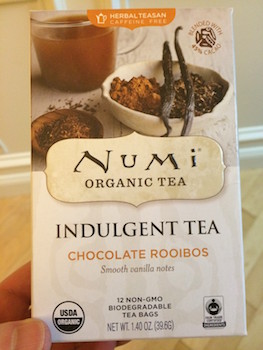
I’ve discovered a new rooibos tea and love it and want to share it with you! It’s rooibos tea with a chocolate twist: Numi Organic Tea – Chocolate Rooibos with smooth vanilla notes.

When I shared this image on facebook here are two comments I got:

  • I drink Numi’s Rooibos everyday, but I didn’t know they made CHOCOLATE!
  • CHOCOLATE…I’ll have to find that one!

Notice that both people wrote CHOCOLATE in upper case! I have no doubt that the word “chocolate” will get many more people trying this healthy herbal tea. But I must give you an advance warning – the chocolate taste is very subtle. And if you’re sensitive to the caffeine in chocolate like I am you may find you can tolerate this – I certainly can.

You may recall my interview with rooibos researcher, Dr. Amanda Swart, in season 1 of the Anxiety Summit: A Functional Food in the Management of Stress. We discussed the role rooibos plays in the maintenance of normal cortisol levels, the influence of rooibos on cytochrome P450 enzymes, and the amazing array of polyphenols and flavonoids found in rooibos. Wow, a simple beverage that can help reduce stress and anxiety! And so much more!

Here is some new rooibos research:

  • For diabetes: Antidiabetic effect of green rooibos (Aspalathus linearis) extract in cultured cells and type 2 diabetic model KK-Ay mice.
  • For bone growth: Rooibos flavonoids, orientin and luteolin, stimulate mineralization in human osteoblasts through the Wnt pathway.
  • For inflammation: Aspalathin and Nothofagin from Rooibos (Aspalathus linearis) Inhibits High Glucose-Induced Inflammation In Vitro and In Vivo.

chocolate-rooibos-description

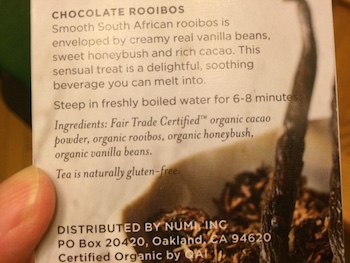
Just read the description on the back of the box and see if you can resist it:

Smooth South African rooibos is enveloped by creamy vanilla beans, sweet honeybush and rich cacao. This sensual treat is a delightful, soothing beverage you can melt into.

The vanilla gives it a naturally sweet taste which you may need if you don’t enjoy straight rooibos (an acquired taste for some)

Let me give you a few more reasons why I recommend this product – other than the delicious taste and wonderful health benefits:

  • It’s organic
  • It uses fair trade ingredients
  • It uses non-GMO biodegradable tea bags
  • It’s a herbal tea so is caffeine-free
  • It doesn’t have any artificial or even natural flavors

I’m a skier and Brad snowboards and I like to be prepared with “padkos” (South African for food-for-the-road) and one nice treat is hot herbal tea for the drive up and for the drive home. For the trip up to the ski resort, I make it in a large stainless steel mug with lid and we sip it as we drive. I take an extra teabag and a thermos flask of boiling water and make a new batch to sip on the trip home. It’s so yummy and so warming, plus it keeps us well-hydrated which is important with all that exercise. 

Check out the Numi site. I love this company and their vision: “Numi inspires well-being of mind, body and spirit through the simple art of tea. Our company is rooted in the principle of creating a healthful product that nurtures people and honors the planet. In all of our company initiatives, we strive to foster a healthy, thriving global community while bringing you the purest, best-tasting organic tea.”


Filed Under: Antianxiety, Caffeine, Food and mood, Real whole food, Stress Tagged With: anxiety, diabetes, NUMI, rooibos, stress

  • « Go to Previous Page
  • Page 1
  • Interim pages omitted …
  • Page 10
  • Page 11
  • Page 12
  • Page 13
  • Page 14
  • Interim pages omitted …
  • Page 20
  • Go to Next Page »

Primary Sidebar

GABA QuickStart Homestudy

gaba quickstart homestudy

Free Report

9 Great Questions Women Ask about Food, Mood and their Health

You'll also receive a complimentary subscription to my ezine "Food, Mood and Gal Stuff"


Connect with me

Popular Posts

  • Amino Acids Mood Questionnaire from The Antianxiety Food Solution
  • The Antianxiety Food Solution Amino Acid and Pyroluria Supplements
  • Pyroluria Questionnaire from The Antianxiety Food Solution
  • Collagen and gelatin lower serotonin: does this increase your anxiety and depression?
  • Tryptophan for the worry-in-your-head and ruminating type of anxiety
  • GABA for the physical-tension and stiff-and-tense-muscles type of anxiety
  • The Antianxiety Food Solution by Trudy Scott
  • Seriphos Original Formula is back: the best product for anxiety and insomnia caused by high cortisol
  • Am I an anxious introvert because of low zinc and vitamin B6? My response to Huffington Post blog
  • Vagus nerve rehab with GABA, breathing, humming, gargling and key nutrients

Recent Posts

  • Her cravings for chips and peanut butter were triggered by stress: GABA ends cravings and reduces physical tension and fear of heights
  • It is truly miraculous to be able to move through life without crippling anxiety and panic
  • GABA and tryptophan combo provide immediate and noticeable relief for tremors and cervical dystonia in just 7 days
  • Red light therapy for back and neck pain, plantar fasciitis and low mood – a complement to the amino acids GABA, DPA and tryptophan
  • What do I use instead of Seriphos to help lower high cortisol that is affecting my sleep and making me anxious at night?

Categories

  • 5-HTP
  • AB575
  • Addiction
  • ADHD
  • Adrenals
  • Alcohol
  • Allergies
  • Alzheimer's disease
  • Amino Acids
  • Anger
  • Antianxiety
  • Antianxiety Food Solution
  • Antidepressants
  • Anxiety
  • Anxiety and panic
  • Autism
  • Autoimmunity
  • benzodiazapines
  • Bipolar disorder
  • Books
  • Caffeine
  • Cancer
  • Candida
  • Children/Teens
  • Collagen
  • Cooking equipment
  • Coronavirus/COVID-19
  • Cravings
  • Depression
  • Detoxification
  • Diabetes
  • Diet
  • DPA/DLPA
  • Drugs
  • EFT/Tapping
  • EMF
  • EMFs
  • Emotional Eating
  • Endorphins
  • Environment
  • Essential oils
  • Events
  • Exercise
  • Fear
  • Fear of public speaking
  • Fertility and Pregnancy
  • Fish
  • Food
  • Food and mood
  • Functional neurology
  • GABA
  • Gene polymorphisms
  • General Health
  • Giving
  • Giving back
  • Glutamine
  • Gluten
  • GMOs
  • Gratitude
  • Gut health
  • Heart health/hypertension
  • Histamine
  • Hormone
  • Hyperparathyroidism
  • Hypoglycemia
  • Immune system
  • Inflammation
  • Insomnia
  • Inspiration
  • Introversion
  • Joy and happiness
  • Ketogenic diet
  • Lithium orotate
  • Looking awesome
  • Lyme disease and co-infections
  • MCAS/histamine
  • Medication
  • Men's health
  • Mental health
  • Mercury
  • Migraine
  • Mold
  • Movie
  • MTHFR
  • Multiple sclerosis
  • Music
  • NANP
  • Nature
  • Nutritional Psychiatry
  • OCD
  • Osteoporosis
  • Oxalates
  • Oxytocin
  • Pain
  • Paleo
  • Parasites
  • Parkinson’s disease
  • PCOS
  • People
  • PMS
  • Postpartum
  • PTSD/Trauma
  • Pyroluria
  • Questionnaires
  • Real whole food
  • Recipes
  • Research
  • Schizophrenia
  • serotonin
  • SIBO
  • Sleep
  • Special diets
  • Sports nutrition
  • Stress
  • Sugar addiction
  • Sugar and mood
  • Supplements
  • Teens
  • Testimonials
  • Testing
  • The Anxiety Summit
  • The Anxiety Summit 2
  • The Anxiety Summit 3
  • The Anxiety Summit 4
  • The Anxiety Summit 5
  • The Anxiety Summit 6
  • Thyroid
  • Thyroid health
  • Toxins
  • Tryptophan
  • Tyrosine
  • Uncategorized
  • Vegan/vegetarian
  • Women's health
  • Yoga

Archives

  • May 2026
  • April 2026
  • October 2025
  • September 2025
  • August 2025
  • July 2025
  • June 2025
  • May 2025
  • April 2025
  • March 2025
  • February 2025
  • January 2025
  • November 2024
  • October 2024
  • September 2024
  • August 2024
  • July 2024
  • June 2024
  • May 2024
  • April 2024
  • March 2024
  • February 2024
  • January 2024
  • December 2023
  • November 2023
  • October 2023
  • September 2023
  • August 2023
  • July 2023
  • June 2023
  • May 2023
  • April 2023
  • March 2023
  • February 2023
  • January 2023
  • December 2022
  • November 2022
  • October 2022
  • September 2022
  • August 2022
  • July 2022
  • June 2022
  • May 2022
  • April 2022
  • March 2022
  • February 2022
  • January 2022
  • December 2021
  • November 2021
  • October 2021
  • September 2021
  • August 2021
  • July 2021
  • June 2021
  • May 2021
  • April 2021
  • March 2021
  • February 2021
  • January 2021
  • December 2020
  • November 2020
  • October 2020
  • September 2020
  • August 2020
  • July 2020
  • June 2020
  • May 2020
  • April 2020
  • March 2020
  • February 2020
  • January 2020
  • December 2019
  • November 2019
  • October 2019
  • September 2019
  • August 2019
  • July 2019
  • June 2019
  • May 2019
  • April 2019
  • March 2019
  • February 2019
  • January 2019
  • December 2018
  • November 2018
  • October 2018
  • September 2018
  • August 2018
  • July 2018
  • June 2018
  • May 2018
  • April 2018
  • March 2018
  • February 2018
  • January 2018
  • December 2017
  • November 2017
  • October 2017
  • September 2017
  • August 2017
  • July 2017
  • June 2017
  • May 2017
  • April 2017
  • March 2017
  • February 2017
  • January 2017
  • December 2016
  • November 2016
  • October 2016
  • September 2016
  • August 2016
  • July 2016
  • June 2016
  • May 2016
  • April 2016
  • March 2016
  • February 2016
  • January 2016
  • December 2015
  • November 2015
  • October 2015
  • September 2015
  • August 2015
  • July 2015
  • June 2015
  • May 2015
  • April 2015
  • March 2015
  • February 2015
  • January 2015
  • December 2014
  • November 2014
  • October 2014
  • September 2014
  • August 2014
  • July 2014
  • June 2014
  • May 2014
  • April 2014
  • March 2014
  • February 2014
  • January 2014
  • December 2013
  • November 2013
  • October 2013
  • September 2013
  • August 2013
  • July 2013
  • June 2013
  • May 2013
  • April 2013
  • March 2013
  • February 2013
  • January 2013
  • December 2012
  • November 2012
  • October 2012
  • August 2012
  • July 2012
  • June 2012
  • May 2012
  • April 2012
  • March 2012
  • February 2012
  • January 2012
  • December 2011
  • November 2011
  • October 2011
  • September 2011
  • August 2011
  • July 2011
  • June 2011
  • May 2011
  • April 2011
  • March 2011
  • February 2011
  • January 2011
  • December 2010
  • October 2010
  • September 2010
  • July 2010
  • May 2010
  • April 2010
  • March 2010
  • February 2010
  • January 2010
  • November 2009

Share the knowledge!

The above statements have not been evaluated by the Food and Drug Administration. Products listed in this website are not intended to diagnose, treat, cure or prevent any disease.

The information provided on this site is for informational and educational purposes only and is not intended as a substitute for advice from your physician or other health care professional. You should consult with a healthcare professional before starting or modifying any diet, exercise, or supplementation program, before taking or stopping any medication, or if you have or suspect you may have a health problem.


Copyright © 2026 Trudy Scott. All Rights Reserved. | Privacy | Terms and Conditions | Refund Policy | Medical Disclaimer

Free Report

9 Great Questions Women Ask about Food, Mood and their Health

You’ll also receive a complimentary subscription to my ezine “Food, Mood and Gal Stuff”