• Skip to primary navigation
  • Skip to main content
  • Skip to primary sidebar

everywomanover29 blog

Food, Mood and Women's Health – Be your healthiest, look and feel great!

  • Blog
  • About
  • Services
  • Store
  • Resources
  • Testimonials
  • The Book
  • Contact
  • Search this site

Archives for August 2024

High dose GABA (750 mg) caused her to feel anxious and nervous with feelings of panic. She also felt agitated, flushed and hot

August 30, 2024 By Trudy Scott 15 Comments

high doze gaba

I casually read about GABA and ordered a bottle from Walmart. It was 750mg and it said take 1x daily. Ooooooooh boy did that mess me up – anxious nervous panic. That’s how I found you though, so I guess the universe had its reasons. I read your article about GABA dosing and started doing a micro dose by opening the pill, splitting it into 4 and putting it under my tongue and it was a game changer! Immense anxiety relief and now I’m researching more to add

These game changing results are wonderful to hear and I’m very happy for Tiffany but I’m not happy with GABA product labels. Folks need to know this, and I really want to get the message out about safe ways to use GABA.

She posted this on one of my facebook threads and I asked her if she’d be willing to share what happened so this doesn’t happen to someone else. She kindly said “absolutely you can share” and proceeded to provide a very detailed description of what happened. I share all this below with some of my insights about starting with GABA 750mg (considered a high dose for most individuals), what she did really well and my takeaway lessons, plus more about GABA dosing and the antidote when too much is used.

This is what happened (in her exact words):

Day 1 (Aug 3) – 4AM – After swallowing the 750 I first noticed a heat/flush feeling. It was my neck and upper chest area. This alone had me panicking that death was imminent, then it slowed after I’d say 15-30 minutes. I felt overly anxious & agitated after that, kept checking my pulse & BP (blood pressure) reassuring myself I was not dying.

Looking at my search history my anxieties lasted hours – by 11am I was searching “can I overdose on gaba” then I finally slept

I haven’t formed a connection yet between the gaba & the flush / panic yet.

10ish pm

I again swallowed the 750. I also applied icy hot for my chronic pain condition 30ish mins later. Then the flush sensation again neck & chest like before hit me. 15-30 mins of tingling , this time I convinced myself it must just be the icy hot mixing with the gaba altering my skin sensations (I had read about how it works in the central nervous system).

Day 2 (Aug 4) – 1am (+3hrs ingested)

I was in full “health” anxiety/panic mode, panic googling & [My search “gaba cause warming sensation”] landed me on your article

This was my game changer/ life saving moment!!!!

I’m unsure how long the anxieties lingered but I had a new game plan for microdosing from now on.

Plan: open the capsule (750mg) & separate the powder into 4 equal parts. Place this 1/4 under my tongue

7am

I took my 1st 1/4 micro-dose and felt like a champ! My google searching was now about understanding how it worked in the brain and why it had unclenched my jaw muscles. (My chronic pain is from TMJD largely due to my anxiety clenching)

I’m sorry she experienced this but I’m so glad she found my dosing article and figured it out. And that the lower dose of GABA is helping so much.

She was totally new to GABA and supplements in general: “I’m just learning supplements after detoxing effexor” so it’s not totally unexpected for something like this to happen BUT it really doesn’t have to be this way when you are an informed user (I share my take-aways below). 

In my article/blog, Too much GABA causes a tingling niacin-like flush sensation (in the brain and body). It’s awful and very uncomfortable! I share the issues with starting with too high a dose. If you’re new to GABA, I encourage you to click the above and read the post.

Splitting the 750 mg GABA capsule into four equal doses works for Tiffany

This is the change she made after reading my blog post i.e. she used much smaller doses

From then till now I’ve consumed 1 of the 750mg gabas each day by splitting into the 1/4’s (3-4hrs in between) and it has kept my anxiety at a consistent baseline level and helped immensely with the clenched jaw.

I also started adding l-theanine (100mg) supplement and I’m actively researching additional amino acid supplements to add in once I have some extra money to buy.

For context on Aug 7,  I had an emergency dental extraction that was traumatic. I took my gaba 1/4 right before and remained relatively calm through the whole 4 hour ordeal.

Once the Walmart bottle is gone I’ll be buying a low dose sublingual.

It was fortunate that 187 mg (a quarter of 750 mg) worked well for her based on her unique needs and biochemistry. It’s possible this may have been too much for her too and in this case she would have adjusted down.

Why Tiffany considered GABA for her issues and her next steps

Her initial reason for wanting to take GABA was a desire to keep her “anxiety / panic levels regulated.” Her physical anxiety symptoms manifest as “flight or fight” response and were hitting her constantly without warning or outside triggers. She was also in “constant pain from the jaw muscle issues but couldn’t face leaving the house to find a new doctor for help.”

The good news is that  after finding the proper dose of GABA she was “able to remain calm enough to find a new doctor.”  Tiffany also shared this:

I am treating my brain as a delicate little flower right now. Taking copious notes trying to establish what my baseline brain chemistry is and how the individual neurotransmitters impact my mood/state in the moment.

I mentioned before I am just starting my research journey about brain chemistry and planning to start to “play” around with additional amino acid supplements.

I’m in the stage now of discovery, finding a new amino acid, researching what transmitter it is connected to, it’s role as a precursor and once I have my data compiled I’m going to take a targeted approach testing to see what the impacts are.

I’m focused on figuring out my root deficiency i.e. serotonin vs dopamine vs norepinephrine and then going from there.

Takeaway lessons for Tiffany and what she did well

I shared some of my takeaway lessons with Tiffany and here they are in case you’re also new to using the amino acid GABA:

  1. Learn how to safely use GABA and the other aminos before you start using them i.e. read my book “The Antianxiety Food Solution”  or do one of my online group programs (details below)
  2. Use vitamin C as an antidote if you have a reaction. I write about this in my book. It negates any adverse symptoms quickly but also negates any benefits
  3. Start with a low dose of GABA and ignore the product label. I recommend 125 mg as a safe starting dose and less for sensitive folks
  4. Trial only one new supplement at a time so you know what is working and what is causing issues. With the GABA reaction Tiffany experienced I would not have added theanine before finding the ideal GABA dose. With her pain issues I’d be considering serotonin and endorphin support, but using one amino at a time and starting low dose with the correct timing
  5. If you have an adverse reaction stop immediately i.e. don’t push through
  6. Purchase professional grade supplements from Fullscript or iherb (here is the link to my products page with links to both). We want quality supplements just like we want quality food.

What Tiffany did well:

  • She carefully logged exactly what happened
  • She searched for expert advice and didn’t continue to push through the adverse effects
  • She split the GABA 750 mg into 4 and put the powder under her tongue
  • She is in the process of educating herself (and says she’ll get a copy of my book)

A few GABA product options  – a sublingual, a powder and a cream
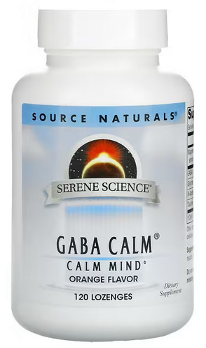
gaba calm
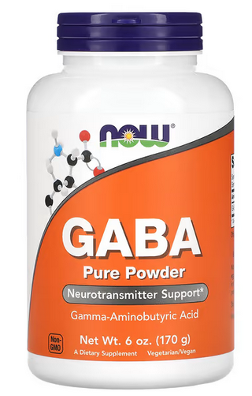
gaba pure poder
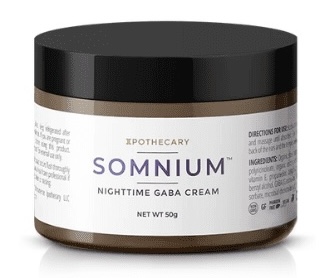
somnium gaba cream

Some of the many GABA products I recommend include Source Naturals GABA Calm lozenges (a good low dose of 125 mg) and Now GABA Powder (which does need to be measured out to provide a 125 mg typical starting dose).  Keep in mind, some individuals need less to start.

When using GABA powder I have clients use a handy mini measuring spoon like this one (my Amazon link) and share more about how to accurately measure out GABA powder on this blog.

For Source Naturals GABA Calm lozenges and Now GABA Powder:

  • You can purchase these from my online store (Fullscript – only available to US customers – use this link to set up an account).
  • If you’re not in the US, you can purchase these at iherb (use this link to save 5%).

Somnium GABA Cream is available in the US and elsewhere with international shipping. Read more about the product and who may benefit from using a cream, and grab my coupon code to save 15%.

Additional resources when you are new to using GABA and other amino acids as supplements

As always, I use the symptoms questionnaire to figure out if low low GABA or other neurotransmitter imbalances may be an issue.

If you suspect low levels of any of the neurotransmitters and do not yet have my book, The Antianxiety Food Solution – How the Foods You Eat Can Help You Calm Your Anxious Mind, Improve Your Mood, and End Cravings, I highly recommend getting it and reading it before jumping in and using amino acids on your own so you are knowledgeable. And be sure to share it with the practitioner/health team you or your loved one is working with.

There is an entire chapter on the amino acids and they are discussed throughout the book in the sections on gut health, gluten, blood sugar control (this is covered in an entire chapter too), sugar cravings, anxiety and mood issues.

The book doesn’t include product names (per the publisher’s request) so this blog, The Antianxiety Food Solution Amino Acid and Pyroluria Supplements, lists the amino acids that I use with my individual clients and those in my group programs.

If, after reading this blog and my book, you don’t feel comfortable figuring things out on your own (i.e. doing the symptoms questionnaire and respective amino acids trials), a good place to get help is the GABA QuickStart Program (if you have low GABA symptoms). This is a paid online/virtual group program where you get my guidance and community support.

If you are a practitioner, join us in The Balancing Neurotransmitters: the Fundamentals program. This is also a paid online/virtual program with an opportunity to interact with me and other practitioners who are also using the amino acids.

Wrapping up and your feedback

I appreciate Tiffany for sharing and giving me permission to blog about this. I do hope it’s been helpful for you and her too.

Now I’d love to hear from you – does any of this resonate with you? If yes, how high a dose of GABA did you start with and what was your adverse reaction? And how much helps now and how does it help? Feel free to share which product too.

If you’re a practitioner is this how you advise your clients/patients?

Feel free to share and ask your questions below.

Filed Under: Anxiety, GABA Tagged With: 750 mg, agitated, anxiety relief, anxious, can I overdose on GABA, flushed, GABA, GABA dosing, high dose GABA, hot, nervous, pain, panic

Osteoporosis: two of my favorite self-help books by R. Keith McCormick DC (and some of my own story)

August 16, 2024 By Trudy Scott 3 Comments

osteoporosis books

In May 2023 I posted this on Facebook and it never made it on to the blog so here goes …. osteoporosis and two of my favorite self-help books by R. Keith McCormick DC:

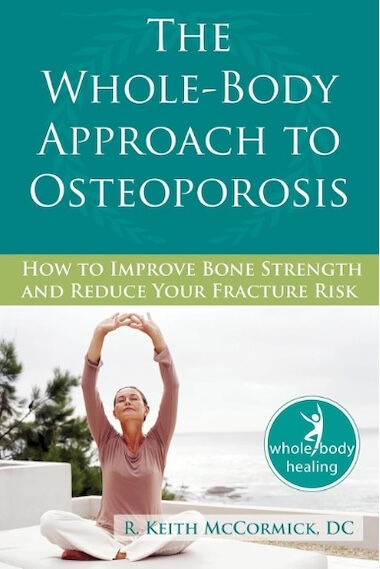
Earlier this week I read this book, The Whole-Body Approach to Osteoporosis: How to Improve Bone Strength and Reduce Your Fracture Risk by R. Keith McCormick DC, and wow, I’m very impressed and learned a ton.

It actually consolidates and builds on what I learned from him at the in-depth and excellent interviews with him on the Osteoporosis Summit, hosted by my friend and colleague, Margie Bissinger, MS, PT, CHC (thanks Margie! – I’ve ordered his newest book too).

I really love how Dr. McCormicks walks us through him being a detective with clients (the cases are excellent). And his information and interpretation on advanced bone health tests (like CTX, P1NP), other basic blood work (CRP, homocysteine, fibrinogen, vitamin D etc.) and functional testing (celiac/gluten sensitivity labs) he does is invaluable.

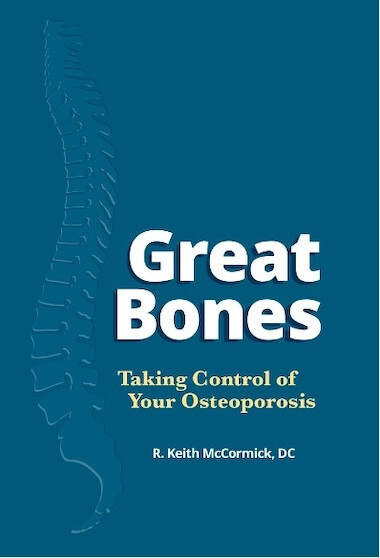
I’m curious to see what updates he’s made (if any) in his newest book, Great Bones: Taking Control of Your Osteoporosis.  Does he now prefer MK-4 to MK-7 (forms of vitamin K), if he addresses the tricky calcium-oxalate issues (I’m trying to figure this one out too) and if he also discusses Trabecular Bone Score (TBS) which can be included in the DXA.

I do like that he discusses prevention too – for younger women and men! He was in his 40s when he started to have osteoporotic fractures.

I’m in my early 60s and don’t have osteopenia or osteoporosis but I want to be proactive and do comprehensive testing. I do have concerns due to my dietary oxalate issues and calcium homeostasis as a result of this.

Read about both books below and more on my own osteoporosis story (yes, I do have osteoporosis after all!)  and probable root causes.

The Whole-Body Approach to Osteoporosis

whole body approach to osteoporosis

Here is the official blurb for this book:

No pill will cure you of osteoporosis. While medication can sometimes help, it won’t fully address the underlying causes of your osteoporosis or osteopenia. To restore bone health, you’ll need a targeted program combining the best bone-building strategies from traditional and holistic medicine. The Whole-Body Approach to Osteoporosis distills these complex strategies into a whole-body plan you can begin today to dramatically improve your bone strength and overall vitality.

This comprehensive guide includes information on:

    • What to eat for stronger bones
    • Choosing bone-building supplements and osteoporosis medications
    • Foods and medications that may be contributing to bone loss
    • Signs and symptoms that can help you monitor your bone health
    • How lab tests can help you personalize your plan

It was published in 2009, and I found it to be eye-opening and a wonderful introduction to the comprehensive functional medicine, nutritional and lifestyle approach that needs to be considered when addressing bone health. It’s written for the layperson but is meaty enough for practitioners new to the mechanisms of bone building and bone breakdown, osteoporosis medication and the impacts of environmental toxins.

As I mentioned above, his information and interpretation on advanced bone health tests (like CTX, P1NP), and other labs that are important for bone health (CRP, homocysteine, fibrinogen, vitamin D etc.) is invaluable. He also covers the basics that I cover in my book/work – like eating real food, digestive health and celiac/gluten sensitivity.

It comes highly recommended and you can find it in bookstores and on Amazon here (my Amazon link).

Great Bones: Taking Control of Your Osteoporosis

great bones

Here is the official blurb for this book:

Dr. McCormick knows what potential dangers lurk for women and men who don’t understand the life cycle of bone, who don’t realize the role nutrition plays in bone health, who don’t know what can happen to bone even when they think they’re doing “everything right.”

In his mission to help readers — women and men, athletes and nonathletes, primary care physicians and specialists — Dr. McCormick explains not just the fundamentals of osteoporosis but also the pathophysiology of bone loss and what it takes to regain skeletal health.

If you’re a patient suffering from bone loss, Dr. McCormick helps you take control of your osteoporosis; if you’re a doctor, he lays out the most up-to date science so you can best serve your patients. Great Bones is a book everyone can use to achieve better skeletal health well into their 70s, 80s, and beyond.

This one was published in 2023 and is a hefty 714 pages (vs 200 pages for his first book). This book takes everything in his first book to the next level. And while it is more geared to practitioners it is easy enough to follow for the health-savvy layperson.

Every time I pick it up to search for something I learn so much more. Here are a few eye-opening gems:

  • Test CTX early morning and avoid biotin and collagen for 48 hours beforehand (I also heard him say this on the osteoporosis summits)
  • “Butyric acid can increase bone formation by lowering osteoclastic formation” (bone break down) “and stimulating the deposition of calcium into the collagen matrix”
  • “High concentration of lead are found in the cement lines – where mineralized bone meets non-mineralized collagen and where zinc concentration is highest” (and more information on how lead adversely affects our bones)
  • “Post-menopausal women excrete eight times more urinary zinc than women with normal bone density”

With regards to my questions I had before getting this book – he does use both forms of vitamin K (MK-4 and MK-7) and he also discusses Trabecular Bone Score (TBS) which is an add-on for the DXA and a good indicator of bone texture and quality.

Unfortunately he doesn’t address the tricky calcium-oxalate issues that I’m trying to figure out, other than a very brief mention on one page.

I’m eagerly waiting for a kindle version to come out so I can more easily search for advanced topics. My index is full of my scribbles as I find some topics buried within other topics, like some of the TBS information.

This book is also highly recommended and you can find it on Amazon here (my Amazon link).

My osteoporosis story (some of it anyway)

When I posted about these books in May 2023, I was planning to be proactive and do comprehensive testing to get a good baseline in my early 60s. After reading these books and two others, I had my first DXA in July that included a TBS and testing of my left forearm. I was shocked to find out I have osteoporosis, despite the fact I have exercised my entire life – running (road and trails), playing tennis and then squash, rock-climbing, doing weights to train for climbing, backpacking with heavy packs, mountain biking, skiing and wind-surfing.

Because of this I’m really passionate about getting the message out about testing early (for women and men) and being informed and proactive. Dr. McCormick suggests women do their first DXA at 50 and men at 55 (and earlier if they’ve had a fracture).

Given my many possible root causes, I now wonder if I should have tested myself at 40 years of age? As I mentioned above, my dietary oxalate issues and the disruption of calcium homeostasis is likely a major factor. I’ve added these as contributing factors too: my long-term gut issues (since childhood), gluten sensitivity, SIBO, my history and propensity for anxiety and panic attacks, my past exposure to toxic lead (in my 20s I worked in an oil refinery and was exposed to jet fuel at a small airport), the fact that I have pyroluria (the zinc and vitamin B6 connections – I’ll be publishing a blog post on this and osteoporosis) and my liver/bile issues (which play into the oxalate issues).

Dr. McCormick says this at the start of Great Bones …  “you need to understand the causes” and I do so now I can work on all of this.  I love that he also says: “In this book what you will find is hope – within realistic physiological limitations – that you can improve your bone health.”

Dr. Kim Millman’s healthier bones course

With these books and other reading I’m doing, I now have the knowledge and tools. I’ve seen some improvements in the last year and I’m ready to jump in and do further testing and additional adjustments to actually reverse my bone loss.

But I need more so I’ve just signed up to do Dr. Kim Millman, MD’s online Restore & Rebuild: 100 Days to Healthier Bones program. Dr. Millman was also a speaker on Margie’s osteoporosis summit and if you are also looking for support and expert guidance via an online program, this one is a no-brainer. There is also an opportunity to ask your questions.  It’s really short notice and if you can’t make this cohort, I’ll share my feedback in case you make the 2025 class.

Dr. Millman shared this in one of her interviews with Margie: “I think that the most important thing to understand is that it is possible to reverse bone loss and drastically reduce your risk of fractures naturally. And in my 15 years of evaluating and treating the root causes of bone loss, my patients do not break bones, and they don’t feel fragile anymore. Their fear fades. They don’t feel vulnerable, and they return to living their most active lives and doing the things they love.”

Hearing this gives me even more hope and I’m excited!

And in case you’re wondering, I’m still glad I’ve read both these books and have them to refer back to again and again. Both are heavily referenced too and I love to look at the research.

Wrapping up and your feedback

Now I’d love to hear from you – do you have osteoporosis and have you read either of these books and have any gems to share?

Do you have another favorite book on bone health?

Have you done Dr. Millman’s program?

What age were you diagnosed with osteopenia or osteoporosis and were you surprised?

Have you been able to reverse your bone loss and drastically reduce your risk of fractures naturally?

What root causes do you feel play a role for you?

If you’re a practitioner working with clients/patients with osteopenia or osteoporosis I’d love your insights

Feel free to share and ask your questions below.
Filed Under: Anxiety, Osteoporosis, Pyroluria Tagged With: anxiety, bile, bone, books, calcium, celiac, CTX, Dr. Kim Millman, Dr. McCormick, DXA, fibrinogen, fracture, gluten sensitivity, Great Bones, homocysteine, Margie Bissinger, MK-4, MK-7, osteoporosis, Osteoporosis Summit, oxalate issues, P1NP, pyroluria, R. Keith McCormick, TBS, The Whole-Body Approach to Osteoporosis, vitamin D, vitamin K

Bright light to reset circadian rhythm: a solution for jet lag (with melatonin) and for disturbed sleep caused by bile issues?

August 2, 2024 By Trudy Scott 28 Comments

bright light circadian rhythm

The symptoms of jet lag cause distress to an increasing number of travelers. Potentially they may impair sleep,mood and cognitive performance. Critically timed exposure to bright light and melatonin administration can help to reduce symptoms.

Bright light is one of the most powerful synchronizers of human rhythms and melatonin serves as a ‘‘dark pulse’’ helping to induce nighttime behaviors. Thus, enhancing day and night signals to the brain, appropriate to the environmental light/dark cycle of the new time zone, can serve to reestablish adaptive timing relationships between the body’s internal biological rhythms and the external environment, and thereby reduce the symptoms of jet lag.

The above is from a paper published in 2002, Jet Lag: Minimizing It’s Effects with Critically Timed Bright Light and Melatonin Administration.

I came across this research just before my recent trip to Boston. I always use high dose melatonin to help with jet lag but because it was a business trip and I needed to be in top form as soon as I arrived, I was intrigued about the addition of bright light. So I purchased a light-weight 10,000 lux bright light panel and took it with me.

I was actually looking for solutions for my issues with a strange sleep pattern i.e. in waking in the early hours and not being able to get back to sleep on days when I would go to bed much earlier than usual. That pilot study found that “a brief course of morning bright light treatment had positive effects on subjective sleep quality, daytime sleepiness, and sleep timing in patients with primary biliary cholangitis.” And it led me to the jet lag research which is typical when you’re digging through the research!

The benefits for both situations – jet lag and disturbed sleep/bile issues – reinforced my decision and I’m so glad I got one. I love it! My jet lag results were better with the bright light and melatonin combined (with some caveats I share below). And I continue to use my light panel daily which means much improved sleep on those nights when I have to get to bed earlier. I am a hot mess when I don’t get a good 9 hours sleep and it’s something I continually work on.

I share more on both studies below, details on what timing is best for the bright light when traveling and at home, melatonin dosing (from the study and what I do) and how I plan to adjust things for my next long flight.

More from the jet lag study on bright light timing and melatonin

The jet lag paper talks about light being “one of the most powerful synchronizers of human circadian rhythms:

  • Light in the morning advances circadian rhythms and
  • Light in the evening delays circadian rhythms.”

And so the author shares different and very “specific recommendations using bright light and melatonin for eastward and westward travel before and after departure”and depending on “time zone changes of up to 6, 7-9 and 10 or more hours.”

These involve using the bright light either morning or night and likewise with the melatonin.

Since I was traveling eastbound from Sydney to Boston (21+ hours depending on the route) I should have followed those specific instructions.

How I used the bright light panel and melatonin

Instead, I kept it simple and 3 days before my departure I started using the bright light for 30 minutes in the morning and took 2.5 mg melatonin (and my other usual sleep solutions – see below).

When I arrived in Boston I had an afternoon nap and took 10mg of melatonin that first night – the usual increase in melatonin I use when doing long trips. For the duration of my time in Boston (a week), I used the light panel each morning for 30 minutes and 10mg of melatonin each night. And I did not experience any jet lag, other than feeling a little tired for about an hour each afternoon. I was waking earlier than usual (4am then 4:30am then 5am and then 6am) but was getting 8-9 hours of solid sleep.

I stopped in Hawaii and spent a week with my sister on the way home. I did the same even though the paper had different directions for flying westbound on a 12 hour trip. I was really tired on arriving and crashed early and still woke earlier than usual but had no jet lag.

I continue to use the light panel for 30 minutes each morning and am using 10mg melatonin (I’ll drop it down to 2.5mg soon – wild dreams are my clue I’m getting too much). My sleep has been solid since returning (other than an issue with cellulose in a new product I tried). My bedtime is earlier and I had a little less energy in the afternoons for the first 2 weeks.

We were sprayed with insecticide on the plane on arrival in Australia so I suspect that may have been a factor. (I am trying to get something done about this – I can’t actually believe this happens!)

You may wonder why I shared this study and what I did instead. Quite honestly, I was in a mad rush before I left and didn’t have time to work out the different recommendations. And I figured if I found it overwhelming others may too so let’s keep it simple.

That said, I’m impressed by the level of detail in the recommendations and may try to implement some of this on a future trip where I have some leeway if it doesn’t work. If you’ve done it per the recommendations in the above study please do let us know.

Morning bright light for disturbed sleep in primary biliary cholangitis

As I mentioned above, I had also just read the pilot study, Morning Bright Light Treatment for Sleep-Wake Disturbances in Primary Biliary Cholangitis. “Primary biliary cholangitis is a rare, immune-mediated cholestatic liver disease, mostly affecting women” where there is cholestasis or a decrease in bile flow, pruritus (itchiness) and fatigue.  I don’t have this condition but do have bile issues and was experiencing a new sleep problem that my usual sleep protocol wasn’t helping.

I’ve always typically been a night owl, going to bed late and getting up late. However, I’m part of a new US-based Mastermind and with the time difference I have to get up at 5:30am two mornings a week for training sessions.  I would go to bed 9 hours earlier and without fail would wake at 1am or 2am and not be able to get back to sleep.

I figured it may be liver/bile related so when I found the above paper I was very excited to give morning bright light a try. And it’s been working!

The pilot study reports these results: “a brief course of morning bright light treatment had positive effects on subjective sleep quality, daytime sleepiness, and sleep timing in patients with PBC.” This matches what I am experiencing on those early training days.

If you’re curious, I write about my current bile issues here: Ox bile as a supplement: to help counter the effects of dietary oxalates very likely caused by bile issues and poor fat digestion. I’m not suggesting it’s anything like primary biliary cholangitis other than something seems to be going on with my liver and bile production or bile quality. I will add that ox bile supplementation has reduced my daytime fatigue dramatically.

Interestingly, in other research, it was suggested that “pruritus of cholestasis is responsive to bright light in some patients” i.e, the itchiness that is experienced with chronic liver disease/bile issues.

My light panel and other sleep solutions

As I shared above, I am a hot mess when I don’t get a good 9 hours of sleep and it’s something I continually work on.

I took this photo in Boston in my hotel room. You can see the light panel and the nutrients I use at night on a regular basis. There are also 3 essential oils I use on the blue cloth (lavender, rose geranium and clary sage) and mouth tape.  I always use an eye patch and only use earplugs when traveling.

sleep solutions

I recorded a video discussing each of the above and why I use it and will share this as a separate post if there is interest.

The only change for this trip was the full spectrum light panel.

The full spectrum light panel I purchased and now recommend

full spectrum light panel

This is the exact one I purchased (my Amazon link and above image from Amazon). It has 5 brightness levels but I’m only using the brightest one. It has a timer – 10, 20, 30, 40, 50 and 60 minutes. To be safe I started with 10 minutes, then went to 20 minutes the next day and then 30 minutes and have continued with this time. It also has 3 colors but I’ve only used the white so far.

I packed it in my suitcase in the original box and although it was a little bulky, it worked well to prevent it getting damaged.

If you already have a 10,000 lux full spectrum light box or lamp, it will provide similar results and also mood benefits if you experience the winter blues (more about that here). However the light-weight bright light panel is ideal for traveling.

Update Dec 2025:

If the above full spectrum light panel is not available here are some other comparable panel options and some lamp options too:

  • Verilux Happy Light Luxe – a light panel (my Amazon link)
  • Verilux Happy Light Alba – another light panel (my Amazon link)
  • Happy Light Therapy Lamp – a standing map for your living room, bedroom or office (my Amazon link)
  • Light Therapy Lamp – a desk lamp (my Amazon link)

Additional resources when you are new to using amino acids as supplements

As you can see I continue to use GABA and tryptophan to keep me sleeping well and anxiety-free.

For clients who may be considering using either one of these amino acids, I use the symptoms questionnaire to figure out if low low serotonin or other neurotransmitter imbalances may be an issue.

If you suspect low levels of any of the neurotransmitters and do not yet have my book, The Antianxiety Food Solution – How the Foods You Eat Can Help You Calm Your Anxious Mind, Improve Your Mood, and End Cravings, I highly recommend getting it and reading it before jumping in and using amino acids on your own so you are knowledgeable. And be sure to share it with the practitioner/health team you or your loved one is working with.

There is an entire chapter on the amino acids and they are discussed throughout the book in the sections on gut health, gluten, blood sugar control (this is covered in an entire chapter too), sugar cravings, anxiety and mood issues.

The book doesn’t include product names (per the publisher’s request) so this blog, The Antianxiety Food Solution Amino Acid and Pyroluria Supplements, lists the amino acids that I use with my individual clients and those in my group programs.

If, after reading this blog and my book, you don’t feel comfortable figuring things out on your own (i.e. doing the symptoms questionnaire and respective amino acids trials), a good place to get help is the GABA QuickStart Program (if you have low GABA symptoms too). This is a paid online/virtual group program where you get my guidance and community support.

If you are a practitioner, join us in The Balancing Neurotransmitters: the Fundamentals program. This is also a paid online/virtual program with an opportunity to interact with me and other practitioners who are also using the amino acids.

Wrapping up and your feedback

I’d love to hear from you – does any of this resonate with you? If yes, has full spectrum light therapy helped with jet lag? What light box or light panel do you use? And do you also travel with one?

Do you also use melatonin for jet lag and how much helps you? And what else is part of your sleep solutions?

Has bright light therapy improved your sleep if you have liver/bile issues? Has it prevented middle of the night waking?

If you’re a practitioner have you seen this research and seen bright light therapy help with jet lag and/or sleep disruption caused by liver/bile issues?

Feel free to share and ask your questions below.
Filed Under: Gut health, Insomnia Tagged With: 000 lux, 10, bile liver, bright light, bright light panel, cholestasis, circadian rhythm, cognitive performance, daytime sleepiness, disturbed sleep, GABA, GABA Quickstart; Balancing Neurotransmitters: the Fundamentals program for practitioners, jet lag, melatonin, mood, primary biliary cholangitis, serotonin, sleep, sleep quality, sleep timing, tryptophan, waking early

Primary Sidebar

NEW! GABA QuickStart Homestudy (with special intro pricing)

gaba quickstart homestudy

Free Report

9 Great Questions Women Ask about Food, Mood and their Health

You'll also receive a complimentary subscription to my ezine "Food, Mood and Gal Stuff"


Connect with me

Popular Posts

  • Amino Acids Mood Questionnaire from The Antianxiety Food Solution
  • The Antianxiety Food Solution Amino Acid and Pyroluria Supplements
  • Pyroluria Questionnaire from The Antianxiety Food Solution
  • Collagen and gelatin lower serotonin: does this increase your anxiety and depression?
  • Tryptophan for the worry-in-your-head and ruminating type of anxiety
  • GABA for the physical-tension and stiff-and-tense-muscles type of anxiety
  • The Antianxiety Food Solution by Trudy Scott
  • Seriphos Original Formula is back: the best product for anxiety and insomnia caused by high cortisol
  • Am I an anxious introvert because of low zinc and vitamin B6? My response to Huffington Post blog
  • Vagus nerve rehab with GABA, breathing, humming, gargling and key nutrients

Recent Posts

  • What do I use instead of Seriphos to help lower high cortisol that is affecting my sleep and making me anxious at night?
  • BeSerene™ GABA/theanine cream eases severe muscle tension in her neck/shoulders, prevents her bad headaches and quells her anxiety
  • How the correct approach, dose and sublingual use of GABA can be calming and not cause a flushed and itchy face and neck
  • The amino acid glutamine improves low mood by addressing gut health, and it has calming effects too
  • Flight anxiety with heightened breath, physical tension and also fearing the worst (the role of low GABA and low serotonin)

Categories

  • 5-HTP
  • AB575
  • Addiction
  • ADHD
  • Adrenals
  • Alcohol
  • Allergies
  • Alzheimer's disease
  • Amino Acids
  • Anger
  • Antianxiety
  • Antianxiety Food Solution
  • Antidepressants
  • Anxiety
  • Anxiety and panic
  • Autism
  • Autoimmunity
  • benzodiazapines
  • Bipolar disorder
  • Books
  • Caffeine
  • Cancer
  • Candida
  • Children/Teens
  • Collagen
  • Cooking equipment
  • Coronavirus/COVID-19
  • Cravings
  • Depression
  • Detoxification
  • Diabetes
  • Diet
  • DPA/DLPA
  • Drugs
  • EFT/Tapping
  • EMF
  • EMFs
  • Emotional Eating
  • Endorphins
  • Environment
  • Essential oils
  • Events
  • Exercise
  • Fear
  • Fear of public speaking
  • Fertility and Pregnancy
  • Fish
  • Food
  • Food and mood
  • Functional neurology
  • GABA
  • Gene polymorphisms
  • General Health
  • Giving
  • Giving back
  • Glutamine
  • Gluten
  • GMOs
  • Gratitude
  • Gut health
  • Heart health/hypertension
  • Histamine
  • Hormone
  • Hyperparathyroidism
  • Hypoglycemia
  • Immune system
  • Inflammation
  • Insomnia
  • Inspiration
  • Introversion
  • Joy and happiness
  • Ketogenic diet
  • Lithium orotate
  • Looking awesome
  • Lyme disease and co-infections
  • MCAS/histamine
  • Medication
  • Men's health
  • Mental health
  • Mercury
  • Migraine
  • Mold
  • Movie
  • MTHFR
  • Multiple sclerosis
  • Music
  • NANP
  • Nature
  • Nutritional Psychiatry
  • OCD
  • Osteoporosis
  • Oxalates
  • Oxytocin
  • Pain
  • Paleo
  • Parasites
  • Parkinson’s disease
  • PCOS
  • People
  • PMS
  • Postpartum
  • PTSD/Trauma
  • Pyroluria
  • Questionnaires
  • Real whole food
  • Recipes
  • Research
  • Schizophrenia
  • serotonin
  • SIBO
  • Sleep
  • Special diets
  • Sports nutrition
  • Stress
  • Sugar addiction
  • Sugar and mood
  • Supplements
  • Teens
  • Testimonials
  • Testing
  • The Anxiety Summit
  • The Anxiety Summit 2
  • The Anxiety Summit 3
  • The Anxiety Summit 4
  • The Anxiety Summit 5
  • The Anxiety Summit 6
  • Thyroid
  • Thyroid health
  • Toxins
  • Tryptophan
  • Tyrosine
  • Uncategorized
  • Vegan/vegetarian
  • Women's health
  • Yoga

Archives

  • October 2025
  • September 2025
  • August 2025
  • July 2025
  • June 2025
  • May 2025
  • April 2025
  • March 2025
  • February 2025
  • January 2025
  • November 2024
  • October 2024
  • September 2024
  • August 2024
  • July 2024
  • June 2024
  • May 2024
  • April 2024
  • March 2024
  • February 2024
  • January 2024
  • December 2023
  • November 2023
  • October 2023
  • September 2023
  • August 2023
  • July 2023
  • June 2023
  • May 2023
  • April 2023
  • March 2023
  • February 2023
  • January 2023
  • December 2022
  • November 2022
  • October 2022
  • September 2022
  • August 2022
  • July 2022
  • June 2022
  • May 2022
  • April 2022
  • March 2022
  • February 2022
  • January 2022
  • December 2021
  • November 2021
  • October 2021
  • September 2021
  • August 2021
  • July 2021
  • June 2021
  • May 2021
  • April 2021
  • March 2021
  • February 2021
  • January 2021
  • December 2020
  • November 2020
  • October 2020
  • September 2020
  • August 2020
  • July 2020
  • June 2020
  • May 2020
  • April 2020
  • March 2020
  • February 2020
  • January 2020
  • December 2019
  • November 2019
  • October 2019
  • September 2019
  • August 2019
  • July 2019
  • June 2019
  • May 2019
  • April 2019
  • March 2019
  • February 2019
  • January 2019
  • December 2018
  • November 2018
  • October 2018
  • September 2018
  • August 2018
  • July 2018
  • June 2018
  • May 2018
  • April 2018
  • March 2018
  • February 2018
  • January 2018
  • December 2017
  • November 2017
  • October 2017
  • September 2017
  • August 2017
  • July 2017
  • June 2017
  • May 2017
  • April 2017
  • March 2017
  • February 2017
  • January 2017
  • December 2016
  • November 2016
  • October 2016
  • September 2016
  • August 2016
  • July 2016
  • June 2016
  • May 2016
  • April 2016
  • March 2016
  • February 2016
  • January 2016
  • December 2015
  • November 2015
  • October 2015
  • September 2015
  • August 2015
  • July 2015
  • June 2015
  • May 2015
  • April 2015
  • March 2015
  • February 2015
  • January 2015
  • December 2014
  • November 2014
  • October 2014
  • September 2014
  • August 2014
  • July 2014
  • June 2014
  • May 2014
  • April 2014
  • March 2014
  • February 2014
  • January 2014
  • December 2013
  • November 2013
  • October 2013
  • September 2013
  • August 2013
  • July 2013
  • June 2013
  • May 2013
  • April 2013
  • March 2013
  • February 2013
  • January 2013
  • December 2012
  • November 2012
  • October 2012
  • August 2012
  • July 2012
  • June 2012
  • May 2012
  • April 2012
  • March 2012
  • February 2012
  • January 2012
  • December 2011
  • November 2011
  • October 2011
  • September 2011
  • August 2011
  • July 2011
  • June 2011
  • May 2011
  • April 2011
  • March 2011
  • February 2011
  • January 2011
  • December 2010
  • October 2010
  • September 2010
  • July 2010
  • May 2010
  • April 2010
  • March 2010
  • February 2010
  • January 2010
  • November 2009

Share the knowledge!

The above statements have not been evaluated by the Food and Drug Administration. Products listed in this website are not intended to diagnose, treat, cure or prevent any disease.

The information provided on this site is for informational and educational purposes only and is not intended as a substitute for advice from your physician or other health care professional. You should consult with a healthcare professional before starting or modifying any diet, exercise, or supplementation program, before taking or stopping any medication, or if you have or suspect you may have a health problem.


Copyright © 2026 Trudy Scott. All Rights Reserved. | Privacy | Terms and Conditions | Refund Policy | Medical Disclaimer

Free Report

9 Great Questions Women Ask about Food, Mood and their Health

You’ll also receive a complimentary subscription to my ezine “Food, Mood and Gal Stuff”