• Skip to primary navigation
  • Skip to main content
  • Skip to primary sidebar

everywomanover29 blog

Food, Mood and Women's Health – Be your healthiest, look and feel great!

  • Blog
  • About
  • Services
  • Store
  • Resources
  • Testimonials
  • The Book
  • Contact
  • Search this site

violence

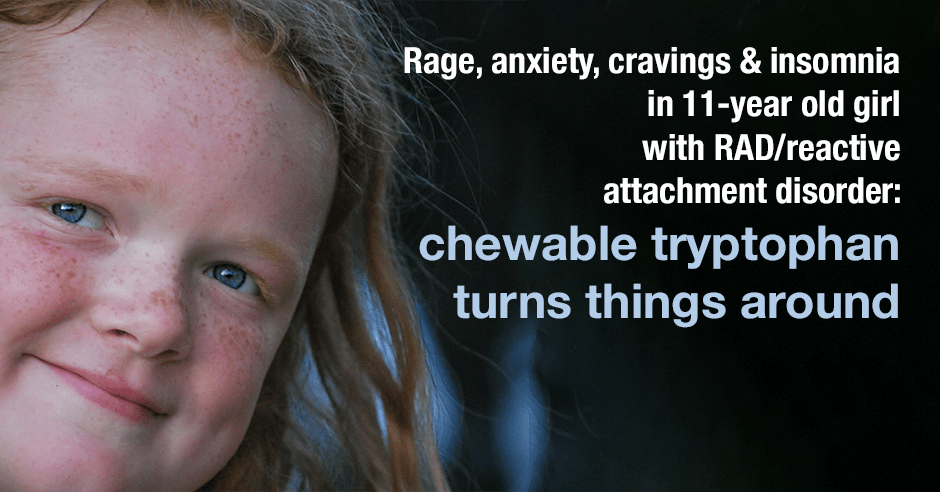
Rage, anxiety, cravings & insomnia in 11-year old girl with RAD/reactive attachment disorder: chewable tryptophan turns things around

May 28, 2021 By Trudy Scott 21 Comments

rad and tryptophan

Today I’m sharing the case of an 11-year-old girl who had huge rage issues, was angry much of the time, suffered from terrible anxiety, had crazy sugar cravings (for bread and colored candies) and had dreadful insomnia. Because of the insomnia she was also very fatigued and this likely drove some of her cravings and irritability too. She was adopted and had been diagnosed with RAD (reactive attachment disorder). During our first session, chewable tryptophan turns things around quickly – she smiles and is willing to make changes and quit the sugar and gluten. We also address low iron levels and with these 4 nutritional interventions this child’s behavior improves dramatically.

This book chapter, Reactive Attachment Disorder, states how The Diagnostic and Statistical Manual 5th Edition (DSM-5) classifies reactive attachment disorder as follows:

a trauma- and stressor-related condition of early childhood caused by social neglect or maltreatment. Affected children have difficulty forming emotional attachments to others, show a decreased ability to experience positive emotion, cannot seek or accept physical or emotional closeness, and may react violently when held, cuddled, or comforted. Behaviorally, affected children are unpredictable, difficult to console, and difficult to discipline. Moods fluctuate erratically, and children may seem to live in a “flight, fight, or freeze” mode. Most have a strong desire to control their environment and make their own decisions. Spontaneous changes in the child’s routine, attempts to discipline the child, or even unsolicited invitations of comfort may elicit rage, violence, or self-injurious behavior.

Reactive attachment disorder/RAD and low serotonin

There is no research on tryptophan helping to address RAD symptoms or trauma, but based on her low serotonin symptoms, a trial of tryptophan was the first thing I considered.

There is, however, evidence to indicate the role of low serotonin in RAD, as indicated by a study where antidepressants were successfully used. The authors mention how:

The absence of responsive and consistent caretaking can subject the developing brain to an inordinate amount of physiological stress, leading to increased cortisol production and consequential inefficiencies in the serotonin and the growth-hormone releasing systems.

Although not specific to RAD, another paper looking at trauma states that:

Serotonin and dopamine levels were found to be abnormal in the presence of PTSD.

As the field of nutritional psychiatry grows, I expect to see more and more research supporting the use of tryptophan and other amino acids for those suffering from symptoms like this. Symptoms that are caused by imbalances that are triggered by the trauma in their lives.

We know that therapy, EFT, EMDR and other approaches are crucial for trauma recovery (this family had already done some of this work) but we must start to incorporate nutritional support too.

The case study

Here are the details of this case study and the nutritional interventions. As I mentioned above, because of her severe rage episodes, a trial of tryptophan was the first thing I considered:

She was referred to me by a friend. The family didn’t have much money. And so, we had to really try and figure out a few simple interventions that we could use that were going to be effective.

This young girl had been adopted. She was diagnosed with reactive attachment disorder and her anger issues were just phenomenal. The mom had to physically put her body around her and hold her down when she was having one of her fits because she was worried that she was going to hurt herself and hurt other people.

She also had anxiety, huge cravings for colored candies and insomnia. She was so fatigued because she wasn’t sleeping well.

So sitting in my office with this young girl and her mom, we started to talk about the sweets and the candies and the need to give up the candies. She was fuming with me. She was sitting in a swivel chair. She turned her back on me and didn’t want to talk about having to give up candy at all.

I said, “Look, let’s not even talk about that, but would you take this chewable tryptophan here? And we’ll talk about it in a second.” I gave her 100 mg of the chewable tryptophan and continued discussing things with her mom.  She had no idea what it was going to do or how it would make her feel.

Within five minutes she turned her chair back, looked at me and she said, smilingly, “Yes, let’s do it. I can give up the candy.” She was smiling and she was happy.

So long story short, with this young girl, we started her on [chewable] tryptophan [and it turned things around quickly].

Chewable tryptophan – when I use it and when I don’t

I typically use 500mg Lidtke tryptophan for the adult clients I work with and prefer this company’s product because it is really high quality. It really does work better than many other tryptophan products on the market.

Lidtke also makes a chewable 100mg tryptophan which is also high quality, and the product I used with this young girl. Here are some benefits of this 100mg product:

  • It’s useful for doing the initial trial in order to figure out if tryptophan is going to help with low serotonin symptoms in children – because it’s a lower dose.
  • It’s especially useful for children for ongoing use (typically midafternoon and evening) because it’s a lower dose.
  • It’s also useful for adults who are “pixie dust” folks and do better with a lower dose of supplements in general or respond more severely to medications/alcohol/chemicals. We may start with a trial of the 100mg chewable and increase from there, also typically midafternoon and evening.

I don’t use the chewable 100mg tryptophan under these circumstances:

  • When the child (or adult) finds that 5 x100mg works for them at each time they need it. In this instance it’s best to switch to a 500mg tryptophan. Using it swallowed may work or it may need to be opened onto the tongue.
  • When the child (or adult) starts to consume the chewables like candy. They are sweet and do taste good and I’ve seen this happen. Because you are continually consuming something sweet you may end up over-consuming them if sugar addiction is one of your issues. You may also end up taking too much tryptophan.

If the chewable tryptophan is not available where you live, using a small amount of a powdered tryptophan or opening a capsule of the 500mg tryptophan is an option. Since it tastes bitter it can be mixed with mashed banana or inositol. (You can find all the Lidtke products in my online supplement store. The link is in the resources section below.)

Gluten and candies were also a huge issue, and she had low iron

There was more to her issues than only low serotonin:

Gluten was also a huge issue, so we got her off gluten and the candies. The tryptophan helped with this” (i.e. it made it easy to break the addiction and not feel deprived).

Tryptophan also helped her sleep. And it helped with the severe rage issues.

Obviously the gluten was contributing to the rage issues as well.

Her iron and ferritin levels were really low (possibly as a result of her gluten issues). So we added an iron supplement, and animal protein/red meat.

So with just four interventions – the gluten, the animal protein, getting her iron levels up and the tryptophan – this kid was just a new kid.

Here are some articles that are related to the above:

  • The role of low serotonin, low vitamin B6 and low iron in anxiety and panic attacks
  • Integrative Medicine Approach to Pediatric Obsessive-Compulsive Disorder and Anxiety I write about a study where gluten was found to be the cause of a childhood case of obsessive-compulsive disorder (OCD)
  • Tryptophan for my teenager: she laughs and smiles, her OCD and anxiety has lessened, and she is more goal oriented and focused on school.

Keep in mind there is not a one-size-fits-all and these 4 simple nutritional interventions – tryptophan, gluten removal, adding red meat and addressing low iron – happened to be the combination that worked for this young girl.

Resources if you are new to using tryptophan as a supplement

If you are new to using the amino acid tryptophan as a supplement, here is the Amino Acids Mood Questionnaire from The Antianxiety Food Solution and a brief overview here, Anxiety and targeted individual amino acid supplements: a summary.

If you suspect low serotonin symptoms and do not yet have my book, The Antianxiety Food Solution – How the Foods You Eat Can Help You Calm Your Anxious Mind, Improve Your Mood, and End Cravings, I highly recommend getting it and reading it before jumping in and using amino acids so you are knowledgeable.

The book doesn’t include product names (per the publisher’s request) so this blog, The Antianxiety Food Solution Amino Acid and Pyroluria Supplements, lists Lidtke chewable tryptophan 100mg, Lidtke tryptophan 500mg and other products that I use with my individual clients and those in my group programs.

We use an amino acid like tryptophan for quick relief of symptoms, like I did in this instance. Then we focus on the foundations like diet – like no gluten and red meat in this instance – and address all other imbalances, like her low iron. If cortisol was high we would have addressed that.

This case deserves it’s own blog post

In case you’re wondering, I first shared this case study in my interview, “Calming Anxiety, Aggression and OCD with Amino Acids and Food”, on the ADHD and Autism Summit in May 2021. Due to the interest in this case and the use of chewable tryptophan, I felt it deserved a deeper dive and its own blog post with links to some of the research and some practical information about the chewable tryptophan.

Have you used this chewable tryptophan product with success – personally, with your child or with a patient/client?

Have you found that addressing serotonin with tryptophan (or 5-HTP) helps resolve symptoms in a child diagnosed with RAD or a child with rage issues? What about helping with sleep problems, easing anxiety and stopping cravings too?

Have you addressed low iron levels and seen improvements with the removal of gluten too.

Feel free to post your questions here too.
 

Filed Under: Anxiety, Children/Teens, PTSD/Trauma, serotonin, Tryptophan Tagged With: adopted low iron, angry, anxiety, behavior, chewable tryptophan, cravings, fatigue, gluten, insomnia, irritability, nutritional interventions, nutritional psychiatry, RAD, rage, reactive attachment disorder, self-injurious behavior, serotonin, sugar, trauma, unpredictable, violence, young girl

Food Fix by Dr. Mark Hyman – my review

February 27, 2020 By Trudy Scott 4 Comments

food fix by mark hyman

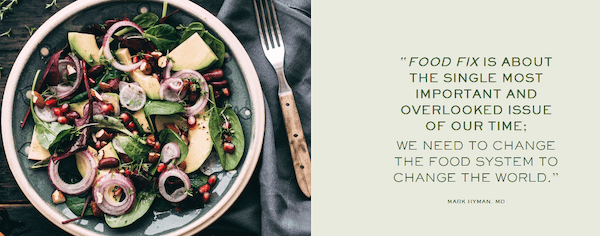
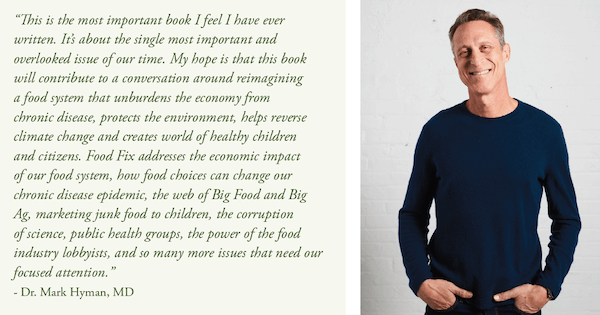
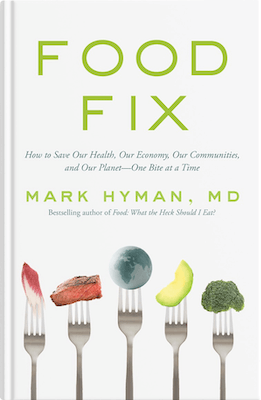
Dr. Mark Hyman has a brilliant new book called called Food Fix: How to Save Our Health, Our Economy, Our Communities, and Our Planet – One Bite at a Time and his big bold message is that: “We need to change the food system to change the world.”  It is an issue that is seriously overlooked and he wants to change this.

food fix

Watch this short video clip to hear it from Dr. Hyman himself.

food fix

Here are some of the key messages from Food Fix

  • If we don’t change the food system, we’re going to spend $95 trillion dollars on chronic disease – heart disease, obesity, type 2 diabetes, cancer, and dementia – over the next 35 years.
  • Big food spends a lot of money in Washington to keep us fat and sick.
  • The food industry preys on our most vulnerable citizens – children.

According to the American Psychological Association, children under the age of 8 don’t instinctively recognize the difference between TV Commercials and programs, which makes them particularly vulnerable.

  • Big Food buys partnerships with public schools.
  • Minorities are also targeted by the food industry.

Researchers at the University of Connecticut found that junk food companies spend the most on ads that target African Americans and Spanish speakers. Guess which products were most heavily advertised toward minorities—Gatorade, Pop Tarts, Twix Candy Bar, Cinnamon Toast Crunch Cereal, and Tyson Frozen Entrees

The worse the nutritional profile the more heavily the products were promoted through advertising.

Where are the broccoli ads?

These findings, the researchers noted, “highlight important disparities in the food and beverage industry’s heavy marketing of unhealthy foods to Hispanic and black youth, and the corresponding lack of promotion of healthier options.”

  • Bad food is making us anxious, depressed, and is messing with our brains. I’m thrilled that Dr. Hyman highlights how nutritional medicine is a key to mental health and psychiatry. Here are some snippets :

Studies show that adults with many types of mental health issues and children with ADHD have very low levels of antioxidants (which come from fruits and vegetables), such as the fifty-six-year-old man with lifelong crippling depression who improved by cleaning up his diet and taking a cocktail of B vitamins. I remember one man who presented with severe panic attacks every afternoon. Turned out he was eating a diet very high in sugar and starch and had wild swings in his blood sugar, which triggered the anxiety. When he cut out sugar and starch, his anxiety and panic attacks vanished. These stories are not anomalies. They are predictable results from applying nutritional medicine.

In recent years, major medical journals have clearly shown the link between nutrition and mental health. The Lancet Psychiatry, a top medical journal, maps out just how nutritional medicine is a key to mental health and psychiatry. Overall diet quality, high sugar loads, and rampant nutritional deficiencies (including omega‑3 fats, zinc, magnesium, vitamin D, and B vitamins) all drive mental illness. In other words, the culprit is once again the American and increasingly global industrial diet. We have discussed the costs of obesity and chronic disease, but most don’t connect mental illness to the costs of chronic disease. In fact, the cost of mental illness to the economic burden is far greater than the costs of heart disease, diabetes, and cancer.

Population studies have found that more fruits and vegetables and less french fries, fast food, and sugar are associated with a lower prevalence of mental illness, and that junk food creates moderate to severe psychological distress. The good news is that interventional studies have shown that treatment of mental illness with diet works well (especially since most medications for mental illness don’t work that well, despite being the second biggest category of drugs sold).

And here are a few of the many solutions proposed in the book:

  • Support regenerative agriculture and sustainable food.
  • Stop purchasing franken-foods:

Today 60% of our diet is ultra-processed food made from commodity crops—corn, soy, and wheat—that’s turned into various sizes, shapes, and colors from the raw materials—high fructose corn syrup, white flour, and refined soybean oil. When you vote with your dollars and your fork to stay away from these foods, you send a message to big food to stop subsidizing commodity crops and grow more fruits and vegetables!

  • End food waste:

Buy only what you need.  If food may go bad soon, make a soup or stew. Get a compost bucket for your kitchen.  Start a compost pile in your backyard, or buy an in-home composter.  Use it in your garden or donate it to someone who has a garden.

  • Be an activist and teach your family why food matters.
  • Address food deserts and food swamps in African American communities, and recognize that this is:

“food apartheid,” an embedded social and political form of discrimination.

Here is the official book blurb:

Help to transform the planet in crisis with this indispensable guide to healthy, ethical, and economically sustainable food from #1 New York Times bestselling author Mark Hyman, MD.

Food is our most powerful tool to reverse the global epidemic of chronic disease, heal the environment, reform politics, and revive economies. What we eat has tremendous implications not just for our waistlines, but also for the planet, society, and the global economy. What we do to our bodies, we do to the planet; and what we do to the planet, we do to our bodies. 

In Food Fix, Mark Hyman explains how our food and agriculture policies are corrupted by money and lobbies that drive our biggest global crises: the spread of obesity and food-related chronic disease, climate change, poverty, violence, educational achievement gaps, and more.

Pairing the latest developments in nutritional and environmental science with an unflinching look at the dark realities of the global food system and the policies that make it possible, Food Fix is a hard-hitting manifesto that will change the way you think about – and eat – food forever, and will provide solutions for citizens, businesses, and policy makers to create a healthier world, society, and planet.

I love that Dr. Hyman says he is left with a sense of hope and possibility after writing this book … “understanding the problems and challenges we face sets the foundations for the solutions.”

Wise words indeed! This book is much-needed, brilliant, eye-opening and shocking at times, but hopeful and solution-based.

You can get your copy of Food Fix here (my Amazon link) and find additional information and resources on the official book site here.

Filed Under: Books Tagged With: African Americans, chronic disease, climate change, education, environmental, food, food and agriculture policies, food deserts, Food Fix, food swamps, mark hyman, mental health, nutrition, Nutritional medicine, obesity, poverty, psychiatry, the planet, violence

Primary Sidebar

NEW! GABA QuickStart Homestudy (with special intro pricing)

gaba quickstart homestudy

Free Report

9 Great Questions Women Ask about Food, Mood and their Health

You'll also receive a complimentary subscription to my ezine "Food, Mood and Gal Stuff"


Connect with me

Popular Posts

  • Amino Acids Mood Questionnaire from The Antianxiety Food Solution
  • The Antianxiety Food Solution Amino Acid and Pyroluria Supplements
  • Pyroluria Questionnaire from The Antianxiety Food Solution
  • Collagen and gelatin lower serotonin: does this increase your anxiety and depression?
  • Tryptophan for the worry-in-your-head and ruminating type of anxiety
  • GABA for the physical-tension and stiff-and-tense-muscles type of anxiety
  • The Antianxiety Food Solution by Trudy Scott
  • Seriphos Original Formula is back: the best product for anxiety and insomnia caused by high cortisol
  • Am I an anxious introvert because of low zinc and vitamin B6? My response to Huffington Post blog
  • Vagus nerve rehab with GABA, breathing, humming, gargling and key nutrients

Recent Posts

  • What do I use instead of Seriphos to help lower high cortisol that is affecting my sleep and making me anxious at night?
  • BeSerene™ GABA/theanine cream eases severe muscle tension in her neck/shoulders, prevents her bad headaches and quells her anxiety
  • How the correct approach, dose and sublingual use of GABA can be calming and not cause a flushed and itchy face and neck
  • The amino acid glutamine improves low mood by addressing gut health, and it has calming effects too
  • Flight anxiety with heightened breath, physical tension and also fearing the worst (the role of low GABA and low serotonin)

Categories

  • 5-HTP
  • AB575
  • Addiction
  • ADHD
  • Adrenals
  • Alcohol
  • Allergies
  • Alzheimer's disease
  • Amino Acids
  • Anger
  • Antianxiety
  • Antianxiety Food Solution
  • Antidepressants
  • Anxiety
  • Anxiety and panic
  • Autism
  • Autoimmunity
  • benzodiazapines
  • Bipolar disorder
  • Books
  • Caffeine
  • Cancer
  • Candida
  • Children/Teens
  • Collagen
  • Cooking equipment
  • Coronavirus/COVID-19
  • Cravings
  • Depression
  • Detoxification
  • Diabetes
  • Diet
  • DPA/DLPA
  • Drugs
  • EFT/Tapping
  • EMF
  • EMFs
  • Emotional Eating
  • Endorphins
  • Environment
  • Essential oils
  • Events
  • Exercise
  • Fear
  • Fear of public speaking
  • Fertility and Pregnancy
  • Fish
  • Food
  • Food and mood
  • Functional neurology
  • GABA
  • Gene polymorphisms
  • General Health
  • Giving
  • Giving back
  • Glutamine
  • Gluten
  • GMOs
  • Gratitude
  • Gut health
  • Heart health/hypertension
  • Histamine
  • Hormone
  • Hyperparathyroidism
  • Hypoglycemia
  • Immune system
  • Inflammation
  • Insomnia
  • Inspiration
  • Introversion
  • Joy and happiness
  • Ketogenic diet
  • Lithium orotate
  • Looking awesome
  • Lyme disease and co-infections
  • MCAS/histamine
  • Medication
  • Men's health
  • Mental health
  • Mercury
  • Migraine
  • Mold
  • Movie
  • MTHFR
  • Multiple sclerosis
  • Music
  • NANP
  • Nature
  • Nutritional Psychiatry
  • OCD
  • Osteoporosis
  • Oxalates
  • Oxytocin
  • Pain
  • Paleo
  • Parasites
  • Parkinson’s disease
  • PCOS
  • People
  • PMS
  • Postpartum
  • PTSD/Trauma
  • Pyroluria
  • Questionnaires
  • Real whole food
  • Recipes
  • Research
  • Schizophrenia
  • serotonin
  • SIBO
  • Sleep
  • Special diets
  • Sports nutrition
  • Stress
  • Sugar addiction
  • Sugar and mood
  • Supplements
  • Teens
  • Testimonials
  • Testing
  • The Anxiety Summit
  • The Anxiety Summit 2
  • The Anxiety Summit 3
  • The Anxiety Summit 4
  • The Anxiety Summit 5
  • The Anxiety Summit 6
  • Thyroid
  • Thyroid health
  • Toxins
  • Tryptophan
  • Tyrosine
  • Uncategorized
  • Vegan/vegetarian
  • Women's health
  • Yoga

Archives

  • October 2025
  • September 2025
  • August 2025
  • July 2025
  • June 2025
  • May 2025
  • April 2025
  • March 2025
  • February 2025
  • January 2025
  • November 2024
  • October 2024
  • September 2024
  • August 2024
  • July 2024
  • June 2024
  • May 2024
  • April 2024
  • March 2024
  • February 2024
  • January 2024
  • December 2023
  • November 2023
  • October 2023
  • September 2023
  • August 2023
  • July 2023
  • June 2023
  • May 2023
  • April 2023
  • March 2023
  • February 2023
  • January 2023
  • December 2022
  • November 2022
  • October 2022
  • September 2022
  • August 2022
  • July 2022
  • June 2022
  • May 2022
  • April 2022
  • March 2022
  • February 2022
  • January 2022
  • December 2021
  • November 2021
  • October 2021
  • September 2021
  • August 2021
  • July 2021
  • June 2021
  • May 2021
  • April 2021
  • March 2021
  • February 2021
  • January 2021
  • December 2020
  • November 2020
  • October 2020
  • September 2020
  • August 2020
  • July 2020
  • June 2020
  • May 2020
  • April 2020
  • March 2020
  • February 2020
  • January 2020
  • December 2019
  • November 2019
  • October 2019
  • September 2019
  • August 2019
  • July 2019
  • June 2019
  • May 2019
  • April 2019
  • March 2019
  • February 2019
  • January 2019
  • December 2018
  • November 2018
  • October 2018
  • September 2018
  • August 2018
  • July 2018
  • June 2018
  • May 2018
  • April 2018
  • March 2018
  • February 2018
  • January 2018
  • December 2017
  • November 2017
  • October 2017
  • September 2017
  • August 2017
  • July 2017
  • June 2017
  • May 2017
  • April 2017
  • March 2017
  • February 2017
  • January 2017
  • December 2016
  • November 2016
  • October 2016
  • September 2016
  • August 2016
  • July 2016
  • June 2016
  • May 2016
  • April 2016
  • March 2016
  • February 2016
  • January 2016
  • December 2015
  • November 2015
  • October 2015
  • September 2015
  • August 2015
  • July 2015
  • June 2015
  • May 2015
  • April 2015
  • March 2015
  • February 2015
  • January 2015
  • December 2014
  • November 2014
  • October 2014
  • September 2014
  • August 2014
  • July 2014
  • June 2014
  • May 2014
  • April 2014
  • March 2014
  • February 2014
  • January 2014
  • December 2013
  • November 2013
  • October 2013
  • September 2013
  • August 2013
  • July 2013
  • June 2013
  • May 2013
  • April 2013
  • March 2013
  • February 2013
  • January 2013
  • December 2012
  • November 2012
  • October 2012
  • August 2012
  • July 2012
  • June 2012
  • May 2012
  • April 2012
  • March 2012
  • February 2012
  • January 2012
  • December 2011
  • November 2011
  • October 2011
  • September 2011
  • August 2011
  • July 2011
  • June 2011
  • May 2011
  • April 2011
  • March 2011
  • February 2011
  • January 2011
  • December 2010
  • October 2010
  • September 2010
  • July 2010
  • May 2010
  • April 2010
  • March 2010
  • February 2010
  • January 2010
  • November 2009

Share the knowledge!

The above statements have not been evaluated by the Food and Drug Administration. Products listed in this website are not intended to diagnose, treat, cure or prevent any disease.

The information provided on this site is for informational and educational purposes only and is not intended as a substitute for advice from your physician or other health care professional. You should consult with a healthcare professional before starting or modifying any diet, exercise, or supplementation program, before taking or stopping any medication, or if you have or suspect you may have a health problem.


Copyright © 2026 Trudy Scott. All Rights Reserved. | Privacy | Terms and Conditions | Refund Policy | Medical Disclaimer

Free Report

9 Great Questions Women Ask about Food, Mood and their Health

You’ll also receive a complimentary subscription to my ezine “Food, Mood and Gal Stuff”