• Skip to primary navigation
  • Skip to main content
  • Skip to primary sidebar

everywomanover29 blog

Food, Mood and Women's Health – Be your healthiest, look and feel great!

  • Blog
  • About
  • Services
  • Store
  • Resources
  • Testimonials
  • The Book
  • Contact
  • Search this site

timed-release

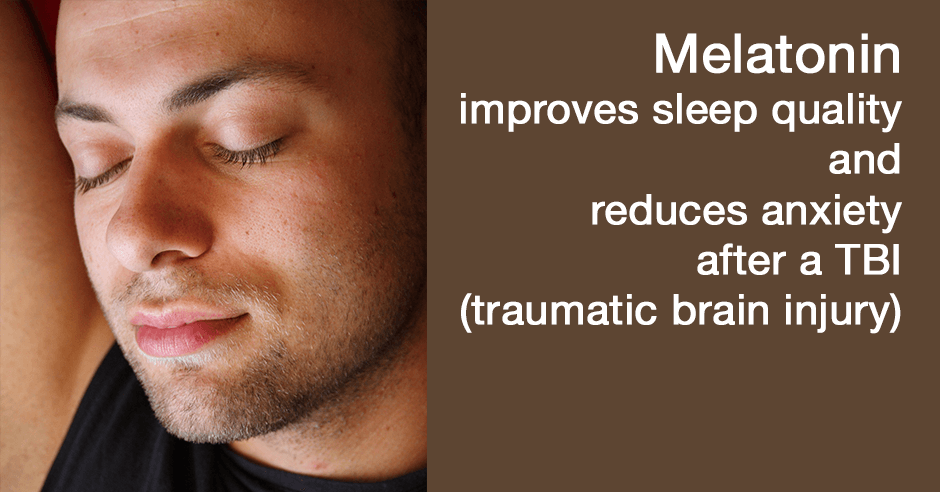
Melatonin improves sleep quality and reduces anxiety after a TBI (traumatic brain injury)

July 6, 2018 By Trudy Scott 11 Comments

New research shows that melatonin improves sleep quality and reduces anxiety after a TBI (traumatic brain injury). The study, Efficacy of melatonin for sleep disturbance following traumatic brain injury: a randomised controlled trial was completed in Australia and used a prolonged-release (also called timed-release) melatonin product.

The study participants, 67% of whom were male, had mild to severe TBI and sleep disturbances as a result of their injuries (most of which were from car accidents). There were 2 study groups, with one group given 2mg of prolonged-release melatonin for 4 weeks and then switched to a placebo for 4 weeks (with a 48-hour window in between). The other group did the opposite.

The prolonged-release melatonin was made by Sigma Pharmaceuticals Australia and called Circadin. Each night 2 hours before bedtime, 2mg of Circadin was taken by study participants. They received a reminder text message each night.

These are the study results for sleep:

Melatonin was associated with a significant and moderate reduction in PSQI [Pittsburgh Sleep Quality Index] global scores, indicating improved sleep quality.

There was no significant reduction in sleep onset latency with melatonin compared to placebo.

What this means is that overall quality of sleep improved but there was no change in the time it takes to fall asleep (sleep onset latency). The latter is to be expected with prolonged-release or timed-release melatonin.

The study concluded that:

The present results, therefore, suggest that melatonin may be useful in treating sleep disturbances in patients with TBI.

With better sleep quality you would expect reduced fatigue and improved vitality – both were reported by study participants.

Melatonin associated with a small decrease in self-reported anxiety

What is interesting is that melatonin was also associated with a small decrease in self-reported anxiety (no differences in depression were reported.) The authors suggest that one possible mechanism of this may be that melatonin acts a muscle relaxant. In this commentary: Potential action of melatonin in insomnia, the authors equate the beneficial effects of melatonin to benzodiazepines:

many of the actions of melatonin on sleep propensity, anxiety, thermoregulation, and convulsions resemble those reported following administration of benzodiazepines. It is possible that some of these actions of melatonin may be mediated via peripheral benzodiazepine receptors

They are suggesting that with melatonin we get the sleep improvement (sleep propensity is the readiness to transit from wakefulness to sleep, or the ability to stay asleep if already sleeping), relaxation effects and antianxiety benefits of benzodiazepines.

But you get none of the side-effects, tolerance issues and withdrawal nightmares with a benzodiazepine which do more harm than good. On a side notes: this month World Benzodiazepine Day is celebrated to create awareness and offer support for benzo sufferers.

I would have picked something more inert for the placebo ingredients

I would have picked something more inert for the placebo ingredients: mannitol (106mg), acacia (11 mg) and pure icing sugar (106 mg). Mannitol, a sugar alcohol, can cause bloating and diarrhea in some individuals and although the amount is tiny (5g of sugar equals 1 teaspoon), sugar consumption is not ideal before bed. As I would expect adverse symptoms:

were more frequently reported during placebo treatment. The most commonly reported symptoms were neurological, followed by bodily pain, gastrointestinal and dermatologic.

In Australia, melatonin cannot be purchased over the counter (OTC) at health stores or via online retailers, unlike in the USA, and is only available by prescription. I’m all for melatonin being available OTC but the silver lining to this is that companies that make melatonin, such as Circadin, have a vested interest in the research. Research is expensive and time-consuming and we get to benefit too.

Keep in mind that this research is applicable to anyone with low melatonin, whether or not a prior TBI has occurred.

There are many root causes of insomnia – how I work with clients

In those with TBI, sleep disturbances are common, and the authors do report reduced evening and overnight melatonin production in this population. However, there are many root causes of insomnia, with low melatonin being one possible root cause – in TBI and in those who have not had a TBI.

One study limitation is that they didn’t measure melatonin levels or circadian rhythm (salivary cortisol) in all of the study participants so we can’t be sure everyone did have low melatonin.

And melatonin isn’t going to work in all instances of insomnia. It’s one root cause I look at.

This is how I work with clients who have insomnia:

  • I start with low serotonin and address this with tryptophan observing improvements in sleep and easing of worry and anxiety (on a side note, low serotonin is common after a TBI so this makes total sense)
  • Then I have my client use sublingual melatonin if they have issues falling asleep AND timed-release melatonin if they have issues staying asleep (you can see some of the melatonin products I recommend here)
  • When saliva results come back, we address the adrenals as needed, often adding Seriphos when cortisol is high
  • Other factors are addressed based on each person’s need: gluten issues, SIBO, parasites, candida, EMFs, sex hormone imbalances, medication side-effects, sleep habits

We’d love to hear if timed-release melatonin has helped you improve your sleep quality? And if it also helped with easing anxiety?

What about tryptophan or sublingual melatonin for helping you fall asleep? And the other root causes?

If you’re a practitioner, do you use tryptophan or sublingual or timed-release melatonin with your clients? And address the other root causes of insomnia?

Feel free to post your questions too.

Filed Under: Anxiety, Insomnia Tagged With: anxiety, benzodiazepine, cortisol, insomnia, melatonin, prolonged-release, seriphos, serotonin, sleep quality, TBI, timed-release, traumatic brain injury, tryptophan

Primary Sidebar

NEW! GABA QuickStart Homestudy (with special intro pricing)

gaba quickstart homestudy

Free Report

9 Great Questions Women Ask about Food, Mood and their Health

You'll also receive a complimentary subscription to my ezine "Food, Mood and Gal Stuff"


Connect with me

Popular Posts

  • Amino Acids Mood Questionnaire from The Antianxiety Food Solution
  • The Antianxiety Food Solution Amino Acid and Pyroluria Supplements
  • Pyroluria Questionnaire from The Antianxiety Food Solution
  • Collagen and gelatin lower serotonin: does this increase your anxiety and depression?
  • Tryptophan for the worry-in-your-head and ruminating type of anxiety
  • GABA for the physical-tension and stiff-and-tense-muscles type of anxiety
  • The Antianxiety Food Solution by Trudy Scott
  • Seriphos Original Formula is back: the best product for anxiety and insomnia caused by high cortisol
  • Am I an anxious introvert because of low zinc and vitamin B6? My response to Huffington Post blog
  • Vagus nerve rehab with GABA, breathing, humming, gargling and key nutrients

Recent Posts

  • What do I use instead of Seriphos to help lower high cortisol that is affecting my sleep and making me anxious at night?
  • BeSerene™ GABA/theanine cream eases severe muscle tension in her neck/shoulders, prevents her bad headaches and quells her anxiety
  • How the correct approach, dose and sublingual use of GABA can be calming and not cause a flushed and itchy face and neck
  • The amino acid glutamine improves low mood by addressing gut health, and it has calming effects too
  • Flight anxiety with heightened breath, physical tension and also fearing the worst (the role of low GABA and low serotonin)

Categories

  • 5-HTP
  • AB575
  • Addiction
  • ADHD
  • Adrenals
  • Alcohol
  • Allergies
  • Alzheimer's disease
  • Amino Acids
  • Anger
  • Antianxiety
  • Antianxiety Food Solution
  • Antidepressants
  • Anxiety
  • Anxiety and panic
  • Autism
  • Autoimmunity
  • benzodiazapines
  • Bipolar disorder
  • Books
  • Caffeine
  • Cancer
  • Candida
  • Children/Teens
  • Collagen
  • Cooking equipment
  • Coronavirus/COVID-19
  • Cravings
  • Depression
  • Detoxification
  • Diabetes
  • Diet
  • DPA/DLPA
  • Drugs
  • EFT/Tapping
  • EMF
  • EMFs
  • Emotional Eating
  • Endorphins
  • Environment
  • Essential oils
  • Events
  • Exercise
  • Fear
  • Fear of public speaking
  • Fertility and Pregnancy
  • Fish
  • Food
  • Food and mood
  • Functional neurology
  • GABA
  • Gene polymorphisms
  • General Health
  • Giving
  • Giving back
  • Glutamine
  • Gluten
  • GMOs
  • Gratitude
  • Gut health
  • Heart health/hypertension
  • Histamine
  • Hormone
  • Hyperparathyroidism
  • Hypoglycemia
  • Immune system
  • Inflammation
  • Insomnia
  • Inspiration
  • Introversion
  • Joy and happiness
  • Ketogenic diet
  • Lithium orotate
  • Looking awesome
  • Lyme disease and co-infections
  • MCAS/histamine
  • Medication
  • Men's health
  • Mental health
  • Mercury
  • Migraine
  • Mold
  • Movie
  • MTHFR
  • Multiple sclerosis
  • Music
  • NANP
  • Nature
  • Nutritional Psychiatry
  • OCD
  • Osteoporosis
  • Oxalates
  • Oxytocin
  • Pain
  • Paleo
  • Parasites
  • Parkinson’s disease
  • PCOS
  • People
  • PMS
  • Postpartum
  • PTSD/Trauma
  • Pyroluria
  • Questionnaires
  • Real whole food
  • Recipes
  • Research
  • Schizophrenia
  • serotonin
  • SIBO
  • Sleep
  • Special diets
  • Sports nutrition
  • Stress
  • Sugar addiction
  • Sugar and mood
  • Supplements
  • Teens
  • Testimonials
  • Testing
  • The Anxiety Summit
  • The Anxiety Summit 2
  • The Anxiety Summit 3
  • The Anxiety Summit 4
  • The Anxiety Summit 5
  • The Anxiety Summit 6
  • Thyroid
  • Thyroid health
  • Toxins
  • Tryptophan
  • Tyrosine
  • Uncategorized
  • Vegan/vegetarian
  • Women's health
  • Yoga

Archives

  • October 2025
  • September 2025
  • August 2025
  • July 2025
  • June 2025
  • May 2025
  • April 2025
  • March 2025
  • February 2025
  • January 2025
  • November 2024
  • October 2024
  • September 2024
  • August 2024
  • July 2024
  • June 2024
  • May 2024
  • April 2024
  • March 2024
  • February 2024
  • January 2024
  • December 2023
  • November 2023
  • October 2023
  • September 2023
  • August 2023
  • July 2023
  • June 2023
  • May 2023
  • April 2023
  • March 2023
  • February 2023
  • January 2023
  • December 2022
  • November 2022
  • October 2022
  • September 2022
  • August 2022
  • July 2022
  • June 2022
  • May 2022
  • April 2022
  • March 2022
  • February 2022
  • January 2022
  • December 2021
  • November 2021
  • October 2021
  • September 2021
  • August 2021
  • July 2021
  • June 2021
  • May 2021
  • April 2021
  • March 2021
  • February 2021
  • January 2021
  • December 2020
  • November 2020
  • October 2020
  • September 2020
  • August 2020
  • July 2020
  • June 2020
  • May 2020
  • April 2020
  • March 2020
  • February 2020
  • January 2020
  • December 2019
  • November 2019
  • October 2019
  • September 2019
  • August 2019
  • July 2019
  • June 2019
  • May 2019
  • April 2019
  • March 2019
  • February 2019
  • January 2019
  • December 2018
  • November 2018
  • October 2018
  • September 2018
  • August 2018
  • July 2018
  • June 2018
  • May 2018
  • April 2018
  • March 2018
  • February 2018
  • January 2018
  • December 2017
  • November 2017
  • October 2017
  • September 2017
  • August 2017
  • July 2017
  • June 2017
  • May 2017
  • April 2017
  • March 2017
  • February 2017
  • January 2017
  • December 2016
  • November 2016
  • October 2016
  • September 2016
  • August 2016
  • July 2016
  • June 2016
  • May 2016
  • April 2016
  • March 2016
  • February 2016
  • January 2016
  • December 2015
  • November 2015
  • October 2015
  • September 2015
  • August 2015
  • July 2015
  • June 2015
  • May 2015
  • April 2015
  • March 2015
  • February 2015
  • January 2015
  • December 2014
  • November 2014
  • October 2014
  • September 2014
  • August 2014
  • July 2014
  • June 2014
  • May 2014
  • April 2014
  • March 2014
  • February 2014
  • January 2014
  • December 2013
  • November 2013
  • October 2013
  • September 2013
  • August 2013
  • July 2013
  • June 2013
  • May 2013
  • April 2013
  • March 2013
  • February 2013
  • January 2013
  • December 2012
  • November 2012
  • October 2012
  • August 2012
  • July 2012
  • June 2012
  • May 2012
  • April 2012
  • March 2012
  • February 2012
  • January 2012
  • December 2011
  • November 2011
  • October 2011
  • September 2011
  • August 2011
  • July 2011
  • June 2011
  • May 2011
  • April 2011
  • March 2011
  • February 2011
  • January 2011
  • December 2010
  • October 2010
  • September 2010
  • July 2010
  • May 2010
  • April 2010
  • March 2010
  • February 2010
  • January 2010
  • November 2009

Share the knowledge!

The above statements have not been evaluated by the Food and Drug Administration. Products listed in this website are not intended to diagnose, treat, cure or prevent any disease.

The information provided on this site is for informational and educational purposes only and is not intended as a substitute for advice from your physician or other health care professional. You should consult with a healthcare professional before starting or modifying any diet, exercise, or supplementation program, before taking or stopping any medication, or if you have or suspect you may have a health problem.


Copyright © 2026 Trudy Scott. All Rights Reserved. | Privacy | Terms and Conditions | Refund Policy | Medical Disclaimer

Free Report

9 Great Questions Women Ask about Food, Mood and their Health

You’ll also receive a complimentary subscription to my ezine “Food, Mood and Gal Stuff”