• Skip to primary navigation
  • Skip to main content
  • Skip to primary sidebar

everywomanover29 blog

Food, Mood and Women's Health – Be your healthiest, look and feel great!

  • Blog
  • About
  • Services
  • Store
  • Resources
  • Testimonials
  • The Book
  • Contact
  • Search this site

binge eating

Reactive hypoglycemia in binge eating disorder, food addiction and intense sugar cravings, and how glutamine stops the cravings

February 9, 2024 By Trudy Scott 6 Comments

reactive hypoglycemia

A number of years ago a woman came to see me looking for help for her anxiety, insomnia and out of control sugar cravings which she described as an “almost demonic urge  to eat sugar and all things sweet.”

Before working with me she had been trying to control her low blood sugar levels (or hypoglycemia) by eating the right foods at the right times i.e. healthy fats and quality protein especially at breakfast. But this wasn’t enough to eliminate her intense sweet cravings. She would make and eat sweet treats all day long, using “healthier” sweeteners like monk fruit and maple syrup.

I had her complete the brain chemistry symptoms questionnaire and she scored high on all the low blood sugar symptoms as well as low GABA and low serotonin. We focused on low blood sugar first and the solution for her cravings was using 500 mg of glutamine opened onto her tongue.

Initially she was sure this would NOT work – how would she possibly be able to use glutamine in the midst of experiencing reactive hypoglycemia or low blood sugar?

I had the same conversation  that  I have with all my clients who would obviously rather eat something sweet than open a glutamine capsule onto  their tongue: “If you have an intense craving for something sweet, tell yourself that  you’re  going to  indulge, but also humor your nutritionist and take the glutamine anyway. You may be surprised to find your urge completely disappears.”

She did that and it worked time and time again, ending her demonic urge to eat something sweet every time and very quickly. And it helped her with all her low blood sugar symptoms.

This blog addresses the role of low blood sugar or reactive hypoglycemia in intense sugar cravings, binge eating disorder and food addiction, and how glutamine helps.

Research: Reactive hypoglycemia in binge eating disorder and food addiction

The 2023 paper, Reactive hypoglycemia in binge eating disorder, food addiction, and the comorbid phenotype: unravelling the metabolic drive to disordered eating behaviours, highlights the fact that “impaired metabolic response” such as fasting blood glucose fluctuations are a factor in binge eating and food addiction, driving out of control and “repetitive consumption of highly processed food.”

The researchers “investigated hypoglycemia events during a 5-hour-long oral glucose tolerance test” in 200 participants and “the association between the severity of eating psychopathology and the variability in hypoglycemia events was explored.”

The authors conclude as follows:

People with binge eating disorder/BED or food addiction/FA are prone to experiencing reactive hypoglycemia; food addiction severity may predict early and symptomatic hypoglycemia events. This can further reinforce disordered eating behaviours by promoting addictive responses, both biologically and behaviourally.

You can read the study here.

It’s worth noting that the participants did not have diabetes. I mention this because most of the reactive hypoglycemia research looks at diabetic patients. Reactive hypoglycemia in the non-diabetic population is considered controversial even amongst functional medicine and/or integrative practitioners. This paper stands out for this reason.

It’s also recently published which makes me excited. This research is confirming what we see clinically.

This research is very much in line with the demonic urge my client described, and directly tied to her low blood sugar and blood sugar swings. My client did not do a 5 hour oral glucose tolerance test. Instead we used the low blood sugar symptoms questionnaire (see below) and a trial of glutamine.

My client was also not diagnosed with binge eating disorder or food addiction but didn’t have to be for us to recognize the issue and have her benefit from nutritional support in the way of glutamine and learning to eat for blood sugar stability.

Unfortunately the authors do not discuss glutamine as a solution in this particular paper or in any other research on human participants who are non-diabetic. There are a few animal diabetes studies, with this 2013 study reporting that “glutamine was more effective in promoting glycemia recovery if compared with glucose, lactate, glycerol, or alanine.”  The authors call for further investigations which I look forward to reading.

Low blood sugar symptoms and a glutamine trial

As a reminder here are the signs of low blood sugar:

Sugar cravings, binge eating and addiction symptoms:

  • Crave sugar, starch or alcohol any time during the day
  • Very intense cravings for sweets/sugar
  • Binge eating and/or food addiction (updated with this based on this research)

There are also anxiety, mood, sleep and energy symptoms when you have low blood sugar:

  • Nervous, anxious, panic attacks
  • Irritable, shaky, headachey – especially if you go too long between meals
  • Lightheaded if meals are missed
  • Agitated, easily upset
  • Eating relieves fatigue
  • Waking in the night or early hours with a jolt of anxiety/shakiness (I blogged about this here)

As I mention in the waking with a jolt/low blood sugar blog the good news is it’s relatively easy to figure out if low blood sugar is causing your symptoms. First I have clients rate their symptoms on the low blood sugar questionnaire and do a trial of glutamine. Next is figuring out the dosing and timing of glutamine, looking at a current food log and making dietary changes as needed.

Glutamine is always best opened on to the tongue but it must be used this way for stopping the intense sugar cravings quickly – as in immediately. It’s also used away from meals like all the amino acids.

If you notice improvements it’s very likely that reactive hypoglycemia or low blood sugar is a factor.

Glutamine for low blood sugar cravings: dosing and timing

As I share in my book and other blog posts, typically 500 mg glutamine is a good starting dose for intense cravings for sugary foods. We may increase based on individual needs and you may find you do need to use 500 mg -1000 mg two to three times a day when the intense desire for something sweet strikes – as blood sugar dips. Using a glutamine powder is a great way to use it especially if you find you do need more than 500 mg each time.

As I mentioned above when you use glutamine powder directly on the tongue (rather than mixed in water), the benefits are seen almost immediately and even if you don’t believe it could possibly work – like my client – your desire for sugar disappears.

GABA and serotonin support too

My client also needed GABA and serotonin support for her anxiety and sleep issues. Again, we used the low GABA and low serotonin symptoms questionnaire and did trials of GABA and tryptophan for her which helped further.

Sugar cravings and binge eating with other neurotransmitter imbalances too

Keep in mind that there is a sugar cravings aspect to all the neurotransmitter imbalances. The type of craving can be found on the above symptoms questionnaire. It’s not uncommon to need support more than one area:

  • Low blood sugar /hypoglycemia – glutamine for intense cravings at any time of the day
  • Low serotonin – tryptophan or 5-HTP for afternoon/evening cravings
  • Low endorphins – DPA for comfort/reward eating
  • Low catecholamines – tyrosine for low energy sugar cravings
  • Low GABA – GABA for stress eating

You can read more about this here: The individual amino acids glutamine, GABA, tryptophan (or 5-HTP), DPA and tyrosine are powerful for eliminating sugar cravings, often within 5 minutes 

Glutamine product options – capsule vs powder
l-glutamine
l-glutamine

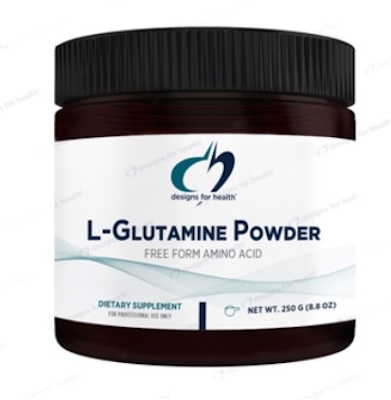
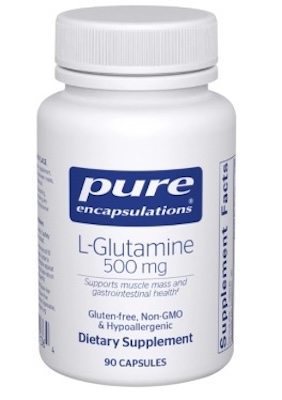
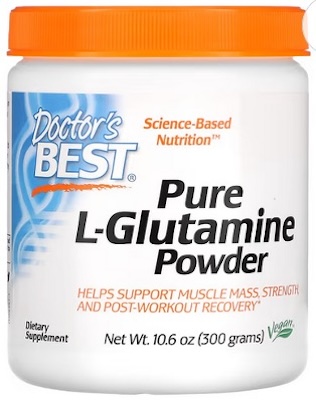
Products I recommend include Pure Encapsulations 500 mg l-glutamine (capsules opened on to your tongue) and Designs for Health l-glutamine powder as you find you need higher amounts.  You can purchase these from my online store (Fullscript – only available to US customers – use this link to set up an account).
l-glutamine
l-glutamine

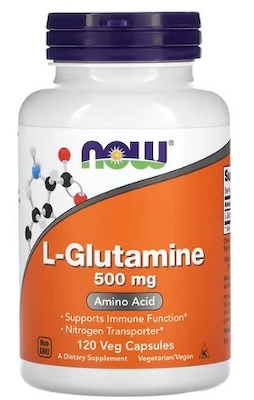
If you’re not in the US, Now l-glutamine 500 mg and Doctor’s best l-glutamine powder are products I recommend on iherb (use this link to save 5%).

Additional resources when you are new to using glutamine and other amino acids as supplements

We use the symptoms questionnaire to figure out if low blood sugar and/or low serotonin and/or low GABA and other neurotransmitter imbalances may be an issue for you.

If you suspect low levels of any of the neurotransmitters and do not yet have my book, The Antianxiety Food Solution – How the Foods You Eat Can Help You Calm Your Anxious Mind, Improve Your Mood, and End Cravings, I highly recommend getting it and reading it before jumping in and using amino acids on your own so you are knowledgeable. And be sure to share it with the practitioner/health team you or your loved one is working with.

There is an entire chapter on the amino acids and they are discussed throughout the book in the sections on gut health, gluten, blood sugar control (this is covered in an entire chapter too), sugar cravings, anxiety and mood issues. The importance of quality animal protein and healthy fats is also covered.

The book doesn’t include product names (per the publisher’s request) so this blog, The Antianxiety Food Solution Amino Acid and Pyroluria Supplements, lists the amino acids that I use with my individual clients and those in my group programs.

If, after reading this blog and my book, you don’t feel comfortable figuring things out on your own (i.e. doing the symptoms questionnaire and respective amino acids trials), a good place to get help is the GABA QuickStart Program (if you have low GABA symptoms too). This is a paid online/virtual group program where you get my guidance and community support.

If you are a practitioner, join us in The Balancing Neurotransmitters: the Fundamentals program. This is also a paid online/virtual program with an opportunity to interact with me and other practitioners who are also using the amino acids.

Have you had success with glutamine for blood sugar stability and binge eating, food addiction and intense cravings for sugar and carbs?

Have you also found it helps with sleep, leaky gut and anxiety during the day?

If yes, how much helps you? And how often do you use it? And what sugary foods have you been able to stop eating?

If you’re a practitioner do you use glutamine and with clients/patients with these low blood sugar cravings? Do you recognize reactive hypoglycemia as a very real issue in non-diabetics?

And please let me know if it’s helpful that I’m now including product recommendations and where to get them?

Feel free to share and ask your questions below.
Filed Under: Addiction, Anxiety and panic, Cravings, Glutamine, Hypoglycemia Tagged With: addiction, anxiety, binge, binge eating, carb craving, dosage, GABA Quickstart; Balancing Neurotransmitters: the Fundamentals program for practitioners, glutamine, Hypoglycemia, insomnia, low blood sugar, neurotransmitters, reactive hypoglycemia, sugar craving, Timing

Seasonal PMDD/PMS and hormonal binge eating, wine drinking and anxiety – symptoms ramp up from October

November 17, 2023 By Trudy Scott 3 Comments

seasonal PMDD/PMS

Someone in the community asked for help for the seasonal aspect of her PMDD symptoms i.e. more severe symptoms in winter  …

My PMDD symptoms massively increase around the beginning of October right through to March. Would love some advice.

The binge eating and wine drinking is becoming habitual

She specifically mentions binge eating and wine drinking but I assume her other PMDD symptoms – such as anxiety, tension, anger, irritability, depression, sadness, hopelessness, insomnia, overwhelm, low energy, breast tenderness, headaches, pain, bloating, and/ or weight gain –  are more severe at this time too.

As you can see, her symptoms are much more severe from October through March (winter in the Northern Hemisphere). If you live in the Southern Hemisphere you could expect more severe symptoms from May through September (or thereabouts).

There is a seasonal aspect to PMDD (premenstrual dysphoric disorder) and PMS (premenstrual syndrome and other hormonal imbalances.  It’s not well recognized despite the fact that it’s documented in the research and seen clinically.

My feedback for her is to look into and address low serotonin, low GABA and/or low endorphins with the respective amino acids (adjusting up and down based on the season and symptoms), using recognized SAD (seasonal affective disorder) approaches and addressing pyroluria if needed (the nutrients are cofactors for neurotransmitter production.) I share more about each of these approaches and the research below.

The research: patients with PMDD have substantial seasonal patterns in mood and premenstrual symptoms

Premenstrual dysphoric disorder (PMDD) “accounts for the most severe form of PMS with the greatest impairment of women’s functioning and perceived quality of life, often prompting them to seek treatment.”

This older paper from 1997, Seasonality of symptoms in women with late luteal phase dysphoric disorder

  • Out of 100 patients treated in a subspecialty clinic in a university teaching hospital, “a significantly higher rate of seasonal affective disorder (38% versus 8%) as determined by Seasonal Pattern Assessment Questionnaire criteria.”
  • Also, 25% of the patients with seasonal variations in their premenstrual symptoms, consider them marked or a severe problem

The authors conclude that:

These results suggest that patients with LLPDD [or PMDD] have substantial seasonal patterns in mood and premenstrual symptoms. These seasonal patterns have implications for the clinical assessment and treatment of LLPDD [or PMDD]. For example, light therapy may be beneficial for women with seasonal worsening of LLPDD [or PMDD].

As you look at the research keep in mind the fact that late luteal dysphoric disorder (LLDD),“is now known as premenstrual dysphoric disorder (PMDD)”, as mentioned in the above paper and other older studies.

Seasonal variations in serotonin and GABA

Seasonal variations in serotonin have long been documented with much research on the winter blues. This paper, The chronobiology and neurobiology of winter seasonal affective disorder describes winter seasonal affective disorder (SAD) as “a mood disorder characterized by the predictable onset of depression in the fall/winter months, with spontaneous remissions in the spring/summer period.” They also state that “The typical patient with SAD is a premenopausal woman who experiences carbohydrate craving, hypersomnia, and prominent fatigue during winter depressive episodes.”

There is less awareness about GABA seasonality but GABA levels may also be lower in the winter months. In this animal study, Effect of the pineal gland on 5-hydroxytryptamine and γ-aminobutyric acid secretion in the hippocampus of male rats during the summer and winter, it is reported that: “GABA secretion in the hippocampus of rats had a seasonal rhythm consisting of increased secretion in summer and decreased secretion in the winter.”  I share more about this and the seasonality of GABA here.

It makes sense that supporting these lower levels in winter is going to help with the more severe PMDD symptoms that correlate with each neurotransmitter imbalance.

One solution: address low levels of neurotransmitters with amino acids

As you can see the PMDD symptoms mentioned above could fall into the categories of low GABA, low serotonin and/or low endorphins (and possibly low dopamine/catecholamines and low blood sugar too: binge eating, wine drinking, anxiety, tension, anger, irritability, depression, sadness, hopelessness, insomnia, overwhelm, low energy, breast tenderness, headaches, pain, bloating, and/ or weight gain.

(You can read this StatPearls ebook for the full description of the above symptoms: Premenstrual Dysphoric Disorder)

It’s for this reason I always have clients with PMDD (and other hormonal issues) do the Amino Acids Mood Questionnaire and trials of the respective amino acids.

Using a food mood log and tracking what time of day you binge eat and drink wine (and  all the other symptoms) is a clue as to which amino acids may help most. I would expect tryptophan, GABA and DPA would be at the top of the list, and possibly tyrosine and glutamine too.

Because of the seasonality aspect, a higher dose is likely to be needed in the winter time so if you’re just starting your amino acid trails keep this in mind. If you are already using amino acids with success in summer, then bumping up the amounts during winter is going to help further. And then be sure to reduce amounts once winter is over.

Hopefully you’ve also been working on diet, gut health, liver health, adrenal function, toxin removal and other factors to reduce or eliminate PMDD/PMS so the amino acids are not needed long term.

How targeted individual amino acids may help – some examples

As you can see from one study, tryptophan can help with premenstrual dysphoria/sadness, mood swings, tension, and irritability.

Low endorphins and low dopamine may also be a factor. I share more on this blog: DLPA (DL-Phenylalanine) eases PMDD/PMS symptoms in women who experience declining endorphin levels in the second half of their cycles

Here are some specific amino acid cases around binge eating/cravings and excessive wine drinking:

  • Would using 5-HTP or tryptophan help when you crave sugar (as a sort of antidepressant) late afternoon/evening?
  • Tryptophan had the added benefit of turning me completely off alcohol when I took it to improve mood and sleep during perimenopause
  • GABA for ending sugar cravings (and anxiety and insomnia)

None of the above are specific to seasonal changes in symptoms but illustrate the use of amino acids.

Supportive solutions: a SAD lamp when serotonin is low and addressing pyroluria

The late luteal phase dysphoric disorder paper above doesn’t mention amino acids (which is unfortunate but not surprising)  but it does mention light therapy. I do recommend the use of a SAD lamp (full spectrum light) when there are low serotonin symptoms that get more severe in the winter.

With PMDD/PMS and other hormonal imbalances, we also always consider pyroluria and the use of higher amounts of zinc, vitamin B6 and evening primrose oil. The “stress” of winter and increased sugar consumption can deplete zinc and vitamin B6 for everyone but more so if you have pyroluria. These nutrients are also key for hormonal imbalances.

Additional resources when you are new to using amino acids as supplements

We use the symptoms questionnaire to figure out if low GABA or low serotonin or low endorphins or low dopamine or low blood sugar may be an issue with your seasonal PMDD/PMS.

If you suspect low levels of any of the neurotransmitters and do not yet have my book, The Antianxiety Food Solution – How the Foods You Eat Can Help You Calm Your Anxious Mind, Improve Your Mood, and End Cravings, I highly recommend getting it and reading it before jumping in and using amino acids on your own so you are knowledgeable. And be sure to share it with the practitioner/health team you or your loved one is working with.

There is an entire chapter on the amino acids and they are discussed throughout the book in the sections on gut health, gluten, blood sugar control, sugar cravings, anxiety and mood issues.

The book doesn’t include product names (per the publisher’s request) so this blog, The Antianxiety Food Solution Amino Acid and Pyroluria Supplements, lists the amino acids that I use with my individual clients and those in my group programs. You can find them all in my online store.

If, after reading this blog and my book, you don’t feel comfortable figuring things out on your own (i.e. doing the symptoms questionnaire and respective amino acids trials), a good place to get help is the GABA QuickStart Program (if you have low GABA symptoms too). This is a paid online/virtual group program where you get my guidance and community support.

Another option is the budget-friendly GABA QuickStart Homestudy program.

If you also need serotonin support, the Serotonin QuickStart Program is a good place to get help. This is also a paid online/virtual group program where you get my guidance on using tryptophan and 5-HTP safely, and community support during 5 LIVE Q&A calls. You can sign up to be notified when the next live launch of this program is happening.

If you are a practitioner, join us in The Balancing Neurotransmitters: the Fundamentals program. This is also a paid online/virtual program with an opportunity to interact with me and other practitioners who are also using the amino acids.

Now I’d like to hear from you

Does any of this resonate with you? If yes, has any of the above helped with the seasonal aspect of your PMDD, PMS or other hormonal issues?

Feel free to share and ask your questions below.
Filed Under: Anxiety, Cravings, GABA, Tryptophan, Women's health Tagged With: amino acids, anger, anxiety, Balancing Neurotransmitters: the Fundamentals program for practitioners, binge eating, depression, endorphins, GABA, GABA Quickstart, hopelessness, hormonal, insomnia, irritability, PMDD, PMS, premenstrual dysphoric disorder, premenstrual syndrome, sadness, seasonal affective disorder, seasonal PMDD, seasonal PMS, serotonin, tension, wine drinking, winter, winter blues

Tryptophan supplementation for anorexia?

July 9, 2021 By Trudy Scott 27 Comments

tryptophan and anorexia

This blog post highlights the potential importance of tryptophan supplementation in improving therapeutics in anorexia (and other eating disorders) and some of my insights about the 2017 anorexia-tryptophan study. I also share the high incidence of eating disorders, overlaps with anxiety and the case for tryptophan supplementation given the many low serotonin symptoms (anxiety, obsessive thoughts/behaviors, perfectionism, negative-self-talk, low self-esteem and depression) we see with anorexia and other eating disorders. And the importance of a comprehensive nutritional approach.

I’ve updated the original blog with newer research on low zinc and iron with males with eating disorders – and how this ties in with serotonin production and also pyroluria (read on below).

According to The National Eating Disorders Association (NEDA), eating disorders are

serious but treatable mental and physical illnesses that can affect people of all genders, ages, races, religions, ethnicities, sexual orientations, body shapes, and weights. National surveys estimate that 20 million women and 10 million men in America will have an eating disorder at some point in their lives.

While no one knows for sure what causes eating disorders, a growing consensus suggests that it is a range of biological, psychological, and sociocultural factors.

While NEDA does acknowledge that some of the causative factors may be biological, unfortunately there is no mention of nutritional psychiatry or tryptophan on the site. You’ll see this to be the case in the majority of conventional treatment centers.

The 2017 paper on tryptophan potential for anorexia

The paper, Improving therapeutics in anorexia nervosa with tryptophan, does acknowledge that the “growing body of evidence suggests that our diet is an important contributing factor in the development, management and prevention of a number of psychiatric illnesses.”

It discusses what we know about tryptophan being “the sole precursor” of serotonin, a neurotransmitter and that when used as a supplement it has therapeutic benefits when serotonin is low.

The author proposes that excessive dieting and food restriction decrease brain tryptophan and serotonin and propose the “potential importance of tryptophan supplementation in improving therapeutics in anorexia patients” (together with psychotherapy).

Given that anorexia has the “highest lethality of all psychiatric illnesses” and that there are currently “no FDA approved pharmacological treatments available” for anorexia, the urgency for implementing nutritional psychiatry approaches is high. The authors also share that the antidepressants and antipsychotics which are commonly used to treat the co-occurring anxiety, depression, OCD and psychosis are not very effective.

The author mentions a paper that used 250 mg tryptophan twice a day but based on my work with individuals with anxiety, we know an individualized approach is best.  A typical starting dose of tryptophan is 500mg used once or twice a day and I use the trial approach to determine the ideal dose for each person.

Incidence of anorexia and eating disorders in general

Here are a few select anorexia and eating disorder statistics from NEDA. I find much of this alarming and in some cases surprising (like the high incidence of males who are affected):

  • 40% to 60% of elementary school girls (ages 6-12) are concerned about their weight
  • 2% to 13% of adolescent girls meet the criteria for eating disorders
  • Males represent 25% of individuals with anorexia (they are at a higher risk of dying because they are often diagnosed later since many people assume males don’t have eating disorders)
  • Male athletes, especially those competing in sports that emphasize diet, appearance, size and weight, are at risk. In weight-class sports (wrestling, rowing, horse racing) and aesthetic sports (bodybuilding, gymnastics, swimming, diving) about 33% of male athletes are affected. In female athletes in weight class and aesthetic sports, disordered eating occurs at estimates of up to 62%.
  • In one study of ultra-Orthodox and Syrian Jewish communities in Brooklyn, 1 out of 19 girls was diagnosed with an eating disorder, which is a rate about 50 percent higher than the general U.S. population.
  • Despite similar rates of eating disorders among non-Hispanic Whites, Hispanics, African-Americans, and Asians in the United States, people of color are significantly less likely to receive help for their eating issues.
  • Elevated rates of binge-eating and purging by vomiting or laxative abuse was found for both males and females who identified as gay, lesbian, bisexual, or “mostly heterosexual” in comparison to their heterosexual peers.
[You can find the actual stats and studies quoted above at the NEDA stats link.]


Prevalence of anxiety and making the case for low serotonin

The prevalence of anxiety is high in those with eating disorders (which is one of the reasons for this particular blog):

  • Anxiety is also diagnosed in 48-51% of people with anorexia nervosa, 54-81% of people with bulimia nervosa, and 55-65% of people with binge eating disorder
  • Two-thirds of people with anorexia also showed signs of an anxiety disorder several years before the start of their eating disorder.

In one study, after dietary treatment (called refeeding), plasma tryptophan levels normalized in patients with anorexia:

Disturbance in serotonin function has been described as central to the psychobiology of this disorder 

Plasma TRP normalizes during the course of refeeding, supporting the hypothesis that serotonin function is disturbed in patients with anorexia nervosa.

We also see a large number of low serotonin symptoms in those with eating disorders:

  • Childhood obsessive-compulsive traits, such as perfectionism, having to follow the rules, and concern about mistakes, were much more common in women who developed eating disorders than women who didn’t.
  • Binge eating disorder patients … also had significantly higher levels of negative affect, and lower self-esteem
  • In a study of women with eating disorders, 94% of the participants had a co-occurring mood disorder
[You can find the actual stats and studies quoted above at the NEDA stats link.]

There are all classic low serotonin symptoms: obsessive thoughts/behaviors, perfectionism, negative-self-talk, low self-esteem and depression.

This further supports the rationale for tryptophan supplementation and is another reason for this blog. I have extensive experience in the use of tryptophan and 5-HTP and believe they should be part of all eating disorder programs.

There is one big difference in that typically we see afternoon and evening sugar and carb cravings with low serotonin-type anxiety. Whereas with anorexia, the low self-esteem, obsessive thinking and body dysmorphia (feeling shame or disgust with parts of their body or appearance) may prevent someone acting on these cravings. However, if there are sugar and carb cravings (and bingeing), this is the time they will typically occur.

Here are two recent blog posts that share case studies where tryptophan was used with success:

  • Tryptophan calms comfort eating, eases self-doubt, reduces uncontrollable late night snacking and results in a lot more peace around food
  • Tryptophan for my teenager: she laughs and smiles, her OCD and anxiety has lessened, and she is more goal oriented and focused on school

Anorexia and other eating disorders require a multidisciplinary team and a targeted nutritional approach

I don’t currently work with clients with anorexia as it requires a multidisciplinary team. I did, however, work with a few clients with anorexia when I worked at Recovery Systems over 10 years ago. They had a therapist, nutritionist and doctor on their team and a nutritional approach led to more improvements than they had experienced at prior in-house eating disorder clinics where they had received psychological support only or psychological support and medication. Our approach included addressing low serotonin with tryptophan or 5-HTP, addressing low zinc and low iron, low vitamin D, addressing the gut/microbiome, low B vitamins, low omega-3 fatty acids and more (based on the unique needs of the client).

I now refer eating disorder clients to Dr. James Greenbatt, MD, an eating disorder specialist and integrative psychiatrist. He has a wonderful book on the topic: Answers to Anorexia – a Breakthrough Nutritional Treatment That is Saving Lives, with the second edition coming out soon. In the first edition he does address neurotransmitter deficiencies but we differ in our approach.  He doesn’t use individual amino acids like tryptophan or 5-HTP and prefers to use a blend of amino acids based on a blood or urinary amino acid test.

In this article, New Approaches to Treating Anorexia, Dr. Greenblatt covers the multidisciplinary aspect, current treatment options, the limited medical options and the need for targeted nutrition therapy. Although this article doesn’t address tryptophan and low serotonin, he does discuss the key role of zinc, B vitamins and omega-3 fatty acids.

UPDATE: October 10, 2024

Given that most of the eating disorder research is conducted primarily in females, it’s encouraging to share the results of this 2022 paper, Sex differences and associations between zinc deficiency and anemia among hospitalized adolescents and young adults with eating disorders, which reports that “zinc deficiency is equally severe and anemia is more common in hospitalized males with eating disorders compared to females.”

Liquid zinc sulfate tastes like water when zinc levels are low. I saw those with anorexia being willing to drink it when I worked in Julia Ross’ Clinic, so it’s a relatively easy way to start to increase zinc levels and improve appetite.  Zinc and iron both help increase serotonin production, and zinc is key for pyroluria/social anxiety which is common in this population.

Also, with pyroluria, morning nausea negatively affects appetite so it’s often helpful to address this in conjunction with using amino acids. Vitamin B6 is part of the pyroluria protocol and is another serotonin co-factor. Evening primrose oil, also part of the pyroluria protocol, improves zinc absorption. This is all covered in the pyroluria chapter in my book.

Resources if you are new to using the amino acids as supplements

If you are new to using the amino acids tryptophan/5-HTP, GABA or  tyrosine as supplements, here is the Amino Acids Mood Questionnaire from The Antianxiety Food Solution (you can see the low serotonin symptoms here) and a brief overview here, Anxiety and targeted individual amino acid supplements: a summary.

If you suspect low serotonin or low levels of any of the neurotransmitters and do not yet have my book, The Antianxiety Food Solution – How the Foods You Eat Can Help You Calm Your Anxious Mind, Improve Your Mood, and End Cravings, I highly recommend getting it and reading it before jumping in and using amino acids so you are knowledgeable. And be sure to share it with the team you or your loved one is working with.

The book doesn’t include product names (per the publisher’s request) so this blog, The Antianxiety Food Solution Amino Acid and Pyroluria Supplements, lists the amino acid products that I use with my individual clients and those in my group programs.

Have you (or a loved one) been diagnosed with anorexia or another eating disorder?

Did you see the most success with an approach that included nutritional psychiatry and serotonin support with tryptophan or 5-HTP?

What else has helped?

Feel free to post any questions here too.

Filed Under: Anxiety, serotonin, Tryptophan Tagged With: 5-HTP, anorexia nervosa, binge eating, depression, diet, Dr. James Greenbatt, excessive dieting, food restriction, incidence of eating disorders, low self-esteem, mood disorder, multidisciplinary, neurotransmitter, nutritional psychiatry, obsessive-compulsive, perfectionism, prevalence of anxiety, serotonin, tryptophan, zinc

Primary Sidebar

NEW! GABA QuickStart Homestudy (with special intro pricing)

gaba quickstart homestudy

Free Report

9 Great Questions Women Ask about Food, Mood and their Health

You'll also receive a complimentary subscription to my ezine "Food, Mood and Gal Stuff"


Connect with me

Popular Posts

  • Amino Acids Mood Questionnaire from The Antianxiety Food Solution
  • The Antianxiety Food Solution Amino Acid and Pyroluria Supplements
  • Pyroluria Questionnaire from The Antianxiety Food Solution
  • Collagen and gelatin lower serotonin: does this increase your anxiety and depression?
  • Tryptophan for the worry-in-your-head and ruminating type of anxiety
  • GABA for the physical-tension and stiff-and-tense-muscles type of anxiety
  • The Antianxiety Food Solution by Trudy Scott
  • Seriphos Original Formula is back: the best product for anxiety and insomnia caused by high cortisol
  • Am I an anxious introvert because of low zinc and vitamin B6? My response to Huffington Post blog
  • Vagus nerve rehab with GABA, breathing, humming, gargling and key nutrients

Recent Posts

  • What do I use instead of Seriphos to help lower high cortisol that is affecting my sleep and making me anxious at night?
  • BeSerene™ GABA/theanine cream eases severe muscle tension in her neck/shoulders, prevents her bad headaches and quells her anxiety
  • How the correct approach, dose and sublingual use of GABA can be calming and not cause a flushed and itchy face and neck
  • The amino acid glutamine improves low mood by addressing gut health, and it has calming effects too
  • Flight anxiety with heightened breath, physical tension and also fearing the worst (the role of low GABA and low serotonin)

Categories

  • 5-HTP
  • AB575
  • Addiction
  • ADHD
  • Adrenals
  • Alcohol
  • Allergies
  • Alzheimer's disease
  • Amino Acids
  • Anger
  • Antianxiety
  • Antianxiety Food Solution
  • Antidepressants
  • Anxiety
  • Anxiety and panic
  • Autism
  • Autoimmunity
  • benzodiazapines
  • Bipolar disorder
  • Books
  • Caffeine
  • Cancer
  • Candida
  • Children/Teens
  • Collagen
  • Cooking equipment
  • Coronavirus/COVID-19
  • Cravings
  • Depression
  • Detoxification
  • Diabetes
  • Diet
  • DPA/DLPA
  • Drugs
  • EFT/Tapping
  • EMF
  • EMFs
  • Emotional Eating
  • Endorphins
  • Environment
  • Essential oils
  • Events
  • Exercise
  • Fear
  • Fear of public speaking
  • Fertility and Pregnancy
  • Fish
  • Food
  • Food and mood
  • Functional neurology
  • GABA
  • Gene polymorphisms
  • General Health
  • Giving
  • Giving back
  • Glutamine
  • Gluten
  • GMOs
  • Gratitude
  • Gut health
  • Heart health/hypertension
  • Histamine
  • Hormone
  • Hyperparathyroidism
  • Hypoglycemia
  • Immune system
  • Inflammation
  • Insomnia
  • Inspiration
  • Introversion
  • Joy and happiness
  • Ketogenic diet
  • Lithium orotate
  • Looking awesome
  • Lyme disease and co-infections
  • MCAS/histamine
  • Medication
  • Men's health
  • Mental health
  • Mercury
  • Migraine
  • Mold
  • Movie
  • MTHFR
  • Multiple sclerosis
  • Music
  • NANP
  • Nature
  • Nutritional Psychiatry
  • OCD
  • Osteoporosis
  • Oxalates
  • Oxytocin
  • Pain
  • Paleo
  • Parasites
  • Parkinson’s disease
  • PCOS
  • People
  • PMS
  • Postpartum
  • PTSD/Trauma
  • Pyroluria
  • Questionnaires
  • Real whole food
  • Recipes
  • Research
  • Schizophrenia
  • serotonin
  • SIBO
  • Sleep
  • Special diets
  • Sports nutrition
  • Stress
  • Sugar addiction
  • Sugar and mood
  • Supplements
  • Teens
  • Testimonials
  • Testing
  • The Anxiety Summit
  • The Anxiety Summit 2
  • The Anxiety Summit 3
  • The Anxiety Summit 4
  • The Anxiety Summit 5
  • The Anxiety Summit 6
  • Thyroid
  • Thyroid health
  • Toxins
  • Tryptophan
  • Tyrosine
  • Uncategorized
  • Vegan/vegetarian
  • Women's health
  • Yoga

Archives

  • October 2025
  • September 2025
  • August 2025
  • July 2025
  • June 2025
  • May 2025
  • April 2025
  • March 2025
  • February 2025
  • January 2025
  • November 2024
  • October 2024
  • September 2024
  • August 2024
  • July 2024
  • June 2024
  • May 2024
  • April 2024
  • March 2024
  • February 2024
  • January 2024
  • December 2023
  • November 2023
  • October 2023
  • September 2023
  • August 2023
  • July 2023
  • June 2023
  • May 2023
  • April 2023
  • March 2023
  • February 2023
  • January 2023
  • December 2022
  • November 2022
  • October 2022
  • September 2022
  • August 2022
  • July 2022
  • June 2022
  • May 2022
  • April 2022
  • March 2022
  • February 2022
  • January 2022
  • December 2021
  • November 2021
  • October 2021
  • September 2021
  • August 2021
  • July 2021
  • June 2021
  • May 2021
  • April 2021
  • March 2021
  • February 2021
  • January 2021
  • December 2020
  • November 2020
  • October 2020
  • September 2020
  • August 2020
  • July 2020
  • June 2020
  • May 2020
  • April 2020
  • March 2020
  • February 2020
  • January 2020
  • December 2019
  • November 2019
  • October 2019
  • September 2019
  • August 2019
  • July 2019
  • June 2019
  • May 2019
  • April 2019
  • March 2019
  • February 2019
  • January 2019
  • December 2018
  • November 2018
  • October 2018
  • September 2018
  • August 2018
  • July 2018
  • June 2018
  • May 2018
  • April 2018
  • March 2018
  • February 2018
  • January 2018
  • December 2017
  • November 2017
  • October 2017
  • September 2017
  • August 2017
  • July 2017
  • June 2017
  • May 2017
  • April 2017
  • March 2017
  • February 2017
  • January 2017
  • December 2016
  • November 2016
  • October 2016
  • September 2016
  • August 2016
  • July 2016
  • June 2016
  • May 2016
  • April 2016
  • March 2016
  • February 2016
  • January 2016
  • December 2015
  • November 2015
  • October 2015
  • September 2015
  • August 2015
  • July 2015
  • June 2015
  • May 2015
  • April 2015
  • March 2015
  • February 2015
  • January 2015
  • December 2014
  • November 2014
  • October 2014
  • September 2014
  • August 2014
  • July 2014
  • June 2014
  • May 2014
  • April 2014
  • March 2014
  • February 2014
  • January 2014
  • December 2013
  • November 2013
  • October 2013
  • September 2013
  • August 2013
  • July 2013
  • June 2013
  • May 2013
  • April 2013
  • March 2013
  • February 2013
  • January 2013
  • December 2012
  • November 2012
  • October 2012
  • August 2012
  • July 2012
  • June 2012
  • May 2012
  • April 2012
  • March 2012
  • February 2012
  • January 2012
  • December 2011
  • November 2011
  • October 2011
  • September 2011
  • August 2011
  • July 2011
  • June 2011
  • May 2011
  • April 2011
  • March 2011
  • February 2011
  • January 2011
  • December 2010
  • October 2010
  • September 2010
  • July 2010
  • May 2010
  • April 2010
  • March 2010
  • February 2010
  • January 2010
  • November 2009

Share the knowledge!

The above statements have not been evaluated by the Food and Drug Administration. Products listed in this website are not intended to diagnose, treat, cure or prevent any disease.

The information provided on this site is for informational and educational purposes only and is not intended as a substitute for advice from your physician or other health care professional. You should consult with a healthcare professional before starting or modifying any diet, exercise, or supplementation program, before taking or stopping any medication, or if you have or suspect you may have a health problem.


Copyright © 2026 Trudy Scott. All Rights Reserved. | Privacy | Terms and Conditions | Refund Policy | Medical Disclaimer

Free Report

9 Great Questions Women Ask about Food, Mood and their Health

You’ll also receive a complimentary subscription to my ezine “Food, Mood and Gal Stuff”