• Skip to primary navigation
  • Skip to main content
  • Skip to primary sidebar

everywomanover29 blog

Food, Mood and Women's Health – Be your healthiest, look and feel great!

  • Blog
  • About
  • Services
  • Store
  • Resources
  • Testimonials
  • The Book
  • Contact
  • Search this site

5-HTP

GABA the calming amino acid: common questions I get asked

July 29, 2016 By Trudy Scott 53 Comments

gaba common questions

GABA is the main calming neurotransmitter and the amino acid GABA is wonderful for boosting low levels of GABA and thereby eliminating physical anxiety, tension, panic attacks and overwhelm. It can also help reduce pain and insomnia. I get asked great questions about GABA on the blog all the time and here are some common questions that you may find helpful.

GABA, new found peace and do I need more at different times of my cycle?

I have taken your recommendations I heard you speak about on your most recent Anxiety Summit about GABA – and have been experiencing some new found peace that I thought was forever lost to me. It has been truly wonderful! Thank you!

I have a question – in your experience, have you found that different levels/amounts of GABA were needed at different times in a woman’s cycle? I would be interested to know if there is any research or observational data related to GABA receptors and how they are affected by the hormonal ups and downs – AND how to respond to that with supplementation and/or food and lifestyle adjustments.

Here is my response: I love this – new found peace!  GABA is closely related to progesterone which we know fluctuates during our cycles so for some people mirroring this can help even more i.e. some of my clients find it’s beneficial to take extra GABA just before their period or earlier if their anxiety symptoms increase. I have them use their symptoms to guide increasing and decreasing their GABA.

Here are two studies that support this connection in women with premenstrual dysphoric disorder and women who are perimenopausal:

  • Alterations of GABA and glutamate-glutamine levels in premenstrual dysphoric disorder

Increasing evidence has suggested that the GABAergic neurotransmitter system is involved in the pathogenesis of premenstrual dysphoric disorder (PMDD) … dysregulation of the amino acid neurotransmitter system may be an important neurobiological mechanism in the pathogenesis of PMDD

  • Ovarian hormone fluctuation, neurosteroids, and HPA axis dysregulation in perimenopausal depression: a novel heuristic model

failure of the GABAA receptor to regulate overall GABA-ergic tone in the face of shifting levels of these neurosteroids may induce HPA axis dysfunction, thereby increasing sensitivity to stress and generating greater vulnerability to depression.

I have not seen any research on GABA supplementation in the second half of the cycle (luteal phase) but recently blogged about how tryptophan helps PMS symptoms of anxiety, tension and irritability.

I write about GABA, pyroluria and low cholesterol in this same blog.

A question about GABA, tyrosine and other neurotransmitter imbalances

GABA Calm – who can take this as it has tyrosine? Can someone with low serotonin or high serotonin take this? Or is it best to take straight GABA for those who are not meant to take tyrosine. Can a person who has low GABA have other neurotransmission issues i.e. high dopamine or low serotonin?

Here is my response: The GABA Calm (by Source Naturals)  has a very small amount of tyrosine so unless it’s contraindicated it’s the one I use with most of my clients. You would not use it if you have melanoma or Grave disease and would watch carefully if you have high blood pressure or migraines. You can read all the amino acid precautions here.

Many people with low GABA levels may also have signs of the other low neurotransmitters. The best way to figure this out is to do the amino acid questionnaire and do a trial of the relevant amino acid.

You mention high serotonin and high dopamine so I’m guessing you have had the urinary neurotransmitter test done. I’d like to share that I don’t place much value in urinary neurotransmitter testing and prefer to have my clients do a trial.

A question about migraines and getting a red flush with GABA

I’ve had lifelong migraines along with anxiety and depression that have waxed and waned. I’d like to try the aminos and curious if you have any special recommendations or contraindications for migraine with aura.

I’ve tried GABA in the past but ended up with a red flush like a niacin flush. Any ideas on why that might have happened? I suspect maybe the dose was too high. I wanted to try the GABA Calm since it has a low dose of GABA but I’m not sure if tyrosine is a potential migraine trigger.

Would love a little enlightenment on all the above so I’m not so gun shy and doing more harm than good.

Here is my response: Tyrosine is an issue with migraines and I avoid it with clients with a lifelong history of them especially if they are still having them (please see the precautions). If they choose to try a product with tyrosine they simply stop if a migraine is triggered.

Too much GABA can cause a flush and breathlessness. I find this to be the case when 500mg or 750 mg and above is used to start. I have my clients start on the 125mg found in GABA Calm and slowly build up.

When GABA Calm can’t be taken, opening a capsule of a GABA-only product is what we do. You can find the GABA/theanine products I use here. Some of my clients are pixie dust people and need 1/10th of capsule or 200mg GABA so starting low is important for everyone but even more so if you have had a reaction in the past.

I blogged about the large variation in GABA dosing here.

Don’t forget that 1000mg of vitamin C can help to negate the effects of an amino acid. Hopefully this will give you more confidence to do a trial.

A question about insomnia with SIBO/candida and GABA and 5-HTP

What do you do or recommend for people with SIBO/ yeast Overgrowth and can’t sleep well as a result (can’t stay asleep)? I have played with 5-HTP and GABA in the past, but they seemed to have the opposite effect (caused more insomnia). I have read that with overgrowth issues, these products can travel down the wrong metabolic pathway. Have you found this in your clients?

Here is my response: The amino acids will only help with sleep if neurotransmitters are low i.e. GABA will help if GABA is low, 5-HTP or tryptophan will help if serotonin is low. There is actually a great study that shows that a combination of GABA and 5-HTP may help insomnia.

If they are making sleep worse I’d wonder if doses are too high, and I’d look at quality and fillers. I’d also do a trial with tryptophan as 5-HTP can be an issue with high cortisol and this could impact sleep.

Tryptophan can convert to quinolinic acid without the correct co-factors, so taking zinc, curcumin and B vitamins etc. are important. Some people find the Lidtke Tryptophan Complete to be more helpful that the 500mg Tryptophan if they don’t have the co-factors as part of their current protocol.

It goes without saying that foods that make SIBO and candida symptoms worse should be avoided as they may cause bloating and would keep you awake.

With insomnia I’d also look at the following: low blood sugar, parasites, high cortisol, gluten, being on the computer, prior or current benzodiazepine prescriptions.

Resources if you are new to using the amino acids as supplements

If you are new to using any of the amino acids as supplements, here is the Amino Acids Mood Questionnaire from The Antianxiety Food Solution (you can see all the symptoms of neurotransmitter imbalances).

If you suspect low levels of any of the neurotransmitters and do not yet have my book, The Antianxiety Food Solution – How the Foods You Eat Can Help You Calm Your Anxious Mind, Improve Your Mood, and End Cravings, I highly recommend getting it and reading it before jumping in and using amino acids on your own so you are knowledgeable. And be sure to share it with the practitioner/health team you or your loved one is working with.

There is an entire chapter on the amino acids and they are discussed throughout the book in the sections on gut health, blood sugar control, sugar cravings, self-medicating with alcohol and more.

The book doesn’t include product names (per the publisher’s request) so this blog, The Antianxiety Food Solution Amino Acid and Pyroluria Supplements, lists the amino acids that I use with my individual clients and those in my group programs.

If, after reading this blog and my book, you don’t feel comfortable figuring things out on your own (i.e. doing the symptoms questionnaire and respective amino acids trials), a good place to get help is the GABA Quickstart Program (if you have low GABA symptoms). This is a paid online/virtual group program where you get my guidance and community support. There are many moms in the program who are having much success with their kids.

If you are a practitioner, join us in The Balancing Neurotransmitters: the Fundamentals program. This is also a paid online/virtual program with an opportunity to interact with me and other practitioners who are also using the amino acids.

With much appreciation for these women for sharing their stories and allowing me to provide my insights for them and you. We all have much to learn from each other.

Can you relate to any of these questions and have some of these GABA adjustments helped you?

If you have questions please share them here too.

(Most recent updates: June 24, 2022)
Filed Under: GABA, Sleep Tagged With: 5-HTP, anxiety, GABA, our calming neurotransmitter, PMS, sleep

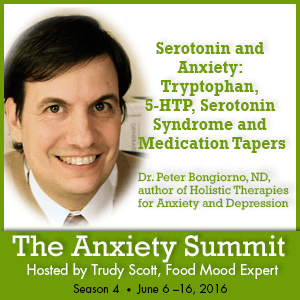
The Anxiety Summit – Serotonin and anxiety: tryptophan, 5-HTP, serotonin syndrome and medication tapers

June 12, 2016 By Trudy Scott 64 Comments

Peter Bongiorno_Anxiety4

Dr. Peter Bongiorno, ND, author of Holistic Therapies for Anxiety and Depression, is interviewed on the Anxiety Summit by host of the Anxiety Summit, Trudy Scott, Food Mood Expert and Nutritionist, author of The Antianxiety Food Solution.

Serotonin and anxiety: tryptophan, 5-HTP, serotonin syndrome and medication tapers

  • What is the serotonin hypothesis and serotonin syndrome
  • Concerns about tryptophan and kynurenine and neurotoxic quinolinic acid
  • When to use tryptophan and when to use 5-HTP
  • Working with a prescribing doctor to do a SSRI (and benzo) taper
  • John’s Wort, saffron and venetron for anxiety and depression
  • Hydrotherapy and hugs

Here are some snippets from our interview:

Here are some gems from our interview:

As far as St. John’s Wort I would honestly put that in a different category because St. John’s Wort is not just another type of serotonin enhancer or SSRI.  It has many, many other activities.  It supports the thyroid.  It really helps digestion.  It’s a good anti-inflammatory.  It calms the nervous system.  And it also supports other neurotransmitters too.  So to me St. John’s Wort is more like a beautiful food that has these very pleiotropic effects and really helps the whole body kind of cope and gain resilience.  Years ago St. John’s Wort was originally used to ward off evil spirits in olden times.  And so it has a tremendous history of supporting people with mood and especially people who are very fatigued in the process and they can’t cope and they have no resilience.  So I think St. John’s Wort is definitely more than just a serotonin enhancer.

We also cover carnitine:

One of the things I like to check is something called carnitine which is an amino acid which plays a role in how energy is carried in the body.  And many women get much depleted in carnitine as they move through pregnancy through the trimesters.  And that’s actually quite safe to take during pregnancy and I’ve seen that be very, very helpful in women with mood issues either during pregnancy or postpartum.  And there are plenty of studies that show the safety of carnitine.  So that’s one of the things I definitely like to look at along with taking some magnesium which is also safe during pregnancy.

We discuss medication tapers of SSRIs:

And the weaning process would have to be different for everyone.  Some patients who have been on some of these mood altering medications for many years you can’t just wean off quickly.  You have to go exceedingly slow.  And depending on how they do then we can support their brain and their body with more nutrients to help that process go as easily as possible and minimize any kind of withdrawal effect.  The body will tell us what to do as we go along.  But again the most important thing is that we really establish all the basics and that they’re in the healthiest place possible.  Because if those aren’t there, if a patient just gets off the medication and we haven’t really done anything to change the underlying reasons why they got to the place where they had the mood issue.  In most cases they’re going to go back there again.

Here are two of Dr. Bongiorno’s books:

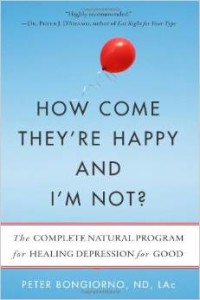
How Come They’re Happy and I’m Not – The Complete Natural Program for Healing Depression for Good

peter bongiorno how come they're happy and I'm not

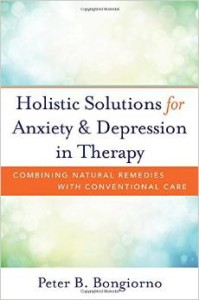
Holistic Solutions for Anxiety & Depression in Therapy: Combining Natural Remedies with Conventional Care

peter bongiorno holistic solutions for anxiety and depression

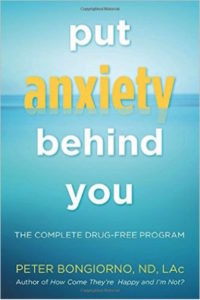
And his most recent book: Put Anxiety Behind You

put-anxiety-behind-you

Here is his digital gift: 10 Ways to Balance Serotonin Naturally http://www.drpeterbongiorno.com/serotonin/

If you are not already registered for the Anxiety Summit you can get live access to the speakers of the day here: www.theAnxietySummit.com

Missed this interview or can’t listen live? Or want this and the other great interviews for your learning library? Purchase the MP3s or MP3s + transcripts and listen when it suits you.

You can find your purchasing options here.: Anxiety Summit Season 1, Anxiety Summit Season 2, Anxiety Summit Season 3, and Anxiety Summit Season 4.

Filed Under: Events, The Anxiety Summit 4 Tagged With: 5-HTP, anxiety, anxiety summit, medication tapering, Peter Bongiorno, Trudy Scott, tryptophan

Tryptophan, red meat and baby steps for anxiety: the Brain Summit

May 1, 2016 By Trudy Scott 18 Comments

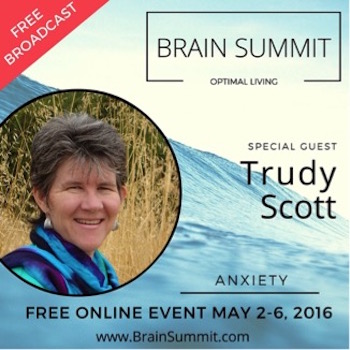
Just a quick reminder that the Brain Summit starts tomorrow, Monday, May 2nd.

brainsummit-trudy

Here are some snippets from my anxiety interview with host Erin Matlock. We started out talking about diet and grass-fed red meat and why it’s so beneficial if you have anxiety (and other mood problems):

…there’s a lot of research showing now that [a Western diet] diet is not good for so many conditions, and mental health is now coming into the research. And we know this, but to see it in the research is really beneficial. Dr. Felice Jacka did a great study in Australia that was one of the first studies that looked at anxiety and depression in women and found that the Western diet was associated with a higher risk for anxiety and depression. And this whole foods, traditional diet, that actually included grass-fed red meat, was more beneficial for anxiety and depression. And in her thesis, they actually looked at red meat thinking that they would find that red meat was actually detrimental. And, lo and behold, they found that grass-fed red meat was one of the most important predictors for good mental health. So a lot of people say, “I don’t eat red meat any more. I’m being healthy.” And in actual fact, not eating it is doing them harm.

So red meat is wonderful! And it needs to be grass fed because then you’re getting the good levels of the Omega-3s. The Omega-3 three profile of grass fed red meat is very similar to what you would find in salmon. Obviously, fish is great, so while fish like salmon or sardines are great as well, the reason I like the red meat is it’s something that most people enjoy eating. And as well as the Omega-3s, we’re getting the iron, and iron is a co-factor for making serotonin and making GABA, and it’s needed for energy and so many other functions in the body.

It’s also got zinc, and zinc is a common deficiency, way more common than we realize. And when you are anxious, you may have high copper level, and low zinc level. So getting those zinc levels up will push the copper down, and that can help with your anxiety, as well.

We also had a long discussion on serotonin and tryptophan/5-HTP:

…we often associate serotonin with depression. And a lot of people don’t realize that it’s very closely tied to anxiety, as well.  So we’ve got two types of anxiety when it comes to the brain chemicals. One is the low-serotonin type, and this is the anxiety in the head, where you’ve got the ruminating thoughts, and the busy mind, and the negative self-talk, and just this monkey mind that you can’t switch off — this worry, and sort of reprocessing things. And then we have the low-GABA kind of anxiety, where it’s in your physical body and you’re feeling stiff and tense, and you can feel it in your body, and you may feel it in your gut….

I have people do a questionnaire, and depending on how you score on that questionnaire, that’s a clue as to whether serotonin may be a factor. So all of those symptoms I’ve just mentioned, you would rate yourself on a scale of one to ten.  And then I use individual, targeted amino acids. So it’s a supplement, and the other things that obviously have an impact are food, and diet, and everything we just talked about. Getting exercise, getting outside in the light, all of those are factors.

But for quick, immediate results, and pretty profound results – people just say to me, “Could this really be happening so quickly?” that’s how quickly we get results, you know, within 30 seconds to two minutes they’re getting results – is to use these individual amino acids as supplements. And the reason they’re called “targeted” is because it’s targeted to your unique needs. Like when you do the questionnaire and it says, yes, you need some serotonin support, and then you would use either tryptophan or 5-HTP as a supplement. And again, targeted, because you need it, but also targeted to your unique biochemistry.

There’s a standard starting dose for tryptophan, which is 500 mg, while 5-HTP is 50 mg.

Be sure to tune into the interview with Debbie Hampton. She is the survivor of an acquired brain injury (from a pill overdose when trying to commit suicide) and the author of the upcoming book, Sex, Suicide, and Serotonin.  Her story and resilience is inspiring!  Here is Debbie’s wonderful answer to Erin’s question: “What advice would you give to someone who feels like it’s too late to do what they want to do? I’m already so deep in, there’s no way that I could possibly have the life that I wanted or do the work that I really wanted to do.”

debbie-hampton

It’s never too late. And those limitations, you’re putting on yourself. Those limitations are in your mind. If you think you can’t, and you think it’s too late, then it is. You’ve got to change your mind first and if your mind thinks you can, you’re halfway there.

My advice would be to start small … I’m not big on long-term plans. I’m big on a long-term bigger goal. But what you’ve got to do is you’ve got to take a little step in the right direction towards that goal, and when you get there, you look around and you say, “Okay, what is my next best step?” And when you get to that next step, there may be opportunities that you can see that you couldn’t even see back here.

So you’ve got to take it one step at a time and get there and assess your opportunities. And then figure out the next best step, and then get there and figure out the next one. And it may be a zigzag path, and you may even have to go back sometimes, regress, but as long as you just keep moving forward and keep positive momentum and positive thoughts and be your own cheerleader, and encourager, and supporter— be your own friend—that is the most important thing.

I could not agree more – there is an answer, you can do whatever you set out to do and just take baby steps!

You can register for the Brain Summit here:
http://www.brainsummit.com?orid=45505&opid=12


Filed Under: Amino Acids, Events, Food and mood, Real whole food, Tryptophan Tagged With: 5-HTP, anxiety, brain summit, Erin Matlock, iron, red meat, serotonin, Trudy Scott, tryptophan, zinc

Tryptophan and 5-HTP combination for anxiety and sleep: when to use

October 19, 2015 By Trudy Scott 22 Comments

amazing aminos for anxiety

Here is a great question that came in from one of the attendees of the live Amazing Aminos for Anxiety program that I hosted earlier this year.   This attendee is asking when to use a combination of tryptophan and 5-HTP for anxiety and sleep, and concerns about high cortisol when wanting to use 5-HTP:

The book says “for symptoms that occur earlier in the day, 50-150 mg of 5-HTP on waking and midmorning” but it also cautions about taking 5-HTP if one has severe insomnia (which I do) as it can raise cortisol. Is it okay to take tryptophan upon waking and mid-morning? I’m assuming the reason for holding off until late afternoon is to avoid daytime drowsiness, but am wondering if this is where the tyrosine may come in? (At the end of the program)

I started getting good results at 500 mg tryptophan. Sometimes I needed more so I doubled the dose to 1000 mg. Sometimes I got better results than others. It’s possible I may need to take more than that – the book says to take up to 1500 mg. Is consistency key (as opposed to PRN/as needed) when taking tryptophan, in the same way that one has to build up a blood level of serotonin when taking an SSRI? I also wanted to mention that prior to coming off my SSRI, my mood was fine

She is referring to my book The Antianxiety Food Solution and she had been taking these amino acids before starting the group program with me. Her goals were to address her insomnia, the anxiety and the depression. The tryptophan she had been taking was not the Lidtke tryptophan, which is the brand I recommend.

You can listen to the 4 minute snippet of this question and my answer here:

https://s3.amazonaws.com/trudyblog/3_AAA_low+serotonin_4+min_snippet_on_tryptophan_and_5HTP.mp3


Before using any amino acids be sure to check the Amino Acid Precautions and work with your doctor if needed.

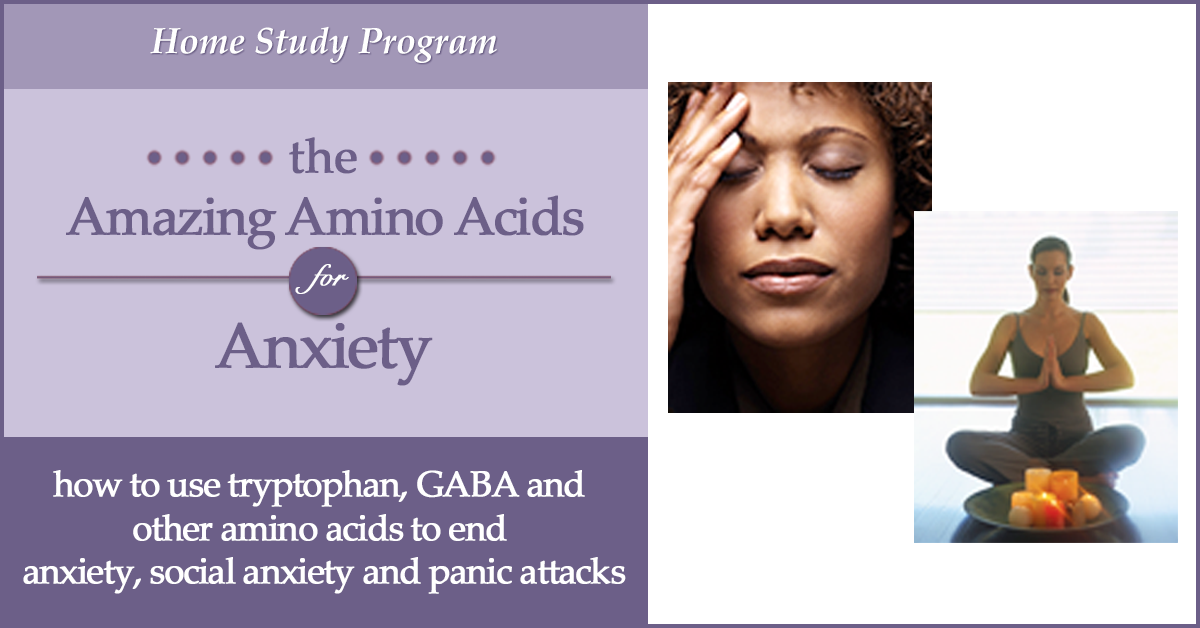
And a friendly reminder for you …. we are offering $100 off each of the 3 options of The Amazing Aminos for Anxiety homestudy programs. This offer expires today, Monday October 19th at 9pm PST midnight EST  (previous emails said 9pm EST – sorry about that)

This is a powerful home study program that results in you feeling

  • less stressed and overwhelmed, and happier
  • more energetic and focused
  • sleeping through the night
  • and no longer suffering from emotional eating/stress eating!

I walk you through, one week at a time, how to use five of the top individual amino acid supplements (tryptophan/5-HTP, GABA, glutamine, DPA/Endorphigen and tyrosine) to help you eliminate anxiety, social anxiety and panic attacks. We also cover pyroluria, other key nutrients, diet and lifestyle changes.

There are 3 program options available:

  1. Basic: Homestudy if you’re a DIY person

     OR

  1. Plus: Homestudy + 2 Q and A Live with Trudy (if you need some guidance and will have questions you can opt for this one)

     OR

  1. Premium: Homestudy + 4 Q and A live with Trudy (if you need some guidance and will have questions) + private Facebook group for group discussions and interactions.

All 3 options include access to Questions and Answers from the previous program so you get to learn from others. Options 2 and 3 include the LIVE Question and Answer sessions i.e. you can ask your own questions (option 3 also includes the facebook support).

For #3 Premium program, we will also be closing the cart and not taking new registrations until January next year

You can check out the 3 program options and register here https://www.everywomanover29.com/aminosforanxietyhs/

Got questions about the program or tryptophan and 5-HTP? Feel free to ask them below and read some of the commonly asked questions on this blog post

Filed Under: Amino Acids, Antianxiety, Events Tagged With: 5-HTP, amazing amino acids, Amazing Aminos for Anxiety, anxiety, Trudy Scott, tryptophan

5-HTP for anxiety, depression and insomnia: a clinically-effective serotonin precursor

October 16, 2015 By Trudy Scott 43 Comments

5-htp

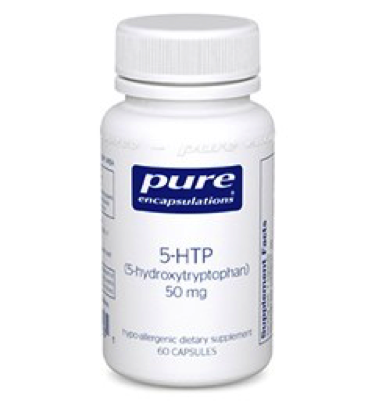
5-Hydroxytryptophan or 5-HTP is an amino acid that increases production of serotonin in the brain alleviating anxiety, depression, insomnia, pain, carbohydrate cravings and more.

Here are some excerpts from an excellent paper published in Alternative Medicine Review in 1998 titled 5-Hydroxytryptophan: a clinically-effective serotonin precursor:

5-Hydroxytryptophan (5-HTP) is an aromatic amino acid naturally produced by the body from the essential amino acid L-tryptophan. Produced commercially by extraction from the seeds of the African plant, Griffonia simplicifolia, 5-HTP has been used clinically for over 30 years. The clinical efficacy of 5-HTP is due to its ability to increase production of serotonin in the brain.

In the central nervous system (CNS), serotonin has been implicated in regulation of sleep, depression, anxiety, aggression, appetite, temperature, sexual behavior, and pain sensation.

Therapeutic administration of 5-HTP has been shown to be effective in treating a wide variety of conditions, including depression, fibromyalgia, binge eating associated with obesity, chronic headaches, and insomnia.

I advise my clients to take all the amino acids between meals and away from protein containing food so they are no getting competition from other amino acids, thereby affecting absorption of the targeted individual amino acid they are taking. I typically make the same recommendation for taking 5-HTP however I simply do this to make things less complicated. In actual fact, 5-HTP can be taken with meals:

Intestinal absorption of 5-HTP does not require the presence of a transport molecule, and is not affected by the presence of other amino acids; therefore it may be taken with meals without reducing its effectiveness.

The recommended starting dose for 5-HTP is 50mg two or three times a day and it is well absorbed:

Initial dosage for 5-HTP is usually 50 mg three times per day with meals. If the clinical response is inadequate after two weeks, dosage may be increased to 100 mg three times per day. For insomnia, the dosage is usually 100-300 mg before bedtime. Because some patients may experience mild nausea when initiating treatment with 5-HTP, it is advisable to begin with 50 mg doses and titrate upwards.

5-HTP is well absorbed from an oral dose, with about 70 percent ending up in the bloodstream. It easily crosses the blood-brain barrier and effectively increases central nervous system synthesis of serotonin.

It’s well recognized that 5-HTP (and tryptophan) can impact both serotonin and melatonin levels but is often less recognized that other neurotransmitters can be increased too:

Other neurotransmitters and CNS chemicals, such as melatonin, dopamine, norepinephrine, and beta-endorphin have also been shown to increase following oral administration of 5-HTP.

You can read the complete paper here at altmedrev.com, a publication of Thorne Research Inc.

The author does seem to favor 5-HTP over tryptophan but I have found that many of my clients do better on one versus the other. I typically start my clients on tryptophan unless they have benefited from 5-HTP in the past. I would also recommend tryptophan at night if someone is wired-tired and adrenal testing shows high cortisol levels as 5-HTP can raise cortisol levels.

It really all comes down to our own biochemical individuality. I recommend doing a trial to see which amino acid is going to work for your symptoms. I write about this in this blog: How to do an amino acid trial for anxiety

Low serotonin MAY be a factor in anxiety and/or depression (and research shows this to be a fact). Anxiety and/or depression could have one of many possible causes – low serotonin, blood sugar instability, poor diet, not eating enough protein, sugar, caffeine, gluten, low dopamine (for depression), pyroluria, inflammation etc.

If low serotonin is a factor then 5-HTP (or tryptophan) is one way to start to raise serotonin levels so you can feel calm, confident, happy, pain-free again, as well as sleep through the night and end the afternoon and evening cravings.

Have you found 5-HTP to be effective? Please share how much you take/took and when, and how it made you feel. Did you also try tryptophan and do you prefer 5-HTP? We’d love to hear in the comments below.

Have you got questions? Feel free to ask in the comments below.

If this information sounds intriguing and you’d like practical help to figure out if you could possibly benefit from 5-HTP or one of the other amino acids, I invite you to join us in one of The Amazing Aminos for Anxiety homestudy group programs. This homestudy group program will provide guidance with using each of the targeted individual amino acids.


Filed Under: Amino Acids Tagged With: 5-HTP, serotonin

Amino Acids and Neurotransmitters: Trudy Scott’s MINDD interview

September 18, 2015 By Trudy Scott 16 Comments

mindd-interview

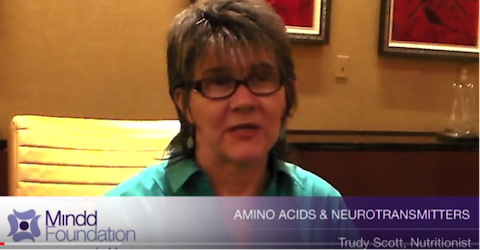
This time last year folks from the MINDD Foundation interviewed me at the Integrative Medicine for Mental Health conference. The MINDD Foundation helps practitioners and patients discover and implement effective treatments for Metabolic, Immunologic, Neurologic, Digestive, Developmental conditions that often affect the mind.

In this video I share about the amino acids tryptophan and 5-HTP for raising low serotonin levels, and the amino acid GABA for raising low GABA levels.

Here is the Amino Acids Mood Questionnaire from The Antianxiety Food Solution so you can see if low serotonin or low GABA may be a factor.  Be sure to check the Amino Acid Precautions and work with your doctor if you are taking an SSRI.

Here are some useful related blog posts on the topic of amino acids:

  • Targeted individual amino acids: what do we really mean?
  • Amino acids for anxiety – which ones and for how long?
  • The Anxiety Summit – Pyroluria, Amino Acids and Anxiety: Troubleshooting when you are not getting results
  • The Antianxiety Food Solution Amino Acid and Pyroluria Supplements
  • Should I use 5-HTP for a 5 year old boy who has been “glutened”?

It’s very timely to be sharing this information. In the recent webinar I shared that we know benzodiazepines do patients more harm than good and a brand new study shows that the psychiatric drug called Paxil, claimed to be a safe and effective treatment for depression in adolescents, is actually ineffective and associated with serious side effects.   It is a reanalysis of an influential study originally published in 2001.

While the amino acids and other nutrients are powerful, we must always remember to get the foundations in place – real whole traditional food, no sugar, no caffeine and no gluten. This paper published earlier this year says it perfectly: Nutritional medicine as mainstream in psychiatry

Evidence is steadily growing for the relation between dietary quality (and potential nutritional deficiencies) and mental health, and for the select use of nutrient-based supplements to address deficiencies, or as monotherapies or augmentation therapies.

We advocate recognition of diet and nutrition as central determinants of both physical and mental health.

I will add that many of the recent “real whole traditional food” papers are not yet mentioning the mental health effects of gluten. Many say to include “whole grains.” So I’d like to share this wonderful testimonial recently posted on this blog: Bipolar, disruptive mood or gluten and junk food?

Ever since childhood I could not concentrate and focus at school. This seriously affected my grades. This continued into my working career and caused me to loose several jobs. Whilst I had periods of wellness this condition always returned to plague me. In one job as a retail manager I became driven for a six month period and then I crashed into deep depression sleeping for 18 hours a day. Prior to this crash I was stuffing my face with bread and fats. I was stressed and anxious. Ten years later this happened again.

I was diagnosed with bipolar 2. Only now at the age of 58 I discovered that I have an intolerance to wheat (gluten) after an elimination diet I feel so much better – all my symptoms are gone. It is like a MIRACLE! MY diagnosis is nonsense.

If the information in this video and article sounds intriguing and you’d like guidance with using targeted individual amino acids like tryptophan, 5-HTP and GABA (as well as glutamine and DPA/endorphigen), together with making diet and lifestyle changes, stay tuned for the launch of The Amazing Aminos for Anxiety homestudy group program.

You can add your name in the comments if you’d like to be notified when it launches. You’re also welcome to sign up here to be notified when we have more details about the start date.

Feel free to ask additional questions in the comments.

Filed Under: Amino Acids Tagged With: 5-HTP, GABA, mindd foundation, serotonin, tryptophan

  • « Go to Previous Page
  • Page 1
  • Interim pages omitted …
  • Page 10
  • Page 11
  • Page 12
  • Page 13
  • Go to Next Page »

Primary Sidebar

NEW! GABA QuickStart Homestudy (with special intro pricing)

gaba quickstart homestudy

Free Report

9 Great Questions Women Ask about Food, Mood and their Health

You'll also receive a complimentary subscription to my ezine "Food, Mood and Gal Stuff"


Connect with me

Popular Posts

  • Amino Acids Mood Questionnaire from The Antianxiety Food Solution
  • The Antianxiety Food Solution Amino Acid and Pyroluria Supplements
  • Pyroluria Questionnaire from The Antianxiety Food Solution
  • Collagen and gelatin lower serotonin: does this increase your anxiety and depression?
  • Tryptophan for the worry-in-your-head and ruminating type of anxiety
  • GABA for the physical-tension and stiff-and-tense-muscles type of anxiety
  • The Antianxiety Food Solution by Trudy Scott
  • Seriphos Original Formula is back: the best product for anxiety and insomnia caused by high cortisol
  • Am I an anxious introvert because of low zinc and vitamin B6? My response to Huffington Post blog
  • Vagus nerve rehab with GABA, breathing, humming, gargling and key nutrients

Recent Posts

  • What do I use instead of Seriphos to help lower high cortisol that is affecting my sleep and making me anxious at night?
  • BeSerene™ GABA/theanine cream eases severe muscle tension in her neck/shoulders, prevents her bad headaches and quells her anxiety
  • How the correct approach, dose and sublingual use of GABA can be calming and not cause a flushed and itchy face and neck
  • The amino acid glutamine improves low mood by addressing gut health, and it has calming effects too
  • Flight anxiety with heightened breath, physical tension and also fearing the worst (the role of low GABA and low serotonin)

Categories

  • 5-HTP
  • AB575
  • Addiction
  • ADHD
  • Adrenals
  • Alcohol
  • Allergies
  • Alzheimer's disease
  • Amino Acids
  • Anger
  • Antianxiety
  • Antianxiety Food Solution
  • Antidepressants
  • Anxiety
  • Anxiety and panic
  • Autism
  • Autoimmunity
  • benzodiazapines
  • Bipolar disorder
  • Books
  • Caffeine
  • Cancer
  • Candida
  • Children/Teens
  • Collagen
  • Cooking equipment
  • Coronavirus/COVID-19
  • Cravings
  • Depression
  • Detoxification
  • Diabetes
  • Diet
  • DPA/DLPA
  • Drugs
  • EFT/Tapping
  • EMF
  • EMFs
  • Emotional Eating
  • Endorphins
  • Environment
  • Essential oils
  • Events
  • Exercise
  • Fear
  • Fear of public speaking
  • Fertility and Pregnancy
  • Fish
  • Food
  • Food and mood
  • Functional neurology
  • GABA
  • Gene polymorphisms
  • General Health
  • Giving
  • Giving back
  • Glutamine
  • Gluten
  • GMOs
  • Gratitude
  • Gut health
  • Heart health/hypertension
  • Histamine
  • Hormone
  • Hyperparathyroidism
  • Hypoglycemia
  • Immune system
  • Inflammation
  • Insomnia
  • Inspiration
  • Introversion
  • Joy and happiness
  • Ketogenic diet
  • Lithium orotate
  • Looking awesome
  • Lyme disease and co-infections
  • MCAS/histamine
  • Medication
  • Men's health
  • Mental health
  • Mercury
  • Migraine
  • Mold
  • Movie
  • MTHFR
  • Multiple sclerosis
  • Music
  • NANP
  • Nature
  • Nutritional Psychiatry
  • OCD
  • Osteoporosis
  • Oxalates
  • Oxytocin
  • Pain
  • Paleo
  • Parasites
  • Parkinson’s disease
  • PCOS
  • People
  • PMS
  • Postpartum
  • PTSD/Trauma
  • Pyroluria
  • Questionnaires
  • Real whole food
  • Recipes
  • Research
  • Schizophrenia
  • serotonin
  • SIBO
  • Sleep
  • Special diets
  • Sports nutrition
  • Stress
  • Sugar addiction
  • Sugar and mood
  • Supplements
  • Teens
  • Testimonials
  • Testing
  • The Anxiety Summit
  • The Anxiety Summit 2
  • The Anxiety Summit 3
  • The Anxiety Summit 4
  • The Anxiety Summit 5
  • The Anxiety Summit 6
  • Thyroid
  • Thyroid health
  • Toxins
  • Tryptophan
  • Tyrosine
  • Uncategorized
  • Vegan/vegetarian
  • Women's health
  • Yoga

Archives

  • October 2025
  • September 2025
  • August 2025
  • July 2025
  • June 2025
  • May 2025
  • April 2025
  • March 2025
  • February 2025
  • January 2025
  • November 2024
  • October 2024
  • September 2024
  • August 2024
  • July 2024
  • June 2024
  • May 2024
  • April 2024
  • March 2024
  • February 2024
  • January 2024
  • December 2023
  • November 2023
  • October 2023
  • September 2023
  • August 2023
  • July 2023
  • June 2023
  • May 2023
  • April 2023
  • March 2023
  • February 2023
  • January 2023
  • December 2022
  • November 2022
  • October 2022
  • September 2022
  • August 2022
  • July 2022
  • June 2022
  • May 2022
  • April 2022
  • March 2022
  • February 2022
  • January 2022
  • December 2021
  • November 2021
  • October 2021
  • September 2021
  • August 2021
  • July 2021
  • June 2021
  • May 2021
  • April 2021
  • March 2021
  • February 2021
  • January 2021
  • December 2020
  • November 2020
  • October 2020
  • September 2020
  • August 2020
  • July 2020
  • June 2020
  • May 2020
  • April 2020
  • March 2020
  • February 2020
  • January 2020
  • December 2019
  • November 2019
  • October 2019
  • September 2019
  • August 2019
  • July 2019
  • June 2019
  • May 2019
  • April 2019
  • March 2019
  • February 2019
  • January 2019
  • December 2018
  • November 2018
  • October 2018
  • September 2018
  • August 2018
  • July 2018
  • June 2018
  • May 2018
  • April 2018
  • March 2018
  • February 2018
  • January 2018
  • December 2017
  • November 2017
  • October 2017
  • September 2017
  • August 2017
  • July 2017
  • June 2017
  • May 2017
  • April 2017
  • March 2017
  • February 2017
  • January 2017
  • December 2016
  • November 2016
  • October 2016
  • September 2016
  • August 2016
  • July 2016
  • June 2016
  • May 2016
  • April 2016
  • March 2016
  • February 2016
  • January 2016
  • December 2015
  • November 2015
  • October 2015
  • September 2015
  • August 2015
  • July 2015
  • June 2015
  • May 2015
  • April 2015
  • March 2015
  • February 2015
  • January 2015
  • December 2014
  • November 2014
  • October 2014
  • September 2014
  • August 2014
  • July 2014
  • June 2014
  • May 2014
  • April 2014
  • March 2014
  • February 2014
  • January 2014
  • December 2013
  • November 2013
  • October 2013
  • September 2013
  • August 2013
  • July 2013
  • June 2013
  • May 2013
  • April 2013
  • March 2013
  • February 2013
  • January 2013
  • December 2012
  • November 2012
  • October 2012
  • August 2012
  • July 2012
  • June 2012
  • May 2012
  • April 2012
  • March 2012
  • February 2012
  • January 2012
  • December 2011
  • November 2011
  • October 2011
  • September 2011
  • August 2011
  • July 2011
  • June 2011
  • May 2011
  • April 2011
  • March 2011
  • February 2011
  • January 2011
  • December 2010
  • October 2010
  • September 2010
  • July 2010
  • May 2010
  • April 2010
  • March 2010
  • February 2010
  • January 2010
  • November 2009

Share the knowledge!

The above statements have not been evaluated by the Food and Drug Administration. Products listed in this website are not intended to diagnose, treat, cure or prevent any disease.

The information provided on this site is for informational and educational purposes only and is not intended as a substitute for advice from your physician or other health care professional. You should consult with a healthcare professional before starting or modifying any diet, exercise, or supplementation program, before taking or stopping any medication, or if you have or suspect you may have a health problem.


Copyright © 2026 Trudy Scott. All Rights Reserved. | Privacy | Terms and Conditions | Refund Policy | Medical Disclaimer

Free Report

9 Great Questions Women Ask about Food, Mood and their Health

You’ll also receive a complimentary subscription to my ezine “Food, Mood and Gal Stuff”