• Skip to primary navigation
  • Skip to main content
  • Skip to primary sidebar

everywomanover29 blog

Food, Mood and Women's Health – Be your healthiest, look and feel great!

  • Blog
  • About
  • Services
  • Store
  • Resources
  • Testimonials
  • The Book
  • Contact
  • Search this site

GABA

How to accurately measure a small amount of powdered GABA and other GABA options when GABA Calm is not tolerated

April 26, 2024 By Trudy Scott 18 Comments

measuring gaba powder

Brenda finds one GABA Calm helps her sleep but more than one affects her sleep and she suspects the sugar alcohols in the product. She’d like advice on using an alternative and how to accurately measure a small amount of powdered GABA. Here is her question in her own words:    

I have been on the FODMAP diet for a while and it is helping but I just realized that when I take GABA Calm I am ingesting sorbitol and mannitol. I take a bit more than one of those tablets each night to help me sleep and am very aware that if I take too much it can keep me awake.

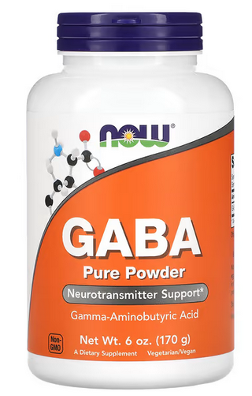
Now that I have realized about the sorbitol and mannitol, I am looking for an alternative source of GABA. I see that you are now recommending the Now GABA Pure Powder product. I was about to purchase this to avoid the sorbitol and mannitol but then realized that I would have to take 1/16th teaspoon of the powder to equate to 150mg. I can’t see me ever getting that measurement correct.

So my question is, can you recommend another source of GABA that would enable me to take 150mg plus a little bit with a fair degree of accuracy and without those added FODMAPs? Thank you very much. I am very grateful for your work.

Brenda has likely been diagnosed with SIBO (small intestinal bacterial overgrowth) or IBS (irritable bowel syndrome) even though she doesn’t mention it. In some folks with SIBO or IBS, sugar alcohols such as xylitol, sorbitol and mannitol can cause digestive upset. Not everyone with SIBO or IBS has issues with GABA Calm. In fact, it’s typically very well tolerated and GABA Calm is a product I have been recommending for many years. However, some folks do have issues and it’s wise to look for an alternative and not push through.

In this blog I share more about sugar alcohols, how to accurately measure out 1/16 teaspoon of the GABA powder to equate to close to 150 mg, how I use my mini measuring spoon, a GABA/theanine product that is low dose and can be opened, and another option she could consider.

Sugar alcohols in GABA Calm and other GABA chewable products

Many of the chewable or sublingual forms of GABA, including GABA Calm contain sugar alcohols which can be problematic and cause digestive upset and often explosive diarrhea. The digestive upset alone could impact sleep.

Sugar alcohols include xylitol, sorbitol, mannitol and erythritol. Your reaction will depend on the amount of sugar alcohols used, how many chewable/sublingual tablets you use and how accustomed you are to sugar alcohols. You may get used to them and eventually be fine with consuming small amounts and yet for others the tiniest amount is an issue.

I share more about sugar alcohols on this blog: Why does chewable GABA make me run to the bathroom and what GABA do I use instead?

Using a mini measuring spoon set and GABA powder

It’s wonderful that GABA Calm is helping Brenda with her sleep issues and when we start to get benefits we do want to increase the amount to see if we can get further benefits.

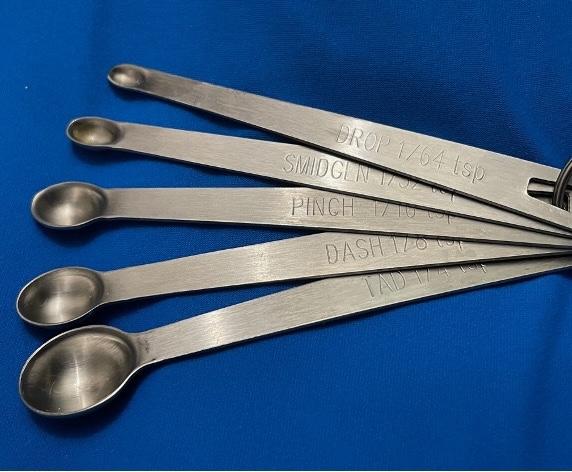
She has a few options and one is to use the NOW GABA powder (or another GABA powder) with a mini measuring spoon set like this one (my Amazon link). This is mine and it is very easy to use, convenient and accurate.
measuring spoons

As you can see it comes in various sizes: 1/4 teaspoon, 1/8 teaspoon, 1/16 teaspoon, 1/32 teaspoon and 1/64 teaspoon.

It is important to look at the product and work out how much you need to measure out. For example, the NOW GABA powder states 1/4 teaspoon is equivalent to 500 mg GABA. This means 1/16 is equivalent to 125 mg GABA. So if Barbara wants to take 150 mg she would use a little more than what would be in the 1/16 spoon (maths is coming in handy after all!)

Keep in mind that product equivalents do differ. For example tryptophan is typically lighter and fluffier than GABA. My tryptophan states 1 teaspoon is 1000 mg tryptophan so a typical starting dose of 500 mg tryptophan would be 2 x 1/4 teaspoon since each 1/4 is 250mg.

I love my mini measuring spoon and use mine on a daily basis for theanine in the day, calcium citrate after dinner (for my oxalate issues), and for GABA and tryptophan at bed time.

Combined GABA and theanine: GABA-T SAP as one option

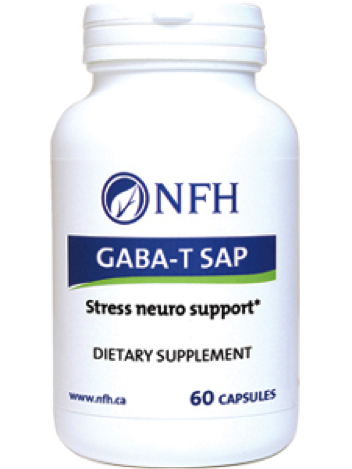
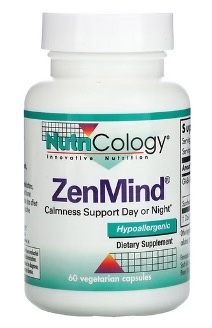
Another option is using a lower mg GABA/theanine product and opening it. Nutritional Fundamentals for Health GABA-T SAP is another favorite of mine. This product is pleasant-tasting when opened on to the tongue and works very well when GABA Calm can’t be used. It contains 300 mg GABA and 150 mg theanine, so can easily be halved to provide the 150 mg GABA she is looking for.

Research shows that the combination of GABA and theanine may improve sleep: GABA and l-theanine mixture decreases sleep latency and improves NREM sleep. The authors share the sleep and anxiety benefits of both GABA and theanine:

γ-Aminobutyric acid (GABA) is the main inhibitory neurotransmitter and it is well established that activation of GABAA receptors favours sleep.

l-Theanine, a naturally occurring amino acid first discovered in green tea, is a well-known anti-anxiety supplement with proven relaxation benefits.

But Barabra is going to have to do a trial to see if this combination works for her.

Mixing and matching as an other option

And finally, if she was also taking GABA Calm in the day for stress and overwhelm, she could  do a trial of using this during the day (for the convenience factor) and then at night use the GABA powder or opened GABA/theanine capsule (because it’s a bit more finicky). This way she’s consuming less sugar alcohols overall.

Both GABA products, the mini measuring spoon set and where to find them
gaba pure poder

Today I mentioned the Now GABA Powder and NFH GABA-T SAP.  You can purchase these from my online store (Fullscript – only available to US customers – use this link to set up an account).
gaba pure poder
zenmind

If you’re not in the US, the Now GABA Powder and Nutricology ZenMind (a GABA/theanine combination comparable to GABA-T SAP) is available via iherb (use this link to save 5%).

And the mini measuring spoon set can be found here (my Amazon link)

Additional resources when you are new to using GABA and other amino acids as supplements

As a reminder, low GABA can cause physical tension, anxious feelings, feelings of panic and problems sleeping, as well as self–medicating with alcohol or carbs to relax or fit in. As always, I use the symptoms questionnaire to figure out if low GABA or other neurotransmitter imbalances may be an issue.

If you suspect low levels of any of the neurotransmitters and do not yet have my book, The Antianxiety Food Solution – How the Foods You Eat Can Help You Calm Your Anxious Mind, Improve Your Mood, and End Cravings, I highly recommend getting it and reading it before jumping in and using amino acids on your own so you are knowledgeable. And be sure to share it with the practitioner/health team you or your loved one is working with.

There is an entire chapter on the amino acids and they are discussed throughout the book in the sections on gut health, gluten, blood sugar control (this is covered in an entire chapter too), sugar cravings, anxiety and mood issues.

The book doesn’t include product names (per the publisher’s request) so this blog, The Antianxiety Food Solution Amino Acid and Pyroluria Supplements, lists the amino acids that I use with my individual clients and those in my group programs (over and above the GABA products I mentioned above).

If, after reading this blog and my book, you don’t feel comfortable figuring things out on your own (i.e. doing the symptoms questionnaire and respective amino acids trials), a good place to get help is the GABA QuickStart Program (if you have low GABA symptoms too). This is a paid online/virtual group program where you get my guidance and community support.

If you are a practitioner, join us in The Balancing Neurotransmitters: the Fundamentals program. This is also a paid online/virtual program with an opportunity to interact with me and other practitioners who are also using the amino acids.

Wrapping up and your feedback

I do always appreciate questions like this so keep them coming so I can share and educate further.

Now I’d love to hear from you – do you have issues with the sugar alcohols in GABA Calm or another chewable GABA product? (if yes which one?)

Did you move to a GABA powder and do you use a min spoon set? Or does another GABA product work for you?

Please share how GABA helps and how much helps you?

If you’re a practitioner do you use GABA powder and mini spoons with your clients/patients?

And please let me know if it’s helpful that I’m now including product recommendations and where to get them.

Feel free to share and ask your questions below.
Filed Under: Anxiety, GABA, Insomnia Tagged With: amino acid, cravings, GABA, GABA Calm, GABA powder, GABA Quickstart; Balancing Neurotransmitters: the Fundamentals program for practitioners, GABA-T SAP, IBS, insomnia, measure, mini measuring spoon set, physical-tension, SIBO, sleep, sugar alcohols, theanine

Using GABA to ease the visceral / abdominal pain and hypersensitivity of colitis, ease anxiety and reduce inflammation?

April 12, 2024 By Trudy Scott 13 Comments

gaba and visceral pain

Can the amino acid GABA be used as a supplement to ease the visceral (or abdominal) pain and hypersensitivity of colitis? And at the same time help to ease physical anxiety/tension, spasms and even reduce inflammation? A new animal study suggests this may be possible, with the authors stating “these results raise the promising possibility that GABA … may be an effective therapeutic strategy for the management of symptoms associated with colitis.”

Clinically we see that GABA does ease visceral pain in many digestive conditions and there is much evidence that it eases physical anxiety too. I share my personal experiences and feedback from someone in my community below.

What is especially exciting about this paper is that it’s specific for colitis and many markers of inflammation are favorably impacted by GABA supplementation too. The authors do state that human studies are needed to confirm this research. I look forward to these human studies and until then I say let’s use what we see clinically, based on symptoms and a trial of GABA.

Here is the paper: Experimental colitis-induced visceral hypersensitivity is attenuated by GABA treatment and the overview of their hypothesis:

Ulcerative colitis is linked with inflammation of the large intestine due to an overactive response of the colon-immune system. Ulcerative colitis is associated with weight loss, rectal bleeding, diarrhea, and abdominal pain.

Given that γ-amino butyric acid (GABA) suppresses immune cell activity and the excitability of colonic afferents, and that there is a decrease in colonic GABA during ulcerative colitis, we hypothesized that ulcerative colitis pain is due to a decrease in the inhibition of colonic afferents. Thus, restoring GABA in the colon will attenuate inflammatory hypersensitivity.

Colonic afferents are neurons that “carry information from sensory receptors of … organs” like the colon “to the central nervous system (i.e. brain and spinal cord).” They are involved in the perception of pain.

The study and favorable outcomes

They tested their hypothesis in a mouse model of colitis and GABA was given at the same time.

What they found is that GABA reduced the “increase in the colon permeability” i.e. prevented leaky gut; reduced the “clinical progression of colitis (disease activity index or DAI)”; reduced the “colon histological score” (or measure of disease activity in inflammatory bowel diseases) and reduced visceral hypersensitivity (or abdominal pain).

There were also favorable changes in inflammatory markers: “GABA inhibited the …increase in the proinflammatory cytokines tumor necrosis factor-α (TNF-α), interferon-γ (IFN-γ), interleukin-12 (IL-12), and increased the expression of the anti-inflammatory cytokine IL-10 in the colon tissue.”

Their conclusion is as follows: “These data suggest that increasing gastrointestinal levels of GABA may be useful for the treatment of colitis.”

My GABA visceral pain story

I have chronic SIBO (small intestinal bacterial overgrowth) and found that sublingual GABA helped when I would get that awful and painful belly bloat. When my SIBO was at its worst I would be in pain all night, tossing and turning and unable to sleep because of the belly distension/bloat.

It was often a combined approach of sublingual GABA, Iberogast and topical peppermint and lavender essential oil on my bloated belly.

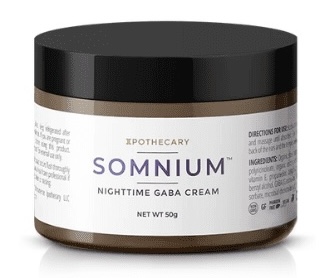
More recently I found that the topical GABA called Somnium, rubbed onto my bloated belly,  helped tremendously too. You can read more about Somnium here.

(My SIBO is much much better now, since I’ve been using berberine, but that is a topic for another blog post.)

GABA: stress, anxiety and visceral pain

As you know, I consider myself a GABA girl and it also helps ease my physical anxiety.

The above animal study doesn’t address the impacts of GABA on anxiety but there is research showing that “in concert with chronic visceral pain, there is a high comorbidity with stress-related psychiatric disorders including anxiety and depression.

Evidence suggests that long term stress facilitates pain perception and sensitizes pain pathways, leading to a feed-forward cycle promoting chronic visceral pain disorders such as irritable bowel syndrome (IBS).”

It makes total sense that GABA can play a role in addressing all of this for me – the visceral pain and IBS, the physical anxiety and sleep issues too.

GABA eases Gail’s painful gut spasms and reduces her stress

Neither myself or Gail have colitis and yet GABA helps us both with SIBO and the visceral pain we experience, and the associated anxiety. Gail shares this: “I’ve had diarrheal IBS for decades, recently diagnosed SIBO. Missed a lot of work with pain spasms and diarrhea almost every work morning. I had a phenomenal experience with my first dose of GABA at bedtime and like a miracle I’m pain-free in the morning.

It’s a huge huge improvement! (unless there’s a major stressor in my life like when my mom recently passed away)

I also take GABA at work if I anticipate a stressful situation. I love that I am still sharp mentally on this.”

A few GABA product options  – a sublingual, a powder and a cream

gaba calm
gaba pure poder
somnium gaba cream

Some of the GABA products I recommend include Source Naturals GABA Calm lozenges and Now GABA Powder.  You can purchase these from my online store (Fullscript – only available to US customers – use this link to set up an account).

If you’re not in the US, Source Naturals GABA Calm lozenges and Now GABA Powder are available via iherb (use this link to save 5%).

Somnium GABA Cream is available with international shipping. Click here to get Somnium GABA Cream (and use my coupon code TRUDY15 to save 15%).

Additional resources when you are new to using GABA and other amino acids as supplements

As always, I use the symptoms questionnaire to figure out if low GABA or other neurotransmitter imbalances may be an issue for you.

If you suspect low levels of any of the neurotransmitters and do not yet have my book, The Antianxiety Food Solution – How the Foods You Eat Can Help You Calm Your Anxious Mind, Improve Your Mood, and End Cravings, I highly recommend getting it and reading it before jumping in and using amino acids on your own so you are knowledgeable. And be sure to share it with the practitioner/health team you or your loved one is working with.

There is an entire chapter on the amino acids and they are discussed throughout the book in the sections on gut health, gluten, blood sugar control (this is covered in an entire chapter too), sugar cravings, anxiety and mood issues.

The book doesn’t include product names (per the publisher’s request) so this blog, The Antianxiety Food Solution Amino Acid and Pyroluria Supplements, lists the amino acids that I use with my individual clients and those in my group programs (over and above the few I mentioned above).

If, after reading this blog and my book, you don’t feel comfortable figuring things out on your own (i.e. doing the symptoms questionnaire and respective amino acids trials), a good place to get help is the GABA QuickStart Program (if you have low GABA symptoms too). This is a paid online/virtual group program where you get my guidance and community support.

If you are a practitioner, join us in The Balancing Neurotransmitters: the Fundamentals program. This is also a paid online/virtual program with an opportunity to interact with me and other practitioners who are also using the amino acids.

Wrapping up and your feedback

I do always appreciate questions and feedback like this so keep your questions and comments coming. I do hope my sharing my experience with GABA for visceral pain and this other feedback has been helpful to you.

While this blog is specific to the research on GABA for colitis, I feel comfortable saying the use of GABA could also be considered for belly pain/visceral pain in someone with a diagnosis such as Crohn’s disease (which like colitis is also classed an IBD/inflammatory bowel disease) or IBS/SIBO (irritable bowel syndrome/small intestinal bacterial overgrowth).

How has GABA helped reduce your visceral pain? (please share if you have colitis or Crohn’s disease or IBS/SIBO or another digestive issue).

Has GABA also helped to reduce your physical anxiety, tension and self-medicating with sugar or alcohol in order to relax?

If yes, which products have helped, how much and do you find swallowed or capsule opened or powder is more effective for your needs?

If you’re a practitioner do you use GABA with your colitis clients/patients?

And please let me know if it’s helpful that I’m now including product recommendations and where to get them?

Feel free to share and ask your questions below.
Filed Under: Anxiety and panic, GABA, Gut health, Inflammation, Pain Tagged With: abdominal pain, amino acid, anxiety, colitis, digestive conditions, GABA, GABA Quickstart; Balancing Neurotransmitters: the Fundamentals program for practitioners, hypersensitivity, Inflammation, neurotransmitters, spasms, tension, ulcerative colitis, visceral pain

GABA Supplementation Increased Heart-Rate Variability, Emotional Response, Sleep Efficiency and Reduced Depression in Sedentary Overweight Women

March 29, 2024 By Trudy Scott 17 Comments

gaba supplementation trial

In a new GABA study published earlier this year, the authors report that supplementation with the calming amino acid, GABA (gamma-aminobutyric acid), helped to reduce stress and depression, and improved emotional response and sleep in overweight women. The intervention group was given 200 mg GABA per day for 90 days. Here is the study abstract:

Gamma-aminobutyric acid (GABA) serves as a pivotal neurotransmitter implicated in the pathogenesis of stress, anxiety, sleep-related disorders, and heart rate (HR) reactions.

Heart-rate variability (HRV), modulated by the sympathetic and parasympathetic branches of the autonomic nervous system (ANS), offers insights into cardiac autonomic control and cardiovascular well-being.

The present study aimed to explore the impact of GABA supplementation on emotional metrics, sleep quality, and HRV in sedentary women with overweight or obesity partaking in physical exercise.

A randomized, double-blind, placebo-controlled clinical trial was undertaken involving 30 sedentary women with overweight or obesity. Volunteers were assigned randomly to two groups: the intervention group receiving GABA (200 mg) once daily for a total of 90 supplementation doses, and the placebo group. Both groups engaged in physical exercise, while the supplementation regimen spanned 90 days.

Assessments were conducted at three intervals: baseline (T0), midway through the study (T45), and study culmination (T90).

Following 90 days of GABA supplementation, the intervention group demonstrated enhancements in habitual sleep efficiency, as indicated by reductions in Pittsburgh Sleep Quality Index (PSQI) scores. Moreover, an improved emotional response was observed, characterized by diminished negative affect. GABA supplementation yielded ameliorations in depression scores as per the Depression, Anxiety, and Stress Scale (DASS-21). Notably, an augmented HRV was noted, attributed to heightened parasympathetic autonomic nervous system predominance.

GABA supplementation elicited noteworthy enhancements in heart rate variability, emotional response, depression mitigation, and sleep efficiency following a 90-day supplementation.

I received a full copy of the paper, GABA Supplementation, Increased Heart-Rate Variability, Emotional Response, Sleep Efficiency and Reduced Depression in Sedentary Overweight Women Undergoing Physical Exercise: Placebo-Controlled, Randomized Clinical Trial. I thanked them for doing this research and shared my clinical insights and the fact that I do use GABA a little differently. More on that below.

The type of GABA, how it was used, the timing and fillers

The study participants were given GABA and not pharmaGABA, it was swallowed and it was used before bed.

Both the GABA and placebo contained starch and talc. The starch may be an issue with someone with SIBO (small intestinal bacterial overgrowth) or an IgG reaction to whatever the starch is made from, such as corn (used in this study) or rice or wheat.

Talc is simply not necessary in any supplements. With so many of my clients being very sensitive to excipients, ideally we want to be using fewer fillers and using a clean supplement just like when it comes to eating real whole good quality food.

My feedback on the 200 mg GABA dose used in the study

Given that many studies use much higher doses it’s wonderful that they used just 200 mg GABA.

They used the same dose for everyone for 90 days at night only.

This illustrates how effective GABA can be when used in the same manner for all study participants. It is, however, very possible that the fact they were exercising and just being part of a study also contributed to many of their improvements:

While both study groups engaged in physical exercise, it is plausible to surmise that the act of participating in physical activities may have contributed to the improved stress, anxiety, and depression profiles in the placebo group. Furthermore, study participation alone can instill a positive effect, potentially fostering volunteers’ motivation to embrace healthier lifestyle habits and enhance overall well-being.

My approach for using GABA is personalized

The study provides a great foundation for future research and clinical use.

My approach is personalized dosing based on symptoms and increased to find the optimal dose. I typically have clients start on 125 mg GABA used sublingually, which is a nice low starting dose for most folks. I have clients use GABA 1-5 times a day, including the night, based on their unique needs and only if they have low GABA type of physical/tension anxiety). I have clients rate 1 or 2 symptoms on a scale of 1-10 with 10 being worst, do an initial one-off trial of GABA and rate the symptoms again right afterwards (in the next 2 to 30 minutes). Based on this we decide if we’ll continue with GABA and how much to use.

I speculate there would likely be even better outcomes with a GABA only powder used on the tongue and held in the mouth for up to 2 minutes. And of course, dosing according to each person’s needs is ideal but impractical in a study.

Feedback illustrates how GABA use (and the benefits) can differ per person

When I shared the research on Facebook I received this feedback from Doula Michelle Jackson:

25 mg GABA twice a day has done wonders for me. I used to take 750 mg of GABA Calm Mind at night and it made me very weepy. Lower dosing works best for me. It helps with sleep, anxiety and depression.

(The 750 mg GABA Calm Mind is a hard tablet and is not the same as the 125mg GABA Calm sublingual product I recommend. The product that works for her is Kal GABA 25mg.)

Carrie shared this: “I always put GABA under the tongue myself.”

Tara said: “GABA is the one thing I can rely on to get a good night’s rest. I open a 420 mg cap about 45 minutes before bed.”

Patrice said: “I take GABA about 30 minutes before bedtime. I open a capsule and use about 100-200 mg in water. It helps to calm my mind and stop ruminating. I think I sleep better.”

Elmas shared this about her son’s results: “GABA can be a game changer. We just started last week and can see it improves my boy’s tics and stimming. Thanks to Trudy’s recommendation on Mind Body and vagus nerve connection summit, we started only 100mg (Superior Sources sublingual) in water. And increased to approx 1/8 tsp about 380mg (Sources Naturals GABA powder) yesterday.”

Both Sue and her husband benefit from GABA:“Trudy posted once about GABA helping with pain in the colon so I tried it and was so amazed at how quickly it worked. I use 200 mg and take the capsule whole, not opening the caps and it works in 15 minutes for me. I have found it also helps me with times that I get anxiety, crabbiness, restless legs and the blues. This is such a blessing for me.

Even my husband will take 200 mg when he’s feeling grouchy with the customers and within 15 to 20 minutes, he’s a different person. It’s a wonder supplement. I tell EVERYBODY about it.”

As you can see from the above, it really is different strokes for different folks and a personalized approach to using GABA.

A few GABA product options  – a sublingual and a powder

gaba calm
gaba pure poder

Products I recommend include Source Naturals GABA Calm lozenges and Now GABA Powder.  You can purchase these from my online store (Fullscript – only available to US customers – use this link to set up an account).

If you’re not in the US, these same products are available via iherb (use this link to save 5%).

Additional resources when you are new to using GABA and other amino acids as supplements

As I mentioned above, I use the symptoms questionnaire to figure out if low GABA or other neurotransmitter imbalances may be an issue for you.

If you suspect low levels of any of the neurotransmitters and do not yet have my book, The Antianxiety Food Solution – How the Foods You Eat Can Help You Calm Your Anxious Mind, Improve Your Mood, and End Cravings, I highly recommend getting it and reading it before jumping in and using amino acids on your own so you are knowledgeable. And be sure to share it with the practitioner/health team you or your loved one is working with.

There is an entire chapter on the amino acids and they are discussed throughout the book in the sections on gut health, gluten, blood sugar control (this is covered in an entire chapter too), sugar cravings, anxiety and mood issues.

The book doesn’t include product names (per the publisher’s request) so this blog, The Antianxiety Food Solution Amino Acid and Pyroluria Supplements, lists the amino acids that I use with my individual clients and those in my group programs (over and above the few I mentioned above).

If, after reading this blog and my book, you don’t feel comfortable figuring things out on your own (i.e. doing the symptoms questionnaire and respective amino acids trials), a good place to get help is the GABA QuickStart Program (if you have low GABA symptoms too). This is a paid online/virtual group program where you get my guidance and community support.

If you are a practitioner, join us in The Balancing Neurotransmitters: the Fundamentals program. This is also a paid online/virtual program with an opportunity to interact with me and other practitioners who are also using the amino acids.

Wrapping up and your feedback

I do appreciate the researchers and do hope my clinical insights and community feedback help with further research. The team has plans to do similar research with men and older individuals, and I look forward to these outcomes. I’ll be sure to share these at a later date.

I’ll end here with this statement from the conclusion:

Consequently, GABA supplementation emerges as a promising avenue for augmenting both cardiovascular and emotional well-being among individuals actively participating in physical exercise.

How has GABA helped your emotions, depression, stress and sleep? And what doses work best for you?

Have you tweaked your dosing to find the ideal doses for your needs?

If yes, which products have helped and do you find sublingual or swallowed is more effective?

If you’re a practitioner do you use GABA with clients/patients and how do you use it?

And please let me know if it’s helpful that I’m now including product recommendations and where to get them?

Feel free to share and ask your questions below.
Filed Under: Depression, Exercise, GABA, Sleep, Supplements Tagged With: clinical trial, exercise, GABA, overweight

Using tryptophan and GABA amino acid supplements together for anxiety, sleep, ruminations and TMJ: questions and answers

February 23, 2024 By Trudy Scott 18 Comments

amino acids q and a

I am taking 250 mg tryptophan, 100-200 mg GABA. Tryptophan is helping with rumination. GABA is helping with feeling less tension in the body. I am also taking 500mg DPA. DLPA used to help me but I thought it was too stimulating so I’m trying DPA now. I couldn’t feel much when taking it on its own.

But the combination of tryptophan, DPA & GABA is generally helping me to feel less wound up. I still struggle with rumination and I have a really difficult time making decisions. I get really overwhelmed when I have a lot of decisions to make – it sends me in a tailspin and leads to more rumination. I’m not sure which amino acid would be good for that?

I generally have trouble relaxing and feeling calm and I feel the tension in my body. I am not sure if I should try increasing the dosage of one of the above?

I am wondering, is it important to take l-tyrosine to balance the tryptophan since tryptophan can lower dopamine over time? Or is the DPA enough since it’s a precursor to tyrosine?

I get many questions like this about using both tryptophan and GABA amino acid supplements together for easing anxiety and today I’m sharing some of these questions and my answers. This will also give you the opportunity to ask questions you may have related to using both these amino acids together. You’ll also read many success stories like the above and how to tweak the amino acids for optimal results.

Read on for my response to the above question from TT and other questions about using GABA and tryptophan together –  how to measure GABA and serotonin levels for using with teens, adding tryptophan for sleep separately from GABA, how to test both for jaw clenching, and the precaution about serotonin syndrome.

My response and feedback for TT – adjustments for even better results

My response and feedback for TT … It’s wonderful that this combination is helping so much. It’s a great start but there are adjustments I’d consider to get even better results. The tryptophan dose is low, with a typical starting dose of 500mg so I’d consider increasing this a few times over a few weeks to see if the ruminations decrease even further. This may also help with the overwhelm and decision making.

Increasing the GABA over a few weeks (after the trial of increased tryptophan) may well improve her ongoing tension and inability to relax. I’d want to make sure she is using GABA sublingually for the best effects.

She asks about the need to take tyrosine to balance the tryptophan but I don’t have clients do this as a rule of thumb and only have clients take tyrosine if they have symptoms of low dopamine. In this instance since TT mentions difficulties with decision-making, a trial of tyrosine may be worth considering, after she has increased tryptophan and increased GABA. More about tyrosine benefits here.

I do want to mention that DPA is not a precursor to dopamine but DLPA does offer some dopamine support. I share more about the differences between DPA and DLPA here.

I want to give my teens GABA and tryptophan – how do I measure GABA and serotonin levels?

I have two teenagers ages 14 and 16 who suffer from anxiety and depression. My daughter has more difficulty with depression and my son with ruminating thoughts . My father had similar issues. We have tried supplements, and medications that help a little.

I want to try giving them GABA and tryptophan, but to make sure that they in fact meet the criteria you describe. Is there a lab test that measures GABA and serotonin levels? Also, how can I figure out the dose and times to give them?

Here is my feedback for Maria …. The best way to determine if someone may have low GABA/serotonin is to look at the low GABA/serotonin symptoms questionnaire (here is that link), rate 1 or 2 symptoms on a scale of 1-10 with 10 being worst, do an initial one-off trial of the respective amino acid and rate the symptoms again right afterwards (in the next 2 to 30 minutes). Based on this we decide if we’ll continue with the amino acid and how much to use.

Dosing is unique to each person’s needs and timing differs for each amino acid – tryptophan is best mid-afternoon and evening and GABA throughout the day and evening if needed too.

I don’t use the urinary neurotransmitter test as it’s not considered an accurate assessment. I blogged about this here.

It’s a comprehensive approach – amino acids AND diet. This mom mentions supplements and medications but nothing about what their diets are like right now – gluten-free, sugar-free, caffeine-free, eating protein at breakfast for blood sugar control, real whole foods, grass-fed red meat, wild fish, fermented foods etc?

I also suggest my book “The Antianxiety Food Solution”  as a great place to start when you are new to the amino acids and other anxiety nutrition solutions like gluten/sugar/caffeine removal, blood sugar control, gut health, pyroluria etc.

And this blog is a wonderful example and gives hope to moms – Tryptophan for my teenager: she laughs and smiles, her OCD and anxiety has lessened, and she is more goal oriented and focused on school. It’s one of many similar blogs so be sure to use the search feature to find others.

GABA and theanine help my anxiety, if I add tryptophan for sleep should I take it separately?

I have taken Gaba and L-theanine for anxiety for the last few years on and off as recommended by a doctor, it really does help although I still have sleeping problems. I also have a lot of symptoms on your low serotonin list so if I add tryptophan to see if it helps with sleep should I take it with the Gaba or separately?

Here is my response and feedback for Diane … I was glad to hear GABA and theanine are helping with the anxiety. I have many clients with low serotonin and low GABA symptoms take GABA, theanine and tryptophan at bedtime at the same time for improving sleep that is caused by low serotonin.

Diane has already identified that she has a lot of low serotonin symptoms from the questionnaire, so like I shared for Maria above, a trial is worth considering.

We always want to capitalize on what is already working so when GABA/theanine is helping with anxiety and offers some help with sleep we will often increase that before considering a trial of tryptophan.

I’m assuming she is addressing dietary factors too and other root causes that may also affect her sleep – like low blood sugar and high cortisol.

Would GABA or tryptophan help with jaw clenching and how do I test to see if they would help?

Would Gaba or tryptophan help with jaw clenching, not grinding, which I assume is an anxiety thing even when I’m unaware of any anxiety? Since I already use Gaba on and off for anxiety or if I can’t sleep (only taking 200 mg) how would I go about testing tryptophan to see if it would help for clenching?

Here is my feedback for Diane … Jaw clenching/TMJ (temporomandibular joint) issues can be related to both low GABA because of the muscle tension and also when serotonin is low.

In the same way we do a trial with the amino acids for anxiety or low self-esteem (or another symptom like cravings) we would do a trial for the jaw clenching i.e. rate the severity on a scale of 1-10 with 10 being worst, do a trial of tryptophan and then GABA (separately) and rate the symptoms again right afterwards (in the next 2 to 30 minutes). And go from there, increasing each as needed (one at a time) and tracking symptom improvement.

Here is a case as an example: Tryptophan ends TMJ pain, headaches and worry, and improves mood and sleep.

Precaution about serotonin syndrome with tryptophan/5-HTP

There are precautions when using certain amino acids and I always review them with all my clients. If they have been prescribed an SSRI, I have them discuss the use of tryptophan/5-HTP with their prescribing doctor so they can be monitored for serotonin syndrome. With careful monitoring and doctor approval I feel comfortable having my clients use tryptophan/5-HTP 6 hours away from their one and only SSRI.

If they are using more than one SSRI and/or a combination of psychiatric medications, the use of tryptophan/5-HTP is not advised.

None of the above applied in these situations but it’s important to be aware of.

Tryptophan and GABA product options

lydke l-tryptophan
gaba calm
gaba pure poder

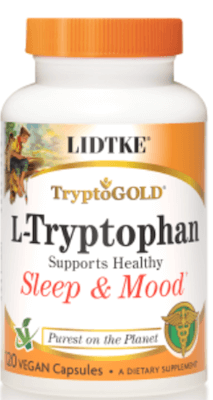
Products I recommend include Lidtke 500 mg Tryptophan, Source Naturals GABA Calm lozenges and Now GABA Powder.  You can purchase these from my online store (Fullscript – only available to US customers – use this link to set up an account).

nature's best l-tryptophan
gaba calm
gaba pure poder

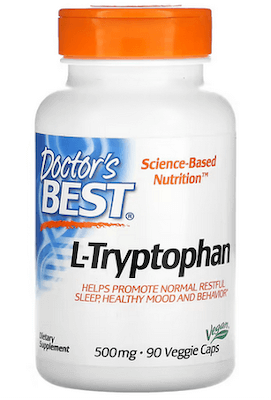
If you’re not in the US, Doctor’s Best L-Tryptophan 500mg and Source Naturals GABA Calm lozenges and Now GABA Powder are products I recommend on iherb (use this link to save 5%).

Additional resources when you are new to using tryptophan or GABA and other amino acids as supplements

We use the symptoms questionnaire to figure out if low serotonin or low GABA or other neurotransmitter imbalances may be an issue for you.

If you suspect low levels of any of the neurotransmitters and do not yet have my book, The Antianxiety Food Solution – How the Foods You Eat Can Help You Calm Your Anxious Mind, Improve Your Mood, and End Cravings, I highly recommend getting it and reading it before jumping in and using amino acids on your own so you are knowledgeable. And be sure to share it with the practitioner/health team you or your loved one is working with.

There is an entire chapter on the amino acids and they are discussed throughout the book in the sections on gut health, gluten, blood sugar control (this is covered in an entire chapter too), sugar cravings, anxiety and mood issues. The importance of quality animal protein and healthy fats is also covered.

The book doesn’t include product names (per the publisher’s request) so this blog, The Antianxiety Food Solution Amino Acid and Pyroluria Supplements, lists the amino acids that I use with my individual clients and those in my group programs.

If, after reading this blog and my book, you don’t feel comfortable figuring things out on your own (i.e. doing the symptoms questionnaire and respective amino acids trials), if you need serotonin support, the Serotonin QuickStart Program is a good place to start. This is a paid online/virtual group program where you get my guidance on using tryptophan and 5-HTP safely, and community support during 5 LIVE Q&A calls. You can sign up to be notified when the next live launch of this program is happening. We take a deep dive into product options including Lidtke products and others if you’re not able to access Lidtke.

Low GABA can also affect sleep and cause stress eating. If you also have low GABA symptoms, the next step to get help is the GABA QuickStart Program. This is also a paid online/virtual group program where you get my guidance and community support. Another option is the budget-friendly GABA QuickStart Homestudy Program.

If you are a practitioner, join us in The Balancing Neurotransmitters: the Fundamentals program. This is also a paid online/virtual program with an opportunity to interact with me and other practitioners who are also using the amino acids.

This blog is a follow-on from the previous blog on this topic so be sure to read that blog too. It also features many valuable questions in the comments and my responses, hence this new post. I hope this has been helpful for you.

Wrapping up

Now I’d love to hear from you…

Have you had success using GABA and tryptophan together for anxiety, insomnia, ruminations, depression, overwhelm, TMJ etc?

Have you tweaked your dosing to find the ideal doses for your needs?

If yes, what doses and which products have helped?

If you’re a practitioner do you use tryptophan and GABA with clients/patients with these low serotonin and low GABA symptoms?

And please let me know if it’s helpful that I’m now including product recommendations and where to get them?

Feel free to share and ask your questions below.
Filed Under: Anxiety and panic, Children/Teens, GABA, Insomnia, Tryptophan Tagged With: amino acid supplements, anxiety, dopamine, GABA, GABA Quickstart; Balancing Neurotransmitters: the Fundamentals program for practitioners, jaw clenching, making decisions, neurotransmitters, ruminations, serotonin, serotonin syndrome, sleep, teens, tension, TMJ, tryptophan, tyrosine

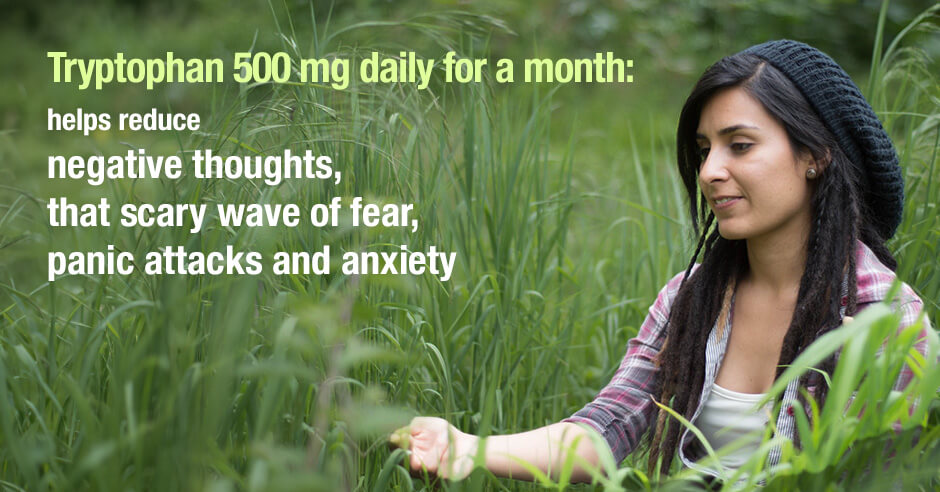
Tryptophan 500 mg daily for a month: helps reduce negative thoughts, that scary wave of fear, panic attacks and anxiety

December 22, 2023 By Trudy Scott 32 Comments

tryptophan 500mg

Sylvie learned about my work after hearing me speak about nutritional solutions for anxiety on a summit. I discussed the use of tryptophan for low serotonin type of anxiety and panic attacks. She shared how much just 500 mg of tryptophan helps her and asks about using pharmaGABA too. In this blog I share my insights on next steps for someone in her shoes: using more tryptophan and/or more GABA and/or another GABA product. I also suggest that she reconsiders her vegetarian diet which can definitely play a role in low serotonin and some of the other neurotransmitters. Here is her wonderful feedback about tryptophan and her question in her own words:

I’ve been dealing with anxiety and panic attacks for a while. I am a vegetarian and really have no apparent reason why to have these two ghosts (anxiety and panic attacks) stealing the show in my present life. I don’t have anything causing intense stress or trauma and I take good care of myself. I went to see a Ph.D. in Psychotherapy and she couldn’t help me much, then I heard you talking about Tryptophan.

I got it the next day and I have been taking 1 x 500 mg at night daily, for about a month now. I have had almost no negative thoughts and that scary wave of fear in my body. Ok, maybe a couple of times, but really, very minimum. I was having a panic attack about once a week, ever since I took Lidtke Tryptophan so far I think I wanted to have a couple of them in the whole month, but they came very mildly and they disappeared.

May I take advantage and ask a question? When I felt I was going to have a panic attack I tried a 100mg of Pharmagaba that I found at Whole Foods, but I don’t think it did much for me. I know you recommend the GABA Calm, but I’ve suffered from migraines in the past, and I am afraid that the tyrosine will trigger one (one of my triggers for panic/anxiety are migraines), so what other brand/amount could I take that does not have tyrosine?

I don’t take any medications and am very healthy (had a yearly check up with complete lab work done in January), so the minimum dose of Tryptophan seems to be working well for me. THANK YOU SO MUCH for sharing this information. I now understand the power of nutrition in our brain’s health, thanks to your book, etc…

Use what is already working and increase to find the ideal dose

It’s wonderful to hear how just 500 mg tryptophan once a day had such an impact on her and I appreciate her for sharing this on the blog so I can share here.

When I’m working with a client we always use what is already working well – in this case it’s tryptophan – and increase it to see if we can find the ideal dose and alleviate all the low serotonin symptoms.

Her negative thoughts and the scary wave of fear have been dramatically reduced but do happen from time to time. By increasing tryptophan she may well be able to completely eliminate them.

Panic attacks are a classic sign of low serotonin and with this amount of tryptophan they have decreased from once a week to a mild version once a month. This is another clue that tryptophan is helping and that it’s worth considering an increase. I would start with this before adding in pharmaGABA or another GABA product (but more on that below).

I would also review the list of low serotonin symptoms (you can find these here) and rate what else may still be causing any issues – like insomnia, PMS, anger, afternoon sugar cravings etc.

As far as increasing tryptophan a few options could be considered:

  • 500 mg tryptophan mid-afternoon and 500 mg tryptophan at night OR
  • 2 x 500 mg tryptophan at night (this would be a good option if sleep is still not ideal)

Precaution about serotonin syndrome with tryptophan/5-HTP

There are precautions when using certain amino acids and I always review them with all my clients. If they have been prescribed an SSRI I have them discuss the use of tryptophan/5-HTP with their prescribing doctor so they can be monitored for serotonin syndrome. With careful monitoring and doctor approval I feel comfortable having my clients use tryptophan/5-HTP 6 hours away from their one and only SSRI.

If they are using more than one SSRI and/or a combination of psychiatric medications, the use of tryptophan/5-HTP is not advised.

None of the above applied in this situation but it’s important to be aware of.

When to consider GABA and some products to trial

Low GABA can also be a factor when it comes to anxiety and panic attacks. But it’s best to get a good baseline of serotonin support before adding a new amino acid like GABA.

I would also review the list of low GABA symptoms (you can find these here) and rate which ones may still be causing issues – like how severe her physical anxiety/tension is when she has a panic attack, if she eats more sugar/drinks more alcohol when stressed and has low GABA tension-type of insomnia.

Tyrosine is a precaution with migraines so it was wise not to use GABA Calm but the pharmaGABA dose she used may not have been high enough. It’s worth increasing the dose to see if that helps before adding a different GABA product. A GABA only product like NOW GABA powder or a liposomal GABA/theanine product would be something to consider if the pharmaGABA doesn’t help. I shared a link to many of the GABA products that I use and recommend

The role of a vegetarian diet in low serotonin

I also suggest that Sylvie reconsiders her vegetarian diet which can definitely play a role in low serotonin and some of the other neurotransmitters.

She does share that she is surprised about the anxiety and panic attacks but it’s not really surprising to me because it’s a fact that you can become nutrient depleted on a vegetarian diet: low iron, low vitamin B12, low omega-3s and low vitamin D, as well as low intake of amino acids are common. All of the above are needed to make serotonin and other neurotransmitters.

She says “I now understand the power of nutrition in our brain’s health, thanks to your book.” I do address the issue with vegetarianism in my book so hopefully she is open to considering some changes.

Here are a few blog posts to illustrate the power of eating real whole food that does include quality animal protein:

  • Paleo and grain free diets: anxiety and depression success stories
  • A lifetime of horrible and bizarre intrusive thoughts eliminated by a low carb/high fat diet (not as strict as keto) – a case study and research

If she doesn’t make changes to her diet it’s possible she may need to use tryptophan and/or GABA long term.

Tryptophan and 5-HTP product options

Sylvie happens to respond well to tryptophan and yet some folks do better with 5-HTP so it’s a matter of doing a trial of each.

lydke l-tryptophan
pure 5htp

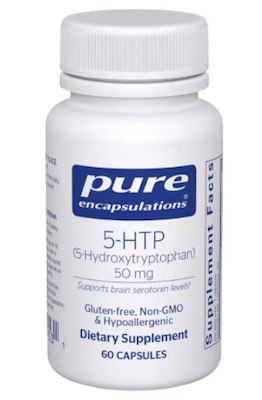
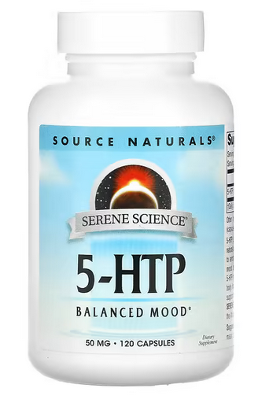
Products I recommend include Lidtke 500 mg Tryptophan, and Pure Encapsulations 50 mg 5-HTP.  You can purchase these from my online store (Fullscript – only available to US customers – use this link to set up an account).

nature's best l-tryptophan
source natural 5-htp

If you’re not in the US, Doctor’s Best L-Tryptophan 500mg and Source Naturals 50 mg 5-HTP  are products I recommend on iherb (use this link to save 5%).

Additional resources when you are new to using tryptophan, GABA and the other amino acids as supplements

We use the symptoms questionnaire to figure out if low serotonin or low GABA may be an issue for you.

If you suspect low levels of any of the neurotransmitters and do not yet have my book, The Antianxiety Food Solution – How the Foods You Eat Can Help You Calm Your Anxious Mind, Improve Your Mood, and End Cravings, I highly recommend getting it and reading it before jumping in and using amino acids on your own so you are knowledgeable. And be sure to share it with the practitioner/health team you or your loved one is working with.

There is an entire chapter on the amino acids and they are discussed throughout the book in the sections on gut health, gluten, blood sugar control, sugar cravings, anxiety and mood issues.

The book doesn’t include product names (per the publisher’s request) so this blog, The Antianxiety Food Solution Amino Acid and Pyroluria Supplements, lists the amino acids that I use with my individual clients and those in my group programs. You can find them all – including the Lidtke Tryptophan 500 mg and some of the GABA products mentioned above – in my online store.

If, after reading this blog and my book, you don’t feel comfortable figuring things out on your own (i.e. doing the symptoms questionnaire and respective amino acids trials), a good place to get help is the GABA QuickStart Program (if you have low GABA symptoms too). This is a paid online/virtual group program where you get my guidance and community support.

If you are a practitioner, join us in The Balancing Neurotransmitters: the Fundamentals program. This is also a paid online/virtual program with an opportunity to interact with me and other practitioners who are also using the amino acids.

Have you had success using tryptophan and/or GABA for your anxiety, panic attacks, negative thoughts and scary waves of fear?  If yes, how much helps? Did you start low and then increase?

If you’re a practitioner do you have success using tryptophan and GABA this way with your clients/patients?

Feel free to share and ask your questions below.
Filed Under: Anxiety, Fear, GABA, Tryptophan, Women's health Tagged With: anxiety, fear, GABA, migraine; GABA Quickstart; Balancing Neurotransmitters: the Fundamentals program for practitioners, negative thoughts, neurotransmitters, panic attacks, pharmaGABA, serotonin, tryptophan, tyrosine, vegetarian diet, wave of fear

Tryptophan 3x/day: OCD and ruminating thoughts are no longer ruling my grandson’s life and he has the most beautiful serene smile

December 15, 2023 By Trudy Scott 34 Comments

tryptophan 3 times a day

I recently received this wonderful feedback from a grandmother who is so happy about tryptophan helping her 17-year old grandson. He had been struggling with OCD (obsessive compulsive disorder) and ruminating thoughts for years:

We started with Lidtke L-Tryptophan Chewables. I was thrilled beyond my greatest hopes to see that it helped immediately! So, we went forward with having him chew a tryptophan when the thoughts started taking hold. This helped for a while, but the thoughts would return.

Finally I read one mother on your blog who gave her son tryptophan 3x/day. So we tried this. That was the magic bullet for my grandson. Getting the tryptophan in before the thoughts could take hold made the difference. And so we have stuck with this plan and have been so happy to see that OCD is no longer ruling my grandson’s life.

Last week I heard the most beautiful words I could imagine. “Hey grandma! The OCD is permanently gone!” Truly a miracle! That’s how it feels to him. As long as we continue to take the tryptophan 3x/day, there is no sign of OCD or ruminating thoughts!

We keep GABA Calm on hand as well and if a bothersome thought enters his mind, he chews a GABA and we don’t hear any more about it.

I honestly don’t even know how to tell you what a blessing your information has been to my grandson. He has the most beautiful, serene smile almost all the time now.

In all my reading and searching for all these years, you’re the only one I saw talking about this. Thank you, from the bottom of my heart, for guiding us to giving this kid his life back. I pray that all the good things you have done to help people come back to you tenfold, Trudy. You are a Godsend.

How much tryptophan helped him and why using it 3 x a day was key

The amino acid tryptophan, used as a supplement, supports low serotonin levels which can cause the worry type of anxiety, ruminating thoughts and OCD (behaviors and thoughts). You can see all the low serotonin symptoms here.

Each of the Lidtke L-Tryptophan Chewables provides 100 mg tryptophan which is often a great starting dose for children and teens. Because it’s chewable and tastes sweet it’s also a great format for children and teens (and “pixie dust” adults who need a very small amount). The bad aspect is that it does contain sugar and is quite sweet. Because you are continually consuming something sweet you may end up over-consuming them if sugar addiction is your issue.

As you can see 100 mg tryptophan did provide some relief in the moment but using the amino acids consistently throughout the day is what I always recommend for best results. In this instance 100 mg tryptophan 3x day worked perfectly for this young man.

Keep in mind there is no one-size fits all for dosing and 100 mg tryptophan x3 per day is considered quite low with many individuals needing 500-1000 mg tryptophan two or three times a day. Also some individuals do better on 5-HTP so this should always be considered too (10 mg 5-HTP is equivalent to 100 mg tryptophan).

Precaution about serotonin syndrome with tryptophan/5-HTP

There are precautions when using certain amino acids and I always review them with all my clients. If they have been prescribed an SSRI, I have them discuss the use of tryptophan/5-HTP with their prescribing doctor so they can be monitored for serotonin syndrome. With careful monitoring and doctor approval I feel comfortable having my clients use tryptophan/5-HTP 6 hours away from their one and only SSRI.

If they are using more than one SSRI and/or a combination of psychiatric medications, the use of tryptophan/5-HTP is not advised.

None of the above applied in this situation but it’s important to be aware of.

How GABA also helps and my recommendation about consistent use too

The amino acid GABA, used as a supplement, supports low GABA levels which can cause  physical anxiety and tension, and also an inability to stop intrusive thoughts. You can see all the low GABA symptoms here.

Each GABA Calm provides 125 mg GABA and he uses it as needed: “We keep GABA Calm on hand as well and if a bothersome thought enters his mind, he chews a GABA.”

My recommendation is to assess for low GABA symptoms and consider using GABA consistently throughout the day, typically 2-4 x day.

OCD research: glutamatergic and serotonergic pathway dysregulation

This 2011 paper, Nutraceuticals in the treatment of obsessive compulsive disorder (OCD): a review of mechanistic and clinical evidence, states the following:

Current preclinical research investigating nutraceuticals (natural products) for OCD, reveals encouraging novel activity in modulating key pathways suggested to be involved in the pathogenesis of OCD (glutamatergic and serotonergic pathway dysregulation).

With glutamatergic pathway dysregulation, we would expect GABA to help; and with serotonergic pathway dysregulation, we would expect tryptophan (or 5-HTP to help), as this young man found.

However there are no studies that have used tryptophan for OCD and the above paper concludes that “the serotonin precursor tryptophan is unlikely to be of use in treating OCD while 5-HTP may possibly be a more effective precursor strategy.” The authors state this about 5-HTP because it has been used with success for OCD in conjunction with medication (read the study here).

This lack of research on tryptophan for OCD is one of the reasons I feel compelled to share wonderful success stories like this. And until we have tryptophan research, we must use what we see works clinically and recognize that tryptophan and 5-HTP work in very similar ways.

Other nutrients when tryptophan or 5-HTP or GABA doesn’t help

The above paper does mention other nutrients that are tentatively supported by research and which modulate these pathways: N-acetylcysteine (NAC), myo-inositol, glycine, and milk thistle.

These nutrients could be considered when tryptophan or 5-HTP or GABA doesn’t help or doesn’t help enough. I’ve had much success with myo-inositol for OCD and have always used it in conjunction with tryptophan or 5-HTP. We start with tryptophan or 5-HTP and find a good base line and then add inositol, starting with 500 mg and working up to 18 g/day (as reported in the research).

As you can see, in one study, NAC was shown to be helpful for trichotillomania, a behavioral disorder characterized by the recurring or obsessive habit of pulling one’s hair, resulting in secondary alopecia. I blogged about this here.

They tried many approaches and it took 3 years before they used the amino acids

Patricia, the grandmother, also shared what other approaches they had tried from the age of 14-17 years before seeing success with tryptophan and GABA: therapy, tapping, breathing techniques, acupuncture, yoga and tai chi. None of this helped enough and they rejected pharmaceutical approaches.

It breaks my heart that it took 3 years for her grandson to find relief:

I have been reading your information on OCD for several years (in all my reading and searching for all these years, you’re the only one I saw talking about this) and though I thought it was the best hope I’d heard of for stopping OCD and ruminating thoughts, I was afraid to try the amino acids because I knew so little about them.

So I studied and studied and gained confidence by reading the published reports that seemed to back up what you said about amino acids.

Still, since I was hoping to help my grandson, who was 14 at the time, I was overly cautious. I’m not a medical professional and I’m aware that even really safe and effective treatments can change more than just the issue I was hoping to address.

So, more reading and searching ensued. Meanwhile my grandson’s life was deteriorating. He couldn’t function in many ways because he had no peace. Even sleep was difficult because the thoughts wouldn’t rest – the poor kid had no time at all when his mind wasn’t racing. It broke my heart to see him suffer so much.

Finally, I got the strength to trust my gut and try the amino acids.

I admire Patricia for reading, searching and studying and finally being well-informed enough to  help her grandson. And then sharing his story with me so I can share it here with you. She was inspired by one of my other blogs and hopefully you will be inspired and motivated by this wonderful success story.

My hope, with stories like this, is that the amino acids and nutritional approaches are considered first and not after all else has failed. 

Additional resources when you are new to using tryptophan, 5-HTP, GABA and the other amino acids as supplements

We use the symptoms questionnaire to figure out if low serotonin or low GABA may be an issue for you.

If you suspect low levels of any of the neurotransmitters and do not yet have my book, The Antianxiety Food Solution – How the Foods You Eat Can Help You Calm Your Anxious Mind, Improve Your Mood, and End Cravings, I highly recommend getting it and reading it before jumping in and using amino acids on your own so you are knowledgeable. And be sure to share it with the practitioner/health team you or your loved one is working with.

There is an entire chapter on the amino acids and they are discussed throughout the book in the sections on gut health, gluten, blood sugar control, sugar cravings, anxiety and mood issues.

The book doesn’t include product names (per the publisher’s request) so this blog, The Antianxiety Food Solution Amino Acid and Pyroluria Supplements, lists the amino acids that I use with my individual clients and those in my group programs. You can find them all – including the Lidtke Tryptophan Chewable product – in my online store.

If, after reading this blog and my book, you don’t feel comfortable figuring things out on your own (i.e. doing the symptoms questionnaire and respective amino acids trials), a good place to get help is the GABA QuickStart Program (if you have low GABA symptoms too). This is a paid online/virtual group program where you get my guidance and community support.

If you are a practitioner, join us in The Balancing Neurotransmitters: the Fundamentals program. This is also a paid online/virtual program with an opportunity to interact with me and other practitioners who are also using the amino acids.

Have you had success using tryptophan (or 5-HTP) and GABA this way for your OCD and ruminating thoughts or for a loved one? If yes, how much helps?

If you’re a practitioner do you have success using tryptophan (or 5-HTP) and GABA this way with your clients/patients who have OCD and ruminating thoughts?

Feel free to share and ask your questions below.
Filed Under: 5-HTP, Children/Teens, GABA, OCD, Tryptophan Tagged With: 5-HTP, amino acids, anxiety, GABA, GABA Calm, glutamatergic, inositol; GABA Quickstart; Balancing Neurotransmitters: the Fundamentals program for practitioners, Lidtke L-Tryptophan Chewables, NAC, obsessive compulsive disorder, OCD, ruminating thoughts, serene, serotonergic, serotonin, teen, tryptophan

  • « Go to Previous Page
  • Page 1
  • Interim pages omitted …
  • Page 3
  • Page 4
  • Page 5
  • Page 6
  • Page 7
  • Interim pages omitted …
  • Page 25
  • Go to Next Page »

Primary Sidebar

NEW! GABA QuickStart Homestudy (with special intro pricing)

gaba quickstart homestudy

Free Report

9 Great Questions Women Ask about Food, Mood and their Health

You'll also receive a complimentary subscription to my ezine "Food, Mood and Gal Stuff"


Connect with me

Popular Posts

  • Amino Acids Mood Questionnaire from The Antianxiety Food Solution
  • The Antianxiety Food Solution Amino Acid and Pyroluria Supplements
  • Pyroluria Questionnaire from The Antianxiety Food Solution
  • Collagen and gelatin lower serotonin: does this increase your anxiety and depression?
  • Tryptophan for the worry-in-your-head and ruminating type of anxiety
  • GABA for the physical-tension and stiff-and-tense-muscles type of anxiety
  • The Antianxiety Food Solution by Trudy Scott
  • Seriphos Original Formula is back: the best product for anxiety and insomnia caused by high cortisol
  • Am I an anxious introvert because of low zinc and vitamin B6? My response to Huffington Post blog
  • Vagus nerve rehab with GABA, breathing, humming, gargling and key nutrients

Recent Posts

  • What do I use instead of Seriphos to help lower high cortisol that is affecting my sleep and making me anxious at night?
  • BeSerene™ GABA/theanine cream eases severe muscle tension in her neck/shoulders, prevents her bad headaches and quells her anxiety
  • How the correct approach, dose and sublingual use of GABA can be calming and not cause a flushed and itchy face and neck
  • The amino acid glutamine improves low mood by addressing gut health, and it has calming effects too
  • Flight anxiety with heightened breath, physical tension and also fearing the worst (the role of low GABA and low serotonin)

Categories

  • 5-HTP
  • AB575
  • Addiction
  • ADHD
  • Adrenals
  • Alcohol
  • Allergies
  • Alzheimer's disease
  • Amino Acids
  • Anger
  • Antianxiety
  • Antianxiety Food Solution
  • Antidepressants
  • Anxiety
  • Anxiety and panic
  • Autism
  • Autoimmunity
  • benzodiazapines
  • Bipolar disorder
  • Books
  • Caffeine
  • Cancer
  • Candida
  • Children/Teens
  • Collagen
  • Cooking equipment
  • Coronavirus/COVID-19
  • Cravings
  • Depression
  • Detoxification
  • Diabetes
  • Diet
  • DPA/DLPA
  • Drugs
  • EFT/Tapping
  • EMF
  • EMFs
  • Emotional Eating
  • Endorphins
  • Environment
  • Essential oils
  • Events
  • Exercise
  • Fear
  • Fear of public speaking
  • Fertility and Pregnancy
  • Fish
  • Food
  • Food and mood
  • Functional neurology
  • GABA
  • Gene polymorphisms
  • General Health
  • Giving
  • Giving back
  • Glutamine
  • Gluten
  • GMOs
  • Gratitude
  • Gut health
  • Heart health/hypertension
  • Histamine
  • Hormone
  • Hyperparathyroidism
  • Hypoglycemia
  • Immune system
  • Inflammation
  • Insomnia
  • Inspiration
  • Introversion
  • Joy and happiness
  • Ketogenic diet
  • Lithium orotate
  • Looking awesome
  • Lyme disease and co-infections
  • MCAS/histamine
  • Medication
  • Men's health
  • Mental health
  • Mercury
  • Migraine
  • Mold
  • Movie
  • MTHFR
  • Multiple sclerosis
  • Music
  • NANP
  • Nature
  • Nutritional Psychiatry
  • OCD
  • Osteoporosis
  • Oxalates
  • Oxytocin
  • Pain
  • Paleo
  • Parasites
  • Parkinson’s disease
  • PCOS
  • People
  • PMS
  • Postpartum
  • PTSD/Trauma
  • Pyroluria
  • Questionnaires
  • Real whole food
  • Recipes
  • Research
  • Schizophrenia
  • serotonin
  • SIBO
  • Sleep
  • Special diets
  • Sports nutrition
  • Stress
  • Sugar addiction
  • Sugar and mood
  • Supplements
  • Teens
  • Testimonials
  • Testing
  • The Anxiety Summit
  • The Anxiety Summit 2
  • The Anxiety Summit 3
  • The Anxiety Summit 4
  • The Anxiety Summit 5
  • The Anxiety Summit 6
  • Thyroid
  • Thyroid health
  • Toxins
  • Tryptophan
  • Tyrosine
  • Uncategorized
  • Vegan/vegetarian
  • Women's health
  • Yoga

Archives

  • October 2025
  • September 2025
  • August 2025
  • July 2025
  • June 2025
  • May 2025
  • April 2025
  • March 2025
  • February 2025
  • January 2025
  • November 2024
  • October 2024
  • September 2024
  • August 2024
  • July 2024
  • June 2024
  • May 2024
  • April 2024
  • March 2024
  • February 2024
  • January 2024
  • December 2023
  • November 2023
  • October 2023
  • September 2023
  • August 2023
  • July 2023
  • June 2023
  • May 2023
  • April 2023
  • March 2023
  • February 2023
  • January 2023
  • December 2022
  • November 2022
  • October 2022
  • September 2022
  • August 2022
  • July 2022
  • June 2022
  • May 2022
  • April 2022
  • March 2022
  • February 2022
  • January 2022
  • December 2021
  • November 2021
  • October 2021
  • September 2021
  • August 2021
  • July 2021
  • June 2021
  • May 2021
  • April 2021
  • March 2021
  • February 2021
  • January 2021
  • December 2020
  • November 2020
  • October 2020
  • September 2020
  • August 2020
  • July 2020
  • June 2020
  • May 2020
  • April 2020
  • March 2020
  • February 2020
  • January 2020
  • December 2019
  • November 2019
  • October 2019
  • September 2019
  • August 2019
  • July 2019
  • June 2019
  • May 2019
  • April 2019
  • March 2019
  • February 2019
  • January 2019
  • December 2018
  • November 2018
  • October 2018
  • September 2018
  • August 2018
  • July 2018
  • June 2018
  • May 2018
  • April 2018
  • March 2018
  • February 2018
  • January 2018
  • December 2017
  • November 2017
  • October 2017
  • September 2017
  • August 2017
  • July 2017
  • June 2017
  • May 2017
  • April 2017
  • March 2017
  • February 2017
  • January 2017
  • December 2016
  • November 2016
  • October 2016
  • September 2016
  • August 2016
  • July 2016
  • June 2016
  • May 2016
  • April 2016
  • March 2016
  • February 2016
  • January 2016
  • December 2015
  • November 2015
  • October 2015
  • September 2015
  • August 2015
  • July 2015
  • June 2015
  • May 2015
  • April 2015
  • March 2015
  • February 2015
  • January 2015
  • December 2014
  • November 2014
  • October 2014
  • September 2014
  • August 2014
  • July 2014
  • June 2014
  • May 2014
  • April 2014
  • March 2014
  • February 2014
  • January 2014
  • December 2013
  • November 2013
  • October 2013
  • September 2013
  • August 2013
  • July 2013
  • June 2013
  • May 2013
  • April 2013
  • March 2013
  • February 2013
  • January 2013
  • December 2012
  • November 2012
  • October 2012
  • August 2012
  • July 2012
  • June 2012
  • May 2012
  • April 2012
  • March 2012
  • February 2012
  • January 2012
  • December 2011
  • November 2011
  • October 2011
  • September 2011
  • August 2011
  • July 2011
  • June 2011
  • May 2011
  • April 2011
  • March 2011
  • February 2011
  • January 2011
  • December 2010
  • October 2010
  • September 2010
  • July 2010
  • May 2010
  • April 2010
  • March 2010
  • February 2010
  • January 2010
  • November 2009

Share the knowledge!

The above statements have not been evaluated by the Food and Drug Administration. Products listed in this website are not intended to diagnose, treat, cure or prevent any disease.

The information provided on this site is for informational and educational purposes only and is not intended as a substitute for advice from your physician or other health care professional. You should consult with a healthcare professional before starting or modifying any diet, exercise, or supplementation program, before taking or stopping any medication, or if you have or suspect you may have a health problem.


Copyright © 2026 Trudy Scott. All Rights Reserved. | Privacy | Terms and Conditions | Refund Policy | Medical Disclaimer

Free Report

9 Great Questions Women Ask about Food, Mood and their Health

You’ll also receive a complimentary subscription to my ezine “Food, Mood and Gal Stuff”