• Skip to primary navigation
  • Skip to main content
  • Skip to primary sidebar

everywomanover29 blog

Food, Mood and Women's Health – Be your healthiest, look and feel great!

  • Blog
  • About
  • Services
  • Store
  • Resources
  • Testimonials
  • The Book
  • Contact
  • Search this site

Anxiety and Hypoglycemia Symptoms Improve with Diet Modification

August 12, 2016 By Trudy Scott 15 Comments

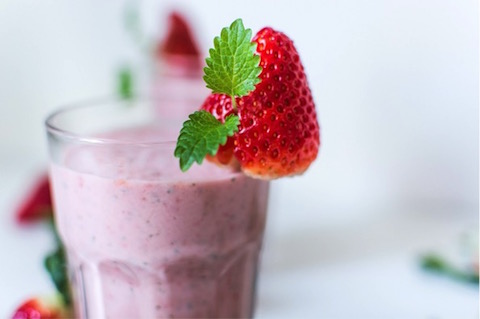
strawberry-smoothie

A paper published by the Canadian College of Naturopathic Medicine last month supports what I see with my clients on a daily basis: when it comes to anxiety caused by low blood sugar (or hypoglycemia) the correct diet can have a huge impact. And this means is the inclusion of enough protein, fats and fiber, especially at breakfast.

Here is the abstract from the paper: Generalized Anxiety Disorder and Hypoglycemia Symptoms Improved with Diet Modification

Observational evidence suggests that a relationship may exist between high glycemic index diets and the development of anxiety and depression symptoms; however, as no interventional studies assessing this relationship in a psychiatric population have been completed, the possibility of a causal link is unclear.

AB is a 15-year-old female who presented with concerns of generalized anxiety disorder and hypoglycemia symptoms. Her diet consisted primarily of refined carbohydrates. The addition of protein, fat, and fiber to her diet resulted in a substantial decrease in anxiety symptoms as well as a decrease in the frequency and severity of hypoglycemia symptoms.

A brief return to her previous diet caused a return of her anxiety symptoms, followed by improvement when she restarted the prescribed diet.

This case strengthens the hypothesis that dietary glycemic index may play a role in the pathogenesis or progression of mental illnesses such as generalized anxiety disorder and subsequently that dietary modification as a therapeutic intervention in the treatment of mental illness warrants further study.

Here are some details about this case report for AB, who was a 15-year-old female student of south-Asian descent:

  • she had anxiety (rated as 8/10 with 10 being the highest level of anxiety), worried excessively, experienced heart palpitations, shakiness, discomfort in her stomach, and muscle tension and often missed school because of how she felt
  • she experienced symptoms of hypoglycemia/low blood sugar and when her blood sugar dipped too low she experienced muscle weakness, headaches, nausea, anxiety, and poor concentration
  • when she felt anxious she would eat she would eat chocolate, chips, fruit and when her blood sugar dipped she would eat a granola bar

As you can see from her typical daily diet she was eating mostly carbohydrates, with very little protein, fat or fiber:

  1. Breakfast: fruit smoothie containing fruit, fruit juice, and water.
  2. Morning snack: bagel with margarine.
  3. Lunch: pasta or white rice with vegetables.
  4. Afternoon snack: granola bar or cookies or gummy candies.
  5. After school meal: white pasta; it may include meat.
  6. Dinner: white rice or spaghetti; it may include meat.
  7. Evening snack: cookies and toast.
  8. Beverages: 2 liters of water, 1 cup of juice, 1 cup of lactose-free milk, and 1 cup of tea.

She made the following changes in her diet adding protein at breakfast, lunch, dinner and at snack time, and adding healthy fats like flax seeds, olive oil and nut butters:

  1. Breakfast: includes a smoothie containing fruit, water, 1 scoop of protein powder, and 1 tablespoon of flax seeds or olive oil.
  2. Lunch and dinner: include a serving of protein (meat, legume, and soy) and a serving of vegetables.
  3. Snacks: include protein when possible (e.g., apple with sunflower seed butter, vegetable sticks with hummus, and pumpkin seeds).
  4. Continue to eat carbohydrate-containing snacks as needed for the management of hypoglycemia symptoms.

Over a 4-week period she made a few simple dietary changes and saw profound results: her anxiety decreased significantly from 8/10 to 4 or 5/10, she had more energy, she had fewer headaches, better concentration and improved mood.

The interesting factor is that when she slipped up for a week and went back to her old diet she felt more anxious within a day, but felt better within 2 days of adding back protein, fats and fiber.

These results are very typical with my clients and getting a handle on stabilizing blood sugar is the first thing I do with all my clients. Believe it or not, for some people this is ALL they need to do. I would add that I recommend making these changes in conjunction with the removal of gluten and caffeine.

I also like to see animal protein (and fat) as part of the snacks: like grass-fed beef jerky, grass-fed beef sticks, boiled eggs or pemmican. AB was allergic to eggs, nuts, and fish so these were not an option for her. Soy is often as issue so would need to be watched.

So this case study supports the fact that we must not forget the basics like blood sugar control. It’s very common for me to get questions like this on my blog: “I’m anxious, which amino acid should I use?” I always reply: focus first on real whole food and eating to balance blood sugar, remove sugar, gluten and caffeine, and then look at doing a trial of one or more of the amino acids

I do like to make things easier for my clients and this is where an amino acid like glutamine is very helpful in terms of providing added blood sugar stability, a calming effect and help with gut healing

Adding the glutamine and also doing a trial of an amino acid like GABA Calm may get the anxiety down a few more notches because we are always aiming for zero.

Addressing adrenal issues (which are closely related to blood sugar issues), and of course addressing all the other possible factors like thyroid health, gut health, other food sensitivities and so on would be the next step.

Have you see the positive impacts of keeping your blood sugar stable? What makes the most impact for you?

If you are a practitioner, how do you help your clients or patients address blood sugar issues?


The above statements have not been evaluated by the Food and Drug Administration. Products listed in this blog post are not intended to diagnose, treat, cure or prevent any disease.

The information provided on this site is for informational and educational purposes only and is not intended as a substitute for advice from your physician or other health care professional. You should consult with a healthcare professional before starting or modifying any diet, exercise, or supplementation program, before taking or stopping any medication, or if you have or suspect you may have a health problem.


The amino acids and pyroluria supplements I use with my clients

Additional Anxiety Resources
Click on each image to learn more

gaba quickstart live gaba quickstart hs

Filed Under: Antianxiety Tagged With: anxiety, Carbohydrate, fat, fatigue, GABA, glutamine, Headaches, Hypoglycemia, low blood sugar, protein

About Trudy Scott

Food Mood Expert Trudy Scott is a certified nutritionist on a mission to educate and empower anxious individuals worldwide about natural solutions for anxiety, stress and emotional eating.

Trudy is the author of The Antianxiety Food Solution: How the Foods You Eat Can Help You Calm Your Anxious Mind, Improve Your Mood and End Cravings and host of The Anxiety Summit now in its 6th season and called a “bouquet of hope.”

Trudy is passionate about sharing the powerful food mood connection because she experienced the results first-hand, finding complete resolution of her anxiety and panic attacks.

Reader Interactions

Comments

  1. Michele Finizio says

    August 13, 2016 at 11:05 am

    What do you suggest to eat before bedtime to keep my blood sugar stable? I wake up several times throughout the night. I was told a protein right before bed. Is this right.

    Reply
    • Trudy Scott says

      August 16, 2016 at 2:35 pm

      Michele
      A protein snack before dinner often helps but the biggest thing is to keep blood sugar stable right from breakfast and have protein and fat at breakfast to set you up for the rest of the day + more at lunch adn dinner and at snack time

      Waking in the night can be low blood sugar or high cortisol or parasites or SIBO or gluten issues or low serotonin/low melatonin or low GABA so all these need to be considered

      Reply
  2. Michele Finizio says

    August 16, 2016 at 3:30 pm

    What do you suggest for adrenal issues? Is holy basil good to lower high cortisol?

    Reply
  3. Judy says

    September 2, 2016 at 8:52 pm

    Adrenal Response is a formula by Innate. It has Ashwagandha root and leaf extract, rhodiola rosea root extract, astragalus root, holy basil leaf and schisandra berry. These are the main ingredients , but also in are Indian gooseberry or amla fruit, seaweed, laminaria, and another kind of seaweed. I like this.

    Reply
  4. Jack says

    December 15, 2016 at 2:49 pm

    Hi Trudy,

    My daughter 18. She’s thin has possible celiacs,
    Has anxiety/dep and bad mood swings symptoms of
    Pylouria too.

    Do you feel the l-glutamine would help her a lot?
    If so, do you use a particular brand or starting dose?
    Its difficult to get her off the gluten but is working
    On cutting back and just started antidepressants,
    and kelonipin as needed. I definitely don’t want her
    getting addicted to that.

    In this scenario are there aminos and
    Doses that are safe to try while on antidepressants?
    Or should I stick to the Basics (try to clean up diet, etc)
    I want her to see that aminos are just as effective.
    Thanks.

    Reply
    • Trudy Scott says

      December 17, 2016 at 8:53 pm

      Jack
      The gluten needs to be completely eliminated if someone has celiac disease and the amino acids help my clients quit – and help with the anxiety and depression. Glutamine is excellent for healing the gut. I address SSRI and tryptophan use here https://www.everywomanover29.com/blog/taper-from-antidepressant-tryptophan-amino-acids/ – I use amino acids while we are addressing diet and pyroluria and everything else. Finding a good practitioner to help figure this all would be my best advice.

      Reply
  5. Lynette says

    May 25, 2017 at 11:35 am

    Trudy, what about the issue of taking glutamine and then having glutamate levels too high?

    Reply
    • Trudy Scott says

      May 29, 2017 at 12:44 am

      Lynette
      I have clients do the questionnaire and a trial and see how they respond, and have them stop if they have an adverse reaction. I do not use urinary neurotransmitter testing as it’s not an accurate reflection of what is going on in the body

      Reply
      • Lynne Wood says

        November 13, 2017 at 3:58 pm

        Hi Trudy,
        I’ve heard the urinary neurotransmitter piece on your summits and know that Julia Ross wrote about it. But I can’t find the article on it, and my practitioner is wanting me to do one. I need to educate her. Can you send information or a link to Julie’s piece?
        Many thanks.

      • Trudy Scott says

        November 16, 2017 at 12:08 am

        Lynne
        Here you go https://www.everywomanover29.com/blog/urinary-neurotransmitter-testing-falls-short/

  6. Colleen says

    November 13, 2017 at 3:44 am

    I just want to share that CBD oil might help too. I just started using it. To my surprise the water soluble BioCBDplus helped me with my sugar levels, I am hypoglycemic and my sugars drop all the time if I am not on a strict diet schedule. After a using the CBD oil I started to notice that wasn’t happening the way it use to. That was not all that I noticed, I found my sleep to be better, my skin became brighter and I have had less breakouts around my period. I feel amazing and energized which allows me to do my job teaching exercise classes all day. – Colleen

    Reply
    • Lynne Wood says

      November 13, 2017 at 4:40 pm

      Colleen,
      I have read a lot on CBD oil and have taken one bottle of PlusCBD oil, 15 drops = 3 mg. of CBD. I haven’t noticed a lot of relief for anxiety and depression. I may not be taking enough. How much are you taking?
      Trudy –
      Any thoughts on CBD oil, water based or oil based, or just CBD in general for relief of health issues?

      Reply
      • Trudy Scott says

        November 16, 2017 at 12:07 am

        Lynne
        It depends on the health issue. It’s only going to address low levels of endocannabinoids

    • Trudy Scott says

      November 16, 2017 at 6:13 pm

      Colleen
      Thanks for sharing

      Reply
  7. Linda Kulbeth says

    June 10, 2019 at 6:17 am

    I’m so impressed with this site. I’m 71 have suffered from anxiety my whole life. I’m having trouble with keeping my blood sugar level. It drops and I can’t function. This is new to me. I’m not sure where to start with this. HELP

    Reply

Leave a Reply Cancel reply

Your email address will not be published. Required fields are marked *

Primary Sidebar

NEW! GABA QuickStart Homestudy (with special intro pricing)

gaba quickstart homestudy

Free Report

9 Great Questions Women Ask about Food, Mood and their Health

You'll also receive a complimentary subscription to my ezine "Food, Mood and Gal Stuff"


Connect with me

Popular Posts

  • Amino Acids Mood Questionnaire from The Antianxiety Food Solution
  • The Antianxiety Food Solution Amino Acid and Pyroluria Supplements
  • Pyroluria Questionnaire from The Antianxiety Food Solution
  • Collagen and gelatin lower serotonin: does this increase your anxiety and depression?
  • Tryptophan for the worry-in-your-head and ruminating type of anxiety
  • GABA for the physical-tension and stiff-and-tense-muscles type of anxiety
  • The Antianxiety Food Solution by Trudy Scott
  • Seriphos Original Formula is back: the best product for anxiety and insomnia caused by high cortisol
  • Am I an anxious introvert because of low zinc and vitamin B6? My response to Huffington Post blog
  • Vagus nerve rehab with GABA, breathing, humming, gargling and key nutrients

Recent Posts

  • What do I use instead of Seriphos to help lower high cortisol that is affecting my sleep and making me anxious at night?
  • BeSerene™ GABA/theanine cream eases severe muscle tension in her neck/shoulders, prevents her bad headaches and quells her anxiety
  • How the correct approach, dose and sublingual use of GABA can be calming and not cause a flushed and itchy face and neck
  • The amino acid glutamine improves low mood by addressing gut health, and it has calming effects too
  • Flight anxiety with heightened breath, physical tension and also fearing the worst (the role of low GABA and low serotonin)

Categories

  • 5-HTP
  • AB575
  • Addiction
  • ADHD
  • Adrenals
  • Alcohol
  • Allergies
  • Alzheimer's disease
  • Amino Acids
  • Anger
  • Antianxiety
  • Antianxiety Food Solution
  • Antidepressants
  • Anxiety
  • Anxiety and panic
  • Autism
  • Autoimmunity
  • benzodiazapines
  • Bipolar disorder
  • Books
  • Caffeine
  • Cancer
  • Candida
  • Children/Teens
  • Collagen
  • Cooking equipment
  • Coronavirus/COVID-19
  • Cravings
  • Depression
  • Detoxification
  • Diabetes
  • Diet
  • DPA/DLPA
  • Drugs
  • EFT/Tapping
  • EMF
  • EMFs
  • Emotional Eating
  • Endorphins
  • Environment
  • Essential oils
  • Events
  • Exercise
  • Fear
  • Fear of public speaking
  • Fertility and Pregnancy
  • Fish
  • Food
  • Food and mood
  • Functional neurology
  • GABA
  • Gene polymorphisms
  • General Health
  • Giving
  • Giving back
  • Glutamine
  • Gluten
  • GMOs
  • Gratitude
  • Gut health
  • Heart health/hypertension
  • Histamine
  • Hormone
  • Hyperparathyroidism
  • Hypoglycemia
  • Immune system
  • Inflammation
  • Insomnia
  • Inspiration
  • Introversion
  • Joy and happiness
  • Ketogenic diet
  • Lithium orotate
  • Looking awesome
  • Lyme disease and co-infections
  • MCAS/histamine
  • Medication
  • Men's health
  • Mental health
  • Mercury
  • Migraine
  • Mold
  • Movie
  • MTHFR
  • Multiple sclerosis
  • Music
  • NANP
  • Nature
  • Nutritional Psychiatry
  • OCD
  • Osteoporosis
  • Oxalates
  • Oxytocin
  • Pain
  • Paleo
  • Parasites
  • Parkinson’s disease
  • PCOS
  • People
  • PMS
  • Postpartum
  • PTSD/Trauma
  • Pyroluria
  • Questionnaires
  • Real whole food
  • Recipes
  • Research
  • Schizophrenia
  • serotonin
  • SIBO
  • Sleep
  • Special diets
  • Sports nutrition
  • Stress
  • Sugar addiction
  • Sugar and mood
  • Supplements
  • Teens
  • Testimonials
  • Testing
  • The Anxiety Summit
  • The Anxiety Summit 2
  • The Anxiety Summit 3
  • The Anxiety Summit 4
  • The Anxiety Summit 5
  • The Anxiety Summit 6
  • Thyroid
  • Thyroid health
  • Toxins
  • Tryptophan
  • Tyrosine
  • Uncategorized
  • Vegan/vegetarian
  • Women's health
  • Yoga

Archives

  • October 2025
  • September 2025
  • August 2025
  • July 2025
  • June 2025
  • May 2025
  • April 2025
  • March 2025
  • February 2025
  • January 2025
  • November 2024
  • October 2024
  • September 2024
  • August 2024
  • July 2024
  • June 2024
  • May 2024
  • April 2024
  • March 2024
  • February 2024
  • January 2024
  • December 2023
  • November 2023
  • October 2023
  • September 2023
  • August 2023
  • July 2023
  • June 2023
  • May 2023
  • April 2023
  • March 2023
  • February 2023
  • January 2023
  • December 2022
  • November 2022
  • October 2022
  • September 2022
  • August 2022
  • July 2022
  • June 2022
  • May 2022
  • April 2022
  • March 2022
  • February 2022
  • January 2022
  • December 2021
  • November 2021
  • October 2021
  • September 2021
  • August 2021
  • July 2021
  • June 2021
  • May 2021
  • April 2021
  • March 2021
  • February 2021
  • January 2021
  • December 2020
  • November 2020
  • October 2020
  • September 2020
  • August 2020
  • July 2020
  • June 2020
  • May 2020
  • April 2020
  • March 2020
  • February 2020
  • January 2020
  • December 2019
  • November 2019
  • October 2019
  • September 2019
  • August 2019
  • July 2019
  • June 2019
  • May 2019
  • April 2019
  • March 2019
  • February 2019
  • January 2019
  • December 2018
  • November 2018
  • October 2018
  • September 2018
  • August 2018
  • July 2018
  • June 2018
  • May 2018
  • April 2018
  • March 2018
  • February 2018
  • January 2018
  • December 2017
  • November 2017
  • October 2017
  • September 2017
  • August 2017
  • July 2017
  • June 2017
  • May 2017
  • April 2017
  • March 2017
  • February 2017
  • January 2017
  • December 2016
  • November 2016
  • October 2016
  • September 2016
  • August 2016
  • July 2016
  • June 2016
  • May 2016
  • April 2016
  • March 2016
  • February 2016
  • January 2016
  • December 2015
  • November 2015
  • October 2015
  • September 2015
  • August 2015
  • July 2015
  • June 2015
  • May 2015
  • April 2015
  • March 2015
  • February 2015
  • January 2015
  • December 2014
  • November 2014
  • October 2014
  • September 2014
  • August 2014
  • July 2014
  • June 2014
  • May 2014
  • April 2014
  • March 2014
  • February 2014
  • January 2014
  • December 2013
  • November 2013
  • October 2013
  • September 2013
  • August 2013
  • July 2013
  • June 2013
  • May 2013
  • April 2013
  • March 2013
  • February 2013
  • January 2013
  • December 2012
  • November 2012
  • October 2012
  • August 2012
  • July 2012
  • June 2012
  • May 2012
  • April 2012
  • March 2012
  • February 2012
  • January 2012
  • December 2011
  • November 2011
  • October 2011
  • September 2011
  • August 2011
  • July 2011
  • June 2011
  • May 2011
  • April 2011
  • March 2011
  • February 2011
  • January 2011
  • December 2010
  • October 2010
  • September 2010
  • July 2010
  • May 2010
  • April 2010
  • March 2010
  • February 2010
  • January 2010
  • November 2009

Share the knowledge!

The above statements have not been evaluated by the Food and Drug Administration. Products listed in this website are not intended to diagnose, treat, cure or prevent any disease.

The information provided on this site is for informational and educational purposes only and is not intended as a substitute for advice from your physician or other health care professional. You should consult with a healthcare professional before starting or modifying any diet, exercise, or supplementation program, before taking or stopping any medication, or if you have or suspect you may have a health problem.


Copyright © 2026 Trudy Scott. All Rights Reserved. | Privacy | Terms and Conditions | Refund Policy | Medical Disclaimer

Free Report

9 Great Questions Women Ask about Food, Mood and their Health

You’ll also receive a complimentary subscription to my ezine “Food, Mood and Gal Stuff”