• Skip to primary navigation
  • Skip to main content
  • Skip to primary sidebar

everywomanover29 blog

Food, Mood and Women's Health – Be your healthiest, look and feel great!

  • Blog
  • About
  • Services
  • Store
  • Resources
  • Testimonials
  • The Book
  • Contact
  • Search this site

Archives for June 2024

Tryptophan and DPA (d-phenylalanine) for cravings and sleep issues (and a concern about 5-HTP and nightmares)

June 21, 2024 By Trudy Scott 19 Comments

tryptophan dpa craving sleep issues

Thank you for all your work! I saw your talk in the Super Trauma conference and immediately went and read your book. I suspect I am low in all 3 neurotransmitters, and have noticed the biggest difference in supplementing with DPA (d-phenylalanine). I started taking all 3 supplements by swallowing and switched to taking them sublingually after I got used to the idea.

My question is about tryptophan in particular. I struggle with nightmares already so I am a bit wary of trying 5-HTP. I tried taking mid afternoon and before bed but it made me way too tired in the afternoon. Is it okay to just double the dose right before bed? How safe are these amino acids in higher doses? I was also wanting to add an evening dose of DPA to help with cravings. Thanks again!

I get many questions like this on the blog about using either 5-HTP with DPA or tryptophan with DPA together, for helping to improve sleep and ease sugar cravings. So today I’m sharing one of these questions and my insights in case you have a similar question. This will also give you the opportunity to ask questions you may have related to using these amino acids together and gain an understanding on how to tweak the amino acids for optimal results.

Read on for my response to the above question from Amanda. I also share more about 5-HTP and nightmares (and why she may also decide to use this amino acid too), vitamin B6 and nightmares, pyroluria, and how to figure out if your cravings are due to low endorphins or low serotonin (or a combination).

Should she add an evening dose of DPA?

It’s wonderful to hear that DPA is helping with Amanda’s comfort cravings/emotional eating and other low endorphin symptoms. As a reminder these include:

  • Heightened sensitivity to emotional pain
  • Heightened sensitivity to physical pain
  • Crying or tearing up easily
  • Eating to soothe your mood, or comfort eating
  • Really, really loving certain foods, behaviors, drugs, or alcohol
  • Craving a reward or numbing treat
  • PMS (premenstrual syndrome) or PMDD (premenstrual dysphoric disorder) *

(bookmark this symptoms questionnaire because it’s updated as new research is published and has more symptoms listed that what is included in my book)

And in case you’re new to DPA (d-phenylalanine), it is an amino acid that prevents the breakdowns of endorphins so we have more of these feel-good neurotransmitters.

I’m really glad she figured out it’s more effective when opened and used on the tongue rather than swallowing it. I share more about this here – How best to use the amino acid DPA for easing heart-ache, weepiness, comfort eating and a compulsive desire for food. It really can mean the difference between no results and great results.

Amanda asks about adding an evening dose of DPA to help with endorphin-related cravings too and also using tryptophan only at night. Keep in mind that afternoon and evening cravings are typically related to low serotonin and it’s best to trial one amino acid at a time so you know which is working for which symptom. If we were working together, I’d recommend figuring out her serotonin support first and then layering in an extra DPA (or possibly two) at night if it’s still needed.

In case you’re curious, I discussed low serotonin, low endorphins and low GABA in my interview at the Trauma Super Conference so she is also using GABA. Using this one sublingually is key and it helps with easing physical tension and stress eating.

What could her serotonin support look like?

Since tryptophan used mid afternoon and before bed made her way too tired in the afternoon she could consider a lower dose of tryptophan (midafternoon and evening) or could just trial one tryptophan after dinner to help with sleep and reduce after dinner cravings.

For some folks this is enough. If not, after a few days of tracking symptoms, she could increase to one tryptophan after dinner and another at bedtime or two tryptophan at bedtime if her symptoms are not down 2/10 or 3/10.

Her concern about 5-HTP and nightmares

Some folks do better on 5-HTP and some on tryptophan and she is getting results with tryptophan so doesn’t really have to worry about 5-HTP at this stage. However, I do want to address Amanda’s concern about 5-HTP and nightmares, because in the future she may want to consider 5-HTP.

She may find she does in fact need some serotonin support earlier in the day and 5-HTP in the afternoon may be the answer for her i.e. 5-HTP midafternoon and tryptophan in the early evening and/or at bedtime.  It’s not unusual that we mix and match these two amino acids.

I’ve not had any clients report nightmares with 5-HTP, so I was surprised to hear this feedback on a Facebook thread, where a number of folks stopped using it for this reason. However, most folks on the same Facebook thread shared that 5-HTP works very well for them and does not cause nightmares. There is also research that supports the use of 5-HTP for night terrors. I suspect it may have to do with low vitamin B6 which we know contributes to poor dream recall and/or nightmares.

I share more about 5-HTP and nightmares here. And vitamin B6 and dream recall here.

I posed this question in the 5-HTP/nightmares blog: “Could it be that folks who get nightmares with 5-HTP, happen to also have pyroluria? Or perhaps they simply have low vitamin B6?” I have all my anxious clients supplement with vitamin B6 and/or P5P and this may be why nightmares with 5-HTP was news to me.

Vitamin B6 for neurotransmitter production and pyroluria

Since she does already struggle with nightmares, I’m not surprised she is concerned. However nightmares are a clue that someone may have low vitamin B6. This is typically picked up when I have clients do the pyroluria questionnaire on the intake form. Addressing low vitamin B6 is also important because it’s a cofactor for making the neurotransmitters and helps with hormone balancing.

I reminded her to read the pyroluria chapter in my book too. It includes the above questionnaire and detailed information on vitamin B6, zinc and evening primrose oil (all needed to address this condition that leads to feelings of being socially anxious).

How safe are these amino acids in higher amounts?

I share the top of the range for dosing all the amino acids in my book. This is typically 1500 mg tryptophan twice a day, 150 mg 5-HTP twice a day and 1500 mg DPA three times a day. Occasionally I have had clients need higher doses. The clue is symptom relief. We start low, monitor symptoms and adjust up as needed, and then down if no additional benefits are observed.

Using extra DPA at night for cravings?

As I mentioned above, I’d recommend figuring out serotonin support first (tryptophan only or a combination of 5-HTP and tryptophan) and then layering in an extra DPA (or possibly two) in the evening if it’s still needed for comfort cravings.

For some folks it’s very easy to identify comfort cravings (low endorphins) from worry/low mood cravings (low serotonin):

  • If you eat sugar or carbs to feel happy (and especially from late afternoon into the evening) then your sugar cravings are likely due to low serotonin, and tryptophan (or 5-HTP) stops the cravings and boosts mood and reduces anxious feelings
  • If you are a comfort-eater then it’s likely due to low endorphins and DPA will stop that feeling of “I deserve-it” kind of reward-eating or comfort-eating and also give you a hug-like mood boost

If it’s not easy to figure out the only way to know for sure is to do a trial of tryptophan and then do a trial of DPA and observe before and after feelings and the need to self-medicate with whatever the sugary treat is. Amanda may need one or the other at various times and she may even need both at certain times.

DPA and tryptophan product options
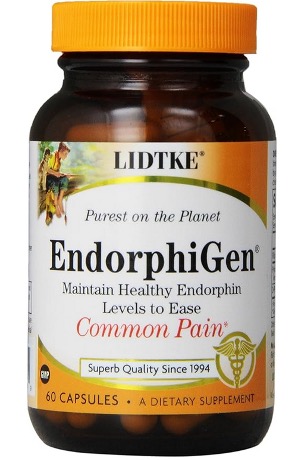
lidke endorphigen
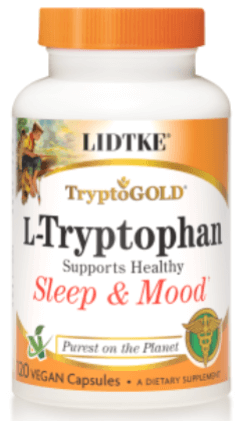
lidtke l-tryptophan

I recommend Lidtke EndorphiGen (which is DPA) and Lidtke Tryptophan 500mg. You can purchase these from my online store (Fullscript – only available to US customers – use this link to set up an account).
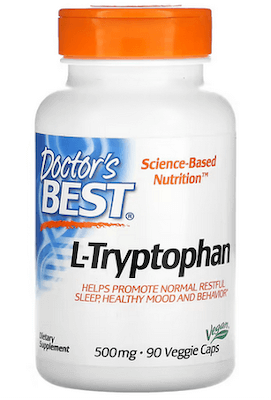
nature's best l-tryptophan
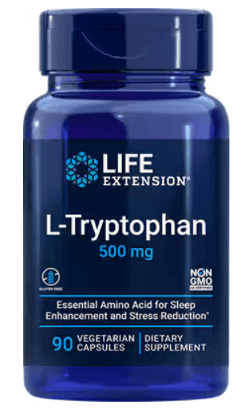
life extension l-tryptophan

If you’re not in the US, these products are available via iherb: Doctor’s Best D-Phenylalanine (or DPA) and Life Extension Tryptophan 500mg (use this link to save 5%).

Additional resources when you are new to using amino acids as supplements

As always, I use the symptoms questionnaire to figure out if low endorphins or low serotonin or other neurotransmitter imbalances may be an issue.

If you suspect low levels of any of the neurotransmitters and do not yet have my book, The Antianxiety Food Solution – How the Foods You Eat Can Help You Calm Your Anxious Mind, Improve Your Mood, and End Cravings, I highly recommend getting it and reading it before jumping in and using amino acids on your own so you are knowledgeable. And be sure to share it with the practitioner/health team you or your loved one is working with.

There is an entire chapter on the amino acids and they are discussed throughout the book in the sections on gut health, gluten, blood sugar control (this is covered in an entire chapter too), sugar cravings, anxiety and mood issues.

The book doesn’t include product names (per the publisher’s request) so this blog, The Antianxiety Food Solution Amino Acid and Pyroluria Supplements, lists the amino acids that I use with my individual clients and those in my group programs.

If, after reading this blog and my book, you don’t feel comfortable figuring things out on your own (i.e. doing the symptoms questionnaire and respective amino acids trials), if you need serotonin support, the Serotonin QuickStart Program is a good place to start. This is a paid online/virtual group program where you get my guidance on using tryptophan and 5-HTP safely, and community support during 5 LIVE Q&A calls. You can sign up to be notified when the next live launch of this program is happening. We take a deep dive into product options including Lidtke products and others if you’re not able to access Lidtke.

Low GABA can also affect sleep and cause stress eating. If you also have low GABA symptoms, the next step to get help is the GABA QuickStart Program. This is also a paid online/virtual group program where you get my guidance and community support. Another option is the budget-friendly GABA QuickStart Homestudy program.

If you are a practitioner, join us in The Balancing Neurotransmitters: the Fundamentals program. This is also a paid online/virtual program with an opportunity to interact with me and other practitioners who are also using the amino acids.

Wrapping up and your feedback

I’m thrilled Amanda is seeing these benefits with DPA, tryptophan and GABA and is fine-tuning her results even further. I appreciate her asking her questions on the blog so I can share and we all can learn.

Now I’d love to hear from you – does any of this resonate with you? If yes, which combination has worked best for you for emotional eating and sleep issues?

Is 5-HTP or tryptophan better for you and is vitamin B6 part of your supplement list.

If you’re a practitioner have you seen this combination work well with clients/patients?

Feel free to share and ask your questions below.

Filed Under: 5-HTP, Cravings, DPA/DLPA, serotonin, Sleep Tagged With: 5-HTP, amino acids, comfort eating, cravings, d-phenylalanine, DPA, endorphins, GABA, GABA Quickstart; Balancing Neurotransmitters: the Fundamentals program for practitioners, neurotransmitters, Nightmares, pyroluria, serotonin, sleep, stress-eating, sublingually, sugar cravings, tryptophan, vitamin B6

GABA Calm and 5-HTP twice a day, after struggling with ADD-like symptoms, have made our day-to-day life so much better!

June 14, 2024 By Trudy Scott 14 Comments

gaba calm and add-like symptoms

Kimberly is a mom in the community and shared this wonderful feedback about her 8-year old son who is using just two amino acids:

I started my son on Gaba Calm and Serotrex (5-htp) twice a day after struggling with ADD-like symptoms for about 9 months. I’m not sure if he really has ADD or if his gut problems are to blame, but the amino acids have made our day-to-day life so much better!

I think we may need to do some work with his nervous system and on helping him learn to regulate his emotions, but he’s much less mouthy and argumentative than he was before. We still have hard days, but the supplements have helped pull me out of being exhausted and discouraged all the time from fighting with him constantly over everything.

I never get tired of hearing feedback like this and it’s not uncommon for young children (and adults) to see benefits like this very quickly.

She doesn’t know if he has ADD (attention deficit disorder) but she used the amino acids based on his symptoms (low GABA and low serotonin). We know it was the right choice because of his results. Could his symptoms improve even further? Absolutely! We typically increase one amino acid at a time watching for further improvement and stop when we reach the ideal dose.

Because she says “we still have hard days” I’d want to see her increase the GABA and 5-HTP (as mentioned above) and also consider a trial of DPA/d-phenylalanine (for low endorphin emotional symptoms) and possibly tyrosine (for low dopamine focus and attention issues). Low blood sugar can also cause an emotional rollercoaster and eating for blood sugar stability and glutamine helps so much.

When I hear “mouthy” and “argumentative” I immediately consider low serotonin but low blood sugar comes to mind too.

These additional amino acid trials would also be done one at a time with careful tracking of symptoms and adjustments up and down as needed.

If you’re not familiar with the symptoms of low serotonin, low GABA, low endorphins, low dopamine and low blood sugar you can see them all here.

Kimberly acknowledges that they may need to do work in other areas too – like learning to regulate his emotions and addressing gut issues. This is good as it’s seldom just one approach that is going to shift things.

Kimberly has also seen benefits with 5-HTP

I also love this feedback from Kimberly because she is less exhausted and no longer discouraged because her son is doing so much better.

By the way, this mom also experiences benefits from amino acids. 5-HTP helps her with sugar cravings. I shared her feedback in a blog post last year: Would using 5-HTP or tryptophan help when you crave sugar (as a sort of antidepressant) late afternoon/evening?

I was taking a break from tryptophan/5-HTP and realized after reading this post that that might be a mistake! So I added 5-HTP back in mid-afternoon and my sugar cravings are almost completely gone.

And 5-HTP also helped her late afternoon sadness and despair:

I took a 50 mg 5-HTP along with my mid-afternoon Endorphigen capsule, and within just a few minutes I felt the sadness and despair that I often feel in the late afternoon, start to lift. I was astonished at how quickly it worked!

I just love it when the amino acids work for mom and then mom helps her child.

It goes without saying that dietary changes are foundational in situations like this – often for the entire family. This means eating real whole foods, quality animal protein (especially at breakfast to help with blood sugar stability), organic veggies and fruit, fermented foods, healthy fats and no sugar/gluten/caffeine (all covered in detail in my book).

Assessing for and addressing nutritional deficiencies (like low zinc, low vitamin B6, low omega-3s, low iron etc.), removing toxins, addressing the gut (more on this below) and addressing infections are all important too. It’s always a comprehensive approach. But the good news is that you start to get results right away with amino acid supplementation, while you are figuring out everything else.

Gut issues and 5-HTP/serotonin and GABA

As mentioned above Kimberly also suspects possible gut problems with her son. These could include dysbiosis (microbiome imbalance), food sensitivities, leaky gut, parasites, candida and or digestive enzyme issues etc.  These always need to be investigated and addressed – because they can all contribute to low GABA and low serotonin – but until the issues are resolved, you can start to see some symptom resolution with the amino acids.

The amino acids he is taking offer an added gut benefit too. In an animal study, Effects of Serotonin and Slow-Release 5-Hydroxytryptophan on Gastrointestinal Motility in a Mouse Model of Depression, 5-HTP was shown to normalize gut motility and growth of the enteric epithelium. The paper concludes that slow release 5-HTP “might be used to treat patients with intestinal dysfunction associated with low levels of serotonin.”

Interestingly, an in-vitro (test-tube) study found that: “Serotonin showed antifungal activity towards all isolates of candida.” This was for certain strains, such as albicans, glabrata, tropicalis, and a few others).

This review article published earlier this year, Gamma-aminobutyric acid as a potential postbiotic mediator in the gut-brain axis discusses the role GABA plays in “psychological disorders, including anxiety, depression, and stress” and also attention deficit hyperactivity disorder. The authors also share that GABA has an impact on “gut microbiota composition” and confirms what has been reported in other research and what we see clinically: the “possibility that GABA may be a potent mediator of the gut-brain axis.”

Additional resources when you are new to using amino acids as supplements

As always, I use the symptoms questionnaire to figure out if low GABA or low serotonin or other neurotransmitter imbalances may be an issue.

If you suspect low levels of any of the neurotransmitters and do not yet have my book, The Antianxiety Food Solution – How the Foods You Eat Can Help You Calm Your Anxious Mind, Improve Your Mood, and End Cravings, I highly recommend getting it and reading it before jumping in and using amino acids on your own so you are knowledgeable. And be sure to share it with the practitioner/health team you or your loved one is working with.

There is an entire chapter on the amino acids and they are discussed throughout the book in the sections on gut health, gluten, blood sugar control (this is covered in an entire chapter too), sugar cravings, anxiety and mood issues.

The book doesn’t include product names (per the publisher’s request) so this blog, The Antianxiety Food Solution Amino Acid and Pyroluria Supplements, lists the amino acids that I use with my individual clients and those in my group programs.

If, after reading this blog and my book, you don’t feel comfortable figuring things out on your own (i.e. doing the symptoms questionnaire and respective amino acids trials), a good place to get help is the GABA QuickStart Program (if you have low GABA symptoms too). This is a paid online/virtual group program where you get my guidance and community support.

If you are a practitioner, join us in The Balancing Neurotransmitters: the Fundamentals program. This is also a paid online/virtual program with an opportunity to interact with me and other practitioners who are also using the amino acids.

Wrapping up and your feedback

I’m thrilled Kimberly saw these benefits with 5-HTP and then helped her son with 5-HTP and GABA. I asked if I could share here to inspire other moms and give them hope and she said yes. I do always appreciate feedback from the community and being able to share it on the blog.

Now I’d love to hear from you – Does any of this resonate with you? If yes, which amino acid has helped you and your child and how has it helped?

If you’re a practitioner have you seen GABA and 5-HTP help in situations like this?

Filed Under: 5-HTP, ADHD, Anxiety, Children/Teens, GABA Tagged With: 5-HTP, ADD, amino acids, argumentative, attention deficit disorder, children, discouraged, dopamine, DPA endorphin, emotional symptoms, emotions, exhausted, focus, GABA, GABA Calm, glutamine, gut health; GABA Quickstart; Balancing Neurotransmitters: the Fundamentals program for practitioners, low blood sugar, mouthy, serotonin, Serotrex, tyrosine

Primary Sidebar

NEW! GABA QuickStart Homestudy (with special intro pricing)

gaba quickstart homestudy

Free Report

9 Great Questions Women Ask about Food, Mood and their Health

You'll also receive a complimentary subscription to my ezine "Food, Mood and Gal Stuff"


Connect with me

Popular Posts

  • Amino Acids Mood Questionnaire from The Antianxiety Food Solution
  • The Antianxiety Food Solution Amino Acid and Pyroluria Supplements
  • Pyroluria Questionnaire from The Antianxiety Food Solution
  • Collagen and gelatin lower serotonin: does this increase your anxiety and depression?
  • Tryptophan for the worry-in-your-head and ruminating type of anxiety
  • GABA for the physical-tension and stiff-and-tense-muscles type of anxiety
  • The Antianxiety Food Solution by Trudy Scott
  • Seriphos Original Formula is back: the best product for anxiety and insomnia caused by high cortisol
  • Am I an anxious introvert because of low zinc and vitamin B6? My response to Huffington Post blog
  • Vagus nerve rehab with GABA, breathing, humming, gargling and key nutrients

Recent Posts

  • What do I use instead of Seriphos to help lower high cortisol that is affecting my sleep and making me anxious at night?
  • BeSerene™ GABA/theanine cream eases severe muscle tension in her neck/shoulders, prevents her bad headaches and quells her anxiety
  • How the correct approach, dose and sublingual use of GABA can be calming and not cause a flushed and itchy face and neck
  • The amino acid glutamine improves low mood by addressing gut health, and it has calming effects too
  • Flight anxiety with heightened breath, physical tension and also fearing the worst (the role of low GABA and low serotonin)

Categories

  • 5-HTP
  • AB575
  • Addiction
  • ADHD
  • Adrenals
  • Alcohol
  • Allergies
  • Alzheimer's disease
  • Amino Acids
  • Anger
  • Antianxiety
  • Antianxiety Food Solution
  • Antidepressants
  • Anxiety
  • Anxiety and panic
  • Autism
  • Autoimmunity
  • benzodiazapines
  • Bipolar disorder
  • Books
  • Caffeine
  • Cancer
  • Candida
  • Children/Teens
  • Collagen
  • Cooking equipment
  • Coronavirus/COVID-19
  • Cravings
  • Depression
  • Detoxification
  • Diabetes
  • Diet
  • DPA/DLPA
  • Drugs
  • EFT/Tapping
  • EMF
  • EMFs
  • Emotional Eating
  • Endorphins
  • Environment
  • Essential oils
  • Events
  • Exercise
  • Fear
  • Fear of public speaking
  • Fertility and Pregnancy
  • Fish
  • Food
  • Food and mood
  • Functional neurology
  • GABA
  • Gene polymorphisms
  • General Health
  • Giving
  • Giving back
  • Glutamine
  • Gluten
  • GMOs
  • Gratitude
  • Gut health
  • Heart health/hypertension
  • Histamine
  • Hormone
  • Hyperparathyroidism
  • Hypoglycemia
  • Immune system
  • Inflammation
  • Insomnia
  • Inspiration
  • Introversion
  • Joy and happiness
  • Ketogenic diet
  • Lithium orotate
  • Looking awesome
  • Lyme disease and co-infections
  • MCAS/histamine
  • Medication
  • Men's health
  • Mental health
  • Mercury
  • Migraine
  • Mold
  • Movie
  • MTHFR
  • Multiple sclerosis
  • Music
  • NANP
  • Nature
  • Nutritional Psychiatry
  • OCD
  • Osteoporosis
  • Oxalates
  • Oxytocin
  • Pain
  • Paleo
  • Parasites
  • Parkinson’s disease
  • PCOS
  • People
  • PMS
  • Postpartum
  • PTSD/Trauma
  • Pyroluria
  • Questionnaires
  • Real whole food
  • Recipes
  • Research
  • Schizophrenia
  • serotonin
  • SIBO
  • Sleep
  • Special diets
  • Sports nutrition
  • Stress
  • Sugar addiction
  • Sugar and mood
  • Supplements
  • Teens
  • Testimonials
  • Testing
  • The Anxiety Summit
  • The Anxiety Summit 2
  • The Anxiety Summit 3
  • The Anxiety Summit 4
  • The Anxiety Summit 5
  • The Anxiety Summit 6
  • Thyroid
  • Thyroid health
  • Toxins
  • Tryptophan
  • Tyrosine
  • Uncategorized
  • Vegan/vegetarian
  • Women's health
  • Yoga

Archives

  • October 2025
  • September 2025
  • August 2025
  • July 2025
  • June 2025
  • May 2025
  • April 2025
  • March 2025
  • February 2025
  • January 2025
  • November 2024
  • October 2024
  • September 2024
  • August 2024
  • July 2024
  • June 2024
  • May 2024
  • April 2024
  • March 2024
  • February 2024
  • January 2024
  • December 2023
  • November 2023
  • October 2023
  • September 2023
  • August 2023
  • July 2023
  • June 2023
  • May 2023
  • April 2023
  • March 2023
  • February 2023
  • January 2023
  • December 2022
  • November 2022
  • October 2022
  • September 2022
  • August 2022
  • July 2022
  • June 2022
  • May 2022
  • April 2022
  • March 2022
  • February 2022
  • January 2022
  • December 2021
  • November 2021
  • October 2021
  • September 2021
  • August 2021
  • July 2021
  • June 2021
  • May 2021
  • April 2021
  • March 2021
  • February 2021
  • January 2021
  • December 2020
  • November 2020
  • October 2020
  • September 2020
  • August 2020
  • July 2020
  • June 2020
  • May 2020
  • April 2020
  • March 2020
  • February 2020
  • January 2020
  • December 2019
  • November 2019
  • October 2019
  • September 2019
  • August 2019
  • July 2019
  • June 2019
  • May 2019
  • April 2019
  • March 2019
  • February 2019
  • January 2019
  • December 2018
  • November 2018
  • October 2018
  • September 2018
  • August 2018
  • July 2018
  • June 2018
  • May 2018
  • April 2018
  • March 2018
  • February 2018
  • January 2018
  • December 2017
  • November 2017
  • October 2017
  • September 2017
  • August 2017
  • July 2017
  • June 2017
  • May 2017
  • April 2017
  • March 2017
  • February 2017
  • January 2017
  • December 2016
  • November 2016
  • October 2016
  • September 2016
  • August 2016
  • July 2016
  • June 2016
  • May 2016
  • April 2016
  • March 2016
  • February 2016
  • January 2016
  • December 2015
  • November 2015
  • October 2015
  • September 2015
  • August 2015
  • July 2015
  • June 2015
  • May 2015
  • April 2015
  • March 2015
  • February 2015
  • January 2015
  • December 2014
  • November 2014
  • October 2014
  • September 2014
  • August 2014
  • July 2014
  • June 2014
  • May 2014
  • April 2014
  • March 2014
  • February 2014
  • January 2014
  • December 2013
  • November 2013
  • October 2013
  • September 2013
  • August 2013
  • July 2013
  • June 2013
  • May 2013
  • April 2013
  • March 2013
  • February 2013
  • January 2013
  • December 2012
  • November 2012
  • October 2012
  • August 2012
  • July 2012
  • June 2012
  • May 2012
  • April 2012
  • March 2012
  • February 2012
  • January 2012
  • December 2011
  • November 2011
  • October 2011
  • September 2011
  • August 2011
  • July 2011
  • June 2011
  • May 2011
  • April 2011
  • March 2011
  • February 2011
  • January 2011
  • December 2010
  • October 2010
  • September 2010
  • July 2010
  • May 2010
  • April 2010
  • March 2010
  • February 2010
  • January 2010
  • November 2009

Share the knowledge!

The above statements have not been evaluated by the Food and Drug Administration. Products listed in this website are not intended to diagnose, treat, cure or prevent any disease.

The information provided on this site is for informational and educational purposes only and is not intended as a substitute for advice from your physician or other health care professional. You should consult with a healthcare professional before starting or modifying any diet, exercise, or supplementation program, before taking or stopping any medication, or if you have or suspect you may have a health problem.


Copyright © 2026 Trudy Scott. All Rights Reserved. | Privacy | Terms and Conditions | Refund Policy | Medical Disclaimer

Free Report

9 Great Questions Women Ask about Food, Mood and their Health

You’ll also receive a complimentary subscription to my ezine “Food, Mood and Gal Stuff”