
L-theanine is a unique amino acid found in green tea. It prevents stress, produces anxiolysis, modulates alpha activity, and provides beneficial effects on mental state, including sleep quality.
Gamma-aminobutyric acid (GABA) is a non-proteinogenic amino acid and a phytochemical that is the main inhibitory neurotransmitter in the mammalian brain. It is beneficial in anxiety and stress regulation.
This overview of theanine and GABA come from this paper, Comparison of the effects of two amino acids, Gamma-aminobutyric acid (GABA) and L-theanine, on sedation, anxiety, and cognition in preoperative surgical patients – A randomized controlled study, a very promising paper published in May this year.
This novel study was planned to study and compare the effects of L-theanine and GABA on anxiety, sedation, and cognition in preoperative patients posted for major elective surgeries under general anesthesia.
The conclusion is that: “GABA and L-theanine result in effective preoperative anxiolysis with minimal sedation and improvement of cognitive skills.”
In other words, both these amino acids are calming before a surgical procedure, don’t cause too much drowsiness and improve cognition.
There are a number of reasons why I feel this study is so promising: anxiety before surgery is very common; laryngospasms (or vocal cord spasms) during surgery are potentially life threatening and clinically we see GABA to be helpful outside of the surgical setting; and any research confirming the calming benefits of GABA (and other amino acids like theanine) supports what we see clinically and furthers the field. This is especially the case when it’s a randomized controlled study such as this one. More on all this below.
The study information and benzodiazepine comparison with GABA/theanine
It was a small study with a “total of 168 patients aged between 18 and 55 years .. who were randomly divided into three groups that received either oral L-theanine, oral GABA, or oral alprazolam 0.25 mg. The anxiety score, sedation score, and psychomotor and cognitive performance scores were noted 60 minutes before and after the administration of the drugs” and amino acids.
Alprazolam is an antianxiety medication known as a benzodiazepine which impairs “psychomotor performance and cause excessive sedation.” I’ve blogged extensively about many of the known issues with benzodiazepines.
Because of this it’s worth noting that the authors share this exciting information: “To our knowledge, our study is the first comparative study that compares GABA with L-theanine and alprazolam.”
This in itself is very encouraging but more so because the outcome “showed that oral L-theanine, oral GABA, and oral alprazolam were equally effective in producing anxiolysis.”
How much GABA and theanine was used in the study? And what is optimal?
The authors had the study participants use 500 mg GABA and 200 mg of theanine. Both were used as capsules and swallowed. If you’ve been following my work, you’re aware that I find sublingual (or powder or liposomal or topical) use of GABA to be more effective than swallowing a capsule. For this reason it’s possible that using a lower dose sublingually may be as effective or possibly even more effective.
As always, dosing of GABA (and other amino acids such as theanine) is individualized to the unique needs of the person. Ideally, the person has figured out their optimal dose for easing anxiety in their day to day life before going in for surgery. They may find that a higher dose is needed the weeks leading up to surgery and the day of surgery.
You can read the entire study here: Comparison of the effects of two amino acids, Gamma-aminobutyric acid (GABA) and L-theanine, on sedation, anxiety, and cognition in preoperative surgical patients – A randomized controlled study
Laryngospasms during anesthetic – could GABA help prevent this?
Laryngospasm is a life threatening complication during the perioperative period (time of surgery) with an incidence of 0.78-5% depending on the surgical type, patient age, pre-existing conditions and anesthetic technique.”
It is described as “the sustained closure of the vocal cords resulting in the partial or complete loss of the patient’s airway. Although described in the conscious state and associated with silent reflux, laryngospasm is a problematic reflex which occurs often under general anaesthesia.”
The authors state that “a clear management plan is required to avoid significant morbidity and even mortality.” They do discuss the use of magnesium “due to both an increased depth of anaesthetic and muscle relaxation” and the authors state that this “agent may have a role to play in the future prevention of laryngospasm, but more studies are needed.”
Clinically we see GABA to be helpful for the prevention of laryngospasms outside of a surgical setting (I blogged about this here) and it’s intriguing to consider that the use of GABA before surgery may actually help prevent or reduce the severity of this complication. I look forward to future research on this application of GABA.
Until then it may be worth discussing with your surgeon and anesthetist. I have a family member who is susceptible to laryngospasms and GABA powder rubbed on the inside of his cheek during an episode, stops the spasm and stridor (abnormal high-pitched sound) in a matter of 30 seconds. Prior to a recent surgical procedure, he discussed this with his surgeon and anesthetist. We were both pleasantly surprised that they were both interested and open to having him take GABA with him into surgery.
GABA for anxiety, stress, muscle spasms and pain too
I shared this excerpt in a recent blog but it’s worth sharing again: a number of studies have shown that “GABA is implicated in a large number of diseases including anxiety and stress disorders, pain, musculoskeletal disorders, sleep disorders, depression, addiction and withdrawal syndromes.”
Let’s consider GABA (and theanine) during the often stressful and anxiety-provoking periods leading up to surgery and on the day of surgery. It’s likely to help with muscle spasms, pain reduction and sleep too.
A few GABA product options – a sublingual, a powder and a cream
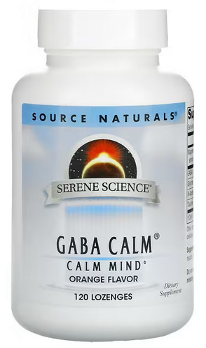
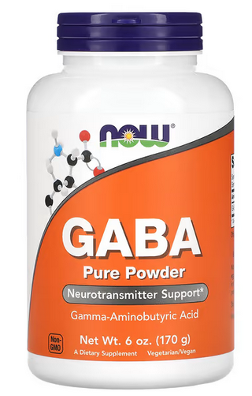
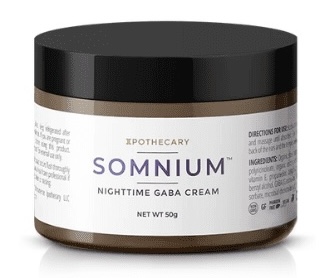
The authors had the study participants use 500 mg GABA, swallowed. As I mentioned above, using a lower dose sublingually may be as effective or possibly even more effective. Also, dosing of GABA (and other amino acids) is individualized to the unique needs of the person.
One product I use and recommend is Source Naturals GABA Calm lozenges. It’s a good low dose of 125 mg and is convenient and effective because it’s a sublingual lozenge.
Now GABA Powder is another product I use and recommend. It does need to be measured out to provide a 125 mg typical starting dose. I have clients use a handy mini measuring spoon like this one (my Amazon link) and share more about how to measure out GABA powder on this blog).
For Source Naturals GABA Calm lozenges and Now GABA Powder:
- You can purchase these from my online store (Fullscript – only available to US customers – use this link to set up an account).
- If you’re not in the US, you can purchase these at iherb (use this link to save 5%).
Somnium GABA Cream is another option that could be considered especially for children and those with special needs. It is available in the US and elsewhere with international shipping. Read more about the product and who else may benefit from using a cream, and grab my coupon code to save 15%.
Additional resources when you are new to using GABA and other amino acids as supplements
As always, I use the symptoms questionnaire to figure out if low low GABA or other neurotransmitter imbalances may be an issue.
If you suspect low levels of any of the neurotransmitters and do not yet have my book, The Antianxiety Food Solution – How the Foods You Eat Can Help You Calm Your Anxious Mind, Improve Your Mood, and End Cravings, I highly recommend getting it and reading it before jumping in and using amino acids on your own so you are knowledgeable. And be sure to share it with the practitioner/health team you or your loved one is working with.
There is an entire chapter on the amino acids and they are discussed throughout the book in the sections on gut health, gluten, blood sugar control (this is covered in an entire chapter too), sugar cravings, anxiety and mood issues.
The book doesn’t include product names (per the publisher’s request) so this blog, The Antianxiety Food Solution Amino Acid and Pyroluria Supplements, lists the amino acids that I use with my individual clients and those in my group programs.
If, after reading this blog and my book, you don’t feel comfortable figuring things out on your own (i.e. doing the symptoms questionnaire and respective amino acids trials), a good place to get help is the GABA QuickStart Program (if you have low GABA symptoms). This is a paid online/virtual group program where you get my guidance and community support.
If you are a practitioner, join us in The Balancing Neurotransmitters: the Fundamentals program. This is also a paid online/virtual program with an opportunity to interact with me and other practitioners who are also using the amino acids.
Wrapping up and your feedback
I’d love to hear from you – does any of this resonate with you? Do you feel increasingly anxious before surgery and other medical procedures and is GABA and/or theanine part of your calming repertoire?
And have either helped you when experiencing a laryngospasm?
Have you ever discussed either of these two amino acids with your surgeon or anesthetist prior to surgery and were they open?
If you’re a practitioner do you recommend GABA and theanine to your anxious clients/patients and as a surgeon or anesthetist would you consider these amino acids in the future (especially in patients more prone to laryngospasm)?
Feel free to share and ask your questions below.