• Skip to primary navigation
  • Skip to main content
  • Skip to primary sidebar

everywomanover29 blog

Food, Mood and Women's Health – Be your healthiest, look and feel great!

  • Blog
  • About
  • Services
  • Store
  • Resources
  • Testimonials
  • The Book
  • Contact
  • Search this site

heart-ache

DLPA vs DPA for pain, food cravings, depression, grief, lack of joy; and impacts of DLPA on sleep, and feeling more stressed/anxious

April 5, 2024 By Trudy Scott Leave a Comment

dlpa vs dpa

A very common question I get is from folks asking about the difference between the amino acids DPA (d-phenylalanine) and DLPA (dl-phenylalanine) for endorphin support and endorphin/dopamine support. I dedicate an entire blog to this question explaining the differences and which one I use for weepiness, heart-ache, pain and energy. I also discuss where tyrosine (for dopamine support) fits in. If you missed that or need a recap you can read about this on the blog.

The blog post generated some great questions that I’m sharing today, with my feedback, in case you have similar questions. I discuss a question about DLPA vs DPA for pain and impacts on sleep; a question about DLPA (used by mistake) raising already high dopamine levels and why DPA isn’t working any more for food cravings; a question about using DPA with GABA; and a question about DPA for depression and lack of joy caused by grief.

Here is the question from Gloria who shared this feedback about her use of DLPA (as part of a pain relief product) but says she can’t use it past noon. She also wants to know more about DPA for pain relief:

My experience with DLPA is as part of a supplement called Curamin for pain relief from arthritis that also has curcumin and boswellia. It works quite well in the AM but I can’t tolerate it past noon or it negatively affects my sleep.

Interesting to learn it is similar to tyrosine which I have had sleep problems with in the past.

Does DPA work as well for pain? Is it best to take amino acids on an empty stomach for best absorption? Does that mean an hour before a meal or two hours after? Thank you for your blogs and book!

It’s great that this combination product offers pain relief and it’s good that she has made the connection to poor sleep when it’s used after noon. This is a popular product that I would like to see include the possible impacts on sleep and the other precautions for DLPA . It is a proprietary formulation so you don’t actually know how much DLPA you’re getting. I really don’t like not knowing.

One other concern is that curcumin is high-oxalate and for some this can make pain worse. Otherwise, curcumin and boswellia are excellent for pain relief and reducing inflammation.

DPA is more effective for pain than DLPA because it offers a bigger endorphin boost. If oxalates are not an issue, one option could be to continue with the Curamin before noon and if needed, add standalone DPA in the afternoon and evening, for added pain relief.

Amino acids are more effective on an empty stomach and even more effective when opened on to the tongue. I share more about opening DPA onto the tongue in this blog.

DLPA (used by mistake) raised already high dopamine levels and why isn’t DPA working any more for food cravings?

Rhonda shared how she found out the difference between DPA and DLPA the hard way and wants to go back to DPA:

I certainly found out the difference the hard way. I had used Lidtke Endorphigen for a few years and I think it helped a bit with food cravings. As I am in Australia, I depend on my sister’s visits from US for my supply. When I ran out last year, I bought DLPA by mistake.

After 1 week I was unable to cope with life, totally stressed out about everything, wanting to cry or scream or run away. Zero tolerance towards anyone. After 10 days I realized my mistake and I went back to normal in 24 hrs.

I believe DLPA resulted in very high dopamine as I already have a very slow COMT gene activity for breaking down dopamine.

I now take Endorphigen again but not seeing much effect on sugar cravings this time.

That is quite the reaction she experienced but I’m glad she figured it out so quickly. It’s not uncommon for some folks to react to DLPA like this, feeling more stressed and even anxious. High dopamine, and norepinephrine and epinephrine (so a huge adrenalin rush), related to slow COMT activity could well be the cause.

When Endorphigen (or any of the amino acids) work well initially we continue with trials of higher doses to find the ideal dose. It may also be that a reset is needed after the shift in dopamine.

Rhonda did say she thinks Endorphigen “helped a bit with food cravings.” When it only helps a bit it may be that the dose isn’t high enough or we may need to consider other neurotransmitter imbalances. They can all cause cravings for slightly different reasons: GABA/stress, serotonin/worry or low mood, glutamine/low blood sugar. More on that and the respective amino acids here.

Can GABA be used with DPA?

Ray asks: “Can I use GABA 25mg and also take DPA? Would either/or offset the other?”

My feedback: If someone has low GABA symptoms and GABA helps and they also have low endorphin symptoms and DPA helps then they are absolutely fine to use together and even at the same time. However, I have my clients trial one at a time in order to find the ideal dose and so you know how each one is working

What can I use for my depression and lack of joy, caused by grief?

Vee says she needs something “to get through my grief depression”:

Completely flat, no joy. I always had a calm flat disposition, but now it’s a complete zero. I need my brain to produce some oxytocin so I can like myself, my family and remember all I should be grateful for. I sleep good. I don’t take any meds, and I don’t abuse alcohol. Does tyrosine affect the brain in the way of producing oxytocin?

My feedback: I use DPA/Lidtke Endorphigen for this very purpose. It’s wonderful for grief, depression, lack of joy and the weepiness we see with low endorphins. It also helps with emotional eating that can show up as we try to self-medicate with treats in order to try and feel better.

When the depression also includes being flat, blah and curl-up in bed we use DLPA instead of DPA, or a combination of DPLA/DPA or tyrosine/DPA. Trials of each, one by one, helps you figure out what works best for your unique needs.

And for some folks GABA is helpful as shared by this woman who found GABA allowed her to sit with a feeling of peace and calm most of the time after her mum passed away.

Research does shows a link between dopamine and oxytocin, with oxytocin “emerging as one particular neural substrate that may be influenced by the altered dopamine levels.” Also, for oxytocin support I’d focus on hugs, massage, touch, laughter, making love, yoga, and petting a dog or cat.

DPA and DLPA product options
lidke endorphigen
pure dlp

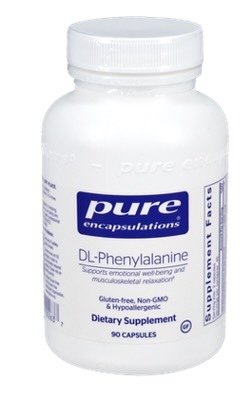
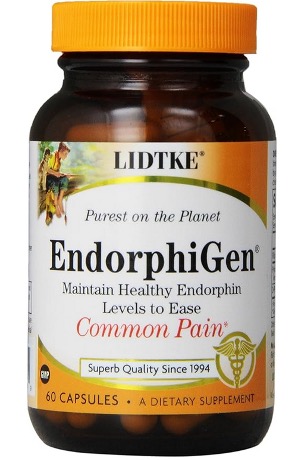
Products I recommend include Lidtke EndorphiGen (which is DPA) and Pure Encapsulations DL-Phenylalanine (DLPA).  You can purchase these from my online store (Fullscript – only available to US customers – use this link to set up an account).
dr's best dpa
life dlp

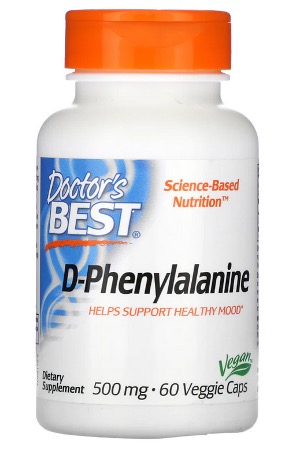
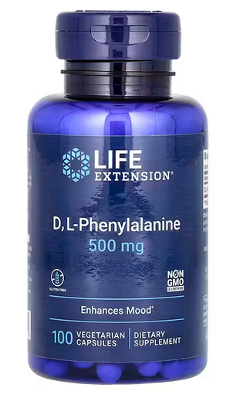
If you’re not in the US, these products are available via iherb: Doctor’s Best D-Phenylalanine (or DPA) and Life Extension D, L-Phenylalanine (or DLPA) (use this link to save 5%).

Additional resources when you are new to using DPA and DLPA, and other amino acids as supplements

As always, I use the symptoms questionnaire to figure out if low endorphins or low dopamine or other neurotransmitter imbalances may be an issue for you.

If you suspect low levels of any of the neurotransmitters and do not yet have my book, The Antianxiety Food Solution – How the Foods You Eat Can Help You Calm Your Anxious Mind, Improve Your Mood, and End Cravings, I highly recommend getting it and reading it before jumping in and using amino acids on your own so you are knowledgeable. And be sure to share it with the practitioner/health team you or your loved one is working with.

There is an entire chapter on the amino acids and they are discussed throughout the book in the sections on gut health, gluten, blood sugar control (this is covered in an entire chapter too), sugar cravings, anxiety and mood issues.

The book doesn’t include product names (per the publisher’s request) so this blog, The Antianxiety Food Solution Amino Acid and Pyroluria Supplements, lists the amino acids that I use with my individual clients and those in my group programs (over and above the few I mentioned above).

If, after reading this blog and my book, you don’t feel comfortable figuring things out on your own (i.e. doing the symptoms questionnaire and respective amino acids trials), a good place to get help is the GABA QuickStart Program (if you have low GABA symptoms too). This is a paid online/virtual group program where you get my guidance and community support.

If you are a practitioner, join us in The Balancing Neurotransmitters: the Fundamentals program. This is also a paid online/virtual program with an opportunity to interact with me and other practitioners who are also using the amino acids.

Wrapping up and your feedback

I do always appreciate questions and feedback like this so keep your questions coming. I do hope my sharing these ones have been helpful to you.

How has DPA or DLPA helped your pain, depression, lack of joy, weepiness, and grief? And has DLPA affected your sleep or made you feel more anxious or stressed?

If yes, which products have helped and do you find swallowed or capsule opened is more effective?

If you’re a practitioner do you use DPA and/or DLPA with clients/patients?

And please let me know if it’s helpful that I’m now including product recommendations and where to get them?

Feel free to share and ask your questions below.
Filed Under: Anxiety and panic, Depression, DPA/DLPA, Endorphins, Insomnia, Pain Tagged With: amino acids, anxiety, anxious, cravings, d-phenylalanine, depression, dl-phenylalanine, DLPA, dopamine, DPA, endorphin, energy, GABA Quickstart; Balancing Neurotransmitters: the Fundamentals program for practitioners, grief, heart-ache, insomnia, lack of joy, neurotransmitters, pain, sleep, stressed, tyrosine, weepiness

What is the difference between DPA and DLPA (amino acids) and which one do I use for weepiness, heart-ache, pain and energy?

March 11, 2022 By Trudy Scott 75 Comments

dpa and dlpa

Today we address a very common question I get: “What is the difference between DPA and DLPA?” The follow-up question is this: “And what symptoms do they help with?” These are both amino acids that help to boost certain feel-good neurotransmitters. DPA (d-phenylalanine) supports endorphins, whereas DLPA (dl-phenylalanine) supports both endorphins (to a lesser extent than DPA) and catecholamines (to a lesser extent than tyrosine).

Depending on your imbalances and symptoms, they could help with weepiness, heart-ache, comfort eating, emotional support, pain relief, better focus and energy, and even improved motivation.  

I mostly recommend DPA (which I call a-hug-in-a-bottle) and share the reasons why below, but some people do really well with DLPA. It’s a matter of figuring out the best one and dose for your unique needs.

DPA for low endorphin symptoms

DPA (d-phenylalanine) is an amino acid that destroys the enzyme that breaks down endorphins. Endorphins are feel-good chemicals that you experience with an endorphin rush when you go for a run or when someone gives you a big hug, when you show kindness to someone or an individual does something nice for you.

Taking the amino acid, DPA, as a supplement helps to raise your endorphins and helps when you feel weepy and overly emotional and reduces the need to self-medicate with treats as a reward or for comfort.

This amino acid is a favorite with so many of my clients and community because it makes them feel so lovely … a warm and fuzzy feeling. I often call it a-hug-in-a-bottle!

Here are the low endorphin symptoms I have my clients rate if they are considering a trial of DPA:

  • Heightened sensitivity to emotional pain
  • Heightened sensitivity to physical pain
  • Crying or tearing up easily
  • Eating to soothe your mood, or comfort eating
  • Really, really loving certain foods, behaviors, drugs, or alcohol
  • Craving a reward or numbing treat

Tyrosine for low catecholamine symptoms

Tyrosine is the amino acid that boosts catecholamines and helps with focus, motivation, energy (especially when you crave carbs for energy) and the blah kind of depression. It’s wonderful for helping you easily quit coffee/caffeine (when you are using it to “self-medicate” due to low catecholamines). It also provides support for the thyroid.

Here are the low catecholamine symptoms I have my clients rate if they are considering a trial of the amino acid tyrosine:

  • Depression and apathy
  • Easily bored
  • Lack of energy
  • Lack of focus
  • Lack of drive and low motivation
  • Attention deficit disorder
  • Procrastination and indecisiveness
  • Craving carbs, alcohol, caffeine, or drugs for energy

DLPA for both low endorphin and low catecholamine symptoms

If someone has both low endorphin and low catecholamine symptoms, a trial of DLPA could be considered.  DLPA supports both endorphins (to a lesser extent than DPA alone) and also catecholamines (to a lesser extent than tyrosine used alone). You could think of it as doing half and half of each.

Low endorphin symptoms:

  • Heightened sensitivity to emotional pain
  • Heightened sensitivity to physical pain
  • Crying or tearing up easily
  • Eating to soothe your mood, or comfort eating
  • Really, really loving certain foods, behaviors, drugs, or alcohol
  • Craving a reward or numbing treat

And low catecholamine symptoms:

  • Depression and apathy
  • Easily bored
  • Lack of energy
  • Lack of focus
  • Lack of drive and low motivation
  • Attention deficit disorder
  • Procrastination and indecisiveness
  • Craving carbs, alcohol, caffeine, or drugs for energy

Why I prefer my clients use DPA and tyrosine, rather than DLPA

Many people do well with DLPA (you can read one example below) but over the years I have streamlined my amino acid recommendations and seldom suggest DLPA. Here are the reasons why I prefer DPA:

  • DPA is not stimulating and doesn’t affect sleep. However, DLPA can be stimulating for anxious folks (and the majority of my clients have anxiety). For this reason, DLPA can not be used later than 3pm as it can affect sleep and for some folks with really bad sleep issues it can’t be tolerated later than mid-morning (in a similar way to tyrosine).
  • I like to have clients use DPA alone so we can clearly identify the benefits they are experiencing for their low endorphin symptoms and then use tyrosine alone so we can clearly identify their low catecholamine benefits.
  • There are no precautions or contraindications with DPA. However, DLPA has the same precautions as tyrosine. This limits using it for endorphin support. These are the precautions:
    • Overactive thyroid/Grave’s disease: tyrosine, DLPA (avoid)
    • Phenylketonuria (PKU): tyrosine, DLPA (avoid)
    • Melanoma: tyrosine, DLPA (avoid)
    • High Blood pressure: tyrosine, DLPA (watch)
    • Migraine headaches: tyrosine, DLPA (watch)
    • Bipolar disorder: tyrosine, DLPA, glutamine (watch)
  • The women I work with who do have low endorphin symptoms have reported superior benefits from DPA compared to DLPA, especially for emotional pain and emotional eating.
  • Some folks can’t tolerate tyrosine and these same folks have a hard time with DLPA.

The one disadvantage with DPA is that it’s not as widely and readily available as DLPA. It often needs to be purchased online (I list some brands below).

Here is some feedback from folks to give you an idea how these amino acids have helped them.

As you’ll see, there are some individuals who do well with DLPA so it’s really a matter of looking at the symptoms and doing a trial.

DPA helps Missy with weepiness and a deep heart-ache (and tastes like dark chocolate)

Missy shares how DPA helped her deep heart-ache sort of feeling:

I have found I was using this product incorrectly. If you are feeling fine, you do not feel much of anything from it. But today I was weepy and felt that deep, heart-ache sort of feeling. I chewed 1000 mgs (2 capsules) and it DID help lift that awful feeling within 15 minutes.

Notice that she said if you’re feeling fine you don’t feel much at all. This is true of all the amino acids – they only make a difference when you need them.

Missy said that she chewed the capsule, however around 2019, the gelatin capsule was replaced with a cellulose capsule. It’s much more palatable when it’s opened up into the mouth. I blog more about opening the capsule here.

She also reported what about half my clients say:

Tastes like slightly bitter dark chocolate 🙂

The remainder of my clients don’t like the taste at all, although many say the taste grows on them. I’ve always been in the dark chocolate camp and find it quite pleasant tasting.

DLPA helps Toby with energy and pain relief (he has CFS and fibromyalgia)

Toby has a diagnosis of CFS (chronic fatigue syndrome) and fibromyalgia and shared how DLPA helps him:

I’ve played around with (I think) all variations of these aminos and have found unequivocally (in the sense of definite and fast observable changes as opposed to none) that DLPA is the one that works for me. I have wondered what that means. I am male, 45, diagnosed with CFS and fibromyalgia and have speculated that in lay terms the DLPA gives me a bit of energy and pain relief (endorphins). Is that a logical conclusion?

He posted an image of the DLPA product he used and said this:

After putting it on my tongue, very quickly I get an agreeable boost in energy and pain relief. I have not experienced this with DPA or tyrosine.

Based on what I’ve covered above with the symptoms you can see that Toby has made a very logical conclusion. He is getting both endorphin support (the pain relief) and catecholamine support (the energy).

Resources if you are new to using DPA or DLPA as supplements

If you are new to using the amino acids DPA or DLPA as supplements, here is the Amino Acids Mood Questionnaire from The Antianxiety Food Solution (you can see the low endorphin and low catecholamine symptoms.)

If you suspect low levels of endorphins and/or low levels of catecholamine and do not yet have my book, The Antianxiety Food Solution – How the Foods You Eat Can Help You Calm Your Anxious Mind, Improve Your Mood, and End Cravings, I highly recommend getting it and reading it before jumping in and using amino acids on your own so you are knowledgeable. And be sure to share it with the team you or your loved one is working with. Blog posts like this are intended to add value to the chapter on amino acids, which contains detailed information on doses and time of the day for dosing.

The book doesn’t include product names (per the publisher’s request) so this blog, The Antianxiety Food Solution Amino Acid and Pyroluria Supplements, lists the DPA and DLPA products that I use with my individual clients and those in my group programs.

For DPA I have used the Lidtke Endorphigen product for years and it’s a firm favorite with my clients (and I’ve used it myself).

I recently purchased  a bottle of Doctor’s Best D-Phenylalanine to test and it works just as well as the Lidtke product.

If you are a practitioner, join us in The Balancing Neurotransmitters: the Fundamentals program. It’s an opportunity to interact with me and other practitioners who are also using the amino acids.

Do you have any of the low endorphin and/or low catecholamine symptoms and have you seen benefit with DPA, DLPA and/or tyrosine?  If yes, please share what benefits.

Has this blog provided clarification on DPA vs DLPA, and will you be changing how you use these amino acids going forward?

If you’re a practitioner please share what you use with clients/patients.

Feel free to ask your questions here too.

Filed Under: Amino Acids, Emotional Eating, Pain, Women's health Tagged With: amino acids, anxiety, anxious, catecholamines, cfs, comfort eating, d-phenylalanine, Dark chocolate, dl-phenylalanine, DLPA, DPA, emotional support, endorphins, energy, Fibromyalgia, focus, heart-ache, hug, insomnia, motivation, neurotransmitters, pain, symptoms, tyrosine, weepiness, What is the difference between DPA and DLPA

How best to use the amino acid DPA for easing heart-ache, weepiness, comfort eating and a compulsive desire for food

May 17, 2019 By Trudy Scott 36 Comments

amino acid dpa

DPA (d-phenylalanine) is an amino acid that destroys the enzyme that breaks down endorphins. Endorphins are feel-good chemicals that you experience with an endorphin rush when you go for a run or when someone gives you a big hug, when you show kindness to someone or an individual does something nice for you.

Taking the amino acid, DPA, as a supplement helps to raise your endorphins and helps when you feel weepy and overly emotional AND reduces the need to self-medicate with treats as a reward or for comfort. This amino acid is a favorite with so many of my clients and community because it makes them feel so lovely.

My recommendation has always been to chew the DPA capsule for the best effects and to get results quickly (in 2-5 minutes) but I’ve now changed my recommendation. Instead of chewing the whole capsule I now recommend opening the capsule into your mouth.

New DPA recommendation – open the capsule instead of chewing it

I’ve updated the Antianxiety Food Solution Amino Acid and Pyroluria Supplements blog as follows:

I used to recommend simply chewing the capsule to get the quickest and best effects and this worked well when it was produced in a gelatin capsule. Now it’s made with a cellulose capsule and chewing doesn’t work at all well, so opening the capsule (or just biting off the top) and tipping the powder into your mouth works best.

When it was in a gelatin capsule, the warmth of the mouth dissolved the gelatin and you could eat the capsule together with the DPA. With the cellulose capsule, chewing it leas to much of the DPA getting partially stuck in the chewed capsule, which is not very pleasant to chew and swallow. The DPA is simply much more palatable and effective when it’s opened up into the mouth, rather than chewed. There is one caveat – the taste of the DPA itself – but if you’ve been chewing it you’ll be fine opening the capsule going forward.

EndorphiGen

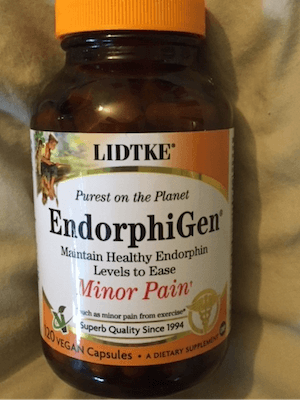
My favorite DPA product is Lidtke Endorphigen. It contains 500mg and a tiny amount of vitamin B2 and vitamin B6.

You’ll notice the bottle says: “Maintain healthy endorphin levels to ease minor pain.” Physical pain relief is one of the side-benefits of DPA, but you could easily replace this statement.

Results for weepiness and a deep heart-ache, and the taste of DPA

Missy shares how DPA helps her deep heart-ache sort of feeling:

I have found I was using this product incorrectly. If you are feeling fine, you do not feel much of anything from it. But today I was weepy and felt that deep, heart-ache sort of feeling. I chewed 1000 mgs (2 capsules) and it DID help lift that awful feeling within 15 minutes.

Notice that she said if you’re feeling fine you don’t feel much at all. This is true of all the amino acids – they only make a difference when you need them.

Missy chewed the capsule but with the new cellulose capsule it’s much more palatable when it’s opened up into the mouth. She also reported what about half my clients say:

Tastes like slightly bitter dark chocolate. 🙂

The remainder of my clients don’t like the taste at all, although many say the taste grows on them. I’ve always been in the dark chocolate camp and find it quite pleasant tasting.

If you have a really hard time with the taste of the DPA, you can mix it with a small amount of GABA powder (assuming low GABA is also an issue) or inositol powder (if low serotonin and obsessions and ruminations are also an issue) as both of these are naturally quite sweet.

Results for a compulsive desire for food

Nanner finds that opening a capsule into her mouth gets rid of the compulsive desire for food:

It really helps! Whenever I notice I am opening cupboards when I cannot possibly be really hungry, I open one capsule and pour it into my mouth, let it dissolve. I like the taste! The compulsive desire for food goes away, and I am able to re-focus my attention and get on with my day. Amazing! Now, I just need to form a new habit and remember to DO IT!!! Lol

Take note how quickly this works for her. She is actually opening cupboards and on the prowl for a treat or reward, recognizes this and has some DPA and viola, she no longer needs the sweet comfort she was seeking. In an ideal world she would be taking DPA a few times a day until she has good levels of endorphins. In this instance there would be no cupboard prowling. But as you can see, it can be used on-demand with excellent results.

DPA, glutamine, GABA, tryptophan (or 5-HTP) and tyrosine are ALL powerful for eliminating sugar cravings – is it low endorphins?

The individual amino acids DPA, glutamine, GABA, tryptophan (or 5-HTP) and tyrosine are ALL powerful for eliminating sugar cravings, often within 5 minutes. It seems that this wonderful benefit – over and above the anxiety-reducing and mood-boosting benefits – is often overlooked or poorly understood.

If you’re not certain if your cravings are comfort/reward cravings the best way to figure it which neurotransmitter deficiency is affecting your sugar cravings is to do the amino acid mood questionnaire and also review the list on this blog for further clarification: The individual amino acids glutamine, GABA, tryptophan (or 5-HTP), DPA and tyrosine are powerful for eliminating sugar cravings, often within 5 minutes

The big clue with low endorphins is that you may also feel weepy, overly emotional and sometimes experience physical pain. The emotional connection to the treat – be it chocolate or ice-cream or cookies – feels very real and very strong too and you can’t imagine having to give up this treat you clearly deserve.

Resources for you related to this blog

Here is one paper, which discusses how DPA inhibits or breaks down enkephalins (endorphins are closely related compounds) and as a result helps with depression and pain, and acts as an anti-inflammatory.  This paper, discusses beta-endorphins and the reward mechanism and how they can induce euphoria, reduce pain and ease addictions and distress. Despite that fact that this is discussed in the context of drugs and alcohol, more and more research is showing parallels between drug and food cravings.

Here is the amino acid questionnaire

You can find the DPA and other amino acid products I use with my clients here.

As always, thanks for sharing your feedback and questions on my facebook page and in all the blog comments. It allows me to write blogs like this and share your own feedback and experiences.

I have to say that I agree with Sandra’s sentiments and so do most of my clients:

Honestly I think the whole world needs this!

Do let us know if DPA has helped you with reducing weepiness, comfort/reward eating?

Has it also helped with easing physical pain too?

And have you noticed DPA works best when opened up onto your tongue? And are you in the dark chocolate camp and find it quite pleasant tasting?

Filed Under: Amino Acids Tagged With: comfort, compulsive desire for food, d-phenylalanine, DPA, emotional pain, endorphins, heart-ache, pain, reward, weepiness

Primary Sidebar

NEW! GABA QuickStart Homestudy (with special intro pricing)

gaba quickstart homestudy

Free Report

9 Great Questions Women Ask about Food, Mood and their Health

You'll also receive a complimentary subscription to my ezine "Food, Mood and Gal Stuff"


Connect with me

Popular Posts

  • Amino Acids Mood Questionnaire from The Antianxiety Food Solution
  • The Antianxiety Food Solution Amino Acid and Pyroluria Supplements
  • Pyroluria Questionnaire from The Antianxiety Food Solution
  • Collagen and gelatin lower serotonin: does this increase your anxiety and depression?
  • Tryptophan for the worry-in-your-head and ruminating type of anxiety
  • GABA for the physical-tension and stiff-and-tense-muscles type of anxiety
  • The Antianxiety Food Solution by Trudy Scott
  • Seriphos Original Formula is back: the best product for anxiety and insomnia caused by high cortisol
  • Am I an anxious introvert because of low zinc and vitamin B6? My response to Huffington Post blog
  • Vagus nerve rehab with GABA, breathing, humming, gargling and key nutrients

Recent Posts

  • What do I use instead of Seriphos to help lower high cortisol that is affecting my sleep and making me anxious at night?
  • BeSerene™ GABA/theanine cream eases severe muscle tension in her neck/shoulders, prevents her bad headaches and quells her anxiety
  • How the correct approach, dose and sublingual use of GABA can be calming and not cause a flushed and itchy face and neck
  • The amino acid glutamine improves low mood by addressing gut health, and it has calming effects too
  • Flight anxiety with heightened breath, physical tension and also fearing the worst (the role of low GABA and low serotonin)

Categories

  • 5-HTP
  • AB575
  • Addiction
  • ADHD
  • Adrenals
  • Alcohol
  • Allergies
  • Alzheimer's disease
  • Amino Acids
  • Anger
  • Antianxiety
  • Antianxiety Food Solution
  • Antidepressants
  • Anxiety
  • Anxiety and panic
  • Autism
  • Autoimmunity
  • benzodiazapines
  • Bipolar disorder
  • Books
  • Caffeine
  • Cancer
  • Candida
  • Children/Teens
  • Collagen
  • Cooking equipment
  • Coronavirus/COVID-19
  • Cravings
  • Depression
  • Detoxification
  • Diabetes
  • Diet
  • DPA/DLPA
  • Drugs
  • EFT/Tapping
  • EMF
  • EMFs
  • Emotional Eating
  • Endorphins
  • Environment
  • Essential oils
  • Events
  • Exercise
  • Fear
  • Fear of public speaking
  • Fertility and Pregnancy
  • Fish
  • Food
  • Food and mood
  • Functional neurology
  • GABA
  • Gene polymorphisms
  • General Health
  • Giving
  • Giving back
  • Glutamine
  • Gluten
  • GMOs
  • Gratitude
  • Gut health
  • Heart health/hypertension
  • Histamine
  • Hormone
  • Hyperparathyroidism
  • Hypoglycemia
  • Immune system
  • Inflammation
  • Insomnia
  • Inspiration
  • Introversion
  • Joy and happiness
  • Ketogenic diet
  • Lithium orotate
  • Looking awesome
  • Lyme disease and co-infections
  • MCAS/histamine
  • Medication
  • Men's health
  • Mental health
  • Mercury
  • Migraine
  • Mold
  • Movie
  • MTHFR
  • Multiple sclerosis
  • Music
  • NANP
  • Nature
  • Nutritional Psychiatry
  • OCD
  • Osteoporosis
  • Oxalates
  • Oxytocin
  • Pain
  • Paleo
  • Parasites
  • Parkinson’s disease
  • PCOS
  • People
  • PMS
  • Postpartum
  • PTSD/Trauma
  • Pyroluria
  • Questionnaires
  • Real whole food
  • Recipes
  • Research
  • Schizophrenia
  • serotonin
  • SIBO
  • Sleep
  • Special diets
  • Sports nutrition
  • Stress
  • Sugar addiction
  • Sugar and mood
  • Supplements
  • Teens
  • Testimonials
  • Testing
  • The Anxiety Summit
  • The Anxiety Summit 2
  • The Anxiety Summit 3
  • The Anxiety Summit 4
  • The Anxiety Summit 5
  • The Anxiety Summit 6
  • Thyroid
  • Thyroid health
  • Toxins
  • Tryptophan
  • Tyrosine
  • Uncategorized
  • Vegan/vegetarian
  • Women's health
  • Yoga

Archives

  • October 2025
  • September 2025
  • August 2025
  • July 2025
  • June 2025
  • May 2025
  • April 2025
  • March 2025
  • February 2025
  • January 2025
  • November 2024
  • October 2024
  • September 2024
  • August 2024
  • July 2024
  • June 2024
  • May 2024
  • April 2024
  • March 2024
  • February 2024
  • January 2024
  • December 2023
  • November 2023
  • October 2023
  • September 2023
  • August 2023
  • July 2023
  • June 2023
  • May 2023
  • April 2023
  • March 2023
  • February 2023
  • January 2023
  • December 2022
  • November 2022
  • October 2022
  • September 2022
  • August 2022
  • July 2022
  • June 2022
  • May 2022
  • April 2022
  • March 2022
  • February 2022
  • January 2022
  • December 2021
  • November 2021
  • October 2021
  • September 2021
  • August 2021
  • July 2021
  • June 2021
  • May 2021
  • April 2021
  • March 2021
  • February 2021
  • January 2021
  • December 2020
  • November 2020
  • October 2020
  • September 2020
  • August 2020
  • July 2020
  • June 2020
  • May 2020
  • April 2020
  • March 2020
  • February 2020
  • January 2020
  • December 2019
  • November 2019
  • October 2019
  • September 2019
  • August 2019
  • July 2019
  • June 2019
  • May 2019
  • April 2019
  • March 2019
  • February 2019
  • January 2019
  • December 2018
  • November 2018
  • October 2018
  • September 2018
  • August 2018
  • July 2018
  • June 2018
  • May 2018
  • April 2018
  • March 2018
  • February 2018
  • January 2018
  • December 2017
  • November 2017
  • October 2017
  • September 2017
  • August 2017
  • July 2017
  • June 2017
  • May 2017
  • April 2017
  • March 2017
  • February 2017
  • January 2017
  • December 2016
  • November 2016
  • October 2016
  • September 2016
  • August 2016
  • July 2016
  • June 2016
  • May 2016
  • April 2016
  • March 2016
  • February 2016
  • January 2016
  • December 2015
  • November 2015
  • October 2015
  • September 2015
  • August 2015
  • July 2015
  • June 2015
  • May 2015
  • April 2015
  • March 2015
  • February 2015
  • January 2015
  • December 2014
  • November 2014
  • October 2014
  • September 2014
  • August 2014
  • July 2014
  • June 2014
  • May 2014
  • April 2014
  • March 2014
  • February 2014
  • January 2014
  • December 2013
  • November 2013
  • October 2013
  • September 2013
  • August 2013
  • July 2013
  • June 2013
  • May 2013
  • April 2013
  • March 2013
  • February 2013
  • January 2013
  • December 2012
  • November 2012
  • October 2012
  • August 2012
  • July 2012
  • June 2012
  • May 2012
  • April 2012
  • March 2012
  • February 2012
  • January 2012
  • December 2011
  • November 2011
  • October 2011
  • September 2011
  • August 2011
  • July 2011
  • June 2011
  • May 2011
  • April 2011
  • March 2011
  • February 2011
  • January 2011
  • December 2010
  • October 2010
  • September 2010
  • July 2010
  • May 2010
  • April 2010
  • March 2010
  • February 2010
  • January 2010
  • November 2009

Share the knowledge!

The above statements have not been evaluated by the Food and Drug Administration. Products listed in this website are not intended to diagnose, treat, cure or prevent any disease.

The information provided on this site is for informational and educational purposes only and is not intended as a substitute for advice from your physician or other health care professional. You should consult with a healthcare professional before starting or modifying any diet, exercise, or supplementation program, before taking or stopping any medication, or if you have or suspect you may have a health problem.


Copyright © 2026 Trudy Scott. All Rights Reserved. | Privacy | Terms and Conditions | Refund Policy | Medical Disclaimer

Free Report

9 Great Questions Women Ask about Food, Mood and their Health

You’ll also receive a complimentary subscription to my ezine “Food, Mood and Gal Stuff”